Someone I know spent months scrolling portfolios only to realize the real problem was choosing a tribal style that fits their body and will still look good years from now. There are real trade offs to weigh here, from cultural sensitivity to how thick your linework needs to be for darker skin. Below are ten tribal tattoo ideas with practical notes on placement, aging, and what to say in the studio.
1. Polynesian Upper-Arm Band That Moves With Muscle
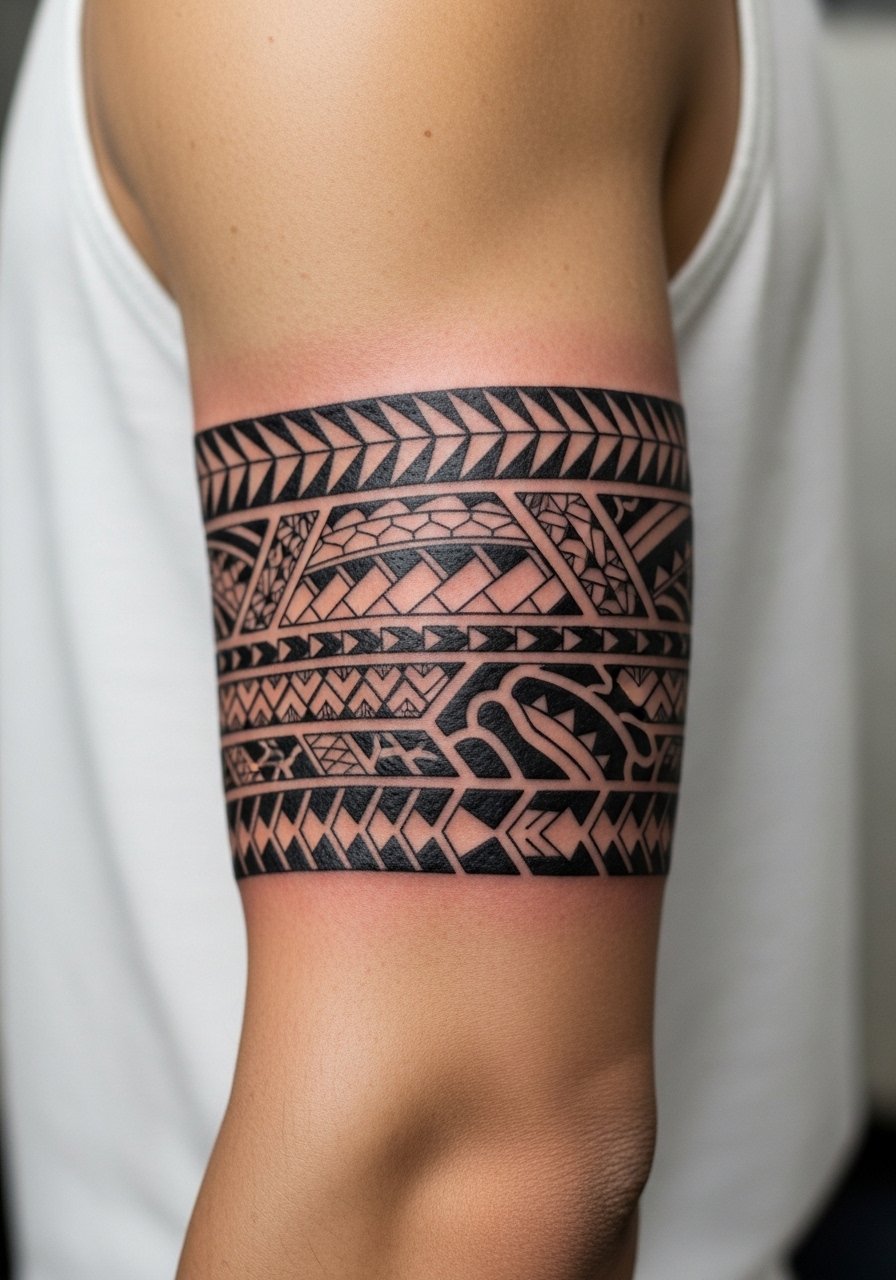
Someone I know first saw this on a gym buddy and picked it because the motifs follow the muscle, not across it. Tell your artist you want pattern flow that reads while the arm is relaxed and while it is flexed, and ask for slightly thicker linework where the skin stretches. A common mistake is packing too many tiny motifs into a narrow band, which blurs after a few years. Expect a one to two hour session for a solid band, moderate pain. Blowout risk is low on the upper arm if the artist spaces motifs and avoids overly thin single-needle lines. Touch-ups are usually one small session at year two or three if edges soften.
2. Full Shoulder-to-Chest Maori Panel with Interlocking Motifs
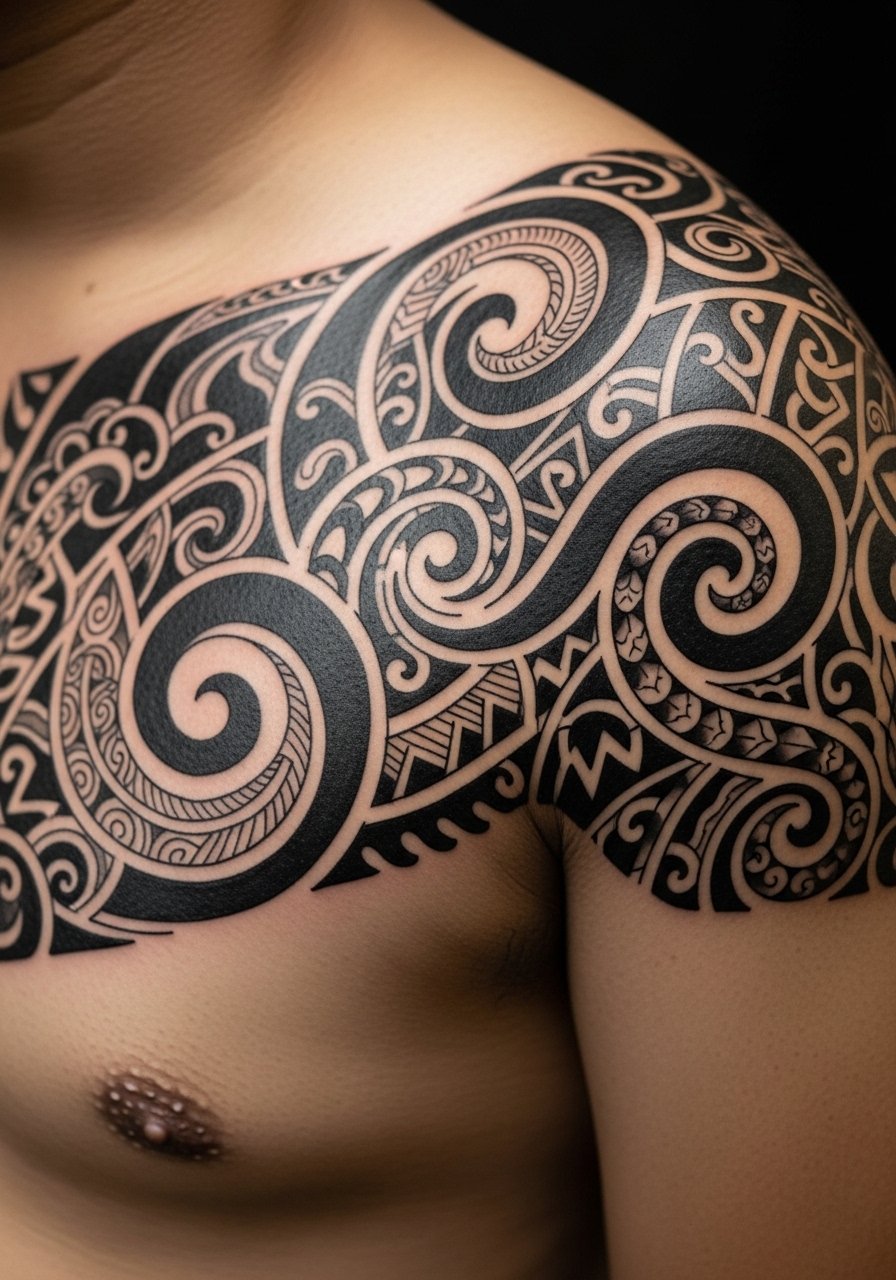
Fair warning: the shoulder-to-chest area moves a lot when you lift your arm, so placement planning matters. Maori work has deep cultural roots. One camp says outsiders should only replicate motifs with direct permission and cultural guidance. The other camp sees contemporary interpretations as part of cultural exchange when done respectfully. If you choose this route, ask for a custom composition that avoids sacred symbols and leans on flow and geometry instead. Sessions can run long with shading and filler work. Pain is moderate around the sternum and higher toward the collarbone. Proper saturation and clean linework help the piece hold up through years of sun exposure.
3. Celtic Knot Forearm Wrap That Ages Predictably
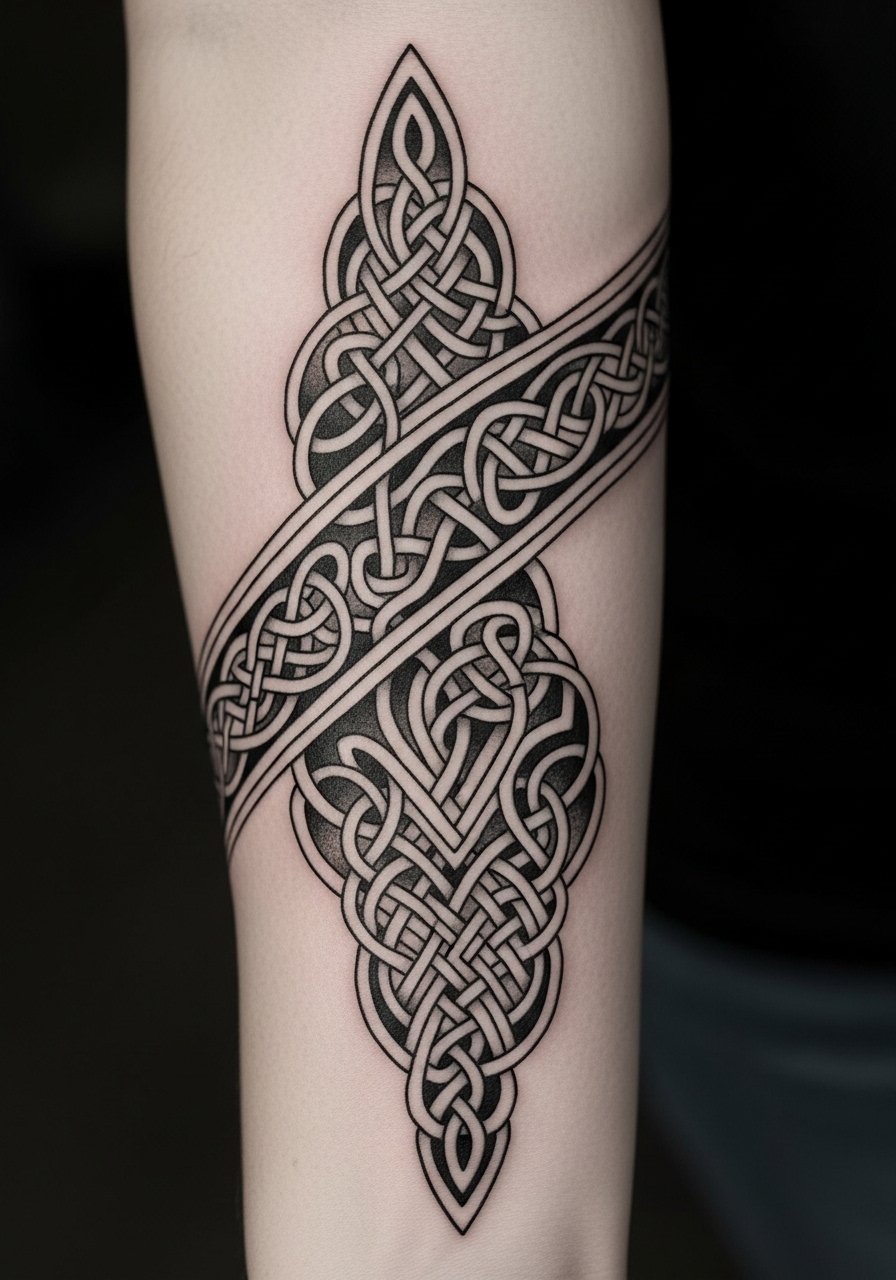
When you want something graphic that still reads small, a forearm knot wrap is reliable. In consultation, show the exact knot scale you like and ask the artist to increase line weight slightly for longevity. The most common mistake is making the lines too tight and narrow. At six months the weave should look crisp. By two to five years you may need a touch-up if edges soften, especially on active forearms. Expect a one to two hour session and low to moderate pain. This is a good pick if you want a piece that grows into a sleeve later.
4. Norse-Inspired Sleeve Panel with Runes and Knotwork
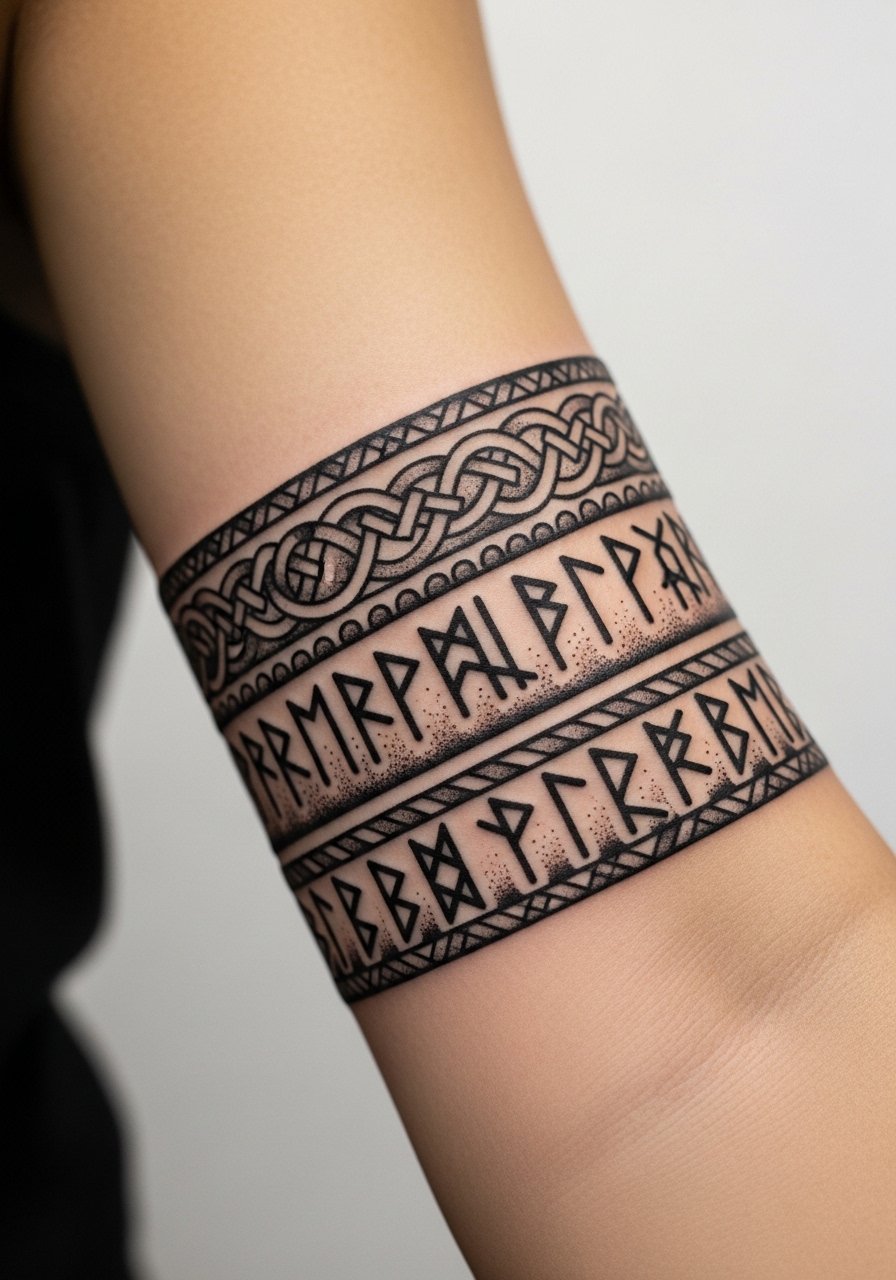
When a sleeve is the goal but you do not want a full commitment, build it as panels that can connect later. Tell your artist you want negative-space separators between motifs. Artists split on runes that are literal and meant as script. One side says literal runes should be used only if you understand the meanings. The other side allows stylized rune motifs as texture only. Expect several sessions for a panel that blends knotwork and stipple shading. Blowout risk increases near the elbow crease so avoid single-needle runs there. Plan a touch-up window around year three for any faded runes.
5. Native-Inspired Geometric Bicep with an Animal Motif
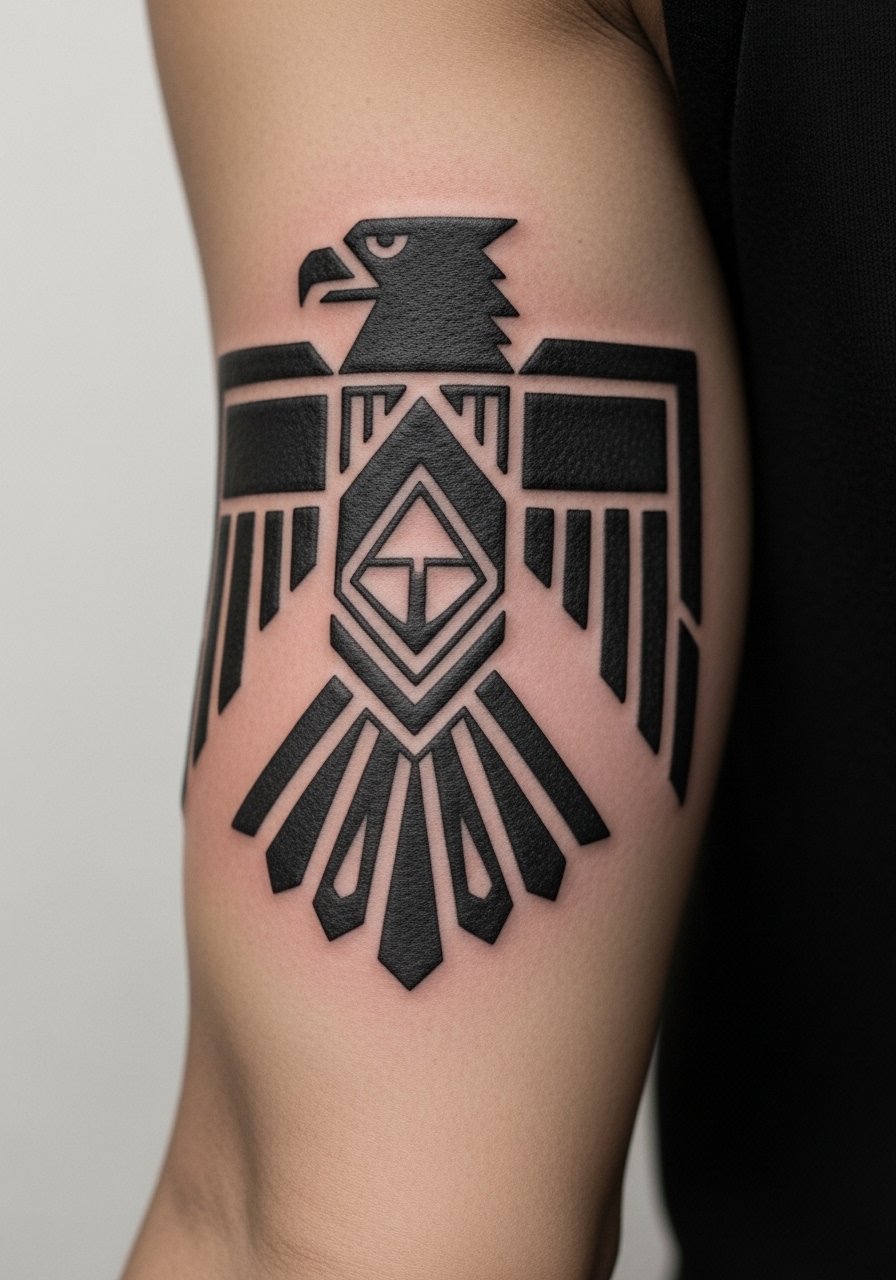
This style works well when you want a single focal animal without a full sleeve. Be explicit with the artist about the animal proportions and about avoiding direct cultural symbols if you are not part of that tradition. There is a clear debate within communities. One group asks people to avoid using sacred or clan-specific imagery without permission. Another group encourages respectful adaption that credits origin and avoids sacred elements. When you book, say you want a stylized animal built from geometric panels and ask how they handle cultural references. Sessions are usually two to three hours for a medium bicep piece. Expect moderate pain and a likely touch-up after a year where edges settle.
6. Blackwork Tribal Tiger Across the Ribcage
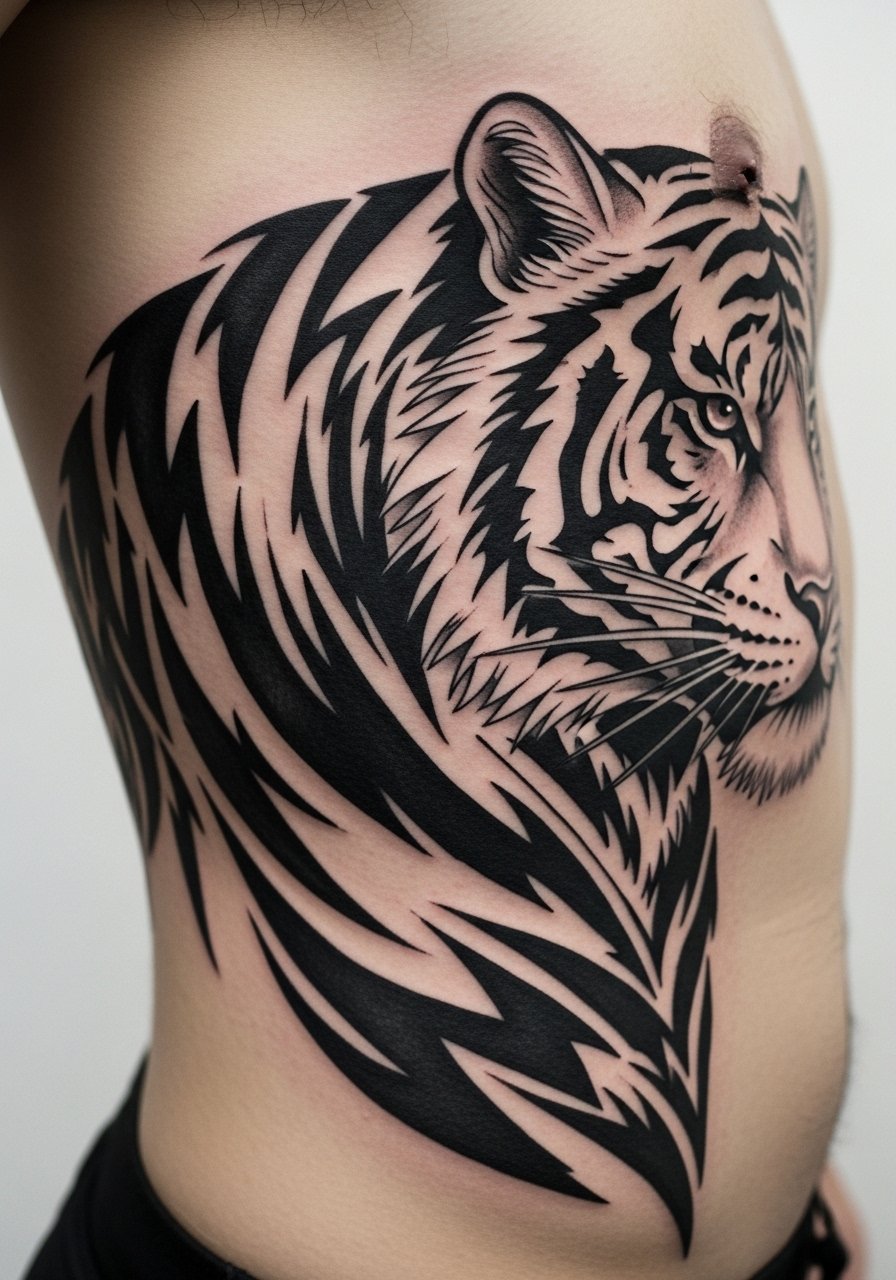
Most watercolor or ultra-fine work on ribs fades fast because the area moves with breathing. This tiger works because it uses heavy saturation and open negative space, which holds through healing. Tell your artist you want deeper saturation and deliberate spacing between stripes. The ribs are a seven or eight on most pain scales. Sessions are split to avoid long single sittings on that canvas. Blowout can be a problem if the lines are too thin. Expect a touch-up at year two where thin stripes may need re-inking.
7. Vertical Rib-to-Hip Tribal Flow with Whip Shading Accents
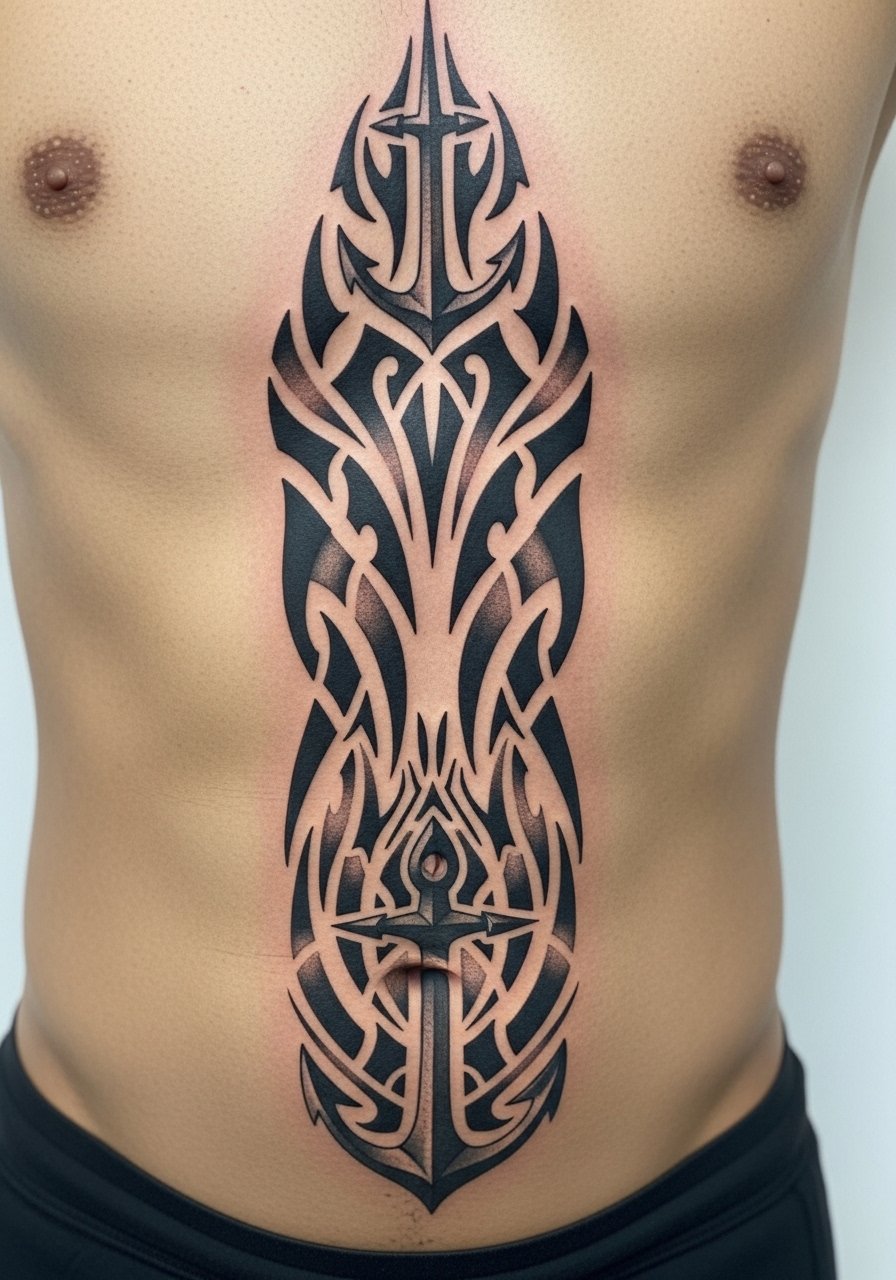
When you want something that breathes with your torso, vertical compositions read better than horizontal blocks. During consultation, ask the artist to map the design while you breathe so motifs keep their rhythm at rest and under movement. The common mistake is packing horizontal bands that distort when you sit. Expect significant pain on the lower ribs and hip junction. Whip shading can soften edges and age better than dense fill in that zone. Plan for two sessions and a touch-up within two to four years to maintain sharp anchors.
8. Small Tribal Skull on the Hand with Career Note
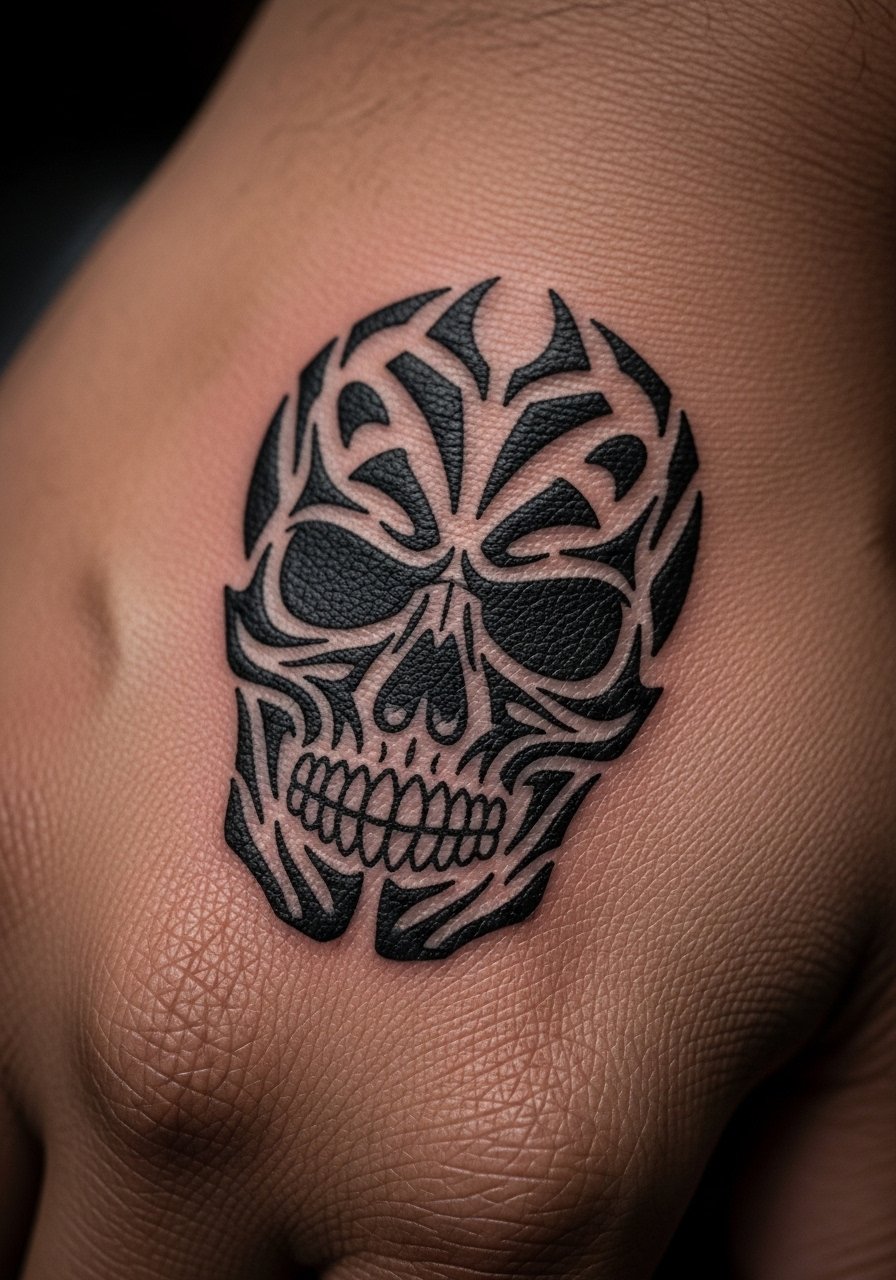
Hand tattoos still carry potential professional consequences, so think about visibility before committing. If you proceed, ask for a compact composition with slightly thicker outlines to combat rapid surface wear. The biggest mistake is requesting extremely fine detail on the hand. Expect high pain and faster fading because the skin there is exposed and regenerates fast. Touch-ups will be more frequent, often yearly, to keep edge clarity. Consider a placement slightly lower on the hand or toward the forearm for more lifespan.
9. Hybrid Geometric Chest Panel That Mixes Traditions Respectfully
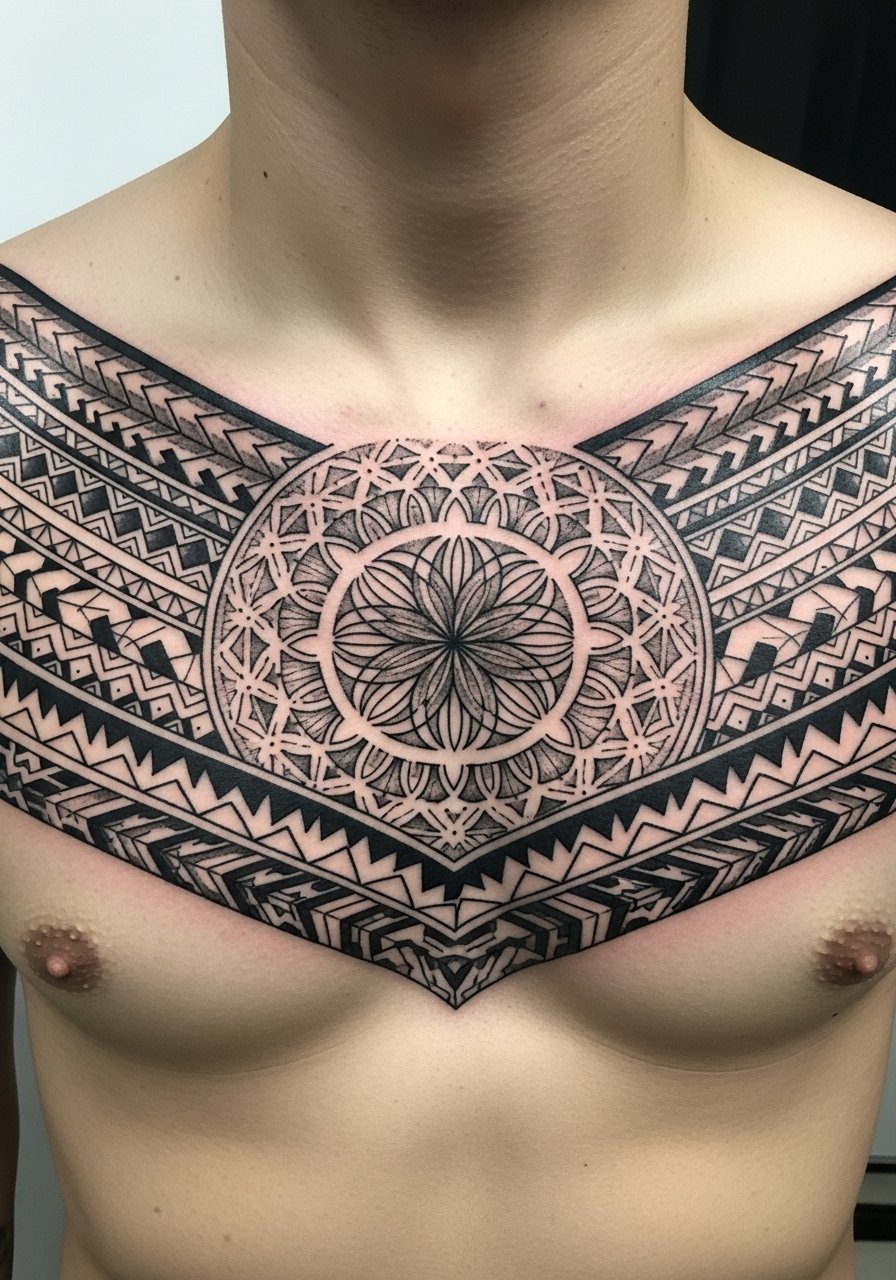
When you want a modern take that nods to several tribal languages, be upfront about which elements belong to which tradition. Ask your artist to avoid direct sacred symbols and to translate motifs into new, personal geometry. The controversy here is clear. One camp says fusion erases original meaning. The other camp accepts careful fusion with clear attribution and respect. In the studio request sketches that annotate origin for each motif. Sessions vary by size but expect multiple sittings. Chest pieces age well with proper sunscreen and periodic touch-ups.
10. Full Back Composition in Blackwork That Creates a Unified Statement
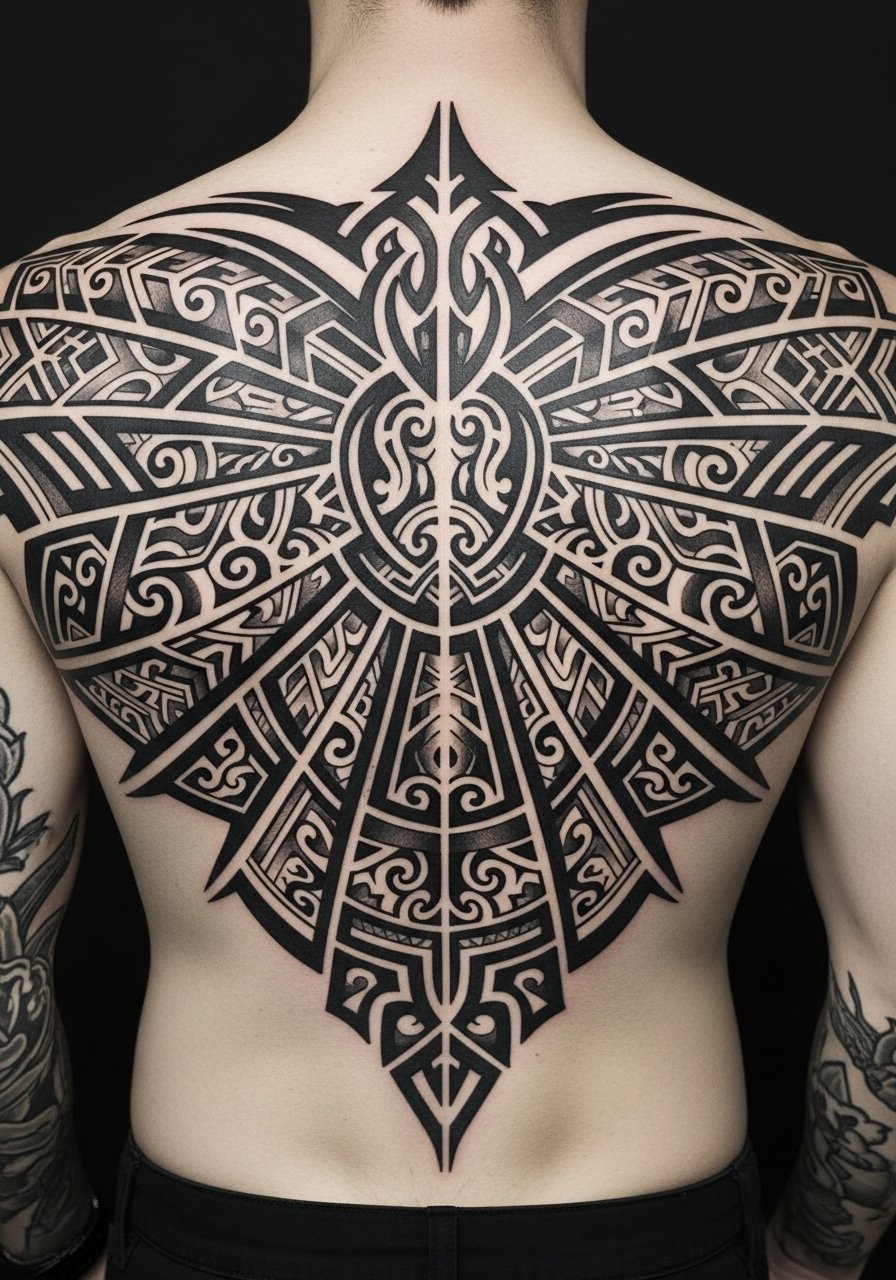
If you want a piece that reads from a distance, the back is unmatched for scale. In the initial consult, bring references that show the overall silhouette you like and have your artist draw a mockup that respects vertebra and shoulder blade landmarks. A frequent error is starting with too many small elements rather than blocking the composition first. Back pieces take multiple long sessions and can be high on cost and on time commitment. Pain varies by area with the spine and ribs being more sensitive. Expect a touch-up in year two for any areas that lost saturation along motion lines.
Tattoo Prep and Aftercare Essentials
Below are items to consider for before, during, and after your session. Grouped for quick scanning. Links go to Amazon search pages with the affiliate tag.
Healing and aftercare essentials
Fragrance-free healing balm, lightweight tattoo-safe formula. Use sparingly during the first week to keep the surface supple without clogging pores.
Medical-grade second skin bandage, 4×6 inches. Good for large areas when you need a breathable protective layer after the first few hours.
Antibacterial mild foaming cleanser, fragrance-free. Gentle cleansing keeps scabs from trapping bacteria without stripping saturation.
Pre-appointment prep
Lightweight numbing gel alternative, travel size, fragrance-free. Use only if your artist approves and you understand timing and risks.
Soft, breathable shirt for the session and trip home. Loose layers prevent rubbing on fresh ink and make travel after long sessions easier.
Long-term maintenance
SPF 50 mineral sunscreen stick for tattoos. Daily sun protection preserves saturation and prevents premature fading.
Silicone scar sheet, small pack for raised areas. Helpful if any raised scarring appears during healing.
CeraVe Moisturizing Cream. A familiar option for daily moisturizing after the initial healing phase.
Every tattoo is different. Always follow your artist's specific aftercare instructions. Consult a dermatologist if you have skin concerns or unusual healing issues.
Frequently Asked Questions
Q: Will a Polynesian band blur faster on medium or dark skin compared with light skin?
A: From what I have seen, heavier saturation and slightly wider linework help across all tones. Ask your artist to plan line weight and negative space for the specific skin tone in the consultation. Proper aftercare and sun protection make the single biggest difference.
Q: How often do chest panels need touch-ups compared with forearm wraps?
A: Chest panels tend to hold saturation longer because they are less exposed to sunlight and abrasion. Forearm wraps see more daily wear from clothing and activity. Budget for a touch-up around year two to five for either placement depending on lifestyle and sun exposure.
Q: If I want hybrid motifs that borrow from Maori and Celtic styles, what should I say to the artist?
A: Be direct about which motifs you want to adapt and ask for a custom sketch that avoids sacred or specific cultural markers. Mention you want a respectful fusion and ask how they attribute origins in their sketches.
Q: Do hand tattoos require different aftercare than ribcage pieces?
A: Yes. Hands are exposed and regenerate fast so you will likely need more frequent touch-ups and aggressive sun protection. Ribcage areas are less exposed but move with breathing so initial healing can feel more tender. Follow placement-specific care steps your artist provides.
Q: Which products from the prep list should I bring to the shop on session day?
A: Bring a soft, breathable shirt and a small container of the fragrance-free healing balm listed. If you plan long sessions, bring water, snacks, and a second-skin bandage in case the artist recommends covering fresh work for travel.
Q: How should I evaluate an artist's portfolio for tribal work without naming anyone?
A: Look for clean linework and even saturation in healed photos. Ask to see healed shots from at least one year after the session. Use discovery pathways like hashtag searches, studio booking platforms, and convention listings to find artists who post healed photos rather than only fresh images.