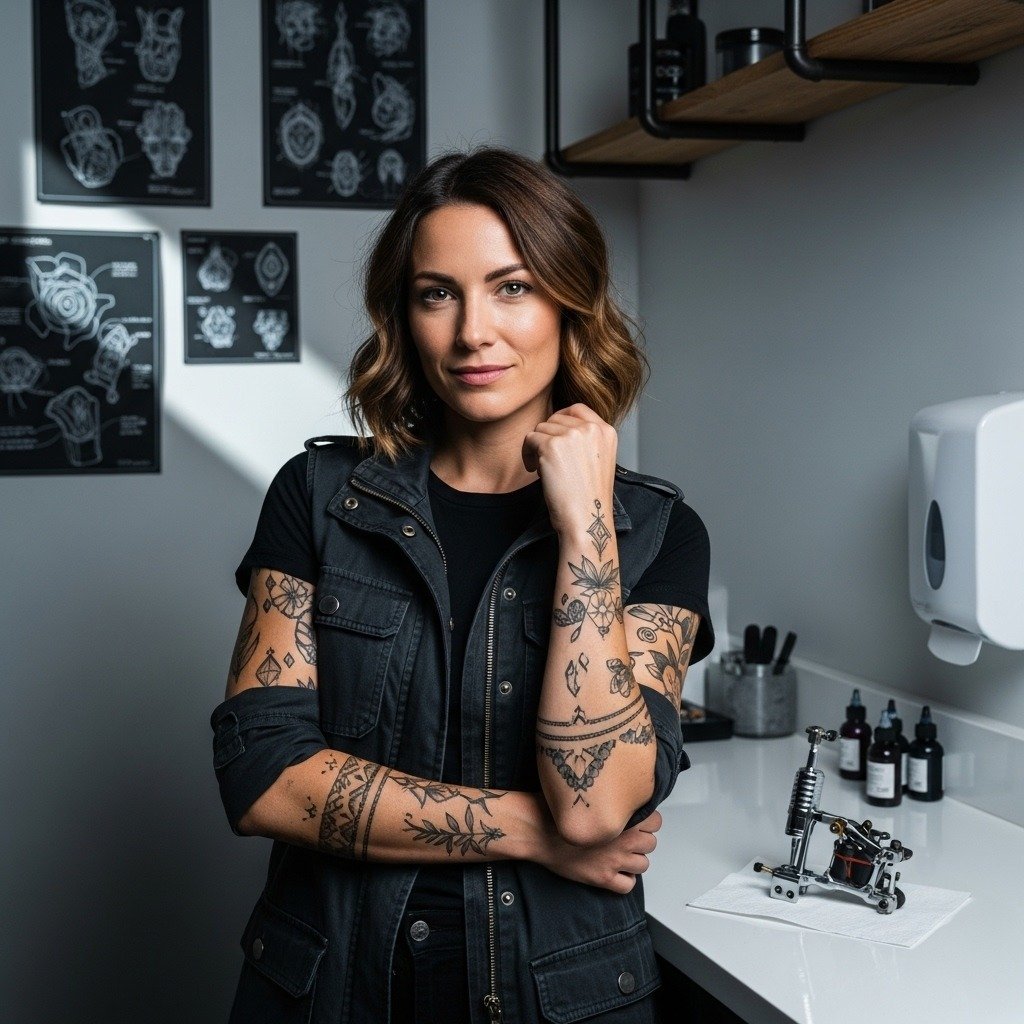

Someone I know booked three consultations before realizing the real problem was not the image. It was understanding which numeric style would actually heal and still read clearly in photos a year later. I spent time in five shops across Brooklyn and asked an artist who focuses on fine line what sticks. Below are ten bold year of birth tattoo ideas that account for healing, placement, and real-world tradeoffs so you can leave the shop with a design that ages the way you expect.
1. Roman Numeral Wrist Band with Bold Linework
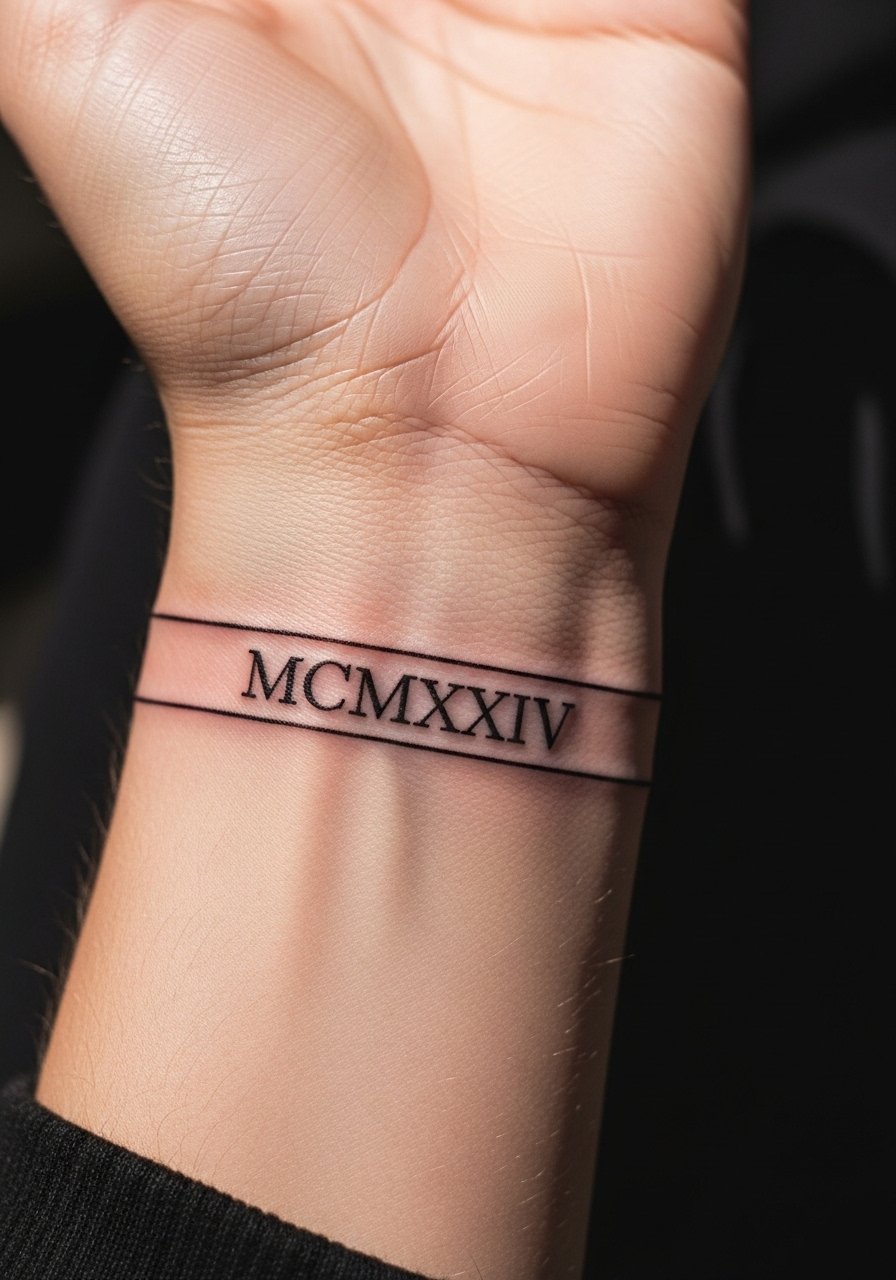
Someone I know chose this after their fine line wrist faded in under a year. For wrist numerals, I recommend bumping lineweight up so the numerals stay crisp. Tell your artist you want readable numerals at arm’s length and ask to see healed wrist examples with a similar skin tone. Expect a short session, a noticeable sting, and a touch-up at year two if you sweat a lot. The common mistake is asking for ultra-micro digits that look great fresh but bleed into a smudge. If you want contrast on darker skin, request a bold outline or a tiny white highlight to keep the numerals visible in photos.
2. Barcode Birthdate Along the Outer Forearm
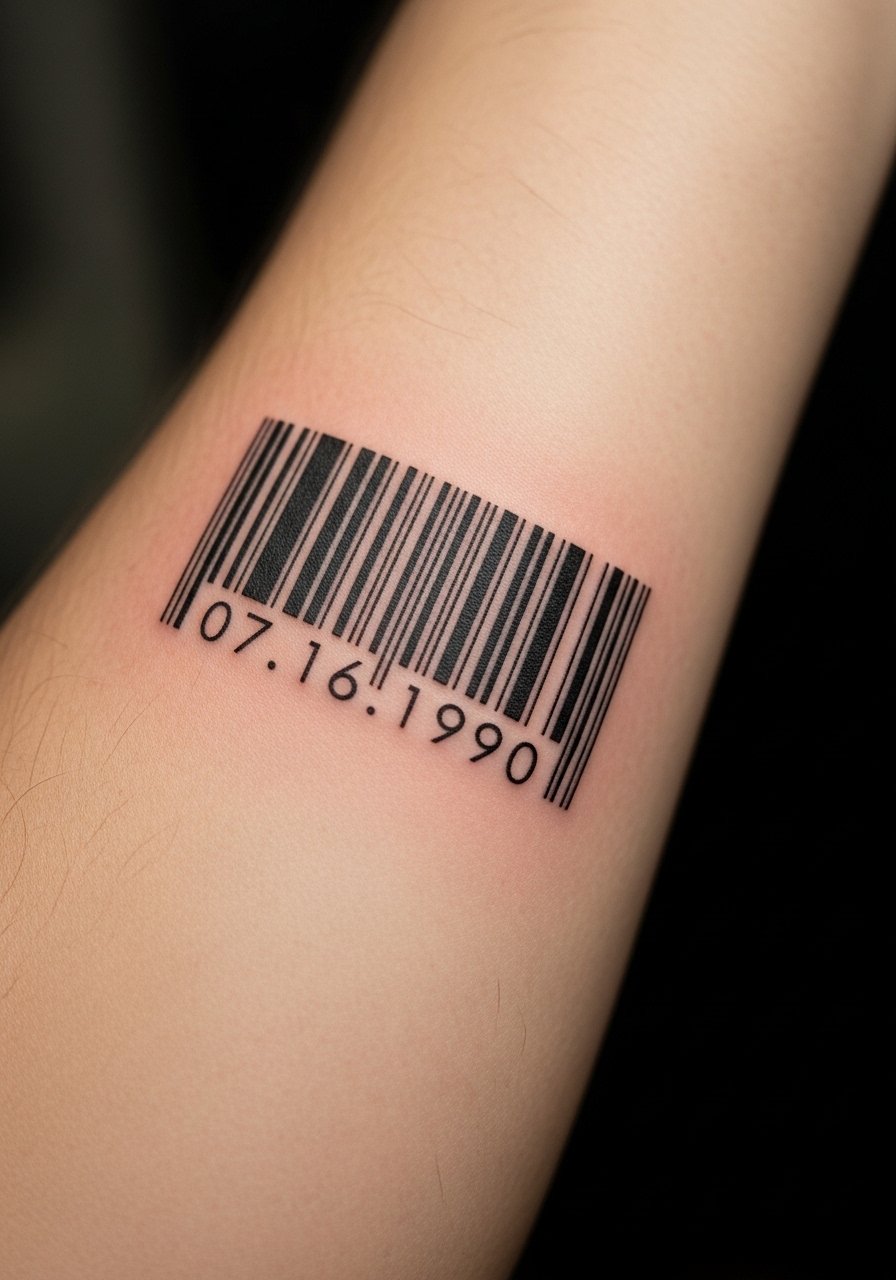
The barcode look reads modern and can be scannable if you plan it carefully. During the consult, bring the exact date and tell the artist you want bars to decode to that date. This design ages differently depending on how close the bars sit. If the bars are too thin and close, they will blur together after a year. A common version that fails uses hairline bars with no spacing. If you want scannability to link to a playlist, test a mock scan on your phone before inking. Forearm placement makes touch-ups easy, but expect a slightly longer session than a micro wrist tattoo.
3. Celestial Constellation Cluster with Year Hidden in Stars
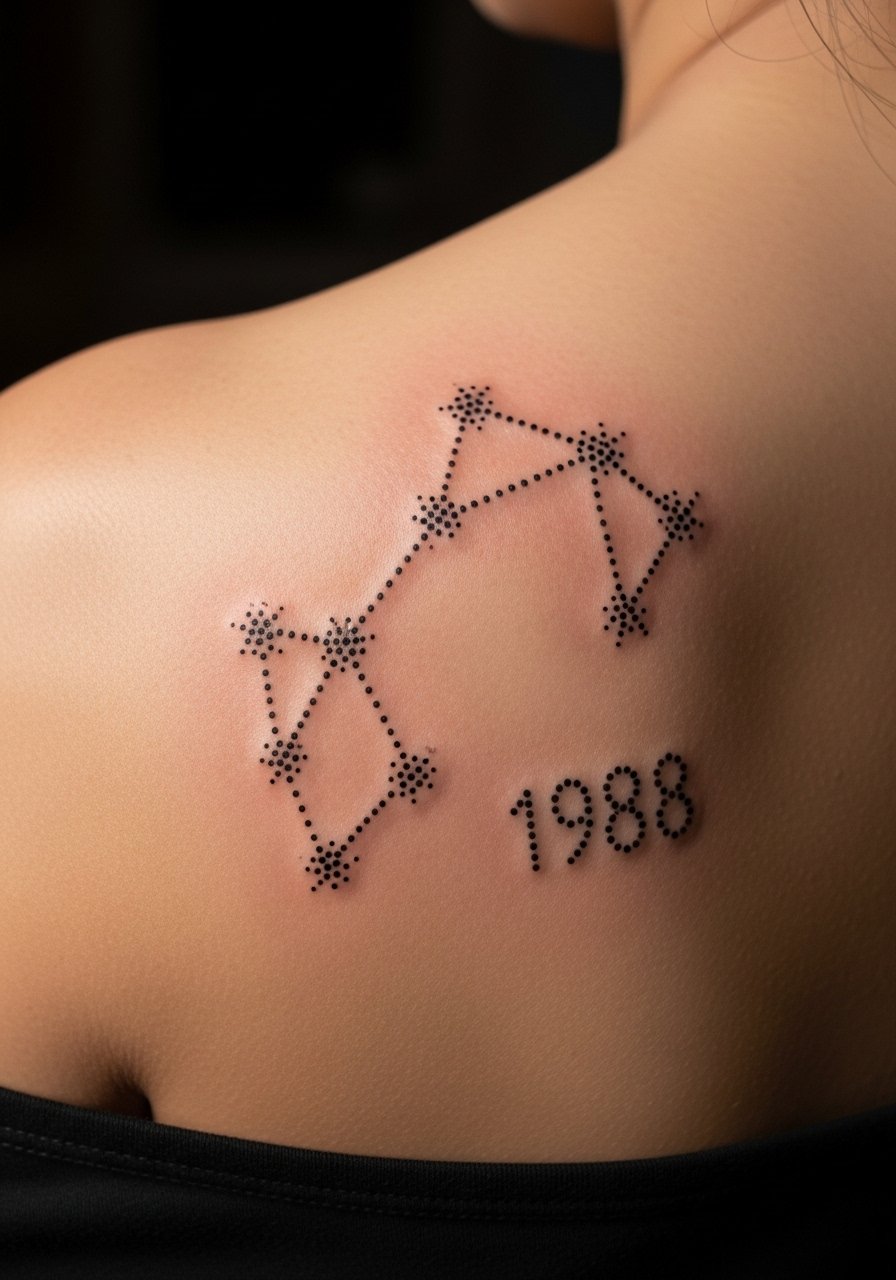
Most people who like astrology want the year woven into a star map. Ask your artist to use dot work for the starfield and to embed the numerals as slightly larger dots so they read at a glance. Shoulder blade placement hurts less than ribs and holds dotwork well since the skin moves less. There is a trend of pairing zodiac glyphs with constellations on Pinterest and in reels, so this design feels current while being adaptable. Expect two short sessions if you add subtle color highlights. The usual mistake is crowding the stars so the numbers disappear at six months, so leave negative space around the embedded digits.
4. Calligraphy Birthdate Along the Ribcage
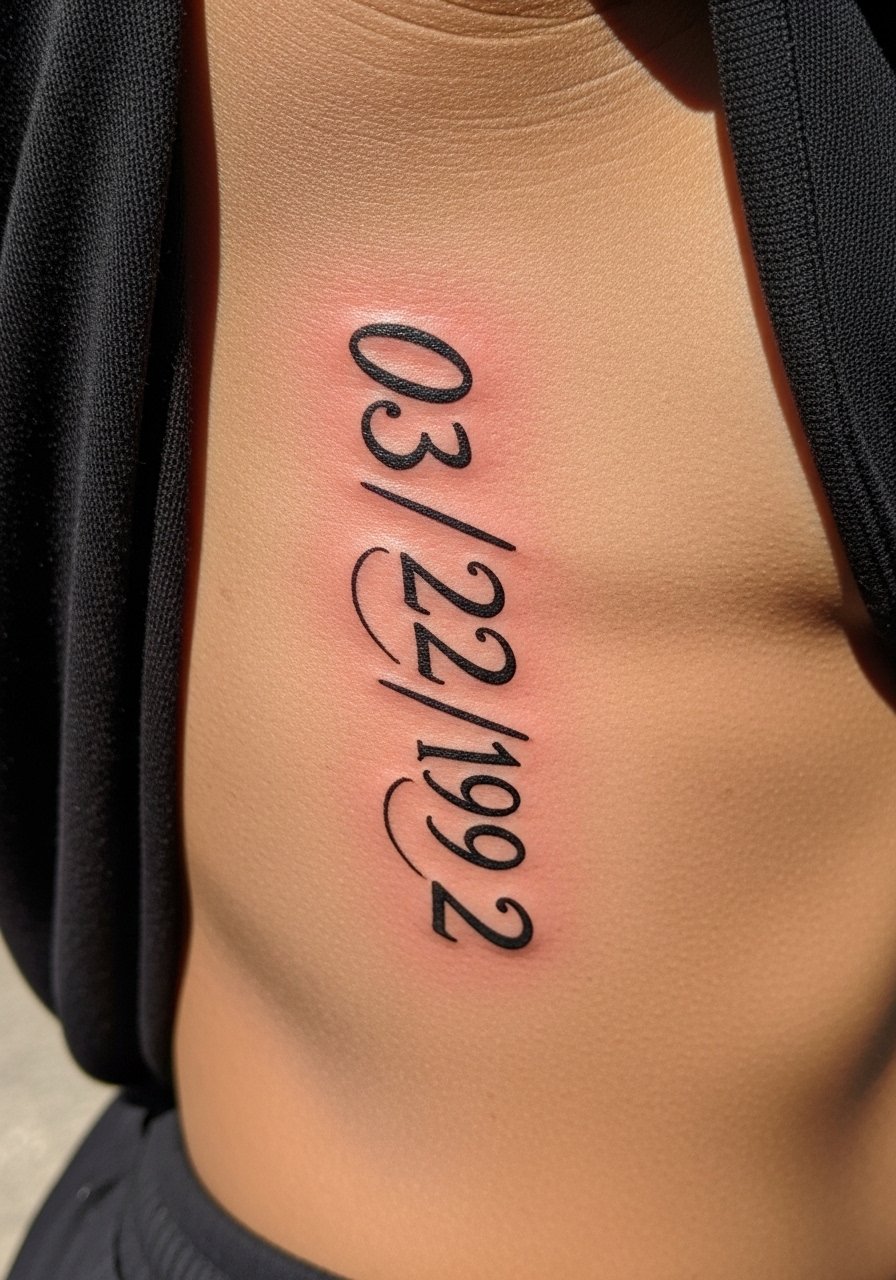
Fair warning, the ribcage is a high pain area. That said, the side of the ribs lets script flow with the body and looks elegant when the letters follow your curve. Artists split on fine line on ribs. One camp says skin stretch and movement blur thin scripts within a couple of years. The other camp says with correct depth and spacing it settles fine. Ask where your chosen artist stands and to show healed rib examples. Keep the script slightly larger than you think you need and avoid ultra-swirly flourishes that age into blurring. Plan for a longer session and a possibile touch-up once healed.
5. Minimalist Numeric Ankle Cluster for First-Timers
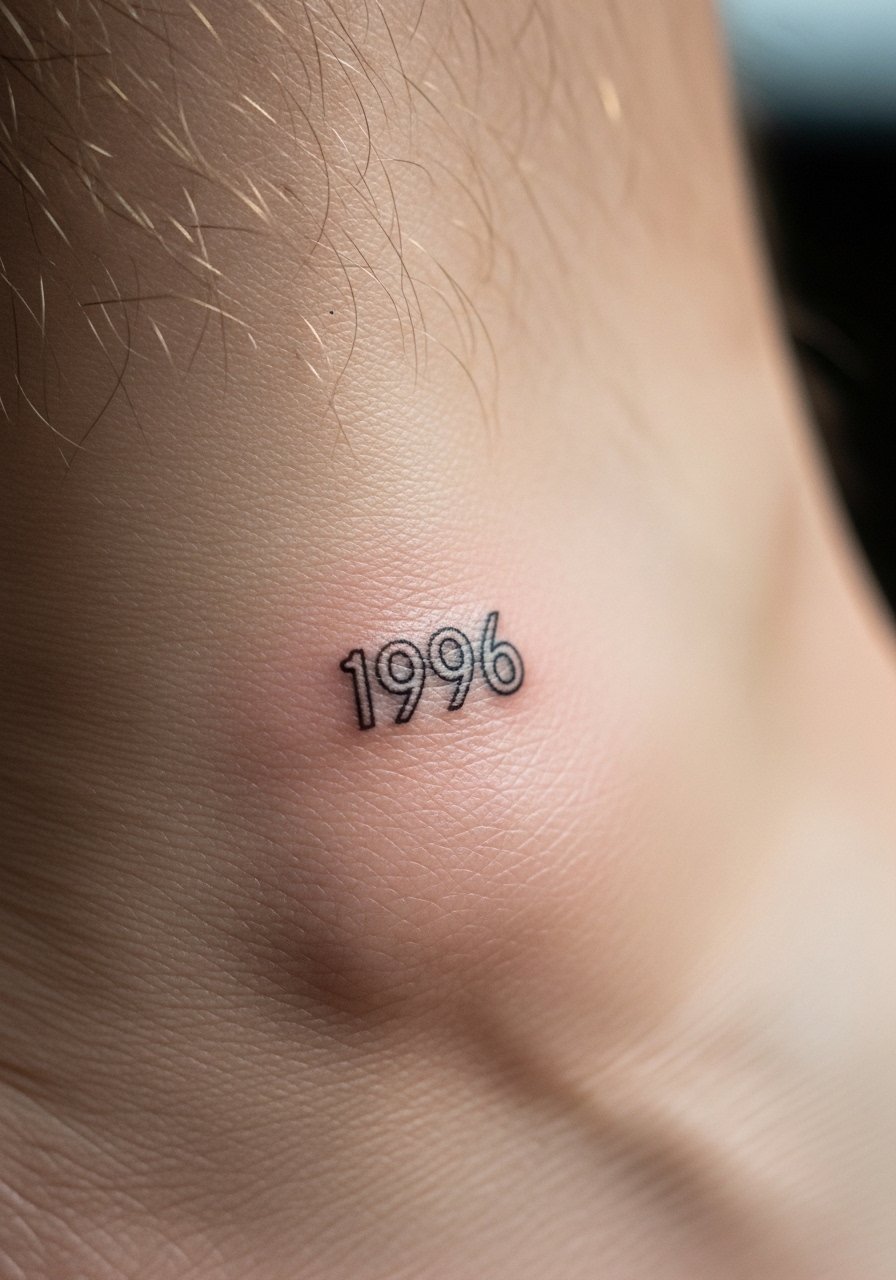
Ankle clusters are ideal for someone getting their first birth year tattoo. They are discreet and quick to do. The most common mistake is going too small on the ankle where friction from shoes and socks accelerates fading. Ask for a compact cluster with slightly widened spacing and a modest lineweight. Dry healing works well here for many people but artists disagree on occlusive coverings for ankles. Bring up footwear that might rub the area and plan loose socks for the first week. Expect a single-session appointment and a gentle sting during the tattooing.
6. Neo-Traditional Roman Date with Floral Collarbone Accent
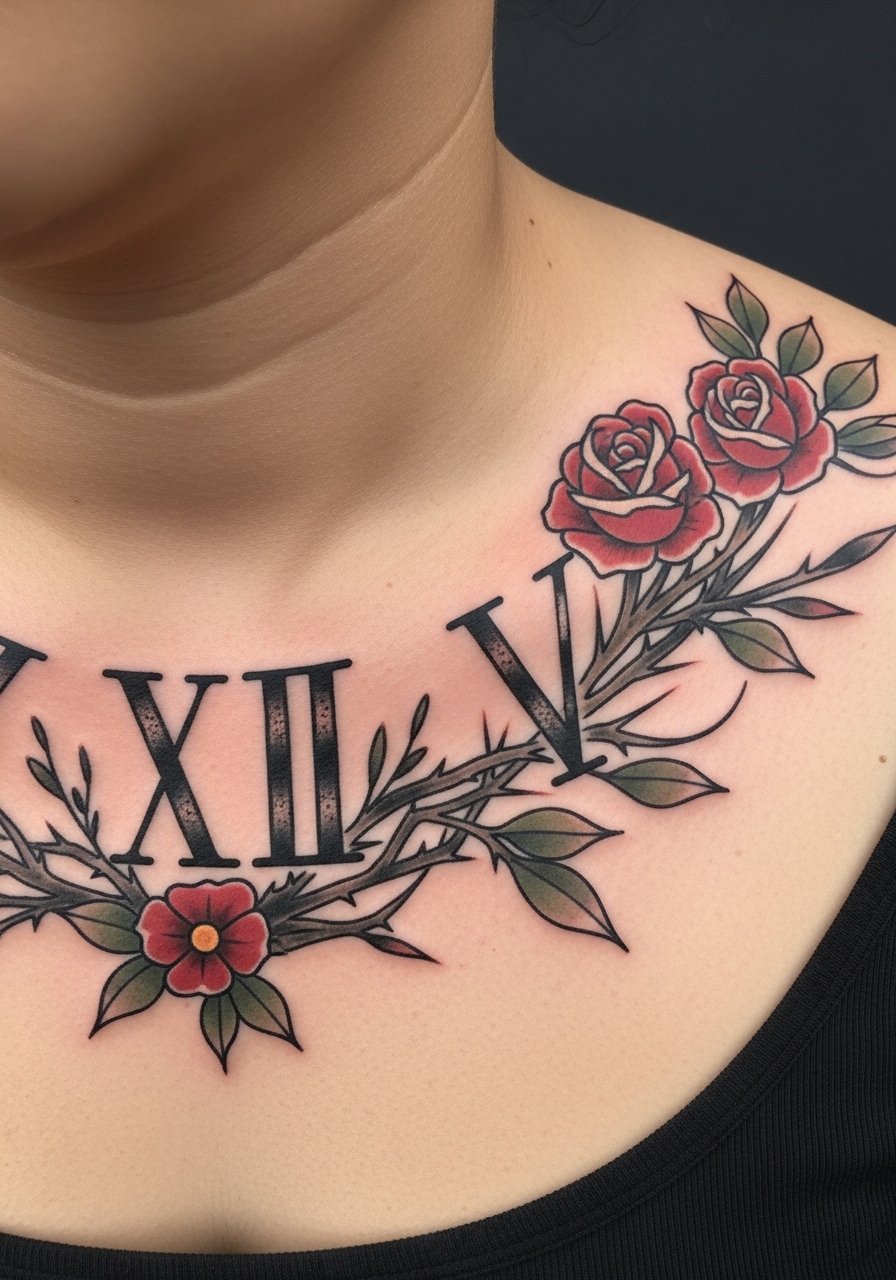
There's something about pairing bold numerals with vintage florals that reads like jewelry across the collarbone. This sits where movement and sweat can affect saturation, so ask your artist to use stronger outlines and layered shading for longevity. Collarbone work can feel sharp on the bone, so expect higher pain and longer sessions if color gets layered. The usual aging problem is soft color that looks patchy after heavy sun exposure, so plan on sun avoidance for several weeks. If your career requires visible discretion occasionally, keep the floral elements low and balanced.
7. Blackwork Geometric Year Mandala on Inner Forearm
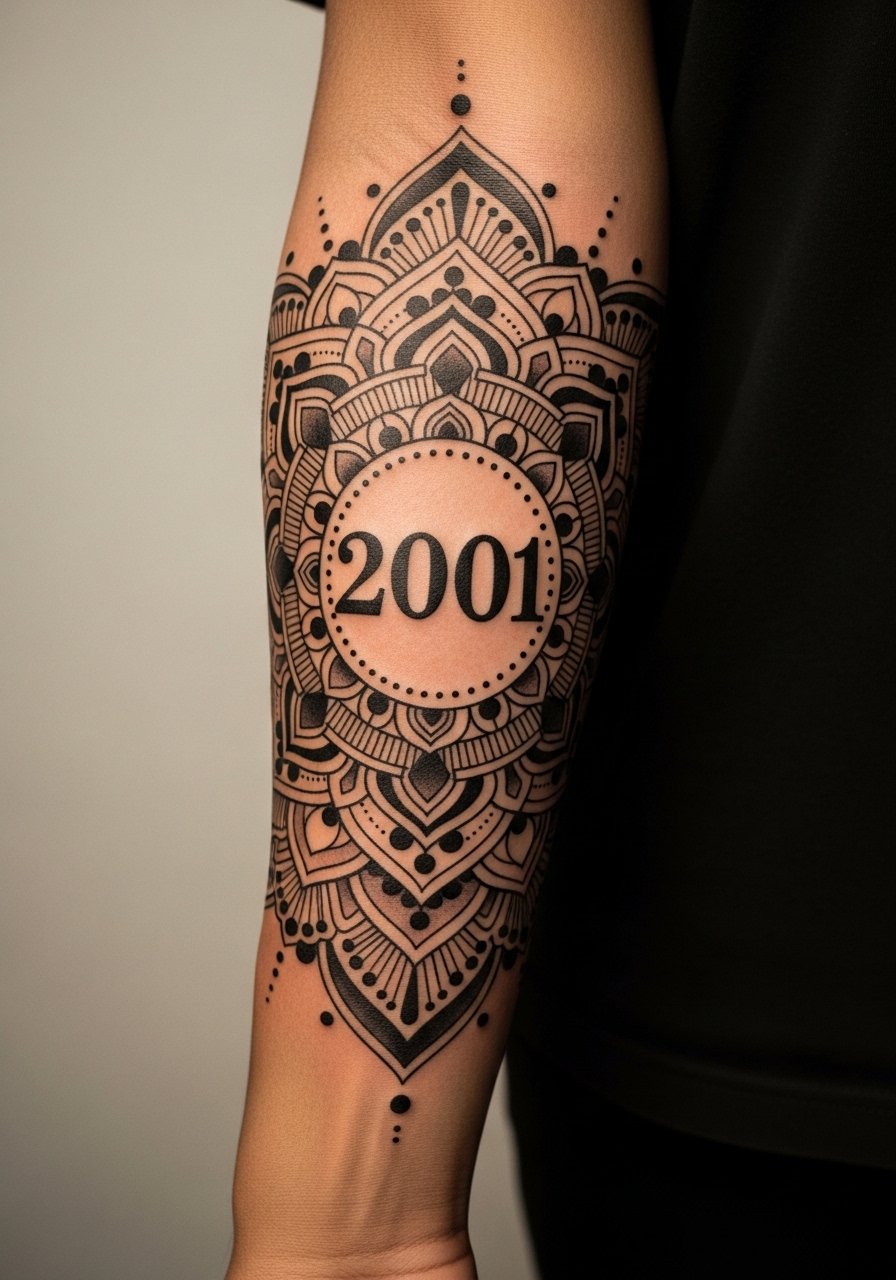
Blackwork holds up well on high-wear arms, particularly when built with solid saturation. I recommend this for people who want a meditative, symmetric look that still reads at arm’s length. Tell your artist you want strong saturation and crisp negative space so the numerals at the center do not disappear into the pattern. A mistake is shrinking the mandala too small which makes the central year unreadable after healing. Expect multiple sessions for layers of black and a robust touch-up schedule to keep the center numerals crisp over several years.
8. Watercolor Birth Month Flower on the Outer Thigh
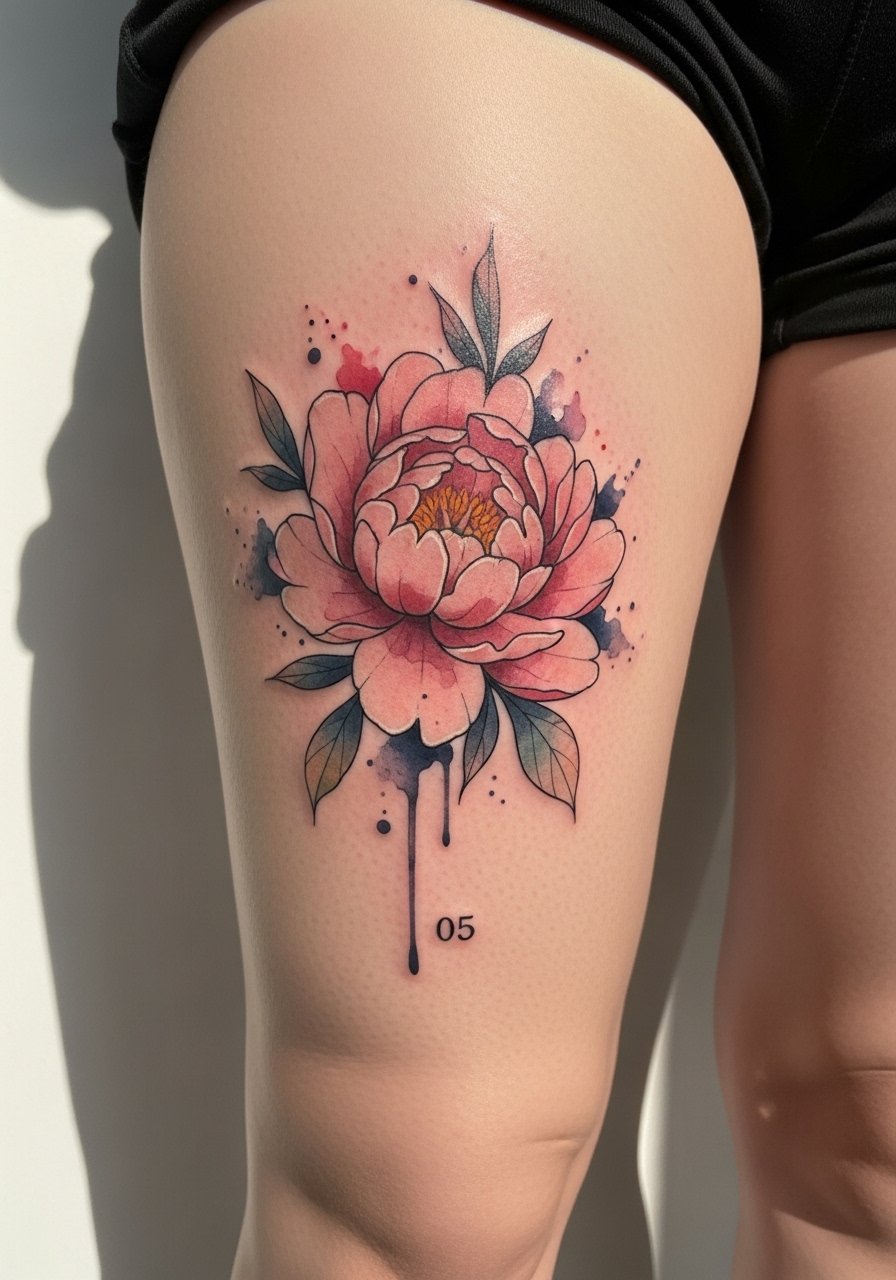
Watercolor blooms are popular for month markers because they feel like a seasonal badge. Most watercolor pieces fade faster than blackwork, especially on high-friction areas. Thigh placement is forgiving if you keep the piece away from constant rubbing. Ask for a black anchor line or micro-outline around the numeric element so the number holds its form as color washes out. The common error is asking for full watercolor with no outline if you want longevity. Sessions are moderate in length and aftercare should avoid tight clothing until peeling finishes.
9. Binary Code Birth Year for Programmers
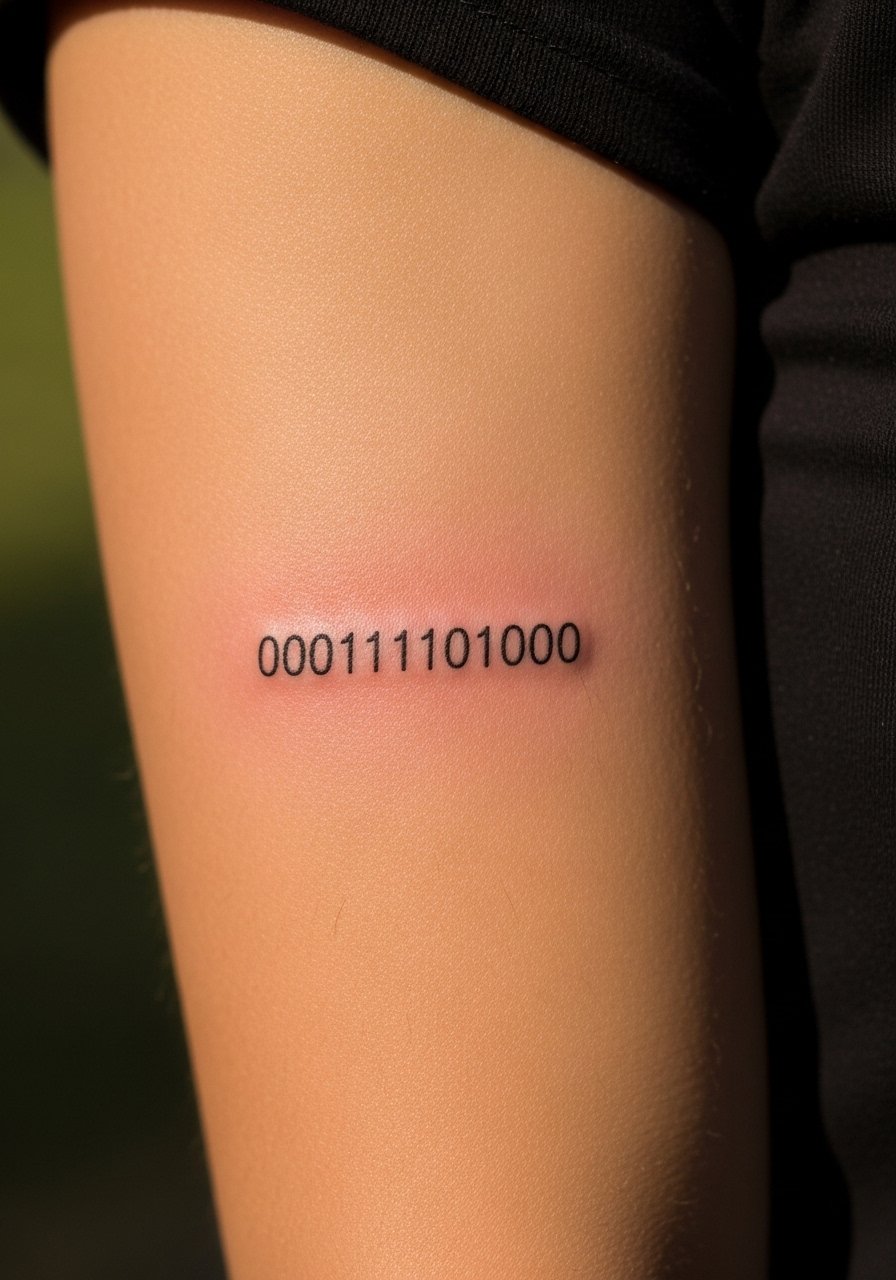
This is for anyone who wants a tech nod that does not scream date at first glance. Convert the full year into binary and have the artist ink it in clean monospace digits. The inner bicep keeps the code private when you want it to be and visible when you raise your arm. A mistake beginners make is overcrowding digits. Leave breathing room between characters and plan for at least one touch-up six to twelve months after the tattoo. Bring a printed binary-to-year cheat sheet to your session so the artist inks the correct string.
10. Braille Birthdates for Tactile Reading and Accessibility
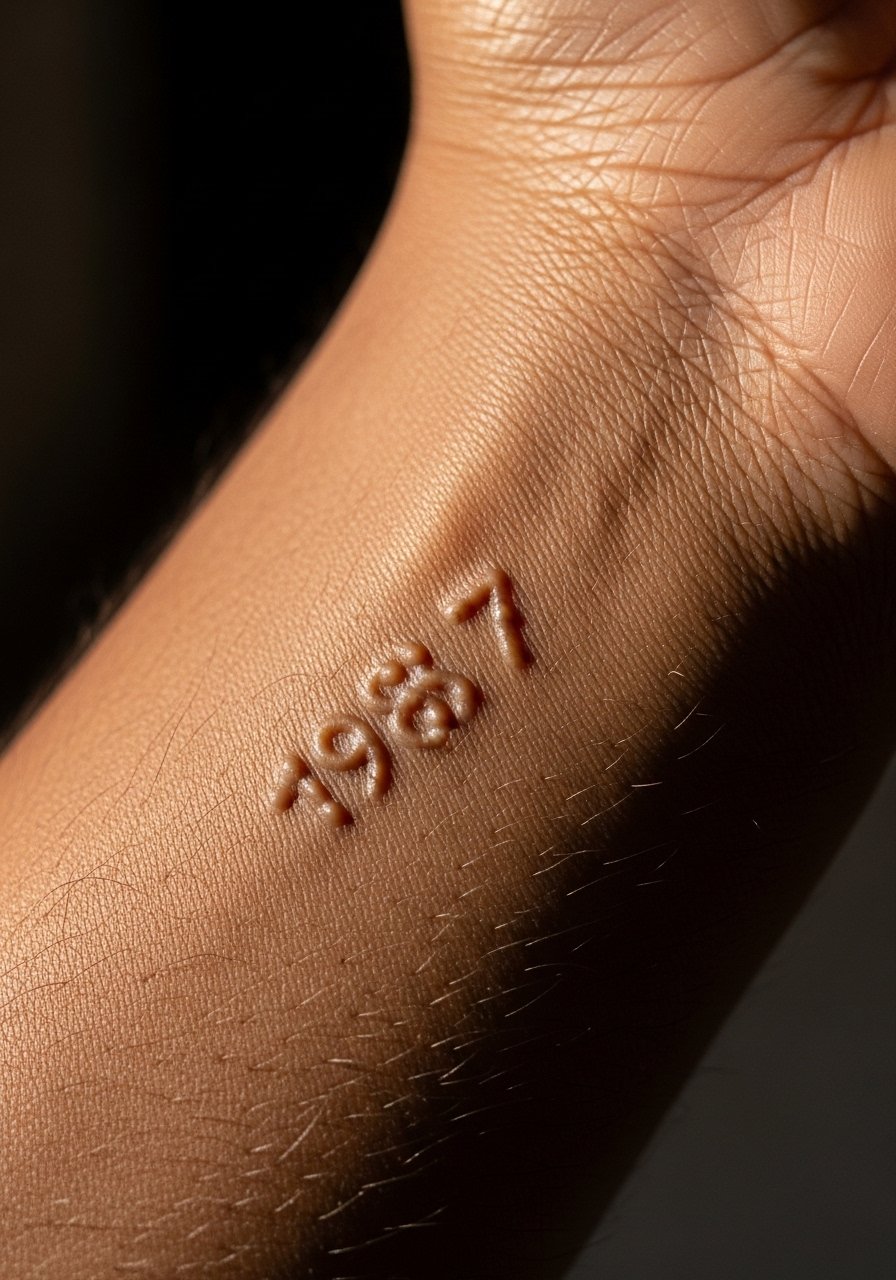
Braille birthdates are an under-used option that adds tactile intent. Tell your artist the exact numerals and ask them to map the Braille dots to the right spacing standards. This design needs exact dot size and spacing or it will not read for touch. The wrist works but can rub against watches, so plan placement slightly higher if you wear wrist accessories. The mistake is approximating dot spacing which becomes unreadable. Expect a careful, slower session because each raised dot takes intention, and plan to protect the area while dots knit.
Tattoo Prep and Aftercare Essentials
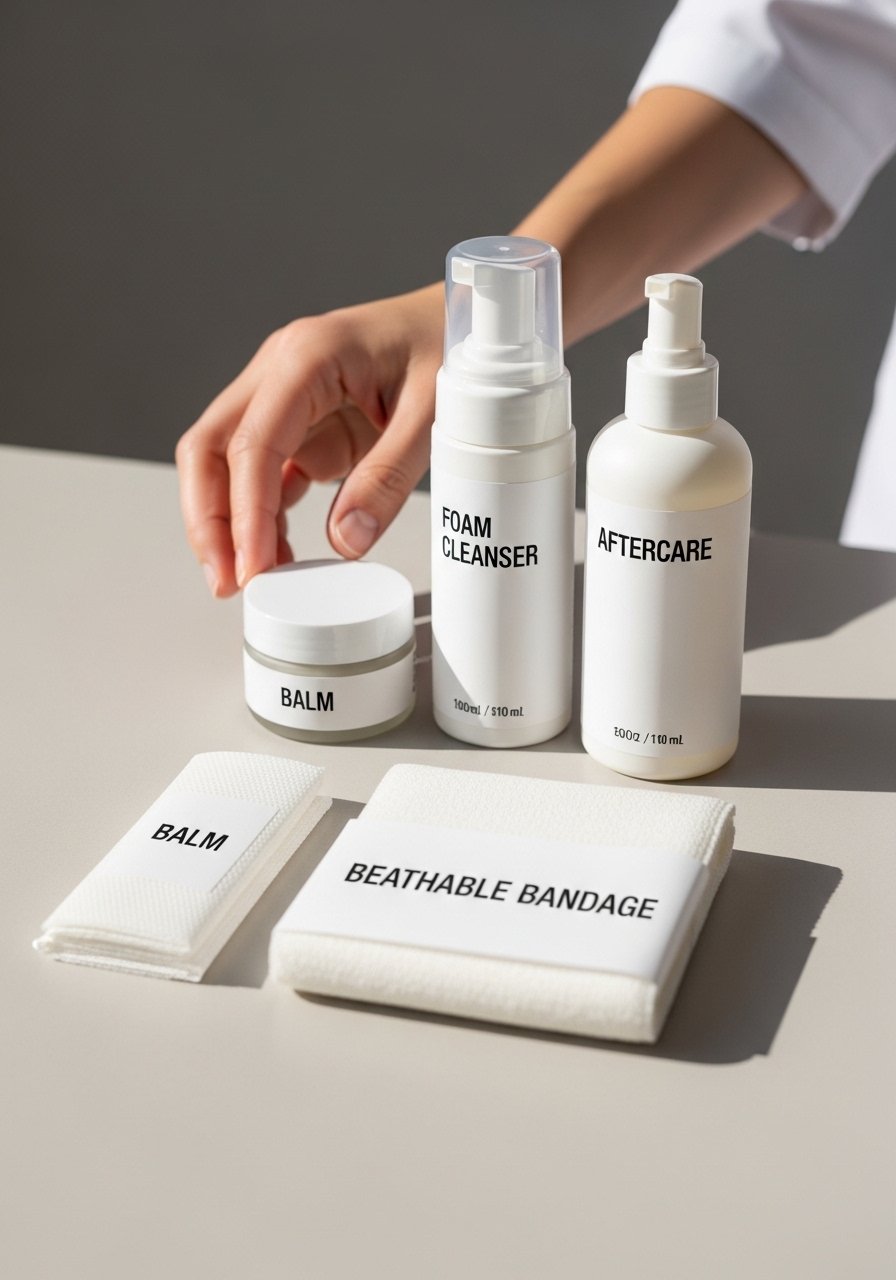
Prep and aftercare matter more than an extra flourish in the design stage. From what I have gathered visiting studios, mockups on your skin tone and a signed placement proof prevent most post-session regrets. Below is a practical shopping list you can use the week before and the first two weeks after your appointment.
Kinuiki Salve search for tattoo healing. A plant-based thin salve many in healing forums prefer for fine line numerals because it leaves less shine than heavy ointments. Use a small film for the first few days as directed.
Australian Tea Tree Ink Fix search. A matte drying aid that people mention for summer heals. Apply sparingly and monitor for irritation.
Tatt2Care post-tattoo lotion search. A thinner alternative to thick balms that some choose for ribs or under-clothing placements.
Hada+Labo+Lotion search. Lightweight hydrating lotion that users with darker skin tones say helps contrast retention without greasiness.
HealRite+Pods single use tattoo balm search. Single-use pods are handy for travel or guest spots so you avoid contaminating a jar.
Fragrance-free lightweight balm search. Good placeholder when local shops recommend something they stock.
Medical-grade second skin bandage 6-inch roll search. Useful when artists advise a breathable occlusive for the first 24 to 48 hours.
Every tattoo is different. Always follow your artist's specific aftercare instructions. Consult a dermatologist if you have skin concerns or unusual healing issues.
Frequently Asked Questions
Q: Will fine line numerals blur faster on wrists than on ribs?
A: In my experience fine line on wrists does blur faster because wrists get more friction and movement. Ribs can also be tricky because of stretching. The deciding factor is the artist's lineweight and spacing. If you prefer fine line on a wrist, ask for slightly heavier strokes and portfolio examples of healed wrist numerals.
Q: Can a barcode tattoo actually scan to a playlist a year later?
A: It can, but scannability depends on initial line crispness and later touch-ups. If you want a playlist link to remain scannable, build margin into the bars and plan a yearly touch-up. Test a printed mockup and a phone scan during the consult so you know it will work before the needle goes in.
Q: For dark skin tones which year styles read best in photos?
A: Bold blackwork outlines and solid negative space tend to photograph best on medium to dark tones. From what I have seen, tiny fine-line numerals often disappear in photos, so request thicker outlines or slight white highlights when you review mockups on similar skins.
Q: How should I decide between Saniderm and dry healing for a small birth year on my ankle?
A: Artists are split on this. One camp says Saniderm speeds clean healing for detailed work. The other camp worries it traps moisture on thin lines. For ankles the extra rubbing from socks might make a breathable occlusive useful for the first 24 to 48 hours, then switch to a thin lotion. Ask your artist which method they have the most healed examples for.
Q: What is a realistic touch-up timeline for fine line birth year tattoos?
A: Plan to check healed ink at six months and expect a likely touch-up within one to three years for fine line work. Blackwork and bold numerals often need fewer mid-term touch-ups. If you want to reduce touch-ups, increase spacing and lineweight at the consult.
Q: Where do I find artists who specialize in numerals and healed portfolios?
A: Use hashtag searches like #BirthYearTattoo and #RomanNumeralTattoo on Instagram, filter on Tattoodo for numerals in your city, and check weekly threads on Reddit r/tattoos for recent healed shots. Booksy and local studio pages are useful for booking consults and confirming guest spot schedules.
Q: Are Braille or tactile birthdate tattoos appropriate for public touch?
A: They can be, if you and the recipient are comfortable with tactile reading. Braille requires precise dot size and spacing to be legible by touch. If this is important, request an artist who has done tactile work before and compare healed examples on similar placements.