

Someone I know spent six months scrolling portfolios before they realized the real problem was not finding a pretty design. It was picking something that would sit with their skin, age in a way they liked, and not demand constant attention. Below are twenty healed white ink ideas that people are asking about right now, with practical notes on how each one looks at six months, two years, and beyond.
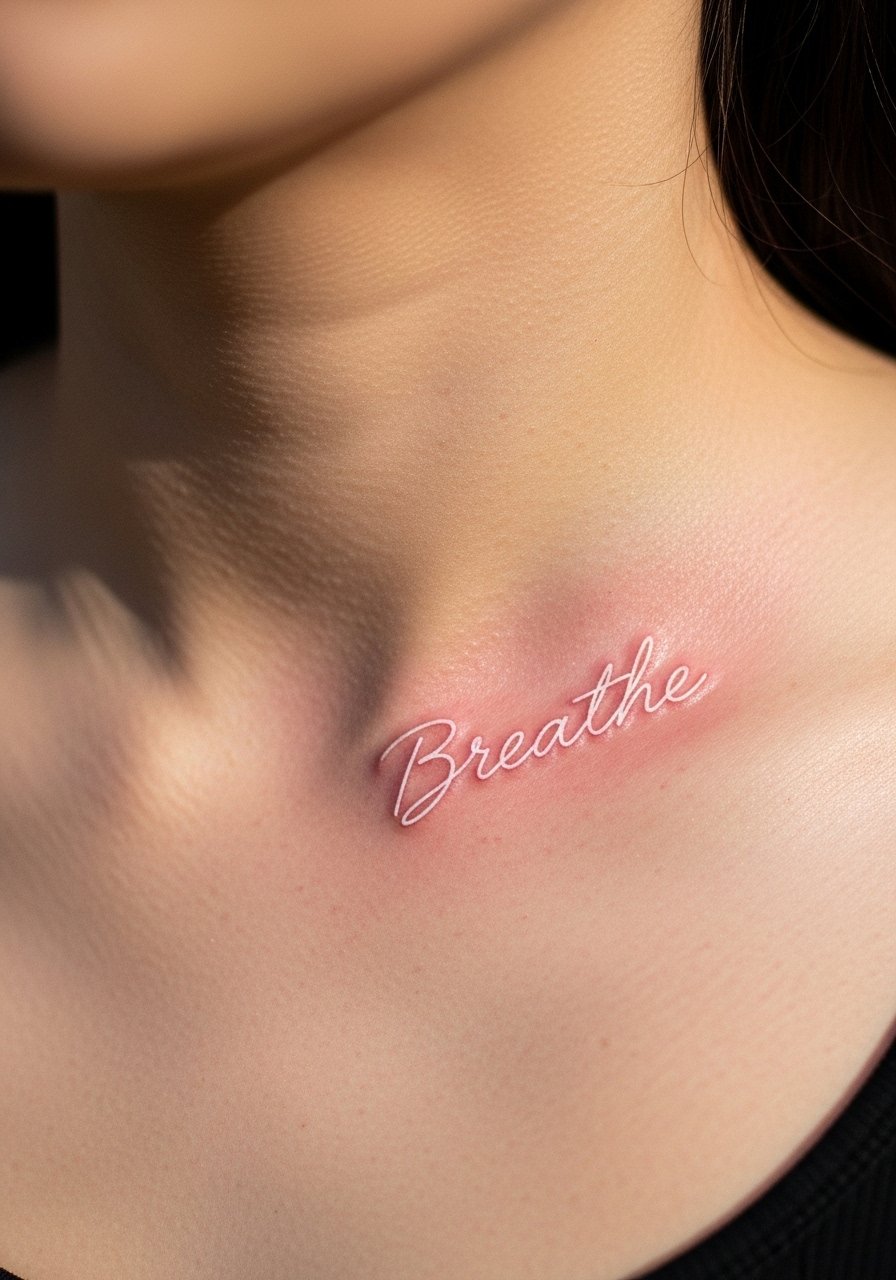
1. Fine line script on the collarbone
Someone I know first saw this as a whisper of text along the collarbone and booked it as a trial run. The collarbone holds fine line well if the artist spaces letters slightly wider than usual. Pain lands around a four out of ten for most people, and a single 45 to 90 minute session is common. Expect a soft initial white that can fade toward a faint scar-like line by year two. Tell your artist you want delicate, shallow linework with light needle passes and to avoid dense saturation. A common mistake is asking for ultra-thin cursive without giving the letters breathing room, which causes blurring and loss of legibility over time.
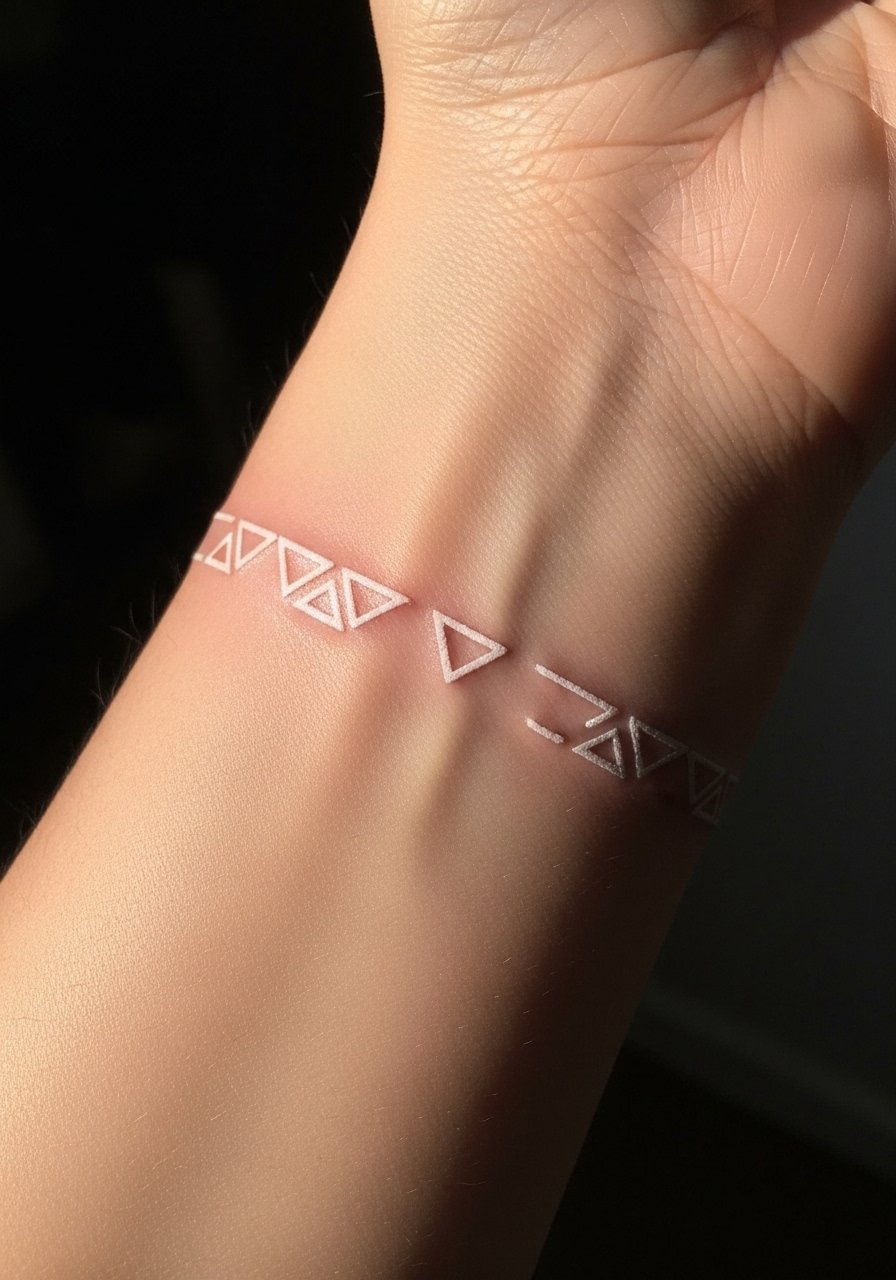
2. Minimalist geometric band on the wrist
Fair warning: the wrist is a high-motion zone that tests micro geometry. Fine white triangles or a thin dotted band read as subtle jewelry when healed. Session time usually runs 30 to 60 minutes and pain is a five out of ten for many. If you want a version that still shows at one year, ask for slightly bolder linework and breaks between repeating elements to limit blowout. Watch out for going too small. Tiny exact angles blur into a smudge on some skin types. This is a good spot for a trial run if you want to see how white ink fades on a mobile area.
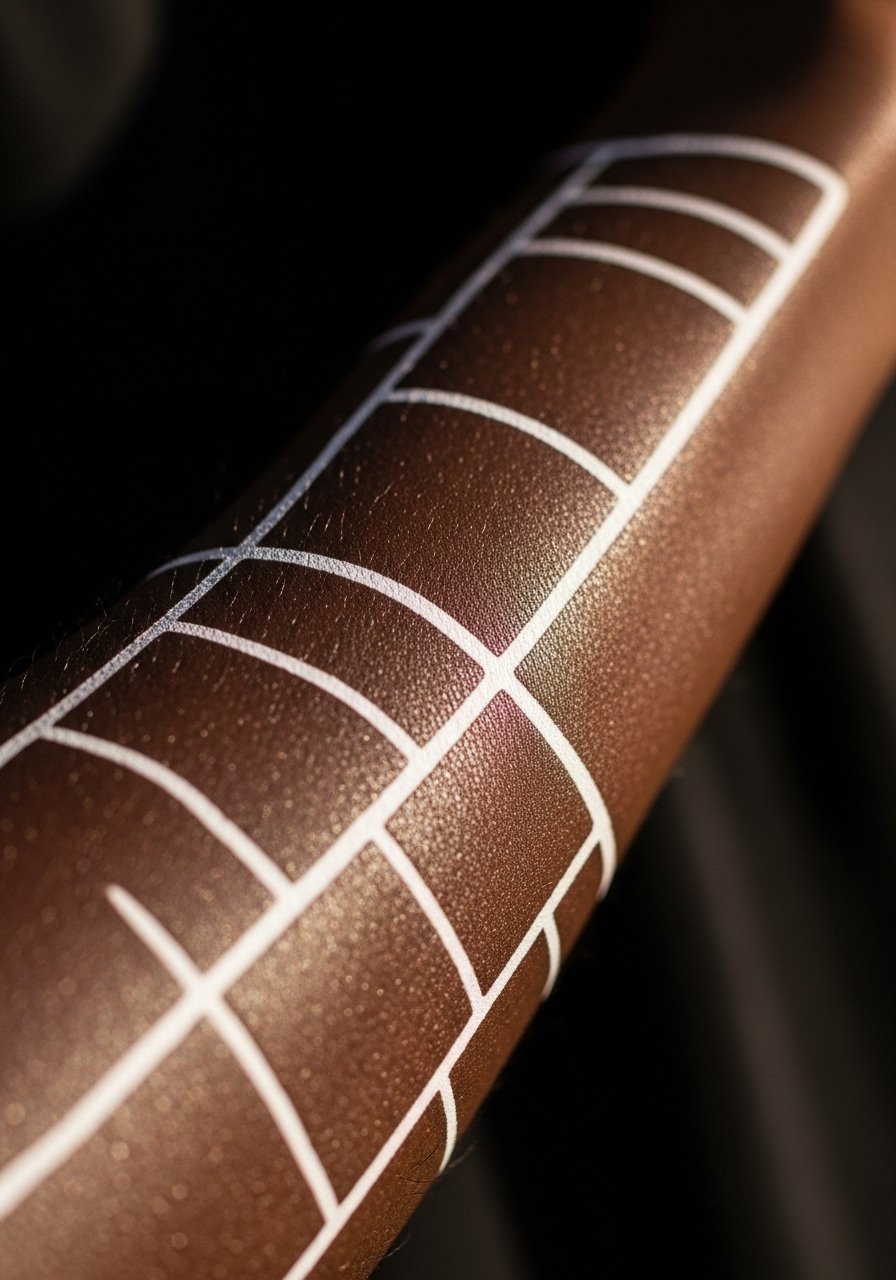
3. Scar-like linework on the outer forearm
Most people pick this when they want a rugged, lived-in look that mimics natural skin marks. Outer forearm sessions take about 60 to 90 minutes depending on length, and pain is usually a three to four out of ten. Thick white lines that imitate healed scars settle into the skin differently than thin script. At six months you may see a bright white edge, and by two to five years it often reads as a pale ridge, which some prefer and others do not. The mistake I see is asking for dense fill in this style. Keep the ink layered and allow space so it ages into that scar-like texture without raised scabbing.
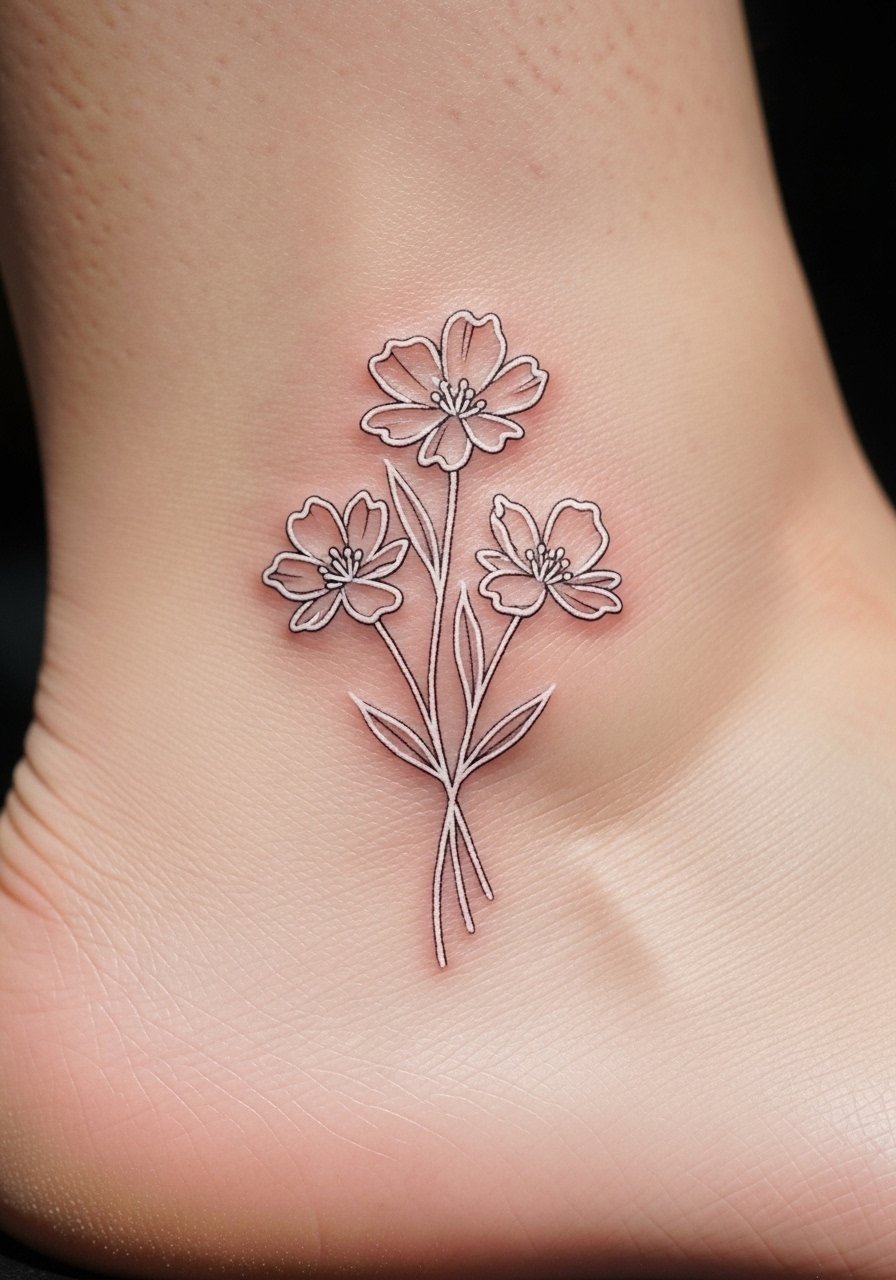
4. Delicate floral outline on the ankle
When you want something that tucks into shoes and socks, the ankle is a solid pick. Expect a 45 minute session and pain near a five out of ten because bone is close to skin there. Fine white petal outlines do well if the artist uses single-needle work and avoids too many tiny joins. At six months the petals stay crisp, and around year two they may soften into a pale signature that blends with skin. The common error is stacking petals too close together. Ask for spacing and simple negative space so the design does not fuse as it settles.
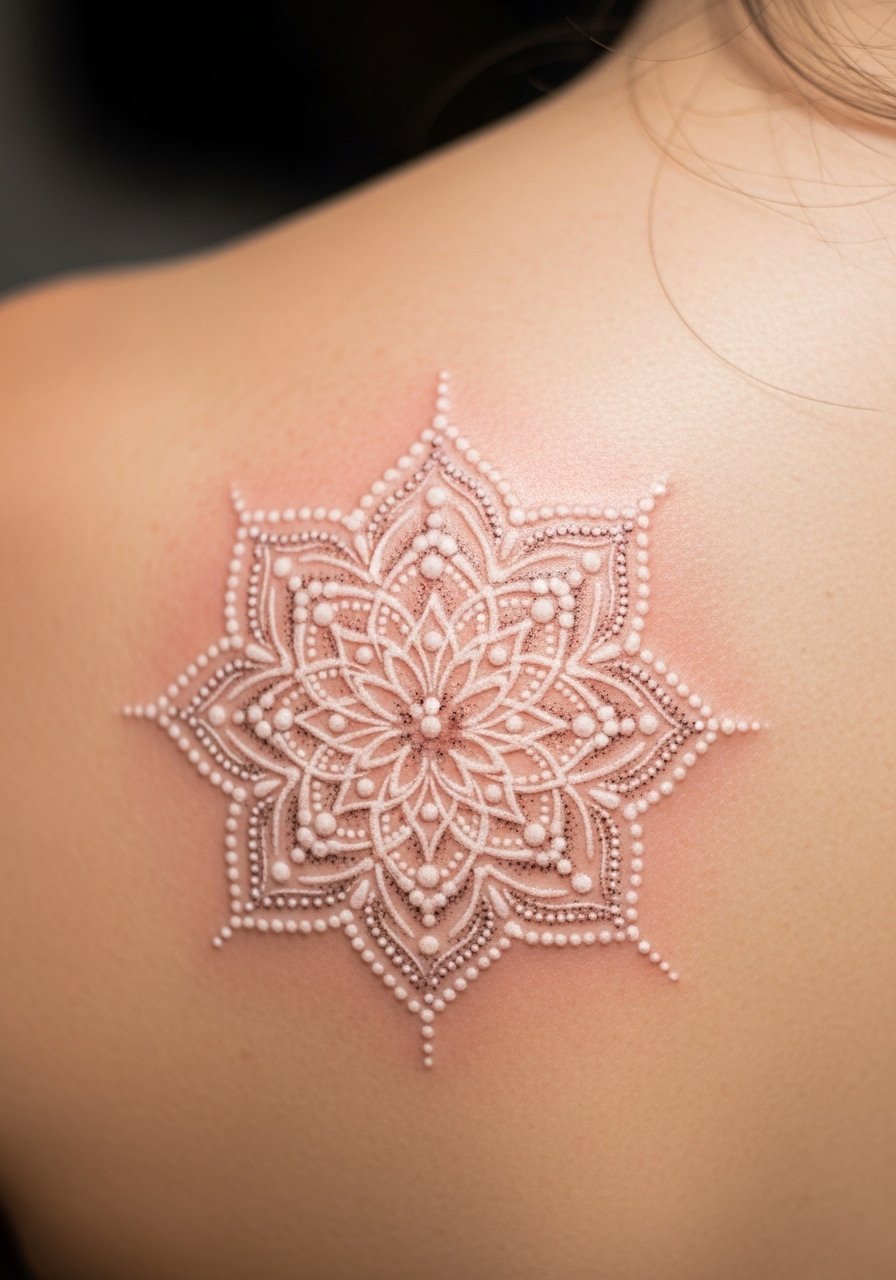
5. Mandala dotwork on the shoulder blade
I've seen mandala dotwork pop on darker tones more than on very pale skin. This ornamental approach uses stipple shading and dot sequencing to build form without solid fills. Expect two to three passes across 2 to 3 sessions for the full effect, and plan for multiple touch-ups in the first year. Shoulder blade placement means moderate pain, around a four out of ten, and the canvas there gives breath to intricate patterns. One camp says white mandalas read best on darker skin, the other camp says pale skin keeps more of the subtle detail. Ask which approach the artist favors and why before booking.
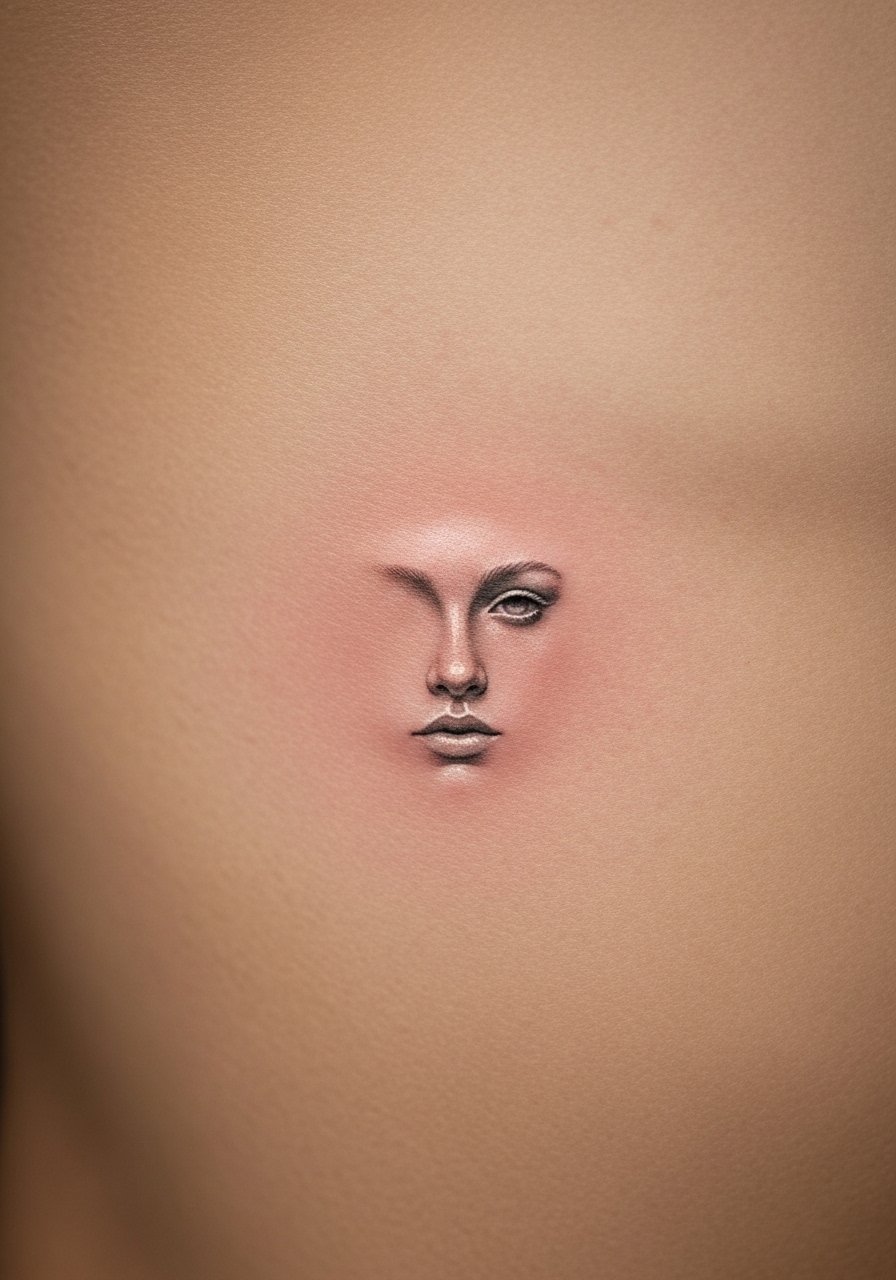
6. Micro-realism portrait accent on the ribcage
Fine warning: the ribcage can hit a seven out of ten on pain, but the payoff is a private, delicate detail. Micro-realism in white works best as an accent over existing dark portraits or as tiny highlights inside a larger piece. Sessions typically stretch to 90 minutes and require patience. Controversy exists about fine detail on ribs. One camp says the area stretches and blurs lines within two years. The other camp says with controlled depth and spacing, fine work settles intact. Bring reference photos that show the exact texture you want and ask the artist how many passes they anticipate.
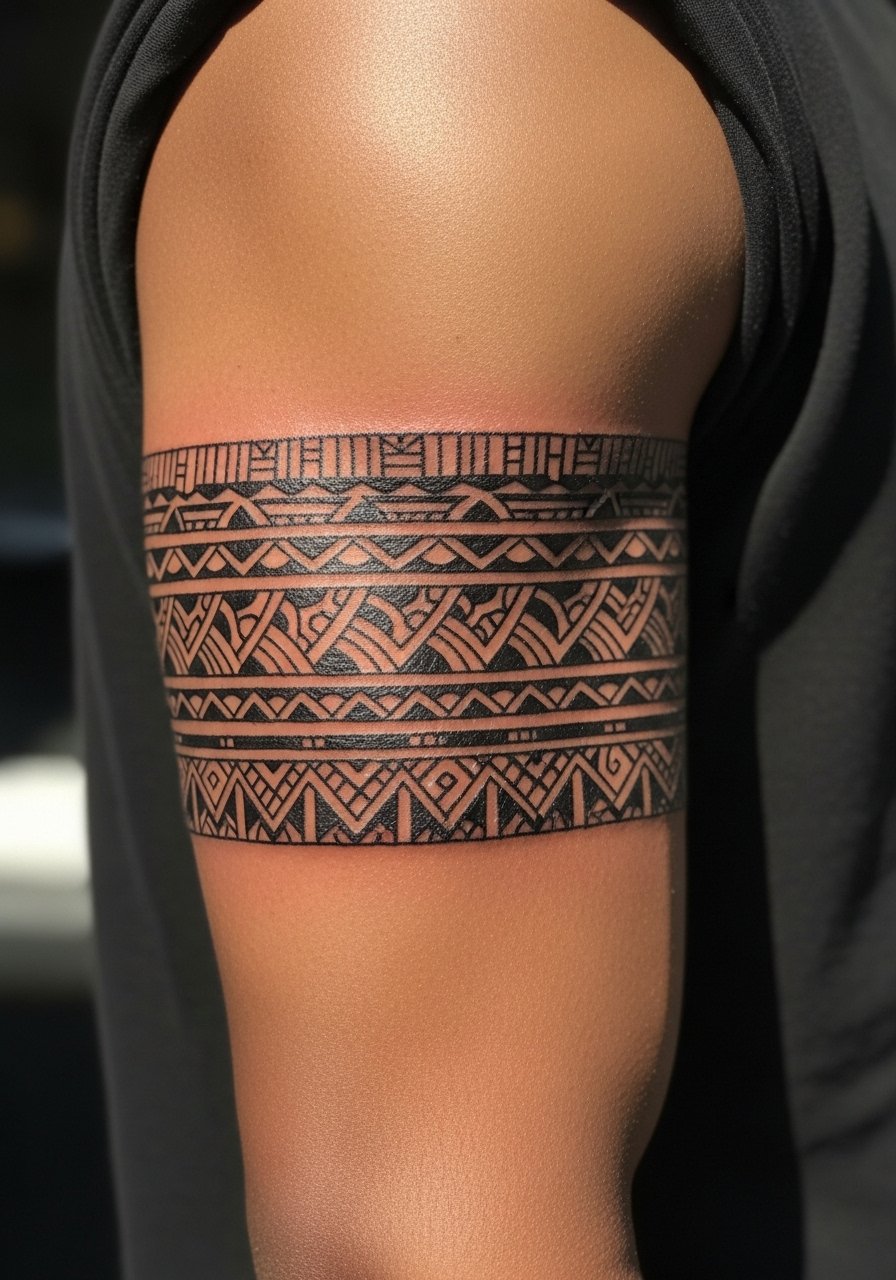
7. Bold tribal band on the bicep
There is a muscle-hugging truth to a white tribal band that reads like a contour highlight. Biceps tolerate bands well and pain is usually a three to five out of ten depending on size. A one to two hour session can deliver thick, confident white lines that age toward a pale graphic ring. Watch for asking for razor-sharp edges with no breathing room. Those edges can scar and look raised if the artist packs too much ink. A practical tip is to flex the arm during consult photos so your artist maps the band to your muscle when relaxed and contracted.
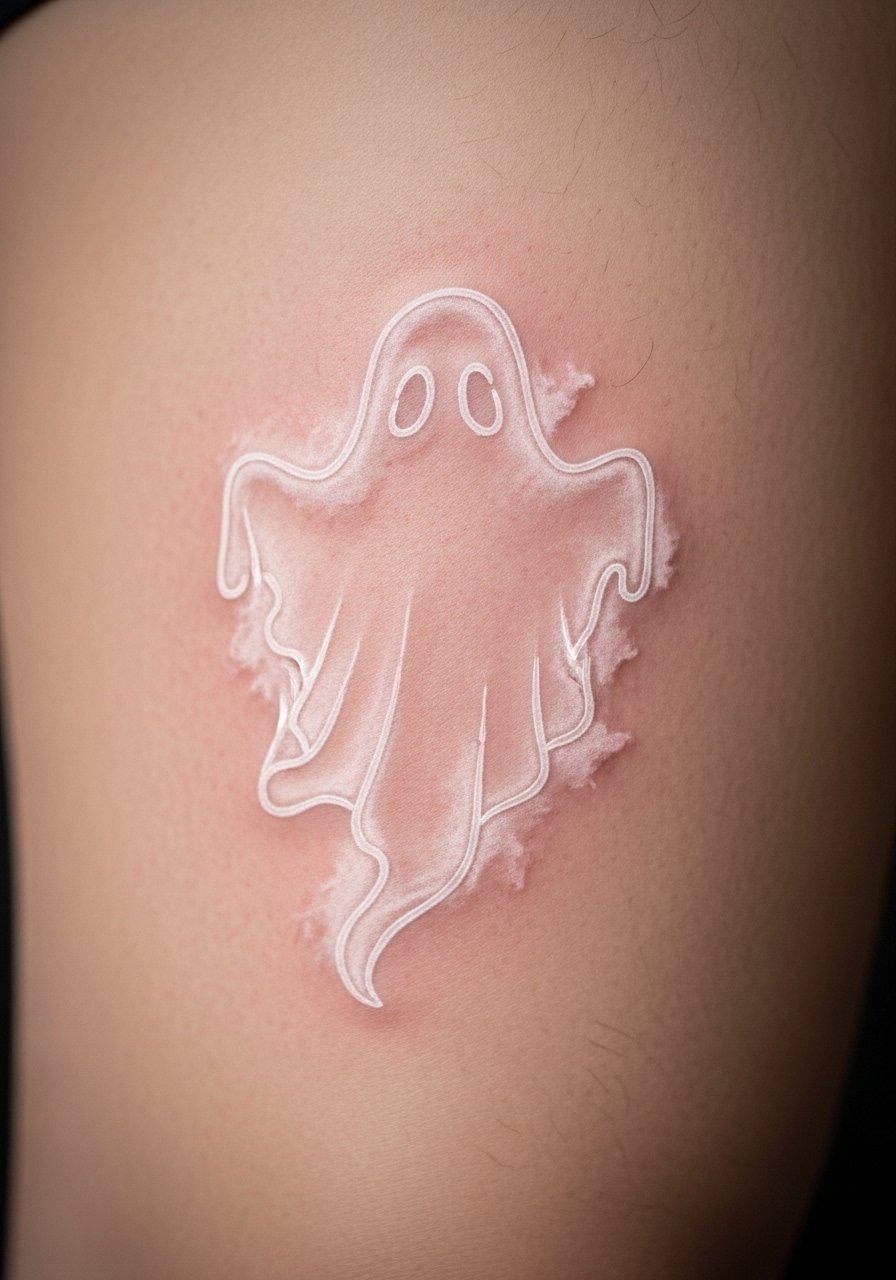
8. Watercolor ghost outline on the inner thigh
The inner thigh gives a soft, private plane for translucent white washes that fade like a memory over time. Sessions run longer because the artist layers thin passes to get that ethereal wash, often 90 to 180 minutes across multiple appointments. Expect some swelling during week one there because the area retains fluid more than limbs do. A common mistake is requesting broad watercolor without staged passes. Ask for trial layering so you can see how each pass settles, and be prepared for touch-ups after healing finishes.
9. Single-needle constellation on the forearm
When you want an arrangement that reads like tiny stars, single-needle white constellations on the forearm are ideal. Sessions are short, often 30 to 60 minutes, and pain is a three to four out of ten. The forearm moves but is forgiving, so micro dots and tiny points keep their shape if spaced properly. A frequent error is clustering too many dots into micro-shapes. Leave space, let the negative skin act as part of the design, and plan a touch-up at four to six weeks if any points fade during healing.
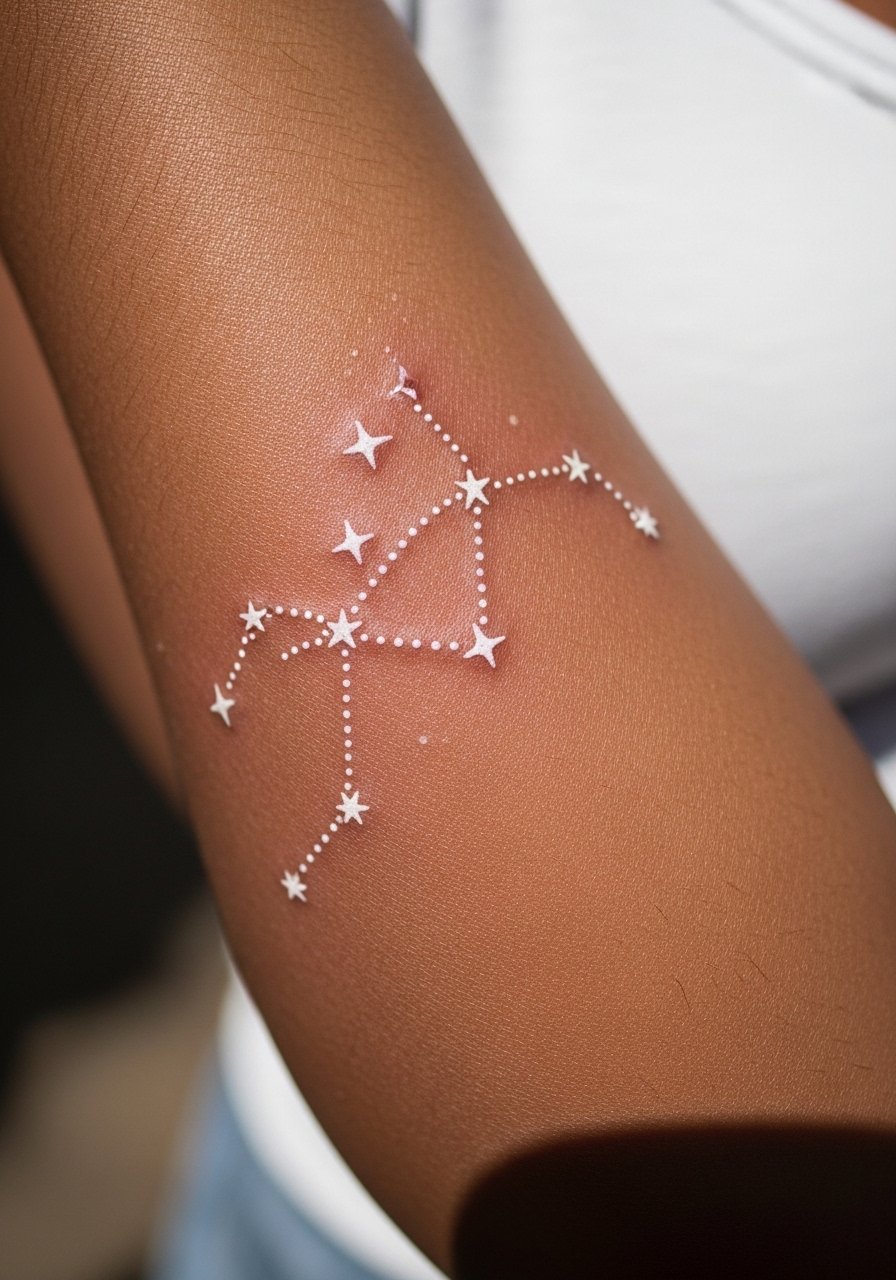
10. Script with a faint underline on the rib
Most people underestimate rib pain and overestimate how small script will stay. Expect a seven out of ten for most sessions and plan for 60 to 120 minutes. A faint white underline can anchor a word and help it age as a readable mark rather than a smudge. The usual mistake is asking for ultra-thin cursive and tiny letters along a curve without spacing. During consultation, ask the artist to sketch the lettering at full size on your skin and to show how the underline curves with breath and posture.
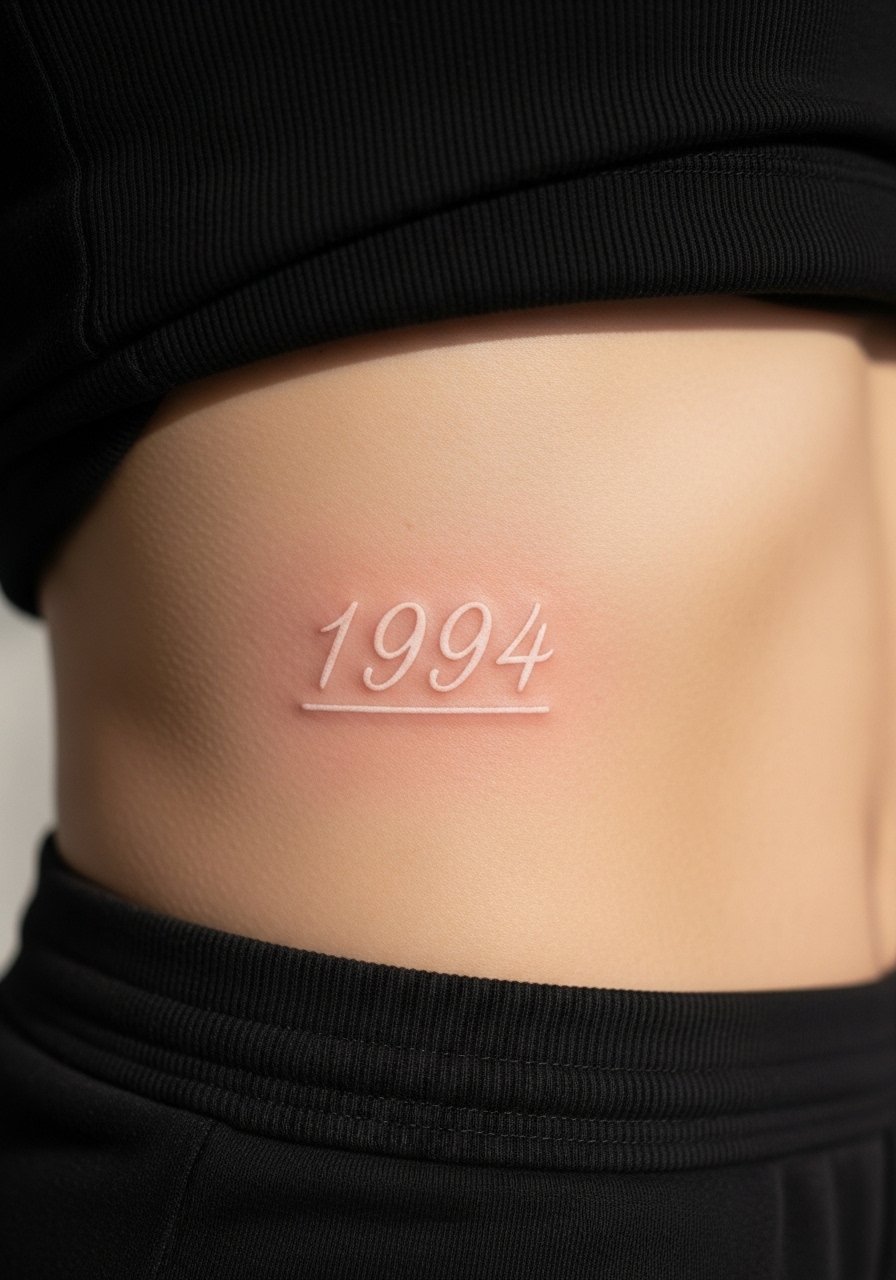
11. White geometric chest cluster
Ask for this when you want a central piece that works with future layering. Chest clusters of triangles and thin shapes need slightly bolder linework up front to avoid early blur. Sessions often take 90 to 150 minutes and pain is a five to seven depending on proximity to bone. The chest moves with breathing which affects how lines settle. Avoid requesting an extremely dense cluster that crowds the skin. Tell your artist you want spacing designed for future black ink overlays in case you use white as a trial run.
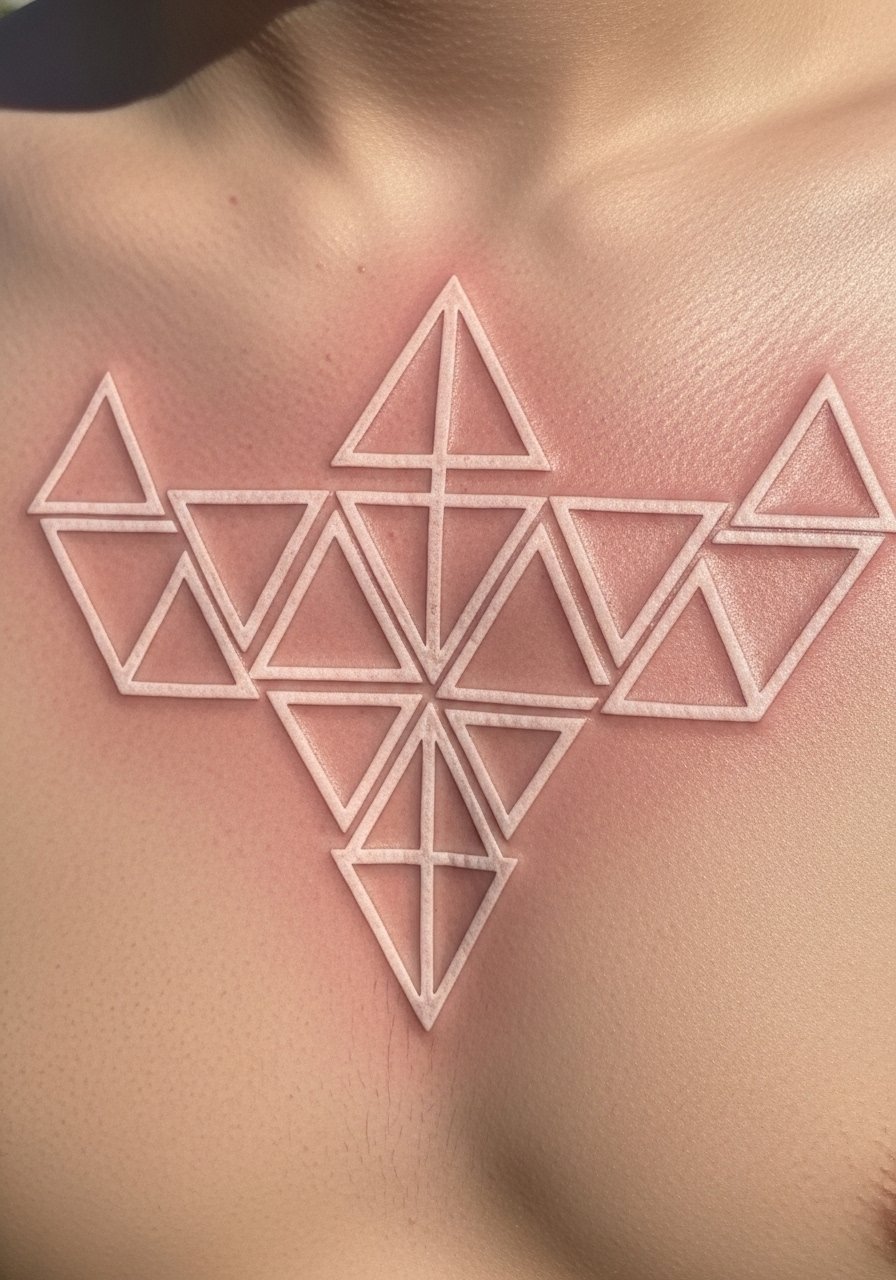
12. Minimalist ankle arrow that fades inward
When clarity over time matters, a small arrow with a hollow shaft keeps shape longer than a fully filled tail. Sessions are fast, under 45 minutes, and pain is a four out of ten. At six months this reads as a clean pale arrow, and by two years it often turns into a soft pale groove. A common misstep is asking for a filled white triangle at the tail. Solid fills on small scales usually yellow or look raised. Request a hollow or negative-space tail to maintain a refined look as it settles.
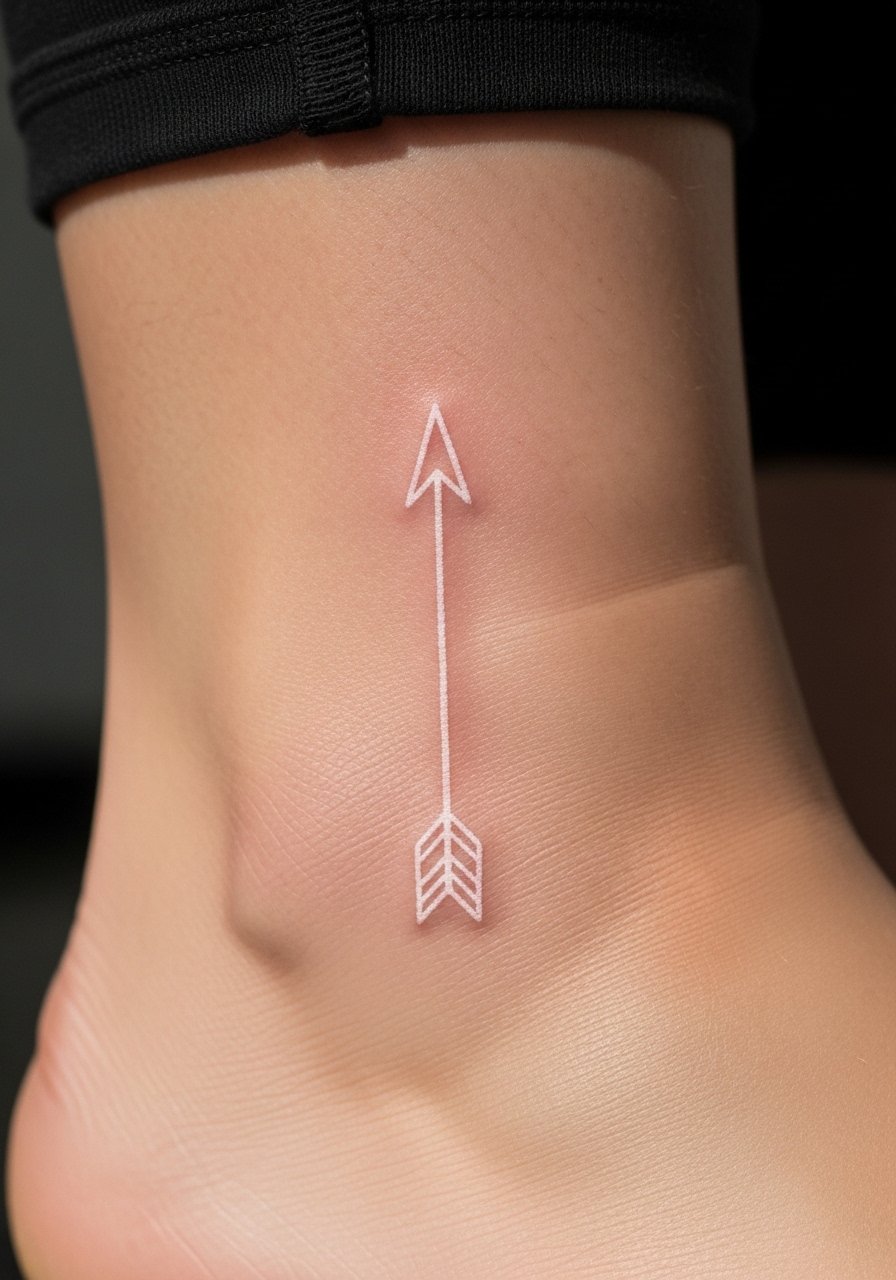
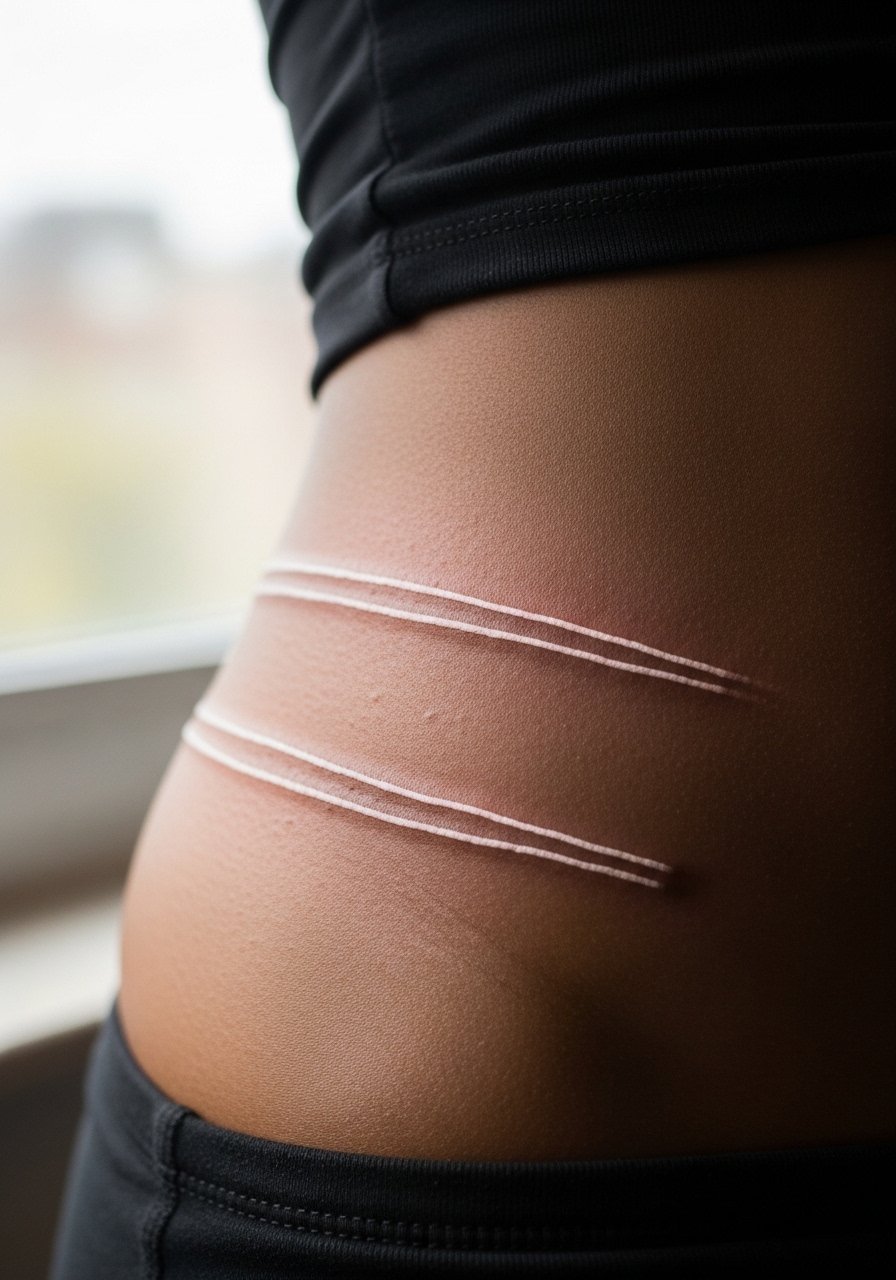
13. Scar-mimic stretch mark blends on the hip
Controversy follows this idea because it mixes body-positive aims with visual mimicry. One camp welcomes white ink that blends into existing pale stretch marks as an aesthetic and healing gesture. The other camp warns that replicating scars can create confusion and might age unpredictably. I suggest a consult that includes showing your natural marks and asking for a design that sits alongside them rather than copying them exactly. Session time varies, often 60 to 120 minutes, and expect touch-ups as the skin settles and shifts with body changes.
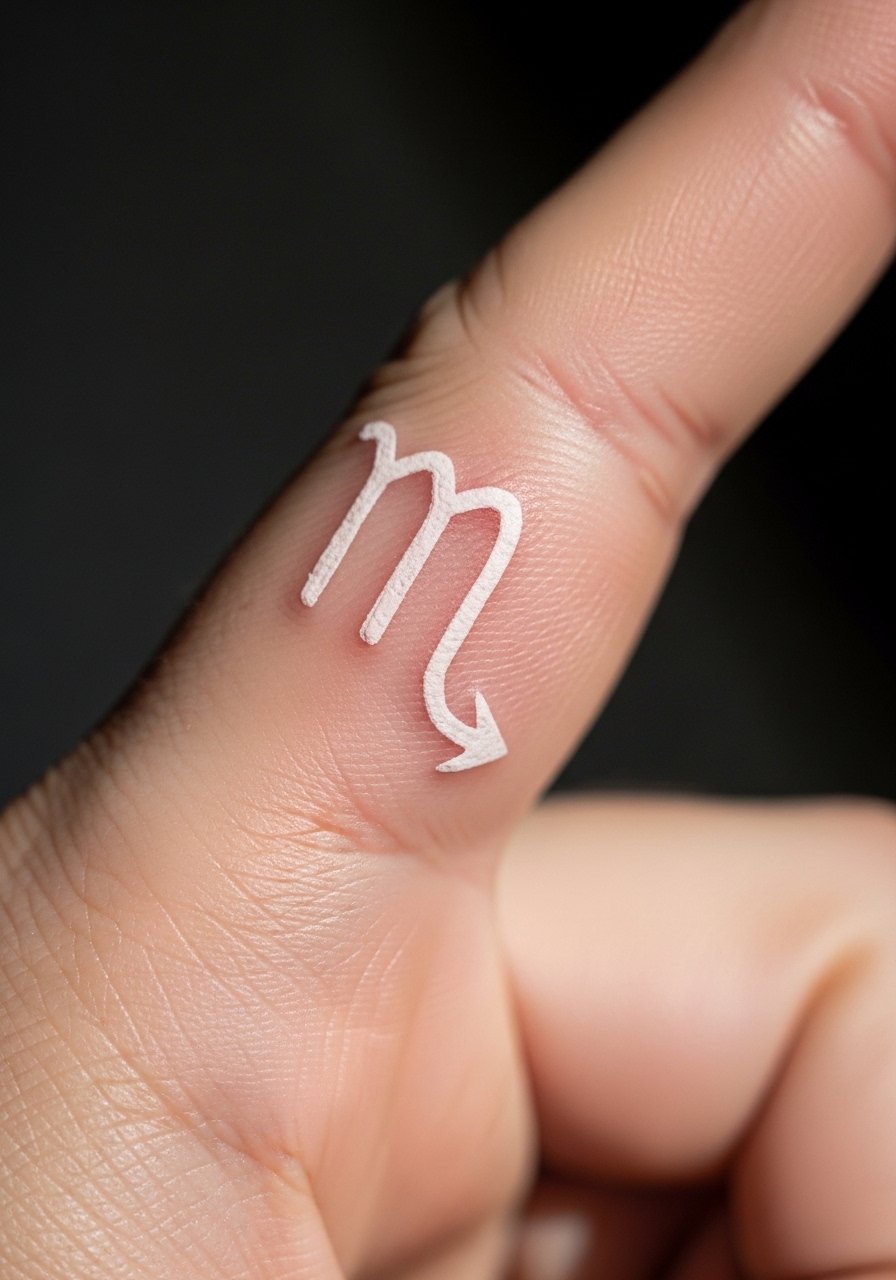
14. Tiny zodiac glyph on the finger side
Hand and finger placements still affect work and job options in some places, so consider your day job before booking. Side-of-finger glyphs are micro and bold enough to survive daily washing if spaced and placed correctly. Pain is typically a six out of ten and sessions are short. The common mistake is tiny detail on the pad or the tip. Ask for placement on the side where wear is less, and request slightly heavier lineweight to avoid rapid fade. Expect annual touch-ups for this zone.
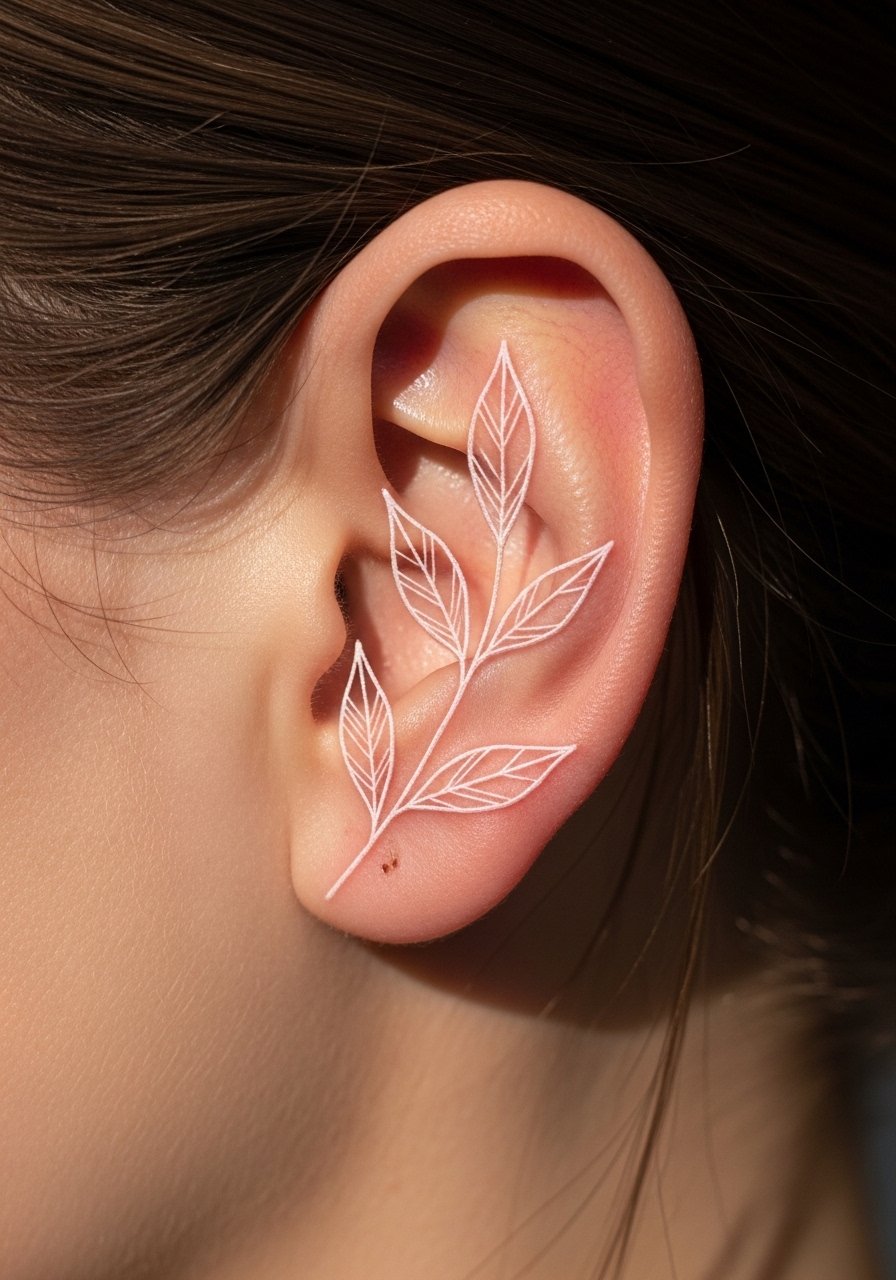
15. Botanical sprig behind the ear
Behind-the-ear spots feel intimate and quiet. A small botanical sprig runs 30 to 60 minutes and pain is lower, around a three, but swelling can show because skin is thin there. Fine white linework reads as a delicate whisper as it heals. A common error is skipping a test for how white reflects light in that location. Ask to preview the placement with temporary ink to see how it catches sunlight and to confirm you like the discreetness before committing.
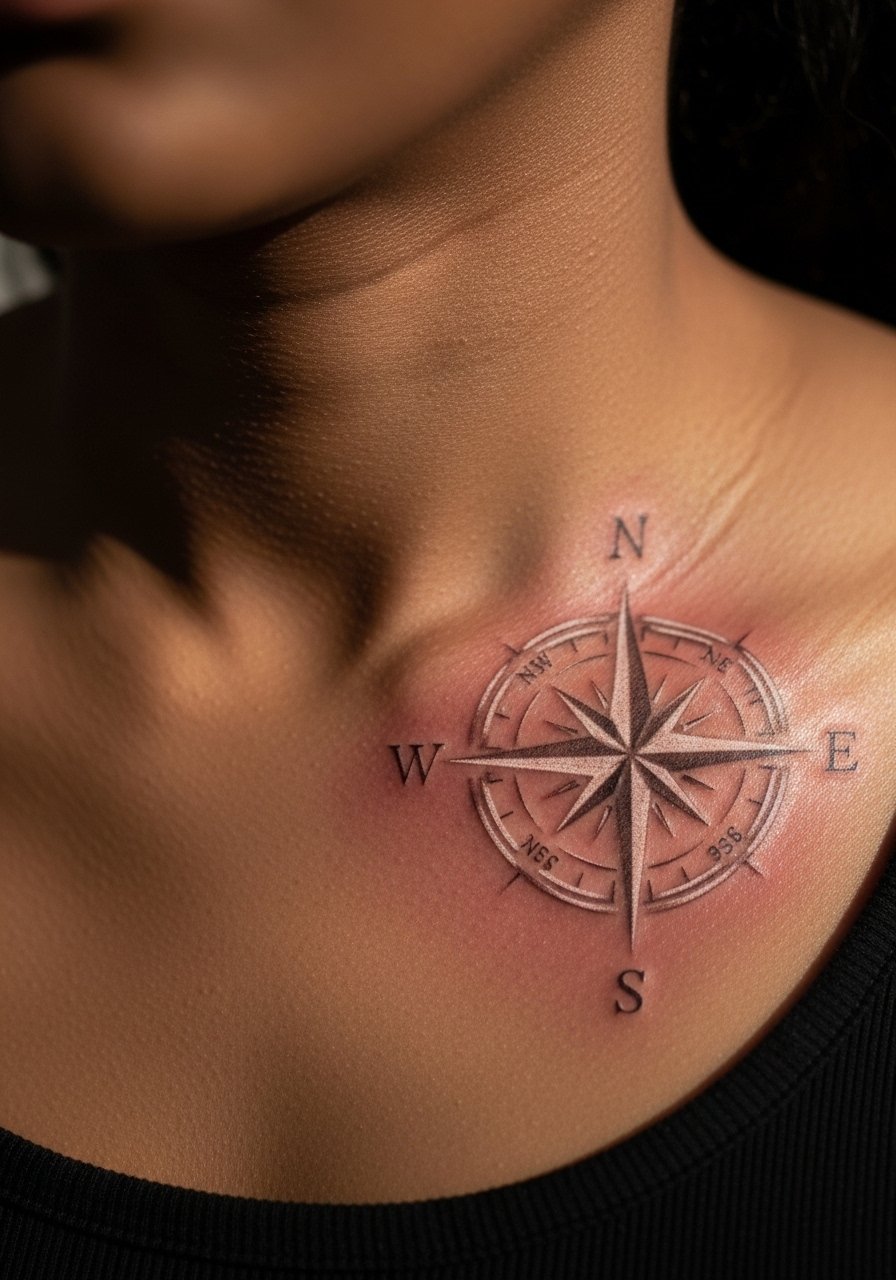
16. Ghosted compass on the clavicle
There is a trend for compass motifs that look like softened travel marks rather than bold icons. Clavicle placement is visible but sits under certain necklines, so it balances exposure and privacy. Sessions usually run 60 minutes and pain is about a four. The aging pattern is a crisp center that softens outward over two to five years. People often ask for heavy compass points which end up looking raised. Ask for subtle center saturation with feathered edges to keep the ghosted effect as it settles.
17. Micro dot mandala at the nape
The nape is a clean canvas for tiny mandalas built with dot work and negative space. Sessions can be 60 to 90 minutes and pain is moderate depending on hairline proximity. Dot work there often ages into a soft texture that reads as a healed pattern rather than stark ink. A common mistake is cramming too many rings into a micro piece. Leave space so stipple shading can breathe and plan a touch-up at the three to six month mark for anything that softens too much.
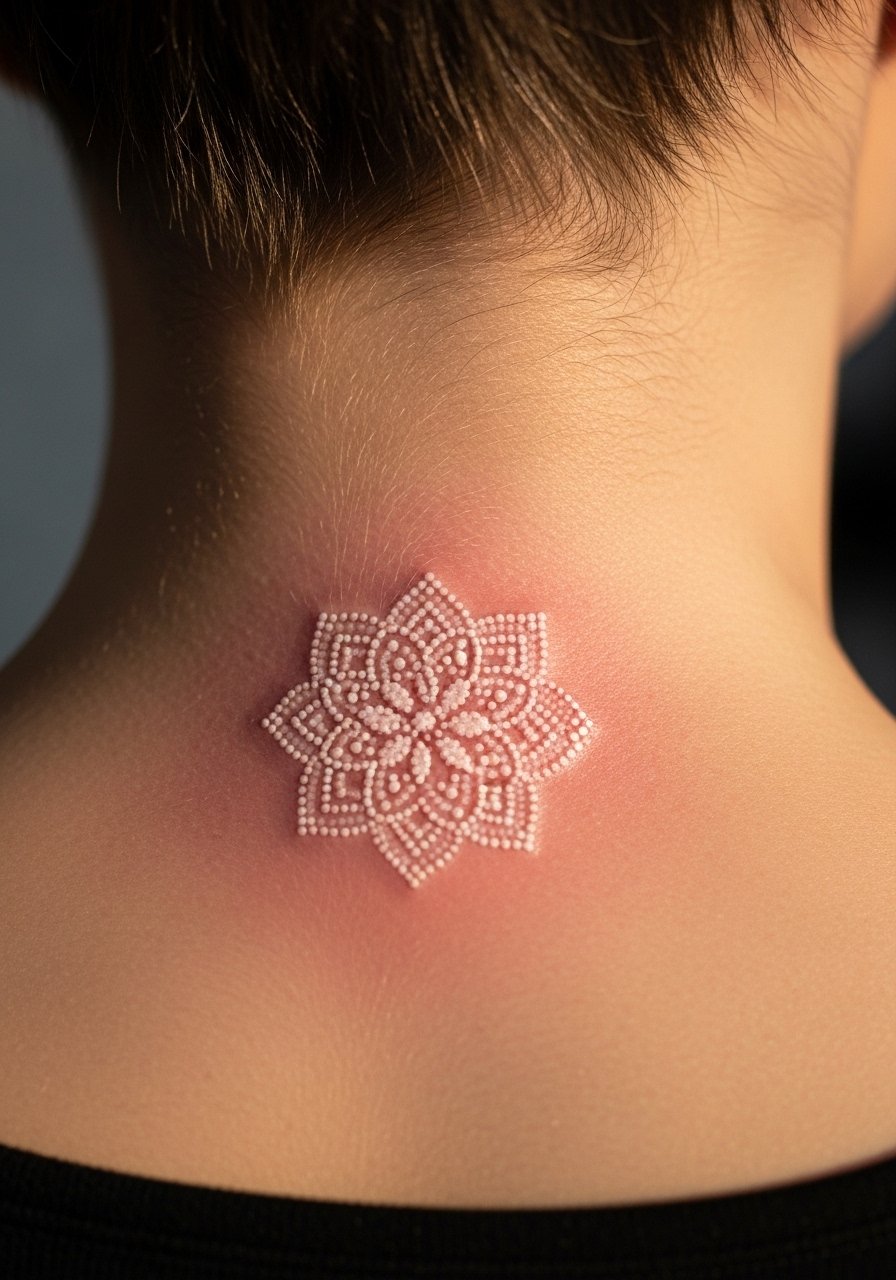
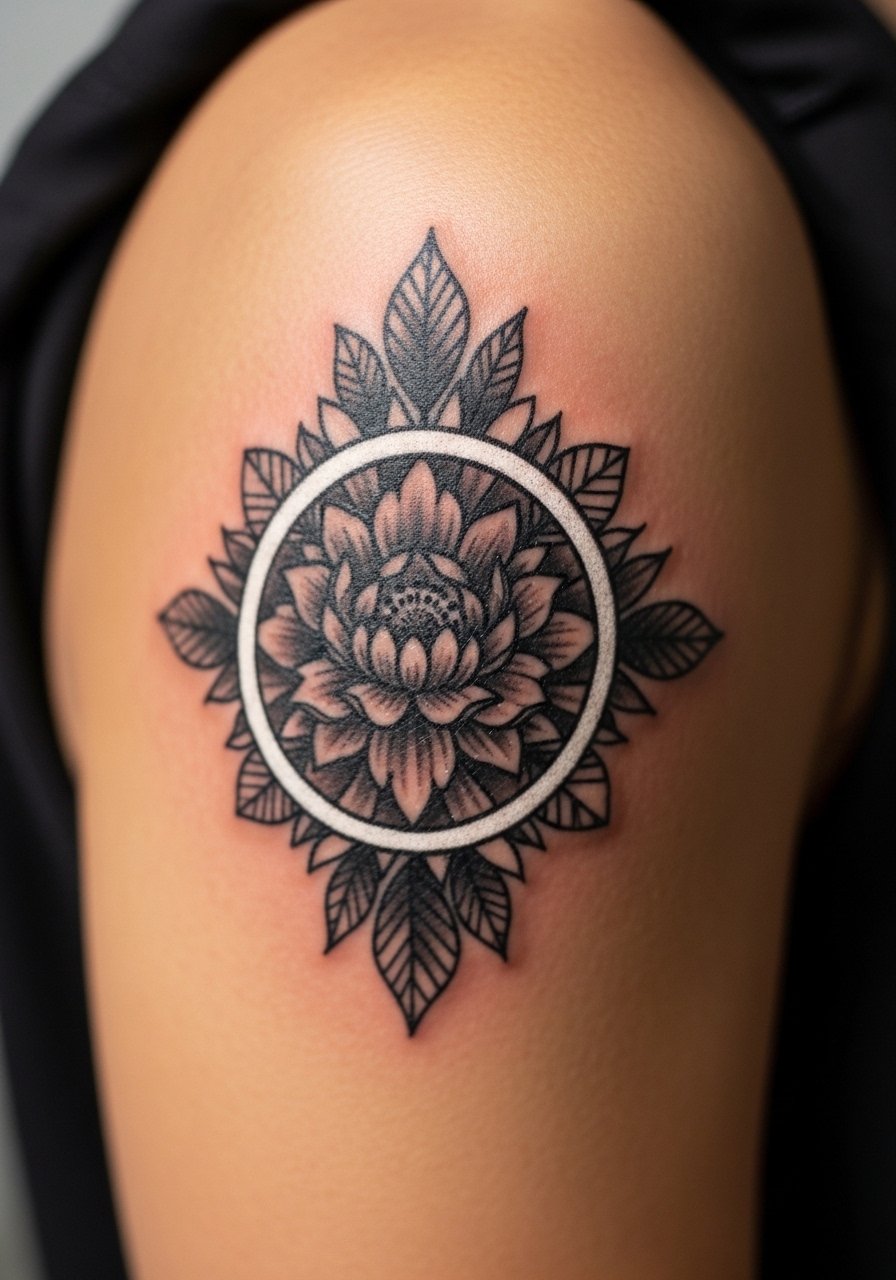
18. White highlight around a dark tattoo
Someone I know used white ink as a highlight ring around a dark floral sleeve and then layered more black later. White works as an accent to lift saturation and add depth to micro-realism. Sessions depend on the size but a 60 minute touch-up session is common to blend the white into existing work. The trick is to ask the artist for light passes and to schedule a follow-up once the ink settles so touch-ups can be precise. White as highlight often needs touch-ups sooner than black when outdoors frequently.
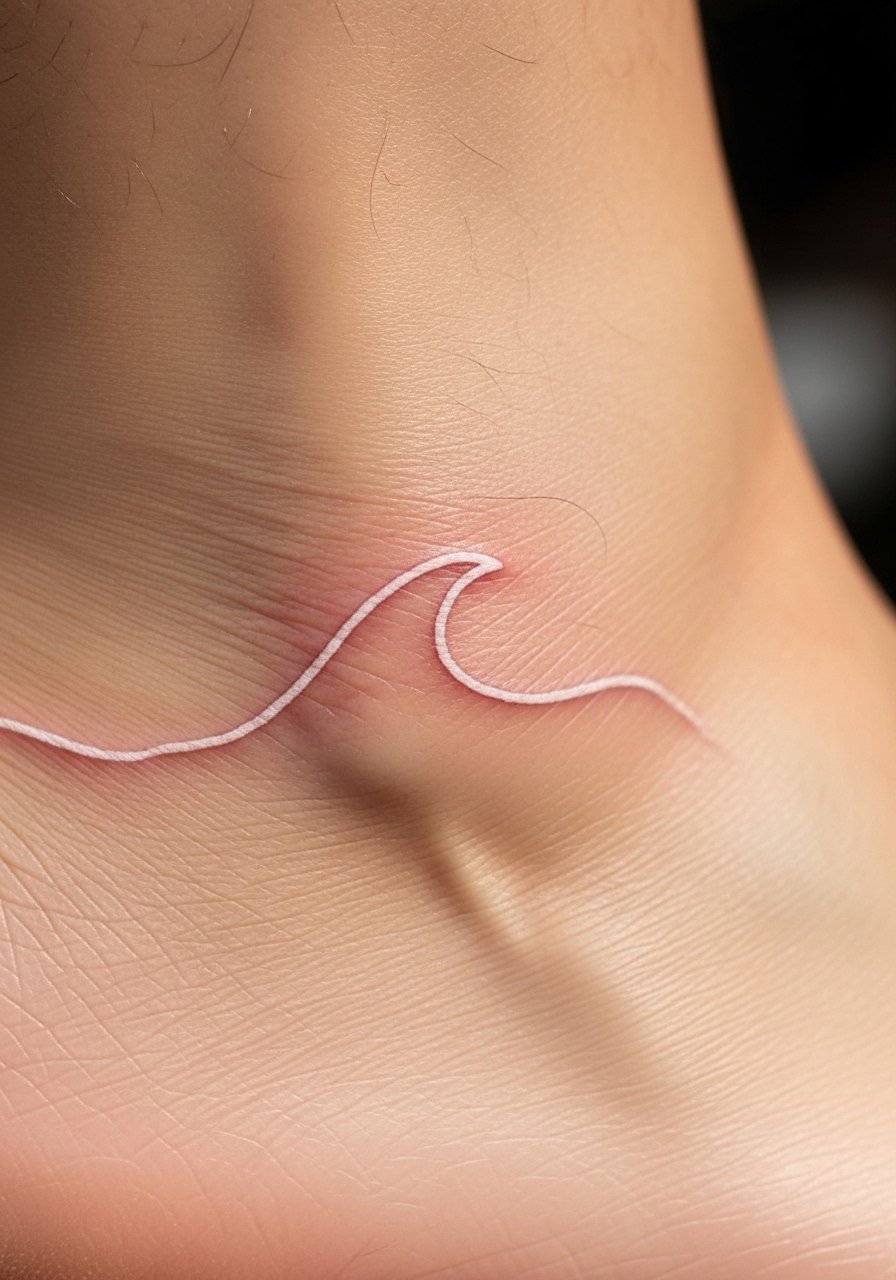
19. Thin wave line on the ankle bone
A thin wave line that follows the ankle bone gives a nautical nod without bold ink. Sessions are short, 30 to 45 minutes, and pain is a five out of ten near bone. Over time the wave often fades to a pale contour that reads like a healed mark. A common mistake is setting the wave too close to footwear seams. During consult, stand and walk so the artist sees how shoes and socks may rub the placement during healing.
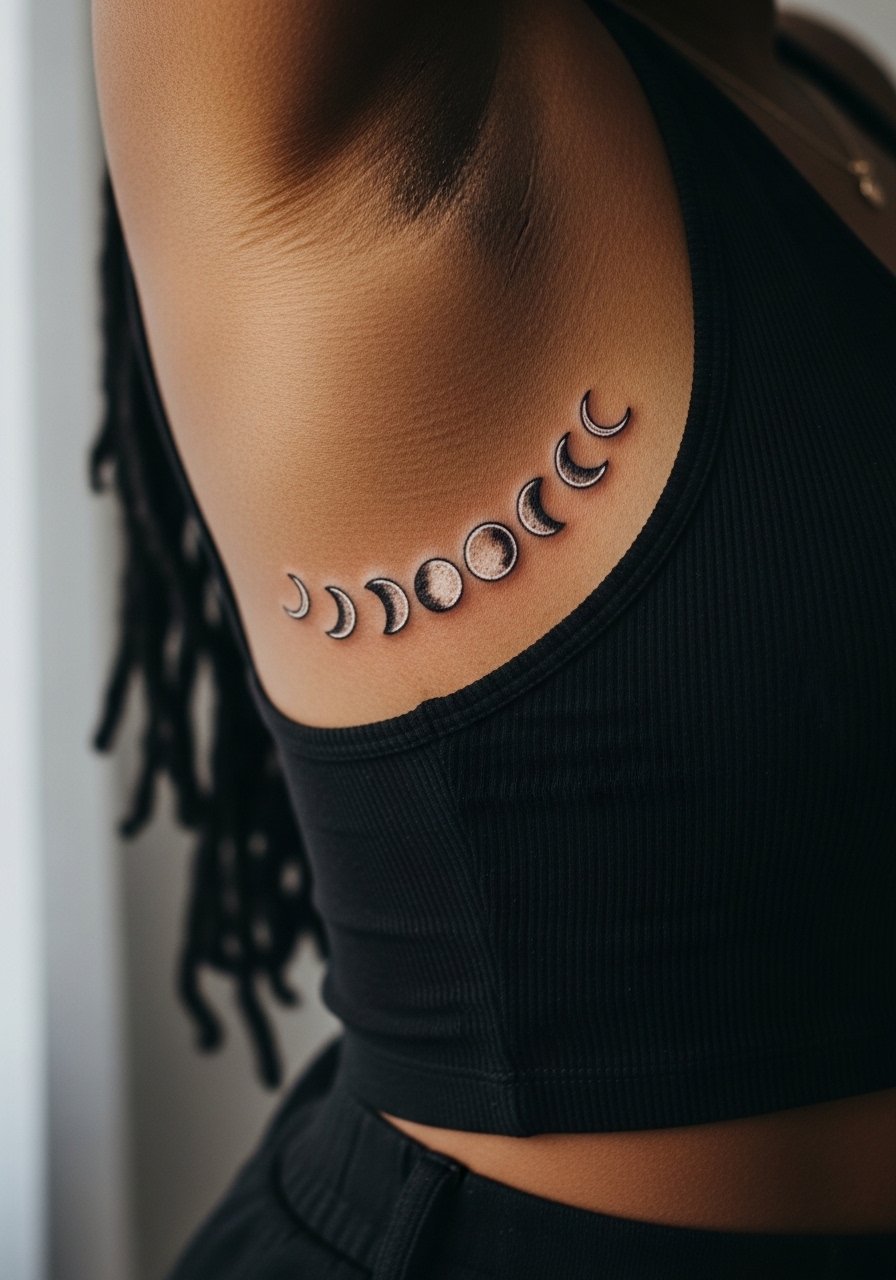
20. Small lunar phases along the rib side
If you like progression motifs, a string of lunar phases on the rib side maps nicely with breathing and posture. Expect 60 to 120 minutes and pain around a six out of ten. Small crescents hold spatially if each phase is given a clear gap. A mistake I see is compressing all phases into too small an area. Ask the artist to lay the phases out on skin and breathe while they mark placements. Plan a touch-up at the one to three month mark because ribs can lose tiny points during healing.
Tattoo Prep and Aftercare Essentials
Fragrance-free gentle foaming cleanser. Use for daily washings during week one to remove excess plasma and light debris. A soap that foams without fragrances reduces irritation and helps avoid yellow tinting.
Lightweight fragrance-free balm for daytime moisture. Apply thin layers after the first few days to keep the skin supple without clogging pores.
Medical-grade second skin bandage, small sheets. Useful for the first 24 to 48 hours on areas that rub clothing. Cut to size and change per bandage instructions.
Zinc oxide mineral sunscreen, non-tinted. Long-term UV protection is essential to slow yellowing and fading once the tattoo is fully healed.
Gentle silicone scar sheet, small strips. Some people use these months after healing to even texture where white ink reads raised.
Lightweight occlusive balm for night use. Use sparingly in the initial week for added barrier on dryer skin types.
Fragrance-free moisturizer with ceramides. For long-term skin health and to preserve healed saturation, keep the skin moisturized daily.
Non-abrasive adhesive bandage strips. Handy to protect small areas from accidental rubbing during the first week.
Every tattoo is different. Always follow your artist's specific aftercare instructions. Consult a dermatologist if you have skin concerns or unusual healing issues.
Frequently Asked Questions
Q: How soon will a white ink collarbone script need a touch-up?
A: From what I've seen, light collarbone scripts often need a touch-up between four and twelve months if you want to keep the original brightness. Plan a follow-up visit at six to eight weeks to check initial settling and then expect maintenance roughly every 12 to 18 months depending on sun exposure and your skin type.
Q: Do white mandalas really show better on darker skin?
A: Artists are split on this. One group says white pop more on darker tones because the ink stands out against melanin. The other group insists pale skin preserves subtle dot work longer. The best approach is to look at healed portfolios for the exact technique you want and to ask the artist how their dot work reads across tones.
Q: If I use white ink as a trial run for a future black tattoo, will removal be easier?
A: Not necessarily. White ink sometimes fades into pale marks that can be tricky for laser removal. Treat white as a reversible-looking option but not a guaranteed easier removal. Many people use white as a fade-out test then tattoo dark over it when they commit.
Q: What should I tell my artist when I want scar-mimic white lines near stretch marks?
A: Show your natural marks in person and ask the artist to place the white lines alongside rather than copying exactly. Request staged passes and a preview with temporary ink. That way you see how the new lines work with existing texture before the tattoo settles.
Q: How does sun exposure affect white ink long term?
A: UV is the main culprit in yellowing and fading. Every artist I have talked to emphasizes daily mineral SPF on healed white ink. During healing avoid sun entirely, and afterward use zinc oxide sunscreen on exposed areas to slow color shifts.
Q: Will ribcage micro-realism blur faster than forearm micro details?
A: It depends on skin movement and the artist's technique. Ribs stretch more with breathing which can affect ultra-fine lines. If the artist favors shallow, spaced passes and plans touch-ups, the ribcage can hold fine detail, but expect more frequent maintenance than a forearm piece.
Q: When can I schedule a touch-up if the white dots on my forearm fade during healing?
A: A practical timeline is to wait until full healing at four to six weeks so you see the true settled color. Many artists recommend a touch-up window in that timeframe to retouch any points lost during the scabbing phase.