The right watercolor piece can feel like a loose brushstroke on skin, but the choices you make before booking decide how it looks after the first year. Small, outline-free washes are eye-catching at the studio. They often blur faster than mid-sized pieces with deliberate linework and contrast. Pick designs that match the canvas you have, plan spacing, and expect a touch-up schedule if you want the colors to last.
1. Watercolor floral shoulder piece
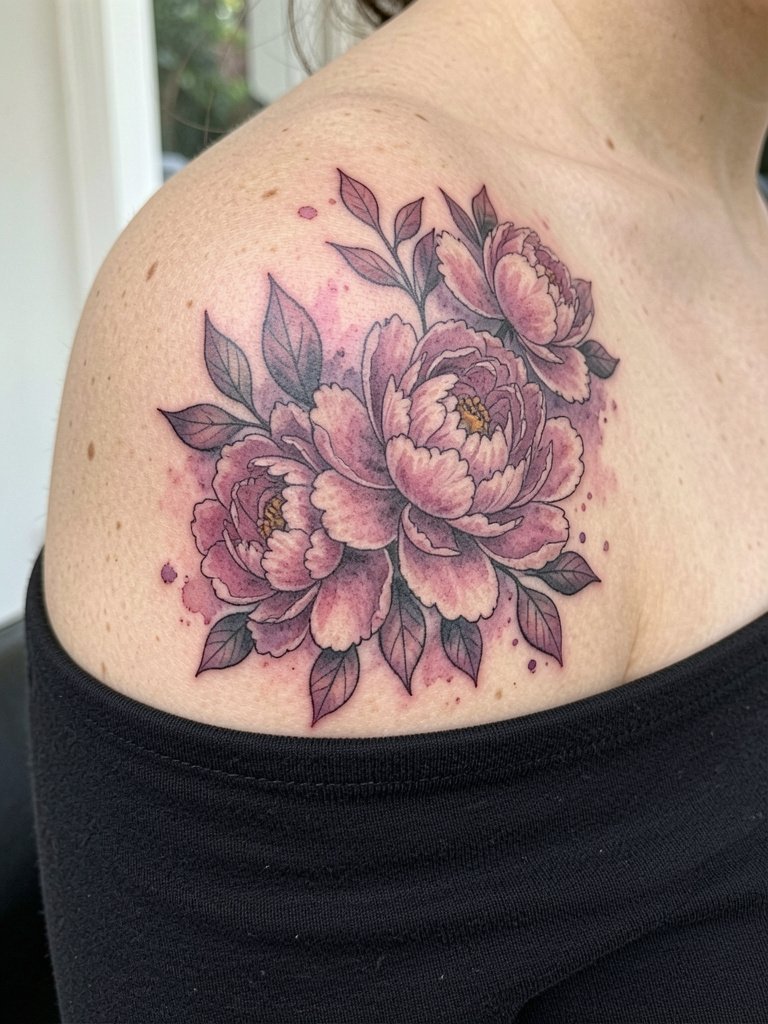
Shoulder pieces give watercolor room to breathe and they tolerate softer edges better than wrists. I recommend a medium size that includes faint black anchors around petals. Those anchors add contrast without losing the painted look. Talk with your artist about spacing and linework weight so the petals do not blend together as the pigment settles. For the session, wear an off-shoulder top so the artist can access the outer shoulder without fabric rubbing fresh ink. Pain on the shoulder is usually moderate and most of these finish in a single session. A common mistake is asking for everything tiny; when watercolor shrinks visually, detail vanishes.
2. Watercolor rose on inner forearm
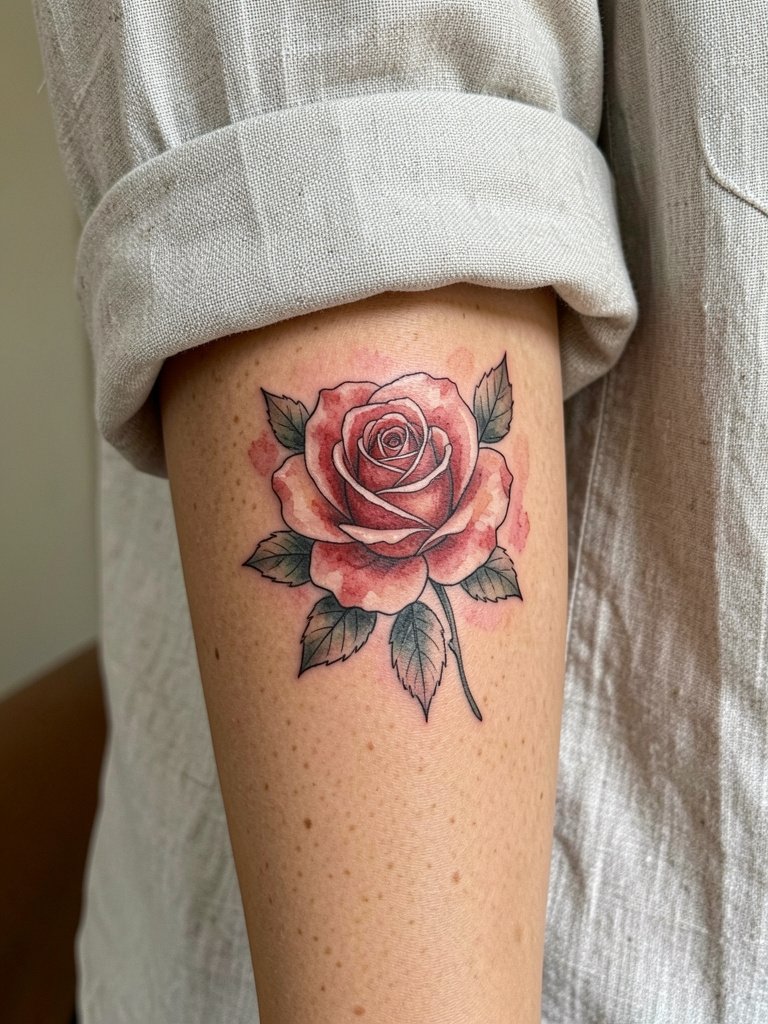
The inner forearm shows watercolor washes clearly because the skin there stays relatively flat. For a rose, I favor a faint outline with stipple shading to hold the center contrast. Specify linework thickness in the consult so the artist uses slightly heavier single-needle strokes where petals meet. Expect low to moderate pain and most small pieces complete in one session. For showing it off, pair the area with linen button-down shirts with sleeves rolled once, the neutral fabric keeps the colors readable. A common error is asking for no outline at all and then expecting the same longevity as a piece with anchors.
3. Watercolor hummingbird on upper arm
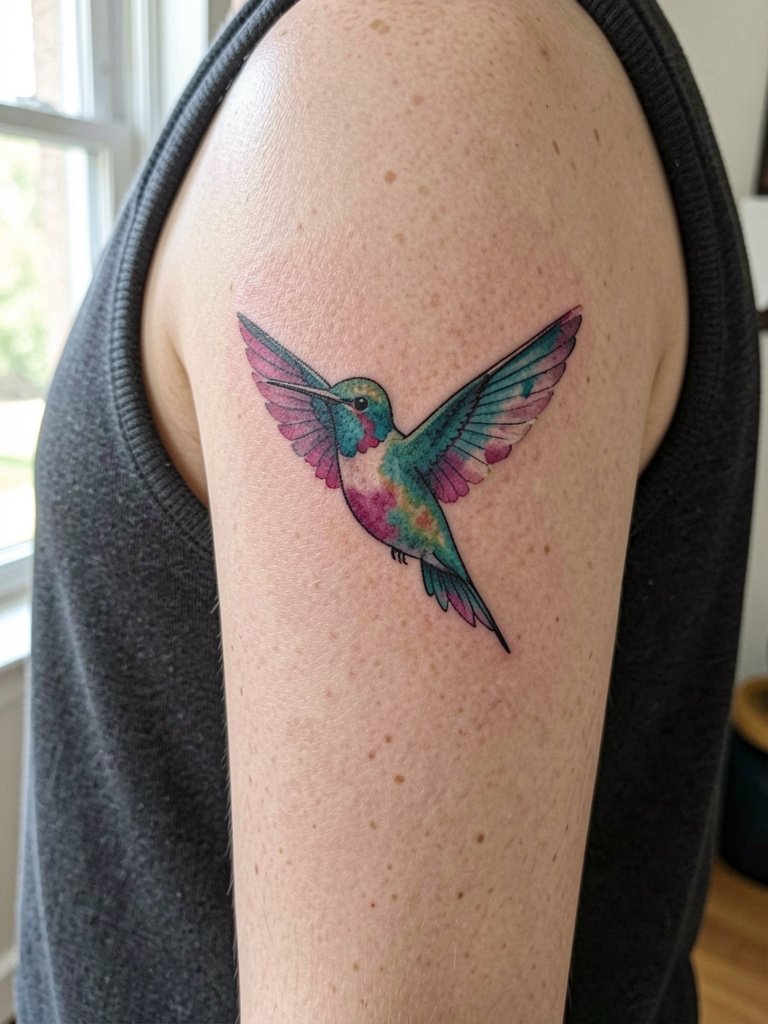
Birds translate motion well in watercolor and the upper arm gives the wings space to read. I suggest keeping the wings slightly overscaled relative to the body so the wash maintains shape at six months and after a touch-up. Discuss saturation targets with the artist so the teal stays lively without needing dense packing that could cause blowout. Wear a ribbed tank to the appointment for easy access. Upper arm sessions are generally less painful than ribs, and a small hummingbird sits comfortably in a single appointment.
4. Watercolor butterfly on wrist
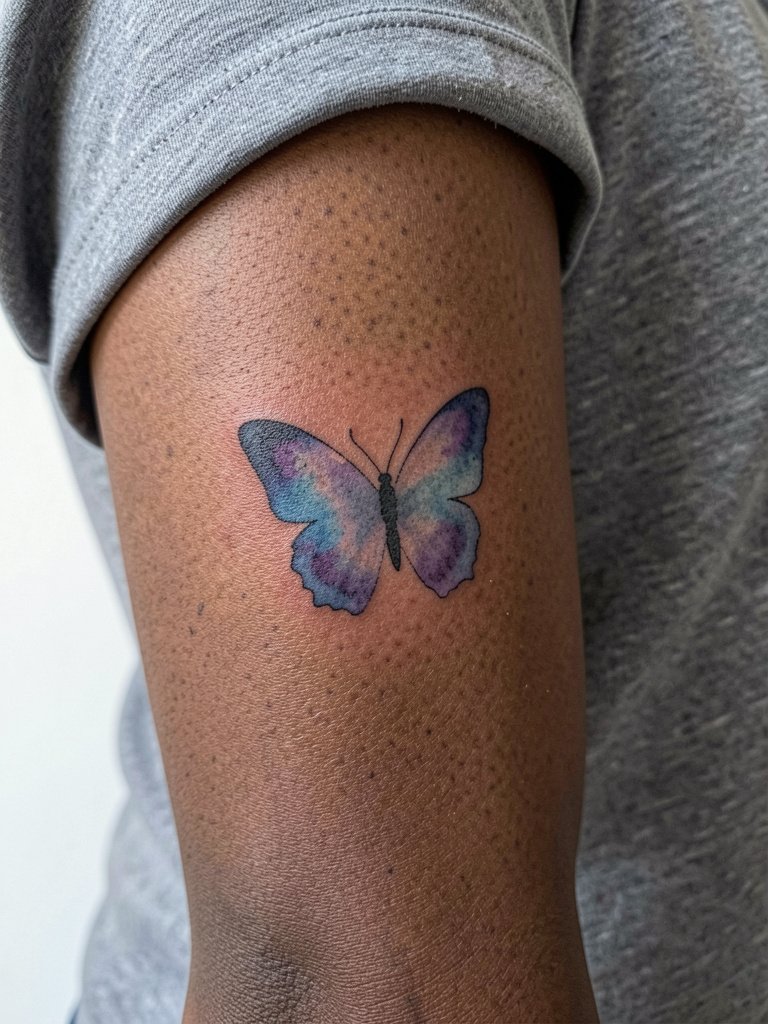
Wrist placements are intimate and visible, but thin skin and frequent washing increase fade risk. One camp argues that outline-free watercolor is the visual goal and that pure washes look best initially. The other camp argues for a faint anchor outline to protect readability as the skin ages. Both camps make valid points. If longevity matters, plan slightly thicker contour lines around the wing joints and accept a softer painterly fill. For appointment wear, leave the wrist clear and consider a thin watch on the opposite wrist so nothing rubs the fresh area. Expect light to moderate pain and a likely touch-up within 12 to 18 months.
5. Watercolor feather on calf
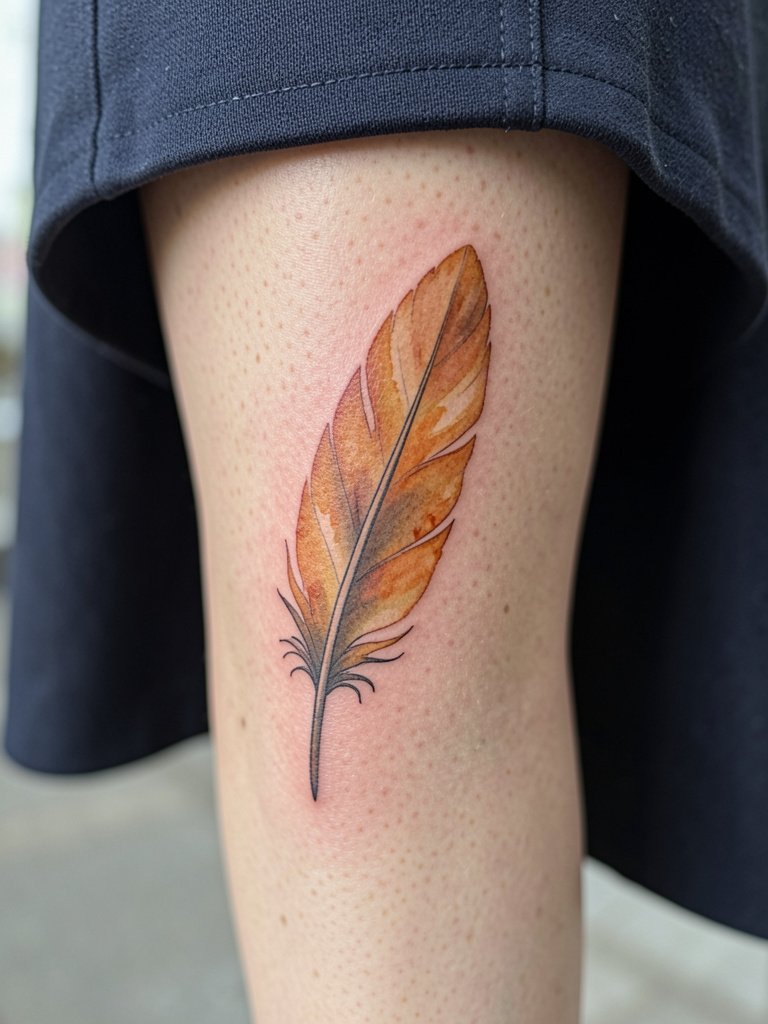
Calf pieces handle vertical flow beautifully and are forgiving of softer washes. I usually recommend a subtle quill outline to anchor the overall shape so the feather does not flatten over time. The session feels like steady buzzing with manageable pain and often finishes in one long appointment. To style it, pair the tattoo with midi skirts or cuffed jeans that reveal the lower leg in warm weather. A common mistake is positioning the feather too low where shoe friction shortens the visible life of the tip.
6. Watercolor koi fish on side torso ribcage skin
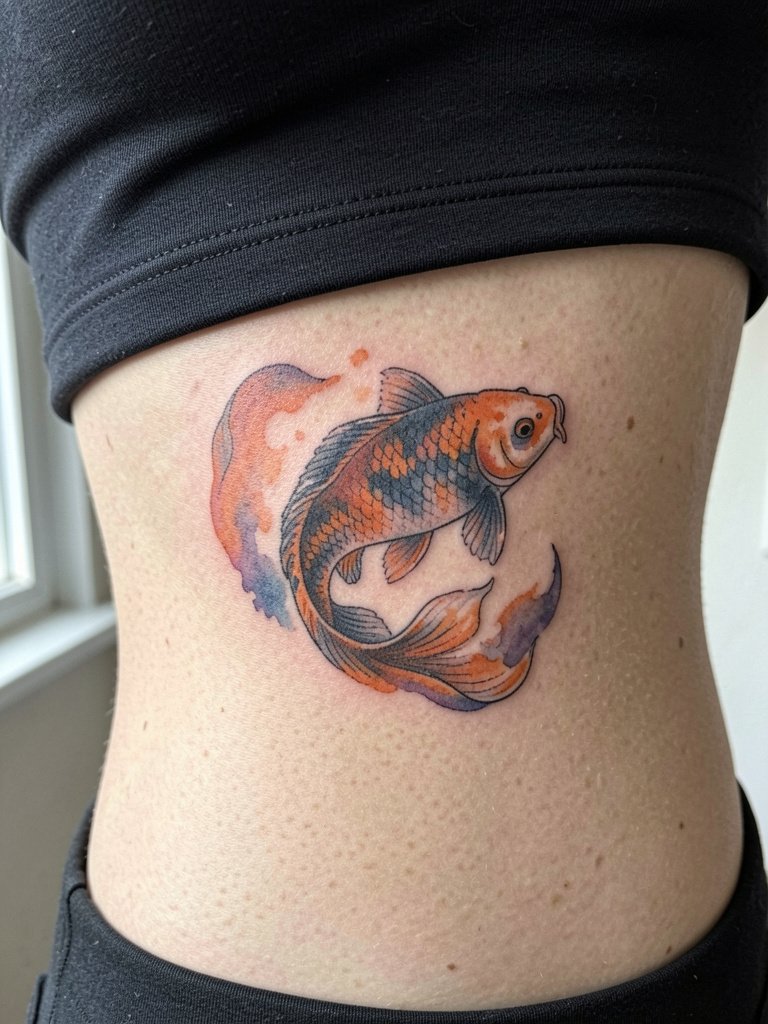
Ribcage pieces move with breathing and weight changes so composition matters. One group of artists cautions that watercolor on ribs blurs if the layout follows the contour too tightly. Another group says you can get excellent longevity by adding dark anchor lines and allowing negative space for movement. Both views are common in studio discussion. For a koi, plan larger scale and ask the artist to place darker contrast along the spine-facing edge so the fish keeps its shape as the skin shifts. Pain is high on the ribs and the session may need a break halfway. For the appointment, a sports bra that lifts cleanly is best. Expect at least one touch-up in the first two years to revive saturation.
Session Day Picks
These small items smooth sessions for the forearm, wrist, and calf pieces above.
-
Stencil transfer paper kit. Lets you see exactly how linework and layout sit on the skin before the needle starts, which matters for asymmetric shoulder and rib placements.
-
Topical numbing cream. Applied as instructed eases rib and inner thigh sensitivity so you can finish a longer watercolor session without tense movement.
-
Thin protective film roll. Useful on wrists and ankles to protect fresh ink from daily friction during the first 48 hours.
-
Fragrance-free gentle body wash. Cleans the area without stripping color during the initial healing window for medium and dark tones.
-
Aquaphor Healing Ointment. A thin layer helps lock in moisture for delicate watercolor fills in the first three days, then switch to a lighter lotion as directed.
7. Watercolor floral bouquet on medial inner thigh
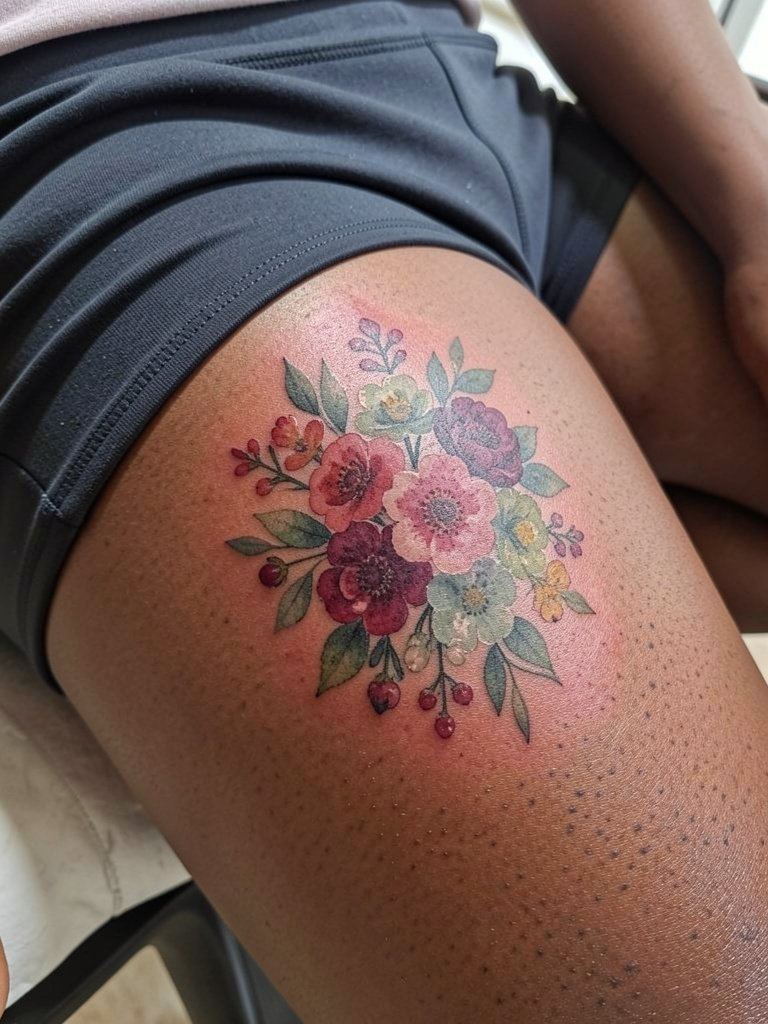
Inner thigh skin handles color saturation well but it is a high-friction area when clothing rubs. For a bouquet, build negative space between blooms so the composition keeps shape even if the washes soften. Discuss touch-up timing specifically for this placement and agree on a conservative initial saturation level to avoid excessive saturation that can muddy. For session wear, choose loose shorts so the artist can access the area without fabric rubbing. Pain varies by person and sessions often finish in one appointment for medium-sized pieces. A common mistake is putting too much tiny detail into a mid-thigh piece where skin texture will blur filigree.
8. Watercolor landscape on outer forearm
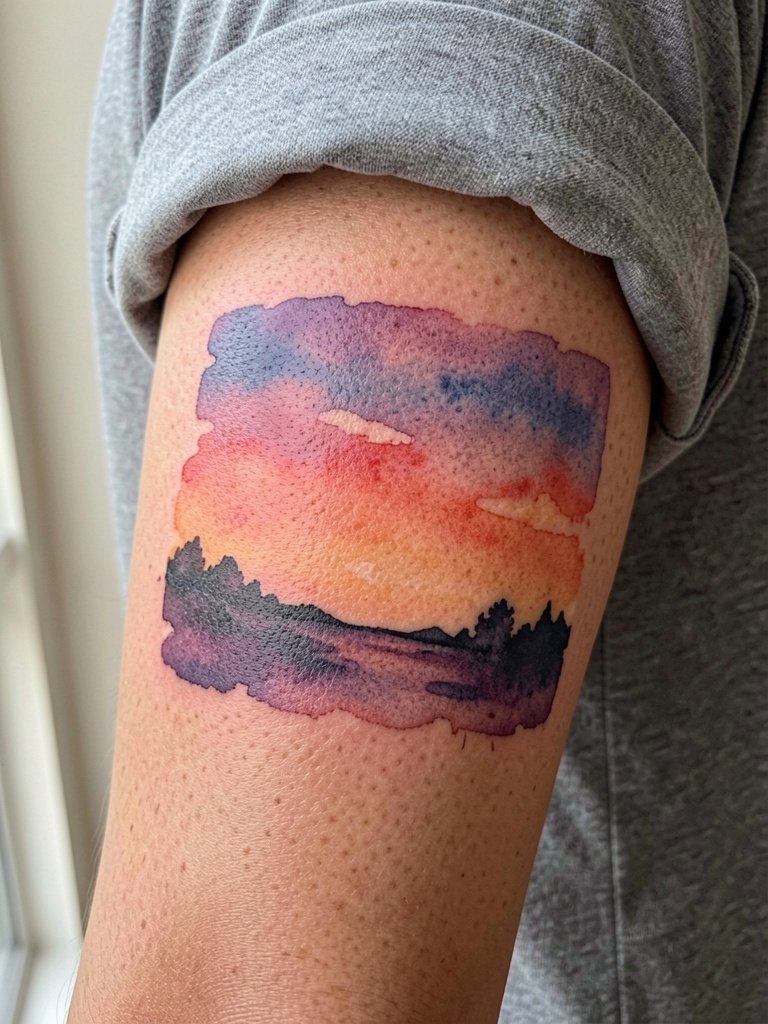
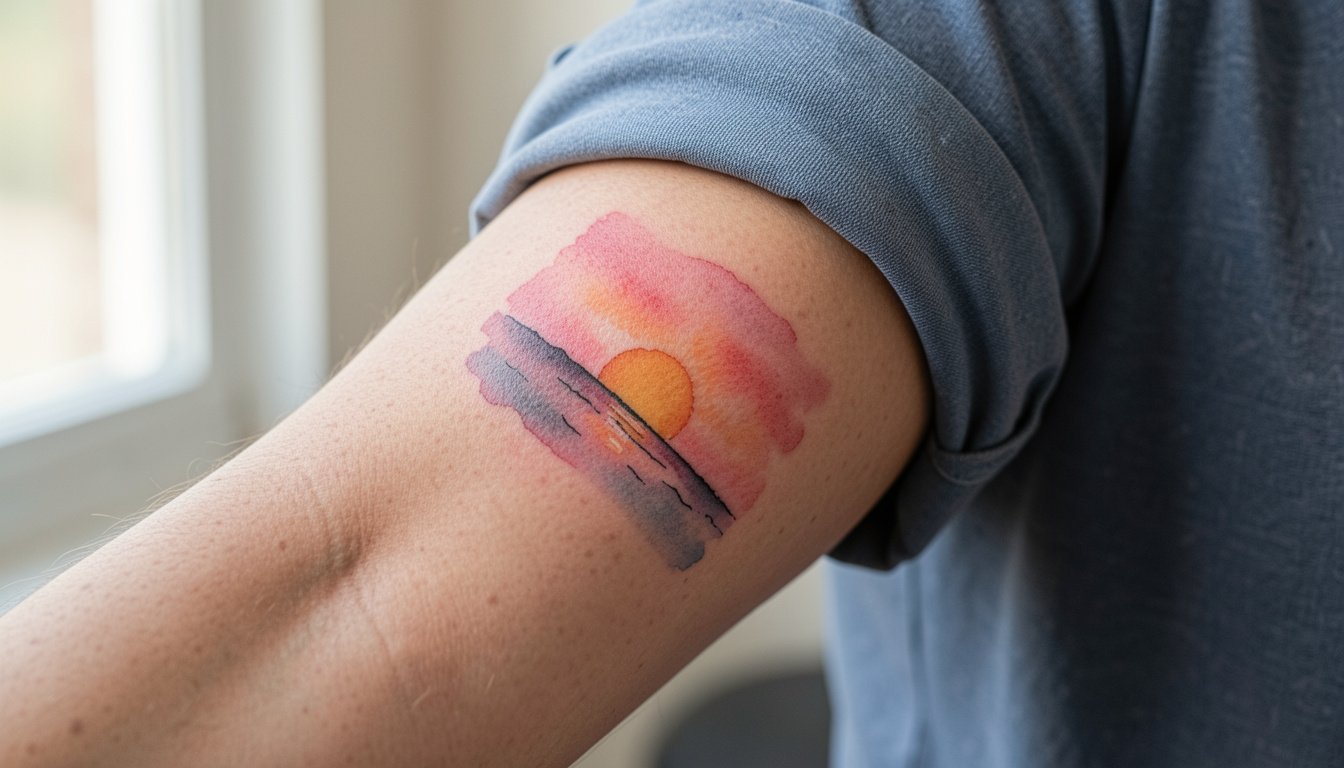
Landscapes need horizontal space so the outer forearm is ideal. I recommend a thin silhouette or horizon line to prevent the scene from becoming a color wash blob after a few years. Ask the artist to show you how the design reads at both three inches and five inches so you can judge detail at realistic scales. The outer forearm shows healed saturation well and touch-ups usually refresh the sky tones rather than reworking linework. For styling, try rolled sleeve shirts to keep the scene visible without accessories that crowd the wrist. Sessions are moderate in pain and often complete in one appointment.
9. Watercolor fox on shoulder blade
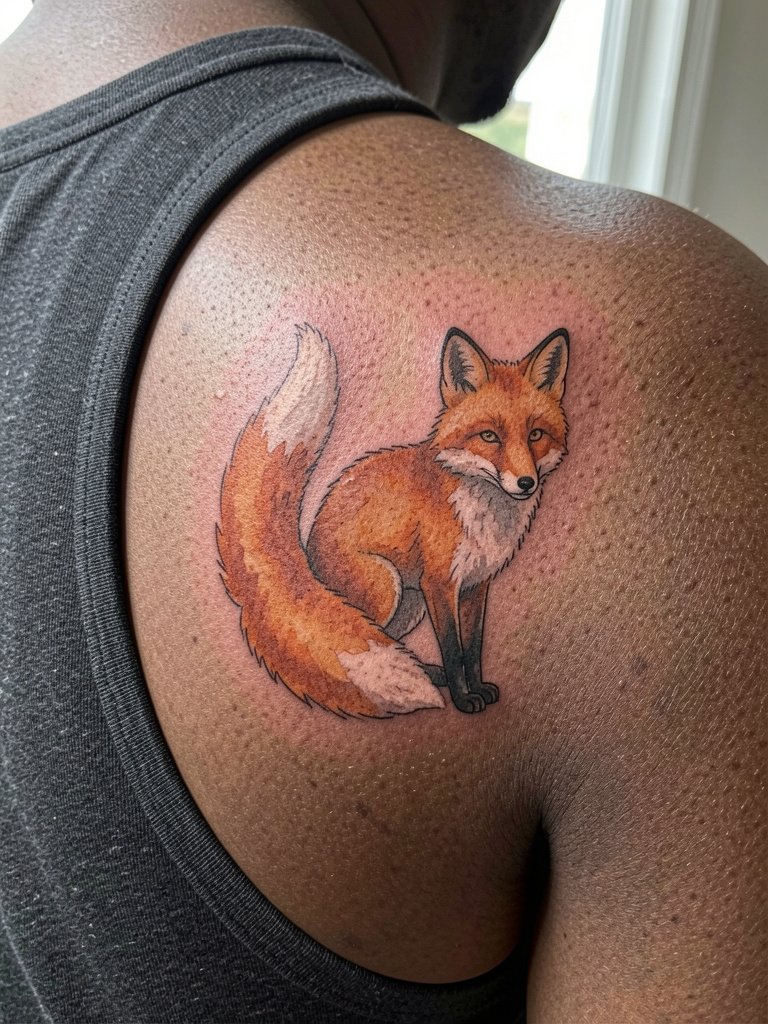
Shoulder blade pieces let animal forms curve with the scapula and read well across movement. For a fox, keep the face slightly more defined than the tail because facial linework preserves identity as color softens. Discuss contrast points and stipple shading so the animal keeps depth after a few years. For showing it off, choose racerback tanks or halter tops that leave the back line clean. The area is relatively low pain and medium-sized foxes can often be done in a single session. One frequent error is centering the design too close to the spine where movement can distort fine detail.
10. Watercolor crane on upper back
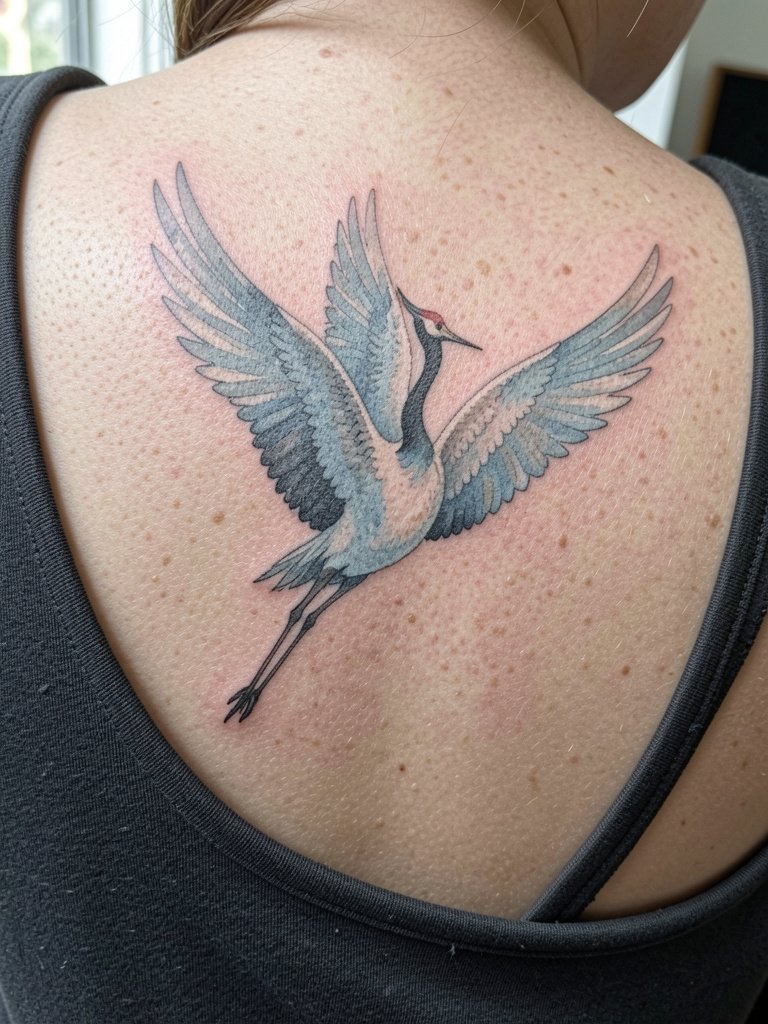
Upper back spacing is generous and cranes work well across the shoulder plane. I advise including darker anchor strokes along the wing base so the silhouette holds. Placement discussion should include how the crane sits relative to the spine and shoulder blade. For session wear, a wide-neck top or zip-front jacket works so you can access the area without tugging. Pain is low to moderate and larger crane pieces often need two sessions to finish saturation. Avoid crowding the wings with tiny feather lines that will blur.
11. Watercolor moth on outer upper arm
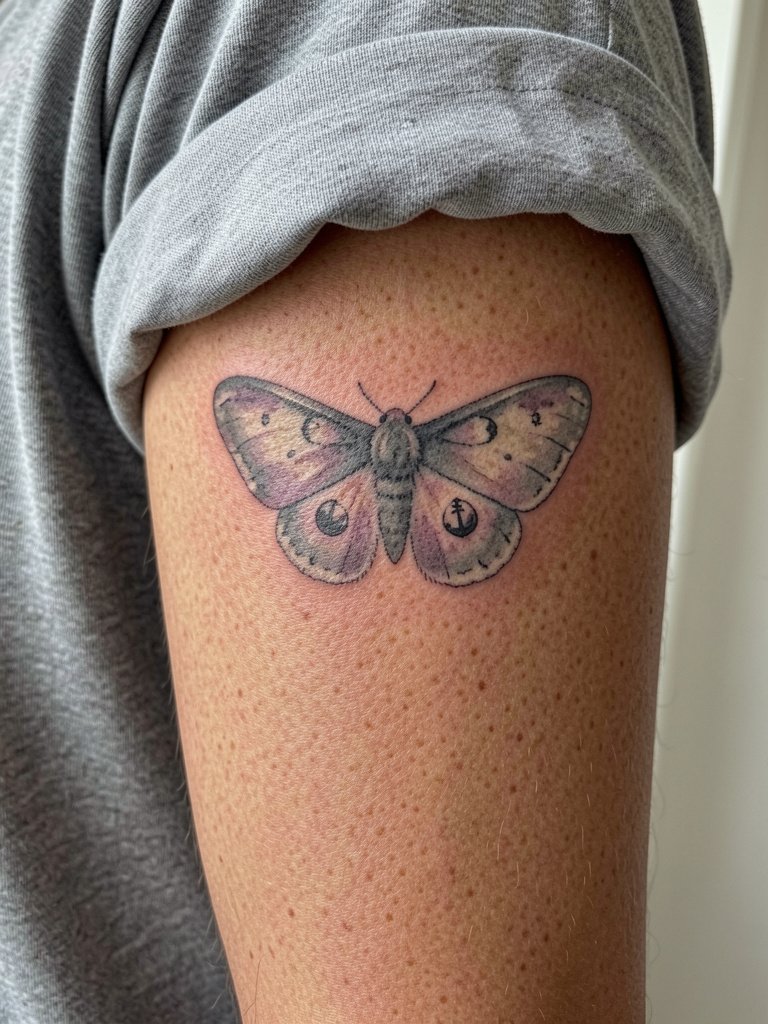
Moths lean toward moody palettes and the outer upper arm frames them for an editorial look. I suggest muted color fills with a few dark anchor dots so the pattern reads on darker skin tones. Talk with the artist about contrast scale and stipple shading so wing texture remains visible over time. For wardrobe, a boxy tee or structured tank gives a cooler feel than delicate fabrics. Sessions are usually straightforward and pain is moderate. Avoid asking for ultra-fine filigree when the skin there will soften small strokes.
12. Watercolor heart on wrist
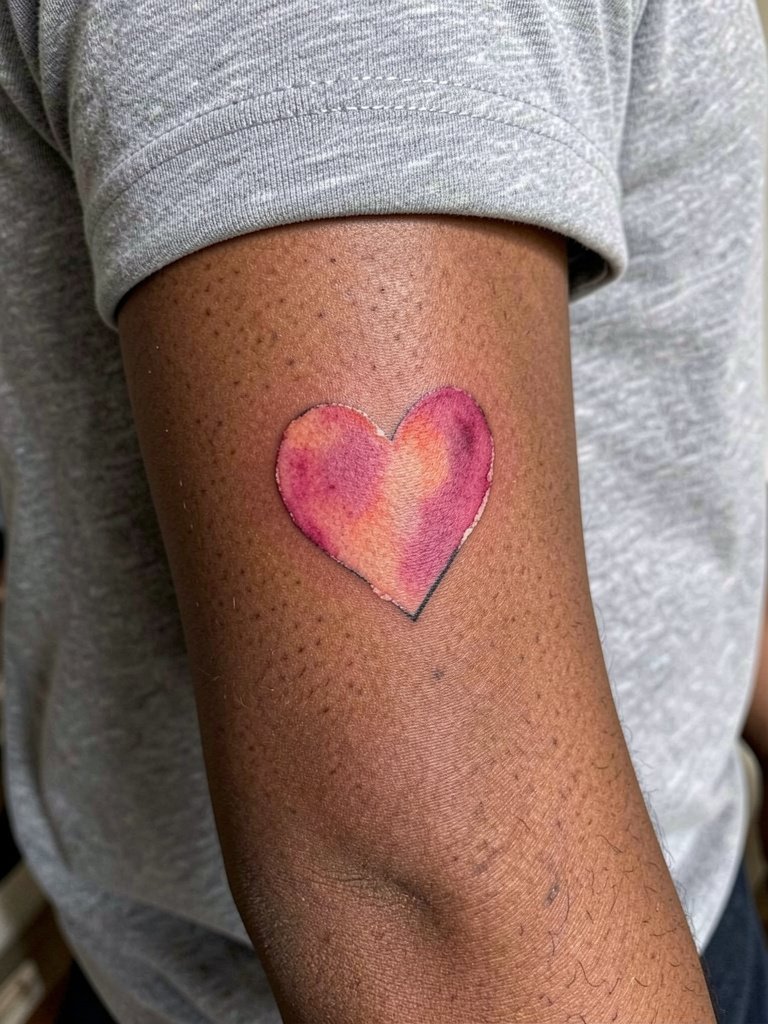
Tiny wrist hearts are quick and visible, but they are also susceptible to fading from sun and washing. I recommend a slightly thicker contour line paired with high-quality pigment to keep the color pop. Specify expected touch-up timing at the consult so you are prepared for a color refresh. Keep the wrist free of tight bracelets during healing and wear a dainty ring set on the opposite hand to avoid friction. Pain is low and sessions are short. A common mistake is requesting extreme micro detail inside a tiny heart and then discovering the detail has softened at six months.
13. Watercolor brushstroke abstract piece on collarbone area
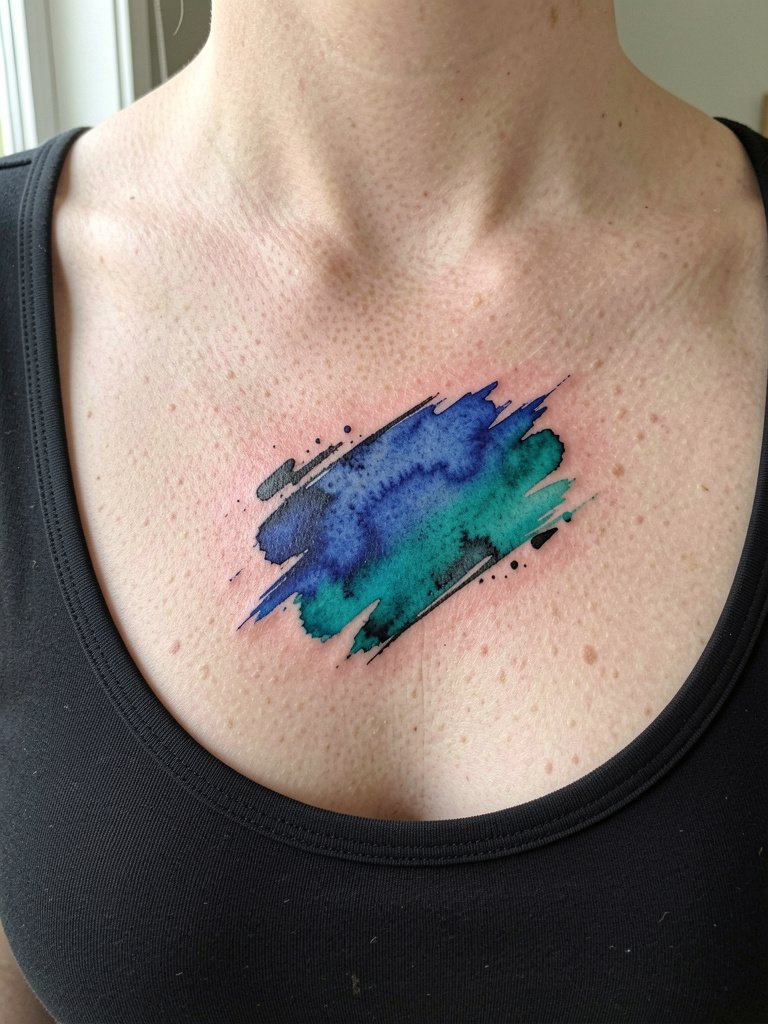
Collarbone brushstrokes are an editorial alternative to literal motifs. Because the clavicle area moves with posture, ask the artist to mock the stroke across a few poses so it reads when you are sitting and standing. For session wear, choose a scoop-neck top so the artist can access the upper chest without fabric being pulled. Pain is moderate and careful placement prevents the stroke from wrapping into the shoulder crease where definition fades faster. The main mistake is placing the stroke too close to the sternum where movement blurs edges.
14. Watercolor lotus on lower back
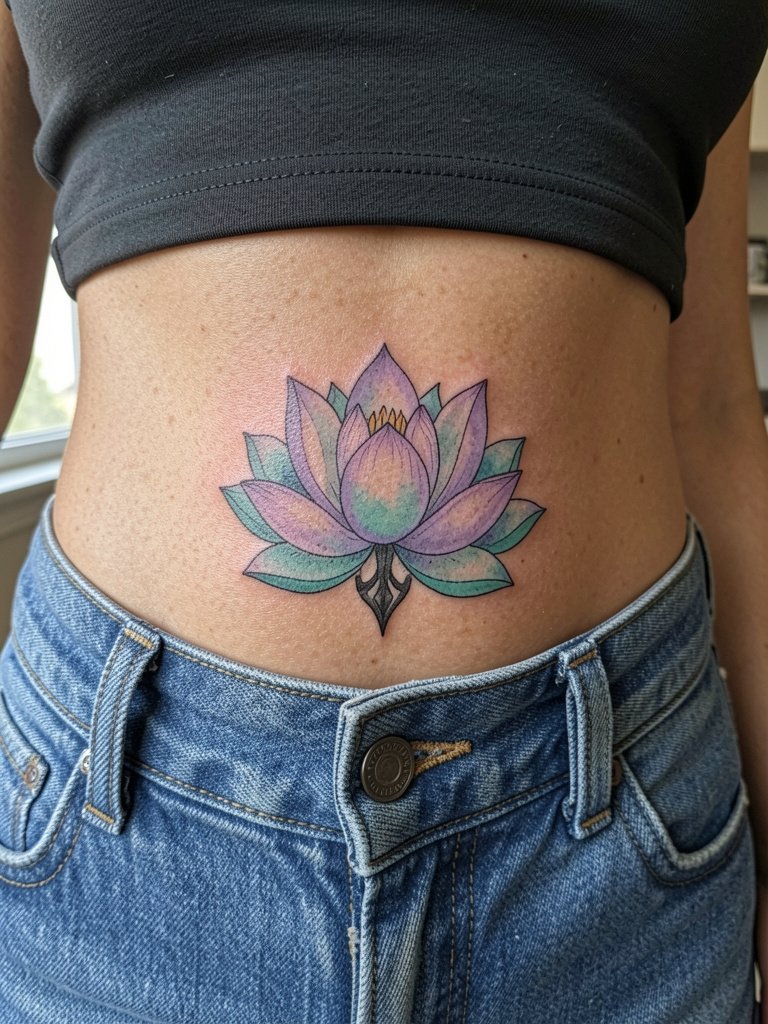
Lower back works well for symmetric ornamental watercolors because the canvas can be wide. I suggest a balanced center anchor so the lotus keeps its petal definition as washes soften. Discuss whether you want the piece centered over the lumbar spine or offset, since movement and clothing contact change how symmetry holds. For occasional reveal, low-rise swimwear or open-back dresses show the area cleanly. Pain is low and saturation tends to hold better here than on high-friction sites. Avoid tiny filigree near the waistline that will fade with repeated belt contact.
15. Watercolor landscape fox hybrid on shoulder blade
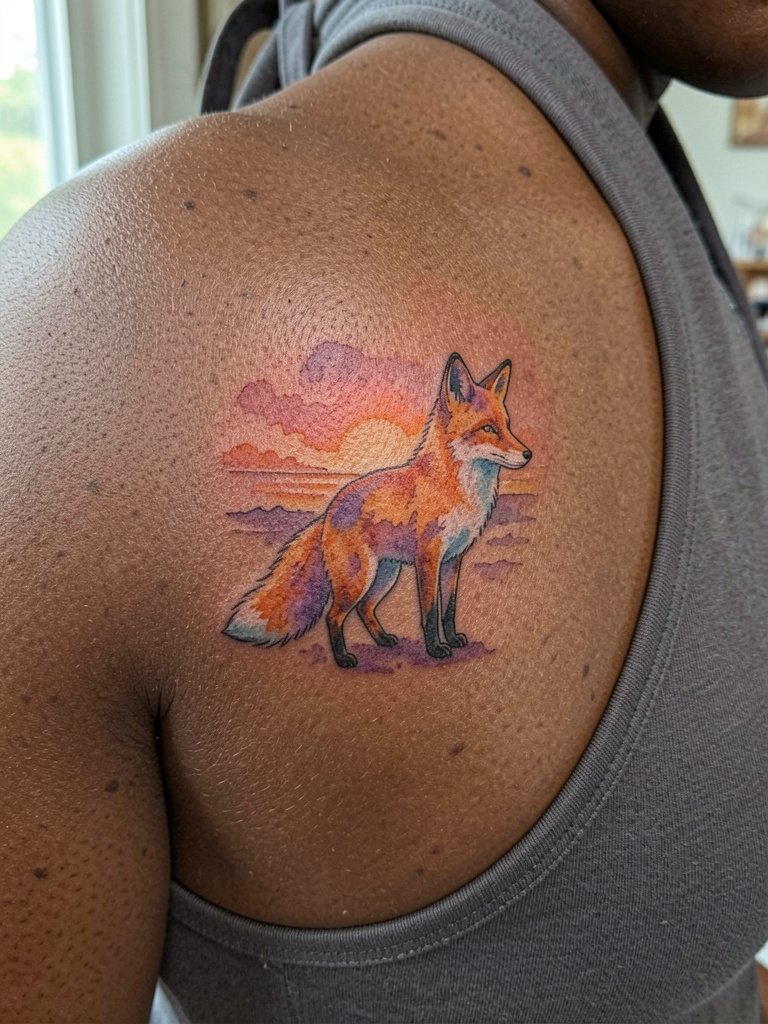
Combining an animal silhouette with a tiny scenic fill gives you the best of both worlds. The silhouette protects identity as the inner wash softens, and a subtle anchor line along the silhouette edge preserves clarity. Ask the artist to mock the silhouette at different sizes because tiny internal detail can vanish on darker skin tones without careful saturation. For styling, halter tops or draped cardigans frame the shoulder blade cleanly. Expect moderate pain and plan a possible touch-up to refresh the internal color after a year if needed. A common mistake is crowding the silhouette with too much internal micro detail.
Frequently Asked Questions
Q: Will a watercolor tattoo fade faster than a traditional tattoo?
A: It depends on technique and placement. Pure wash-only pieces can lose crispness sooner because they lack strong anchors. A hybrid approach with faint outlines or dark value anchors usually ages better while keeping the painterly feel.
Q: How should I find artists who actually do watercolor work and show healed shots?
A: Search Instagram and TikTok hashtags like #watercolortattoo and #watercolortattooideas, then filter by city to see local portfolios. Use tattoo directories and read community threads for healed examples. Pinterest is useful for concepts but cross-check portfolio consistency on studio pages.
Q: Which placements age best for color retention on different skin tones?
A: Areas with lower friction and less sun exposure hold color longer. For most skin tones, forearms, shoulder blades, and calves read color well. Inner thigh and lower back can hold saturation but require cautious style choices to avoid friction from clothing.
Q: How often do watercolor pieces need touch-ups?
A: Many watercolor pieces benefit from a light touch-up after 12 to 24 months, especially on high-use areas like wrists and hands. Larger pieces often need less frequent refreshes if they include darker anchors. Discuss realistic timelines with your artist when planning the session.
Q: What should I wear to my appointment for a collarbone, rib, or thigh tattoo?
A: For collarbone or upper chest, a scoop-neck or wide-neck top is easiest. For ribs, a sports bra or fitted cropped top that lifts cleanly works best. For inner thigh, loose shorts or a skirt that can be shifted without rubbing are ideal.
Q: Are outline-free watercolor pieces controversial among artists?
A: Yes, opinions split. One camp prefers purist wash-only work for its floating, painterly quality. The other camp prefers faint outlines or anchors to protect readability as the skin changes. Both approaches have merit, so decide which outcome matters more to you and plan spacing and touch-ups accordingly.