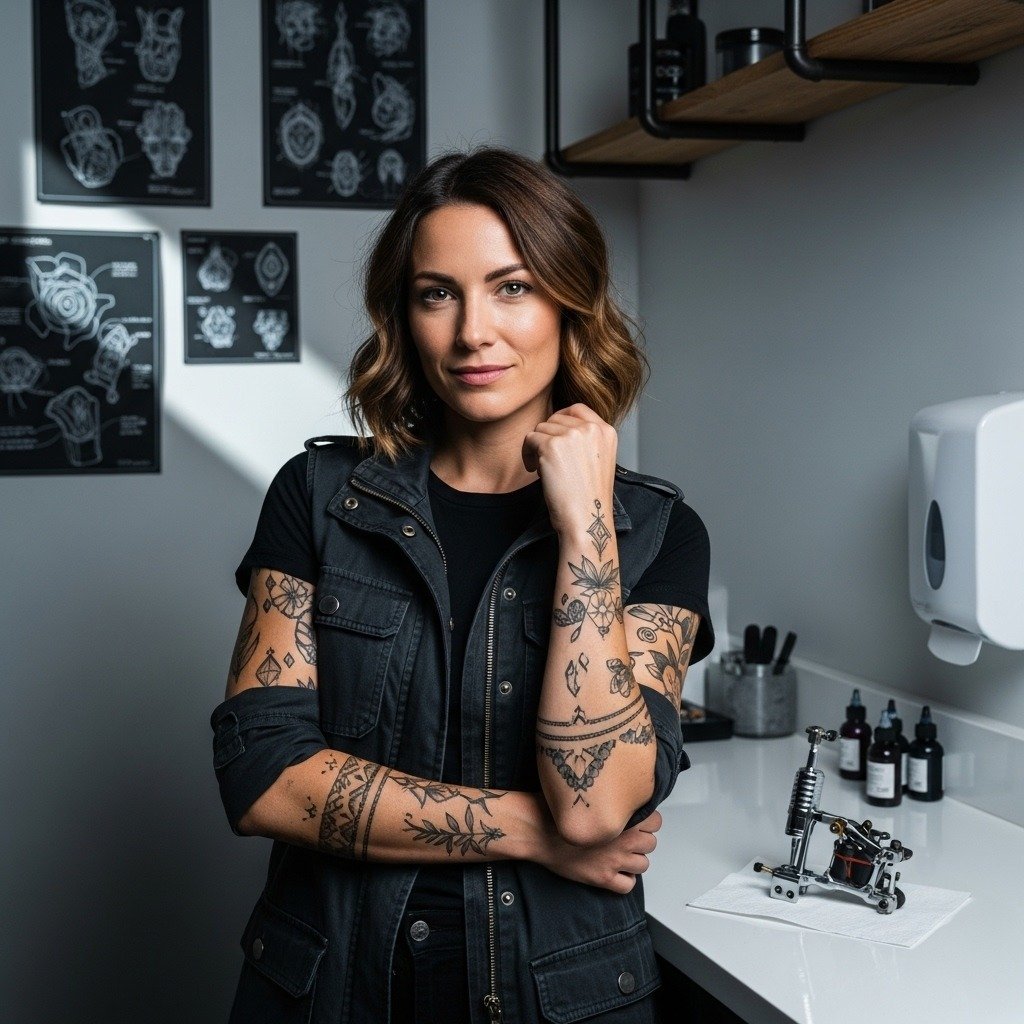
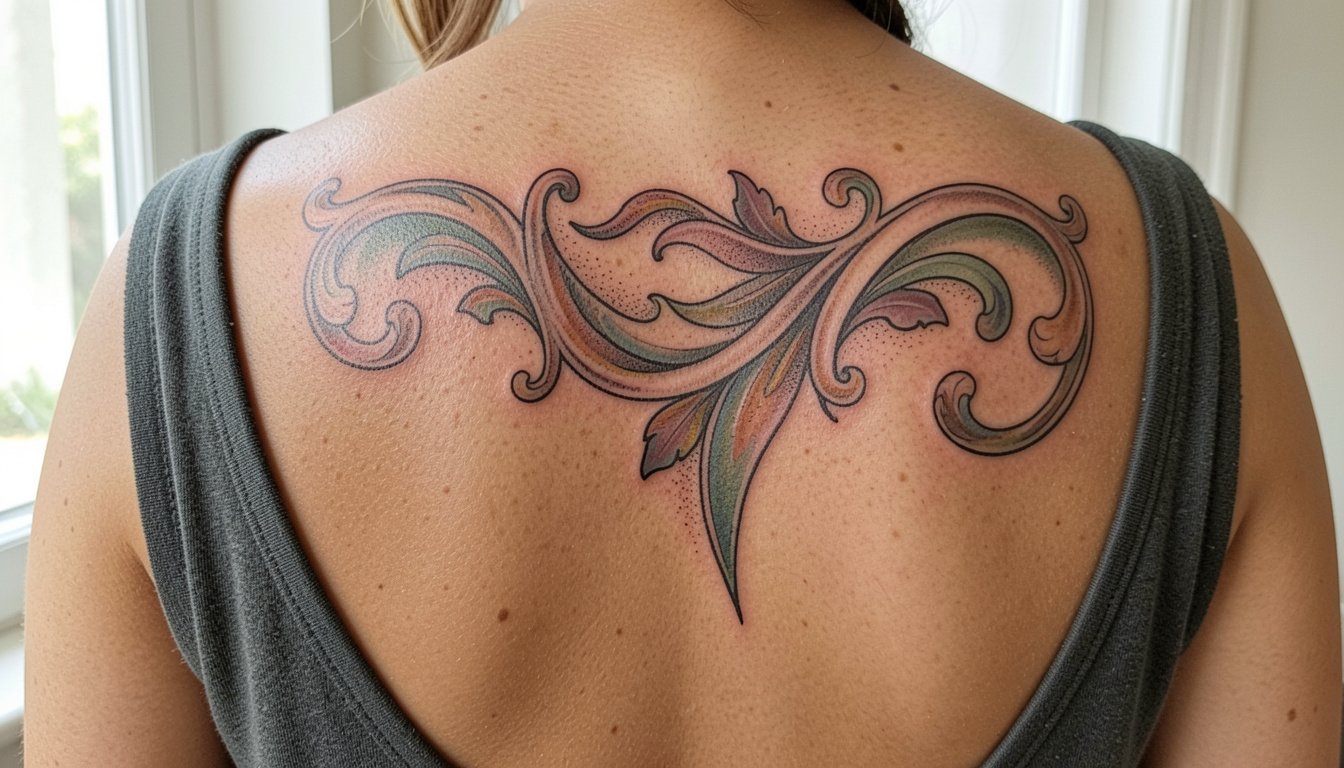
The Art Nouveau look ages like a framed print when it is given room, structure, and proper line weight. Start with a design that respects the body’s curves, choose a palette that will hold over years, and plan placement so curls and hairlines do not collapse into one another. Below you will find concrete ideas that pair composition notes, aging expectations, session tips, and wardrobe suggestions for showing each piece off.
1. Mucha-Style Woman Portrait with Floral Halo
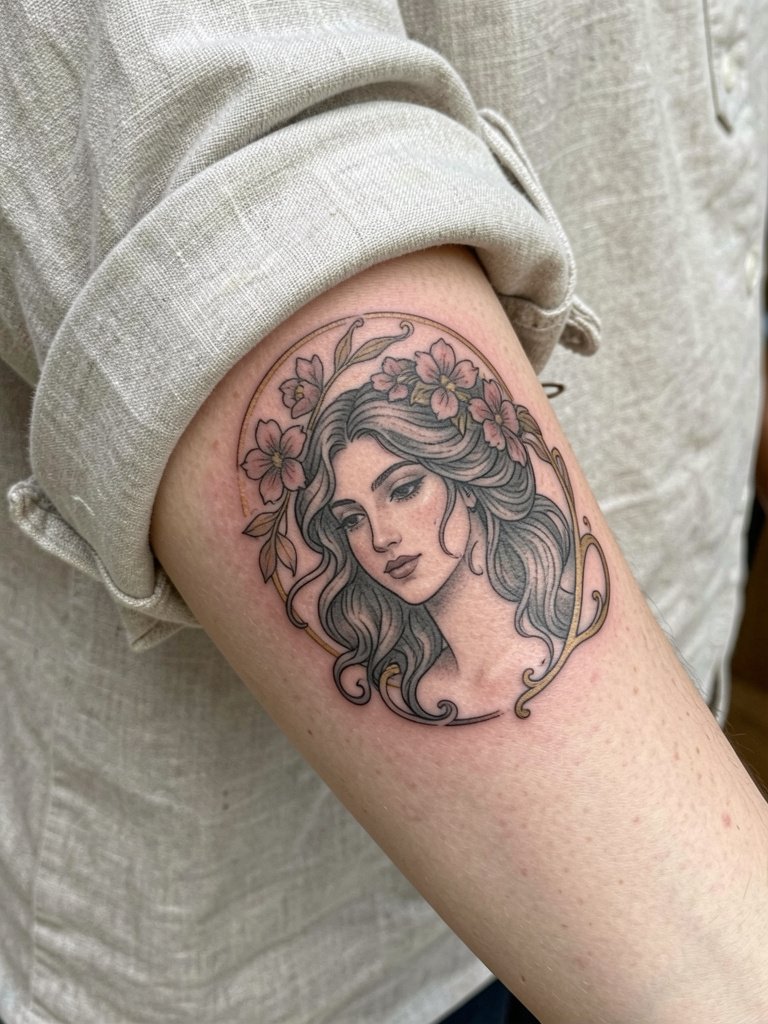
A Mucha-inspired portrait works best at medium scale so the face, hair, and halo all read without crowding. Ask the artist to show you a stencil at life-size on your arm so you can confirm the forehead-to-chin distance and halo diameter. Tiny facial detail shrinks and blurs faster than people expect, so plan for a three to five inch composition for long-term readability. Expect the session to take two shorter sittings for shading and hair flow. For showing the piece, roll-sleeve linen shirts in neutral tones frame the inner forearm nicely and keep the focus on the portrait when you want it visible. The inner forearm is low blowout risk if linework is slightly bolder than single-needle work.
2. Floral Frame Wrist Band
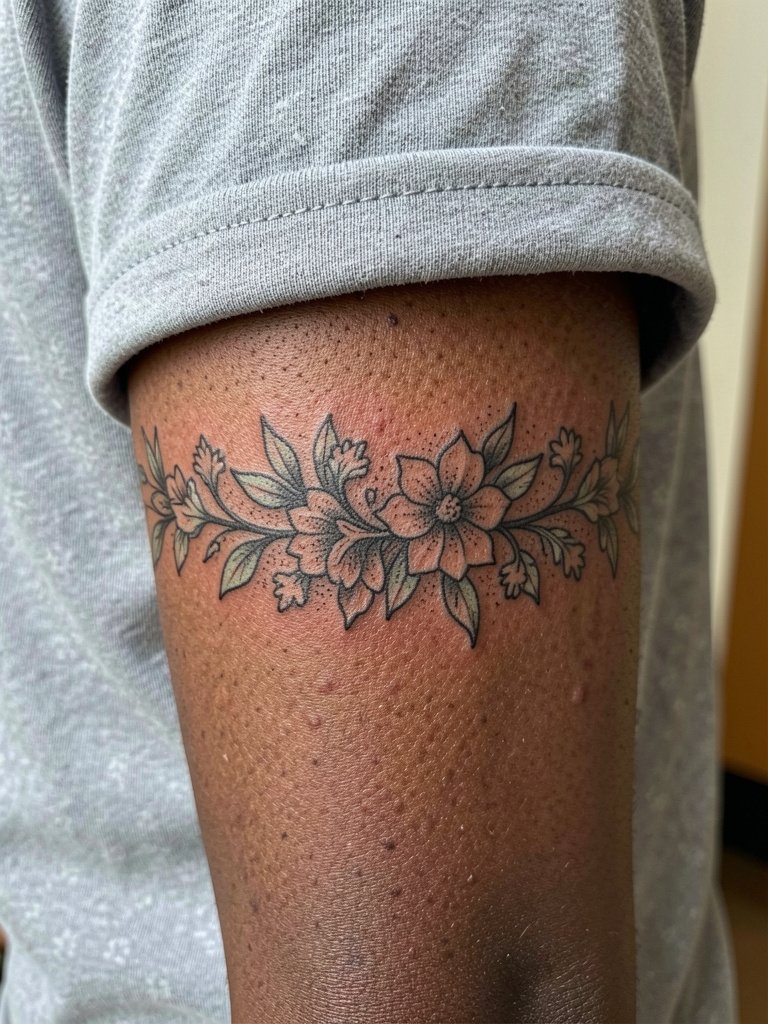
A floral frame band around the wrist reads best as a clean silhouette rather than a dense botanical tangle. Specify that stems maintain even spacing and that petals have negative-space highlights to keep the band readable when jewelry or watch straps are worn. Wrist tattoos face friction from clothing and daily washing, so agree on slightly stronger linework and expect a touch-up at the six- to twelve-month mark. For the appointment wear a short-sleeve tee you can roll or a loose button-down so the artist can access the wrist easily. For showing the tattoo pair it with thin bracelet stacks on the opposite wrist to avoid rubbing the fresh ink.
3. Winged Heart with Scroll on Outer Upper Arm
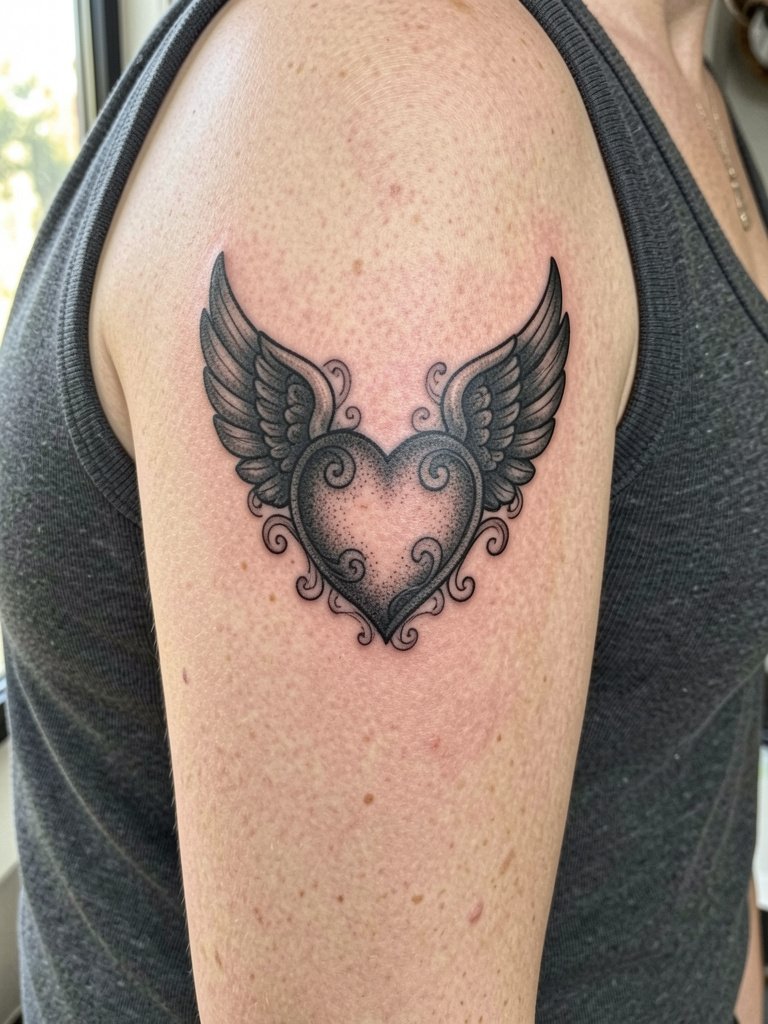
This vintage emblem is a compact option for collectors who want ornamental movement without a full composition. Ask for a bold contour line around the wings so the feathers do not soften into the skin after two years. The outer upper arm is forgiving on blowout but still needs clear silhouette to age well. Sessions usually finish in a single two-hour block for small to medium-size versions. Showing this piece pairs well with sleeveless tanks or cap-sleeve tops. For the session wear a loose button-up or tank so you can remove clothing without tugging the area.
4. Curving Stem Botanical Ribcage Panel
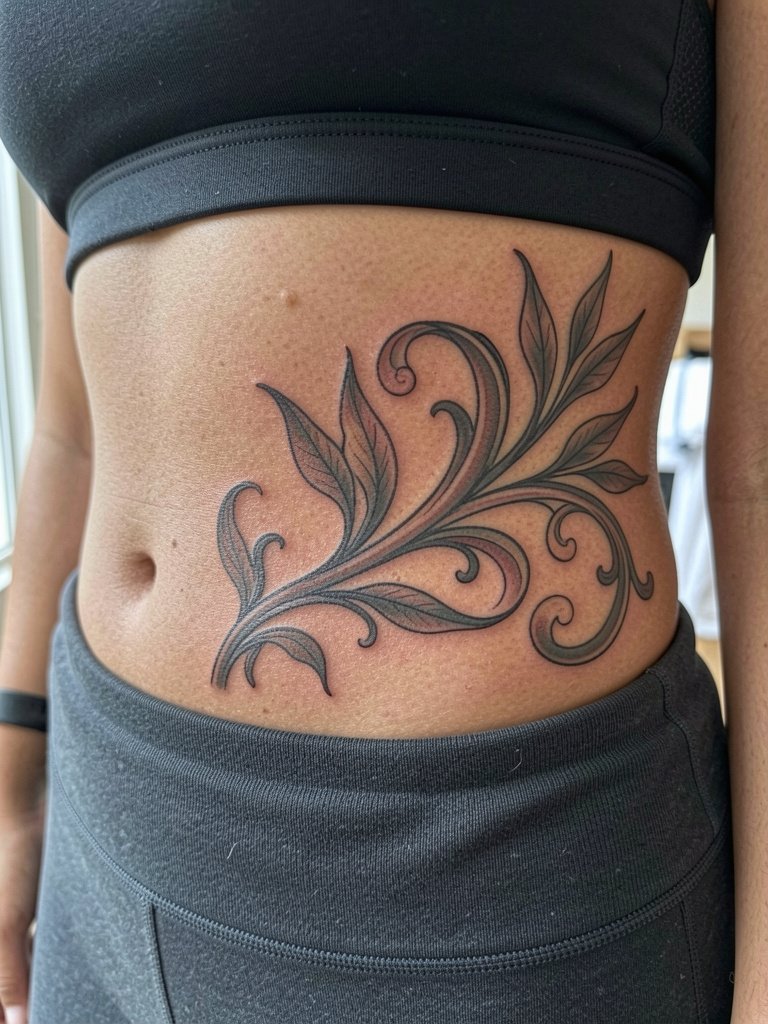
Ribcage panels let long, curved stems follow the body’s contour and look most like classic Art Nouveau. The ribcage is a higher pain zone, so plan short sessions and ask about numbing timing if needed. Fine line versions here can look stunning at first but may blur in areas that stretch with breathing, so discuss slightly wider spacing between central veins and leaves. Expect a two-session build with touch-up needed at the one-year mark if you carry weight fluctuations. For the appointment wear a sports bra or a crop top that gives the artist unobstructed side access. For showing the piece, side-slit dresses or cropped tops frame the fan of stems.
5. Framed Floral Sternum Medallion
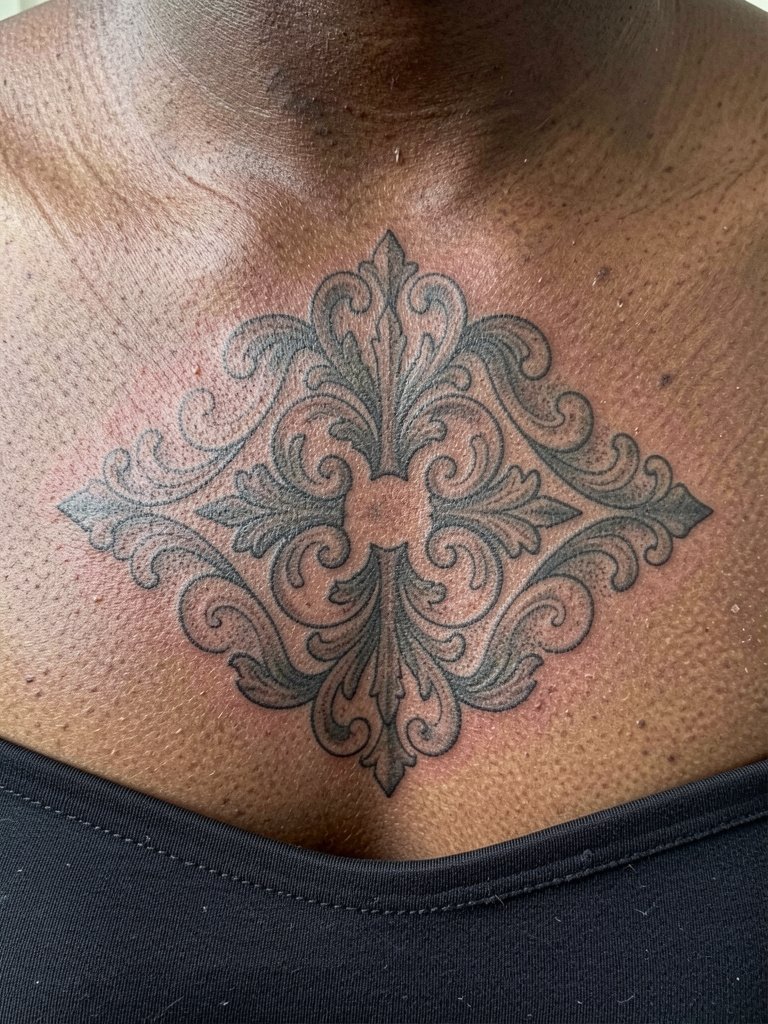
Symmetry helps sternum pieces read as intentional. Tell the artist you want the central axis slightly higher or lower depending on bra lines so the medallion sits where clothes will frame it. Sternum skin has movement and can affect thin hairline work, so insist on slightly stronger line weight for the central frame. Sessions typically take two sittings for precise symmetry and shading. Wear a front-fastening bra or a bandeau for easy access to the area during the session. For evenings out pair the medallion with deep V-neck tops or pendant necklaces that echo the central motif.
6. Flowing-Haired Female Figure on Side Torso
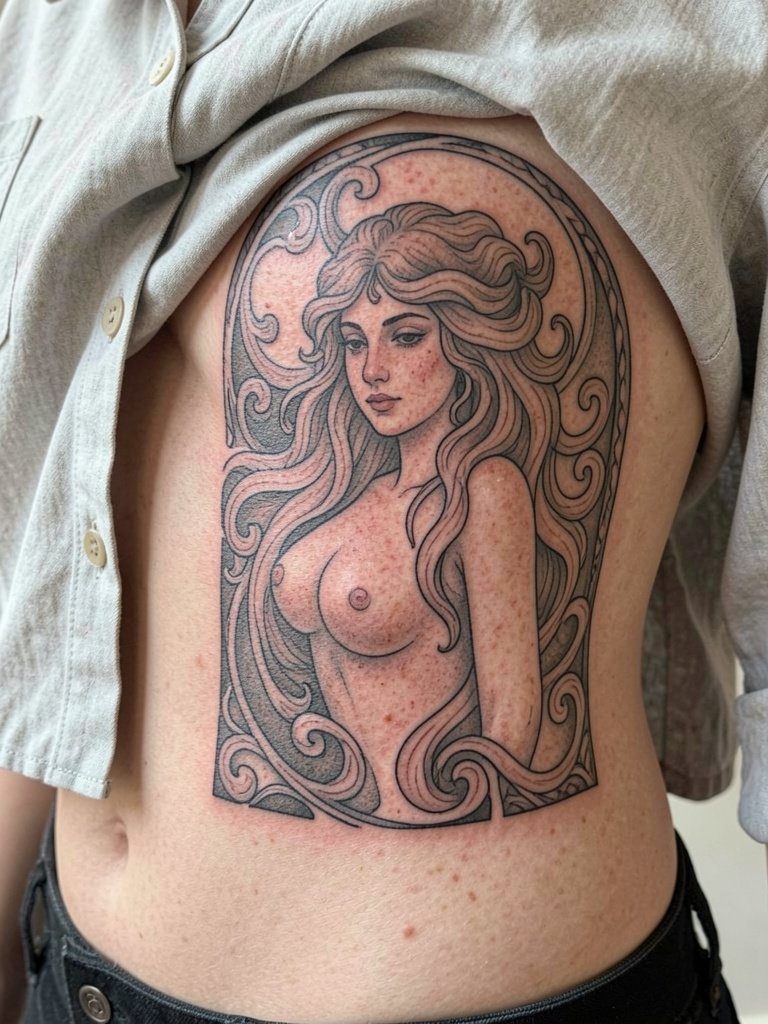
A vertical figure needs plenty of height so the hair and border do not compress into each other. Discuss the negative-space plan with the artist and ask to see how the border frames the torso when you stand and when you sit. Rib and side-torso areas can make hairlines soften over time, so ask for slightly heavier linework on the outermost curves to preserve movement. Large pieces like this are multi-session projects typically spread across three to four appointments. For appointment wear a crop top with easy side access so the artist can work without tugging skin. In healed shots the hairlines should show motion while the frame holds as a stronger silhouette.
Session Day Picks
The first six ideas include wrists, inner forearm, sternum, and side torso work, which have different needs during the session and the first week of healing.
-
Stencil transfer paper kit. Use a life-size stencil to check how a Mucha portrait or medallion will sit on your body before the needle goes down.
-
Topical numbing cream. Apply forty to fifty minutes before a ribcage or sternum sitting if you are pain sensitive, and confirm timing with your artist.
-
Thin protective film roll. Keeps wrist and hand pieces clean during the first days of heavy washing and prevents fabric scuffing.
-
Fragrance-free gentle body wash. Use for showering the first week to avoid scented irritants on fine line shading.
-
Aquaphor healing ointment. A thin layer in the immediate healing window locks in moisture for small ornamental work without suffocating the skin.
7. Sleeve Fragment with Panel Borders
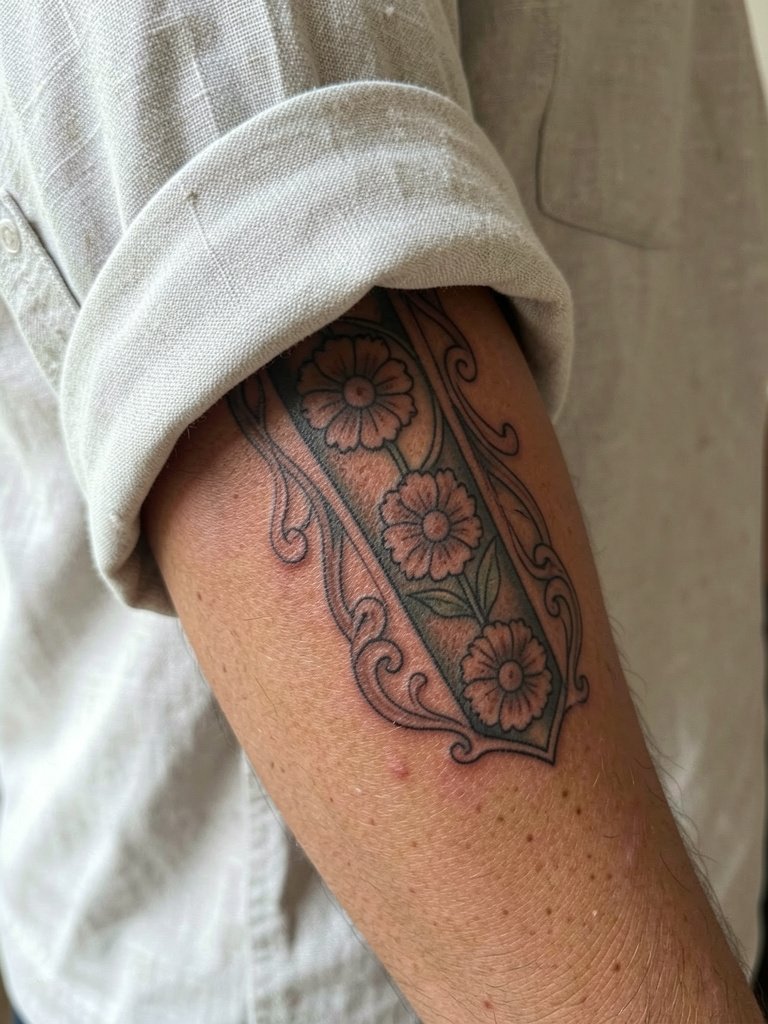
Sleeve fragments allow collectors to add Art Nouveau panels over time while keeping each panel visually separated. Ask for clear vertical gutters between panels so future additions do not crowd earlier work. Elbow and outer forearm bends can stress fine fills, so specify stipple shading and avoid heavy solid blocks across joints. Plan for multiple two- to three-hour sessions depending on coverage and expect touch-ups at the one-year mark to even out saturation. For the appointment wear a long sleeve that can be rolled comfortably above the elbow. When showing off the fragment, a cropped jacket or linen shirt with sleeves pushed looks intentional and highlights the borders.
8. Bold Outline Nouveau Linework
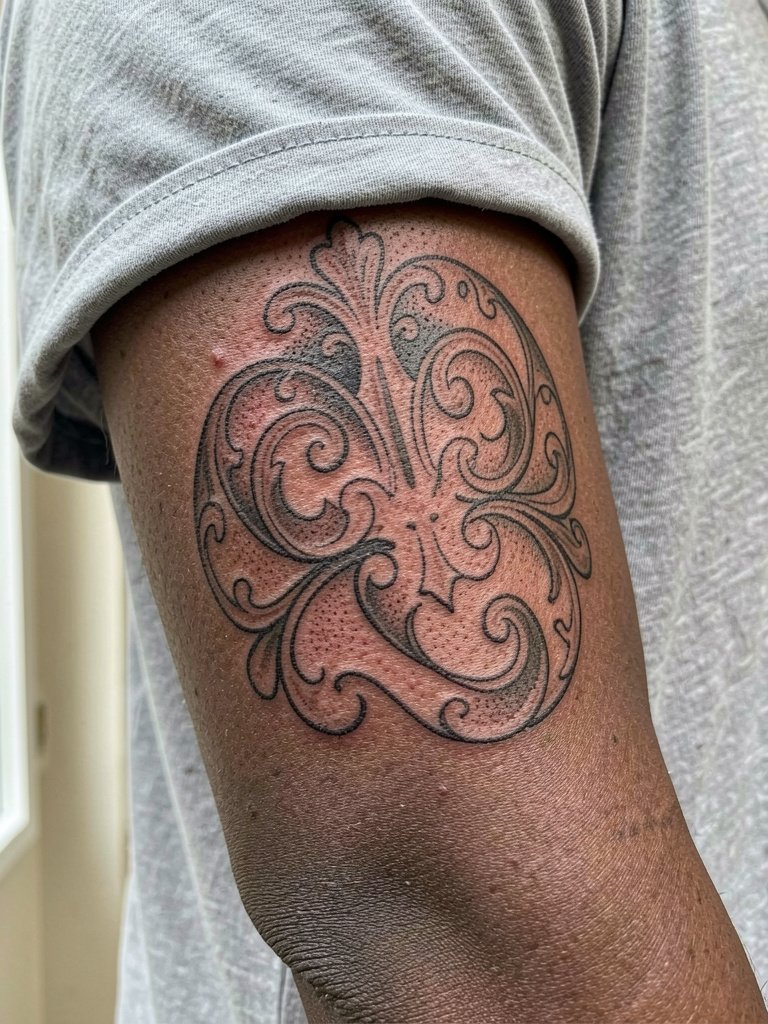
There is an active split in the community about line weight on ornamental work. One camp argues that fine line preserves an airy Nouveau look and is truer to the era. The other camp insists bolder outlines protect against future blur and make the design readable from a distance. Name both positions when you consult so the artist can show healed photos that support their approach. If you prefer longevity over literal period fidelity, ask for a slightly heavier outer contour paired with fine internal stipple. Expect a one- to two-session process for a mid-length forearm piece and a touch-up around year two if you opted for very fine interior lines.
9. Vintage Floral Flash Wrist or Calf
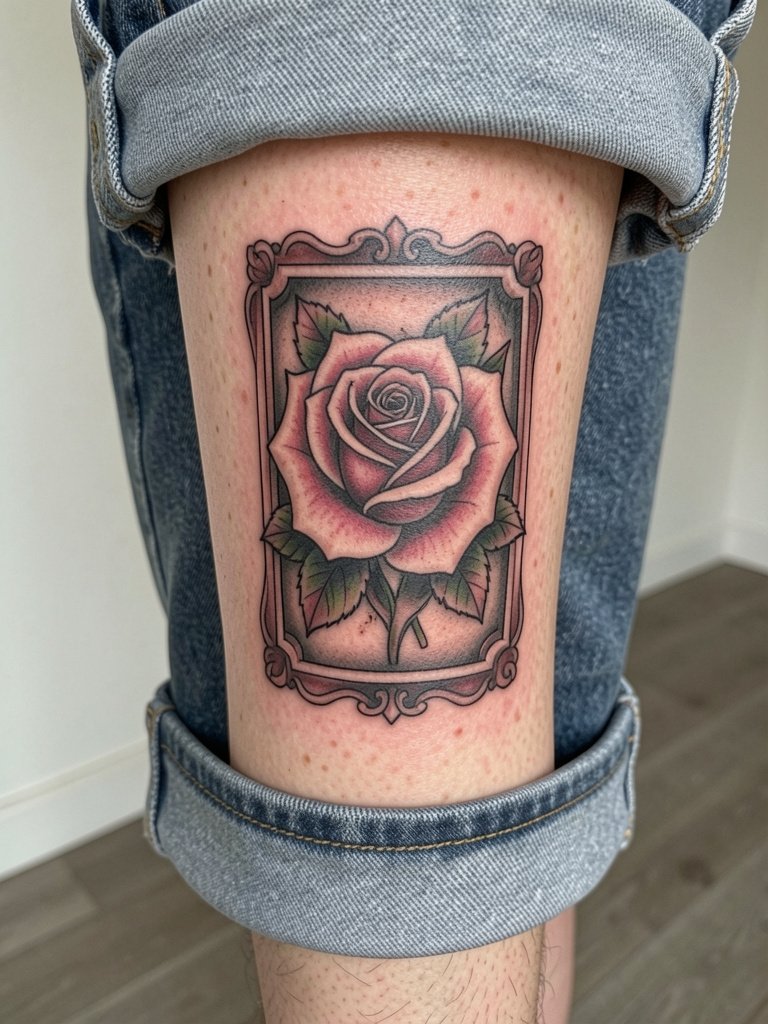
Flash sheets are a fast route to period-appropriate motifs and are usually priced for walk-ins. If you want something that does not look like every other flash piece, pick a sheet where the artist uses custom framing or color accents that differ from the common templates. Calf placement is forgiving on size so flashes can be slightly enlarged to improve longevity. A good pre-session step is to ask the shop to preview a life-size transfer and to request minor composition changes rather than a direct copy. For showing the calf, cropped pants and midi skirts reveal the motif cleanly. Flash often finishes in a single session.
10. Botanical Symmetry for Sternum or Upper Chest
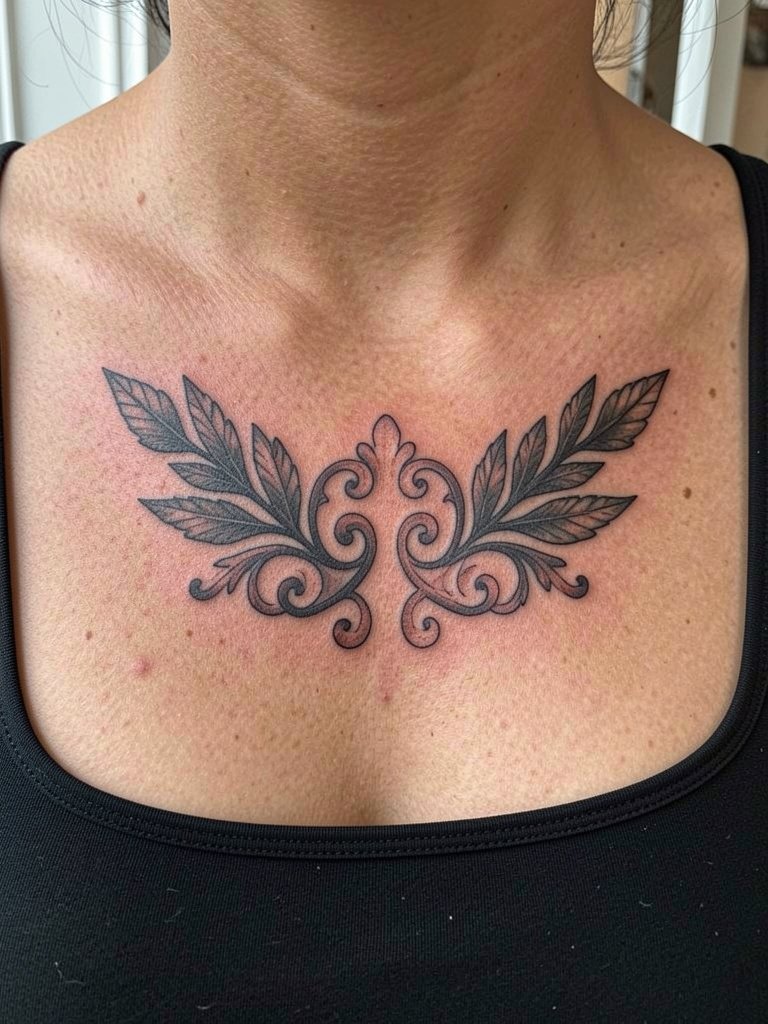
Symmetrical botanical compositions read as deliberate when centered below the collarbone. Ask for mockups showing how the design looks with different necklace lengths so the framing does not clash with jewelry you already own. Upper chest skin sees sun and friction from straps, so black and grey or very muted palettes preserve contrast longer. Sessions can be done in one to two sittings depending on width. For the appointment wear square-neck tops or open-collar shirts that give the artist clear access. For showing the piece pair it with layered short necklaces that sit above the tattoo edge, avoiding chokers that press on the work.
11. Ornamental Backpiece with Sweeping Curves
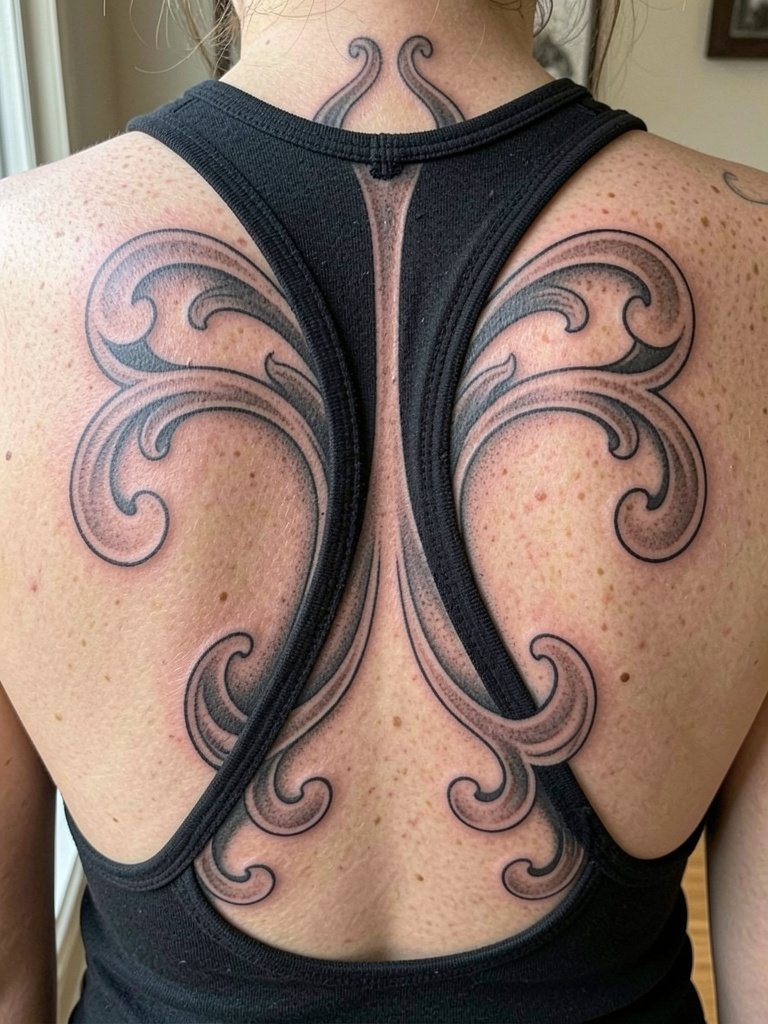
Backpieces are where Art Nouveau breathes because curves and negative space get room to move. Discuss the spine axis and how the frame will sit relative to shoulder blades and bra straps. Large back work typically spans multiple sessions and may need staged healing so you can manage aftercare comfortably. Expect touch-ups at the one-year mark to balance saturation across the full area. For session wear a racerback or halter that lets the artist reach the upper back without fabric interference. For showing the piece, backless tops or halter dresses put the ornamental curves on display.
12. Thigh Botanical Panel with Contour
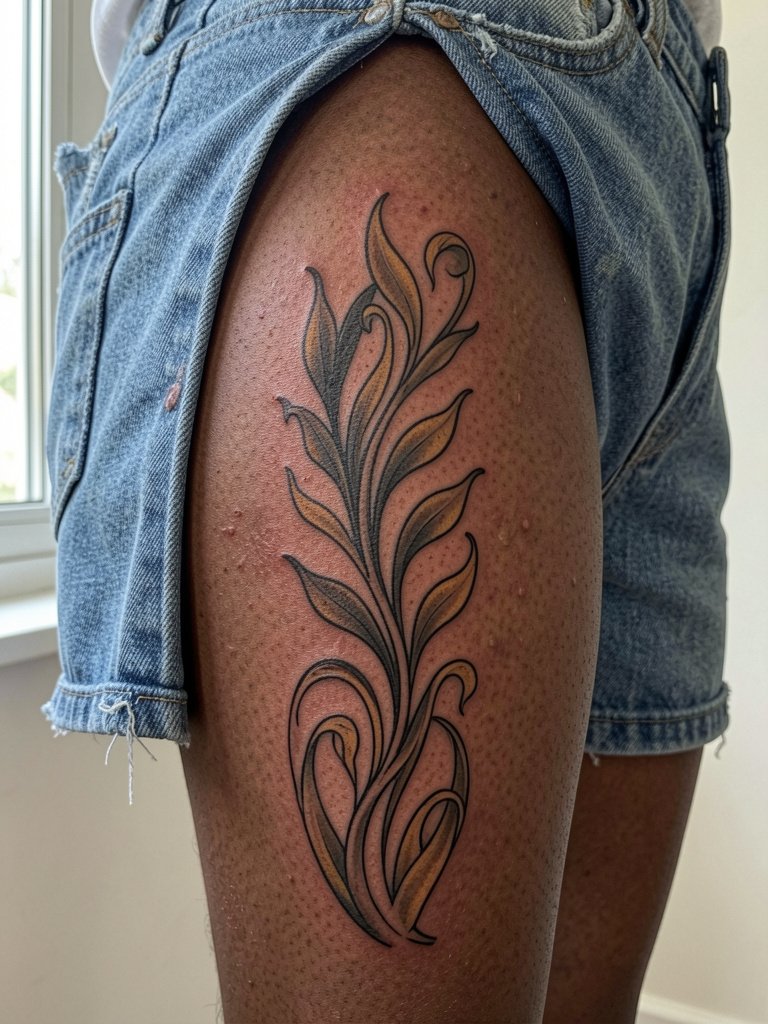
Outer thigh panels work well for larger botanical compositions that need height. Ask the artist to map the piece while you are standing and seated so the stem flow does not kink when you sit. Thigh skin holds ink well but can lose contrast if the design is too finely detailed, so discuss slightly chunkier leaf veins for longevity. Sessions typically take one to three sittings depending on scale and roadmaps for touch-ups. Wear loose shorts or a skirt you can lift without pressing the area for the session. High-slit skirts and longline shorts show the panel off elegantly after healing.
13. Decorative Scrollwork Calf Medallion
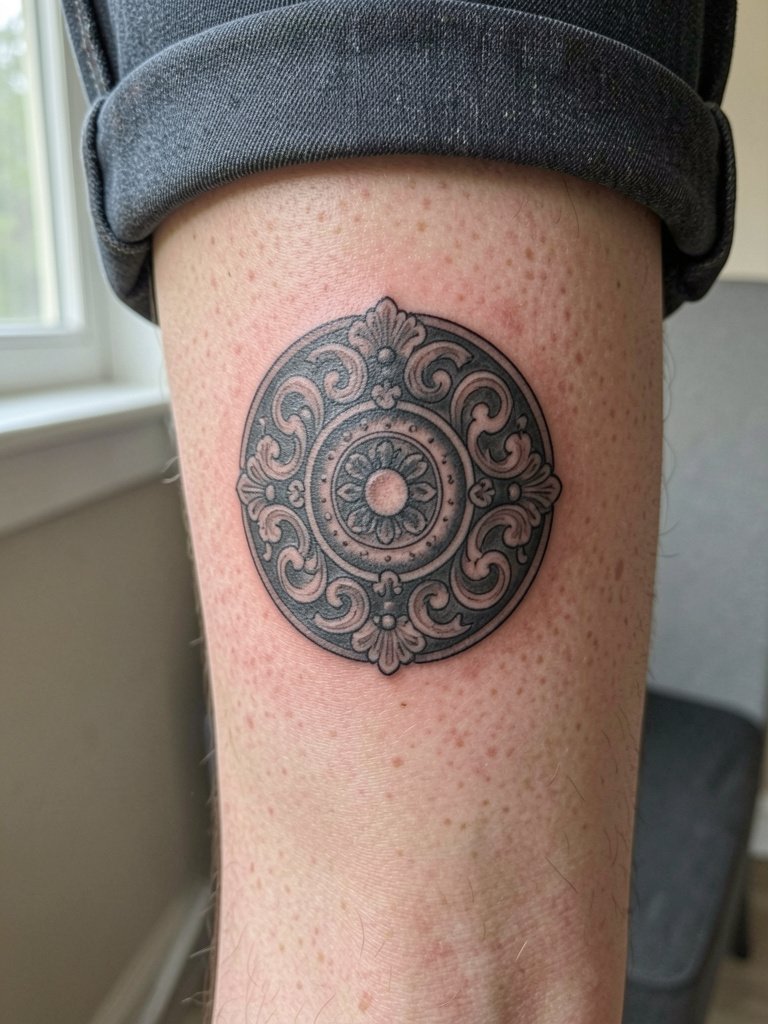
Calf medallions give a strong central motif that reads on movement. Specify how the medallion will stand when you walk so the scrolls do not appear skewed. Calf skin tends to tolerate saturation but can show stretch lines over time, so avoid micro-detail at the very edges. One session often completes medium medallions, and a minor touch-up sometimes evens shading after full settling. For the appointment wear shorts or loose pants that slide down without tugging the area. Cropped pants and side-slit skirts show off the medallion day to day.
14. Muted-Color Nouveau Botanical with Gold Accents
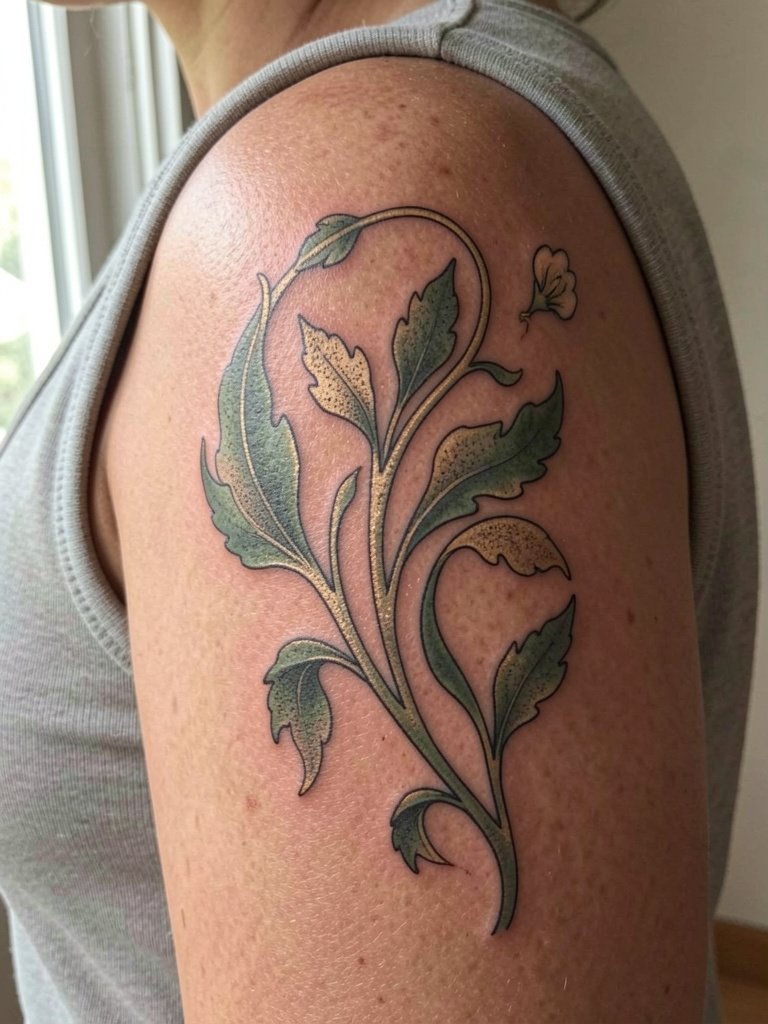
There is an active debate about black and grey versus muted color in Nouveau work. One camp favors black and grey because it tends to age more predictably and preserves linework clarity. The opposing camp favors muted palettes because historical posters and ornamental objects often used restrained color accents that feel period-accurate. Raise both positions in conversation and ask the artist for healed photos of similar palettes on a range of skin tones. Muted color can work when used sparingly as highlights rather than full-field fills. Plan for a one- to two-session build and expect color refreshes at longer intervals than black line touch-ups.
15. Cameo Portrait with Decorative Border on Inner Upper Arm
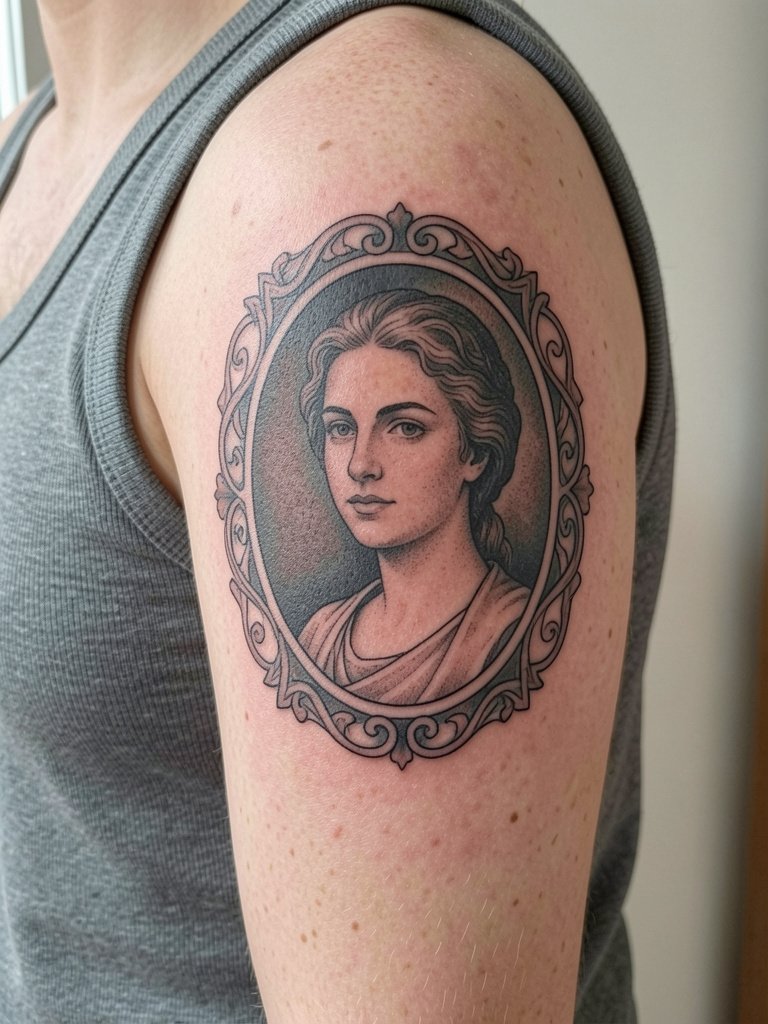
Cameo portraits read best when given a clear oval and a simple facial study. Inner upper arm portraits need slightly heavier contour lines because the medial skin moves against the torso. Ask the artist to place the oval so the face looks forward when your arm rests, and request a life-size stencil check. Sessions generally require two sittings for portrait detail and border work. For the session wear a wide-armhole tank or loose button-up so you can remove a layer without stretching the area. Inner upper arm pieces are cosmetically intimate so choose an artist who shares healed shots on similar skin tones.
16. Ornamental Fan Collarbone Accent
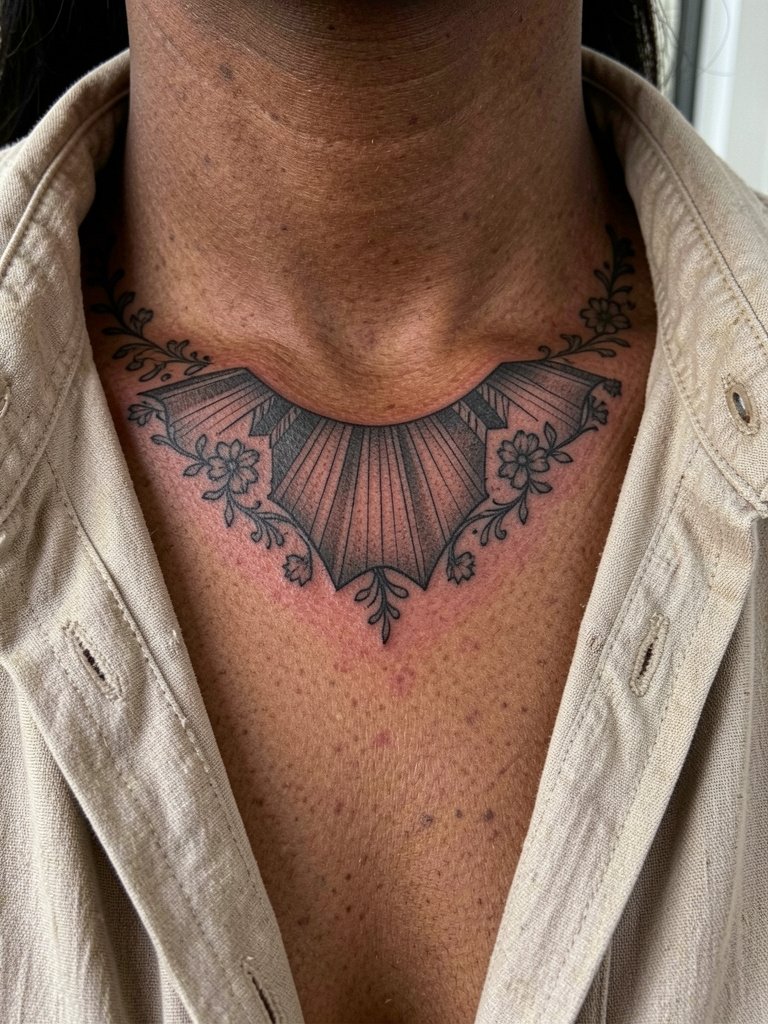
Small collarbone fans perform well as accent pieces because they echo the bone structure. Specify the outermost ray thickness to avoid fragile hairlines that fade on this high-motion zone. Collarbone placements can cause discomfort for those with thin tissue, so plan a single short session or two very short ones. For the appointment wear an open-collar blouse or square-neck top that exposes the area without needing to be moved. For showing the fan pair it with short pendant necklaces or a scoop-neck top that frames the rays.
17. Vertical Spine Floral with Ornamental Lines
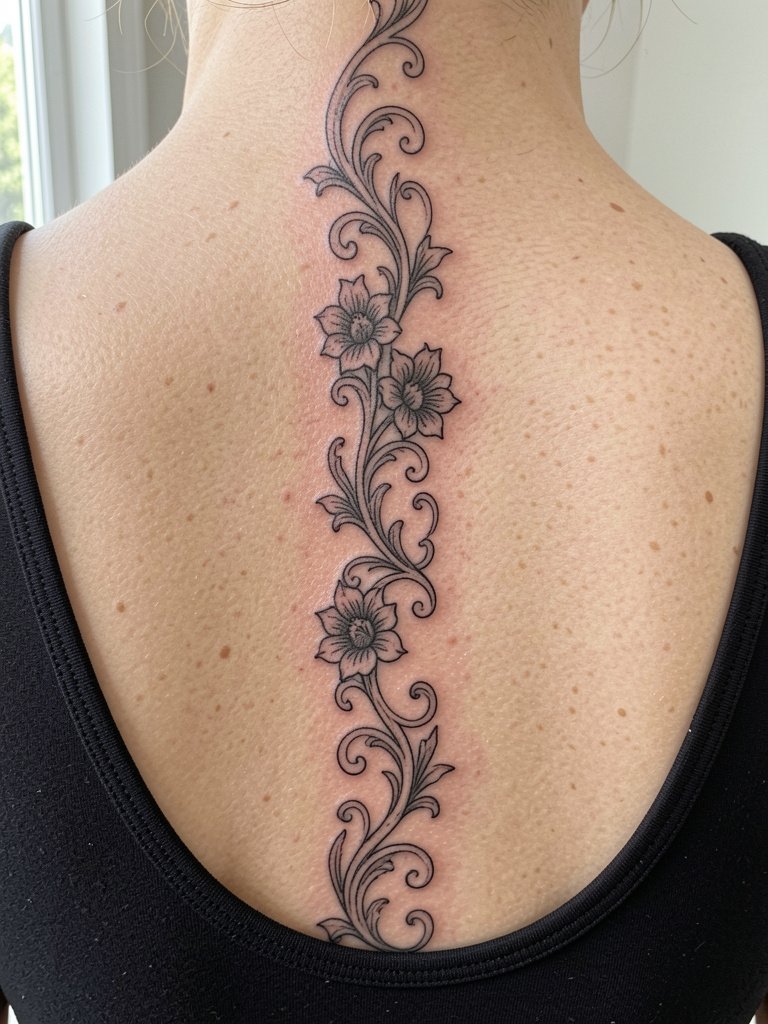
Spine work needs a steady central axis so the ornament reads upright when you stand. Ask for mapping while you are standing so the composition does not skew with posture. Spinal tattoos can be sensitive, so plan for short, focused sessions and consider numbing options discussed in detail with your artist. Expect a two- to three-session process for medium vertical columns and a touch-up after full settling. For appointment wear a two-piece top or a top that can be gently lifted without rubbing the central line.
18. Fine Line Botanical Wrist to Forearm Transition
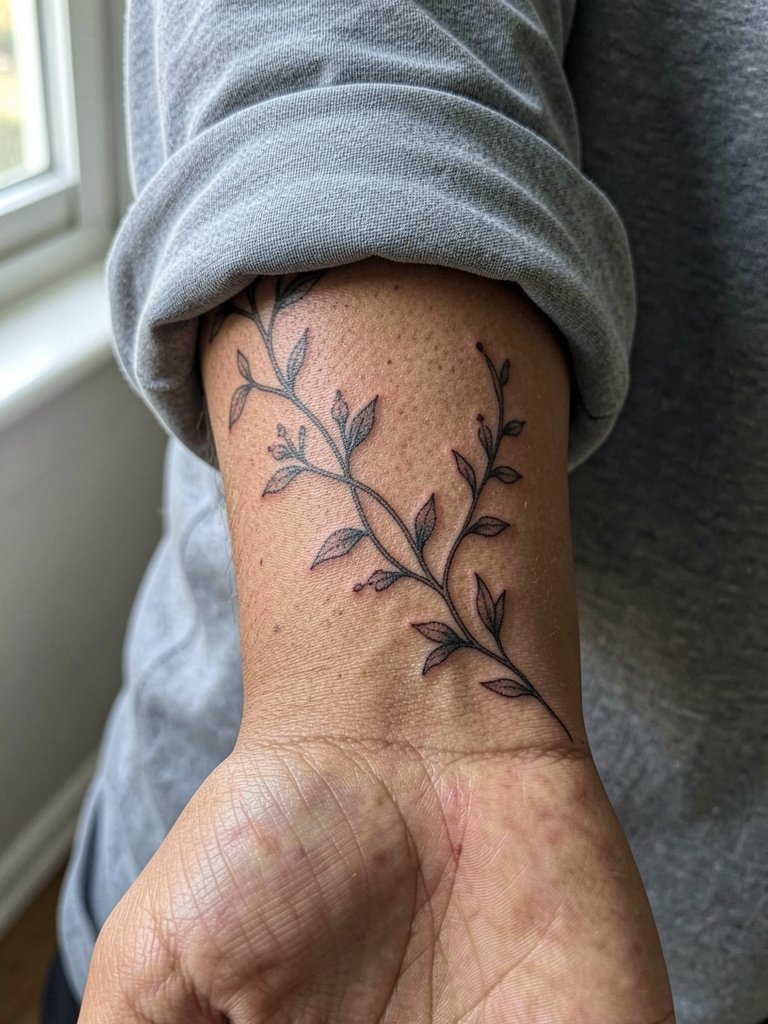
Fine line vines look poetic but they can degrade if placed across high-friction zones or very small widths. Specify heavier stem anchors at the wrist and slightly widened leaf veins to avoid early softening. Ask the artist to show simulated aging at three and five years on a transferred stencil so you can see how spacing affects future legibility. Sessions for a wrist-to-forearm transition usually fit into one longer sitting. For the appointment wear a short-sleeve or roll-up sleeve so the artist can access the palm-up surface. For display, cropped sleeve tees and thin bracelet stacks on the opposite wrist complement the piece without rubbing.
19. Art Nouveau Cameo on Outer Thigh with Lace Border
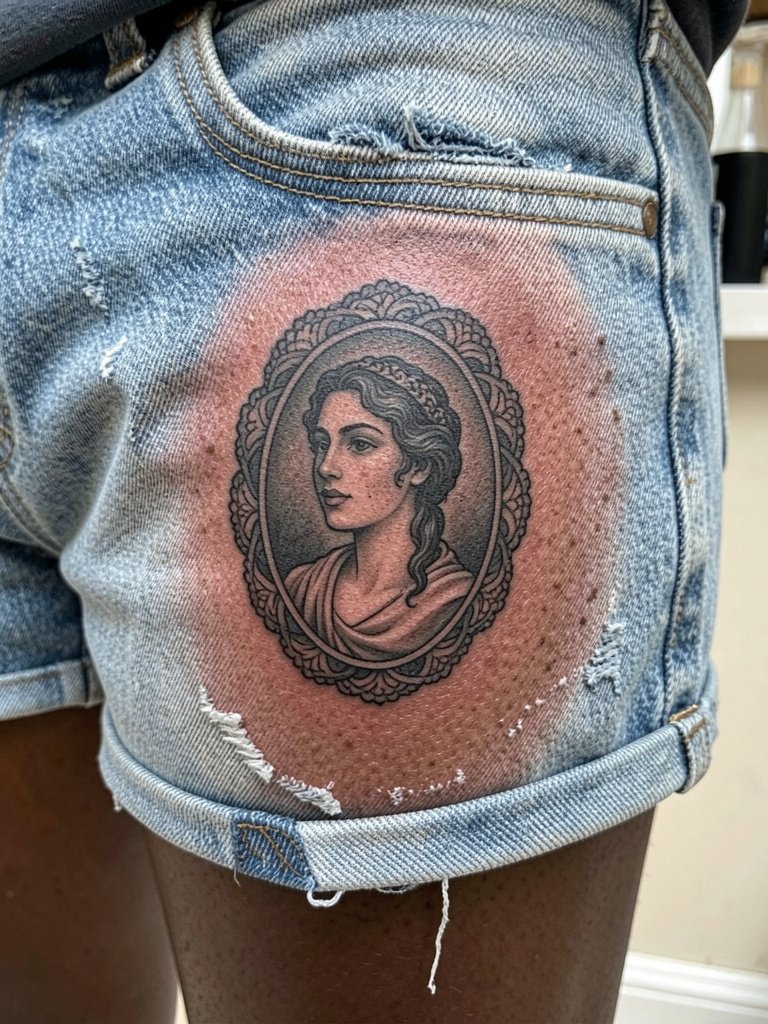
Outer thigh cameos are great when you want a large delicate portrait framed like a jewel. Ask the artist to keep the lace border open with negative space so the portrait holds over years. Thick lace edges prevent the frame from collapsing into the portrait as skin shifts. Sessions can be one or two blocks depending on detail. For the appointment wear shorts you can pull down slightly without tugging the area, or choose a skirt that can be lifted gently. For showing the piece, high-slit skirts and longline shorts keep the cameo visible and protected.
20. Framed Botanical Thigh Band
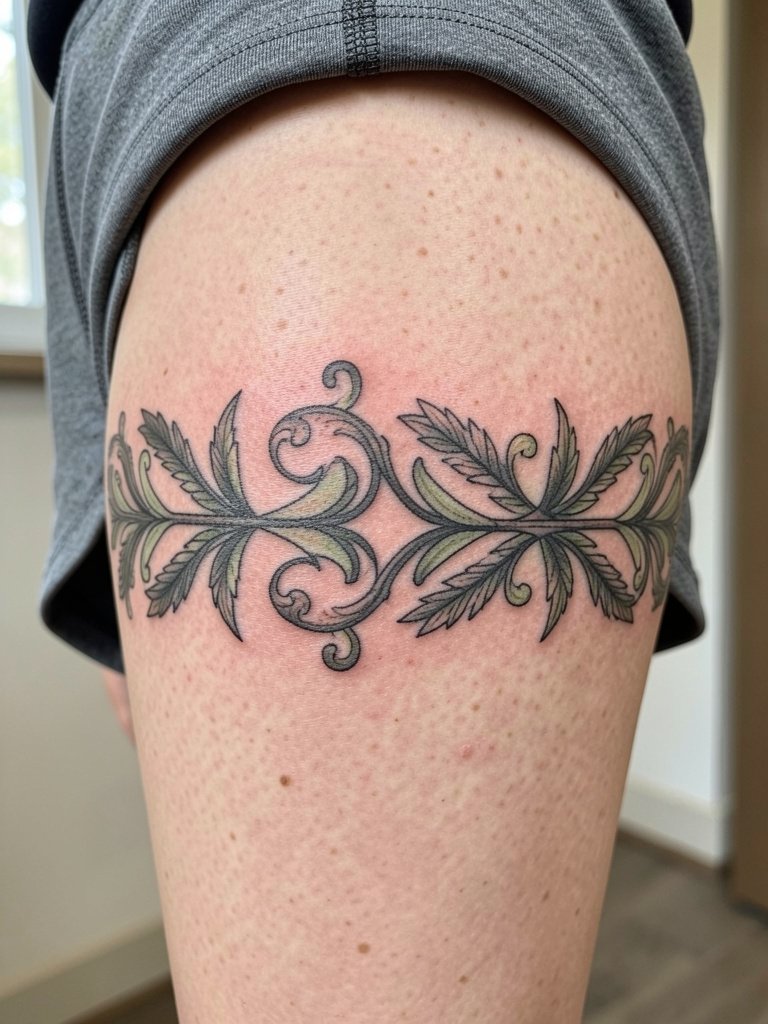
Thigh bands that wrap partially benefit from a planned end point so the pattern does not look chopped when you sit. Request that the outer edges fade into negative space rather than end in abrupt tiny curls. Thigh bands tolerate saturation well but need spacing to remain readable after weight changes. One session often does the job for medium width bands. For the appointment wear shorts or a skirt you can move without pressing the area. Showing the band with relaxed denim cutoffs or high-slit skirts keeps the pattern visible without friction from tight garments.
21. Ornamental Neck Nape Accent
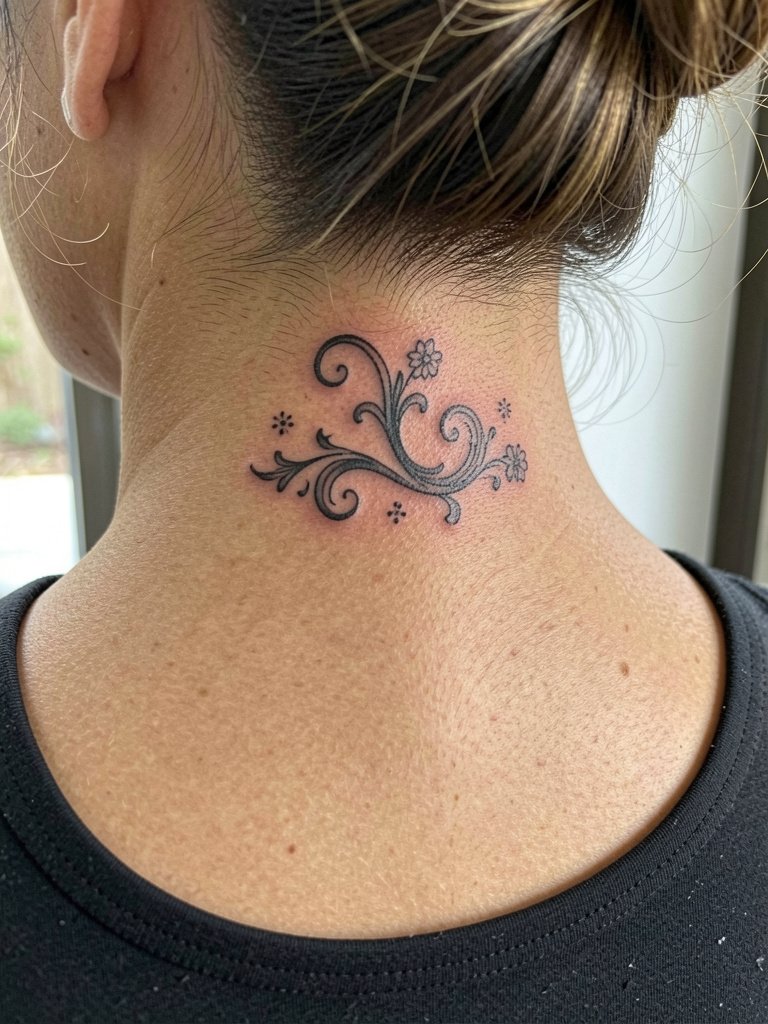
Nape accents are subtle and often seen only when the hair is up. If you want the design to be visible in daily life, ask the artist to extend length downward slightly so it peeks under typical updos. The nape heals differently under hair so request aftercare instructions for hair management and avoid heavy shampooing the first few days. Sessions are short for small accents. For the appointment pull hair into a low bun or wear a style you can easily remove so the artist has clear access without fabric interference. Consider professional aftercare for the first week when hair can rub the site.
22. Small Ornamental Wrist Tag
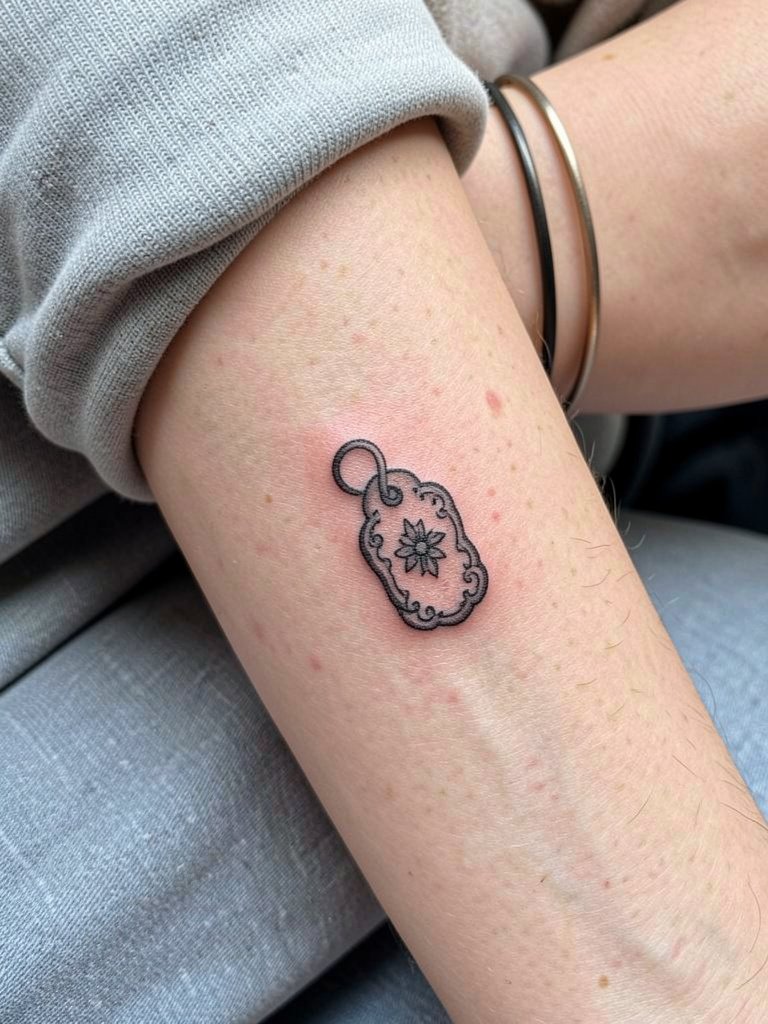
Tiny ornamental wrist tags are accessible first tattoos but they need bold negative-space decisions to last. The inner wrist eats line detail, so specify that borders be dark and open fields minimal. Ask for a life-size transfer to confirm wrist width and to avoid having the tag wrap incorrectly around veins. Session time is short but plan for a touch-up around six months if the area sees heavy washing. For the session wear a short sleeve you can roll. For show-off pairing, thin bracelets on the opposite wrist keep attention balanced and prevent rubbing of the fresh ink.
23. Ornamental Flash Collar Area Accent
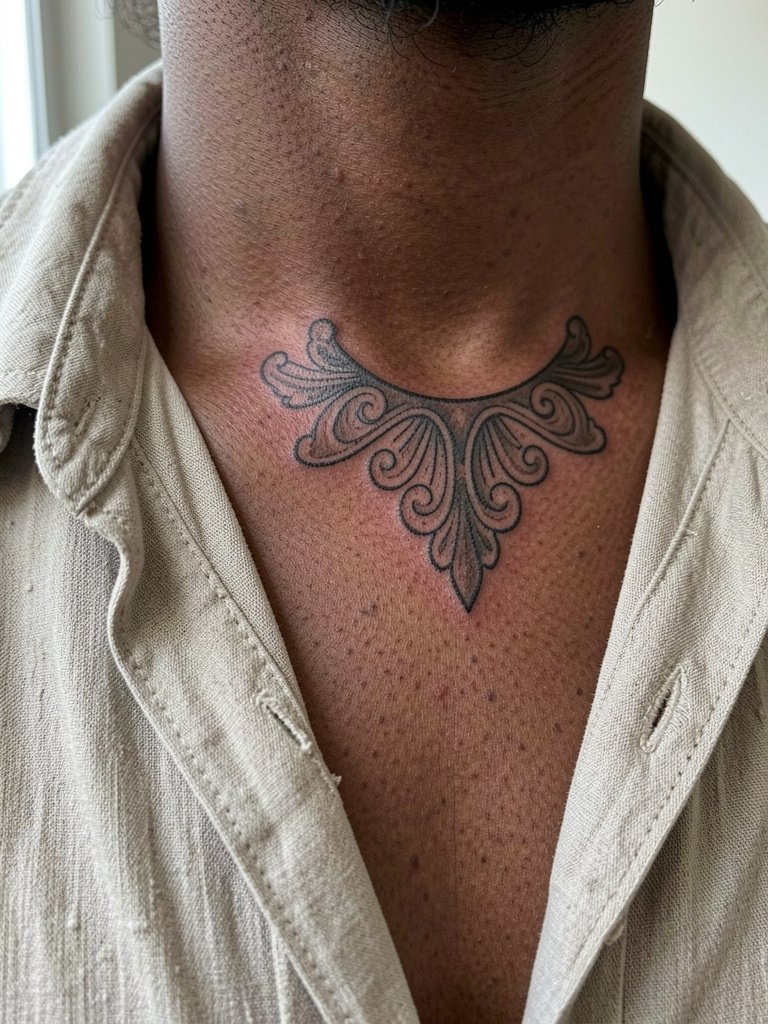
Small collar accents borrowed from flash allow quick decorative punctuation near the neckline. Confirm the position relative to collarbones and necklace placement so the accent does not conflict with jewelry you wear regularly. Such placements are visible and sun-exposed, so keep palettes muted or stick to black linework for longevity. Sessions are short walk-in or appointment-ready. For the session wear an open-collar blouse that stays in place while the artist works. For display, pair the accent with a delicate pendant that sits above the design.
Frequently Asked Questions
Q: How big should a Mucha-inspired portrait be so it still reads after two years?
A: Plan for at least a three- to five-inch vertical face area for portrait detail. That gives space for hair flow and halo framing and reduces the risk of facial features merging over time. Ask to see healed photos of similar scales from the artist so you can confirm how their linework settles.
Q: Do muted color accents age worse than black and grey?
A: There are two viewpoints. One viewpoint is that black and grey tends to age more predictably and preserves line contrast. The opposing viewpoint is that muted color used sparingly preserves period character and can look great when refreshed. The honest answer depends on your lifestyle, sun exposure, and how often you want to return for color refreshes.
Q: Where can I find artists who specialize in ornamental Art Nouveau without naming specific artists?
A: Search Instagram and TikTok for hashtags like #artnouveautattoo, #ornamentaltattoo, and #muchaStyle, then use location filters. Look specifically for healed portfolio posts and follow tagged healed shots. Reddit tattoo threads are also useful for peer recommendations and for seeing how designs aged in different skin tones.
Q: What should I wear to a sternum or ribcage appointment so the artist has access?
A: Wear a front-fastening bra or a fitted sports bra and loose bottoms so you can expose the area without tugging clothes. For rib work a crop top with easy side access also works. For any placement, choose clothing you can remove or adjust without dragging fabric across healing skin.
Q: How often do Art Nouveau pieces need touch-ups compared to other styles?
A: Small, highly detailed Nouveau pieces often need touch-ups sooner because curls and hairlines can soften. Medium to large pieces with planned spacing and slightly stronger contours usually need fewer early touch-ups. Expect small-area refreshes at six to twelve months and larger balancing sessions at one to three years depending on palette and placement.