The spine is one of the few places a vertical design can look deliberate and private at the same time. Tiny scripts and single-needle motifs are trending on short-form video, but they age differently than bold blackwork placed with spacing in mind. Read these artist-ready spine ideas paired with what to ask about line weight, how a piece heals, and the clothing to bring on chair day.
1. Narrow Single-Word Script Down the Spine
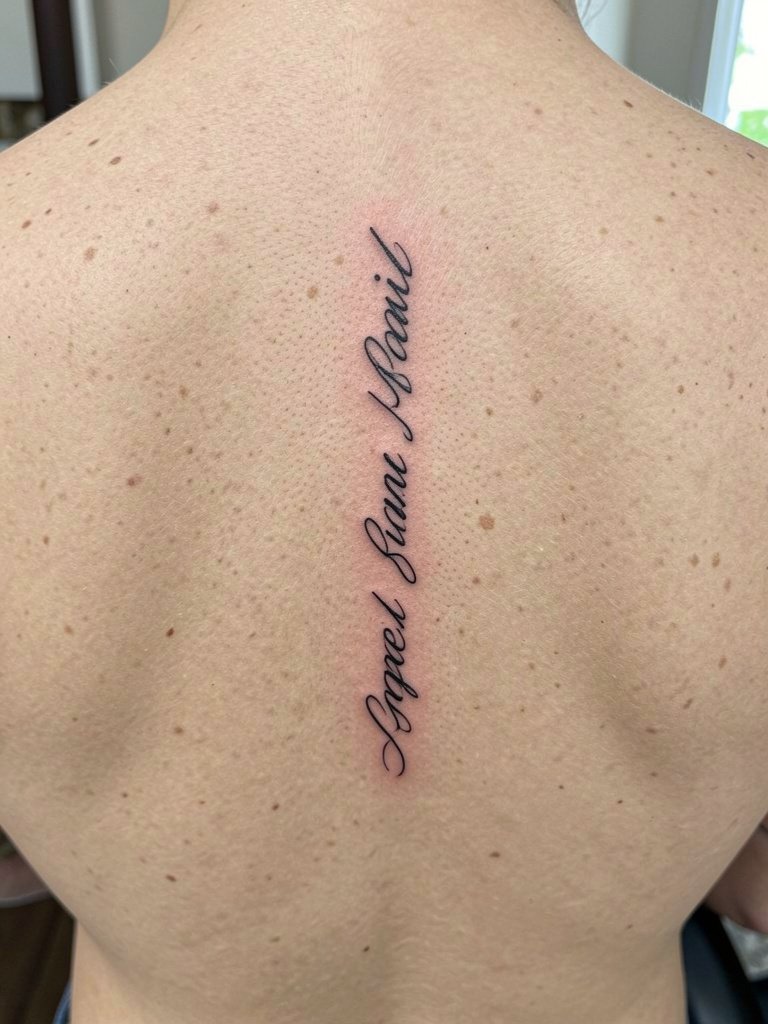
A single-word spine script reads elegant when the letters are spaced vertically and the line weight is bumped slightly from a typical single-needle sample. Recommend the artist draw the word at three scales so you can compare how it reads at three inches versus five inches. Common mistake: asking for the thinnest possible script and ending up with blurred loops after two years. Expect a one-session appointment of 45 to 90 minutes and a medium pain level along the vertebrae. For chair day, wear a loose button-up shirt you can lift or remove without rubbing the new tattoo, such as an oversized button up shirt.
2. Slim Sword or Blade Motif Anchored on the Spine
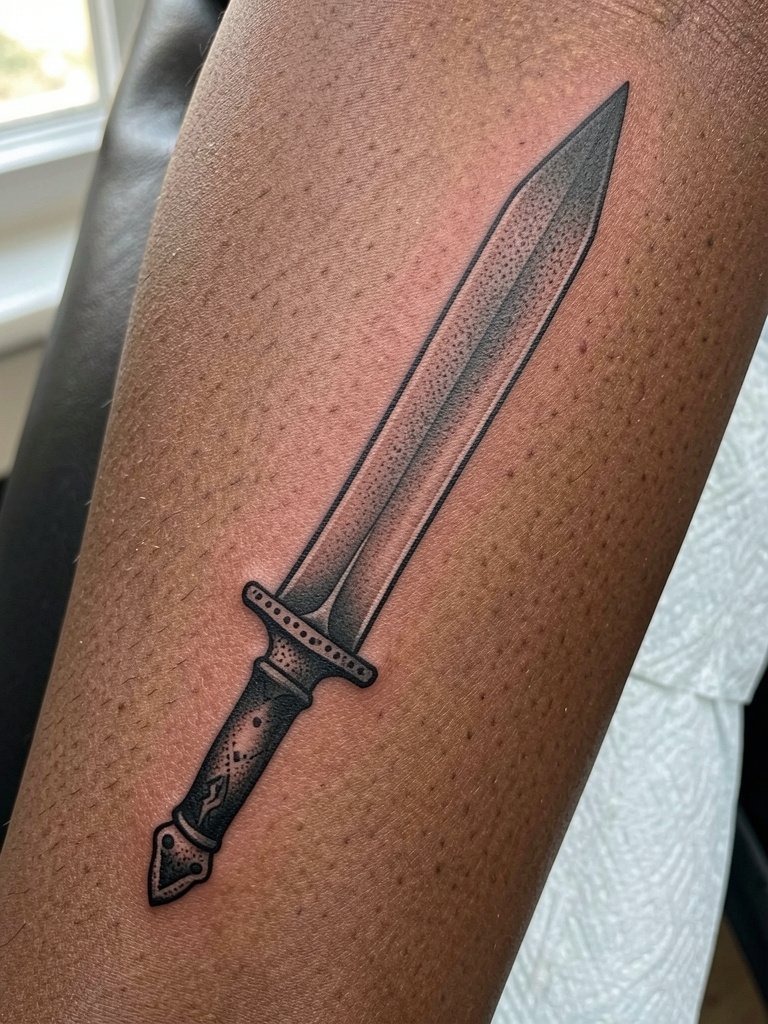
The blade motif uses the spine for a crisp vertical anchor. One camp prefers bold blackwork here because heavy saturation preserves silhouette as the skin moves and ages. Another camp favors more detailed gray shading and finer linework to keep the hilt visually interesting. Decide which you prefer before booking and ask the artist to show healed examples of each approach. Session time runs one to two hours, pain is medium to high near the upper thoracic vertebrae, and typical touch-up windows are around 6 to 12 months if you choose fine shading. Show-off styling pairs well with a fitted sleeveless ribbed tank; try a men sleeveless ribbed tank for summer reveals.
3. Stacked Symbol Chain, One Icon Per Vertebra
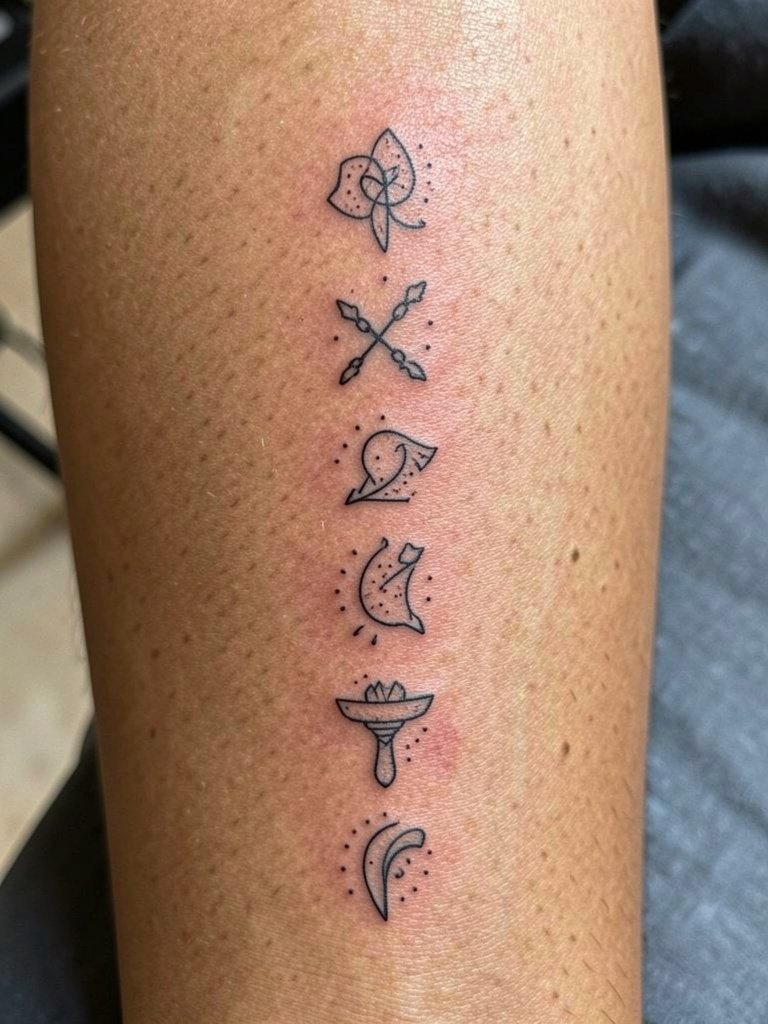
Stacked symbols play to the spine's repeated anatomy, which means spacing is everything. Ask the artist to map each icon to a vertebra and show how negative space will read at one year and three years. A common aging issue is stacking icons too tight so the motifs bleed into one another after a touch-up is needed. Sessions are modular, so you can do two to three small icons per visit. For the appointment, a loose zip hoodie or oversized tee that lifts easily without rubbing the back works best.
4. Mandala Column with Ornamental Breaks
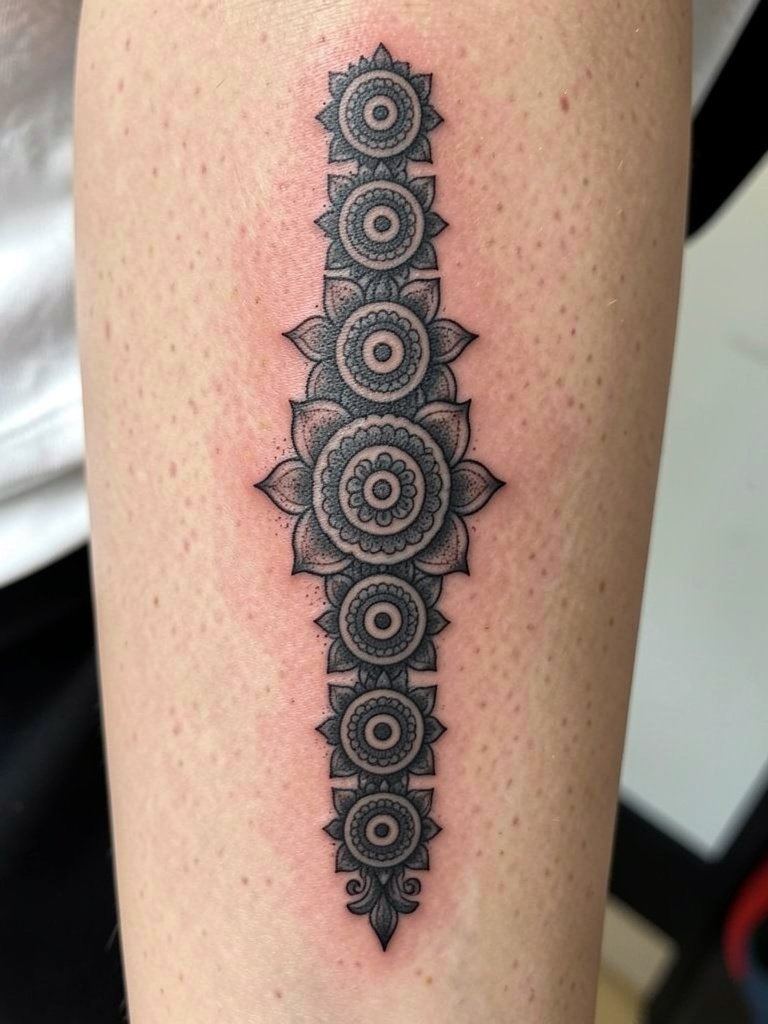
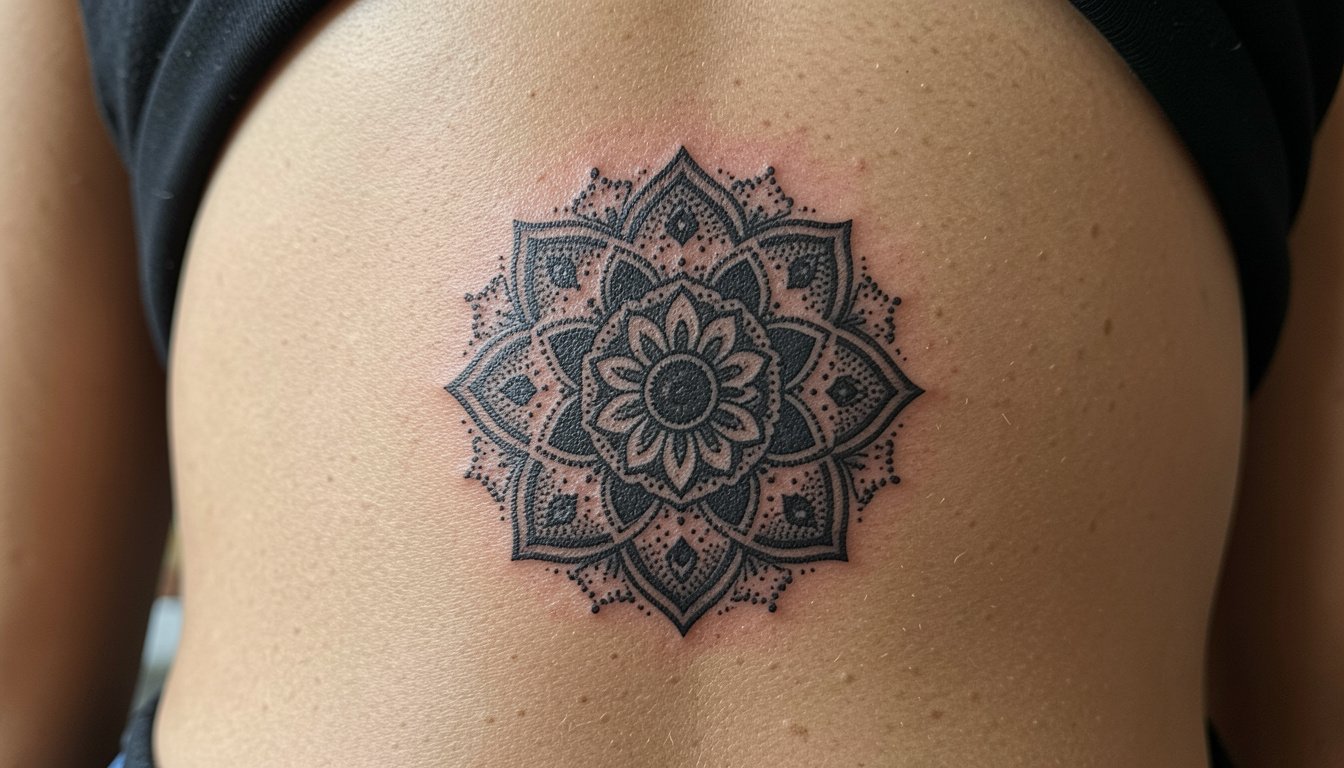
A mandala column uses symmetry to widen a narrow back visually. For this vertical repeat, ask about how the artist preserves the centerline so the mandalas stack without drifting. The mistake to avoid is over-detailing each ring without leaving breathing room, which causes muddiness as the piece settles. This design often takes two to three sessions depending on size, with medium pain near the lower back. When you want to show it off, an open-back workout top pairs cleanly; search for an open back workout top.
5. Geometric Spine Ladder with Negative-Space Bars
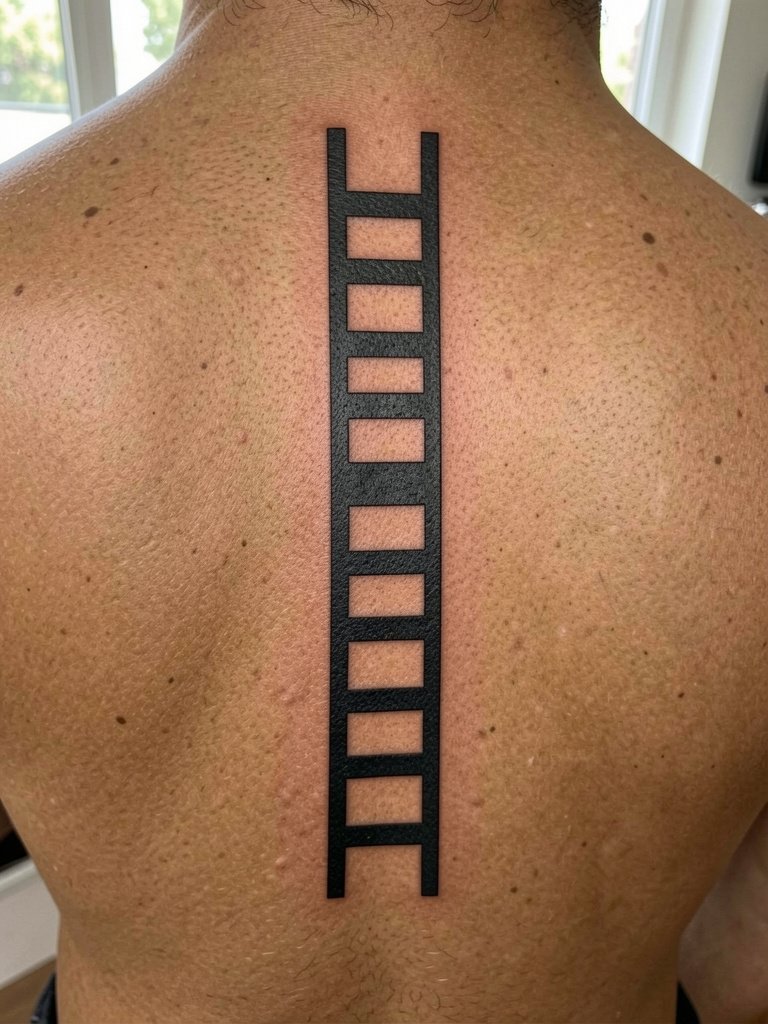
Geometric ladder pieces require ruler-like placement and crisp registration with the vertebral line. Ask the artist to stencil and photograph the ladder alignment before the needle touches skin so you can confirm symmetry. The usual mistake is compressing bars too close, which looks deliberate at first and blurry later. Expect a single long session or two medium sessions for a mid-back ladder. This minimal look pairs well with neutral tones and fitted crew shirts for contrast on casual days.
6. Single Vertical Line with Dots and Micro Accents
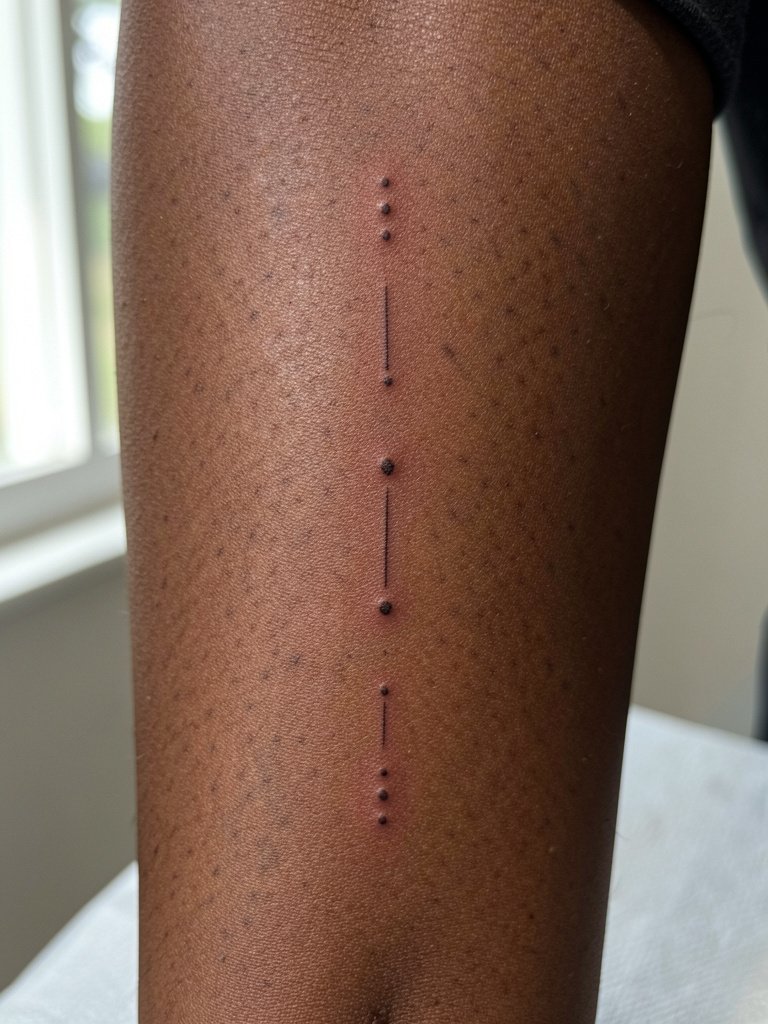
A straight vertical line with dot accents looks modern but relies on deliberate line weight choices. One group of artists says the thinnest single-needle lines fade faster on the spine and recommend slightly heavier anchor strokes. Another group claims careful single-needle work, placed in the shallow dermis with proper spacing, will keep the minimal look longer. Have the artist show two- and three-year healed shots of similar dot spacing. Session time is short, around 30 to 60 minutes, and clothing for the appointment should be a loose button-up that lifts without dragging the fresh ink.
Session Day Picks
Those first six spine ideas have different session needs and sensitivity points, so a few small items smooth the day and the first week.
- Tattoo stencil transfer paper kit. Lets you preview the exact placement on the spinal midline so the artist can adjust symmetry before inking, which matters for stacked symbols and mandala columns.
- Topical numbing cream. Useful for longer blade or full-back anchor sessions when upper thoracic sensitivity spikes and you need a more comfortable second hour.
- Thin protective film roll. Keeps the lower back and waistline area protected from clothing friction in the first 48 hours for ladder and mandala work.
- Fragrance-free gentle body wash. Cleanses healing skin without stripping pigment during the first week.
- Aquaphor healing ointment. Thin application in the first 24 to 48 hours locks in moisture for dense blackwork without clogging the needle channels.
7. Heavy Blackwork Spine Panel for Long-Lasting Contrast
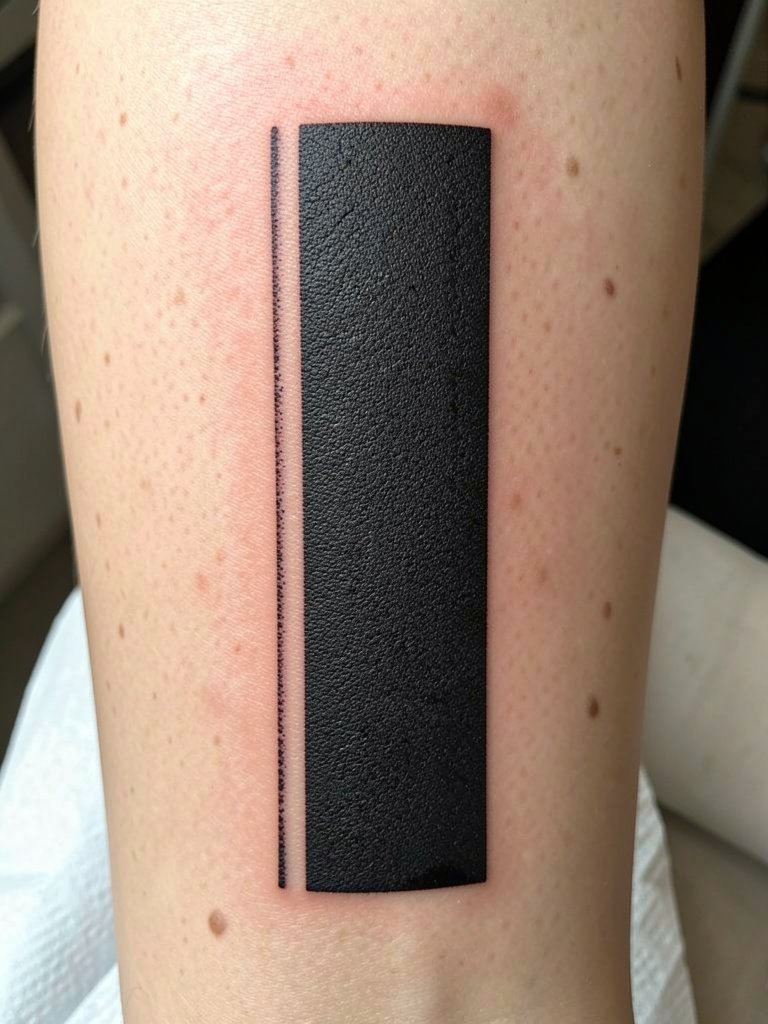
Blackwork is often chosen because it retains strong silhouette as the skin changes. One camp says heavy blackwork on a spine holds up far better than fine line because saturated fields remain defined. The opposing camp argues careful gray shading and negative space can create more depth and avoid a blocky look. Ask to see healed examples in both styles and discuss touch-up timelines for large fills. Sessions can be multiple long sittings and pain ranges from medium to high along the vertebral column. When you plan to reveal it, a fitted sleeveless overshirt or open overshirt works as a masculine frame.
8. Vertical Neo-Traditional Crest Running the Length
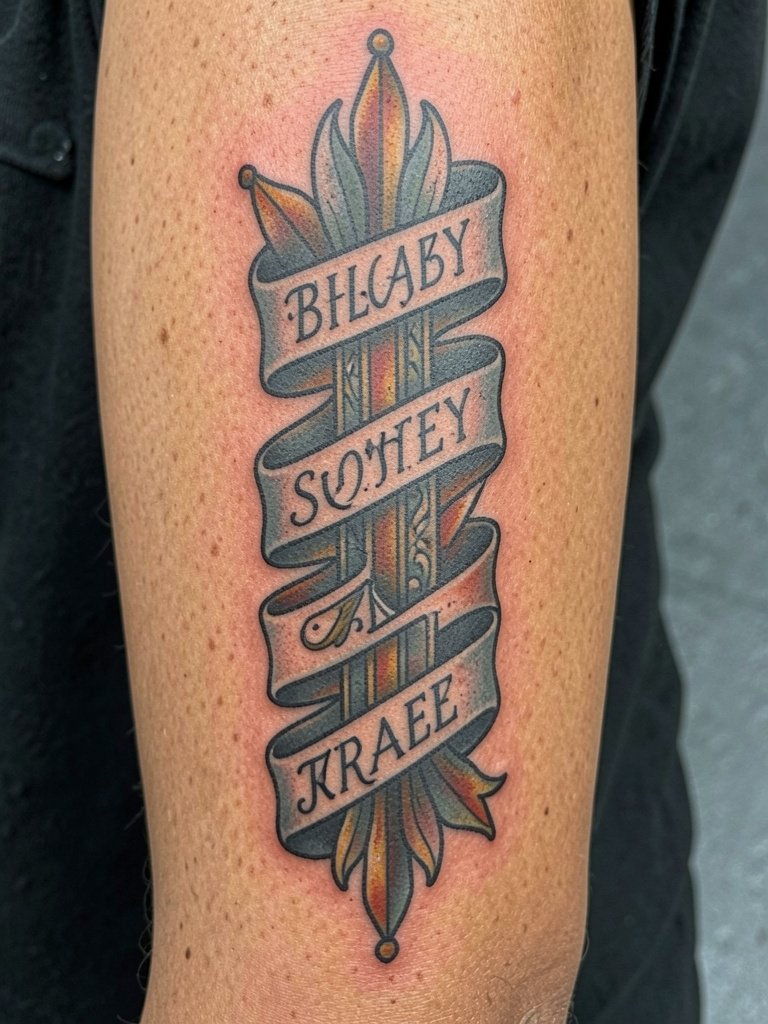
A neo-traditional crest used vertically reads like jewelry for the back. Discuss color saturation plans with your artist because the spine's thin vertical lane changes how colors mingle. A common mistake is trying to cram traditional horizontal elements into a vertical column without adjusting banner proportions. Expect two to four sessions depending on saturation and color. For showing off, a ribbed tank or open overshirt in charcoal or stone tones keeps attention on the crest.
9. Micro-Realism Portraits Stacked into a Spine Narrative
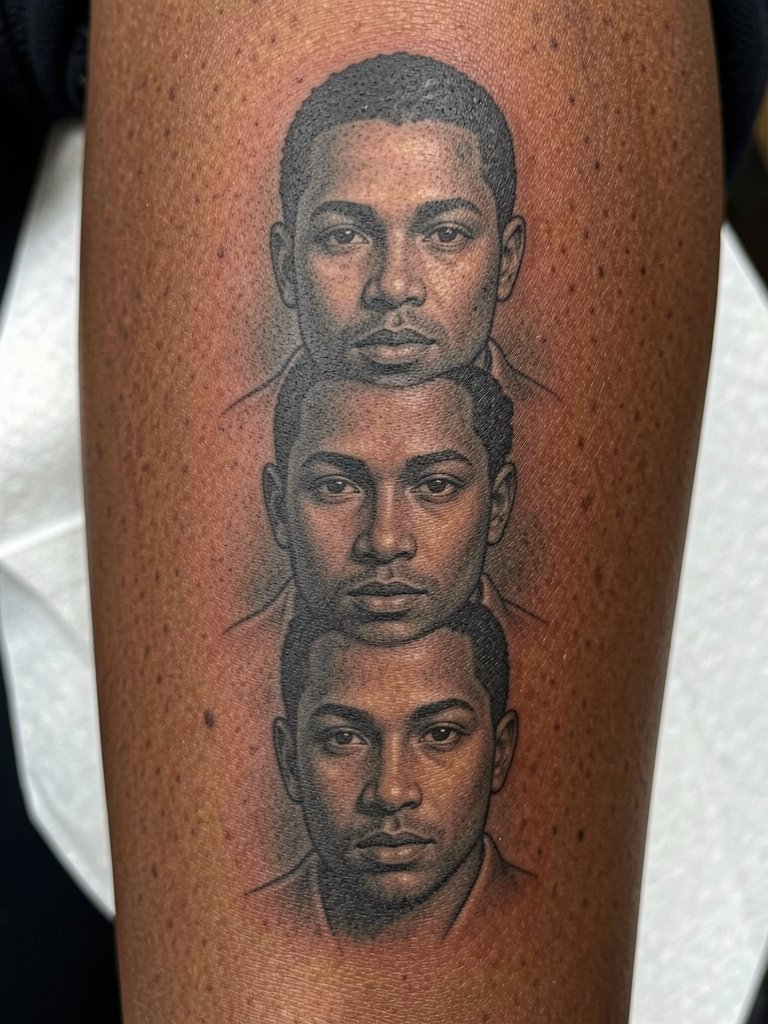
Micro-realism on the spine is high-skill and needs an artist experienced with healed portrait work on moving skin. Ask to see healed portrait work in the same scale and along the spinal line. Mistakes include asking for tiny, photo-accurate faces that become blotchy after settling. Sessions are longer and usually split across multiple visits. For the chair, wear loose, comfortable clothing that the artist can adjust without friction on the back.
10. Patterned Bone Illustration with Anatomical Accents
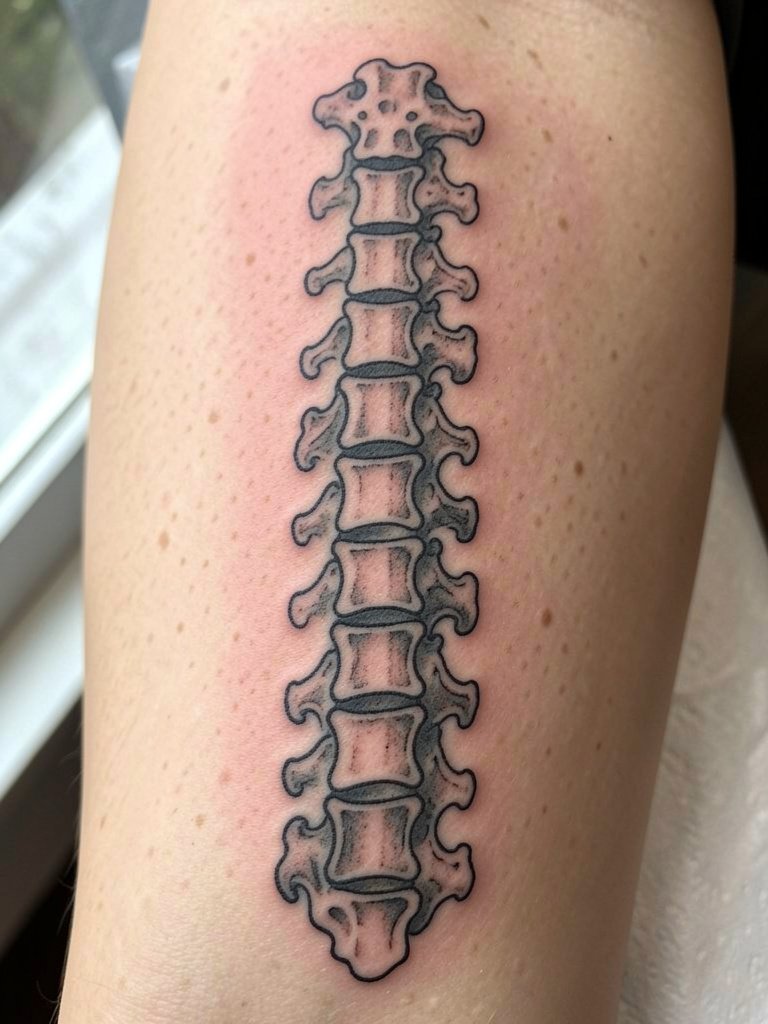
A stylized vertebra column looks custom when the artist balances anatomical reference with ornament so the pattern does not read like a medical diagram. When booking, bring reference images showing how the vertebrae connect in a vertical flow so the artist can contour the filigree around natural spinal curvature. Expect medium pain and a typical two-session build. For session wear, a loose button-up or zip hoodie prevents fabric drag on the fresh ink.
11. Minimalist Arrow or Compass Spine Mark
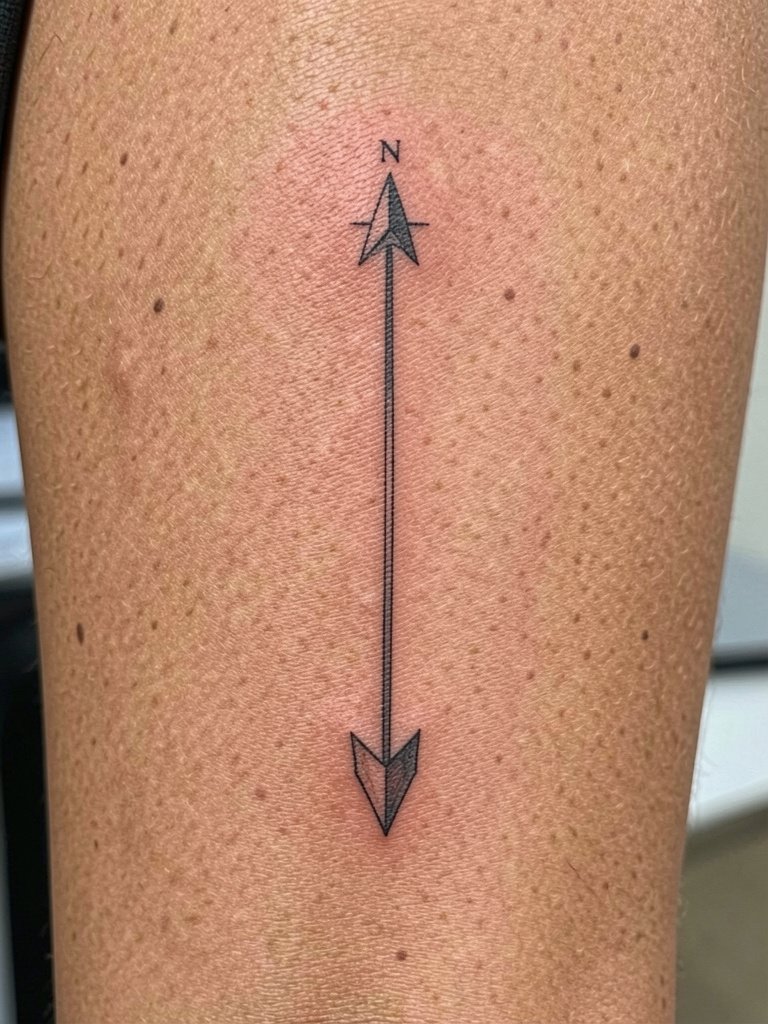
An arrow or compass motif is simple but needs proper scale to remain visible from a distance. The biggest mistake is choosing a scale so small the arrow loses form as the skin relaxes. Ask for the design at three sizes stenciled in place so you can judge presence. Sessions are brief and the pain is moderate. This design pairs well with casual gym wear and a fitted open-back top for intentional reveals, try an open back workout top for show-off styling.
12. Vertical Floral Stem with Heavier Bases
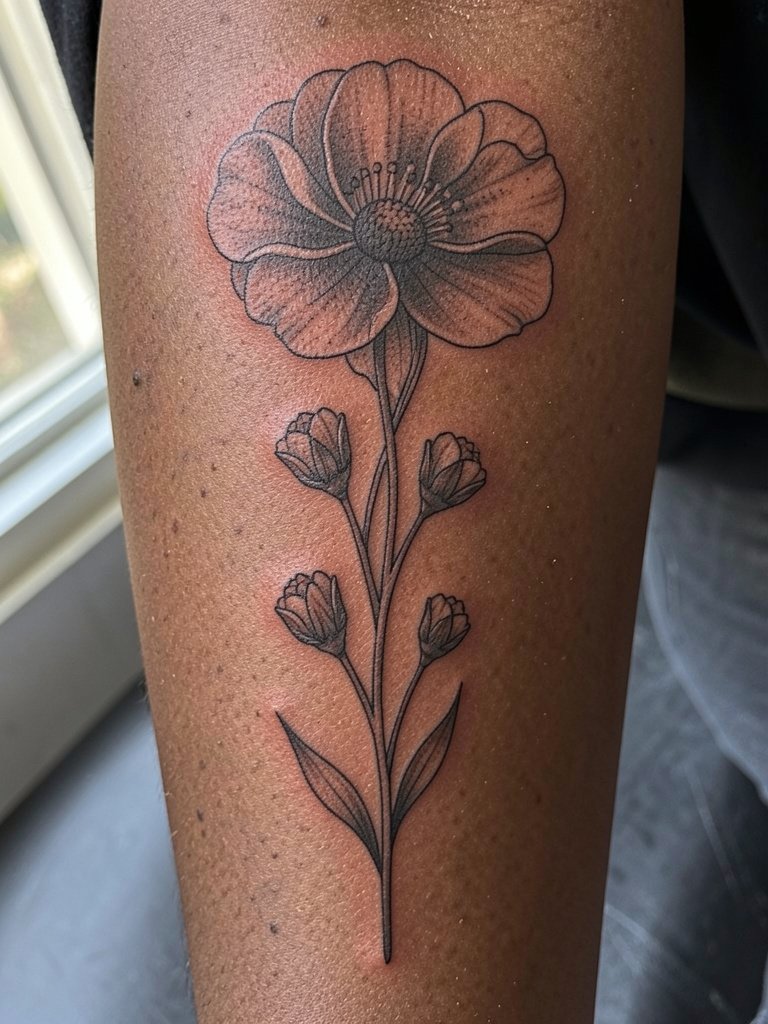
A vertical botanical stem needs contrast so the blossoms do not vanish against the back's texture. Ask the artist for petal edge weight adjustments to protect delicate shapes from softening. A frequent error is using too many thin lines in a blossom that later lose definition. Session time varies with size but plan for one to two sittings. For the appointment, a loose top or a button shirt that lifts cleanly is best.
13. Script Phrase Broken into Stacked Lines
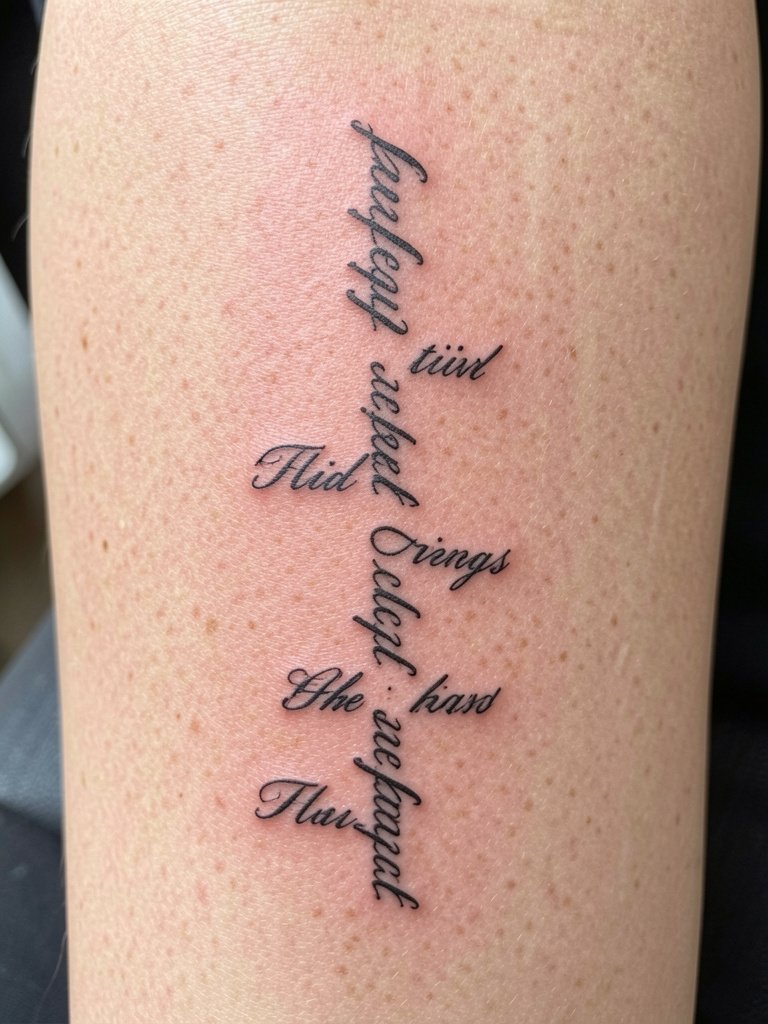
A stacked phrase down the spine reads as a vertical poem when kerning is planned for movement. Discuss line breaks and word scaling so the phrase does not appear cramped. The aging issue is using ultra-thin script for long phrases which reduces legibility over time. Plan on a slightly heavier line weight than your reference image and expect a one-session application for short phrases. For showing it off, an oversized button up shirt left open at the back or a tank works well.
14. Ornamental Spine Chain with Gem Motifs
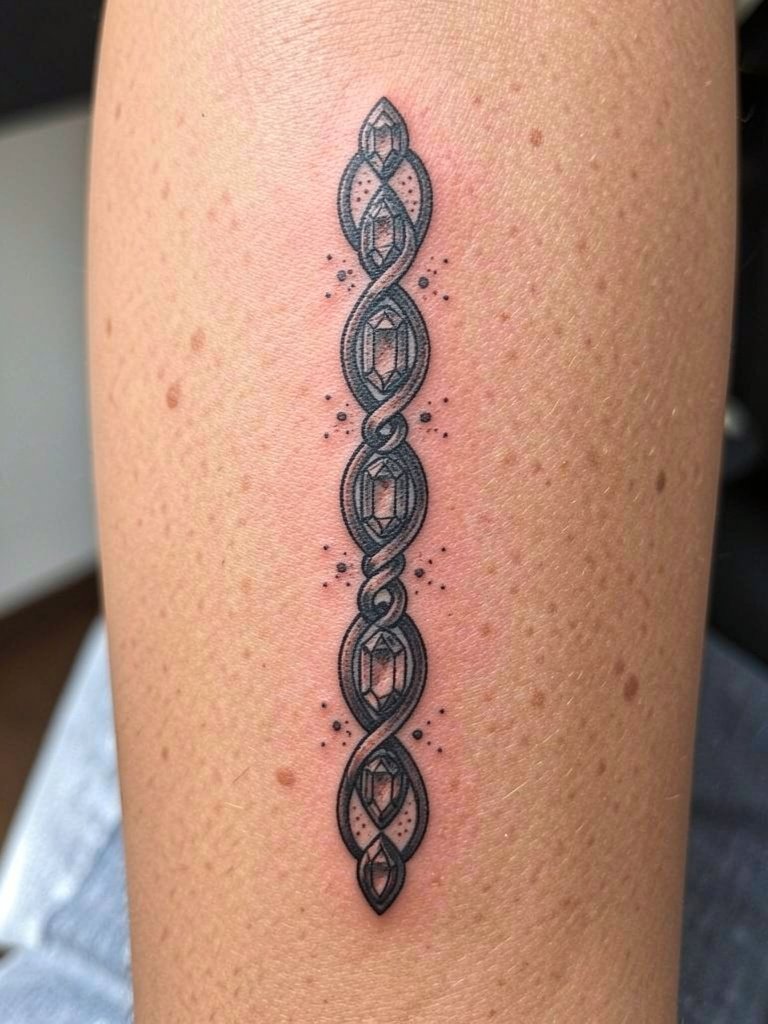
An ornamental chain down the spine needs rhythmic spacing to read like jewelry rather than a strip. Ask the artist to mark spacing while you stand in a natural posture so the gems sit visually where intended. A mistake is heavy ornamentation at only one point, which skews the visual weight. Sessions are medium length and pain is moderate. For reveal outfits, a fitted tank top or open-back shirt highlights the vertical ornament without distraction.
15. Stipple-Shaded Vertical Totem with Animal Motifs
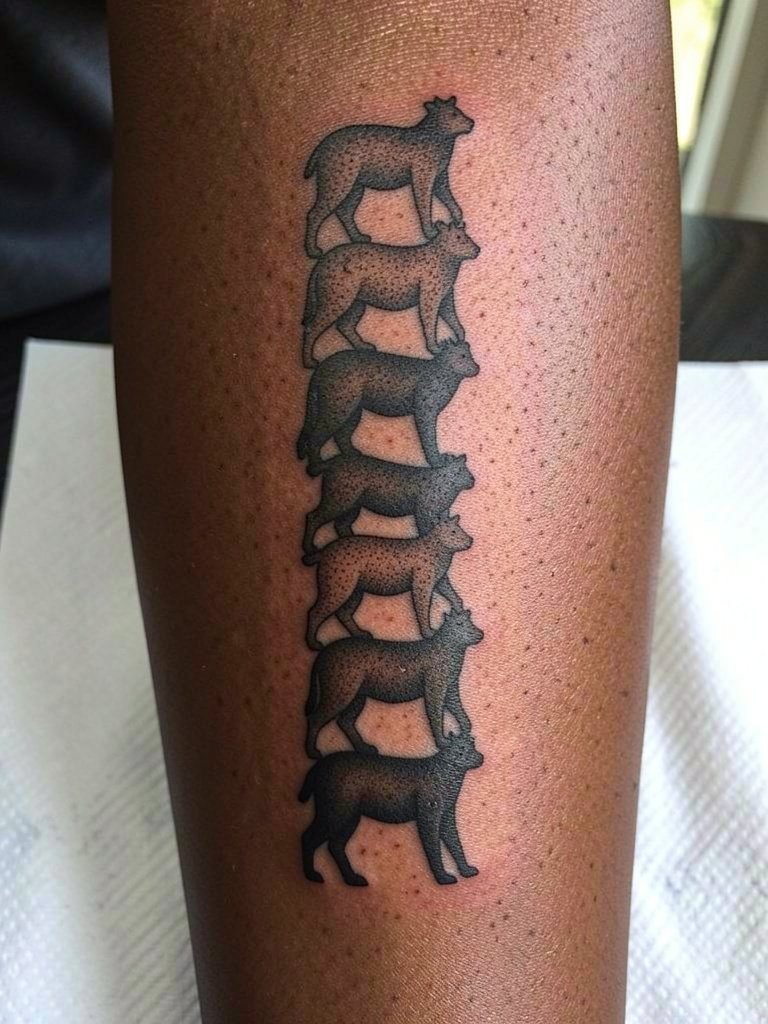
Totem designs tell a visual stack and need clear negative space between animal motifs to prevent visual merging. Tell the artist which elements should have heavier stipple so the darkest areas retain depth after a year. People often ask for lots of tiny features that dissolve into gray blobs; plan for bolder silhouette anchors. Expect multiple sessions and heavier pain nearer the lumbar area. For session wear, a loose tee you can lift or an oversized shirt is sensible.
16. Spine Anchor with Rope and Knot Details
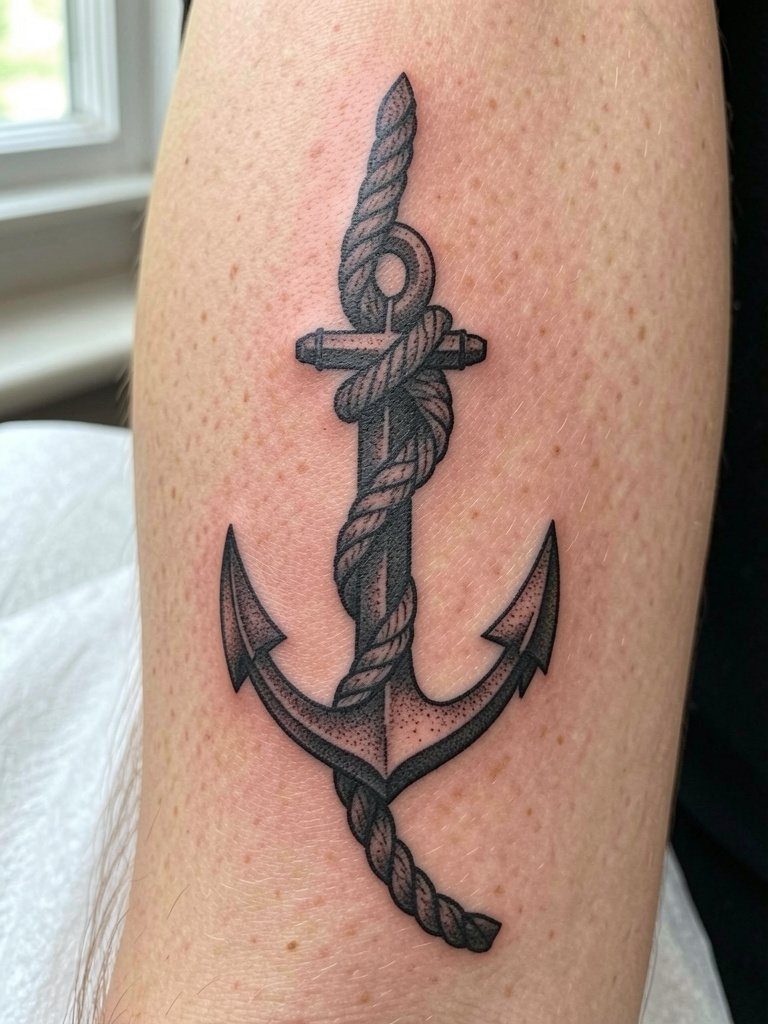
A rope motif uses texture to read tactile on the back. Discuss how much texture you want and where to place denser shading so the rope does not visually flatten. The mistake is adding tiny rope fibers that the skin will smooth out and cause a fuzzy look. Sessions are moderate and typically one long or two shorter sittings. For wardrobe choices when showing it off, a fitted crew or sleeveless top frames the rope cleanly.
17. Vertical Nautical Chart or Coordinates Column
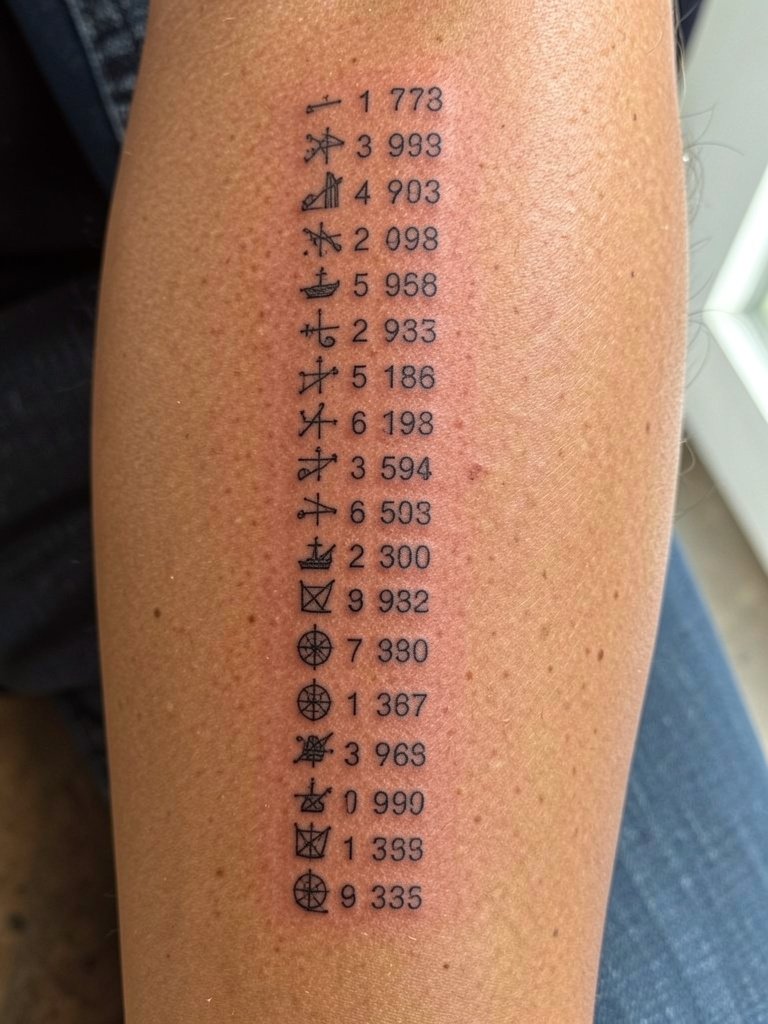
Text-heavy vertical coordinates need exact lettering so the numerals remain readable. Specify the exact text to the artist and have them show stencil placement before starting because errors are irreversible. A frequent error is choosing a type so small the numerals blur at year two. Expect a short to medium session depending on the number of lines. For revealing the piece, a plain fitted tee or open-backed garment keeps attention on the column; try a simple ribbed tank for warm-weather reveals.
18. Vertical Neo-Japanese Wave Column with Black Wash
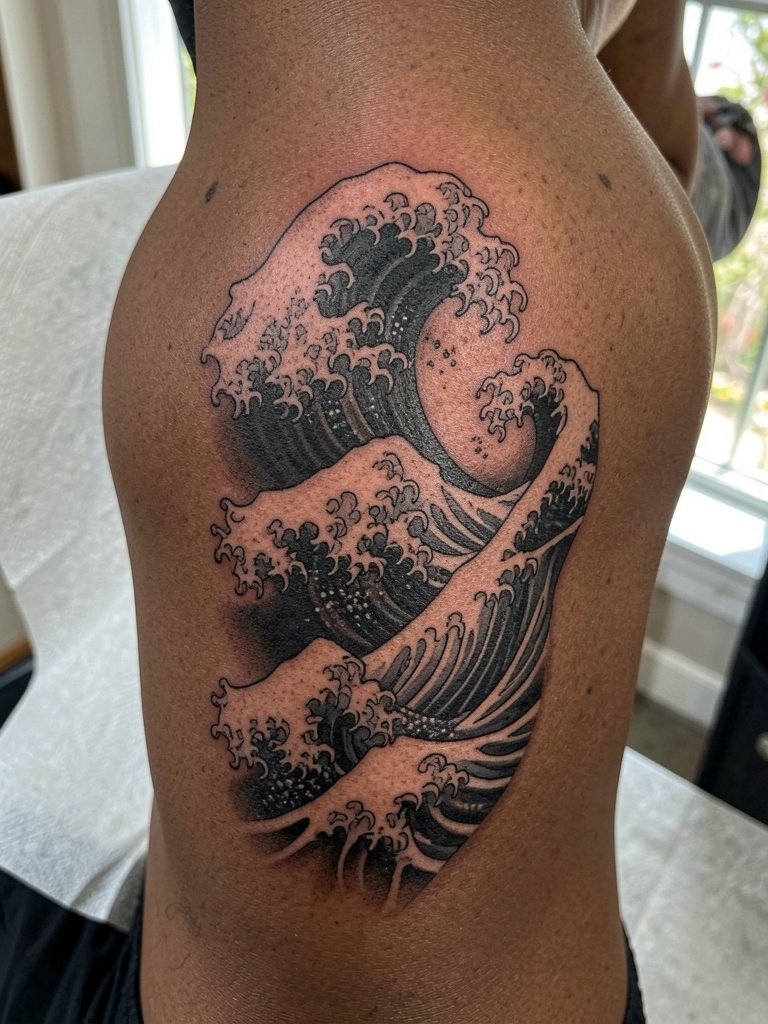
A vertical wave column reads dynamic because the pattern flows with the back's natural curve. Discuss how the black wash will age, because one group prefers saturated black for longevity while another suggests more graywash to keep subtlety. Show the artist composition references and ask how much negative space they plan to leave. Sessions are medium to long. For showing it off, a fitted sleeveless top in neutral color emphasizes the fluid silhouette.
19. Stylized Spine Rune Column with Sharp Angles
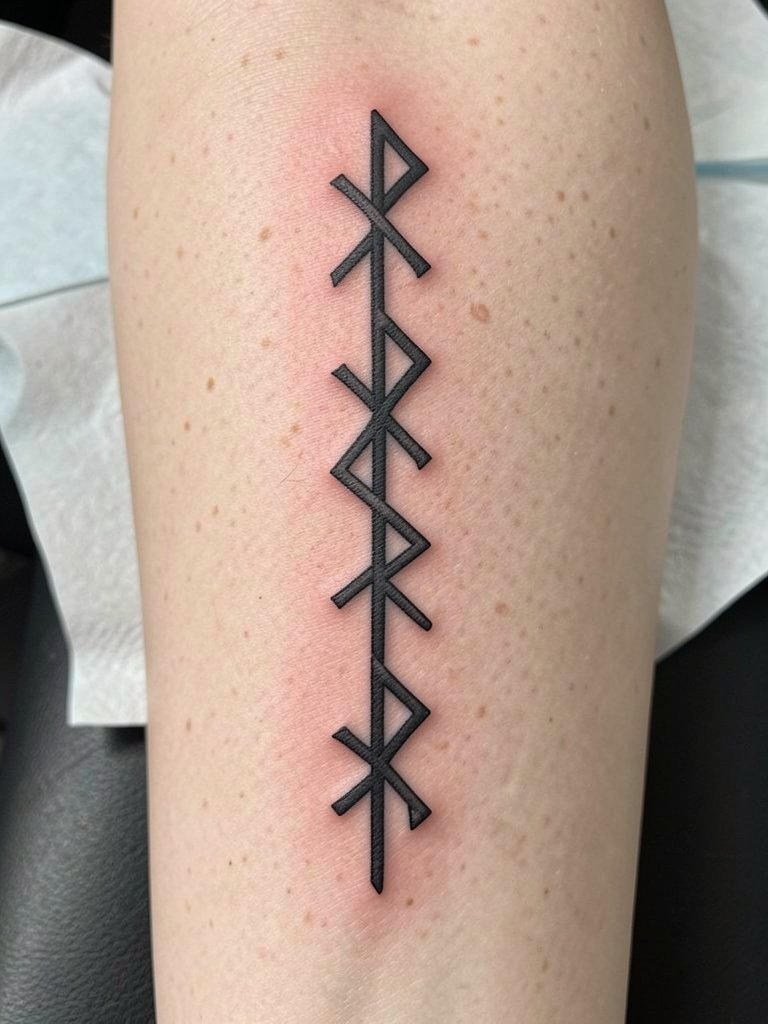
Rune columns need scale and spacing so the angles stay legible as the skin shifts. Ask the artist to show how the shapes read when the client moves and to mark out lengths while you stand. A typical error is making runes too small or too close, which creates a muddled black line after settling. Sessions are usually short to medium. The piece suits a casual open overshirt or fitted tank for display.
20. Abstract Linework Cascade with Whip Shading
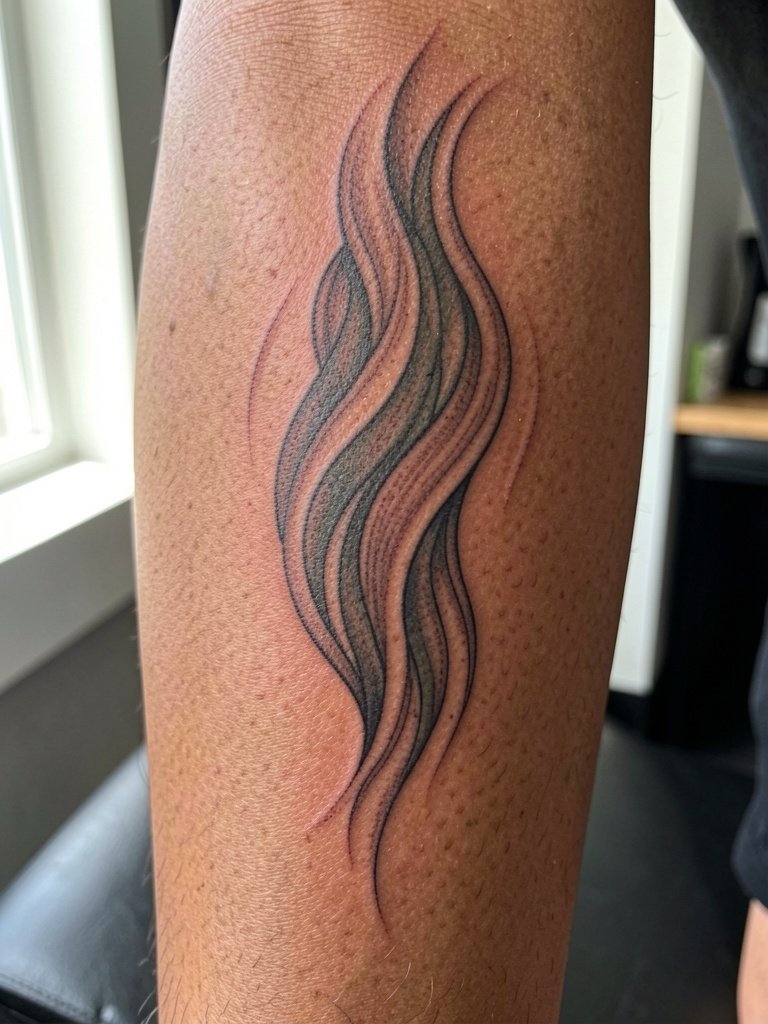
Abstract cascades allow the artist to play with motion and texture, but they require clear agreements about where heavier shading will sit. Discuss blowout risk with the artist because long flowing whip shading placed too close to bony areas can feather. The common mistake is overcomplicating the cascade without leaving space, which makes the design look dense later. Sessions are medium and pain varies by spot. For reveal clothing, neutral tees or a low-back drape highlight the negative-space movement.
21. Full-Back Anchor Using the Spine as Midline
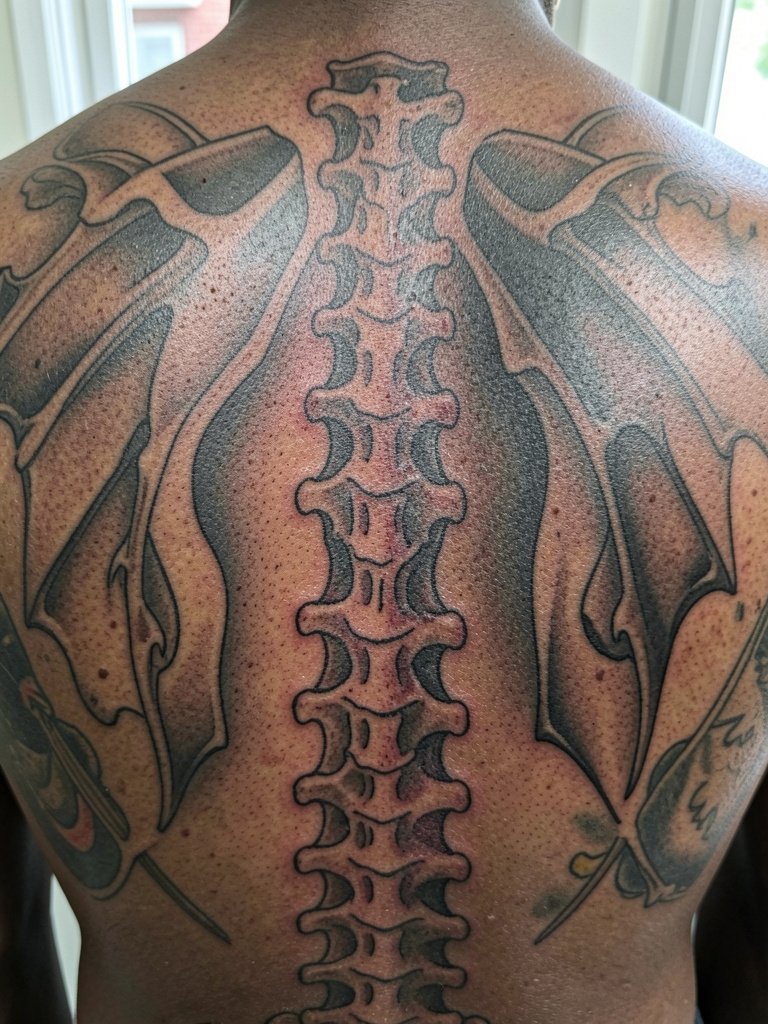
When the spine is the anchor of a full-back piece, the artist must plan how surrounding elements will sit on the scapula and ribs. Ask the artist how they will integrate the vertical axis with full-back curvature and whether they will ink in staged passes to monitor healing. A common planning error is starting heavy work around the spine without a mockup for the whole back. Expect multiple sessions across months. For visits, bring a zip hoodie or shirt that slips off without pulling fabric across the tattoo.
22. Vertical Optical Illusion with Jig-Saw Linework
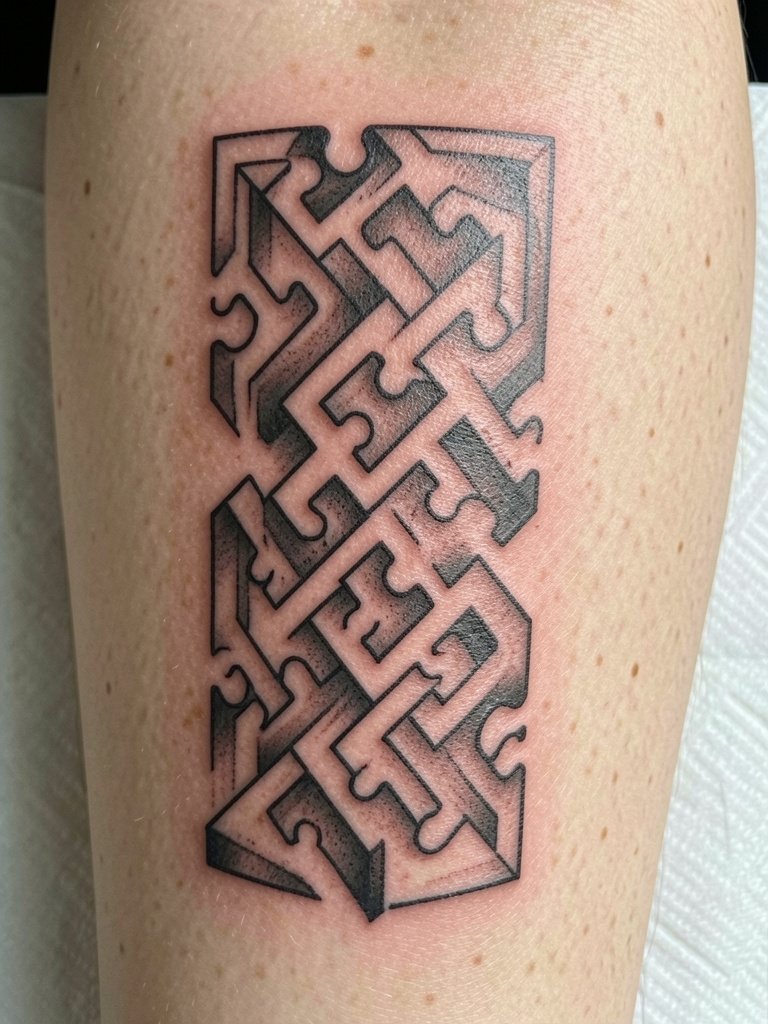
Optical work down the spine needs strict alignment during stenciling so the illusion reads as intended from several vantage points. Ask the artist to photograph the stencil in standing and slightly bent postures to confirm the effect. Mistakes include not compensating for shoulder ridge shadowing which distorts the pattern. Sessions are medium, and touch-ups may be needed to keep crisp edges. For show-off styling, a form-fitting tee or sleeveless top keeps the pattern visible.
23. Vertical Memorial or Symbol Stack with Unobtrusive Weighting
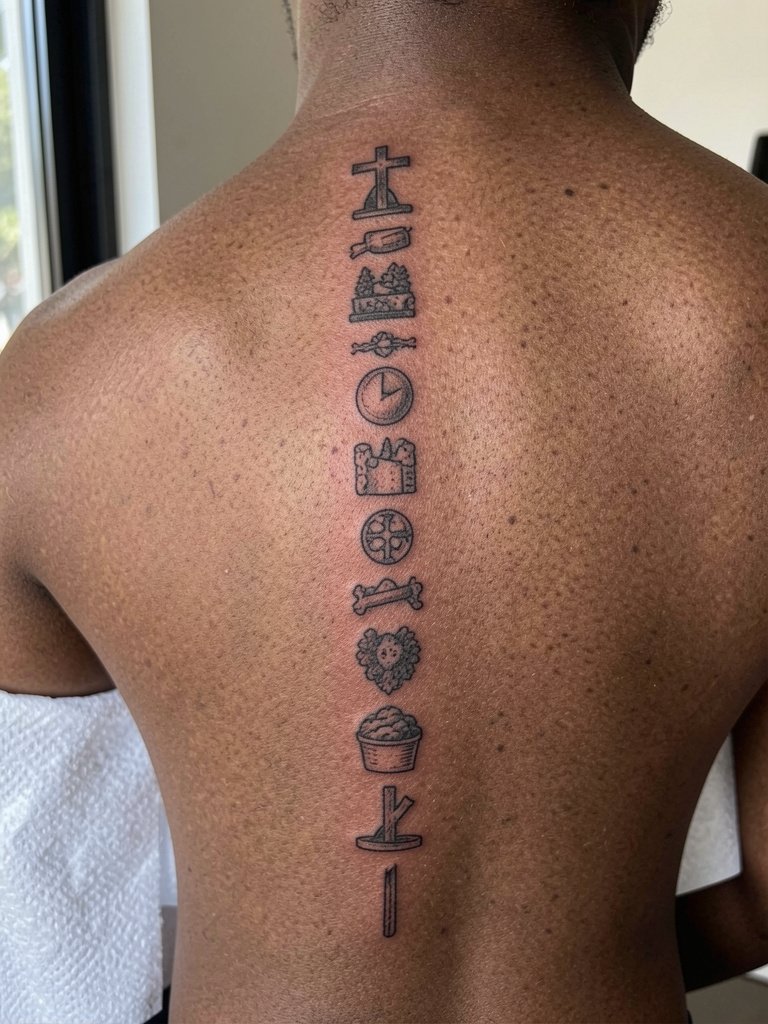
Memorial stacks on the spine demand careful weighting so the symbols age quietly without overpowering the back. Be specific about which elements should be bolded and which should be lighter. Bringing printed references that show scale helps the artist plan spacing and avoid the mistake of packing too many tiny tokens into a short vertical span. Sessions are modular and pain is moderate. For the appointment, wear a loose button-up shirt or a zip hoodie that you can remove without rubbing the area.
Frequently Asked Questions
Q: How painful is a spine tattoo compared with other back placements?
A: Expect the spine to register higher on the sensitivity scale than the outer back because the needle passes over thinner tissue and closer to bone. Pain varies by section of the spine, hydration, sleep, and whether you take short breaks, so plan shorter sessions if you are pain-averse.
Q: Will a fine-line spine script age poorly compared with bold blackwork?
A: Artists are split into two camps. One camp argues that fine single-needle scripts can soften and blur faster on the spine because there is less visual margin for aging. The other camp says careful spacing and slightly heavier line weight lets fine script settle cleanly, and they will show healed photos to support that. Ask to see healed examples in similar scale and skin tone to judge which outcome you prefer.
Q: What should I wear to a spine tattoo appointment?
A: Wear clothing that exposes the back without rubbing the area after the session, such as a loose button-up, an oversized tee you can lift, or a zip hoodie you can remove cleanly. If you want practical show-off options post-heal, lightweight ribbed tanks and open-back workout tops work well with vertical pieces.
Q: Where can I find artists or healed portfolios focused on spine work?
A: Search hashtags like #spinetattoo and #blackworktattoo on Instagram and TikTok, then filter by location to find local artists with healed back photos. Use Pinterest boards for curated references and add "healed" to your search terms when you want post-settling images. Vet portfolios for healed vertical compositions rather than only fresh flash to get realistic expectations.
Q: Do I need to plan touch-ups for spine tattoos?
A: Most vertical spine pieces benefit from a touch-up window between six and twelve months, especially if they include fine lines or delicate dot work. Dense blackwork tends to need fewer early touch-ups, but any tattoo can benefit from a single-session correction after full healing if lines have softened.
Q: How should I pick line weight and spacing for a long-term result?
A: Ask the artist for a test stencil and scaled mockups so you can see how different line weights read at the size you want. Specific ask: request three stencils at different scales and one example where downstrokes or anchor points are slightly heavier to preserve form as the skin ages.
Q: Are there cultural or symbolic design concerns I should consider for ornamental or mandala spine work?
A: Yes. If your design borrows motifs from a cultural tradition, mention that you want respectful use and ask the artist about appropriate references and attribution. Responsible artists will discuss origin and avoid direct appropriation or simplified sacred symbols without context.