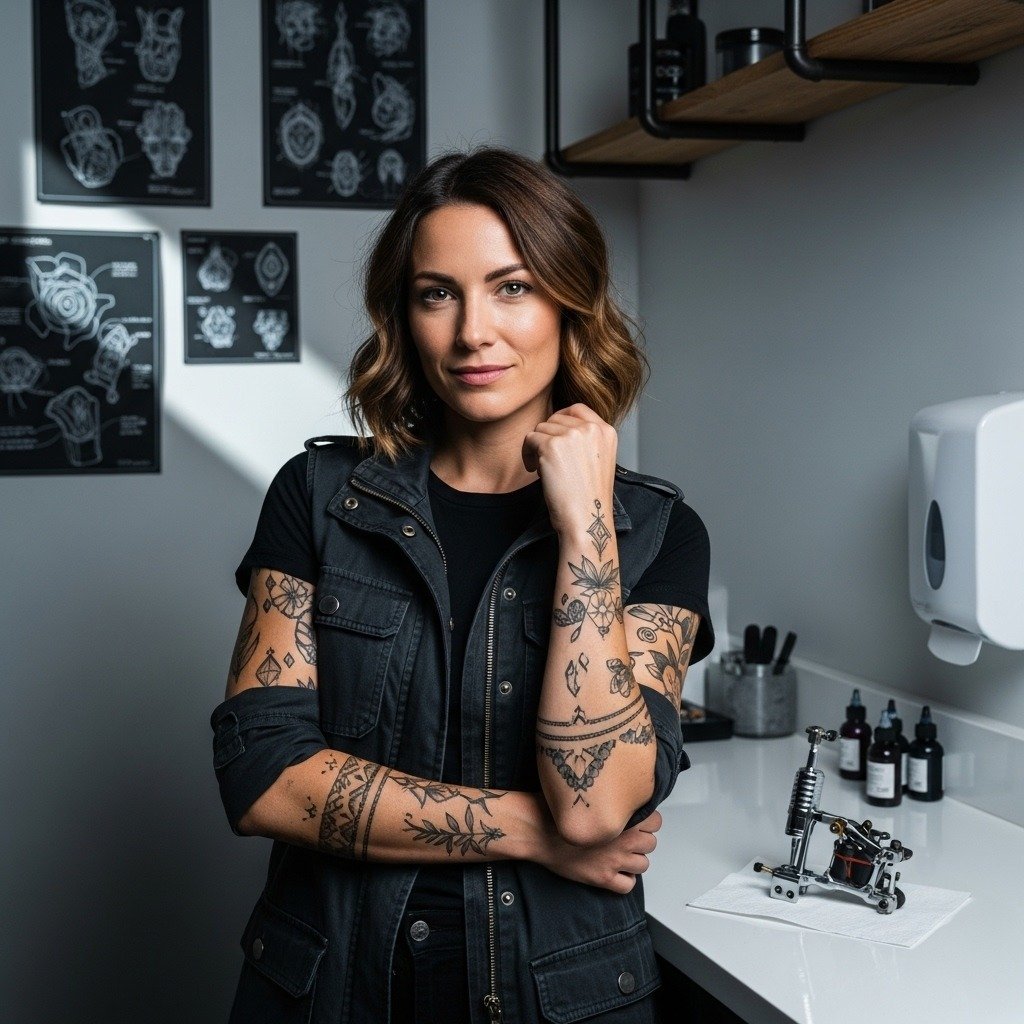
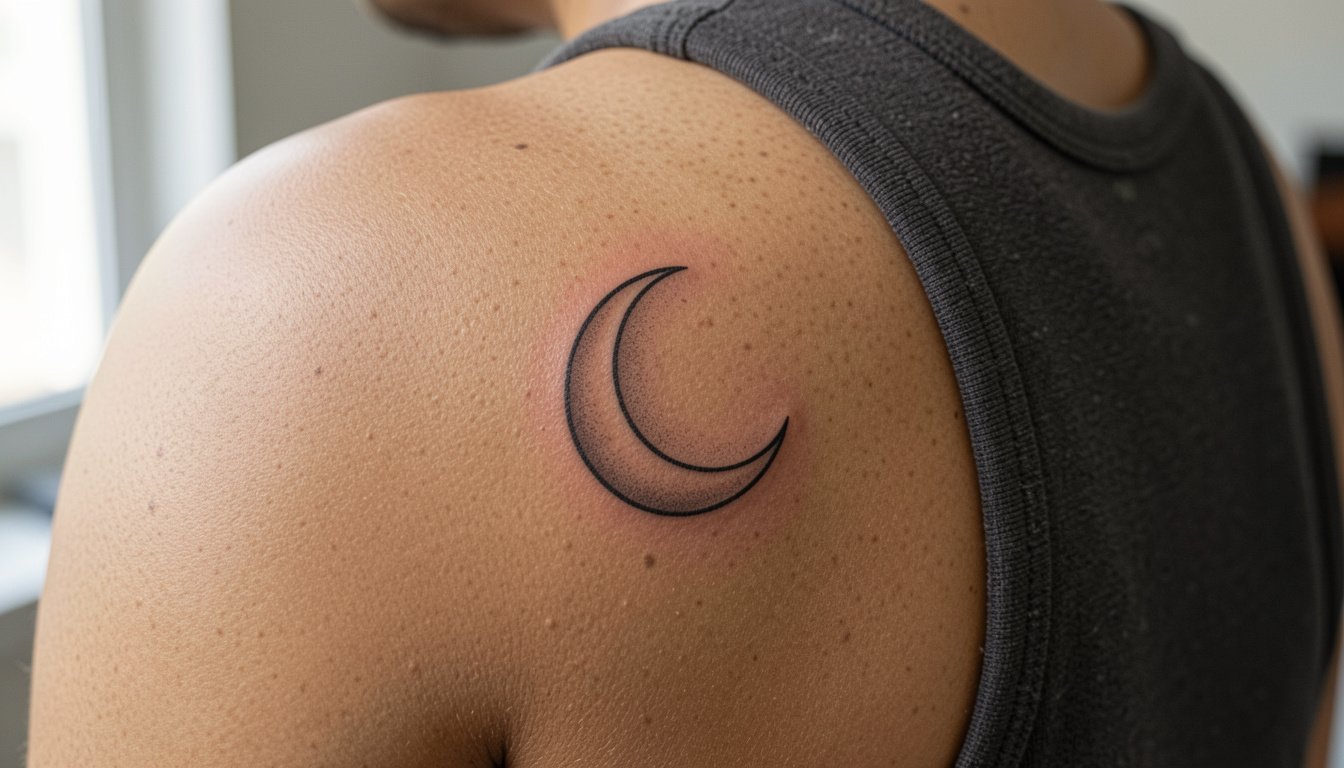
The tiniest matching pieces often fail because people copy the prettiest photo, not the version that will age well. Fine single-needle scripts and micro florals look delicate on camera but the inner wrist and fingers are unforgiving, so plan spacing and line weight first. Pick symbols you can explain in one sentence, choose placements that fit your daily wardrobe, and use the ideas below to find pairs that read like a set rather than a direct clone.
1. Fingerprint Heart Pair
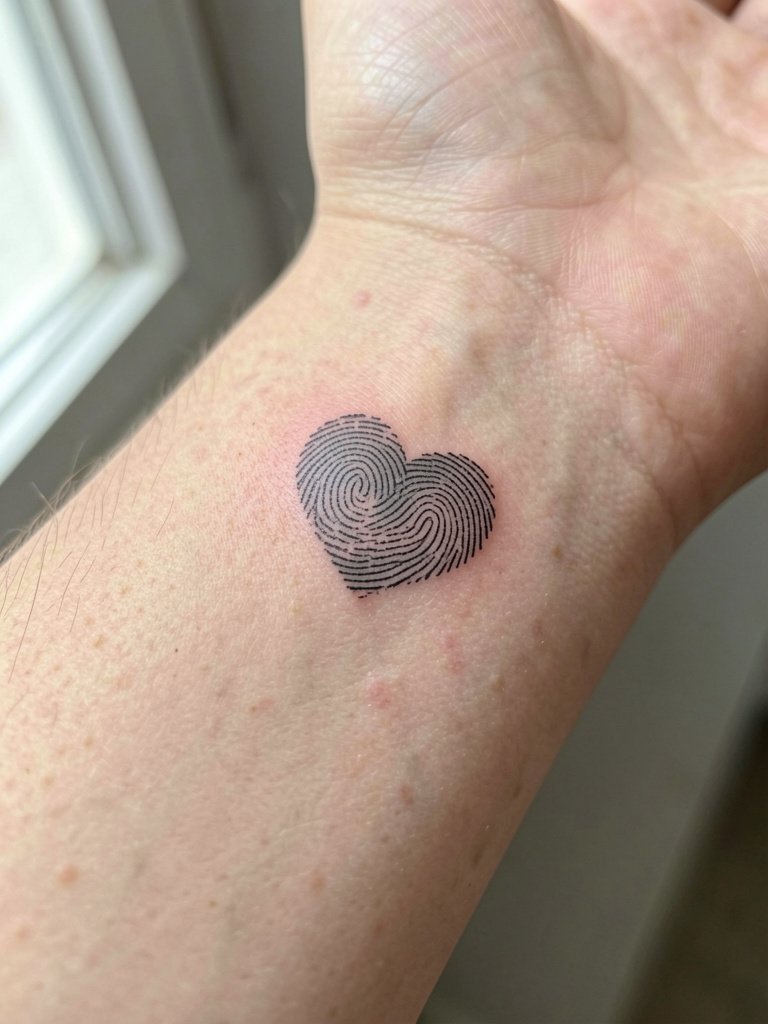
A fingerprint heart turns a literal marker into a tiny shared sigil that ages well if given breathing room. For this placement, I suggest slightly heavier linework than the thinnest single-needle so the loops do not merge after healing. Common mistakes are asking for ultra-fine detail and then placing it where skin folds or jewelry rubs. For the appointment wear a short sleeve tee so the artist can expose the wrist cleanly. Expect a quick session under 30 minutes and one touch-up at 6–12 months if you want exact match.
2. Matching Heart Outlines
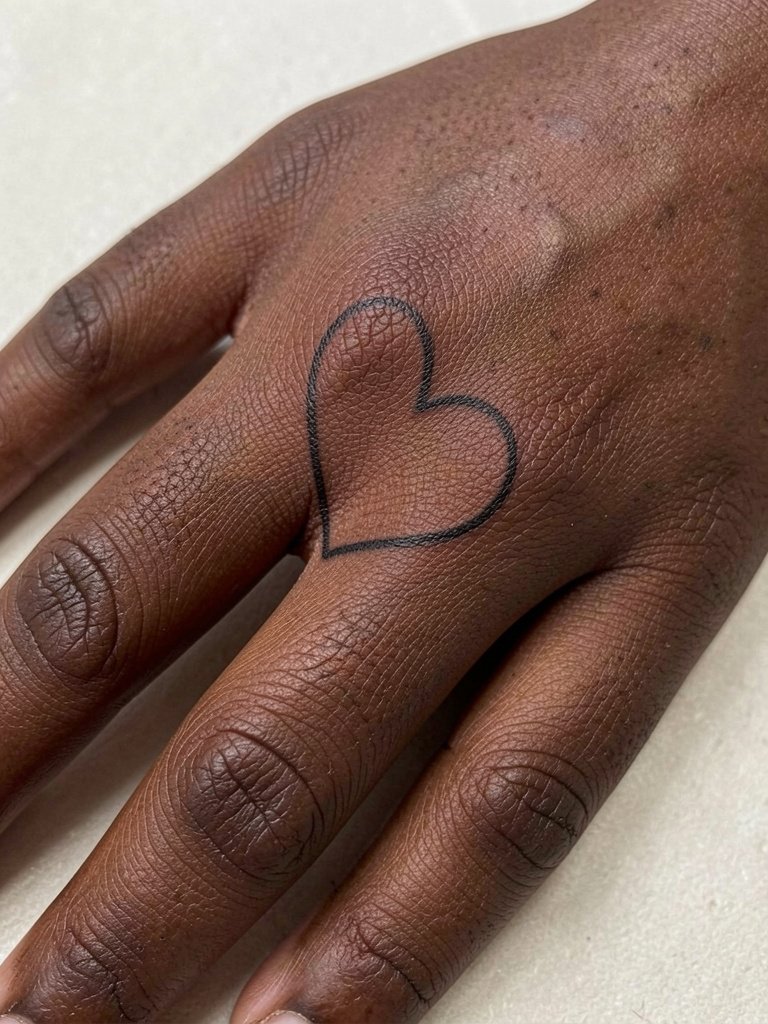
A thin heart outline reads best when scaled to the placement. On the finger it will encounter more friction so ask for a bolder outline than the Pinterest reference. One camp wants identical tiny hearts for symmetry. The other camp prefers small variations so each piece reads on its own. If you prefer visibility without obvious flash, pair the finger heart with a wrist outline and wear a thin chain bracelet set on the opposite wrist to balance the look.
3. Infinity Symbol with Names
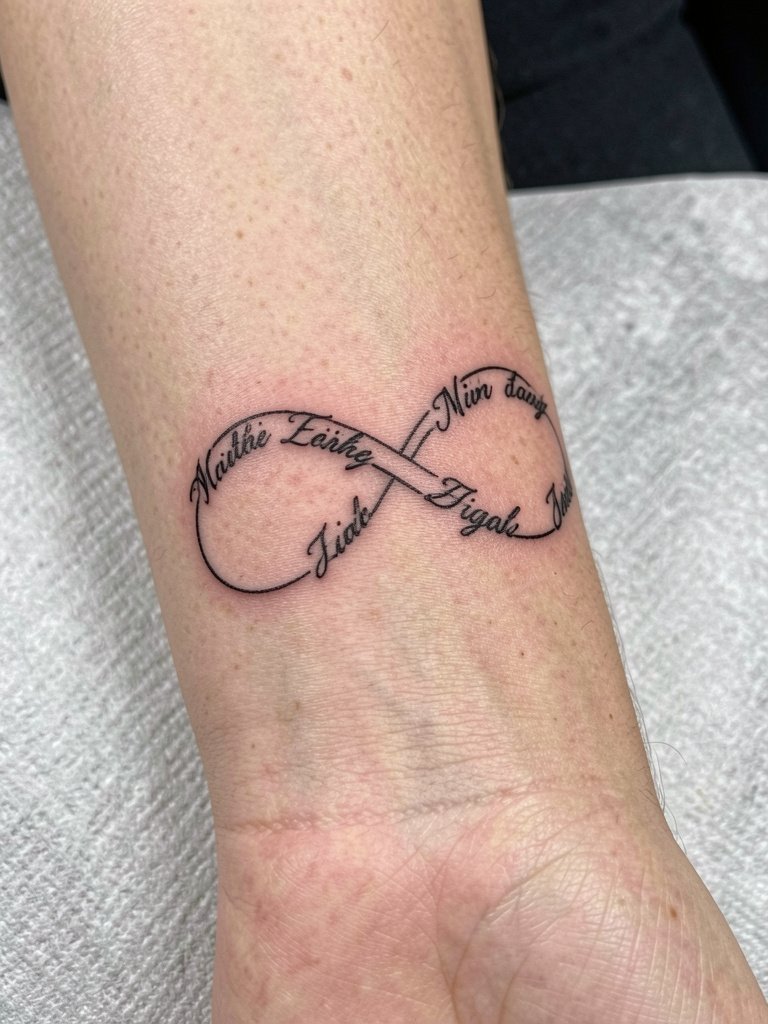
An infinity with names is readable and sentimental when the lettering is sized to survive healing. The big split in opinion here is legibility. One camp asks for tiny script to stay discreet. The other camp insists on slightly larger letters so the names remain legible at year three. Bring two reference photos at different scales so the artist can show how the script reads at three inches versus five. For showing it off, a rolled-sleeve linen button-down pairs well and you can try a linen button down shirt.
4. Interconnected Linework Shapes
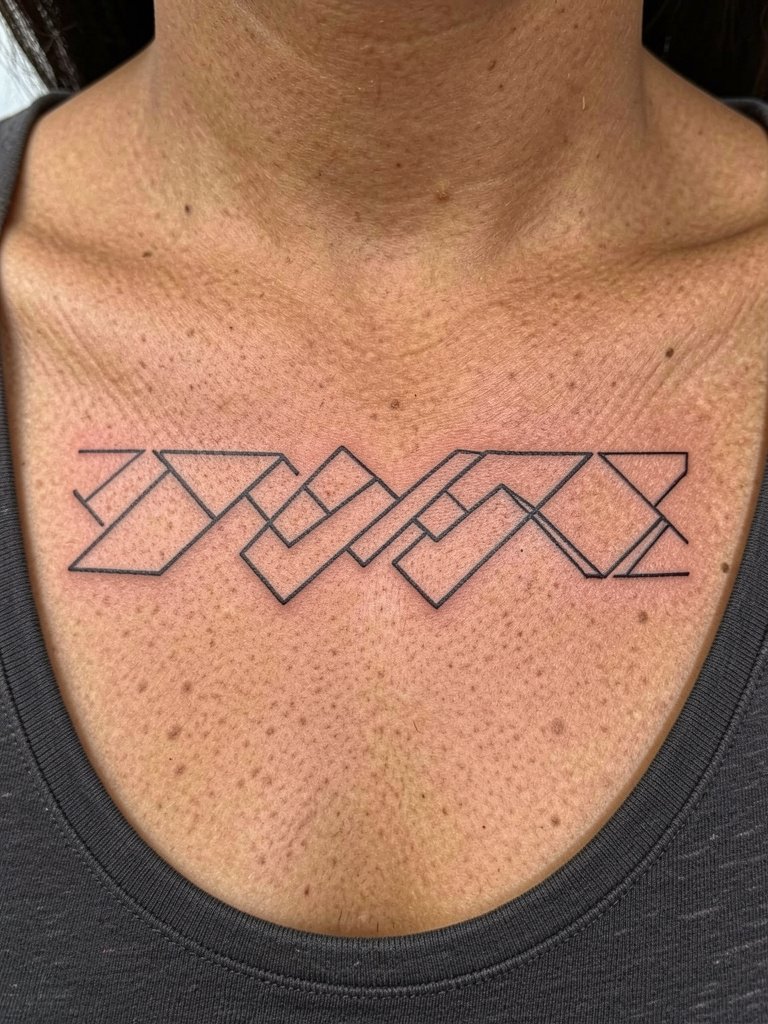
Interconnected linework reads modern and personal without feeling like a direct copy of something from a gallery. I recommend a single session design with lines a hair heavier than microline so the geometry stays crisp. A common mistake is compressing too many corners into a tiny patch; give the composition room and it will age better. This collarbone placement looks great with layered fine chains and an off shoulder top for evening wear.
5. Birds in Flight
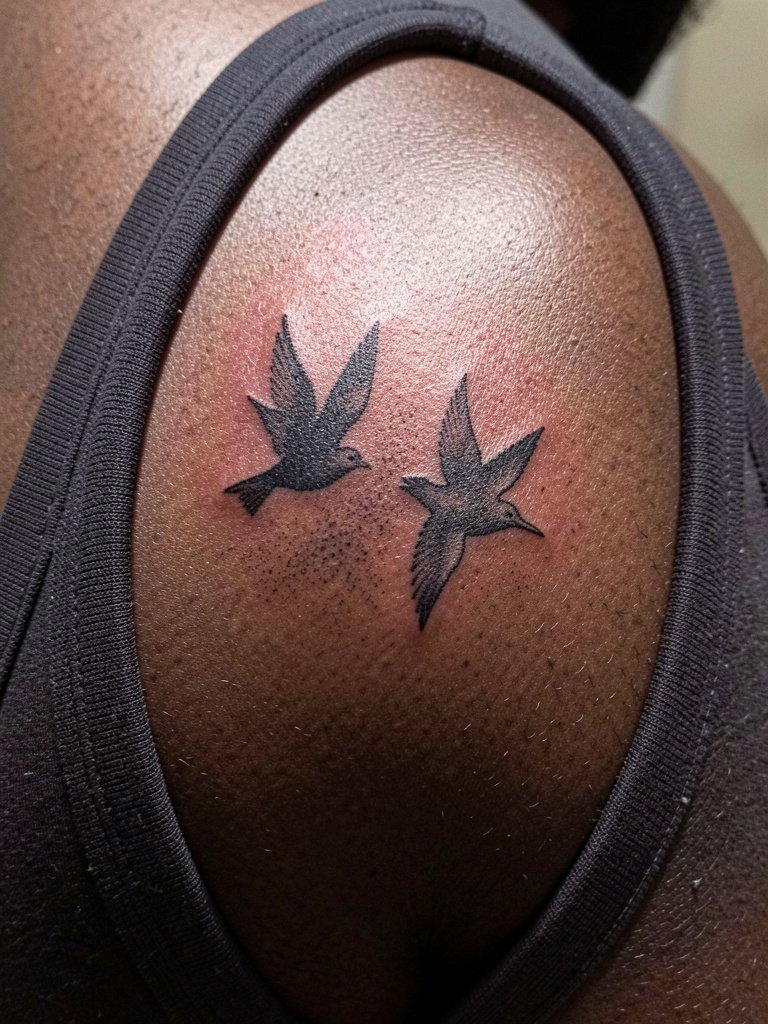
Two birds can mirror each other or fly in complementary directions so both pieces feel connected without being identical. For the shoulder blade, expect a 30–60 minute session and lower pain than rib or sternum. Avoid tiny feather detail that looks good fresh but blurs into tone over time. This placement pairs easily with summer straps and open-back dresses, so try an open back dress when you want to reveal the work.
6. Sun and Moon Pairing
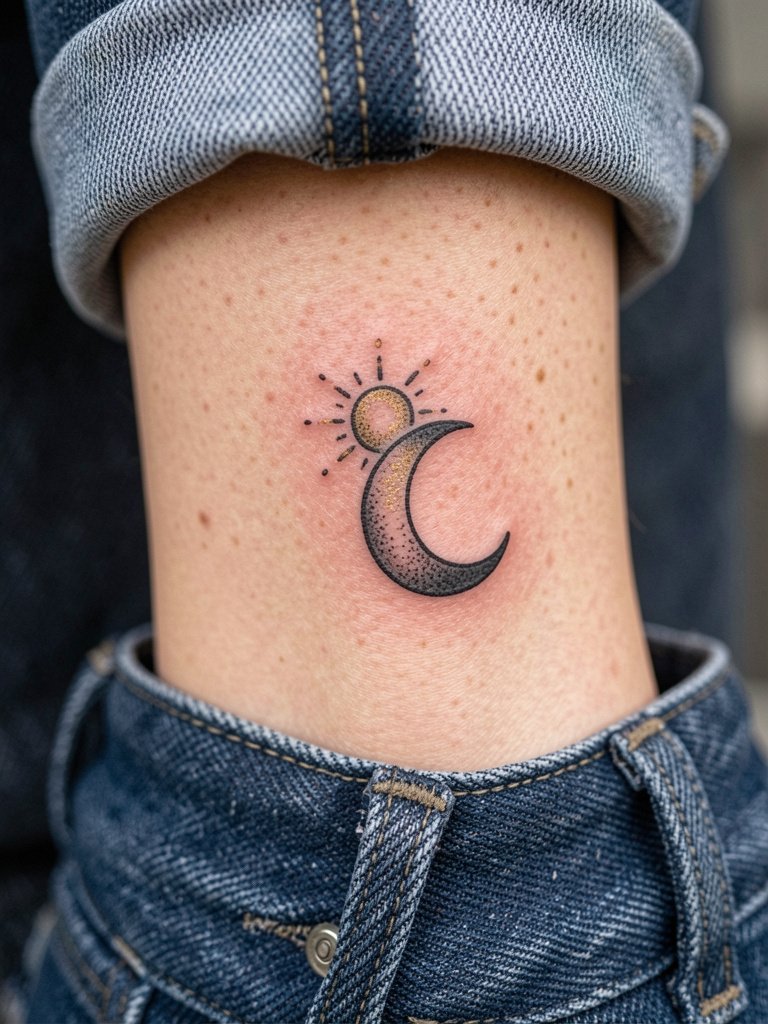
Sun and moon motifs let each person pick the side they feel fits them while keeping the pair coherent. If you opt for color, ask for selective color spots instead of full watercolor fills so touch-ups are easier. For session wear, bring shorts or roll your pant leg so the artist can access the ankle without tugging at fabric. This ankle look shows nicely with strappy sandals.
Before You Book
The wrist, forearm, and ankle pieces above all face different rubbing and washing patterns, so a small kit helps the first week and the appointment itself.
-
Stencil transfer paper kit. Lets you preview placement and line weight on skin before the needle touches skin, which is useful for dimensional symbols like the fingerprint heart or infinity name loops.
-
Topical numbing cream. Applied per instructions 30 to 45 minutes before the session takes the edge off wrist and rib sensitivity without changing linework if used correctly.
-
Thin protective film roll. A breathable film can guard tiny wrist and finger pieces from abrasion on day one while you sleep or type.
-
Fragrance-free gentle body wash. A mild cleanser is kinder to fine line work during showers in week two.
-
Aquaphor healing ointment. A thin layer for the earliest days locks in moisture for fine line pieces without suffocating the skin.
7. Matching Florals
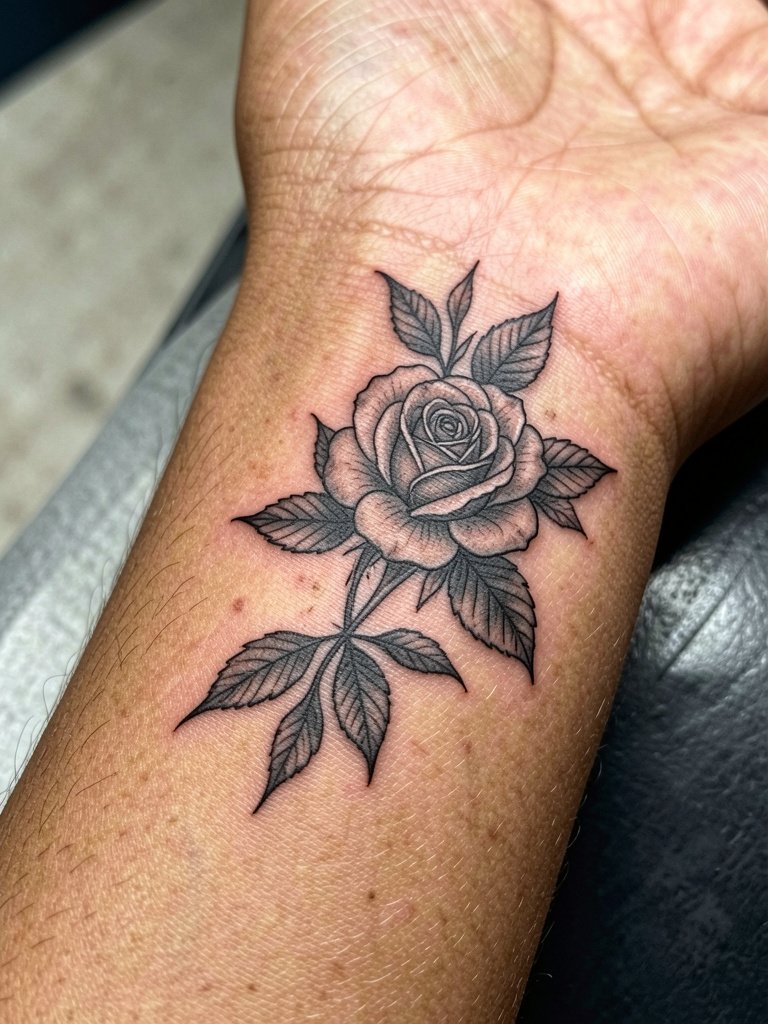
Florals let you personalize by birth month or favorite bloom. For the inner forearm I recommend a composition that reads vertically so both pieces can sit side by side. A mistake I see often is adding too many tiny petals; larger simplified petals hold their shape longer. This placement pairs well with rolled-up linen shirts, so consider a rolled sleeve linen shirt for reveal shots. Expect one to two sessions depending on color.
8. Birth Flower Singles
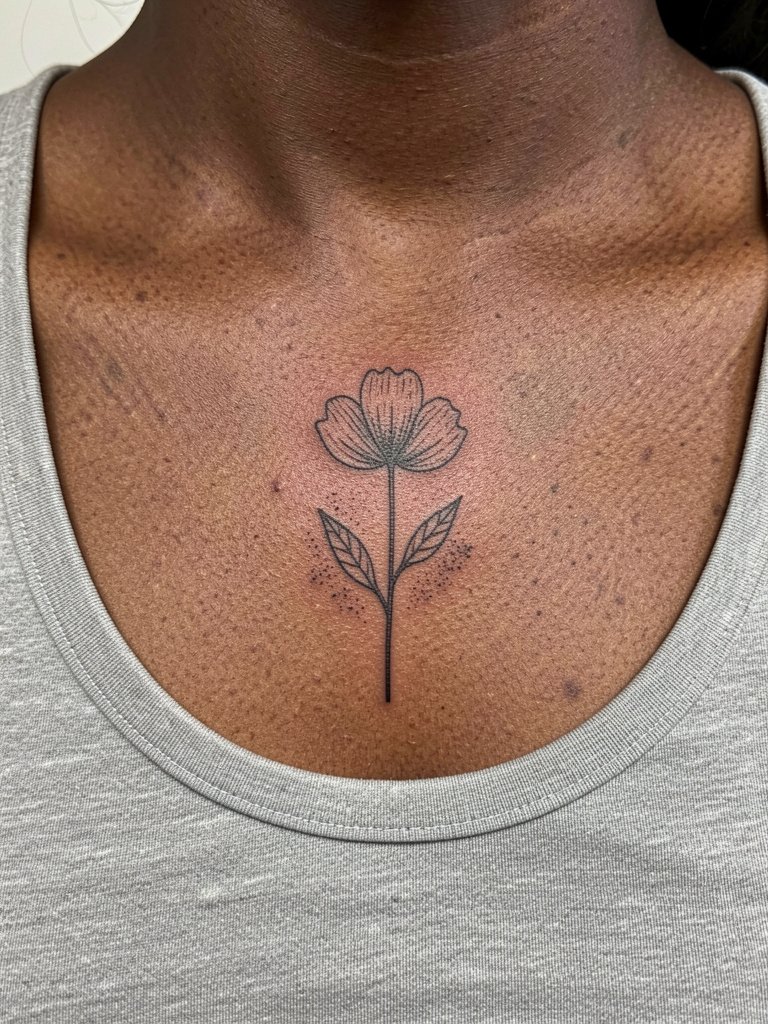
Birth flowers read like a personal code that ages smoothly because they avoid names and dates. On the collarbone keep stems slightly larger than the thinnest sketch so the petals do not lose definition. Plan for a 30-minute session for small pieces. For the appointment choose a wide-neck or off-shoulder top to give the artist clear access and show it off with a dainty layered necklace.
9. Split Quote or Phrase
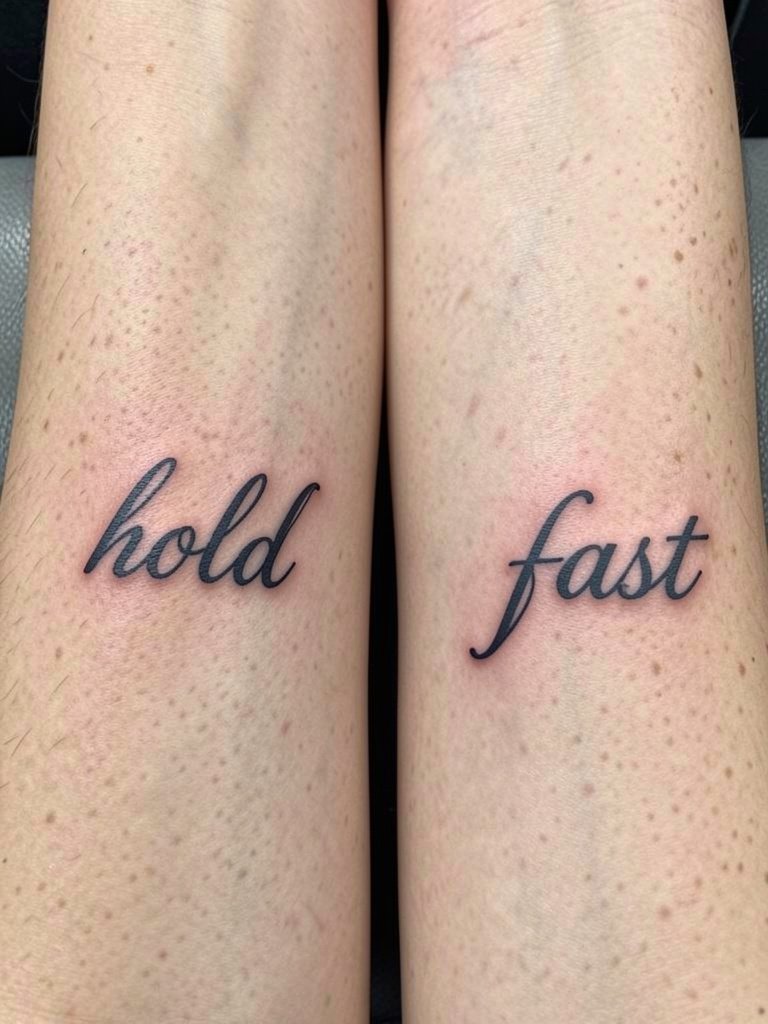
Splitting a phrase across two tattoos creates a shared message that only completes when you are together. For durability, choose a simple, legible font and have each word sized to be readable at arm distance. The common error is tiny looping script that blurs. For session wear, a loose button-down or short sleeve makes access easy. For showing the phrase, a rolled-up oversized button-down gives a casual frame and the look pairs with an oversized white shirt.
10. Roman Numerals or Birth Dates
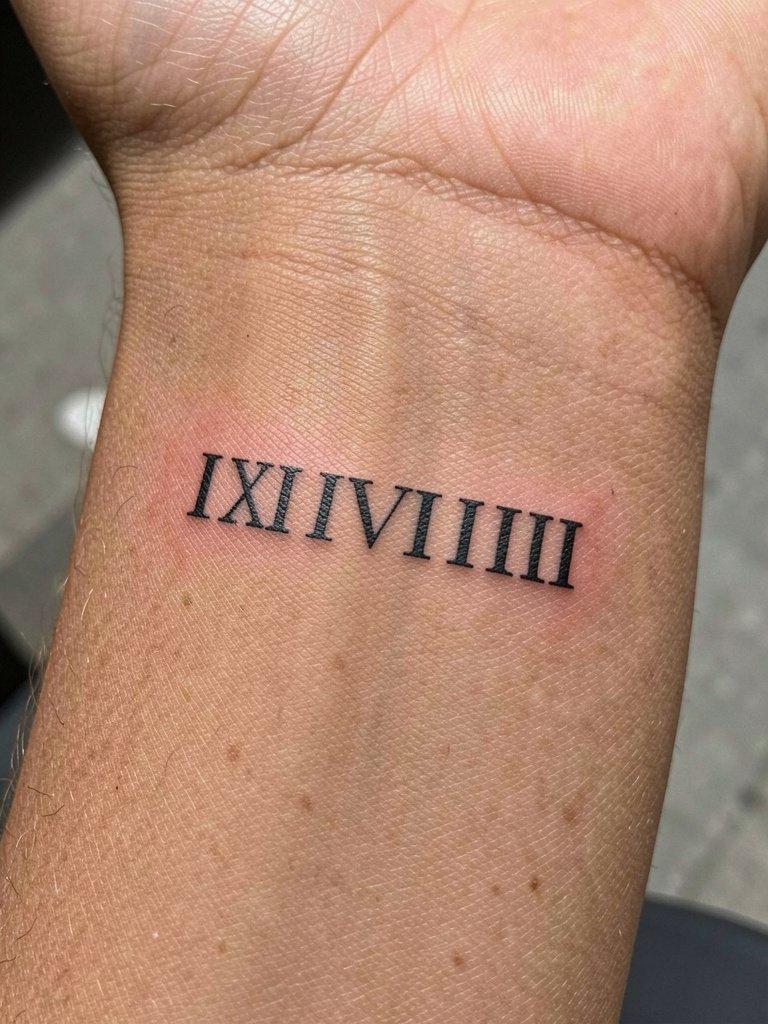
Roman numerals are a neat way to mark birth dates while keeping the design understated. Make the characters larger than you think, especially on the wrist, because thin serif ticks can soften. A common mistake is cramming too many digits into a one-inch band. For reveal, a rolled sleeve or thin watch on the opposite wrist balances the look, so try a minimalist watch for symmetry.
11. Butterflies in Complement
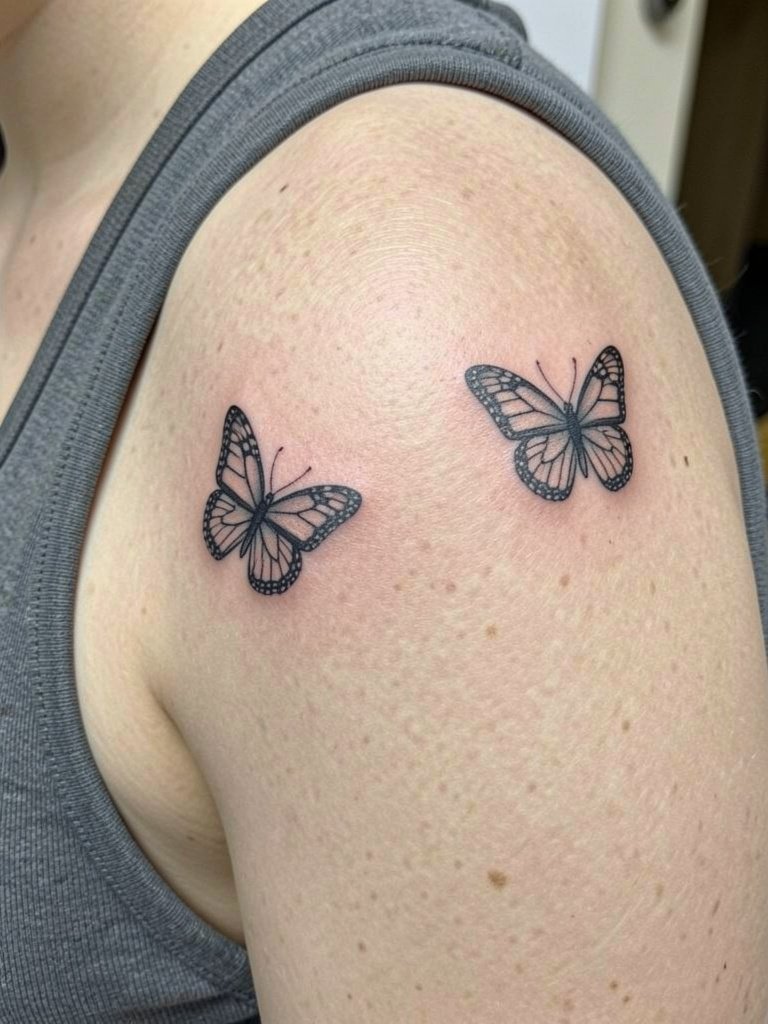
Butterflies symbolize transformation and can be done in matching or complementary colorways. If you want longevity, opt for solid outlines with selective color accents rather than full watercolor washes. Ask for pigment-sparing fills if you worry about fading. The shoulder placement is low pain and shows nicely with racerback tops, so bring a racerback tank for the session.
12. Sunflower Motif
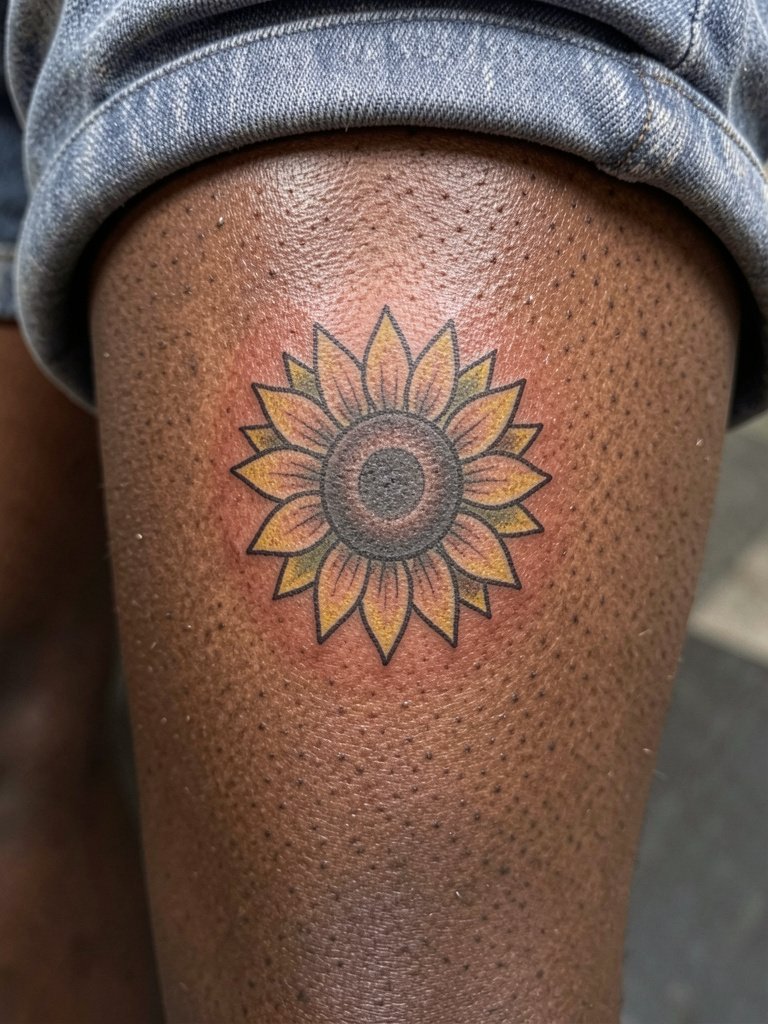
A sunflower reads warm without overt sentimentality. For the calf choose slightly bolder petal outlines so the yellow fill keeps its form as it ages. People often over-detail the center disk which turns mushy later. Plan for one session and pair the piece with midi skirts or bike shorts to show it off; try a midi skirt for warm-weather reveals.
13. Birds, Florals, and Celestial Combo
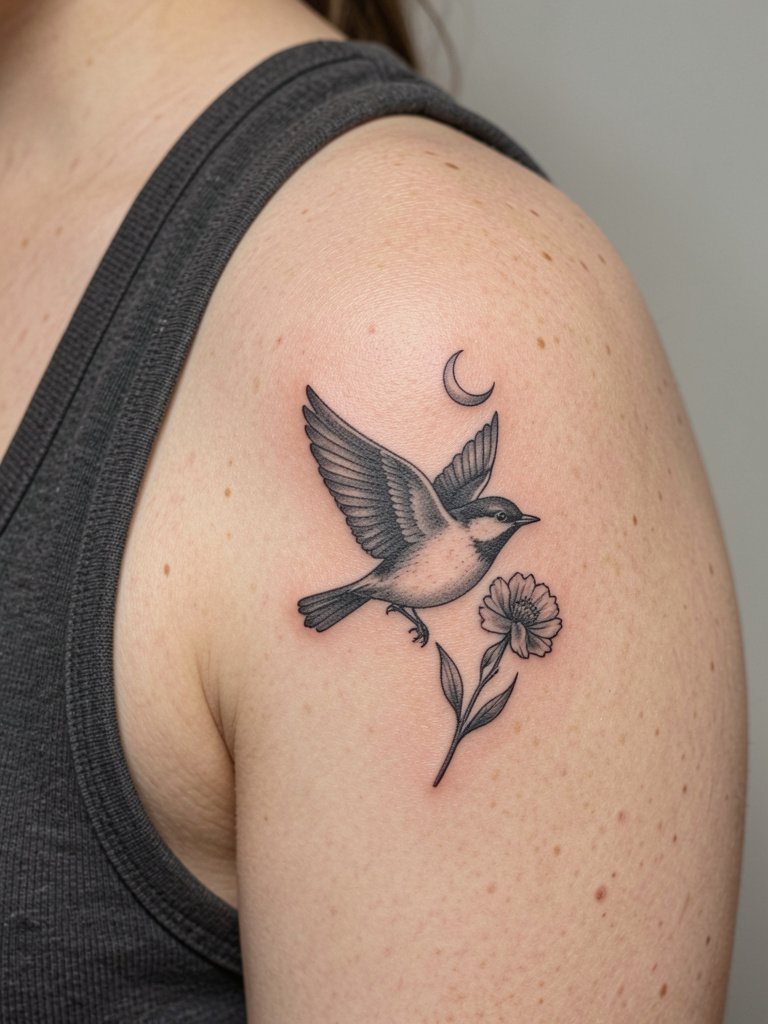
Combining motifs lets mother and daughter choose related elements that still feel like a set. One common error is packing too many tiny symbols into a compact area. For shoulder blade work keep compositions airy so they read when you move. This spot shows beautifully with open-back tops and summer straps, so plan an outfit accordingly and consider an open-back top.
14. Tiny Matching Symbols with Private Meaning
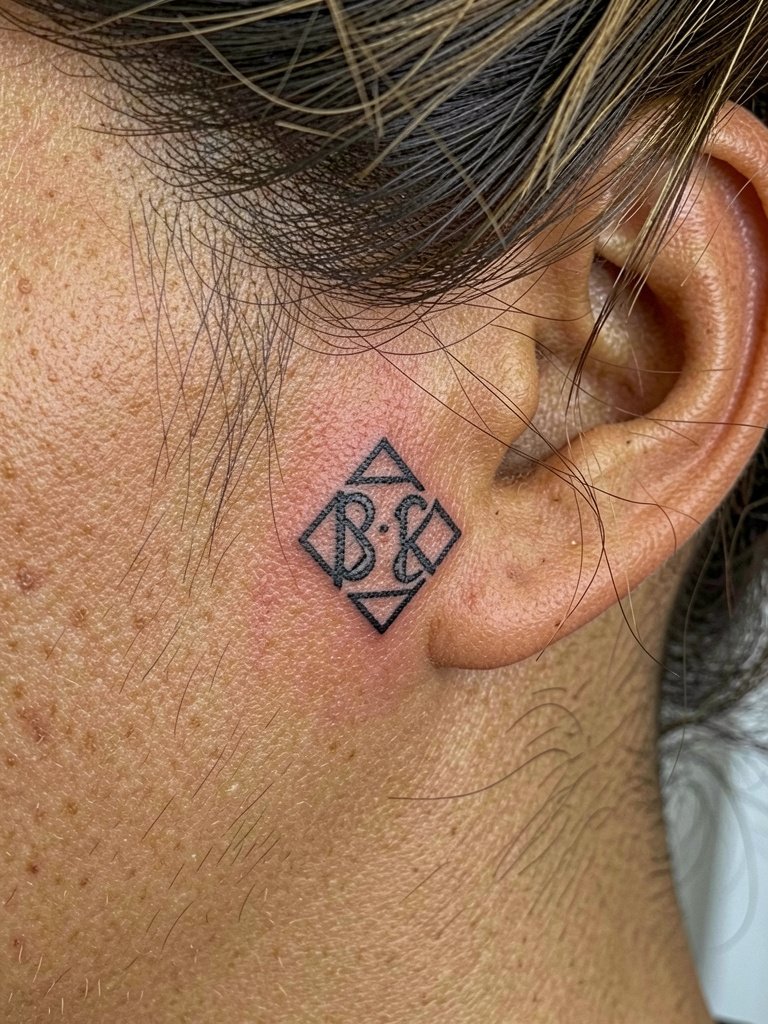
Micro-symbols are great when you want privacy and specificity. Behind-the-ear work requires an artist comfortable with small, steady placements because skin is thin and any shaking shows. The typical mistake is asking for too much micro detail; keep it bold enough to remain crisp. For session wear choose hair up in a natural bun or ponytail so the artist has clear access.
15. Constellation Pairing
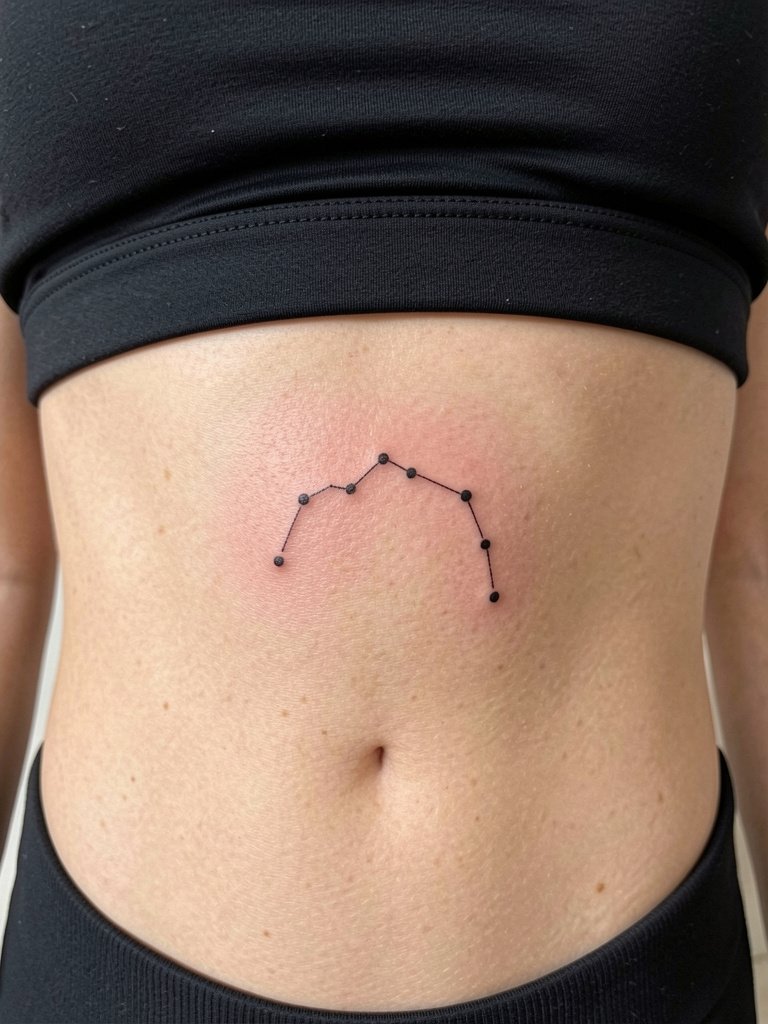
Constellations can map to a birth sign or a private system you invent together. On the ribcage the debate about fine line comes up often. One group argues fine line on ribs blurs because skin stretches and breathes there. The other group says with proper spacing and slightly deeper, careful needle depth the lines settle fine. If you choose the rib, plan for some soreness and wear a fitted sports bra or bandeau for access during the session.
16. Lock and Key Complement
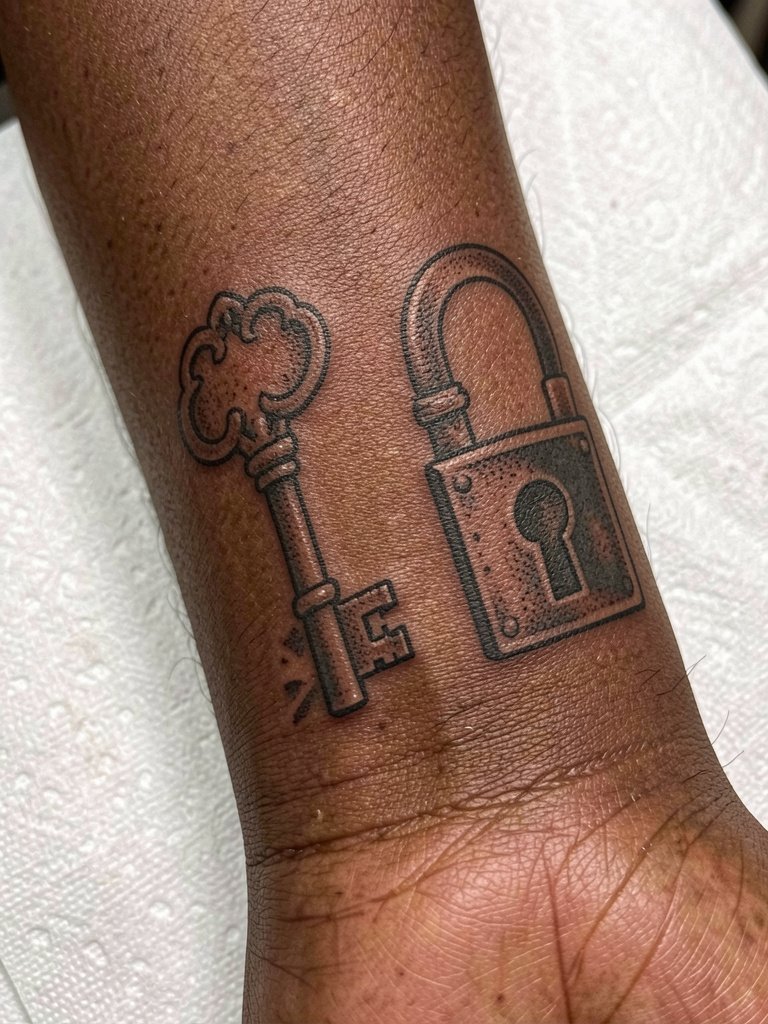
A lock and key pair reads like two halves of a thought and lets each person pick which side fits their taste. On wrists and inner forearms avoid extreme filigree inside the key head. Bring two reference photos so the artist can scale the lock to the wrist and the key to the forearm without creating imbalance. Wear a loose tank top for the forearm session and a short sleeve for the wrist area.
17. Minimalist Wave Set
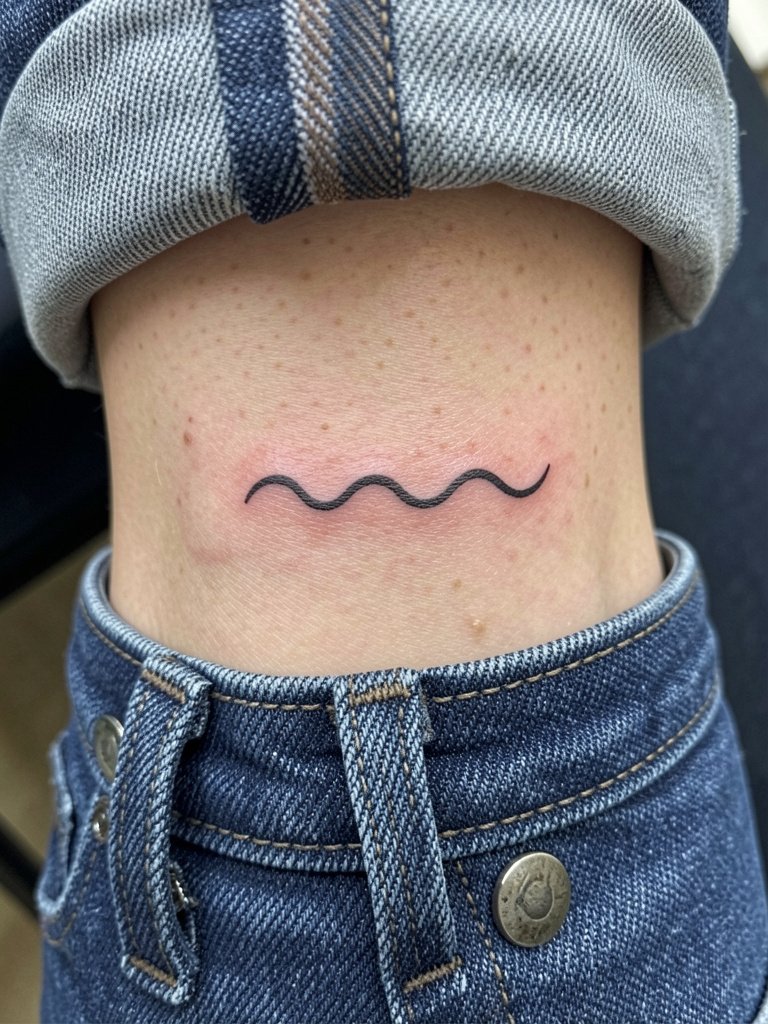
Tiny wave motifs are subtle and travel-friendly because they work at ankle, wrist, or behind the ear. For the ankle expect more movement and rubbing, so ask for a slightly thicker primary line. A common slip is choosing an ultra-tiny curve that becomes a dot after a year. For session wear roll pant cuffs or wear shorts so the artist can access the ankle with no fabric tugging.
18. Heartbeat / EKG Line
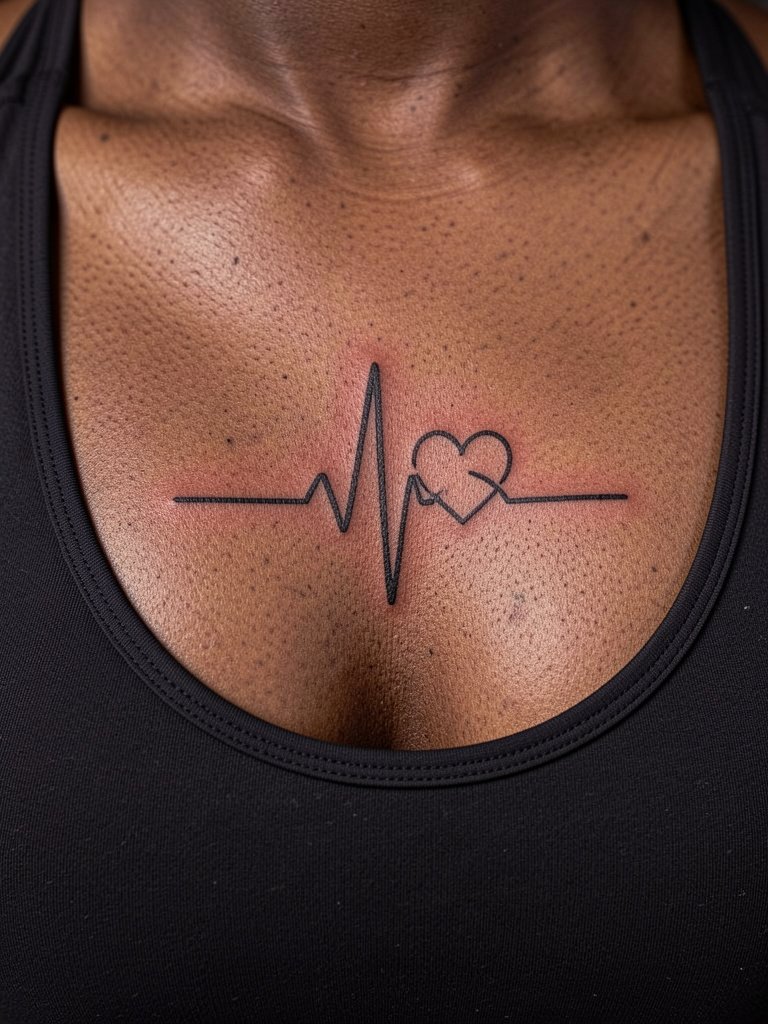
A heartbeat line is graphic and reads well on chest or inner forearm. On the sternum expect more pain and plan a short break if needed. The frequent error is making the peaks too tight; give the zig and zag room so the form does not blur into a single line. For the session wear a fitted sports bra or bandeau so the artist can work without fabric interference and plan for a 30–45 minute appointment.
19. Matching Puzzle Pieces
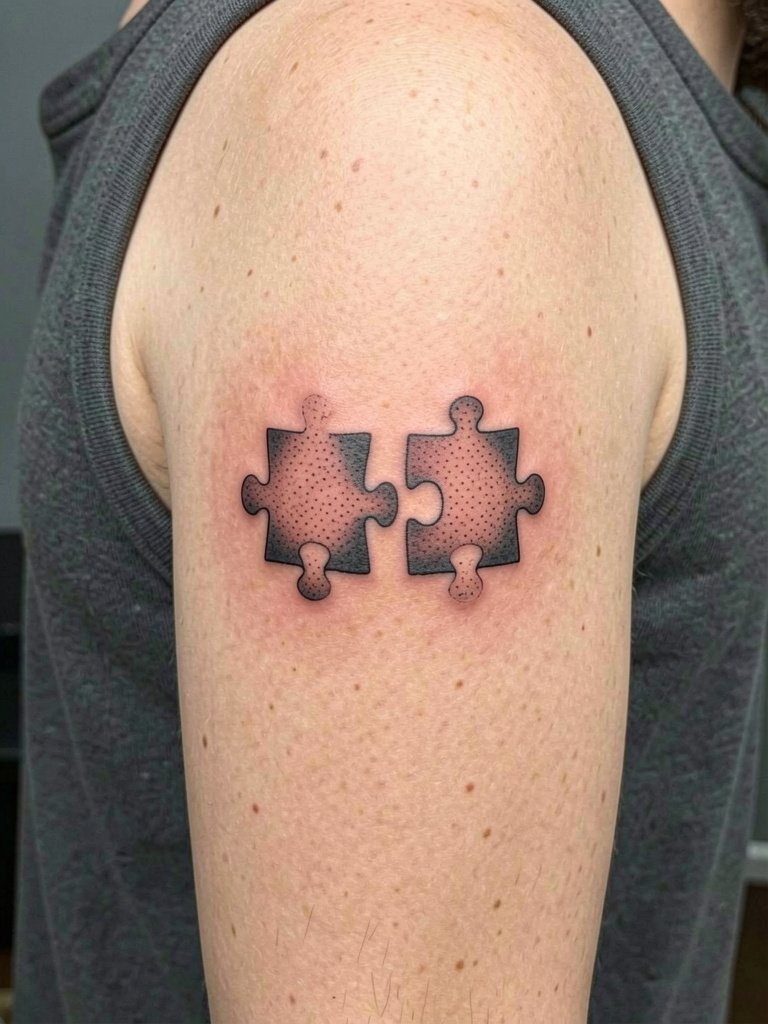
Puzzle pieces are literal but can feel private if you avoid over-ornamenting. On the upper arm they sit well and are low-pain compared with ribs. People sometimes ask for tiny, intricate cut lines that do not hold up, so keep the connectors bold. For the session pick a sleeveless top so the artist can reach the deltoid without shifting fabric.
20. Intertwined Initials Monogram
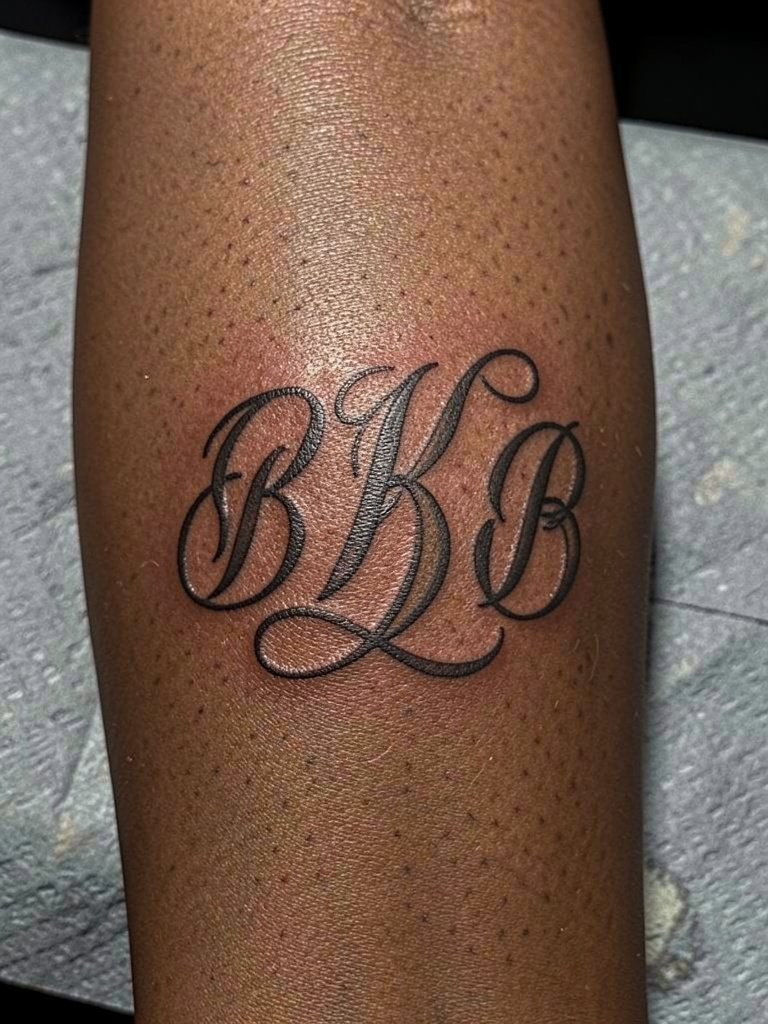
A monogram is classic and easy to scale. For longevity use a script with open counters and a touch more weight than the thinnest cursive. A common mistake is too much compression of letters. If both people choose monograms consider mirrored orientations so each piece reads correctly on its wearer. Wear a loose button-down to the session so the artist can access the forearm comfortably.
21. Tiny Crown Pair
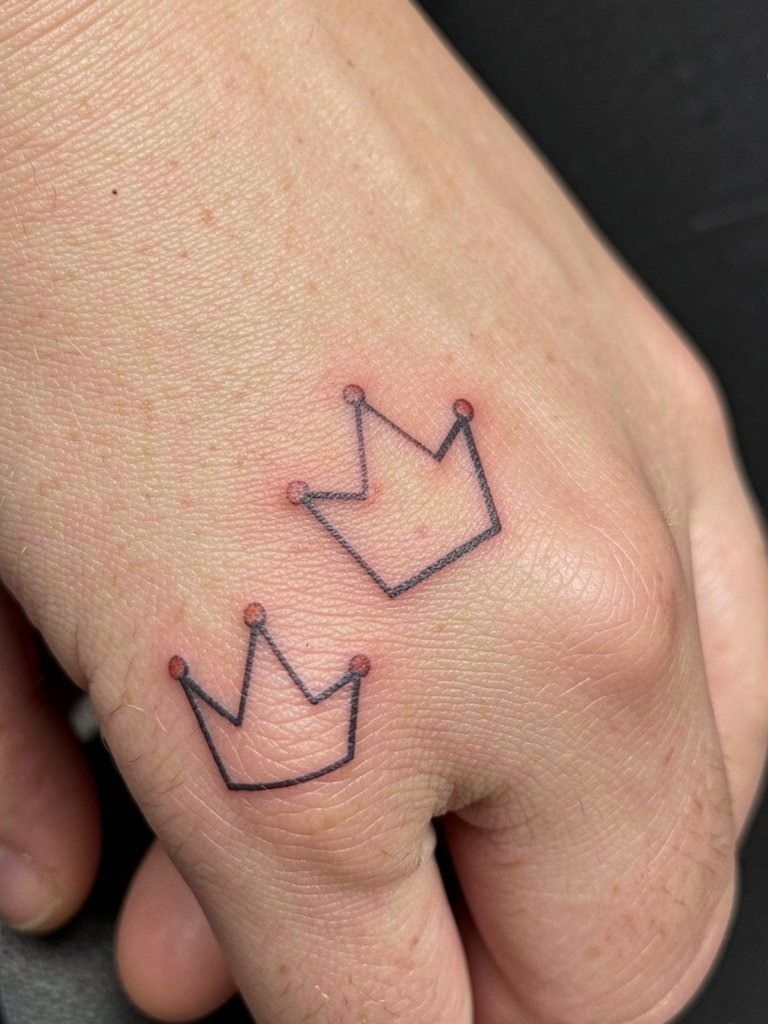
Crowns are symbolic and compact. On fingers expect faster fading and potential blowout if lines are too thin. Make the points sturdy and avoid tiny inner dots that merge. For showing the piece, a cuffed sleeve or minimalist ring hand styling complements the micro crown without stealing focus.
22. Mother-Daughter Silhouette Pair
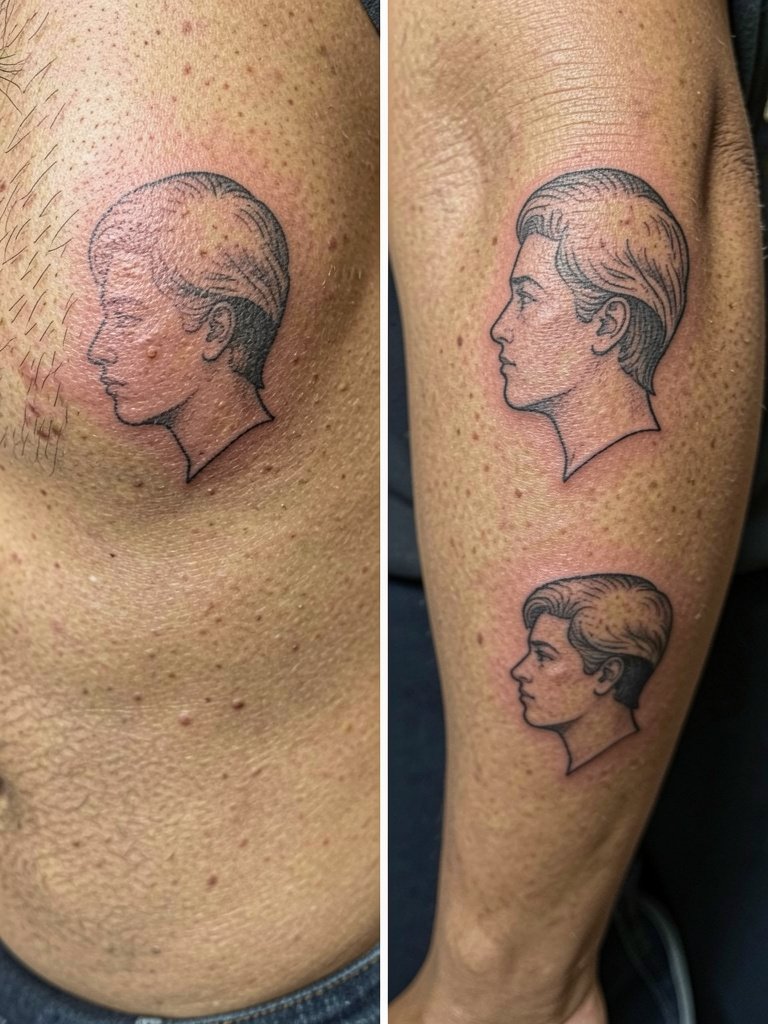
Silhouettes provide an identifiable shape without heavy detail and can be placed where each wearer prefers. A real mistake is trying to include facial detail in micro silhouettes. Keep profiles simple and bold. If you plan one on the rib and one on leg, expect different healing timelines. Schedule sessions accordingly so both are comfortable.
23. Compass and Arrow Set
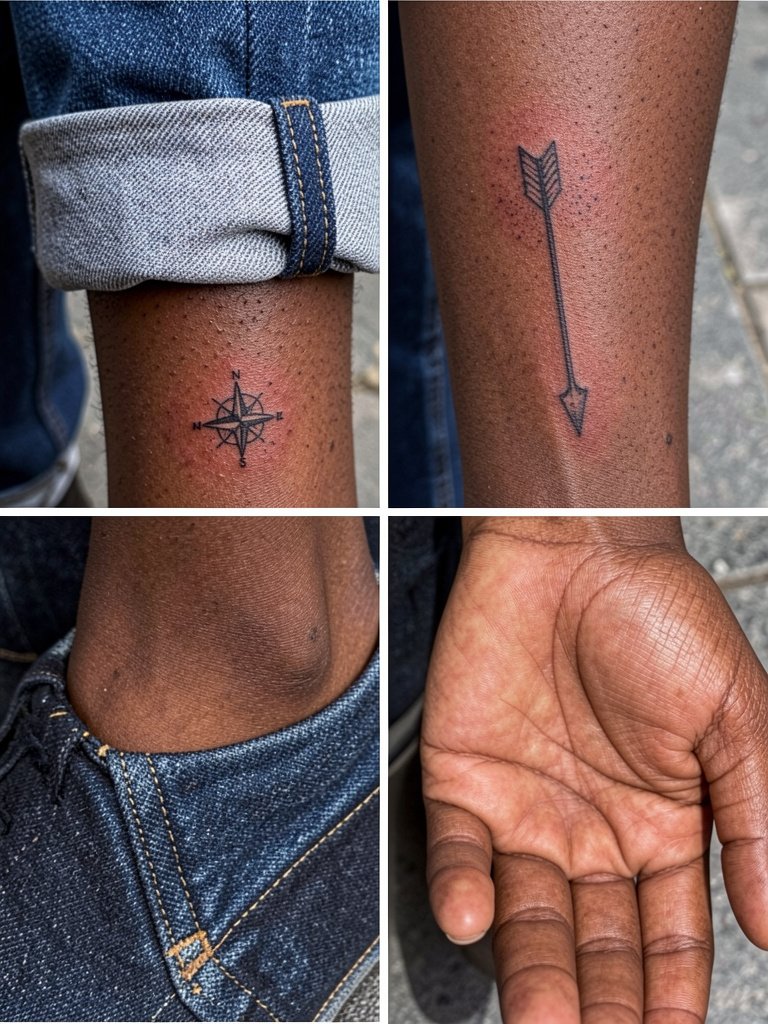
A compass and arrow speak to direction and support without spelling anything out. For the compass avoid overly intricate degrees that turn into a blur. The arrow benefits from a slightly thicker shaft so it keeps shape on the forearm. Pair the ankle compass with cropped straight-leg pants or low-profile sneakers to show it off, such as cropped straight leg pants.
24. Semicolon Connection
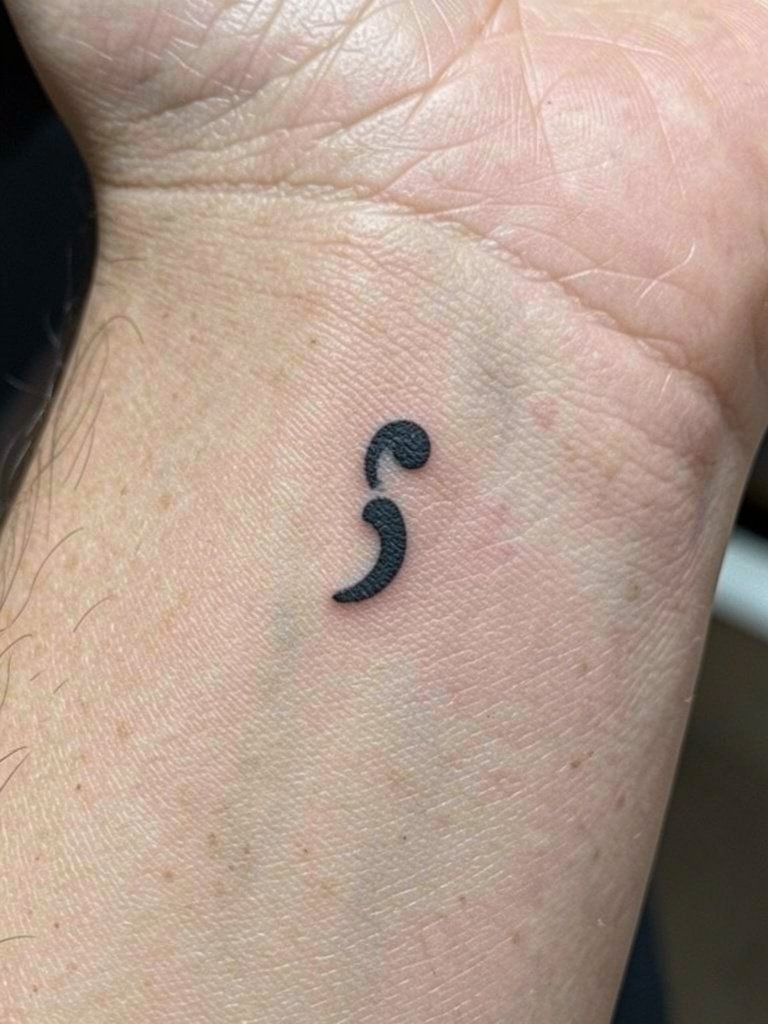
A semicolon can carry personal significance and reads clearly even at micro scale when executed with solid weight. Avoid asking for sketchy, hairline versions because they tend to fade into a thin smudge. This is a quick session and a single bold stroke lasts longer. For work settings it is easy to hide under a watch or bracelet if needed.
25. Matching Mountain Range
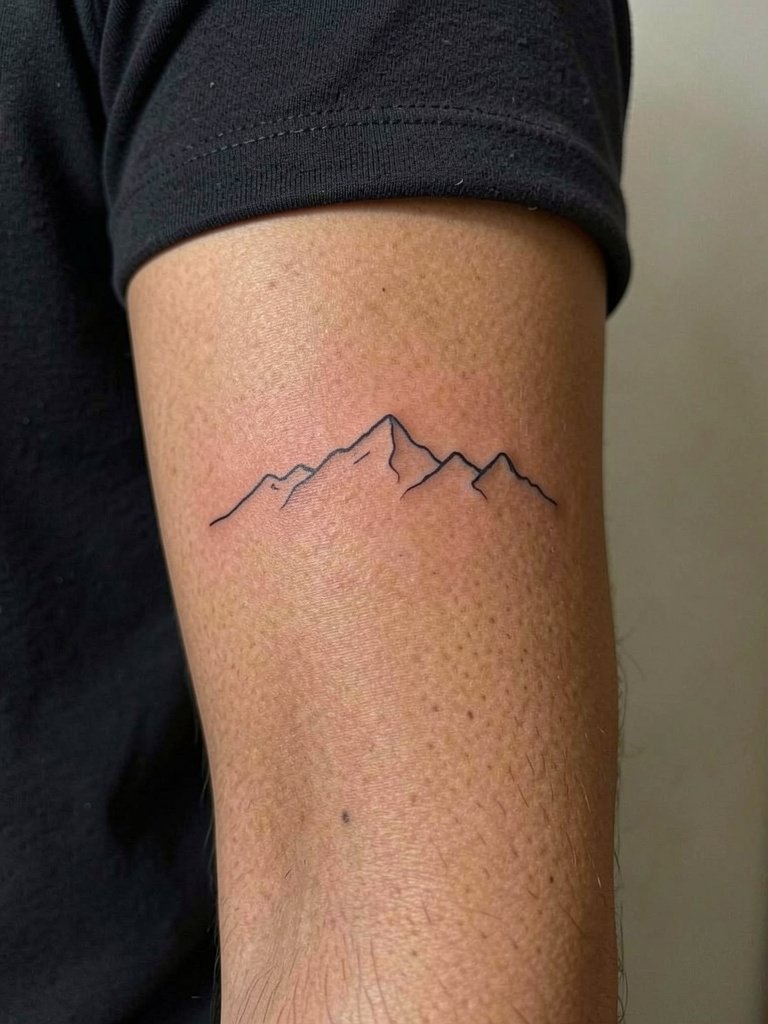
Mountain silhouettes are graphic and travel well across placements. The key is to avoid compressing ridgeline detail; a single confident stroke reads best. On the outer forearm it is visible and low pain. This piece pairs well with cropped denim jackets for an urban look, so consider a cropped denim jacket for casual reveals.
26. Tiny Paw Prints
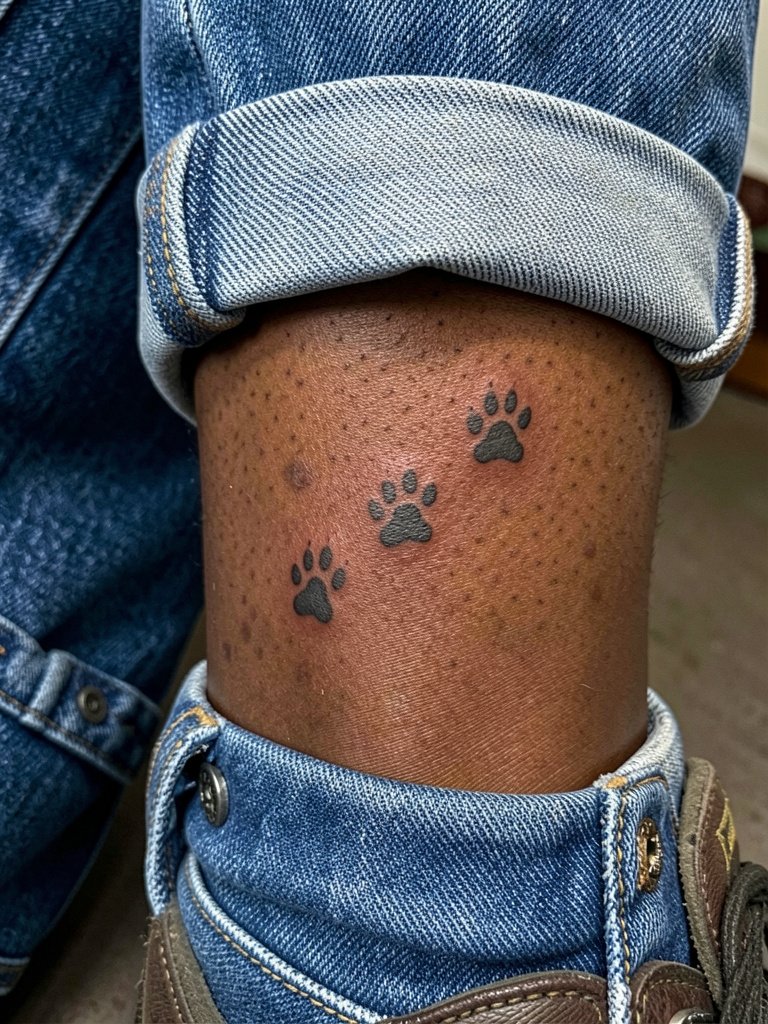
Paw prints work when both wearers share a pet memory or love of animals. Keep pad shapes slightly larger than you imagine so the toes do not blend into dots. For ankle placement be mindful of shoes and socks during the first week. Show-off pairing includes low-profile sneakers or sandals, like low profile sneakers.
27. Interlocking Wave and Leaf
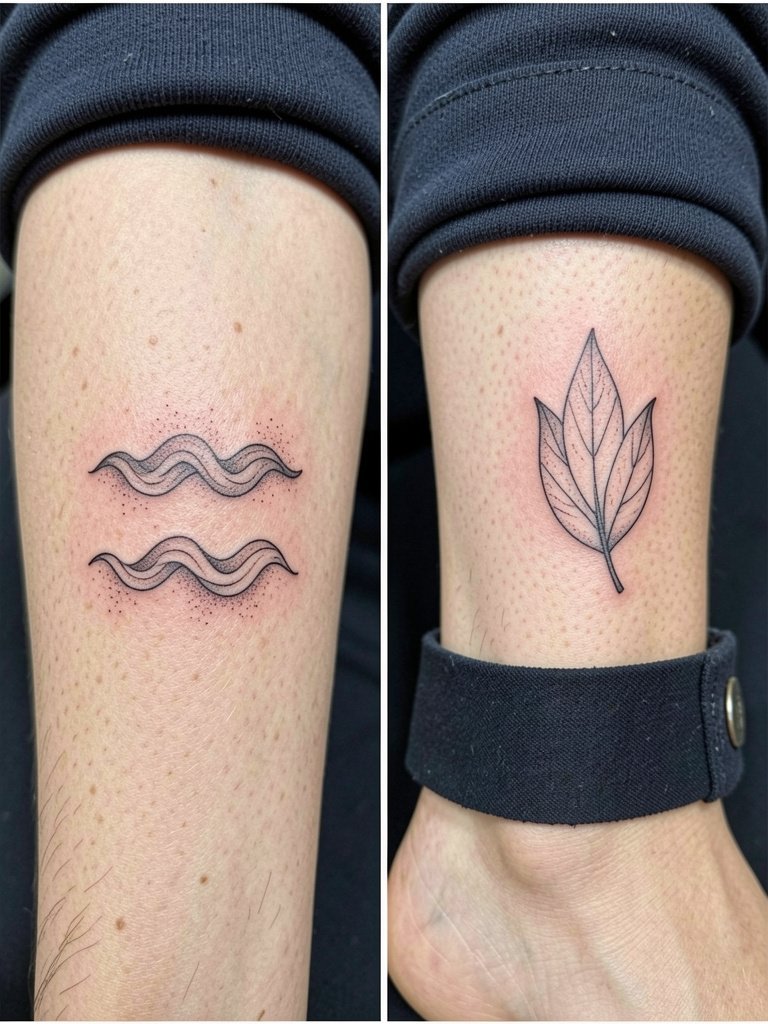
Pairing a wave and a leaf lets each person keep an element that suits their personality while the composition links them conceptually. For the upper arm use a slightly bolder line so the leaf veins do not fade into tone. The ankle wave benefits from a thicker crest line. This combo shows well with sleeveless tops and midi skirts, so consider a midi skirt for seasonal reveals.
Frequently Asked Questions
Q: How do I find healed mother-daughter tattoo examples and local artists without naming anyone?
A: Search hashtags like #motherdaughtertattoo, #matchingtattoo, #finelinetattoo, and #birthflowertattoo on Instagram and TikTok, then add your city to the query to surface local portfolios. Browse Tattoodo for style-filtered portfolios and read Reddit threads in r/tattoos for healed photos. Look specifically for healed shots taken months after the session, not just fresh redness.
Q: Will tiny script on the wrist still read after two years?
A: It depends on spacing and line weight. Tiny single-needle scripts on active spots like the wrist often soften by year two. Choose a slightly larger font with open counters and ask for marginally heavier linework so the letters retain definition. If you want exact guidance, bring a printed reference and the artist will scale it for legibility.
Q: What should I wear to the appointment for an inner forearm floral or script?
A: Wear a loose button-down or a short sleeve that you can roll up easily so the artist has clear access. A ribcage or side-torso session calls for a fitted sports bra or bandeau so the area stays exposed and you can breathe comfortably. Comfortable, easy-to-remove layers make a shorter, less fussy session.
Q: Which placements are easiest if one person has lower pain tolerance?
A: Outer forearm, shoulder, and outer upper arm are generally lower on most pain scales. Fingers, ribs, sternum, and inner thigh tend to be more sensitive. If one person wants something smaller and lower pain, match styles by motif rather than identical placements so both feel comfortable.
Q: Do color tattoos age worse than black ink for small matching pieces?
A: People split on this. One group favors color for warmth and personality because it can make florals and butterflies feel lively. The other group prefers black ink for small work since black tends to stay crisp longer on tiny details. A compromise is selective color accents on a primarily black piece so touch-ups are less demanding.
Q: How often will small matching pieces need touch-ups?
A: For most fine line and tiny pieces plan on a possible touch-up at 6–12 months and then occasional retouches every few years, depending on sun exposure and friction from clothing. Areas like fingers and ankles tend to need touch-ups sooner than forearms or shoulders.
Q: Can I have two different styles that still read as a pair?
A: Yes. Choose a shared visual language such as line weight, scale, or a repeating motif element so one piece can be a floral and the other a celestial symbol while still reading like a coordinated set. That approach keeps individuality and a clear link between both tattoos.