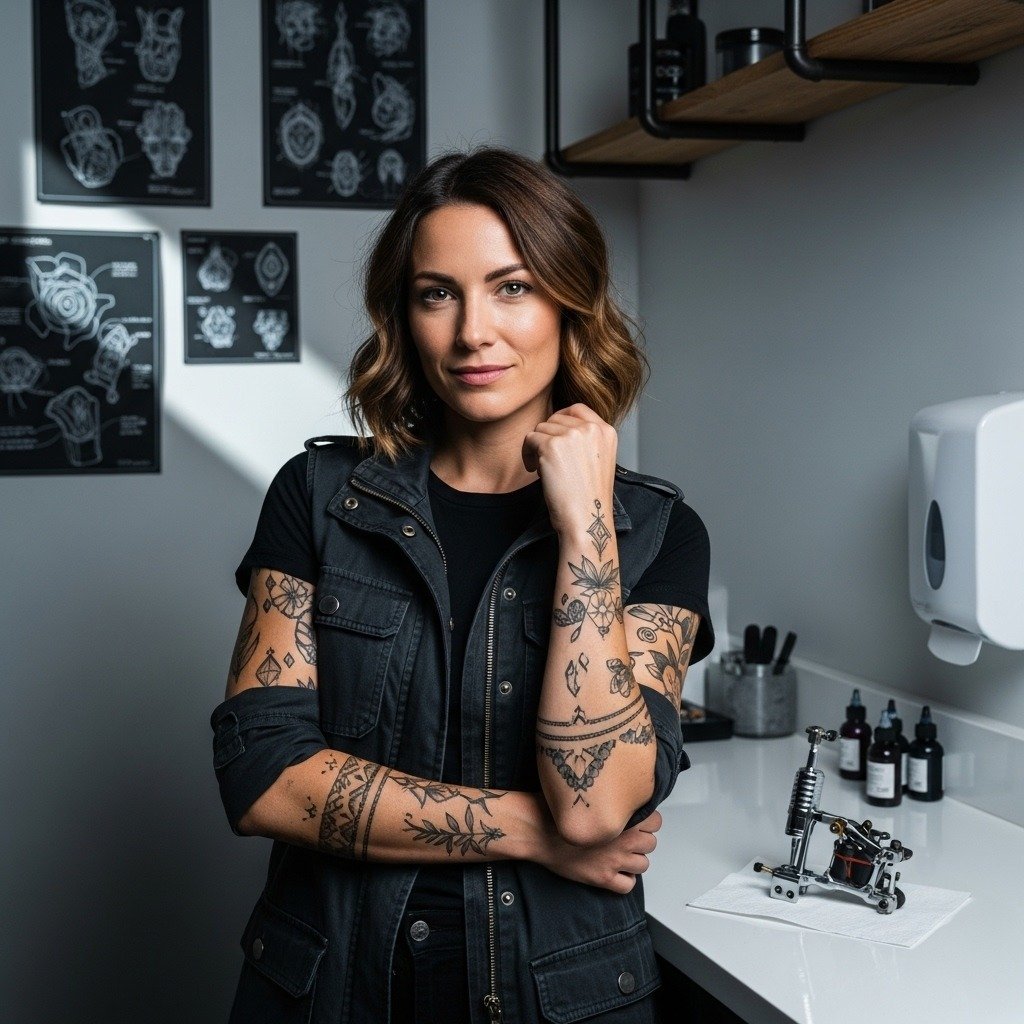
The smallest choices you make before sitting in the chair determine how a Morning Glory tattoo looks at year five, not the photo you saved on your phone. Ultra-fine single-needle petals photograph beautifully, yet they often lose crispness on wrist and rib skin. Slightly bolder contouring and smart spacing keep the bloom readable, while placement that follows the vine’s natural flow makes the whole piece feel intentional. Read the ideas below and picture how each one will sit, move, and age.
1. Single Fine-Line Bloom on the Inner Forearm
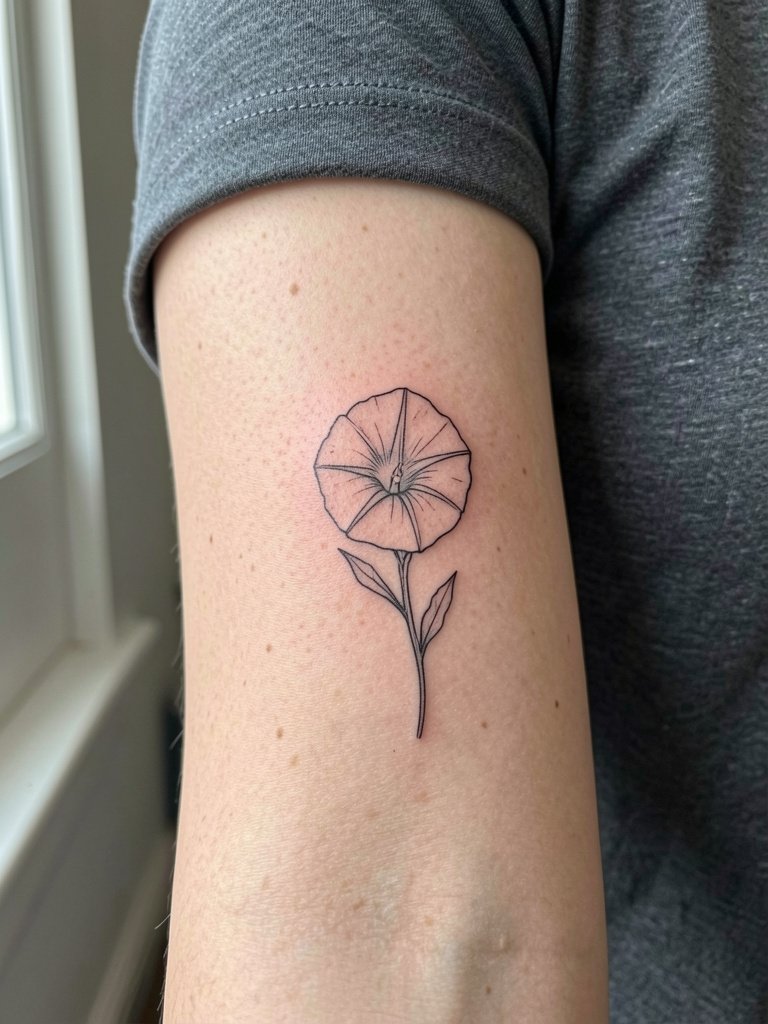
A single fine-line morning glory on the inner forearm reads delicate and discreet at three inches. I recommend slightly heavier linework than what you see on micro-pins, because the palm-up surface experiences regular friction from clothing and typing. Bring two reference photos at different scales so the artist can show how a three-inch version holds negative space compared with a five-inch option. Common mistake is compressing petals too tightly, which turns into a muddy shape after a couple of years. Expect one short session and low pain. For showing it off, roll up a linen button-down sleeve and wear thin gold bangles on the opposite wrist for balance, for example linen button down shirt.
2. Soft Purple Shaded Petal on the Outer Upper Arm
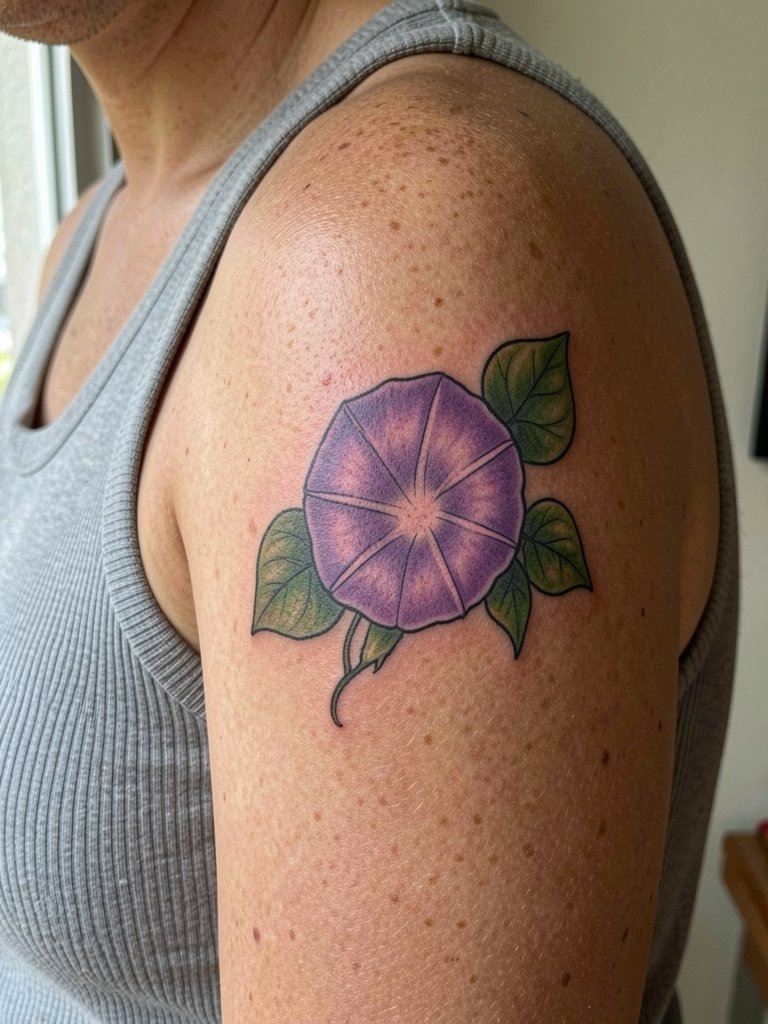
Purple or blue color brings the morning glory to life, especially on the outer arm where there is room for smooth shading. Recommend a mid-sized bloom, not micro color, because saturation needs surface area to age well. Tell the artist you want soft layering rather than solid blocks so touch-ups blend into the shading later. A common aging issue is faded midtones that leave only the outline, so plan a two-year touch-up if you pick bright pigments. Session time is moderate and pain is low. Wear a sleeveless ribbed tank on appointment day to give easy access and to preview how the piece looks with cropped denim or a vest.
3. Traditional Bold Morning Glory Flash on the Calf
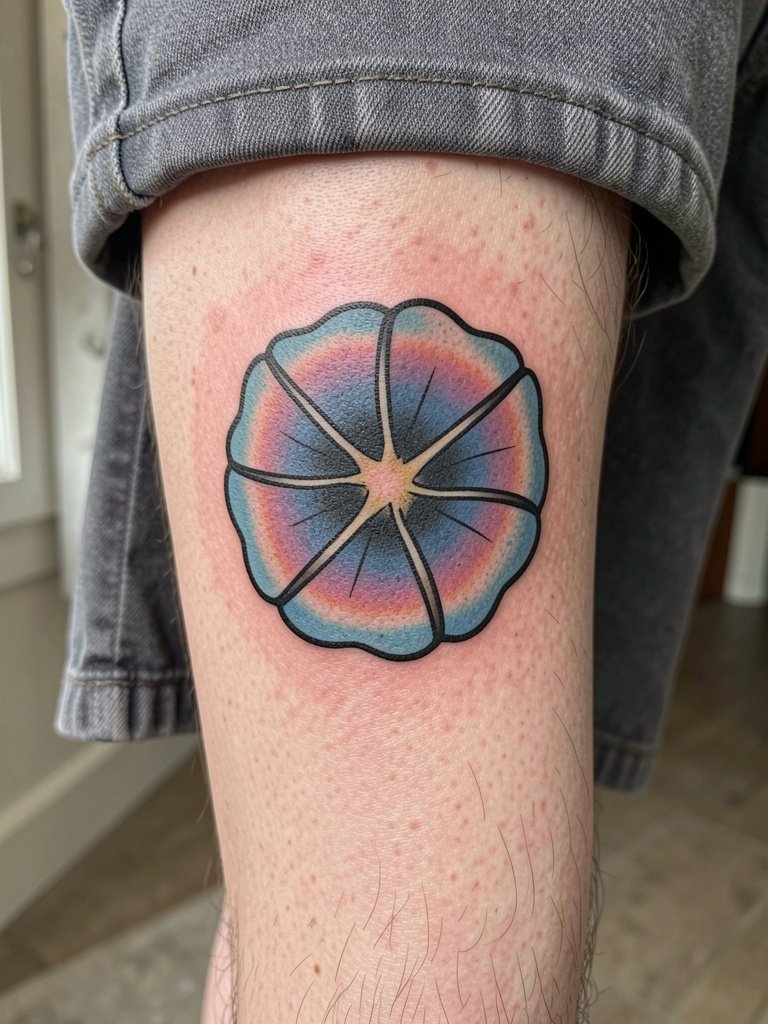
A traditional approach buys longevity for a floral piece because bold outlines prevent colors from bleeding into a blur. This is the right pick if you like pieces that read from across a room. Ask the artist to map the design over your calf curvature so the vine wraps with natural movement. The typical mistake is shrinking a traditional flash down too small, which defeats the technique. Calf pieces heal reliably and tolerate saturated fills, but expect a longer session than a wrist design. Style it with midi skirts or shorts to expose the panel, or wear ankle-baring trousers with low socks for showing the work.
4. Sunrise Symbolism Collarbone Piece
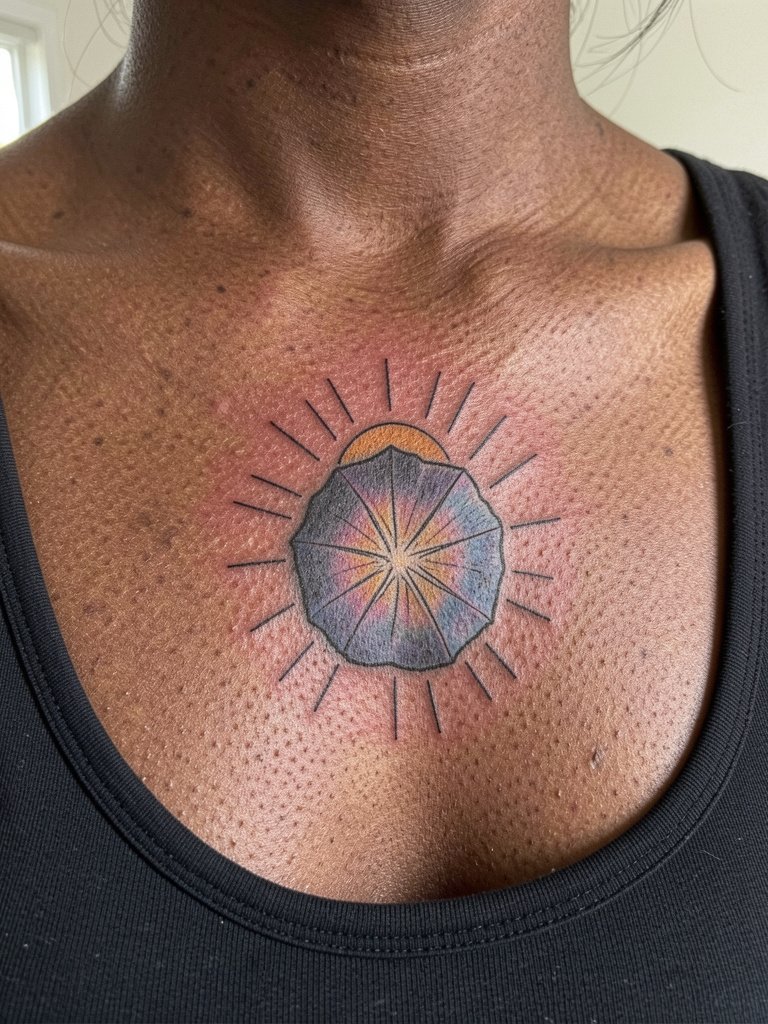
Morning Glory blooms with sunrise rays make the symbolism precise rather than generic. Artists split into two camps about how literal the sun element should be. One camp pairs a small, graphic sun with the bloom so the motif reads at a glance, especially on clavicle skin. The other camp prefers subtle hints of rays and more negative space to avoid crowding the delicate chest area. If you want the rays, plan for slightly wider spacing between petals and sunlines so the collarbone movement does not blur detail over time. Wear layered fine chains to frame this placement when healed.
5. Vine Wrapping the Wrist Like a Bracelet
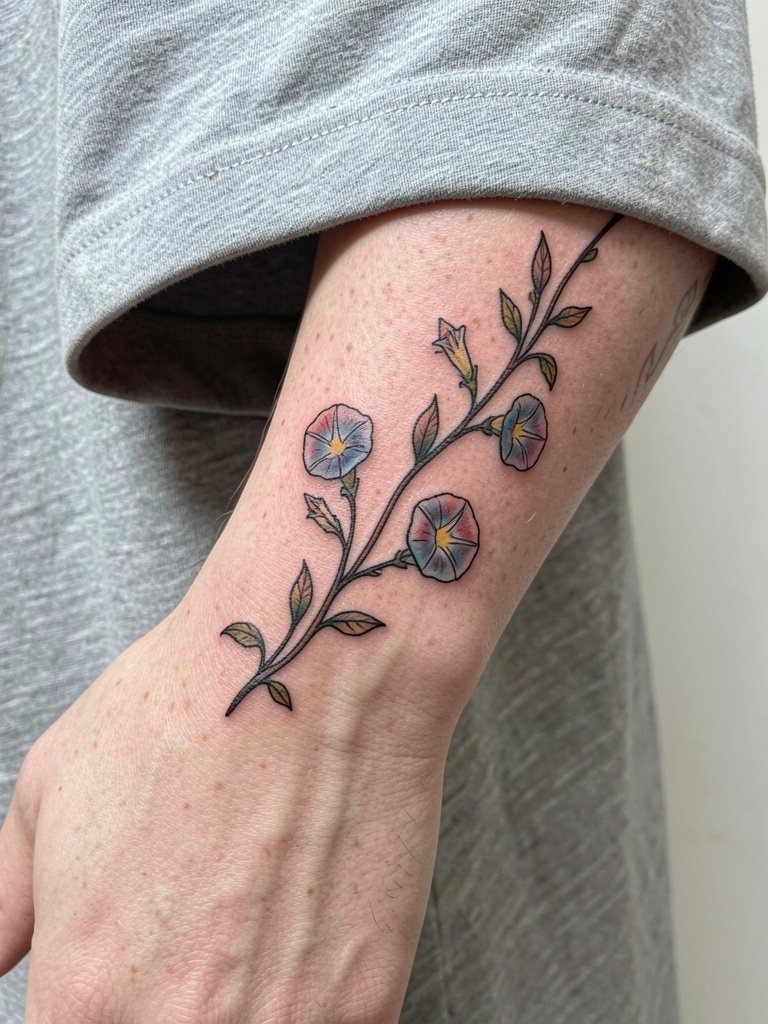
A vine that encircles the wrist looks like jewelry while remaining a tattoo. The wrist is high friction, so request slightly thicker stems and a few open spaces to prevent the vine from collapsing into a single dark ring with time. A common mistake is adding too many tiny leaves. That adds texture in photos but becomes indistinct after healing. Expect a short, sensitive session because skin over the wrist is thin. For session wear, leave bracelets off and choose a short sleeve tee. To show the piece, try a minimal bracelet stack on the opposite wrist and a slim watch on the non-tattoo side, for example thin bracelet stack.
6. Silhouette-Style Ankle Accent
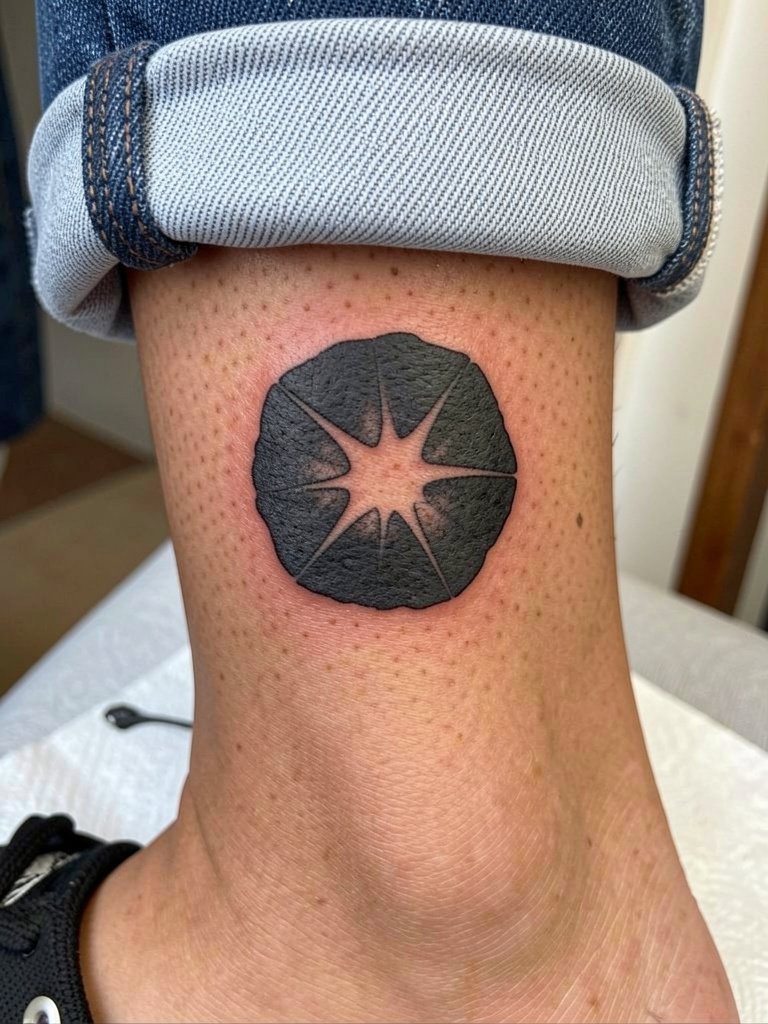
Silhouette tattoos read modern and hold up because they avoid tiny interior lines. On the ankle, a single dark bloom is the simplest way to keep leg movement from distorting detail. Tell the artist you prefer solid fills with crisp negative-space petals and ask for preview stencils to check scale on the bone. Ankle tattoos face friction from socks and shoes, so expect a touch-up window around year two if you wear a lot of ankle-baring footwear. For outfits, cropped jeans or ballet flats with an anklet frame this location nicely. Try cropped straight jeans when showing it off.
Session Day Picks
The inner forearm, wrist, and ankle pieces above heal differently from larger shoulder or calf work, so a few small items smooth the session and the first week.
- Stencil transfer paper kit. Lets you preview linework placement on skin before the needle, which is especially helpful for forearm and wrist vines in the first six ideas.
- Topical numbing cream. Applied about 45 minutes ahead of the appointment can reduce wrist sensitivity without changing how the artist approaches depth.
- Thin protective film roll. Useful for ankle and wrist areas that rub against socks or cuffs during the first days.
- Fragrance-free gentle body wash. A neutral cleanser prevents irritation around fine-line forearm work when showering.
- Aquaphor healing ointment. A thin layer in the first 48 hours can protect fresh linework on sensitive sites like the wrist and inner forearm.
7. Small Bouquet Along the Shoulder Blade
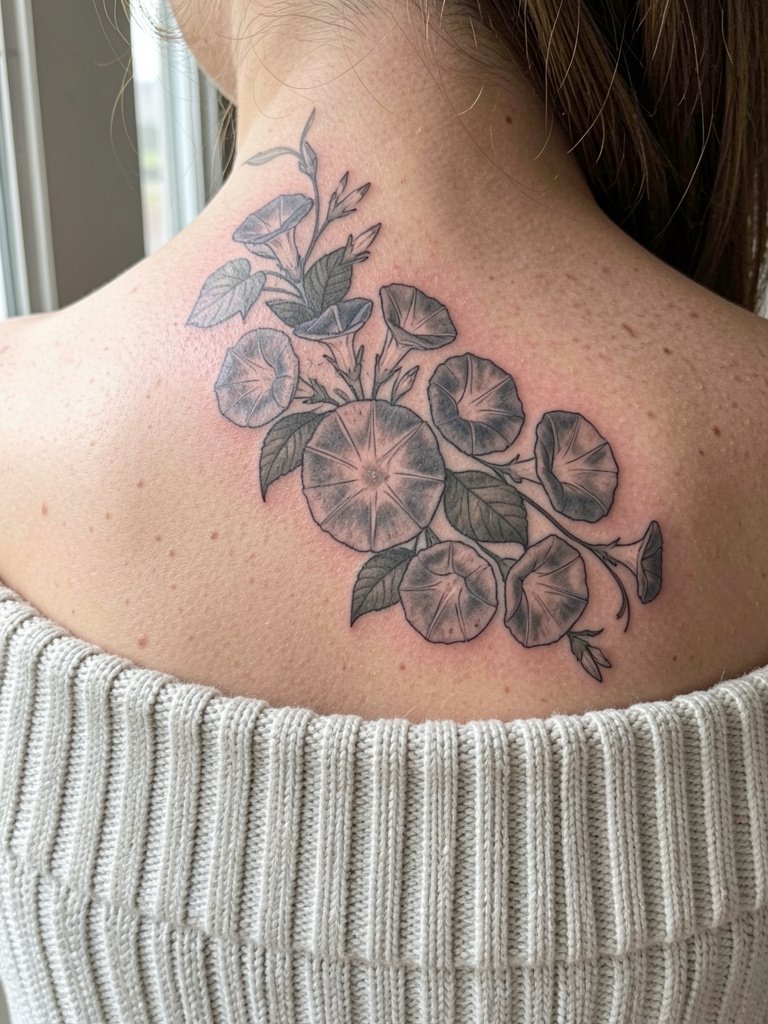
A small shoulder blade bouquet offers a private canvas that can peek out under tank tops. This placement tolerates more detail than wrists or ankles, so stipple shading and a little color work make the floral arrangement feel botanical. The session will take longer than a single-bloom forearm piece and the pain is moderate. Mistake to avoid is packing too many tiny petals into a compact space. Ask for reference stencils over your shoulder curvature so the composition stays readable when you move. Pair the healed piece with wide-neck tees or off-shoulder knits for subtle reveals at summer events.
8. Realistic Blue Morning Glories in a Small Shoulder Cluster
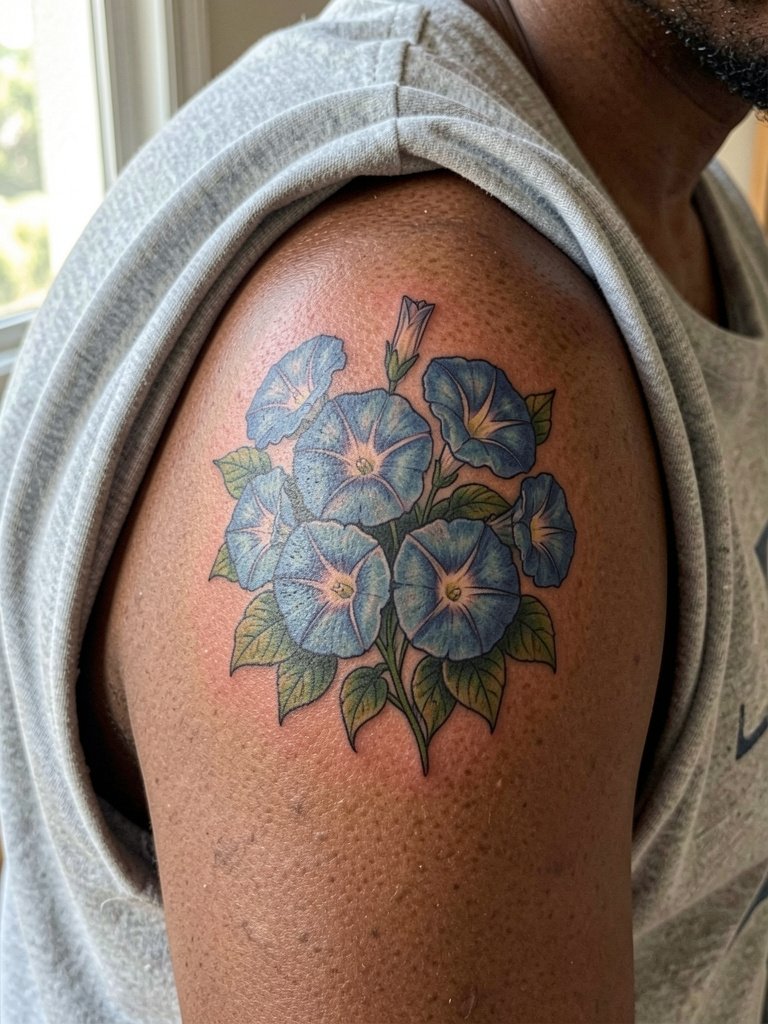
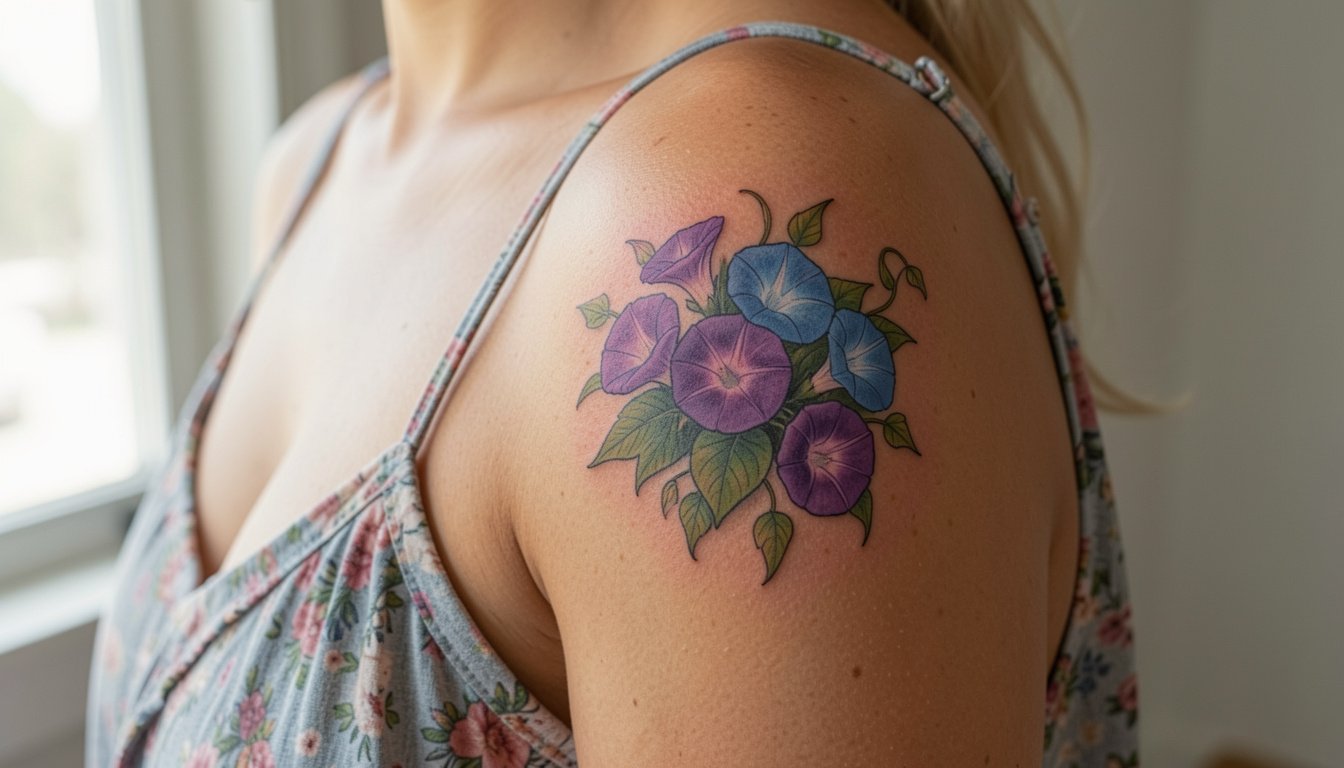
Realistic blue morning glories shine on the shoulder because there is room for detail and tonal work. If you want color, choose a slightly larger composition so gradients have space to blend without appearing patchy over time. A practical note for the consultation is to request healed photos in comparable skin tones so you can judge saturation expectations. Shoulder sessions are comfortable and usually finish in one to two visits depending on scale. For styling, a strappy sundress or wide-neck tee showcases the cluster, and a second session for saturation may be worth planning if you favor vivid blue tones.
9. Micro Morning Glory Behind the Ear
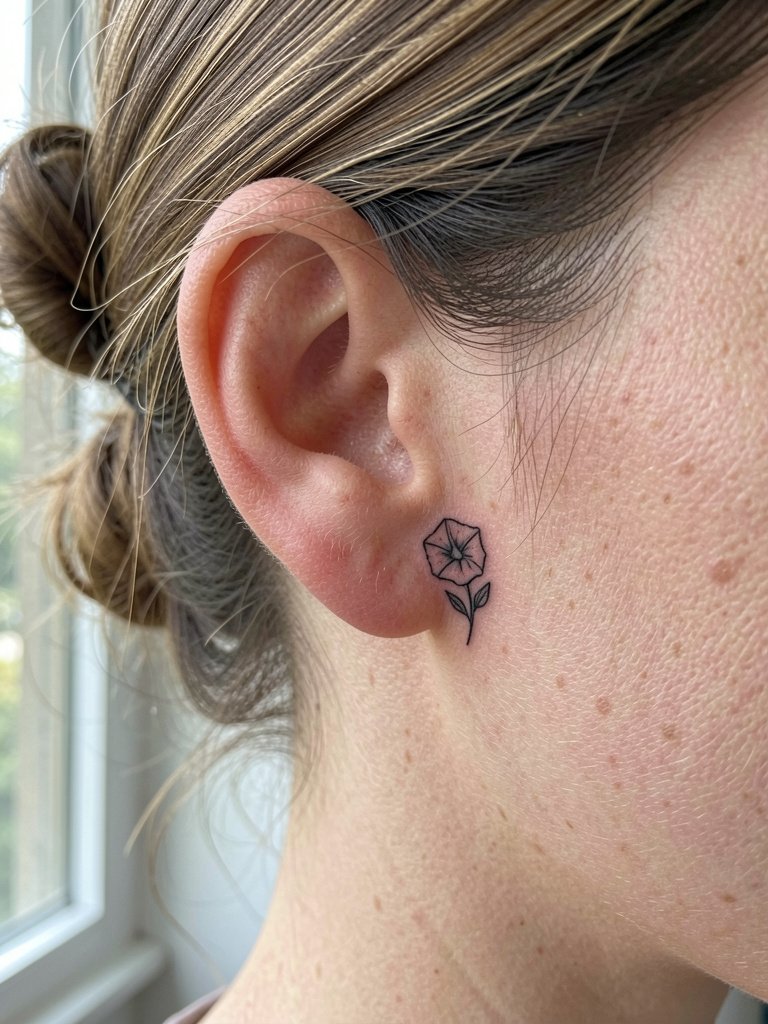
A behind-the-ear micro bloom is discreet and easy to hide with hair down. The mastoid area needs extremely careful line spacing. The biggest mistake is asking for too much interior detail in a tiny patch. If you want this placement, request a single-needle outline with one solid petal or tiny negative-space detail. Session time is very short but the skin is thin, so numbing and steady hand technique matter. For showing it off, wear hair up and match with small stud earrings to keep the neck line clean.
10. Black-and-Gray Renewal Piece on the Upper Back
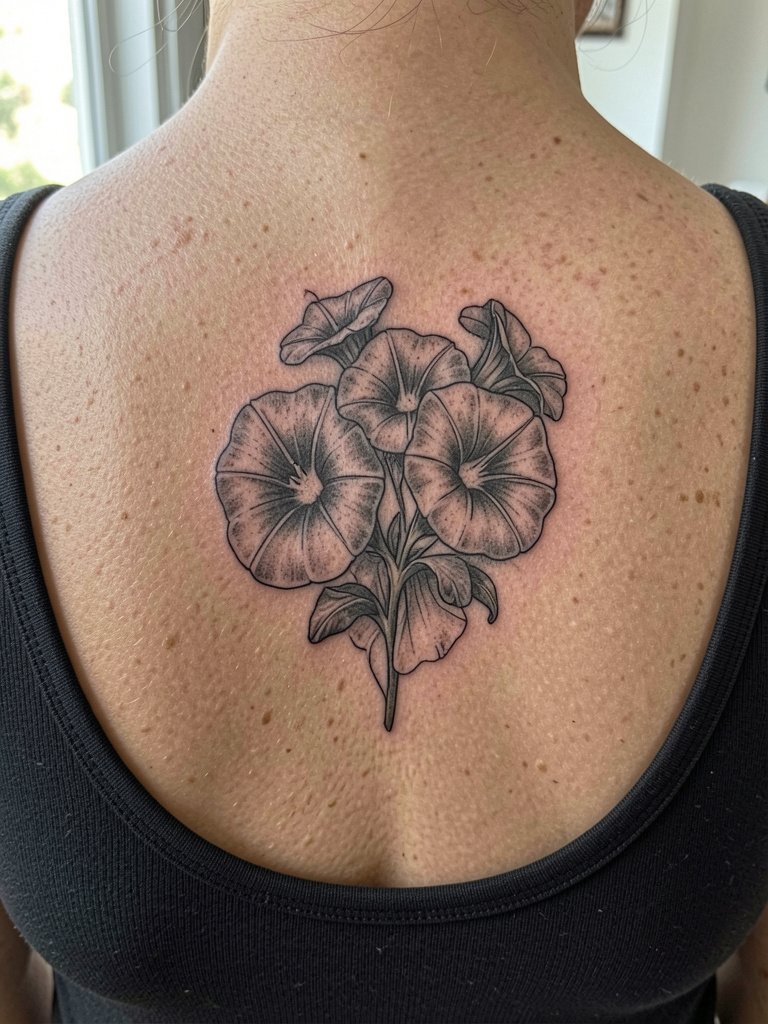
Color lovers argue that purple or blue keeps the flower authentic and vivid. Others counter that black-and-gray ages more predictably and reads cleaner at small or medium sizes. One camp prefers the emotional immediate payoff of color for shoulder and back pieces because saturation emphasizes petal gradients. The other camp recommends grayscale for pieces that must hold detail without frequent touch-ups, especially if the design is compact. Upper back skin handles medium-detail work well, so pick the approach that matches how often you are willing to schedule a touch-up. For wardrobe, scoop-back tops frame the piece without distracting from the shading.
11. Fine Line Vertical Vine on the Ribcage
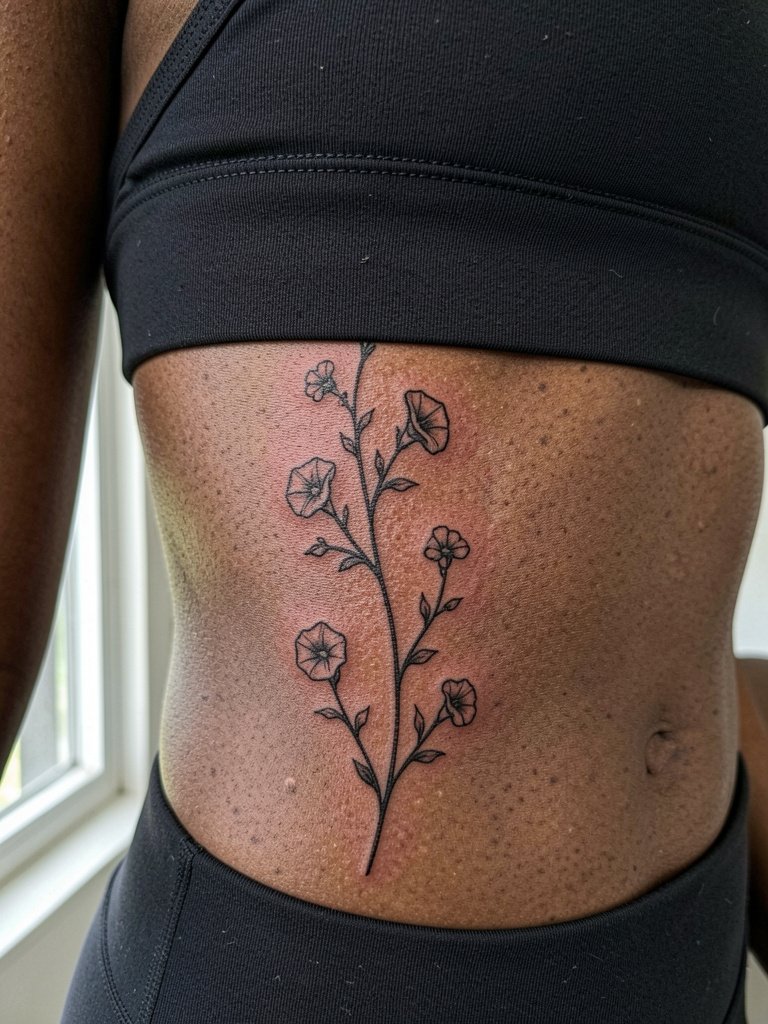
The ribcage presents excellent vertical real estate for a vine, but it is one of the higher pain zones. Expect a longer session and several breaks if you go full chest-to-hip. Fine line here looks elegant at first but needs slightly wider spacing than forearm pieces to avoid blowout from skin movement. A common error is compressing too many leaves into the curvature, which makes the design hard to read after healing. Discuss exact line weight and spacing with the artist and plan for a potential touch-up at 18 to 24 months. For the appointment, wear a loose sports bra or bralette to allow easy access.
12. Matching Morning Glory Family Tattoos for Forearms
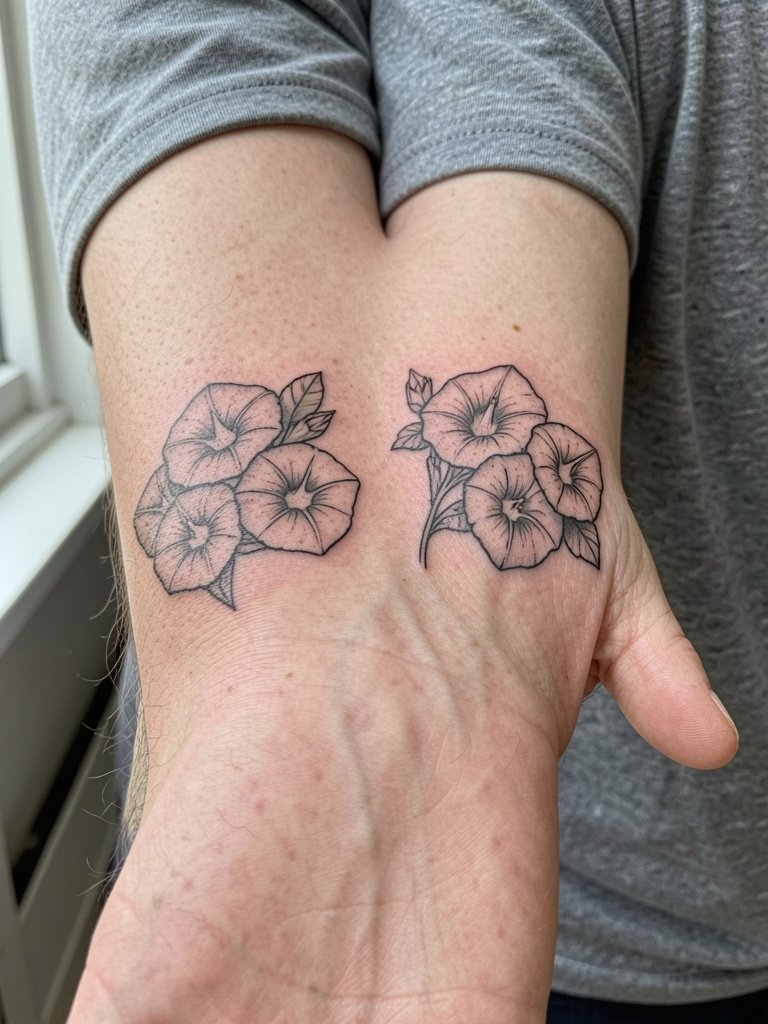
Coordinated family tattoos work well when each piece is personalized but clearly related. For forearm matching sets, have the artist adjust scale and one or two petal shapes so they complement without mirroring exactly. A common mistake is insisting on identical placement, which looks staged. Decide if you want color or black linework for longevity considerations and schedule group consultations so the artist can plan consistent spacing. Sessions are short for small forearm blooms and pain is low. Match this look with rolled-cuff linen shirts in cream or sage to create cohesive photo moments, for example rolled cuff shirt.
13. Birth-Flower Pairing with Aster on the Inner Forearm
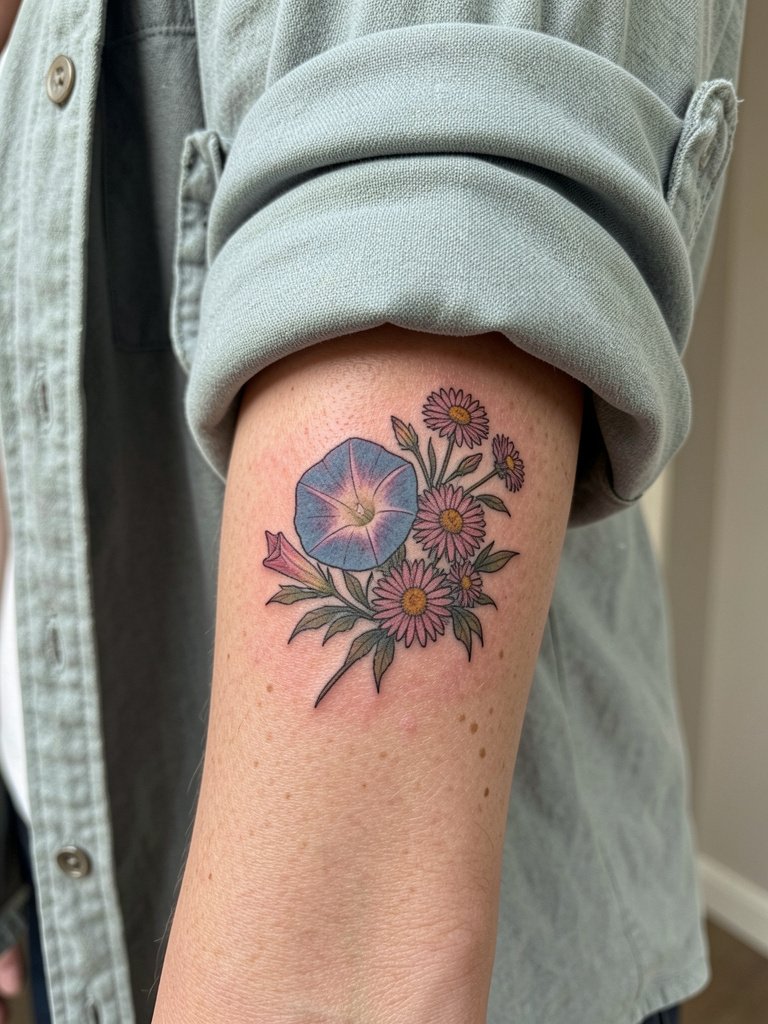
Pairing morning glory with an aster adds layered meaning without text. For this composition, keep the aster slightly smaller so the eye rests on the morning glory as the focal point. A common mistake is matching bloom sizes, which flattens the composition. Request a balanced sketch that shows negative space between flowers so the design ages without merging. Forearm sessions are straightforward and healing is quick. Wear a loose button-down on session day for easy access. This pairing photographs well with rolled-cuff sleeves and a simple chain necklace.
14. Silhouette Ankle Cluster with Minimal Dot Work
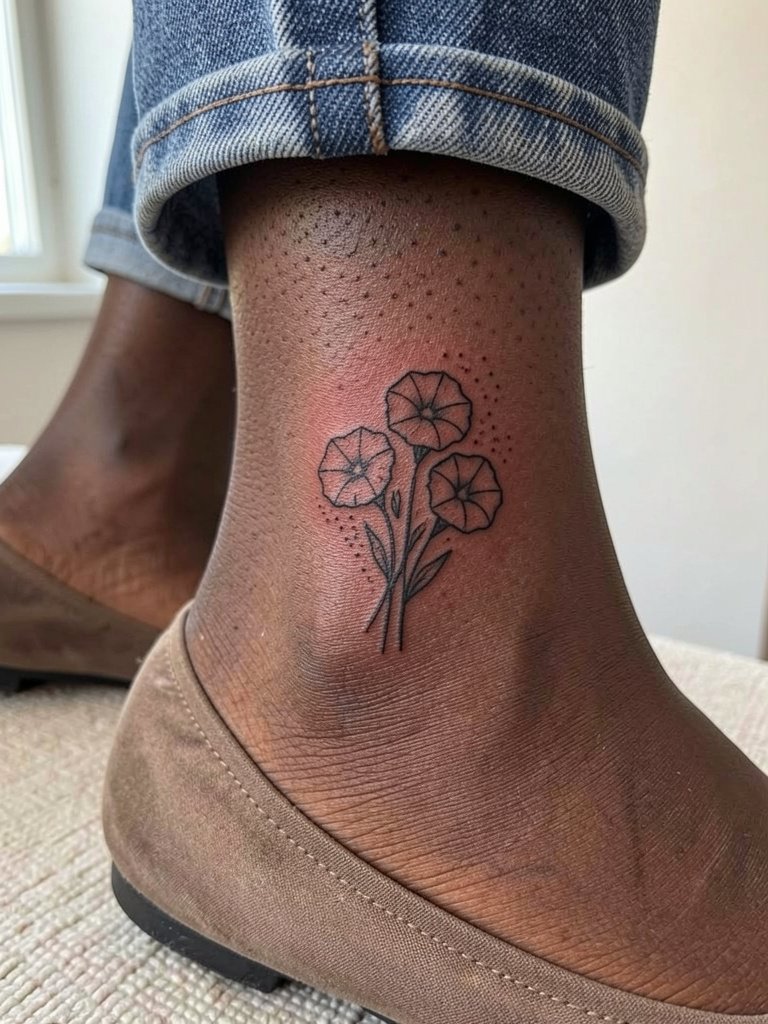
A silhouette cluster with dot work is a modern way to get subtle detail without thin interior lines. Dot work adds texture that ages differently from hairline strokes, so ask the artist for coarse stippling rather than ultra-fine dots. The ankle is a friction-heavy spot, so expect some early flattening of dots. Common mistake is overworking the stipple too densely. Sessions are short and pain is moderate near the bone. For outfits, try ballet flats or delicate anklets that draw attention to the ankle without rubbing the area.
15. Bold Traditional Calf Panel with Leaf Accents
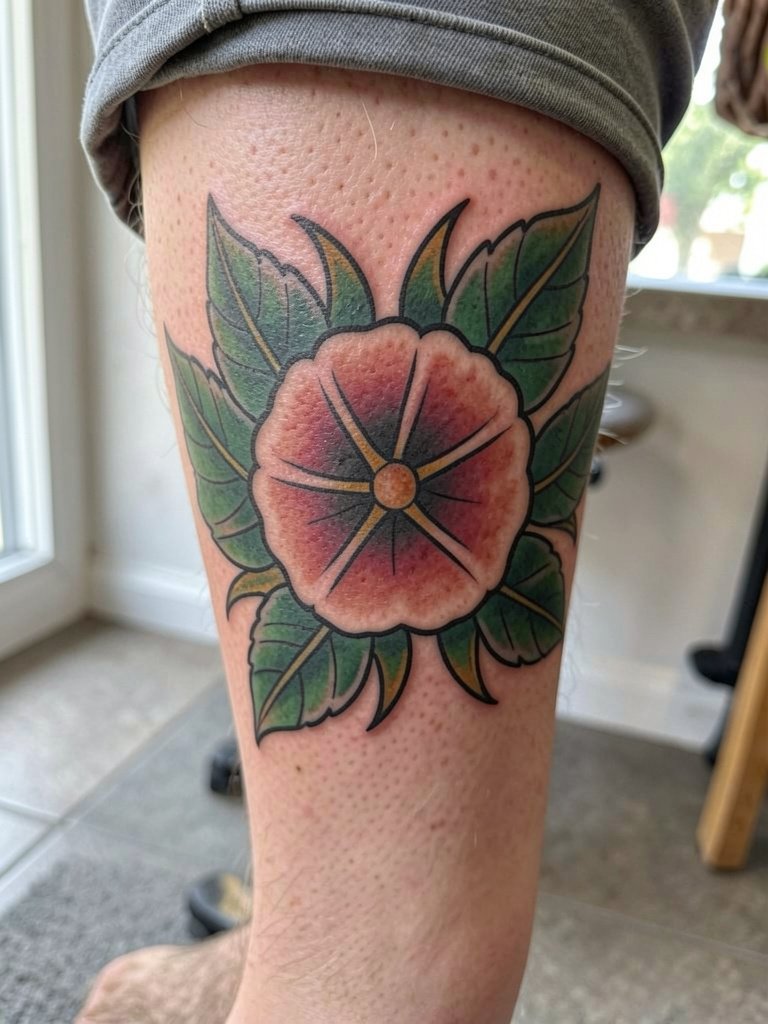
A bold calf panel suits people who want a floral motif that reads at a distance. Traditional fills and saturated greens hold especially well on the leg. When planning, ask the artist to map leaf angles to your calf muscle so the piece curves naturally. A frequent issue is compressing too many small leaves, so maintain larger, flat leaf shapes that survive time. Expect a longer single session and relatively easy healing. Style it with midi skirts that have a side slit or athletic shorts for seasonal display.
16. Collarbone Sunrise with Delicate Rays and Small Bloom
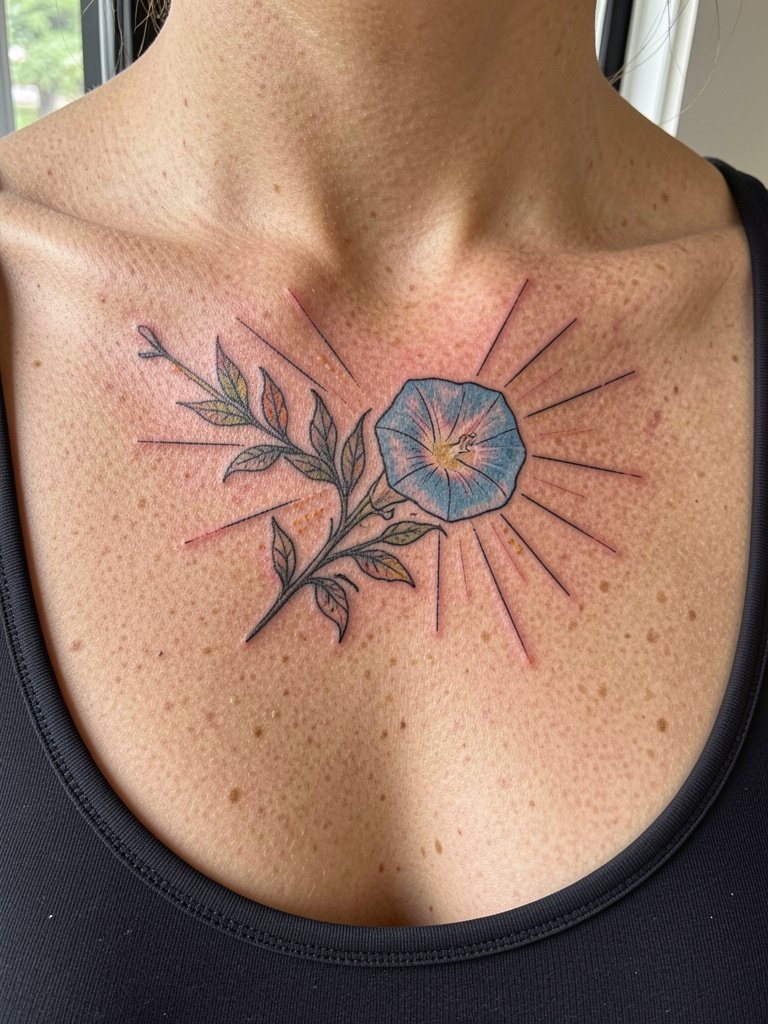
A collarbone composition that mixes a small bloom and subtle rays reads symbolic without heavy imagery. Because clavicle skin moves with breath and clothing, request slightly wider spacing and softer ray angles so nothing crowds the bone. A typical mistake is placing the rays too close to the neckline, which causes rubbing during healing. Plan for a single attention-conserving session with moderate discomfort. To show the healed tattoo, scoop-neck tops or layered delicate necklaces work well when you want a subtle reveal, for instance delicate necklace set.
17. Lace-Like Nape Mini under the Hairline
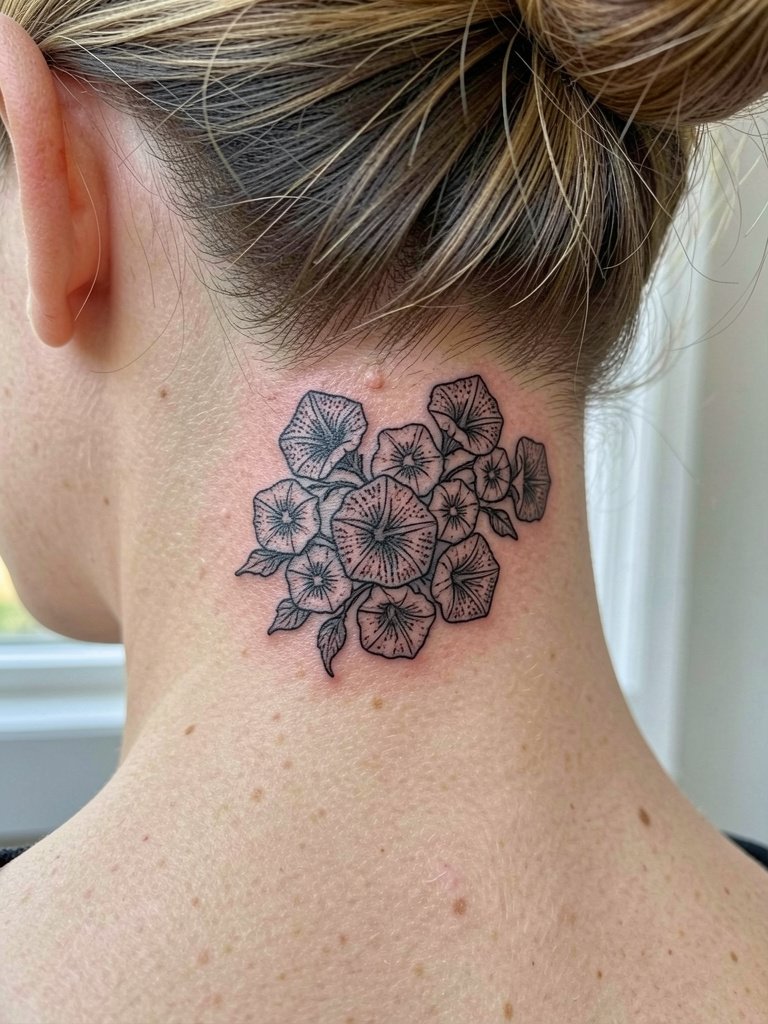
A nape placement reads intimate and is best for slightly filigreed designs because hair will hide it most of the time. The mastoid area requires a confident artist who documents healed work in that exact location. Plan for tiny open areas and tell the artist to avoid ultra-thin interior details because hair and sweat can affect healing. This is a sensitive area for aftercare logistics, so expect a short, careful session. Wear your hair up for the appointment and ask about how scar tissue from past hair pulls could influence ink retention.
18. Minimalist Vine Wrap Wrist Version
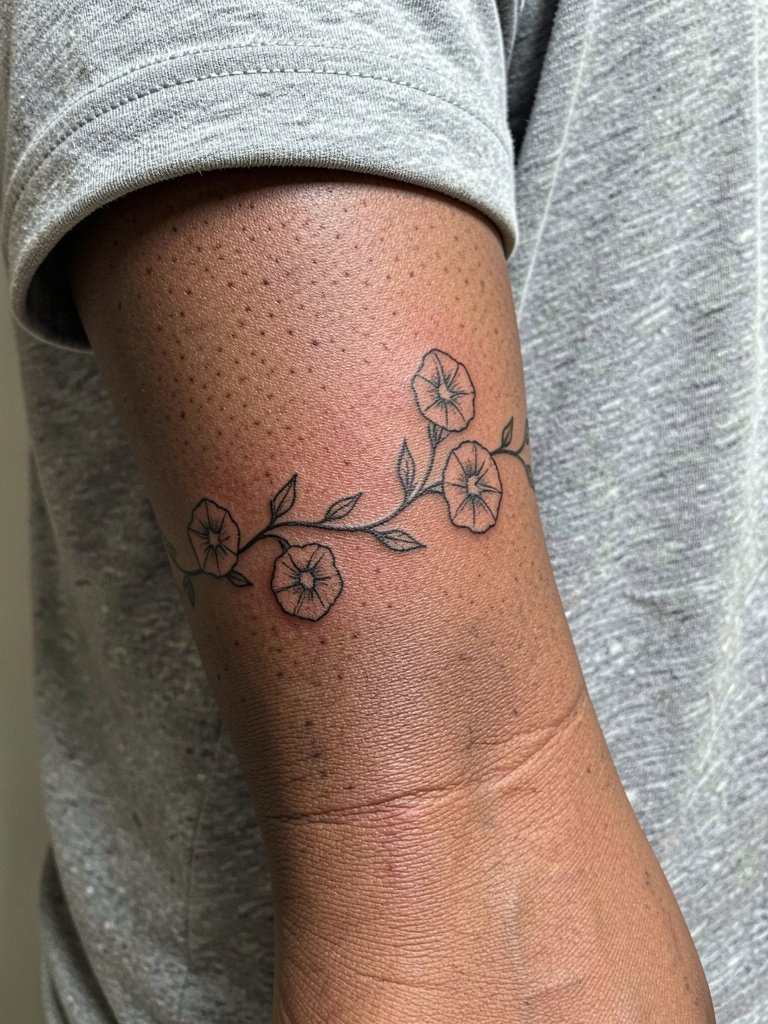
A minimalist wrist vine gives the bracelet effect without heavy shadow. Because wrists tend to blur micro lines, ask for slightly heavier main stems and keep leaf detail open. One common error is mirroring the reference exactly without scaling for the wrist circumference, which leaves the vine looking too tight. Sessions are short but sensitive. For session-day clothing, wear a short sleeve tee and avoid bracelets on that wrist. To pair the piece, try a minimalist watch on the other wrist or a thin bracelet stack available at minimalist watch women.
19. Realistic Thigh Bouquet with Movement
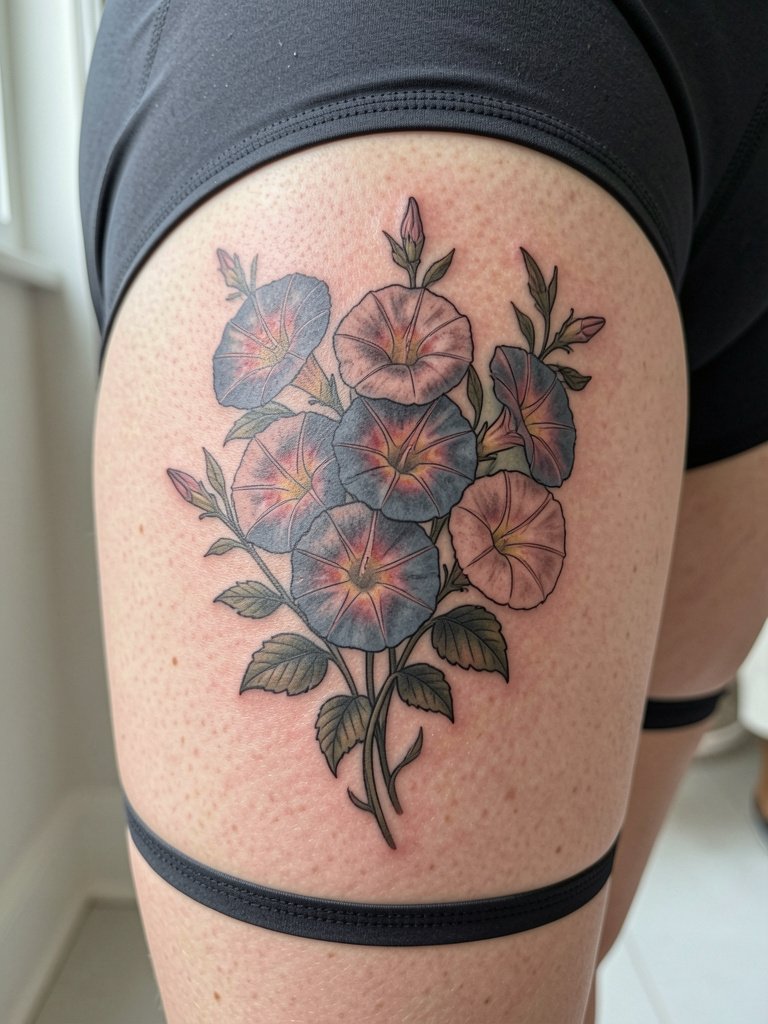
Upper thigh space lets you create a bouquet with movement that follows the leg. If you plan to sit or wear tighter clothing, ask the artist how the composition will look when seated so leaves and stems do not compress across a seam. A mistake I see is adding too many small filler petals that get lost when the skin stretches. Thigh work is lower on the pain chart and tends to heal well. For showing it off choose midi skirts or shorts with high waists so the floral panel can peek through naturally.
20. Micro Script 'Morning' with Tiny Bloom Behind the Ear
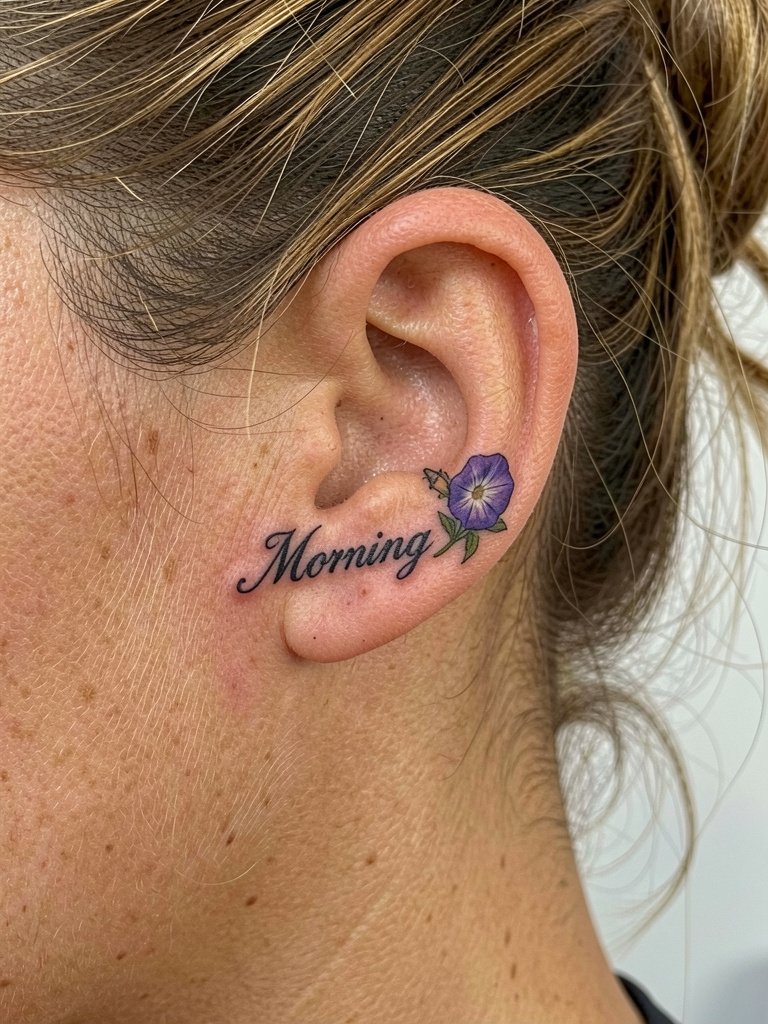
Combining a short script word with a micro bloom keeps the piece personal without obvious explanation. When adding text, specify exact lettering style and spacing because tiny script loses legibility quickly. The mastoid skin is thin, so request slightly bolder single-needle strokes rather than ultra-airy script. Sessions are quick and discomfort is low. For display pairings, small stud earrings and hair updos show the detail elegantly. For session wear bring a hair tie and avoid collars that rub the area.
21. Vine Climbing the Side Torso for a Long Vertical Flow
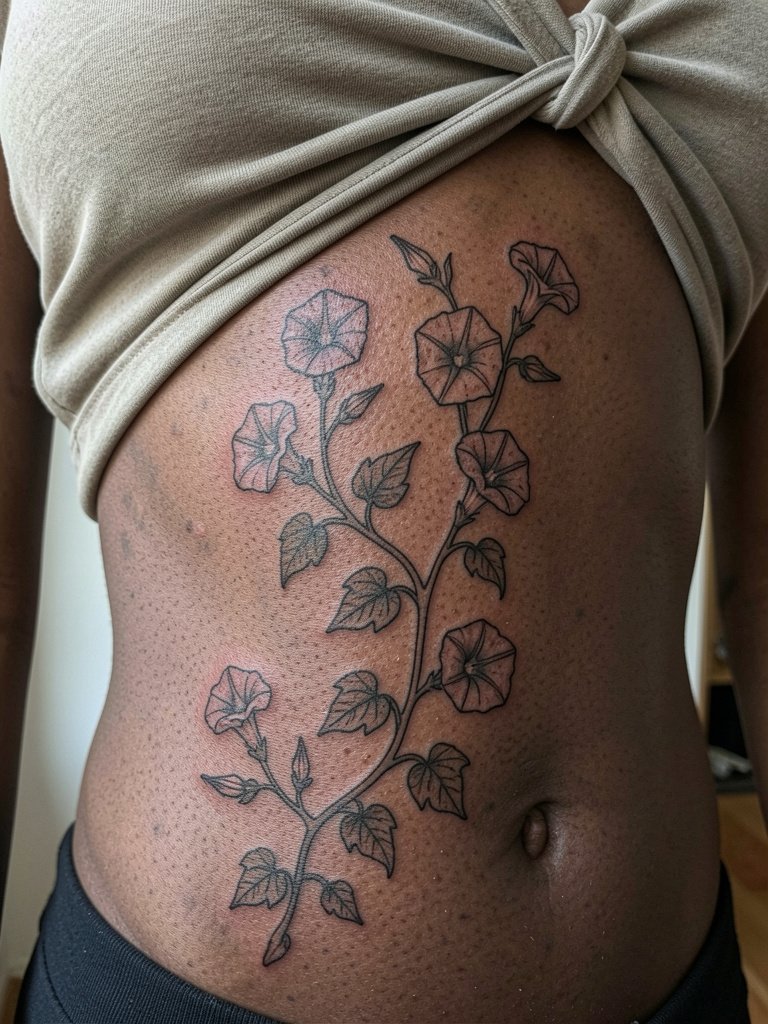
Long vertical vines look intentional when they match torso anatomy. The key consultation item is mapping how the vine intersects natural contours and movement points. Artists differ on fine line viability in this zone, so be explicit about desired spacing and ask to see healed torso examples. A common error is forcing a symmetrical vine on an asymmetrical torso which makes it read off. Expect moderate to higher pain and a multi-hour session for longer pieces. For revealing the healed work, a cropped wrap top or high-waisted bottom highlights the flow.
22. Inner Arm Leaf and Bloom Pair, Subtle and Curved
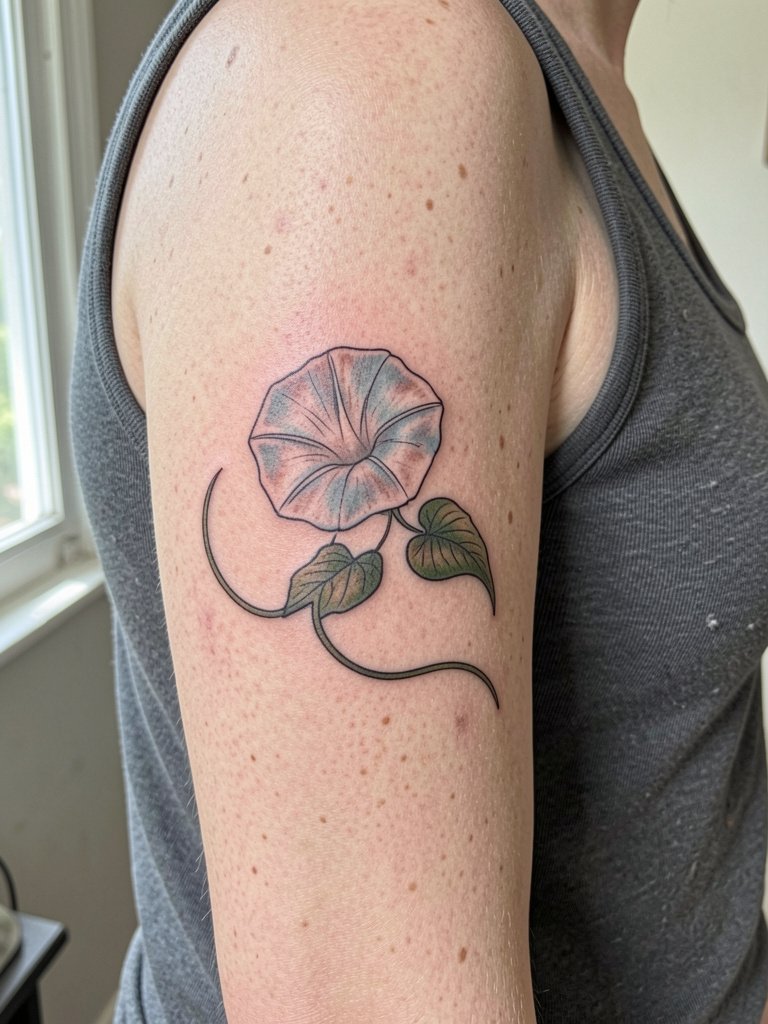
The inner upper arm accommodates curved designs that sit naturally against the torso. Crucial consultation detail is confirming the exact medial placement so the design is on the inner-facing surface rather than the outer arm. Common mistakes include mislabeling the spot which puts the piece on the lateral bicep instead. This area is fairly private and reacts well to fine line if spacing is slightly larger than forearm pieces. Session pain is low to moderate. For appointments wear a tank top so the artist can access the inner surface without fabric bunching.
23. Small Cluster Below the Clavicle for Chest Framing
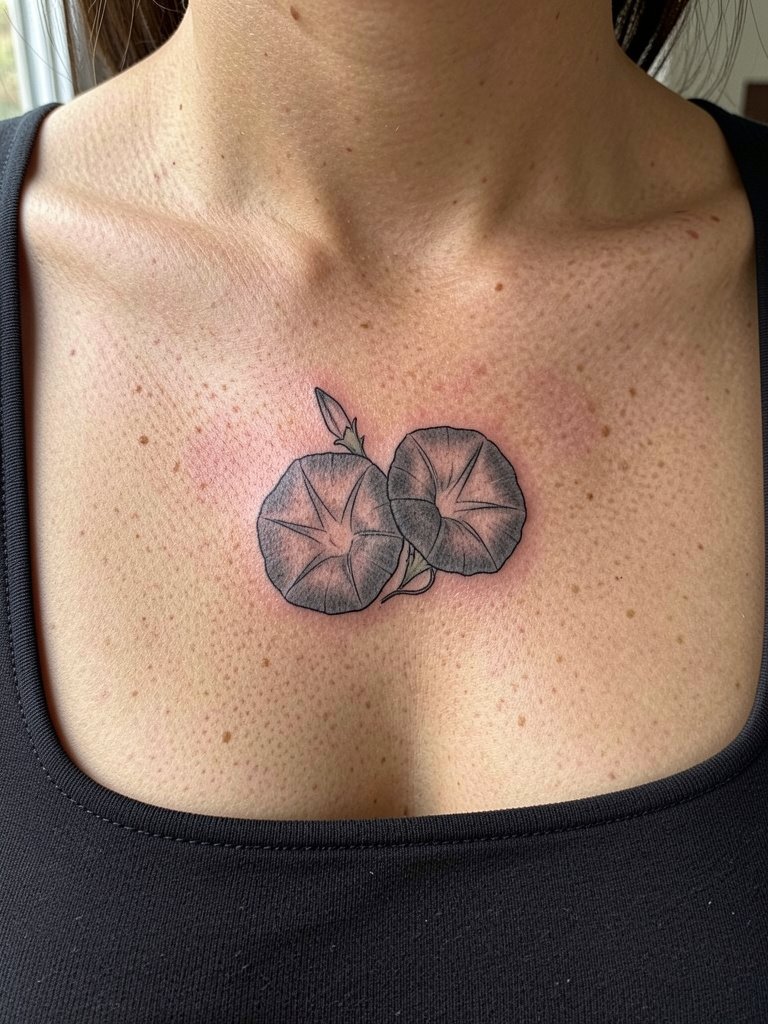
A small cluster below the clavicle is a classic framing spot for necklaces or layered chains. Because chest skin moves differently from forearm skin, request slightly heavier outer contours and more negative space between petals so the design remains crisp. The usual error is placing the cluster too close to the collarbone edge where shirts rub during healing. Sessions are moderate and the area heals well with careful clothing choices. Pair with square-neck tops or delicate layered chains to emphasize rather than compete with the ink.
Frequently Asked Questions
Q: How do I pick between color and black-and-gray for a Morning Glory tattoo?
A: It depends on how often you are willing to schedule touch-ups and the placement. Color gives the most botanical realism, especially purples and blues on shoulders or upper back, but it may need refreshes sooner. Black-and-gray holds detail longer on smaller areas like wrists and forearms and reads clean in photos. Decide by comparing healed examples on similar skin tones and confirm the post-healing touch-up plan with the artist.
Q: Will a tiny morning glory become a blob over time on my wrist or ribcage?
A: Tiny single-needle details are most at risk on thin or high-friction skin. To avoid a blob, increase petal spacing a hair and choose slightly bolder contour lines for the wrist or ribcage. Ask to see healed tattoos of similar scale on the same placement and plan a modest touch-up window at 18 to 24 months.
Q: Where can I find healed examples and artists who specialize in floral linework without naming specific accounts?
A: Search hashtags like #morningglorytattoo, #flowertattoo, and #finelinetattoo on TikTok and Instagram, then use location filters for your city. Pinterest helps collect composition ideas, but prioritize portfolios that show healed photos rather than fresh work. Reddit tattoo communities are also useful for live feedback on aging and placement. Look for artists who post solved healed sets in comparable skin tones.
Q: What should I wear to the appointment for a shoulder or ribcage Morning Glory piece?
A: Choose clothing that gives the artist clear access without you needing to disrobe. For shoulders wear a wide-neck tee or a strappy sundress in normal worn position. For ribs choose a loose sports bra or a fitted cropped top that can be shifted without pulling. If you want an example for showing off later, a fitted scoop-neck tank pairs well with a shoulder cluster and a scoop neck tank works for session and styling.
Q: How many sessions does a medium-sized Morning Glory bouquet usually need?
A: Most medium shoulder or thigh bouquets finish in one to two sessions depending on saturation and detail. Fine-line vines on a ribcage or long torso pieces may require two shorter sessions because the artist will plan breaks for comfort and consistent depth. Expect a longer single session for traditional saturated calf panels.
Q: Are there special considerations for dark skin tones when choosing Morning Glory color?
A: Yes. Color shows differently across tones, so view healed work on similar skin. Lighter, more muted palettes or higher contrast black-and-gray often provide clearer long-term readability. Discuss pigment choices and saturation expectations in your consult so the artist can propose a palette that retains depth.
Q: Can family or matching Morning Glory tattoos be slightly different but still read as a set?
A: Absolutely. Small variations in scale and a single altered petal or leaf maintain visual family connection while avoiding an overly contrived identical match. Coordinate with the artist so each piece occupies a placement that flatters the body and still feels like part of a set.