
Someone I know spent eight months scrolling tattoo feeds before realizing the real problem was choosing a design that will age well on their skin. They worried about finger fades, rib pain, and artists canceling last minute. After talking with artists at five shops across Brooklyn and seeing healed pieces in person, I narrowed styles that balance longevity with a clean minimalist look. Start here and pick one that fits how you live.
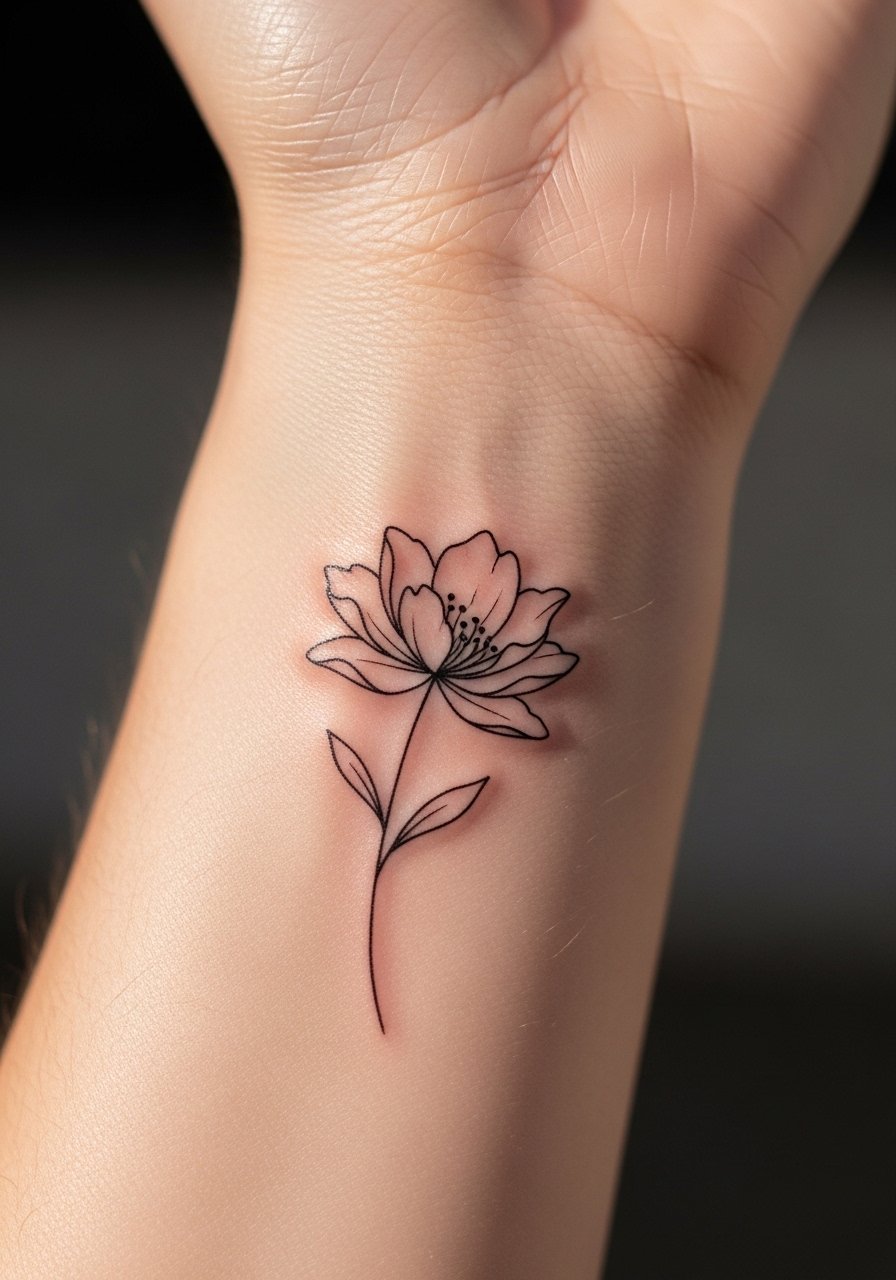
1. Single-line flower on the wrist
Someone I know first saw this style on a friend’s wrist and booked a flash day appointment. Fine single-line flowers read as one continuous contour and work well when you ask for 2 to 3 mm linework instead of a hairline. Tell your artist you want clear negative space between petals so the linework does not blur together as it heals. Pain is low on the outer wrist and a session runs 30 to 45 minutes. The common mistake is scaling the petals too small. At six months the line will look soft, at two years expect slight spreading, and plan a touch-up around year two to three.
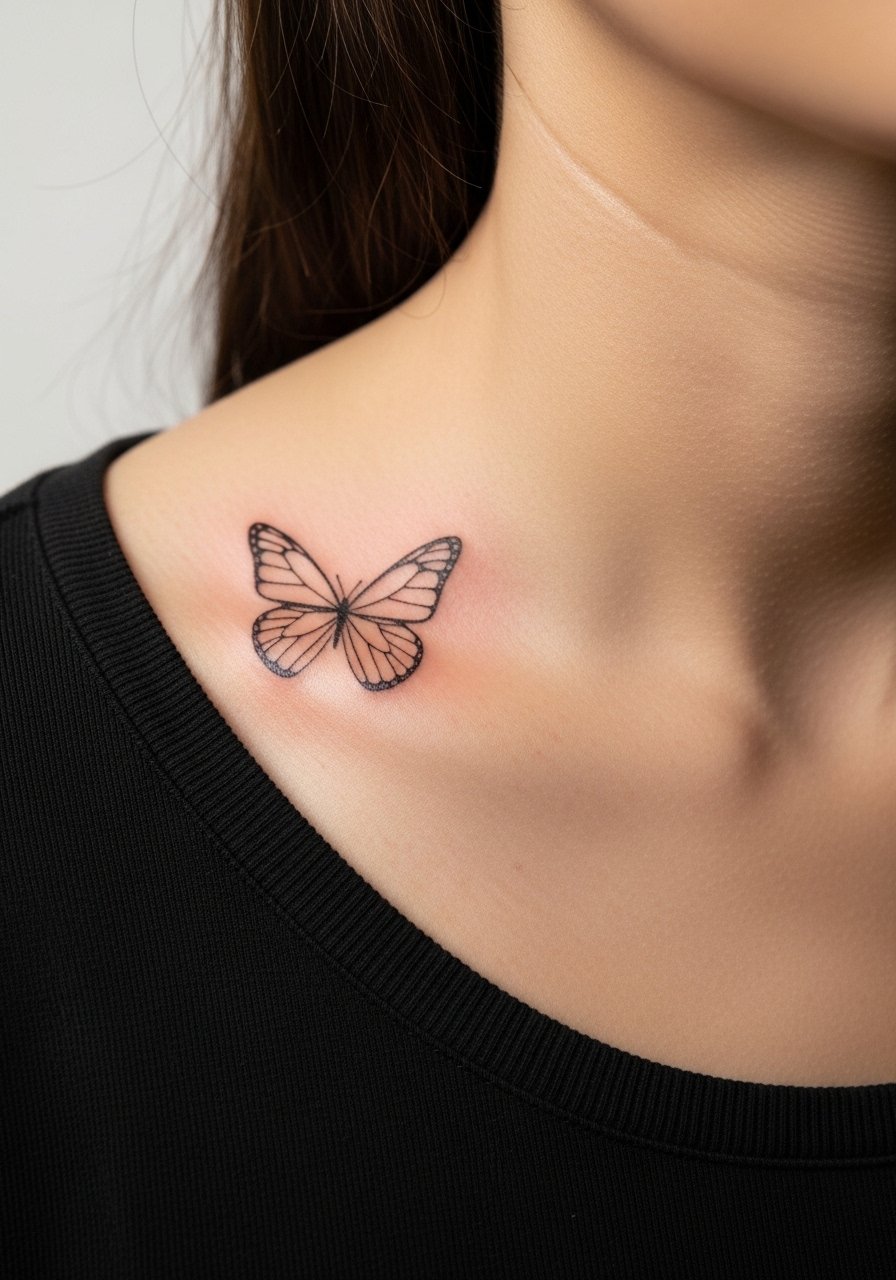
2. Butterfly outline on the collarbone
Fair warning, the collarbone area can be sensitive for first-timers, but this placement looks elegant when it peeks from a neckline. Ask for a slightly heavier outer contour so the wings retain definition after healing. Collarbone skin sits differently than soft flesh, so shading is usually minimal and dot work can help the wings read across skin tones. Session time is typically under an hour. If you plan to hide it for work, share that with your artist so they place it where hair or clothing can partially cover it. Numbing creams split opinion, so discuss that before you book.
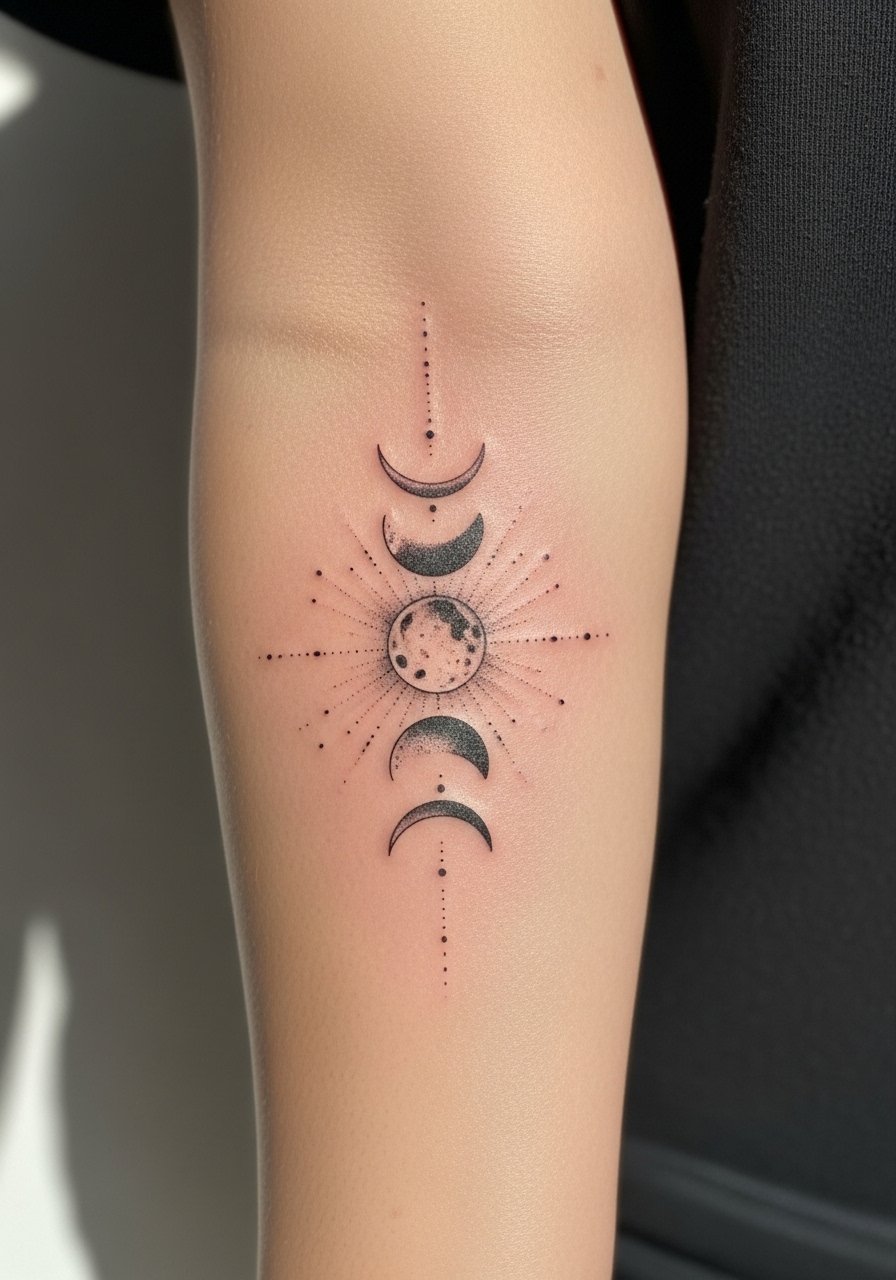
3. Moon phase arc on the inner forearm
I’ve seen this exact arc blow up on short-form video platforms and heal clean when artists use crisp dot work for the phases. The inner forearm gives visibility and stability, which helps fine line and tiny dots stay readable longer. In consultation, ask for higher contrast black for the crescents and slightly larger negative spaces between dots. Expect a single session around 45 minutes and minor soreness that fades in a few days. A common mistake is asking for phases that are too tightly packed, which invites early blurring. Touch-ups every two to four years are realistic for this placement.
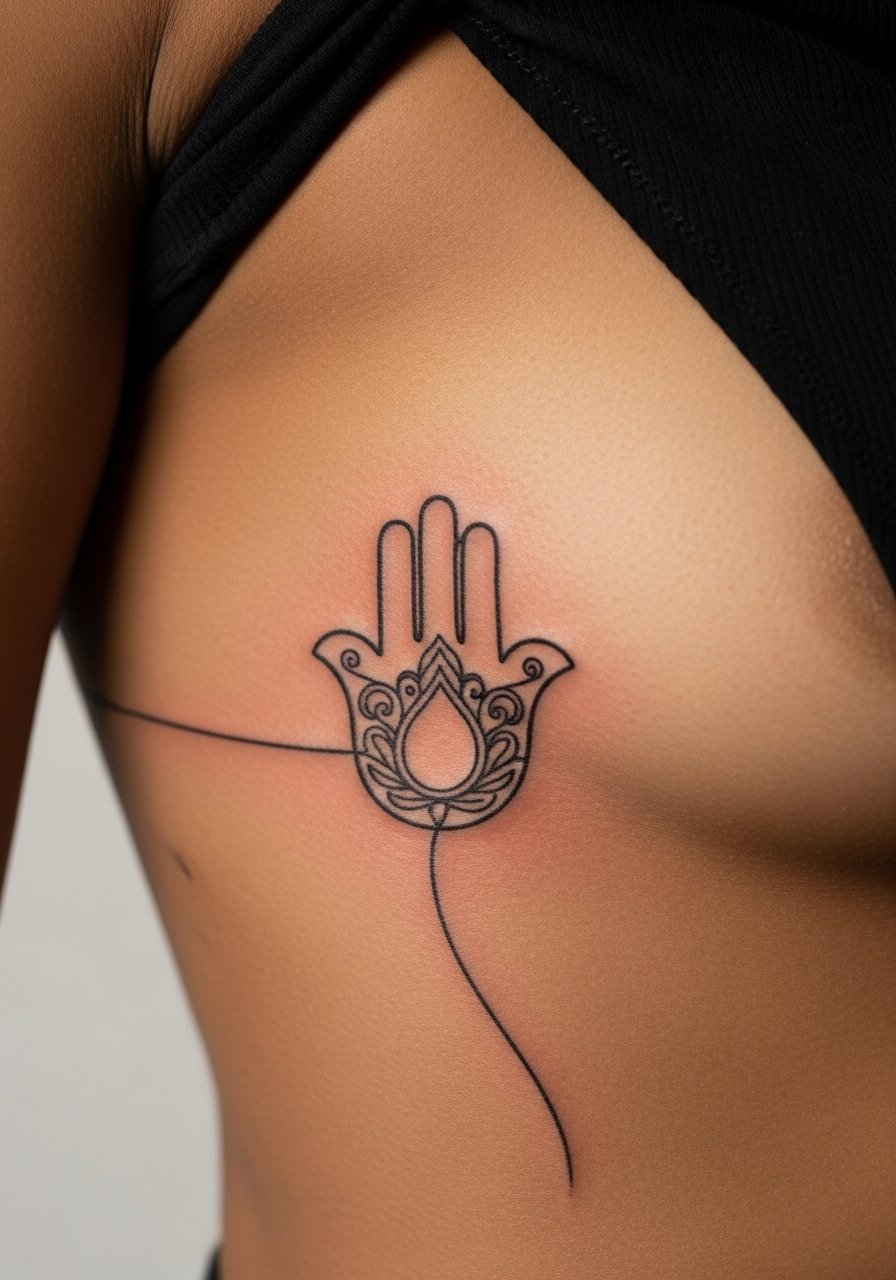
4. Single-line Hamsa hand on the ribcage
Fine line on the ribs splits artists into two camps. One group says skin there stretches and blurs lines within two years. The other group argues that with proper needle depth and spacing it can settle fine. If you choose this placement, mention origin respect and ask the artist about simplified motifs rather than direct replicas. The ribs are a higher pain area and the session can run 60 minutes. Common errors include cramming too many tiny details into a small space. Expect the first six months to be the most dramatic in how the lines soften, and plan for a touch-up after the first year if needed.
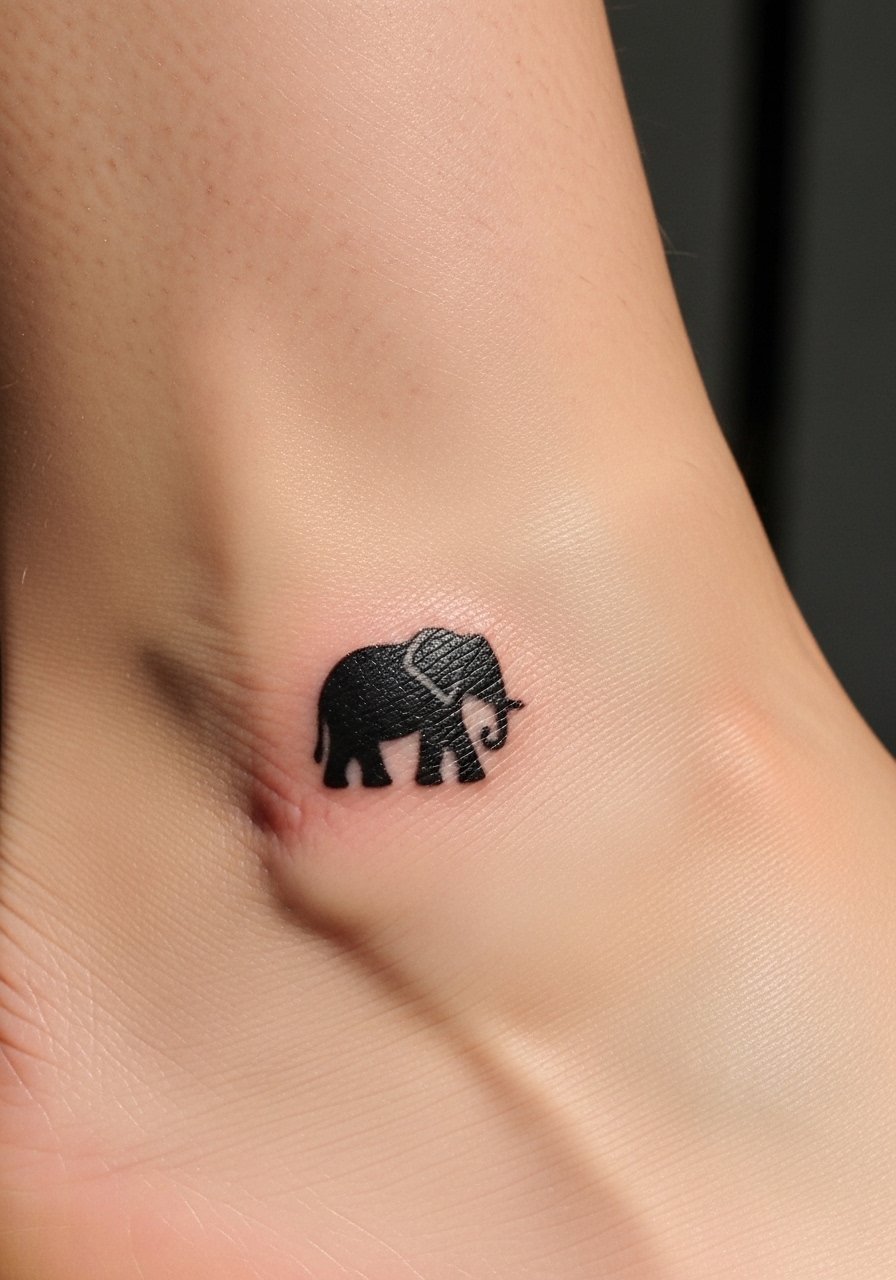
5. Tiny elephant silhouette on the ankle
Ankle placements handle silhouette work well because footwear and fibrous skin make edges read differently. If you want the elephant to last, ask for slightly thicker silhouette edges rather than a wafer-thin outline. Session time is short, usually 20 to 30 minutes, and pain varies by proximity to bone. People often pick finger versions for the cuteness, but fingers fade faster than ankles. At two years the silhouette may soften at the corners, and a quick touch-up restores clean edges. Mention footwear habits to your artist so they can suggest a placement that avoids rubbing.
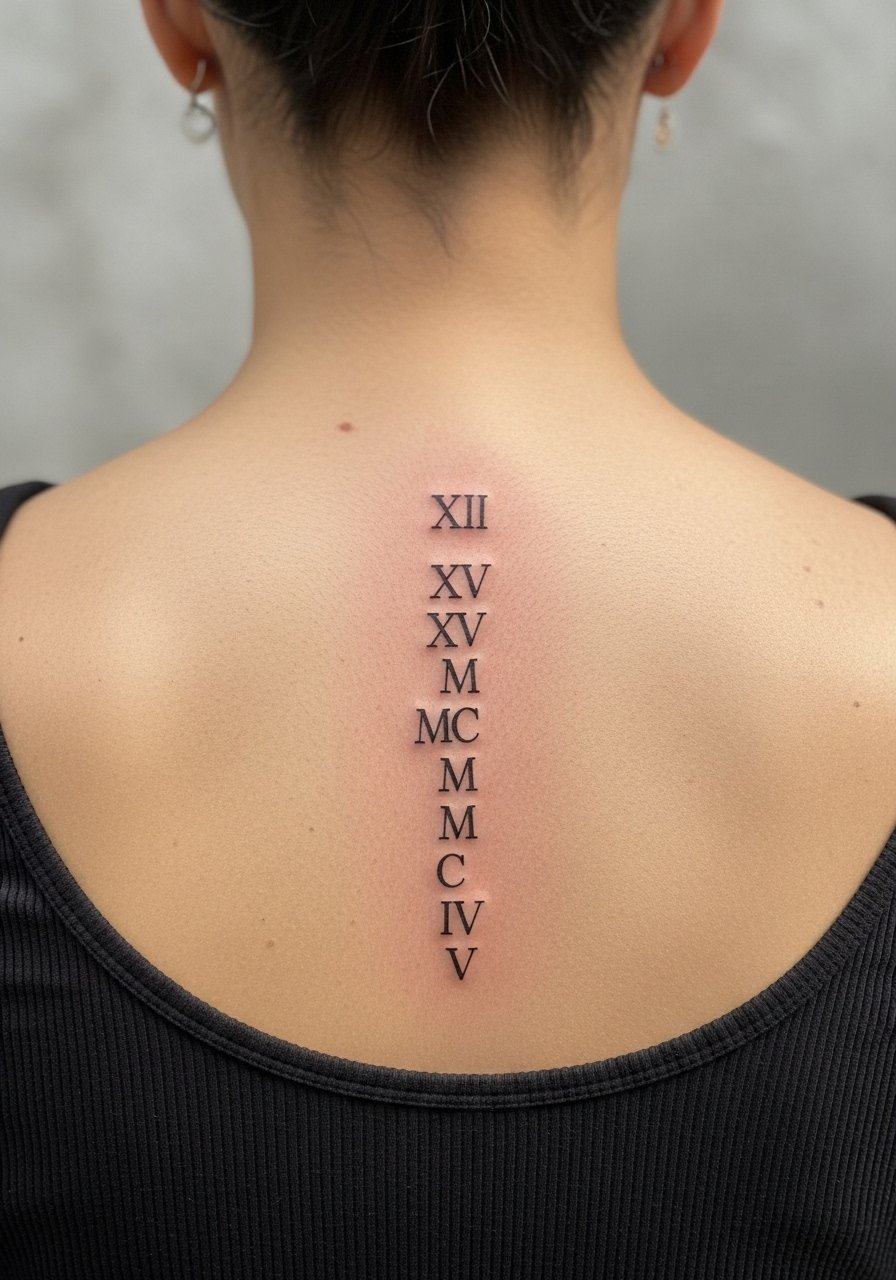
6. Roman numerals down the spine
Spine placements are popular for milestone dates, but body changes can stretch vertical scripts. When you consult, show where you want the vertical axis and specify the exact numerals. For example request XIII.IV.MMX in a thin serif if you want a classic look. The upper spine sits on firmer tissue, so pain ranges from moderate to high during the session. The biggest mistake is squeezing numerals too close. At six months the script should stay readable, but weight gain or stretching can distort lines over years. Plan a touch-up after the first healing cycle if any digits soften.
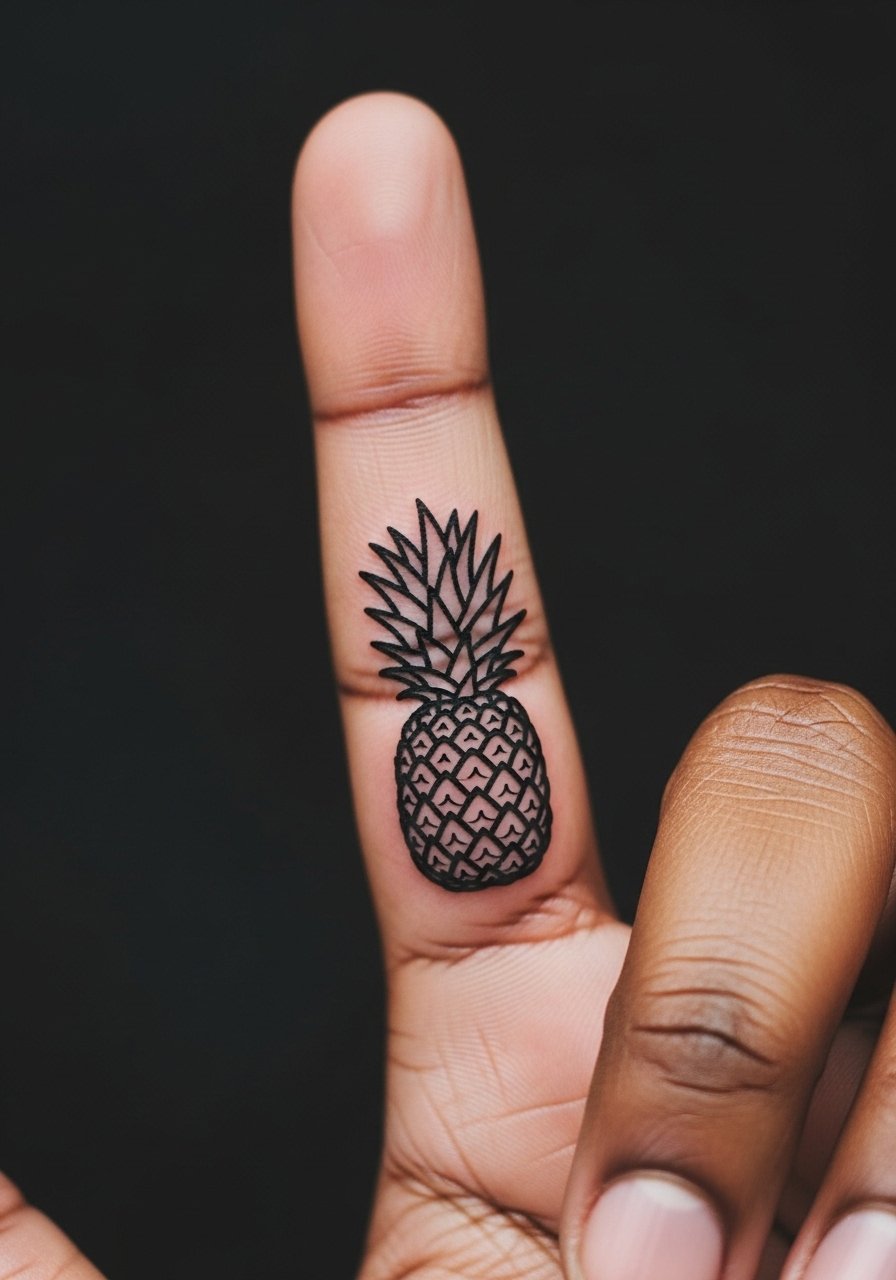
7. Pineapple on the finger
Hand and finger work still raises professional considerations, so think about your career path before committing. Fingers are a fast-wear zone because of constant use and hand washing, so ask for a bolder outline and expect frequent touch-ups. Sessions are quick but can be stingy while healing. The common regret is asking for ultra-fine detail that disappears in months. If you want longevity, put the pineapple on the side of the finger or the ankle instead. I’ve seen finger pineapples last two to three years when the linework is given room to breathe.
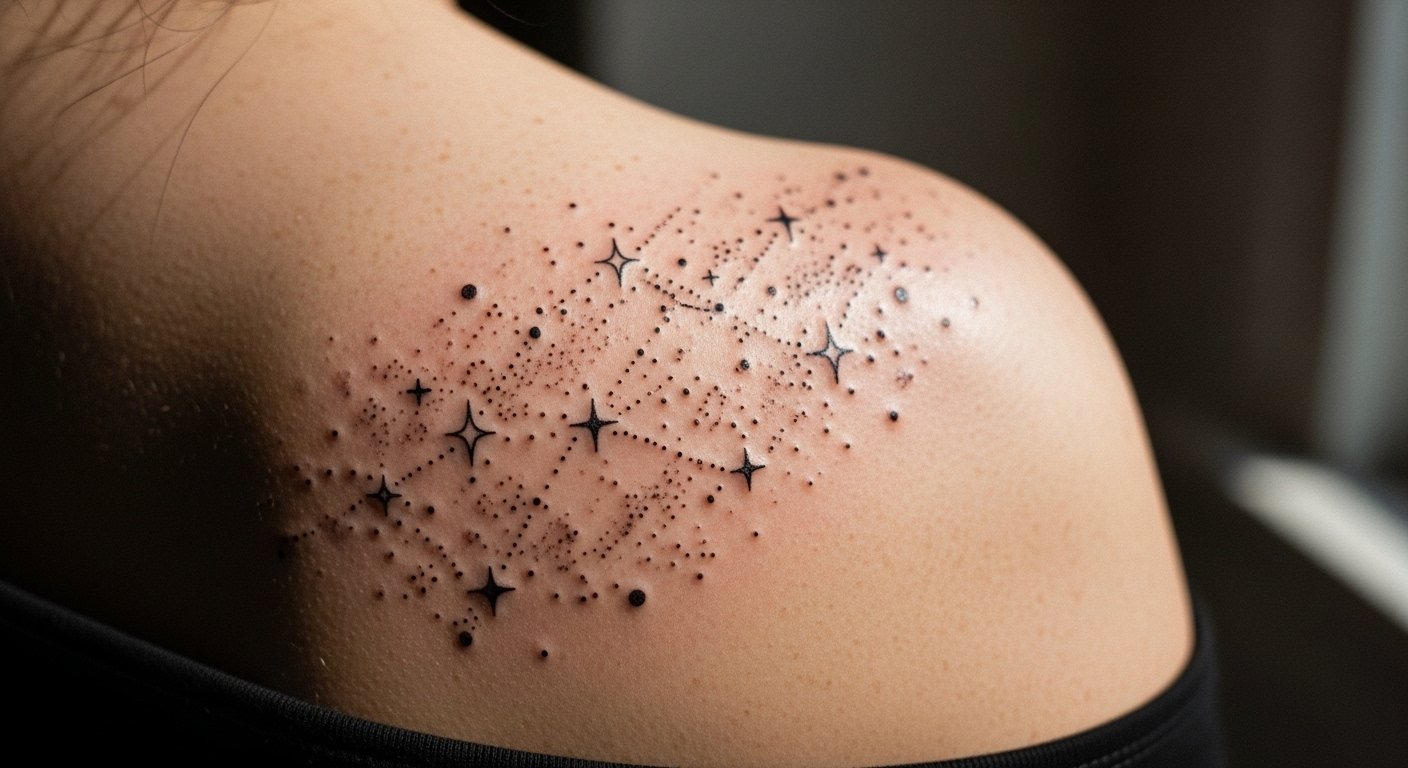
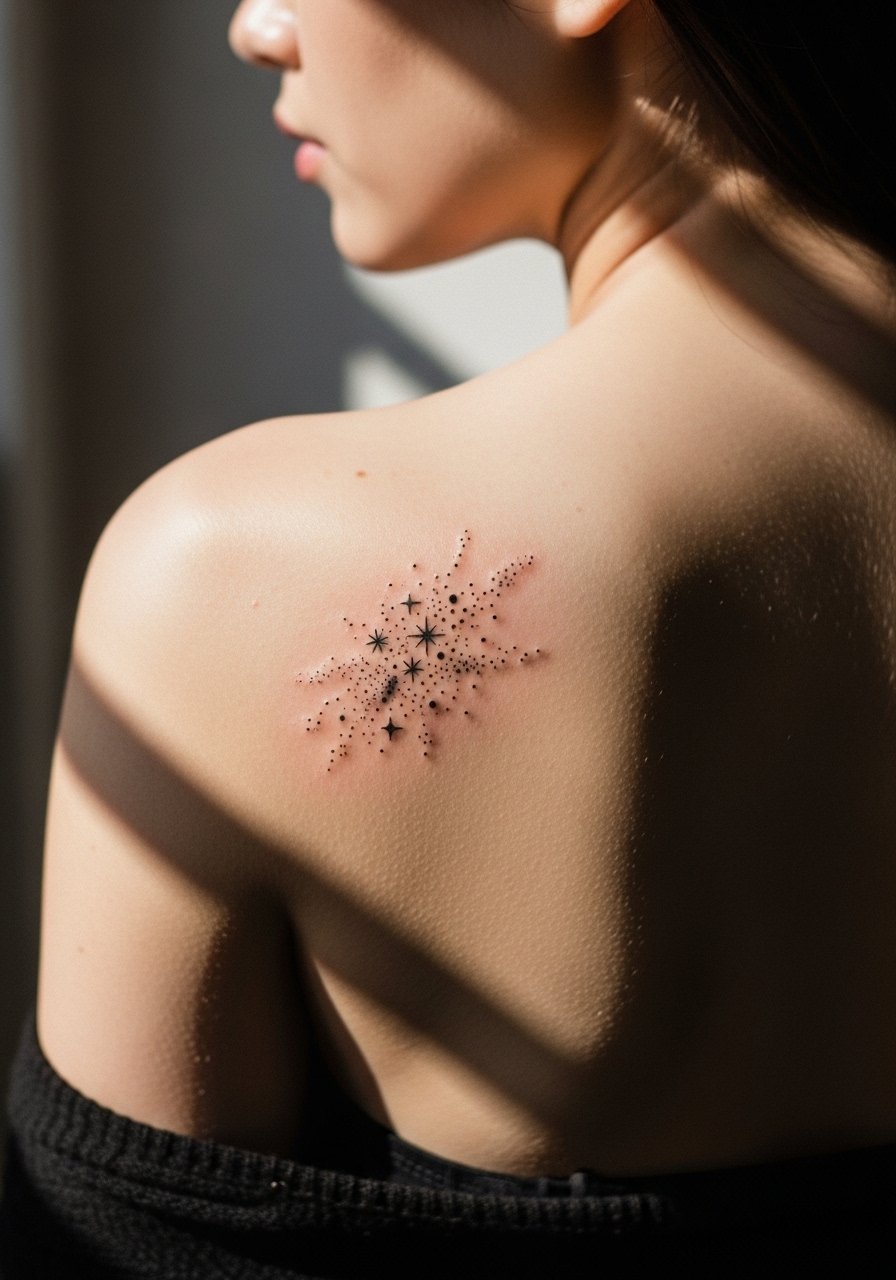
8. Star cluster across the shoulder blade
Stars play nicely along curves and hide well under clothing, which appeals to people who need discretion. For a cluster that stays crisp, request dot work with varied sizes rather than identical dots. Ask the artist to space dots to limit blowout risk on softer tissue. Session time depends on scale but a small cluster takes about 30 to 50 minutes. A frequent mistake is packing stars so tightly they merge after healing. At two years you should still notice the composition, though individual dots may soften. Shoulder blades age favorably for minimal cosmic work.
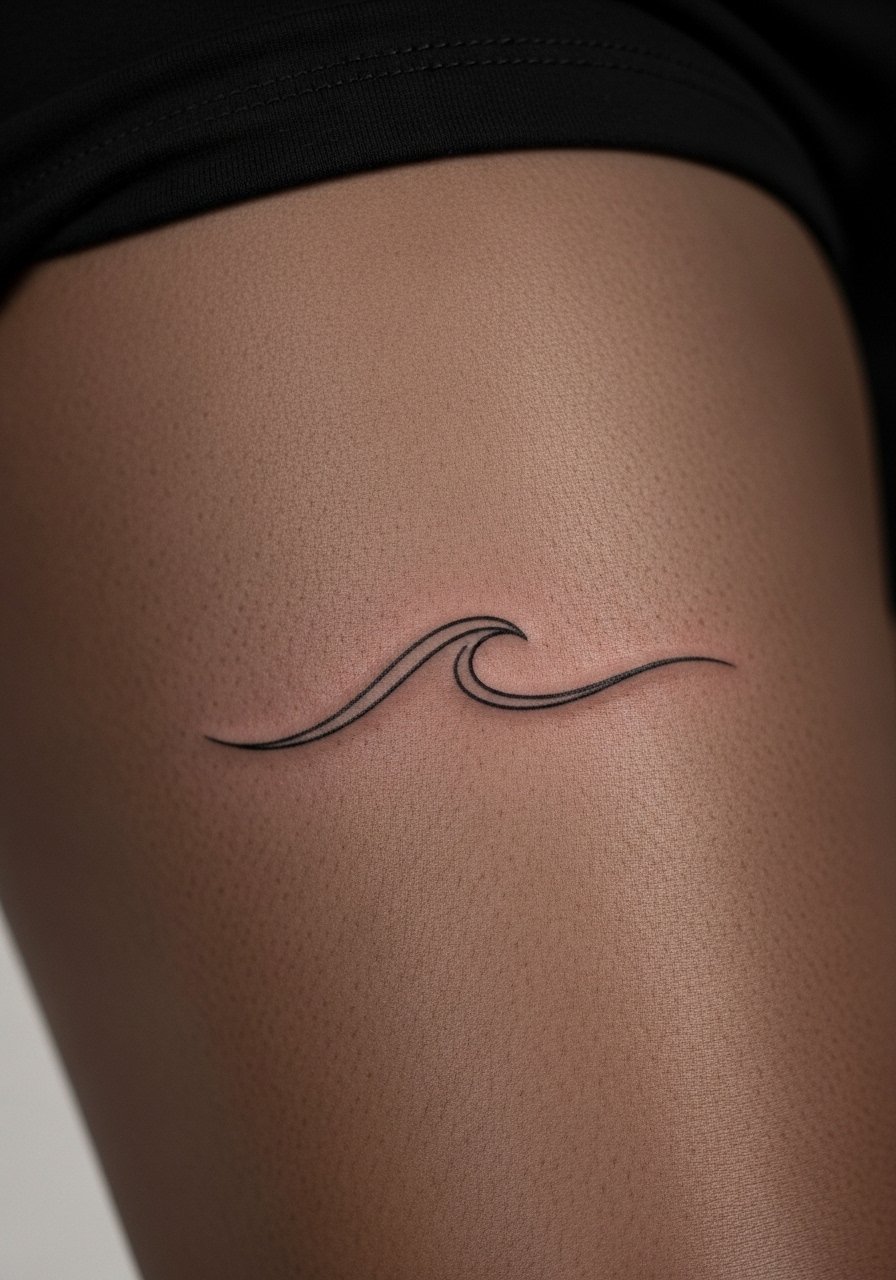
9. Single wave line on the thigh
Thighs are forgiving for linear shapes because the flesh offers stable canvas and less exposure to friction. For a wave line that keeps its flow, tell the artist you want a single continuous line with a modest width so it ages without blurring. This placement pairs well with subtle whip shading if you want texture. Pain is lower than ribs and healing is straightforward. People often ask for ultra-thin lines that vanish when clothing rubs, so avoid making the wave too narrow. Expect a touch-up at two to four years depending on weight changes and sun exposure.
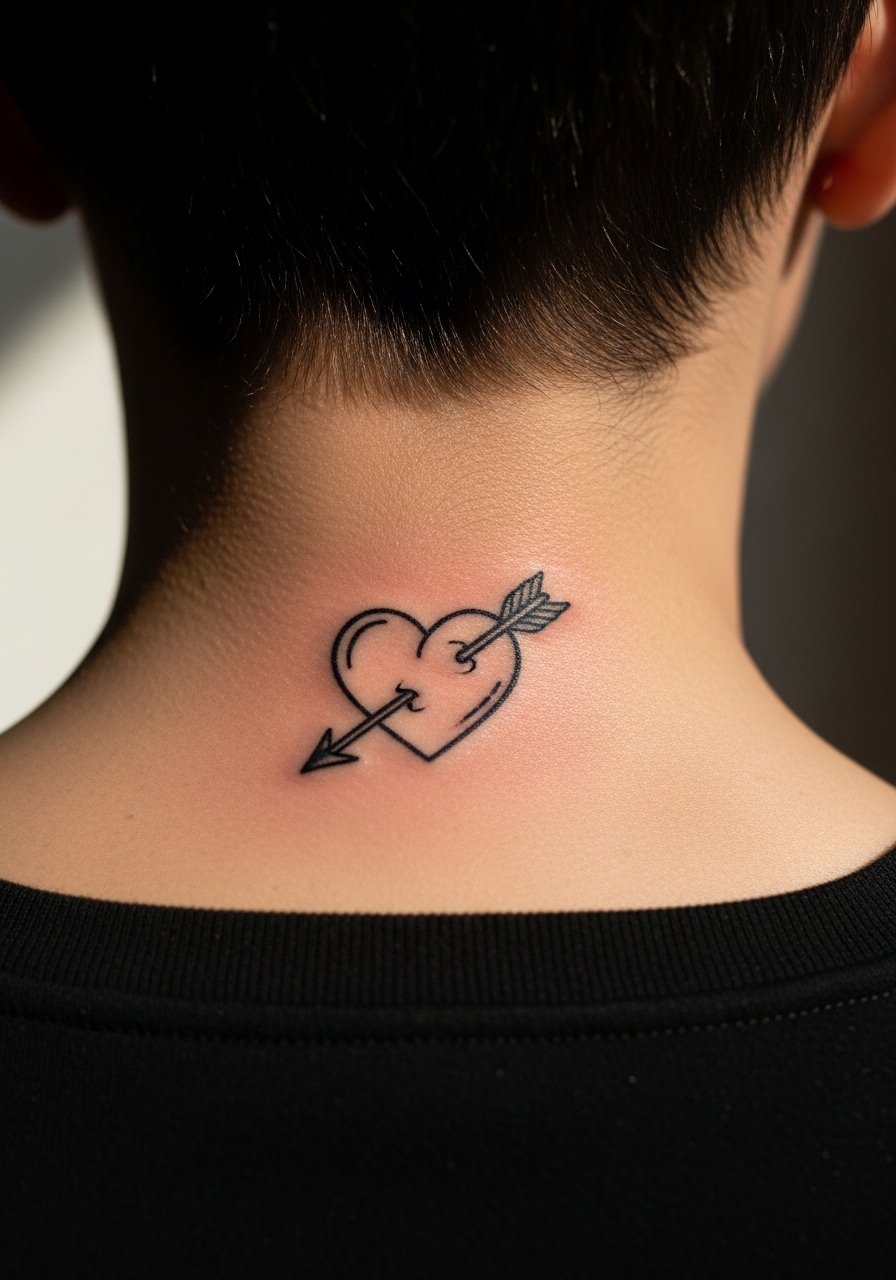
10. Heart with arrow on the nape
The back of the neck reads easily when hair is up and hides when it is down, which makes it a flexible choice. Ask for a compact arrow with a clean negative space heart so the silhouette remains clear as it softens. Nape skin can be tender, so sessions are brief but sharp. If your workplace limits visible tattoos, this placement offers concealment without sacrificing placement. A common mistake is asking for tiny internal arrow details that blur. Expect the outline to sit well for a few years, and consider a light touch-up when line edges soften.
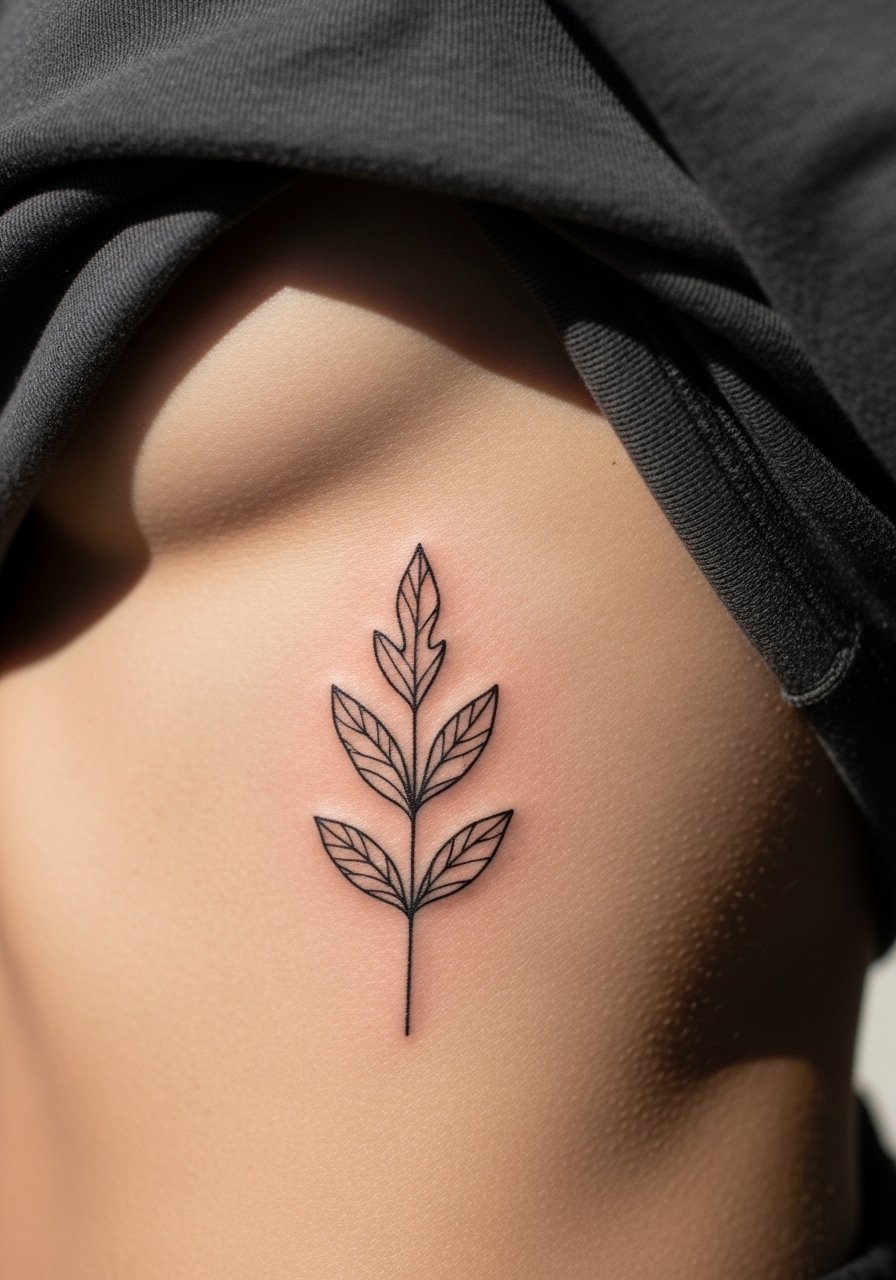
11. Single needle leaf on the rib
Leaf motifs map well to rib curves and read like a natural extension of the body. Artists split over fine needlework on ribs, so name both camps in your consultation. One side says single-needle detail blurs with breathing and movement. The other side says correct needle depth and spacing keep the leaf crisp. If you choose this, ask for slightly simplified vein work and a modest overall size. The rib is painful and sessions may need breaks. Expect the leaf to soften in the first year and to plan a touch-up if any stems fade.
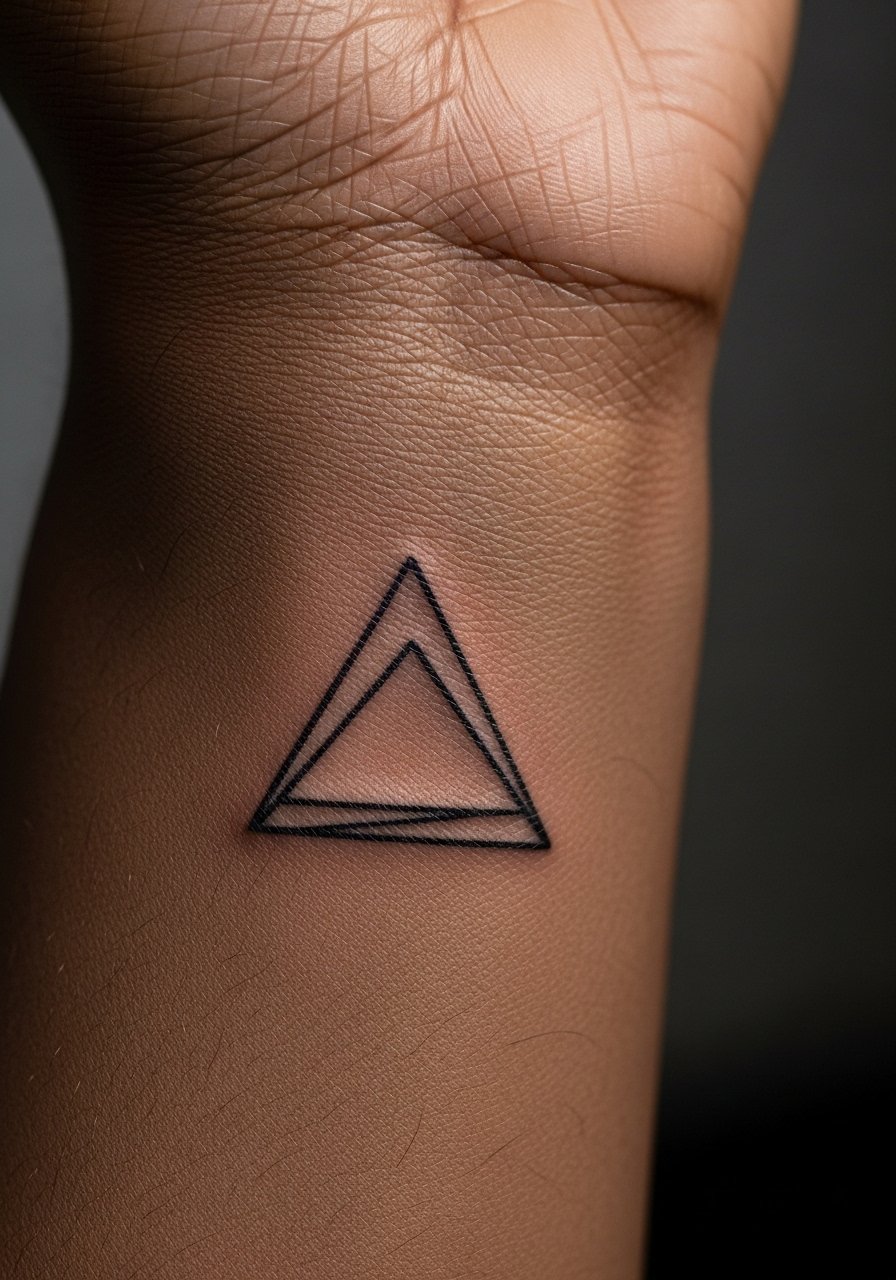
12. Geometric triangle on the wrist
Geometric marks stack well on the inner wrist when you leave breathing room around each edge. Tell the artist you want 2 mm minimum line weight for durability and slightly rounded corners to prevent early spread. Wrist skin moves often so spacing is key to avoid adjacent pieces merging. Sessions are short and pain is manageable. The most common mistake is choosing an ultra-fine triangle that disappears after a few washes. At two years the triangle should still be visible if spacing and line weight were prioritized.
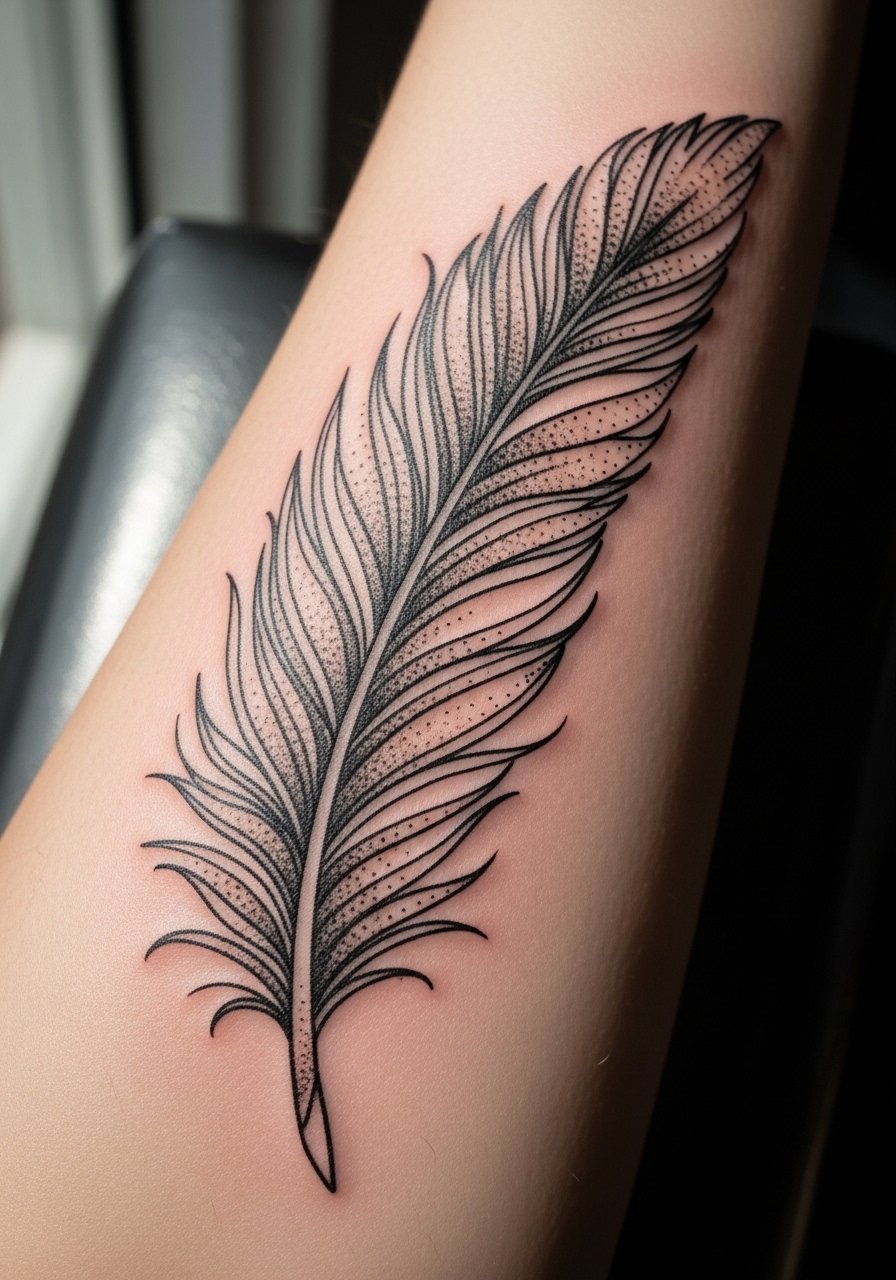
13. Feather outline on the forearm
A feather works with forearm contours and shows off linework length. Ask for a mix of fine lines and light stipple shading to create texture without dense saturation. Forearm placements recover quickly and handle touch-ups easily. The typical error is packing too many internal hairlines into a narrow shaft, which invites blurring. At six months the feather reads well, and at three to five years you may consider a refresh where tips soften. Mention your sun exposure habits so the artist can advise on placement to minimize UV fade.
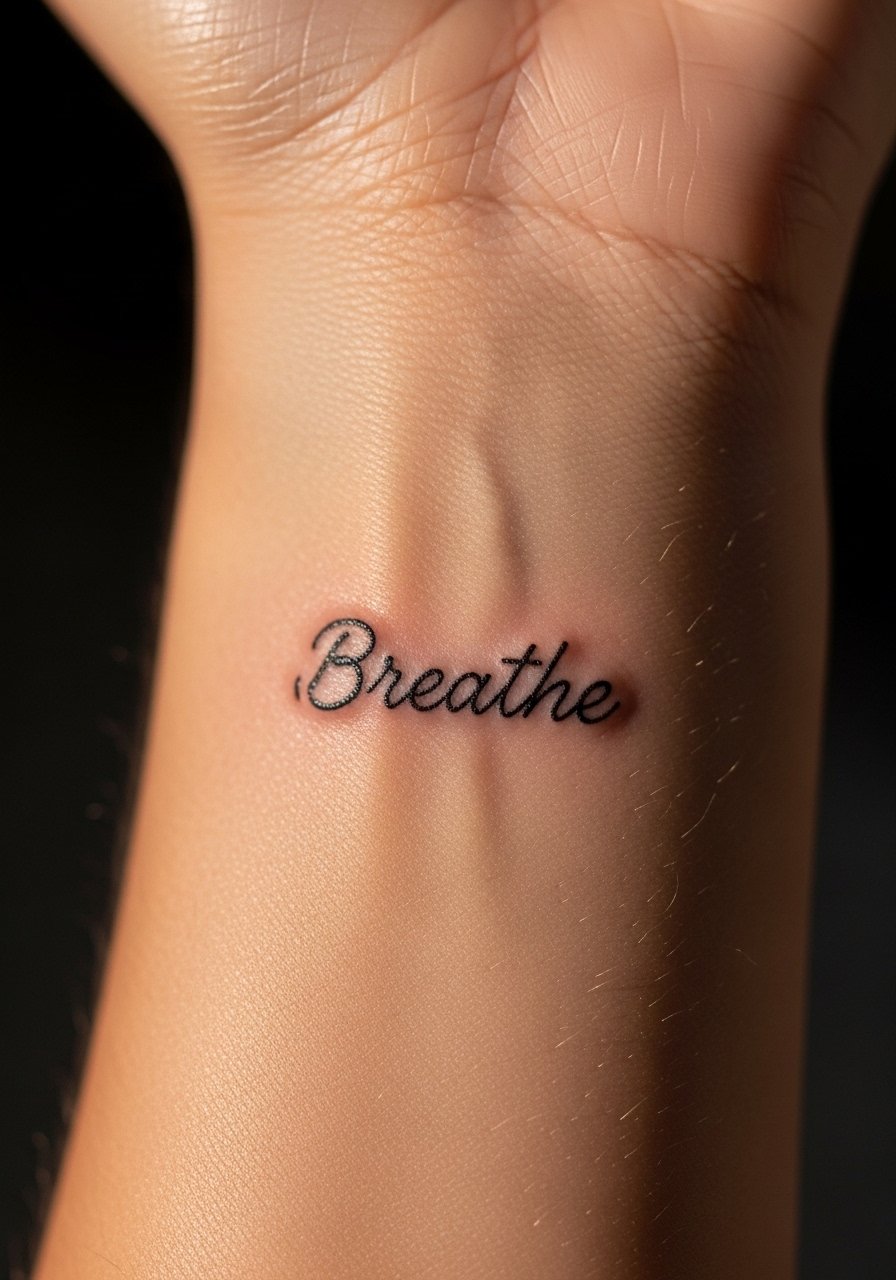
14. Micro-script "Breathe" on the inner wrist
Short script on the inner wrist reads intimate but can fade faster than on firmer sites. Specify the exact word "Breathe" in consultation and request a slightly bolder single-line cursive so letters do not collapse into each other. Sessions are quick and tenderness is mild. The usual mistake is picking an ornamental script too tight for that canvas. At two years the word may show soft edges, and a small touch-up restores definition. If this piece has personal meaning for you, bring the exact letter spacing you prefer to the appointment.
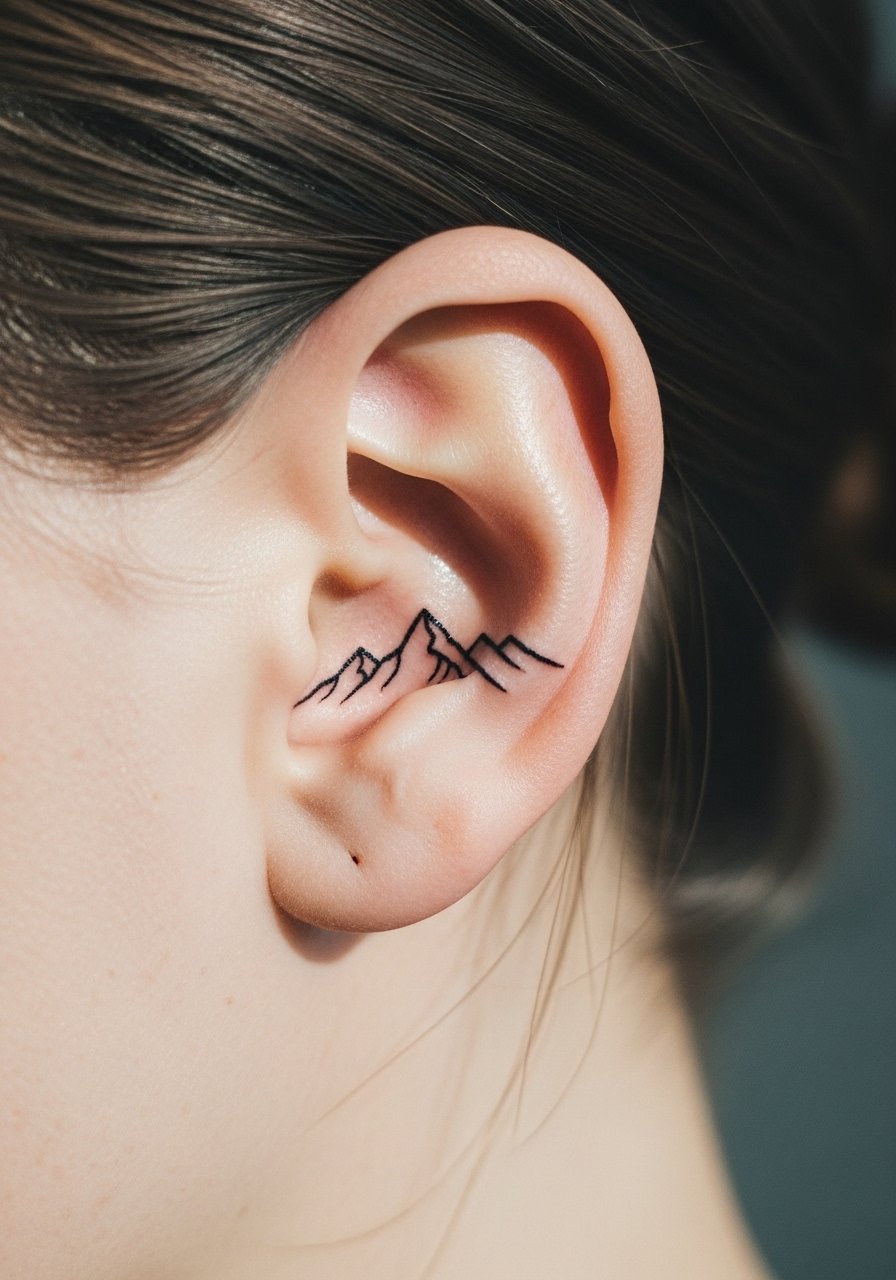
15. Minimal mountain range behind the ear
Behind-ear placements require a steady hand and a discreet artist who has experience with small contours. Ask for a compact silhouette with modest peaks so the linework does not blur into a smudge as hair grows back. Sessions are short but require precision, and you should expect sharper soreness because the area has thin tissue. The common error is pushing scale too small. This spot works well if you want a hidden nod to adventure that stays mostly out of sight for professional settings.
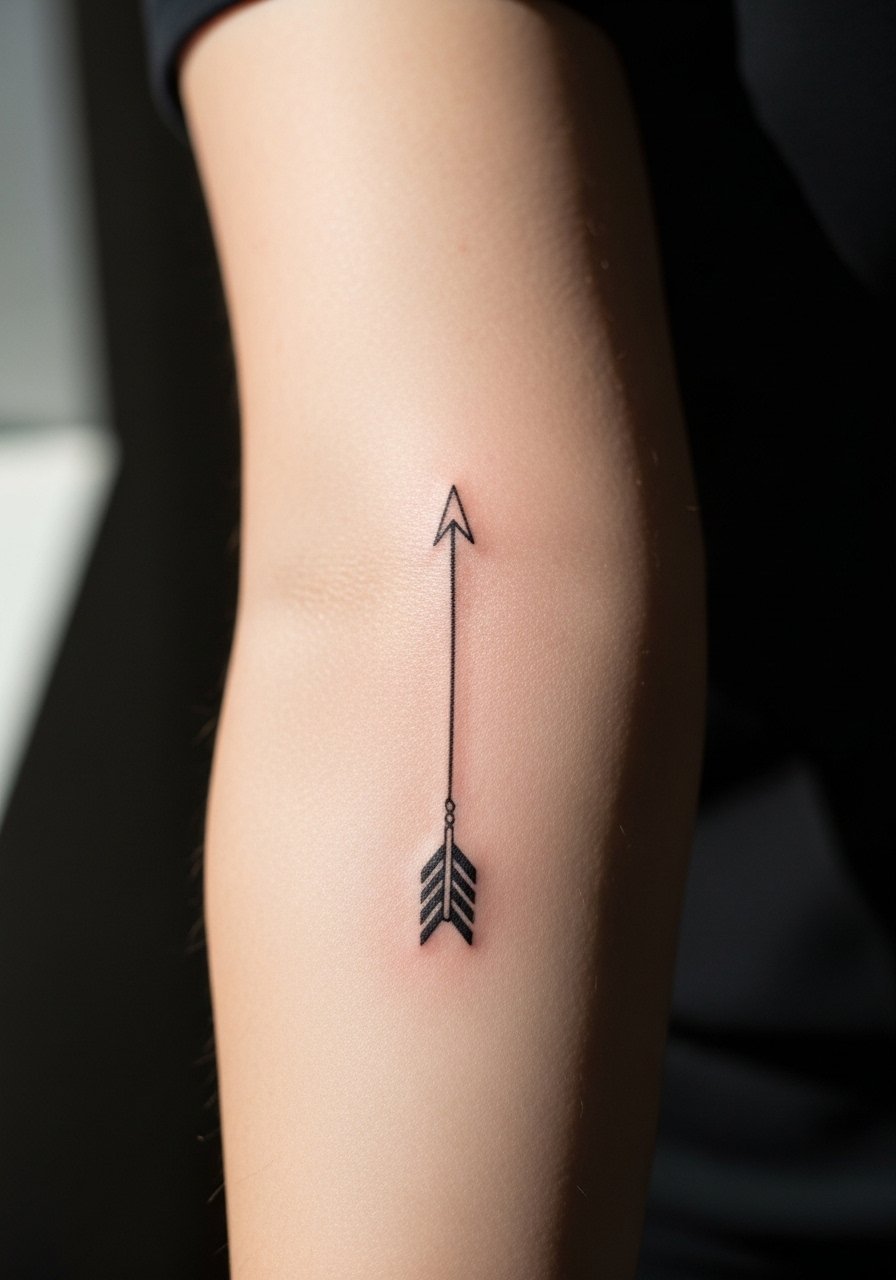
16. Arrow on the inner forearm
There is a clear visual impact when an arrow follows forearm length, and this placement handles linework well for years. Tell your artist you want a negative-space shaft and slightly thicker fletching bands to prevent early softening. The inner forearm is one of the least painful sites and sessions are usually under an hour. People often ask for ultra-thin shafts that later thicken visually, so avoid that. At three years the arrow’s silhouette should still read as long as spacing and contrast were prioritized in the stencil.
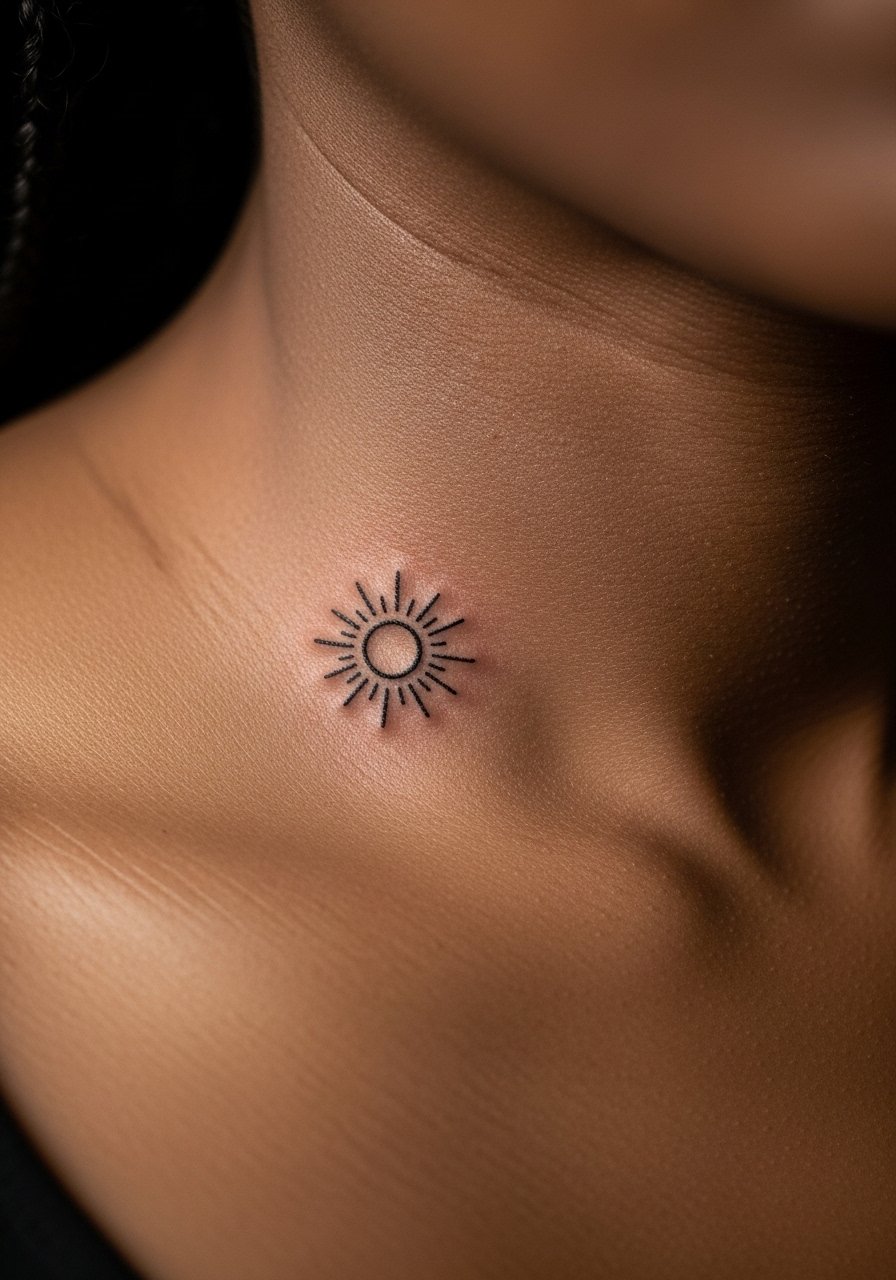
17. Tiny sun near the clavicle
A small sun badge near the clavicle reads bright without heavy saturation, and it suits both covered and revealed looks. Ask for a solid center with minimal ray lines so the form ages instead of dissolving. This spot can be tender and is exposed to sun, so plan to protect it with clothing or sunscreen. The common mistake is overcomplicating the rays, which causes early softening. At two years the form holds if you keep UV exposure low and consider a light touch-up as contrast softens.
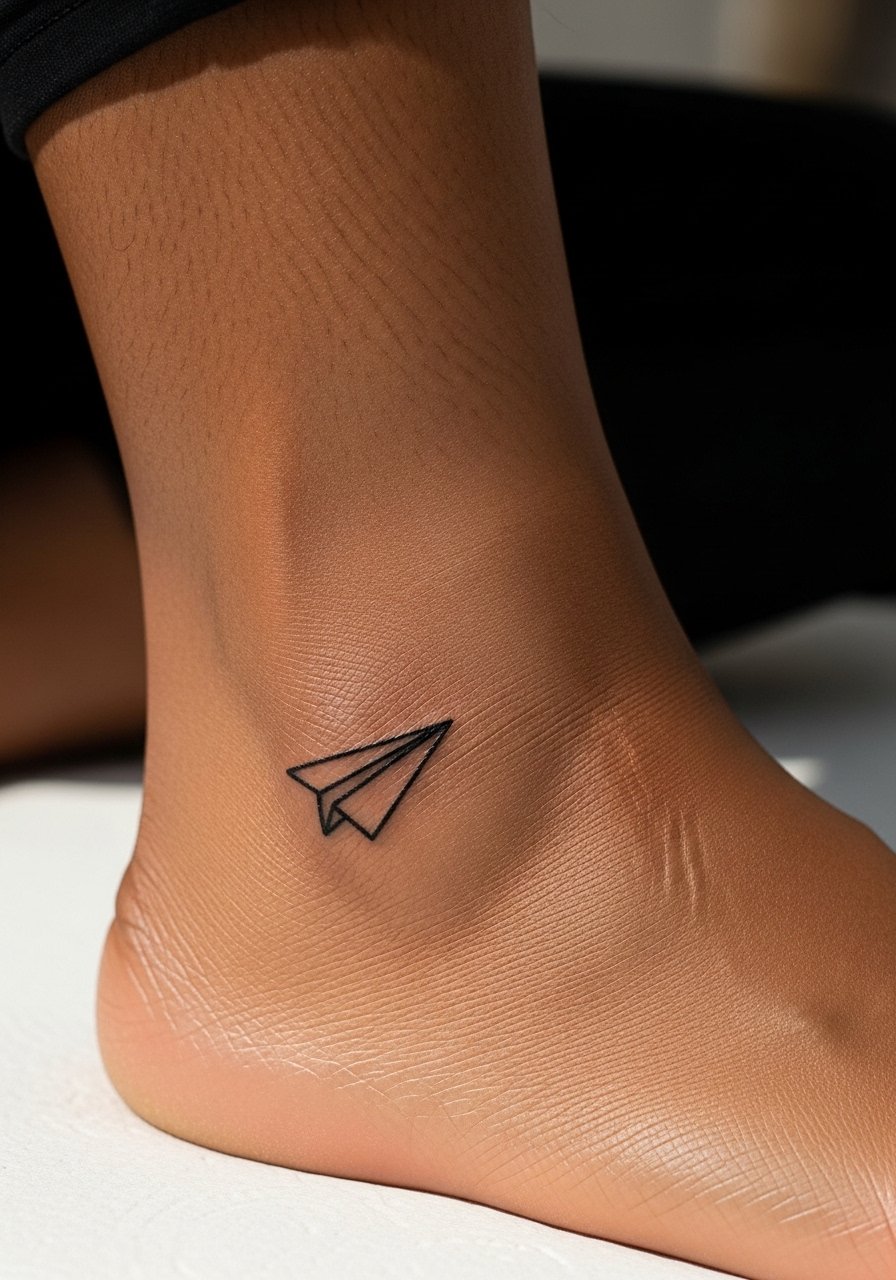
18. Paper plane on the ankle
Paper plane tattoos are playful and small, and the ankle absorbs silhouettes well if you allow room around the wings. Tell the artist you want clean negative space under the wings and a slightly rounded nose so edges stay readable. The ankle can be sore near bone, but the session is brief. A tiny mistake of too-fine wing tips often leads to early blurring. Expect a light touch-up after a couple of years if you wear low shoes that rub the area regularly.
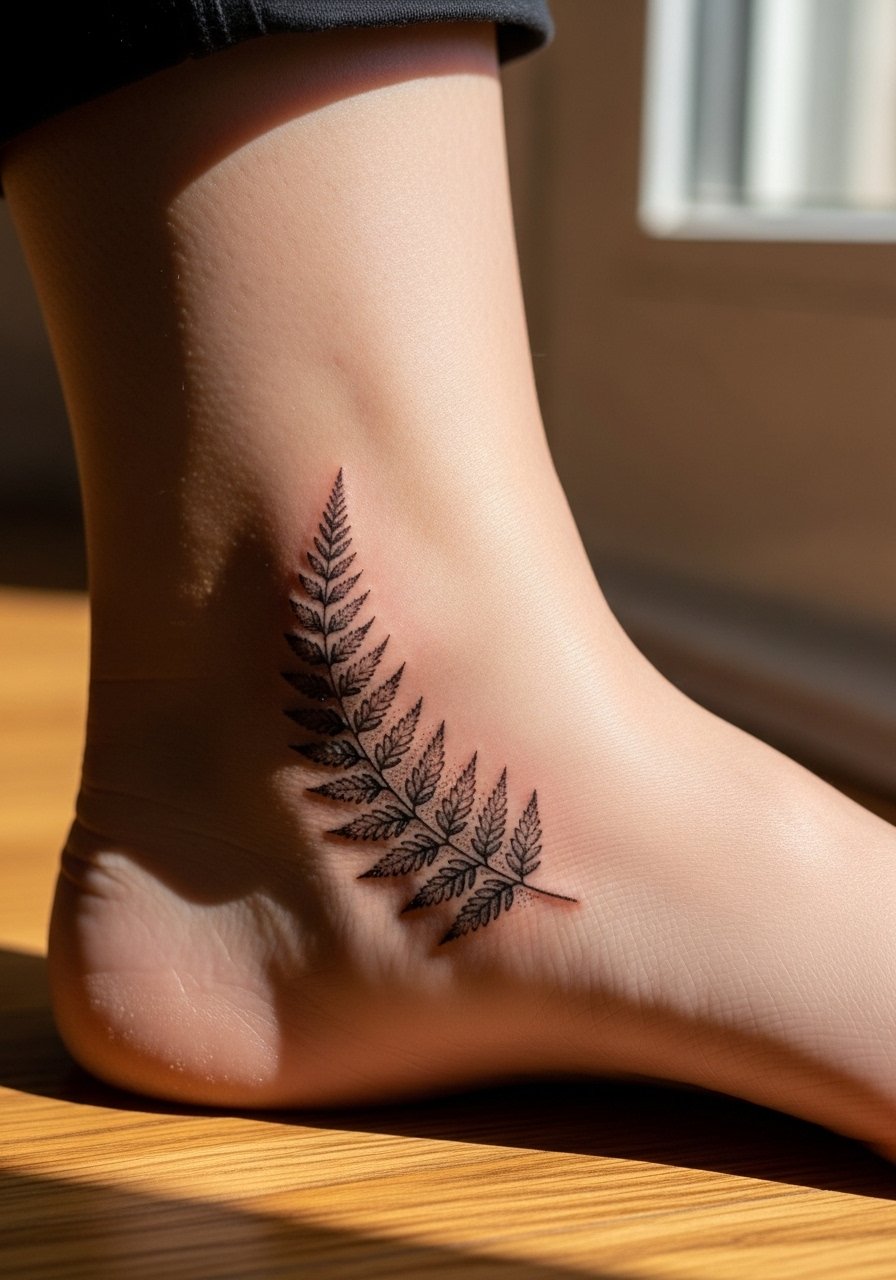
19. Minimal fern on the ankle
A fern follows the ankle’s natural vertical, and it benefits from stipple shading to suggest texture without dense saturation. Ask for a leaf spacing plan so fronds do not merge as the piece heals. Ankle movement and footwear can rub small fronds, so position the stem where fabric contact is minimal. Sessions are moderate in length and the healing feels like light abrasion. The common misstep is cramming too many fronds in a small height. A touch-up at two to three years keeps the spacing crisp.
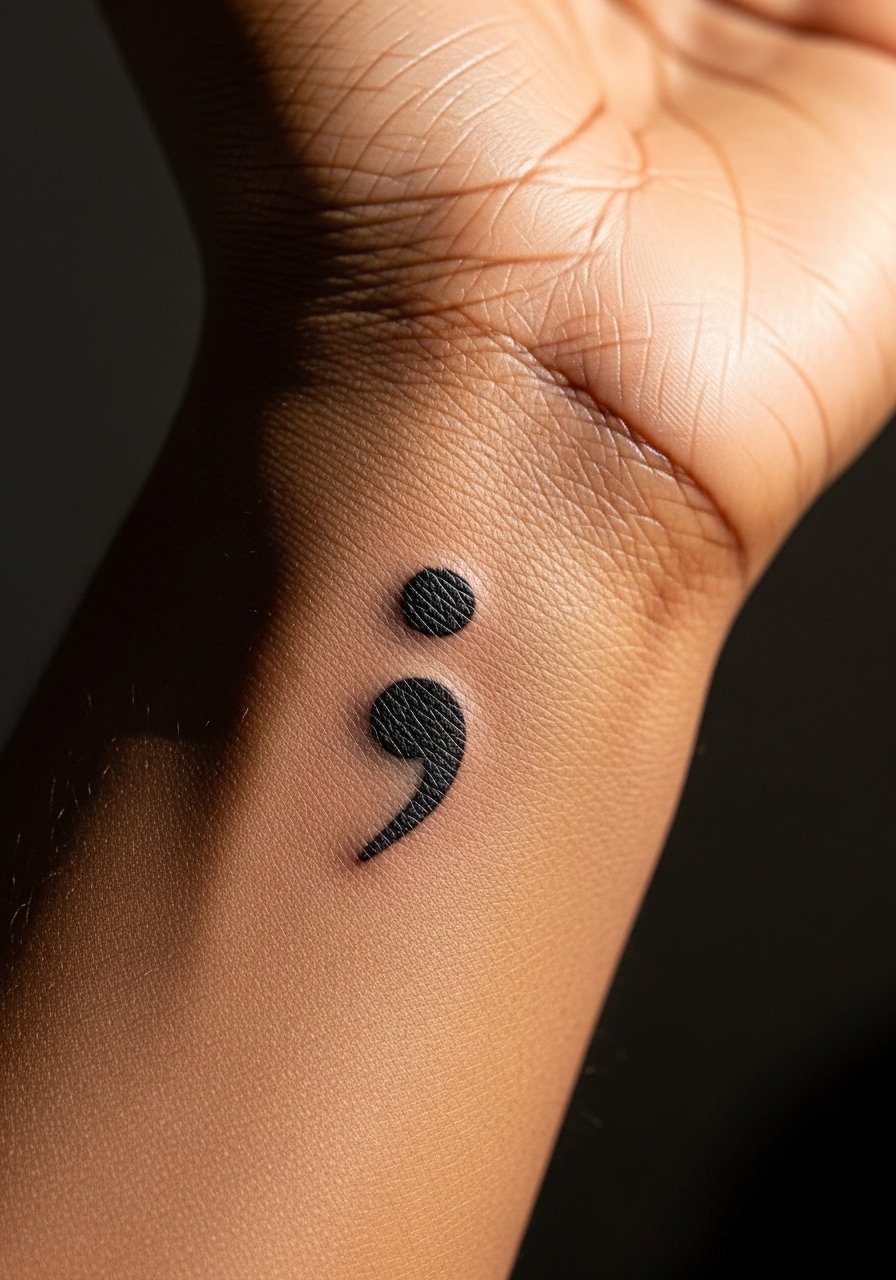
20. Semicolon on the inner wrist
The semicolon symbol carries community significance for many people, so approach it with intention. If you want the small mark to last, request a clean, slightly bolded semicolon rather than a hairline dot. Inner wrist skin shifts and washes often, so expect gradual softening and a possible touch-up at year two. The biggest mistake is undersizing the mark so that it fades into a faint speck. If the symbol matters to you, discuss placement and exact scale with your artist so it reads clearly at a glance.
Tattoo Prep and Aftercare Essentials
Below are tried items to keep on hand before and after a minimalist session. The selection leans on lesser-known practical choices and one mainstream ointment for reference. Replace a product if your artist gives different instructions.
Fragrance-free gentle foaming cleanser. Use this during the first week for twice-daily gentle washing without stripping skin oils.
Lightweight fragrance-free balm. Apply a thin layer as your artist recommends to avoid clogged pores and excess moisture.
Medical-grade second skin bandage, small sheets. Good for large or friction-prone placements during the first 24 to 48 hours.
Fragrance-free moisturizing lotion. For long-term hydration after the initial healing phase, choose a non-irritating formula.
Silicone scar sheet, small pack. Useful months after healing to even out raised areas or smoothing edges after a touch-up.
Portable cold pack. Apply before and immediately after a session to reduce swelling and discomfort.
Aquaphor Healing Ointment. A common occlusive option for short-term use, note that some artists prefer lighter balms.
Mineral SPF 50 sunscreen stick. Apply once healed to protect linework from UV fade.
Every tattoo is different. Always follow your artist's specific aftercare instructions. Consult a dermatologist if you have skin concerns or unusual healing issues.
Frequently Asked Questions
Q: Will fine line tattoos on fingers fade faster than the same design on my ankle?
A: Yes, fingers are a high-use zone and see frequent washing and friction. For the same design you can expect much faster softening on fingers, and a thicker outline or moving the design to an ankle or side of the finger will improve longevity.
Q: Are ribs much more painful than forearms for a single-line botanical?
A: Ribs generally score higher on pain scales because the needle passes close to bone and the tissue is thin. Forearms give a more forgiving canvas and a milder session, so choose ribs only if you are prepared for stronger discomfort and possible breaks during the appointment.
Q: How often will a minimalist moon phases arc need a touch-up?
A: It depends on line weight and sun exposure, but expect a touch-up anywhere from two to four years for forearm placements. If the artist used dot work and slightly larger spacing, you can push that window longer.
Q: Does using a numbing cream affect how an artist works on a delicate collarbone butterfly?
A: Artists vary in their stance. Some welcome numbing for nervous clients, while others say it reduces immediate feedback that helps with spacing and depth. Discuss it ahead of time so you both agree on how to proceed.
Q: Will a spine roman numeral move or distort with weight changes?
A: It can, especially if you expect significant body changes. The upper spine sits on firmer tissue than lower torso, but any large shifts in weight or pregnancy can alter vertical script. If you anticipate changes, choose a placement with less stretch or accept possible touch-ups later.
Q: Are there simple ways to find reliable artists for minimalist work in my city?
A: Search hashtags like #MinimalistTattoo and #FineLineTattoo on social platforms and check guest spot calendars on studio sites. Booking apps that list local small-studio flash days also help you find artists who specialize in clean linework without guessing from a single post.