A clean matching tattoo can read like a private code for two people, wearable in coffee shops and family photos alike. Pick designs that still look intentional when they stand alone, and you avoid the trap of over-obvious couple ink. Below are designs chosen to balance readability, session comfort, and long-term wear so the pair still looks good whether the tattoos sit side by side or miles apart.
1. Sun and Moon Pair on Forearms
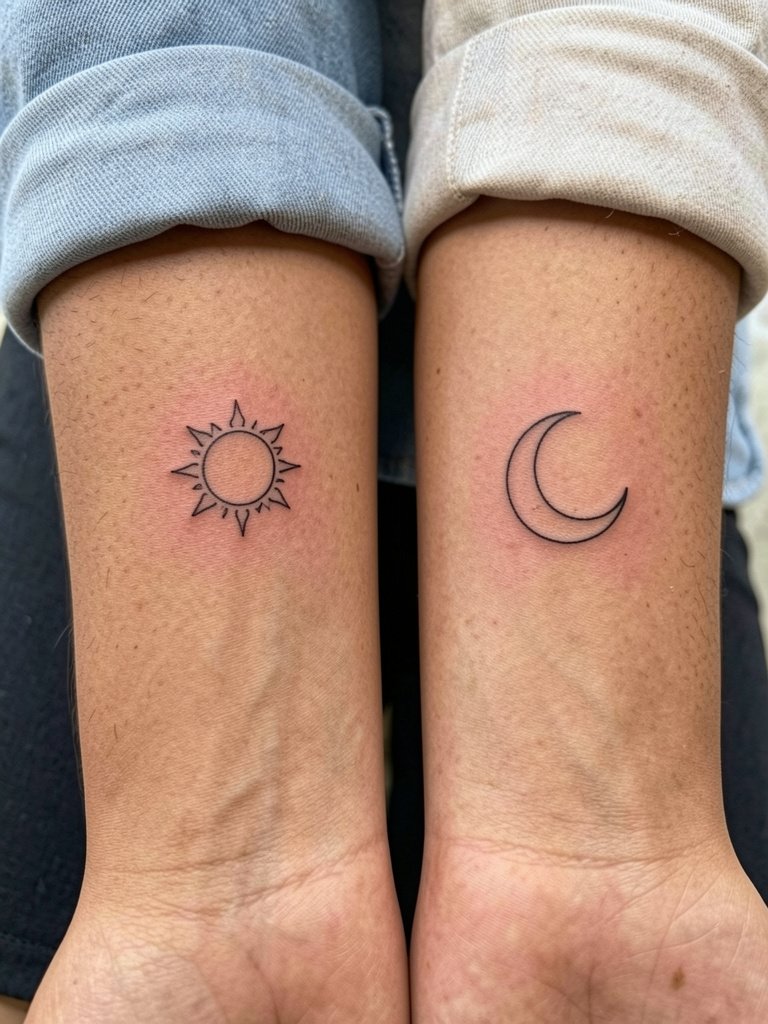
Start with a clear distinction, not a mirror copy. A thin-lined sun holds up well on the inner forearm when the rays have a touch of negative space, and the crescent moon benefits from slightly heavier contour so it reads at a distance. Expect a 45 to 75 minute session per piece for small sizes, and mild to moderate wrist-to-forearm sensitivity. A common mistake is requesting ultra-fine rays that blur into each other after a year. During consultation bring two reference sizes so the artist can show how the sun and moon read at three inches and five inches. For showing it off, pair the forearm with a linen button-down that you can roll to the elbow during warm days.
2. Two Halves of a Heart on Wrists
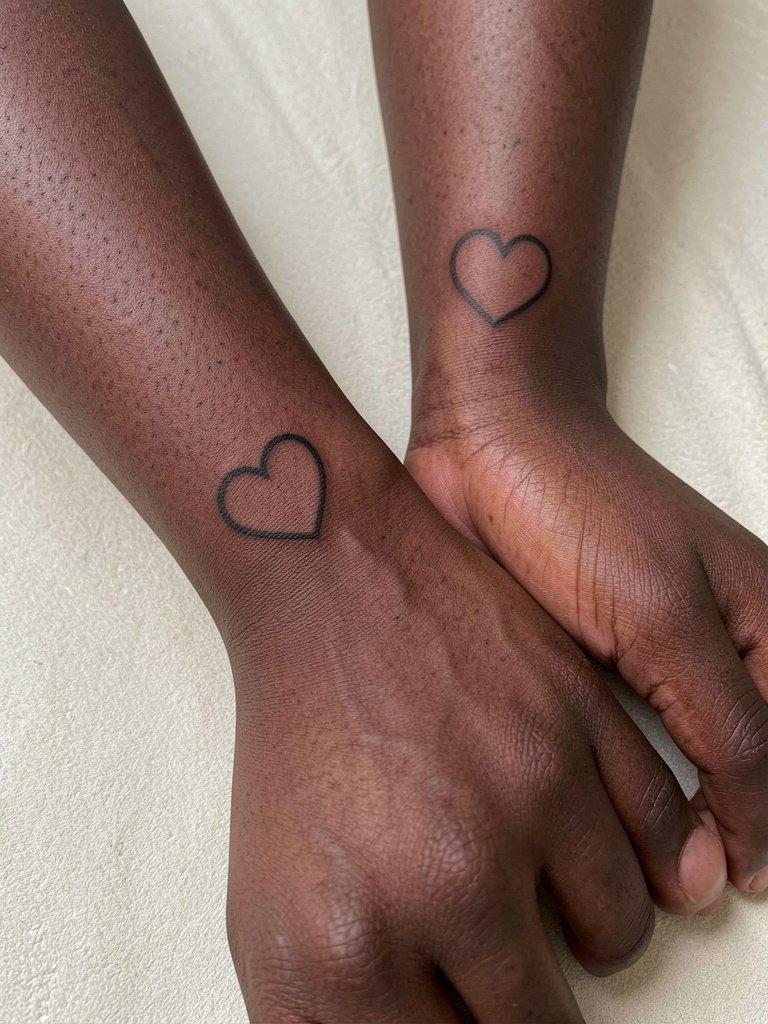
Wrist halves read as a single image when palms touch, and they work best as simple outlines with a little breathing room from the wrist crease. The wrist will need light touch-ups over five years if the lines are paper-thin. A typical session is 20 to 40 minutes with a stinging feeling for most people. The biggest error is placing the halves too close to the wrist crease where natural motion smudges the edges. If you want to frame them, wear a slim cuff bracelet on the opposite wrist and consider a thin chain bracelet for balance when showing the design.
3. Half Avocado Pair on Upper Arms
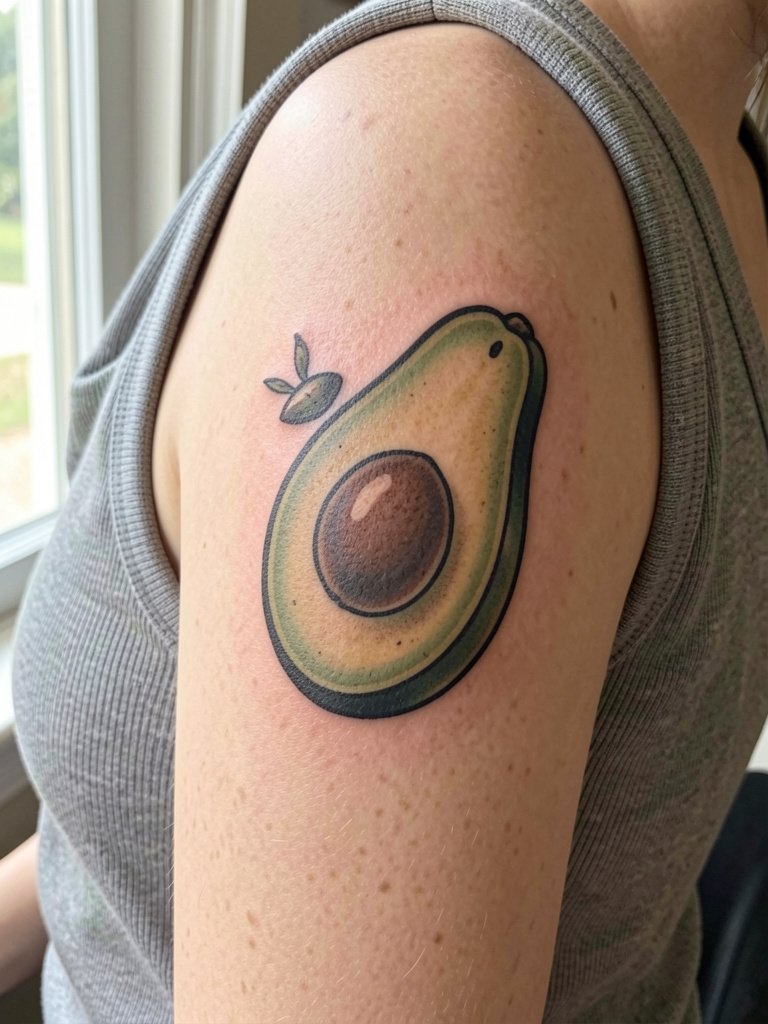
Playful and readable, avocado halves are forgiving when one partner prefers color and the other wants blackwork. Ask for matched linework thickness and then choose to fill one half with flat muted greens while keeping the other as black and gray. Expect a 45 to 90 minute session depending on color. A common regret is picking neon greens that fade unevenly. If you plan to show them off, sleeveless tops or a muscle tank top display the outer upper arm cleanly. For session wear pick a loose tank so the artist can reach the area without tugging fabric.
4. Coordinates in Fine Script on Collarbone
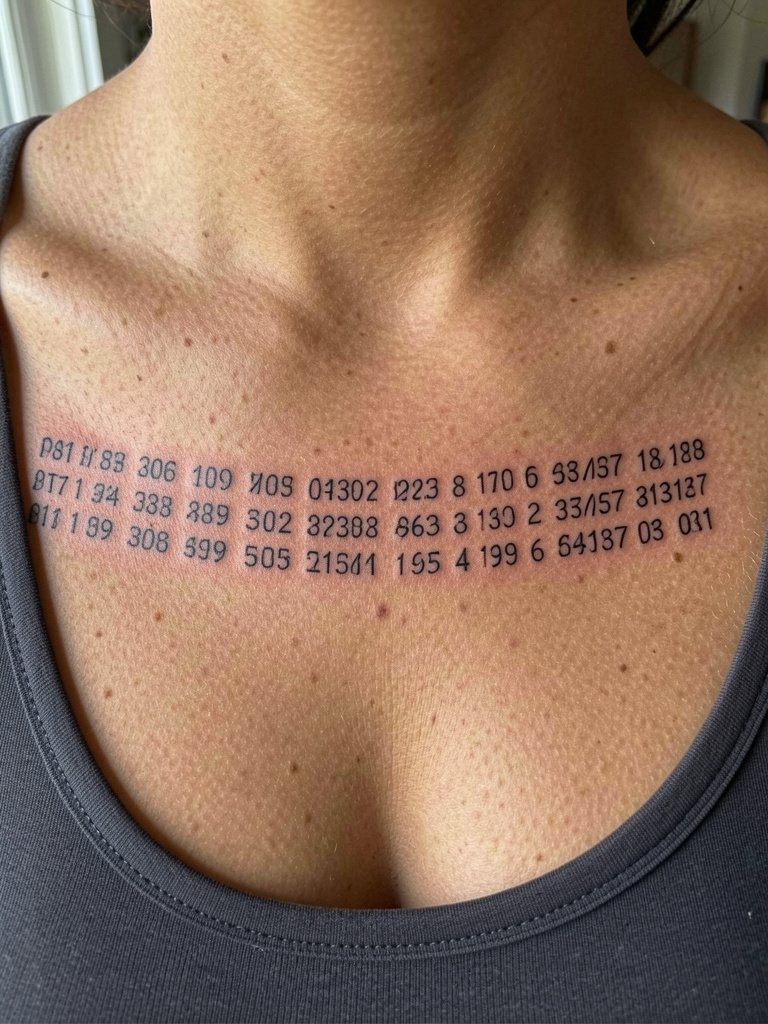
Coordinates are discreet and age well because they read like typography, not emotion. Choose a clean monospace or delicate serif at a slightly larger point size so the numbers remain legible after a few years. The sternum-collarbone area is tingly but not extreme on the pain chart. A typical consult needs the exact numerals you want engraved in the stencil for accuracy. Avoid ultra-tiny type, which will blur into a line over time. Off-shoulder tops and layered delicate necklaces complement collarbone placement, and a simple layered dainty necklace helps frame the ink when you reveal it.
5. Matching Quotes Split Across Two Ribs
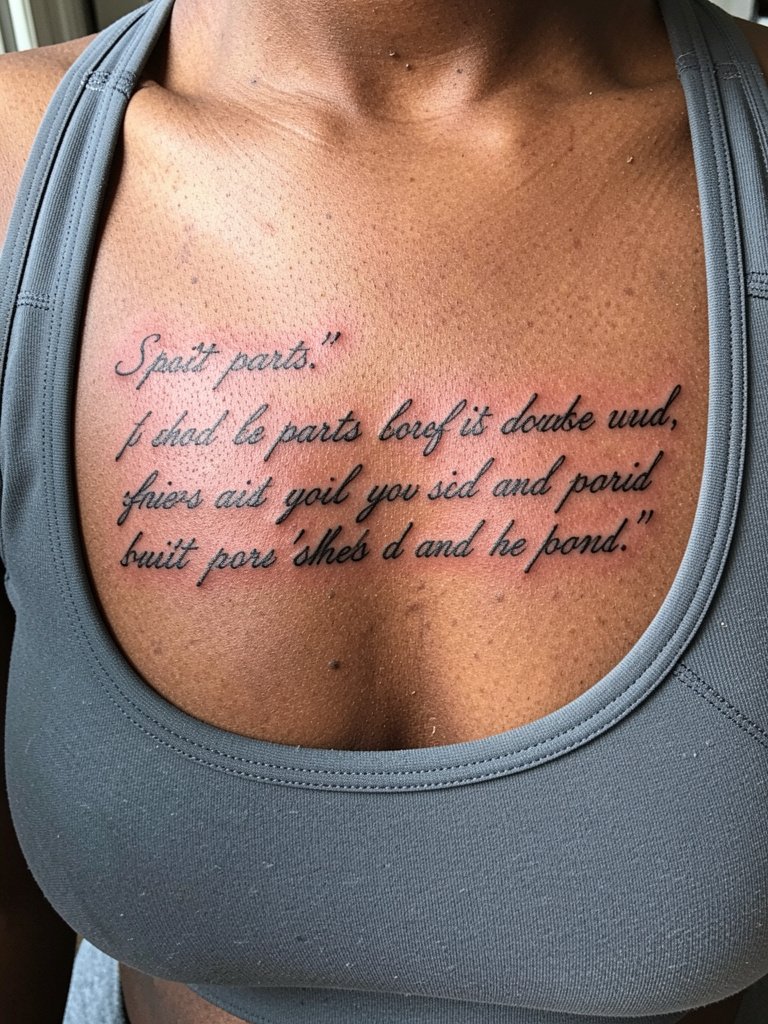
A split quote that only makes sense when you stand together is intimate and private. Ribs are high on the pain scale and sessions may be broken into short passes. The key technical ask is spacing the words so the two halves still read if one side needs a touch-up later. Many people pick ornate script that becomes unreadable at six months. Instead ask for slightly wider letter spacing and a bold enough stroke to survive stretching. Wear a soft bralette and a loose button-up on session day for easy access. Because ribs bruise, expect tenderness for a week and consider loose tops for showers.
6. Puzzle Pieces on Ankles
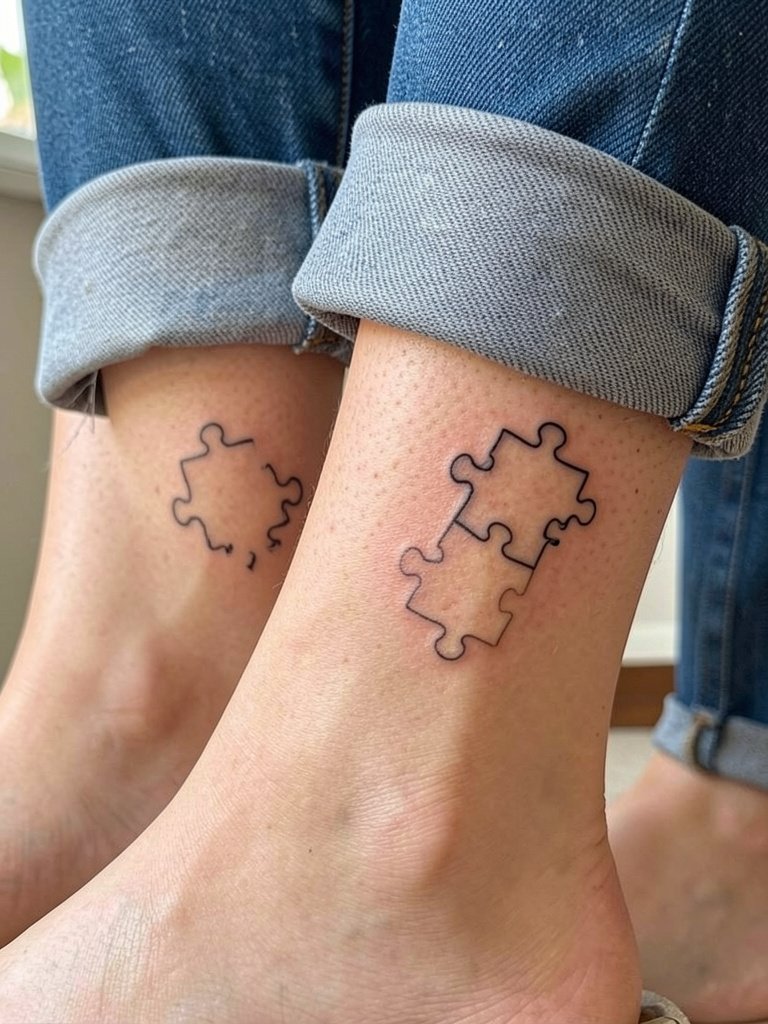
Ankle puzzle pieces are playful and functional for couples who want something low-key. The ankle faces consistent friction from socks and shoes so solid outlines beat intricate filigree. Session time per side runs 20 to 40 minutes and expect some sharp sting. A typical mistake is making the connection tabs too narrow, which fills in as the ink settles. For summer reveal wear cropped straight jeans and slip-on sneakers, and consider a cropped straight jeans style for photos.
Pre-Session Picks
The wrist and forearm pieces above face different first-week issues than larger torso work, so these items smooth the appointment and the initial healing.
-
Stencil transfer paper kit. Lets you preview the exact line placement on skin before the needle starts, helpful for the coordinates and split-quote pieces above.
-
Topical numbing cream. Applied 30 to 45 minutes before the session for the wrists and ribs takes the edge off without changing how the ink settles.
-
Thin protective film roll. Keeps ankle and finger tattoos clean during the first days of friction from shoes and hand washing.
-
Fragrance-free gentle body wash. Cleans the area during showers without irritating fresh linework.
-
Aquaphor healing ointment. Thin application for the initial days locks in moisture for fine-line pieces without clogging channels.
7. Lock and Key on Inner Arms
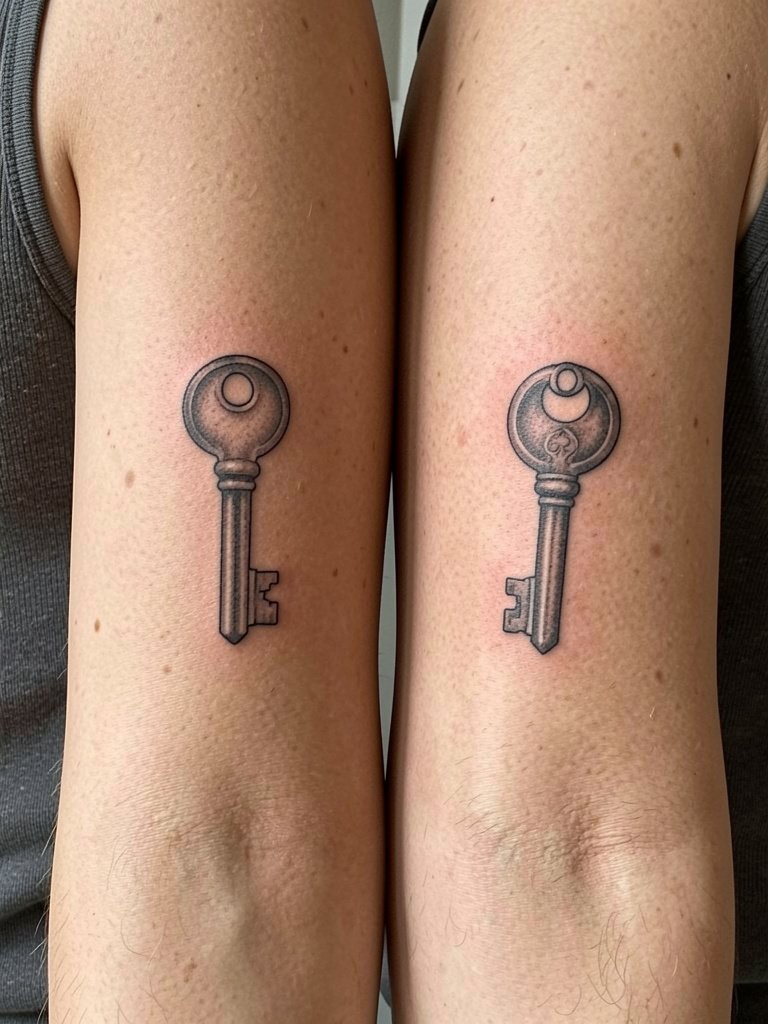
Lock and key pairs give a clear complementary narrative while letting each design breathe on its own. Inner upper arm skin eats very fine detail less predictably than forearm skin, so request moderate line weight and slightly wider negative space in the lock's internals. Sessions are 45 to 90 minutes depending on shading. A common error is asking for ornate filigree too small for the placement. During consultation show the artist simplified lock examples and ask them to map how shading will age. For revealing the work, sleeveless shirts or a muscle tank top keep the upper arms exposed without pulling fabric.
8. Small Infinity Symbols Behind the Ear
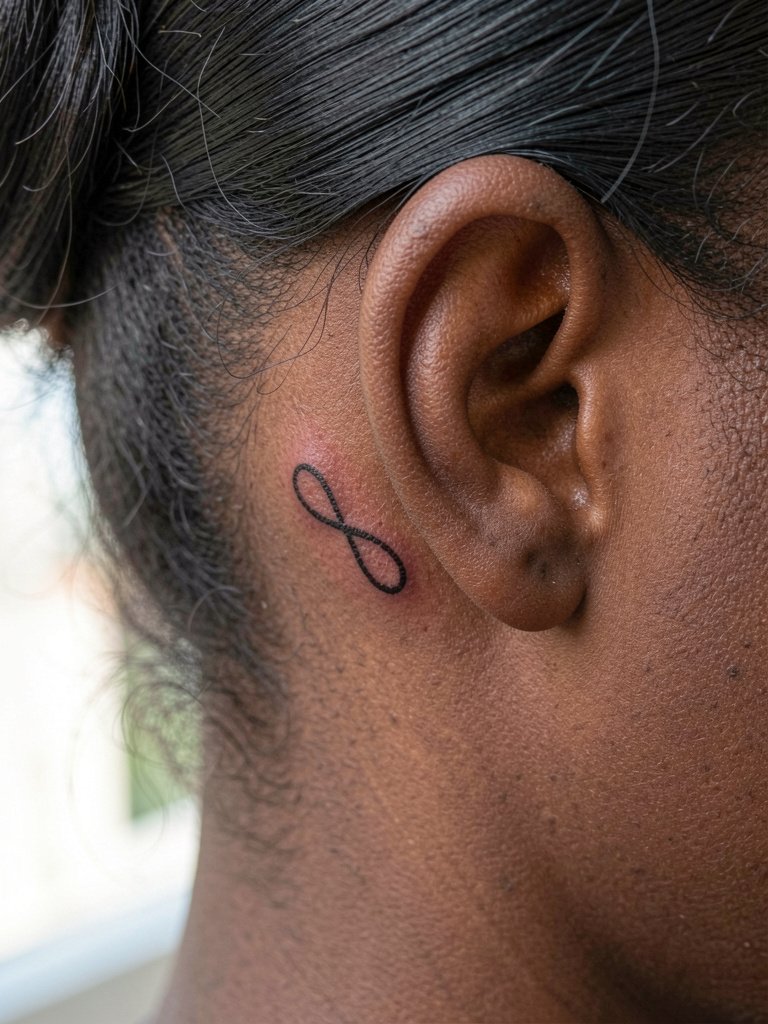
Behind-the-ear tattoos are subtle and age well when kept very small. The skin there takes ink a little differently so expect touch-ups at year two if the line is too thin. Sessions are quick and involve sharp but short sensations. The main mistake is choosing complex scripts in that tight spot. Keep the infinity minimal and plan a follow-up touch-up six to twelve months after the session. Wear hair up naturally for the appointment so the artist has clear access, and consider a small stud earring that draws attention when showing the ink.
9. Tiny Hearts on Ring Fingers
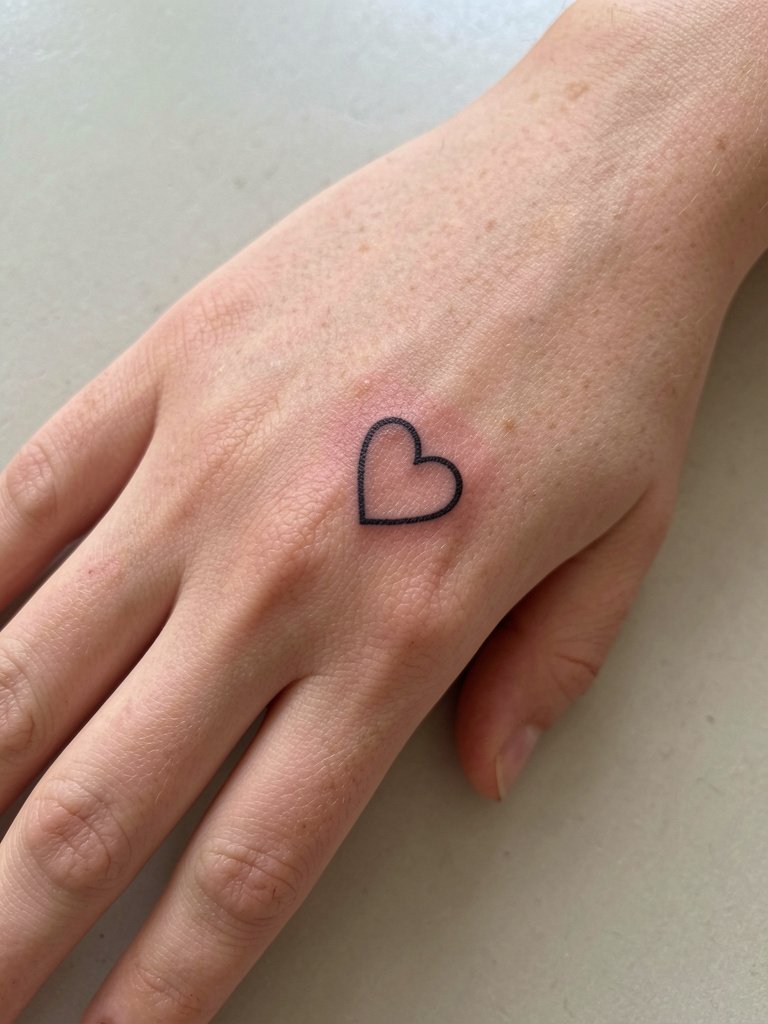
Finger placements are intimate and visible, but tiny ink there fades faster due to washing and friction. Ask the artist to slightly thicken the outline and expect touch-ups every 1 to 3 years. A frequent mistake is picking detailed shading which puddles on fingers. For session day leave rings at home and plan for light use of that hand for a few days. Pair the design with thin stacking rings when healed and consider a thin stacking rings set to coordinate with the tiny heart.
10. Complementary Mountain and Wave on Calves
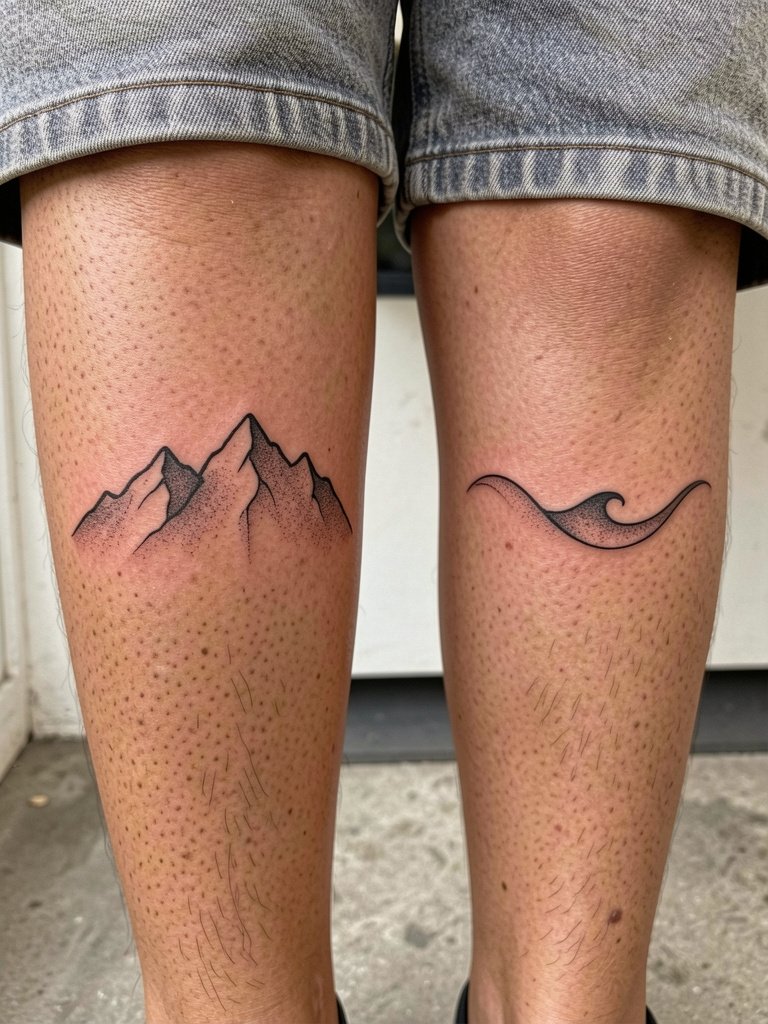
Calf placements allow slightly larger complementary scenes so the art holds detail over years. The visual impact comes from balanced negative space, so avoid packing the mountain with tiny peaks. Sessions generally run one to two hours per piece and the pain is moderate. Ask for rehearsal stencils at different sizes to see how the wave reads from across a room. For showing off, cropped shorts and slip-on sneakers work well, and a simple slip-on sneaker pairs well with calf art.
11. Roman Numeral Dates on Inner Forearm
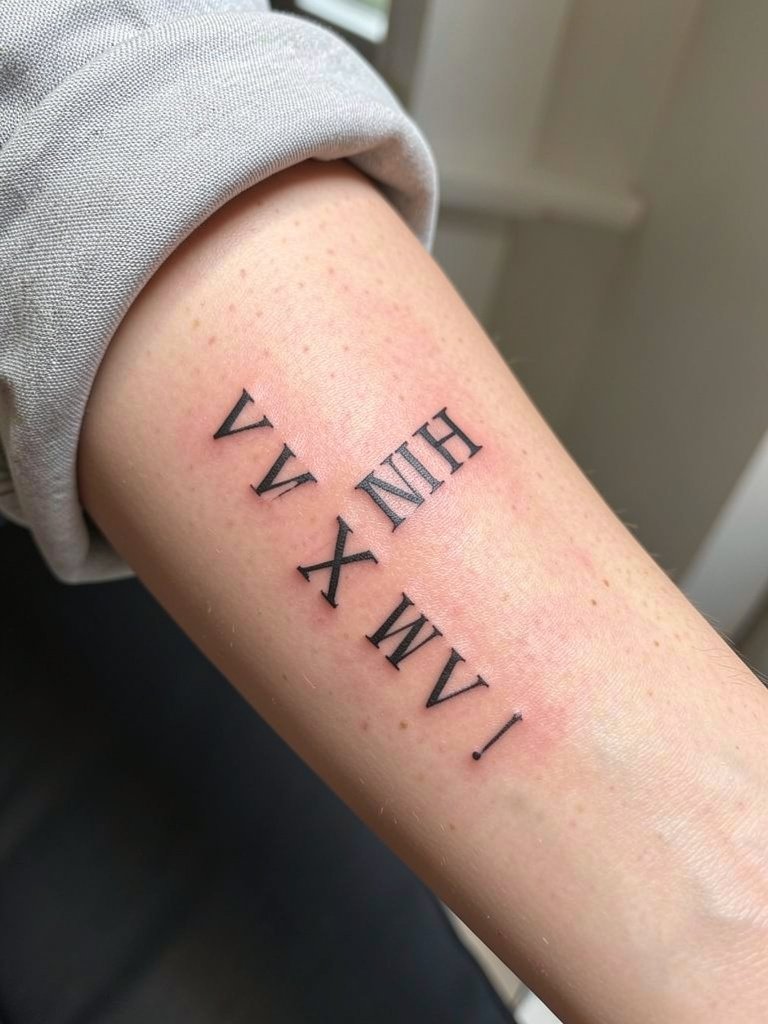
Dates in roman numerals feel private and look crisp if the type is balanced. The inner forearm holds script reliably for many years, but letters set too small will blur into a stripe. Ask for a slightly larger point size and a serif that keeps thin terminals robust. Session time for short strings is 30 to 50 minutes with mild discomfort. A common error is mixing fonts that clash, so bring one reference serif and one sans serif to compare. Keep sleeves rollable and consider a rolled sleeve shirt for everyday styling.
12. Minimalist Constellation on Shoulder Blade
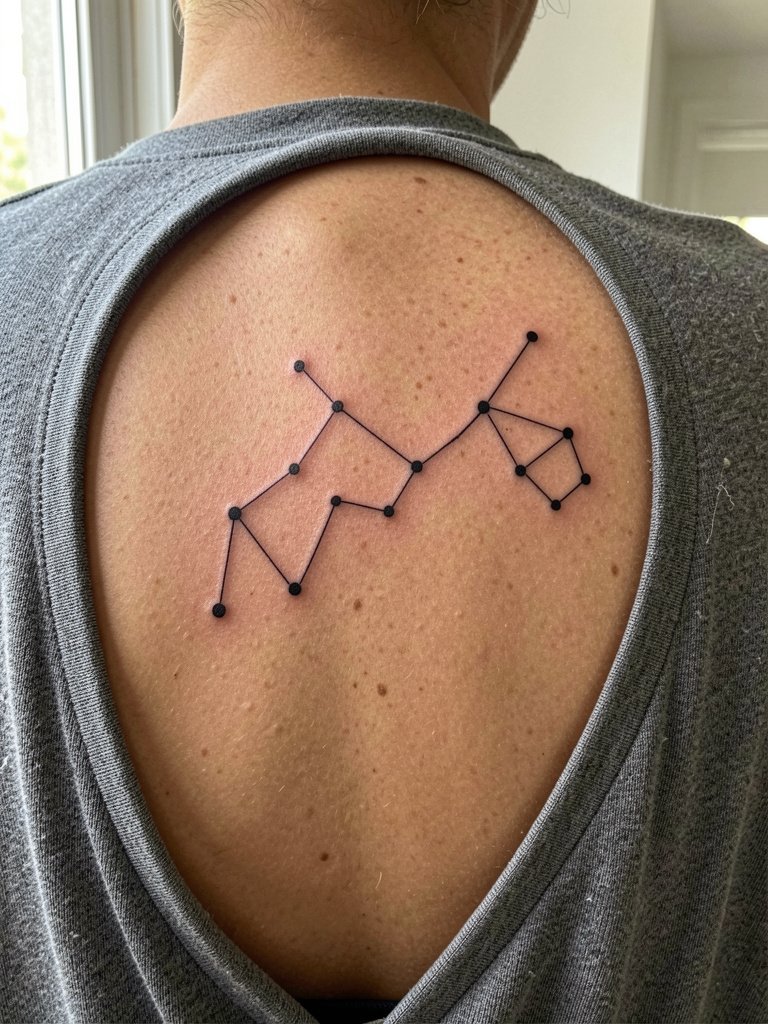
Shoulder blade skin takes ink well and gives room for dot work and stipple shading. Constellations benefit from slightly larger dots and a hair-thicker connector line so the pattern stays legible at two and five years. Sessions run 30 to 75 minutes depending on dot count. An error is using a single-needle connector that vanishes into the skin texture. For outfits choose sleeveless or wide-neck tops and try an off shoulder top to highlight the area.
13. Matching Floral Sprigs on Collarbone and Sternum
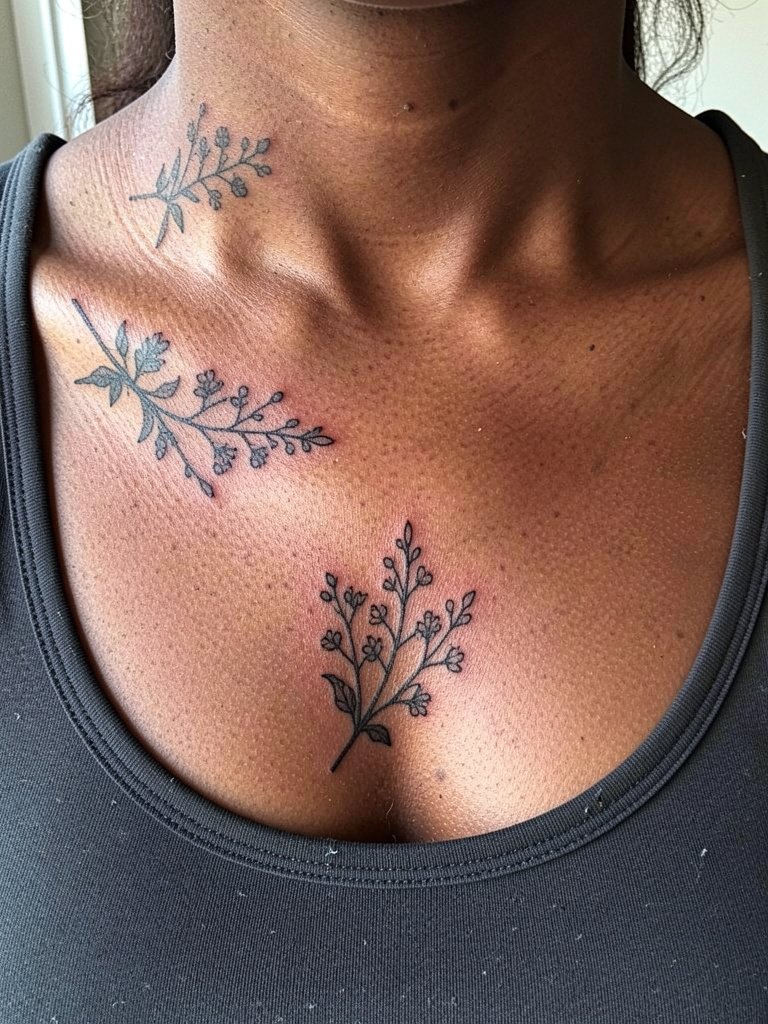
Floral sprigs are classic and adapt to different body curves. Sternum and collarbone skin can shift slightly with movement so allow more spacing between petals than you would on flat areas. Sessions across these areas might be split into shorter passes. A frequent mistake is heavy detail in thin petals that blurs post-healing. If cultural floral elements are used, discuss provenance and respectful design choices with your artist. For reveals, layered delicate necklaces and scoop-neck tops work together, and a scoop neck tee pairs safely.
14. Morse Code Single-Word Pair on Ankles
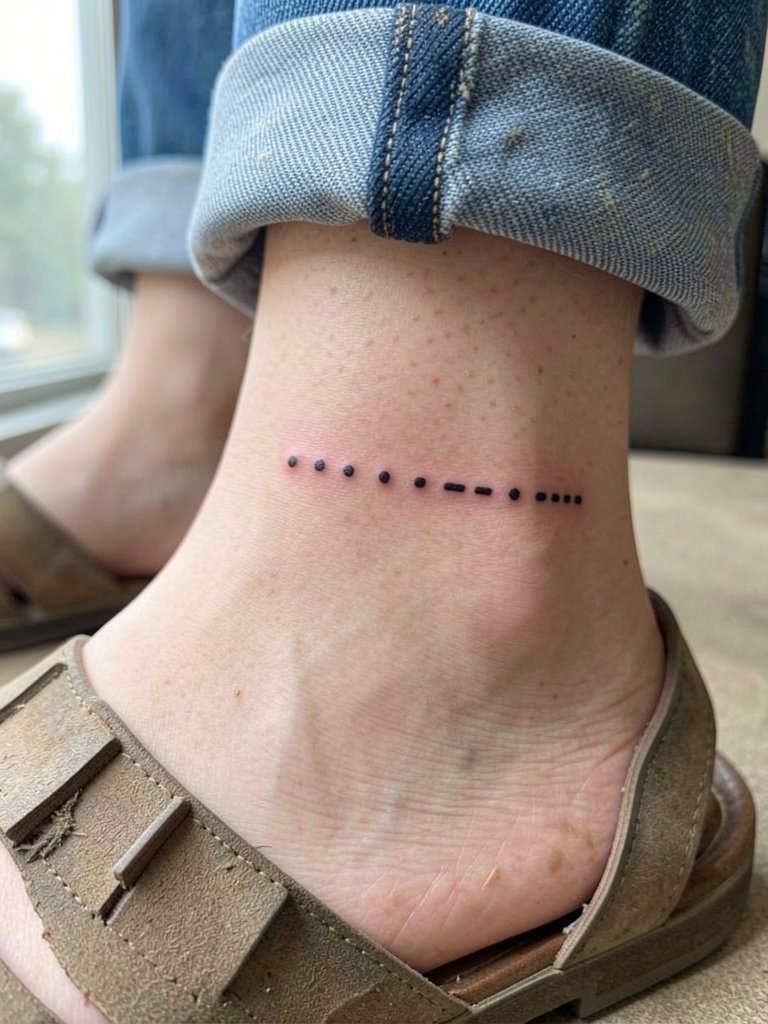
Morse code tattoos are unreadable to most people, which is a feature for couples who want low-key meaning. Keep the dots and dashes distinctly spaced so the pattern does not merge. Ankles rub against socks and shoes, so solid tiny circles work better than elongated dashes. Sessions are short and mildly painful. A common oversight is making the code too small to photograph. For footwear picks, try sandals or low-top sneakers and consider a sandals casual look for summer photos.
15. Small Nautical Compass on Back of Hand
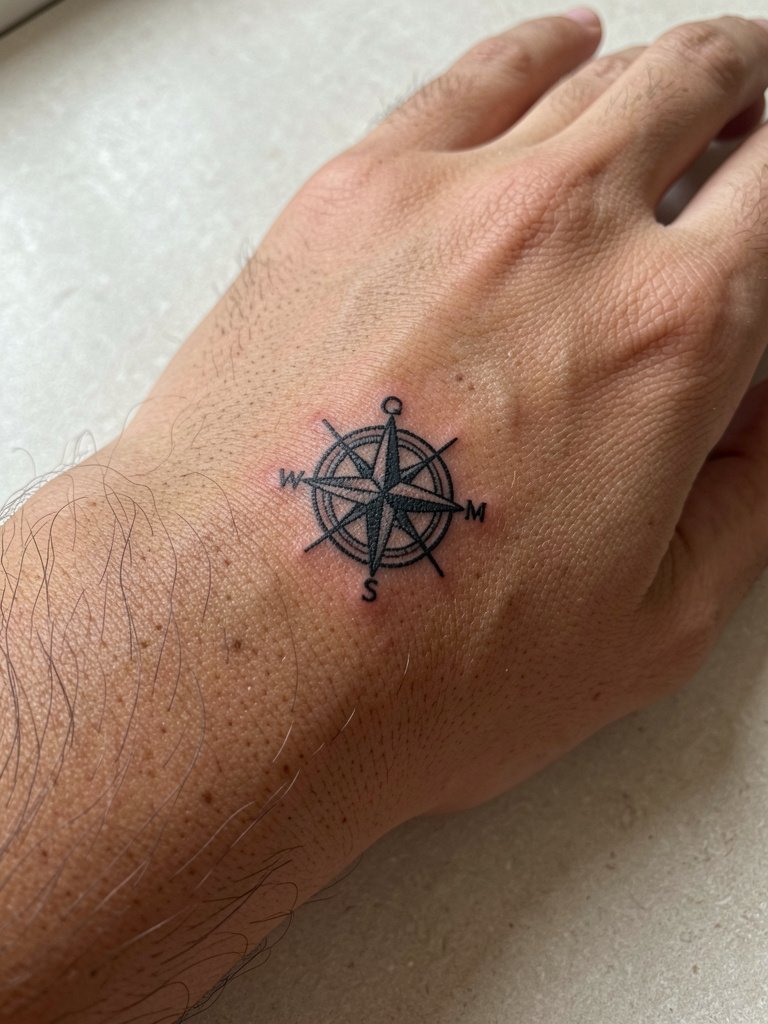
Hand tattoos age faster due to sun exposure and washing, so pick a compact compass with strong linework and minimal interior detail. The skin there can require touch-ups at year one or two. The session is sharp and brief and you should expect some swelling. A mistake is expecting the same crispness as forearm ink. If you need a durable read, choose a slightly bolder outline. Keep hands moisturized and consider no-tight jewelry for a few days after the session.
16. Matching Minimalist Arrows on Inner Forearms
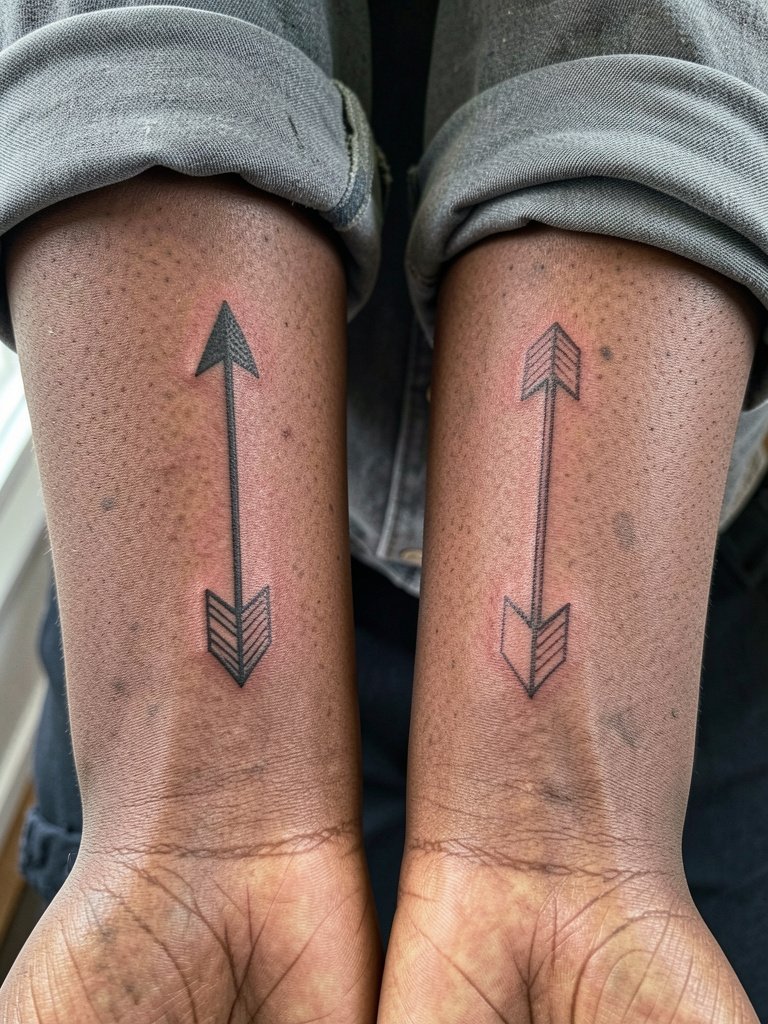
Arrows are a low-key complementary choice that travel well across skin types. Inner forearm skin accepts thin lines but request a touch heavier lineweight than a single-needle hairline to avoid loss of clarity over time. Sessions are quick and moderately uncomfortable. The usual error is adding too many decorative barbs that age unevenly. Wear a rolled sleeve tee for the appointment and consider a relaxed fit tee for everyday styling.
17. Matching Puzzle Halves in Negative Space on Ankles
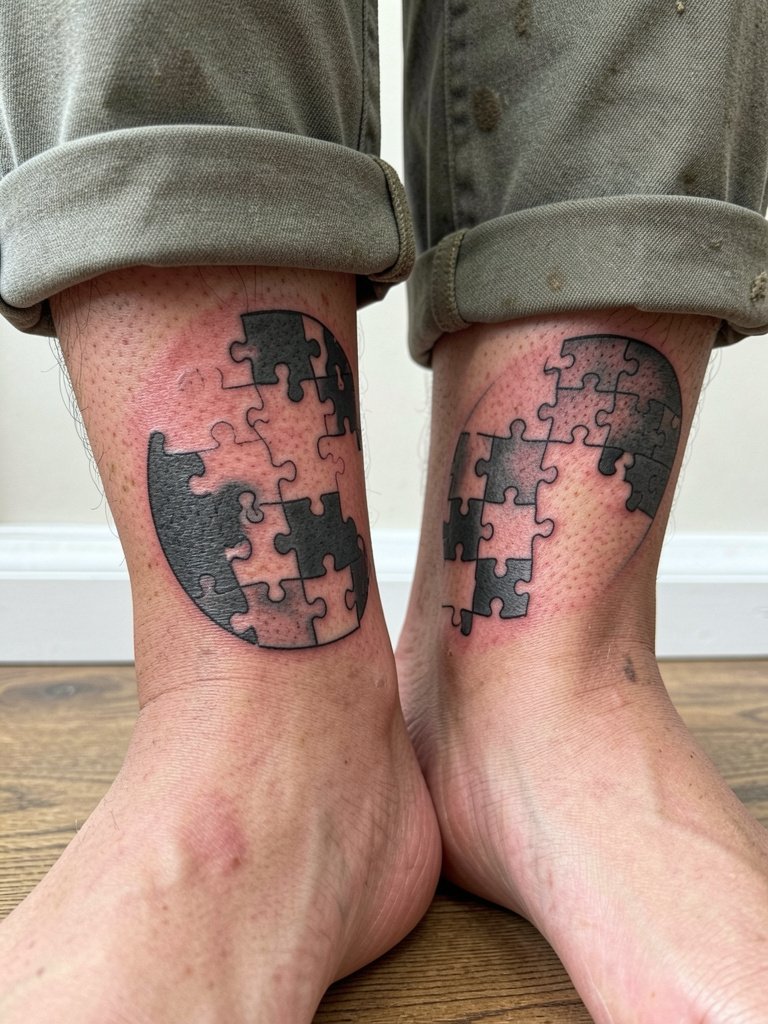
Negative-space puzzle halves look modern and reduce the risk of detail fill-in. Ankles need crisp edges, so ask for solid black blocks with clear voids rather than thin threadwork. Sessions are short and can be uncomfortable due to bone proximity. People often try to miniaturize the negative space too much which makes the design read as a blob later. For footwear and outfits choose cropped trousers and low ankle boots, and try a ankle pants women style to frame the ink.
18. Matching Coordinates as Morse Bars on Collarbone
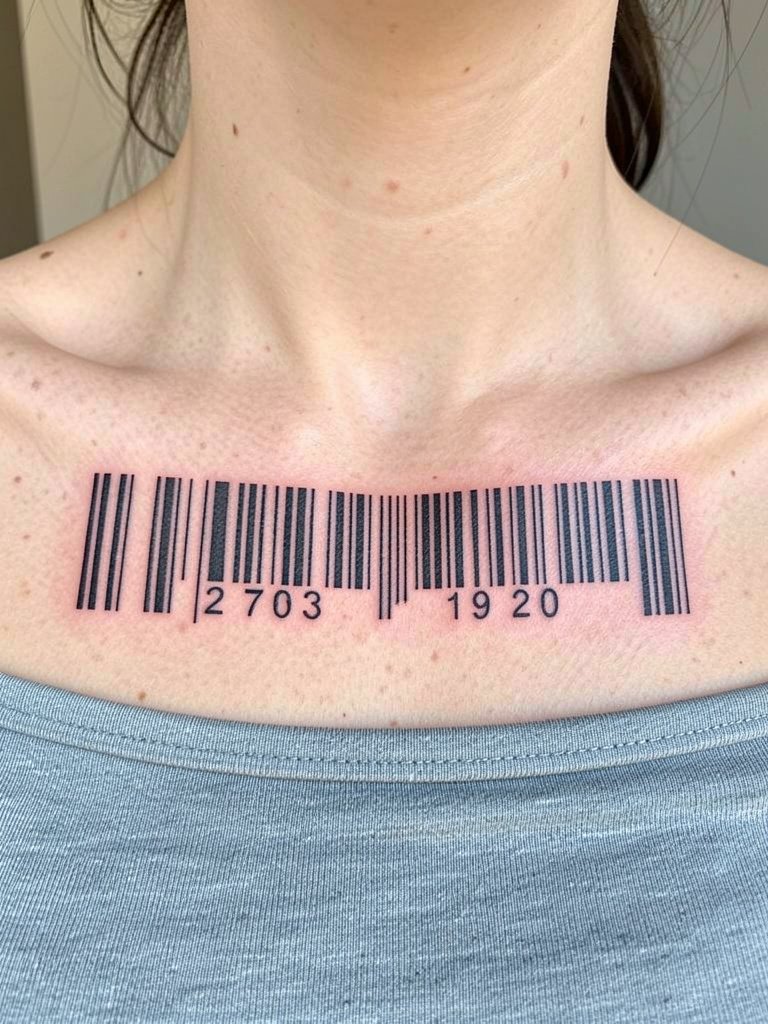
If you want coordinates with a graphic edge, translate numbers into a compact barcode or bar motif. Collarbone skin accepts horizontal elements well but avoid bars thinner than two millimeters. Session time is 30 to 60 minutes. The typical mistake is cramming too many tiny bars into a short span. For outfits pick off-shoulder tops and layered necklaces to bring attention to the linear direction, and try a v neck top for evening wear.
19. Small Arrow and Compass Pair on Thighs
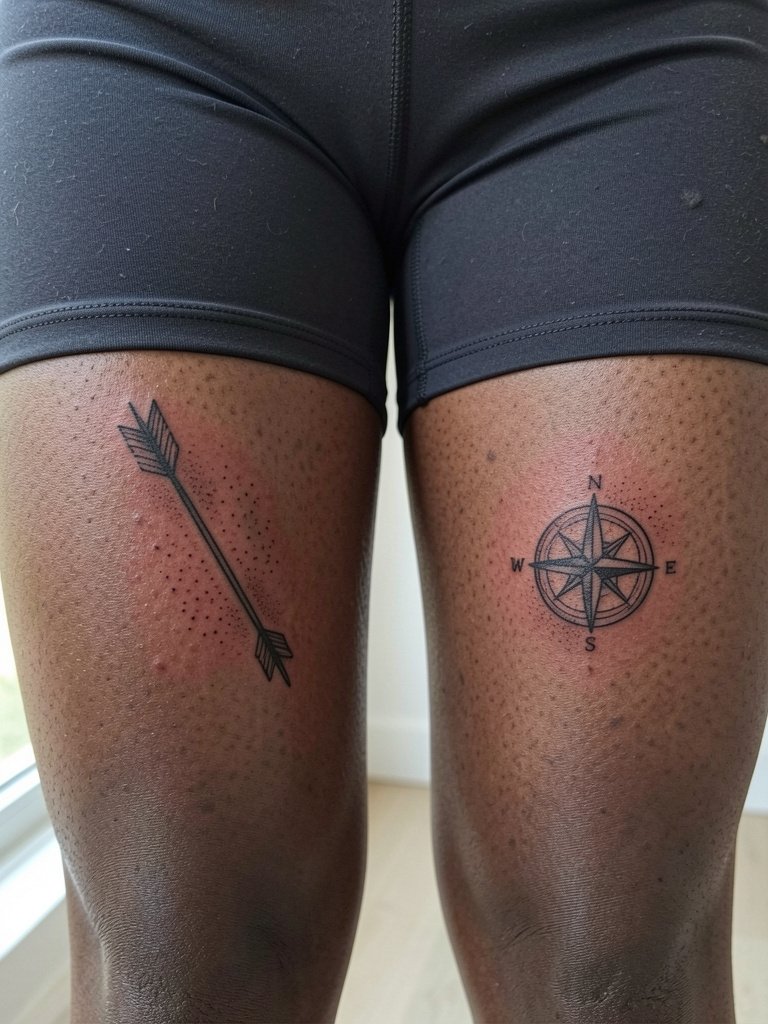
Thigh placements let the pair choose sizes that age gracefully, and inner thigh skin tends to hold detail well when not constantly exposed. Sessions vary from 45 minutes to two hours. The biggest mistake is choosing tiny stipple work that blurs under clothing friction. For session comfort wear loose drawstring pants that you can roll up easily, and opt for a soft bralette if upper access is needed.
20. Tiny Musical Notes on Wrist and Behind Ear
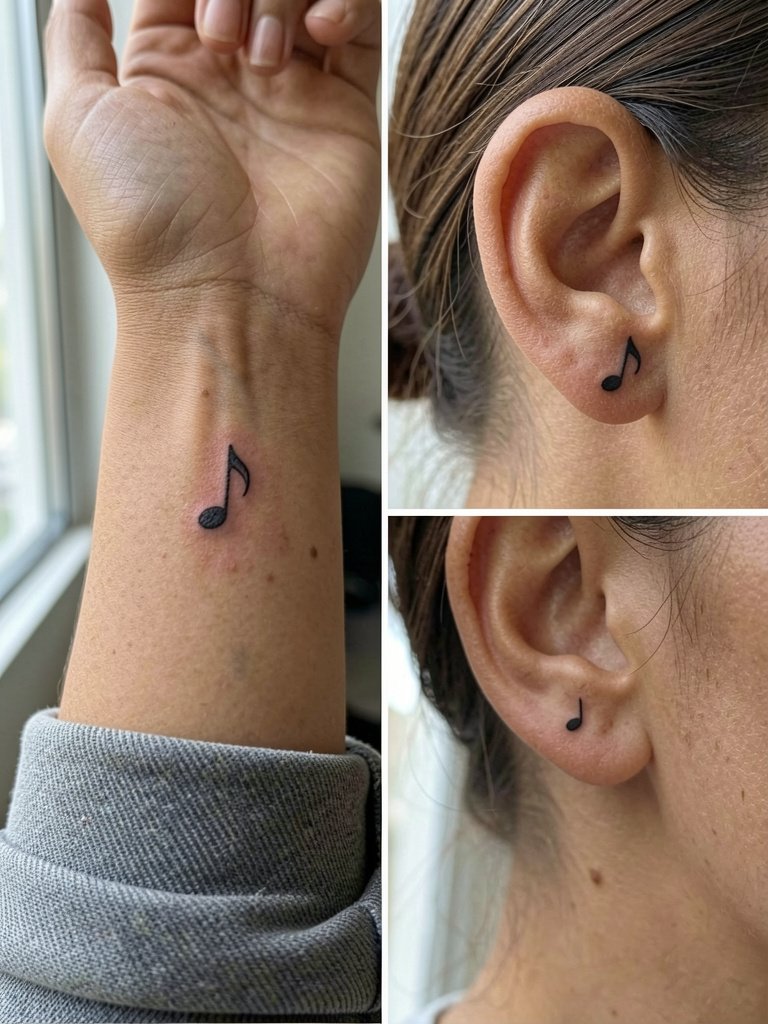
Pairing two different but related placements gives variety. The wrist note reads clearly with slightly bolder stems, and the behind-ear note should be kept very small. Expect sharper sensations at the ear area and mild to moderate on the wrist. A common error is using the exact same scale at both spots. For session day leave hair loose or in a simple updo and wear a short sleeve tee so the wrist is accessible.
21. Minimalist Line Portrait Halves on Inner Forearms
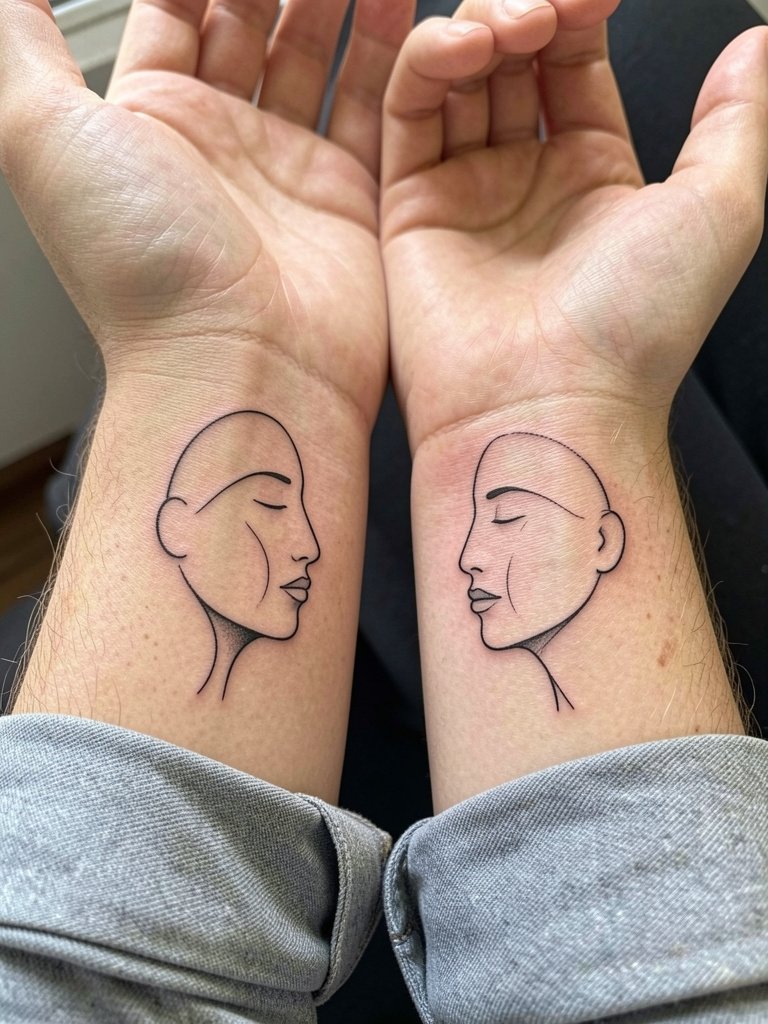
Abstract line portraits can feel bespoke without being literal. Ask the artist to draw the two halves on your arms during consult so proportions match when you bring your hands together. Fine single-line work needs slightly larger scale on the forearm to avoid looking like a scribble after healing. Sessions are 45 to 90 minutes. The frequent mistake is over-complication with internal shading. For outfits, rolled sleeves and linen tops show the forearm elegantly and a linen button down works well.
22. Matching Botanical Sprigs on Ankles and Wrists
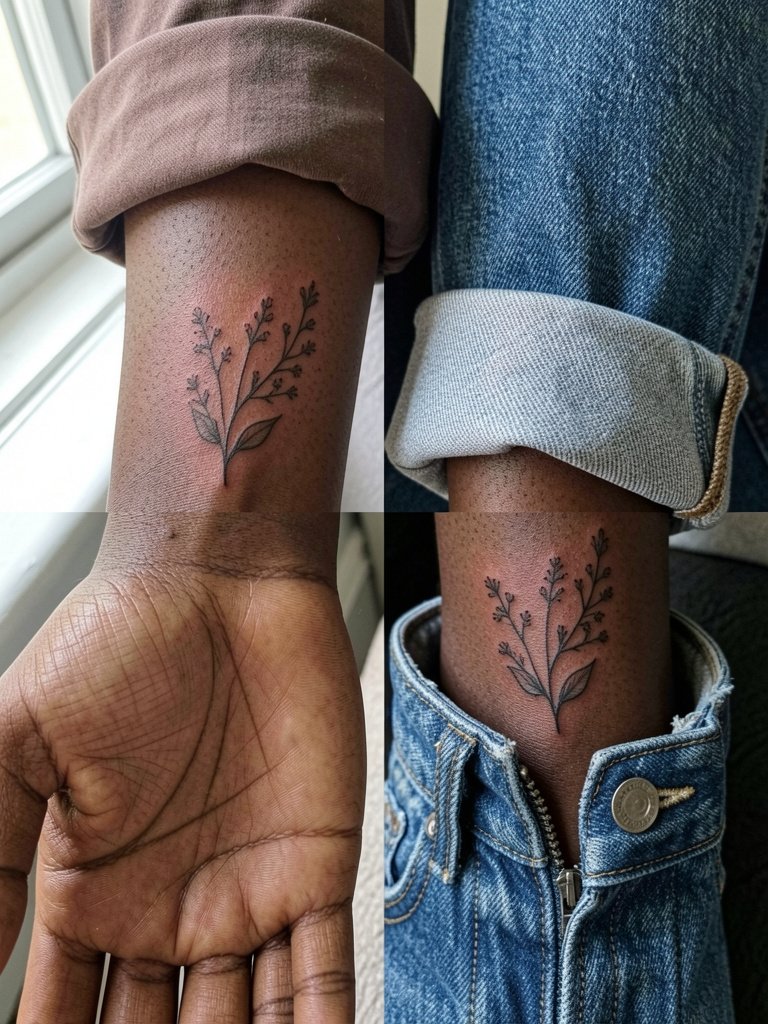
Plant motifs travel easily across placements. The ankle needs bolder stems while the wrist tolerates thinner leaves. Ask the artist to match stem thickness across placements to keep cohesion. Sessions are short for each spot and the ankle may sting more. A typical slip is over-detailing leaf veins on the ankle which fill in over time. For clothing, cropped jeans and simple bracelets complement both placements and try a minimal bracelet stack.
23. Complementary Geometric Halves on Inner Forearms
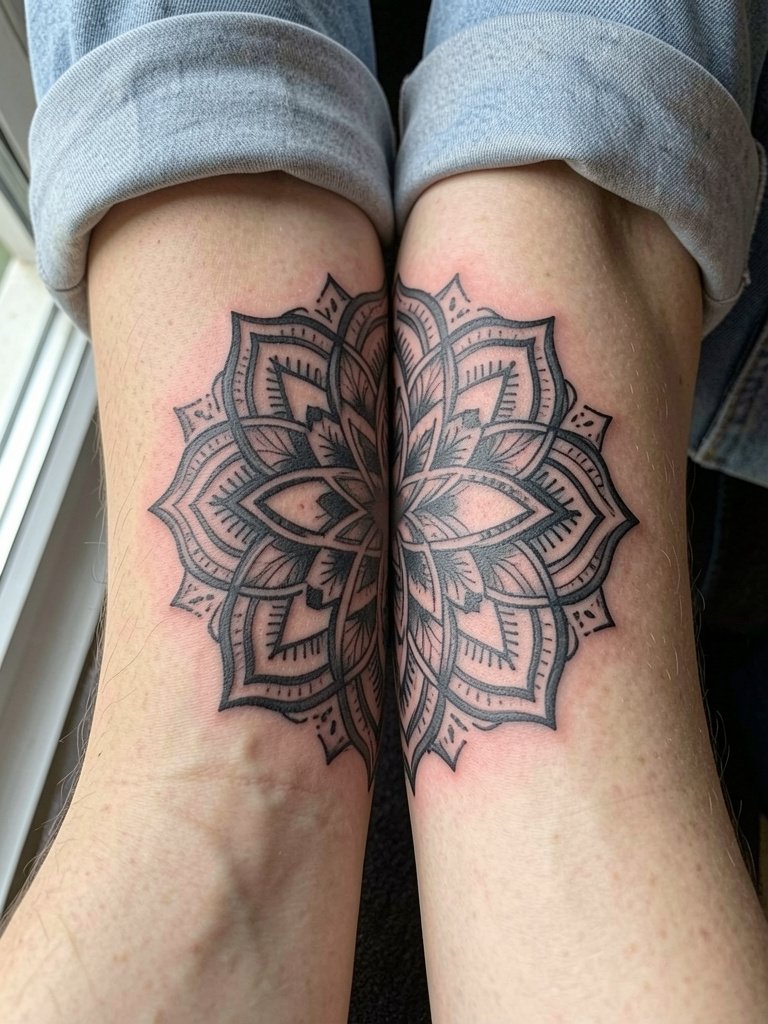
Geometric halves are a classic route for couples who want something designed to join visually. The controversy in this lane shows two clear camps. One camp prefers identical tattoos because they signal exact unity and look the same in photos. The other camp prefers complementary halves because each person keeps individuality and the pair forms the full image only when side by side. Name both perspectives early and decide which you value more before booking.
Frequently Asked Questions
Q: How do I avoid picking a couple tattoo that feels cheesy in a year?
A: Favor designs that work as standalones, like coordinates or simple symbols, and avoid trending motifs at ultra-small scales. Ask the artist to show healed photos of similar sizes so you can judge aging and legibility.
Q: Where should we look for inspiration and artist portfolios?
A: Search Instagram and Pinterest for tags like #matchingtattoos and #coupletattoo to save visual references, then use location filters to find local studios with healed-photo portfolios. Etsy and curated tattoo blogs are useful for concept browsing, but pick a studio that shows healed shots rather than just fresh ink.
Q: What should we wear to the appointment for different placements?
A: For wrists and forearms wear short sleeves or a rollable button-down. For ribs and sternum bring a soft bralette or a front-opening top. For ankles and calves choose shorts or pants that roll easily. Pack a loose shirt you can remove without tugging the area.
Q: How often do couple tattoos need touch-ups?
A: Finger and hand tattoos commonly need touch-ups within one to three years. Fine-line work on the ribs or collarbone may need a touch-up at two to three years if the ink was very thin. Ask your artist for a realistic timeline based on the line weight you choose.
Q: Is color a problem if one partner wants black and the other wants color?
A: No, you can use the same drawing and execute it differently. One partner can take a black outline while the other adds muted color fills. Matching linework and scale keeps cohesion while honoring individual preference.
Q: Should we get names or dates, or choose symbolic designs instead?
A: Names can feel very literal and are harder to reframe if the relationship changes. Dates, coordinates, or abstract complementary halves tend to age into being about memory rather than identity. Choose a format you both can live with whether the piece is seen together or on its own.