
Small matching tattoos that actually look good three years later usually start with one clear decision: coordinate, do not copy. Tiny identical hearts on two wrists can be charming, but they also soften into one blur on high-motion skin. The smarter approach is a paired concept that reads as a set when you stand side by side and still makes sense solo. Expect plain guidance on scale, placement, and what to ask for in the consult so the ink lasts.
1. Split Heart on the Inner Wrist
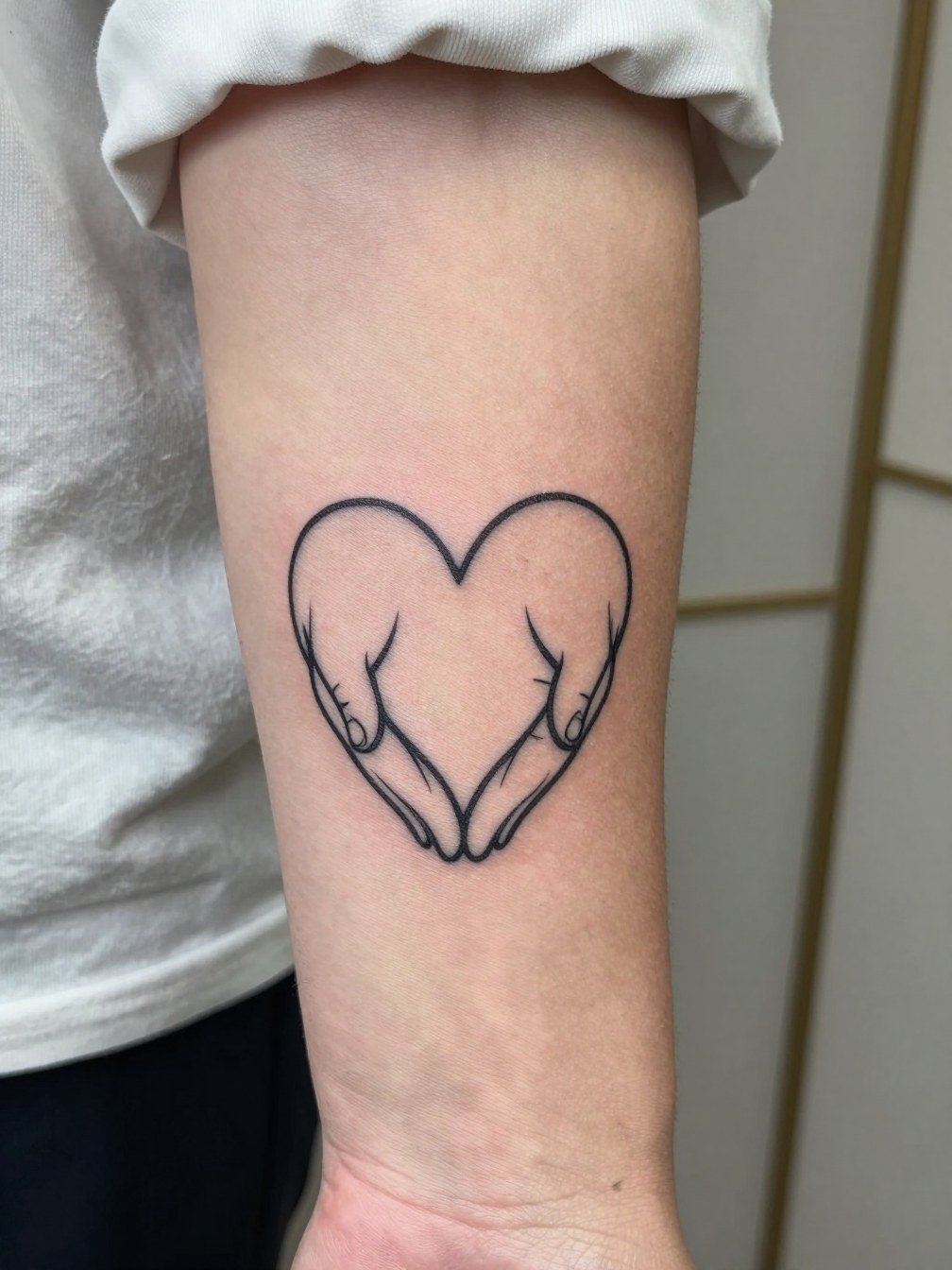
A split heart is the classic for people who want connection without cloning the same picture. Recommend a slightly heavier lineweight than the ultra-thin Pinterest single-needle because inner wrist skin moves a lot, which increases blowout risk over time. In the consult bring two scale references so the artist can show how the halves read at one inch versus two inches. Expect a 20 to 40 minute session and mild soreness when the wrist flexes. A common mistake is asking for a filament-thin outline that disappears into skin texture after a year. For showing off, pair this with a thin chain bracelet on the opposite wrist and try a thin chain bracelet set so the tattoo reads without the band covering it.
2. Mini Pinky-Promise on the Side of the Finger
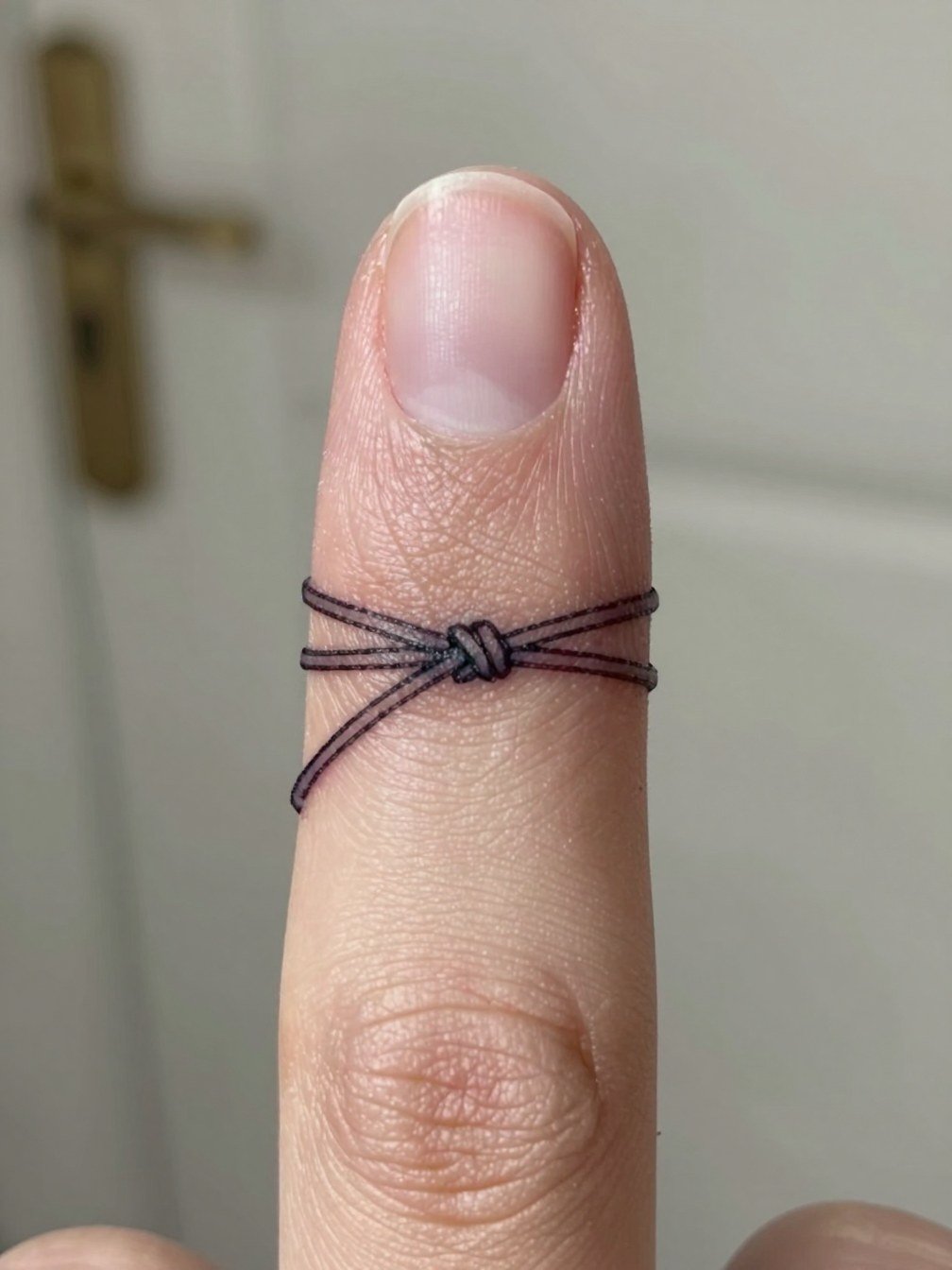
The finger is a high-wear zone, so tiny script often blurs. A tiny pinky-promise knot or simplified symbol holds up better than letters. Ask for slightly heavier contour lines and avoid micro-script on a finger. The session is short, usually 10 to 20 minutes, but expect more sting than on the forearm. One mistake is insisting the design be microscopic; that guarantees early softening and a touch-up within a year. For jewelry styling, go minimalist with delicate stacking rings so the hand feels pulled together without obscuring the ink.
3. Matching Single Rose on Outer Forearm
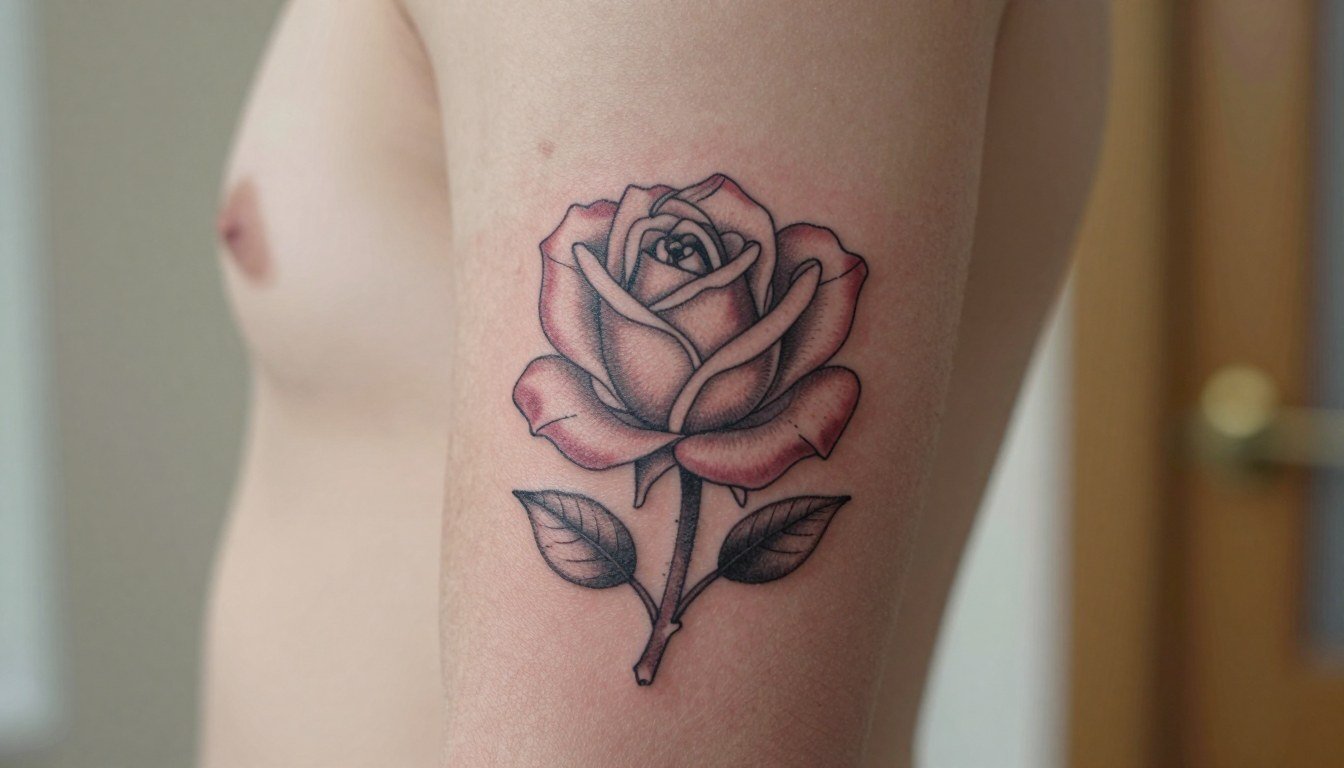
Roses scale well and can be identical or slightly individualized by changing petal count or shading. Recommend a tiny bloom at three to four centimeters rather than micro-florals that lose detail. Talk with your artist about stipple shading versus soft gray wash to get a look that ages without turning muddy. On the outer forearm the session is straightforward and usually under an hour. A frequent error is asking for too much fine detail in a micro piece, which blurs in two to three years. This placement shows best with sleeveless tanks, so bring a sleeveless tank top to the session for easy access and for photos afterward.
4. Complementary Sun and Moon on Ankle and Inner Forearm
The sun and moon let each friend carry a distinct symbol that reads as a set. Pick slightly bolder ray spacing and a small halo of dots for the moon so the imagery holds over time. Discuss the relative scale with the artist and agree on negative space around each piece so the two do not visually merge as they age. Ankle work sees friction from socks, so expect mild fading near sock lines and plan a touch-up at 12 to 18 months. For showing it off wear cropped jeans or low-profile sneakers and consider cropped jeans that make the ankle visible without rubbing the fresh ink.
5. Two Halves of a Quote on Inner Forearm and Rib
Choosing quotes means choosing permanence. One camp favors direct text because it reads instantly as a bond. Another camp prefers symbols because words date faster and may feel awkward if relationships shift. One camp likes names and dates for their clarity. The other camp argues symbols age more gracefully. If you pick text, split it so each half reads as a complete fragment alone, and avoid micro-script on the rib or finger. The rib portion can be painful and takes longer to heal, so plan for a 30 to 60 minute session there and a shorter session for the forearm. A common mistake is tiny cursive on the rib that fills in within a year. For session wear, bring a loose button-down or a fitted sports bra so the artist can see the sternum and rib placement easily.
6. Custom Friendship Crest on Upper Arm
A custom crest turns the relationship into a bespoke emblem that can feel adult and specific. Tell the artist the exact initials, year, and two small symbols you want inside the shield so they can compose a balanced layout. A frequent error is overloading the crest with tiny details that compress into smudges. Plan for a 45 to 90 minute appointment depending on ornamentation and expect a touch-up after initial healing if fine elements soften. This placement pairs with off-shoulder tops or spaghetti straps when you want to show it, so consider an off shoulder top for photos and events.
Before You Book
The wrist, finger, and rib ideas above have different healing profiles, so these small supplies smooth the first week and protect fine lines.
-
Second-skin style protective film. Breathable thin film keeps friction off wrist and finger tattoos while allowing showers, which helps protect the tiny linework from scabbing abrasion.
-
Lightweight tattoo balm stick. A less greasy option for small pieces during the first days that moisturizes without smothering single-needle work.
-
Breathable protective film roll for small spots. Useful for wrapping ankle or finger tattoos at night when friction is highest.
-
Fragrance-free gentle body wash. A mild cleanser so healed linework and fresh ink are not irritated by scented ingredients.
-
Aquaphor healing ointment. A thin layer for the first two to three days can reduce scab thickness on very fine pieces and helps preserve saturation in the short term.
7. Matching Pet Portraits on Inner Forearm
Shared pet tributes feel specific without being sappy, but micro-realism requires skill to avoid fuzzy results. Ask for healed reference photos of similar small pet portraits on the artist's portfolio to confirm their micro-realism work in the size you want. Expect a 60 to 120 minute session and possibly a second session for fine detail. A common mistake is demanding photorealism at thumb-size; that compresses into indistinct gray after healing. For appointment comfort wear a button-down or rolled-cuff shirt so the inner forearm is fully exposed and the artist can angle without fabric bunching.
8. Puzzle Pieces on the Ankle
Puzzle pieces are graphic and readable at small scale, which helps avoid the blurring that plagues micro-script. Keep the shapes simple and leave negative space around edges. The ankle sees shoe and sock friction, so expect some lateral fading and plan a touch-up at the one-year mark if you want crisp edges long term. Sessions are brief, under 30 minutes. For styling, ankle tattoos look great with cropped jeans or ankle-baring hems, so pack a pair of ankle socks no show and cropped jeans for your after photos.
9. Playful Food Pairings on Calf
Food pairings are whimsical without being childish if the art is simplified and the palette restrained. Ask for solid black outlines with muted color fills rather than neon tones to avoid a juvenile look. Calf pieces age well because the skin is stable, and sessions run 30 to 60 minutes depending on color. A mistake is insisting on tiny color gradients on a two-inch piece, which becomes muddy. For showing off select cropped midi skirts or bike shorts and bring bike shorts to the session to make the area accessible.
10. Tiny Crown on the Side Foot
Tiny crowns read as equalizing symbolism, which is why couples or friends like them. Because feet experience heavy friction, select a slightly bolder outline and accept a higher chance of early fade. Plan a touch-up at six to twelve months if you want crisp edges. Foot sessions sting more because of thin skin and bone proximity. For footwear styling use low-profile sandals or ankle-baring hems to display the tattoo without constant rubbing.
11. Minimal Floral Linework on Collarbone
Botanical linework across the collarbone gives a refined look that skews older and less trend-bound when drawn simply. Request slightly wider spacing between leaves and a modest lineweight so the motif does not fill in with time. A mistake is asking for ultra-tiny veins on petals that disappear. Sessions are quick, often 20 to 45 minutes, and the area is sensitive because of proximity to bone. For styling, layer necklaces that stop above the tattoo and wear layered necklace sets to frame the collarbone without covering the ink.
12. Coordinated Geometric Marks on Inner Forearm and Outer Forearm
Geometric marks are forgiving if you scale them properly. The inner forearm tolerates finer detail but remember hands and wrists move, so avoid microscopic line crossings. Discuss exact proportions with the artist and ask for mockups on your arm using stencil placement so you can see how rotation changes read. Sessions vary from 20 to 60 minutes depending on complexity. Older mistakes include packing too many thin intersecting lines into a small patch, which leads to visual muddiness after healing.
13. Tiny Phone or Distance Icon on Wrist
Distance motifs work when each friend carries a symbol that reads alone. For wrist placements, the concern is abrasion from daily washing and jewelry. Ask the artist to reinforce central strokes so your icon survives frequent friction. Sessions are brief, often under 30 minutes. A common mistake is choosing a design that depends on tiny internal detail rather than a clear silhouette. For showing the piece, roll up sleeves or wear a cropped tee and consider a rolled sleeve shirt to keep the wrist visible without catching the fresh ink.
14. Mirrored Butterflies on Shoulders
Butterflies let friends keep a shared theme while altering wing patterns for individuality. Shoulder skin is forgiving and ages well, so detailed wings can survive if scaled to at least three inches across. Discuss wing symmetry and ask the artist to show how color saturation will look healed. Shoulder sessions feel less painful than ribs, and touch-ups are typically optional after the first year. For showing them off, off-shoulder tops or tank straps frame the motif nicely.
15. Tiny Script "BFF" Along Finger Base
Text on fingers is the riskiest for legibility. One camp loves tiny script for its intimacy. Another camp warns that fingers eat fine detail and that lettering will need frequent touch-ups. One group says initials are meaningful shorthand. The other group favors symbols because they require fewer maintenance sessions. If you choose letters, pick a compact block or monospace font and accept a touch-up plan every 12 to 18 months. Keep hands free of rings during the session and use neutral manicures so the ink reads well. Session time is short but the sting is sharper on digits.
16. Matching Animal Silhouettes on Outer Forearm
Animal motifs offer personality without being overly literal. If one friend prefers playful illustration and the other wants subtlety, keep the silhouettes identical and vary fill or scale slightly. Outer forearm is a low-risk spot for blowout, and sessions are usually 20 to 40 minutes. A common oversight is making tiny interior detail within a small silhouette instead of focusing on clean contours. For photos, simple hoop earrings and relaxed tees keep the arm as the focal point.
17. Matching Constellation Dots on Upper Back
Constellations work well as coordinated but not identical tattoos because the patterns can be rotated or mirrored. Ask for slightly larger dot sizes so the negative space reads after a few years. Upper back skin is stable, so small details hold better than on fingers. Expect a 30 to 60 minute session and low long-term maintenance. For showing this area, off-the-shoulder tops are ideal and an off shoulder blouse will frame the ink without covering it.
18. Two-Piece Icon Set for Different Tastes on Ankle and Wrist
When friends have different tastes, complementary icons solve the mismatch. Design the two pieces so they share a visual element, like the same line weight or a repeating dot motif. Discuss how the two scales will balance visually when you stand together so one piece does not overpower the other. Ankle pieces will need more upkeep because of sock friction, while wrist pieces face frequent washing. For sessions bring clothing that gives clear access, like loose joggers or short sleeves, and pack relaxed jogger pants to roll easily during the ankle appointment.
19. Tiny Matching Keys on Inner Wrist
Keys symbolize trust without spelling anything out. Inner wrist placement means frequent movement and potential softening, so pick a clear silhouette with a robust stem. Talk specifics with the artist about line spacing and where the key teeth sit so they do not collapse into a single bar over time. Sessions are generally short. A common mistake is overcomplicating the bow or teeth; keep shapes simple to prolong clarity. For showing off, wear short sleeves or a cropped jacket that frames the wrist.
20. Mirrored Minimalist Mountains on Calf and Outer Thigh
Mountain motifs carry the same idea without matching exactly. Scale the thigh piece slightly larger so it reads proportionally, and ask the artist to maintain crisp peak spacing for longevity. Calf placements are stable and often age well, while thigh skin tolerates detail at moderate sizes. Sessions could be split into two shorter appointments depending on comfort. For seasons when you want to show both, choose midi skirts or cuffed jeans so each piece gets its moment.
21. Small Best-Friend Script Near the Collarbone
Script can feel intimate but it ages differently based on size and placement. One camp favors script because the meaning is visible immediately. The other camp argues symbols outlast words because text often needs touch-ups and can look dated. If you choose a word, pick letter spacing and moderate thickness so the characters hold as the skin softens. Collarbone sessions are sensitive and brief, often 20 to 30 minutes. For photos layer chains and stop the necklace above the word so the script is visible. A simple layered necklace set works well.
22. Micro-Realism Shared Portraits on Inner Forearm
Micro-realism can feel very personal, but the key is realistic expectations. Ask to see healed examples in the same size on similar skin tones because tiny shadows can merge. Portraits on the inner forearm heal relatively predictably, yet fine hairline details will require a touch-up after six to twelve months. A common mistake is demanding the smallest possible portrait; larger sizes preserve the subtle shading that makes micro-realism read correctly.
23. Coordinated Simple Symbols for Adults on Upper Arm
For readers who want friend ink that reads mature, choose sober symbols and reserved placement like the upper arm. Ask the artist to prefer clean contour lines and to remove any cutesy extras so the result looks curated rather than teenage. Upper arm pieces tolerate refinement and usually need only an occasional touch-up past the first year. For wardrobe, sleeveless tanks and button-downs with rolled cuffs frame the arm and let the ink read as a considered accessory.
Frequently Asked Questions
Q: How do I decide between identical tattoos and complementary designs?
A: Think about whether sameness is the point or if you want shared meaning with individual expression. One group prefers identical ink because the matching itself equals commitment. Another group wants related pieces to keep identity distinct. A practical way to decide is to test the idea with temporary transfers or henna so you can live with the look for a week before committing.
Q: Will tiny fine-line wrist or finger tattoos blur quickly and what can I do about it?
A: Fine line on fingers and wrists softens faster than on stable skin because of constant motion and washing. Ask for slightly heavier primary strokes, avoid micro-script, and plan on a touch-up within a year. Protective film for the first week and sunscreen after healing will also preserve contrast longer.
Q: Where can I find matching-bff tattoo portfolios and healed photos without relying on individual artists' pages?
A: Search social platforms with clear tags like matching bff tattoo and best friend tattoo ideas, then filter by location for studio galleries. Pinterest and dedicated tattoo directories also surface healed examples, and Reddit threads can point to real-world shots in different skin tones. Use location filters on TikTok and Instagram to find nearby fine-line portfolios.
Q: How painful are these placements and how long will sessions take?
A: Pain varies by placement. Fingers and ribs hurt more, while outer forearm, calf, and upper arm are milder. Sessions for tiny motifs often run 10 to 45 minutes, while micro-realism or medium crests can take up to 90 minutes or more and may need a second visit. Expect more sting on thin-skin areas and plan breaks.
Q: What should I wear to the appointment for these placements?
A: Pick easy-access clothing that exposes the tattoo area in a normal worn state. For wrists and forearms wear short sleeves or rolled cuffs, for ankles and calves bring shorts or joggers you can roll, and for collarbone or sternum pieces use scoop or wide-neck tops. A loose button-down is handy for mixed placements.
Q: How can we make a playful motif look grown-up rather than juvenile?
A: Simplify the illustration, choose muted or single-color fills, and avoid extra cartoon details. Ask the artist for cleaner contour lines, modest negative space, and restrained color so the design reads as curated. Picking slightly larger scale helps too, because very tiny playful icons tend to look more age-specific.
Q: Do healed examples vary by skin tone and how should that affect design choice?
A: Yes, contrast and relative saturation look different across tones. Look for healed photos on multiple skin tones and ask the artist to tailor lineweight and spacing to your skin so the piece reads clearly. Many portfolios now include healed shots for comparison, and seeing similar skin tones helps set realistic expectations.
