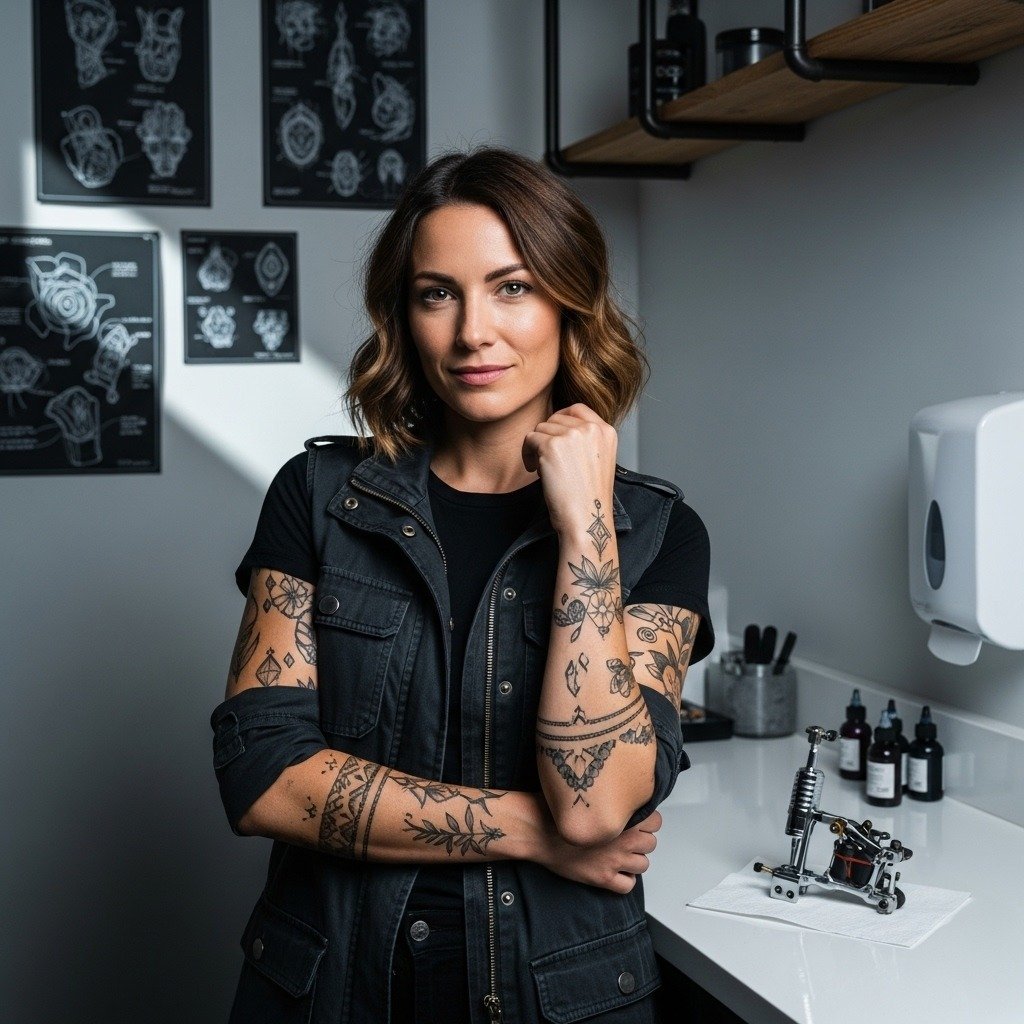
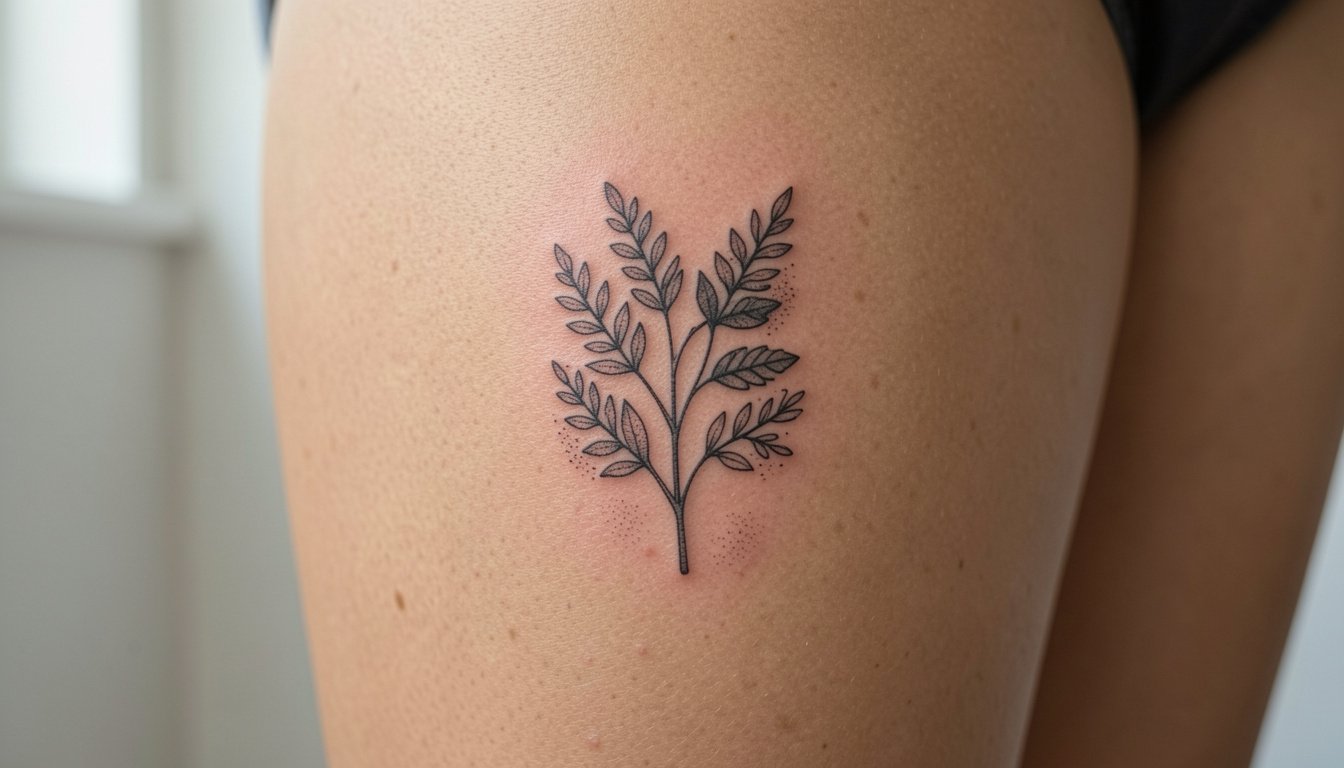
A tiny, tucked-away tattoo can feel like a private secret and still read crisp when you want to show it. The trick is choosing a placement that matches your real wardrobe, sizing it so the linework has room to breathe, and planning session wear that keeps friction off fresh ink. Read on for 23 placement ideas with what actually matters for healing, visibility, pain, and how to style the reveal.
1. Tiny Symbol Behind the Ear
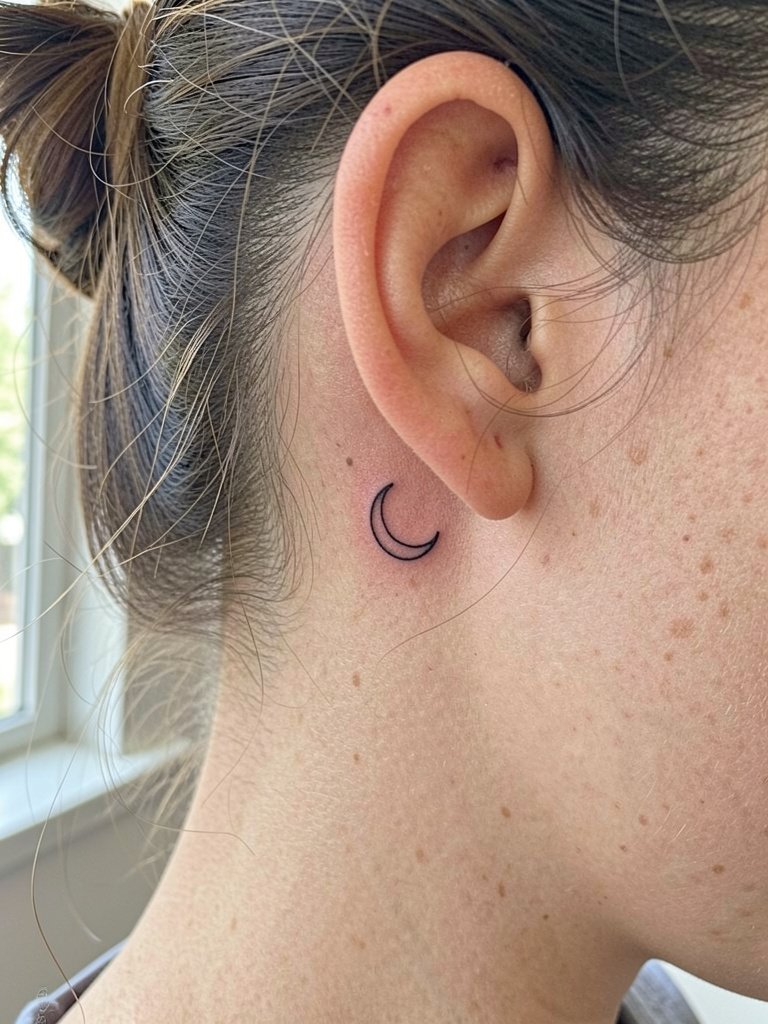
This placement reads very discreet with hair down and becomes a reveal when your hair is up. Expect a quick session, often under 30 minutes, and higher sensitivity because the skin sits over bone. Bring a photo that shows the exact size you want and ask for a slightly heavier line weight than a single-needle reference so the tiny crescent keeps contrast after healing. Common mistake is requesting too many internal details in a very small area. For the appointment, wear your hair up in a claw clip so the artist has clear access without tugging.
2. Inner Wrist Mantra
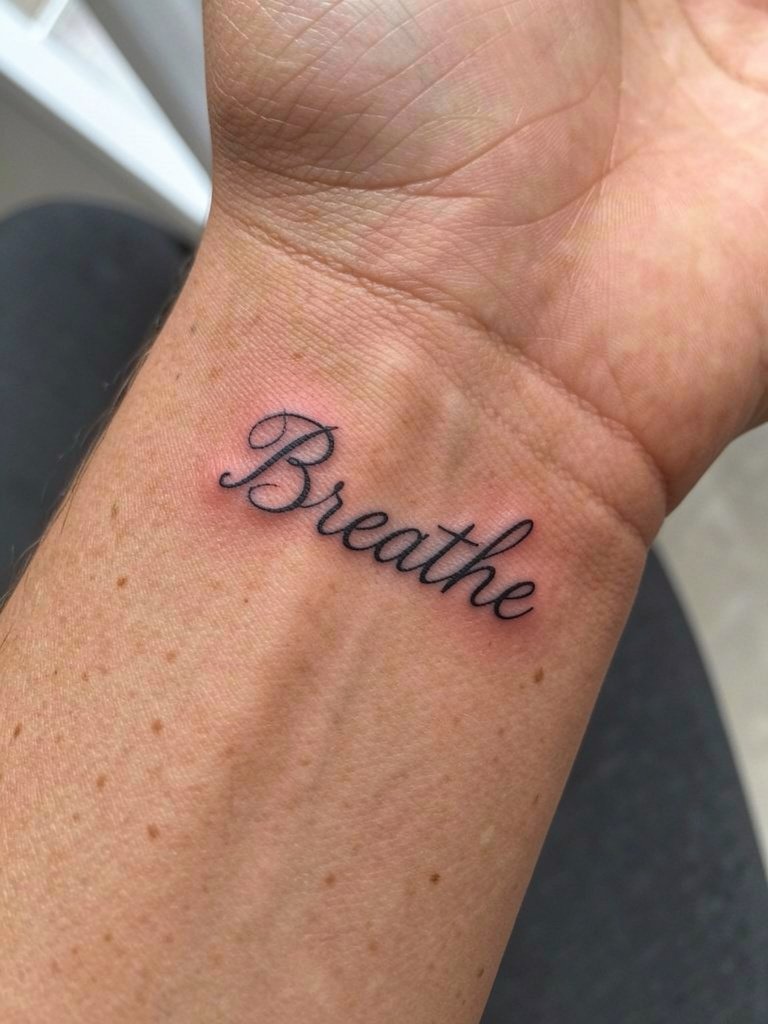
The inner wrist is an excellent toggle spot because you can hide it with a watch or sleeve. It is a high-motion area so size up the lettering slightly and request a clean, slightly bolder script than the thinnest Pinterest reference. Talk with the artist about line spacing and contrast, not just font choice, so the word reads at six months and at two years. Session feel is mild to moderate. To show it off, pair with a thin chain bracelet on the opposite wrist or a minimalist watch left off the tattoo side, like this minimalist watch search.
3. Ribcage Quote or Botanical Linework
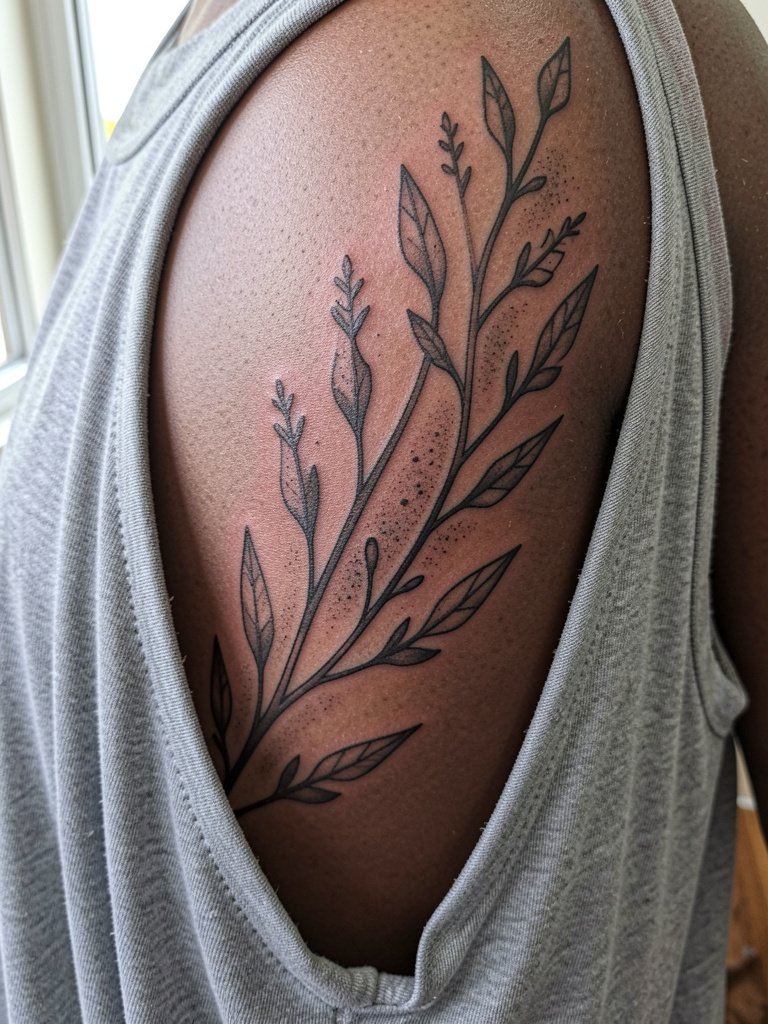
Ribs are private and give space for elongated scripts or vines, but they are also one of the more sensitive zones. Fine line here divides artists into two camps. One camp argues that ribs stretch and shift and that single-needle work blurs within two years, especially near the breast crease. The other camp says that with slightly wider spacing, consistent needle depth, and a little extra line weight, fine line on ribs settles well and shows nice healed geometry. If you pick this area, plan for a calm session wardrobe like a loose tank or sports bra you can open easily and agree with the artist on spacing and depth before the first pass.
4. Lateral Hip Bone Floral
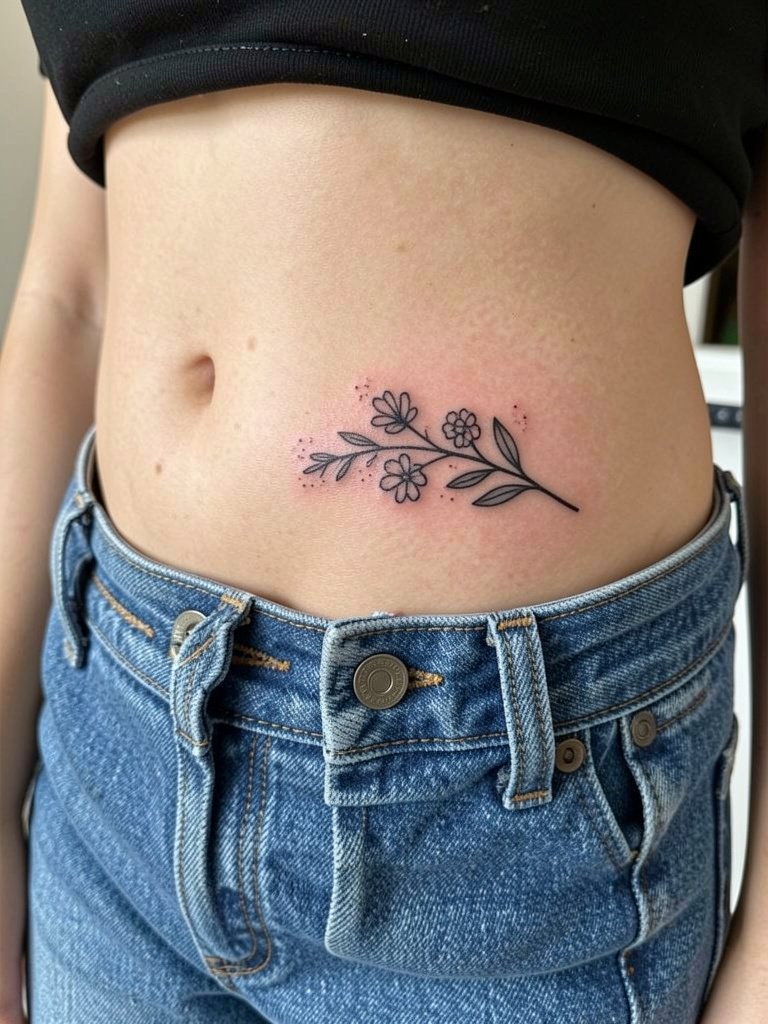
The lateral hip sits at the line of swimwear and cropped jeans so it is private most days and a reveal for summer. The skin here tolerates thin linework well but friction from waistbands can be an issue during healing. Ask the artist to leave a little extra negative space in petal centers so small fills do not mush over time. For showing it off, high-waisted bikinis and side-slit skirts frame this placement well. Try pairing it with a high-waisted bikini search for summer looks. During the session, wear drawstring pants or a skirt you can shift without rubbing.
5. Sternum Ornamental Piece
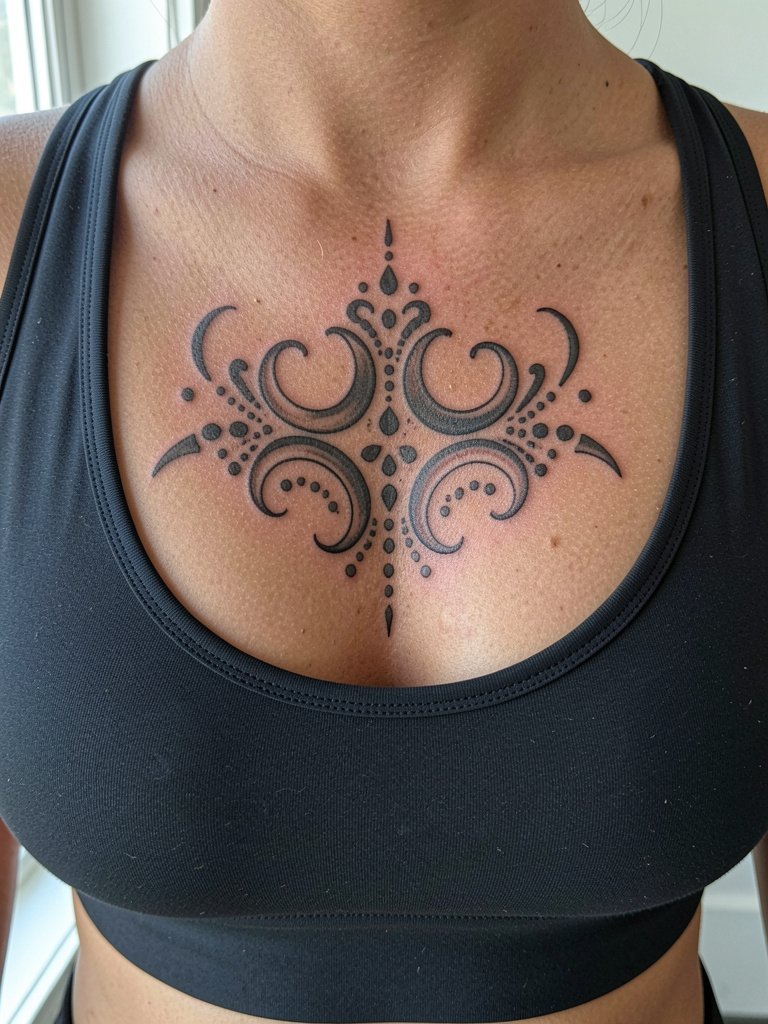
Sternum work reads as a very intimate placement and often requires multiple sessions for symmetry and saturation. Pain is higher here because the skin sits near bone and cartilage. The most common mistake is asking for overly intricate filigree in a small central spot; instead let the artist scale key elements so negative space breathes. For the session, wear a front-opening shirt or a supportive sports bra you can remove easily. This placement is best for someone who expects the tattoo to be private most of the time.
6. Nape Tiny Symbol or Spine-Adjacent Motif
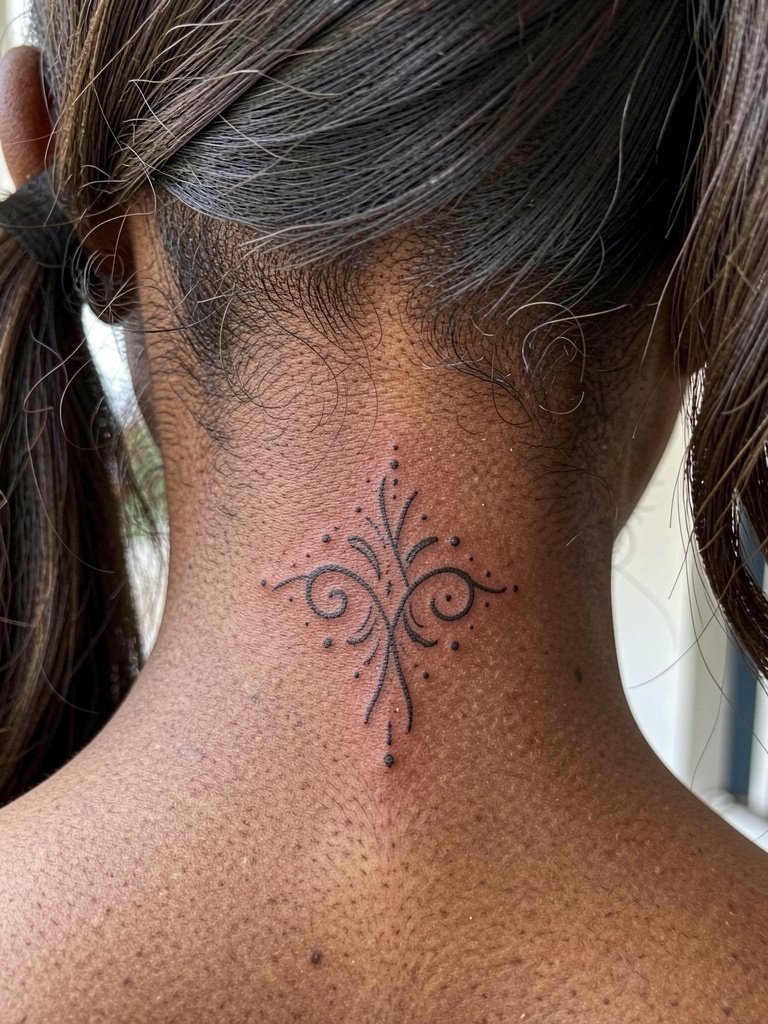
The nape toggles between hidden with hair down and statement with an updo. Keep the motif simple and use slightly heavier line weight than an ultra-fine reference so the tiny dots retain crispness after healing. A practical session tip is to bring a silk hair tie to keep strands away without tugging the skin. For showing it off, a silk hair tie search pairs neatly with delicate earrings or open-collar tops.
Heal Smart
A few of the small spots above heal differently from larger work, so these items smooth the session and the first week.
- Stencil transfer paper kit. Lets you preview exact line placement on curved skin before the first pass, useful for behind-the-ear and nape placements.
- Topical numbing cream search. Applied 30 to 45 minutes ahead for ribs or sternum eases the session without masking line depth.
- Thin protective film roll. Helps keep ankle and finger work clean through the first few days of frequent washing and friction.
- Fragrance-free gentle body wash search. Use mild cleansers while the skin repairs, especially around hip and rib placements.
- Aquaphor healing ointment search. A thin layer in the first 48 hours can protect fine line work while avoiding clogged pores on larger chest or back pieces.
7. Ankle Flash Tattoo
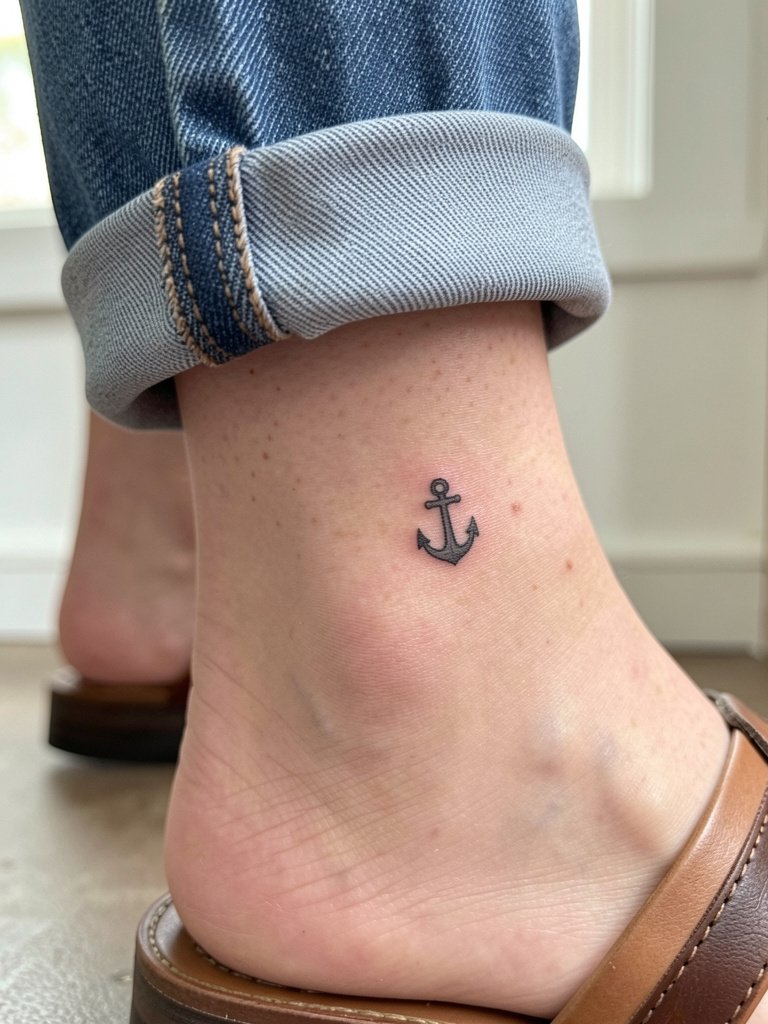
The ankle is a reliable toggle spot that hides under socks or shows with sandals. Tiny silhouette pieces do well, but the area sees a lot of friction from shoes and socks during healing. Ask the artist about slightly bolder outline thickness and expect a touch-up window around 12 to 18 months for most minimalist ankle pieces. For summertime reveals, pair the tattoo with simple sandals and a thin anklet like this anklet search. Wear loose pants to the session so the ankle can be exposed without rubbing.
8. Upper Thigh Hidden Tattoo
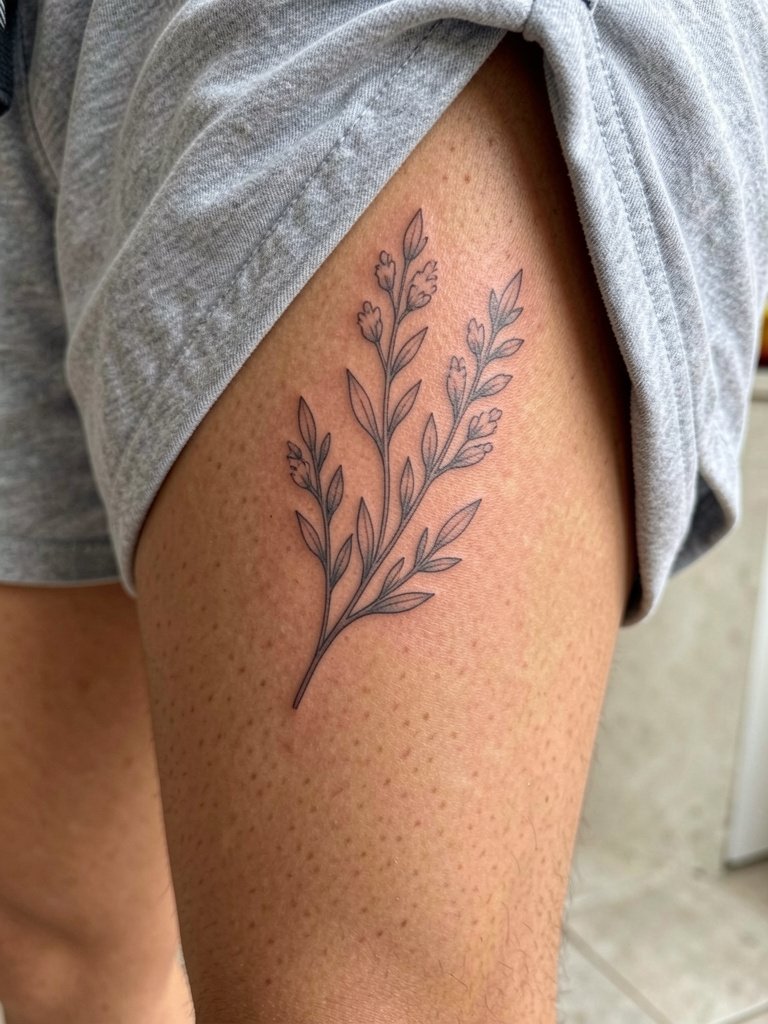
The upper thigh offers room for micro-realism and larger scripts while staying easy to conceal. Skin here heals predictably, but avoid overly dense detail pushed into a tiny area. A common mistake is placing ultra-fine shading where the skin naturally creases. During the appointment, wear loose shorts you can lift without creating pressure on the fresher ink. For a reveal, the tattoo pairs well with swimwear or minis; consider a simple swim cover-up search for trips to the pool.
9. Inner Lip Tiny Symbol
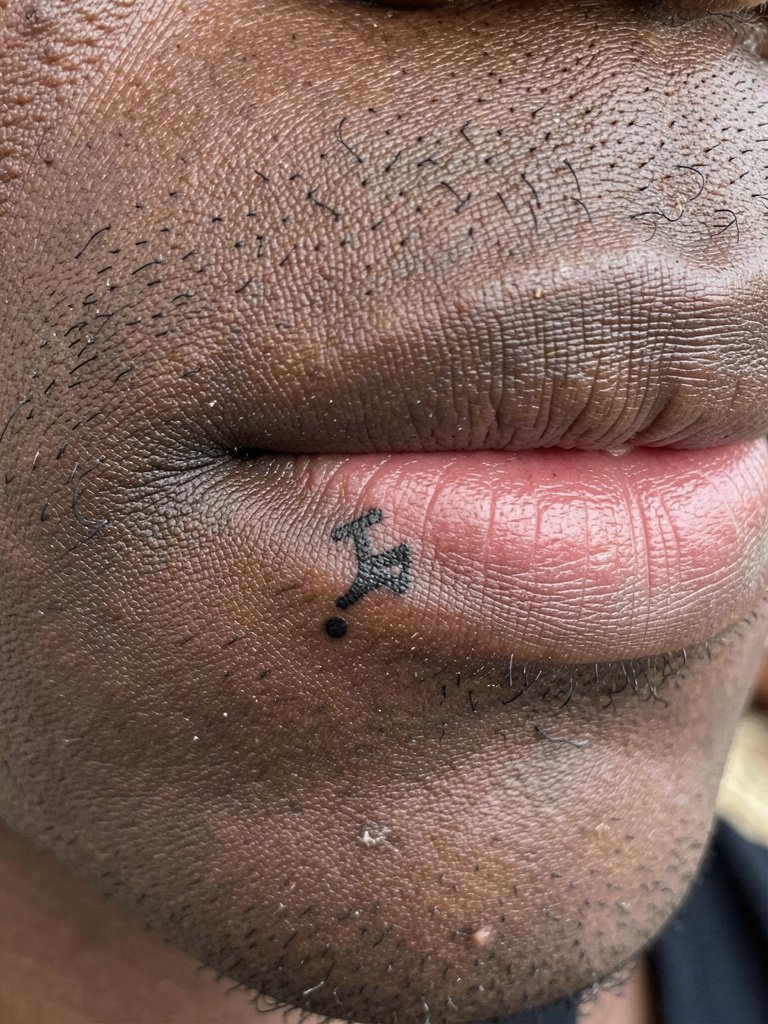
Inner-lip tattoos are private and novelty-forward but the mucosa environment means faster fading and occasional loss. Session times are very short, but touch-ups are common. If you want longevity, pick a bold tiny symbol rather than thin script. Note professional considerations: some studios decline inner-lip work or set specific expectations about fading. Because of the hygiene and tissue type, expect a different aftercare rhythm and a higher chance you will need touch-ups within months.
10. Bikini-Line Micro Tattoo
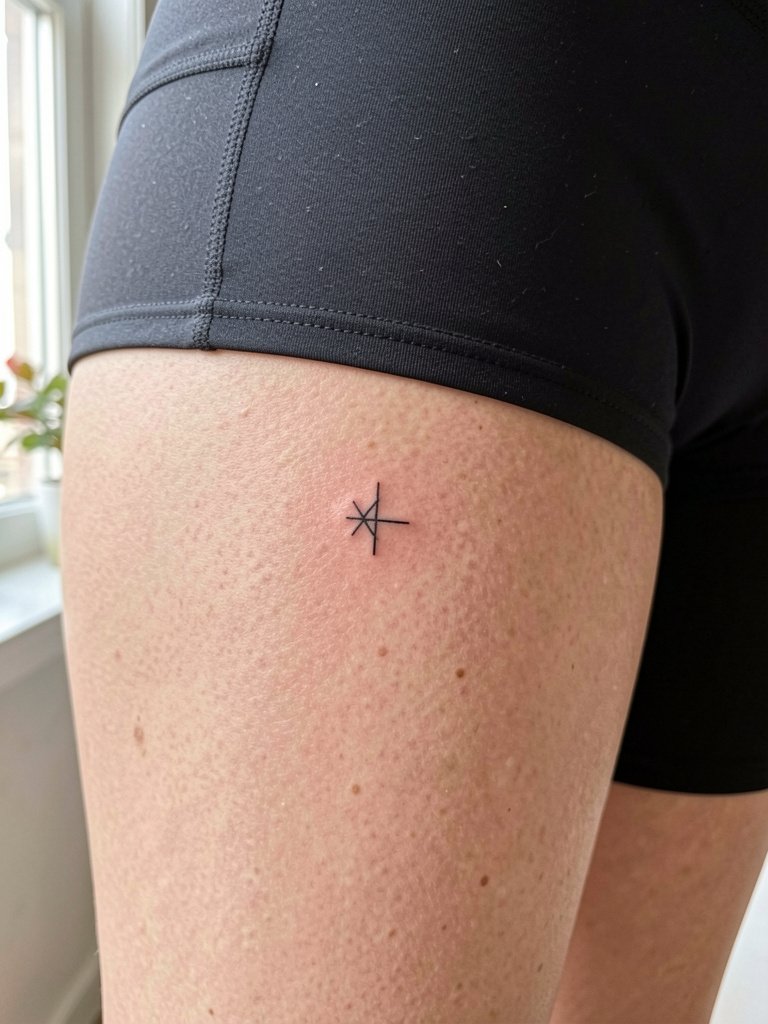
This placement is intimate and stays hidden under everyday clothes. The inner thigh has softer skin that takes black ink well, but friction from legs and tight fabrics can dull fine detail during healing. A session wardrobe of loose shorts or a skirt is essential so fresh ink does not rub. Keep the design simple and size it so dotwork or small line elements do not collapse into a blob over time. Expect touch-ups if you wear a lot of activewear that chafes the area.
11. Underboob Ornamental Linework
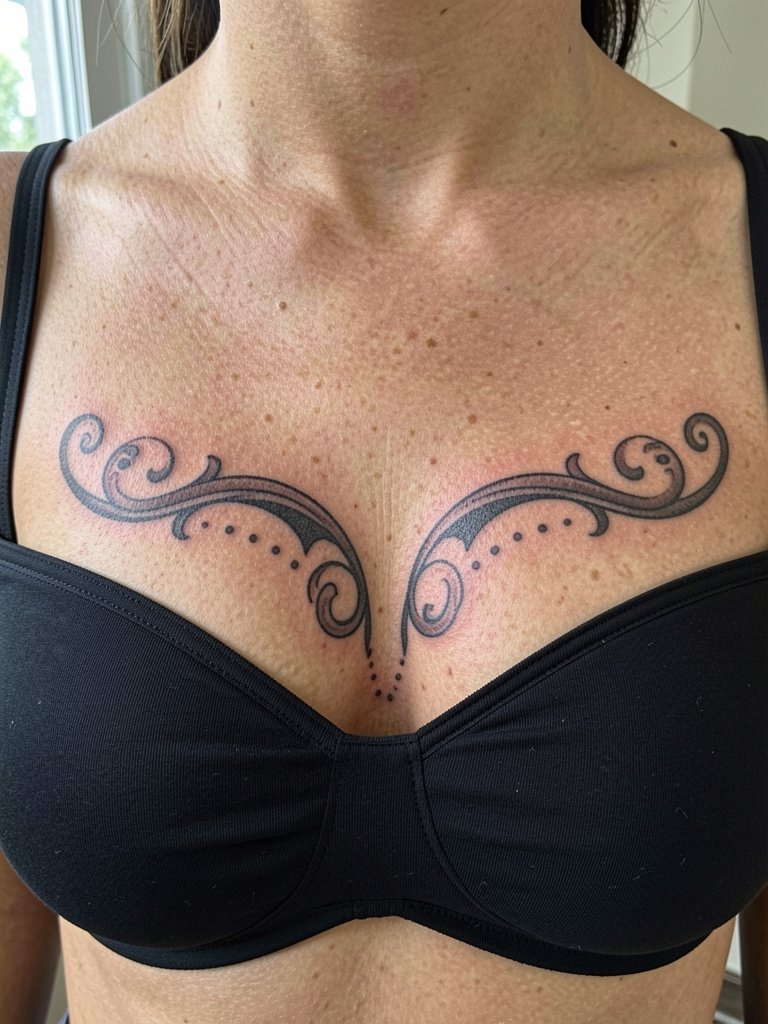
Underboob pieces can be dramatic and remain mostly private. The area is sensitive and moves with breathing, so allow the artist to scale central motifs slightly larger than your visual reference. A common mistake is insisting on micro-detail in a tight curve where touch-ups will be needed. For the session, a front-opening garment or supportive bra you can remove easily will make positioning straightforward. Expect mild-to-moderate pain and at least one touch-up for perfect symmetry.
12. Lower Back Discreet Design
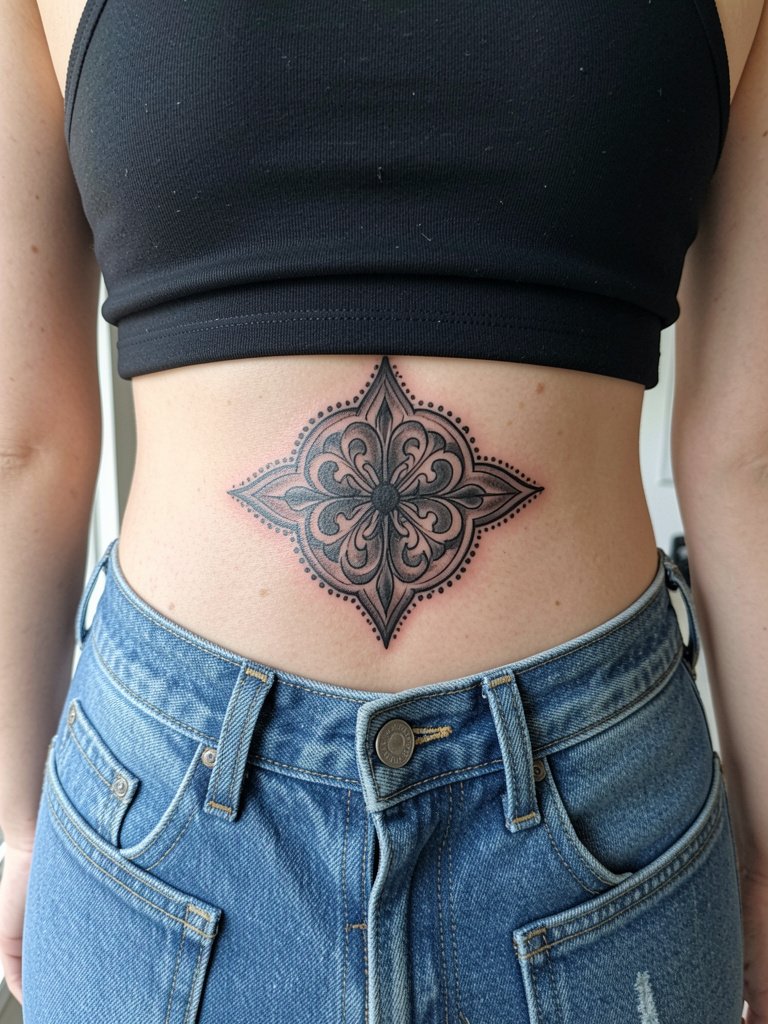
The lower back gives a flat canvas for medium-scale hidden designs. It is forgiving for simple blackwork and holds contrast well over time. The main practical point is clothing during sessions: wear a fitted cropped top so the artist can work without fabric tugging. Consider a design that allows for slight widening of line weight to resist fading if you sit against waistbands often. For show-off days, low-rise jeans and crop tops still reveal the area with minimal fuss.
13. Foot or Toe Micro Symbol
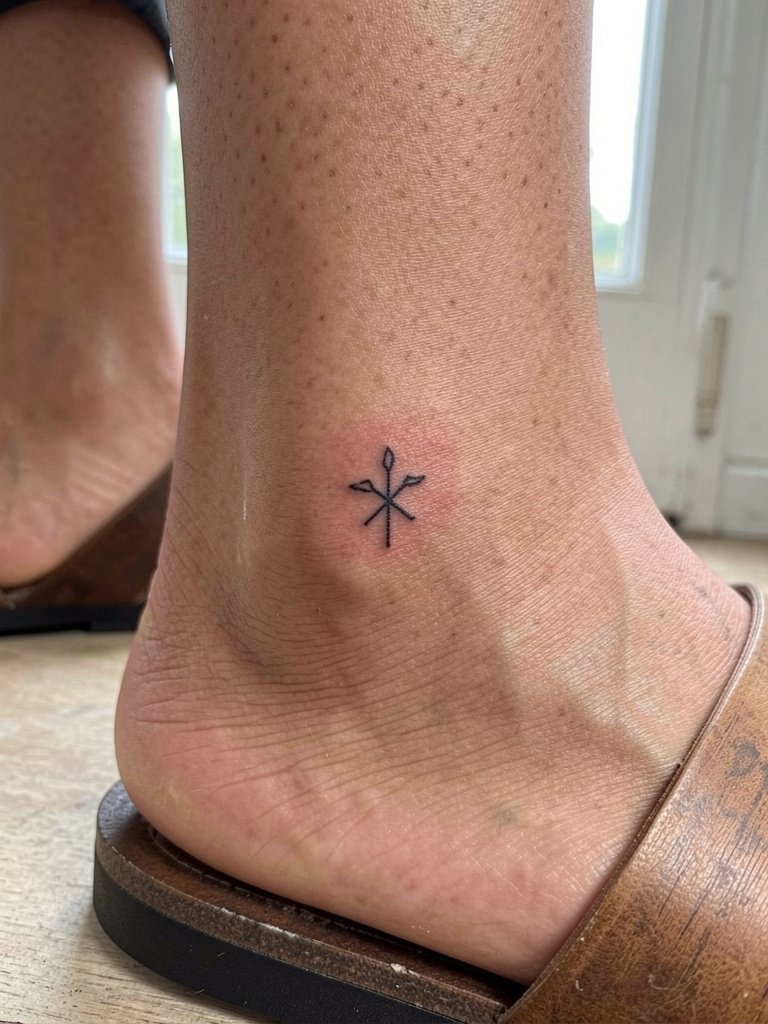
Toe and foot tattoos are playful but sit in high-wear zones. Expect faster fading from shoe friction and repeated washing. If you want longevity, choose bold silhouettes instead of tiny, intricate filigree. The session is quick, but plan for a touch-up at the one-year mark. For a casual reveal, sandals and cropped pants frame these tiny tattoos nicely. Try a lightweight slip-on sandal search when you want to show it off.
14. Shoulder-Blade Hidden Script
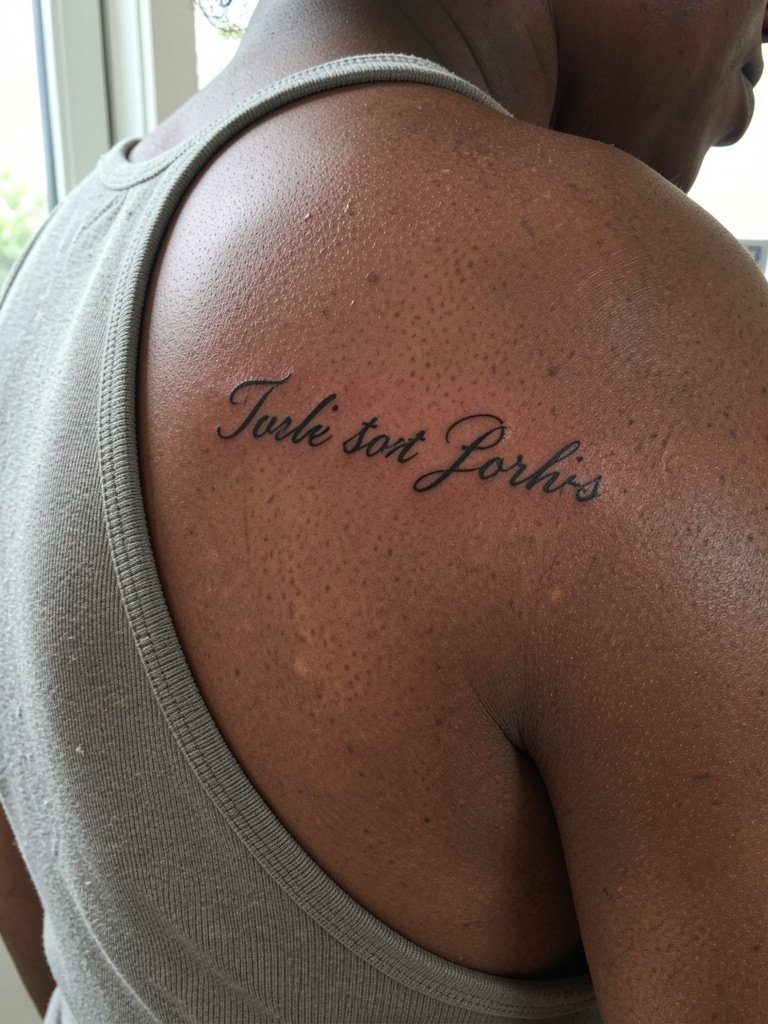
The shoulder blade is easy to conceal under shirts and gives room for a short line of text or a small motif. The skin here is stable so thin scripts can survive longer than on fingers or lips. One mistake is placing text too close to the spine or shoulder joint where movement distorts letters. For sessions, wear a top with a wide or scoop back to avoid fabric rubbing. When showing the piece, open-back tops or swimsuits create an effortless reveal. Consider a layered necklace search to balance a visible shoulder-blade script.
15. Finger Micro Tattoo
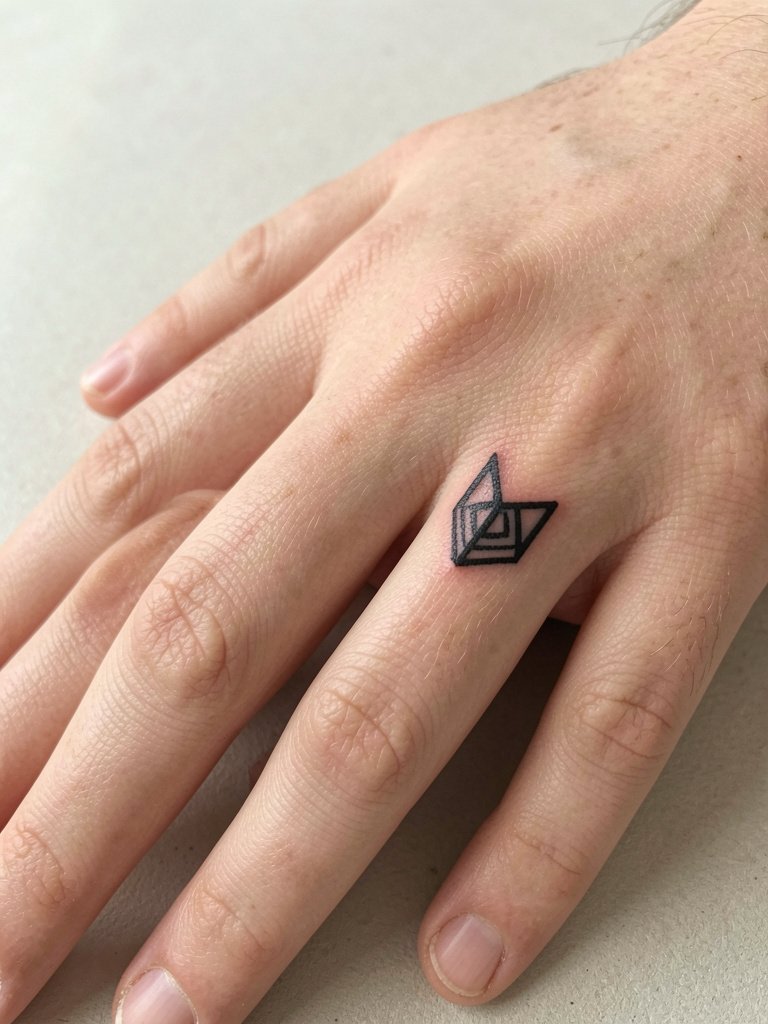
Finger tattoos are visible when you want them and easy to hide with gloves, but they are among the fastest to fade because of constant washing and skin turnover. Artists split into two camps on this. One camp says fingers blur and peel quickly and that single-needle detail rarely holds beyond a couple of years. The other camp argues that slightly thicker line weights, careful placement on the side of the finger, and planned touch-ups make finger work a viable long-term option. If you choose a finger piece, plan for at least one touch-up in the first year and keep rings minimal during healing.
16. Inner Forearm Botanical or Script
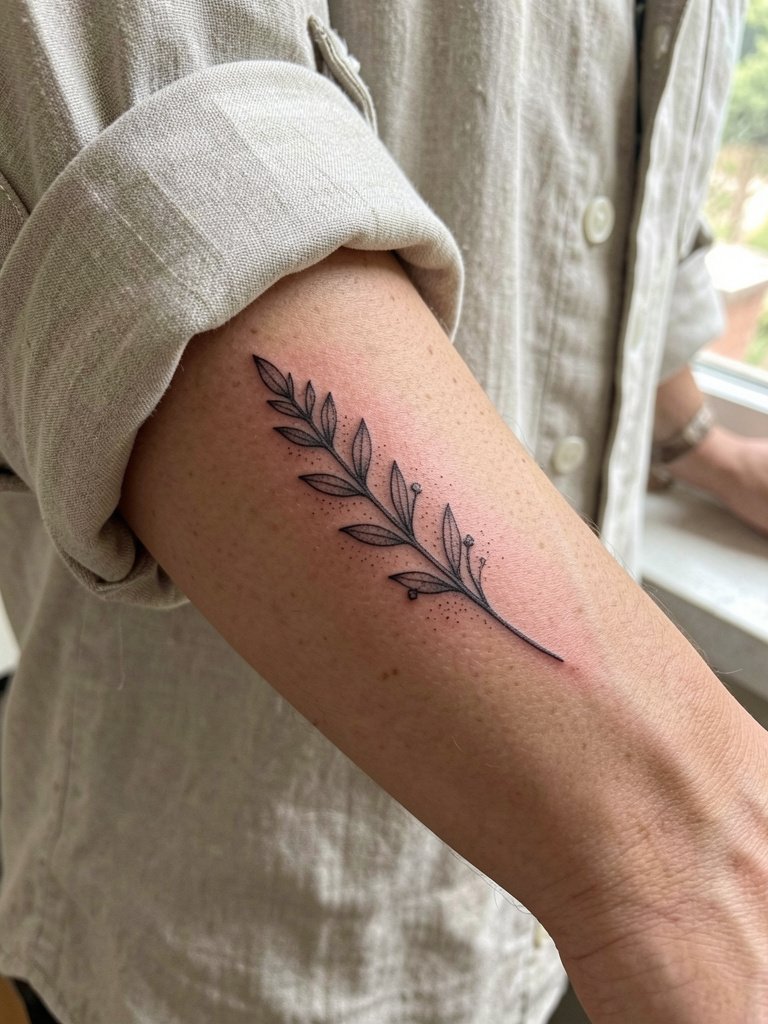
The inner forearm is a great canvas for elongated designs that you can easily show. Fine line shading does well here if the artist spaces lines to avoid crowding. A practical consultation detail is to bring two references at different scales so the artist can show how the design reads at three inches versus five. For wardrobe, rolled sleeves and linen shirts frame this placement; consider a linen button-down search for everyday styling. Expect low-to-moderate pain and good healing with minimal touch-ups if protected from friction.
17. Gluteal Fold Private Spot
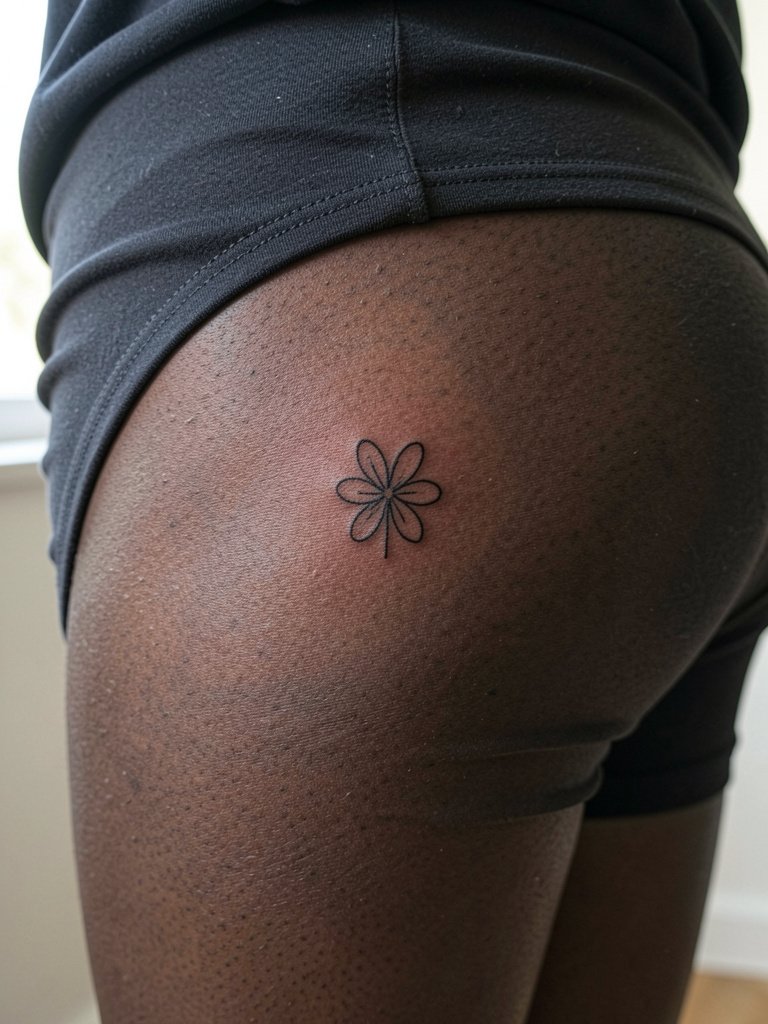
The gluteal fold is among the most private placements and rarely seen outside intimate moments. The skin is soft and accepts black ink well, but sitting and tight clothing can rub during healing. Bring a session outfit that avoids compression of the area and expect a routine touch-up if you wear a lot of fitted pants. This is a good choice for someone who wants the piece to remain essentially secret.
18. Behind-the-Knee Minimal Motif
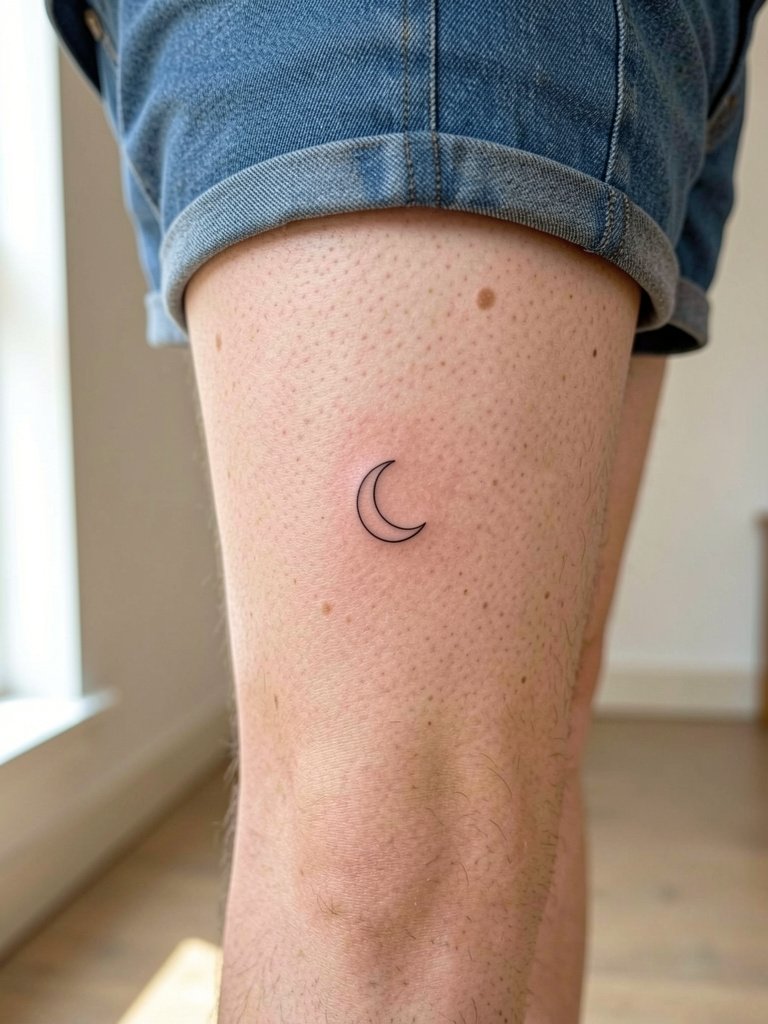
Behind-the-knee tattoos are rare and can be hidden in daily clothing. The skin there bends a lot as you walk, so avoid complex shading too small for the area. A common mistake is packing dotwork into a moving crease. For the session, wear shorts that sit naturally and avoid compression afterward. Expect the area to require careful hydration during healing because bending can pull at scabs.
19. Collarbone Micro Script
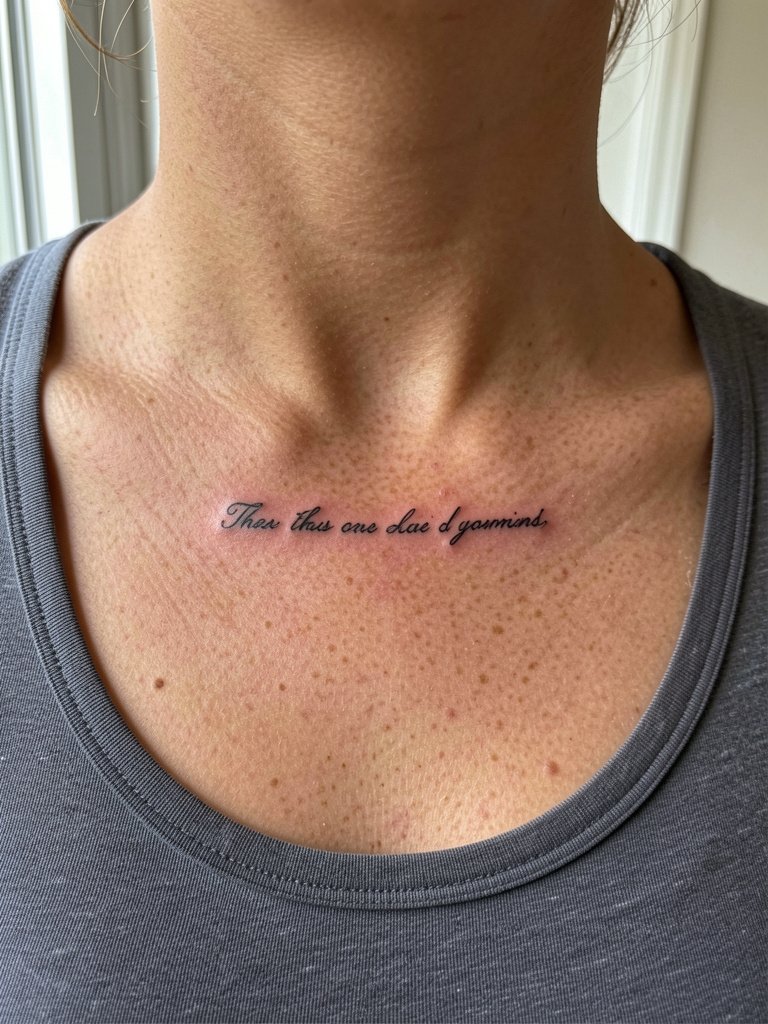
Collarbones are low-profile and look intentional when placed along the bone. The trick is to size letters with breathing room so shoulder movement does not make the script merge. Tell the artist how the piece should sit relative to the bone and the neckline of clothes you usually wear. For showing it off, deep V-necks or scoop-neck tees work well; try searching plunge neckline top styles. Pain ranges from mild to moderate because you are working over bone.
20. Inner Elbow Tiny Motif
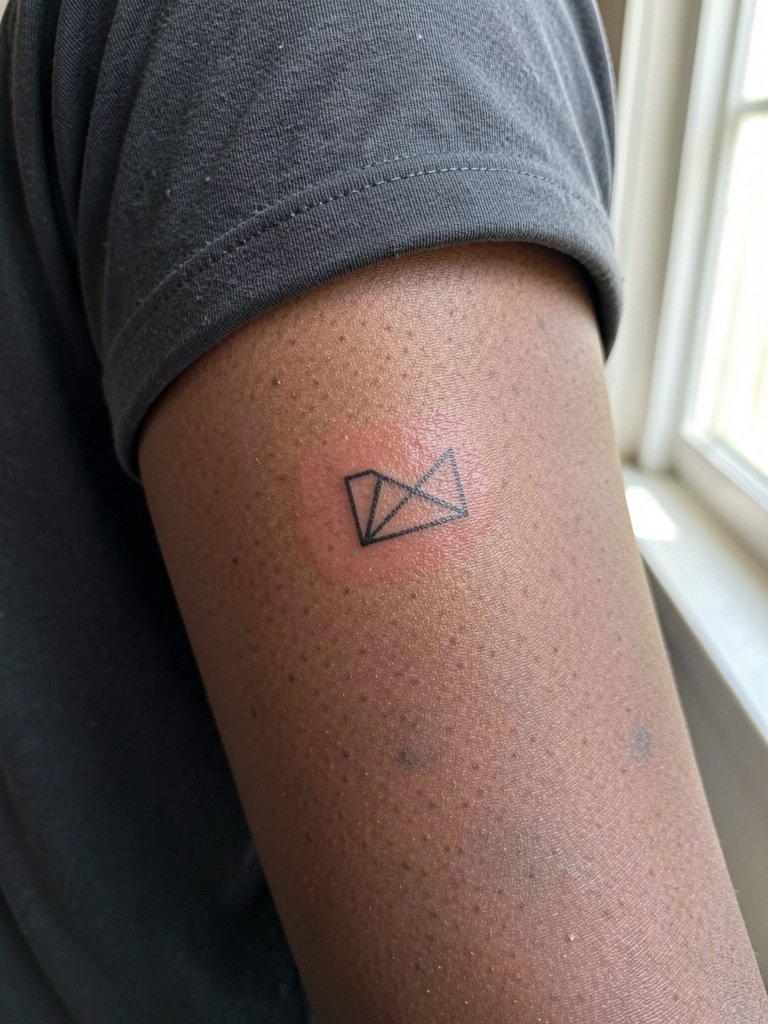
Inner-elbow work sits right on a crease and is prone to faster wear if lines cross the fold. The best approach is a compact silhouette with negative spacing that avoids sitting directly in the fold. Session comfort varies because the area is sensitive when bent. For the appointment, pick a shirt with an easy sleeve that stays put without rubbing the fresh ink. Expect touch-ups sooner than on flatter areas.
21. Toe Micro on the Side or Top
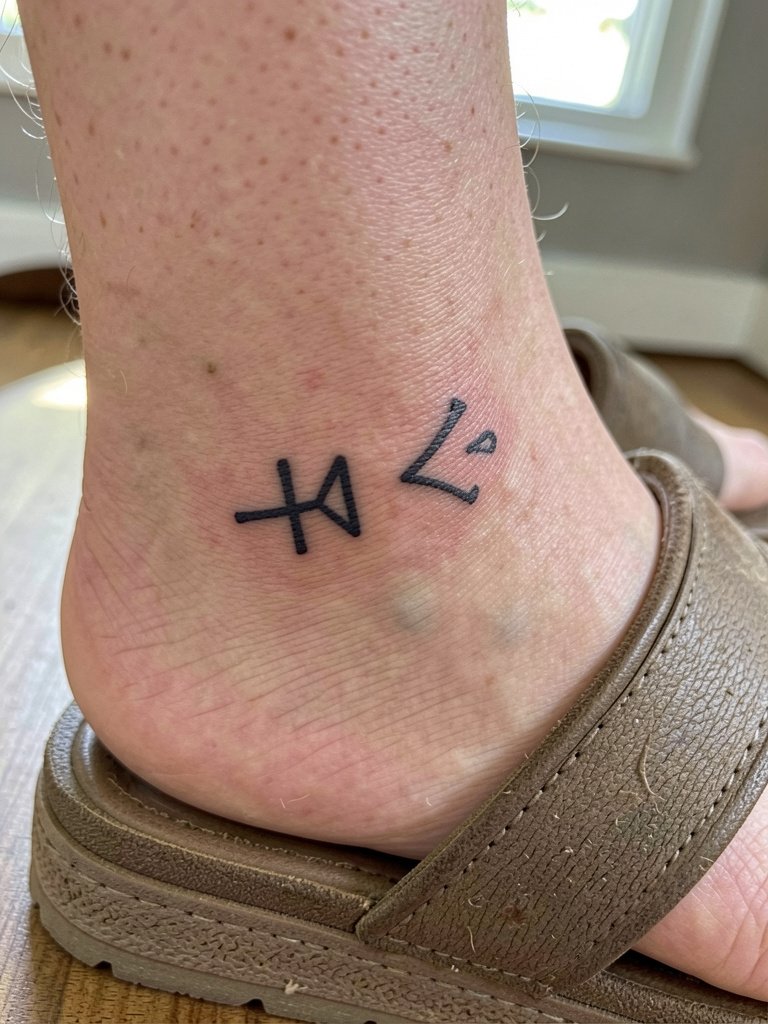
Toe tattoos are charming but take a beating from footwear and washing. Pick a bold icon rather than delicate linework. If you plan to show it often, sandals and cropped pants are the easiest wardrobe choice. For the session, wear loose footwear or bring sandals so the toe can stay exposed without pressure. A realistic expectation is a touch-up window within 6 to 18 months depending on activity level.
22. Side-of-Hand Micro Mark
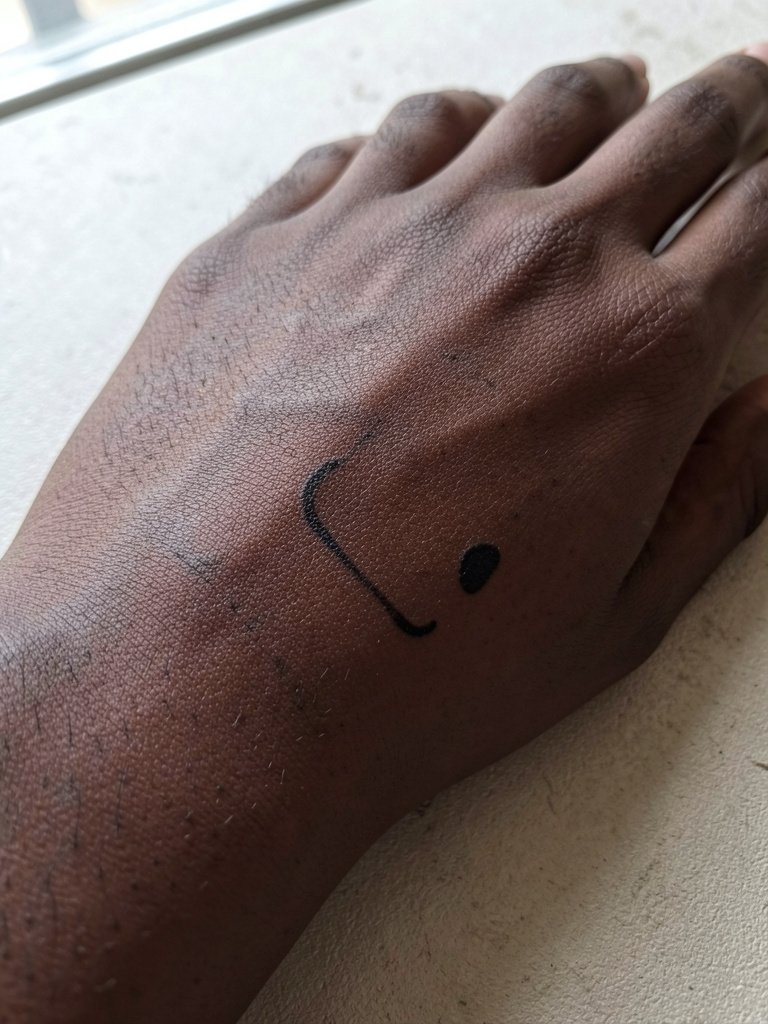
Side-of-hand tattoos are visible and vulnerable. Expect faster fading and frequent touch-ups because the area undergoes constant friction and washing. The best design is a small, strong silhouette. During the session, avoid heavy rings or contact to reduce early scabbing. Keep expectations realistic about longevity and budget for a scheduled touch-up in the first year.
23. Inner Bicep Petite Portrait or Symbol
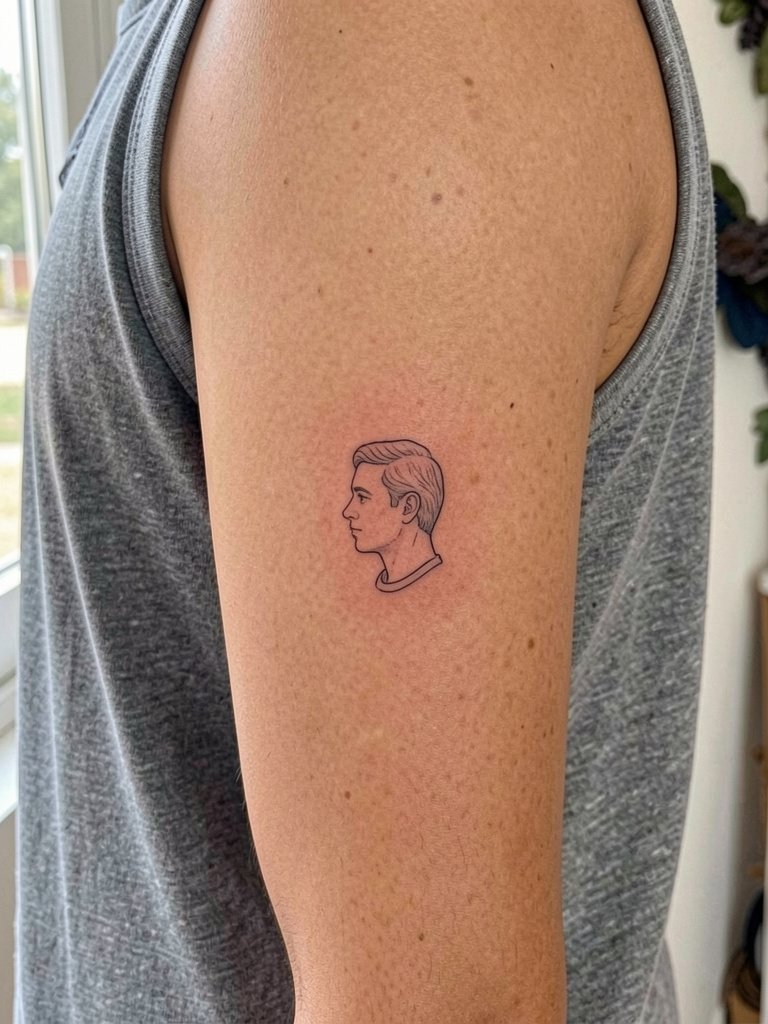
The inner bicep offers privacy when the arm is down and a strong reveal with short sleeves. Avoid packing too much facial detail into a tiny portrait. A good consultation detail is to show the artist the exact photo and ask them to redraw it scaled for the curved plane of the inner arm so facial features have room. Pain is moderate. For the session, wear a loose tank or sleeveless shirt you can move without stretching the arm area.
Frequently Asked Questions
Q: How much does a small hidden tattoo usually cost?
A: Small tattoos often hit studio minimums, so expect a price range rather than a per-piece rule. Studio minimums commonly fall in the 50 to 150 range for quick single-session work. More complex or private placements that need multiple sessions can push into the 150 to 400 plus range depending on time and detail. Ask for an estimate in minutes when possible so you can compare artist rates fairly.
Q: Which hidden placements hurt the most and which hurt the least?
A: Pain varies by person, but ribs, sternum, and behind-the-ear zones are commonly reported as higher sensitivity. Lower-pain areas include the outer thigh, upper arm, and calf. Finger, foot, and inner lip placements feel sharp but short. Plan your first session on a lower-pain area if anxiety about pain is a deciding factor.
Q: How do I find local healed examples and artists who do hidden placements?
A: Search hashtags like #hiddentattoo, #microtattoo, and #finelinetattoo on Instagram and TikTok and use location filters for your city. Reddit communities such as r/tattoos and r/tattooadvice also surface real healed shots and firsthand accounts of placement, pain, and touch-ups. Look for portfolios that show healed work, not only fresh photos, and search local directories with terms like "small script tattoo" or "hidden placement tattoo" to narrow results.
Q: How long before a tiny tattoo needs a touch-up?
A: Touch-up timelines depend on placement and lifestyle. Fingers, toes, and inner-lip pieces often need touch-ups within 6 to 18 months. Stable areas such as the upper thigh, inner forearm, and shoulder blade can go years before a touch-up. Budget for at least one touch-up on high-wear spots.
Q: What should I wear to my appointment for these placements?
A: Match your outfit to the placement. For nape or behind-the-ear pieces, pick an easy updo and a loose neckline. For hip, rib, or sternum work, wear loose, front-opening shirts or sports bras that allow the artist access without fabric tugging. For ankle, toe, or foot work, bring sandals so the area is exposed without pressure. Simple clothing choices reduce friction during healing and make positioning easier for the artist.
Q: Are fine line hidden tattoos a risk for quick fading or do they last?
A: This topic splits opinions. One side says fine line is ideal for discrete placements because it looks delicate and elegant when done, but it can soften faster in high-friction zones like fingers or inner lip. The other side maintains fine line can hold up with slightly increased spacing and modest line weight, pointing to healed examples that look clean after several years. The practical takeaway is to size and space lines for the placement rather than copying a tiny reference exactly.