
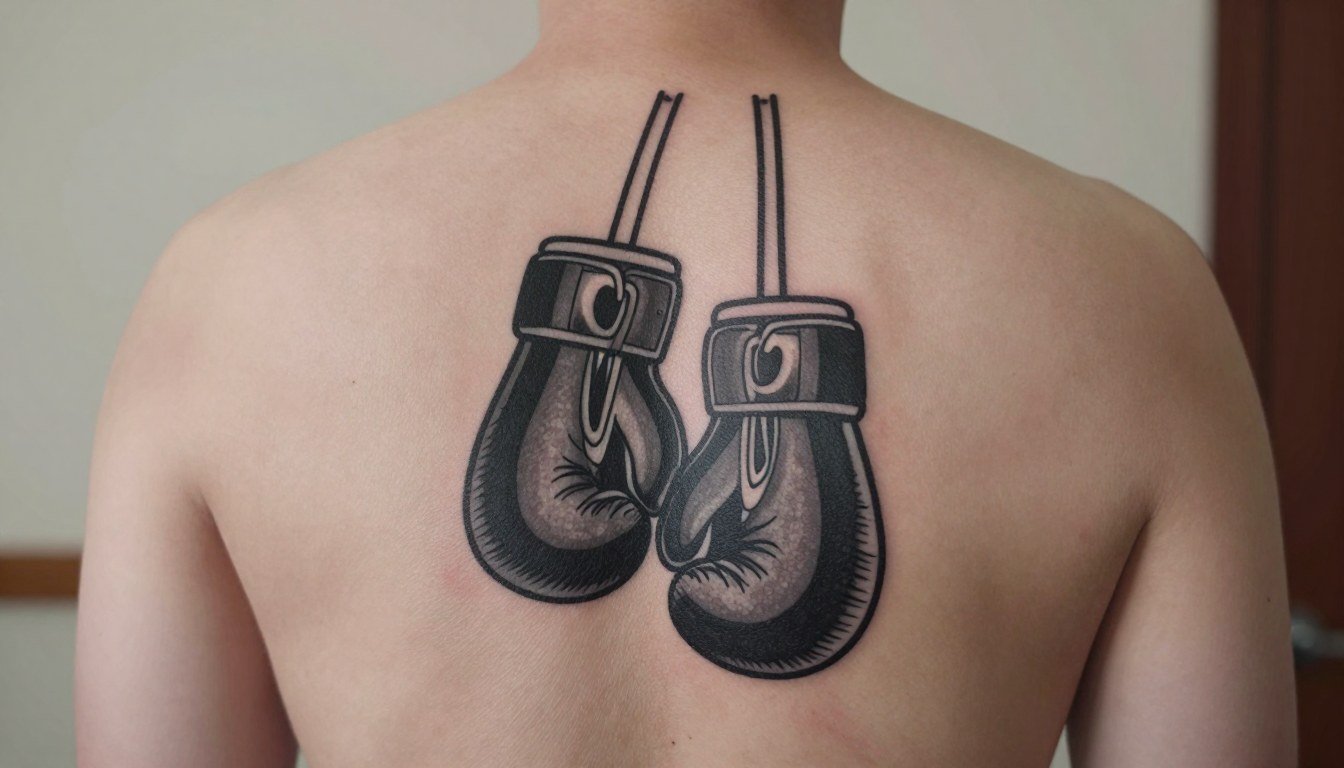
Small gym tattoos look effortless on a training selfie, but they age very differently depending on placement, line weight, and how much you sweat between sessions. Pick a clean silhouette or a movement-based emblem and you get a piece that still reads after a few seasons of training. Below the surface I focus on what holds up, what to size for healed readability, and how to pair each placement with real gym and streetwear.
1. Minimalist Barbell with Negative Space Plates, Outer Forearm
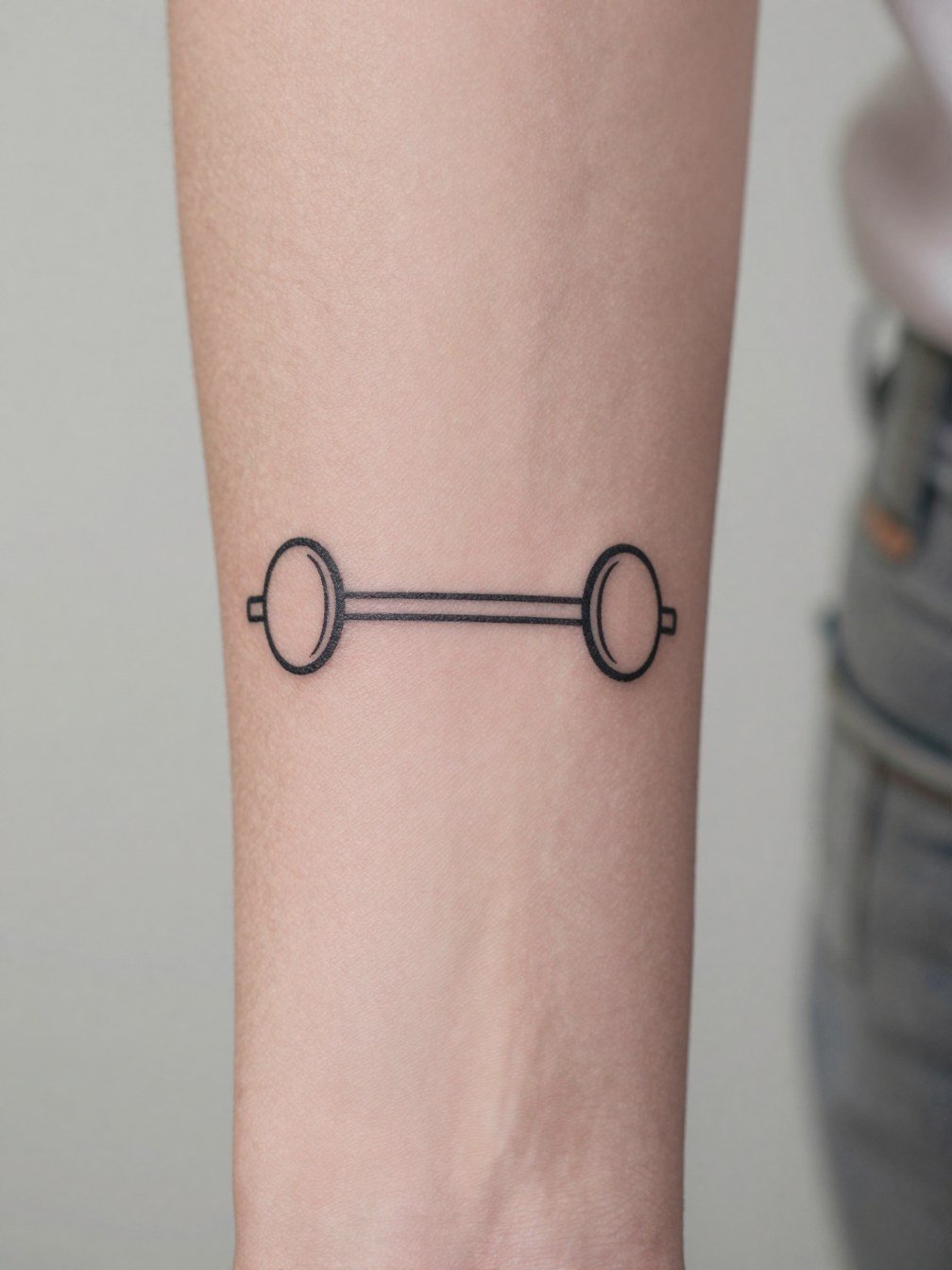
A tiny barbell on the outer forearm reads clearly when drawn as a silhouette rather than tiny decorative flourishes. Size it so the negative space plates are at least a centimetre across after healing, or the holes will fill in over time. For the session expect light vibration and a low pain score, and most artists finish this in a single short sitting. Common mistake, asking for ultra-thin single-needle lines that blur, can be avoided by requesting slightly heavier linework and clear plate gaps. For showing it off try a rolled sleeve tee so the outer forearm stays visible during workouts.
2. Fine Line Dumbbell with Short Script Wordmark, Inner Forearm (palm-up surface)
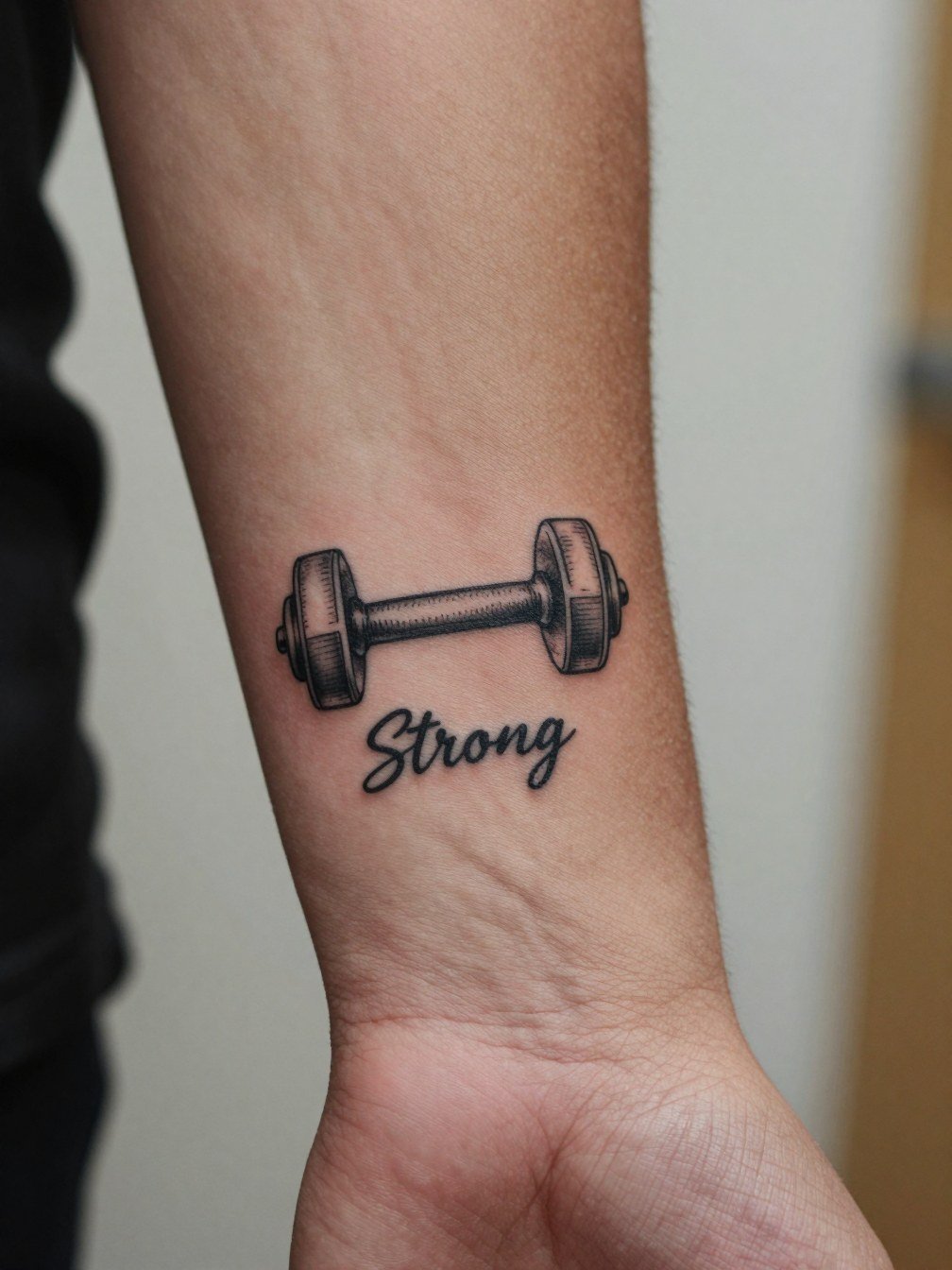
Inner forearm is great for readable fine script, but the underside of the forearm can soften detail if lines are too thin. Ask for a slightly stronger line weight for the dumbbell and keep the script to one short word in a legible scale. Tell the artist you want the lettering spaced to remain clear at two years healed, and bring a reference showing the exact letter spacing you like. Session comfort is moderate since the skin is flat and accessible. For a gym-ready look pair this placement with a linen button down shirt worn rolled at the sleeves to reveal the palm-up surface.
3. Black and Grey Boxing Gloves, Shoulder
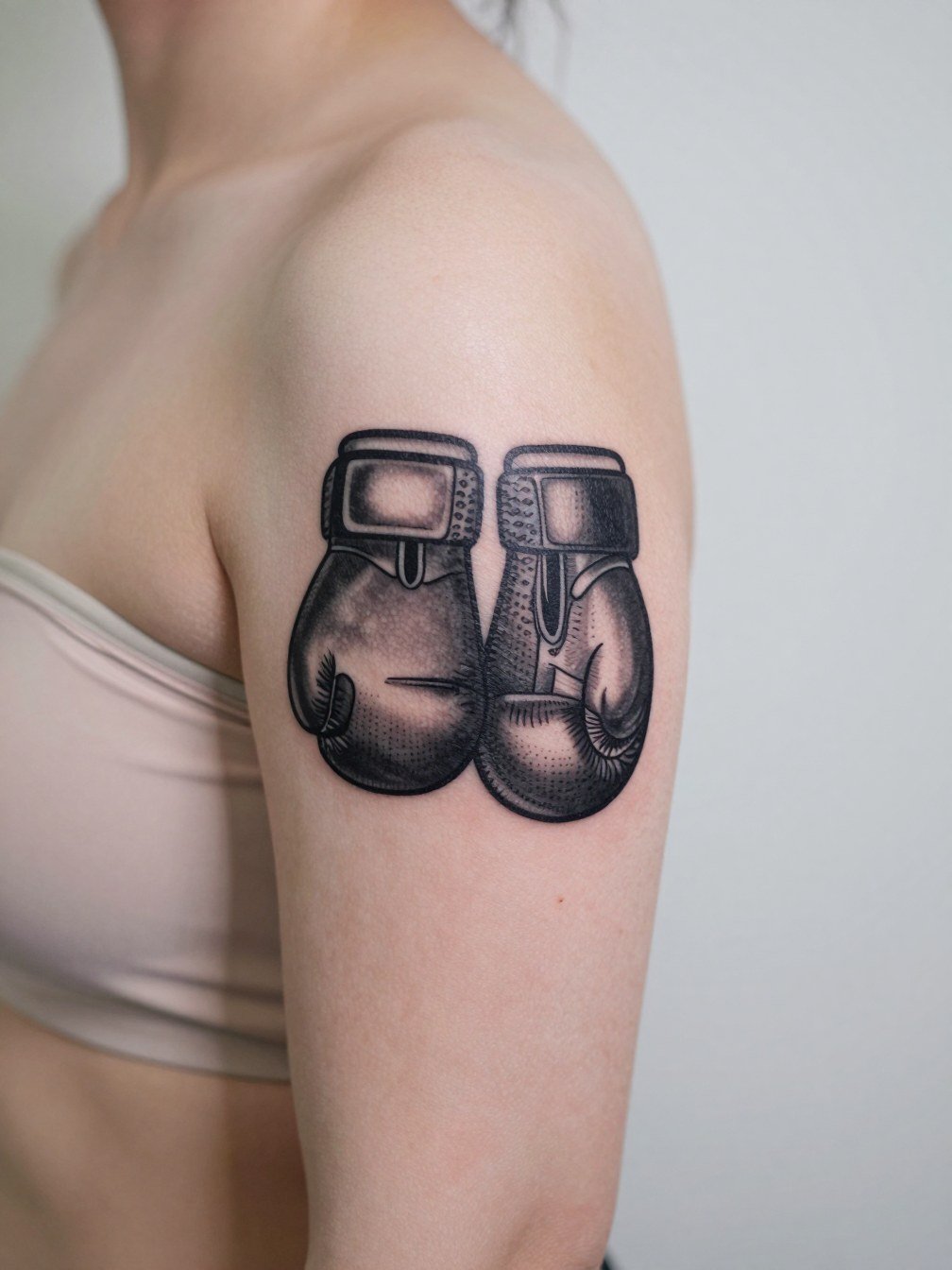
A shoulder piece lets shading show without competing with tight joints or stretch zones. The black and grey glove image ages well because saturation holds on the rounded deltoid. Common error, compressing too much detail into a small shoulder dot, turns shading into a muddy patch after a few years. For this piece request moderate saturation with visible stipple shading to preserve midtones and ask for a one-year touch-up plan to keep contrast crisp. Wear a racerback tank to frame the deltoid and show off the shading.
One camp on working out after a fresh tattoo says skip the gym because sweat and shared surfaces raise infection risk. The other camp says light training is acceptable if you cover the area loosely and wash it right after. These two stances are both common, and the right move depends on the wound size and your gym routine.
4. Kettlebell with Motivational Typography, Upper Arm
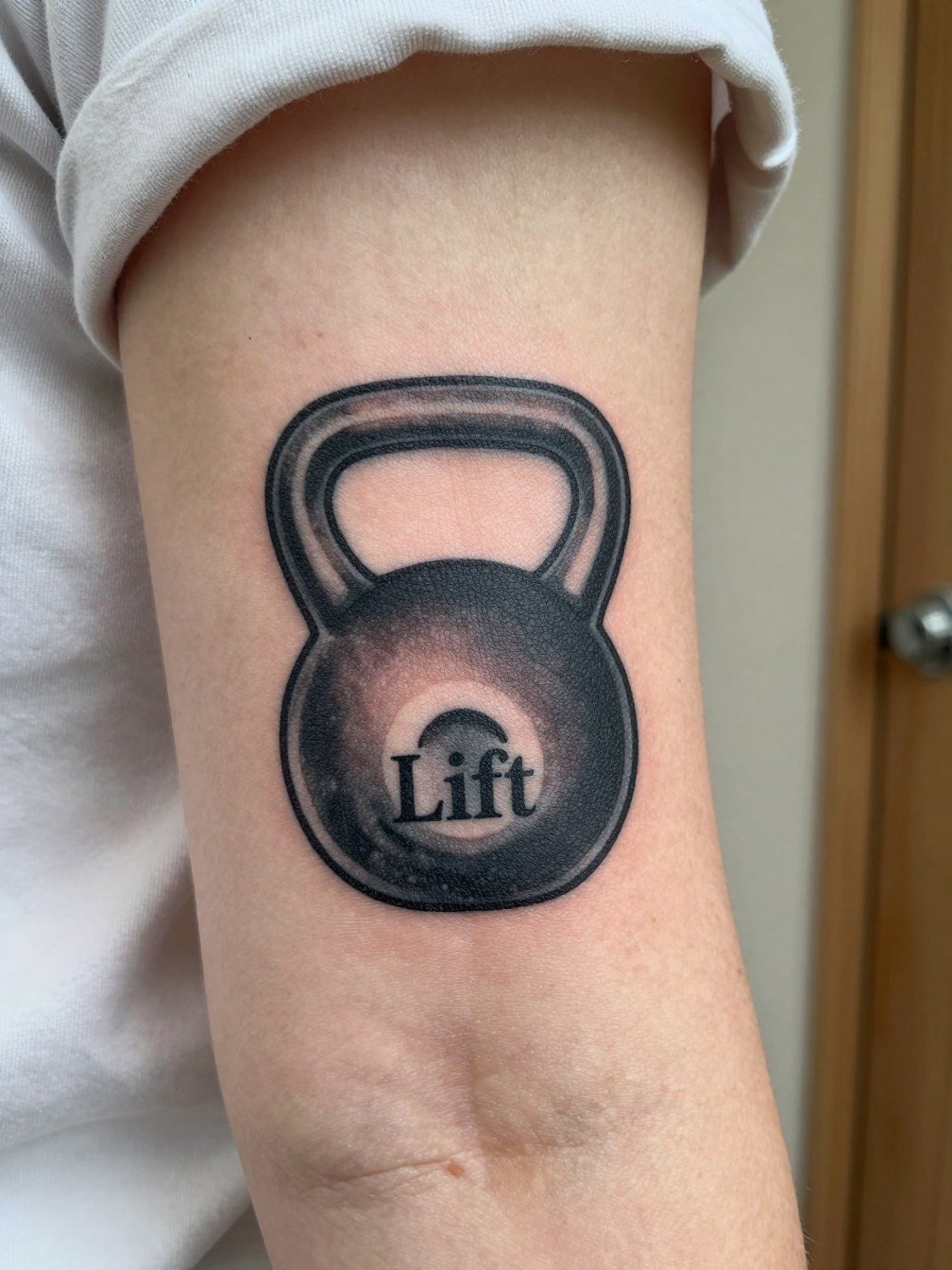
Upper arm pieces allow slightly larger lettering without losing readability. For this kettlebell, pick a short phrase of one to two words and set the type in strong weight so it holds at five years. A frequent mistake is choosing a long quote that compresses into a blur after healing. Session time is typically one to two hours depending on letter count and the kettlebell detail. To show it off, pair the placement with muscle tank tops that keep sleeves off the deltoid and let the kettlebell sit visually centered.
5. Minimal Barbell Silhouette, Nape
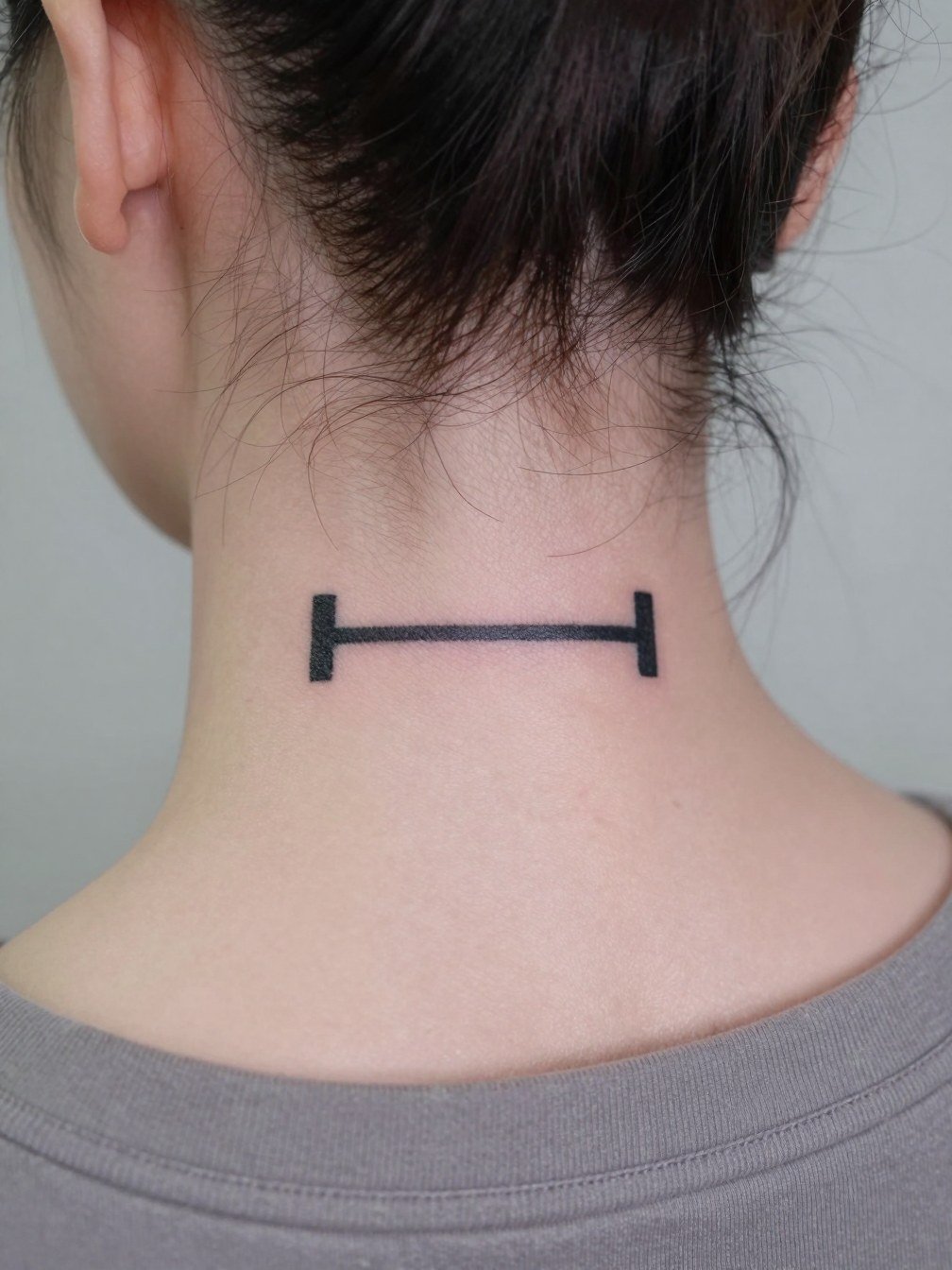
A tiny barbell at the nape reads best when placed just below the hairline, where tied-up hair or a high ponytail will reveal it in the gym. The nape is low on blowout risk but can be tricky to hide in a strict workplace. Ask the artist to center the barbell on the spinous line and to keep the line weight slightly heavier than a single-needle to resist migration. Session discomfort is mild but spotty because the thin skin near the neck can sting briefly. For styling try a hair claw clip or high ponytail to show it during workouts.
6. “No Pain, No Gain” Quote with Gym Icon, Shoulder
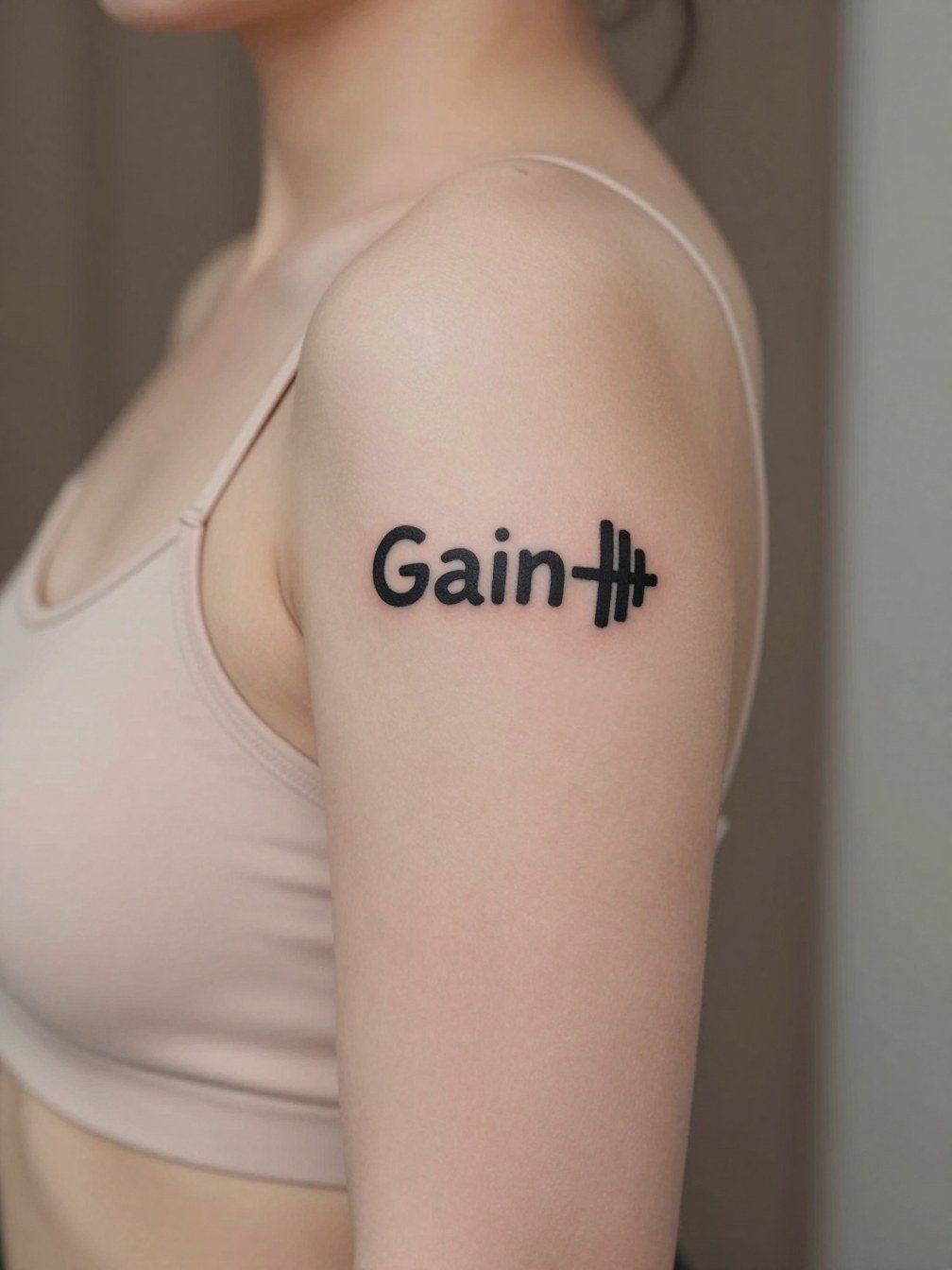
Short motivational quotes age better than long quote blocks when the lettering is bold and compact. One common mistake, asking for hairline cursive at a small scale, which often blurs into unreadability. For this shoulder version pick a condensed script and a matching icon to anchor the phrase. Session time is short for small script, and touch-ups at two to three years keep letters legible. Pair the shoulder with off-shoulder casual tops or muscle tanks to frame the script without crowding it.
Session Essentials
These items help with the small forearm, wrist, and shoulder pieces above, especially during the first week of movement and sweat.
-
Second-skin adhesive tattoo bandages. A breathable adhesive dressing reduces friction from gym surfaces and helps prevent contamination when you must return to training early.
-
Loose breathable arm wraps. A light wrap keeps the area covered without compressing the skin, useful for upper arm or forearm placements during light sessions.
-
Fragrance-free gentle body wash. A mild cleanser is best for washing sweat off fresh ink after a short return to training.
-
Loose drawstring linen pants. Soft, non-abrasive clothing reduces chafing on calf and hip tattoos while healing.
-
Aquaphor healing ointment. A thin layer during the initial days locks in moisture without suffocating the needle channels, especially for fine line work on the forearm.
7. Ponytail, Dumbbell, Coffee Cup, and Tiny Hearts Stack, Outer Forearm
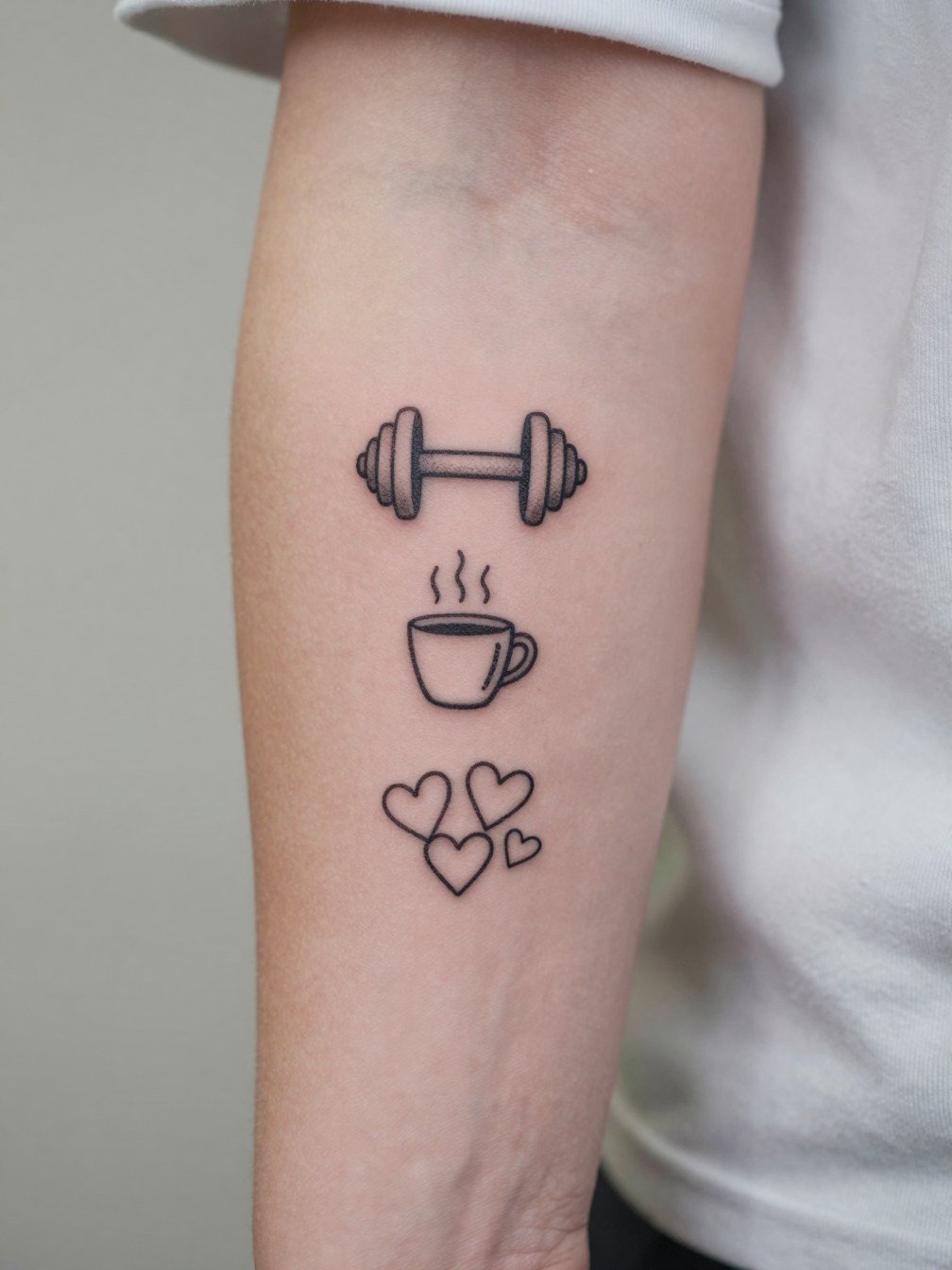
A vertical stack reads well on the outer forearm when each icon is sized to breathe. Avoid asking for icons the size of a thumbnail, because detail will disappear. Discuss spacing with the artist and request mock stencils at full scale so you can see how the stack looks with your forearm length. The session is quick for each tiny element, but multiple icons extend time. For showing the sequence in the gym, rolled short sleeves or a fitted gym tank keep the outer forearm in view.
8. Geometric Divided Panel with Kettlebell and Plate, Upper Arm
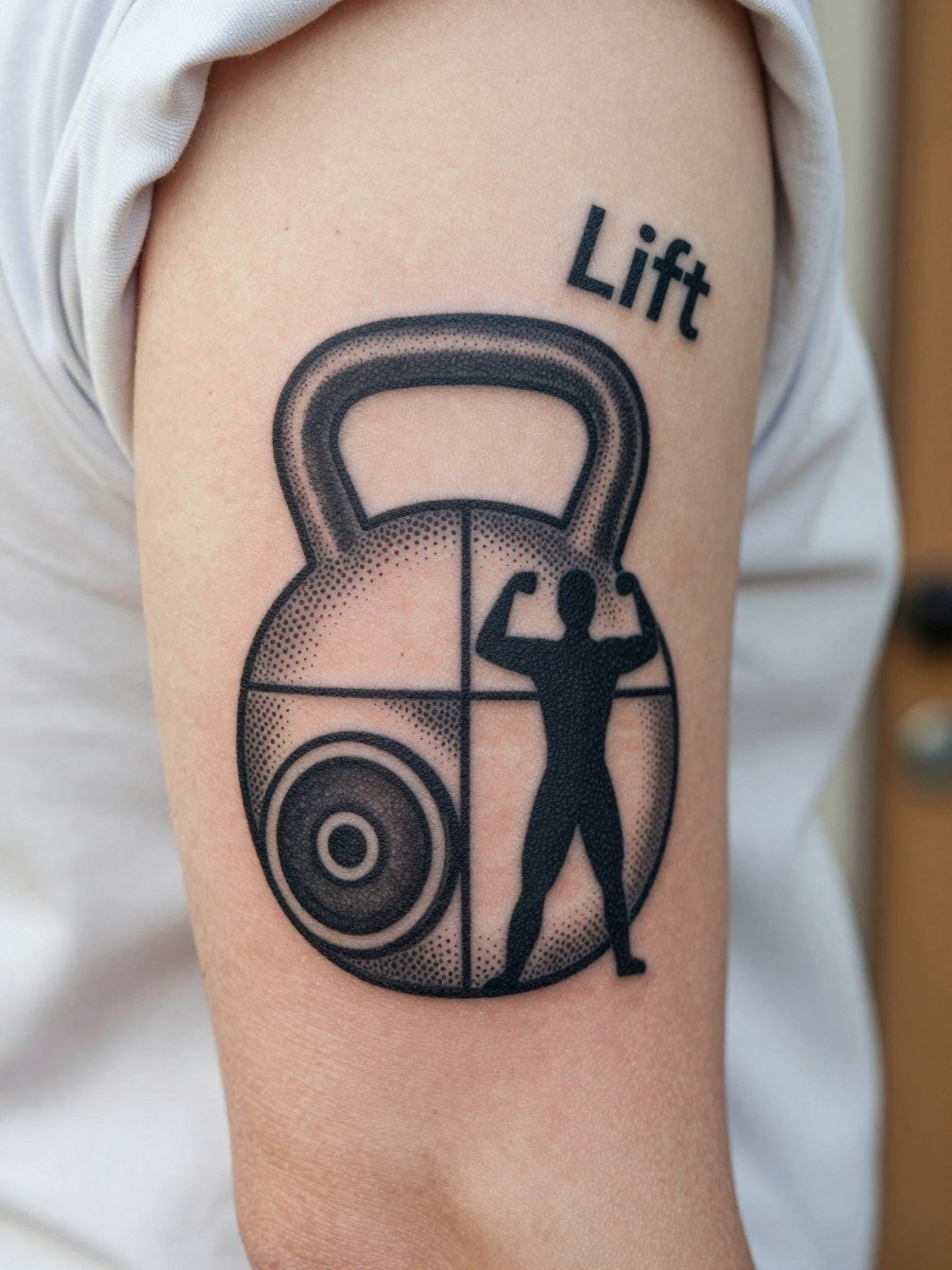
Compartmentalized designs need breathing room between panels or the interior linework will merge. A common mistake is compressing four symbols into a tiny patch, which loses the individual icons after healing. Ask for slightly wider panel borders and consistent spacing so each motif keeps its shape. This style may take one to two sessions depending on panel density. When you want to show it off, wear a boxy baby tee with a sleeveless cut to frame the panels.
9. Dumbbell Connected to Headphones by a Cable Heart, Wrist or Inner Forearm
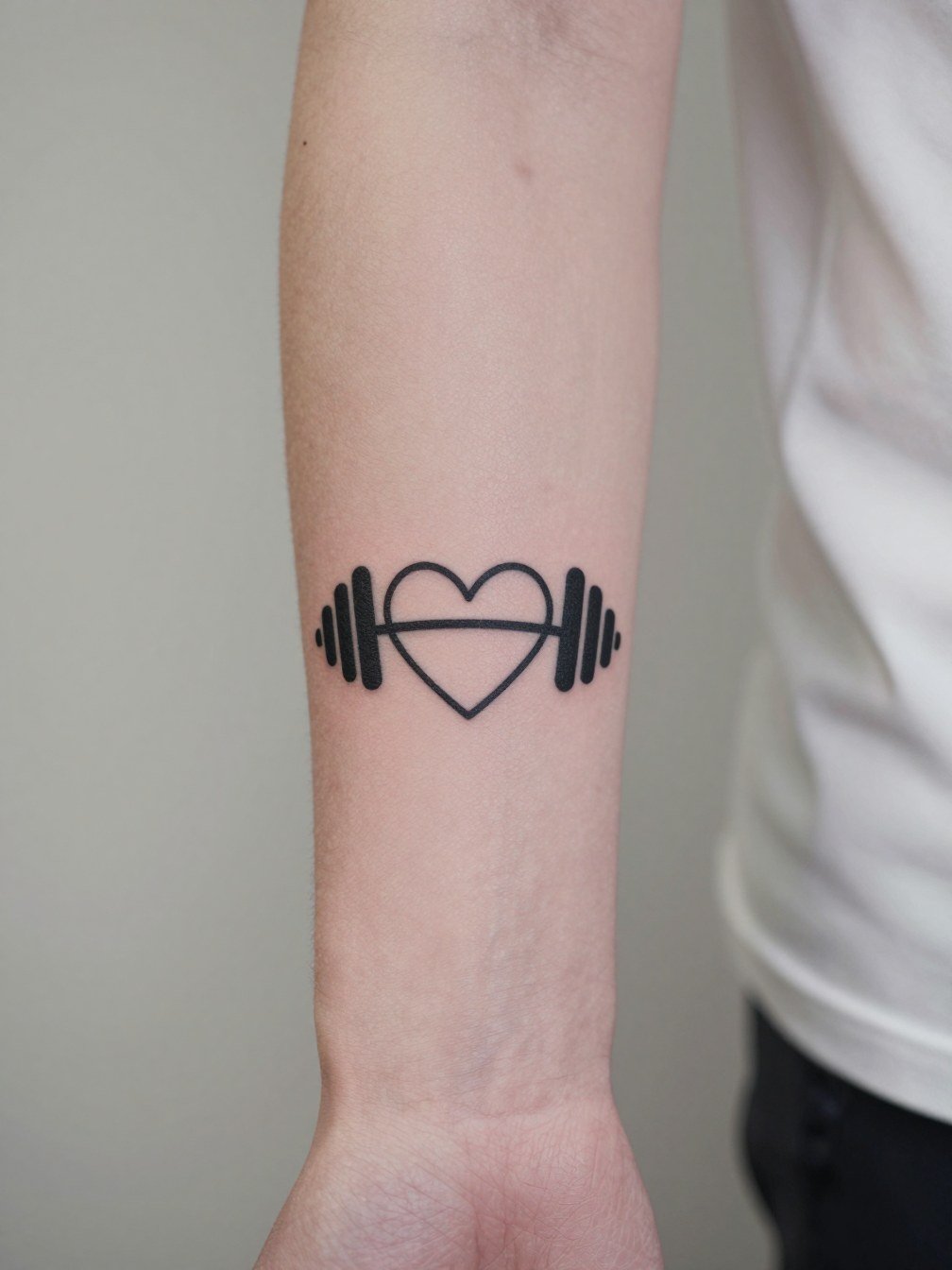
Tiny cable details work best on the wrist if the line weight is slightly heavier than a single needle. The risk is that delicate cable curves blur with daily wrist flexion. Instead, specify a consistent line width and limit the cable length so the heart remains defined. If you want it on the inner forearm, scale it up slightly for readability. For accessories, keep bracelets off the tattooed wrist. A good visual pair is a thin bracelet stack on the opposite wrist.
10. Realistic Deadlift Silhouette, Outer Forearm
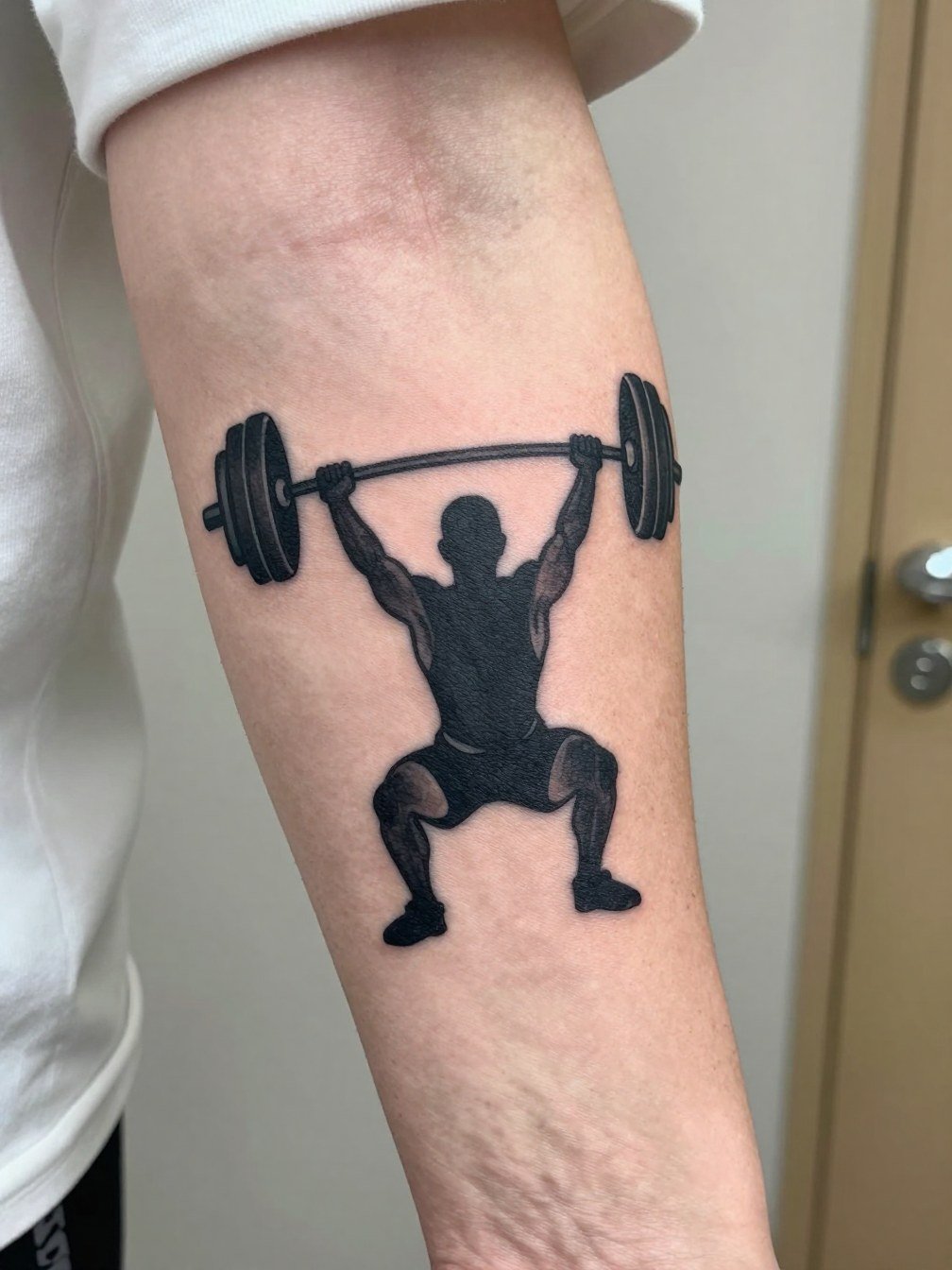
Movement silhouettes are compelling because they represent a specific lift rather than an abstract symbol. For a deadlift silhouette make sure the posture and bar position are anatomically clear so viewers recognize the lift at a glance. A too-small micro-realism version risks losing the human form. Ask the artist for a life-size reference scaled to your forearm length and a one-year touch-up to preserve edge clarity. Session time may be one to two hours depending on shading. For gym visibility, a cropped athletic sweatshirt layered over a tank keeps the outer forearm framed.
11. Skeleton Workout or “Progress” Concept, Calf or Forearm
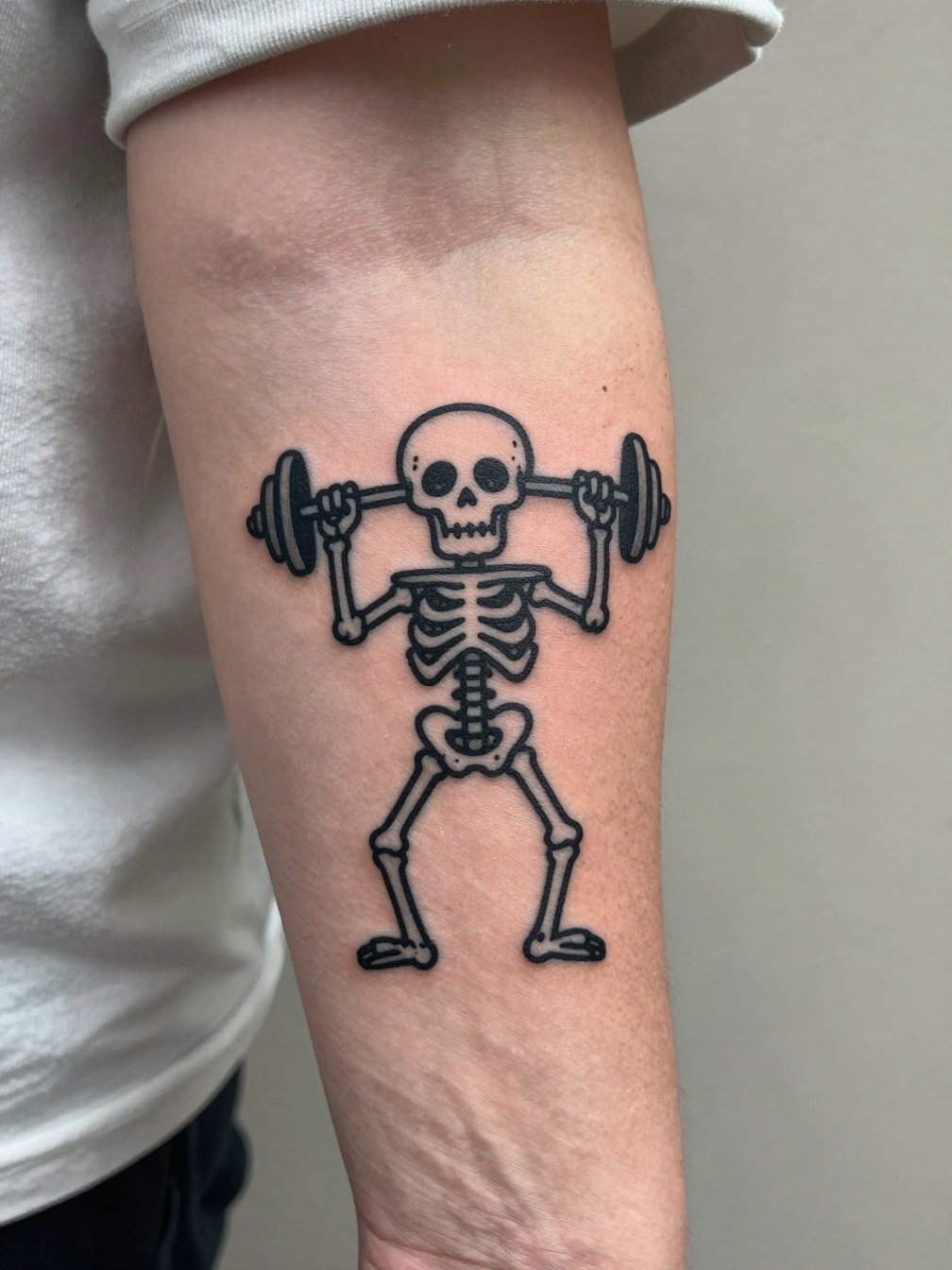
A humorous skeleton piece can avoid cliché by linking to a real milestone, such as a first PR or a training anniversary. Decide whether you want a purely comic tone or a subtly ironic one, and ask the artist for examples of healed ignorant-style blackwork. Calf placement sees less friction and holds shading well, while the forearm gives daily visibility. Sessions are comfortable on the calf, but expect more sensitivity if placed on the inner forearm. For warm-weather showing pair with running shorts that expose the lower leg.
12. Hand Holding a Dumbbell, Outer Upper Arm
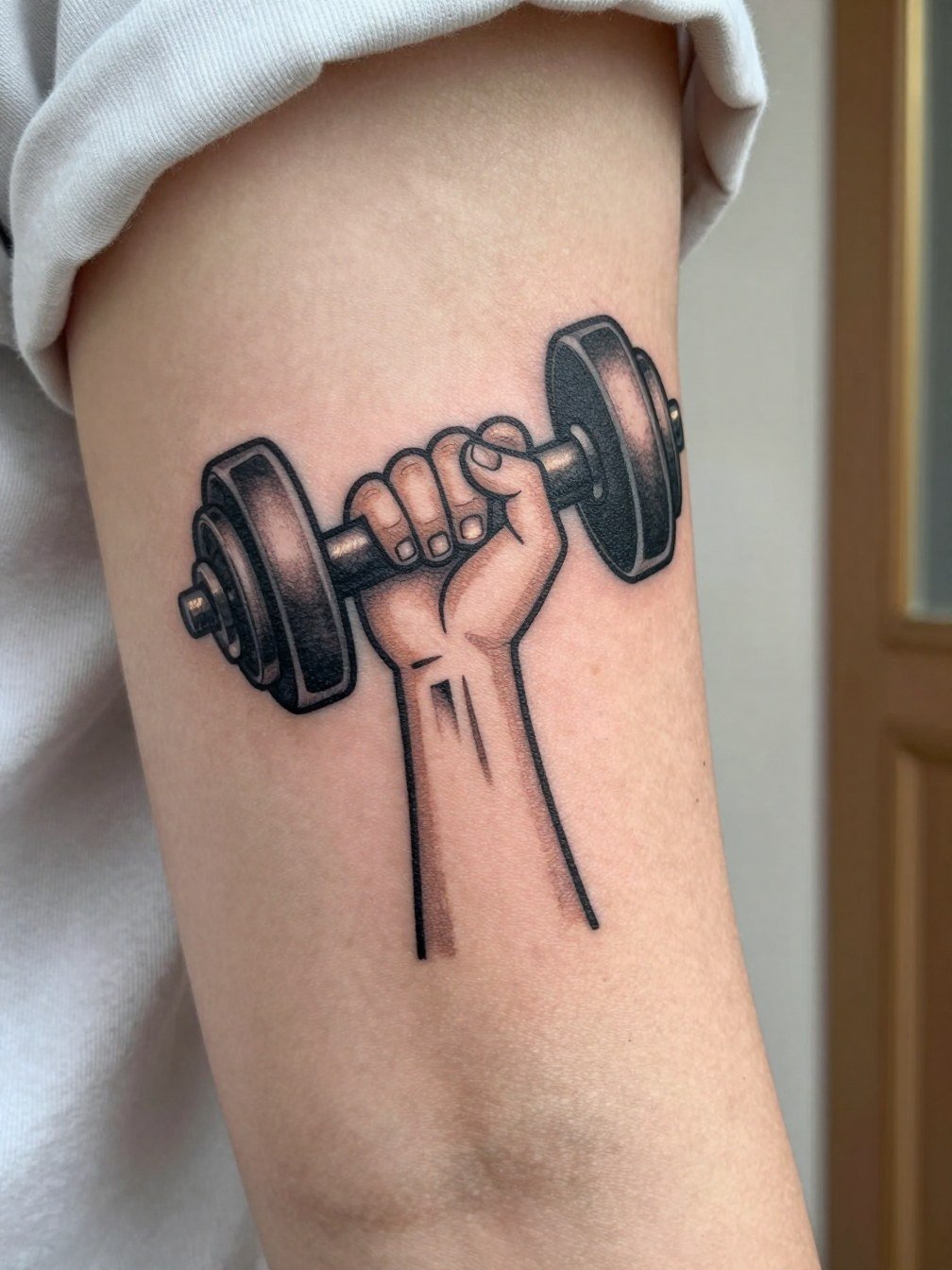
A hand holding a weight is visually bold and anchors identity in strength training. The visual impact depends on clear contours around fingers and the bar. Ask for firm contrast between the hand and dumbbell and request a healed reference to see how the shading holds on your skin tone. Outer upper arm tolerates heavier saturation so this style can be richer without blowout risk. Session time is typically one to two hours. Style it with sleeveless tees or solid color tanks that emphasize arm shape.
13. Small Kettlebell Below the Neck, Nape
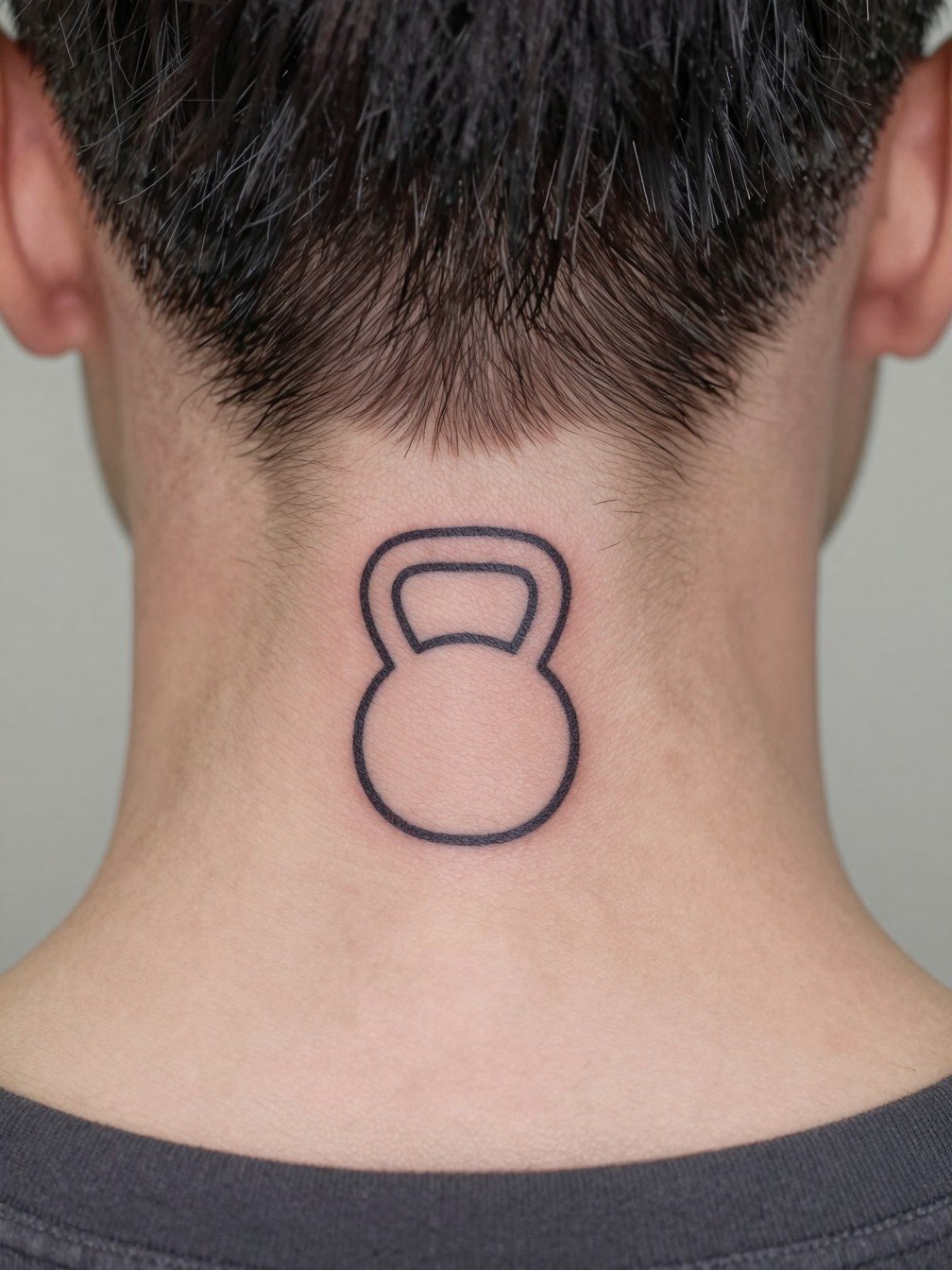
Micro kettlebells at the nape follow the micro tattoo trend, but scale matters for readability from a distance. Avoid one-millimetre strokes. Instead, ask for a slightly larger silhouette with a solid handle so the kettlebell reads when hair is tied. The nape can be covered for work, and showing it in the gym is effortless with a high ponytail. Pain is low to moderate and sessions are brief. For styling, use a crew neck tee and hair up so the placement becomes visible.
14. Minimal Barbell Silhouette Behind the Neck, Small
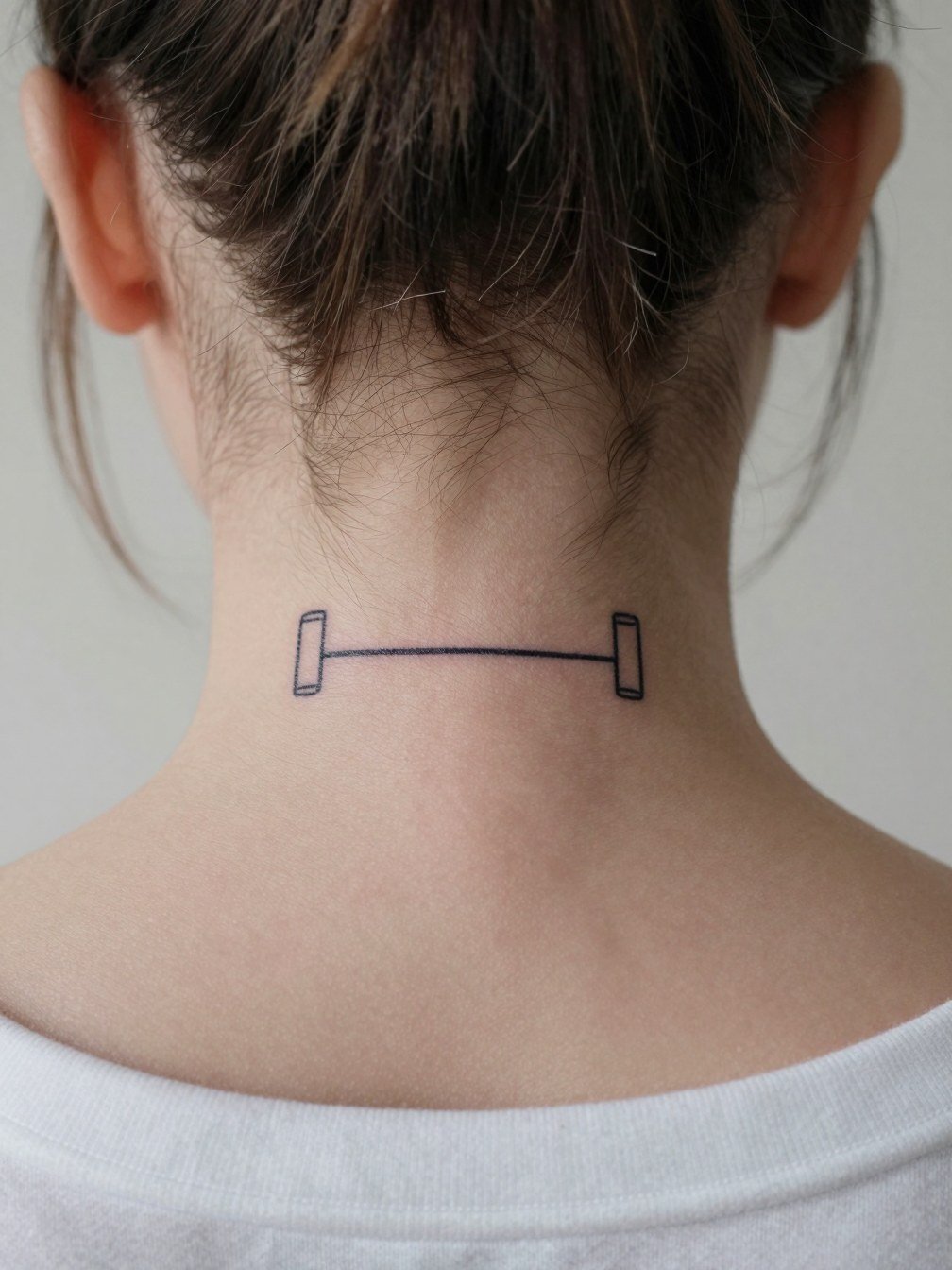
A tiny barbell behind the neck follows the nape trend while remaining discreet. The key is keeping the silhouette simple and the bar thicker than a hairline so the shape resists migration. One camp worries that fine single-needle work will blur on the neck because of skin movement. The other camp says with slightly wider spacing and solid contour the piece holds fine. Both views are common, and the safe compromise is a slightly bolder silhouette with close follow-up photos at six months.
15. Micro-Realism First Pull-Up Mark, Inner Forearm
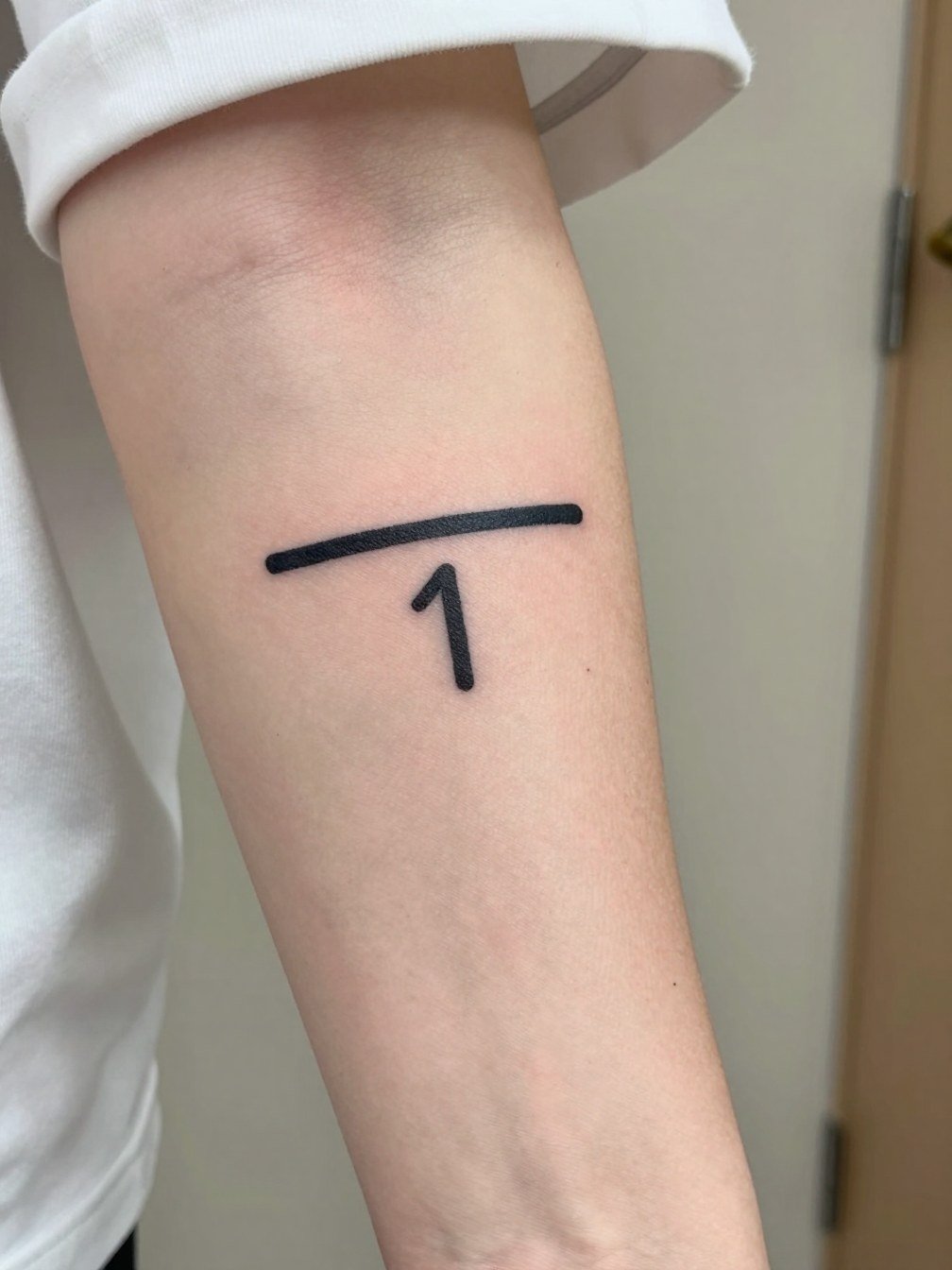
Milestone pieces like a tiny mark for your first pull-up avoid cliches because they represent a specific training story. Scale it so the symbol reads at arm's length and request a stencil at full size during consultation to check readability. The inner forearm is forgiving, but single-needle micro-realism can fade, so specify slightly heavier contrast for the milestone mark. The session is short and recovery is straightforward. For showing the mark, roll your sleeves or wear a sleeveless workout top to keep attention on the inner forearm.
16. Geometric Plate with Rep Count Roman Numerals, Upper Arm
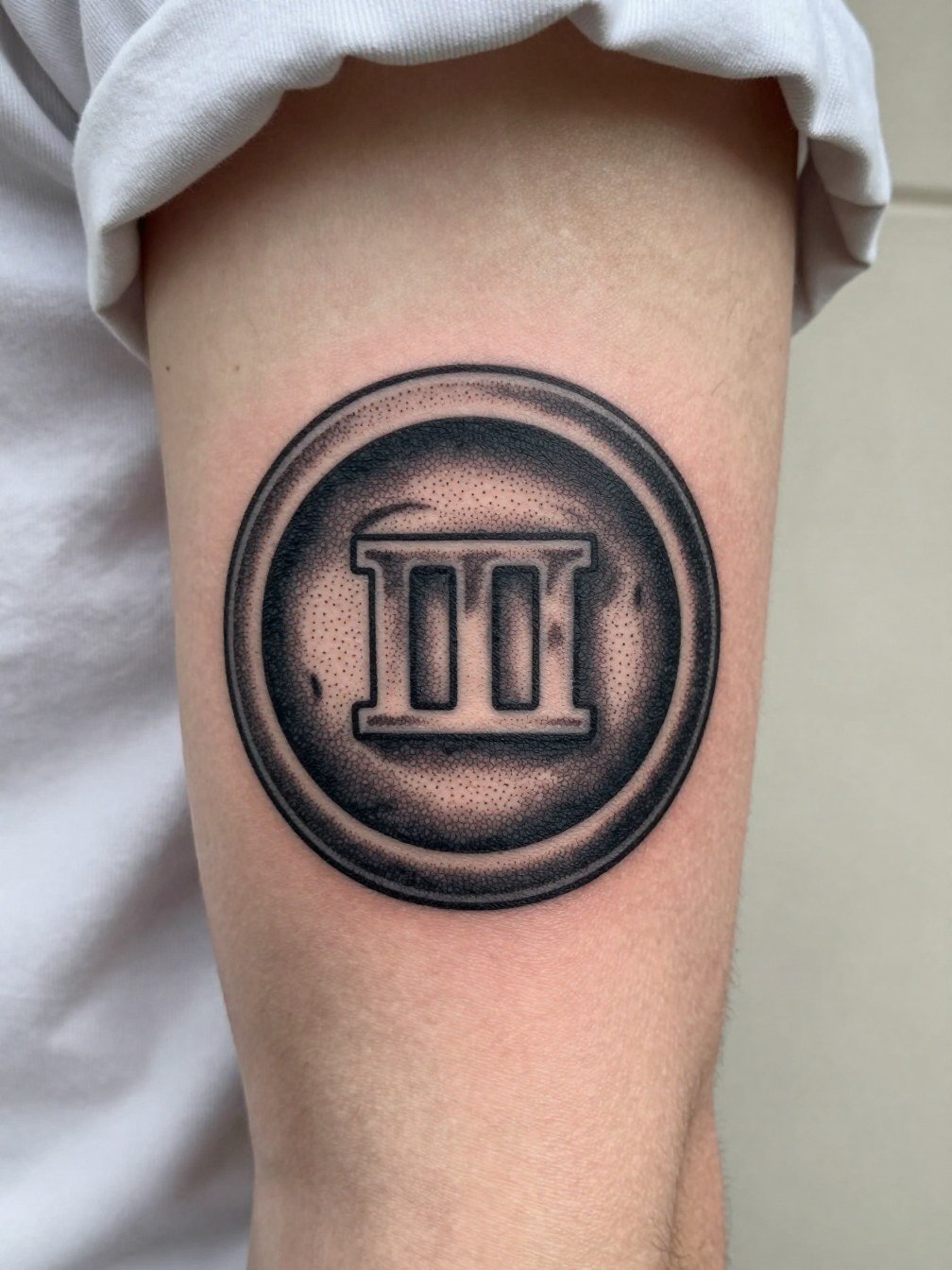
Combining a geometric plate with a Roman numeral rep count gives a personal twist while staying symbolic. The numeral must be bold enough to avoid blurring into the plate's texture. A common mistake is overly ornate numerals in a small area, which lose definition. Ask for a tested font and scaled numerals, and plan a one-year check to confirm contrast. The upper arm accepts the geometric weight well. Pair with solid color tanks that keep the arm silhouette simple.
17. Small Wrist Barbell Silhouette, Wrist
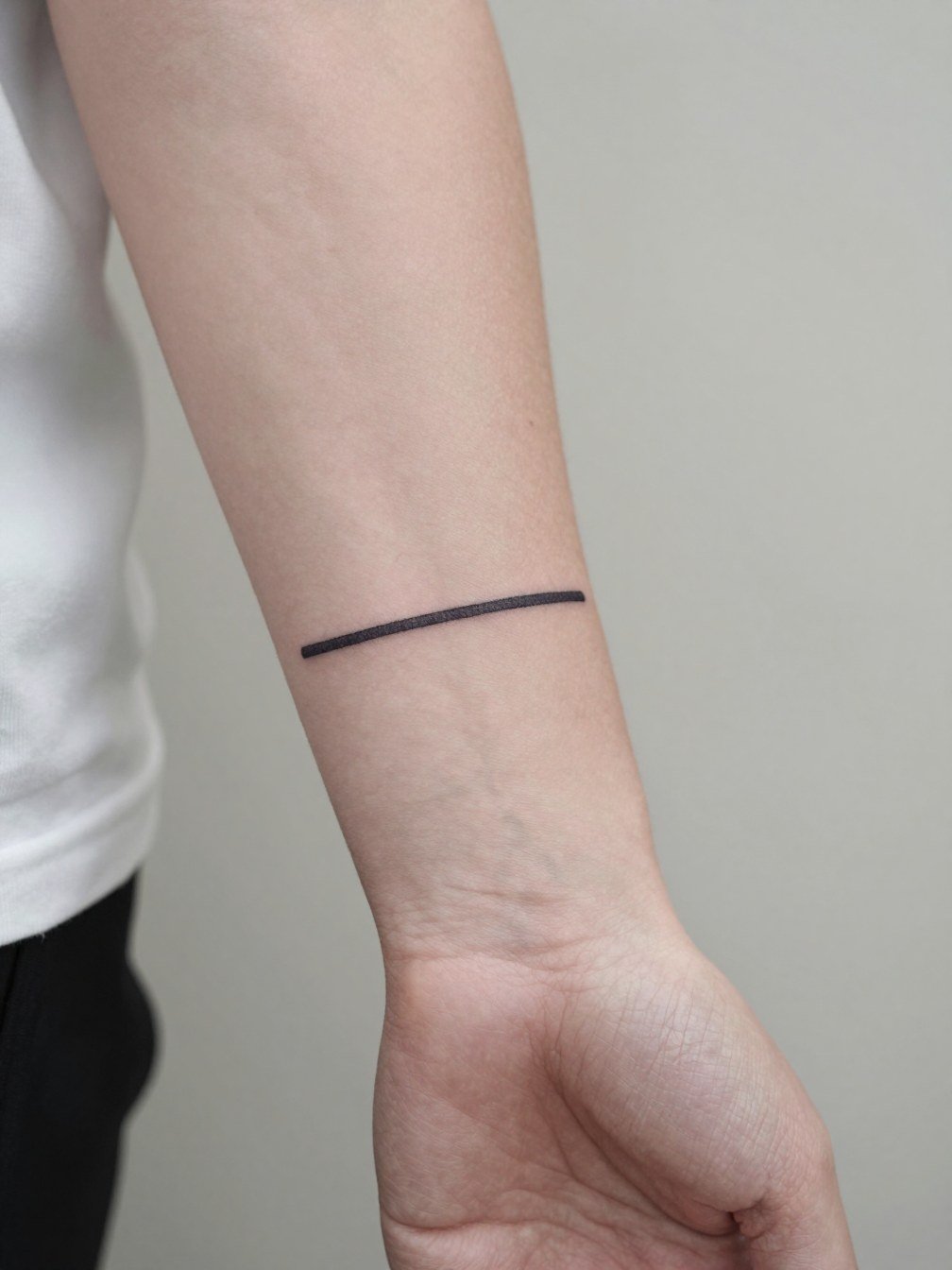
Wrist tattoos face a lot of flexion and hand washing, so the line weight must be deliberate. For a small barbell, request a clean silhouette with no micro detail and a single heavy contour to reduce early softening. Blowout risk is higher on the wrist compared with the forearm, so avoid ultra-fine strokes. The session is quick but the area will feel more sensitive. Keep bracelets off the tattooed wrist during healing for best results.
18. Horizontal Plate with Lift Silhouette, Calf
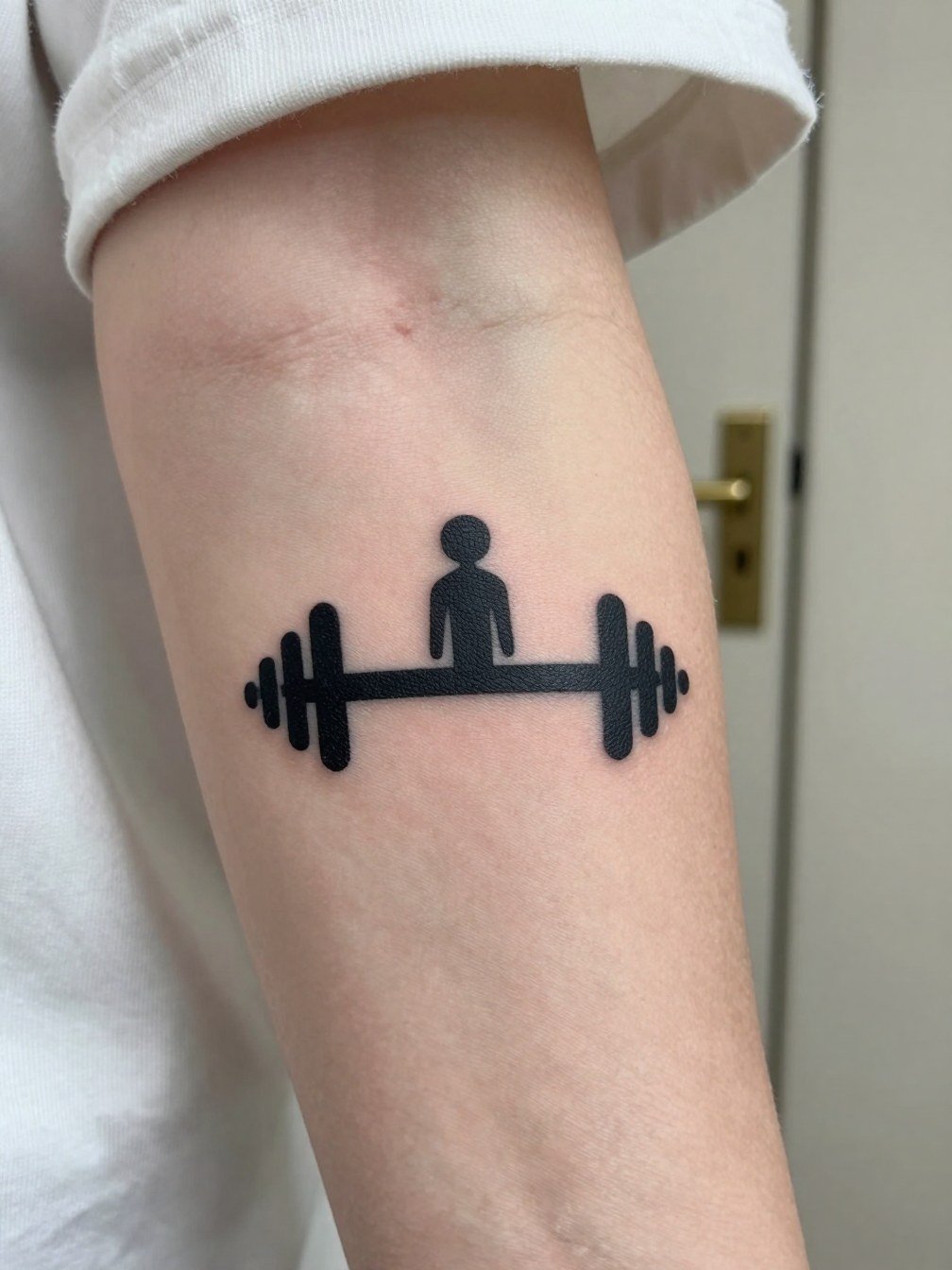
Calf placements show motion-based tattoos well because the canvas is broad and low on friction. A horizontal plate with a small lifter silhouette reads from the side and keeps detail intact. Avoid compressing the lifter into a thin line. For this piece request bold outlines for the plate and a clear negative space silhouette for the lifter. Sessions are comfortable and healing is straightforward. For gym and streetwear, shorts or bike shorts make the lower leg visible.
19. Handheld Kettlebell Micro, Outer Forearm or Wrist
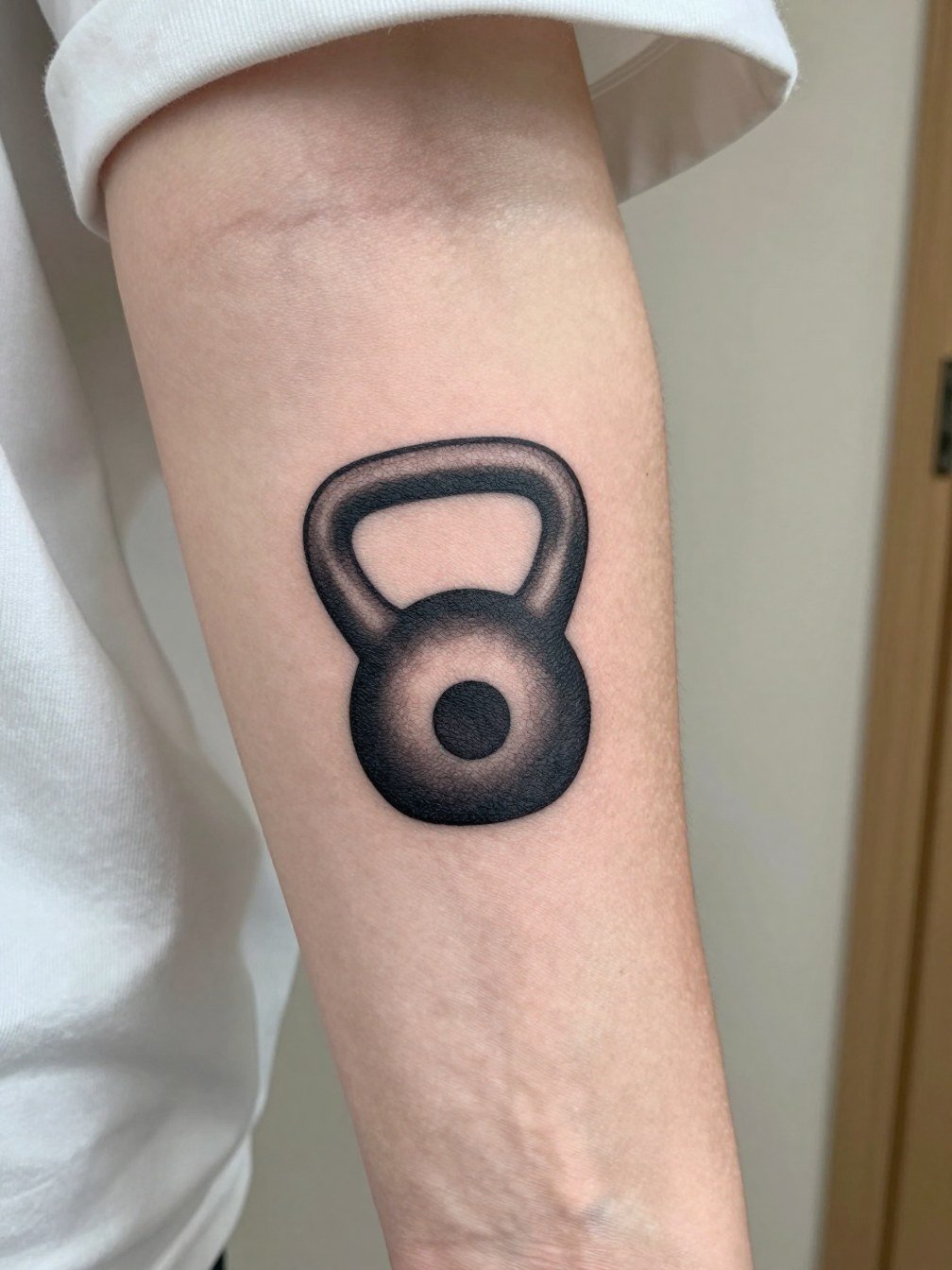
A micro kettlebell near the wrist or on the outer forearm is a compact nod to training. If you pick the wrist, scale up slightly and thicken the outline to resist flexion blur. On the outer forearm you can keep a slighter silhouette. Mention you want tested healed examples from the artist for your skin tone so you can see how the outline holds. Session time is brief. Keep wristbands off until the piece is fully healed to avoid friction during the first week.
Frequently Asked Questions
Q: How long should I wait before going back to the gym after a small forearm tattoo?
A: If you can avoid heavy sweating for at least 48 to 72 hours you reduce infection risk, and many people take a full week off strength work on that limb as a precaution. One camp says skip the gym entirely for the initial healing window because sweat and shared equipment raise contamination risk. The other camp allows light training if the tattoo is loosely covered and cleaned immediately after. Choose based on wound size and whether you can avoid direct contact with benches and machines.
Q: Will a fine line dumbbell on the inner forearm blur faster than a slightly bolder version?
A: Tiny single-needle work is beautiful but can soften quicker, especially on skin that sees a lot of sun or frequent friction. One group of artists prefers fine line for a sleek look, and another group recommends a hair thicker contour to keep the icon legible at year two. The middle ground is slightly increased line weight with clear spacing.
Q: Which placements age best if I plan to gain muscle or change body composition?
A: Outer forearm, shoulder, and upper arm are stable choices because they handle moderate muscle gain without extreme stretching. Avoid high-stretch zones like the lower abdomen or inner bicep if you expect large fluctuations. Also plan your design with negative space so the motif keeps shape as the body changes.
Q: Where can I find artists who show healed gym tattoo work without naming individuals?
A: Search social platforms with tags like #gymtattoo, #fitnesstattoo, #finelinetattoo and add your city to narrow results. Use booking platforms and tattoo directories to filter portfolios that include healed forearm, shoulder, and nape photos. Reddit tattoo communities are also a good place to see peer-shared healed shots and to validate how styles look on different skin tones.
Q: What should I wear to the studio for a shoulder or nape session?
A: Bring a loose tank or a top you can pull up or remove without rubbing the tattoo as it heals, and avoid tight necklines. For upper arm or shoulder book a sleeveless top so the artist can access the deltoid easily. Wearing session-friendly clothing reduces fabric contact with fresh ink and shortens prep time.
Q: Are there simple styling tips to keep small gym tattoos visible in workout wear?
A: Yes. For outer forearm and wrist pieces roll sleeves or choose cropped tops while training. Sleeveless tanks and racerbacks frame shoulder and upper arm work. If you want a quick wardrobe nudge try a fitted gym tank that keeps the tattoo visible while you move.
