
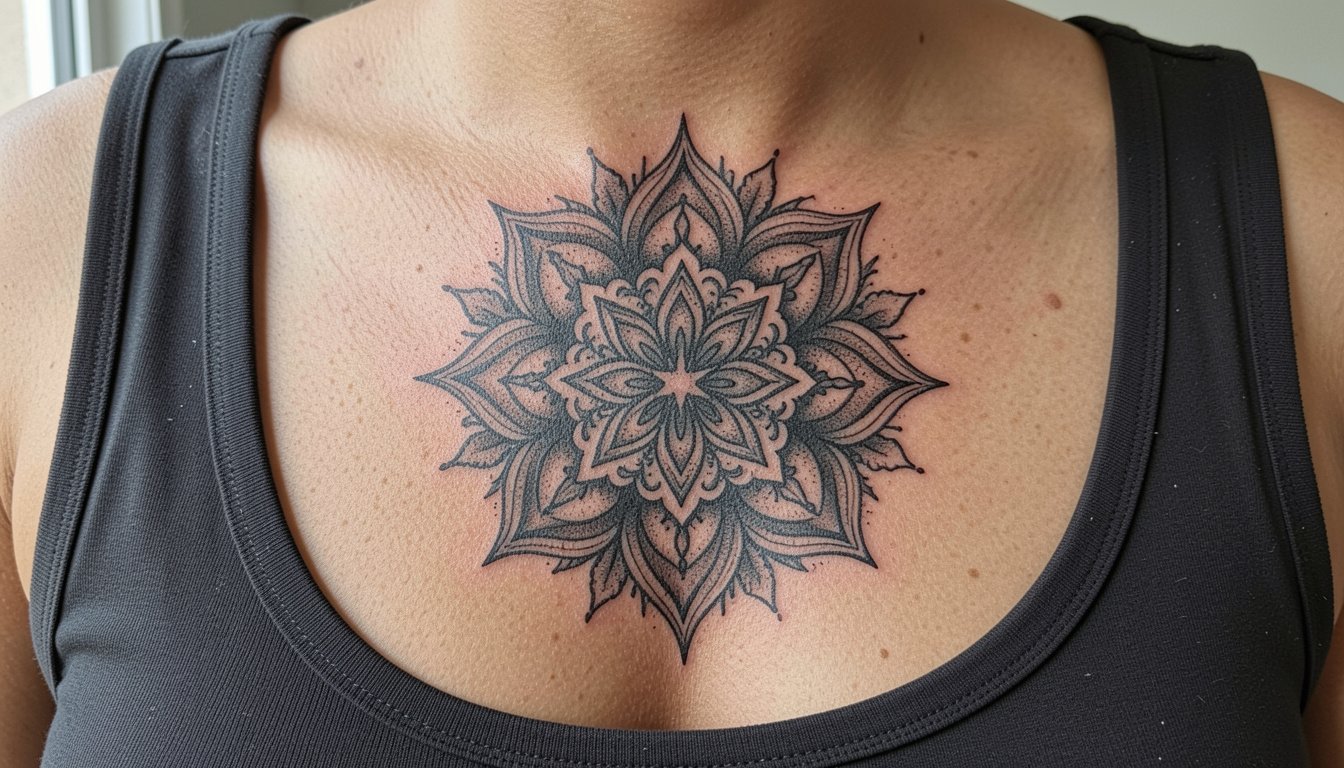
Fine-line ornamentals flood feeds right now, while bolder blackwork quietly wins the longevity test. Trends push tiny filigree and bracelet chains, yet placement and spacing make the difference between a crisp motif at five years and a blurred suggestion. Read these 23 ornamental approaches with placement notes, what to specify in the consult, and realistic healed timelines so the design you save still reads the way you want.
1. Filigree Wrist Band That Reads Like Jewelry
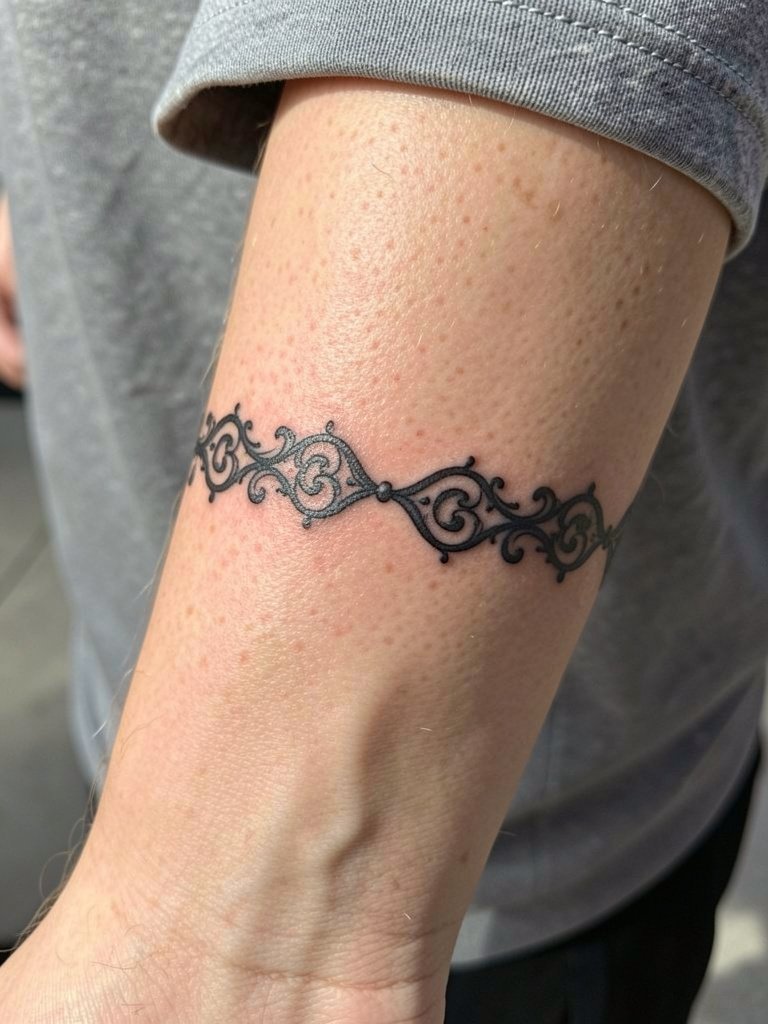
A filigree band works when it follows the wrist circumference exactly, and it fails when artists try to cram lace-level detail into a tiny wrap. Recommend a slightly bolder outer contour so the band stays defined at year three. During the consult bring a scaled reference showing the band at actual wrist size, and ask for healed photos of similar-scale bands. Expect a one-hour session for a simple band and a touch-up at year one if any line softens. For showing it off pair with thin chain bracelets on the opposite wrist during events.
2. Micro Floral Chain Across the Inner Wrist
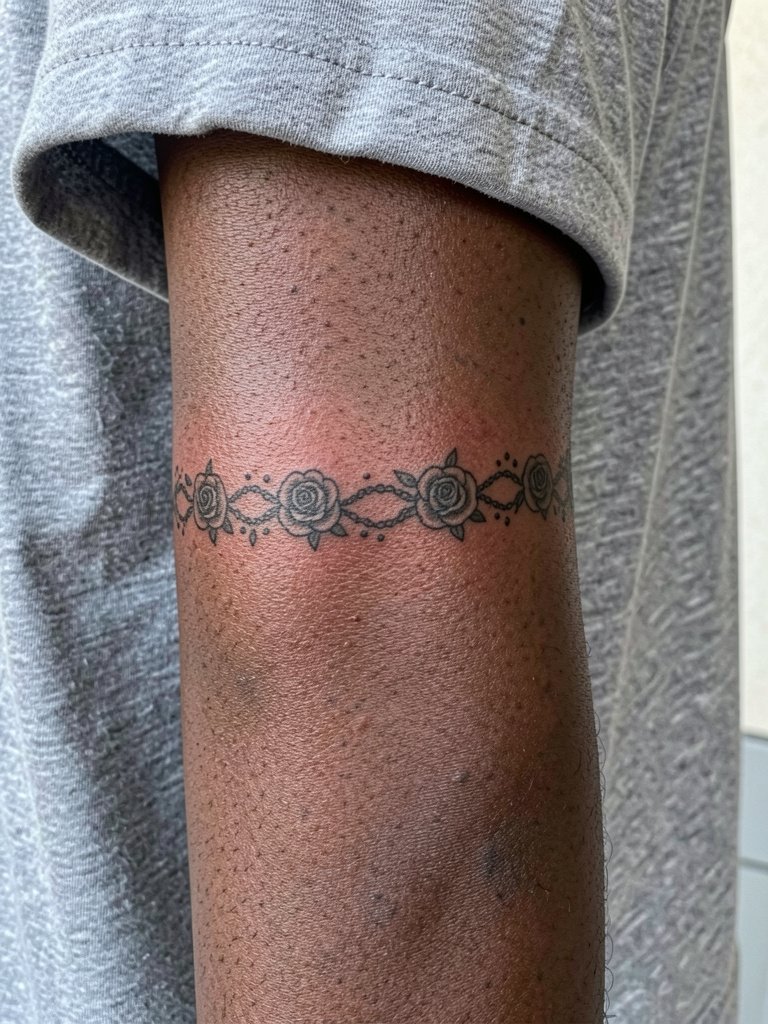
This bracelet-style chain reads dainty up close but needs clear spacing between floral elements to avoid merging. Specify line weight that is a touch heavier than the finest single-needle samples you like so the petals keep shape at two years. The inner wrist heals faster than expected, but repeated washing and bracelets create friction so expect slight softening by year five. Session time is usually under an hour. During the session wear a short-sleeve tee so the artist can access the wrist without tugging fabric.
3. Nape Medallion With Lace Detail
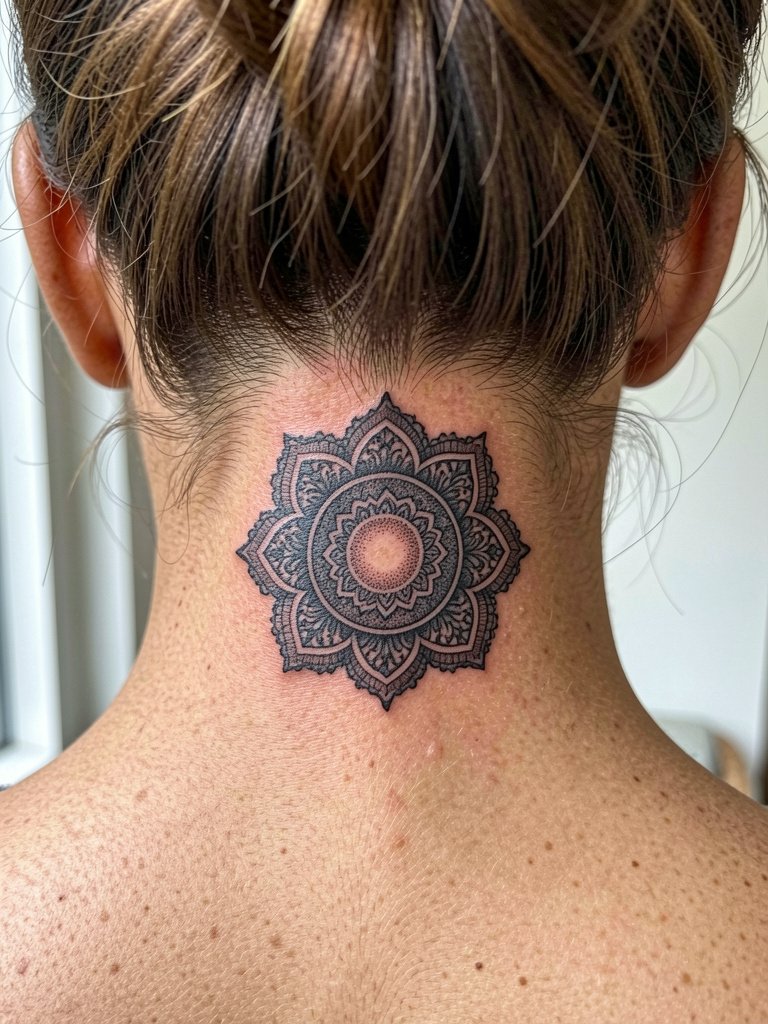
Nape medallions are best when scaled to show their lacework at arms-length, otherwise the detail vanishes into a speck. Ask for the medallion to be previewed on the neck with a stencil and request slightly wider spacing in the inner rings. Expect the session to be 45 to 90 minutes depending on stipple density. Six months in the lace remains crisp, at two years some single-needle stipple may soften, and at five years the silhouette should still read if spacing was generous. For evenings wear open-back tops that let the motif show.
4. Side Neck Vine That Frames One Ear
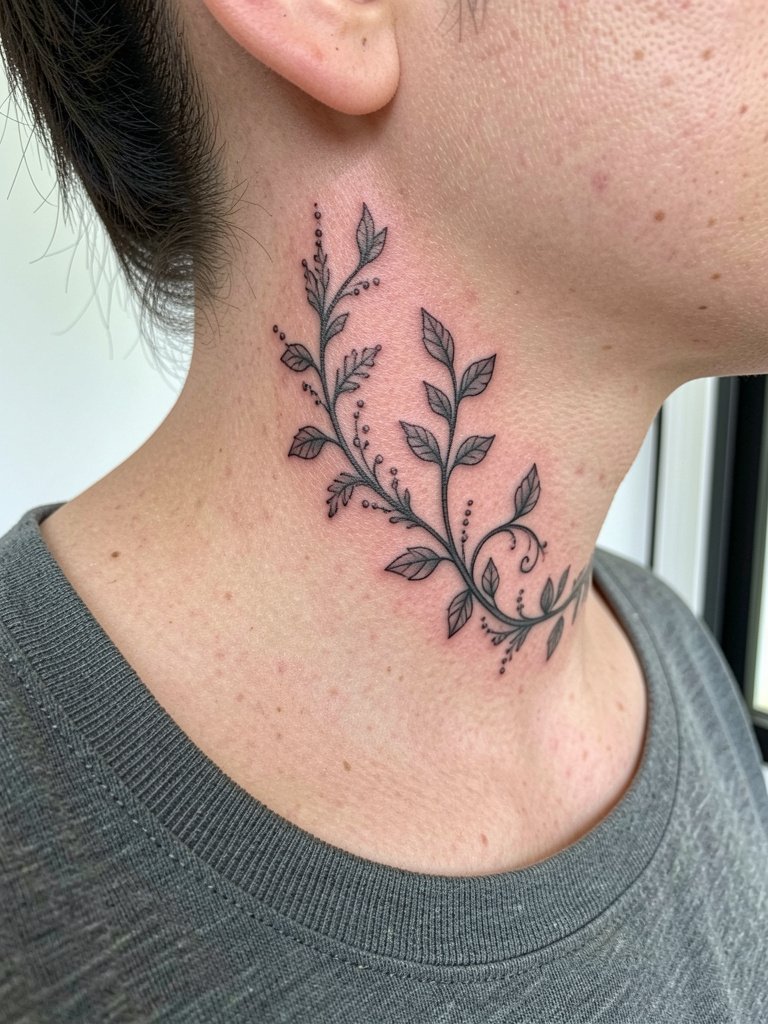
This placement reads high-fashion when the vine curves toward the jawline, but tiny veins of single-needle foliage can blur. Ask the artist to add micro-spacing between leaves and to show how the vine reads at two-inch and four-inch scales. Procedural note, the side neck is a sensitive spot so expect a sharper sensation and a session under 90 minutes with short breaks. At six months the vine should settle flat, at two years the leaves may feather slightly, and a touch-up at three to five years is common. Pair this look with slicked-back hair clips for nights out.
5. Inner Forearm Ornamental Panel With Peony Motifs
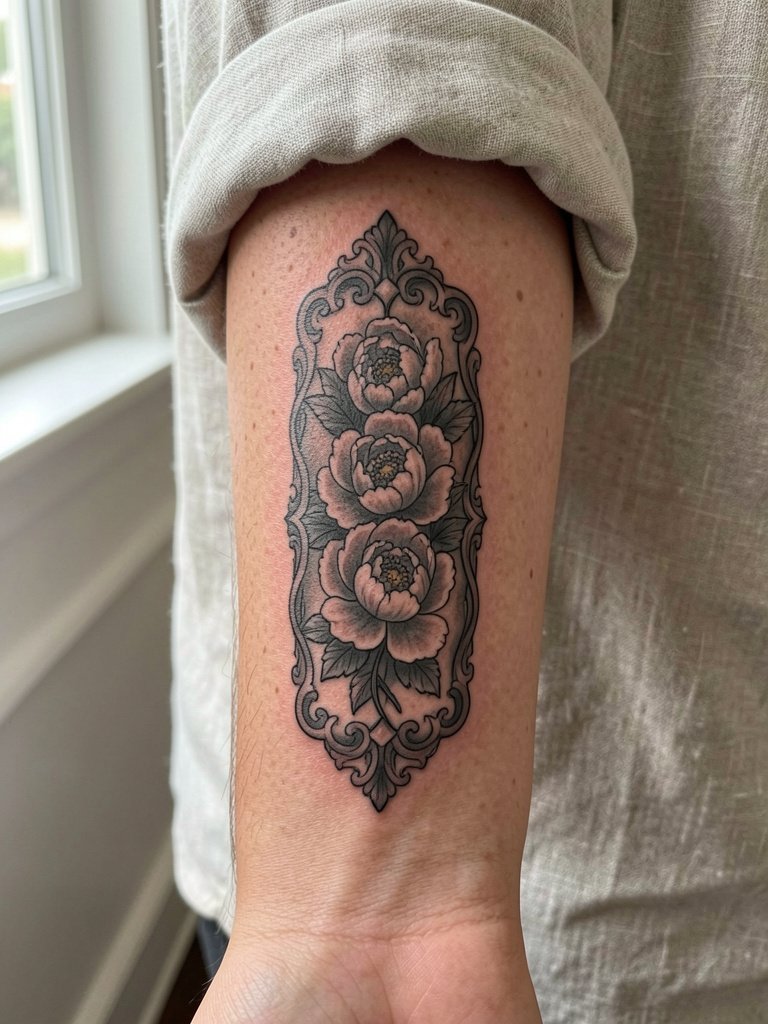
The inner forearm gives room for symmetrical ornament while staying visible. For longevity, specify slightly heavier petal outlines combined with soft gray wash inside petals so the blooms retain structure. During consultation bring two references at different sizes so the artist can map how the peony reads along the forearm curve. Expect a two- to three-hour session for a medium panel and a likely touch-up within 12 to 24 months for delicate shading. When showing the piece wear a rolled sleeve linen shirt to frame the design.
6. Blackwork Scalp Band For a Bold Headpiece
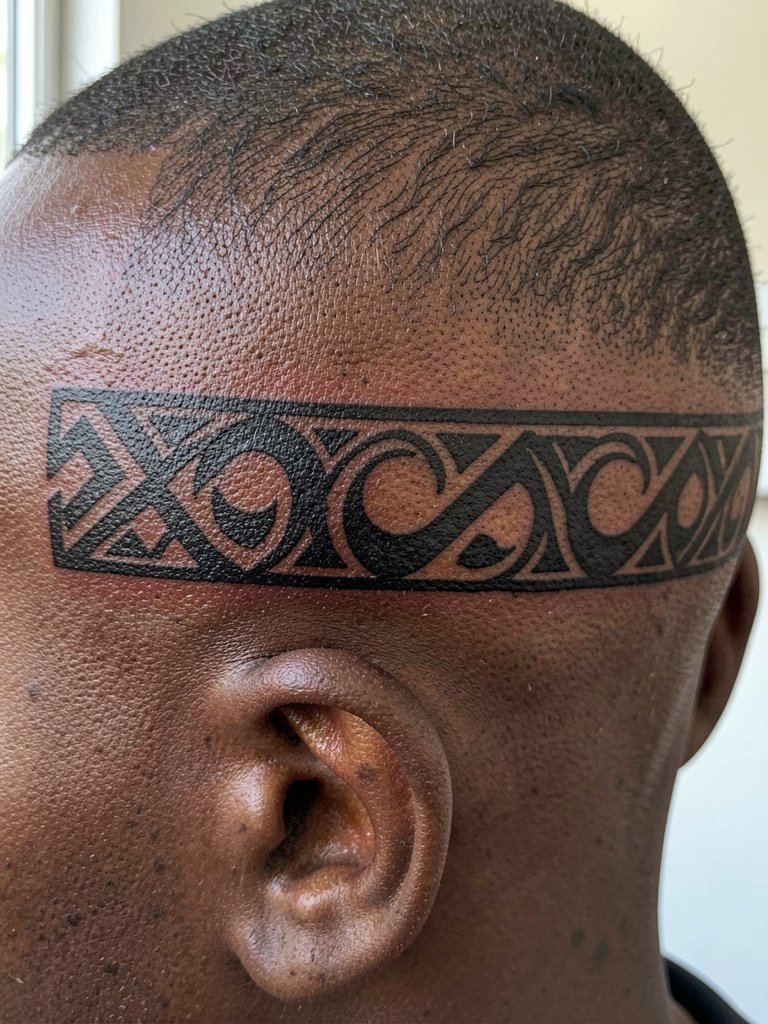
Scalp and hairline ornamentals read striking because solid black remains legible as hair grows back. Discuss coverage strategy upfront, including how close to the hairline you want negative space for regrowth lines. These sessions can run longer and may require multiple passes across sessions if the area is large. Healed at six months the blackwork remains dense, at two years saturation generally holds, and touch-ups are less frequent than single-needle work. For styling consider accessorizing with headscarves or shaved looks that show the pattern.
Session Day Picks
The first six ideas include wrist, nape, and scalp placements that heal differently, so a small kit makes the appointment and the first week easier.
-
Disposable stencil transfer pads. Handy for artists who want to preview line placement on curved wrist and nape areas while you check how the size sits on skin.
-
Clinical-grade barrier film rolls. Useful to protect small wrist and hand tattoos from rubbing during the first 48 hours.
-
Cooling gel packs with cloth wrap. Eases swelling and sensitivity for sensitive zones like the side neck or ribcage right after a long session.
-
Disposable armrest covers. Keep the forearm and wrist area clean while the artist works, especially for inner forearm panels.
-
Aquaphor healing ointment. A mainstream, widely used balm often recommended for the initial days on fine-line work to lock in moisture without suffocating the skin.
7. Ornamental Sleeve Accents Designed as Patches
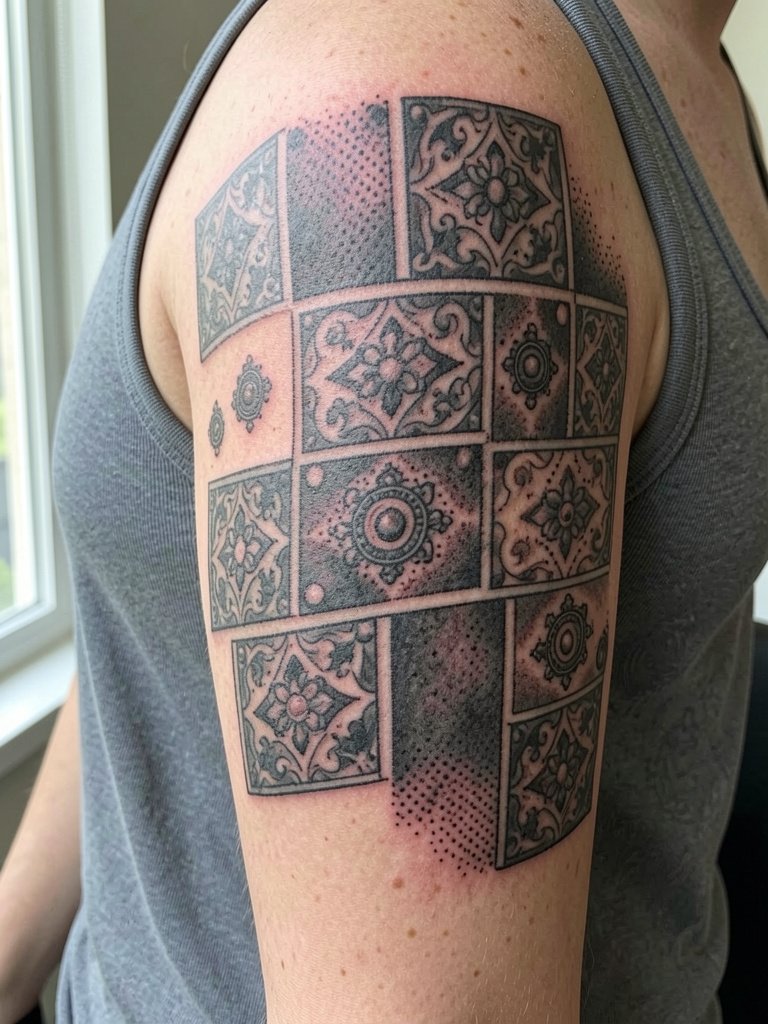
Patch-style sleeves let you build a sleeve gradually and avoid forcing continuity that ages poorly. When planning, bring clear priorities so the artist spaces panels for future additions and keeps linework consistent across sessions. A typical patch session is two to four hours per element and the whole sleeve can take many sessions. Over time, denser black patches hold up best while very tight dot work may soften. Pair partial sleeves with off-shoulder knits to show the top panels.
8. Upper Chest Ornamental Frame Below the Clavicle
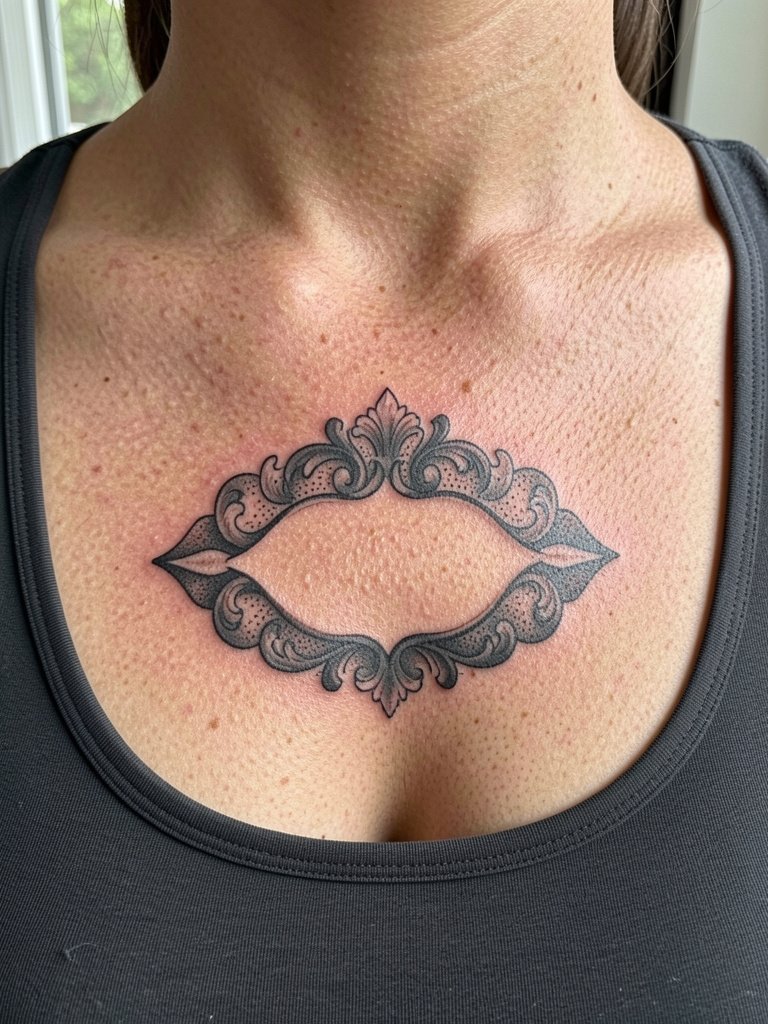
Chest frames need room along the clavicle to breathe so the ornament reads at a glance. Specify how wide you want the arc and insist on a stencil placement that follows your collarbone line. Sessions for this area range from one to three hours depending on size. At six months the frame will have settled, at two years thin internal filigree may fade and at five years heavier outlines keep the shape. For outfits try square neck tops that complement the frame.
9. Vertical Ribcage Flow Piece With Vine and Bloom
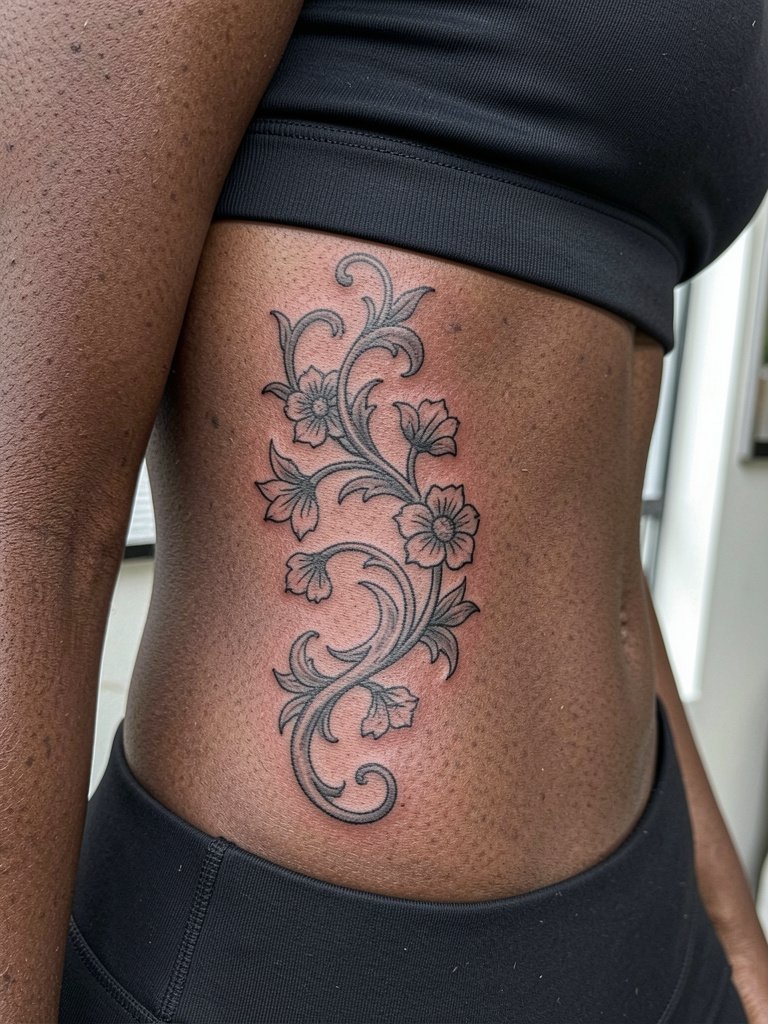
Ribs are a classic spot for long flow pieces but they present a longevity debate. One camp argues that fine single-needle lines blur quickly on the ribcage because of breathing motion and skin stretch. The other camp argues that slightly wider single-needle spacing combined with proper needle depth lets delicate ornamentals settle well even on the ribs. For this piece plan for deeper spacing rather than ultra-fine detail and budget multiple sessions. Pain is higher here, so short breaks and numbing strategies help. Six months in the curve looks integrated, at two years fine veins may soften, and at five years the design that used bolder contours will still read.
10. Minimalist Hand Ornament for a Jewelry Look
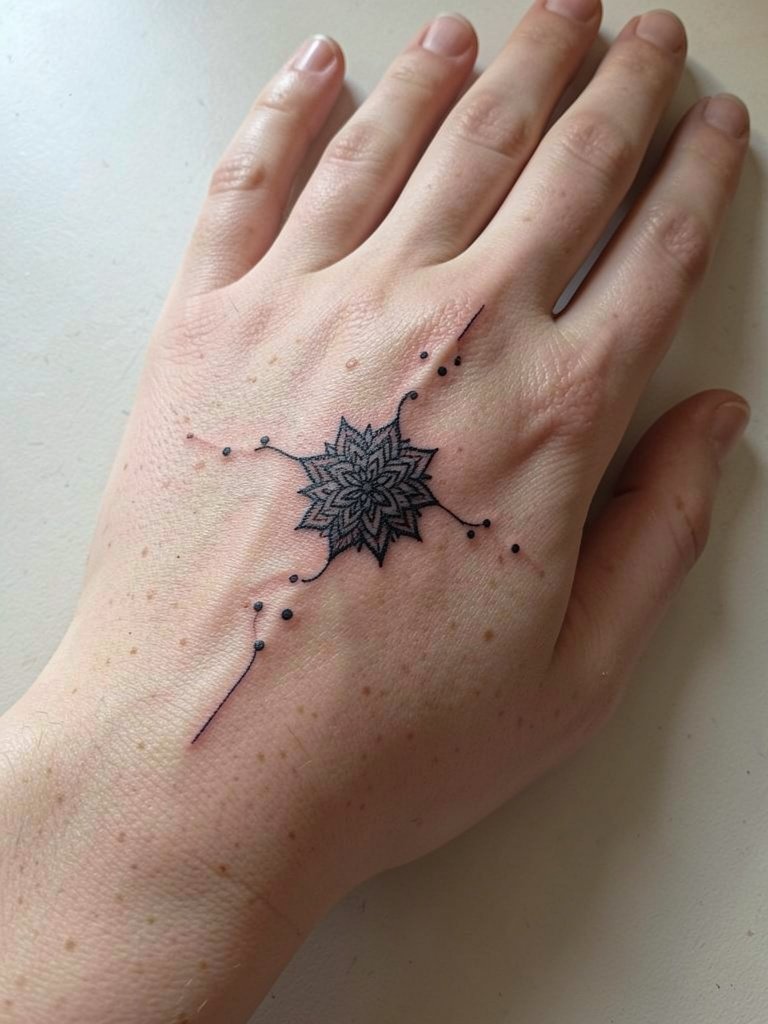
Hand ornamentals read like jewelry but suffer heavy friction from washing and rings. Recommend bolder dots and slightly thicker mandala lines so the composition holds. Session time is short but healing is tricky because hands are used constantly, and touch-ups within 12 months are common. A common mistake is requesting tight single-needle filigree on the knuckles which blurs quickly. For showing off the motif try a clean manicure and stacked rings on the opposite hand.
11. Feminine Blackwork Floral Headpiece at the Nape
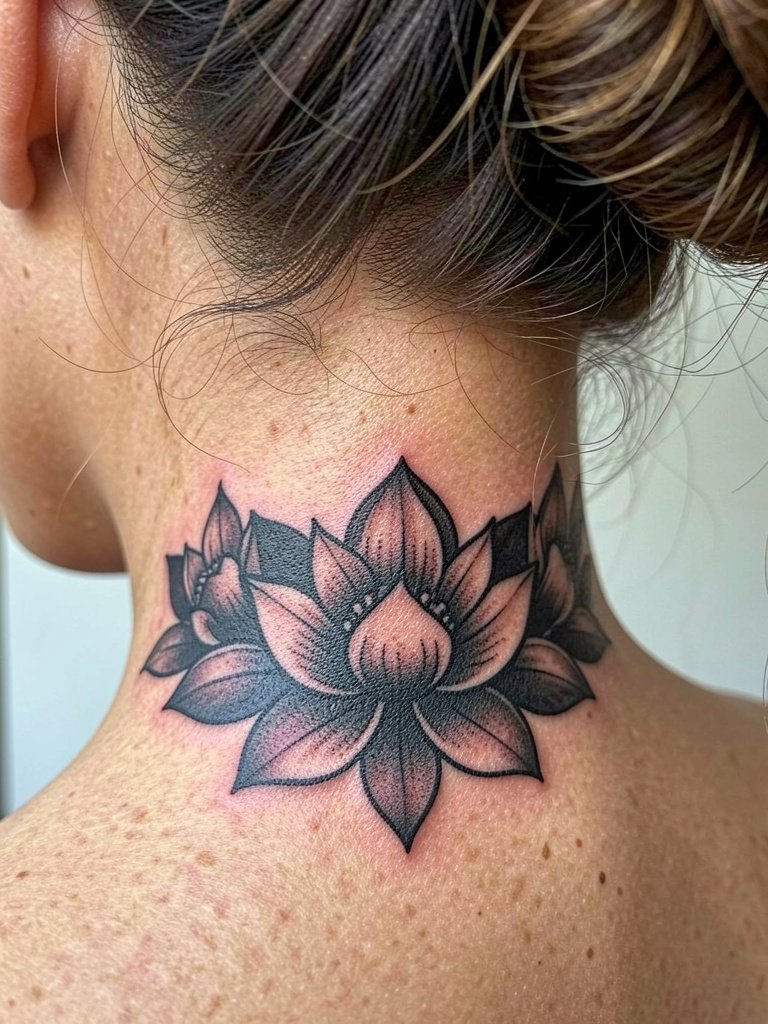
Bold blackwork in this position creates drama without tiny fragile detail. During the consult ask about how the piece will sit against your hairline and whether negative space should follow hair growth patterns. This is a multi-session piece for medium-to-large coverage and it tends to age well because saturation resists blowout visibility. Six months after it should be even, at two years saturation generally stays solid, and touch-ups are typically less frequent than for fine-line nape work. For styling try delicate earrings and hair claw clips so the design can peek through.
12. Geometric Shoulder Cap With Symmetric Filigree
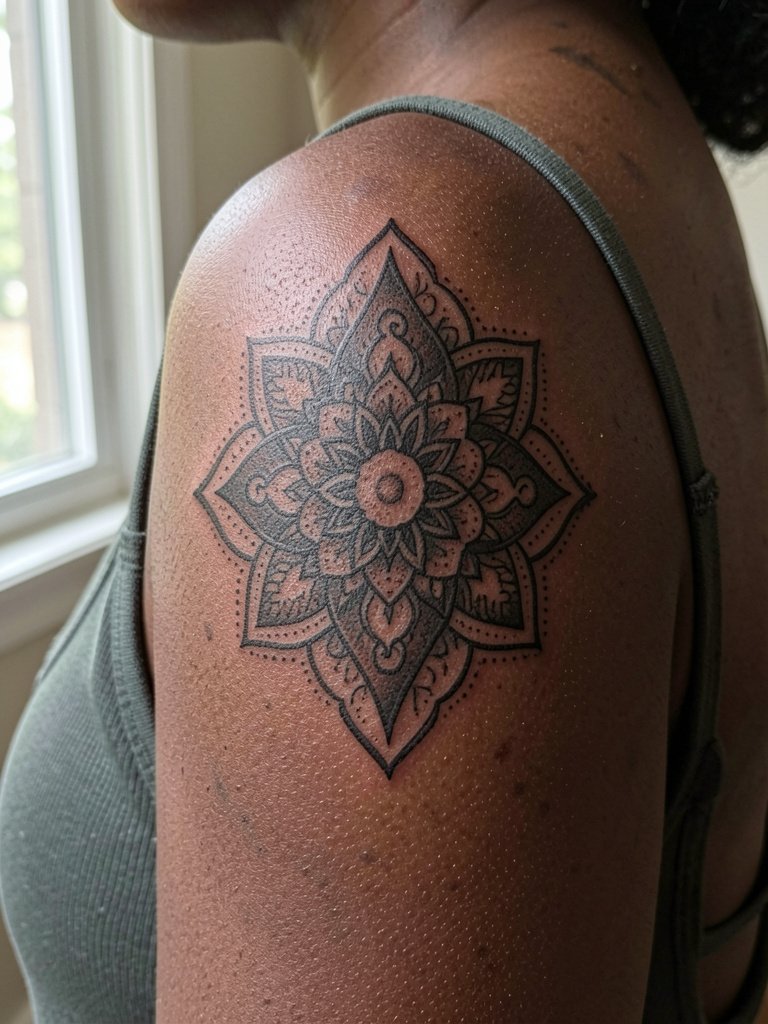
Shoulder caps let symmetry do the work, but detail density matters. One camp contends that micro fine-line mandalas on the shoulder lose crispness as the skin settles over time. The other camp points out that symmetrical geometry with intentional negative space and stronger anchor lines keeps the pattern readable for years. For this cap request a balance of bold anchors with finer internal patterning and ask to preview the stencil on your bare shoulder. Sessions will range from one to three hours. For summer wear choose strappy dresses that highlight the cap.
13. Collarbone Lace Band That Mirrors Jewelry
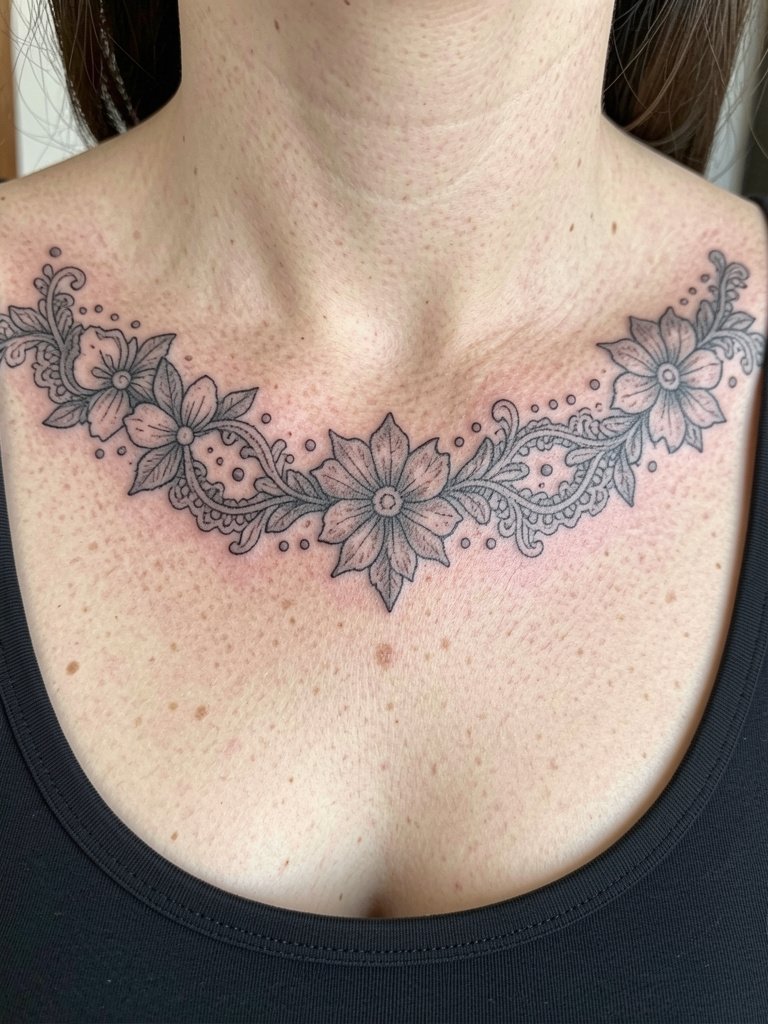
Collarbone lace reads like delicate jewelry when the repeat pattern follows bone structure rather than floating freely. Ask the artist to map the lace against your collarbone and to mark where the beads fall to avoid awkward gaps. Expect a one- to two-hour session and a likely one-year touch-up for ultra-fine dots. For nights out layer simple chains with the tattoo and try a layered chain necklace that sits just above the ink.
14. Small Mandala Behind the Ear
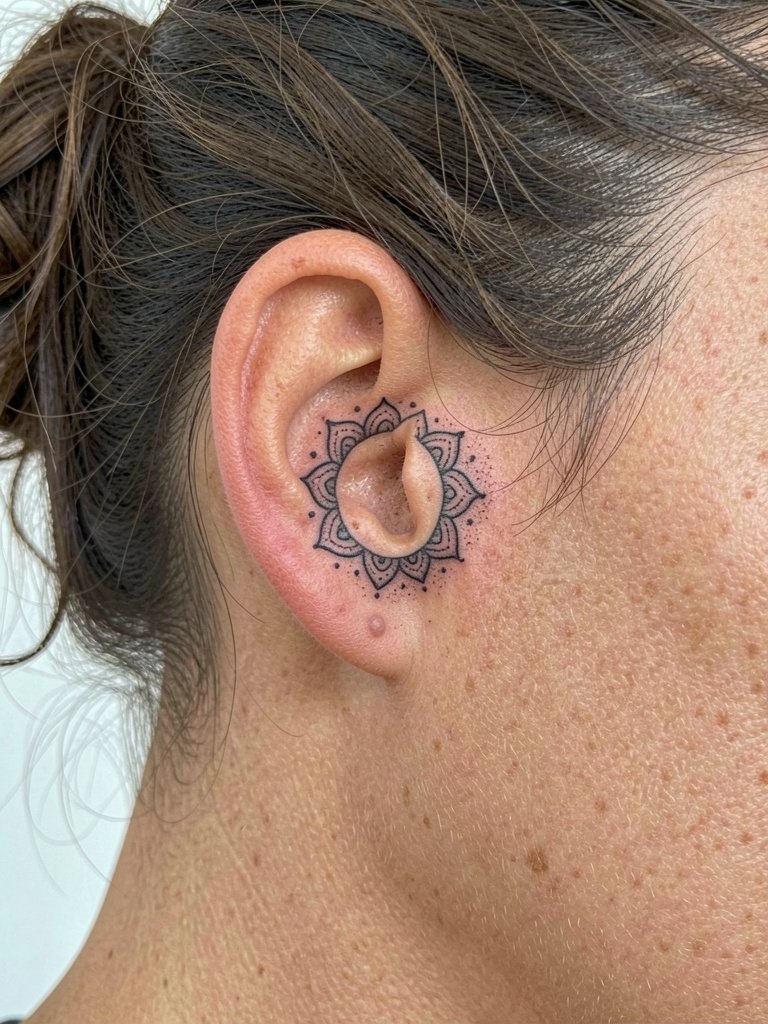
Behind-the-ear mandalas are discreet and suit small-scale ornament. Ask the artist for a stencil that shows how the mandala aligns with your natural hairline to avoid awkward cropping. Sessions are short but precision matters for symmetry. At six months the piece should be well settled, at two years micro dots can soften, and at five years a small touch-up can restore crisp centerwork. For subtle reveal wear delicate stud earrings.
15. Ornamental Ankle Chain With Tiny Charms
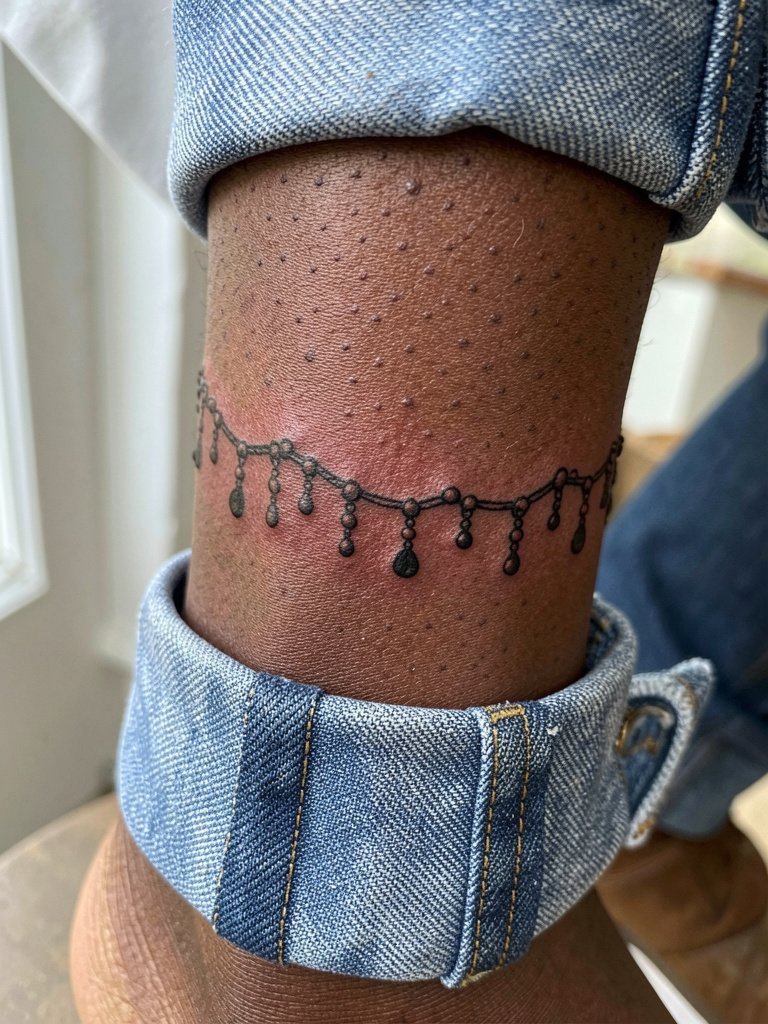
Ankle chains are subtle but face friction from shoes and socks. Request slightly thicker charm dots and a clear outer contour so the chain remains distinct over time. The session is brief and healing requires careful sock choices for the first week. Six months in the line should be smooth, at two years tiny charm dots may require a touch-up. Show it off with cropped jeans and a pair of ankle boots that leave the band visible.
16. Sternum Ornamental Lace That Mirrors a Necklace
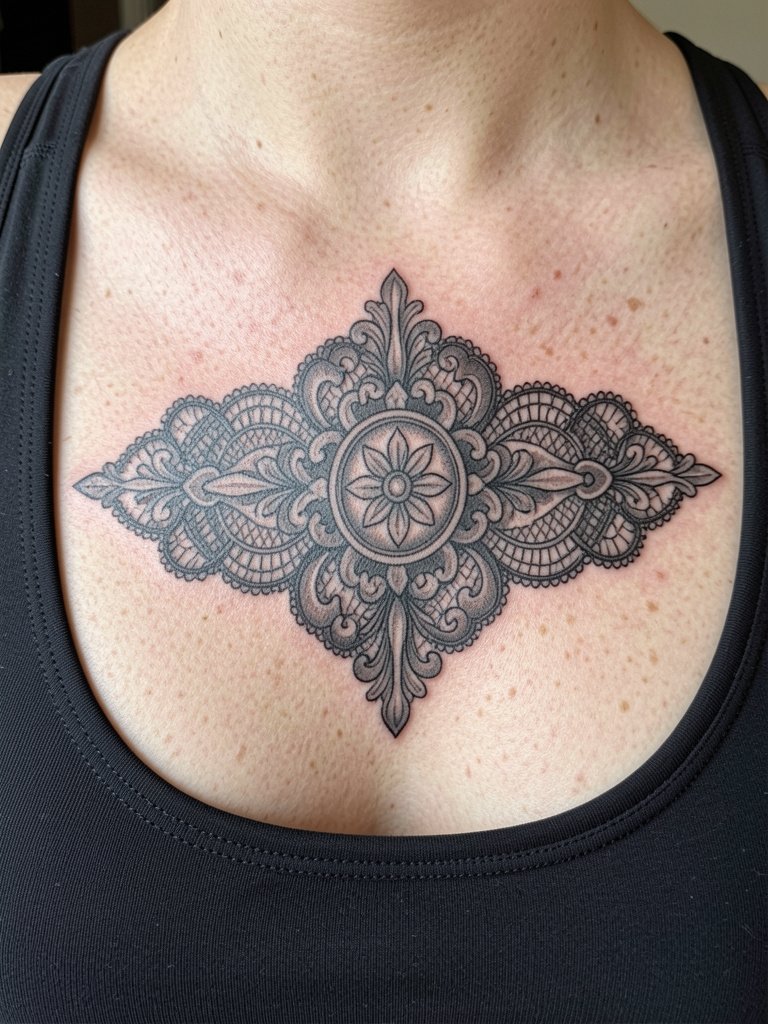
Sternum lace needs to account for body curvature and possible breast movement. Ask for a layout that respects the midline and requests healed examples in similar chest shapes. Sessions are more intense and often split into two shorter sittings. Healing can be sensitive, so plan clothing accordingly. At six months the lace settles nicely when shading is soft, at two years very fine internal lines may fade and a touch-up is common. For outfits choose open-front tops that reveal the central medallion.
17. Outer Thigh Ornamental Panel With Stipple Shading
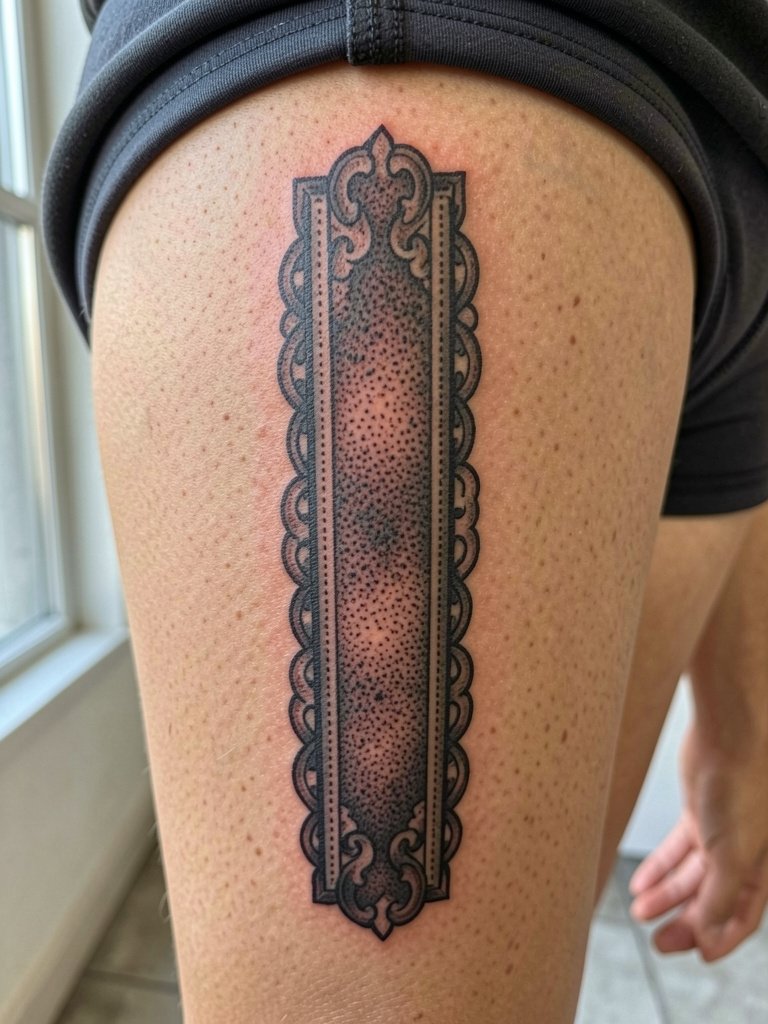
Outer thigh panels are forgiving because the skin is relatively stable, which helps stipple shading hold. When you bring references show full-scale photos so the artist knows how the vertical flow will sit. Sessions can run two to four hours and touch-ups are uncommon if spacing and shading are correct. At six months the stipple looks integrated, at two years dot gradients maintain texture, and at five years the piece often ages gracefully. For summer wear try crop tops and swim coverups that pair with the panel.
18. Micro Geometric Nape Row
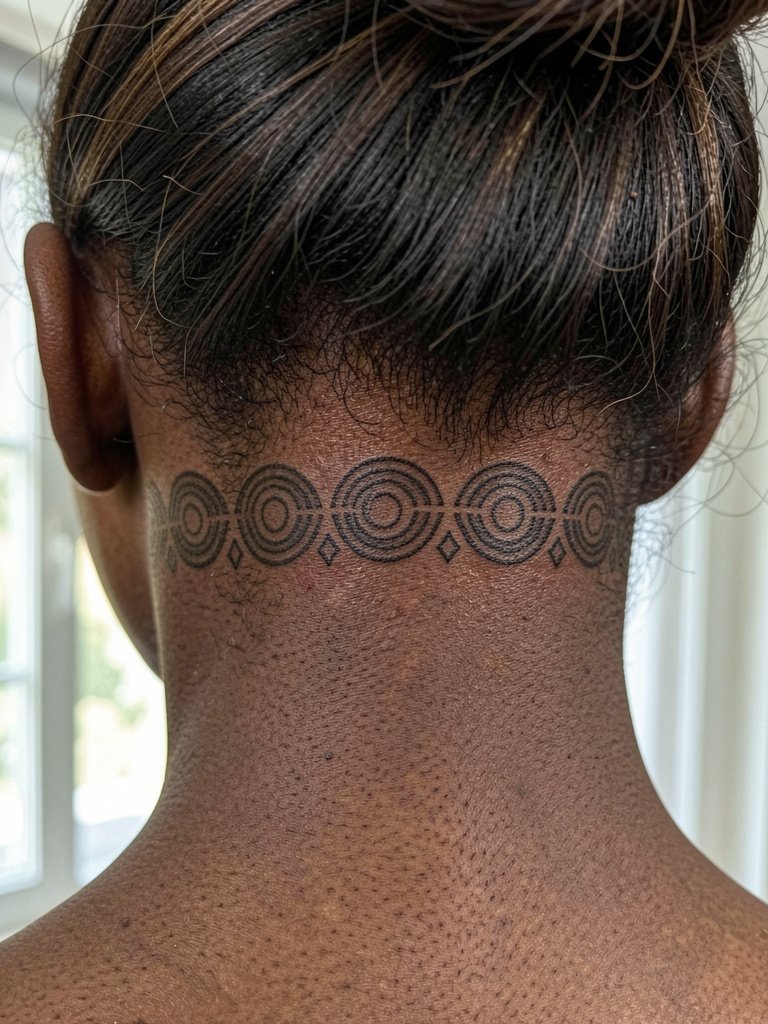
A nape row of micro geometry is discreet and modern but needs intentional spacing. Request that the artist mark expected spacing and show how each motif reads at arm’s length. Sessions are quick but precision is crucial. Healed at six months the micro shapes are clear, by two years extremely thin motifs may soften, so slightly bolder anchors are wise. For styling, hair-up looks show the row, and a hair claw clip keeps the area visible.
19. Rib-Side Lace Band That Flows With Breathing
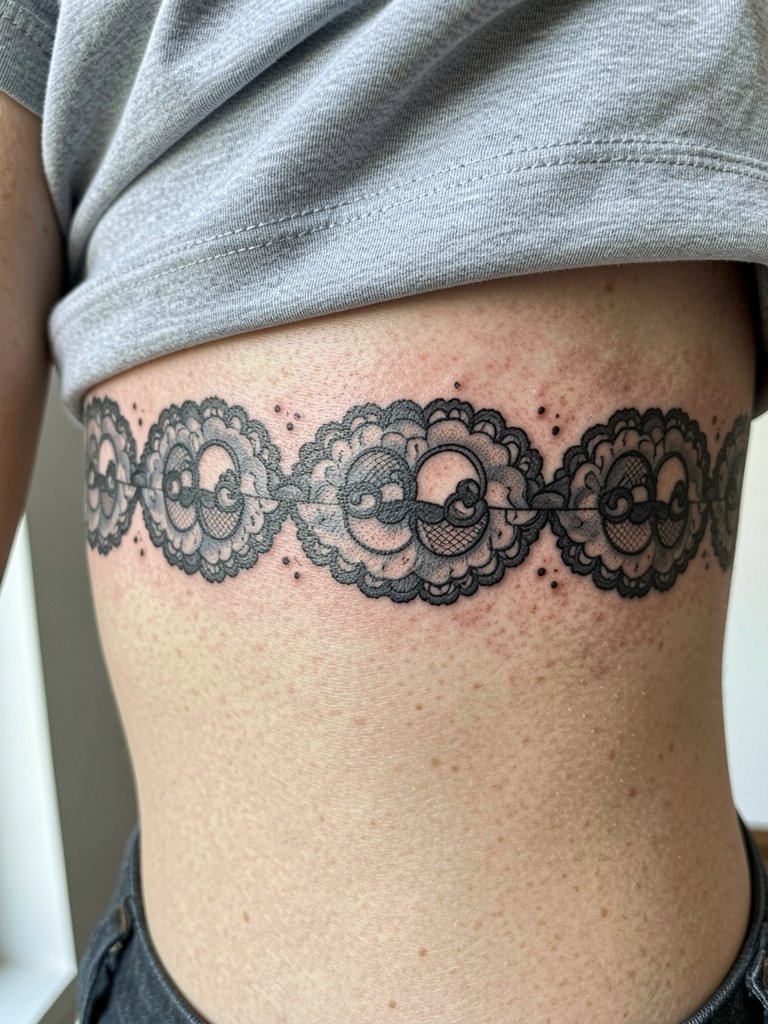
Side-rib lace must be drafted to move with the chest so the pattern does not buckle when you breathe. Ask the artist to mark the design while you breathe naturally so the final stencil sits well. Expect a higher pain level and one or two sessions depending on length. Six months after the lace looks cohesive, at two years very tight internal lace may soften. For beachwear choose a soft bralette that sits below or above the band without rubbing.
20. Ornamental Throat Centerpiece in Fine Line
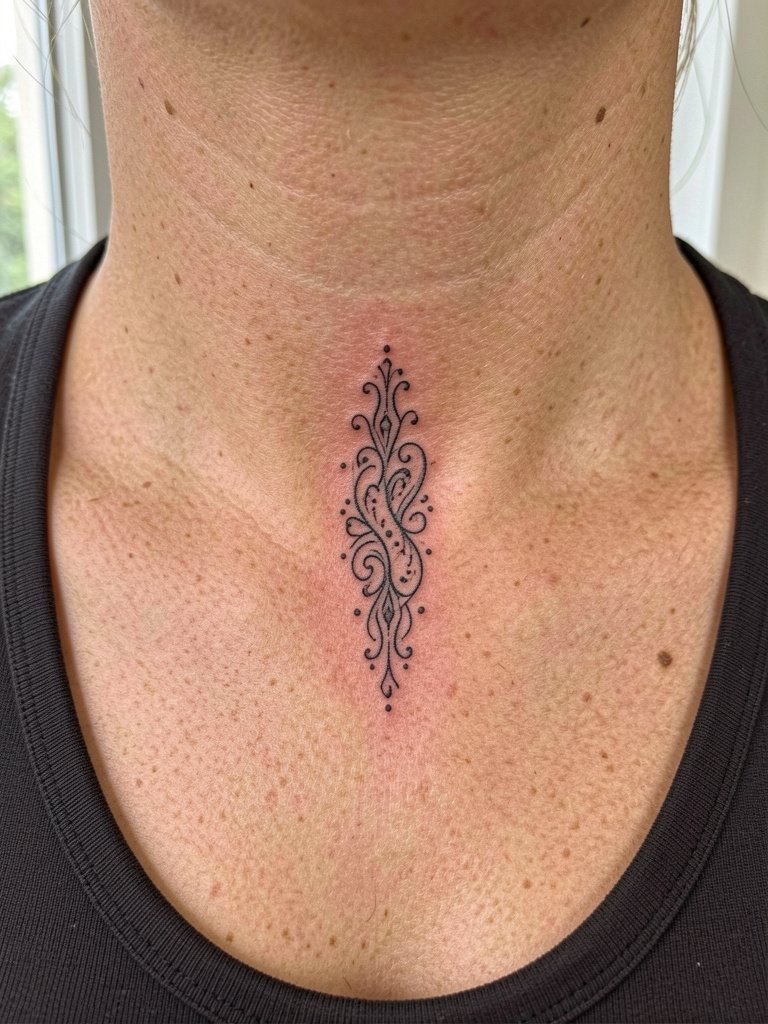
Throat pieces are bold despite small size and they demand precise spacing to avoid blurring. Rather than asking for the skin to be covered in micro detail, request slightly wider spacing between main filigree lines and a preview at actual size. Sessions are usually short but can be intense. At six months the centerpiece should sit flush, at two years very thin connector lines may soften and require touch-up. For style, high-neck tops and delicate chokers balance the piece, try a high-neck top.
21. Delicate Foot Ornament Along the Instep
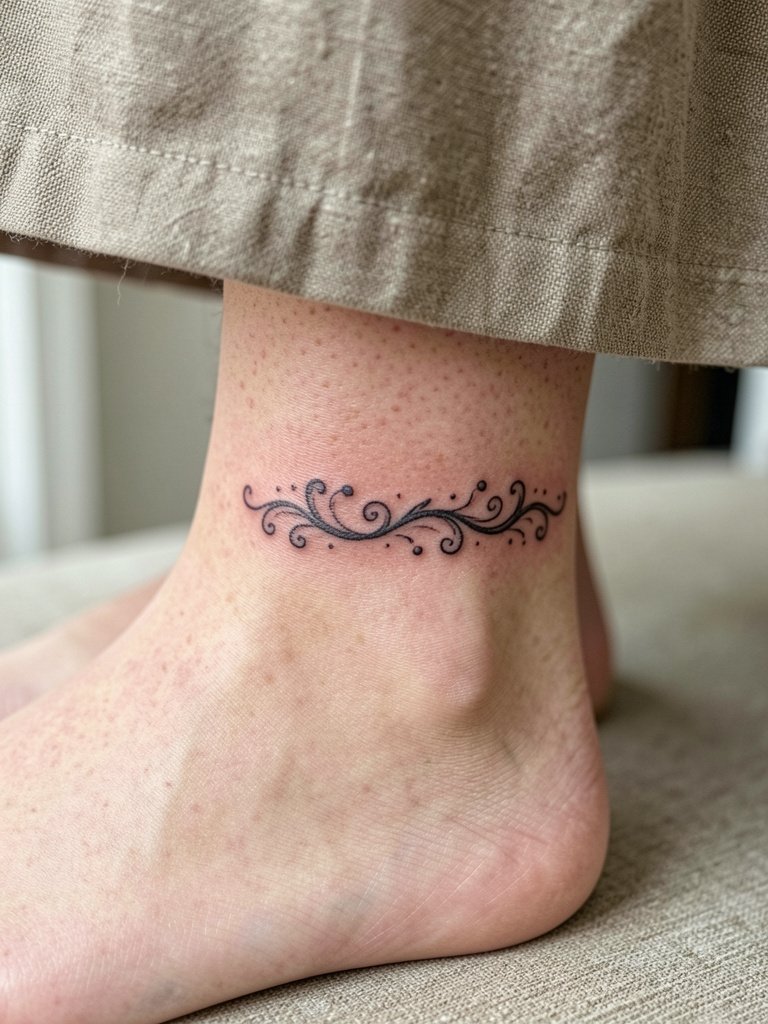
Foot work is beautiful but meets constant friction from shoes and ground contact. Request bolder anchor lines in the main motif and discuss aftercare steps for keeping the area dry while walking. Sessions are short yet healing requires footwear that avoids rubbing. At six months the instep holds well, at two years thin connectors often need touch-up. For summer pair with sandals and a minimalist sandal that shows the instep.
22. Small Geometric Chest Spot With Strong Anchors
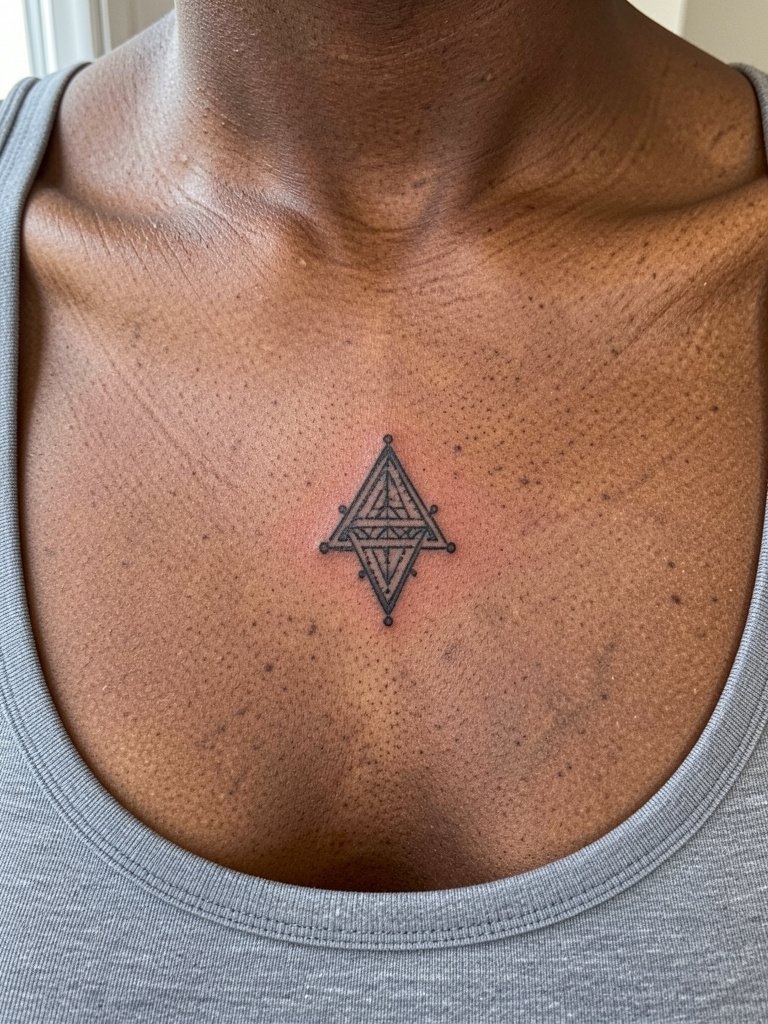
A small geometric chest spot works when the outer contour is clear and the inner lines have breathing room. Ask to see how the motif sits against your clavicle curve in a mirror before inking. Session time is short and touch-ups are rare if the anchors are strong. At six months the spot should be stable, at two years internal thin lines may soften, and a one-time touch-up can restore crispness. For neckline coordination choose a scoop-neck tank.
23. Ornamental Side-Bust Curve That Mirrors Clothing Lines
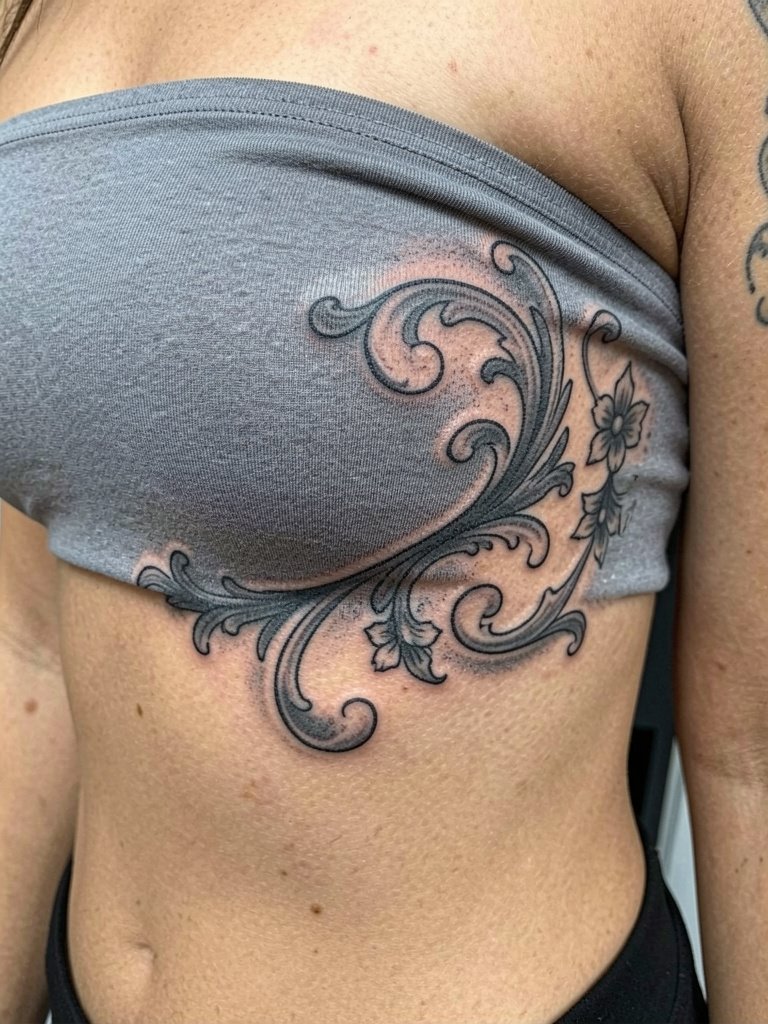
Side-bust ornamentals need to be drafted with garment lines in mind so the design sits naturally under bras and tops. Bring the actual bra or top you plan to wear often and have the artist test stencil placement against it. These sessions are moderate in length and healing can be affected by bra straps, so choose soft, non-rubbing underlayers. At six months the curve should follow the body, at two years thin connectors may soften but the silhouette will remain if spacing was adequate.
Frequently Asked Questions
Q: How do I find ornamental tattoo portfolios and healed examples online without naming artists?
A: Search targeted hashtags like #ornamentaltattoo, #blackworktattoo, #finelinetattoo and include your city name to surface local portfolios. Use location filters on Instagram and TikTok so you can see studio posts with healed shots. Reddit threads in r/tattoos and r/tattooadvice are useful for firsthand healing stories and tips about appointments.
Q: Which ages better, super-fine single-needle ornamentals or heavier blackwork?
A: Heavier blackwork generally holds up better over the long term because saturation resists line spreading. Some practitioners prefer single-needle ornamentals and argue that with slightly wider spacing and careful depth they settle fine. The safe approach is to pick the look you want but adjust line weight and spacing for the placement to improve longevity.
Q: What should I wear to an appointment for a clavicle, nape or ribcage piece?
A: For clavicle and upper chest choose a scoop- or square-neck top so the artist has access and nothing gets tugged. For nape bring a hair clip to put hair up and avoid collars. For ribcage pick a soft cropped top or sports bra that does not rub. Wearing the right clothing makes the session faster and less awkward.
Q: Is Saniderm or dry healing better for fine-line ornamentals?
A: Some clients prefer Saniderm because it protects fine lines from scabbing and external friction in the first 48 to 72 hours. Others prefer an open-air dry heal approach to avoid trapping moisture and irritation. Both camps have valid points so discuss your skin sensitivity and daily routine with your artist and choose the method that fits your lifestyle.
Q: How often can I expect to need touch-ups for ornamental pieces?
A: Touch-up frequency depends on style and placement. Dense blackwork can go many years between touch-ups. Single-needle filigree on high-friction spots like hands, wrists, and ribs often needs attention within one to three years. Plan touch-ups as part of responsible ownership rather than a failure.
Q: Are there cultural concerns when using mandala or lace motifs?
A: For designs with cultural origins be explicit about inspiration and avoid copying sacred or ceremonial imagery directly. Many artists will rework motifs into ornamental language that respects source aesthetics without appropriating ritual symbols. Ask for a culturally informed adaptation rather than a direct replica.
Q: Can I still wear jewelry with these ornamental tattoos while they heal?
A: Avoid jewelry that rubs the fresh tattoo for at least the first two weeks. For showing the healed work, pair pieces with jewelry that complements rather than overlaps the ink. Consider thin chains for wrist and collarbone designs and hair accessories for nape pieces.