
Someone I know spent six months scrolling tattoo galleries before booking. The problem was not the designs, it was knowing which small memorial would age well and feel right at work, on summertime sleeves, and years from now. I spent time in five shops across Brooklyn and watched portfolios, and these 20 easy dog memorial tattoos are the ones that come up again and again for beginners. Start with a simple idea, then use the consultation notes below to get it right.
1. Paw Print Heart Outline on the Inner Wrist
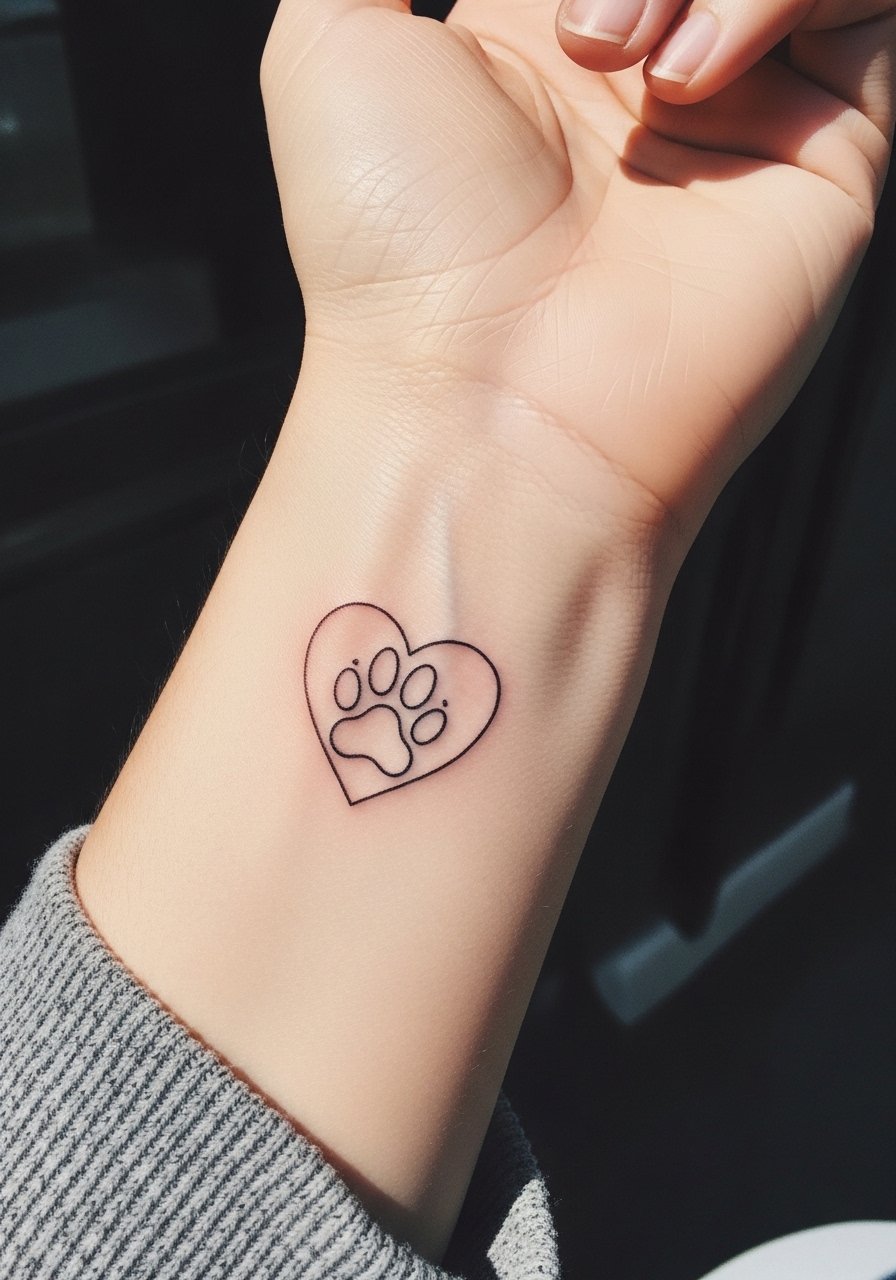
Someone I know first saw this as a tiny wrist piece and it quickly became the most asked about tattoo they own. Tell your artist you want single-needle linework and a little spacing between paw toes so the heart shape breathes. Avoid asking for a hairline heart that is too small because lines can blur on the wrist and require a touch-up sooner. Pain is mild and most artists finish a 2- to 3-inch wrist piece in one short session. Expect clearer edges at six months and gentle softening at two to three years. If you want a name, ask for script that sits outside the heart rather than inside the tiny negative space.
2. Infinity Loop with Dual Paw Prints on the Shoulder Blade
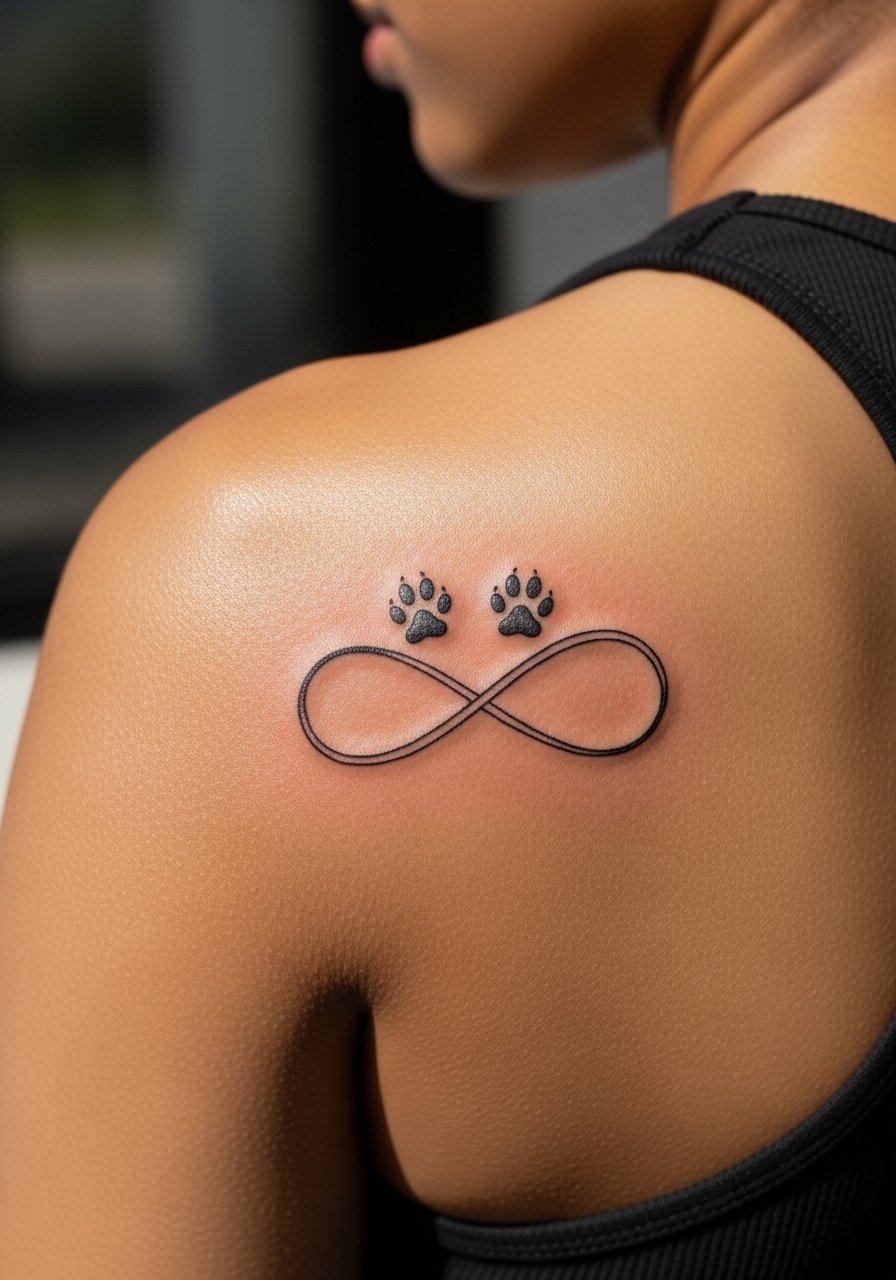
Fair warning: shoulder blade sits on soft tissue and often feels like a 4 out of 10 on pain. The infinity loop reads best when scaled to three to four inches because too small and the curve crowds the paw prints. Tell your artist you want slightly bolder linework where the loop meets each paw to avoid early blurring. One session usually covers this, and a common mistake is shrinking the design to avoid visibility. Over time the loop may lose a hair of crispness, but a targeted touch-up at year three keeps the shape intact. Placement lets clothing hide it easily while still showing in tank tops.
3. Single-Line Dog Face Sketch on the Collarbone
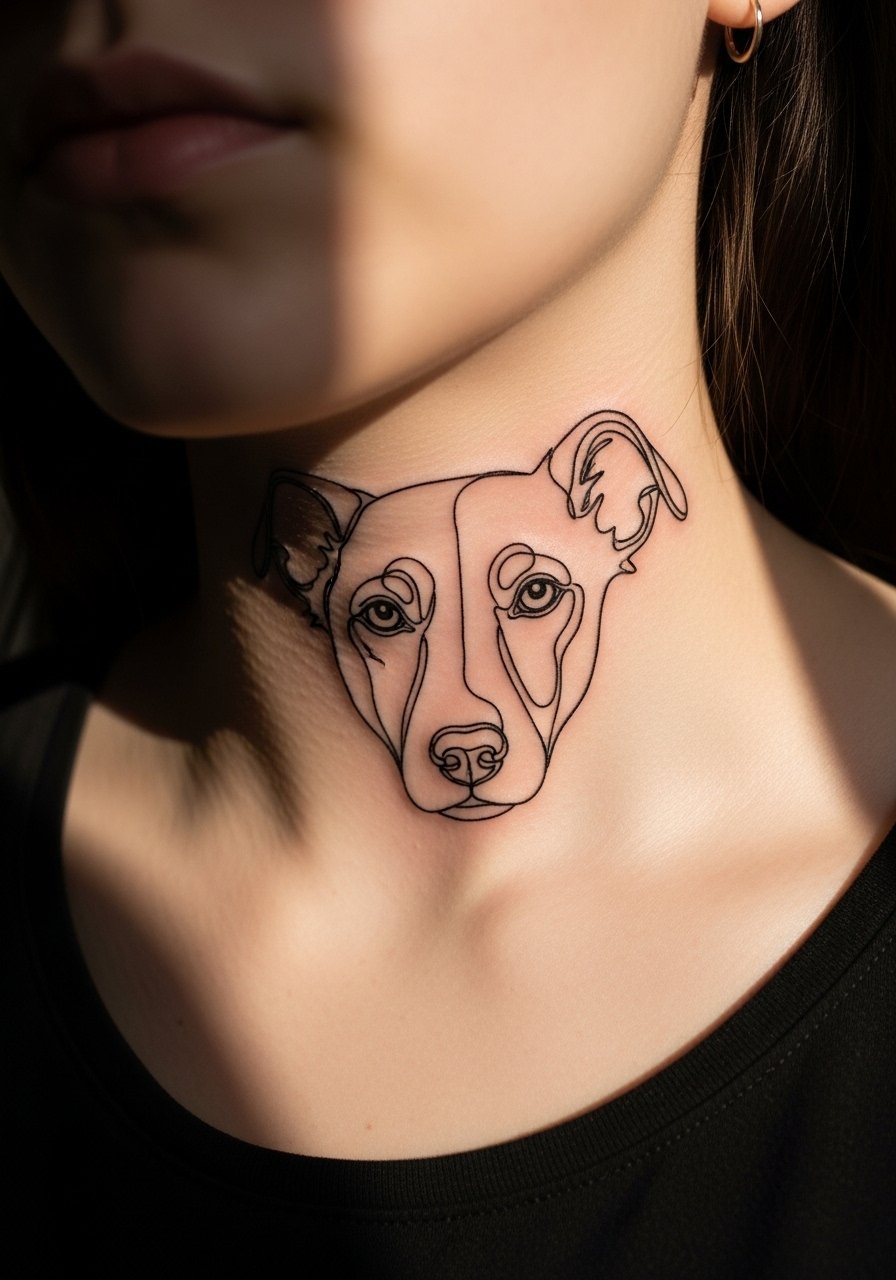
When you sit down with your artist for this one, bring photos that show your dog in a calm, front-facing pose. Artists split on single-line portraits on collarbones. One camp says the thin continuous stroke holds if the artist paces depth carefully. The other camp warns collarbone motion and thin skin can blur single-needle lines over a couple of years. Ask where your artist stands and for examples on similar placements. Expect modest pain on the collarbone and a single session. A real mistake is overcomplicating the sketch with tiny dots and shading. Keep it airy and accept a touch-up around year two if lines soften.
4. Paw Print Trail Forming a Heart on the Ankle
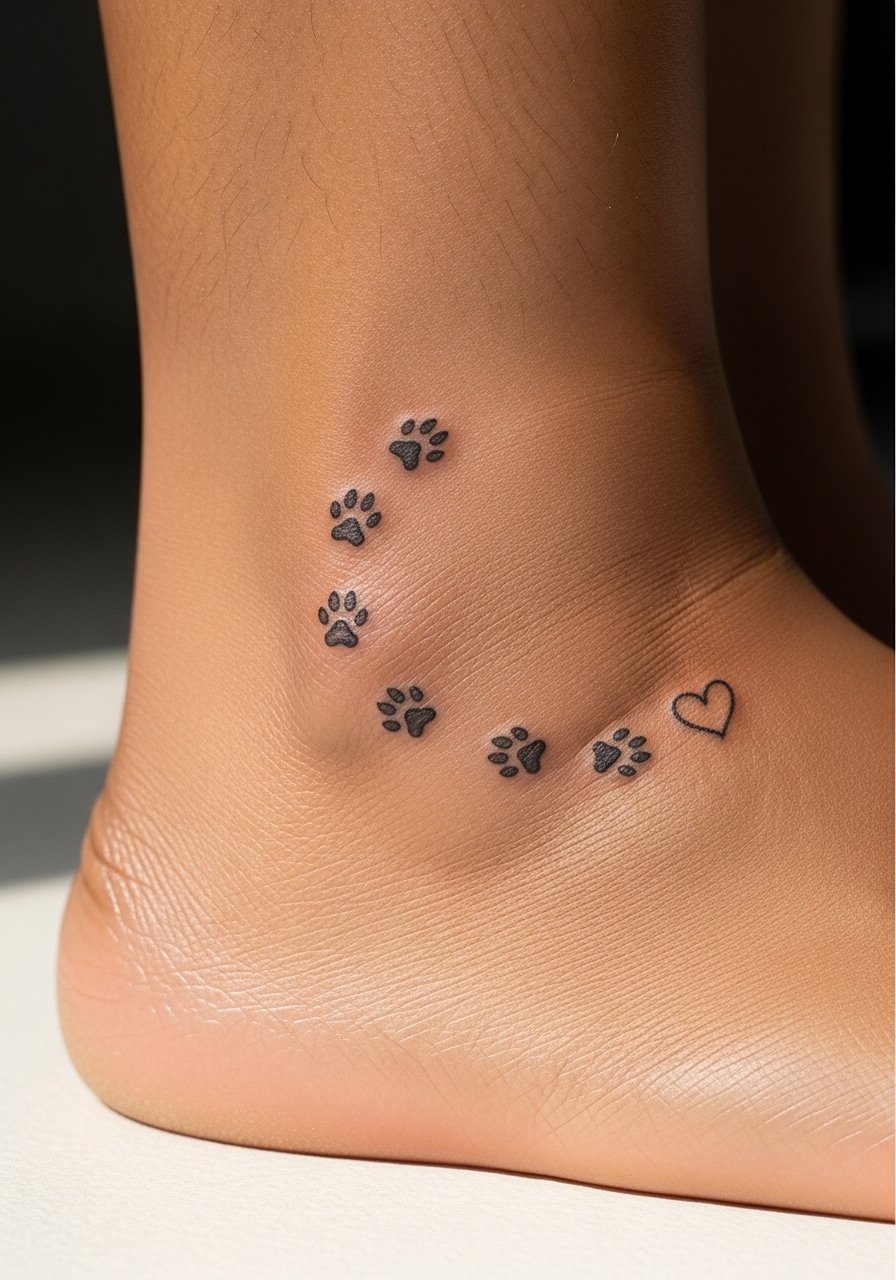
Most ankle work is a 3 out of 10 for pain but heals slower due to friction from shoes. This trail design works best when each print is spaced deliberately so the heart reads at a glance. Tell your artist you want crisp negative-space between prints and ask about avoiding heavy shading near the bone. A common aging issue is smudged detail from tight socks, so plan clothing for the first two weeks. Sessions are short and you will see the cleanest look at six months. If you want color accents, keep them muted because bright pigments on the ankle can fade faster.
5. Dog Paw with Bone Outline on the Forearm
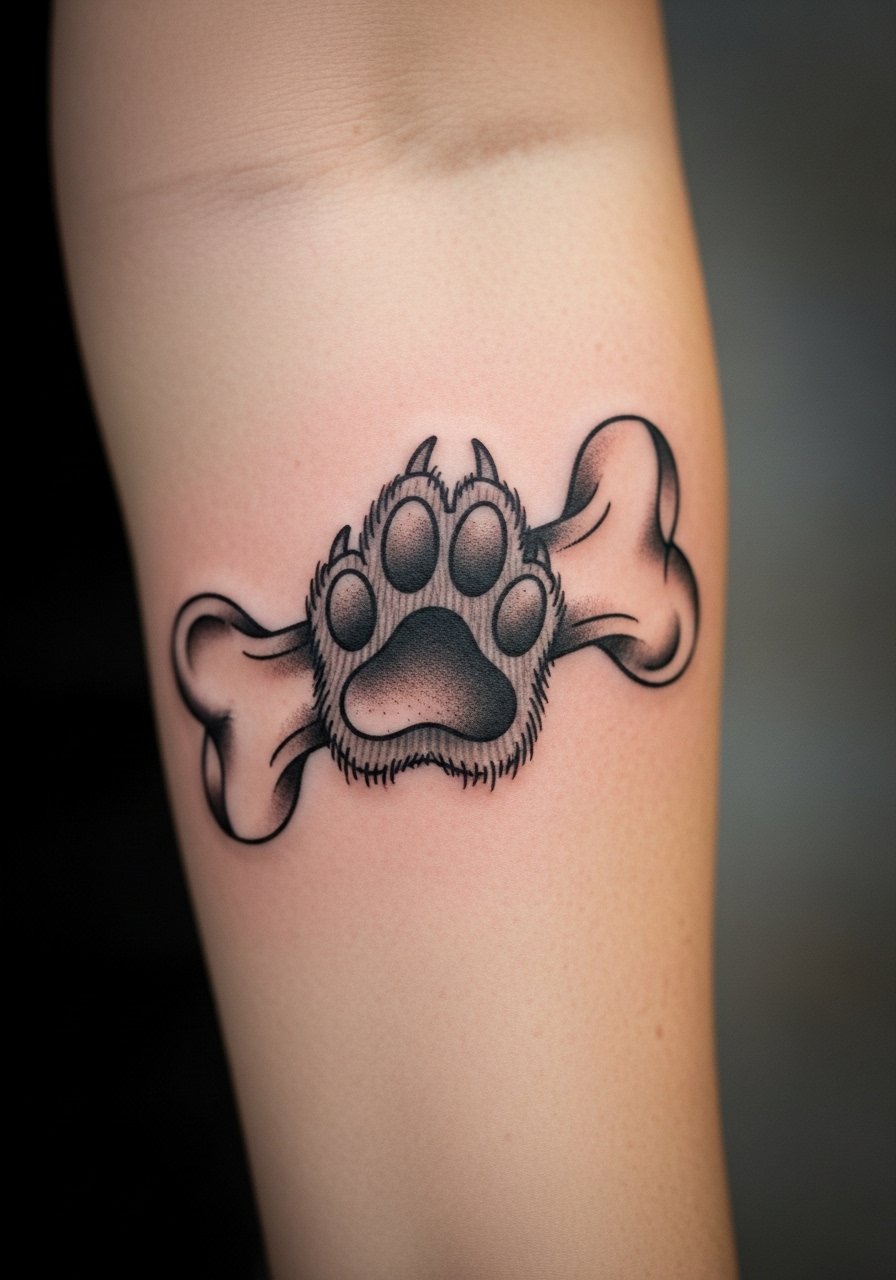
There is something about a forearm piece that reads both personal and visible without being theatrical. For a paw-and-bone combo, ask your artist to keep bone edges slightly rounded so the piece ages gracefully. Avoid tiny script inside the bone because letters can blur with time. Pain on the forearm is low and most people finish a medium-sized version in one to two sessions. The mistake I often see is asking for heavy black fill in a small bone. That can look flat later. Expect solid saturation at six months and a touch-up at two to four years depending on sun exposure.
6. Actual Paw Print Imprint Replica on the Shoulder Blade
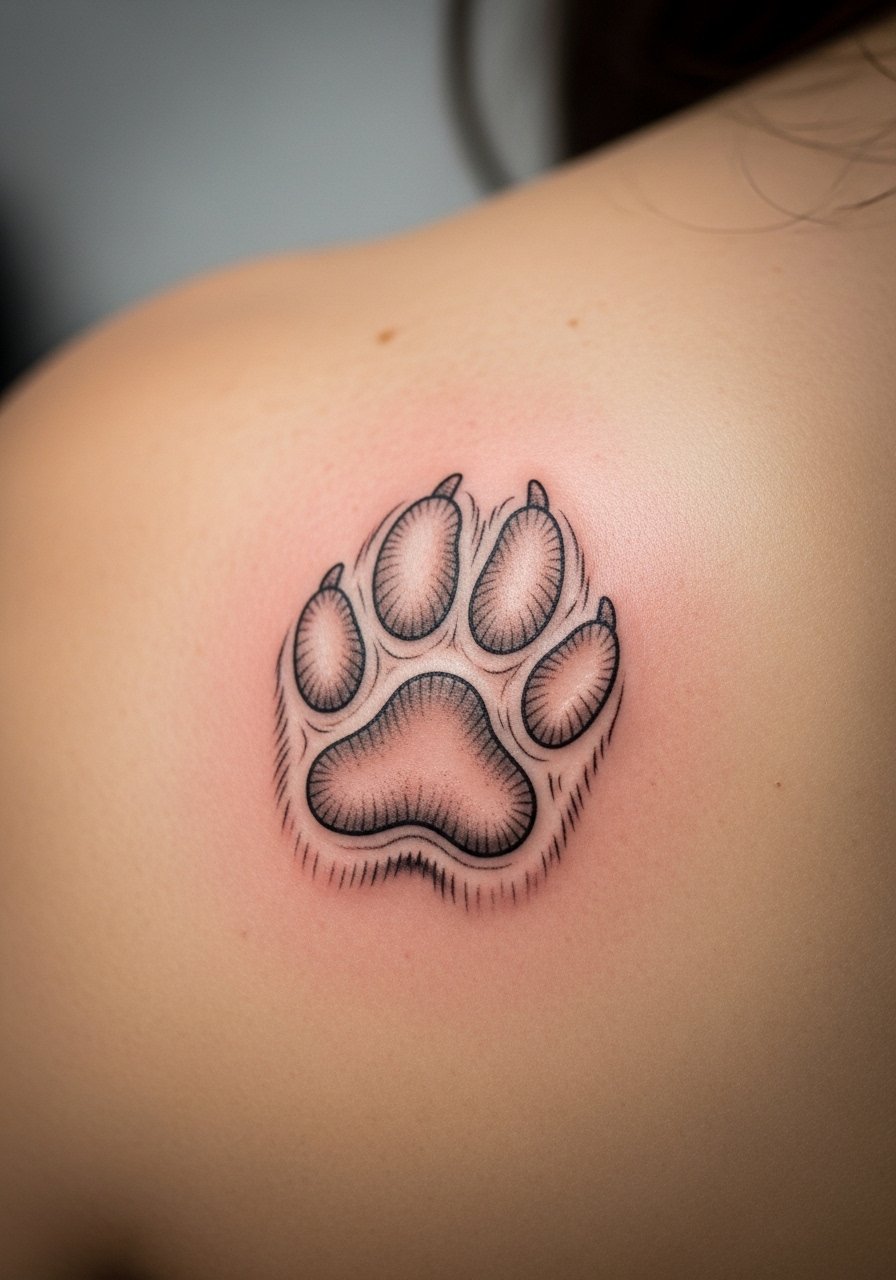
When you pick a real paw imprint, bring a clear photograph or the actual ink pad print to the consult. Some artists prefer tracing the imprint and translating it into line and texture. A controversy here is accuracy versus stylization. One camp argues for pixel-for-pixel replication. The other suggests subtle simplification so tiny creases do not vanish in a year. Request a slightly bolder contour so the print keeps identity as it heals. Shoulder blade offers room and moderate pain. Expect two shorter sessions if your artist refines the print into micro-realism. A common mistake is asking for a tiny replica that loses fingerprint-like detail.
7. Black and Gray Realistic Dog Portrait on the Upper Arm
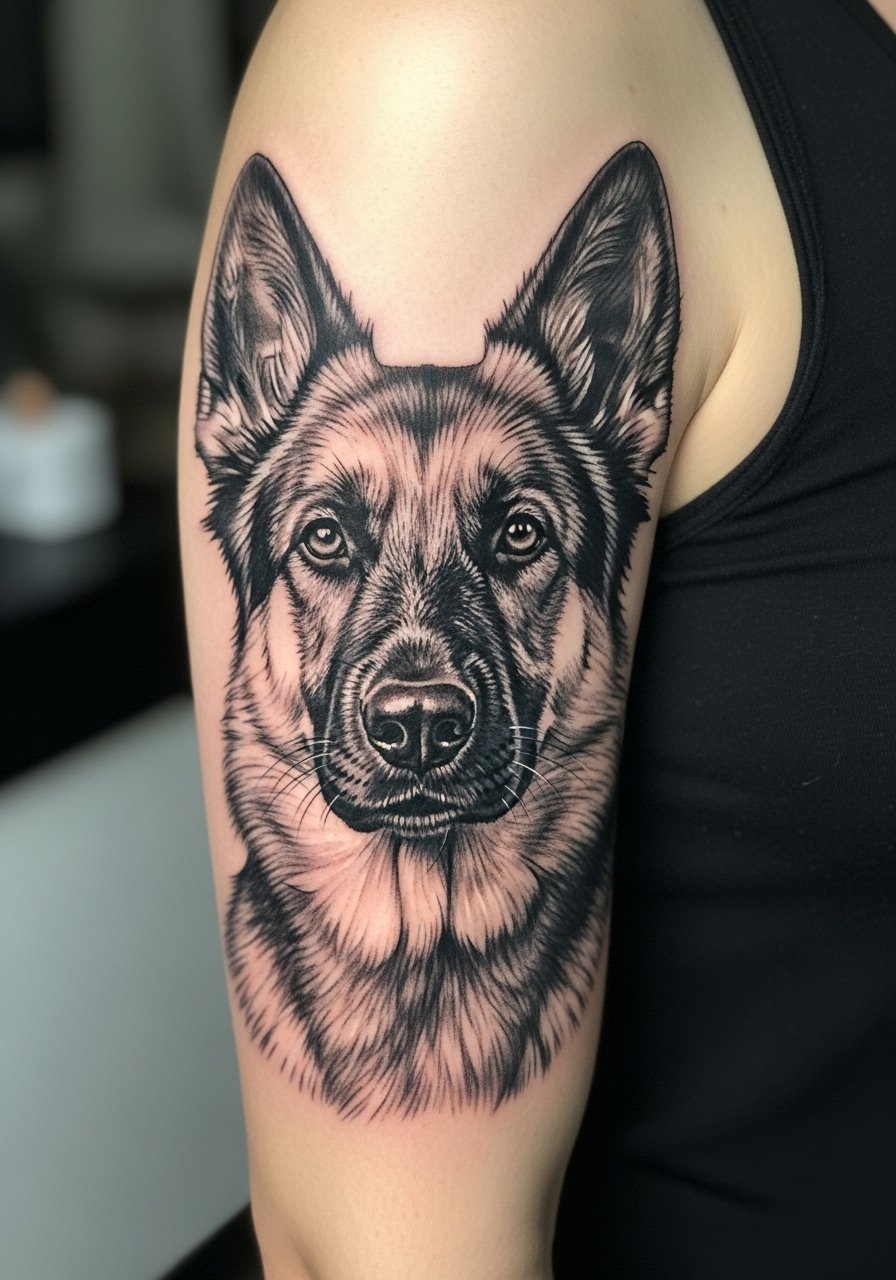
I have seen lifelike portraits done well on the upper arm more than in any other place. Bring multiple clear reference photos showing eyes and muzzle. This style divides artists into two groups. One group recommends lots of contrast and layered shading to maintain form. The other warns that overworking the skin creates scabby texture and loss of subtle gradation. Ask how many sessions your artist plans and for healed photos of similar work. Portraits often take multiple sessions and feel like a 5 out of 10 for pain. Expect a touch-up at year two if small highlights fade.
8. Paw Prints in an Infinity Loop on the Inner Bicep
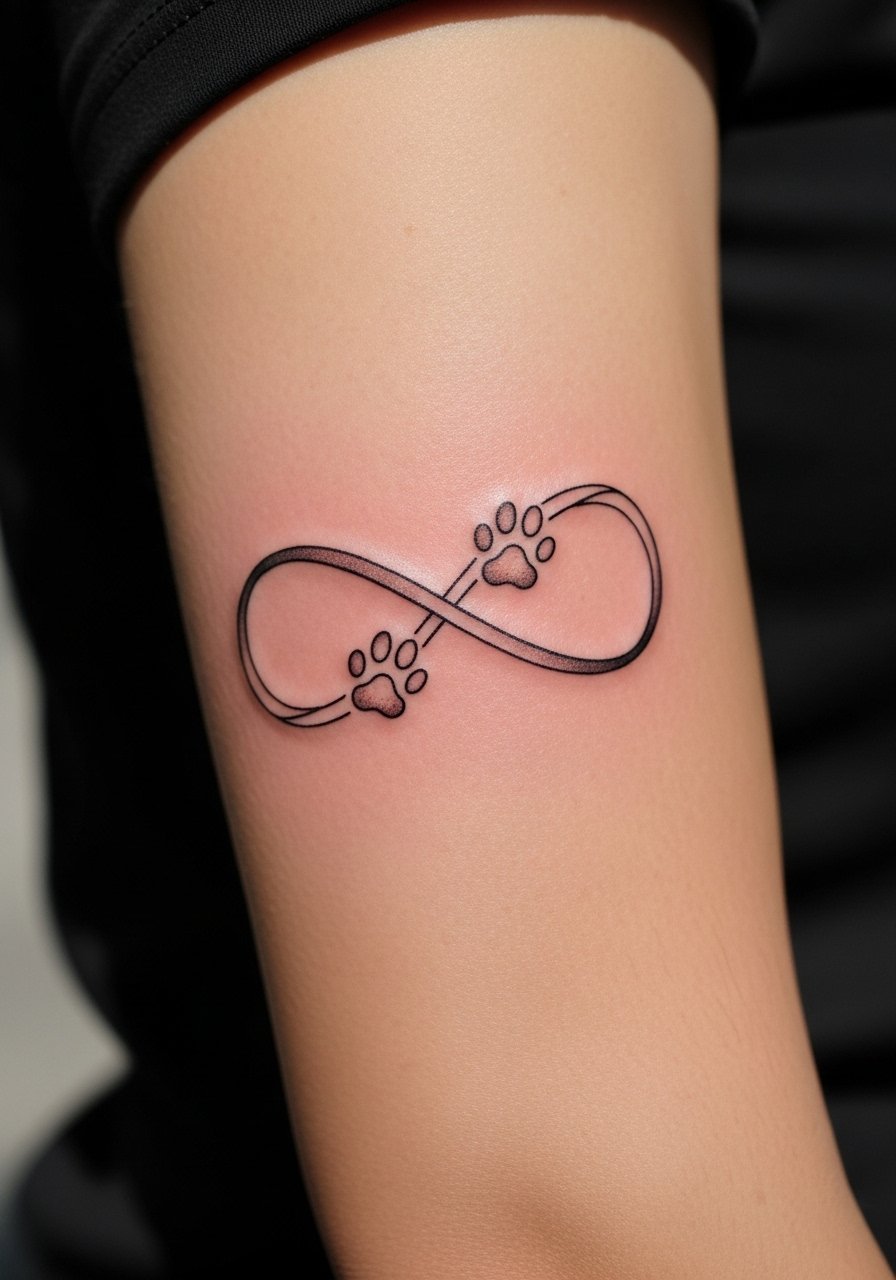
There is a consultation trick for inner biceps. Ask the artist to map the loop while your arm is slightly bent so the motif sits naturally with movement. A mistake is putting the loop too high where the skin stretches a lot when the arm moves. Pain is moderate and sessions are short. Fine line on inner biceps sometimes softens faster than on outer forearms, so request slightly thicker strokes where lines cross. Expect the clearest definition at six months and a likely touch-up at three to four years to revive thin contours.
9. Minimalist Nose Print Silhouette on the Finger
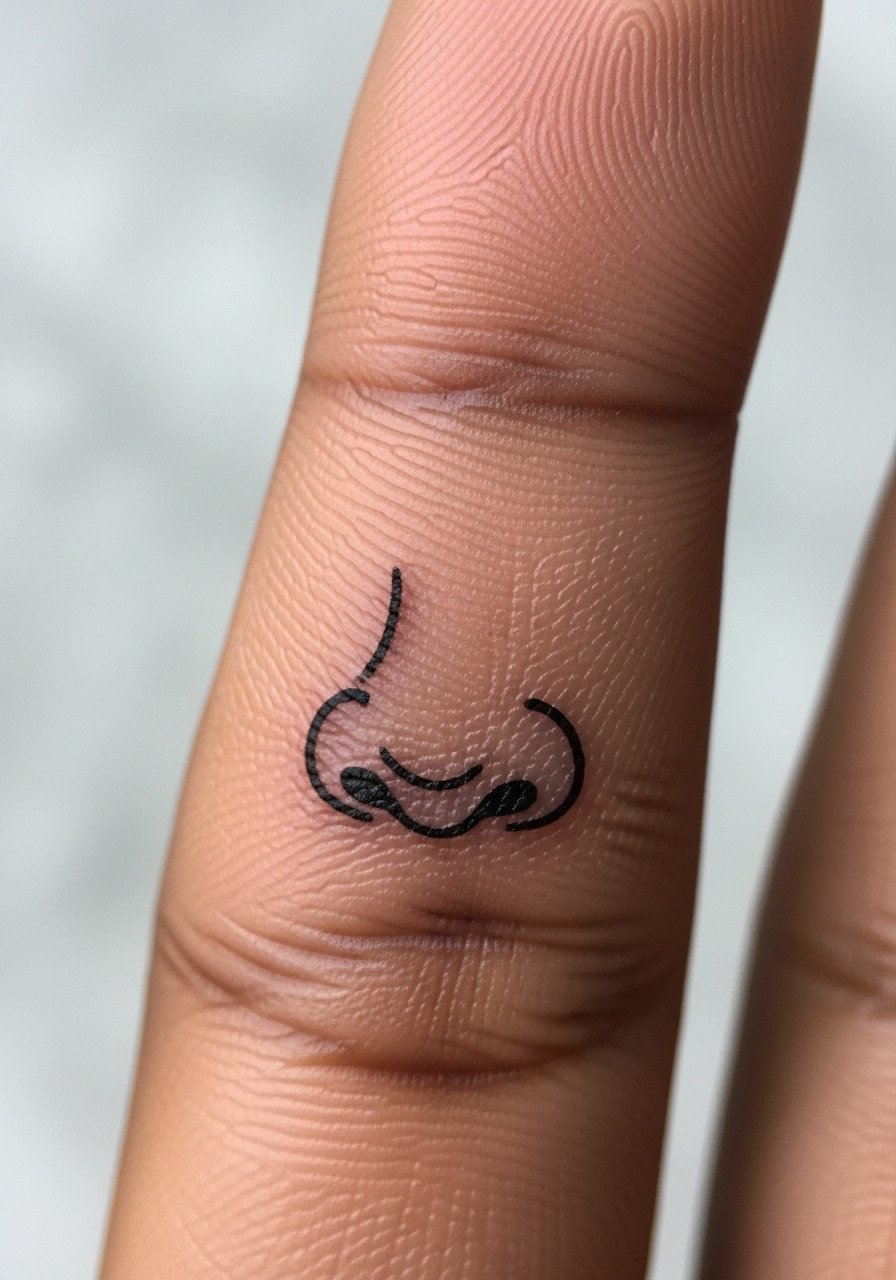
Finger placements are very sensitive and must be considered carefully for career and wear reasons. Finger tattoos fade faster because of constant washing and movement. If you want a nose print on a finger, ask your artist for a bolder silhouette rather than delicate stippling. Sessions are quick but the touch-up timeline is sooner than other spots, often within twelve to eighteen months. A common mistake is expecting a finger micro-design to last like a forearm piece. If longevity matters, consider relocating the nose print to the side of the hand or the wrist.
10. Heart-Shaped Paw Cluster on the Collarbone
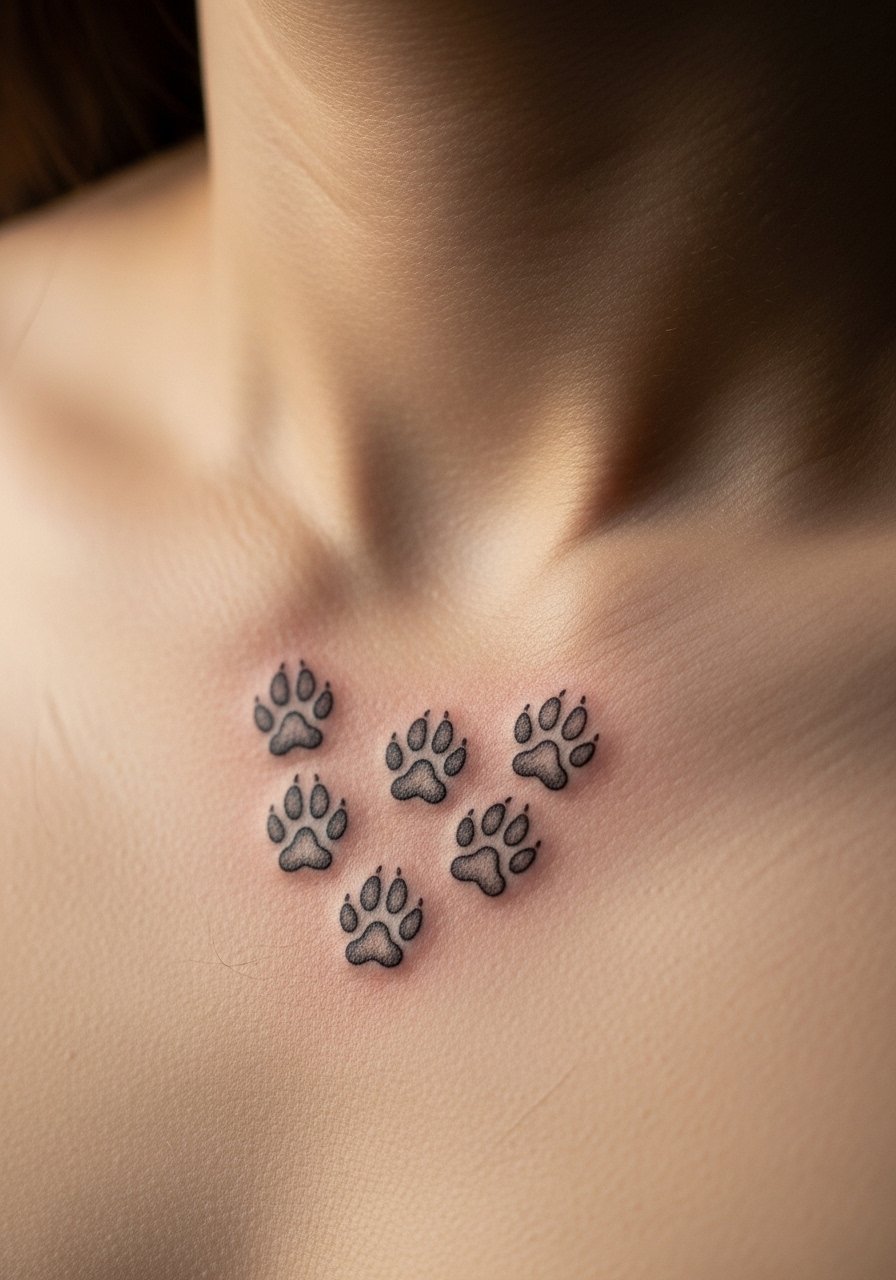
Visual impact is immediate when a cluster forms a heart across the collarbone line. When consulting, show how you want the cluster oriented with clothing, because a shifted heart can sit awkwardly under a neckline. Collarbone movement can soften individual prints, so ask for slightly larger pads to maintain shape. Pain is above average on the bone and sessions are short. A common error is compressing multiple tiny prints into one inch of space. Spread them to keep definition for at least two years before a possible touch-up.
11. Dog Bone with Embedded Paw on the Calf
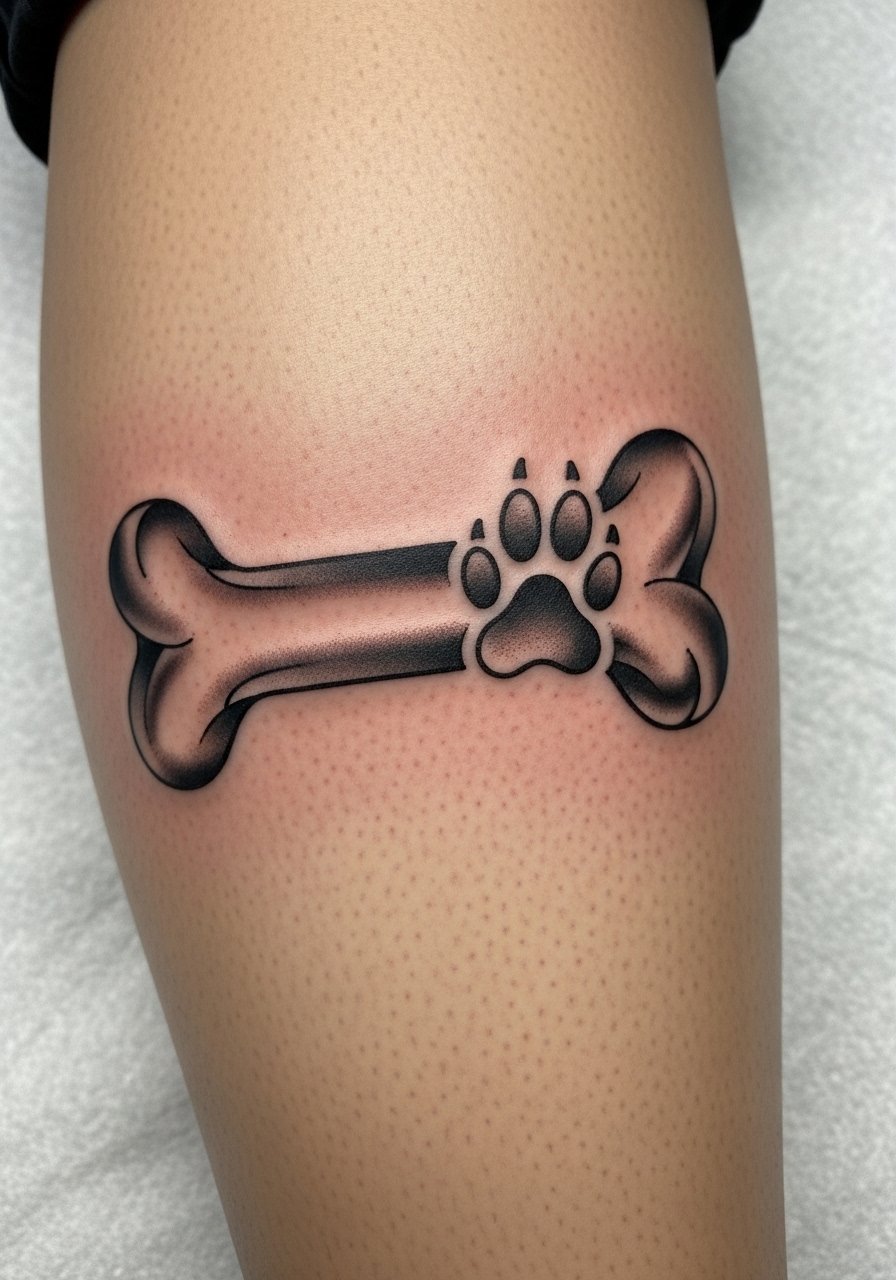
The calf is a forgiving canvas that ages well because it gets moderate sun exposure and low friction. I recommend the calf when you want a slightly larger memorial that still reads as a simple piece. Request moderate shading and avoid tiny lettering inside the bone. The session is usually one to two hours depending on size and pain is low. A common mistake is going too small for the calf, which wastes the available space. Expect strong saturation at six months and touch-up at three to five years based on pigment depth.
12. Simple Paw Print Duo Behind the Ear
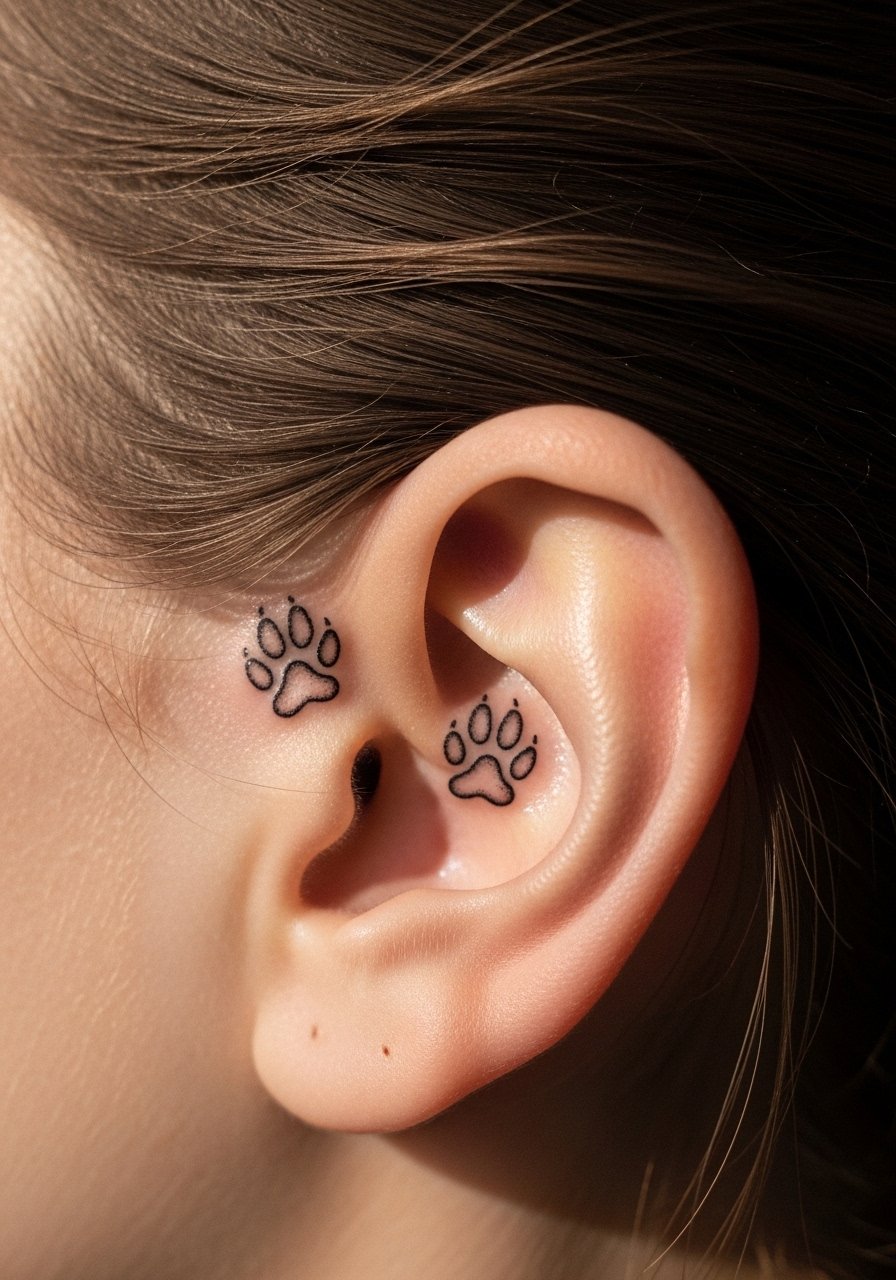
Someone I know picked behind the ear for a low-profile duo and loved that it was almost hidden until tucking hair back. This area is sensitive and prone to quicker fading because of oil glands and bathwater. Tell your artist you prefer bold pads rather than skinny outlines so the prints last longer. Sessions are very short and pain is sharp but brief. A common mistake is expecting behind-the-ear detail to rival forearm clarity. Plan for touch-ups every one to two years if you want the pair to stay crisp.
13. Micro-Realism Nose and Paw Combo on the Thigh
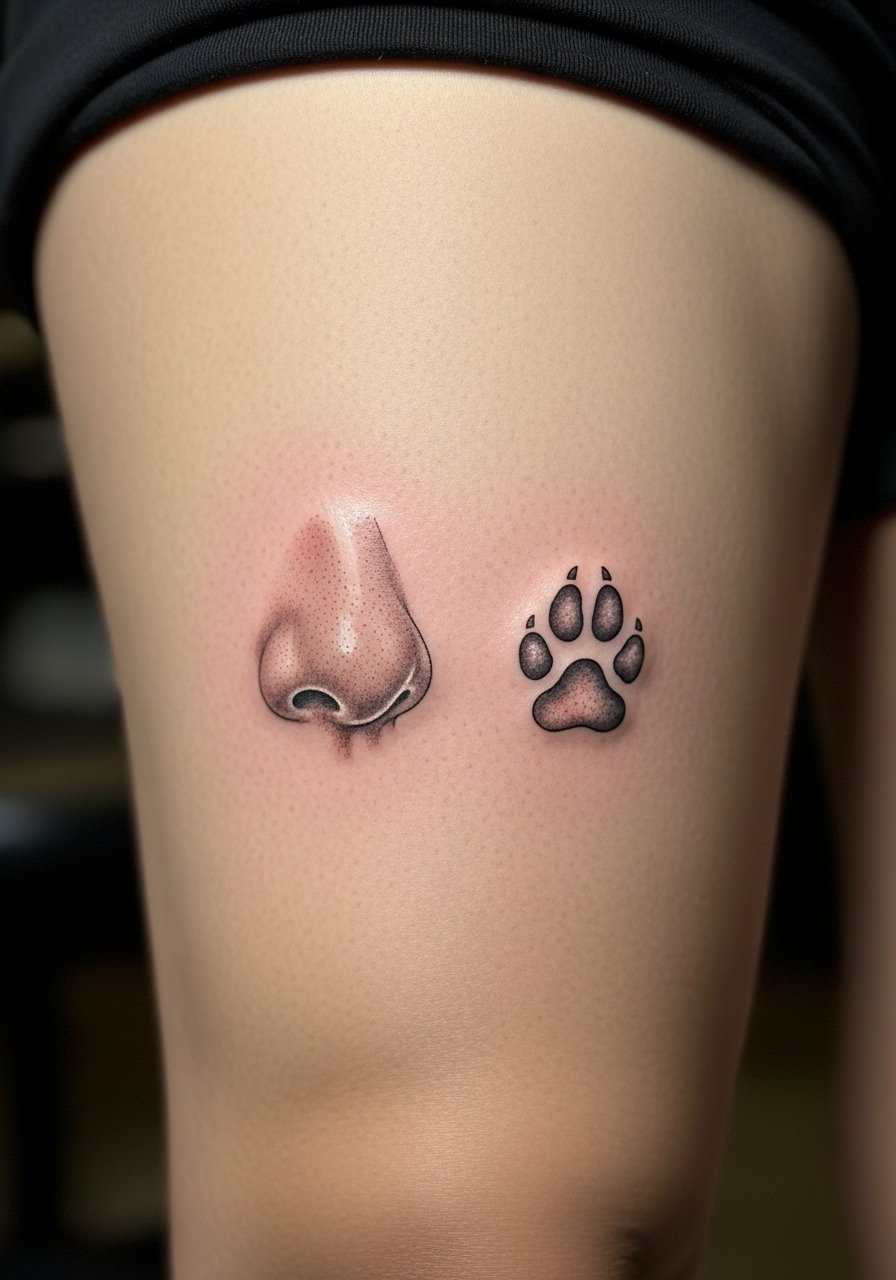
When privacy matters, the thigh gives room for a slightly larger micro-realism combo that you can keep private or show selectively. Tell the artist you want key markers like nose creases and pad texture emphasized, but avoid overfilling tiny gaps. The thigh heals well and pain varies by muscle depth. This placement handles fine detail better than fingers or ankles. A mistake I see is compressing two micro elements into a tiny spot. Spread them and expect vibrant detail at six months and a likely touch-up at year three if you want persistent contrast.
14. Small Silhouette Puppy Outline on the Ribcage
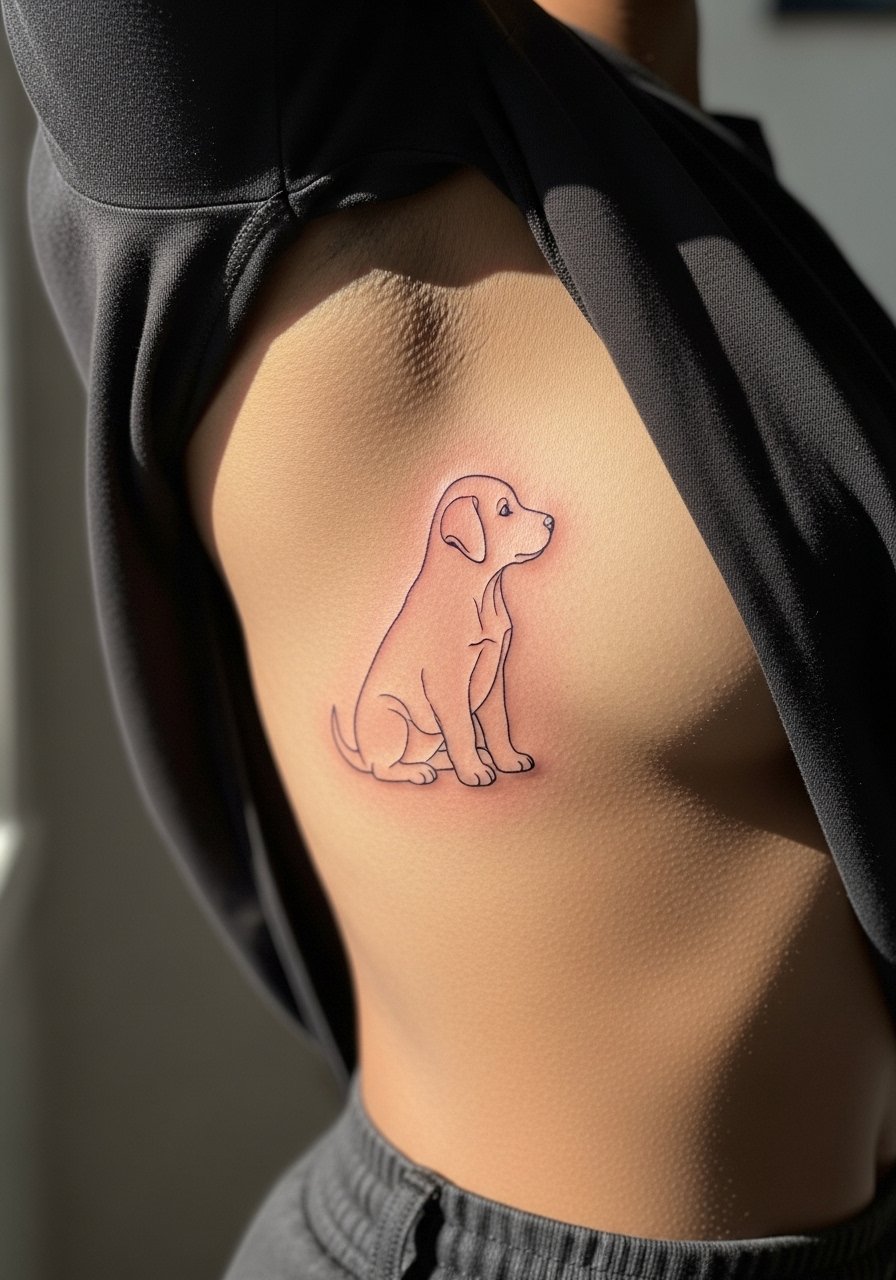
Fair warning: the ribcage is a 7 out of 10 on most pain scales. Artists split on whether fine line silhouettes hold up on ribs. One camp says the constant stretch from breathing blurs the edges within a couple of years. The other camp argues that with the right needle depth and spacing, a silhouette can remain crisp. Ask your artist for healed photos of ribs in the same style before booking. Sessions may be longer and you should expect a touch-up at year two more often than on arms.
15. Tiny Paw Print on the Ankle Bone
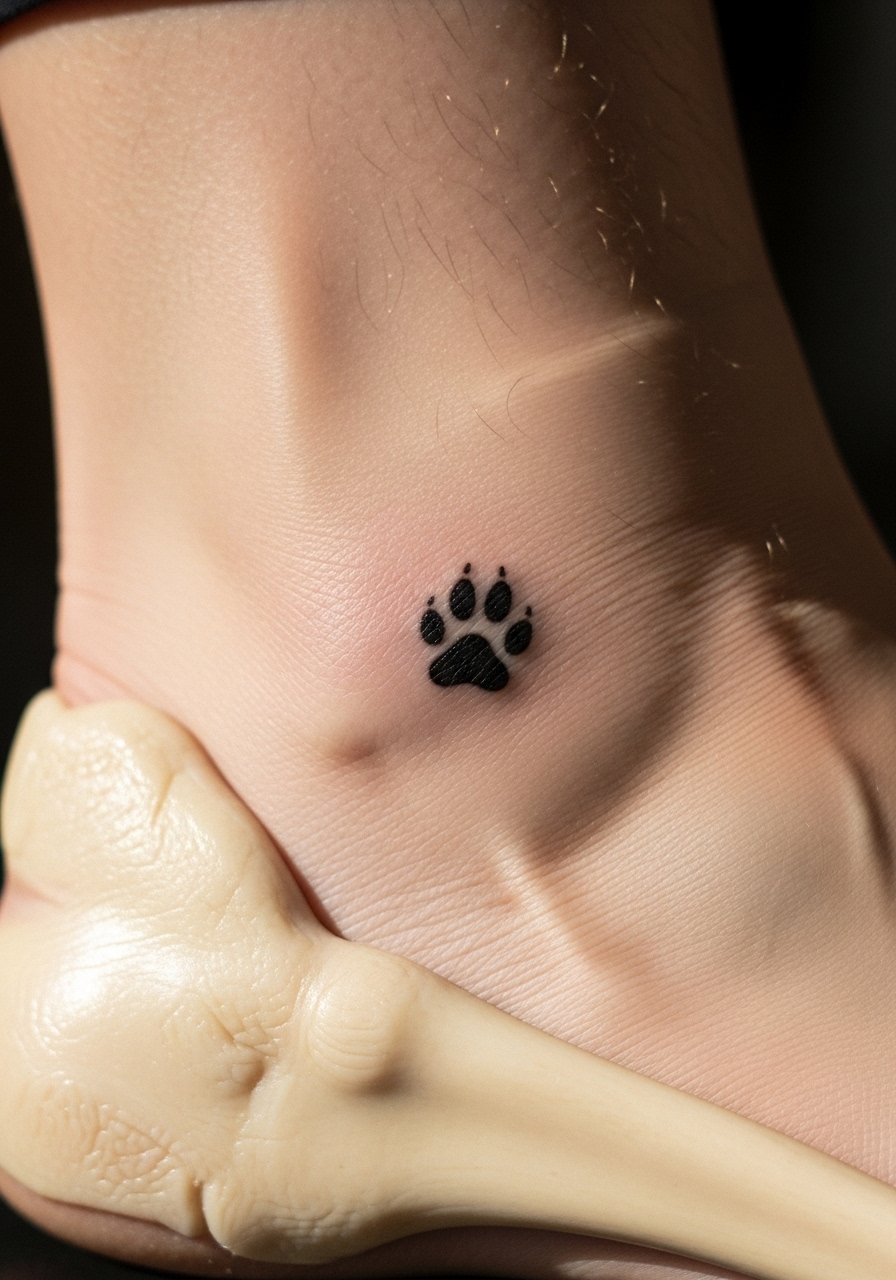
A visual impact lead works well for this spot because a single tiny print on the ankle reads like a tiny stamp. Avoid asking for the tiniest possible print. Skin over the ankle bone moves a lot and tiny dots can blur. Tell the artist you want a slightly bolder pad and soft edges to age gracefully. Pain here is low to moderate. Expect the cleanest look at six months and plan for touch-ups within two to three years if you wear shoes that rub the area heavily during healing.
16. Simple Linework Leash Loop on the Wrist
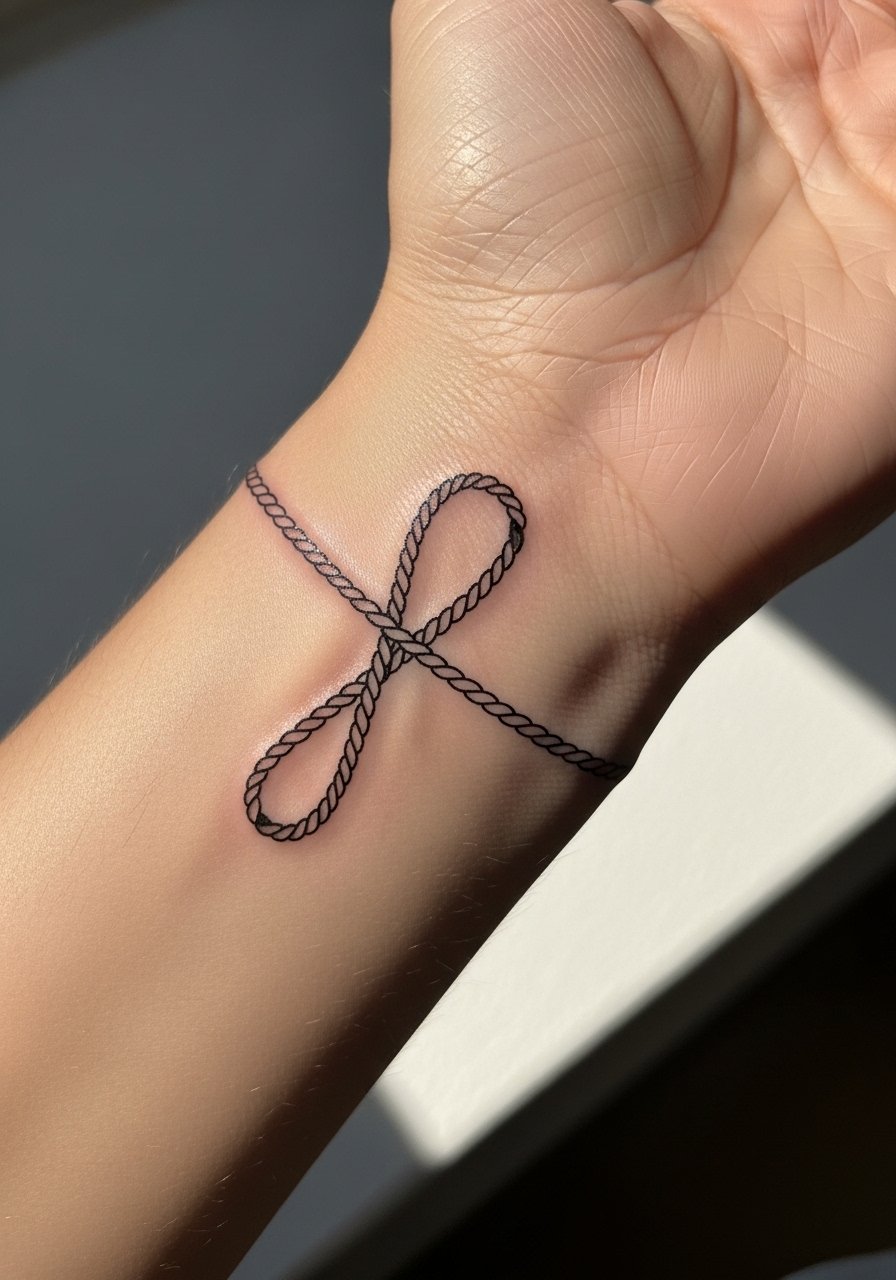
When you want symbolism without portraiture, a leash loop can say a lot with a little. Bring reference photos of the exact loop thickness you want. A real mistake is choosing an ultra-thin leash that disappears after a year. Ask for slightly denser linework at connection points to prevent early softening. Sessions are short and wrist pain is mild. This piece is beginner-friendly and shows well under bracelets. Expect a tight, crisp look at six months and a touch-up timeline similar to other wrist pieces.
17. Stipple-Shaded Paw on the Inner Forearm
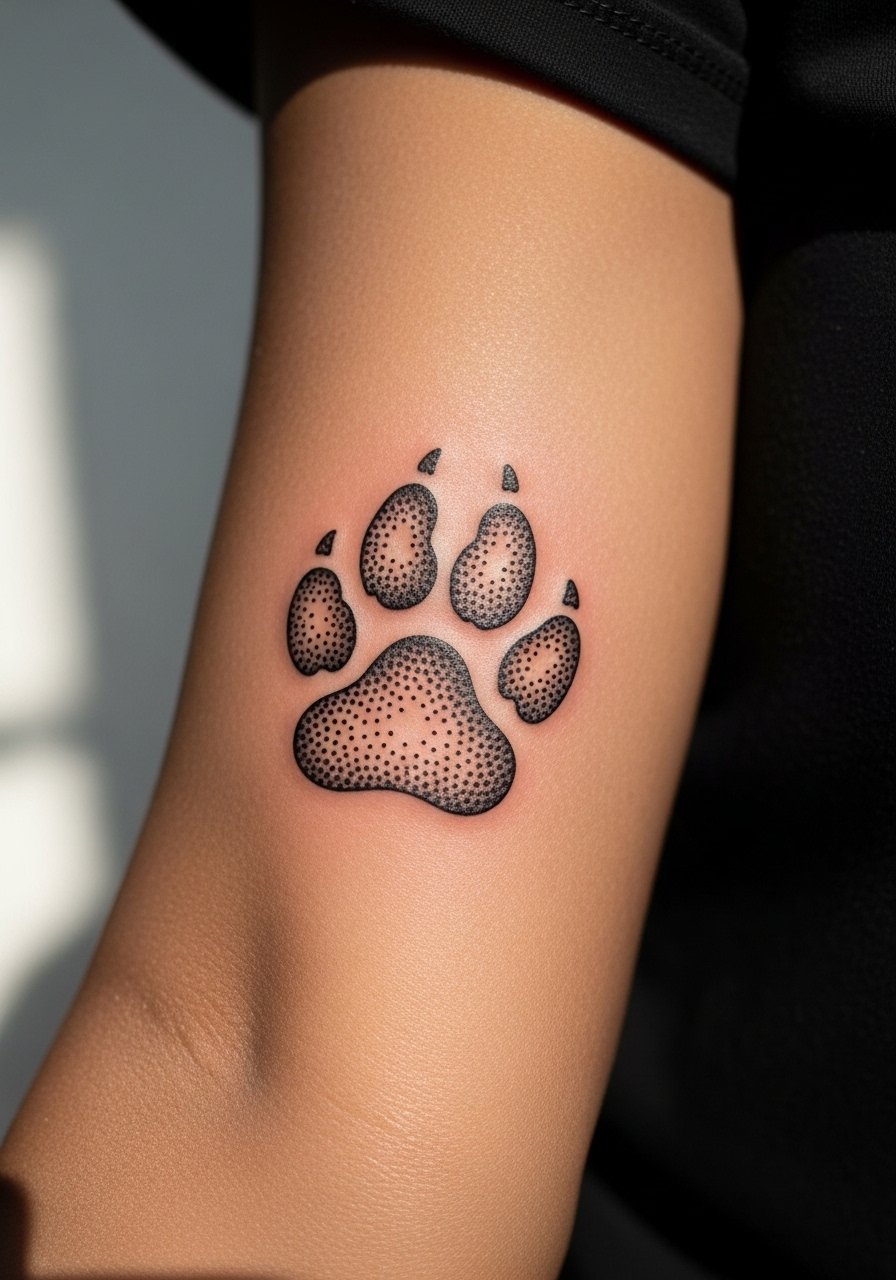
When I recommend stipple shading, it is because dot work keeps tonal transitions readable as it ages. Tell your artist you want the stipple to fade gradually at the edges so it does not pool into a solid patch. The inner forearm is forgiving and feels like a 3 out of 10 for pain. Sessions are comfortable and allow for layered stippling to build depth. A common mistake is asking for solid black fills when the goal was soft texture. Expect excellent detail at six months and a touch-up around three to five years if needed.
18. Minimal Script Name with Tiny Paw Accent on the Collarbone
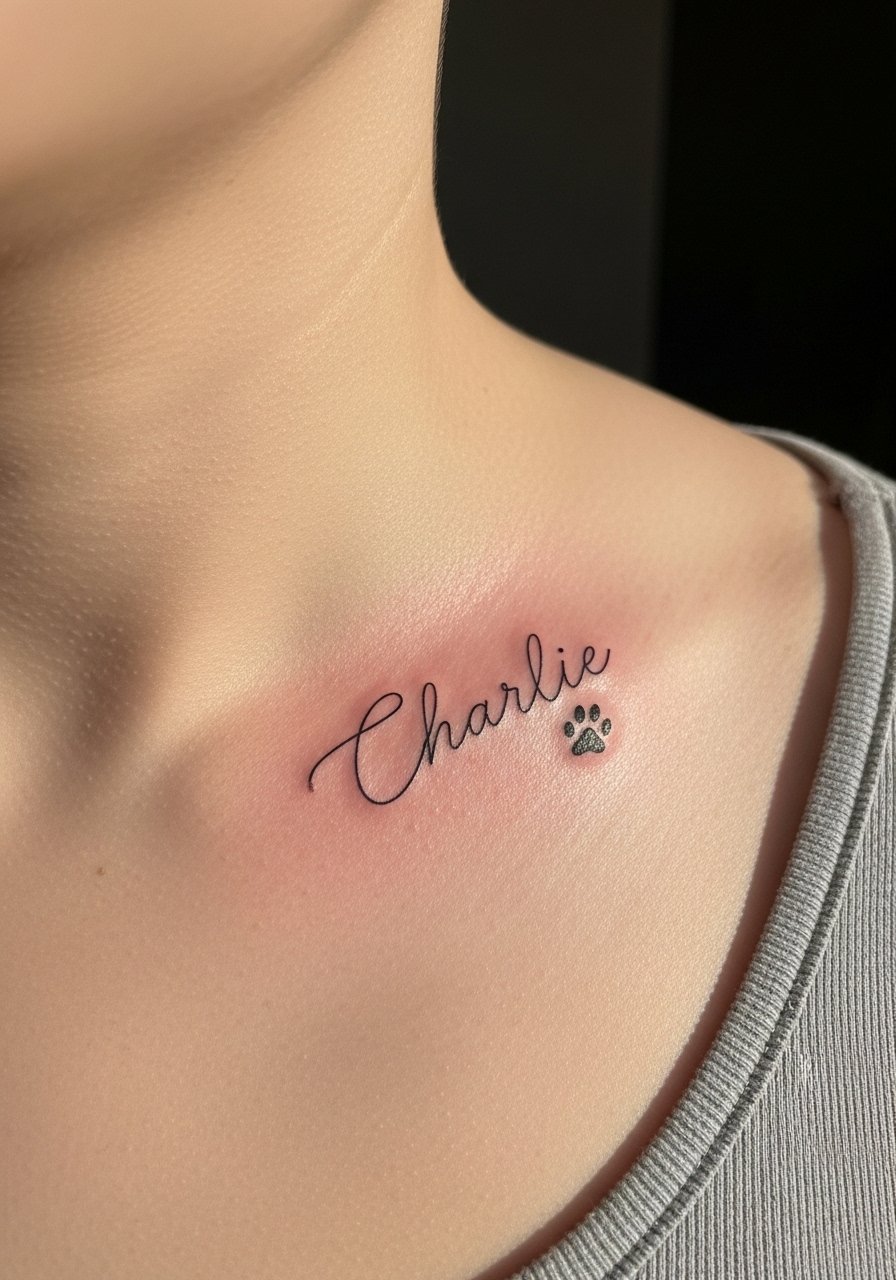
When visible text is part of the design, specify the exact spelling and font you want. Bring the name in the exact script you like because small script varies greatly when healed. Collarbone text is vulnerable to stretching and bone proximity, so ask for slightly larger letters than you might otherwise pick. Pain is moderate. A common error is requesting a name the size of a freckle. If longevity matters, plan on a touch-up to keep counters and loops crisp. Trust your artist on spacing and kerning for readability over time.
19. Tiny Geometric Paw on the Side of the Hand
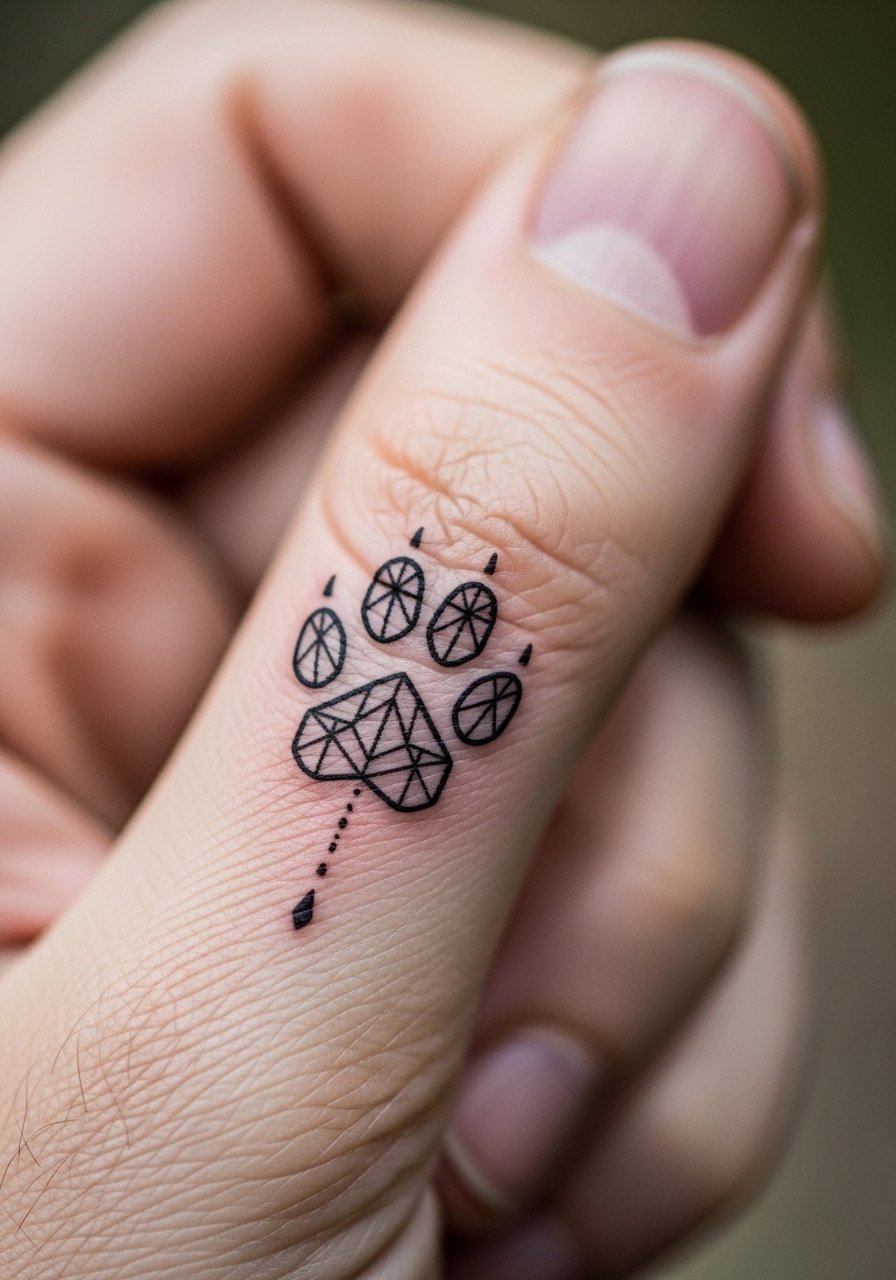
Hand tattoos still affect hiring in some industries so think about career path before committing. Geometric forms need space to read, so avoid squeezing too many shapes into a tiny hand piece. Tell your artist you want negative space between geometric elements to prevent early merging. Sessions are quick and hand work can sting more than forearms. Expect the piece to soften faster than elsewhere and plan for a touch-up within one to two years for sharpness. If you need longevity, place the design a bit higher on the side of the hand.
20. Small Memorial Coordinates with Paw Accent on the Inner Wrist
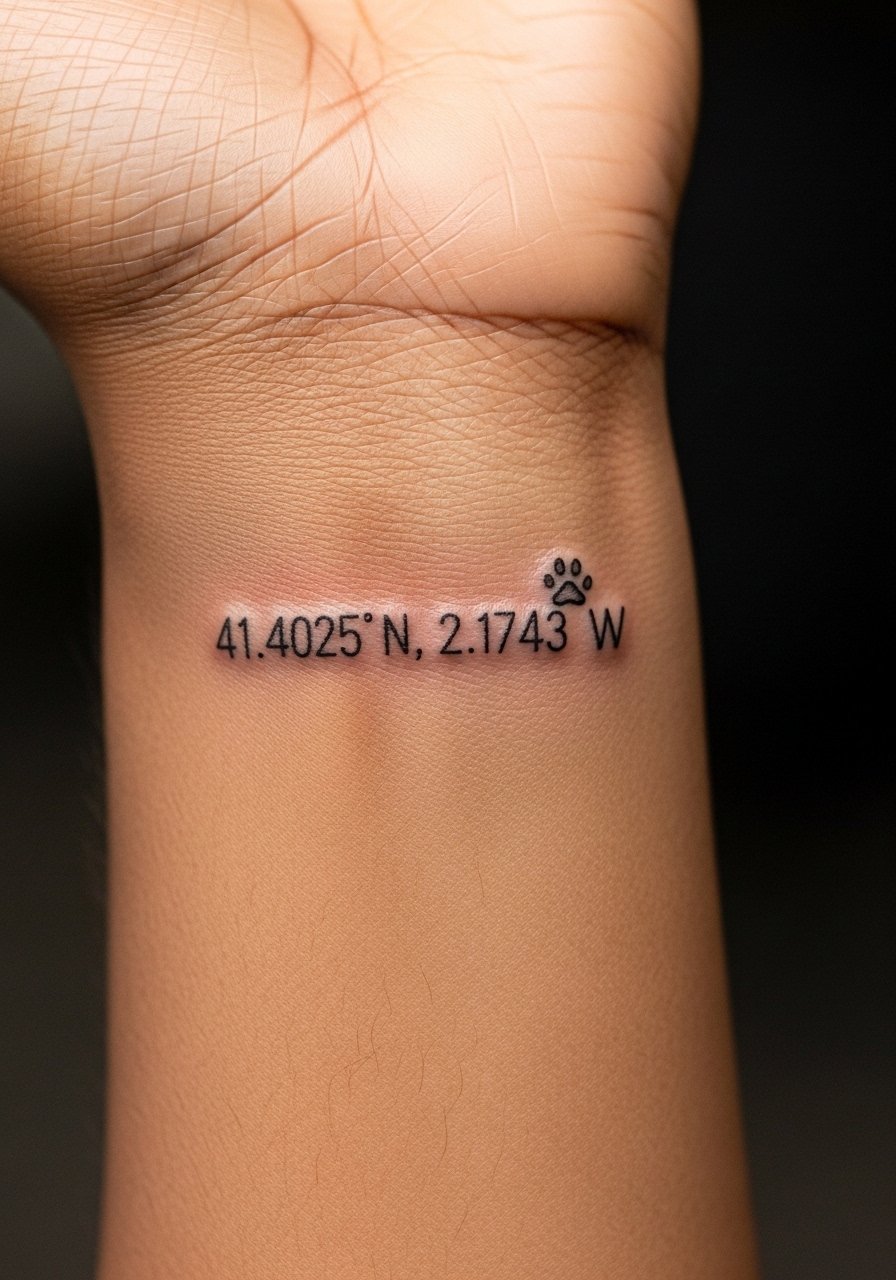
When including text or numbers, specify the exact characters you want. Coordinates are compact and personal, and a tiny paw accent ties the concept back to your dog. Ask your artist to use a simple monospace or thin serif so the digits remain legible when healed. The wrist is low pain and usually one session. A mistake people make is choosing a very tiny font that blurs. Expect crisp digits at six months and possible touch-up at two to three years depending on sun exposure and wrist wear.
Tattoo Prep and Aftercare Essentials
Fragrance-free gentle foaming cleanser for tattooed skin. Use this for the first five days to remove excess plasma and keep the area clean without stripping moisture. It is gentler than regular body wash and reduces irritation while the scab phase begins.
Lightweight fragrance-free balm for daily healing. Apply sparingly after cleansing. A little protects the tattoo while letting the skin breathe. Choose a balm that absorbs quickly and is labeled for sensitive skin.
Medical-grade second skin bandage, small sheets. Useful for overnight protection or for pieces that rub against clothing. Cut to size and change per your artist's instructions.
Breathable compression sleeve for forearm or leg placements. Wear during early healing if your design sits where fabric constantly rubs. It reduces friction and speeds a calm recovery.
Alcohol-free spot antiseptic wipes. Keep a small pack for travel or quick cleanups while out. Avoid alcohol or peroxide which dry and irritate healing skin.
Occlusive protective film, single-use strips. Use only if your artist recommends a short-term barrier. It protects against bacteria while you rest.
Soft non-abrasive cotton pillowcase or silk pillowcase. Sleep on clean, soft fabric to avoid snagging and irritation in the first nights. Linen and rough cotton can pull at scabs.
Aquaphor Healing Ointment 14 oz. This one mainstream option soothes and protects during the initial phase, but use sparingly if your artist prefers breathable balms.
Fragrance-free broad spectrum SPF 30+ mineral sunscreen for healed tattoos. After full healing, sunscreen preserves saturation and slows fading when exposed to sunlight.
Every tattoo is different. Always follow your artist's specific aftercare instructions. Consult a dermatologist if you have skin concerns or unusual healing issues.
Frequently Asked Questions
Q: Will a fine line paw print blur faster on the wrist than on the forearm?
A: From what I've seen, yes. Wrists experience more motion and friction which causes thin lines to soften sooner. If you love fine line on a wrist, ask for slightly heavier linework and spacing so the print keeps identity for longer. A forearm placement usually holds crispness with the same needle work.
Q: Can an artist accurately translate a real paw or nose imprint into a tattoo that stays detailed?
A: It depends on size and placement. Larger shoulder or thigh placements show micro details best. Tiny replicas on fingers or ankles often lose tiny creases. Bring the actual print and ask to simplify tiny creases into slightly bolder contours. Expect a potential touch-up at year two for tiny highlights.
Q: How often do small black and gray portraits need touch-ups on the upper arm?
A: In my experience a well-executed black and gray portrait on the upper arm usually keeps good form for three to five years before needing refreshment. Factors include sun exposure and how dense the original saturation was. Ask your artist for healed photos of similar work to get a realistic timeline.
Q: Are there special aftercare steps for stipple or dot work paws compared with solid black fills?
A: Yes. Dot work relies on crisp individual points, so avoid heavy ointments during the scab phase that can pull at dots. Use a lightweight fragrance-free balm from the list above and follow short, frequent cleanses. If you want a product recommendation for gentle cleansing, see the fragrance-free gentle foaming cleanser in the essentials list.
Q: If I want a memorial that stays private, which placements work best?
A: Thigh, shoulder blade, and ribcage give you options to keep the piece out of daily view. Each has different pain and healing considerations. The thigh heals well with low friction. The shoulder blade is easy to conceal and handles detail nicely. The ribcage reads well under clothing but is more painful and sometimes requires a touch-up sooner.
Q: Do small hand or finger paw prints usually survive frequent hand washing?
A: Small hand and finger tattoos face faster fading because of soap, water, and motion. If you expect heavy hand use, either choose a slightly protected nearby spot or accept yearly touch-ups. Some people relocate tiny paw accents to the side of the hand or to the wrist for better longevity.