
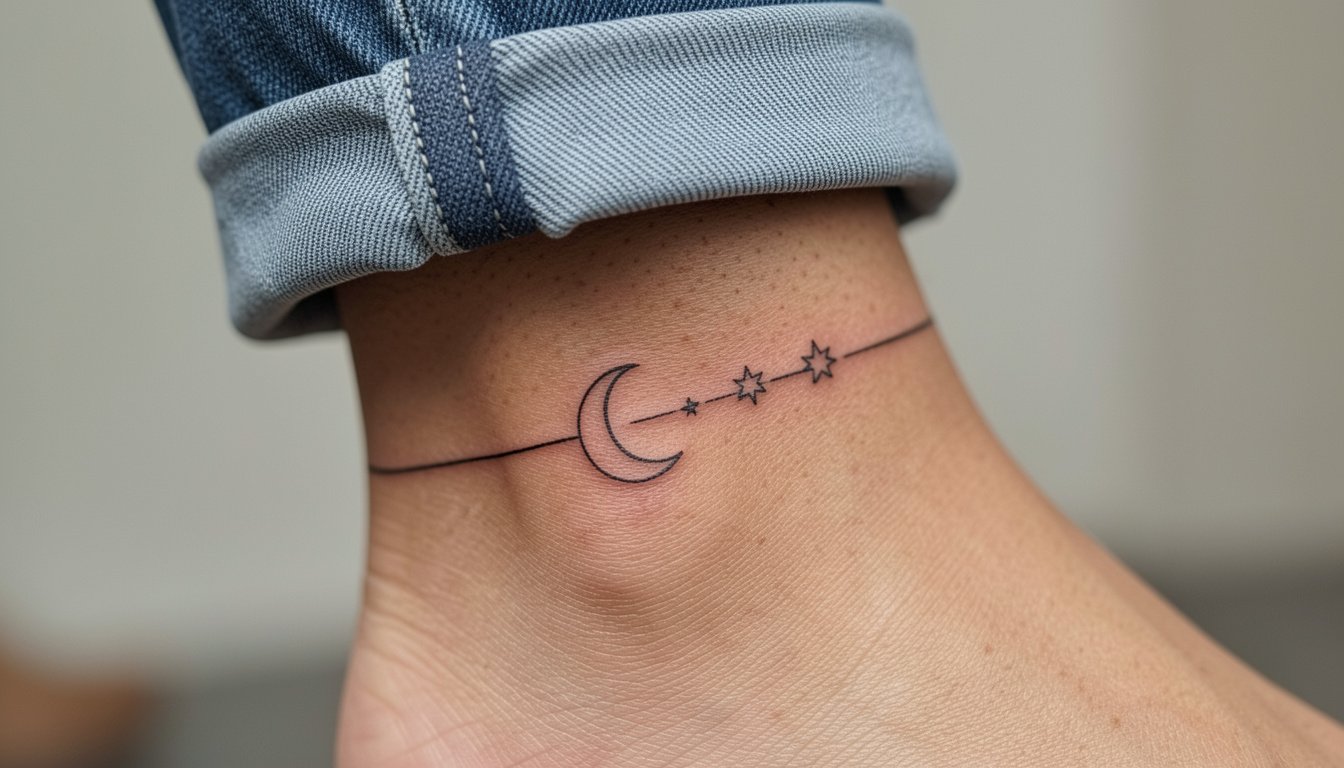
Fine ankle bracelet tattoos can look like jewelry from a few feet away, but the tiny lines you love today are the same features that can blur with everyday movement. Pick a design that balances thin linework with a little structure, and you get something that reads like a real anklet for years. Below are 15 delicate anklet ideas with practical notes on aging, placement, and how to wear them.
1. Fine-Line Moon Anklet
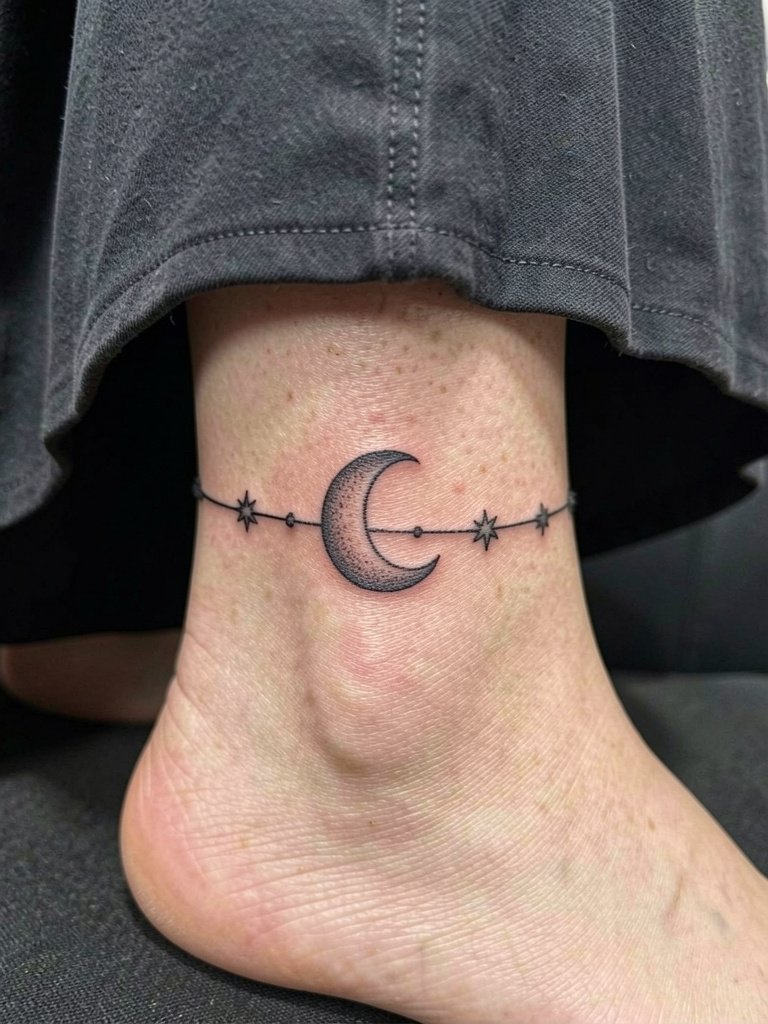
This is the classic delicate anklet that reads like jewelry. Fine-line fans argue that ultra-thin strokes keep the piece weightless and subtle. The other camp says thicker linework or black accents age better on an ankle because socks and shoes cause friction. If you want the moon look and longer readability, ask for slightly heavier main arcs and leave stars as tiny open dots. Six months after healing the band should still look crisp, at two years the thin stars may soften, and by five years a light touch-up could be needed to restore the open dots. For sandals and cropped pants, this design pairs perfectly with strappy sandals that keep the ankle visible. For the session wear a skirt or rolled jeans so the artist can work without fabric pressure.
2. Delicate Floral Wrap
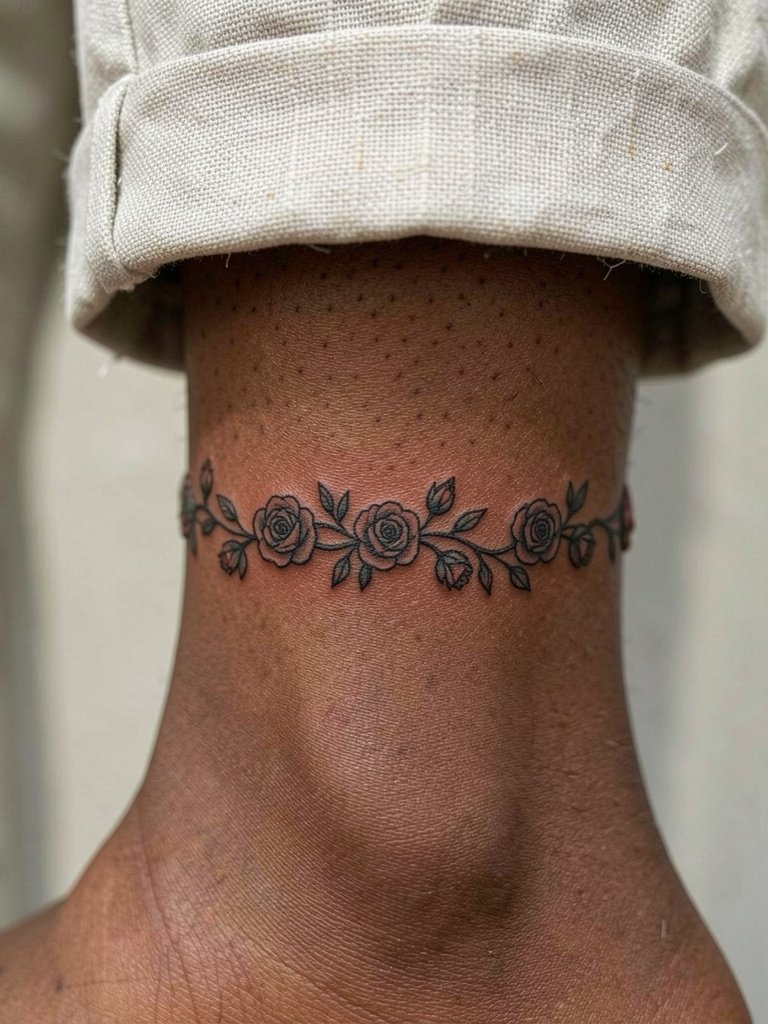
This wrap uses botanical flow to soften the ankle shape and hide small shifts in line as the tattoo ages. I recommend asking the artist to plan slight spacing between flower petals so the design keeps its botanical silhouette over time. A common mistake is packing too many petals into tiny blooms, which collapse into a blur after a couple of years. At six months, the vine will look delicate and dark. At two years, expect minor feathering around the thinnest stems, and a touch-up around year three keeps the petals distinct. Style with cropped linen pants for summer looks, and wear loose session bottoms so the skin around the ankle is free and relaxed.
3. Gemstone Charm Anklet
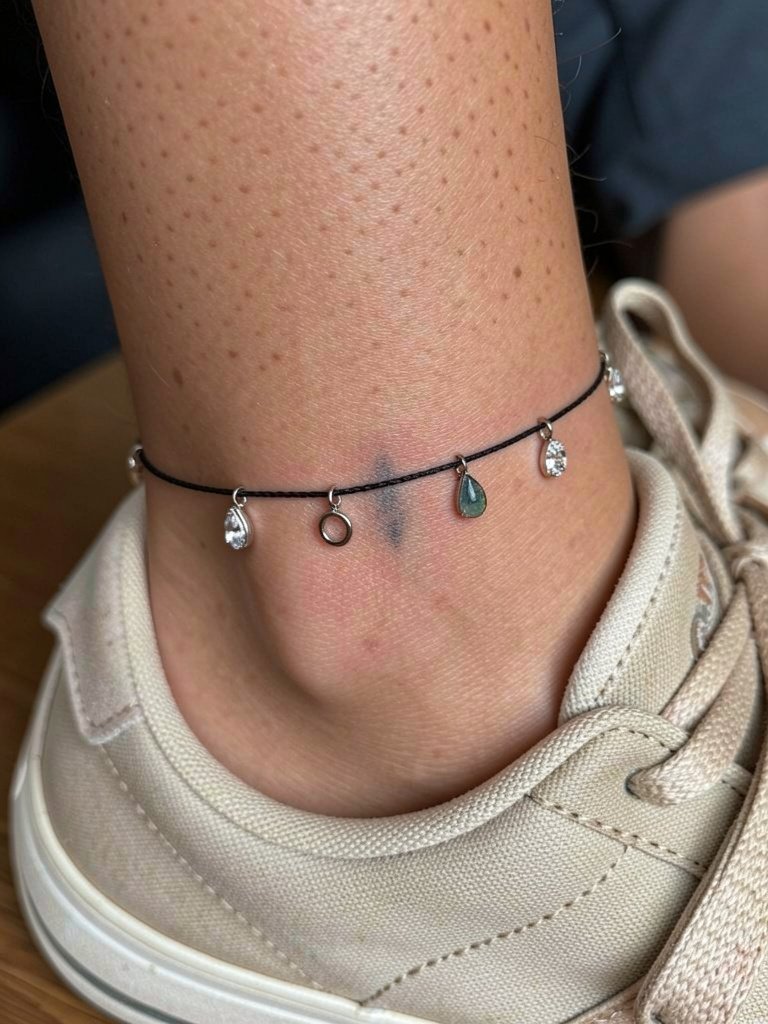
Think of this as permanent jewelry. The charm shapes need negative space around them so each reads as a separate dangling piece rather than a continuous smudge. Tell the artist the exact charm sizes you want measured in millimeters so they can show how each will read at three inches. The usual error is trying to cram six charms into an inch of band. At six months the charms should be crisp. By year two, the smallest filled centers can look softer, so allow a slightly larger negative center in any gem. For showing off, pair with low-cut ankle socks or straight-leg jeans cuffed at the ankle, which frame the charms without cutting across them.
4. Neo-Traditional Lotus Band
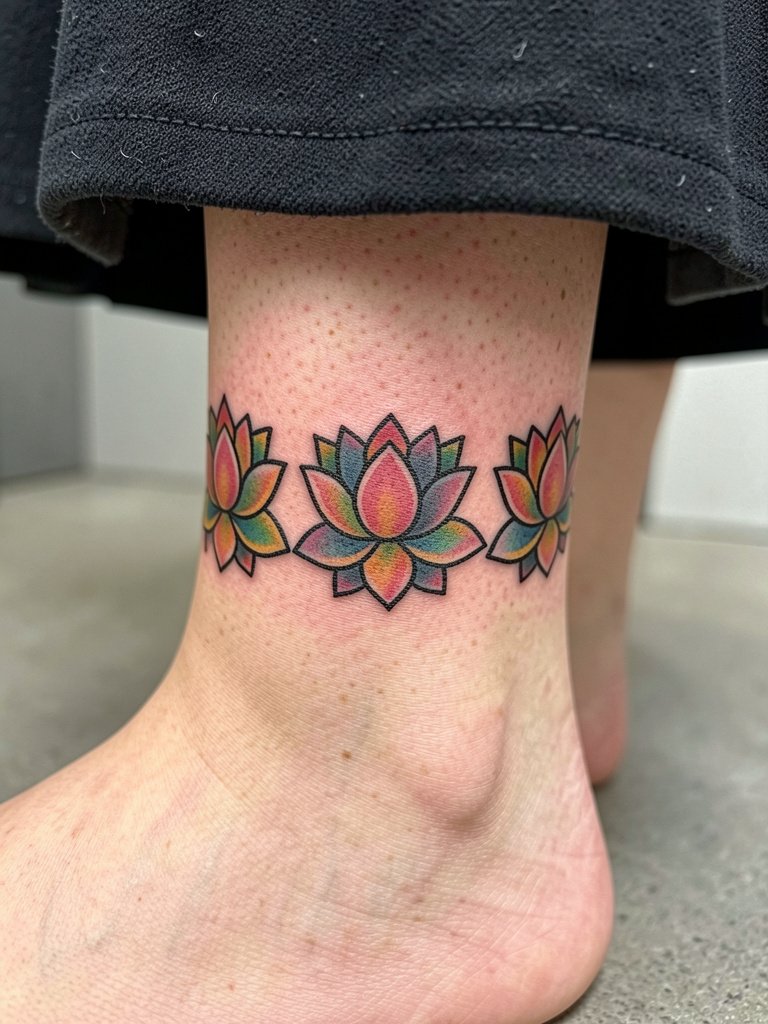
This is a slightly bolder anklet that reads from a distance. Neo-traditional lines give the lotus structure, so it survives friction and time better than single-needle floral work. The session will be a bit longer because color passes add time. Tell the artist you want the outlines confident and the color zones small and saturated, not watercolor-style spreads. A mistake is asking for micro-color in tiny petals, which tends to muddy with age. Expect crispness at six months, a mellowed but legible palette at two years, and good longevity if the outlines stay strong. Pair with midi skirts that let the band read as an outfit accessory.
5. Ornamental Lace Band
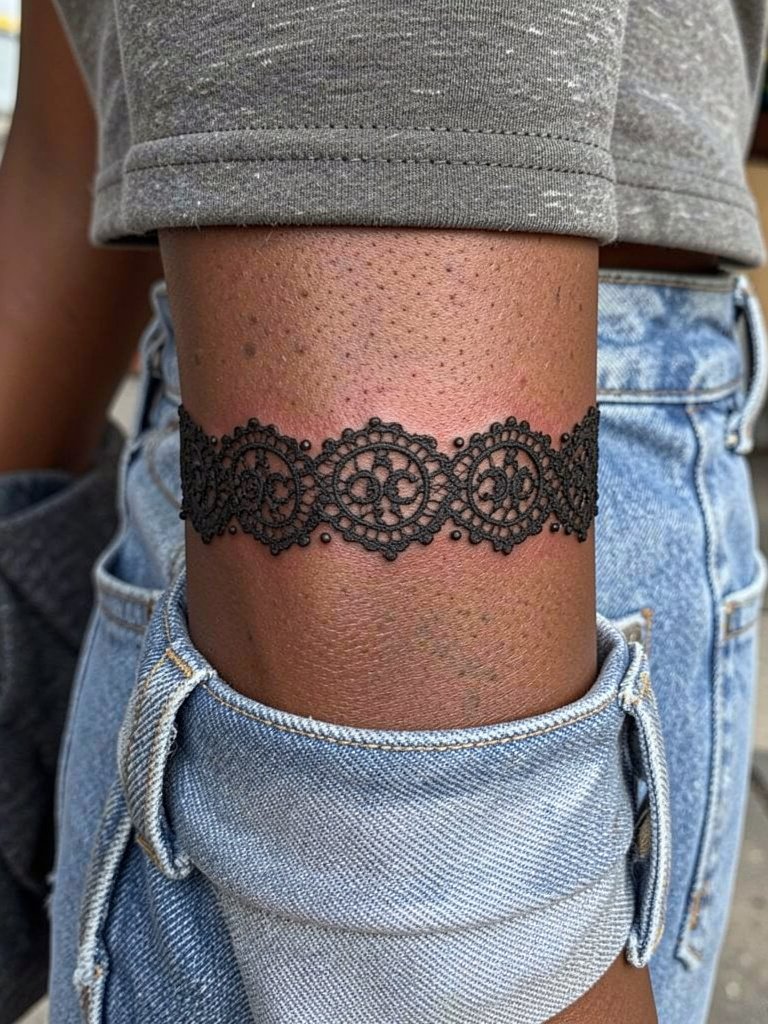
This decorative band is all about rhythm and negative space. The key is scale. When lace motifs are reduced too small the scallops fill in and the whole band becomes a dark line. Ask the artist to show a stenciled band at life size before the first pass, and to increase gap widths rather than shrink motifs if the piece needs to fit a narrow ankle. Visual mistake to avoid is insisting on exact symmetry if your ankle has a pronounced bone; slight asymmetry makes the band sit better on the curved surface. For a dressed-up look, this pairs well with strappy sandals or a slim-strap sandal that does not cut over the band.
6. Blackwork Chain Link
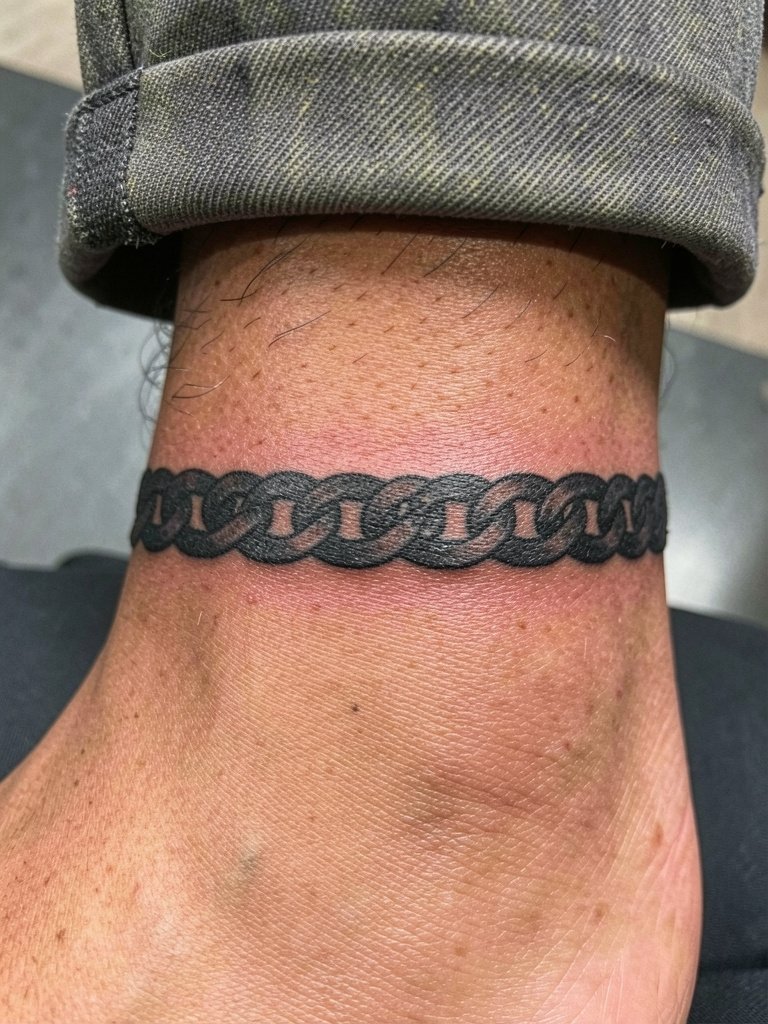
If longevity is your priority, blackwork banding wins. Thick links resist blur from daily friction. Note that heavy black can overpower a narrow ankle if the scale is too large. Discuss width-to-bone ratio with your artist and bring an example of how bold you want it at a glance. People often request very large blocks that look cramped on slimmer ankles. Pain here is moderate because of clear needle passes into stable skin. At six months a black band will look bold and clean. At two years it will likely still read well with minimal softening. For weekend styling, blackwork bands pair nicely with structured shoes and neutral silhouettes. Wear loose session bottoms so the artist has unobstructed access.
Session Day Picks
The floral wraps, charm anklets, and black bands above benefit from simple kit items that keep the session comfortable and the first week smooth.
- Disposable surface covers and barrier film roll. Keeps surrounding clothing and footwear from contacting fresh ink during travel home and in the first 24 hours.
- Fragrance-free gentle body wash. Mild cleanser for the healing ankle that does not strip pigment while showering in the first week.
- Thin breathable bandages for travel. Useful if you need to protect the anklet from accidental rubbing while out and about.
- Topical numbing gel. Helpful for folks with low pain tolerance for ankle sessions, applied per product instructions before appointment.
- Aquaphor Healing Ointment. Classic first-aid style ointment that many people use in thin layers during the first 48 hours to manage scabbing and dryness.
7. Tiny Anklet with Charm Accents
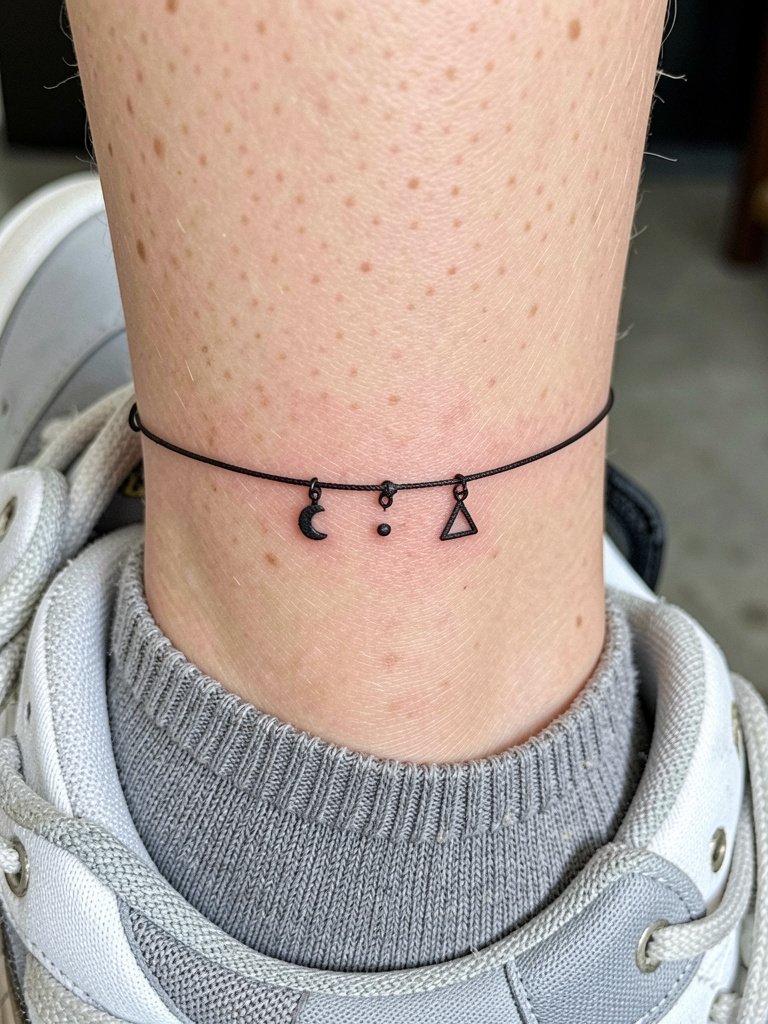
This is a pared-back take on charm anklets. The balance is microscopic charm size versus readability. A useful consultation point is to ask the artist to print a life-size stencil and cut out one charm to test visibility. A common mistake is insisting on charms smaller than 4 mm across. At six months the charms will be crisp if sized right. At two years the tiniest fills may flatten, so plan on a possible touch-up after three to five years. For session comfort wear shorts or a skirt that lets the artist access the ankle cleanly. For show-off outfits try cuffed jeans or straight-leg jeans cuffed at the ankle.
8. Dainty Anklet Cluster
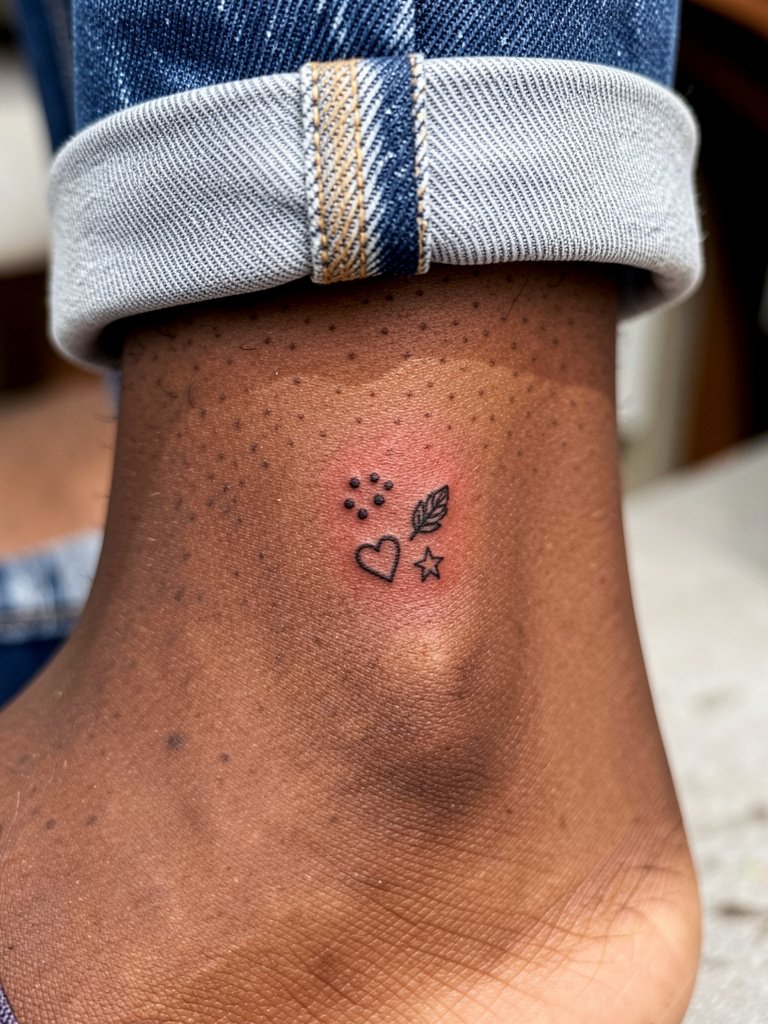
Clusters let you build a look over multiple sessions. I often suggest starting with two or three motifs spaced intentionally rather than filling the whole circumference. The common error is asking for too many micro-elements in one go. At six months the cluster reads like a curated charm group. At two years the spacing helps elements avoid merging. For footwear, neutral sneakers that show the ankle opening are an easy everyday pairing. During the appointment wear loose bottoms so the artist can reposition the leg without fabric pulling.
9. Feathered Watercolor Anklet
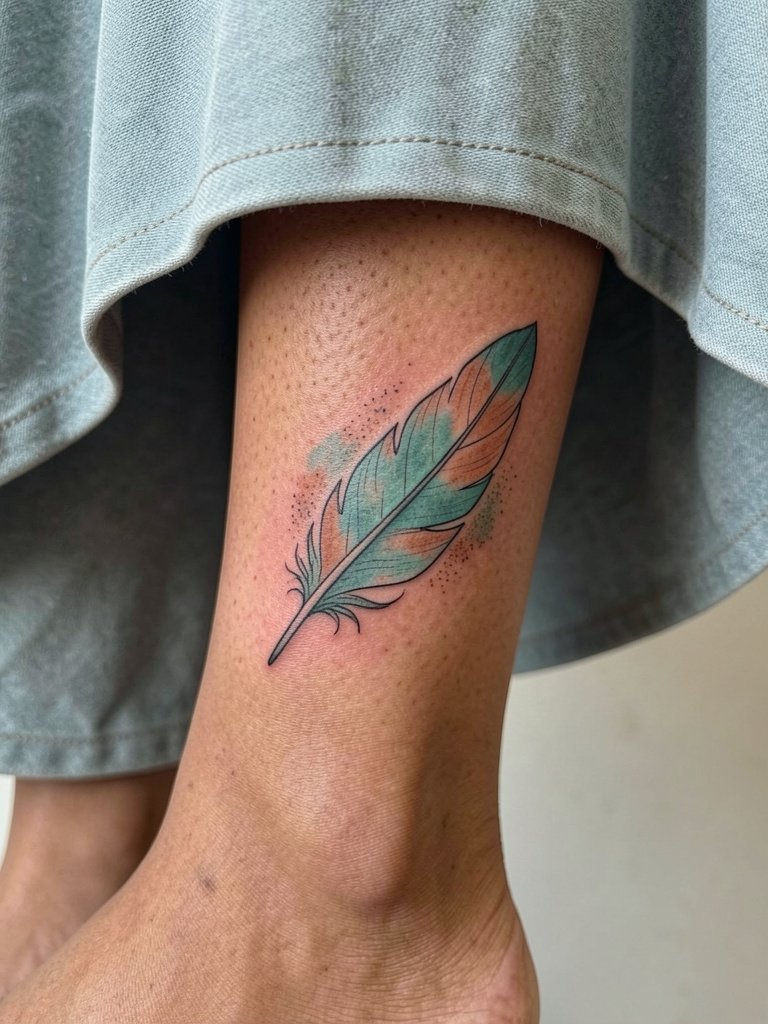
Color adds personality but can be the trickiest element on a small ankle piece. For watercolor accents insist on compact color patches and a strong outline so the color stays contained. The mistake is asking for broad washes in a tiny space. Expect vivid color at six months, a softened palette at two years, and possible color loss that may need a targeted refresh. For outfits the feather style reads well with breezy summer skirts and sandals. For the session choose clothing that can be shifted gently over the ankle without stretching the skin.
10. Nautical Rope and Knot
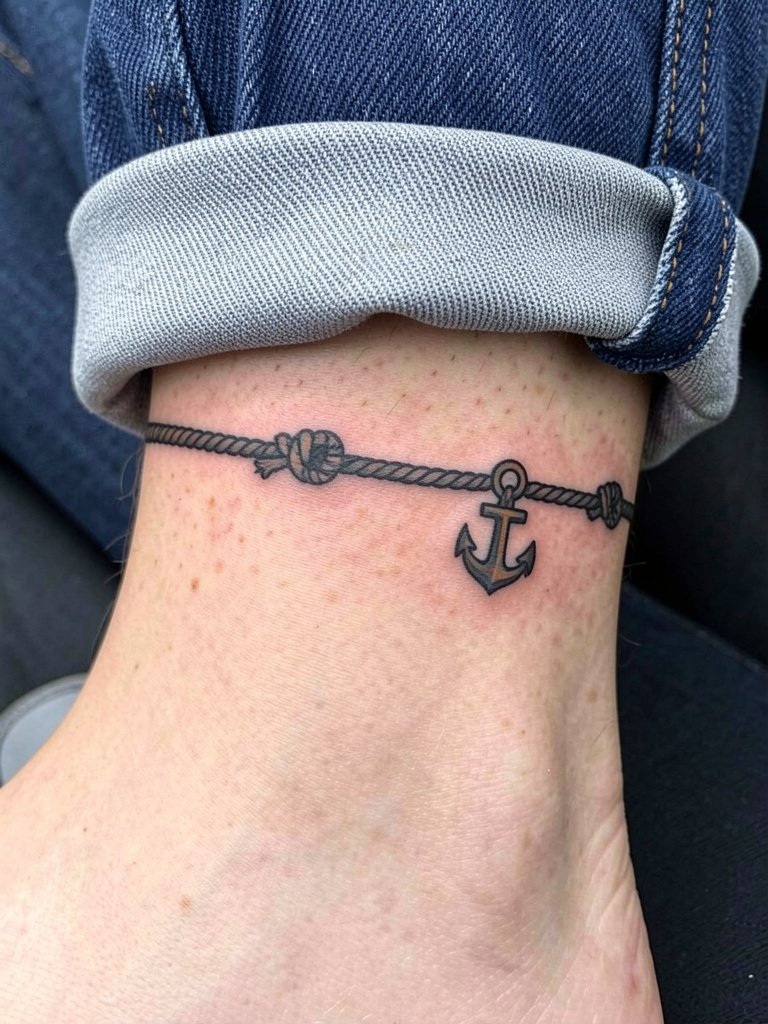
A rope anklet reads clean and a bit more unisex. This style benefits from stronger outlines to keep the rope texture readable as the skin moves. During consultation show the artist how tight you want the wrap to sit around the bone, because too tight makes the pattern pinch visually. At six months the rope will look crisp. At two years the knot detail can soften, so request slightly larger knot loops to keep them distinct. Style with casual sneakers or sandals and a cuffed pant for a classic maritime vibe. For the session pick pants that can roll up easily without tugging on the ankle.
11. Polynesian-Inspired Band
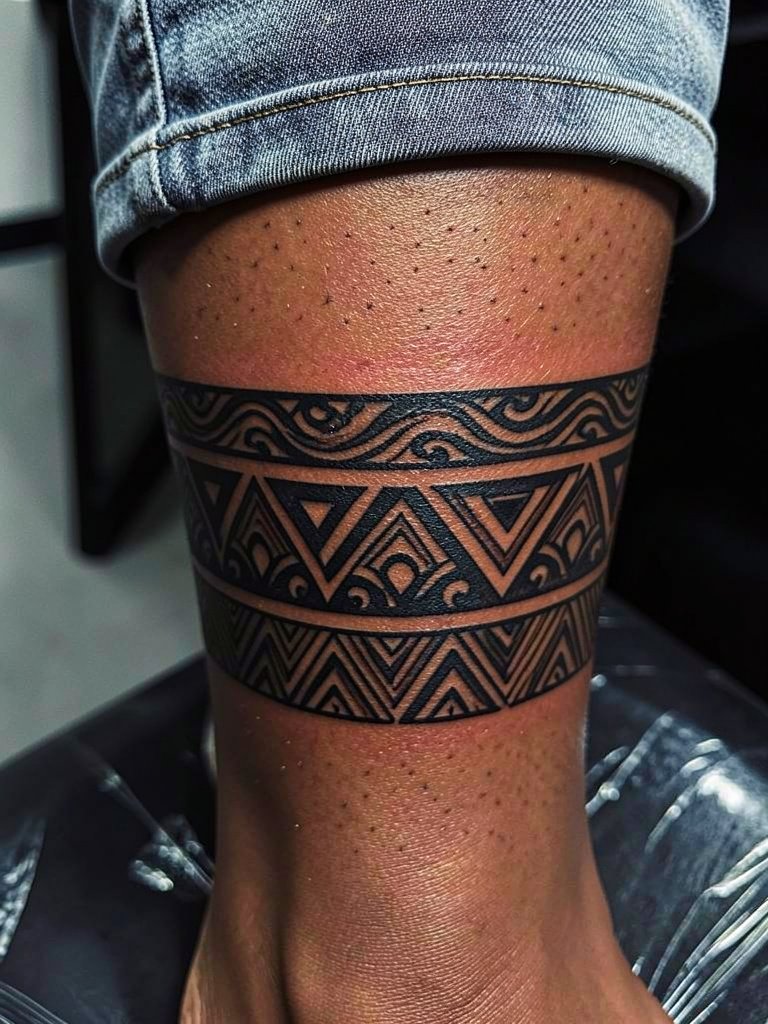
This is a bold blackwork option that lends itself to culture-rooted motifs. If you choose this, be mindful of cultural origin and design authenticity. One should acknowledge the art source and avoid generic copy-paste patterns. Discuss motif meaning and permission with the artist so the work honors the tradition. The piece will age well because of dense black saturation, but avoid trying to miniaturize complex patterns too small. For a clean look wear simple footwear so the repeated motifs read as a band.
12. Geometric Dot-Work Band
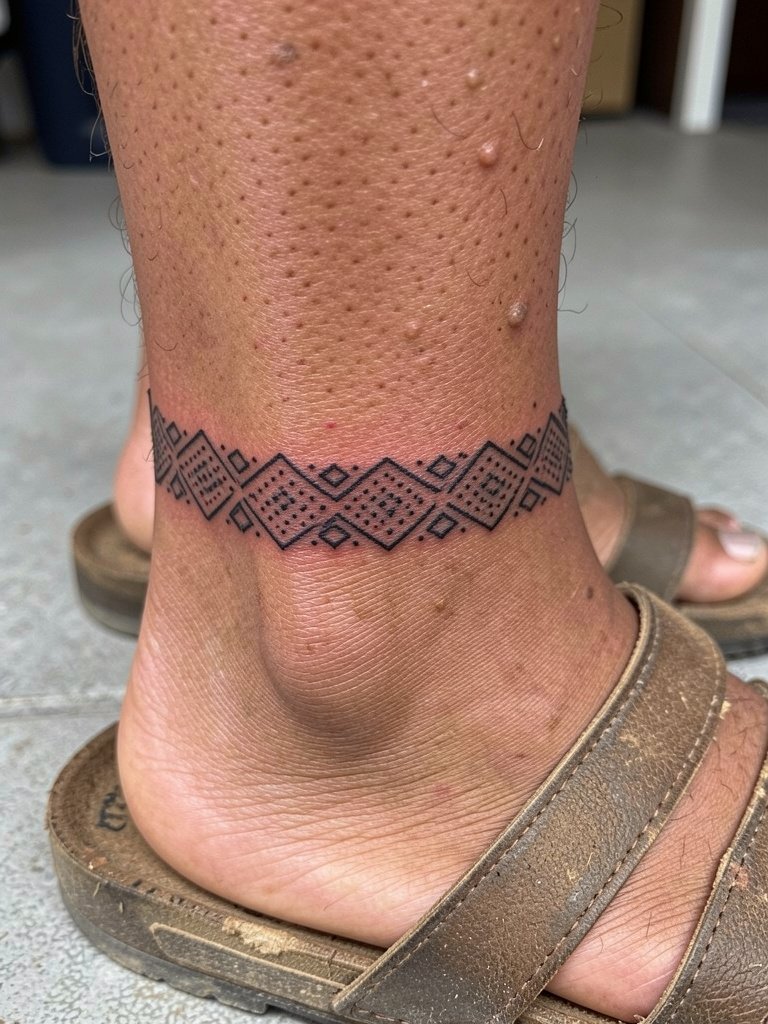
Geometric dot-work creates a delicate lace effect with controlled texture. The debate between floral and geometric appears in this space. One camp prefers floral wraps as softer and more wearable. The other camp favors geometric bands for balance and structure. If you want the geometry route, ask for slightly larger dot density and clearer negative-space diamonds so the pattern resists filling-in as it ages. Dot-work can look delicate at six months and pleasantly textured at two years if the dots were spaced for long-term readability. For sandals and cropped trousers this style gives a tidy, modern contrast.
13. Dragonfly Charm Band
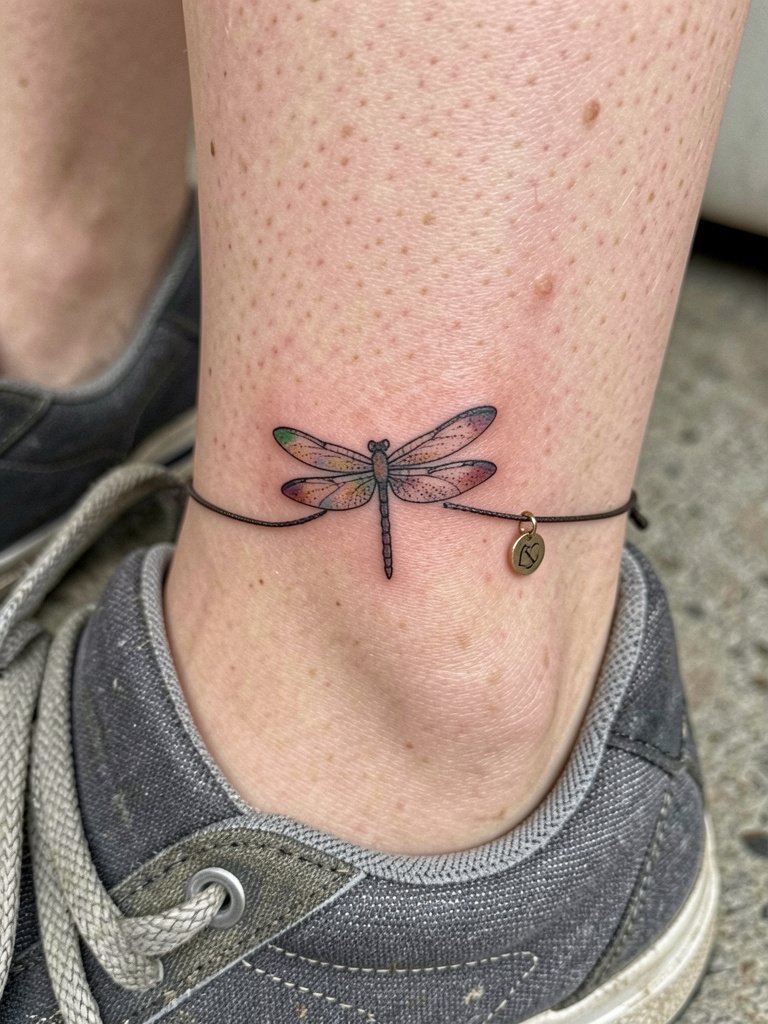
Dragonflies carry symbolic appeal and translate well into small charm forms. Key consultation points are wing span and body thickness. Too-narrow wings lose their veining detail over time. A practical note is to keep the body slightly filled and the wings mostly line and stipple. At six months the wings will look airy. At two years the veins might soften, so expecting a touch-up after several years is realistic. For outfits, casual open shoes and cuffed pants let the dragonfly sit like a real charm.
14. Minimal Script Anklet
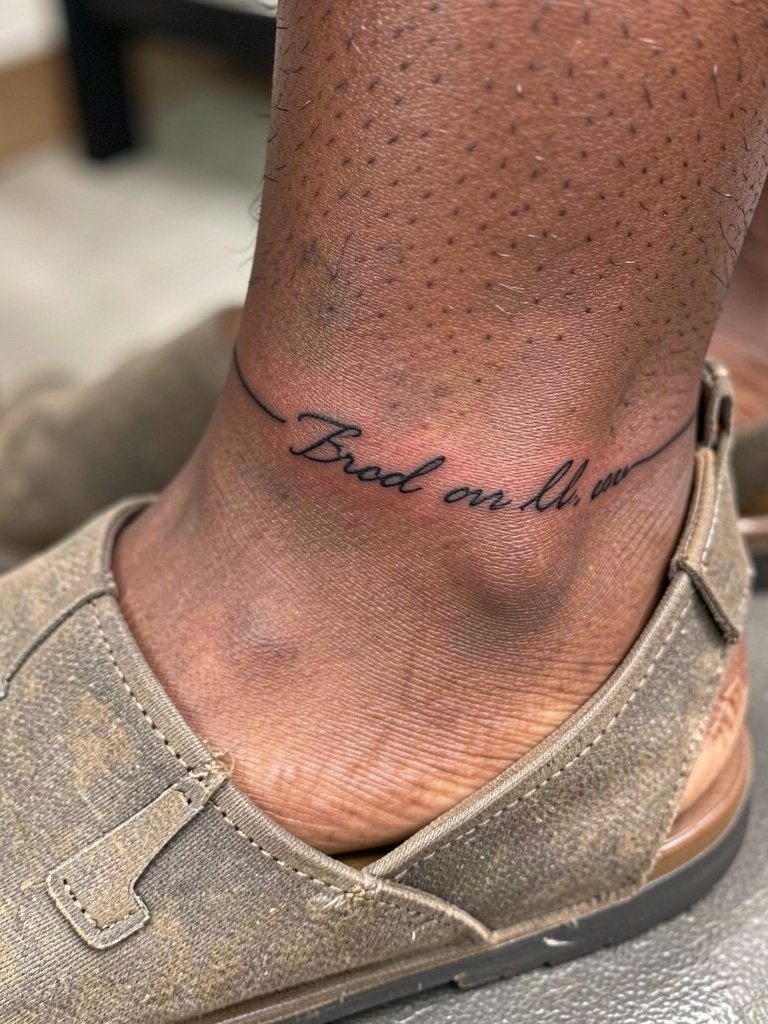
Text anklets are intimate and personal, but tiny script is at high risk of losing legibility. If you want a script band, specify a slightly wider letterform and ask to see the exact text stenciled life size. The common mistake is picking a thin handwritten font from a screenshot and expecting it to heal the same. At six months script looks refined. At two years the thinnest strokes often soften and join, so leave a bit more spacing between letters. For shoes, choose sandals that let the inner ankle peek out without straps cutting across letters. For the session wear something that gives the artist clear access to the inside ankle.
15. Lace Filigree with Tiny Gem Accent
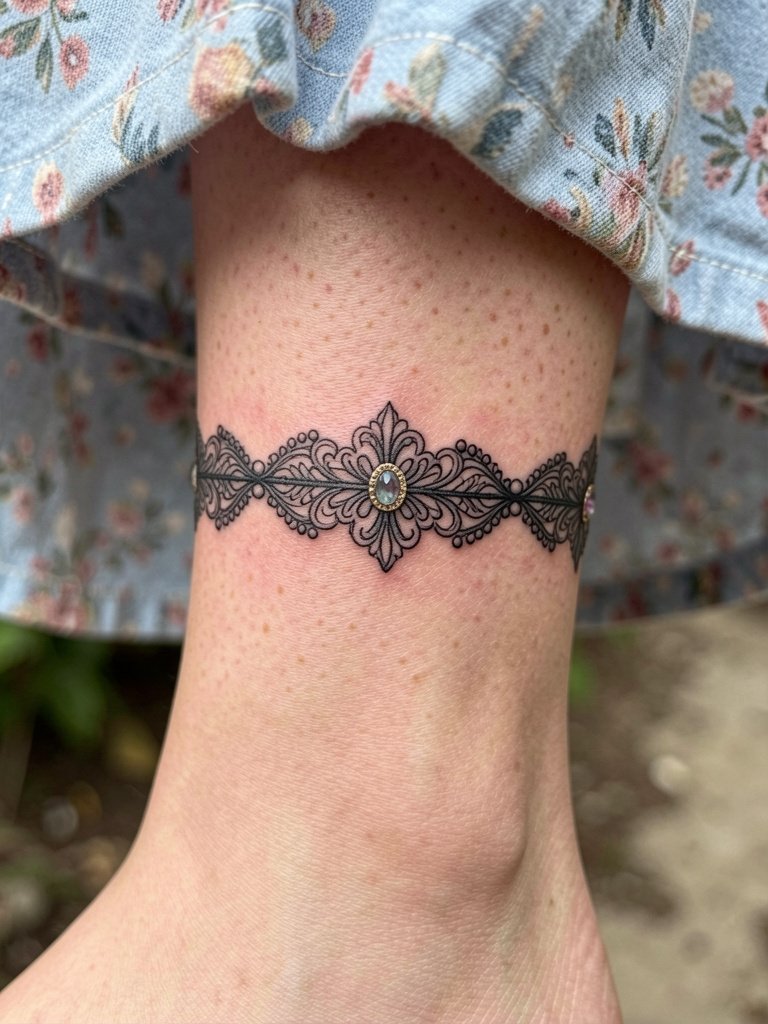
This design leans decorative and feminine while still being structurally sound if executed with measured line weights. Make sure the gem accent is slightly larger than micro so its color remains noticeable over time. The most common mistake is over-detailing the filigree where tiny scrolls fill in. Ask the artist to render one section at life size and to increase the negative spaces if needed. At six months the filigree should look intricate. At two years the larger negative gaps keep the lace readable. Pair with sandals or cropped trousers that complement the ornamental vibe.
Frequently Asked Questions
Q: Will a delicate anklet tattoo hurt more than other small placements?
A: The ankle sits over thin tissue and bone in places, so sharp sensations are common near the bone. Expect short bursts of higher intensity around the bony areas and a more tolerable feel on the soft inner ankle. Bring a numbing product only after discussing timing and ingredients with your artist, and wear loose clothing you can roll up easily to avoid movement during the session.
Q: How do these anklet styles age over time and what needs touch-ups?
A: Tiny single-needle details are the first to soften. Designs with slightly heavier main lines or bold accents usually hold up longer. Plan on possible minor touch-ups two to five years after the initial session, depending on how often the ankle is rubbed by socks or footwear and your sun exposure habits. Keeping the ankle covered in strong sun and using sunscreen once fully healed extends clarity.
Q: I want healed photos and real examples. Where should I look for reliable artist portfolios?
A: Search hashtags like #anklettattoo, #anklebracelettattoo, #finelinetattoo, and #healedtattoo on Instagram and TikTok with a location filter for nearby artists. On Reddit try r/tattoos or r/tattooadvice and include the words "healed ankle" in your query to surface long-term shots. Prioritize studios that show healed images rather than just fresh work, and ask to see an example of a healed band on similar skin tone.
Q: Are there cultural considerations for tribal or Polynesian ankle bands?
A: Yes. Tribal motifs carry cultural meaning. If you are drawn to Polynesian-inspired patterns, discuss symbolism and lineage with the studio. An artist experienced in the style will explain appropriate motifs and may advise whether a more authentic route or a respectfully inspired geometric alternative fits your intent.
Q: What should I wear to the appointment and what should I wear afterward to show the piece?
A: For the appointment choose loose shorts, a skirt, or cuffed pants that give the artist access without pressure on the ankle. After healing, show-off pairings that work best are cropped straight-leg jeans, low-rise or cuffed pants, and slim-strap sandals that avoid cutting the band. If you need item ideas, low-cut ankle socks and strappy sandals are wardrobe staples that frame ankle work well.
Q: How do I pick between a floral wrap and a geometric band?
A: One practical difference is how each handles aging and visual weight. Floral wraps soften curves and can camouflage minor blurring, while geometric bands provide clean symmetry and resist looking "girly" if that is a concern. Consider which aesthetic you wear most in your wardrobe and ask the artist to show a life-size stencil on your ankle so you can assess the shape before the first pass.
Q: Will skin tone affect how these designs read?
A: Contrast matters. On darker skin tones, slightly stronger outlines and modest color saturation help motifs remain visible. On lighter skin, single-needle work can read very delicate. Good artists adapt line weight and spacing to your skin tone to maximize long-term readability.