Someone I know spent months hunting a cat portrait tattoo only to be blindsided by three surprises: fine line pieces that blurred fast, portraits that read poorly on darker skin in photos, and shop minimums that doubled a simple quote. After talking with artists at five shops across Brooklyn and scanning healed portfolios, I pulled together the styles that actually hold up, the consultation lines that get better sessions, and the touch-up timelines you should plan for.
1. Micro-realism cat portrait on the forearm
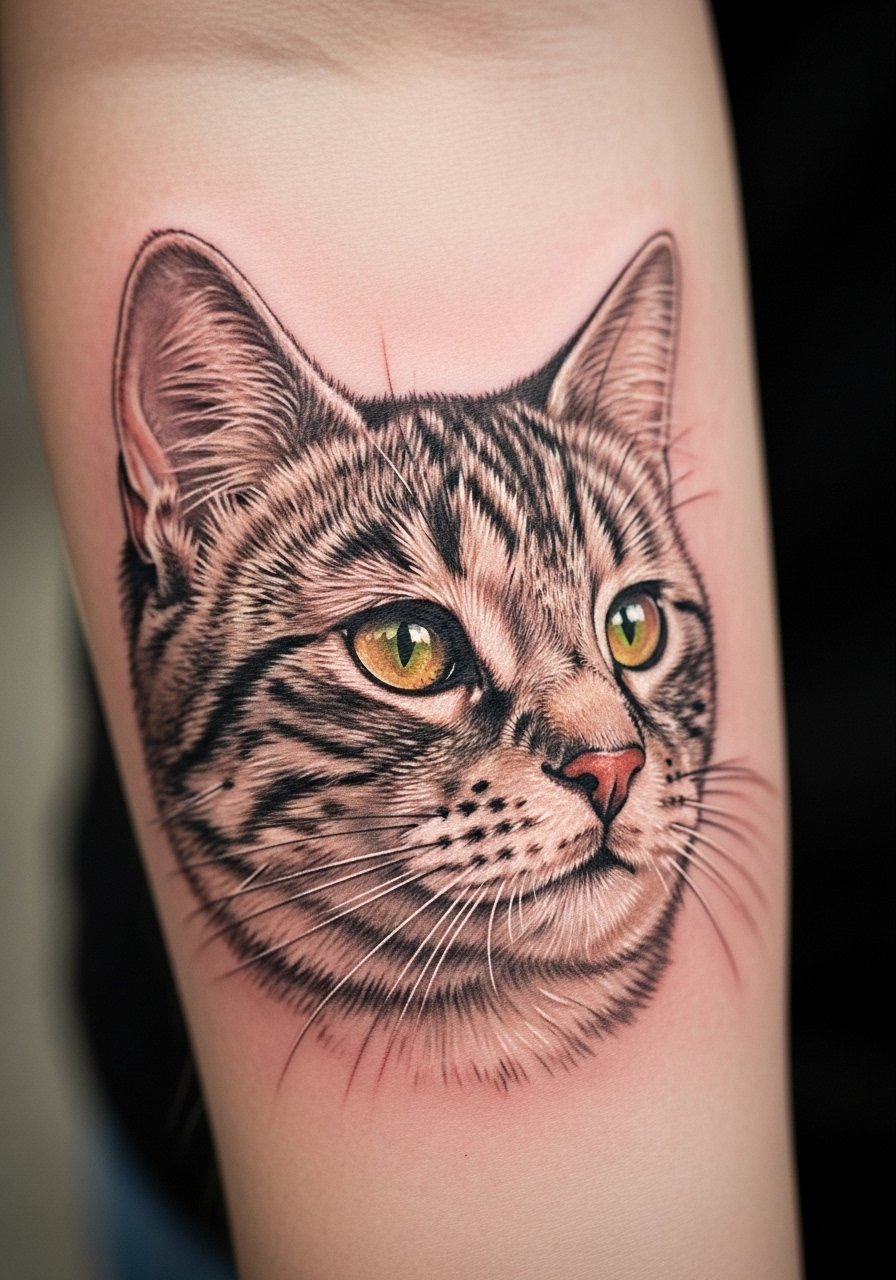
Someone I know first saw this on a forearm and booked a portrait because the fur texture read like a photograph. Ask the artist for micro-detail references that show individual whisker edges and subtle eye highlights so the piece reads at arm's length. Expect moderate pain and two sessions for a 2 to 4 inch piece, and plan a touch-up around the 6 to 12 month mark for peak saturation. Common mistakes include making the portrait too small and compressing detail, which leads to blur after a year. On the forearm the flat surface reduces blowout risk compared with the ribs.
2. Fine line single-line cat silhouette on the wrist
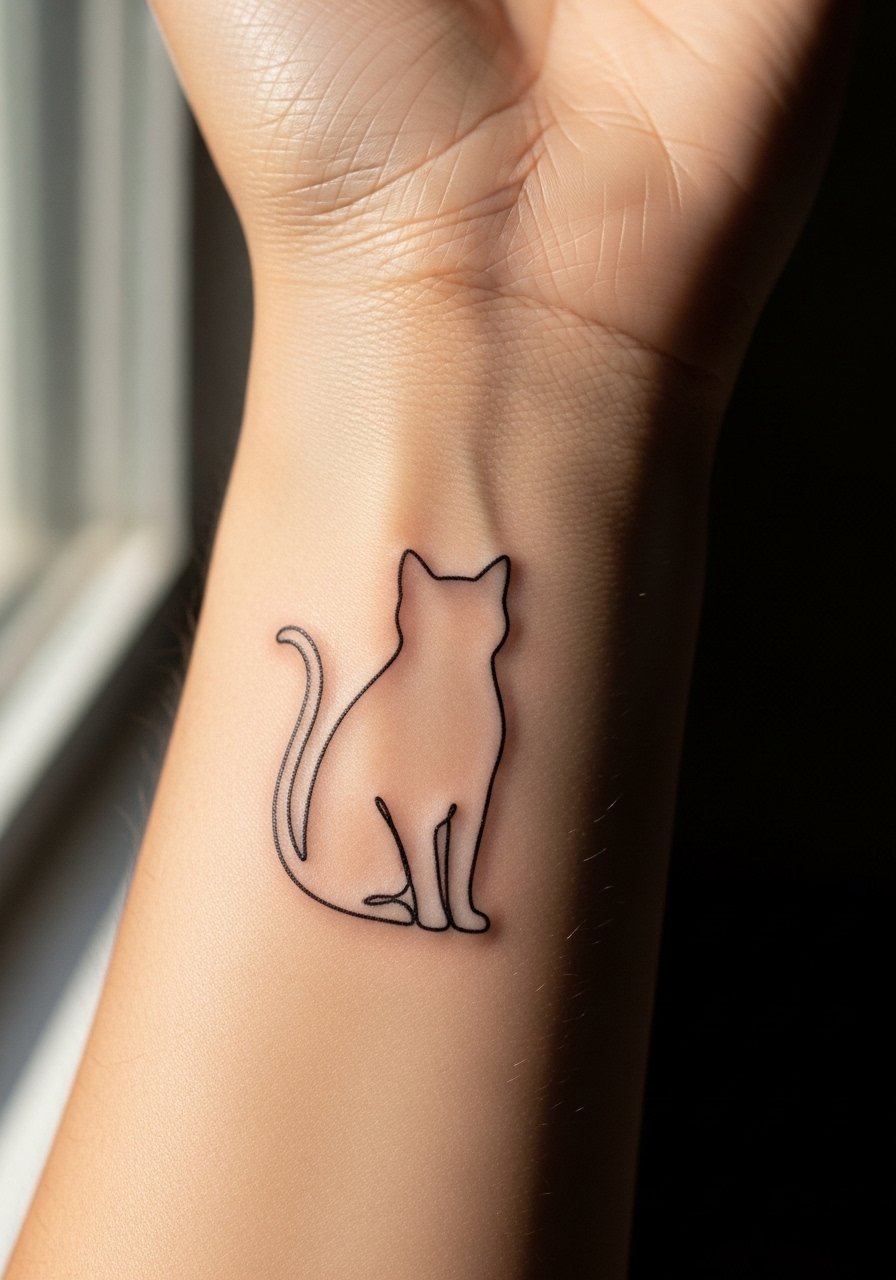
Fine line wrist tattoos split artists into two camps. One group says subtle aging is part of the aesthetic and the lines look elegant as they soften. The other group warns that wrist skin and frequent sun exposure blur thin strokes within one to two years. When you consult, ask which needle depth they use for wrists and whether they recommend slightly heavier linework for longevity. The wrist is low to moderate pain and a single session usually suffices. If you want subtlety that lasts, increase scale slightly and accept that a touch-up may be on the cards at year two.
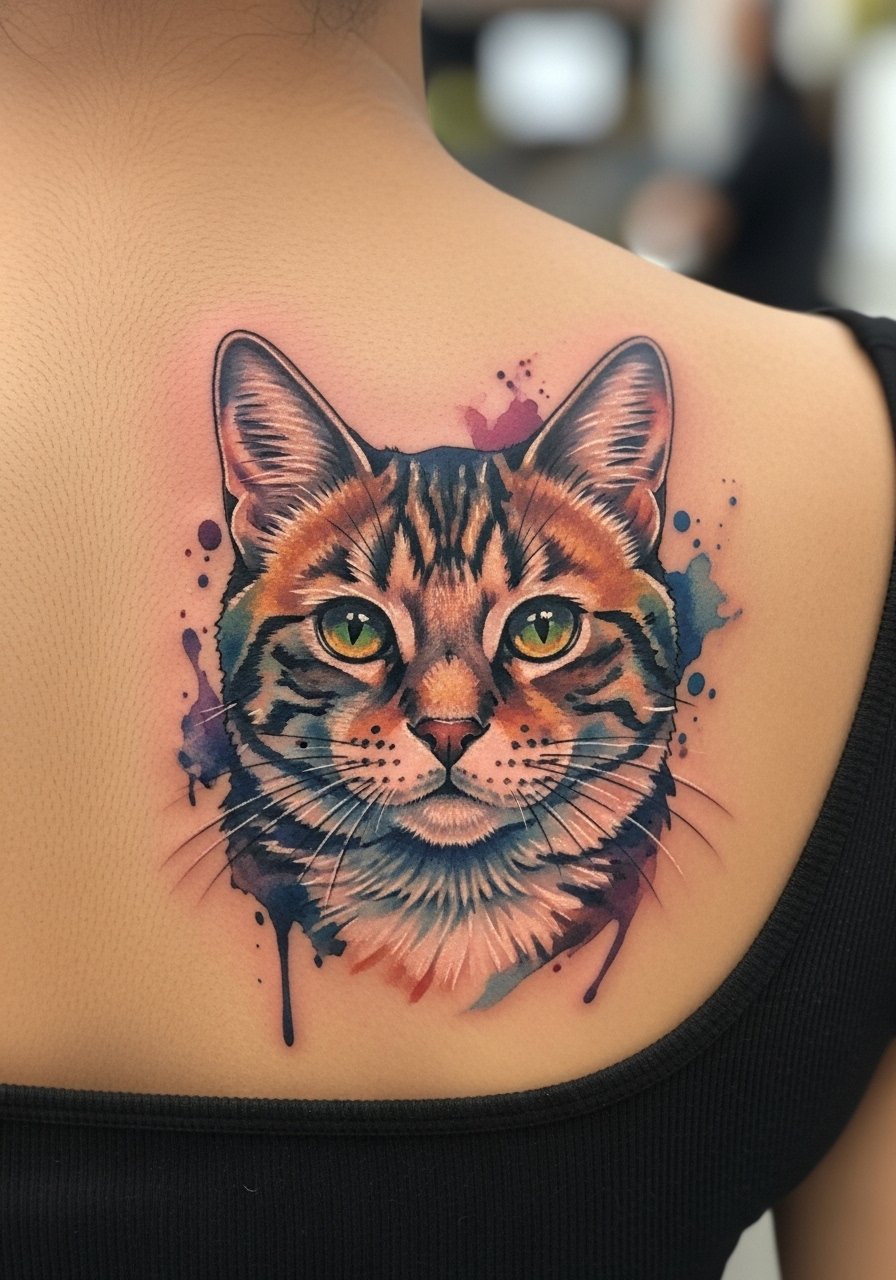
3. Watercolor cat portrait across the upper back
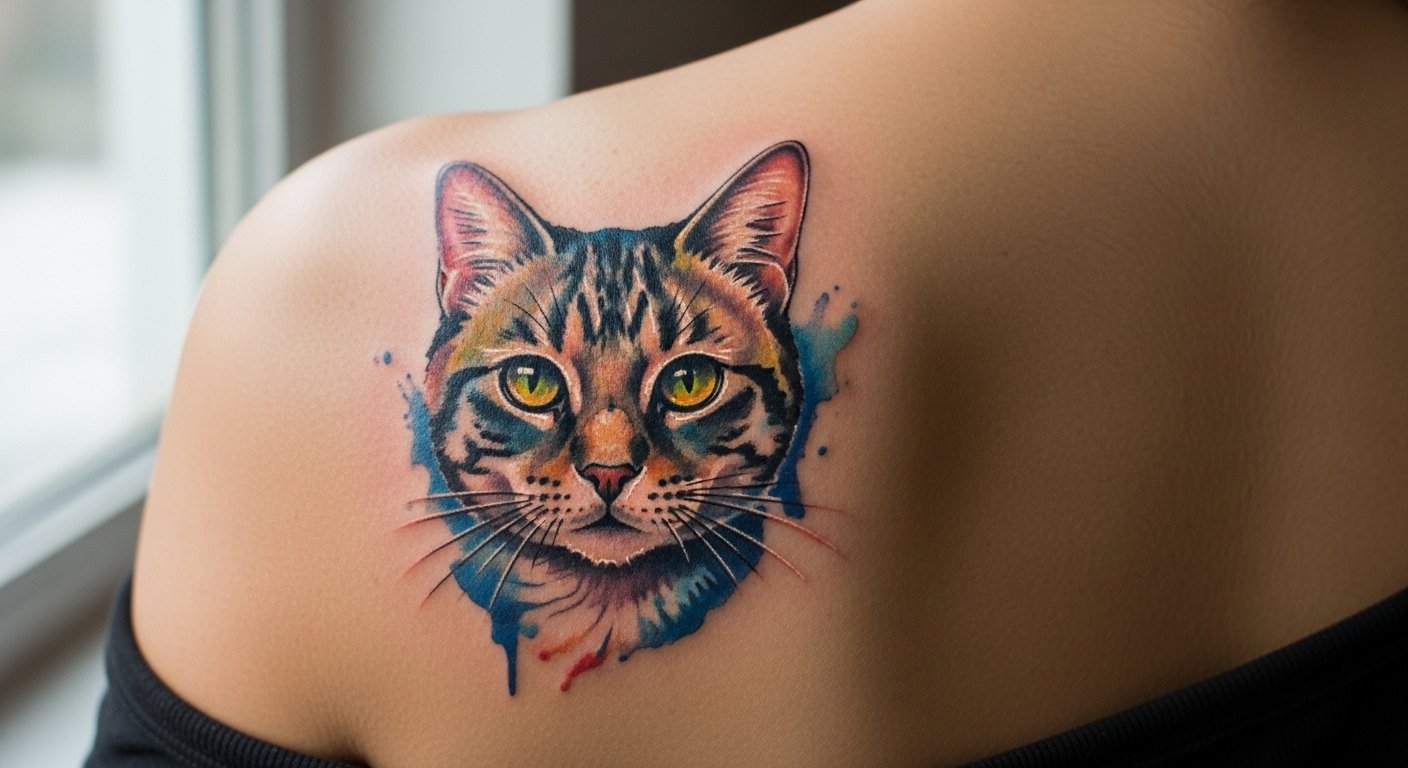
There is something about poured color across a shoulder blade that moves like fur when you shift. For upper back watercolor, bring color swatches and explain how much outline you want. Watercolor looks lively fresh but tends to lose saturation faster than black and gray, so schedule a revisit at year two if you want to refresh hues. This placement handles larger canvases well and the session feels long but steady because the skin is forgiving. A common error is asking for too many tiny color details in a small area, which becomes muddy as pigment spreads slightly during healing.
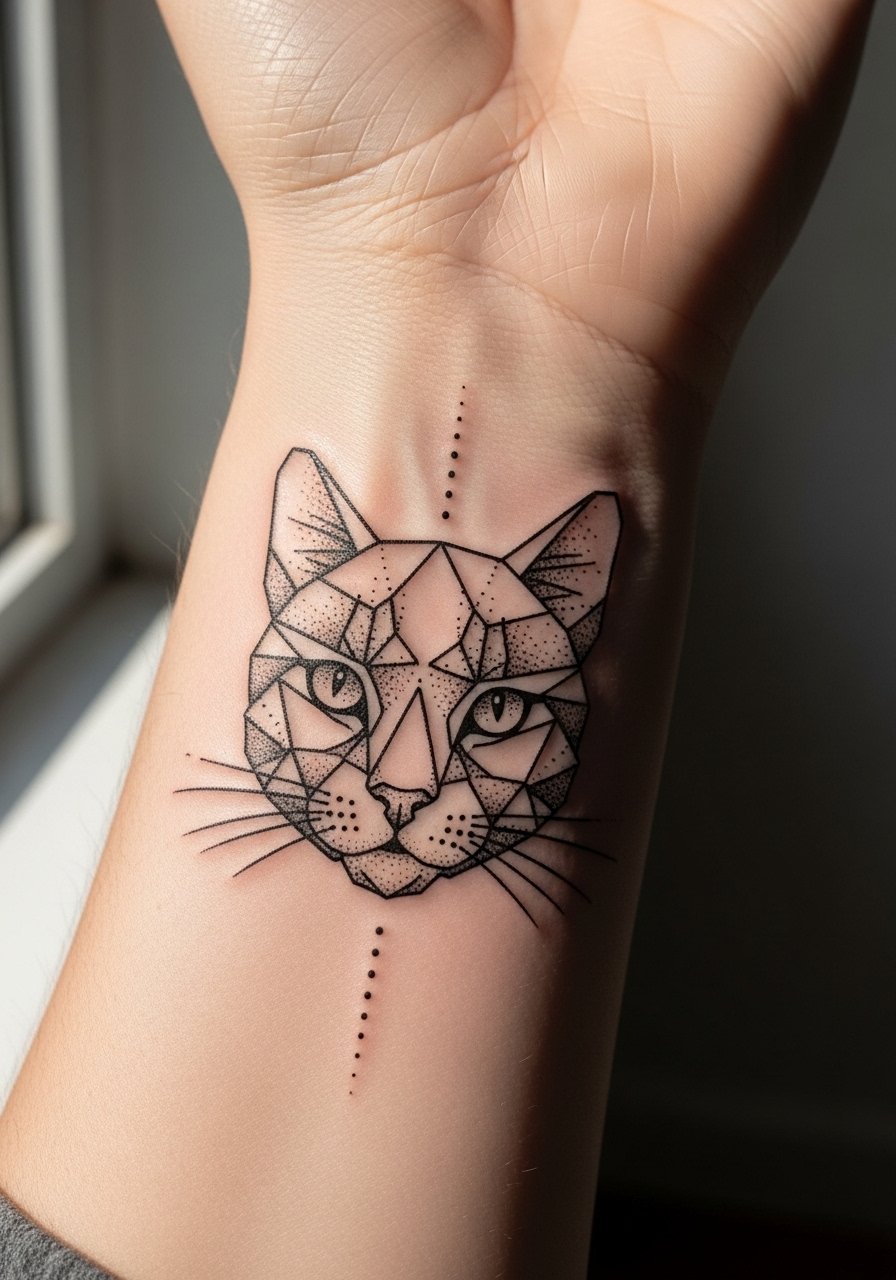
4. Geometric cat face on the wrist
The biggest mistake with geometric cats is going too small because sharp angles need breathing room. When you sit down with your artist, point to reference images that show line spacing and dot work density you like. Geometric framing can be done in black and gray with stipple shading to preserve contrast on different skin tones. The wrist may read bold from across a room if you ask for higher contrast, and a subtle 1-2 year touch-up schedule keeps edges crisp. If you want mystical framing, ask your artist how they translate a realistic eye into angular geometry without losing expression.
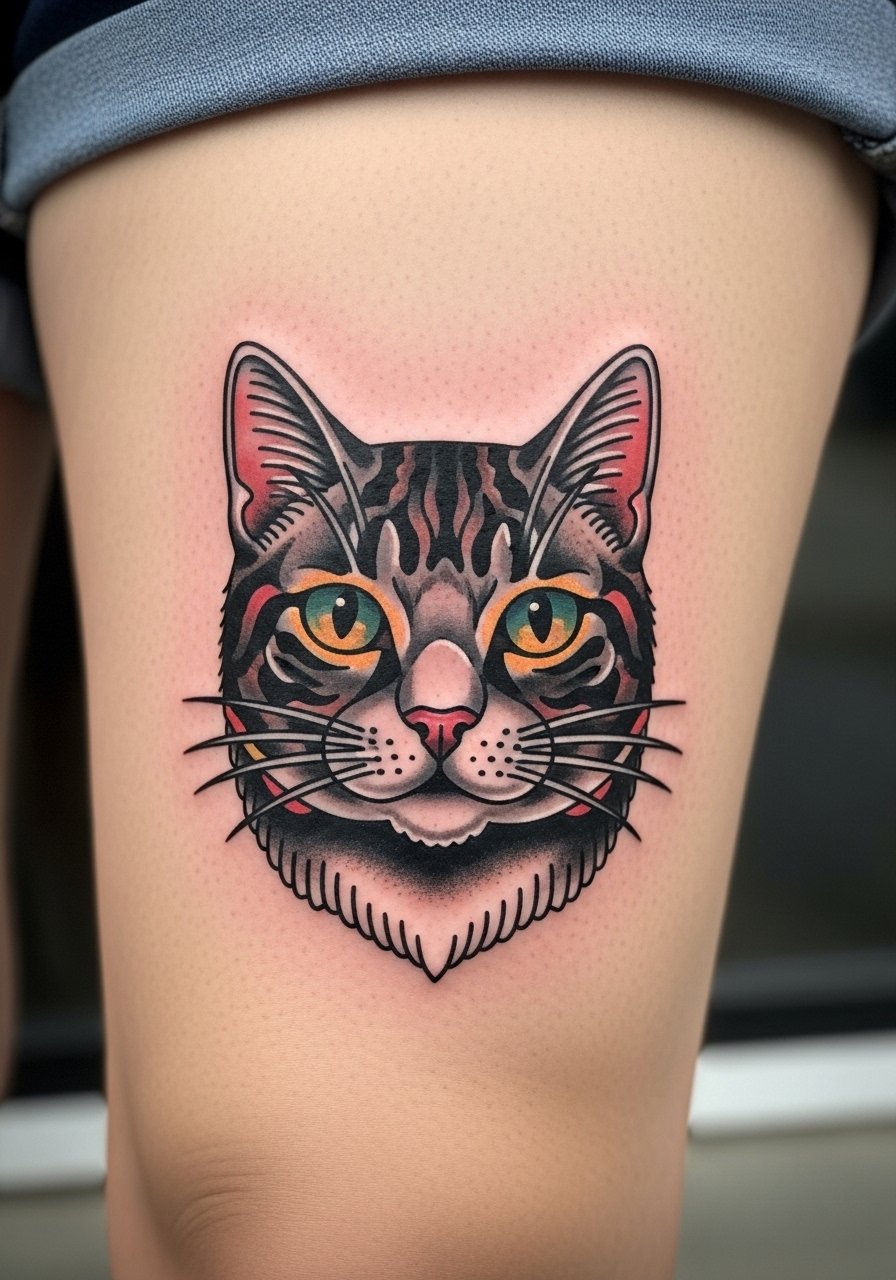
5. Traditional American cat with bold outlines on the thigh
There is a visual clarity to bold outlines and saturated fills that reads well on moving body parts. Thigh placement is forgiving for larger designs and sessions are typically split across a few visits for full color. Ask for solid outlines and even saturation in areas that curve because those hold up better than tiny details in high-movement spots. Thigh pain is usually low, which helps with longer color-saturation passes. Over time the bold edges keep the subject readable, so this style is a good choice if you want a portrait that stays graphic as it ages.
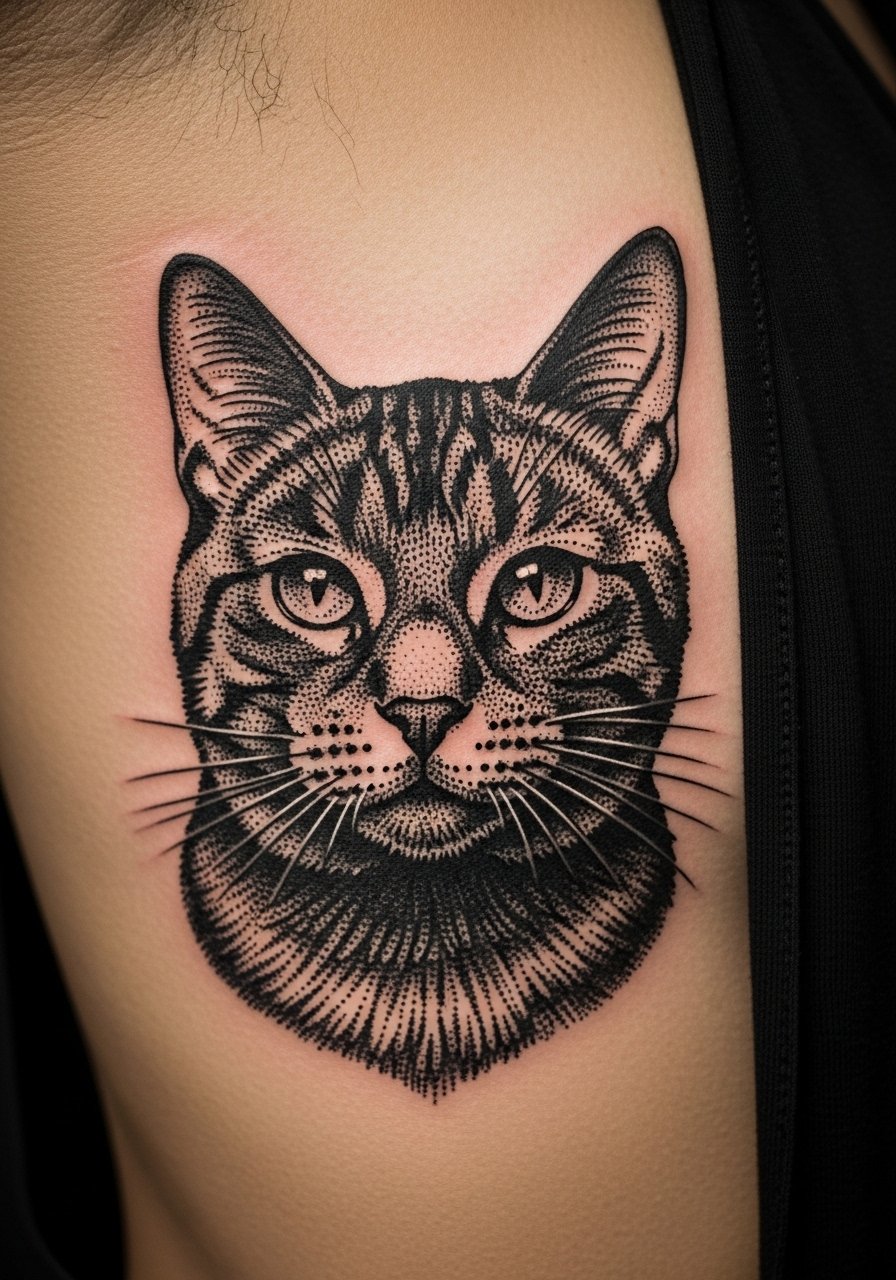
6. Blackwork cat portrait with dotwork shading on the ribcage
Fair warning the ribcage is a high pain area for many people, but dotwork on the ribs creates dramatic texture and contrast. If you choose this, ask the artist about spacing between stipple dots to avoid overly dense packing that can trap pigment. Artists often recommend blackwork on curved zones because high contrast reads better on darker tones. Expect two sessions for a 3 to 5 inch piece and factor in a longer healing timeline. A common error is asking for too-fine detail at rib scale, which can blur faster than planned and demand touch-ups.
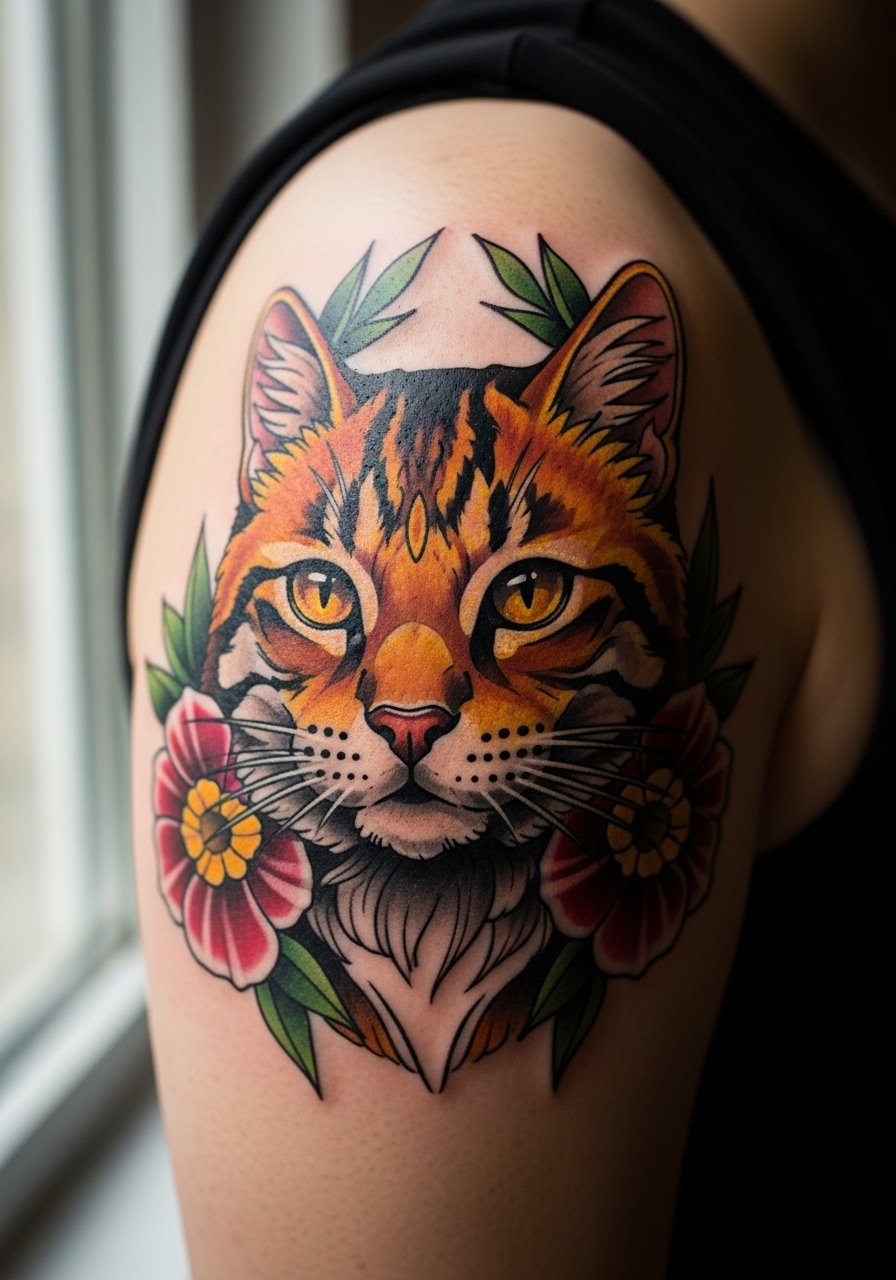
7. Neo-traditional cat in a floral frame on the shoulder
When you sit down with an artist for neo-traditional work, bring photos showing the floral shapes and palette you want. This style softens classic outlines with layered color and works well on the shoulder where curvature adds motion. Sessions usually span two to four appointments depending on color complexity. A real mistake is crowding the portrait with too many small flowers, which can age into a muddied patch, so leave breathing space. Shoulder placements tolerate touch-ups easily and the area handles saturation passes without major blowout risk.
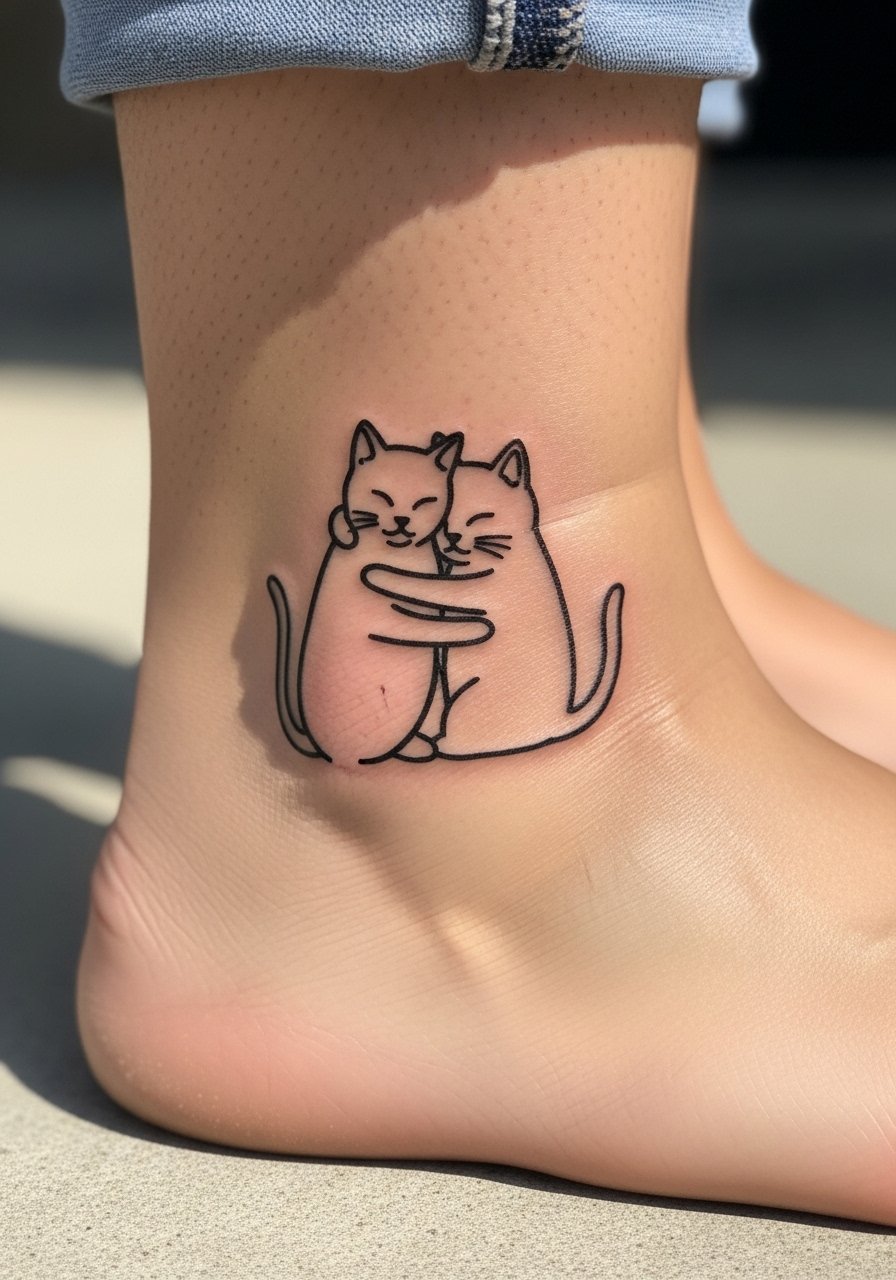
8. Minimalist line art cat hug on the ankle
Someone I know chose an ankle line art hug because they wanted a discreet symbol of companionship that still read at a glance. The ankle can be bony and the session feels quick but sharp, so expect brief but pointed discomfort. Keep the lines slightly bolder than a hairline to avoid early blur, and ask for a healed sample in the artist portfolio on ankle placements. Small pieces there may need a touch-up at year one because footwear and rubbing speed wear. If you want the design hidden sometimes, the ankle tucks away nicely.
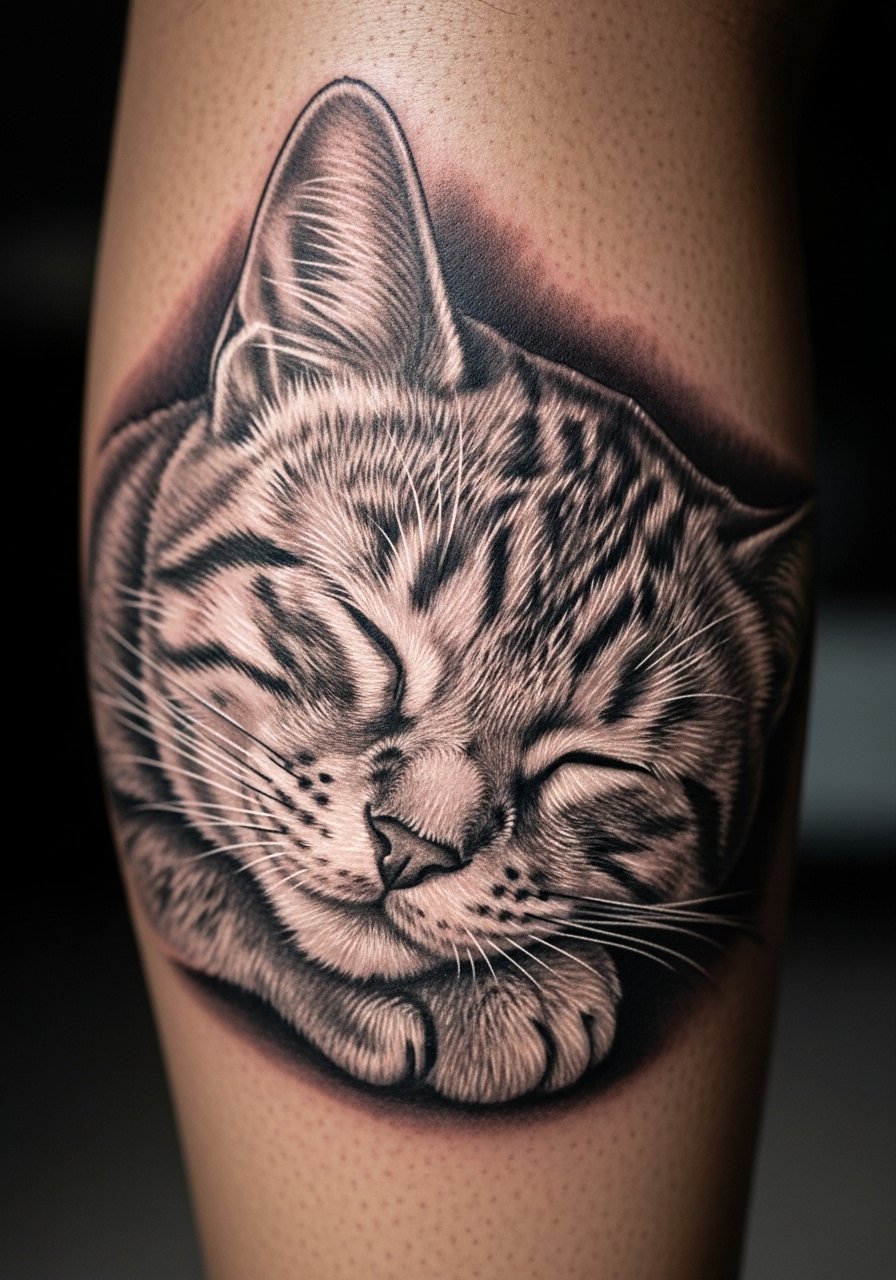
9. Realistic portrait of a sleeping cat on the calf
Most watercolor and small realism pieces fade into smudges after several years when scale is too small. For a sleeping cat realism on the calf, size up to preserve subtle shading and capture eyelid contours. The calf is moderate on pain and holds shading well because the skin is thick and moves less. Plan for three sessions for large photorealistic pieces and a touch-up at year two to refine micro-contrast. People often ask for extreme close-up cropping and then regret the lack of negative space, so discuss composition so the portrait breathes on the calf.
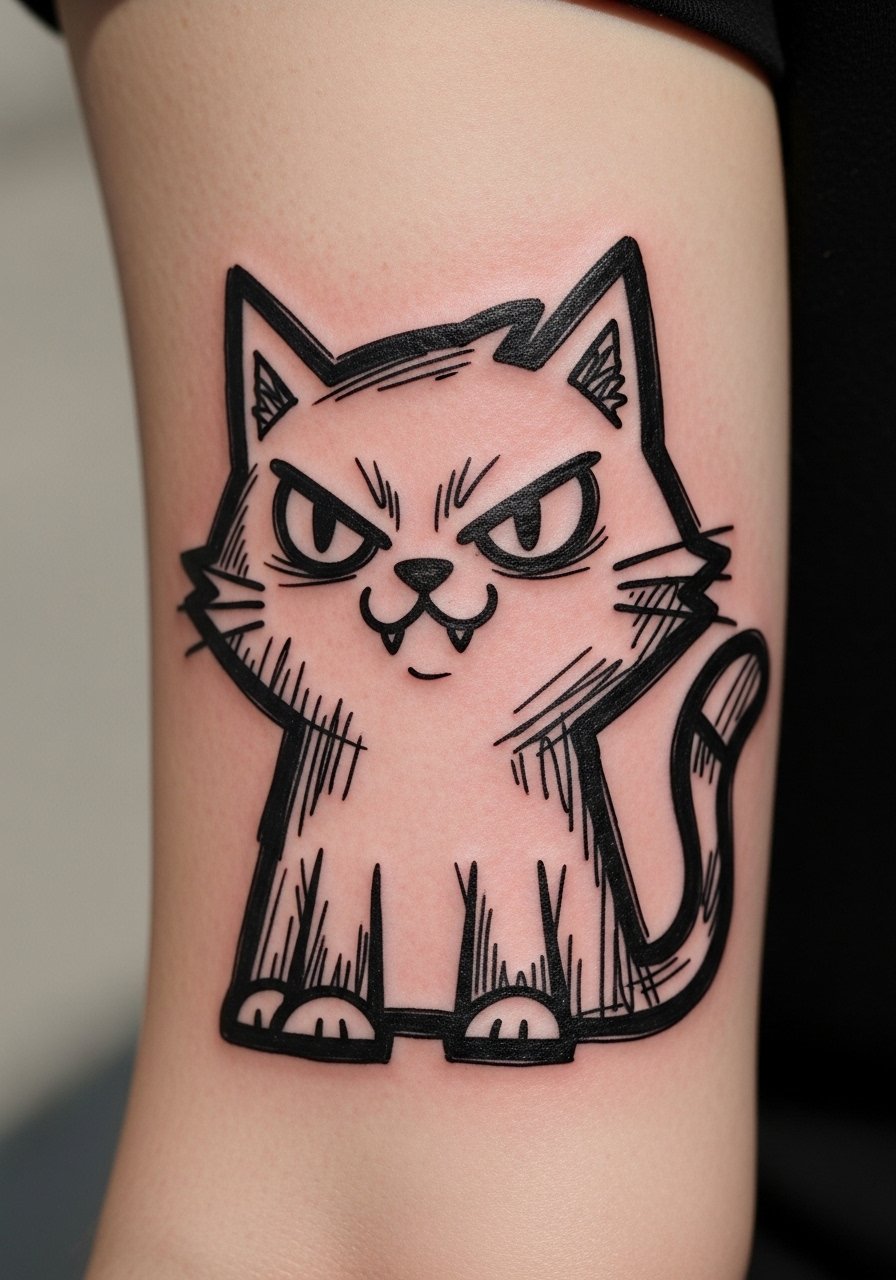
10. Ignorant style cartoon cat on the bicep
There is a playful energy to ignorant style that reads bold and immediate on the bicep. Tell your artist how rough and hand-drawn you want the lines and whether you want overlaps or intentional "mistakes" in the strokes. Sessions are typically short and low to moderate pain, which makes this a good option for a first larger piece. The risk here is over-simplifying to the point the character lacks expression, so keep one strong focal feature like the eyes. On the bicep, the shape changes with muscle flex, so test poses during consult.
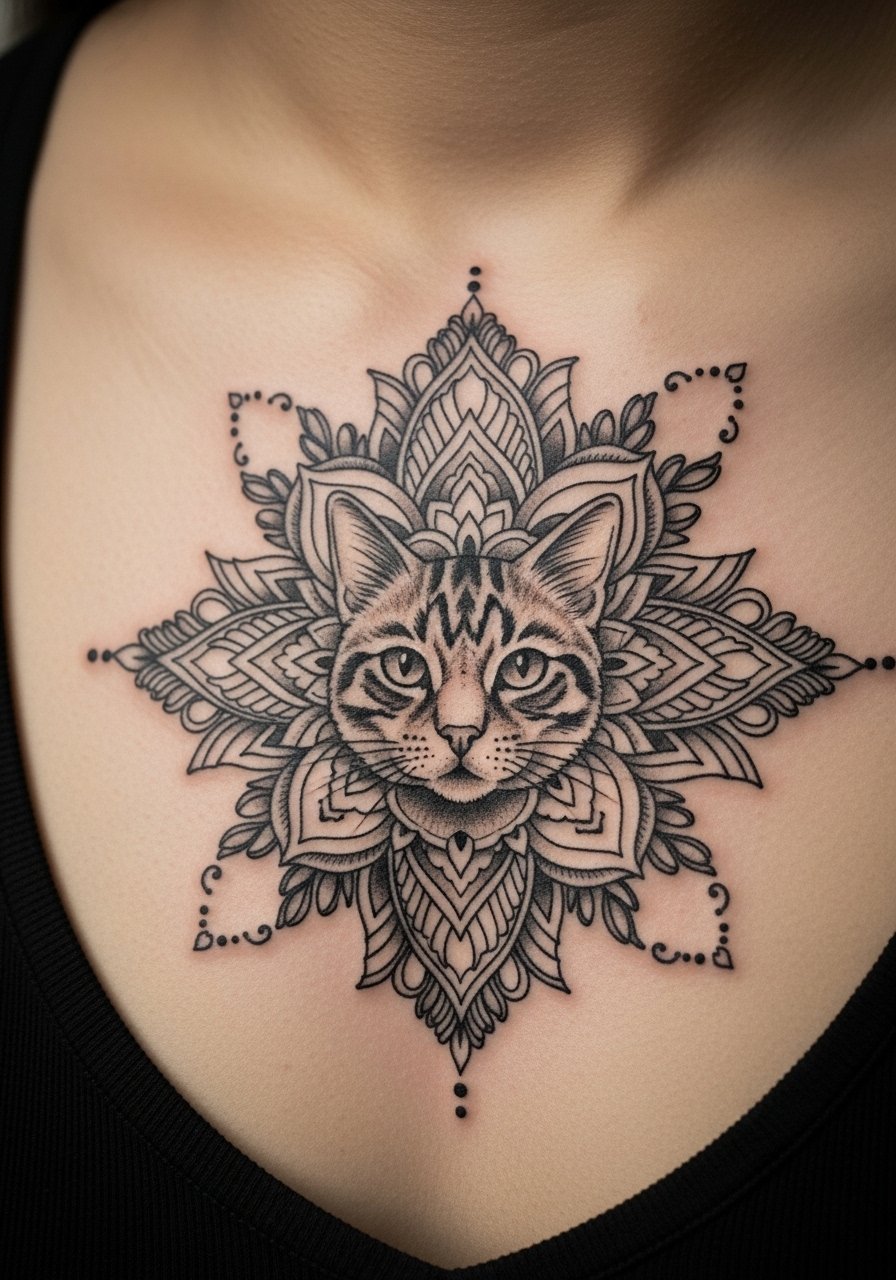
11. Ornamental mandala cat on the sternum
Artists split on sternum work for symmetry and commitment. One camp says the sternum yields powerful central imagery when the client can handle the pain. Another camp warns the area shifts with breathing and body changes, which can distort tight mandala geometry over time. If you proceed, ask for pre-placement stencils and a staged sizing session. Sternum tattoos are painful and require an artist confident in symmetry. Also note this pattern traces to mandala traditions, so consider respectful variation rather than a direct cultural replica.
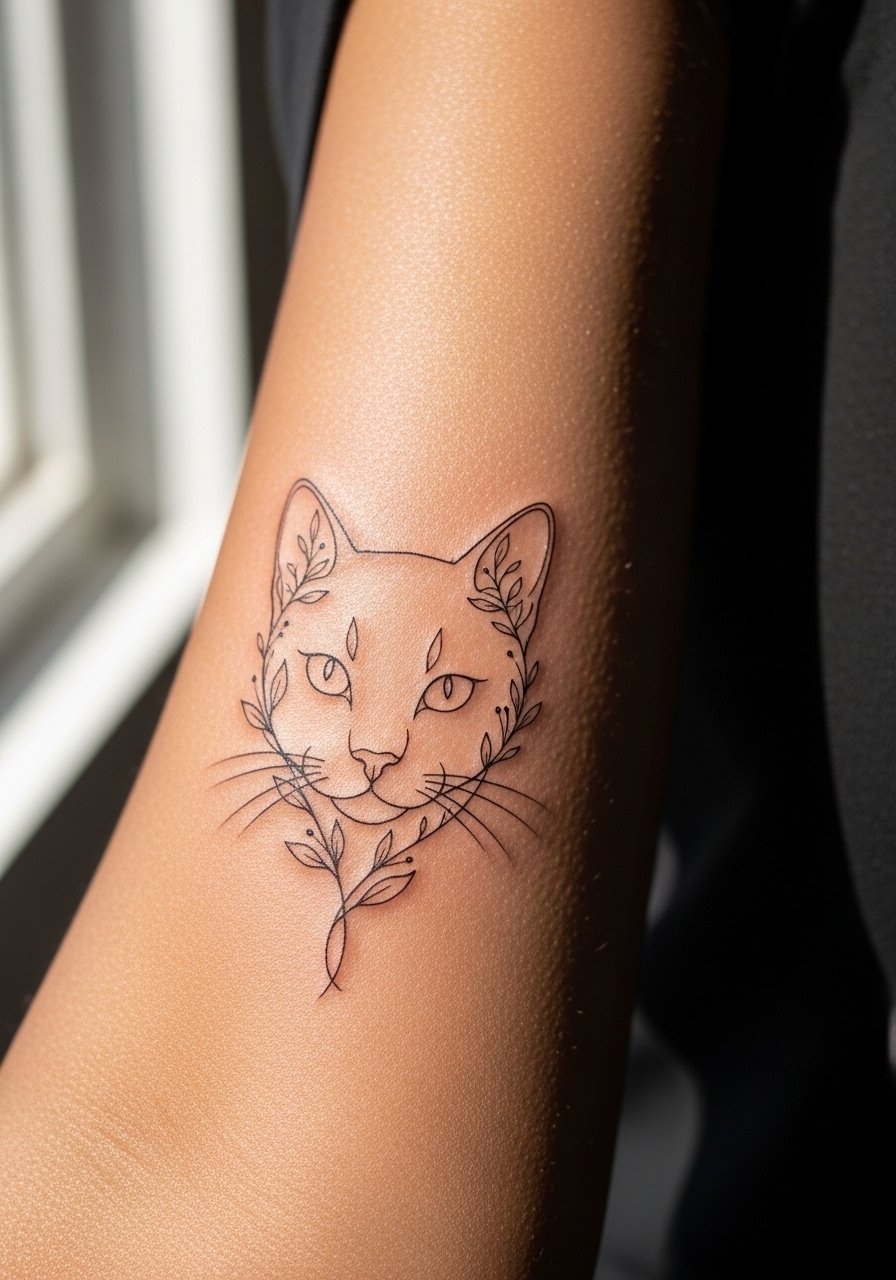
12. Botanical fine line cat on the inner arm
Fair warning fine line on inner arms can be a fade conversation starter among artists. One group says inner arm skin settles fine with careful depth and sparse spacing. The other group points to friction and sun exposure that can blur thin strokes faster than expected. If you want botanical integration, request slightly heavier line weight for stems and keep leaves sparse to preserve negative space. Inner arm sessions are short to moderate in pain. Budget for a touch-up at the one to three year mark if you prefer very crisp contour.
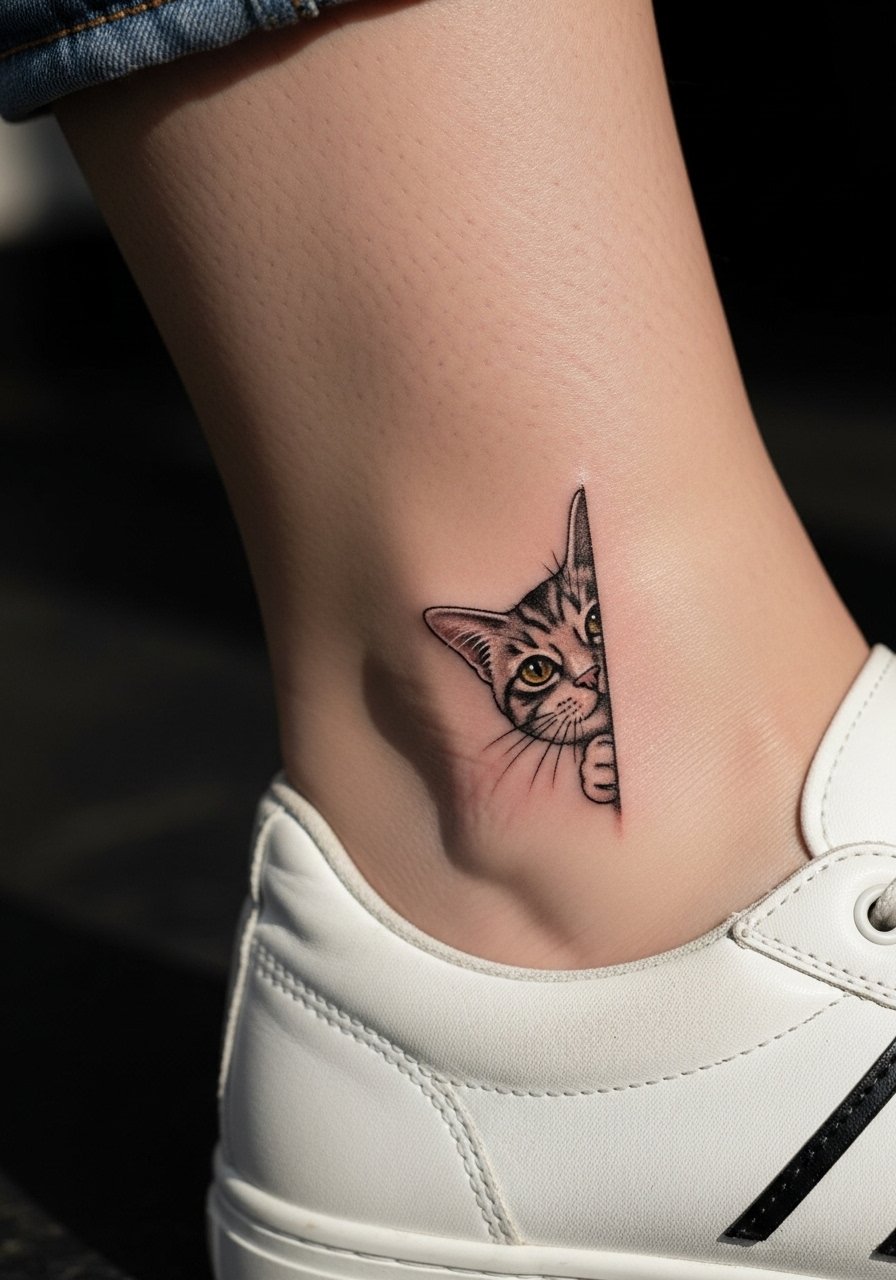
13. Peeking cat ankle for playful concealment
I've noticed peeking ankle cats get the most delighted second glances because they hide and reveal with movement. Ask the artist to position the gaze and paw so the cat looks like it is peeking from footwear or pant hems. The ankle is quick but can sting, and footwear rubbing during healing is a real concern, so plan open shoes for two weeks. People often request too much detail in a tiny peek and then find the expression lost after healing. Scale the eyes slightly larger to preserve character over time.
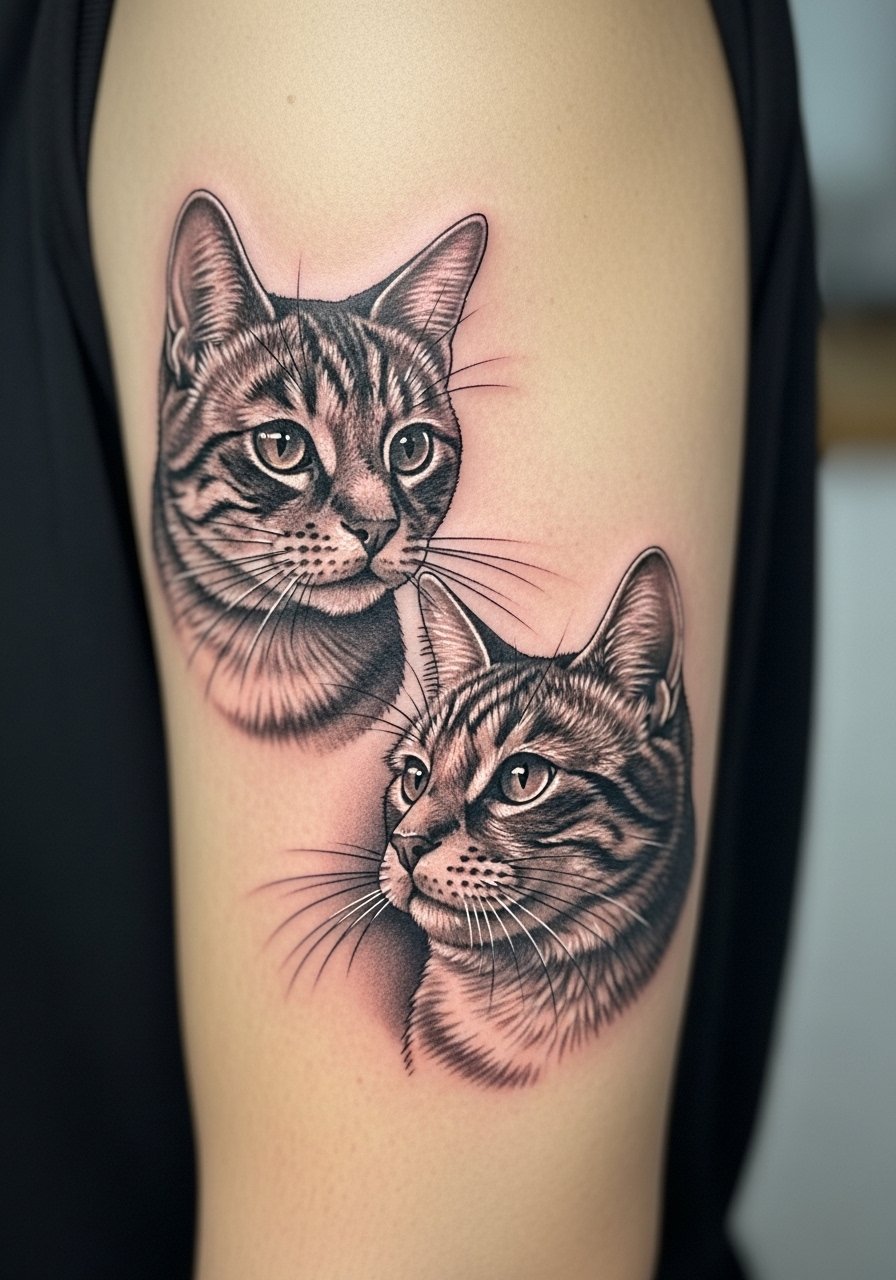
14. Double cat portraits for multi-pet tributes
When you book a double portrait, bring clear reference photos of both cats from similar angles so the composition balances. Size and spacing matter more than people expect because two faces packed into a small area blend as they heal. Sessions often split into two passes to get contrast right for each subject, and touch-ups at six months can help separate features. A common mistake is insisting both portraits be identical scale; instead vary angle or framing so each cat has its own breathing room and character.
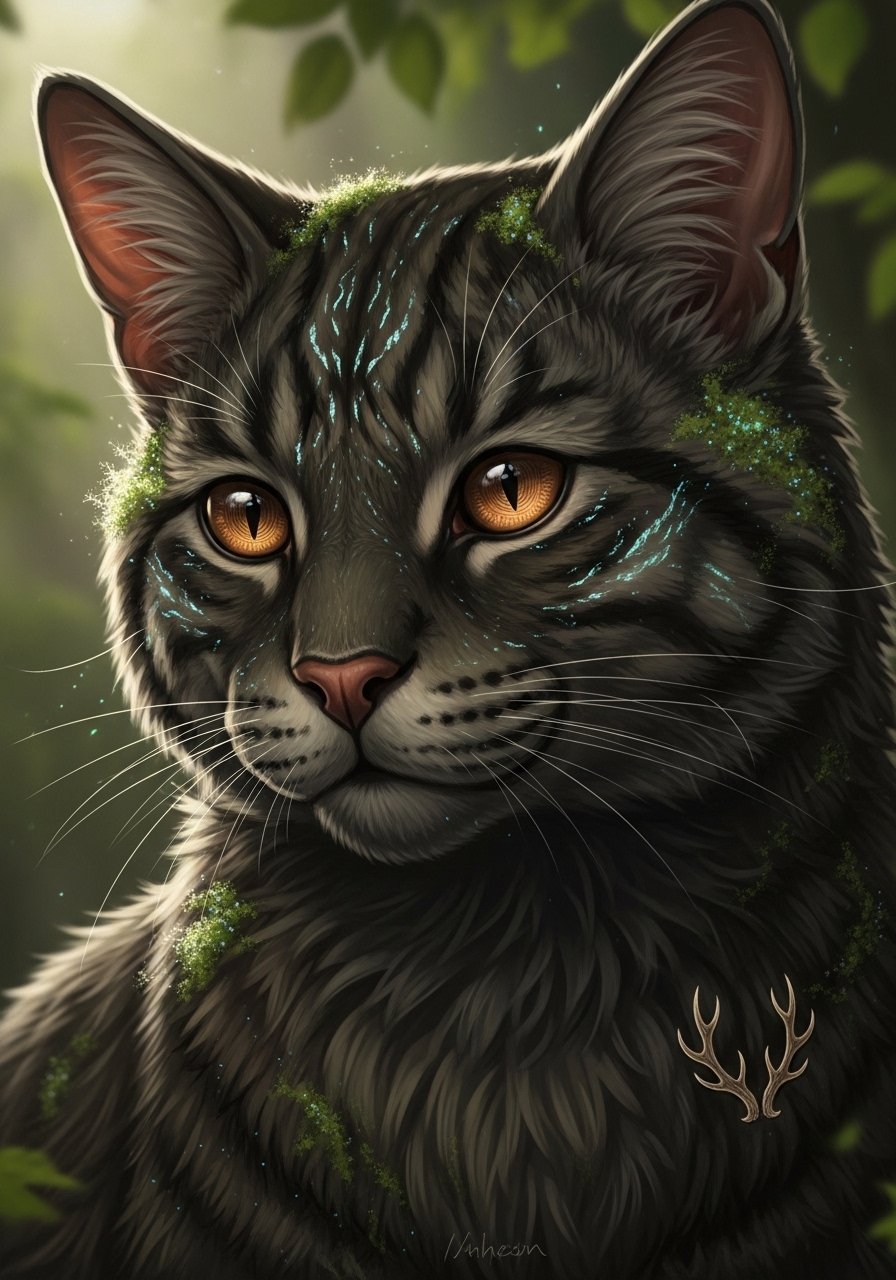
15. Woodland guardian fantasy cat blending realism with fantasy
There is a strong visual effect when realistic fur detail pairs with subtle fantasy elements like antlered crowns or soft color glows. For this hybrid, tell your artist which realism anchor you want and which fantasy elements should be stylized. Larger placements like the shoulder blade or thigh suit these designs because they need space to balance detail and decorative features. Expect multiple sessions for color fades and linework harmony, and plan touch-ups to keep color accents vivid. People sometimes overload fantasy details which distract from the portrait core, so pick one or two motifs.
Tattoo Prep and Aftercare Essentials
Below are essentials that cover pre-appointment prep, the immediate healing window, and long-term maintenance. I prioritized lesser-known products artists mention in forums and added practical generics to fill gaps. One mainstream supportive product is included as the single mainstream mention in this list.
Hustle Butter Deluxe, small tin. A popular non-greasy balm many artists recommend for day three onward. Use sparingly to prevent pore clogging on fine line pieces and carry a travel size for sessions.
Inky tattoo salve, lightweight formula. An indie-style salve that absorbs quickly and works well on watercolor tattoos to avoid heavy occlusion.
Australian tattoo aftercare balm, light moisturizing stick. Lighter on skin in humid climates and can help with color retention in warm months.
Lightweight fragrance-free balm. Generic option when you want thin coverage that does not trap sweat during summer.
Medical-grade second skin bandage, 6-inch roll. Use for large areas or if your job exposes the fresh piece to friction. Apply right after the session if artist approves.
Saniderm single sheet pack. Useful for active lifestyles that need a sealed barrier. Remove at the timeframe your artist recommends to avoid maceration.
Mineral SPF 50 broad spectrum sunscreen. Critical for long-term color preservation when your healed tattoo sees sun.
Gentle fragrance-free foaming cleanser. A soft cleanser for days 1 to 14 to remove excess lymph and keep the area clean without stripping moisture.
Every tattoo is different. Always follow your artist's specific aftercare instructions. Consult a dermatologist if you have skin concerns or unusual healing issues.
Frequently Asked Questions
Q: Will fine line cat tattoos blur if I get a full sleeve?
A: Fine line across a full sleeve often becomes denser and more at risk of adjacent lines softening over time. It depends on spacing and how much negative space you preserve. If you want a sleeve, ask your artist to build in breathing room and expect touch-ups at year one to maintain crisp edges.
Q: Do watercolor-style cat portraits need different aftercare than traditional ones?
A: Yes. Watercolor pieces rely on layered color and lighter outlines so you want thin, frequent balm applications and strict sun avoidance for the first six months. Use a lightweight balm rather than heavy occlusives after day three and consider reapplying color-touch sessions if you want long-term vibrancy.
Q: Why do geometric mandalas fade on ribcages faster than on forearms?
A: Ribcage skin stretches and flexes with breathing, which can distort tight geometry during healing. The forearm is flatter and experiences less directional stretch, so crisp lines last longer there. If you must have ribs, request slightly larger spacing and plan for a touch-up to restore sharpness.
Q: How can I make a portrait pop on darker skin tones for photos?
A: Ask for higher contrast blackwork and clear edge definition in the consultation. Artists who have portfolios showing healed work on a range of tones will give you the best guidance. Also consider placement with less sun exposure and plan to photograph healed work in shaded natural light for truer representation.
Q: Is using Saniderm recommended over dry healing for cat portrait tattoos?
A: Artists are split on Saniderm versus dry heal. Some clients find Saniderm shortens scabbing and keeps lymph contained, while others prefer dry healing to avoid trapped moisture. Discuss with your artist and follow the method they have the most healed portfolio examples for. If you choose Saniderm, remove it at the recommended time to avoid maceration.