

Someone I know spent months scrolling galleries before realizing the real problem was not the design. It was picking a style that would still read clearly on their skin after two years, and budgeting for touch-ups when fine line blurs. I have talked with artists at five shops across Brooklyn who said fading, color washout on darker skin, and last-minute cancellations are the three things people worry about most. Read on for 25 month-based bloom ideas that show how to get a look that heals well and fits your life.
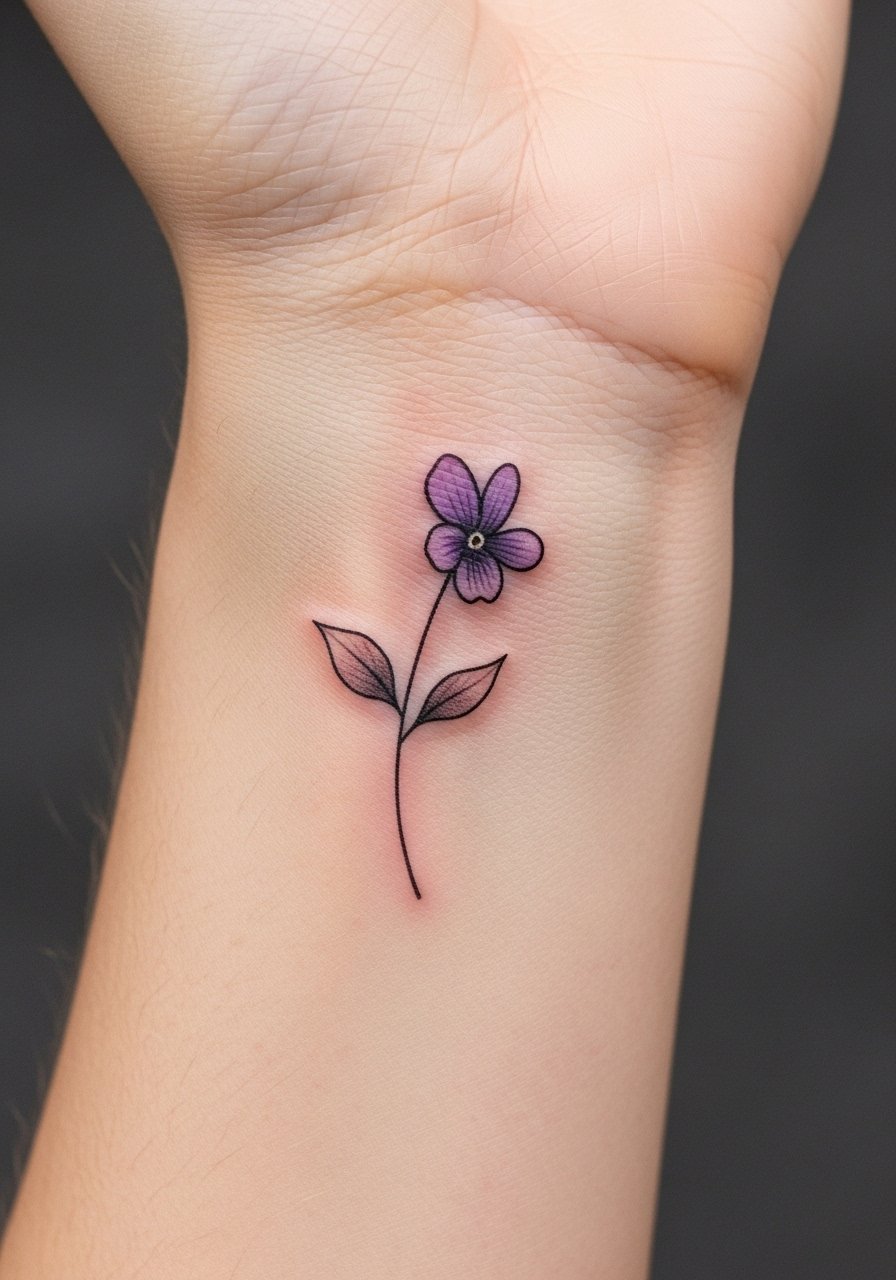
1. Fine line single-stem violet for February
Someone I know first saw this on a wrist and loved how the linework read like handwriting. Fine line violets work best on inner wrist or ankle where movement is limited. Tell your artist you want visible spacing between petals and a slightly heavier outer contour so the shapes do not fuse as they age. Fair warning, artists split on fine line longevity. One camp says joints blur lines fast. The other camp says correct needle depth and spacing keeps lines crisp. Expect a one-session appointment that feels low to moderate on pain and plan a touch-up around year two if you notice loss of definition.
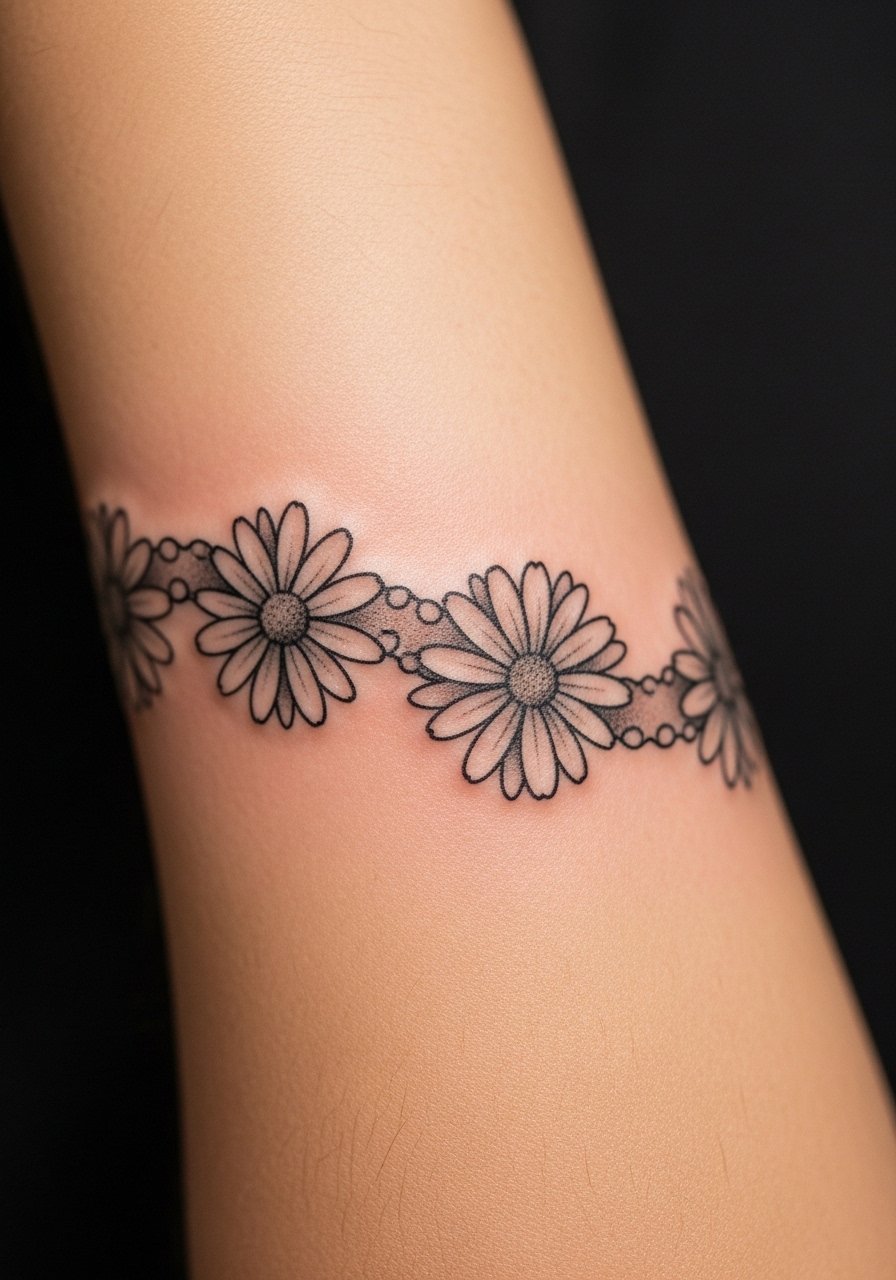
2. Minimalist daisy chain wrapping forearm for April
When I first sketched a daisy chain for a friend, she wanted it to wrap without looking crowded. A forearm wrap with 3 to 5 tiny daisies gives movement without overwhelming the arm. Ask for varied spacing so the chain reads like a linked bracelet rather than a repeating stamp. Common mistake is making each bloom too small, which blurs after a year on active skin. This placement is moderate pain and usually finishes in one to two short sessions. It ages best if outlines are slightly bold and centers get a touch of dot work for contrast.
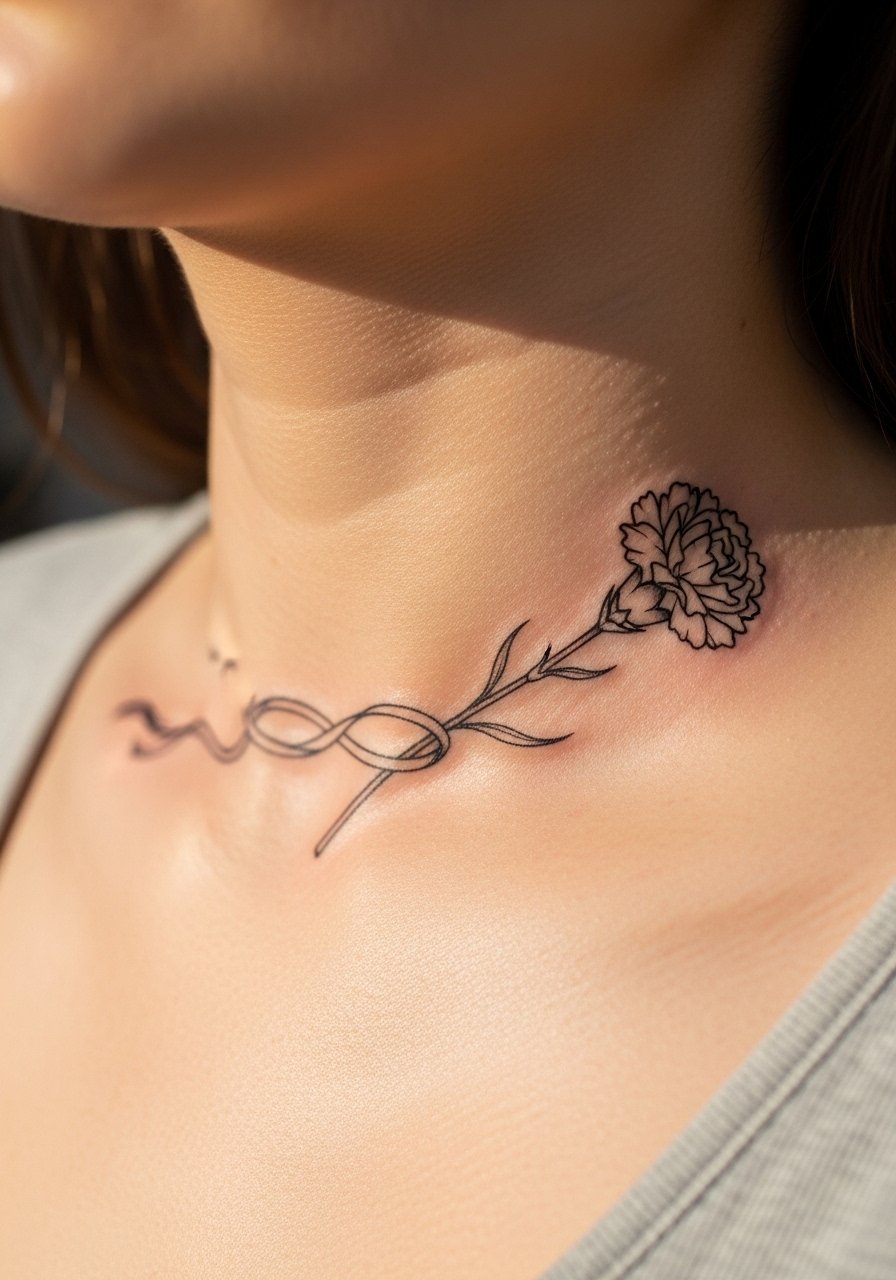
3. Fine line carnation with ribbon on collarbone for January
When you want a name or small phrase, collarbone ribbon wrapping a carnation is a neat way to personalize without crowding ribs. Tell your artist the ribbon should sit shallow and the flower petals should use open linework with tiny stipple shading. The collarbone hurts more than an ankle, so expect a moderate to high pain level for a single session. People often request too-thin ribbons that vanish after healing. Ask for slightly thicker script and plan on a touch-up at year three if the ribbon loses crispness. This design reads well under clothing and images as an intimate, visible piece.
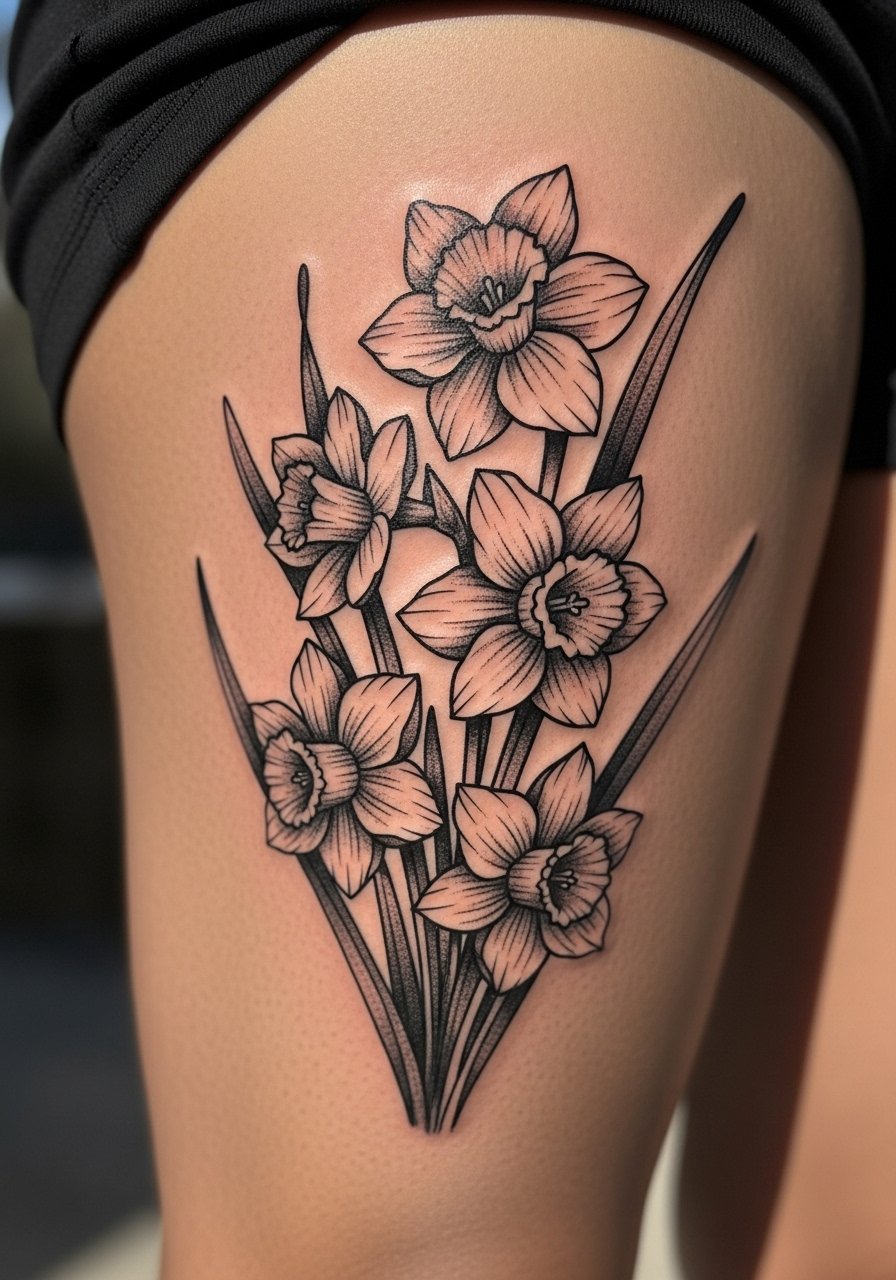
4. Blackwork daffodil spray on thigh for March
There is a reason blackwork fans choose dense texture for thigh pieces. A daffodil spray rendered in blackwork keeps silhouette and contrast for years. In consultation, ask for negative-space petals and stipple shading to give depth without relying on color that fades. The thigh is a forgiving canvas and pain is usually low to moderate. A common mistake is packing too many small details into a sprayed cluster, which can read muddy after healing. This style benefits from a scheduled second session to refine saturation where skin is patchy.
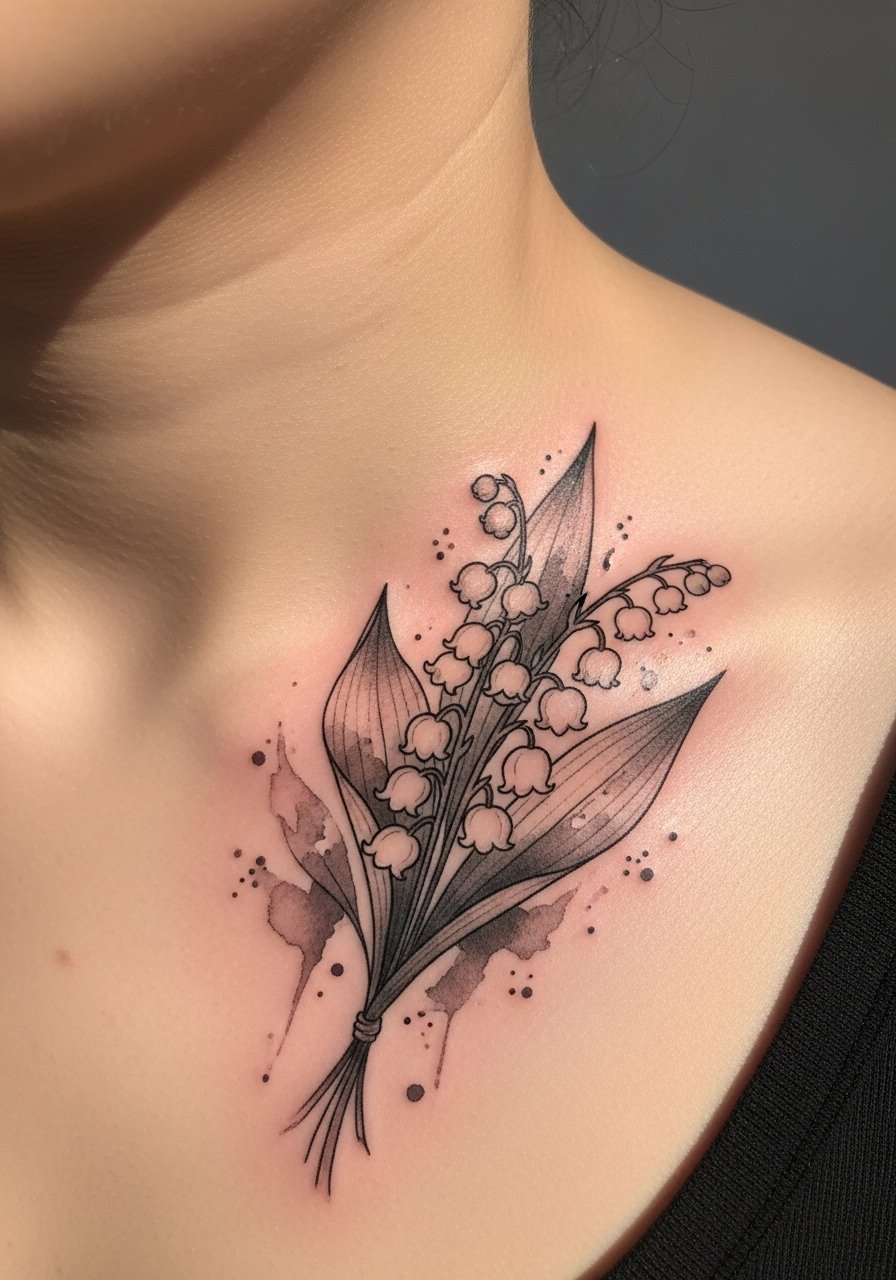
5. Watercolor lily of the valley bouquet on collarbone for May
Most watercolor pieces from five years ago have faded into soft smudges. This lily of the valley bouquet avoids that by pairing watercolor fills with thin black outlines to anchor the shapes. Ask your artist for saturated base tones near the stem and softer fades toward petal tips so the color still reads at six months and two years. Collarbone placement is moderately painful and usually takes two sessions. One mistake is asking for pastel fills on very dark skin without a bold outline. If you want the ethereal look, prioritize contrast and expect a color refresh in two to four years.
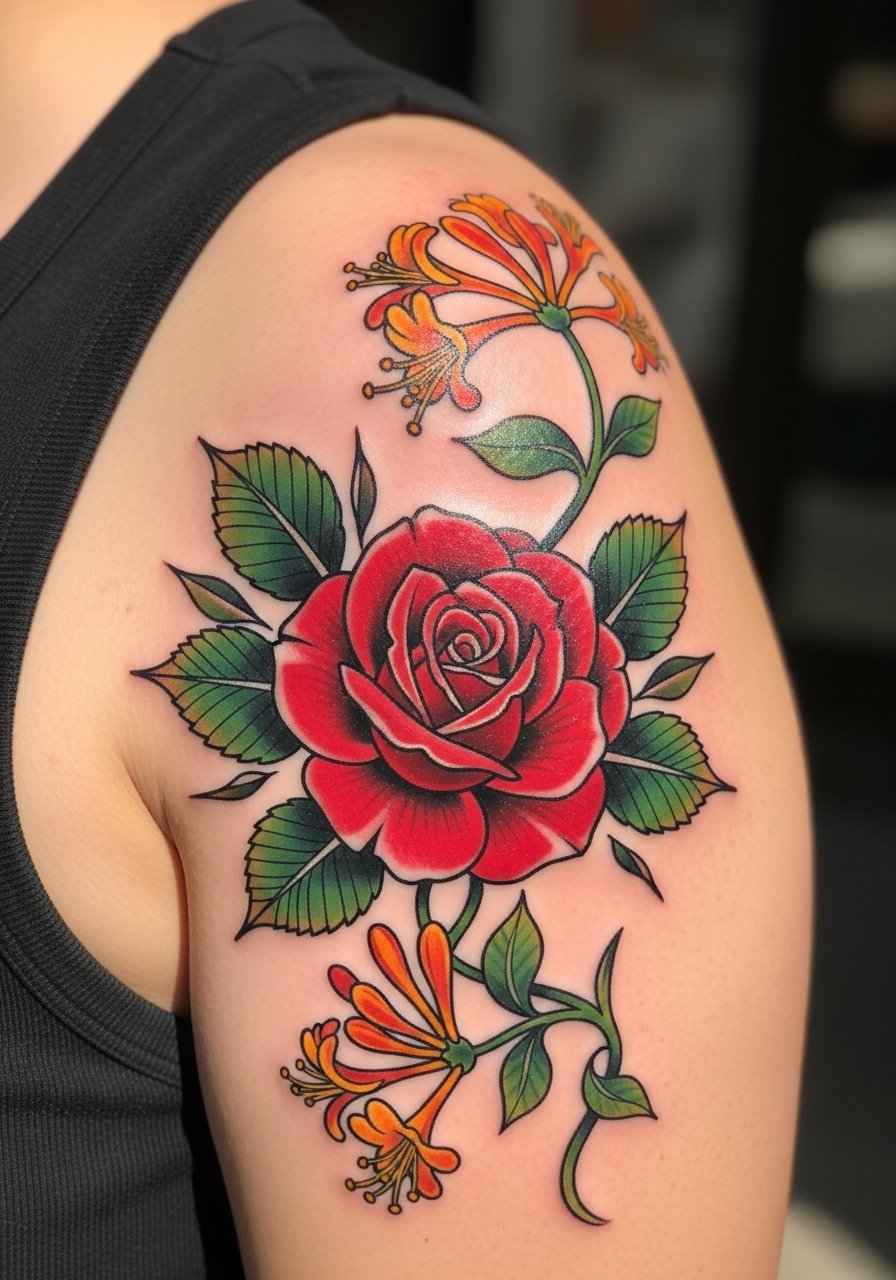
6. Neo-traditional rose with honeysuckle on shoulder for June
There is visual punch to neo-traditional layering that holds at a distance. A rose paired with honeysuckle uses bold outlines and high saturation to lock in color. During your consult, show images that emphasize shadowed petals and bold leaves so the artist knows you want saturation that lasts. Shoulder pieces are moderate pain and can take two to three sessions for full color and saturation. A frequent error is asking for tiny roses in this style. Neo-traditional needs scale to keep saturation consistent and avoid patchy fading that shows at the two-year mark.
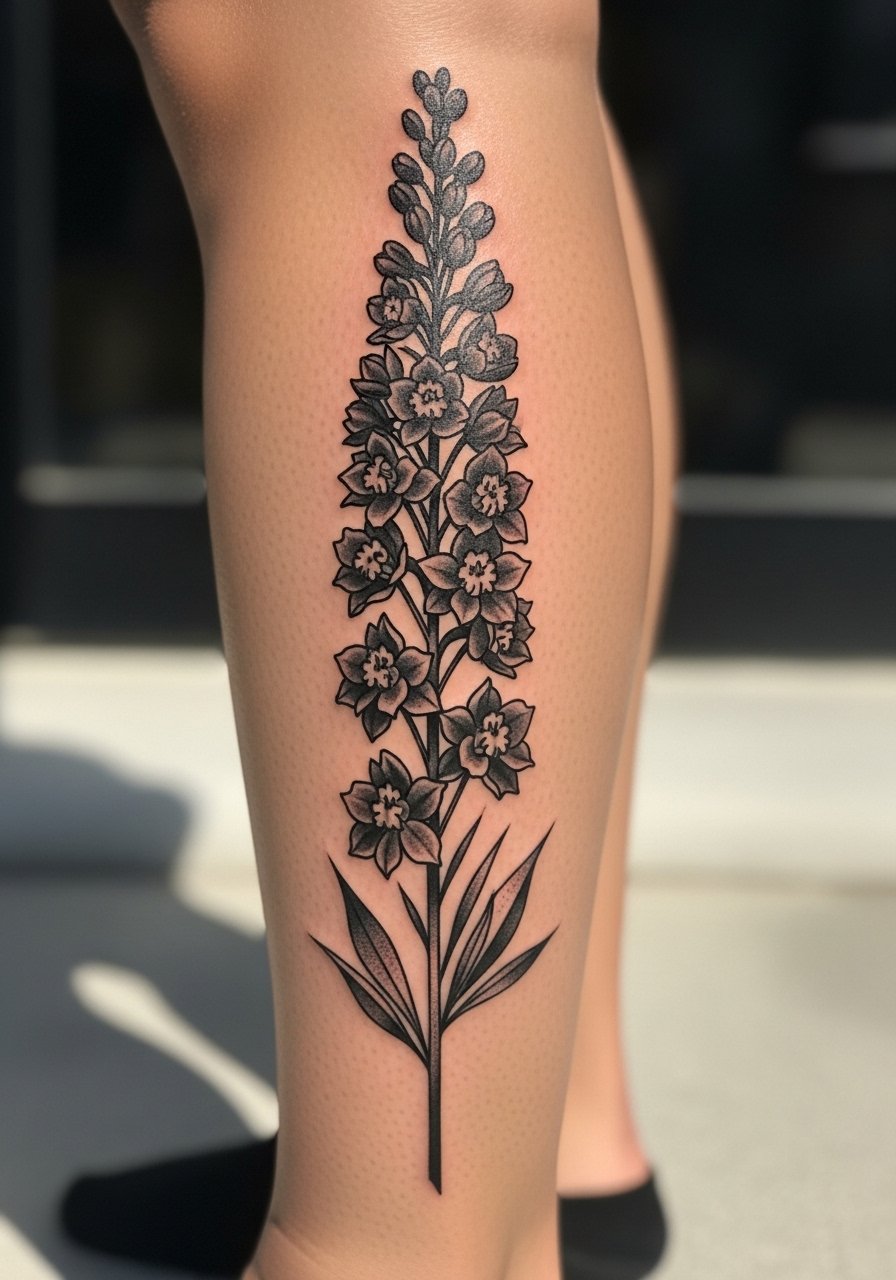
7. Blackwork larkspur stem down the calf for July
There is a sculptural quality to a tall blackwork larkspur on the calf. It reads like architecture from across a room and keeps contrast over time. Ask for a single-session plan split into two passes so the artist can darken the spine while keeping delicate lateral petals. Calf placement is low on the pain scale compared to ribs. A common mistake is trying to miniaturize the tall larkspur into a tiny ankle piece, which loses the vertical grace and ages poorly. Expect minimal touch-up needs if saturation is solid from the start.
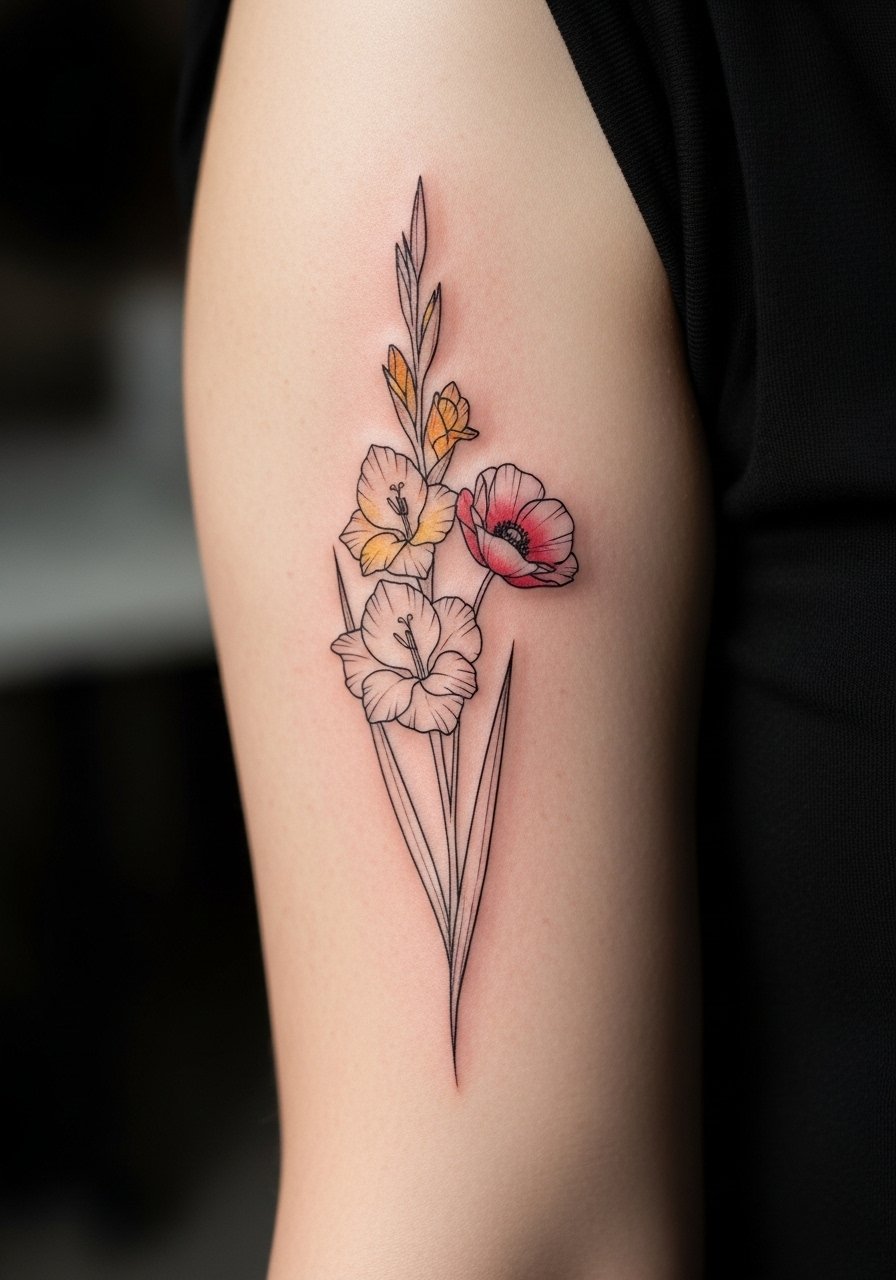
8. Fine line gladiolus with poppy on inner bicep for August
Fair warning, inner bicep sessions can sting more than forearms. The gladiolus silhouette paired with a single poppy gives a narrative of strength and remembrance without overcrowding. In consultation, request elongated stems and slightly thicker linework on the main vein to prevent early blurring. Many people ask for micro versions that lose the gladiolus shape after healing. This placement moves with muscle and needs careful spacing to avoid blowout. Plan one or two sessions depending on added color accents and a touch-up after a year if lines soften.
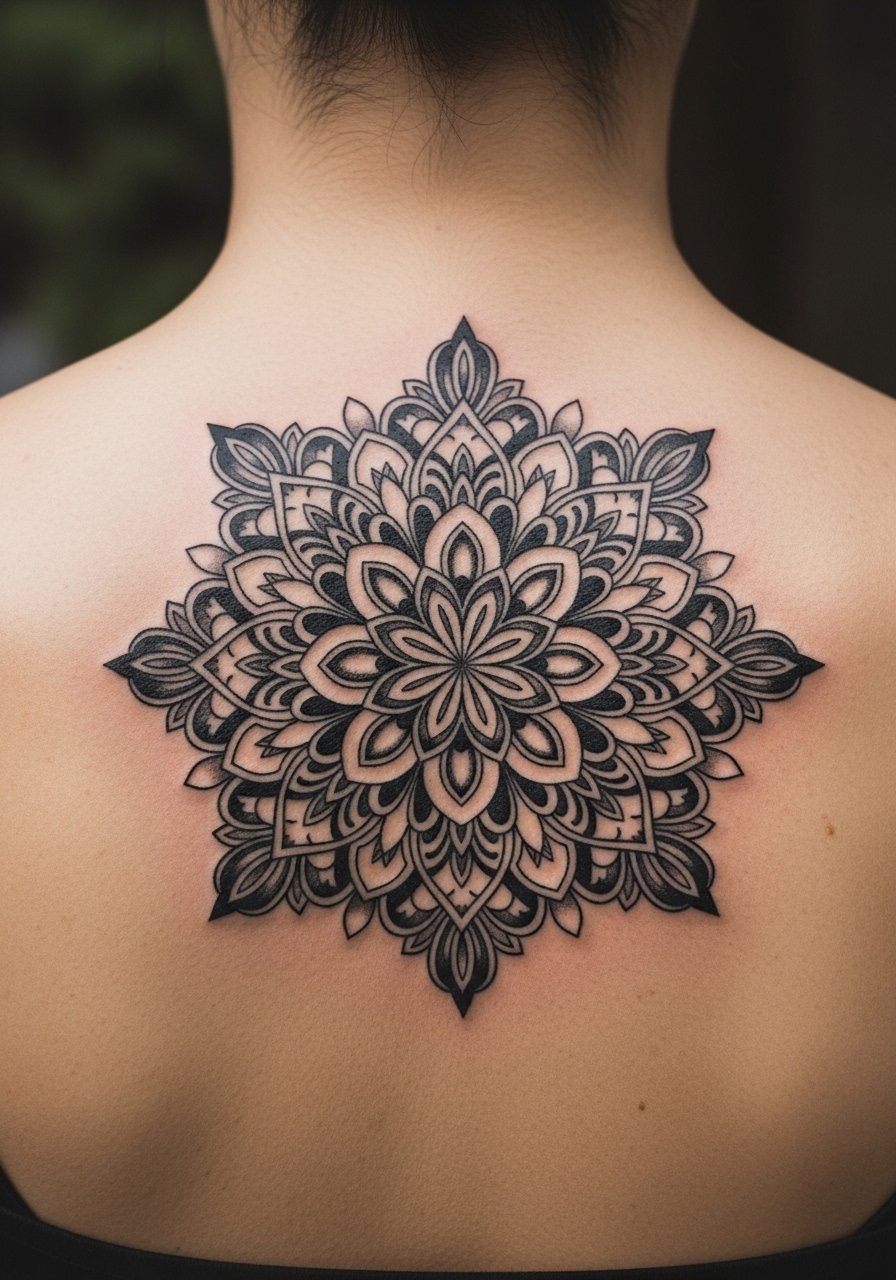
9. Ornamental aster mandala on upper back for September
Aster as a mandala reads both floral and geometric. Most artists recommend scaling to five inches or larger so the negative space that makes the mandala glow remains. Tell your artist you want alternating stipple shading and whip shading to preserve contrast without relying on color. The upper back is moderate on pain and usually requires multiple sessions for clean geometry. People often want overly tight line spacing that fuses as it heals. Ask to see healed mandala samples with similar line weight to avoid that mistake.
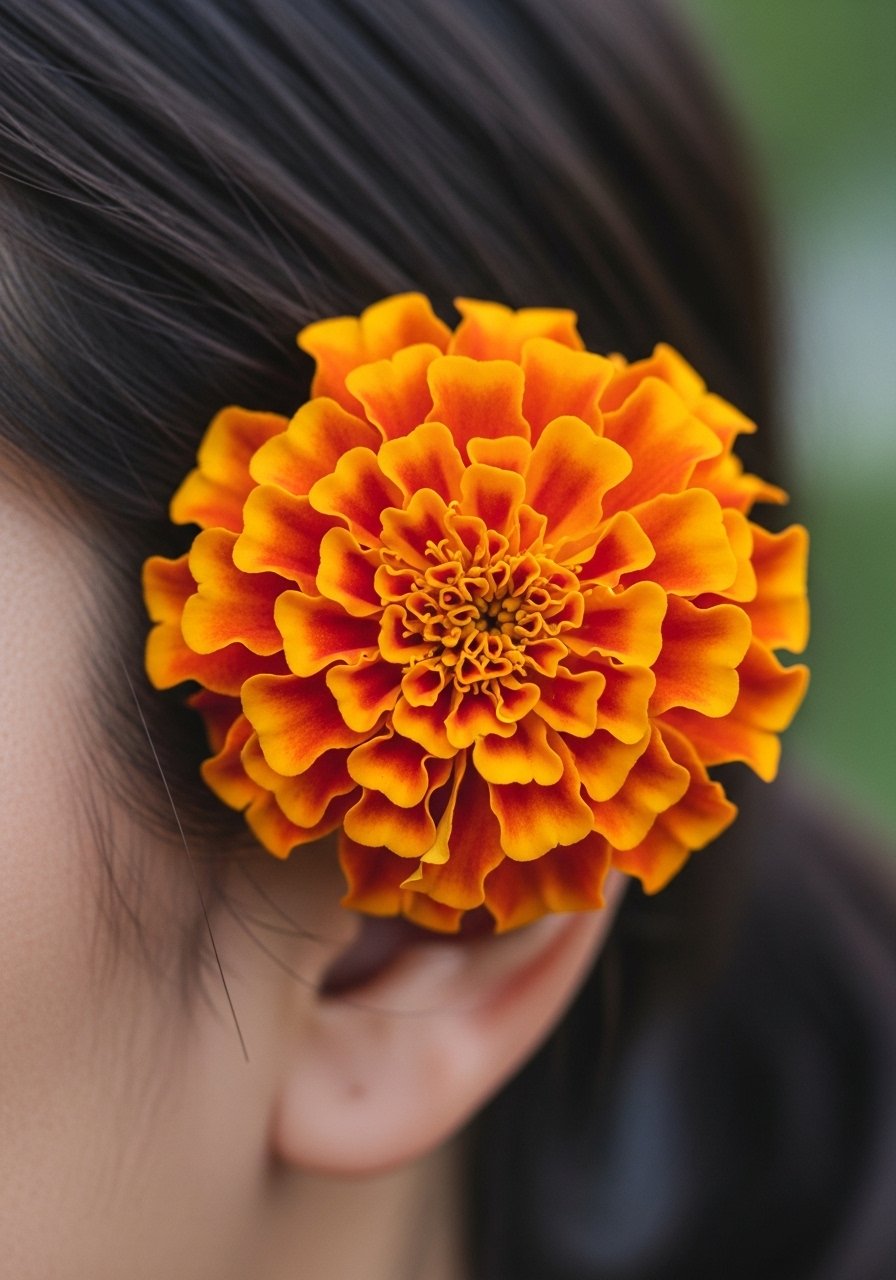
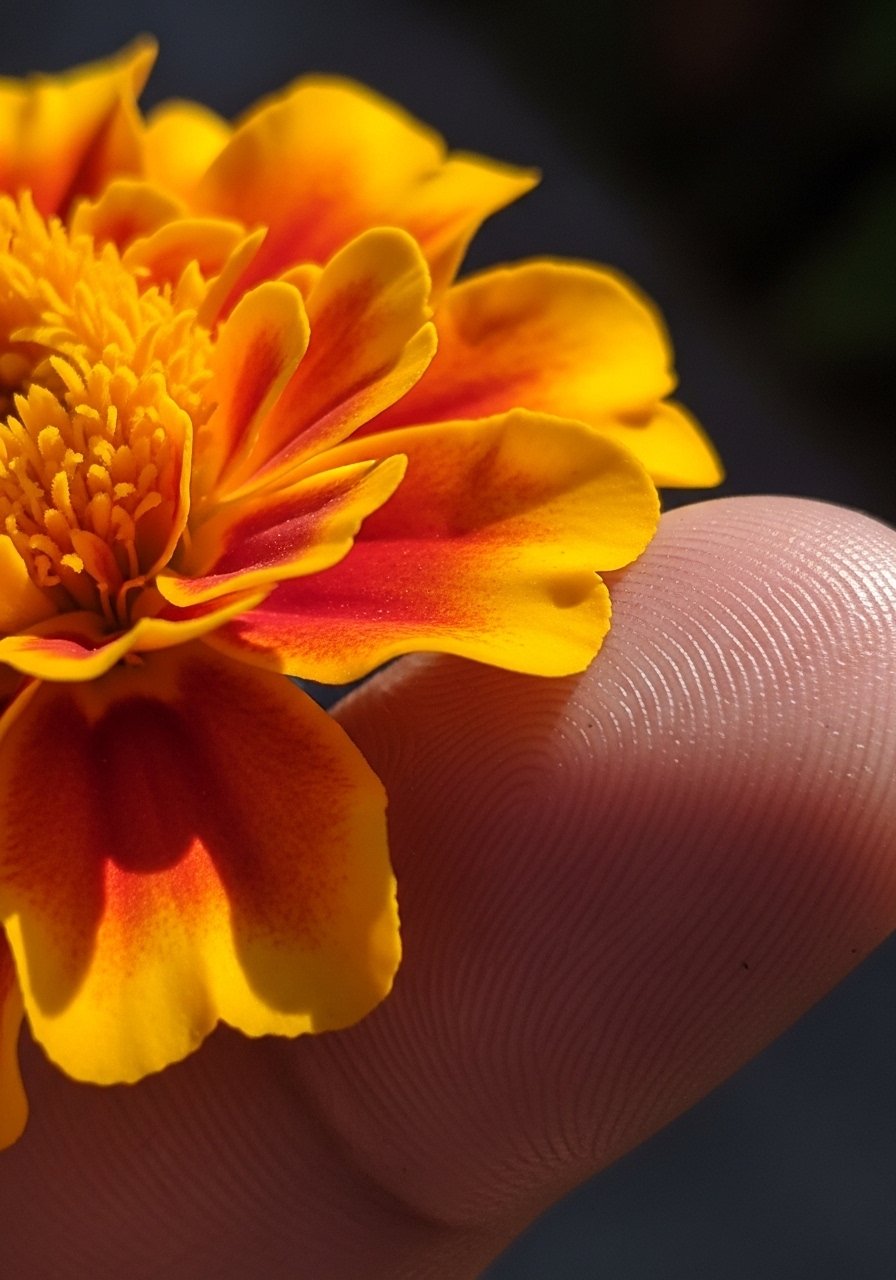
10. Micro-realism marigold behind the ear or finger for October
Micro-realism is demanding but looks intimate when done well. A marigold in micro-realism works for behind-the-ear or finger placement where a single bloom carries meaning. During consultation, request layered petal detail and a tiny shadow anchor so the bloom does not look flat. Fingers are high movement zones, and micro pieces there commonly blur within a year. If you pick the finger, expect touch-ups every 12 to 18 months. Behind the ear ages better but can be tricky to photograph. Plan for a single short session and a careful aftercare routine.
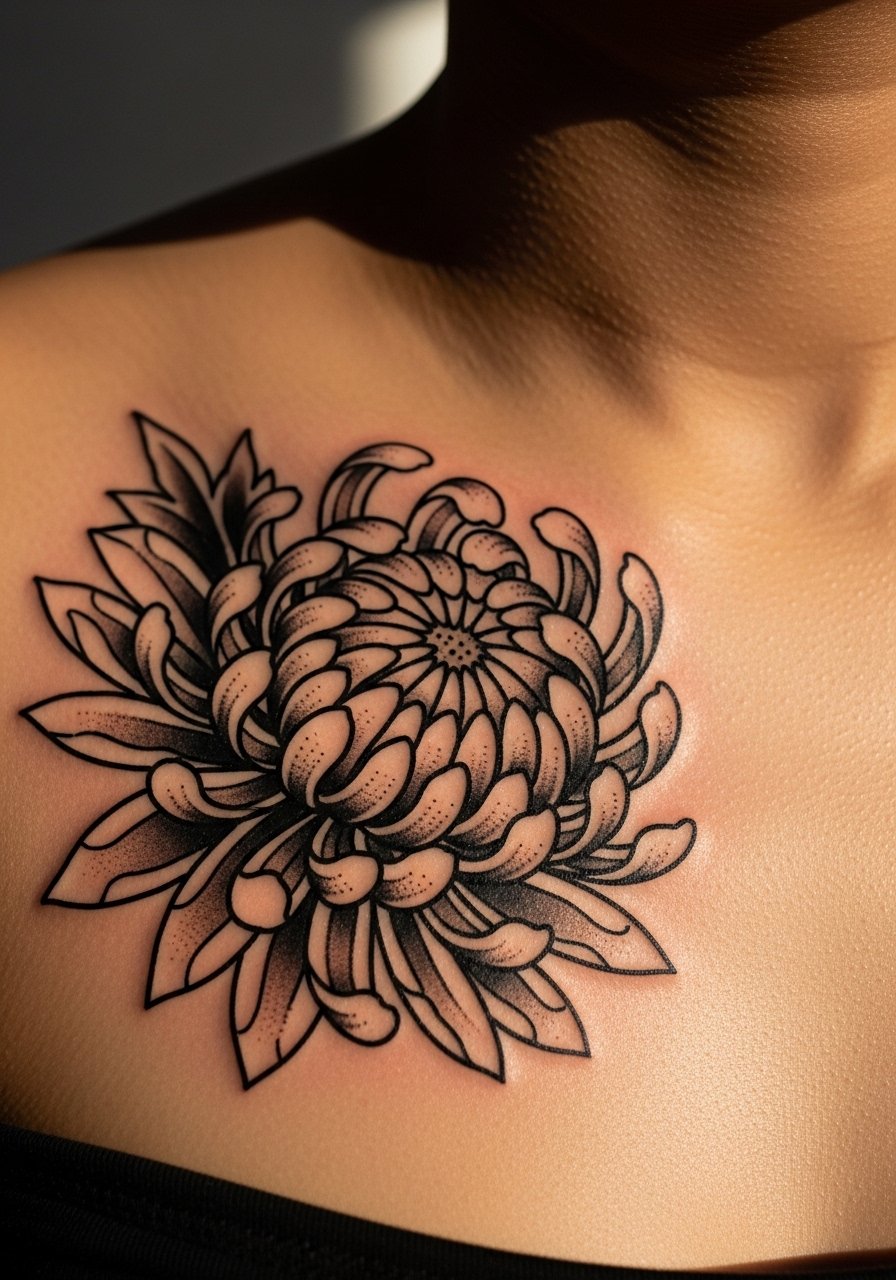
11. Traditional chrysanthemum outline on chest or ankle for November
There is a reason chrysanthemum shows up in traditional work. Bold outlines and clean shading read well over time. For a chest or ankle piece, ask your artist to anchor with heavy outer linework and use layered gray shading for depth. The chest can be more painful than the ankle, so plan your tolerance accordingly. A common mistake is requesting overly intricate petal filigree at small scale. Keep scale mid-size if you want that classic look to last. Traditional outlines typically need less frequent touch-ups than fine line work.
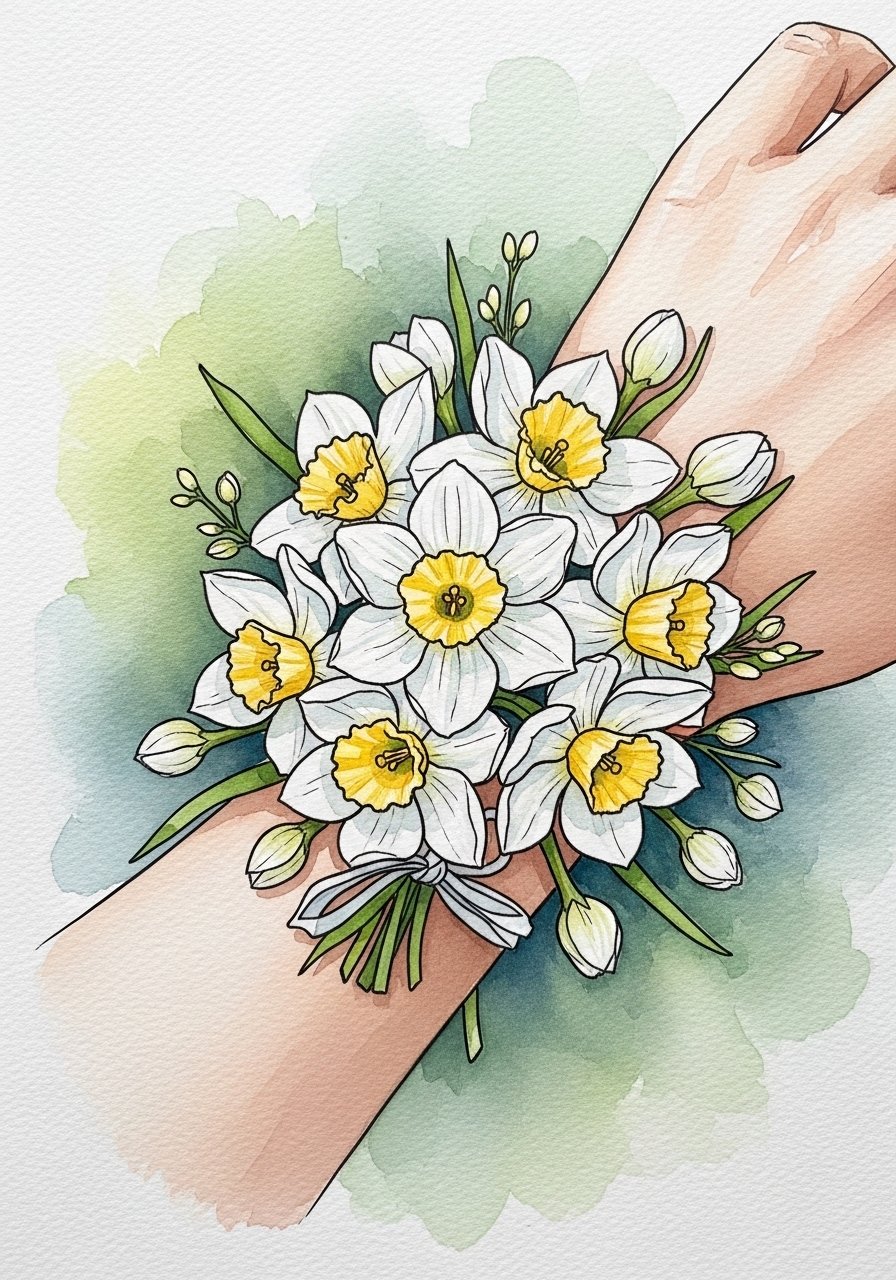
12. Watercolor narcissus cluster on wrist bouquet for December
Wrist bouquets are visible and personal, so you want watercolor that reads clearly. With narcissus clusters, the trick is pairing soft color with thin black anchors. Ask for saturated base points near the stem so color does not wash out entirely as it fades. Wrists move a lot so expect a slightly higher risk of color migration. This is a single-session design for most artists, and the main mistake is requesting pale pastels only without contrast. Plan on a color refresh if tones soften after a couple of years.
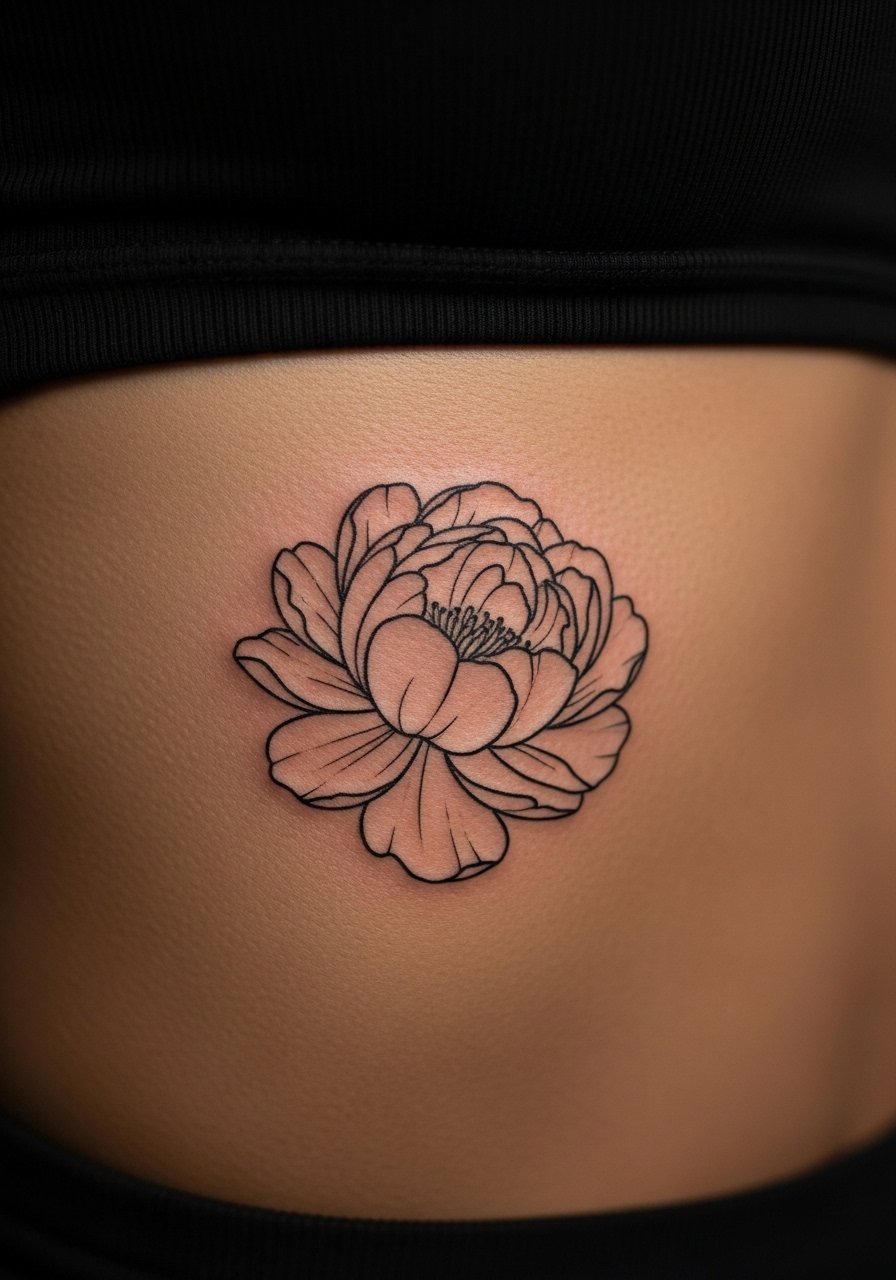
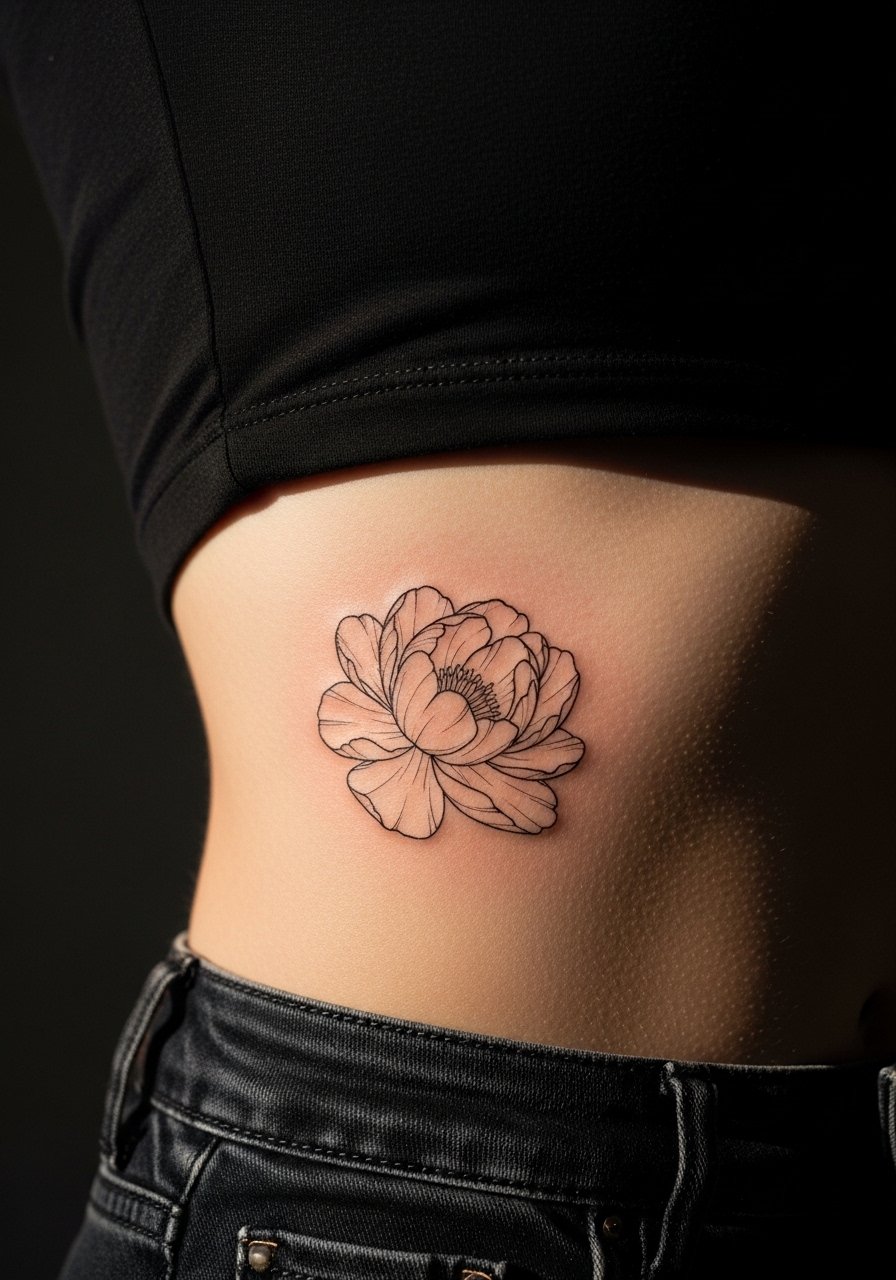
13. Peony outline on ribcage for wealth and honor
Fair warning, ribs are higher on the pain scale. A minimalist peony outline on the ribcage can feel major in one session, but the negative space makes it breathe. Artists split on fine line on ribs. One camp says skin movement blurs lines within two years. The other camp says careful depth and spacing keep lines stable. Tell your artist to space petals and avoid ultra-thin interior lines. If you plan for body changes, discuss how the stem could be extended later to adapt the design. Expect a touch-up once healed if lines soften.
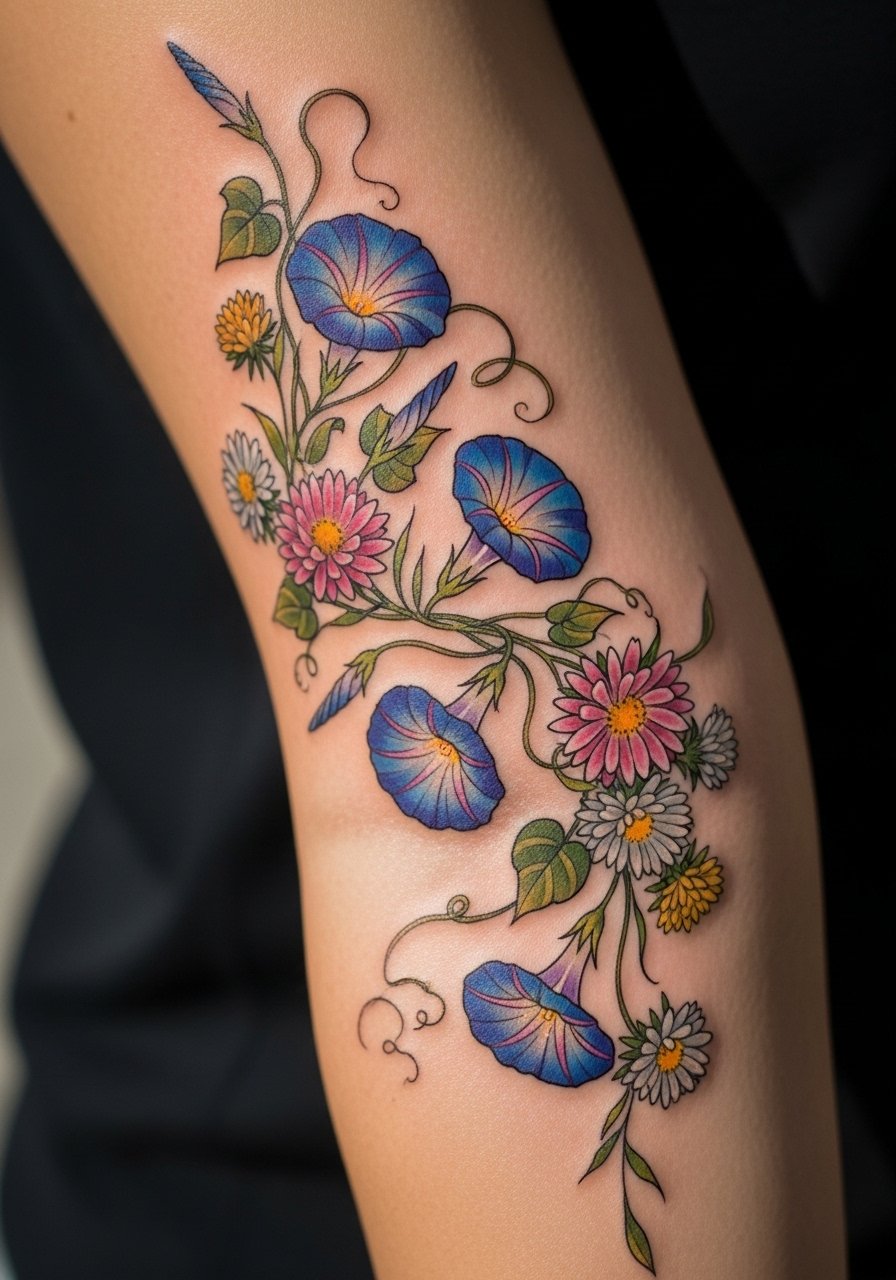
14. Vining morning glory paired with aster for a September dual-birth piece
A vining morning glory wrapped gently around an aster gives a nice visual for two-month pairings. Ask for varied vine thicknesses and slightly heavier main stems so the vine still reads after weight changes. The forearm or outer arm is a forgiving placement and feels moderate in pain. A common mistake is overcomplicating the vine with tiny leaves that smudge together when healed. This design is great for family combos and ages well if spacing is respected. Mention you want the vine to have open loops for future additions.
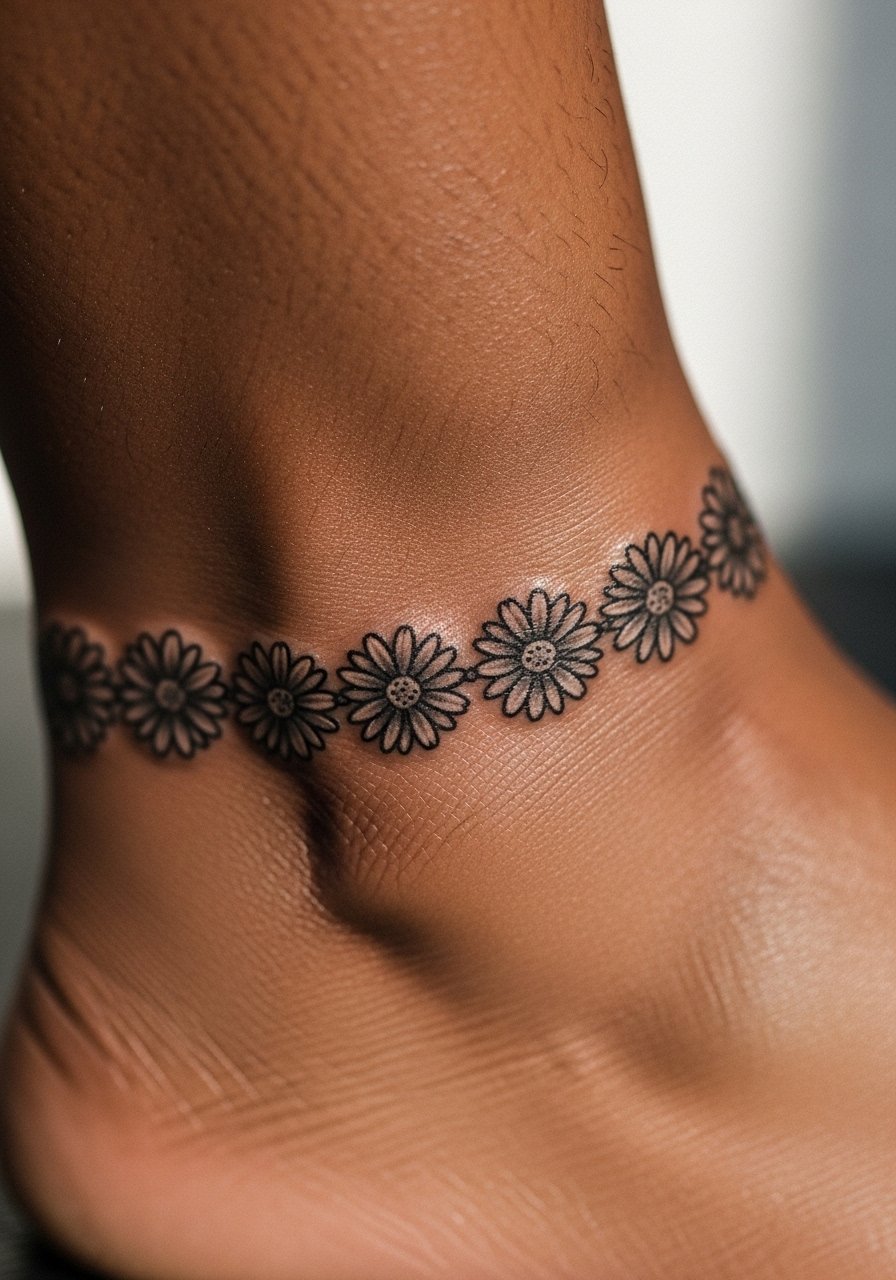
15. Daisy chain ankle wrap for April friendship tattoos
The ankle wrap is a social piece that functions like jewelry. When you want a friendship set, ask the artist to vary petal tilt and spacing so each person’s chain looks unique. Ankle placement can be more painful than expected because of bone proximity. A big mistake is using micro dots for centers only, which blur into one spot on some skin types. Request slightly thicker centers and a subtle negative-space gap between daisies to preserve clarity. These usually fit into a single session and image beautifully with sandals.
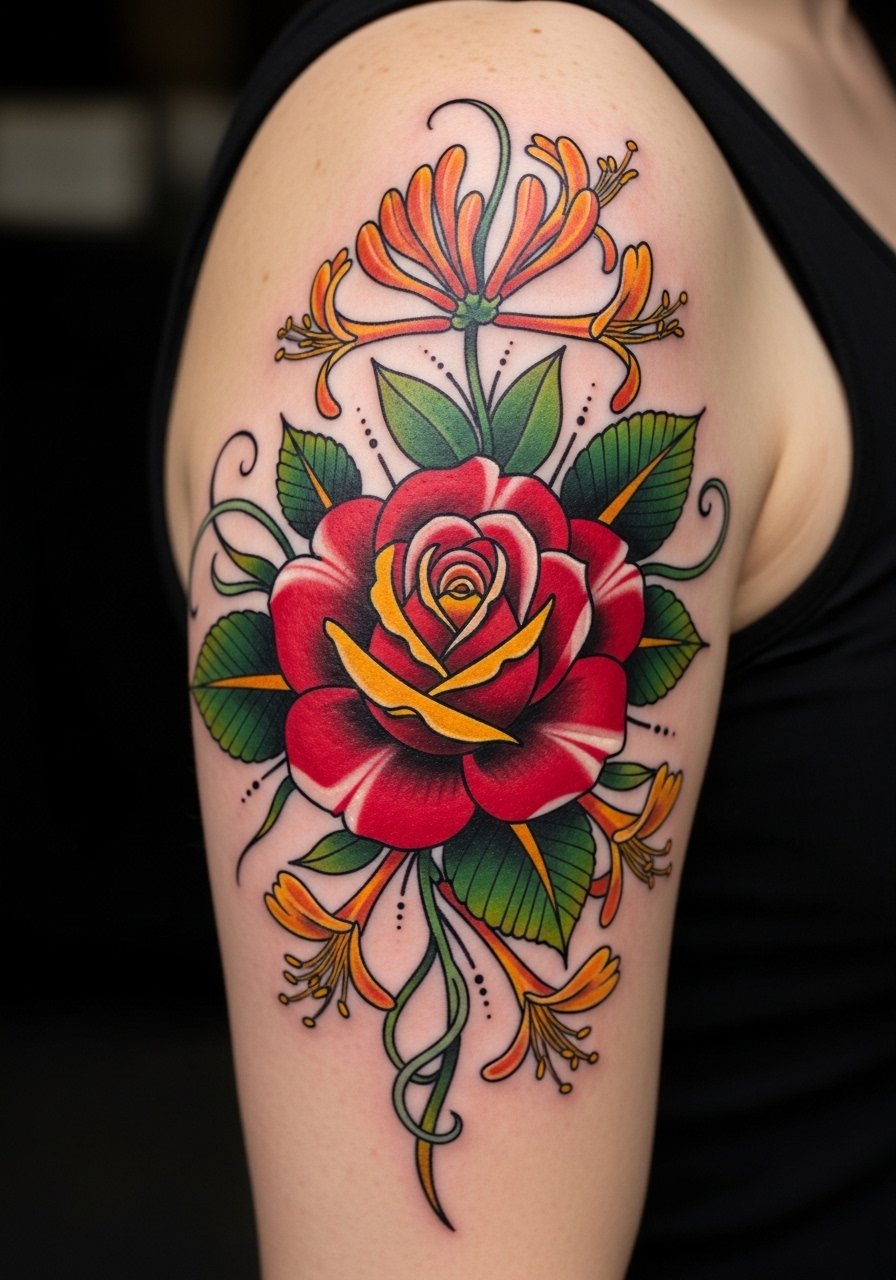
16. Mixed bouquet sleeve starter with rose and honeysuckle for June family ties
If you want a sleeve starter, neo-traditional roses paired with honeysuckle create large, readable elements that help future pieces fit. Ask your artist for compositional breathing room and a palette that can be extended. Upper arm placements are moderate on pain and allow comfortable multi-session builds. A common mistake is packing too many small flowers into the first pass, which makes future additions harder. Aim for two to three larger focal flowers in session one and leave negative space for leaves and filler later. Expect multiple sessions spaced months apart.
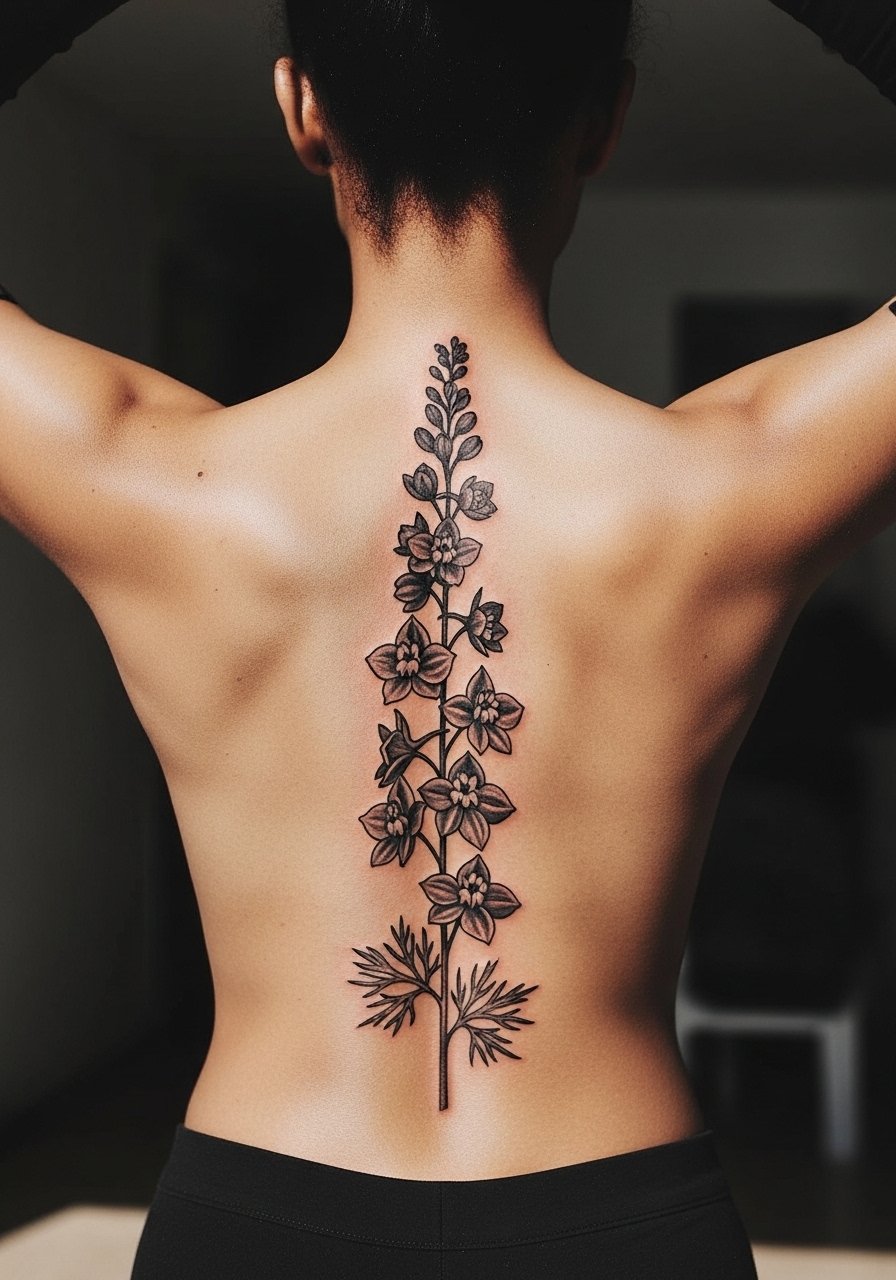
17. Larkspur stem as a spine piece for July vertical grace
There is something about a vertical larkspur down the spine that reads like a line of poetry. The spine placement requires careful line depth to avoid blowout. Tell your artist you want clear spacing between floral clusters and minimal shading near bone. Spine sessions are on the higher end of pain and often split across appointments. A frequent error is compressing too many small blooms into a narrow column. Give the design vertical room and plan for follow-up touch-ups along the stem where skin tension varies.
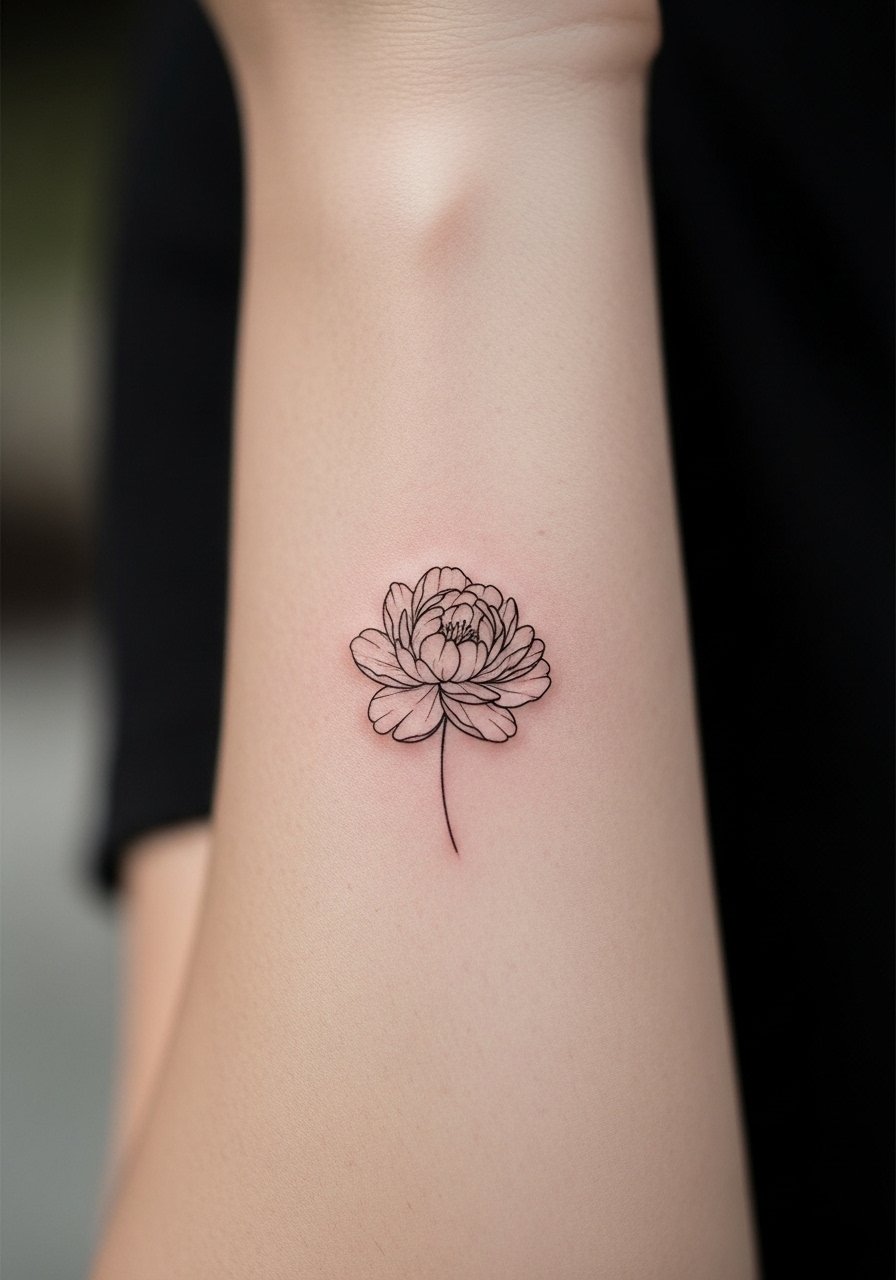
18. Micro-peony on ribs versus forearm, placement comparison
When friends ask where to put a small peony I point out the trade-offs. Ribs give a tucked, intimate placement but increase pain and movement-related blur. Forearm is less painful and photos more easily. Ask your artist how they adapt line weight for each spot. A typical mistake is keeping identical scale between the two placements. At the forearm you can go smaller and keep detail. On ribs scale up slightly and open interior lines to avoid early loss of definition. Session time varies, but expect a short single session and a possible touch-up later for either location.
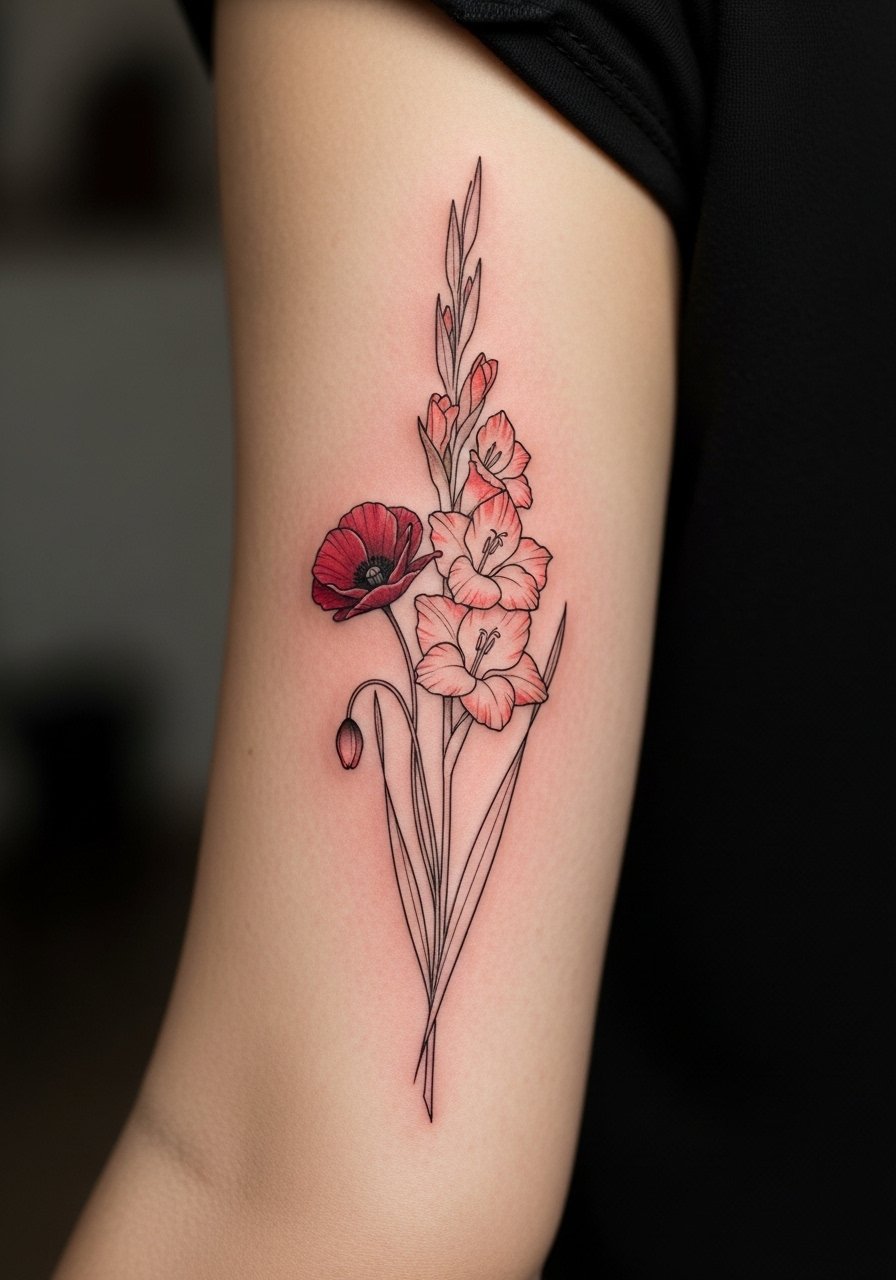
19. Gladiolus "little sword" silhouette with poppy duo for August strength
The gladiolus silhouette paired with a poppy makes for a balanced composition that reads strength and remembrance. Tell your artist you want the gladiolus kept tall and the poppy slightly offset to avoid visual competition. Inner bicep or thigh work well depending on visibility preference. The inner bicep stings more than the thigh. A common misstep is making the gladiolus too short, which negates its sword-like presence. This mix usually fits into one session with subtle color accents and a planned touch-up if any color areas fade unevenly.
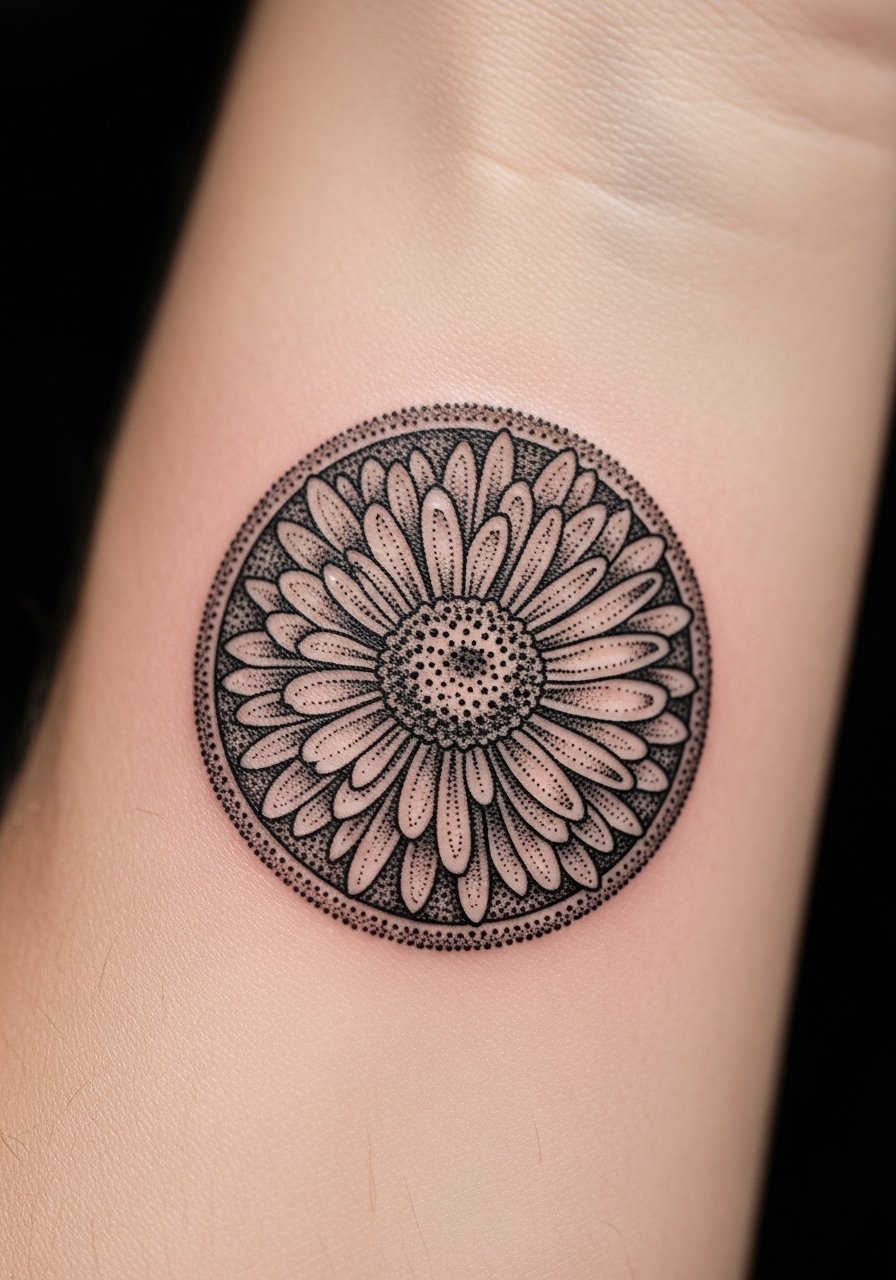
20. Stipple-shaded aster wrist medallion for September
If you want geometry but prefer wrist placement, a small stipple-shaded aster medallion keeps texture and avoids heavy lines. Ask for a heavier outer ring and graduated stippling inward so the piece does not become a single dark spot. Wrist skin moves and flexes so expect a moderate risk of softening. A mistake is asking for tight micro-lines in the center. Stipple gives visual depth without relying on thin contour lines that disappear. Session time is short and touch-ups may be needed at year two to restore midtone detail.
21. Marigold micro-realism on finger with long-term expectations for October
Finger pieces are visible and demand maintenance. A micro-realism marigold on the side of a finger looks delicate, but skin there regenerates fast and ink fades quickly. Tell your artist you want clear petal edges with a tiny shadow to maintain depth. The biggest mistake is expecting the same longevity as forearm work. Prepare for frequent touch-ups and accept that some migration is normal. The session is short but the ongoing upkeep is the commitment. If you need low-maintenance, choose a different placement.
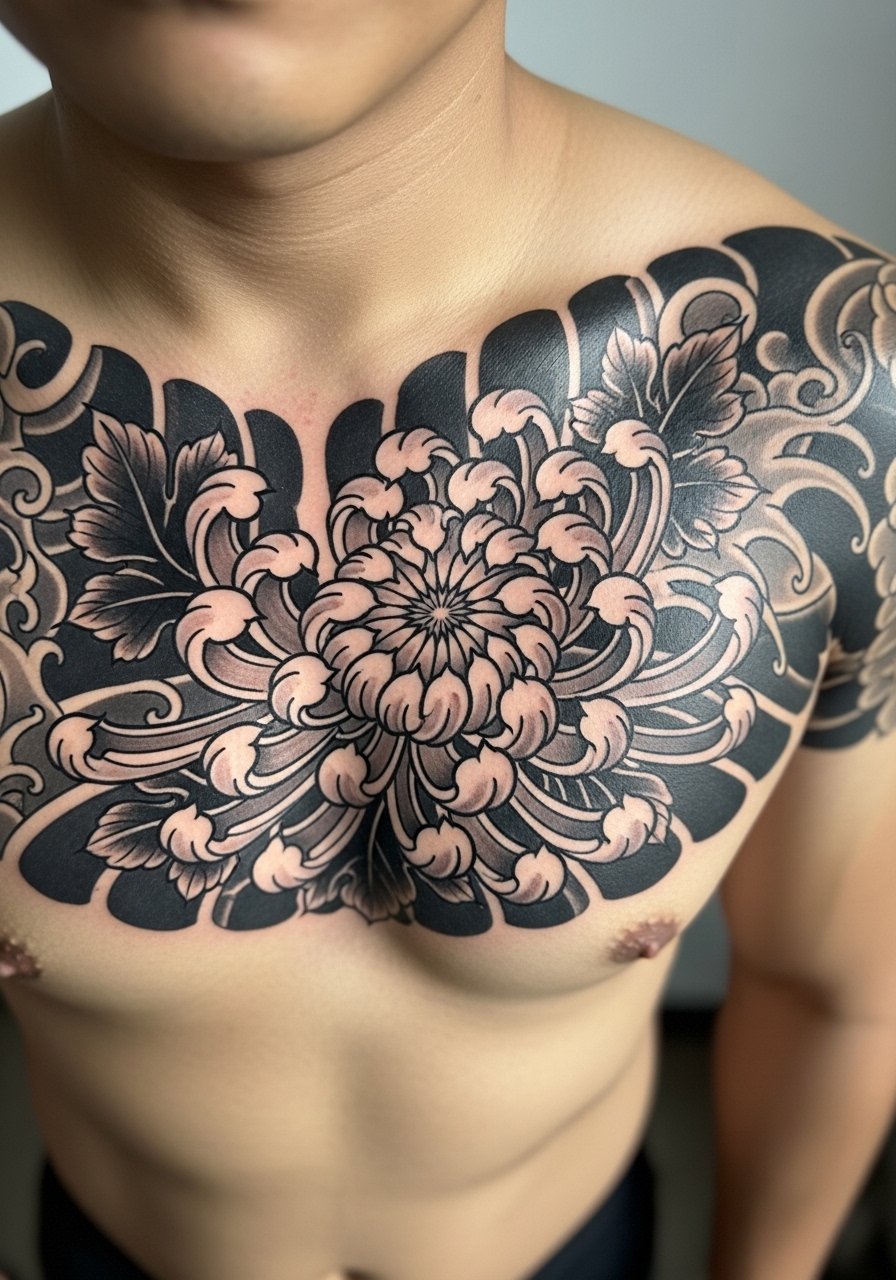
22. Chrysanthemum chest panel with bold outline for November
A chest panel allows a chrysanthemum to breathe and show its layers. Ask for bold outer linework and layered gray shading to create depth without color reliance. The chest can be painful and may require two sessions for full tonal work. People sometimes request tiny, overly detailed petals for such a large canvas and the result looks busy. Scale matters here. Leave room for stems or companion pieces later and schedule a touch-up after healing to refresh midtone shading if needed.
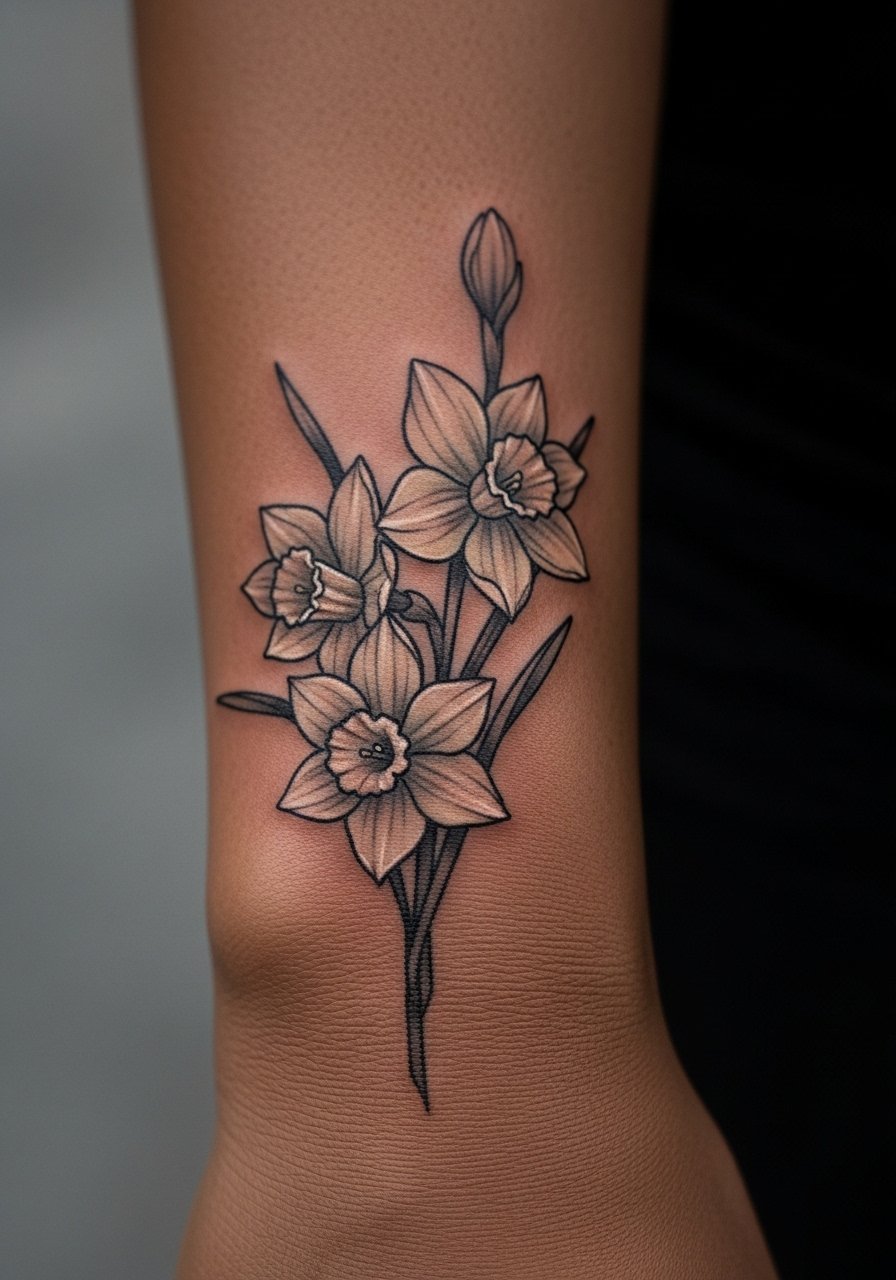
23. Narcissus wrist cluster as a rebirth motif for December
A small wrist cluster of narcissus reads like a bracelet and symbolizes rebirth. For darker skin tones, ask for heavier contrast at the base of petals so white and pale tones keep definition. Wrists move a lot and mistakes like overly pale fills will vanish. This design is generally a single session and heals into a soft, wearable piece. Bring reference photos that show contrast you like and ask about touch-up timelines based on your daily sun exposure. A periodic color refresh keeps whites from appearing flat.
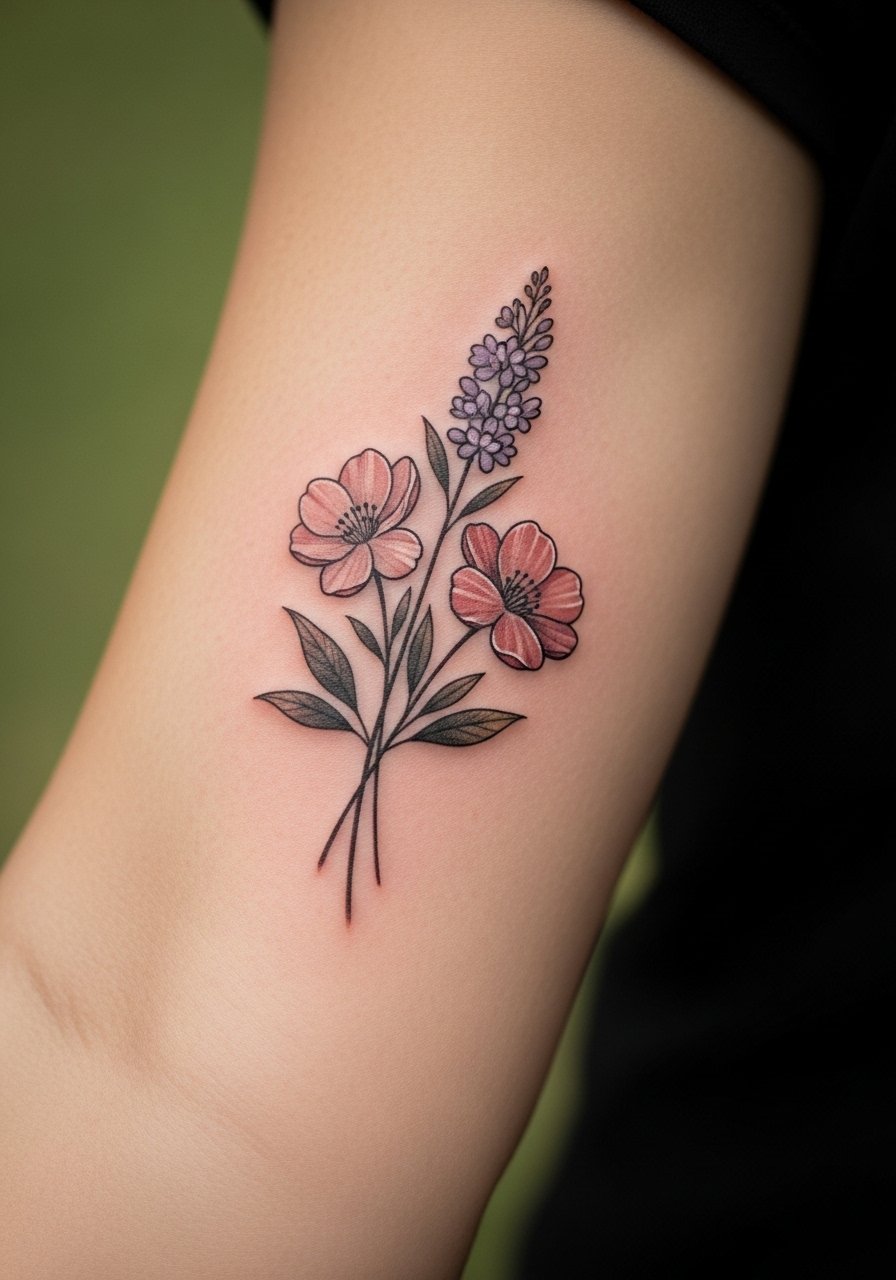
24. Bouquet for two-month family matching piece
Bouquets that combine two family months work well when each bloom keeps its own visual territory. In a consult, map who gets which bloom and discuss scale swaps so each person’s piece suits their placement. Common mistakes are copying the exact same composition across different body spots without adjusting scale. Placement choices like forearm versus thigh need different sizing. These pieces usually build over two to four sessions depending on color work. Plan for occasional touch-ups to maintain even saturation across family members.
25. Minimalist peony on ribcage as a flexible wildcard
A minimalist peony on the ribs offers a strong symbolic choice that can be extended later. Ribs are painful and the skin stretches with weight change, so tell your artist to leave space for future stems or filler that can disguise shifts. The most common mistake is insisting on ultra-fine lines at this location. Slightly stronger contour and open interior petals help the design age. Expect one session and a likely touch-up after healing if lines migrate. This is a good option if you want a central focal piece that can grow.
Tattoo Prep and Aftercare Essentials
- Fragrance-free healing balm for tattoos (searchable). Use a thin layer during the first week to keep the skin hydrated without clogging pores. Works well for fine line pieces that need gentle moisture.
- Medical-grade second skin bandage, 6-inch roll (searchable). Ideal for protecting fresh wrist or ribwork during the first 24 to 48 hours when rubbing from clothing is a risk.
- Gentle saline wound spray (searchable). Use for rinsing sweat and debris after short workouts during early healing.
- Lightweight fragrance-free balm (generic descriptor). Good long-term moisturizer for keeping saturation alive once healed.
- Soft, low-lint dressing pads (generic descriptor). Useful when you need to cover a fresh ankle or chest piece for a few days.
- Non-abrasive soap, gentle foaming cleanser (generic descriptor). Use in the first two weeks for cleaning without stripping ink.
- SPF 50 mineral sunscreen for healed tattoos (searchable). Protect healed pieces from UV to slow fading.
- Aquaphor Healing Ointment (single mainstream product). Many artists recommend this for immediate post-bandage care if you prefer an occlusive; use sparingly and only as instructed.
Every tattoo is different. Always follow your artist's specific aftercare instructions. Consult a dermatologist if you have skin concerns or unusual healing issues.
Frequently Asked Questions
Q: For fine line violets or peonies on wrists and ribs, how often should I expect to get touch-ups?
A: It depends on placement and your lifestyle. Fine line on high-movement spots like wrists often needs a touch-up around year two. Ribs can require a touch-up if lines soften after body changes. I recommend checking the healed piece at six months and budgeting for a touch-up within 12 to 24 months if definition fades.
Q: Will watercolor narcissus or lily of the valley show up poorly on darker skin tones?
A: Lighter, pastel watercolor can wash out on darker tones without contrast. Ask for darker anchors or thin black outlines to keep shape. Many artists recommend saturated base points near stems so highlights still read after healing. A consult that includes healed samples on similar skin is the best way to know how it will look.
Q: Do blackwork larkspur and daffodil sprays really last longer than watercolor?
A: From what I have seen, blackwork holds contrast longer because it relies on saturated black rather than delicate pigments. One camp loves watercolor for its softness. The other camp prefers blackwork for longevity. If longevity matters most, choose bold outlines and solid saturation or plan for periodic color refreshes.
Q: Are finger and hand marigold or micro-realism tattoos worth it if I want low maintenance?
A: Fingers and hands are high-wear areas. They are not low maintenance. Expect more frequent touch-ups and some ink migration. If you want low maintenance, pick forearm, thigh, or calf placements instead. If you still choose fingers, accept the upkeep as part of the design choice.
Q: What should I bring to a consultation for a neo-traditional rose and honeysuckle shoulder piece?
A: Bring reference images that show the exact line weight and color saturation you prefer, and note how visible you want the piece to be from a distance. Mention future plans for a sleeve or extension. Also bring a list of any skin concerns and ask about healed portfolios that match your skin tone.
Q: How do price and booking issues affect getting a daisy chain or small wrist piece?
A: Small wrist pieces are often subject to shop minimums and flash day pricing. If budget is a concern, look for studio flash days or guest spots that offer fixed-rate bookings. Confirm availability 48 hours before your appointment to avoid cancellations that can cost deposits.
Q: Do I need different aftercare for watercolor versus traditional ink?
A: The basic steps are similar: gentle cleansing, thin moisturizing, and sun protection once healed. Watercolor pieces benefit from extra contrast during the session so they do not rely solely on delicate saturation. Use a mineral SPF on healed color to slow fading and a fragrance-free balm in the first weeks to support skin repair.