Someone I know spent eight months saving reference photos and still booked the wrong style. The problem was not lack of options. It was knowing which small shoulder tattoos actually age well, how they feel during a session, and what to ask your artist. Below are 15 sharply described shoulder ideas for women this year, with placement notes, aging tips, and the exact consultation cues to bring so your next appointment matches what you pictured.
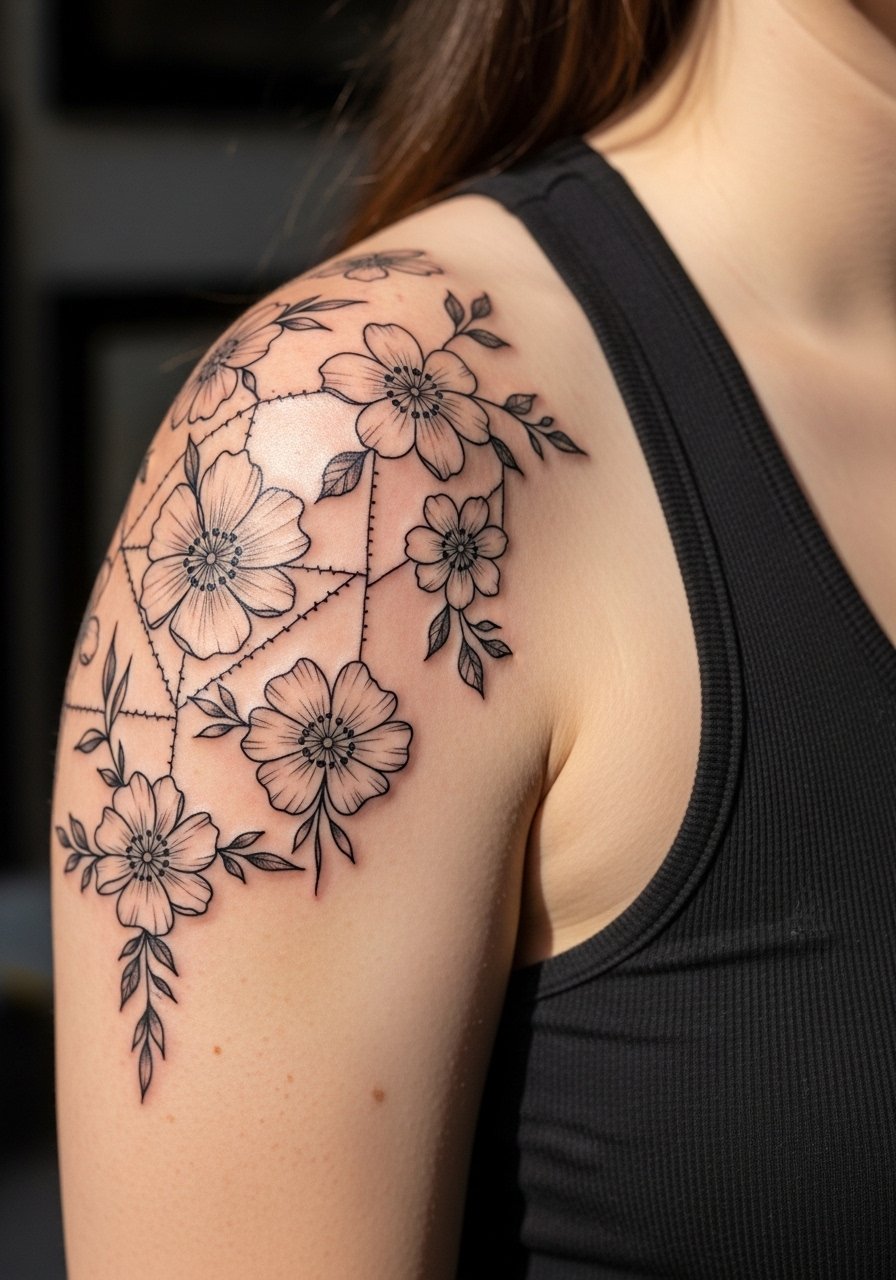
1. Fine line floral mandala on the upper shoulder
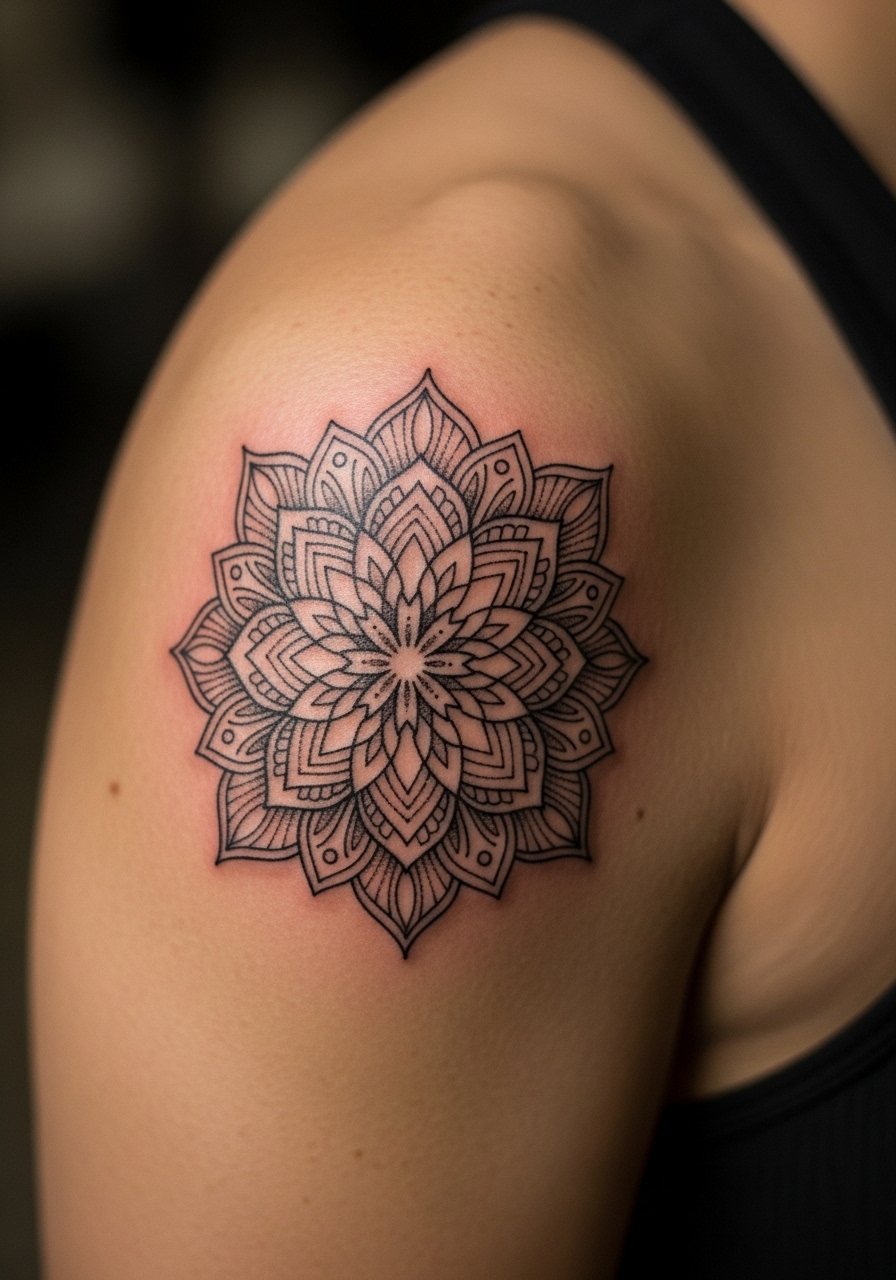
Someone I know first spotted this on a friend and booked it because of the symmetry. Fine line mandalas read like jewelry across the upper deltoid when the linework is spaced properly. Tell your artist you want slightly bolder primary lines with delicate inner stipple shading, so the piece keeps definition at year two. Pain is moderate because the cap sits over muscle. Expect one session under two hours for a 2 to 4 inch piece. Common mistake is packing too many tiny petals into a small circle. That pulls saturation and speeds blur. Ask about a touch-up at 6 to 12 months to refresh thin linework.
2. Watercolor rose cascade over the shoulder cap
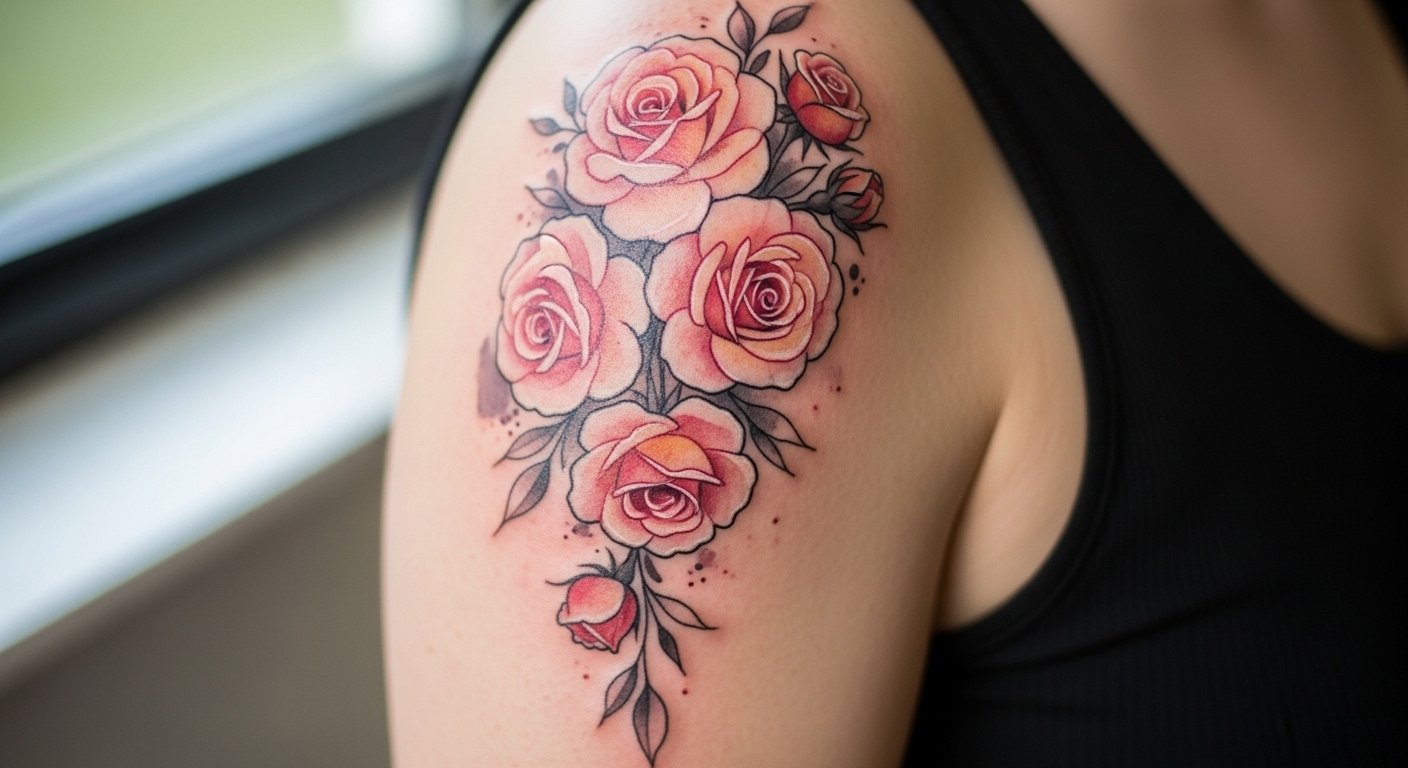
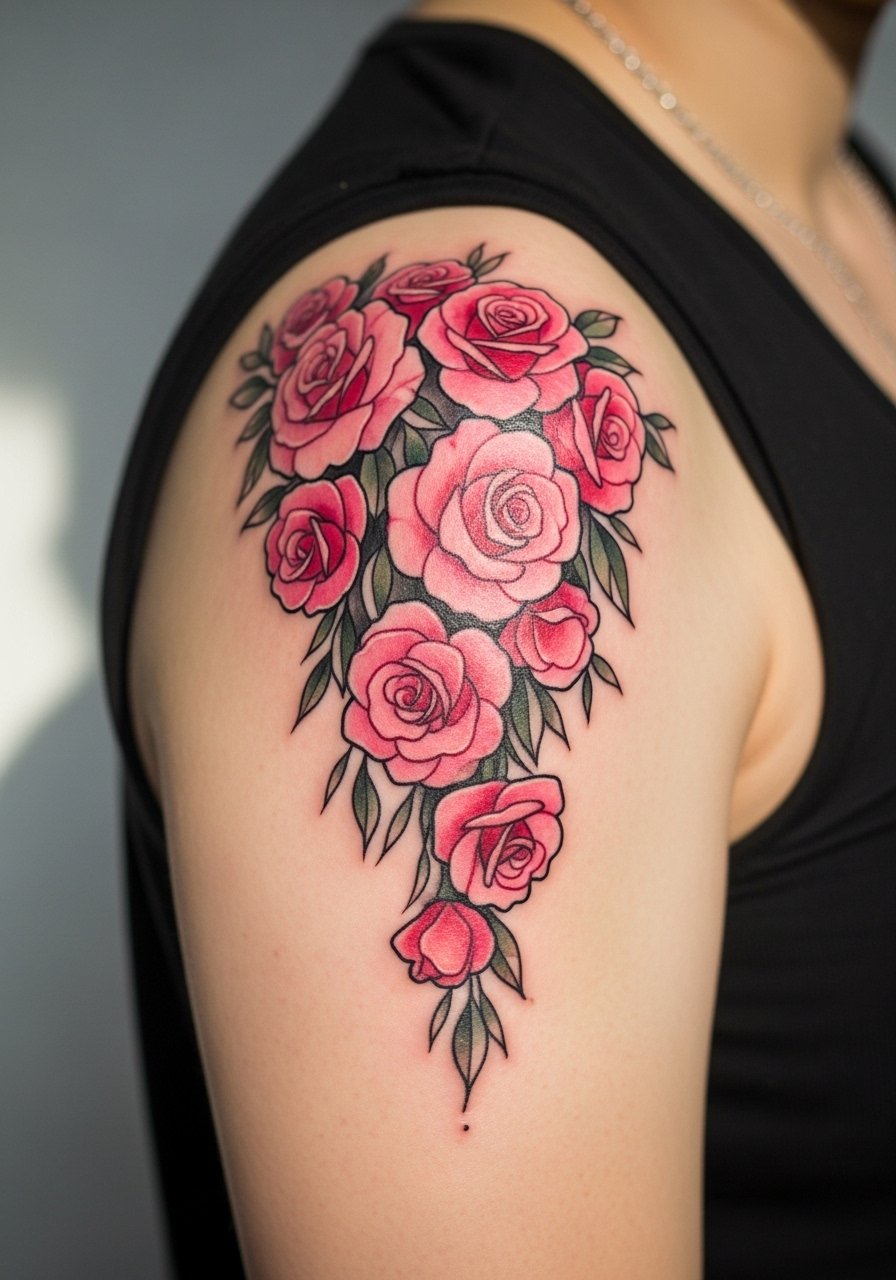
Fair warning, watercolor needs planning. Most watercolor shoulder pieces look painterly when fresh, but edges can soften faster than solid work. Go for defined black or dark line anchors around key petals to protect saturation while keeping the wash feel. This placement shows well in summer and drapes naturally over the cap. The session feels like steady buzzing with occasional ticklish spots around the bone. Expect two sessions for a layered wash. If you want long-term color, ask the artist about pigment saturation strategy and sunscreen after healing.
3. Minimalist butterfly emerging from the shoulder blade
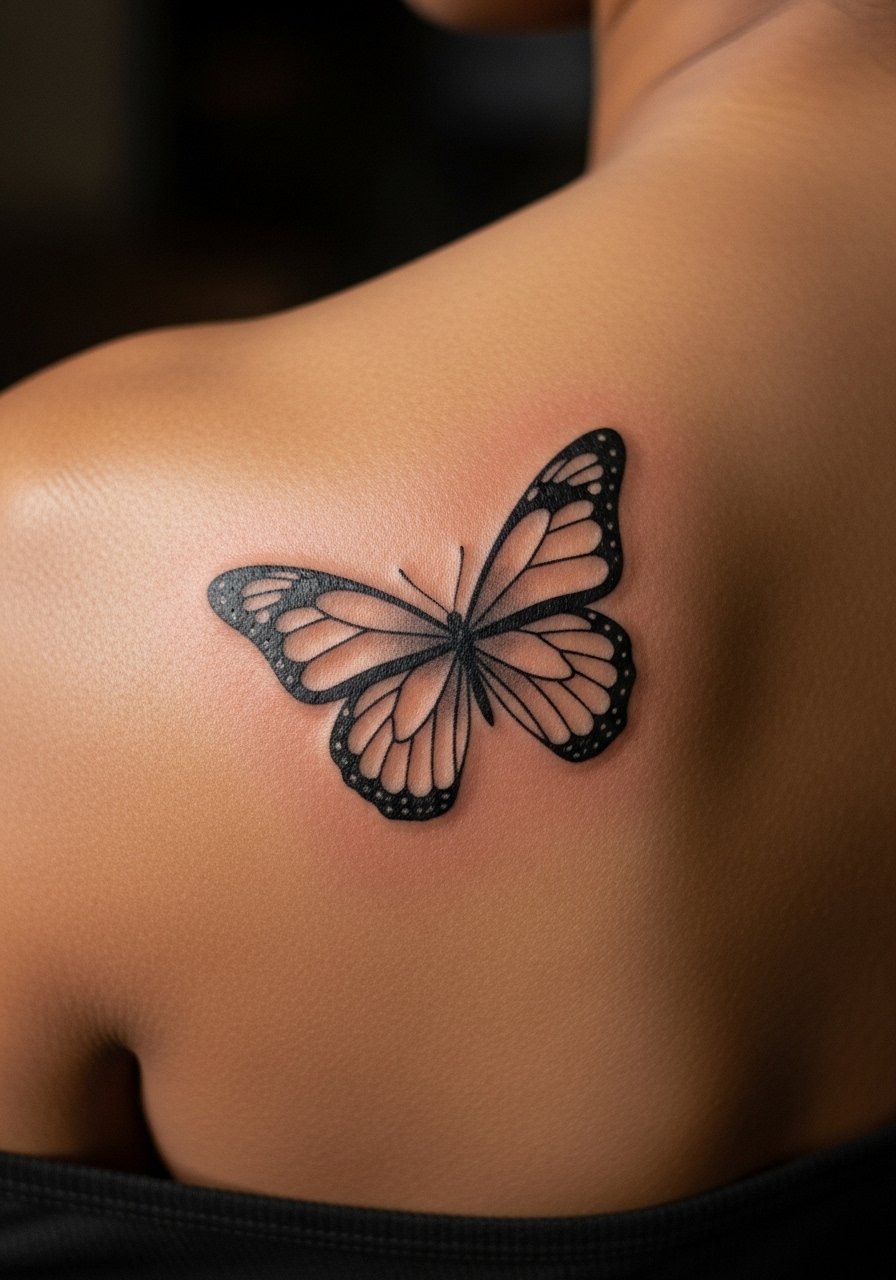
Aging and concealability are the selling points here. A tiny 2 inch butterfly placed just on the blade hides under shirts and holds shape if the wings have clear contour linework. Tell your artist to avoid hairline veins of ink. Fine single-needle wings blur faster if they sit too close to textured skin. Pain is lower on the blade unless the stencil overlaps shoulder bone. One quick session, under an hour. Common mistake is asking for too much micro-detail in a very small butterfly. Expect a light touch-up around year two if you want crisp antennae.
4. Neo-traditional peony with geometric accents on the deltoid
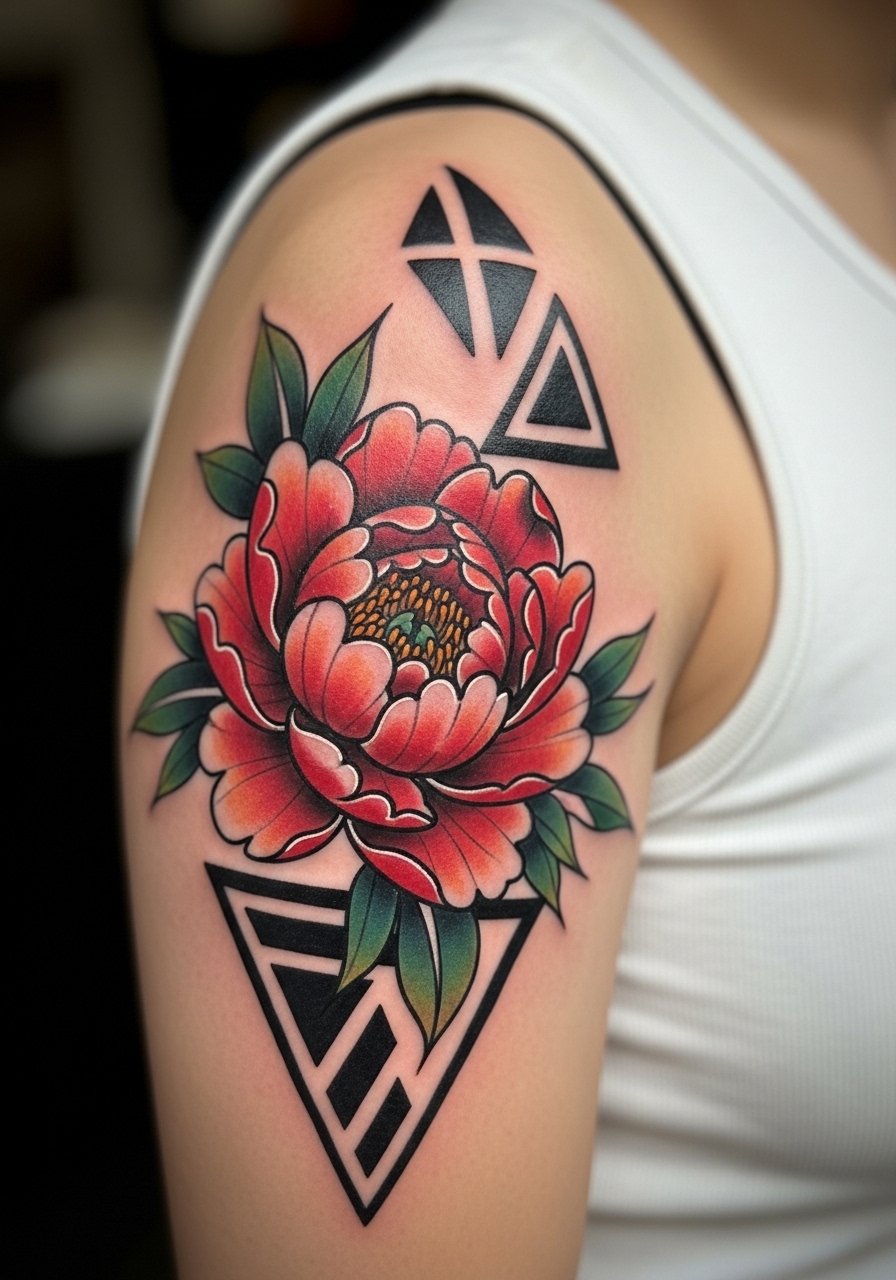
There is something about bold linework and saturated fills that reads from across a room. A neo-trad peony uses thick outlines to protect saturation while a small geometric frame gives modern contrast. This front shoulder placement works well if you want a statement that still tucks under straps. Sessions often run two hours for a 4 inch piece. Tell your artist you want heavy outlines and layered shading, not thin sketch lines. Aging looks strong because the outline holds pigment. The usual mistake is asking for too many color transitions in a tiny area. Request a follow-up check at the three month mark for any early touch-up.
5. Blackwork mandala framing clavicle to shoulder
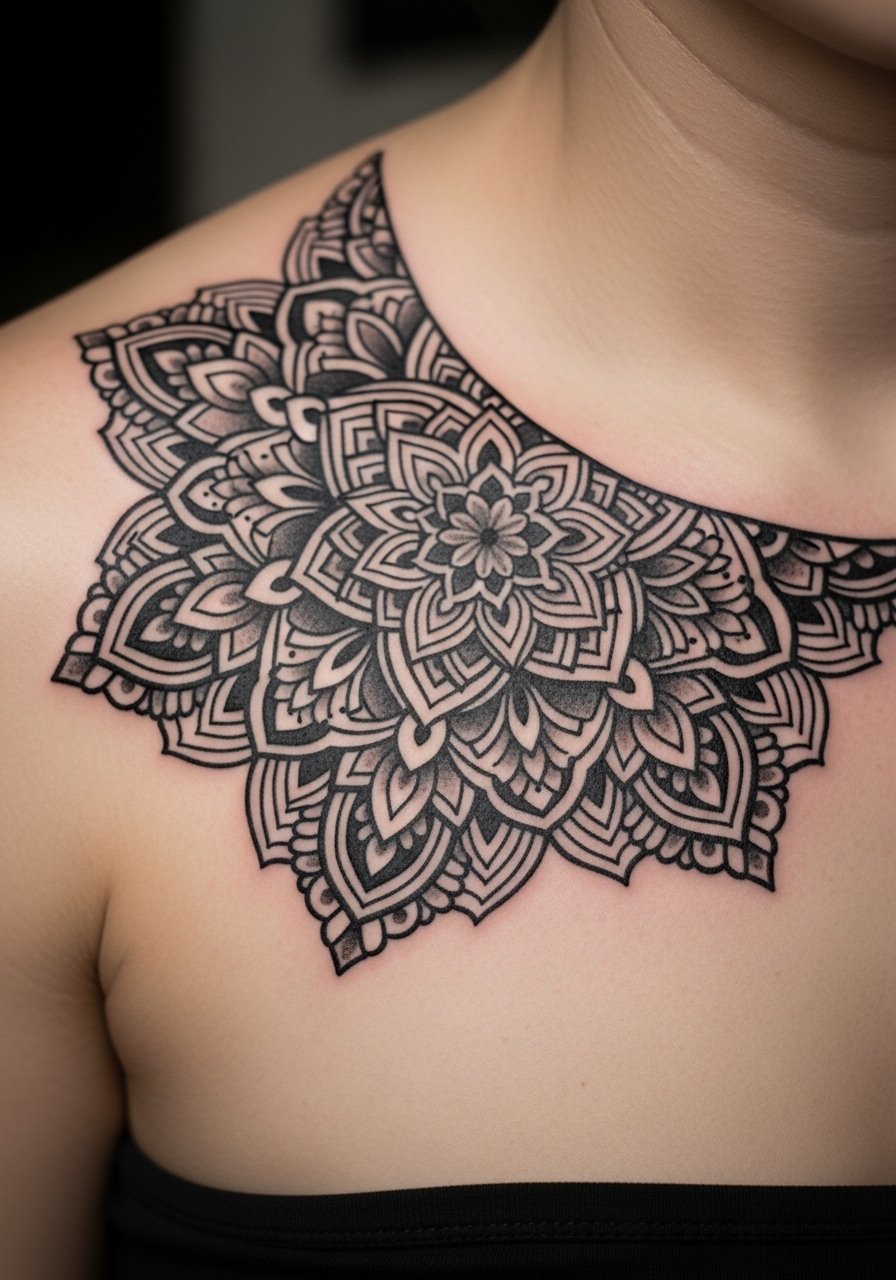
Fine black saturation reads like a protective cuff along the collarbone when done as blackwork. Artists split on whether to pack solid fills or build negative-space patterns. One camp favors strong saturation for longevity. The other camp prefers more open geometry to avoid heavy scabbing. Name both options in your consult and note your lifestyle. This piece usually takes two sessions if you want a 4 to 5 inch stretch from clavicle across the cap. Blowout risk rises near the edge of the deltoid if lines are too thin. Ask for bold anchors to preserve contrast.
6. Micro-realism portrait tucked on the inner shoulder
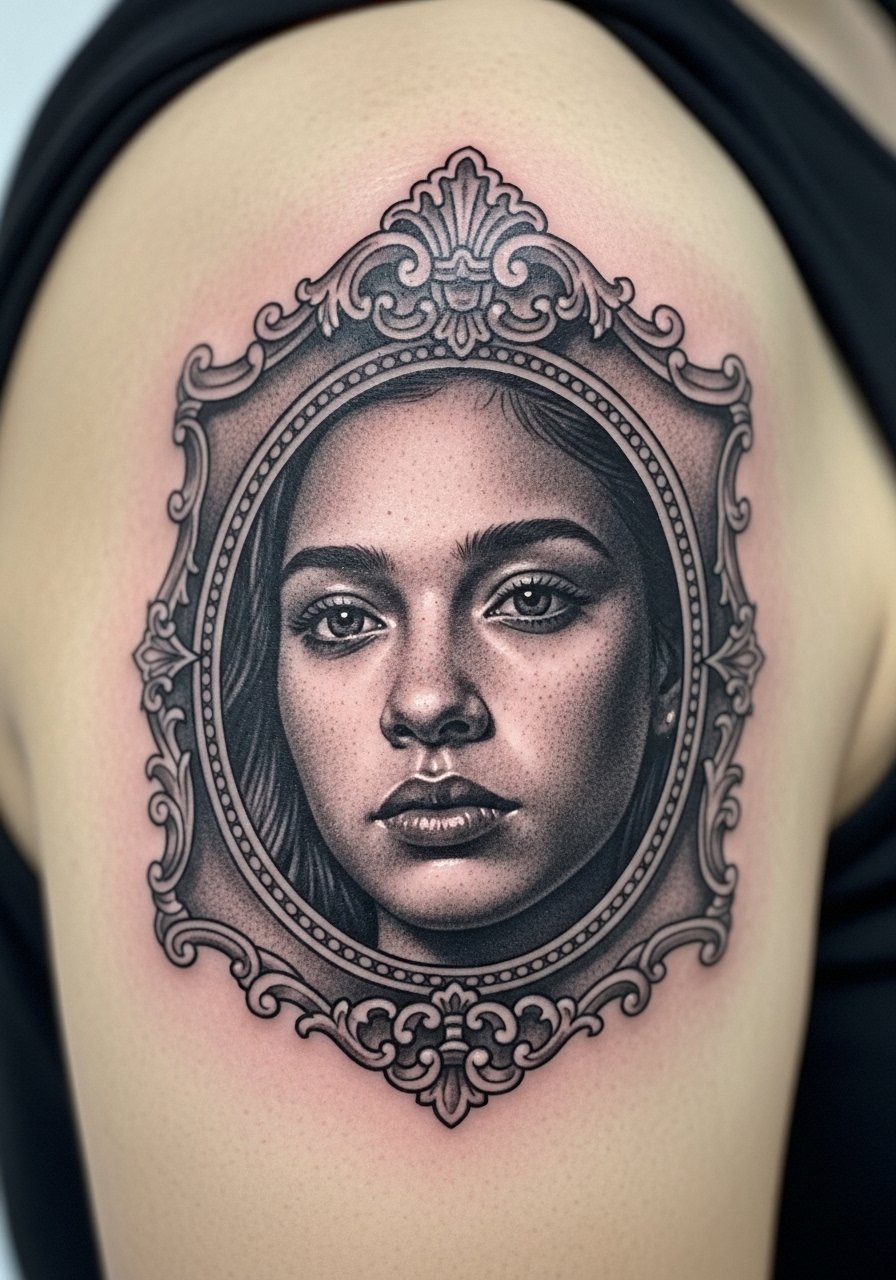
Most micro-realism portraits require patience and multiple passes. If you want a small 3 inch likeness of a loved one, expect three shorter sessions rather than one long marathon. Tell your artist the photo you bring should have strong contrast and clear facial planes. Inner deltoid placement keeps the portrait private and protects it from sun exposure. Pain is moderate and you may feel a sharper burn near the bone. Common mistake is choosing a low-resolution photo. A touch-up at year two is typical for maintaining fine tonal transitions.
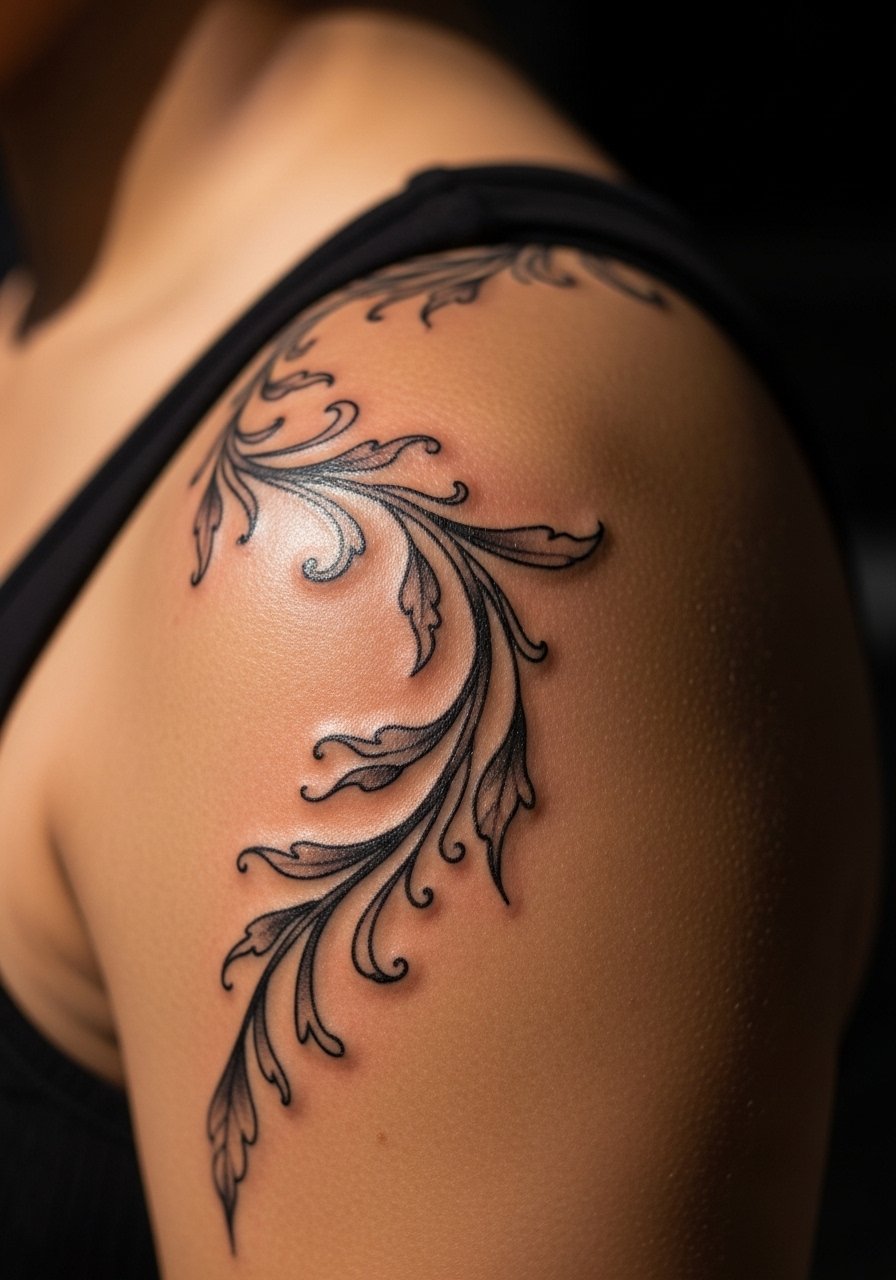
7. Ornamental vine wrapping the shoulder cap
An ornamental vine reads like jewelry because it follows the shoulder curve. I recommend spacing the leaves and using thin-to-medium linework with selective stipple shading for movement. For athletes or those who change muscle mass, place the main curve lower on the cap to avoid stretches over the muscle belly. One to two sessions usually cover a 4 inch wrap. Typical error is drawing the vine too densely around the joint. Ask to see healed photos of similar placements in the artist portfolio.
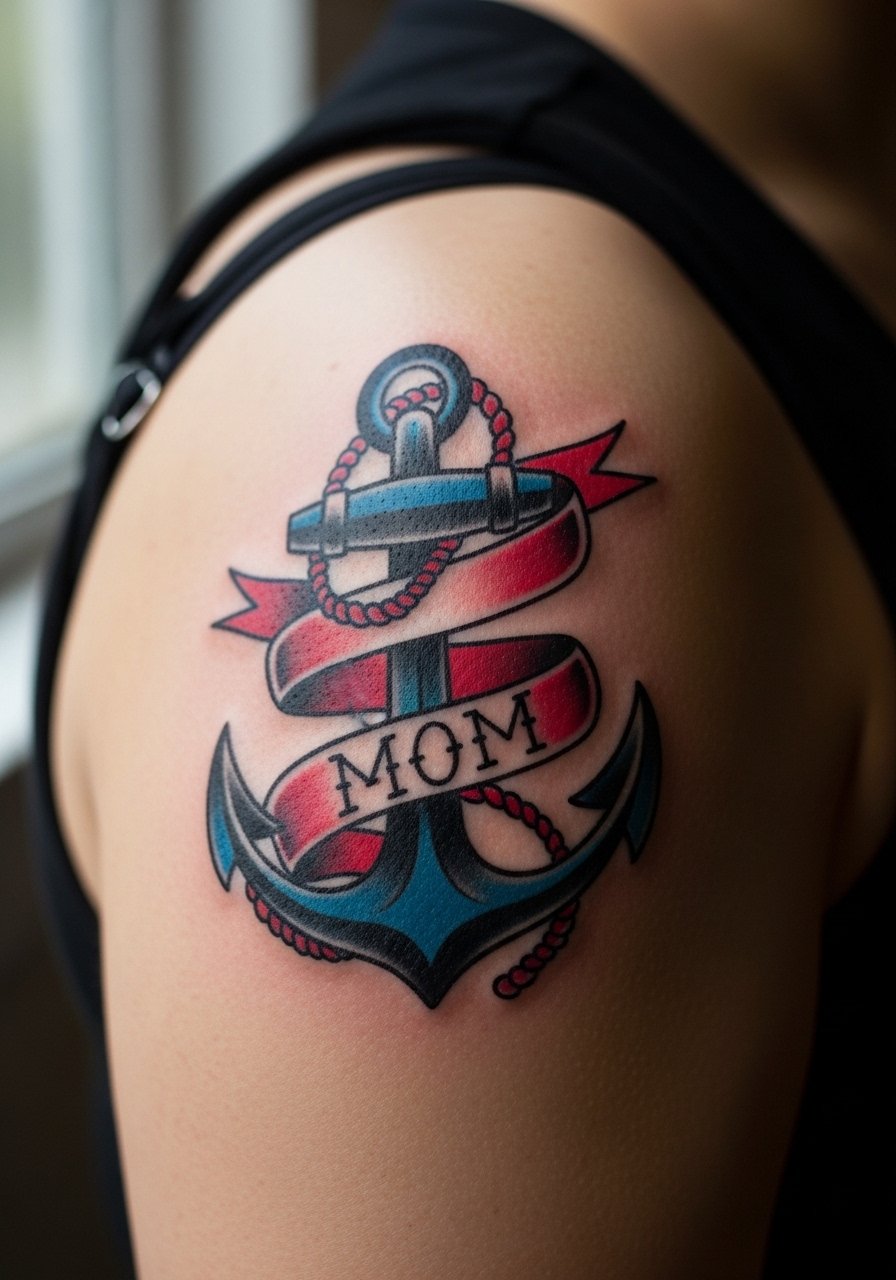
8. Traditional anchor with ribbon banner on the outer shoulder
Classic motifs like an anchor still age well when scaled correctly. Keep bold outlines and simple fills so the banner text holds up. Outer shoulder placement gives visibility while being easy to conceal under sleeves. One single session often suffices for a 4 inch flash-style piece. A common mistake is very thin script on the ribbon. If you want a name or short phrase, pick a medium weight script and tell your artist you prioritize legibility over flourish. Long term, bold color and lines keep the symbol crisp.
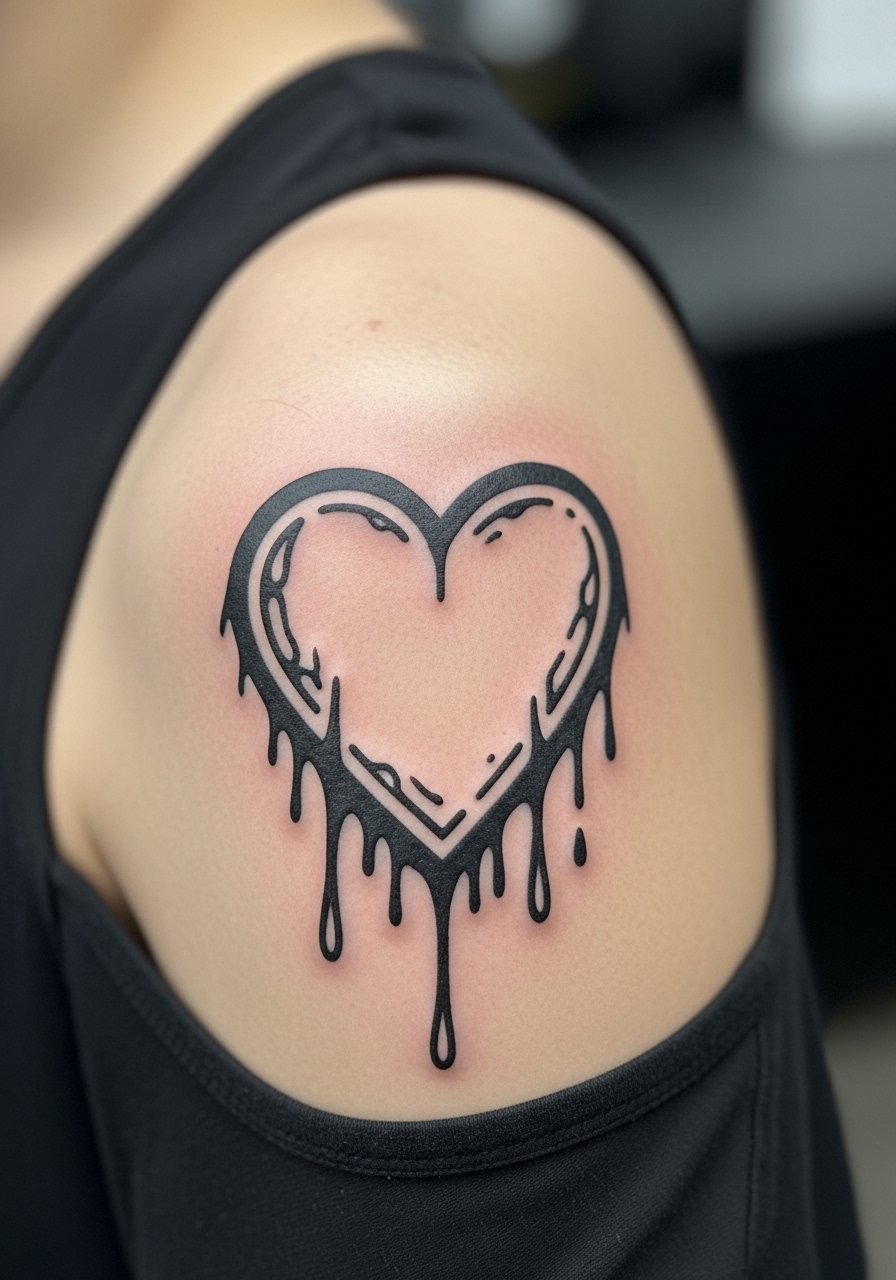
9. Ignorant style heart with dripping accents
If you like raw, DIY energy, ignorant style hearts make a confident small shoulder mark. The charm comes from imperfect contour and thick, slightly uneven linework. Placement on the upper shoulder cap keeps it playful and visible. Sessions are short. The main aging issue is that intentionally shaky lines can look sloppy when blur begins, so ask the artist to balance deliberate roughness with strong anchors. This style benefits from touch-up at one year for crisp drips. Expect moderate pain around the cap edge.
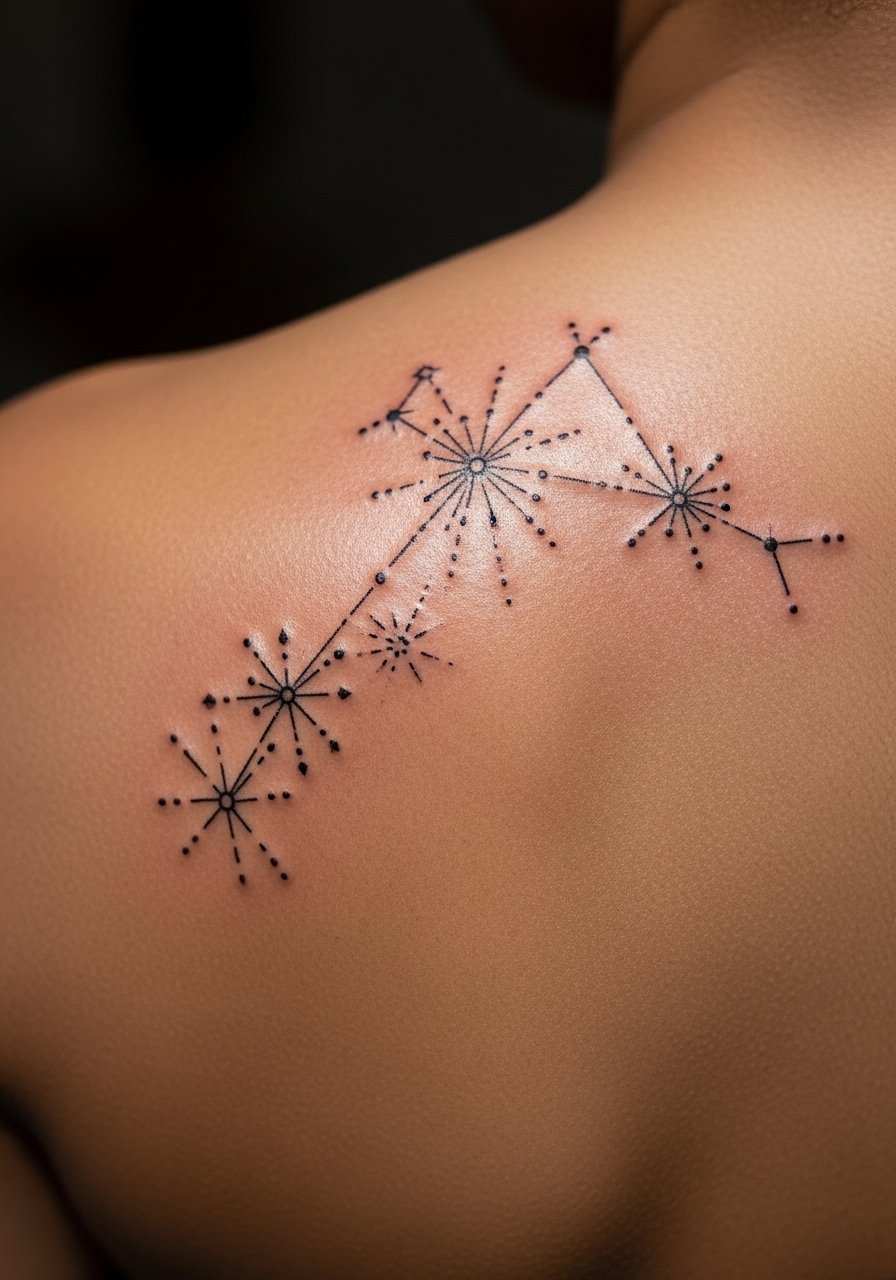
10. Fine line constellation mapped across the shoulder blade
Constellation pieces are personal and low profile. For longevity, connect stars with small dots and slightly thicker dotted linework rather than very thin single-needle threads. Place the main cluster where fabric does not rub. One session can cover a 3 to 4 inch map. A mistake I see is cramming too many connecting lines into a tiny triangle. Tell your artist the exact star pattern or birthdate coordinates and ask for a mock stencil so you can check spacing before ink. Touch-ups are optional depending on sun exposure.
11. Patchwork floral elements to bridge existing ink
Patchwork is surgical when you want to build a cohesive shoulder from separate pieces. Start by showing photos of surrounding tattoos and ask for a plan that uses repeating leaf shapes or line weights. This approach often requires multiple sessions because the artist is balancing old saturation with new linework. Expect the session time to vary. A common mistake is not matching the existing line weight. Bring detail shots of healed work to help the artist match their needle choices and saturation levels. Placement decisions focus on flow around muscle.
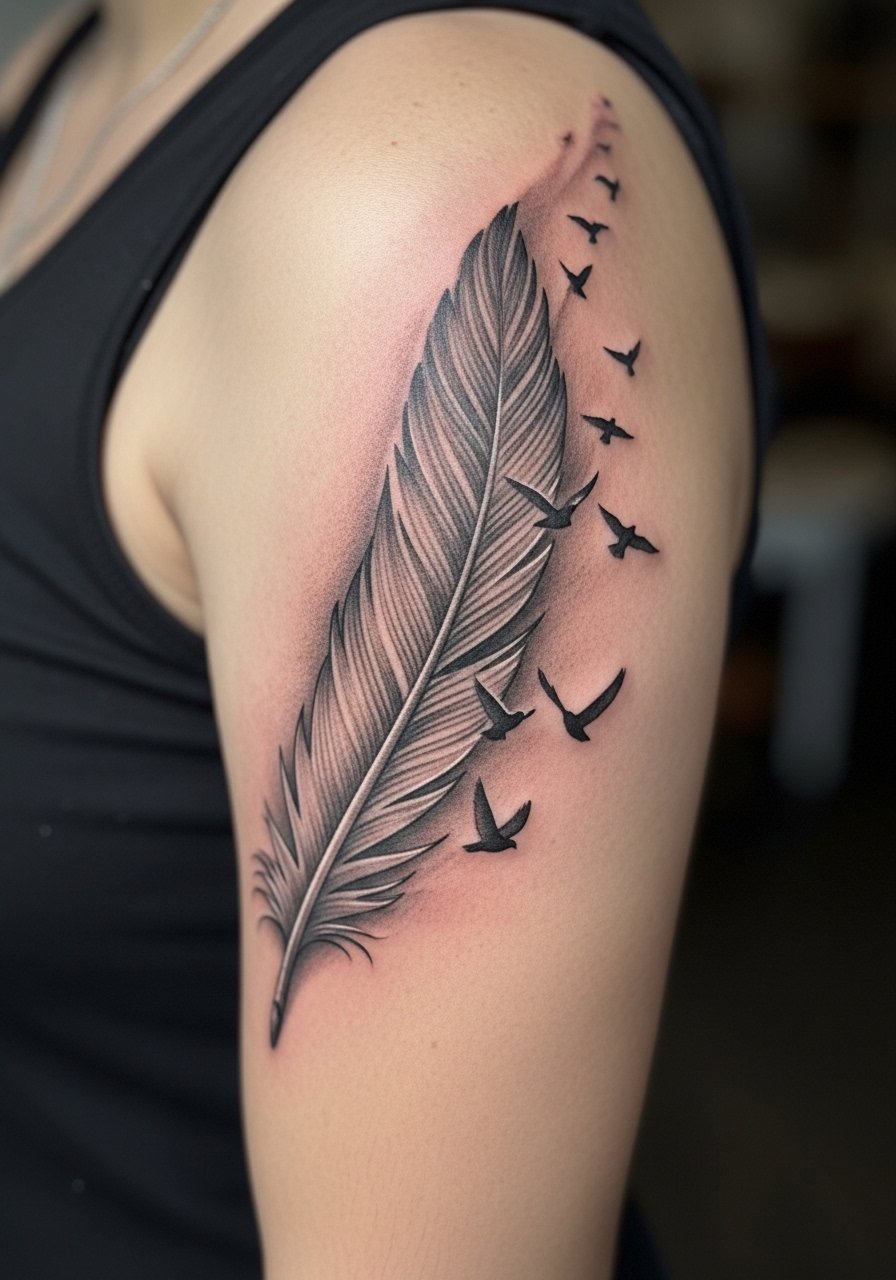
12. Black and gray feather fading into birds across deltoid
This composition reads as movement and suits the deltoid to tricep sweep. Use soft black and gray gradients with feather barbs that break into bird silhouettes. Tell the artist you want gradual saturation so the feather looks airy at the tip. Expect three sessions if you want a 5 inch cascading piece. Blowout risk is higher where the feather thins, so insist on slightly heavier anchors at the feather base. A mid-term touch-up will help keep the birds' edges crisp as the feather heals into skin.
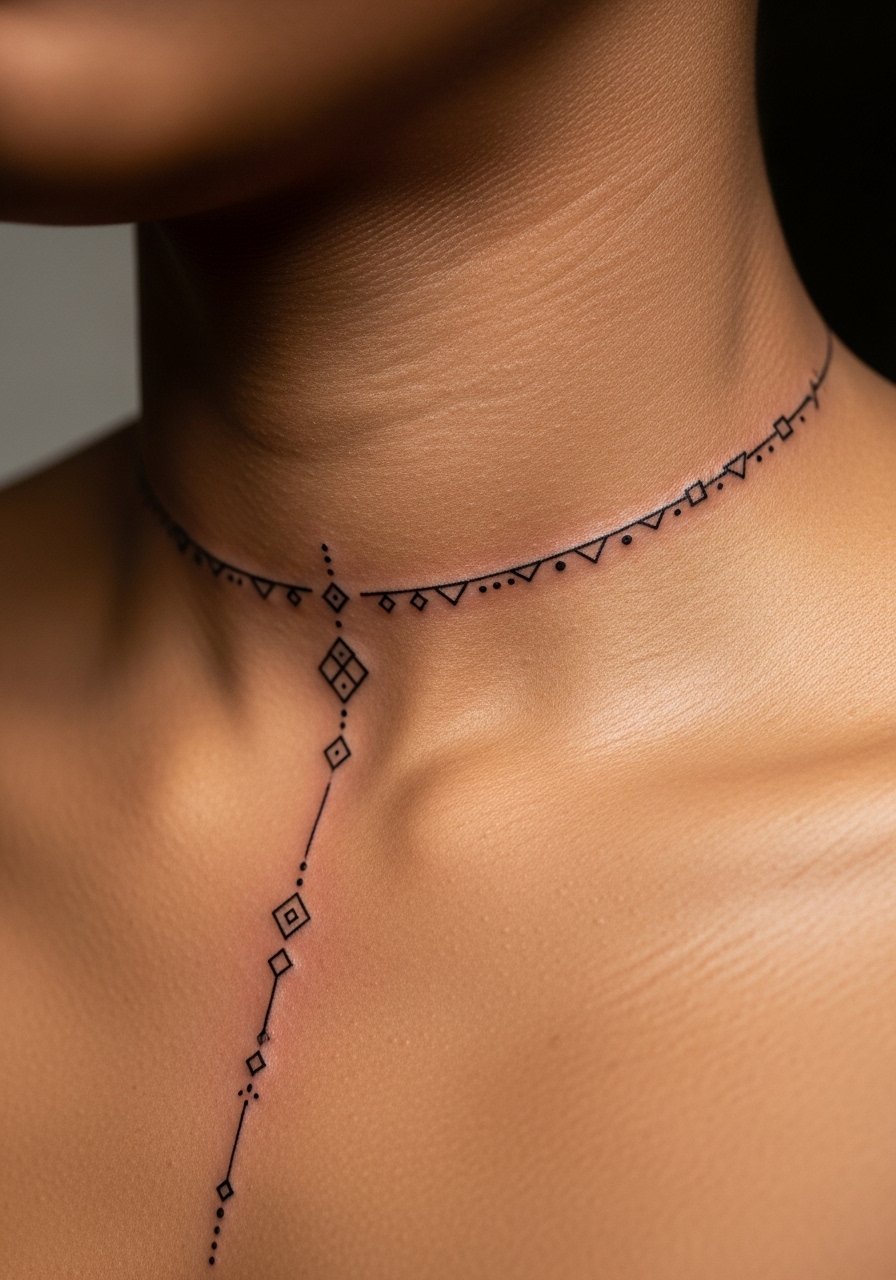
13. Shoulder choker tattoo that mimics a jewelry line
This one is under-covered in galleries but works beautifully on many skin tones. A thin band or row of small motifs along the shoulder cap mimics a choker necklace and can be tailored to dark skin with high-contrast elements. The session is short and placement is critical for symmetry. Ask your artist for a mirrored stencil and a small mock photo so you can check alignment. Sensitive remark: this placement is visible with sleeveless tops so think about how it fits with your wardrobe. Origins vary by motif so be mindful if you choose culturally specific symbols.
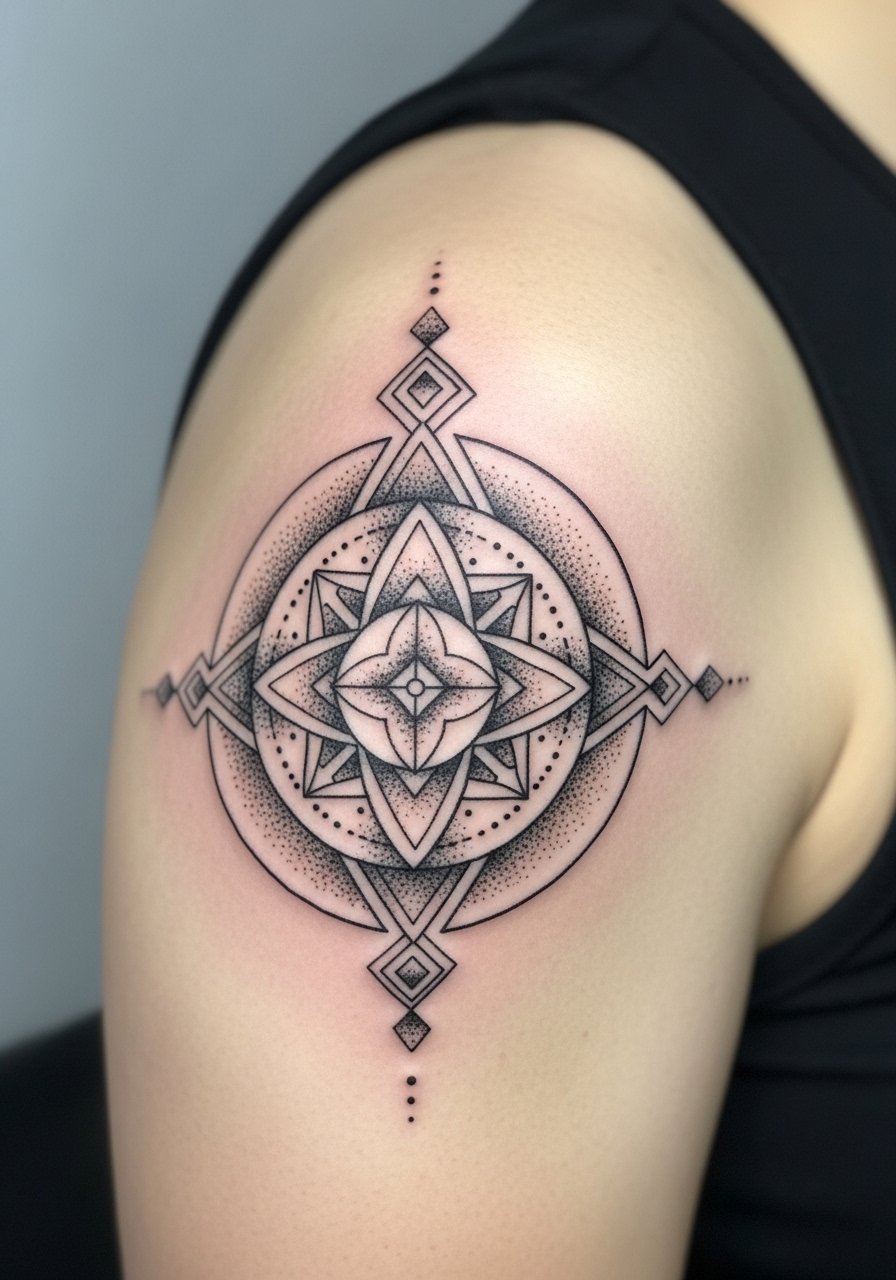
14. Small geometric mandala on the outer deltoid with stipple shading
The geometric mandala is a compact option that uses dot work for texture. Stipple shading gives depth without heavy saturation. This placement tolerates moderate movement, so place larger radii away from the joint. The session usually runs around one to two hours for a 3 to 4 inch piece. A common error is making the mandala too small for the level of detail asked. Ask the artist to scale the central geometry so dot work reads at six months. Mention stipple shading specifically if you want that soft, textured finish.
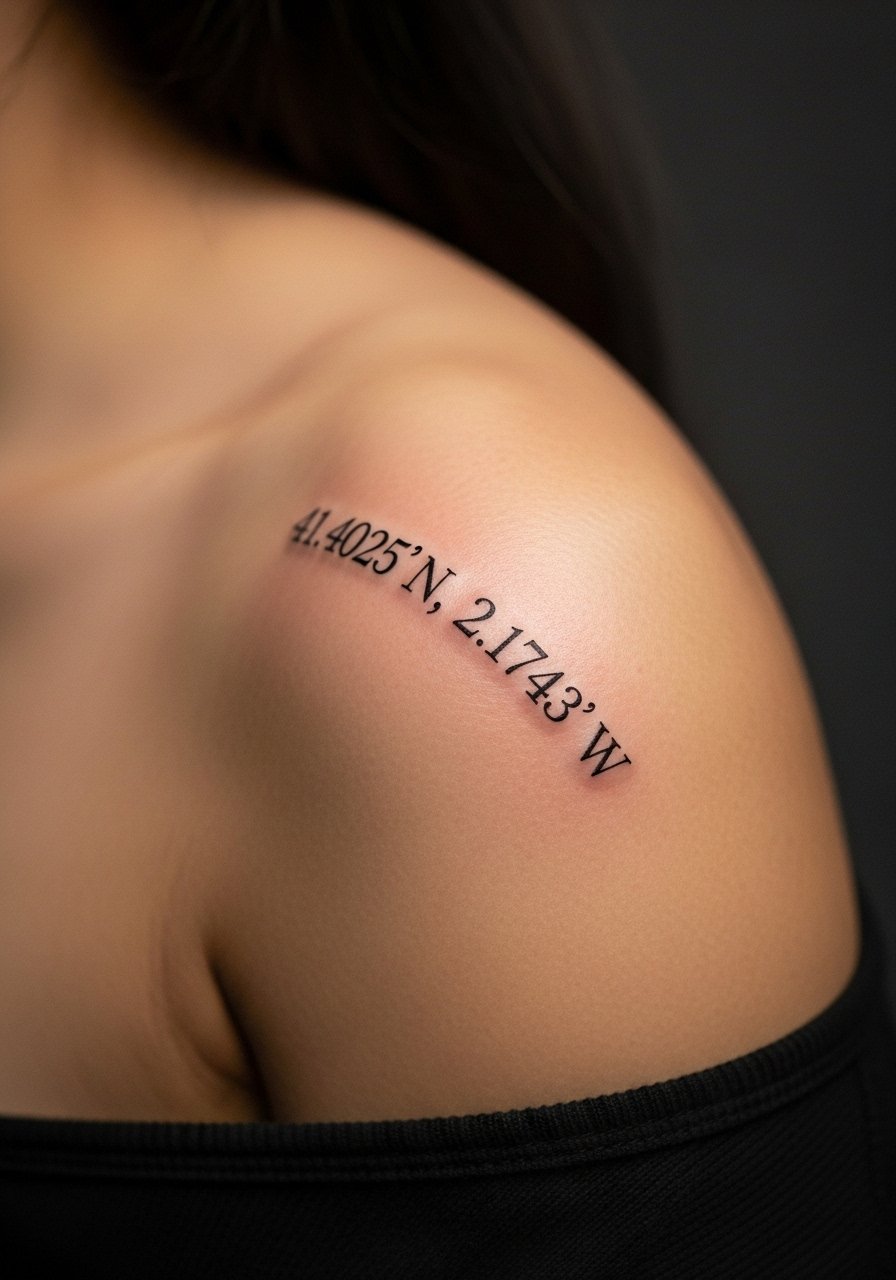
15. Minimal script coordinates along the shoulder cap
Fine script of coordinates gives a personal, low-key statement. Use clear monospace or thin serif numbers to avoid early blurring. Specify the exact text when booking the stencil. Example text to provide: 41.4025 N, 2.1743 W. Placement along the cap makes it easy to cover. One session is typical for a short line. The biggest mistake is asking for ornate calligraphy at a very small scale. If you want a crisp look at year two, choose modest letter height and moderate ink depth. Expect a quick touch-up if you wear this area often in the sun.
Tattoo Prep and Aftercare Essentials
If you are booking a shoulder tattoo, a few items will make the appointment and healing smoother. Below are practical picks for pre-appointment prep, immediate healing, and long-term maintenance. At least five items below use generic descriptors because lesser-known branded options are not listed in my research. One mainstream option appears once for quick comparison. Each item links to a search so you can find the best match with the exact tag.
Fragrance-free gentle foaming cleanser for tattooed skin. Use from day two of healing to remove surface buildup. A soft foam avoids overstirring scabs and keeps pores clear without stripping pigment.
Lightweight fragrance-free balm formulated for tattoo aftercare. Apply in a thin layer after the initial healed scab stage. This prevents over-saturation while keeping skin elastic.
Medical-grade second skin bandage, 6-inch roll. Use for the first 24 to 48 hours if you plan to keep the area covered. This minimises friction and reduces early scabbing during travel or sleep.
Breathable non-stick dressing pads, various sizes. Handy for overnight protection during the first days if you do not use an occlusive wrap.
Tiny silicone scar sheet strips for areas that raised up. Use after the skin fully seals to manage raised scarring or hypertrophic tendencies.
Physical mineral broad spectrum SPF 50 sunscreen. Apply once healed to protect shoulder ink from UV fade. Mineral options avoid chemical filters that can sting recent skin.
Lightweight, non-comedogenic daily moisturizer. Good for long-term hydration without clogging pores around the tattooed area.
Fragrance-free hydrating ointment, a common clinic pick like Aquaphor for spot use. Use this sparingly during very dry weather. This is the one mainstream product mentioned once for quick comparison to lighter balms.
Cooling gel packs for inflammation control. Use wrapped in a clean cloth for short intervals to reduce swelling in the first 48 hours.
Every tattoo is different. Always follow your artist's specific aftercare instructions. Consult a dermatologist if you have skin concerns or unusual healing issues.
Frequently Asked Questions
Q: Will fine line mandalas blur faster than blackwork mandalas on the shoulder?
A: Fine line mandalas can soften sooner because the single-needle threads have less pigment mass. Blackwork mandalas with bolder anchors tend to keep shape longer. If you like the delicate look, ask for slightly thicker primary lines and expect a touch-up window of 6 to 24 months depending on sun exposure.
Q: Do watercolor shoulder tattoos need different aftercare than neo-traditional pieces?
A: Yes, watercolor-style work often relies on subtle saturation that benefits from careful sun protection and minimal over-hydration during healing. Neo-traditional pieces have heavier outlines and tolerate early exposure better. Use a lightweight fragrance-free balm and mineral sunscreen after the tattoo fully heals to preserve color.
Q: Should I be worried about blowout on the shoulder blade for micro-detail pieces?
A: Blowout risk exists where skin is thinner or changes direction. The shoulder blade can accept fine detail, but avoid extremely tiny stippling packed into tight areas. Ask your artist to test a small line weight on comparable skin and review healed photos of similar placements before you commit.
Q: What are practical ways to find an artist who specializes in these small shoulder styles?
A: Search style-specific hashtags such as #FineLineShoulder or #ShoulderMandala. Use location tags like "[city] shoulder tattoo" and directories that filter by style. Forums and the Booksy app can reveal guest spots and convention schedules. Look at healed work in portfolios rather than just fresh photos.
Q: How do I decide between Saniderm-style occlusive healing and dry healing for my shoulder piece?
A: Artists are split on this. One camp favors occlusive wraps for less mess and consistent hydration. The other prefers dry healing because they believe it encourages natural scab formation and stronger final contrast. Your lifestyle matters. If you sweat a lot or travel, occlusive options may reduce complications. If you prefer minimal covering, dry healing with careful cleaning is a valid path.
Q: For someone who lifts weights, which shoulder placements stretch less and keep detail?
A: The cap area across the deltoid tends to move less with muscle gain than the outer edge that crosses the tricep. For fine detail, place the main elements lower on the cap and avoid designs that run over the muscle belly. Discuss your training routine with your artist so they can map the piece around predictable muscle expansion.
Q: How often should I plan touch-ups for small shoulder tattoos like constellations or script?
A: Small pieces often need touch-ups more than larger, bolder work. Expect a possible touch-up around year one or two, depending on sun exposure and your skin type. Light script and tiny dots are the areas most likely to require refreshes. Keep the tattoo moisturized and protected from persistent UV to stretch out the time between touch-ups.