
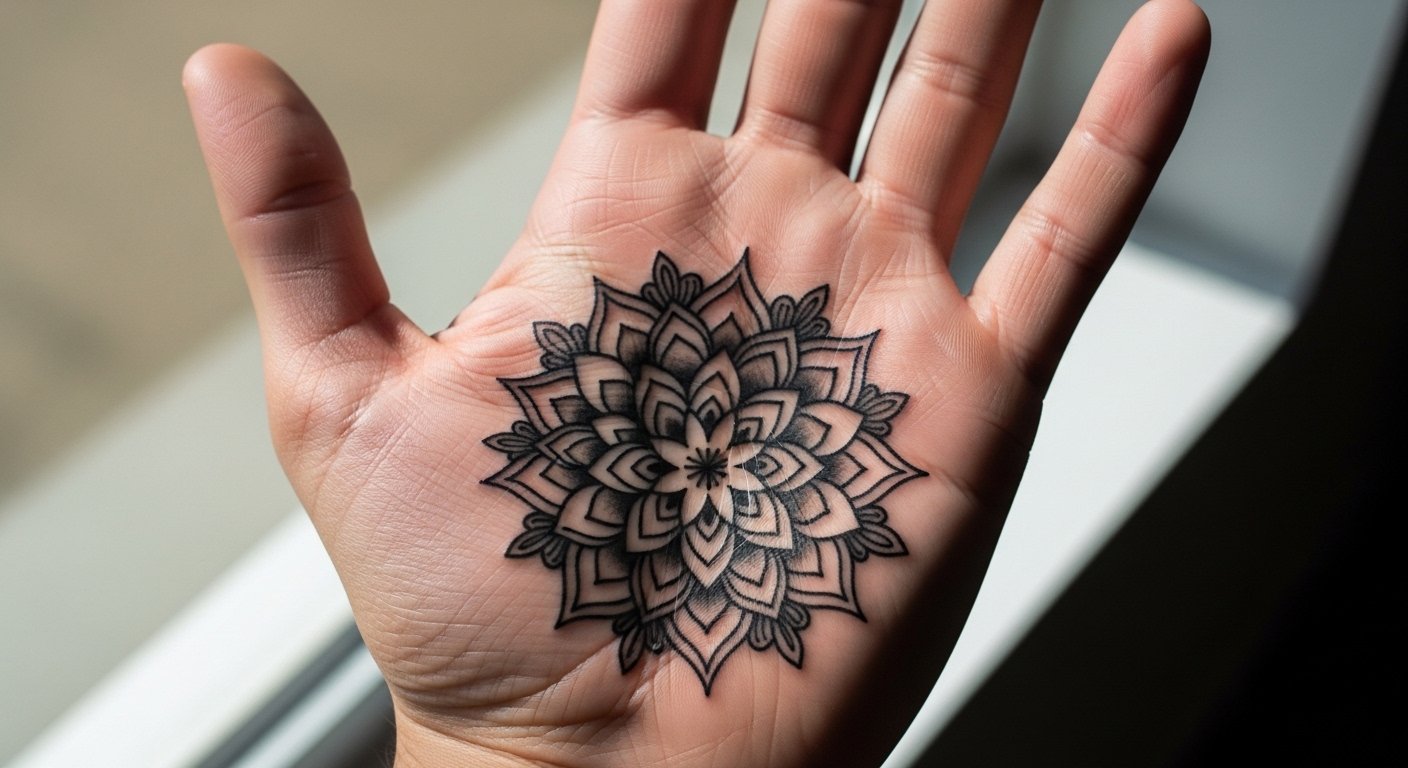
A friend spent eight months saving screenshots before they realized the real decision was not the design. It was knowing which hand placements survive washing, where the pain spikes, and how often touch-ups become part of the budget. I spent time talking to artists in five shops across Brooklyn and scrolling community threads to pin down which dark hand tattoos work best long term. Here are 15 ideas that balance look, longevity, and real-life wear.
1. Fine line floral on the back of the hand
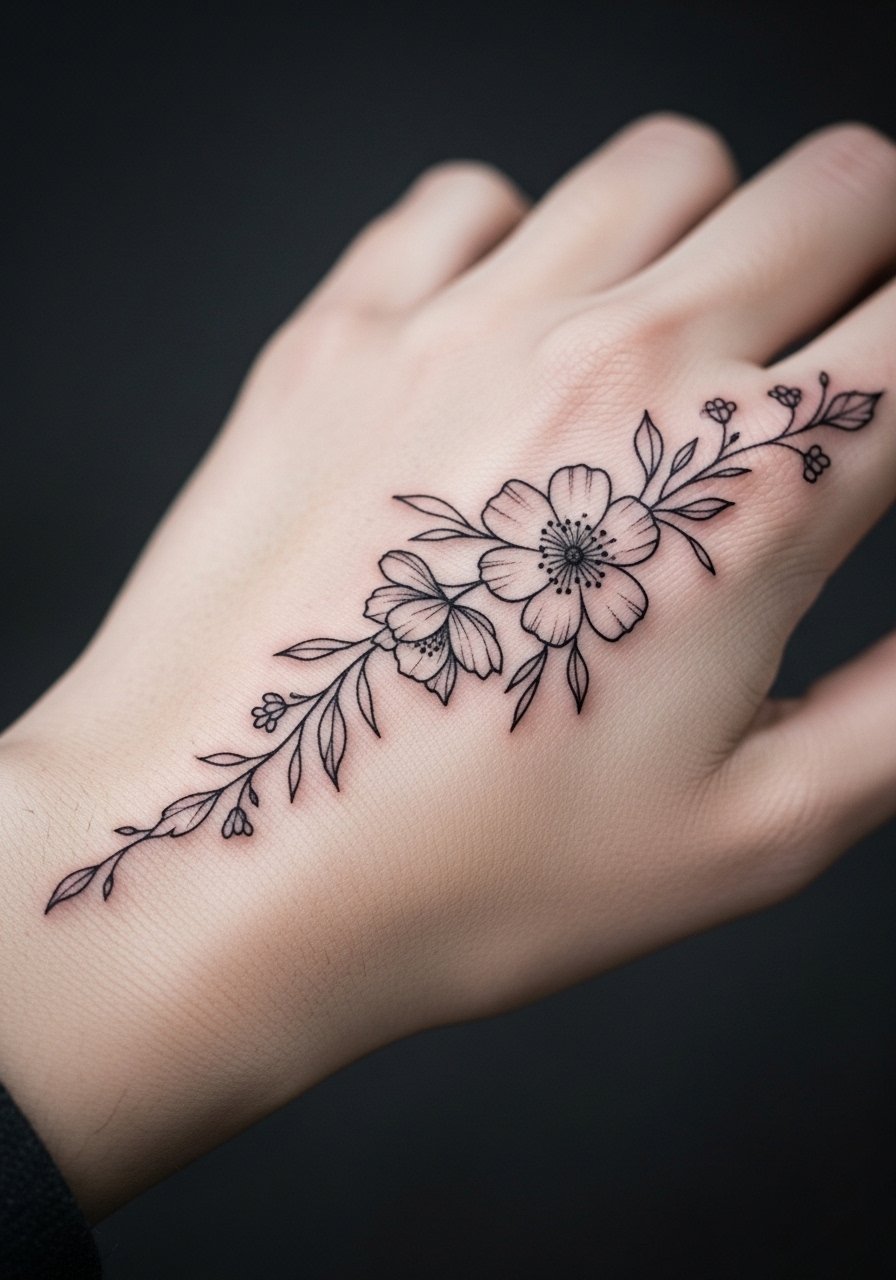
Someone I know first noticed this one on a friend and booked it the next week. Fine line florals read delicate and follow the hand's movement, but the trade-off is that the thinnest lines can blur faster on this visible surface. Tell your artist you want slightly heavier lineweight around petals so the silhouette stays readable at one year. Pain lands at a 5 out of 10 for most people and a session usually runs 30 to 60 minutes. Expect a touch-up at around the 9 to 18 month mark if you want crisp edges. The common mistake is asking for hairline stems that disappear with daily friction.
2. Micro stars between the fingers
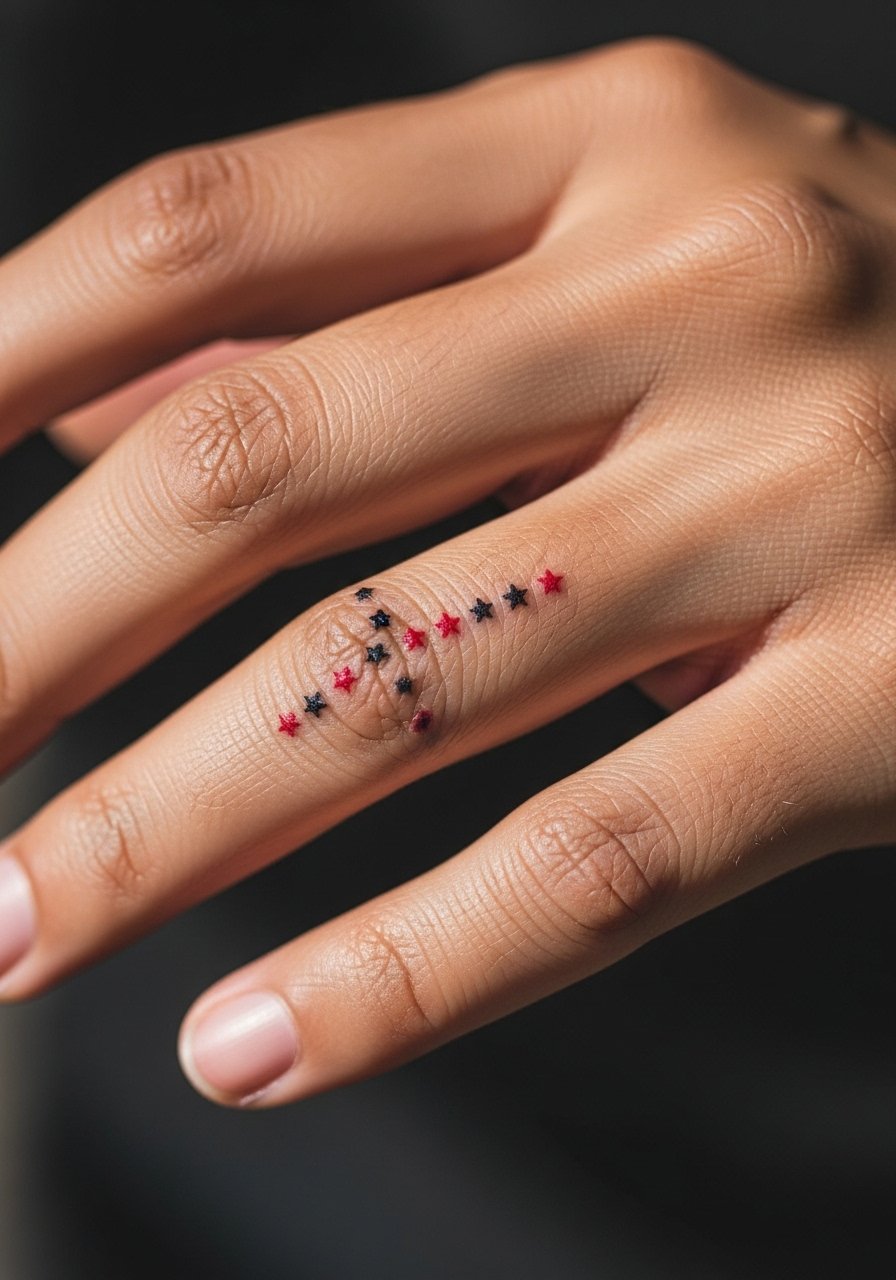
Fair warning, webbing tattoos sting because the skin is thin and moves a lot. These micro stars are a great first hand tattoo if you want ultra-discreet detail that shows when you move your hand. Ask for single-needle dot work with slightly spaced placement so stars do not bleed into each other. The session is quick, often under 20 minutes, but these pieces usually need a touch-up within a year because hand washing and motion wear the ink. A frequent error is clustering too many micro elements tightly, which accelerates blur and creates a muddled patch.
3. Pink butterfly on the knuckles
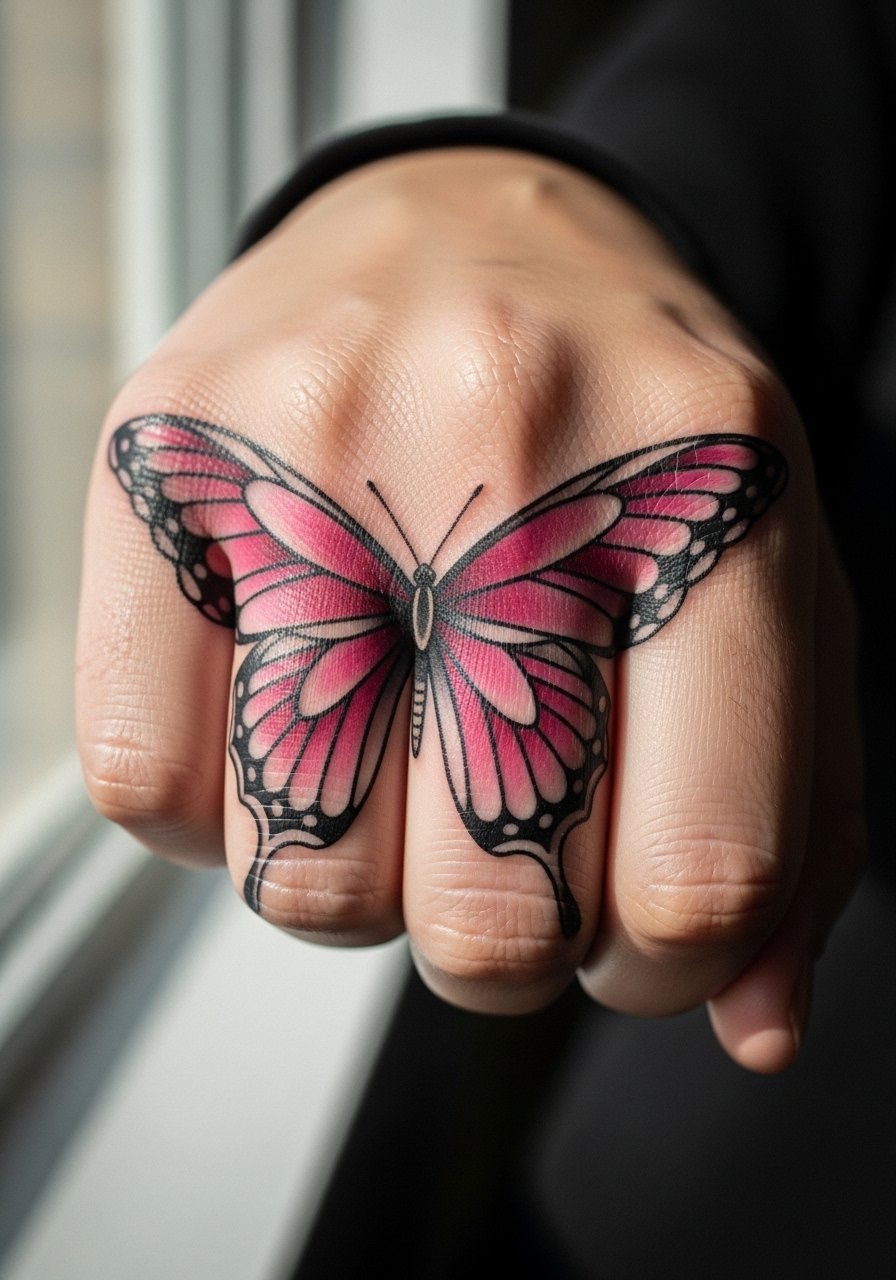
There is a 90s revival vibe with small colorful butterflies on knuckles. Color adds playfulness, but color on hands loses saturation faster than black. If you want pink, ask your artist to pack saturation with layered passes and plan for a color refresh at roughly the two-year mark. Knuckles are bony and painful, often a 7 or 8 on the scale, so expect short sharp sessions and breaks. The classic mistake is going too small for color, which looks patchy when it starts to fade. Consider slightly larger wings to give the pigment room to hold.
4. Angel numbers on the fingers
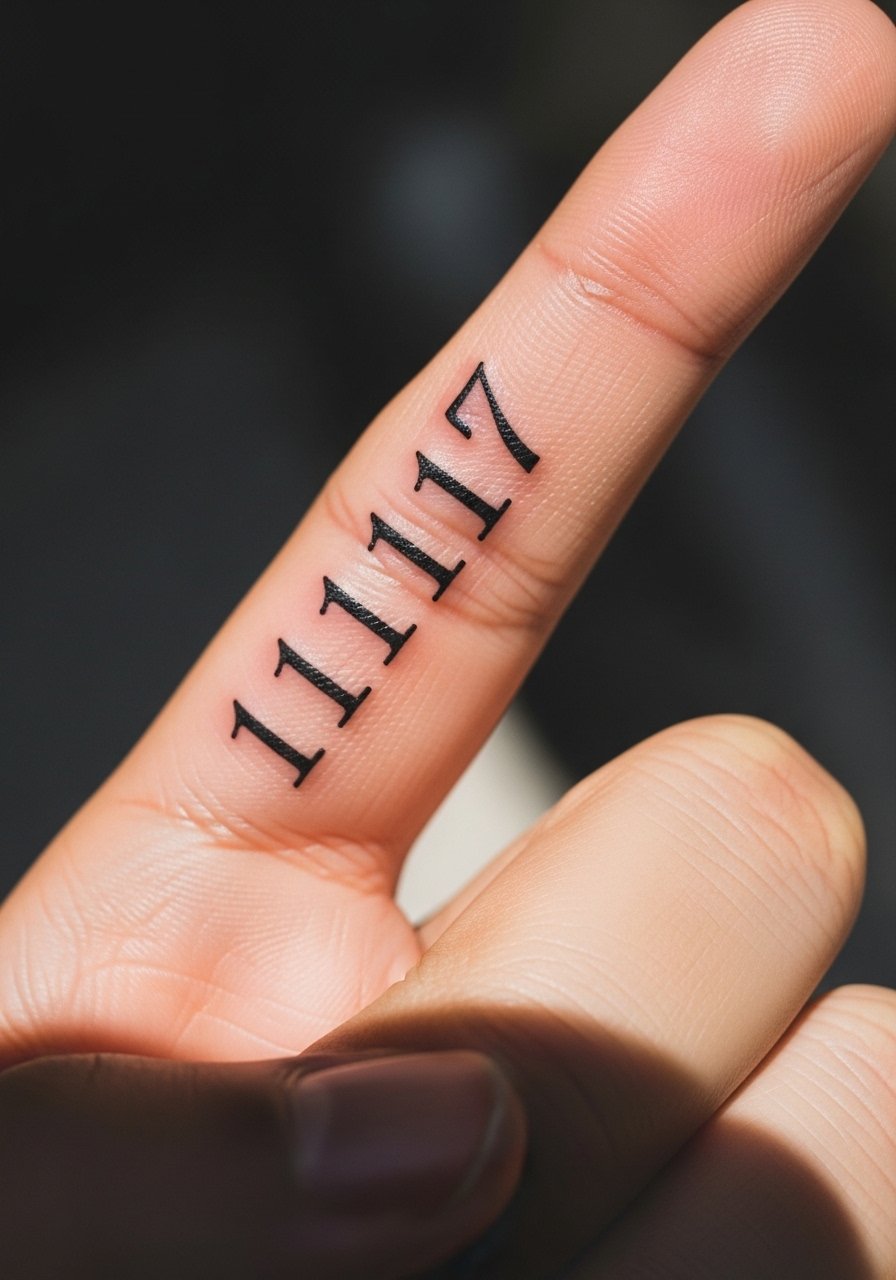
When you sit down with your artist for angel numbers, bring the exact font and spacing you want. Small linear numerals are straightforward, but finger skin and constant handling speed fading. These are low time commitments, usually a single short session, and pain is mild to moderate. Artists split on how fine is too fine for finger numerals. One camp advocates for slender digits for the look, while the other recommends bolder strokes for longevity. Ask your artist where they land before agreeing to line weight. Plan to re-ink after one to two years if you want precise edges.
5. Moon and sun with a face on the top of the hand
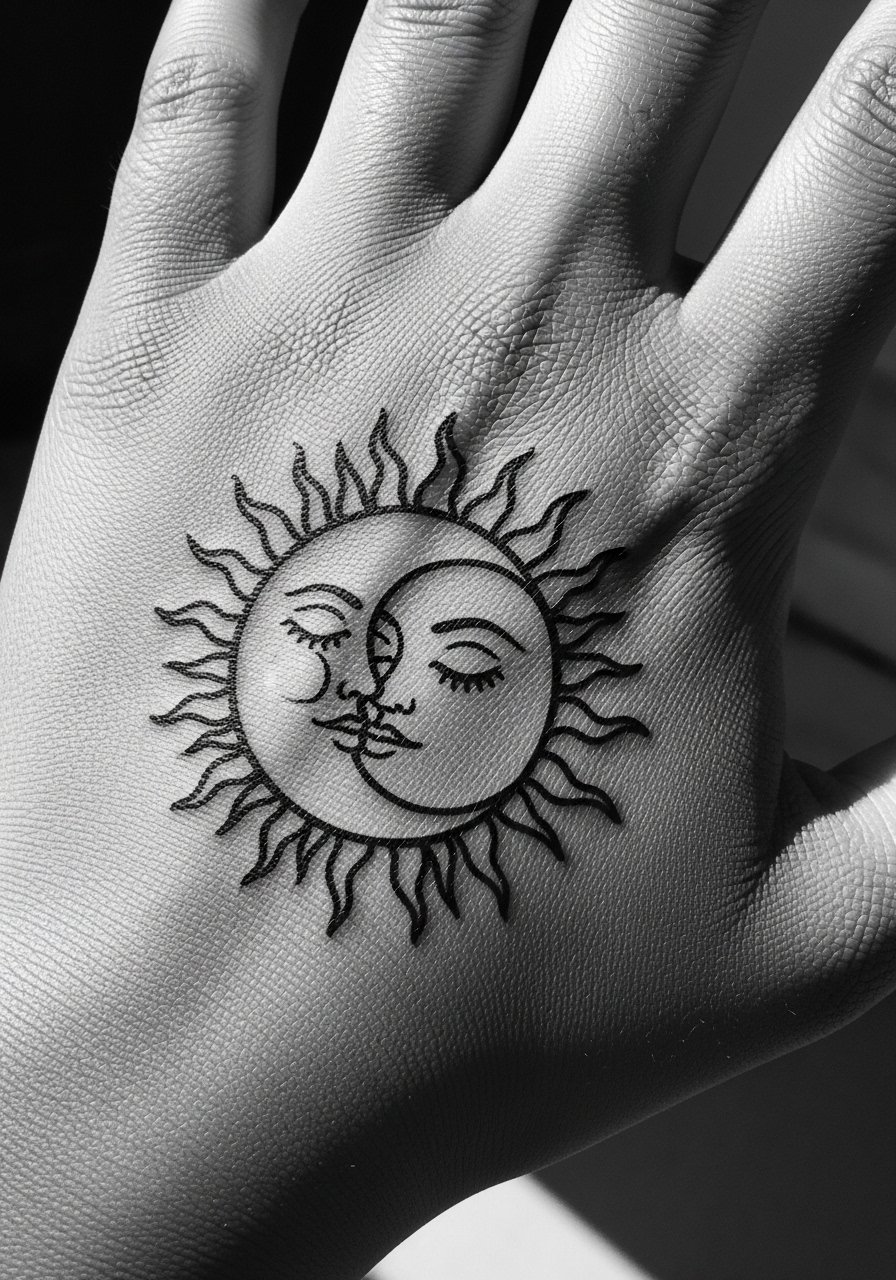
Visual impact matters here because this placement reads from across a room. The top-of-hand area tolerates slightly larger motifs, which helps the shadings age better than micro work. Tell your artist you want soft gray wash for depth rather than diluted color washes that fade unevenly. Sessions can stretch to 90 minutes if the shading is detailed. Expect moderate pain and plan on a touch-up between one and three years depending on sun exposure. A real mistake is asking for watercolor-like fades on the top of the hand, which often looks blotchy after healing.
6. Dainty fine line florals wrapping finger joints
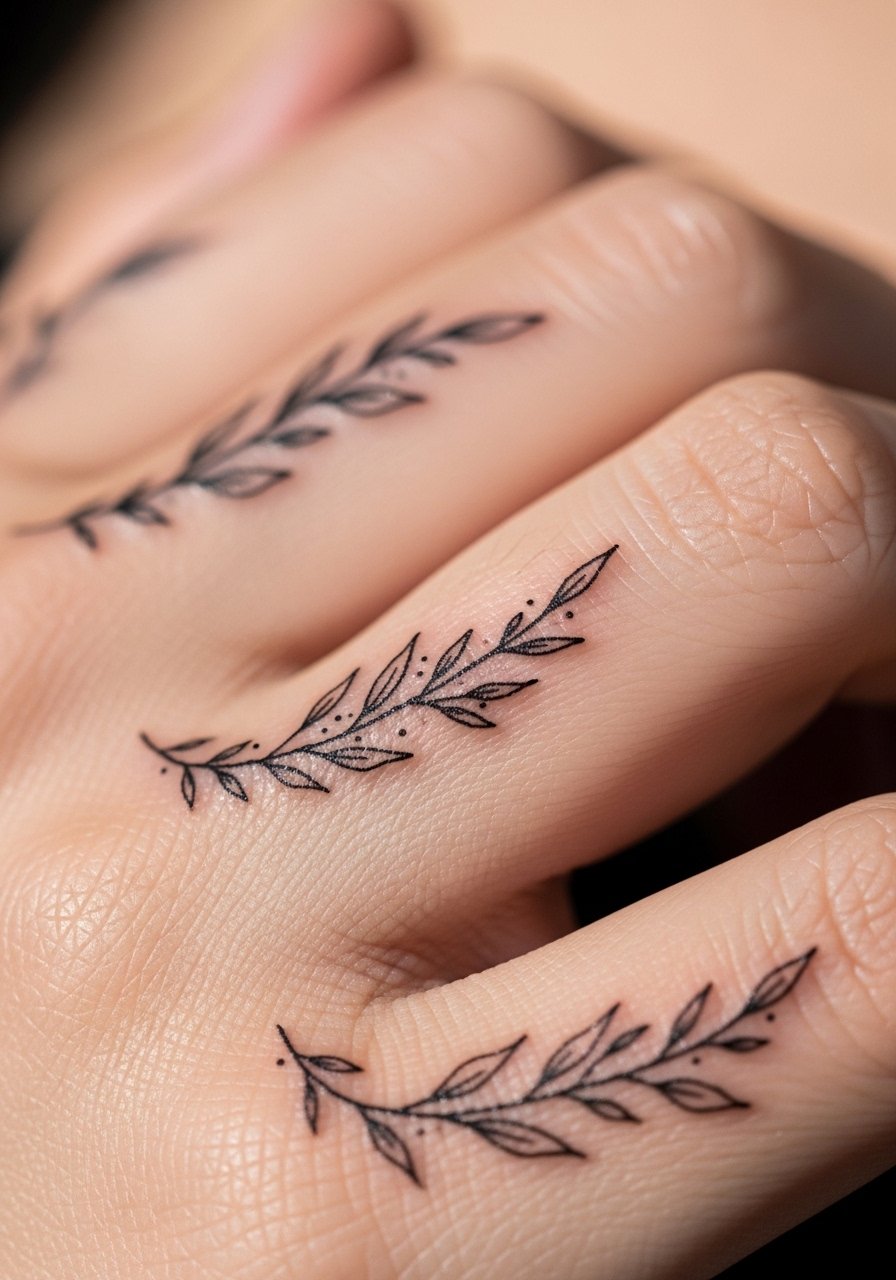
Most people pick this after they decide they want something small but visible while wearing rings. These dainty wraps are great for first-timers, but hand movement causes thin stems to soften over time. Request slightly more spacing between leaves and a modest lineweight so the design reads cleanly at six months. Sessions are short, usually under 30 minutes per finger. Expect the fastest fading among these florals at around the one-year mark if you wash hands frequently. A frequent error is requesting too-tight wrapping that compresses when you make a fist and speeds blur.
7. Geometric pattern across the palm edge
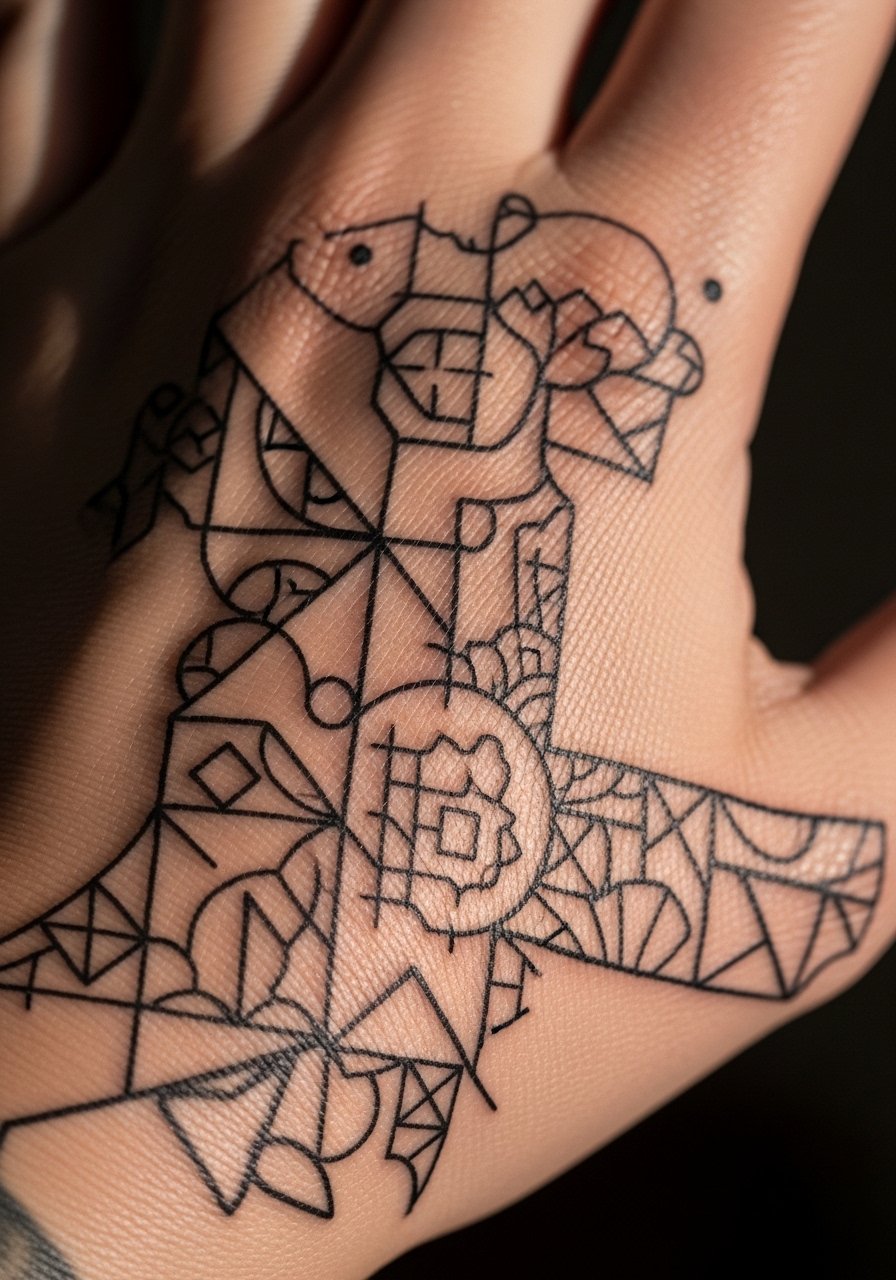
The palm is unusual because callused texture changes how ink deposits, so plan expectations accordingly. Geometric palm pieces trade longevity for a high-modern visual effect. Tell your artist you want bold negative-space breaks so the geometry keeps its optical illusion as the skin wears. Sessions vary by size, often in two short sittings. Pain is odd rather than intense because the palm can be sensitive in patches. The main mistake is demanding ultra-fine geometry on callused areas. Those details vanish faster than you think.
8. Evil eye on the side of the hand
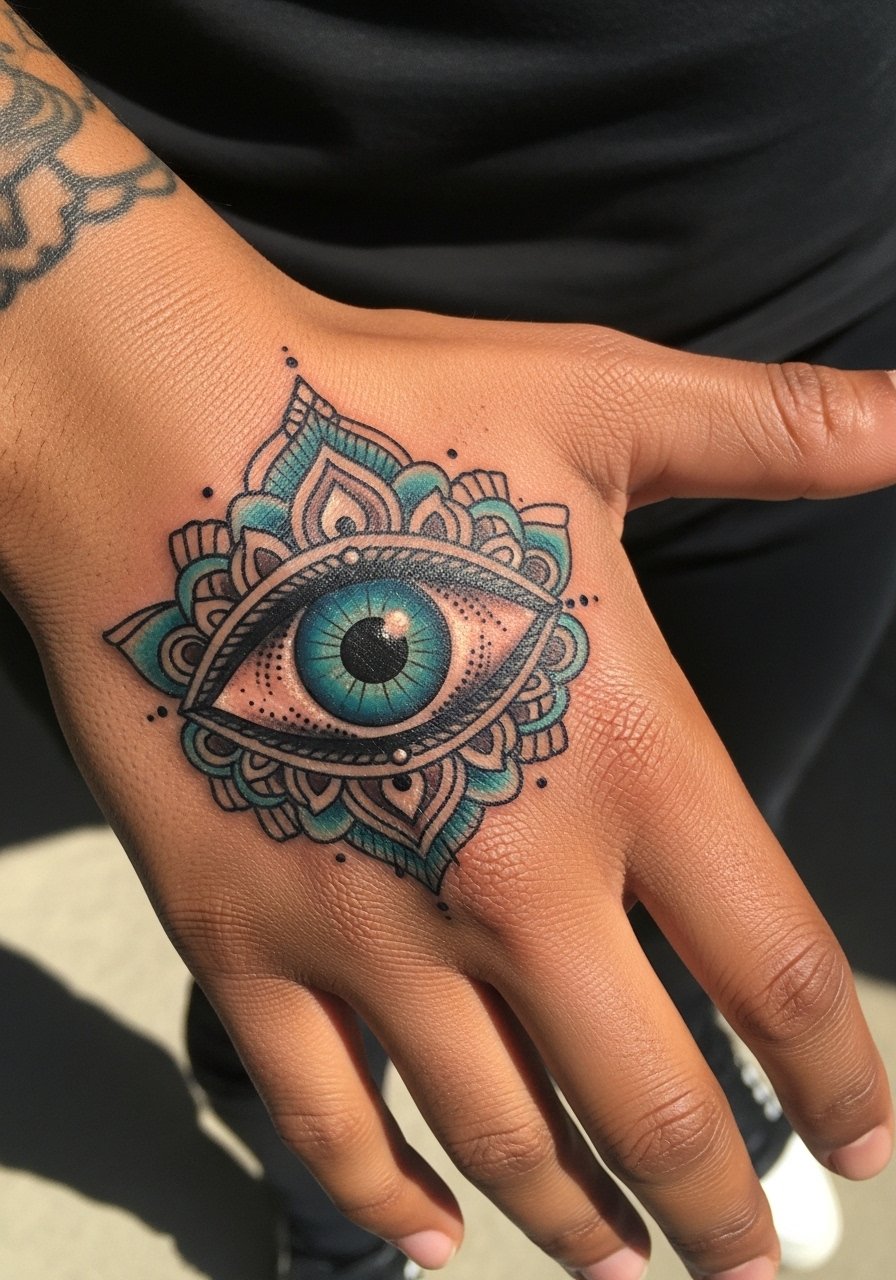
This protective motif reads well on the side of the hand and is easy to conceal with sleeves or larger jewelry. Color accents look striking but will need SPF protection to retain vibrancy. During consultation say you want concentrated black outline with small color fills so touch-ups focus on color only. Sessions are usually one visit under an hour. Pain is moderate near the thumb base. A common misstep is asking for too many tiny colors in the iris, which can turn patchy as pigments migrate.
9. Botanical vines that wrap up the fingers
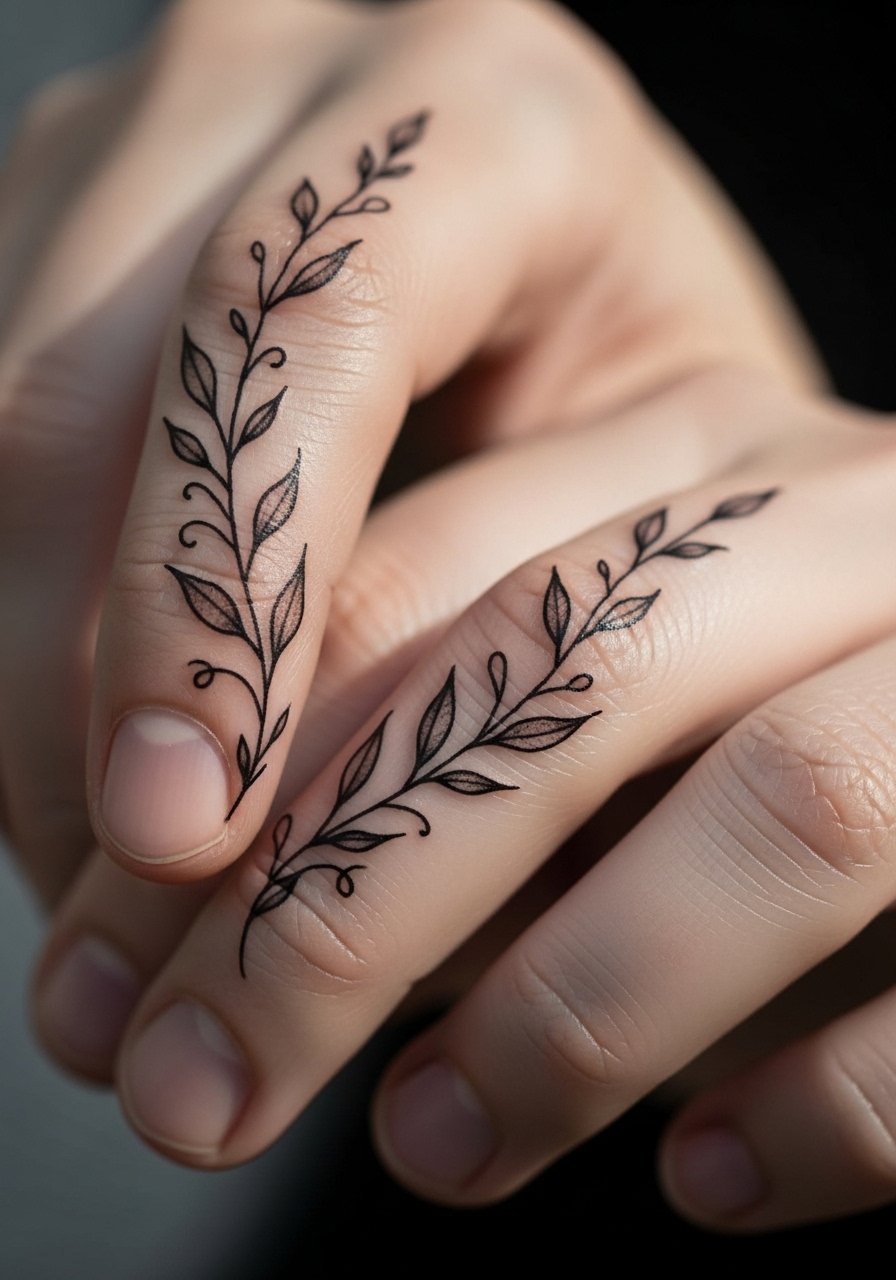
There is an organic flow to vines that flatter hand anatomy when the curves follow joints. For longevity, ask for slightly stronger stems and spaced leaves so the piece does not compress into a smudge line. Sessions take 30 to 60 minutes depending on wrap complexity. Pain varies by finger location, but most report a sharp sting in bony spots. Expect a tidy touch-up around the 12 to 18 month mark. Avoid requesting ultra-thin tendrils that land too close to creases; they tend to lose definition rapidly.
10. Tiny dots and stars across knuckles
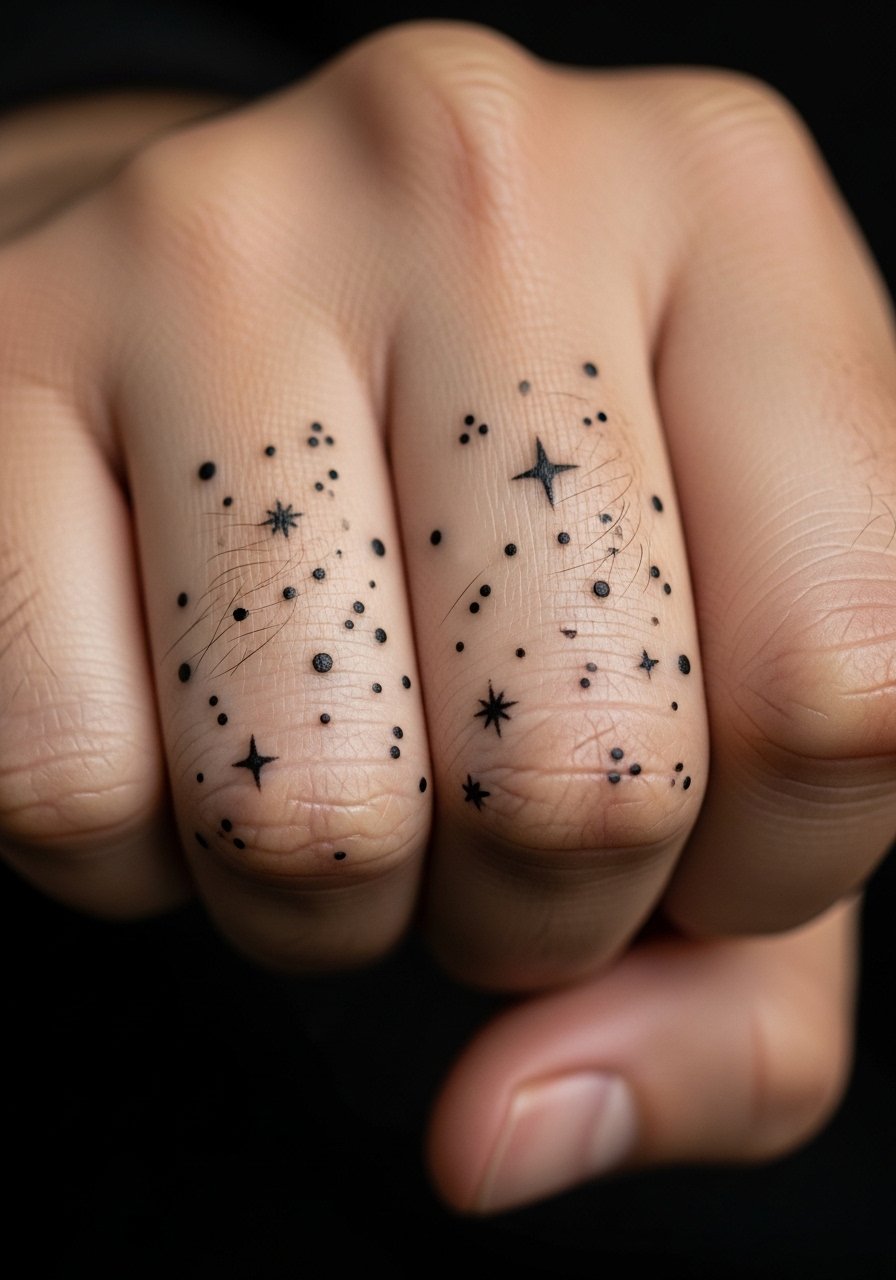
There is a minimalist cosmic trend moving from wrists into knuckles with tiny dot clusters. These are quick to do and can be spread across one or both hands for balance. Tell your artist the exact spacing you want and whether you prefer solid dots or hollow stars. Sessions are brief and the pain is sharp but short. Expect touch-ups sooner than larger designs since knuckles take abuse from grabbing and cleaning. The usual mistake is asking for a dense cluster that becomes an indistinct dark patch within months.
11. Intricate mandala filling the palm center
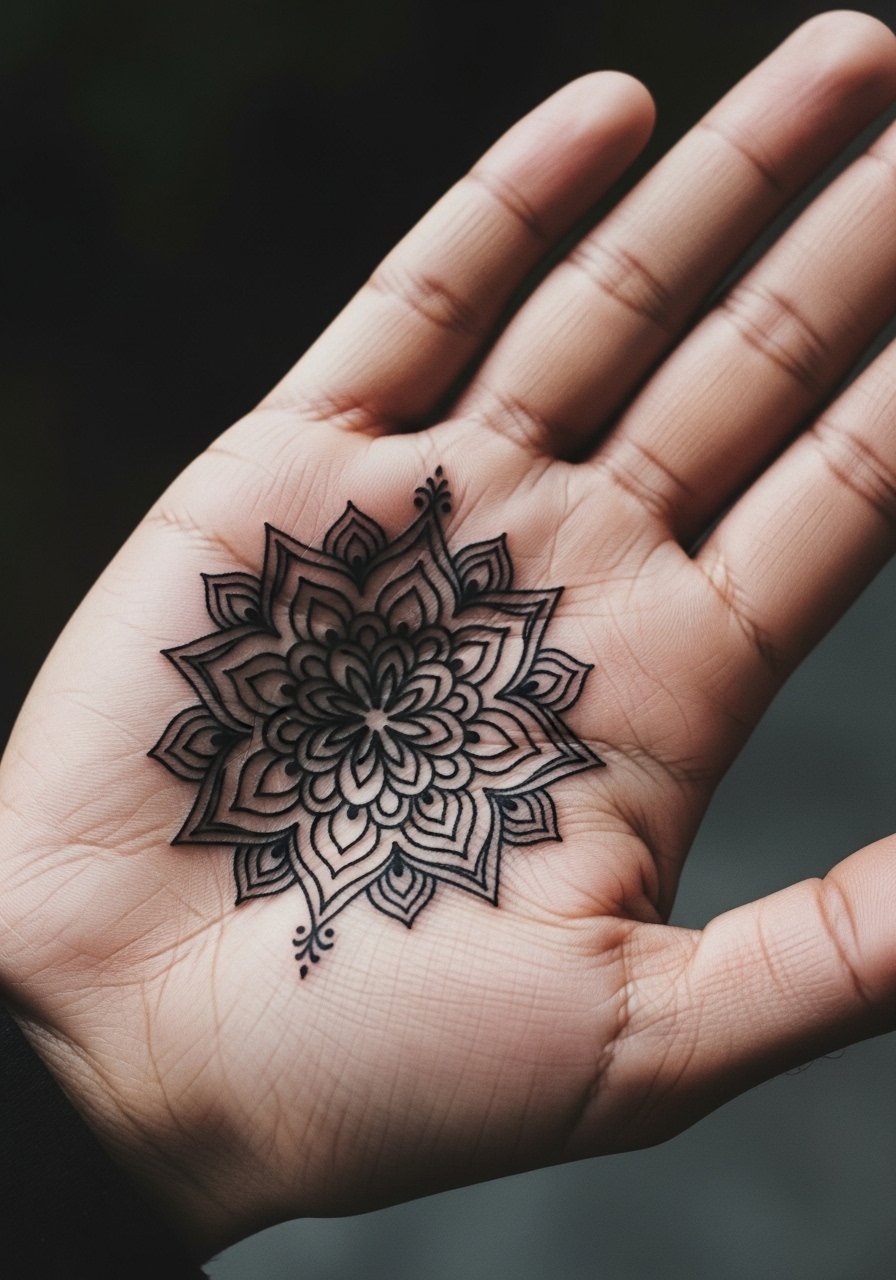
Mandala work on the palm commands attention, but the palm texture and sweat patterns make this placement a technical challenge. If you want it, ask the artist about staged sessions so they can respect healing on callused skin. Sessions are longer and may be split into two or three visits. Pain ranges moderate due to sensitivity. Plan for more frequent touch-ups for the very outer lines. Respect the mandala origins by asking about subtle modern variations instead of a direct cultural replica.
12. Flame motif crawling from wrist to back of hand
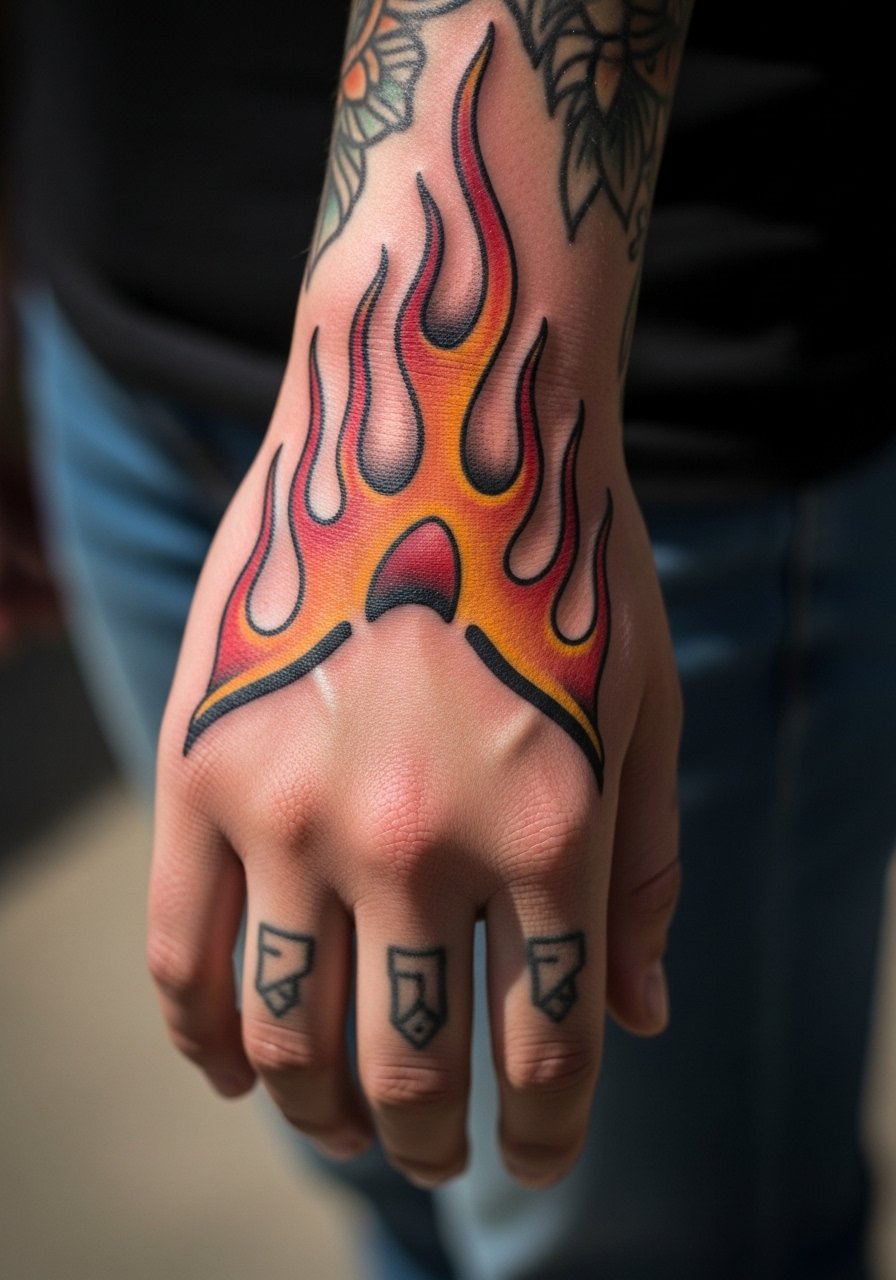
There is a kinetic energy to flame motifs that suits people who want a dynamic silhouette. Bold outlines and saturated fills hold up better here than thin, sketchy flames. Make sure your artist lays down a strong outline and solid color planes so the design reads as it ages. Sessions usually fit into one or two sittings. Pain at the wrist and back of the hand is moderate. A common mistake is choosing painterly, feathered colors that disappear into blotchy patches with regular hand use.
13. Ring-wrap design that integrates with jewelry
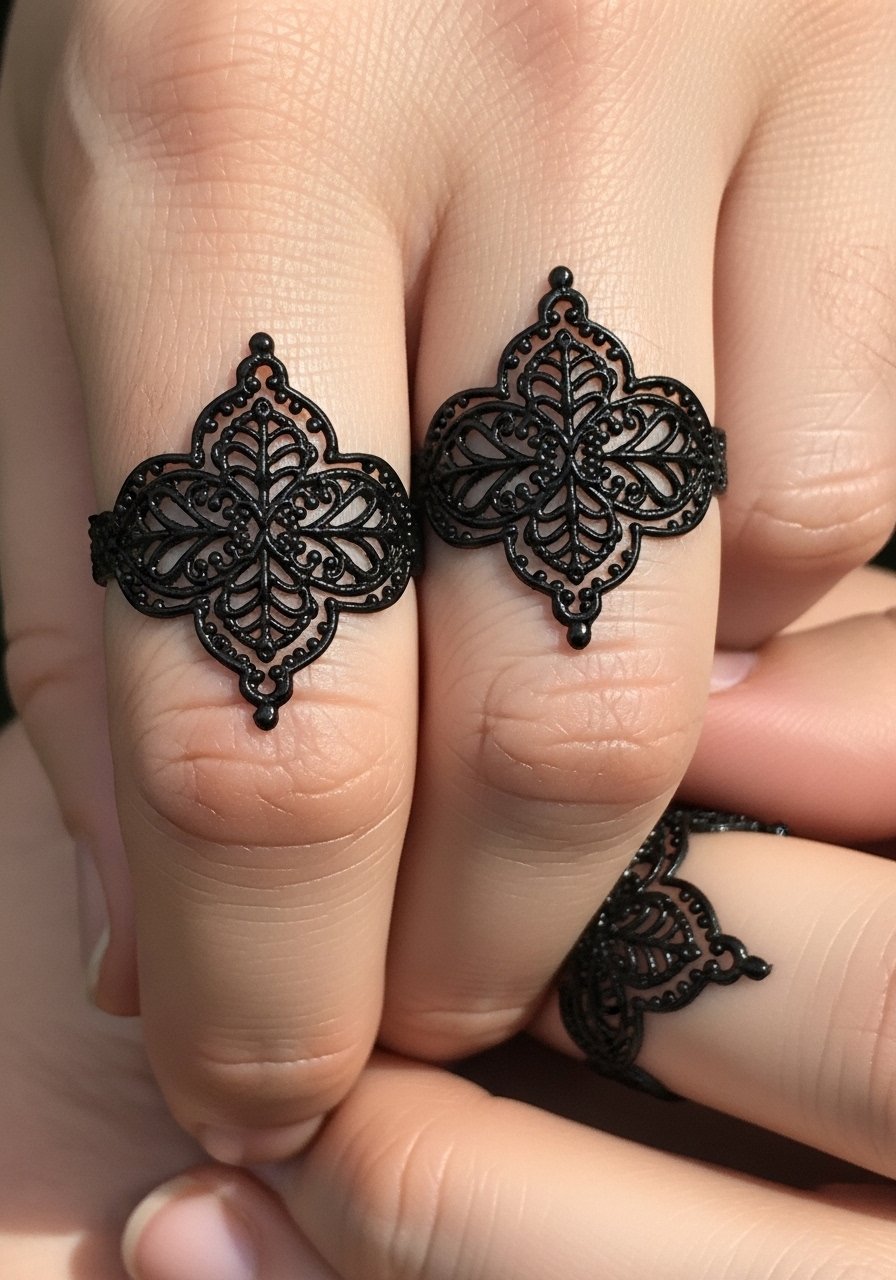
When you want your tattoo to function like jewelry, bring in pictures of the rings you wear so the artist can match scale and negative space. These wrap designs are perfect for people who frequently remove rings and want a similar visual when bare. Sessions are short but precise since misalignment shows quickly. Expect moderate pain at the finger base and plan on touch-ups after heavy wear. The biggest mistake is not testing the design while wearing your ring, which can lead to awkward overlaps.
14. Callused-palm textured realism piece
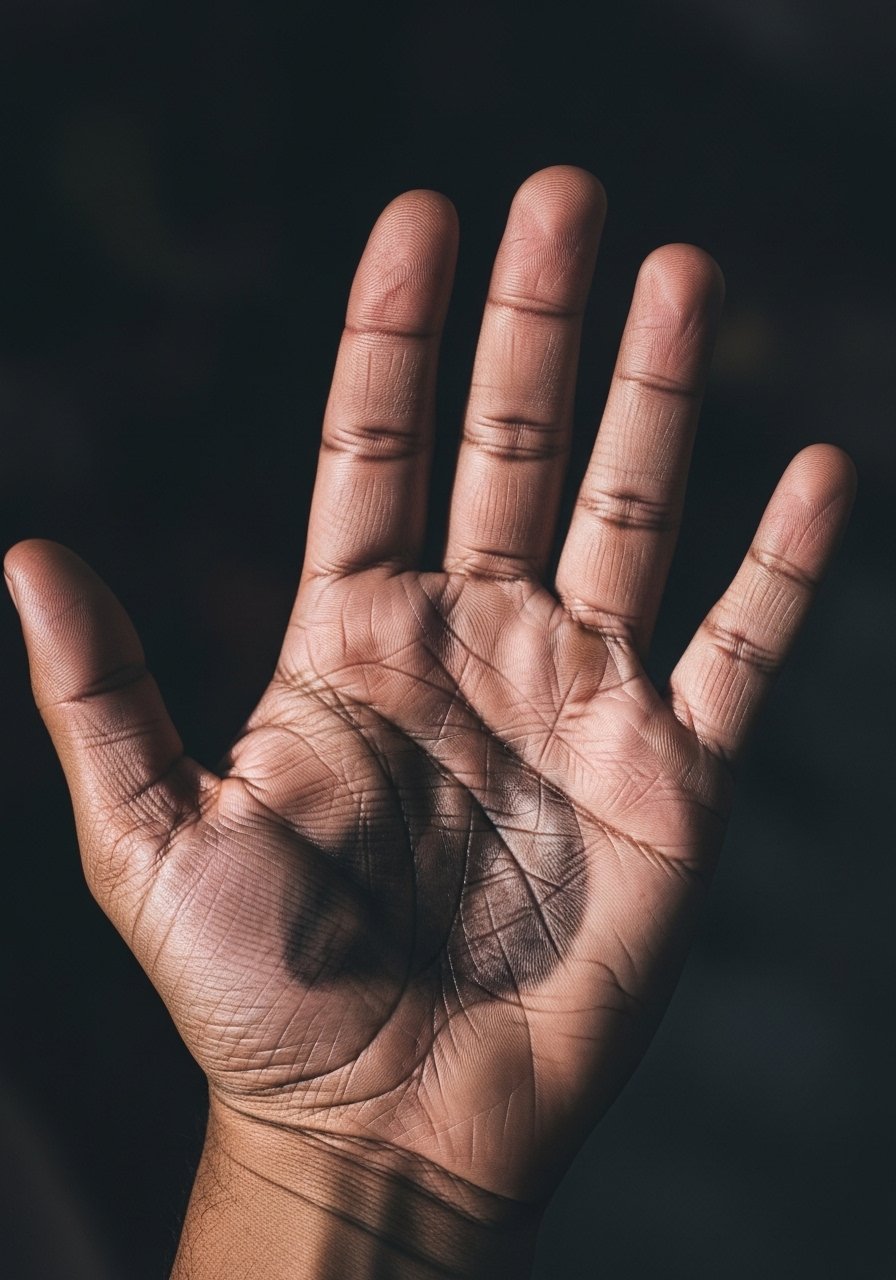
Palms with callus variation offer a raw, tactile canvas that some artists use for textured realism, such as simple tools or symbols. Artists caution that callused areas hold pigment unevenly, so this is a specialty request best for someone wanting an imperfect, lived-in look. Sessions will vary and often require the artist to work in short passes. Pain can be high in untreated zones. A common issue is expecting a crisp result; instead, plan for characterful fading that reads as texture rather than loss.
15. Micro crescent constellation across the finger webbing
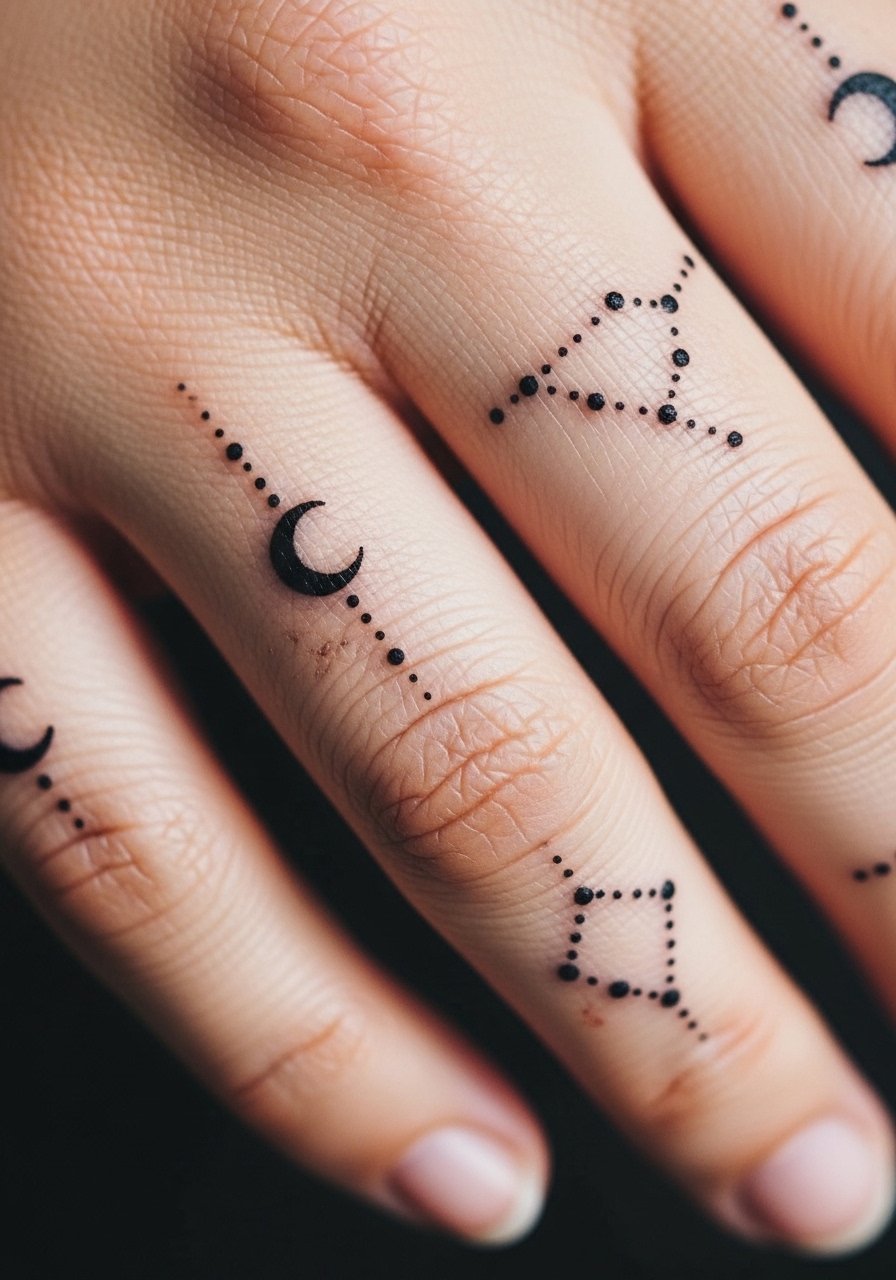
My observation is that micro celestial pieces are shifting into the finger webbing for secretive sparkle. This placement looks delicate in photos and in motion because the shapes reveal themselves when you tilt your hand. Tell your artist you want negative space between elements and slightly bolder anchor dots to prevent merging. Sessions are quick and manageable, with moderate pain. Expect touch-ups at around the one-year mark. Avoid packing too many tiny stars next to each other, which results in an older, muddled patch.
Tattoo Prep and Aftercare Essentials
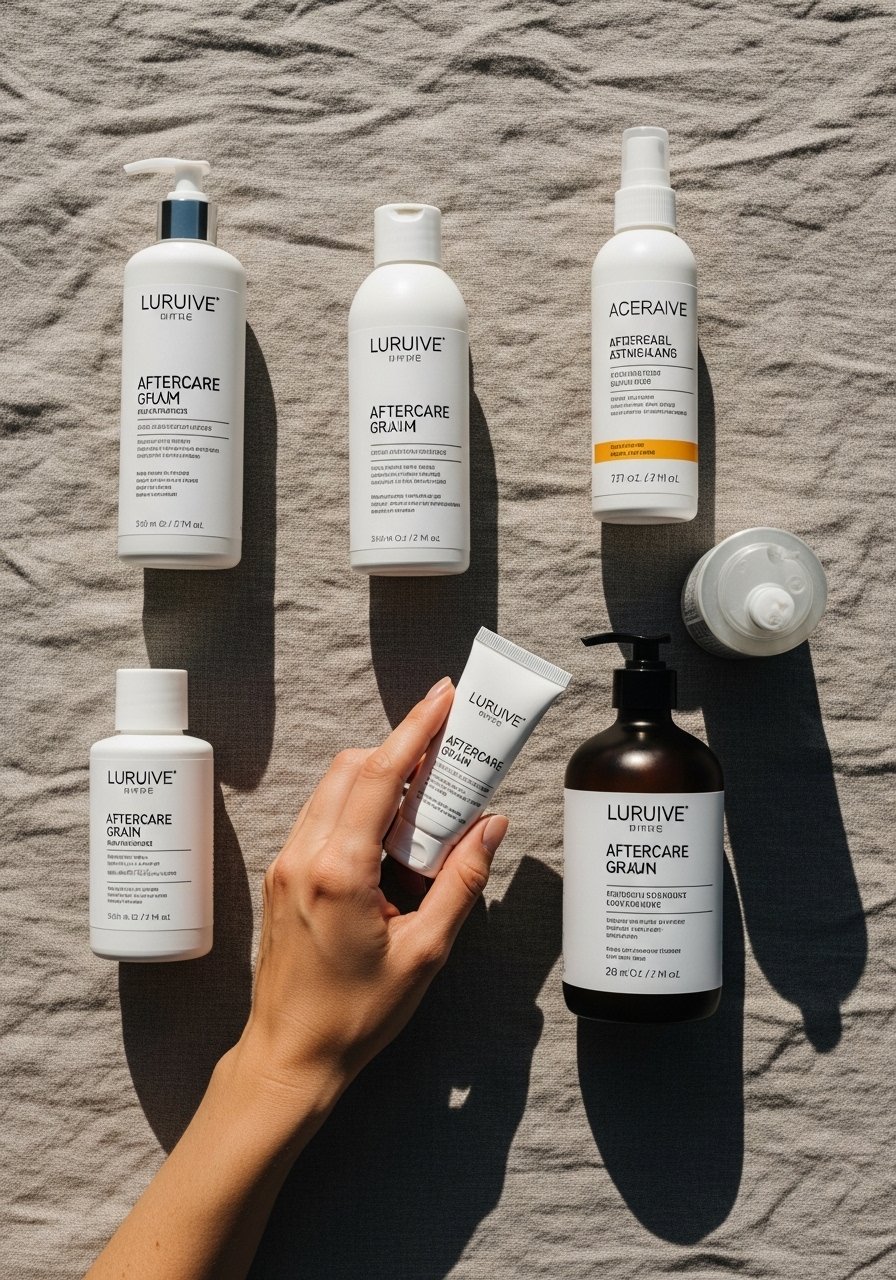
If you plan a hand tattoo, prep and aftercare matter more than usual. Wash hands well, hydrate skin in the week before your session, and bring snacks because breaks help with hand tension. For healing, many in forums prefer thin breathable balms over heavy ointments because they allow friction without clogging pores. There is a split in the community about bandaging. One camp advocates occlusive healing films for hands because they protect high-friction areas. The other camp favors dry healing to avoid trapping moisture. Ask your artist where they stand before your appointment and follow their timeline for touch-ups.
Shopping list
- Thin breathable tattoo balm for high-friction areas. Lightweight balm that does not clog pores. Use during the first two weeks after the initial scab falls to keep the area supple without creating excess moisture.
- UV-protectant tattoo lotion, high-SPF formula. Indie-style sunscreens praised in forums for slowing color loss on exposed hands. Apply daily after healing to maintain color saturation.
- Numbing spray with lidocaine for bony hand spots. For those who have low pain tolerance and whose artist allows numbing products. Use sparingly and follow the shop rules so the artist can get consistent feedback.
- Matte healing film, breathable alternative to thicker bandage. A low-shine film that many people on UK forums prefer for palms and sides of hands to cut down on trapped moisture.
- Medical-grade second skin bandage, small sizes. Helpful for the first 48 hours on high-friction spots, especially if your job requires frequent hand washing.
- Fragrance-free gentle foaming cleanser. Use to keep the area clean without stripping oils while healing.
- Mineral SPF 50+ sunscreen stick. Easy to apply on hands without leaving residue. Use daily after the tattoo is fully healed.
- Lightweight fragrance-free moisturizing lotion. For long-term maintenance to keep skin supple and color stable.
- Saniderm rapid-heal bandage option. A mainstream occlusive bandage that some artists and lifestyle writers recommend for hands. Use only if your artist approves because opinions on occlusives vary.
Every tattoo is different. Always follow your artist's specific aftercare instructions. Consult a dermatologist if you have skin concerns or unusual healing issues.
Frequently Asked Questions
Q: How do fine line florals on the back of the hand hold up versus bold floral work?
A: From what I have seen, fine line florals look cleaner initially but usually blur faster on this exposed surface. Bold floral linework sacrifices some delicacy for friction resistance. If longevity is your priority ask for slightly stronger contours and plan on touch-ups at the one to two year mark.
Q: Are palm tattoos worth it given callus texture and uneven healing?
A: Palm tattoos are a specific aesthetic and require realistic expectations. Callused areas can hold pigment unevenly and often need multiple sessions. If you want texture rather than crisp lines, a palm piece can be rewarding. If you want symmetry and sharp geometry, consider a back-of-hand placement instead.
Q: What should I ask about numbing cream for knuckles and finger webbing?
A: Ask your artist whether they allow numbing sprays or topical lidocaine and how it affects their linework. Some artists say it helps clients sit through delicate spots. Others avoid it because it can mask feedback during the tattoo. This depends on your pain tolerance and the studio rules.
Q: How often do micro stars or dots between fingers need touch-ups?
A: Expect touch-ups sooner than with larger designs. From conversations in community threads, micro dots and stars often need attention around the one year mark, sometimes earlier if you wash hands frequently or use abrasive materials.
Q: Is occlusive healing film better than dry healing for hands?
A: The community splits on this. One group swears that occlusive films speed healing on high-friction hands by protecting from constant contact. The other group says traps increase infection risk on thin skin. Follow your artist's recommendation since they will know what works for their technique and your skin type.
Q: How do I hide a knuckle or finger tattoo for work temporarily?
A: Concealment options include neutral makeup sticks made for tattoos and wearing rings or finger sleeves. Keep in mind that heavy washing will wear makeup fast. Plan interviews on days you can avoid intensive hand use if possible. Trust your artist for placement that is as discreet as possible within your design choice.