I spent months deciding on my first rib tattoo. The real hurdle was not the design. It was knowing which styles actually last on the ribs and how they feel during the session. I picked pieces that age well, that work with body movement, and that still read decently after two to five years.
This list focuses on ribcage work in styles from fine line to neo-traditional and micro-realism. These placements suit people who want pieces that curve with the body. From what I’ve seen in studios in 2026, artists push designs that flow with the ribs, not against them. Expect honest takes on pain, healing, and long-term look.
1. Fine Line Floral Ribcage Panel
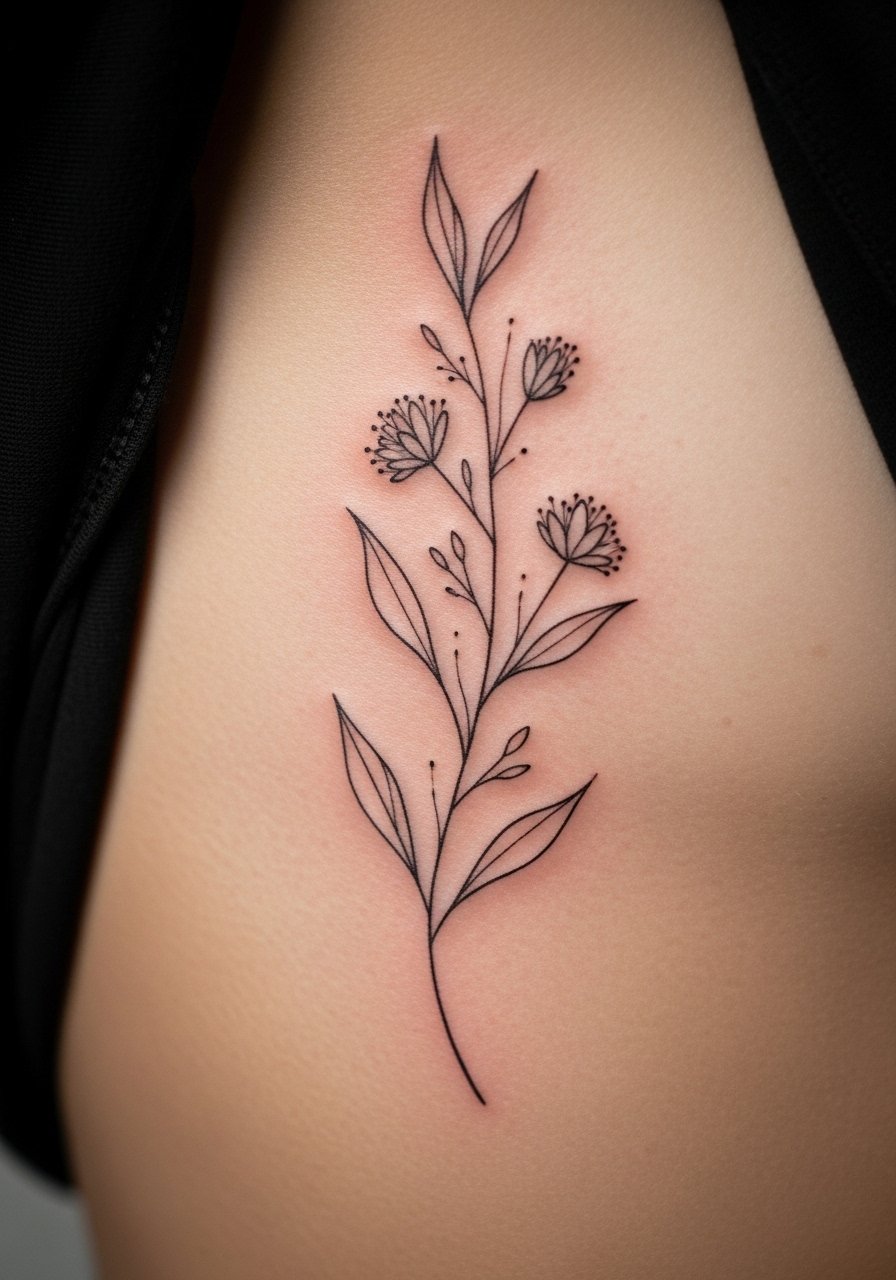
I first noticed this style on a friend who wanted something delicate that whispers, not shouts. Fine line botanical panels follow the rib curve and look elegant under a fitted shirt. Expect a higher pain level because the needle travels along bone edges and the session can be split into two shorter sittings. Ask for slightly thicker main stems during your consultation so the piece still reads at one year. A common mistake is going too tiny with foliage. Tiny leaves blur faster on the ribs than on fleshy areas. In my experience, light touch and ink saturation that is not “paper thin” will age better. Healing usually shows crisp lines at six months and gentle softening by two years.
2. Blackwork Geometric Rib Wrap
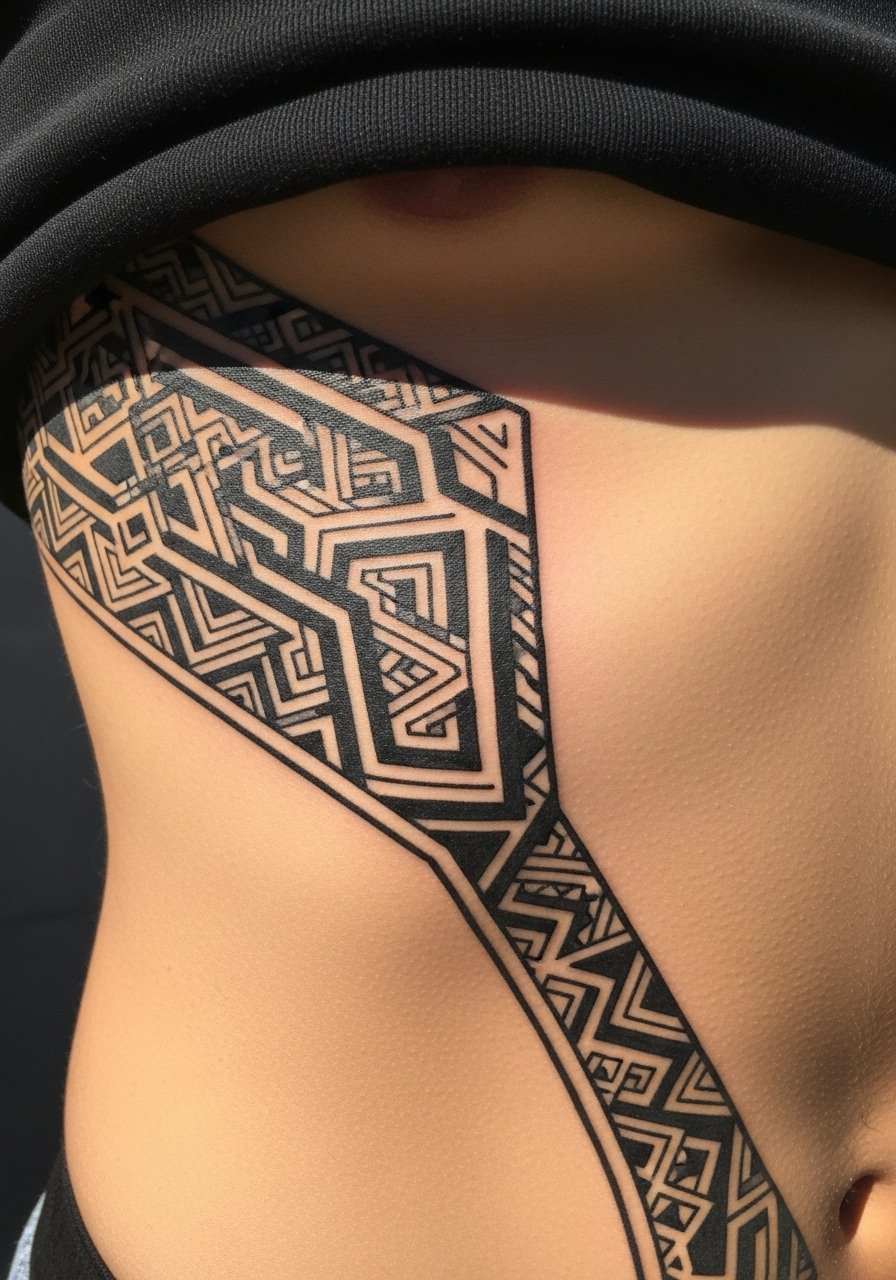
Fair warning, this placement hurts. Blackwork needs deep, even saturation to avoid patchy fading over time. I like this when you want a high-impact piece that reads from across a room. Tell your artist you want consistent line weight and solid fill, not sketchy shading. The session can run long, so plan for two blocks of time. A frequent error I see is starting with lines that are too thin for the rib stretch. Thin lines disappear first. At six months the black will mellow slightly but keep contrast if saturated well. This style suits someone who likes bold, graphic imagery and is okay with a longer healing window because of heavier scabbing.
3. Micro-Realism Portrait Near Sternum
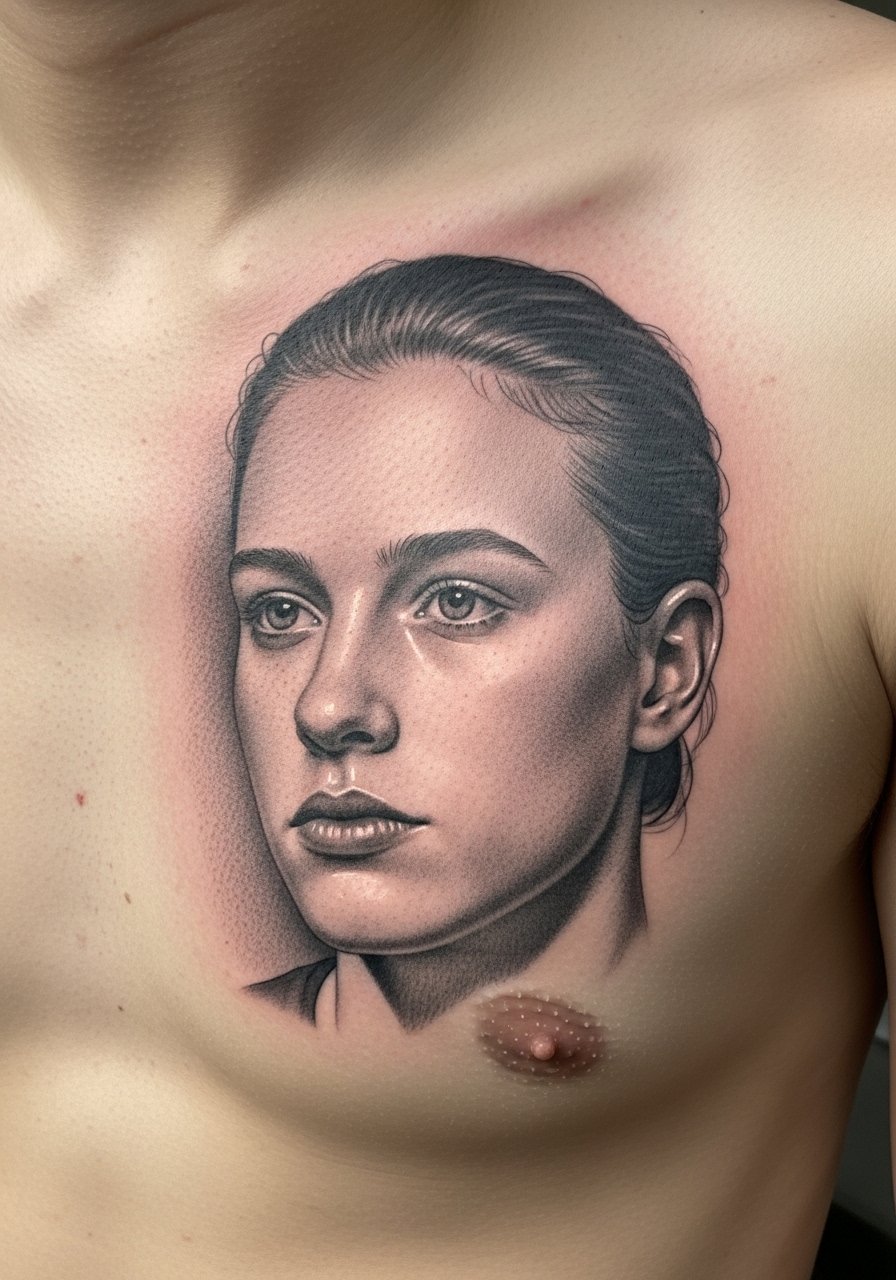
When I wanted a small portrait, the side-rib entrance near the sternum gave me the best framing. Micro-realism on ribs needs an artist who specializes in tiny facial details. Expect a 2 to 3 hour session for a small piece. Pain spikes when working over ribs, but short breaks help. Ask the artist to plan slightly bolder midtones so features hold at two and five years. A common mistake is requesting ultra-fine hair details that vanish as skin ages. I recommend requesting reference photos with the exact contrast you want and asking for proof stencils placed on your body before inking to confirm scale.
4. Neo-Traditional Animal Portrait on Side Rib
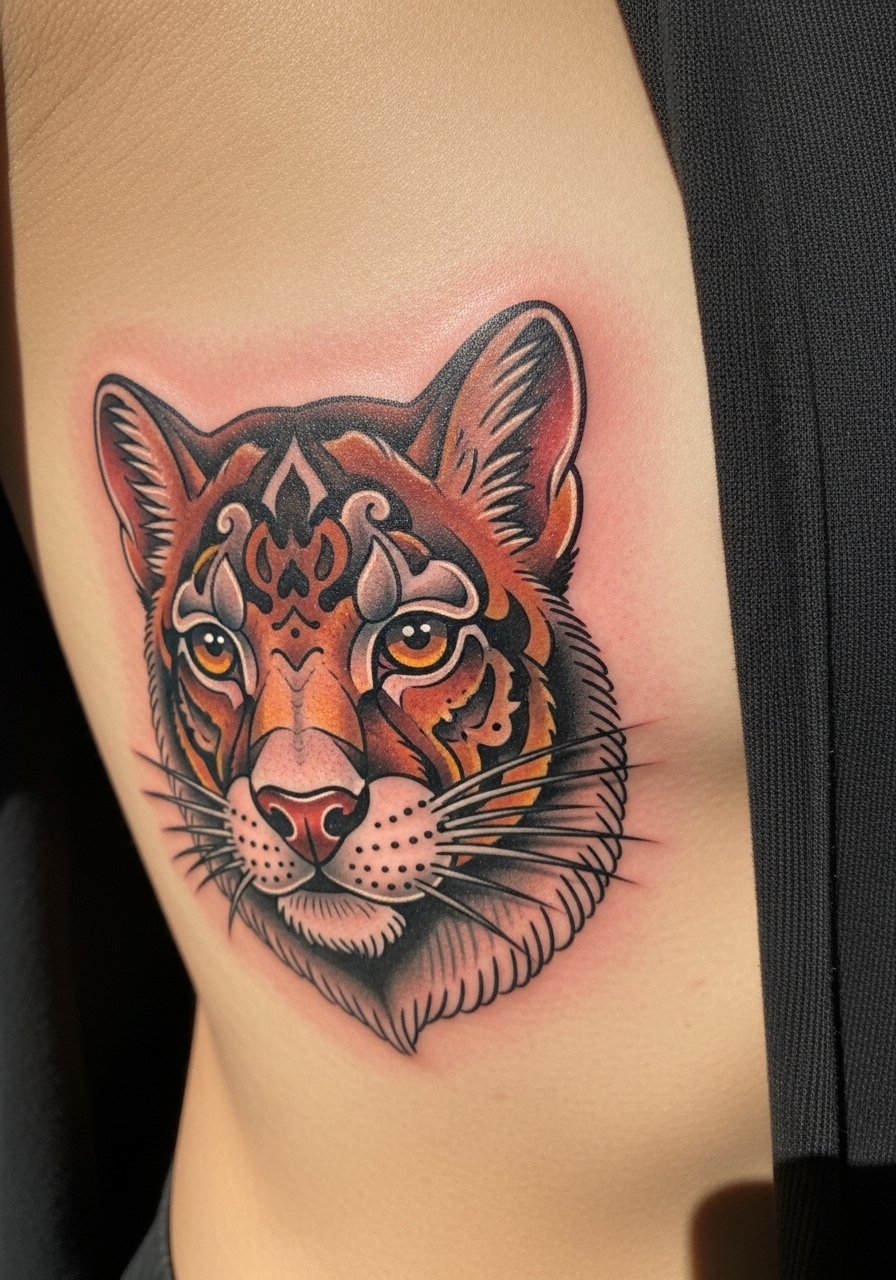
I fell for neo-traditional animals because they balance color and bold lines. On the ribs, color needs room to breathe so it does not migrate. Expect moderate to high pain. Sessions often run two to three hours depending on color layers. Tell your artist you want clean outlines with color packed in layers, not watercolor washes. A common pitfall is asking for too many tiny color spots. Small dots of color blur on ribs. Over the first year, color will soften but stay vibrant with proper sun protection. This style works better larger on the ribs than as a tiny patch.
5. Watercolor Wave Rib Flow
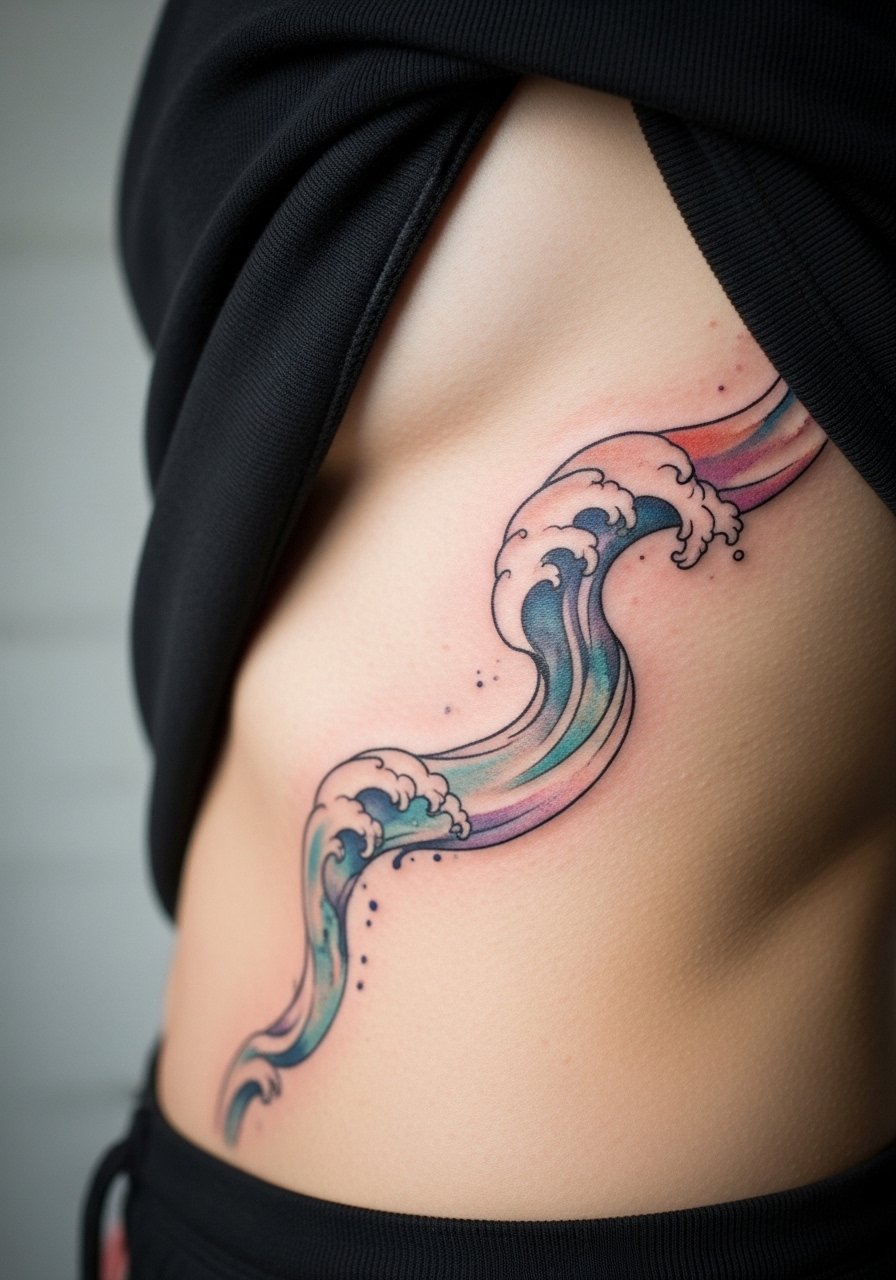
I used watercolor accents to suggest motion along my rib line. Pain feels sharp when the needle crosses ribs. Watercolor stains work visually, but they can fade faster than solid color. If you like this look, ask your artist to anchor the piece with subtle linework or a thin black outline so the design keeps shape as pigments soften. A mistake many make is asking for pure watercolor with no structure. At six months the color will be dreamy. By two years expect some bleeding unless you use long-term balm and daily SPF. This is for someone who likes painterly pieces and will commit to maintenance.
6. Script Quote Along Lower Ribs
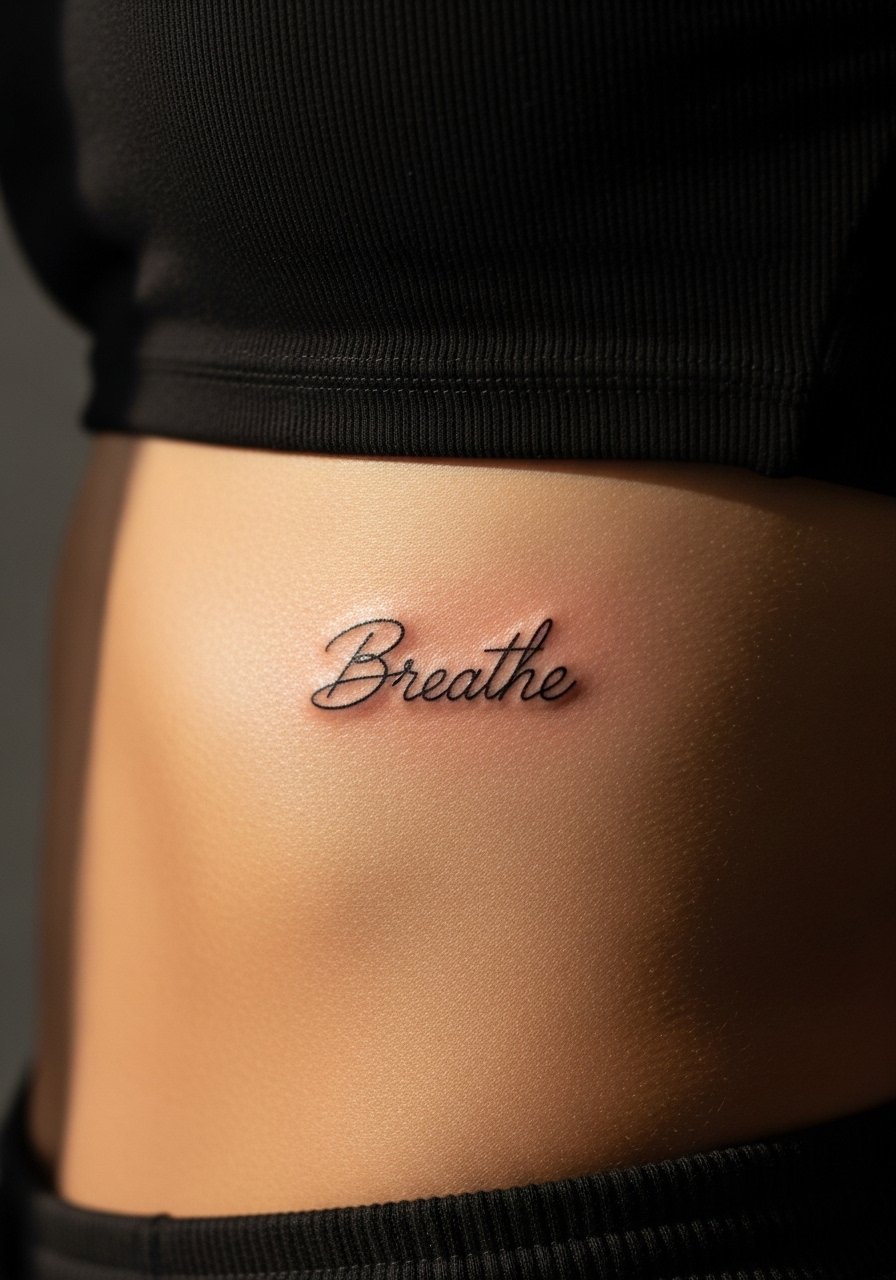
I chose a short phrase for personal reasons, and ribs exaggerate script when you laugh or twist. Pain is intermittent and can feel intense on the lower ribs. For lettering, ask for an artist who does script tattoos on sternums or wrists, not someone who generally does big color. The big mistake is picking a font too thin for the stretch. Specify the exact text and font size when you book. At six months letters settle and become easier to read. At two years very thin flourishes may need touch-up. Bring typed reference and show where you want capital sizes to fall.
7. Dotwork Mandala Ribs Centerpiece
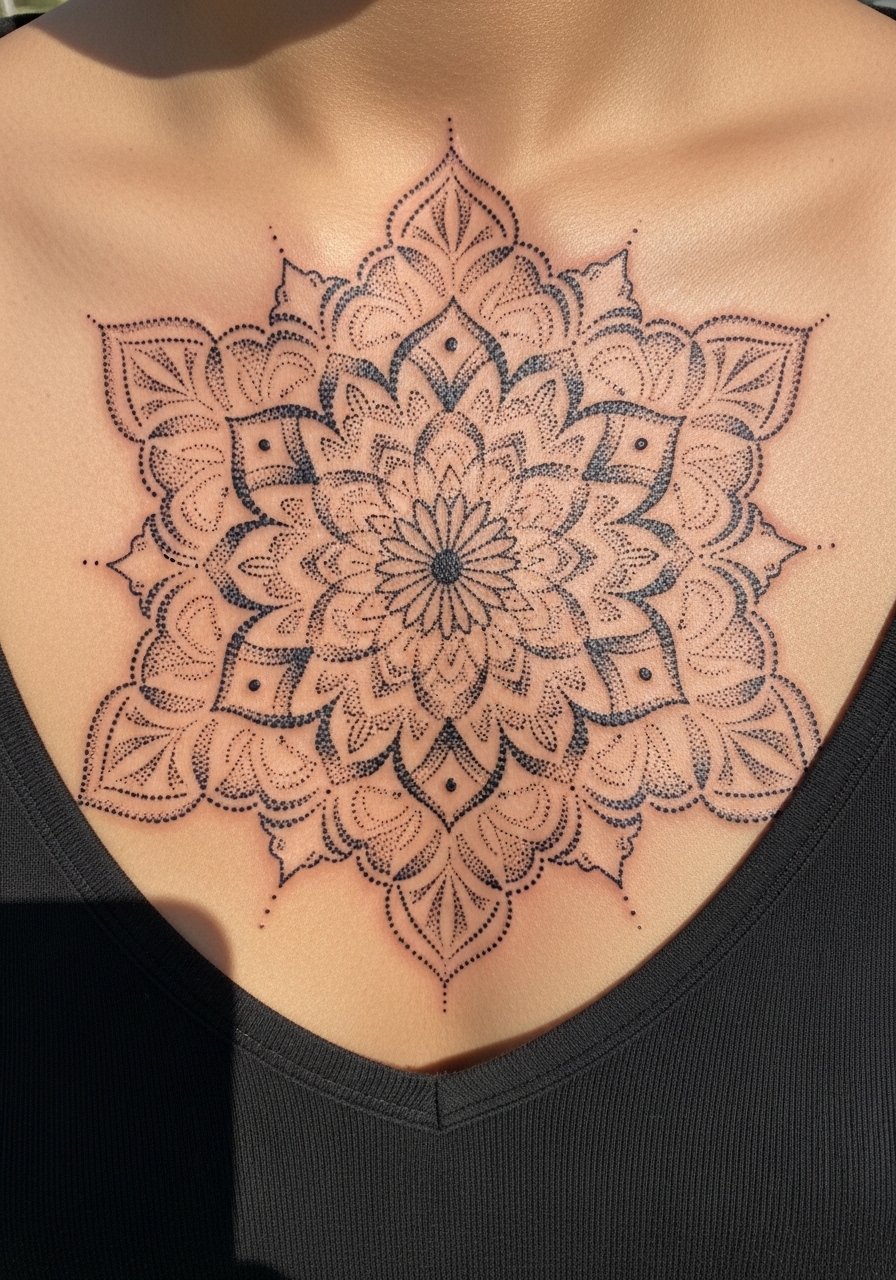
I saw this at a convention and loved the way dots read from a distance. Dotwork takes time and patience. Expect a long session if you want a large mandala spanning the ribs. Tell the artist you prefer density over random sparseness because evenness matters as dots age. The mistake I witness often is starting with too wide negative gaps. From what I've seen, consistent stippling gives a soft fade that looks intentional at two and five years. Pain is steady but manageable with breaks. This suits someone who wants meditative imagery and can sit longer.
8. Minimalist Line Rib Sketch
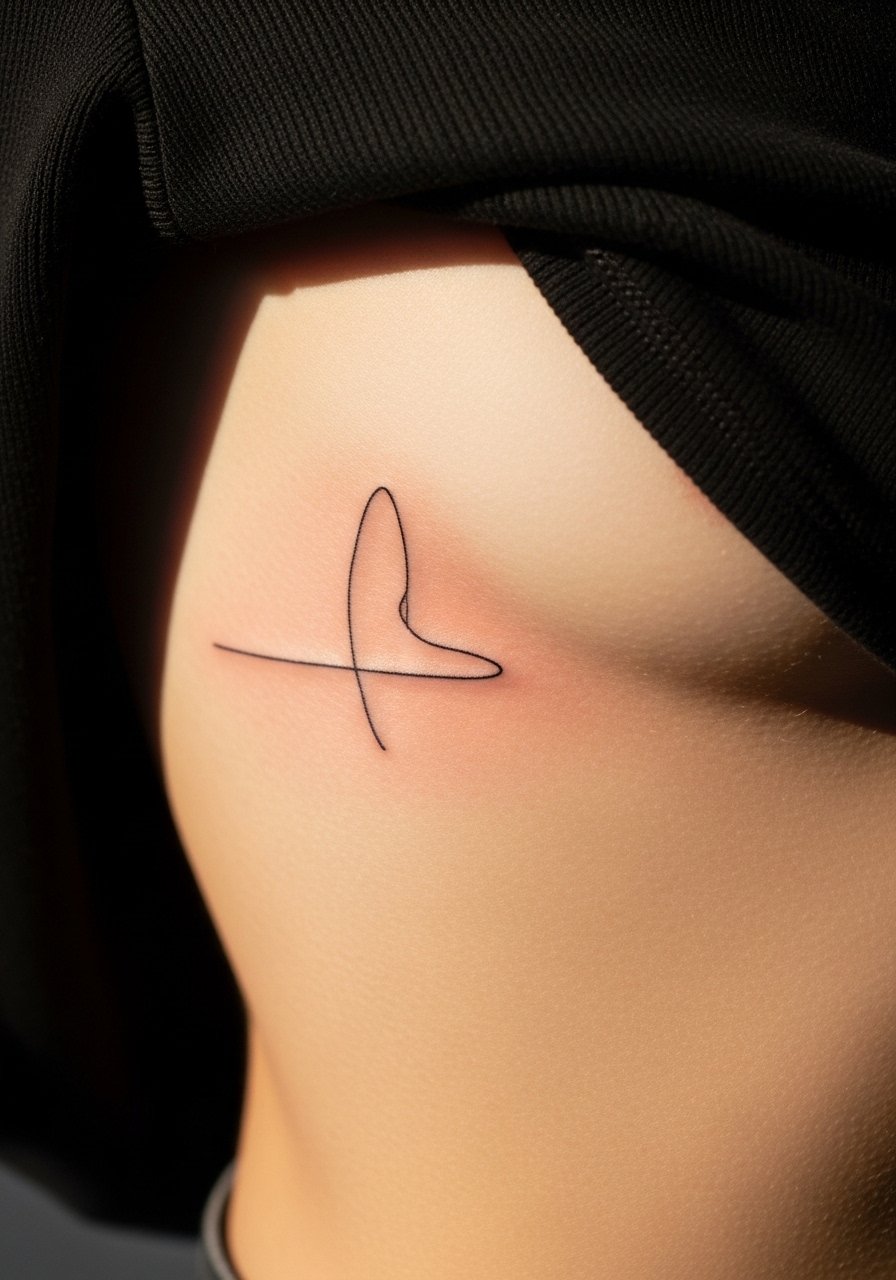
I spotted a continuous line rib sketch on an Instagram reel and wanted the simplicity. Pain is high because the ribs are thin. Session time is short for small pieces, often under an hour. The main error is asking for a hairline single pass. Lines that are too thin vanish. Ask for a slightly bolder pass that still looks minimal. At six months the line will soften and may need touch-up by three years. This is best for someone who loves subtlety and plans for occasional refreshes.
9. Botanical Blackwork Rib Sleeve
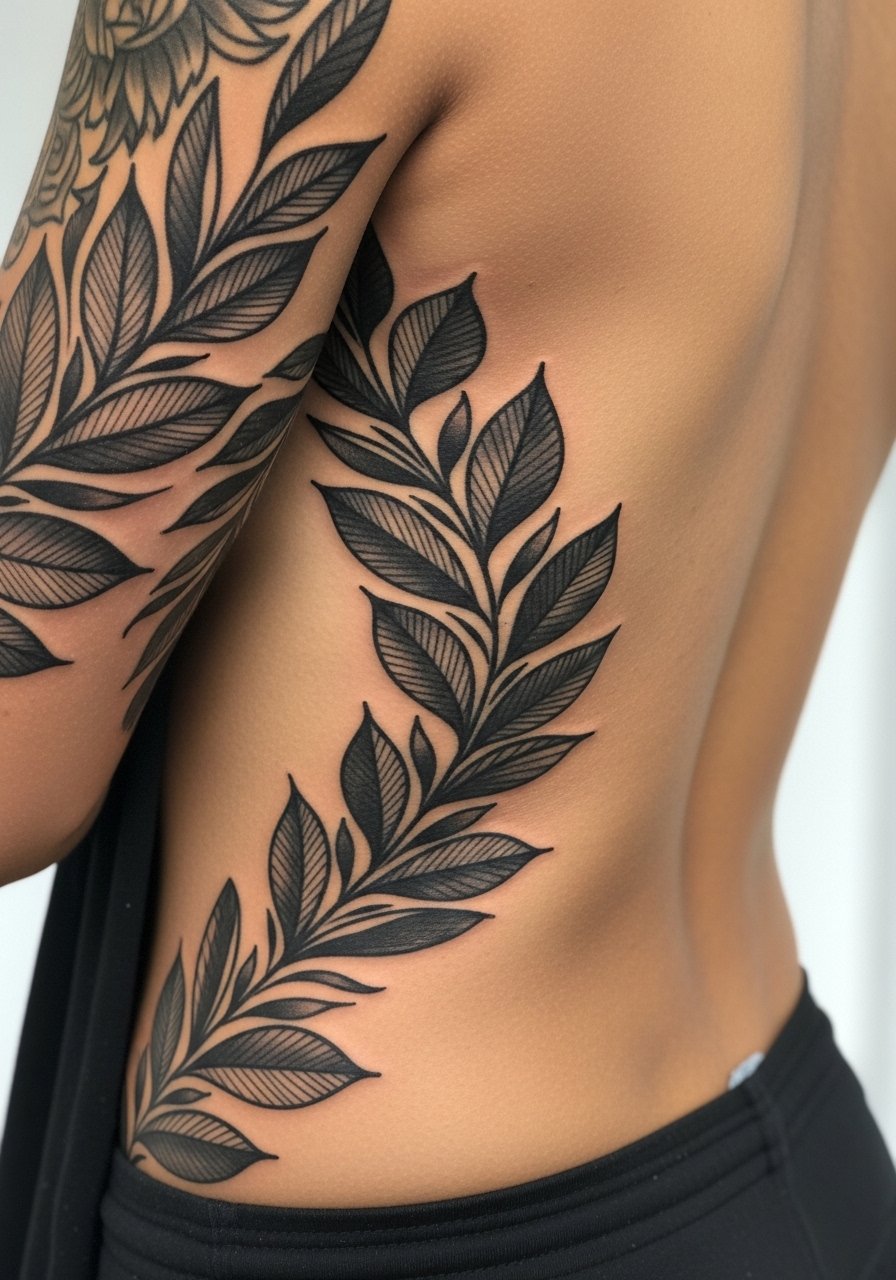
I found a local artist who builds botanical wraps using negative space. Blackwork on the ribs needs strong heals because large fills can scab. Expect multiple sessions. Tell your artist you want blocky fills with breathing room. A mistake I see is overfilling tiny areas leading to blowouts. Proper planning and staged sessions prevent this. After a year, well-done blackwork keeps its silhouette. This is for collectors who want a dramatic look and can commit to multiple sittings.
10. Celestial Phases Along Rib Arch
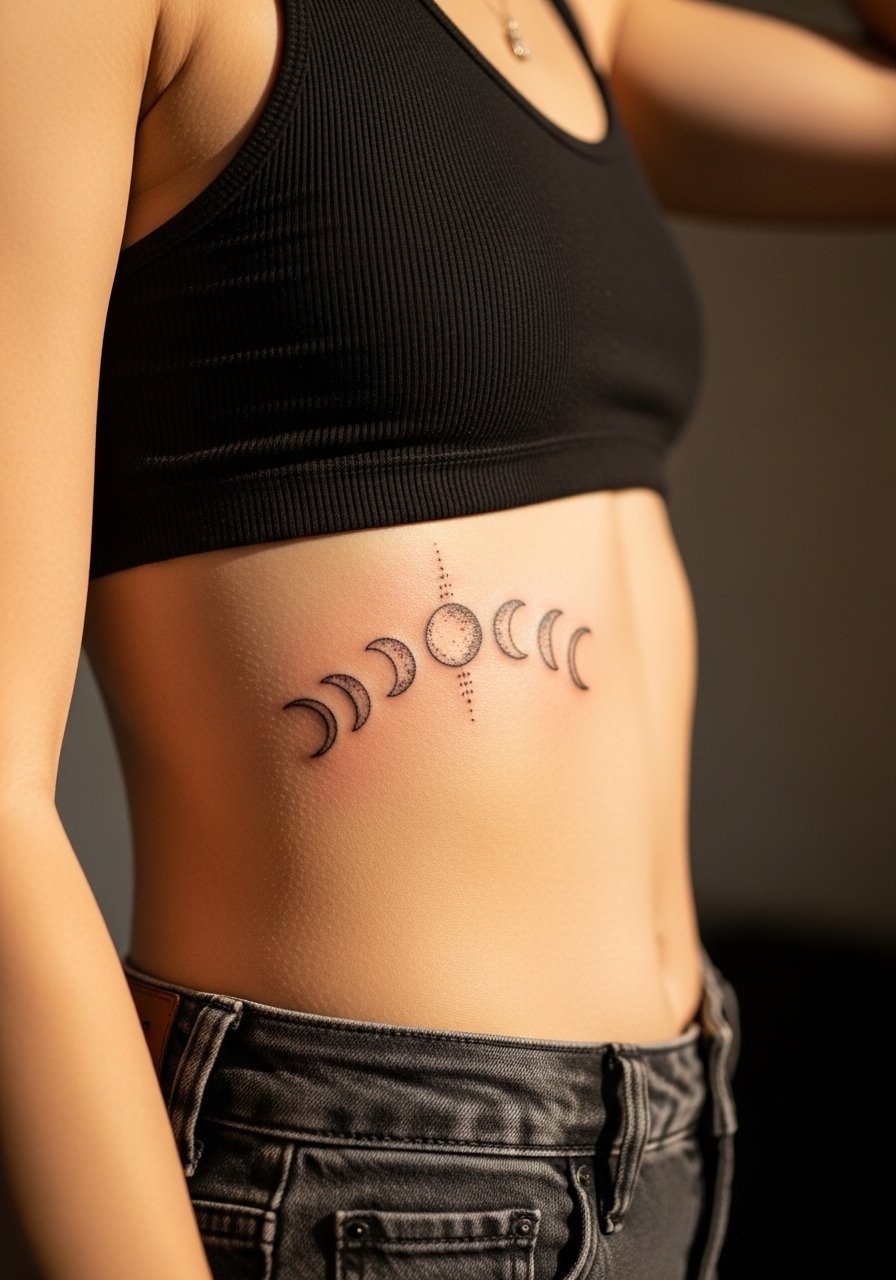
I recommend lunar phases if you like symbolism that follows your rib curve. It hurts but each moon can be done as a short pass. Tell your artist you want consistent spacing and slightly bolder crescent edges. The common mistake is making moons too small. Tiny moons merge into a gray smudge over time. At six months phases read clearly. At two years small moons may need thicker ink to remain distinct. This is a good option for first-timers who can handle brief spikes of pain.
11. Neo-Japanese Koi Rib Panel
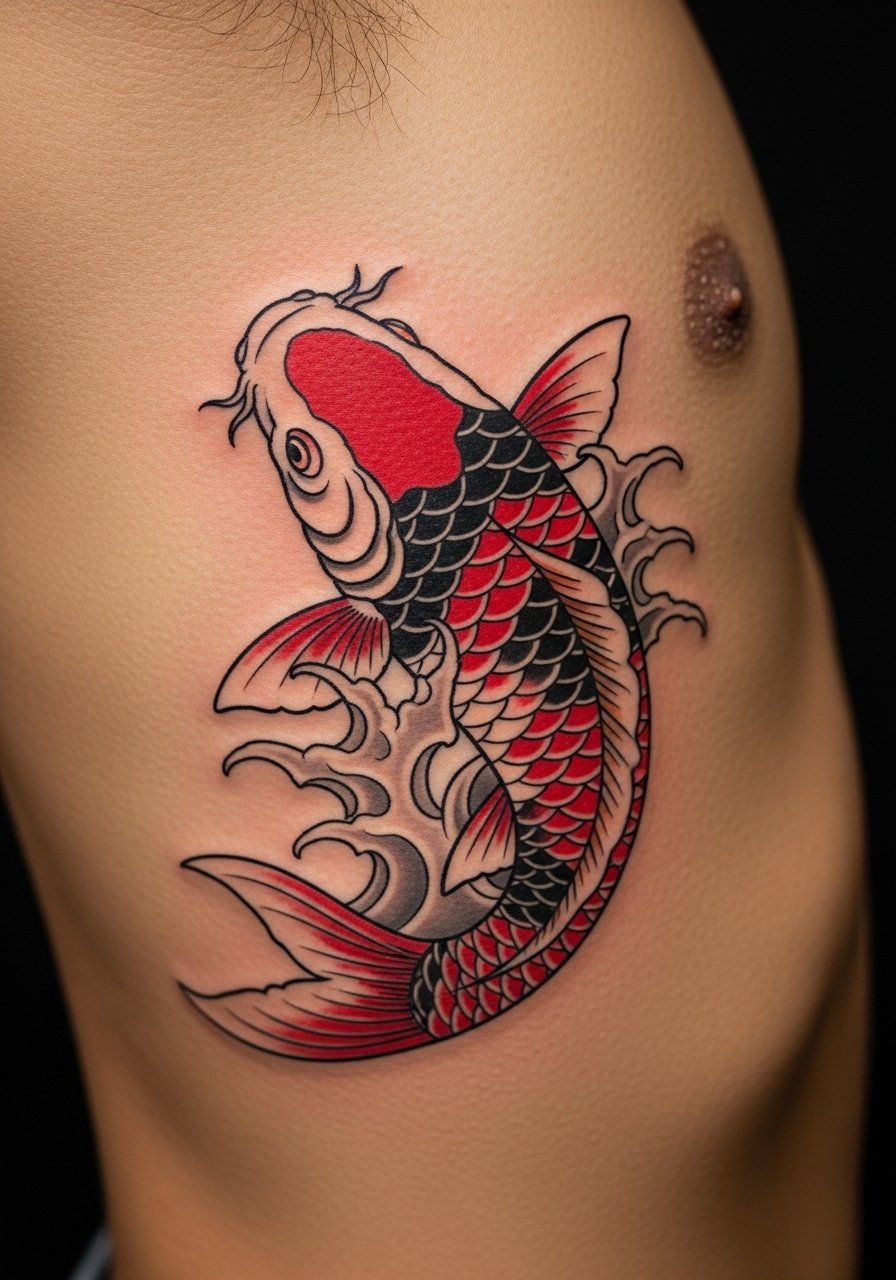
I learned that traditional Japanese flow maps well to ribs because it moves with muscle. Pain varies across curves. Expect several sessions for color layering. Tell your artist to plan the composition for movement, not symmetry. A major mistake is shrinking the design to fit in a narrow space. It loses impact. At six months colors soften and blend, and proper aftercare keeps saturation intact at two years. This style suits someone who prefers narrative imagery and larger formats.
12. Micro Dot Portrait with Negative Space
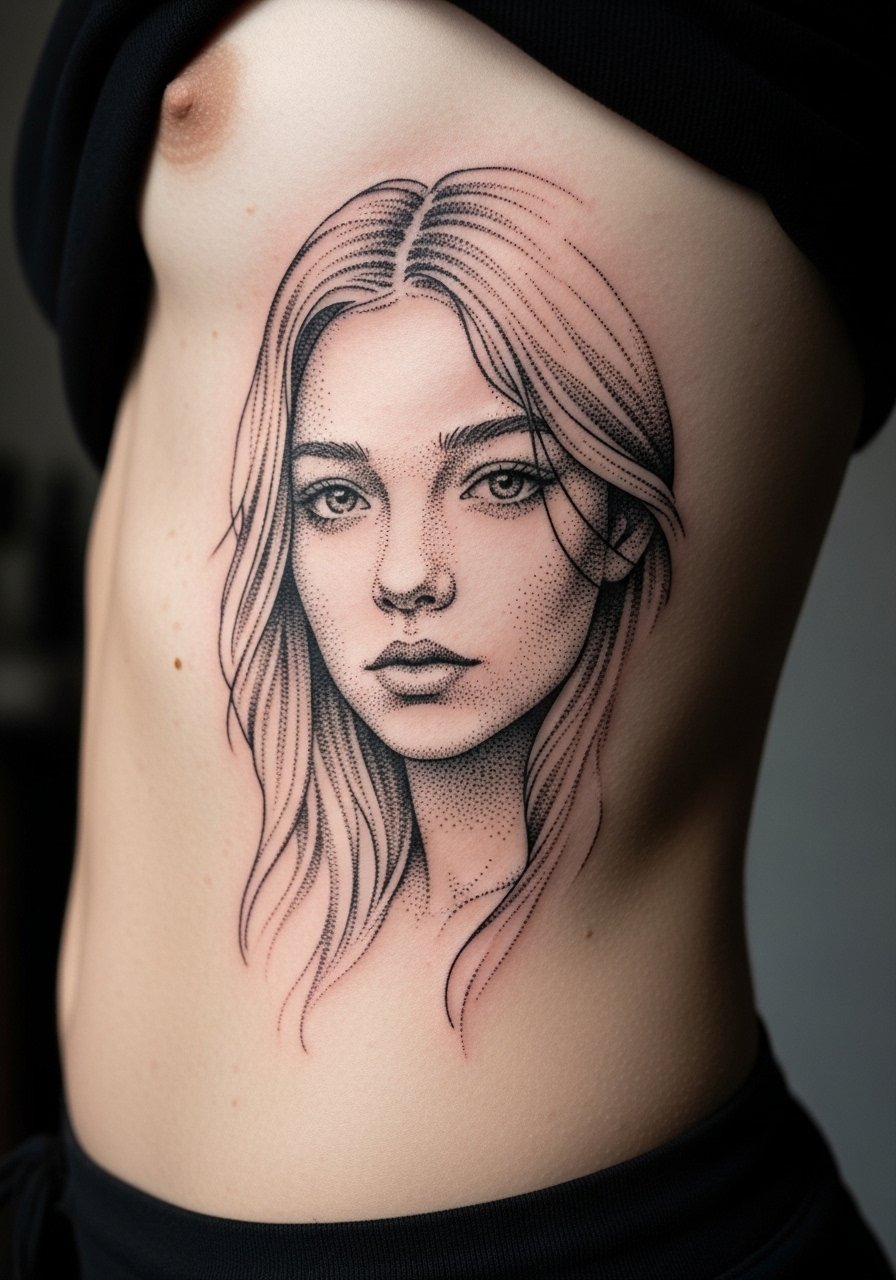
I like portraits that rely on negative space rather than heavy lines. Pain is steady, and the work requires patience. Sessions are long for high-detail stippling. Tell the artist you want reference contrast adjusted for skin tone and rib contour. People often underestimate how much negative space they need. Too little space makes details blend after healing. From what I've seen, this approach ages gently with a soft, photograph-like quality at one year. This is for someone who wants realism without heavy black outlines.
13. Abstract Geometric Rib Composition
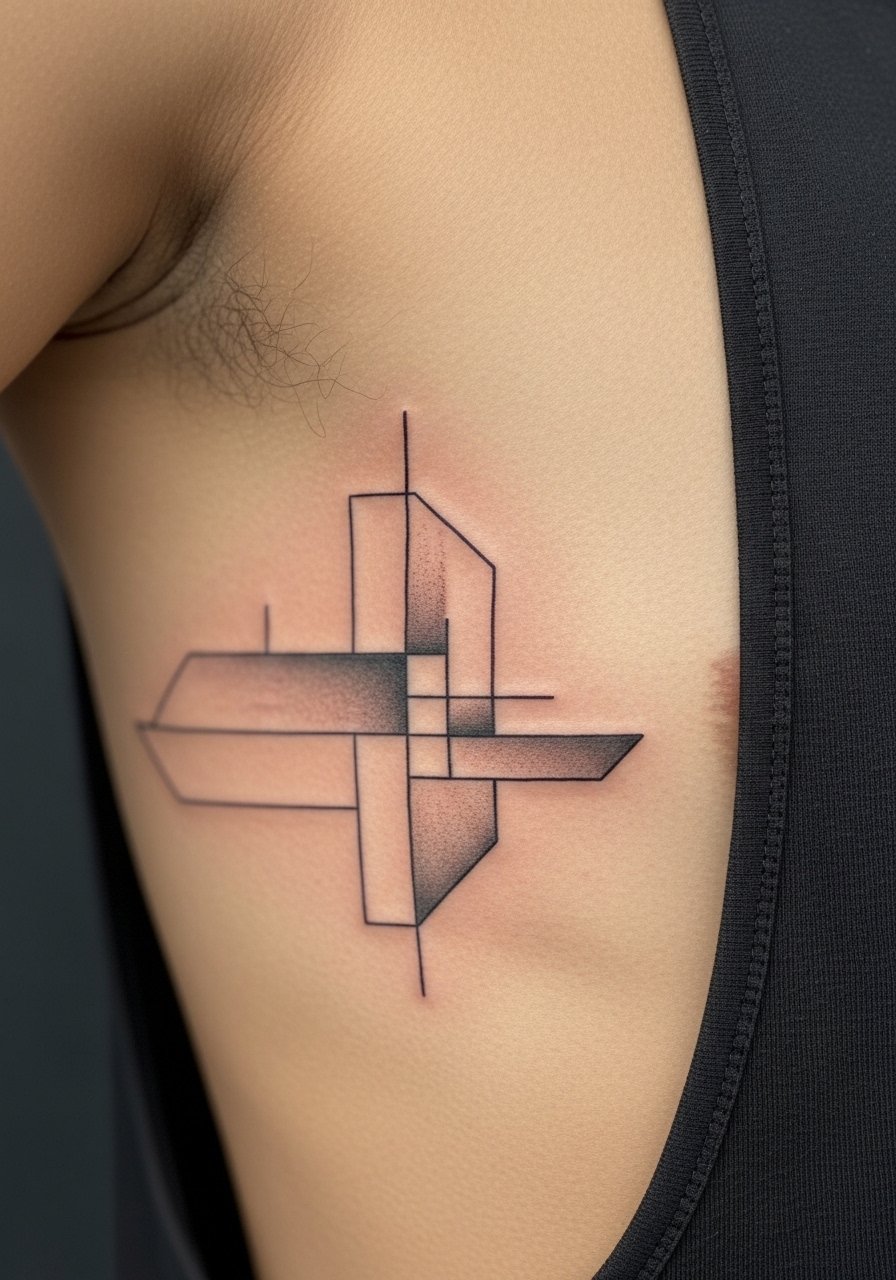
I started seeing geometric shapes that interact with breathing. The ribs are perfect for designs that elongate when you inhale. Pain comes in waves depending on placement. Ask your artist to test the stencil on your body while you breathe to confirm flow. The typical mistake is ignoring natural body movement. If shapes clash with ribs, they warp as you move. At six months edges remain crisp if spacing was generous. This style works if you want an architectural feel and plan your design to move with the body.
14. Floral Black And Gray Ribpiece
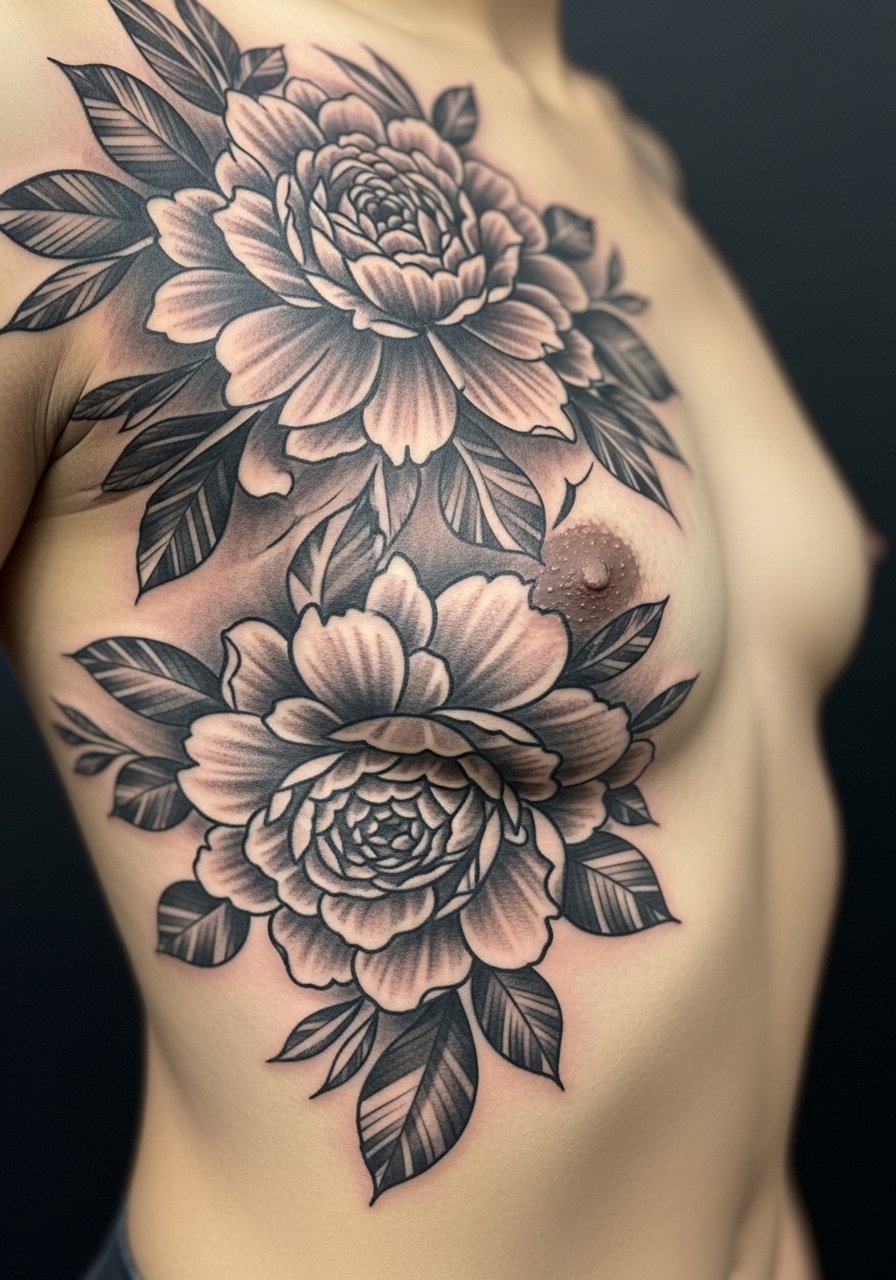
When I wanted a moody piece, black and gray florals felt right. Shading on the ribs heals differently than on meatier parts. The session may cause more scabbing because of shading density. Ask for softer gradients and less saturated midtones to avoid thick scabs. A common mistake is requesting heavy black shadows that pool. At six months flowers look soft and dimensional. At two years fine shading may blur slightly, but good contrast keeps the piece readable. This style suits someone who likes subtle drama.
15. Small Nautical Compass Near Lower Rib
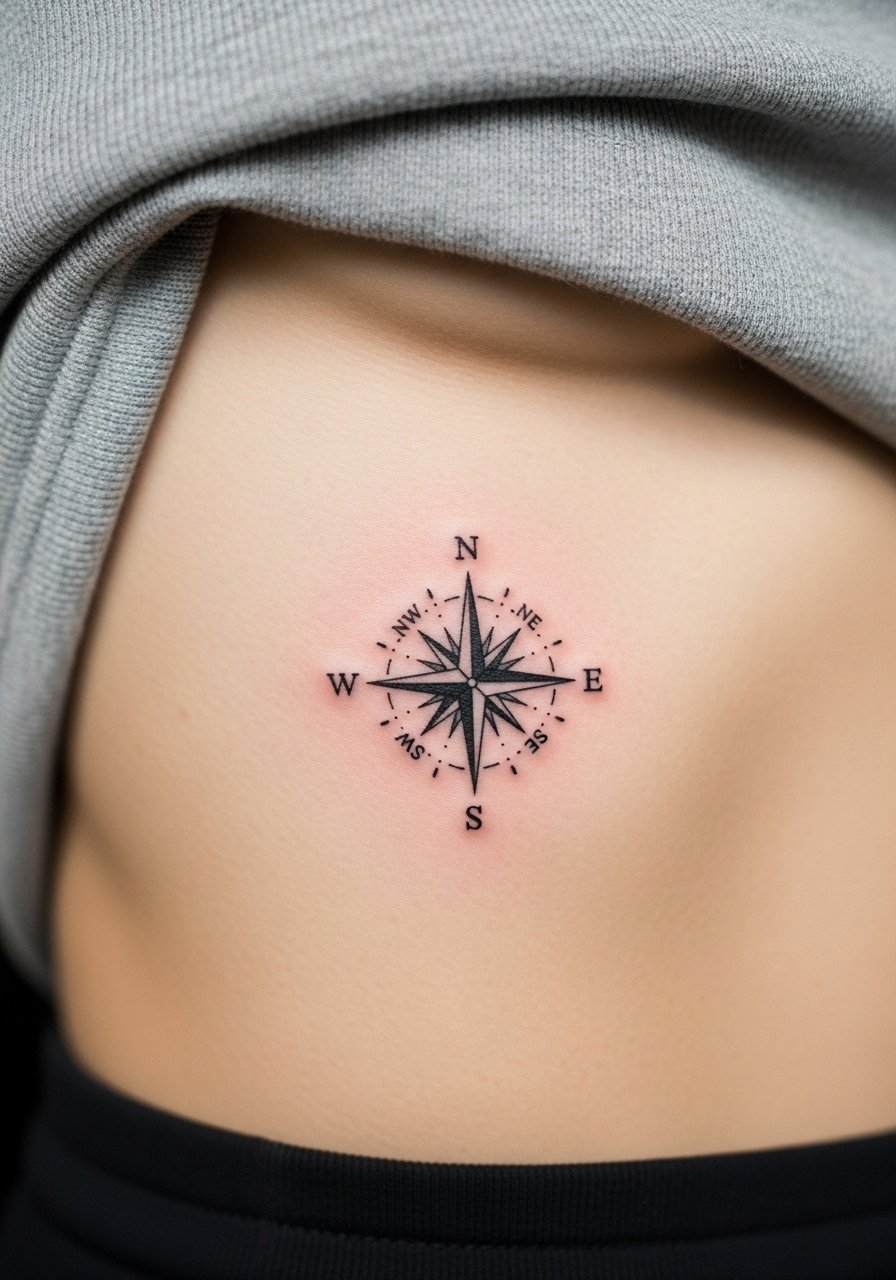
I chose a compass for a subtle directional piece. The lower rib area stings more because the skin is thin. Tiny pieces like compasses can be done quickly. The biggest mistake is asking for ultra-fine points. Fine points flatten with movement. Tell your artist you want slightly reinforced cardinal ticks to preserve clarity at one year. Healing shows crisp edges at six months if aftercare is followed. This is ideal if you want symbolism in a small, revealable spot.
16. Illustrative Mythical Creature on Side Ribs
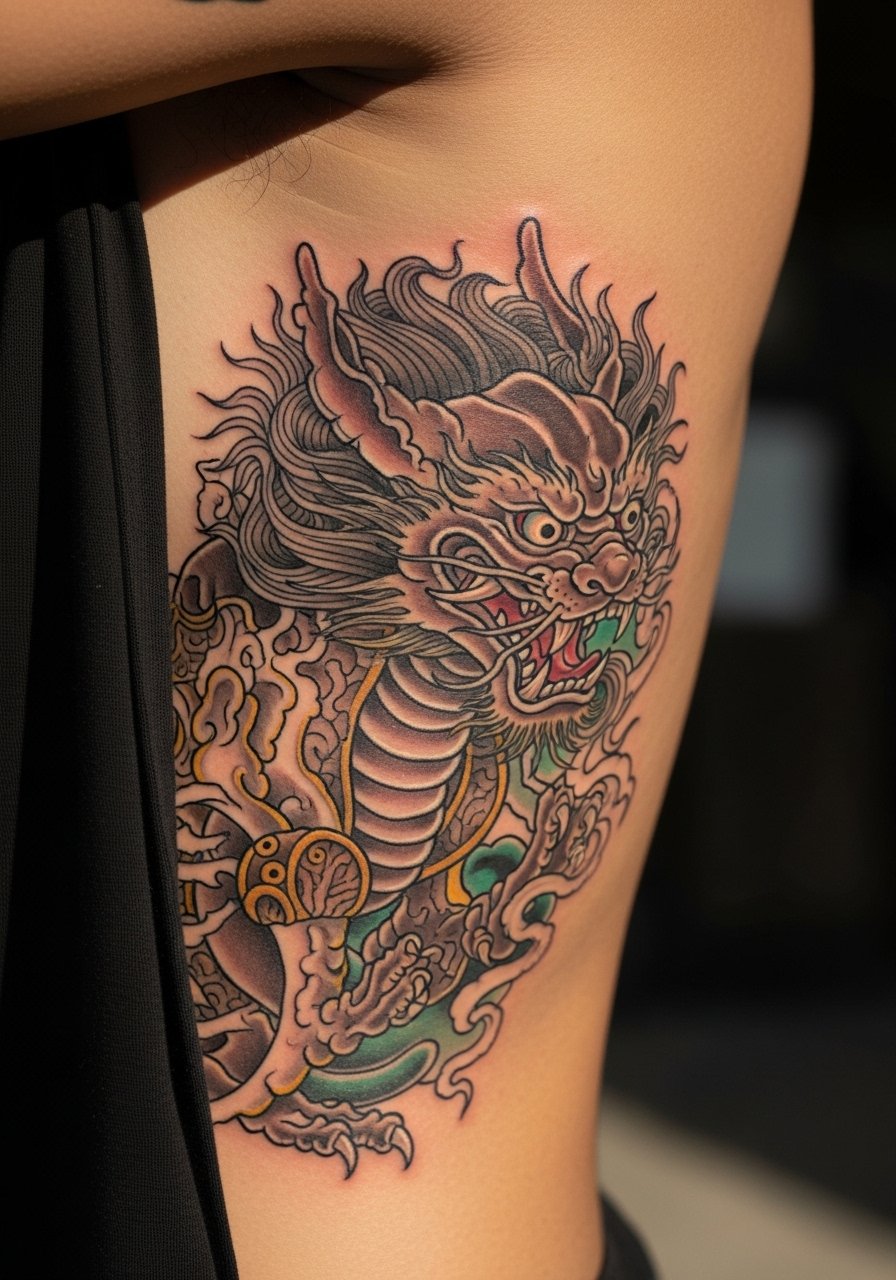
I love narrative pieces and the ribs give enough canvas for stories. Expect a multi-hour session for complex illustrative work. Tell your artist to break the scene into stages so color sits well. A mistake I often see is cramming too many small elements into a narrow strip. Clarity suffers. At six months the piece looks cohesive. At two years small details may soften but the story remains. This is for someone ready for a commitment and who wants their rib area to tell a visual tale.
17. Single Needle Script in Cursive Along Rib
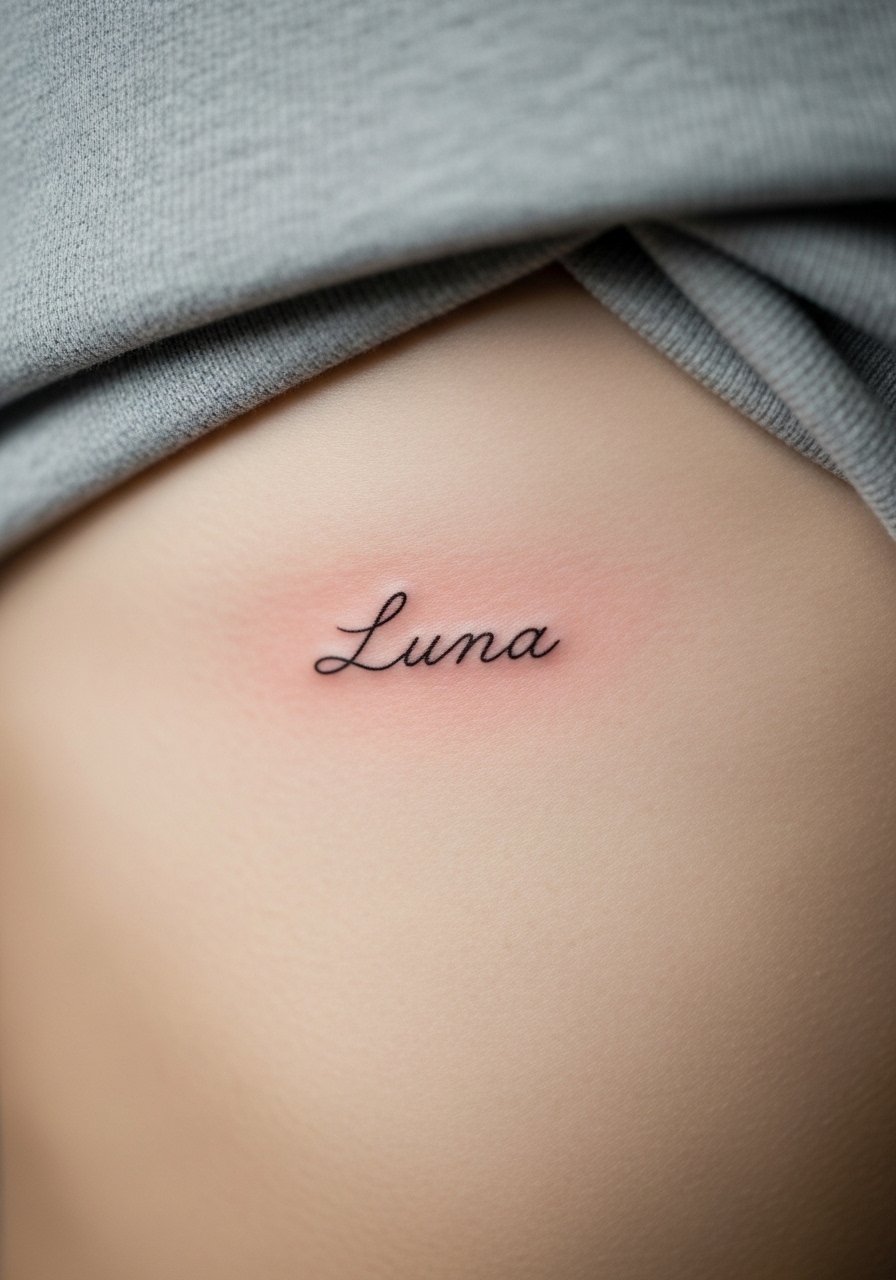
I tried single needle cursive and learned that letters need breathing room. Pain is sharp but the session is brief. Ask for slightly increased stroke thickness because single needle ink thins as it heals. Common mistakes include heavy flourishes that merge. At six months the script settles and looks soft. At two years very thin strokes may require touch-up. This suits someone who wants intimate text that hides under clothing.
18. Scar-Cover Rib Tattoo With Organic Shapes
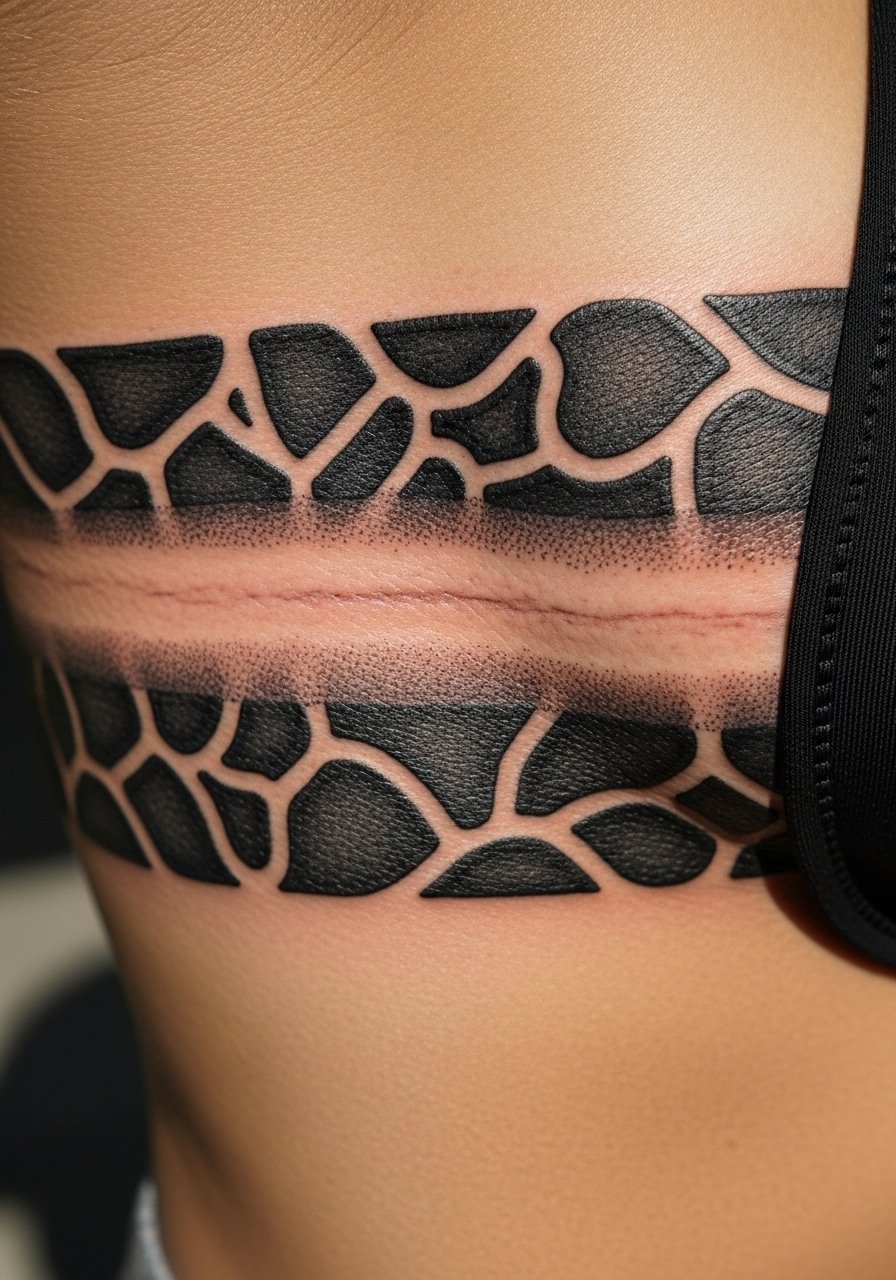
I helped a friend cover a rib scar using organic black shapes that follow natural lines. Scar tissue reacts differently, so pain varies. The session often takes longer because artists work carefully. Ask your artist for a test patch and to explain scar behavior. A common misstep is expecting full coverage in one session. Multiple passes with staged healing yields the best blend. From what I’ve seen, healed cover-ups on ribs hold surprisingly well when ink is well seated. This option is for people who want healed texture camouflaged.
19. UV Accent Rib Motif With Black Outline
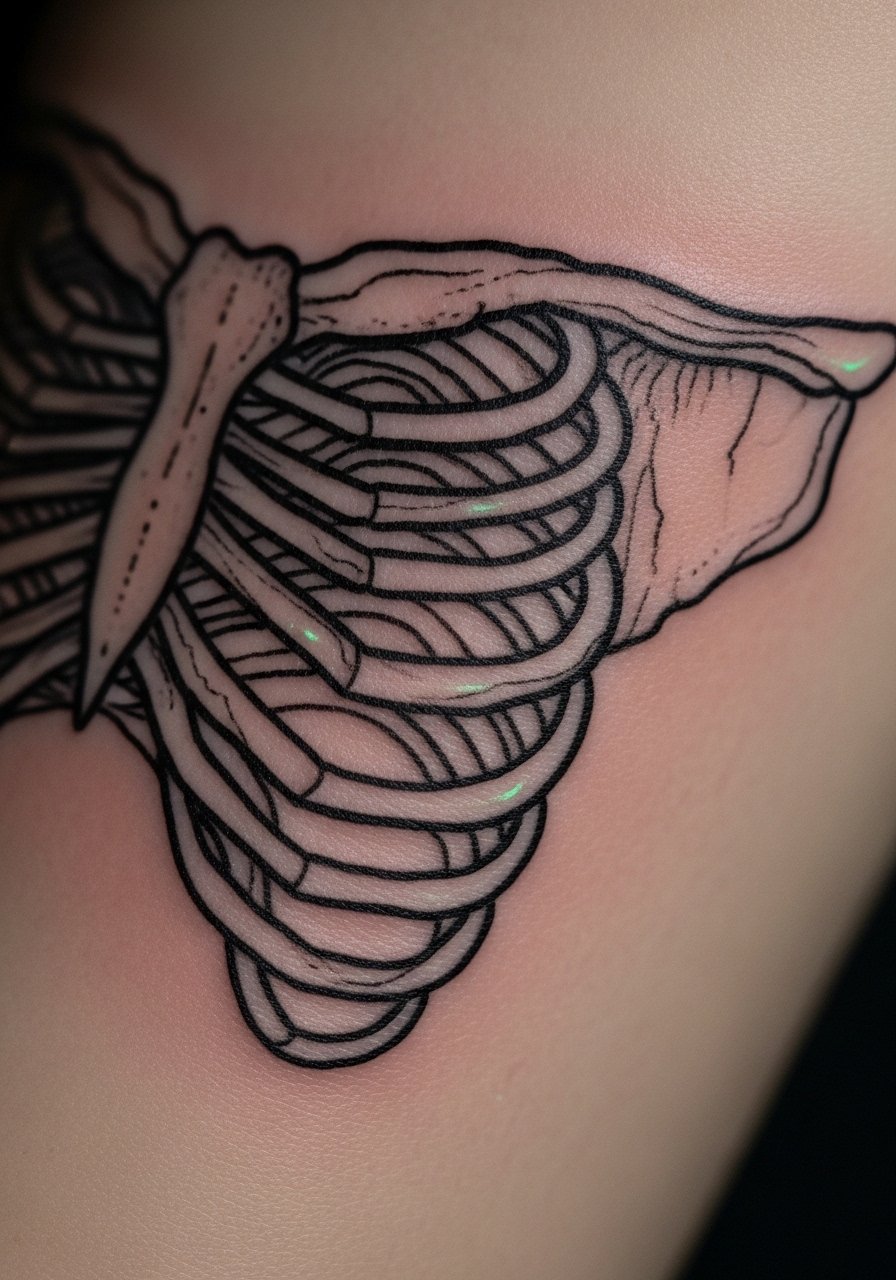
I experimented with subtle UV touches added to a standard black outline. The ribs are great for secret accents that pop under club lighting. UV spots do fade faster so expect maintenance. Pain is similar to regular ink. Tell your artist you want minimal UV and strong black anchors so design still reads in daylight. The mistake I often see is relying solely on UV for visibility. At six months UV is faint in daylight. At two years it may be gone unless refreshed. This is for people who want a playful, low-key glow.
Tattoo Prep and Aftercare Essentials
- Aquaphor Healing Ointment, 14oz tube. Industry standard for first 3 to 5 days. I use a thin layer at night
- Saniderm Transparent Adhesive Bandage, 6-inch roll. Second skin healing method. Every artist I know recommends it for the first 24 to 72 hours
- CeraVe Fragrance-Free Moisturizing Lotion, 12 oz. Daily moisturizer for days 4 to 14. I prefer the pump bottle for hygiene
- Dr. Bronner's Unscented Castile Soap, 32 oz. Gentle cleanser for rinsing twice a day the first week. Dilute a small drop with water
Before Your Appointment:
- Numbing cream with 5% lidocaine, 30g. Apply 30 to 45 minutes before your session only if your artist approves. Some artists prefer no numbing
- Tattoo stencil transfer paper, A4 pack. Useful if you want to test placement at home before your appointment
Long-Term Maintenance:
- SPF 50 sunscreen stick for tattoos, travel size. Use on healed tattoos whenever they see sun. I carry one for beach days
- Mad Rabbit Tattoo Balm, 2 oz. Long-term maintenance for vibrancy. Artists I know recommend it for healed pieces
- Hustle Butter Deluxe, 5 oz. Vegan alternative that works during healing and after. Smells better than most aftercare
Optional Comfort Items:
- Tattoo numbing spray, 4 oz. Handy for touch-ups or sensitive areas mid-session
- Hydrocolloid bandages, large size pack. Good alternative to Saniderm for small to medium tattoos
I grouped items for prep, immediate healing, and long-term care. From what I’ve gathered, artists recommend Saniderm for the first couple of days and then a fragrance-free lotion like CeraVe. I personally keep Aquaphor on hand for night-time moisture and Mad Rabbit for occasional maintenance.
Frequently Asked Questions
Q: Will fine line floral ribs blur faster than bold pieces?
A: In my experience, fine line florals blur faster if the lines are too thin or placed directly over bony ribs. Ask your artist to thicken primary stems slightly and to space leaves. If you plan to skip touch-ups, choose a design with small areas of intentional darkness. For healing, I use CeraVe Fragrance-Free Moisturizing Lotion, 12 oz after the initial sealing period.
Q: Do watercolor rib tattoos need different aftercare than blackwork?
A: Watercolor pieces need SPF sooner because lighter pigments fade more quickly. In my experience, you still follow the same first-week routine, but then switch to a protective balm and daily sunscreen like SPF 50 sunscreen stick for tattoos, travel size once healed. Ask your artist how saturated they plan to ink color and whether they recommend staged touch-ups.
Q: Can scars on ribs be tattooed over safely?
A: Yes, but scar tissue behaves differently. Every artist I’ve seen requests a test patch or a conservative approach. Expect multiple sessions and plan for more frequent touch-ups. Consider Hustle Butter Deluxe, 5 oz during healing to keep skin supple, but follow your artist’s guidance first.
Q: How painful are rib sessions for neo-traditional pieces with color?
A: Pain varies by person and exact rib location. Generally ribs rank higher because the needle hits closer to bone. Neo-traditional color adds longer sessions. I found splitting work into two sessions helps. Bring snacks and plan for hydration. Some artists allow a numbing option like Numbing cream with 5% lidocaine, 30g if they approve.
Q: Are UV ink accents worth it on ribs?
A: UV inks look cool under blacklight, but they fade faster and often need touch-ups. I recommend using UV as an accent, not the main structure. Make sure you discuss brand safety and longevity with your artist. For maintenance I keep simple moisturizers and avoid heavy sun exposure so the UV stays longer.
Q: Will a script along the ribs stay legible after pregnancy or large weight change?
A: Significant weight changes alter skin texture and stretch. From what I’ve seen, scripts on ribs can distort with major body changes. If this is a concern, ask your artist to use slightly bolder strokes and to place the script where your skin is less likely to stretch. It helps to bring recent photos showing your body shape during consultation.
Q: What should I say to my artist when booking a rib portrait?
A: Bring sized photo references and specify scale, contrast, and desired age look. I always ask the artist to show a test stencil in position while I move and breathe. If you want durability mention that you prefer stronger midtones rather than ultra-fine hair details so the portrait reads at two years.