
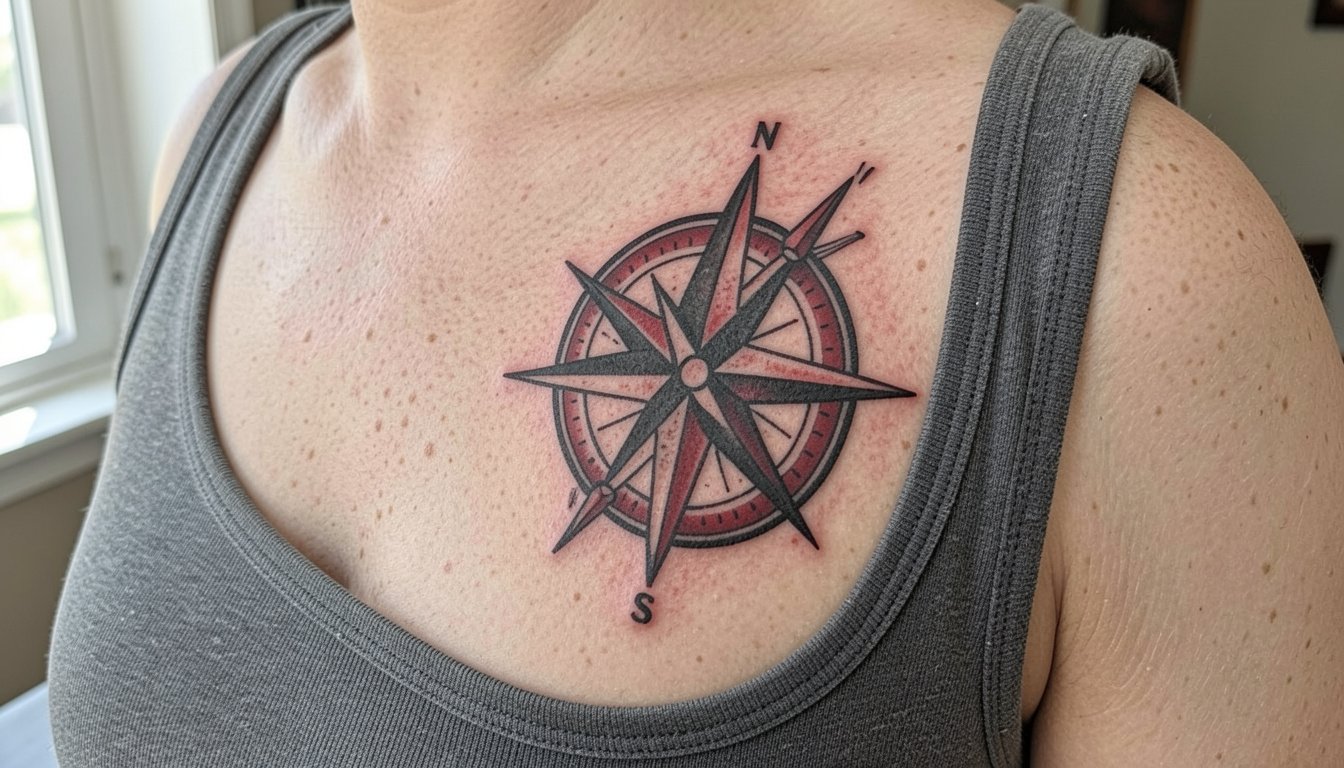
Bold statements work as ink because they stake a claim. The phrase "No Risk No Story" reads like a motto until you pick a font, placement, and size that age well. Small single-needle scripts can blur into a smudge while a compact emblem or confident black line keeps the message legible for years. Below the first idea you will find options that balance permanence with personality.
1. Single-Word Script on Inner Forearm
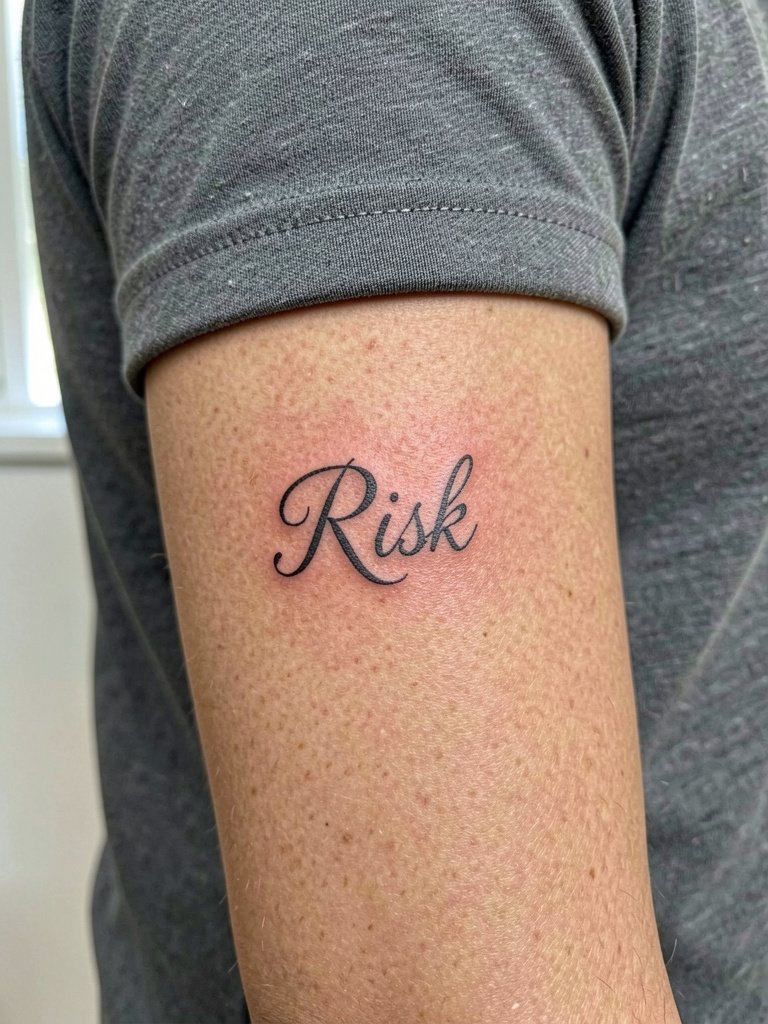
A single word in fine script reads intimate on the inner forearm. I suggest a slightly heavier single-needle weight than the flakiest references so the letterforms keep their counters after a few years. Expect a one-hour session for a short word, and mild tenderness when the palm faces up during the work. Common mistakes are asking for micro-snaky letters that the skin will not hold or placing it too close to wrist creases. For a casual show-off look wear rolled short-sleeve linen shirts that leave the forearm visible.
2. Tiny Compass Dot Work on Side Wrist
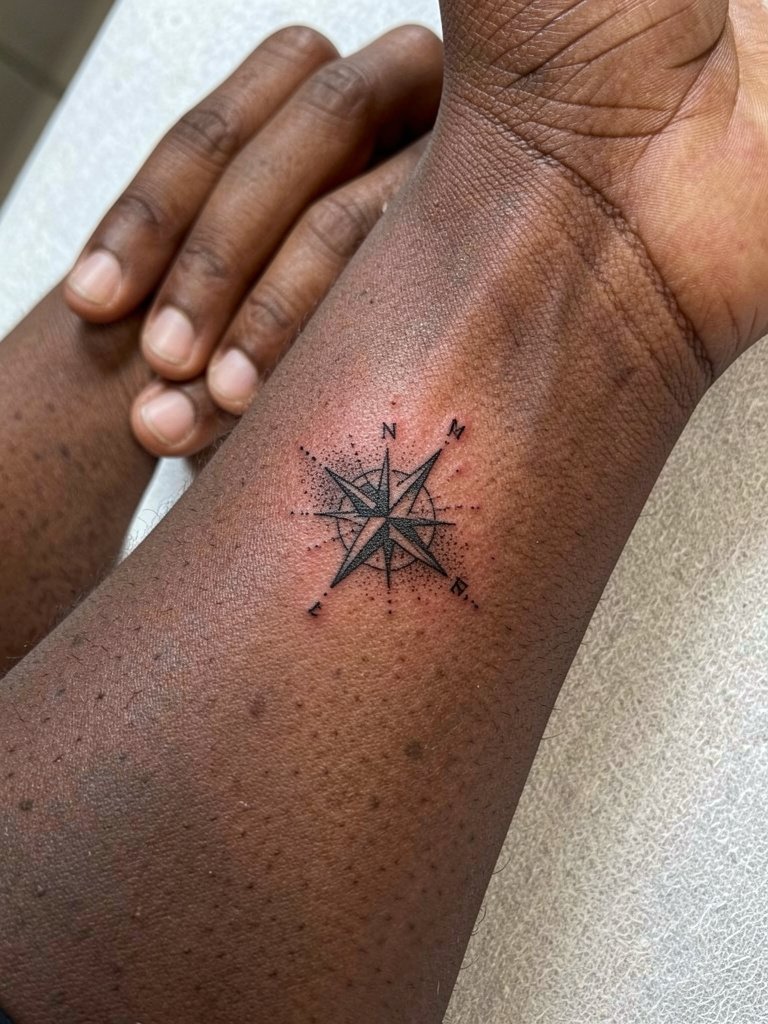
Small geometric emblems on the wrist can be striking when executed with crisp linework and confident spacing. I recommend spacing the compass points slightly wider than reference images to preserve the negative space as the skin settles. The session is short but the wrist sees a lot of movement and washing, so expect a touch-up at 9 to 12 months for dot work that has lost contrast. The main error is pushing for microscopic detail. For evenings out let the piece peek under a delicate chain bracelet that frames the compass without covering its center.
3. Block Lettering Across Collarbone
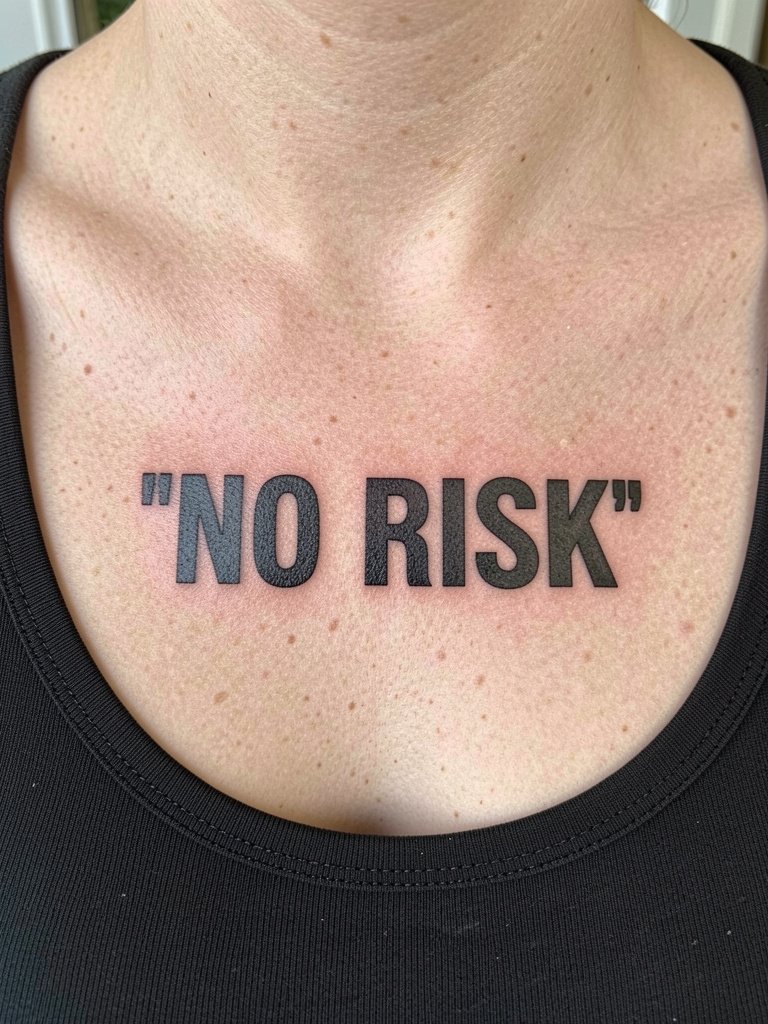
Bold block letters across the collarbone read clean at distance and resist early blurring because the strokes are wide. On the upper chest you will feel moderate pain when the needle crosses thin skin near the bone, and the session length is usually under an hour for a short word. A typical misstep is requesting ultra-condensed strokes that clog when the skin flexes. During consultation bring scaled references so the artist can mock up the exact kerning for your collarbone curve. Pair this placement with open neckline blouses that reveal the lettering naturally.
4. Fine Line Script Over Ribcage
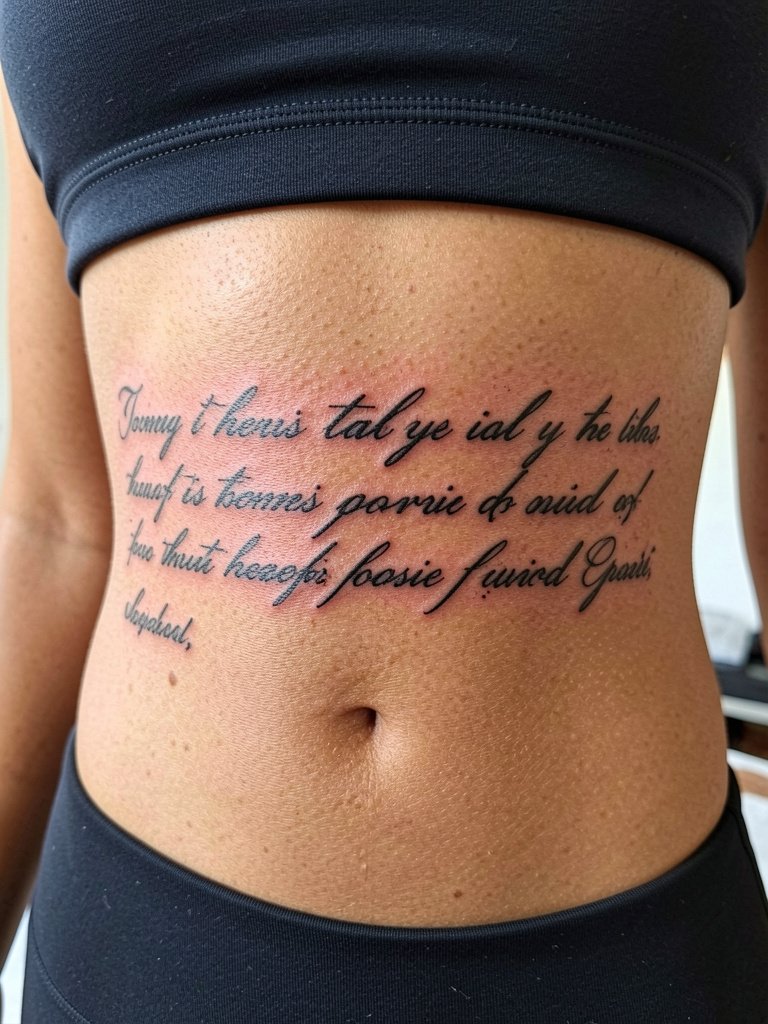
Fine script on the ribs is divisive among artists. One camp argues the constant stretch with breathing and clothing rub causes delicate lines to blur within two years. The other camp says with slightly wider spacing and careful depth the script can settle and remain legible, and they can show healed images to make that case. If you choose this zone budget for a longer session and accept a possible touch-up at year two. For the appointment wear a fitted sports bra that gives clear access without fabric shifting.
5. Small Blackwork Shield on Upper Arm
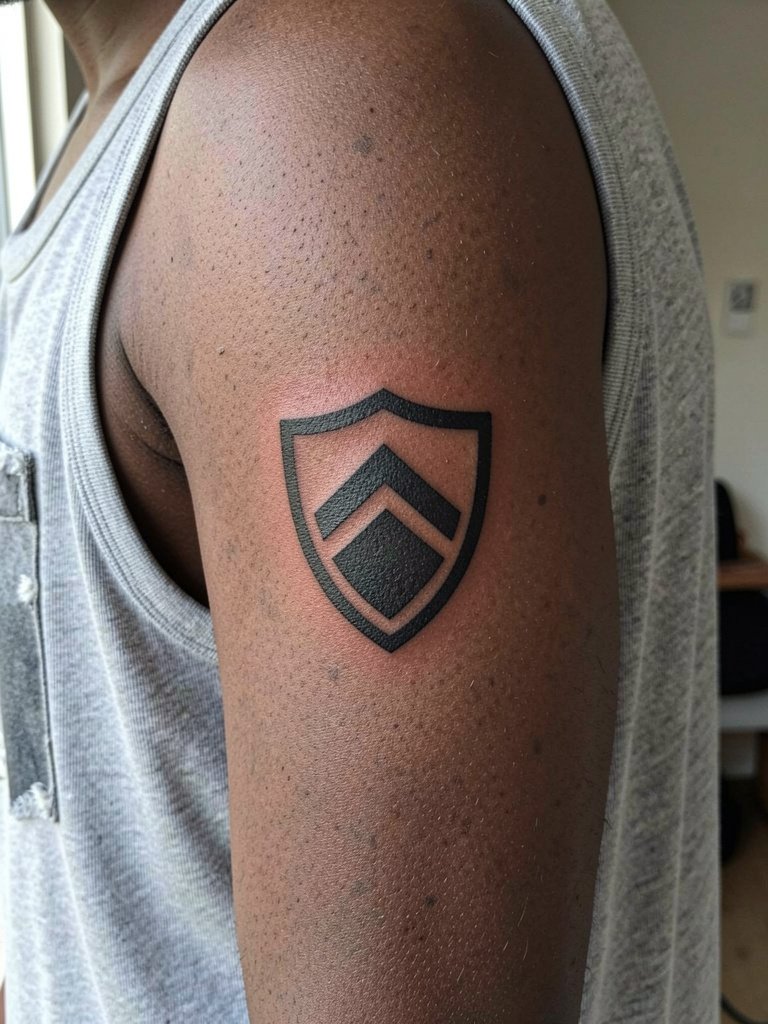
A compact blackwork shield reads bold and ages into clean silhouette. It is forgiving for touch-ups because solid saturation fills gaps that might appear after a year. Most people feel moderate discomfort on the outer upper arm and the session is typically under two hours. A frequent error is adding tiny interior detail that will merge as the fill settles. For easy showing wear sleeveless muscle tees that reveal the deltoid without tugging at the skin.
6. Minimalist Mountain Band on Rib Wrap
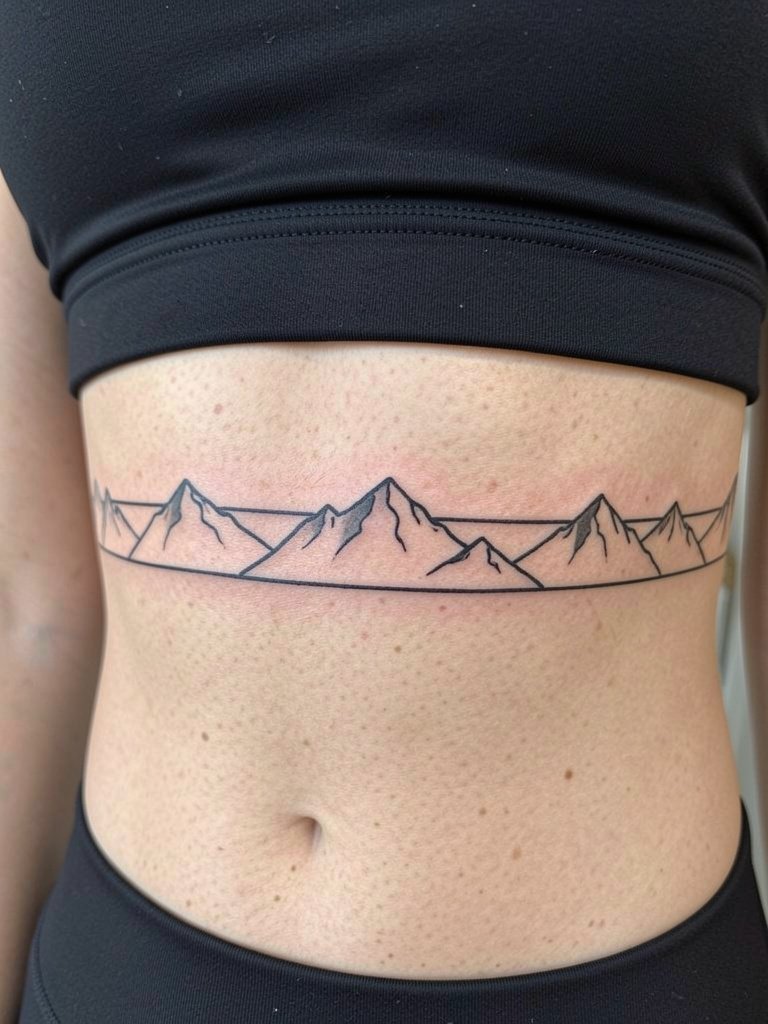
A horizontal band with mountain silhouettes gives a wearable emblem that follows natural body contours. Because the rib skin flexes, keep the band wide enough for each peak to breathe. Pain is higher on ribs, and sessions often include breaks. People sometimes request very thin single lines that spread; instead pick modest line weight and plan a touch-up at the 12-month mark. For the session choose a fitted top you can remove easily, like a zip-front sports bra, so the artist can access the area without tugging.
Studio Day Picks
These first six pieces cover wrists, forearms, collarbone, upper arm, and ribs, so a few simple items smooth the appointment and the first week.
-
Stencil transfer paper kit. Lets you preview lineweight on skin before committing, which matters for the script and compass designs above.
-
Topical numbing cream. Applied per instructions about 30 to 45 minutes before a sensitive rib or wrist session eases the first pass.
-
Thin protective film roll. Ideal for small wrist or hand pieces that face friction during the first few days.
-
Fragrance-free gentle body wash. Cleanses healing skin without stripping saturation on blackwork shields and block lettering.
-
Aquaphor Healing Ointment. A widely used option for the thin initial layer that keeps fine line areas moisturized without clogging healing channels.
7. Stacked Symbols Along the Spine
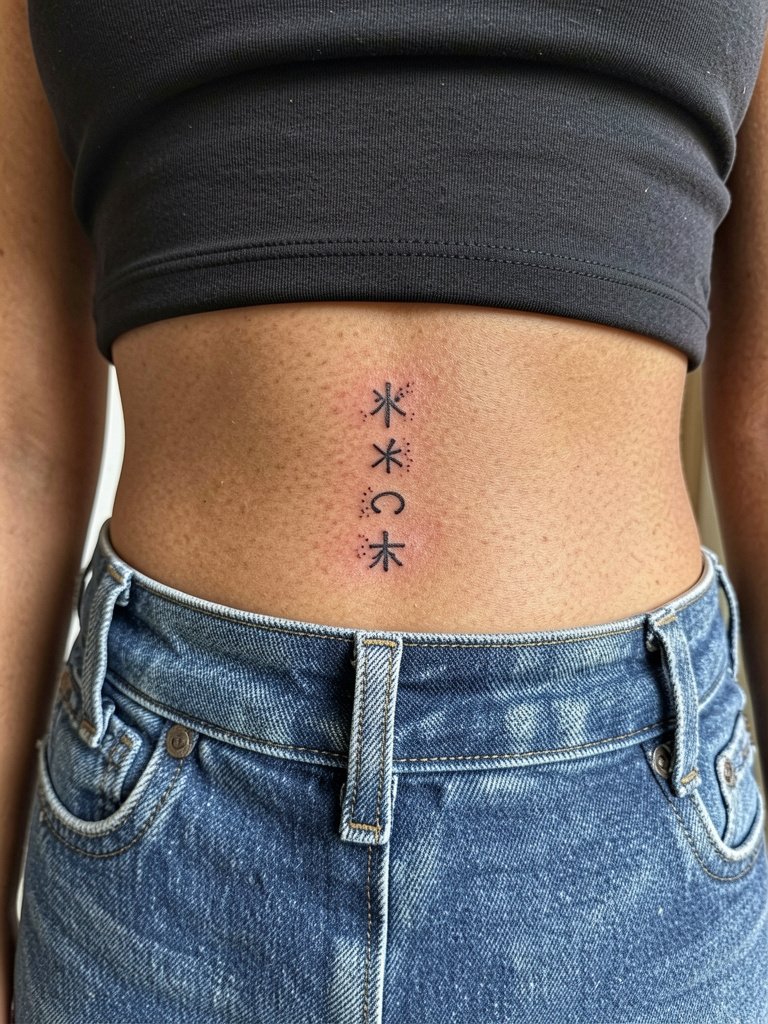
A vertical spine stack reads elegantly when each symbol has room. The lower back area tolerates heavier saturation, so the artist can add subtle stipple shading to make the icons pop. Sessions can cross into moderate pain because the lumbar area rests over bone in spots. People often cluster symbols too close together and then the negative space disappears after healing. For showing it off under dresses try low-back evening dresses that expose the stack without strain on the skin.
8. Tiny Bird Silhouette Near Ankle
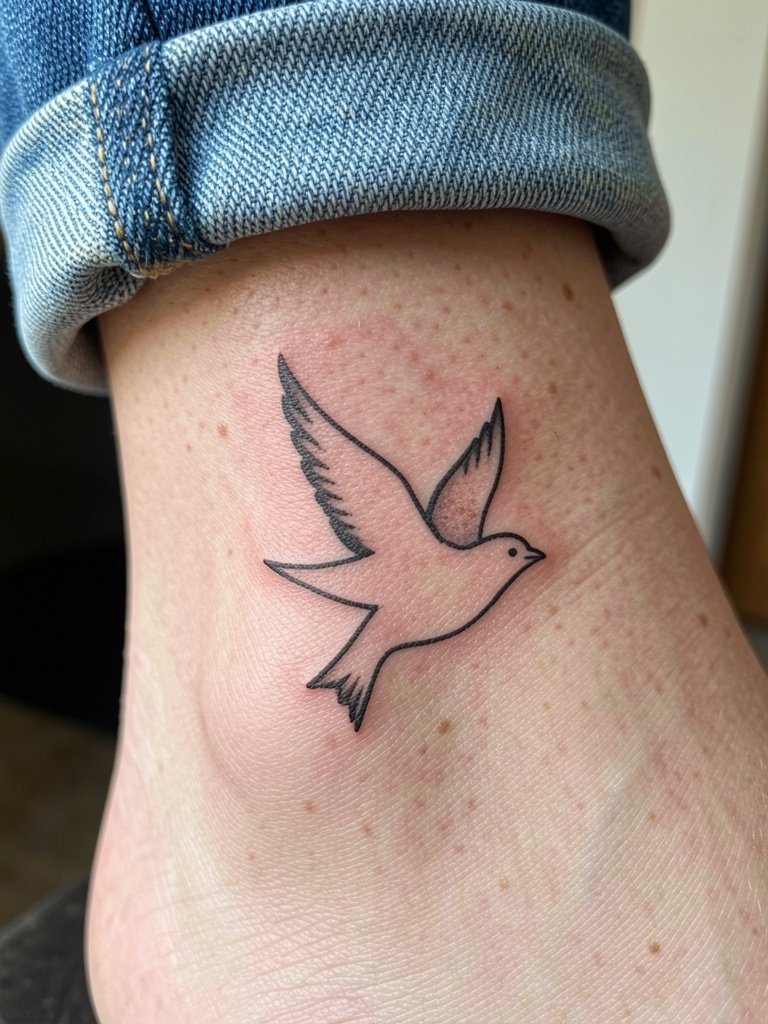
Ankle silhouettes are low-commitment visually but high-contact physically due to shoes and socks. Plan for a small touch-up if the top edge near the shoe line loses saturation. Expect the session to be brief and mildly sore, especially if ink sits near bony areas. Avoid asking for micro feathering that will not survive daily rubbing. For footwear that frames the piece choose low-profile canvas sneakers and cuffed jeans so the bird stays visible.
9. Crescent Moon on Inner Wrist
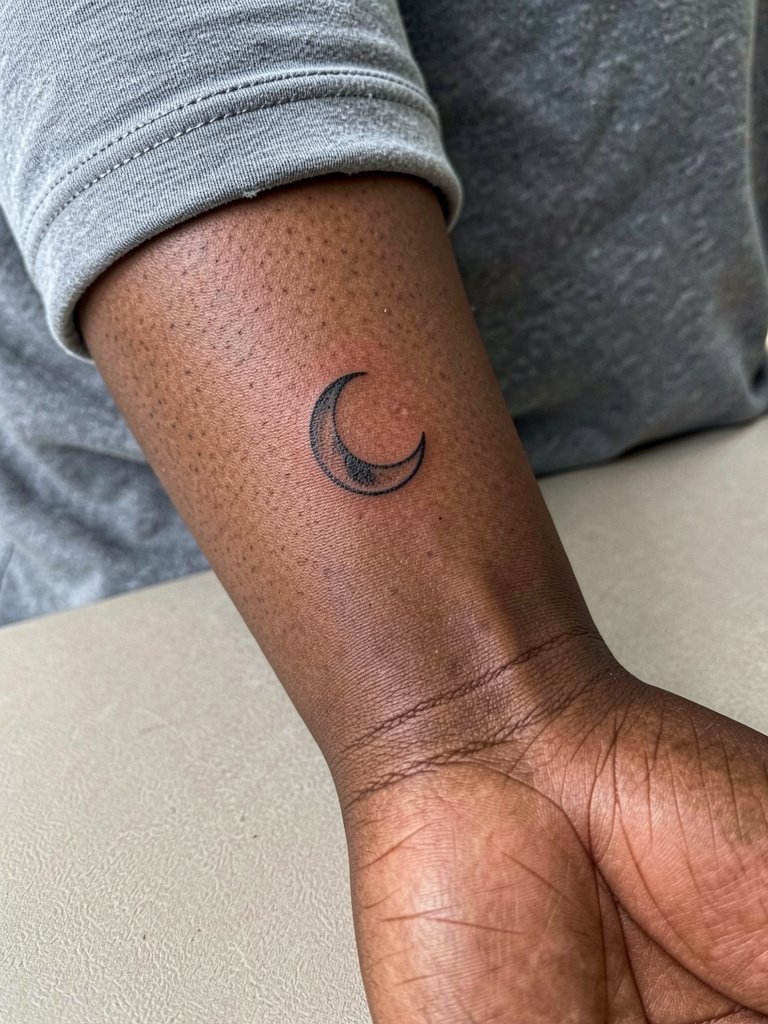
A crescent on the inner wrist is intimate and visible when the palm faces up. The wrist eats fine detail, so instruct the artist to use a slightly firmer single-needle and to leave modest negative space inside the crescent. Expect light to moderate tenderness and a short session. One mistake is placing the crescent too close to the wrist crease where movement accelerates fading. For nights out let it peek from under a minimalist cuff bracelet rather than be fully covered.
10. Small Script on Side Rib Panel
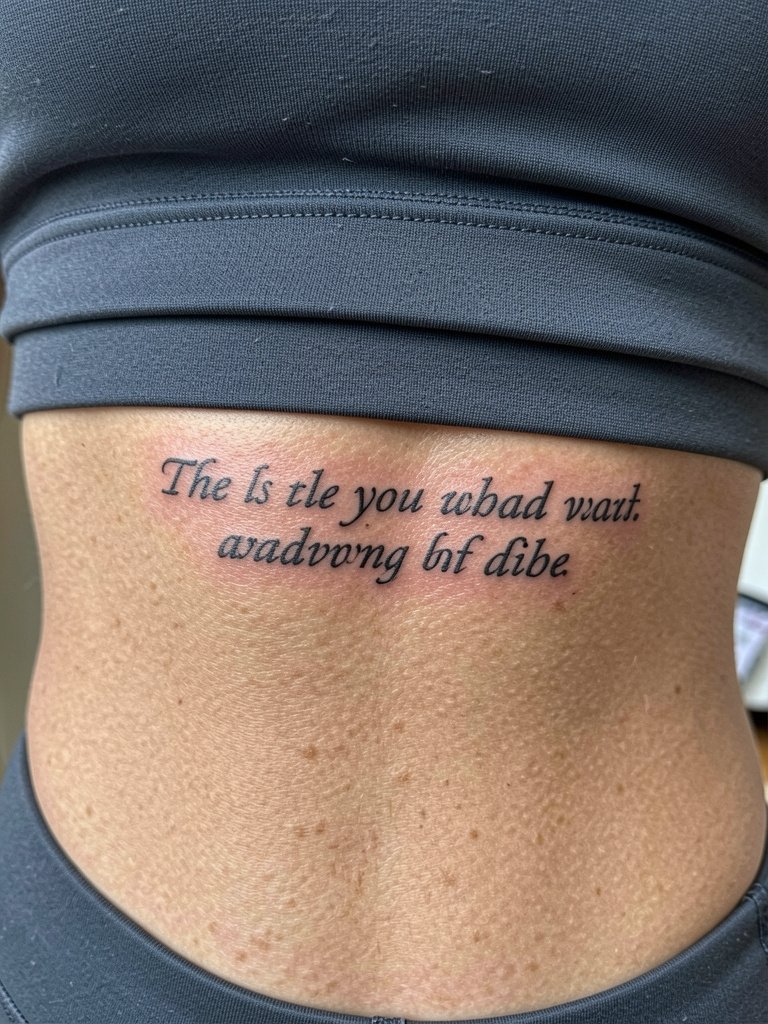
Short phrases on the side rib panel feel personal but pose aging questions. One group of artists warns that thin italic scripts on ribs blur as chest expansion and clothing friction modify linework. Another group maintains that slightly increased spacing and a deliberate light touch produce a script that keeps its shape, and they will show healed photos to support that view. If you favor script here plan for a longer initial session and a likely touch-up at year one. For the appointment wear a fitted top you can remove fully such as a front-zip sports bra so the area remains accessible.
11. Linework Mountain Mini-Sleeve on Outer Forearm
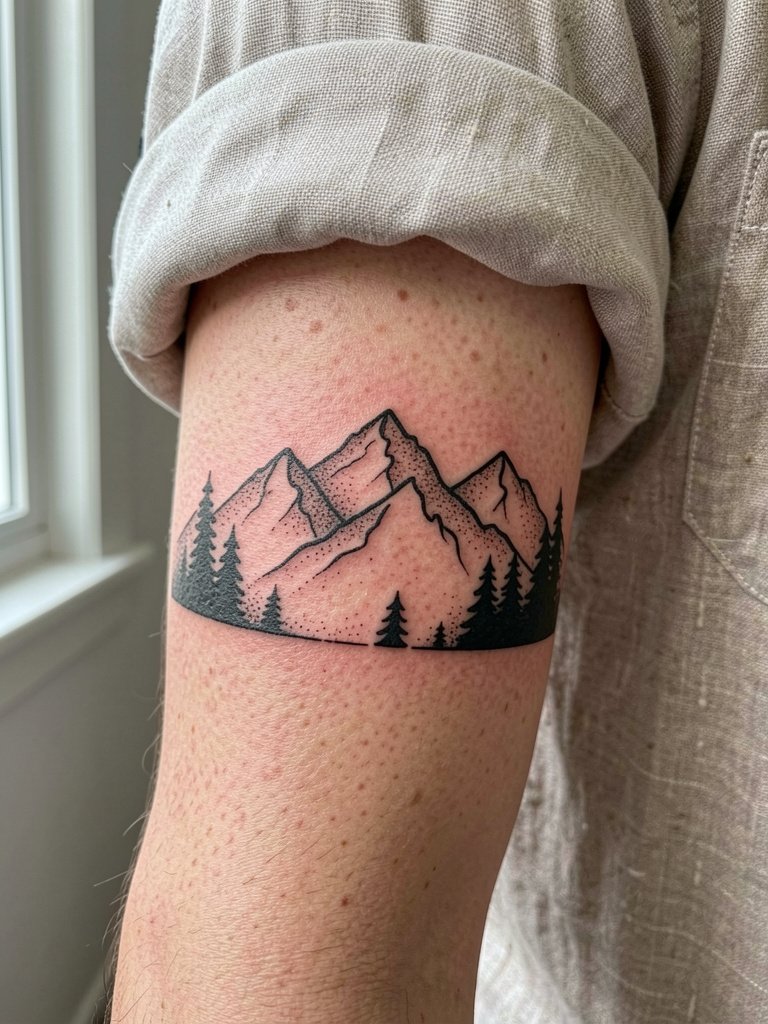
A mini-sleeve of linework across the outer forearm holds detail well because the skin is flatter and less prone to creasing. Sessions range between one and three hours depending on length, and this placement handles slightly denser stipple shading without losing contrast. The typical mistake is cramming too many small trees into a narrow band. During consult bring photos showing how similar widths read at three versus six inches so the artist can scale correctly. To display the work wear rolled linen sleeves that frame the forearm without covering the design.
12. Tiny Geometric Mandala on Back of Neck
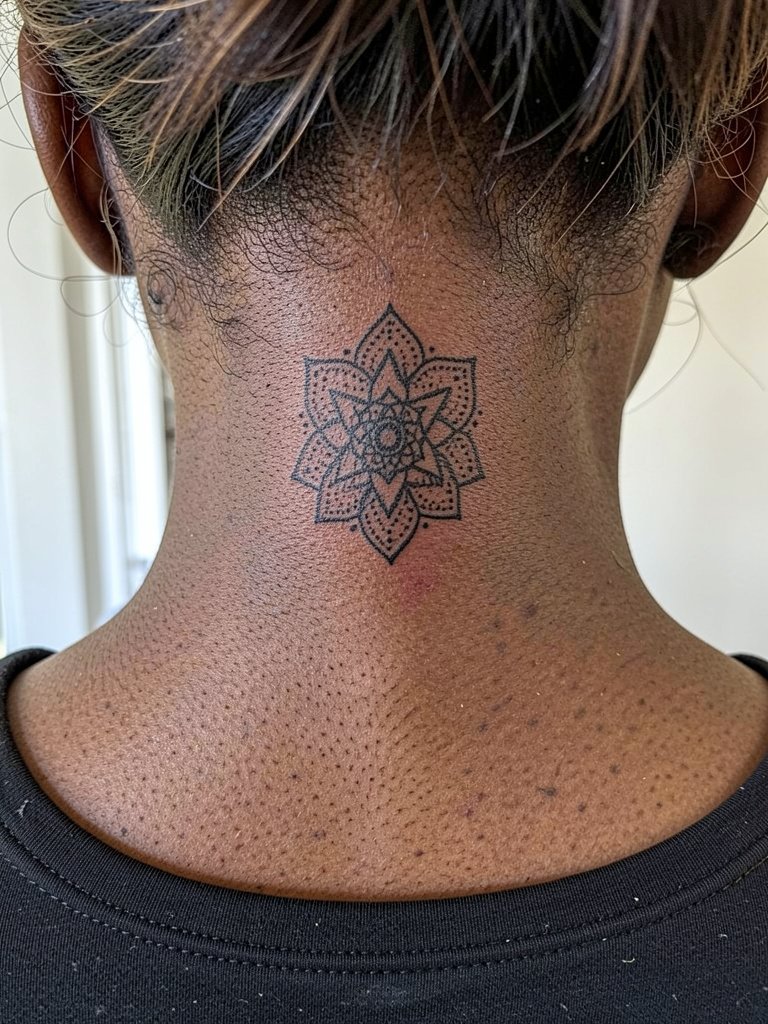
A small mandala at the nape is a compact statement that reads well when scaled properly. The back of the neck is sensitive and sessions are brief but can sting. A common error is requesting ultra-fine filigree that the hairline and natural movement will soften. If you want longevity choose slightly bolder outer rings and preserve interior dot work. This placement pairs well with updo hairstyles and necklaces that sit higher on the neck for occasional reveal.
13. Anchor Emblem on Inner Bicep
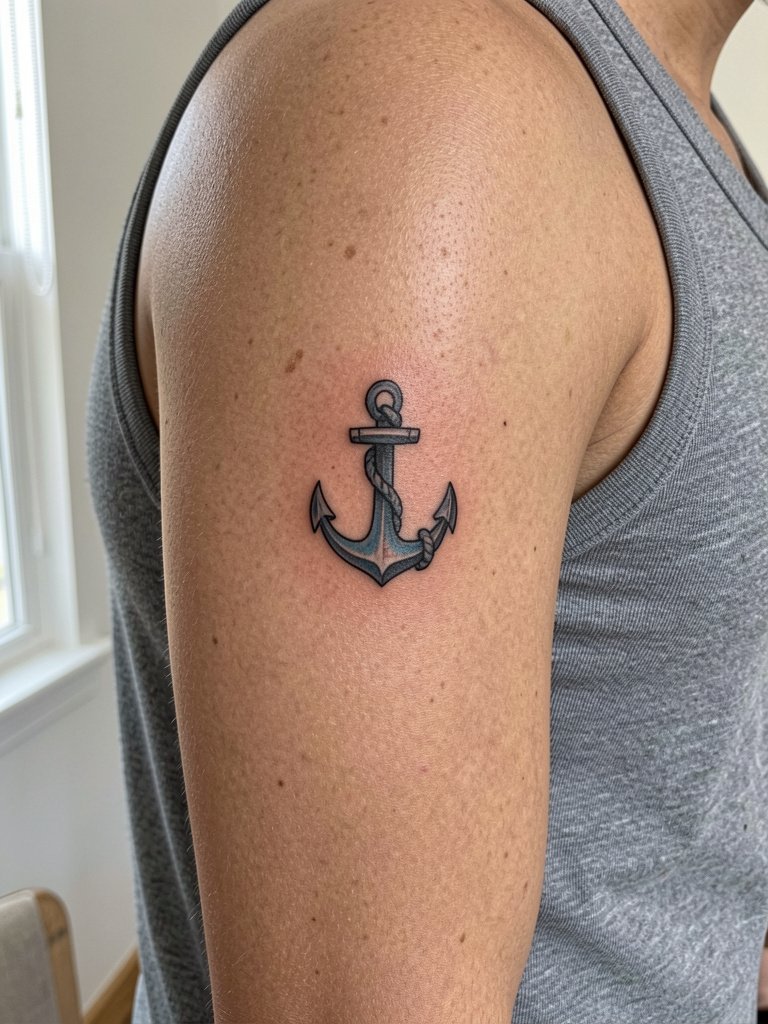
Inner bicep placements can be tender but flattering because they are often hidden. The inner arm skin eats the finest detail, so choose a bold rope outline and modest fill for the anchor. Sessions are moderate in time and pain, and a touch-up at 12 months is common for color that loses saturation. People often ask for tiny rope loops that end up muddy; instead allow for open counters and clear spacing. For the session wear a loose tank so the artist can access the inner arm without fabric pulling, and for showing off pair it with sleeveless button-up shirts.
14. Chevron Bands on Fingers
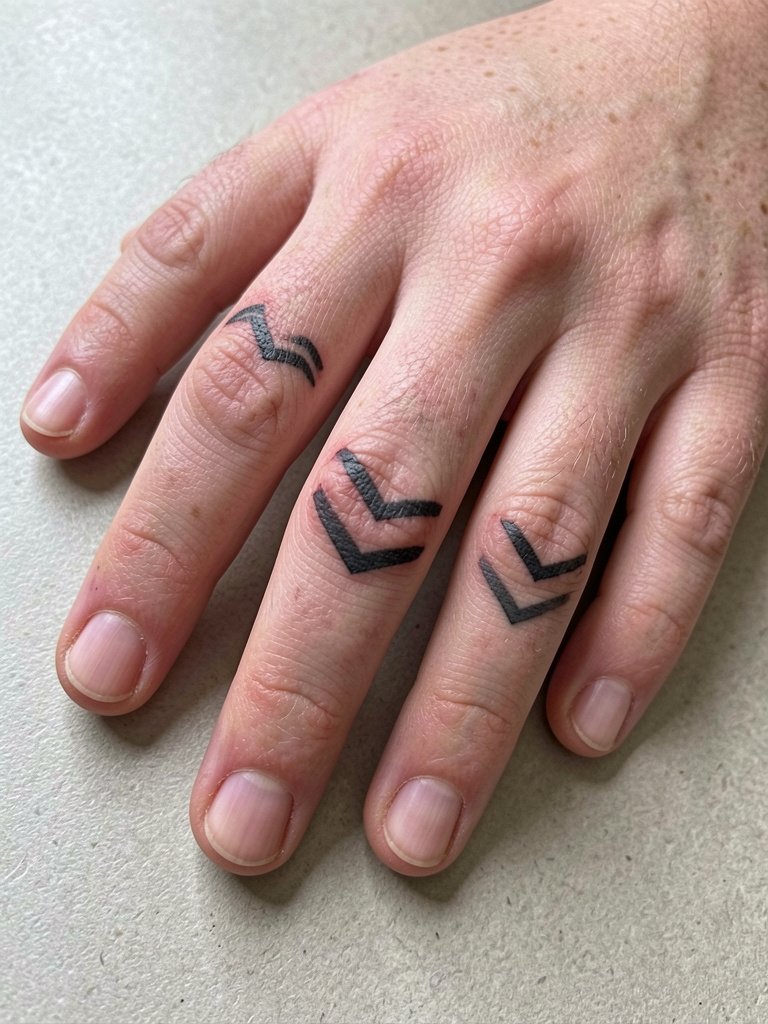
Finger bands are visible and vulnerable to early wear because of constant washing and friction. Expect the highest likelihood of a touch-up within the first year. A common mistake is asking for gap-free filled rings that thin out quickly. Instead pick spaced chevrons with clear negative space so rework reads clean when needed. Sessions are short but sharp in pain. For hands-on jobs consider placement closer to the proximal phalanx rather than across the joint to slow fading.
15. Small Phoenix Outline on Upper Thigh
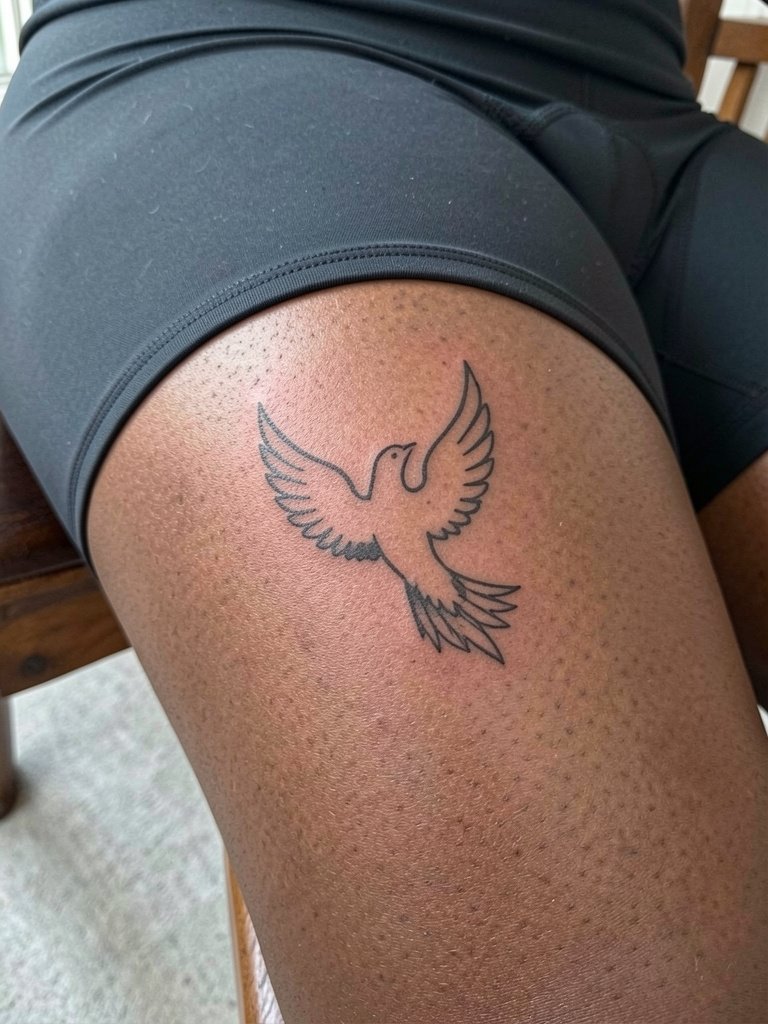
Inner thigh pieces are intimate and hide well when needed. The skin there is softer so fine lines can spread more than on limbs; plan for slightly bolder single-needle strokes and a potential touch-up at year one. Sessions can be tender and may require privacy expectations at the studio. Avoid placing art too close to the groin or underwear line. For the appointment wear modest bike shorts that give access without exposing more than necessary.
Frequently Asked Questions
Q: Will a single-needle script with the phrase "No Risk No Story" stay legible over time?
A: It depends on placement and lineweight. On flatter areas like the outer forearm or collarbone a slightly heavier single-needle with good spacing holds better than a micro-tiny script on the wrist or ribs. Plan for a touch-up at 12 months if you want crisp counters.
Q: How do hand and finger tattoos compare to small forearm work for longevity?
A: Hands and fingers face more washing and abrasion so they fade faster and often need touch-ups sooner. Forearm linework sits on flatter skin and usually keeps saturation longer, so pick either bolder strokes for hands or accept shorter refresh cycles.
Q: Where can I find portfolios and healed examples without naming artists directly?
A: Search platform tags and keywords on social apps for healed shots and location filters. Try searching hashtags and portfolio keywords that match the style and placement you want, and use community threads to find multiple healed angles in different skin tones.
Q: What should I wear to a rib or inner thigh session for comfort and access?
A: Pick fitted items that either expose the area or allow quick removal without tugging, such as a zip-front sports bra for ribs or fitted bike shorts for inner thigh. These garments keep the artist's access clean and preserve dignity during longer sessions.
Q: How often should I expect touch-ups for small blackwork or dot work pieces?
A: Expect a realistic touch-up window between 9 and 18 months depending on placement, skin type, and daily friction. Solid blackwork on upper arms needs fewer early tweaks than dot work on wrists or hands.