
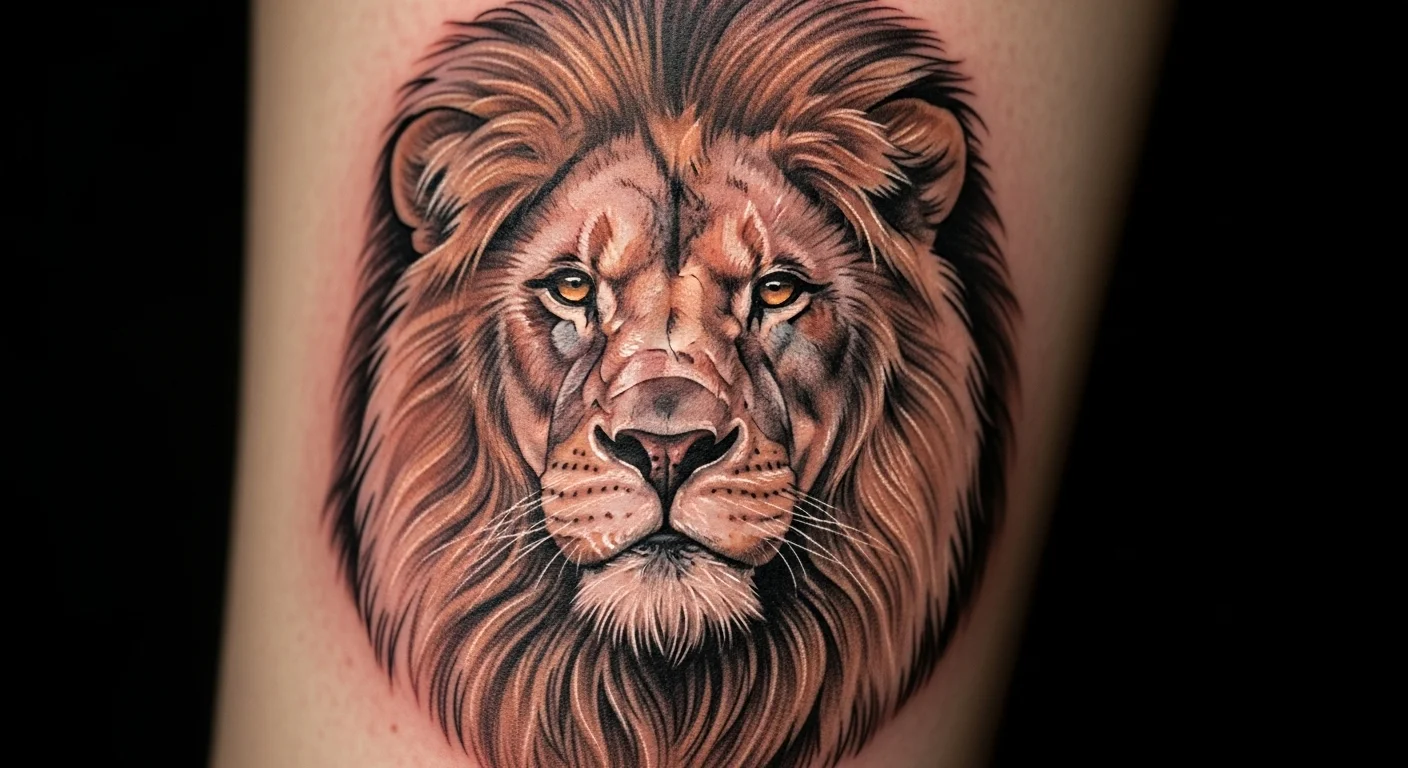
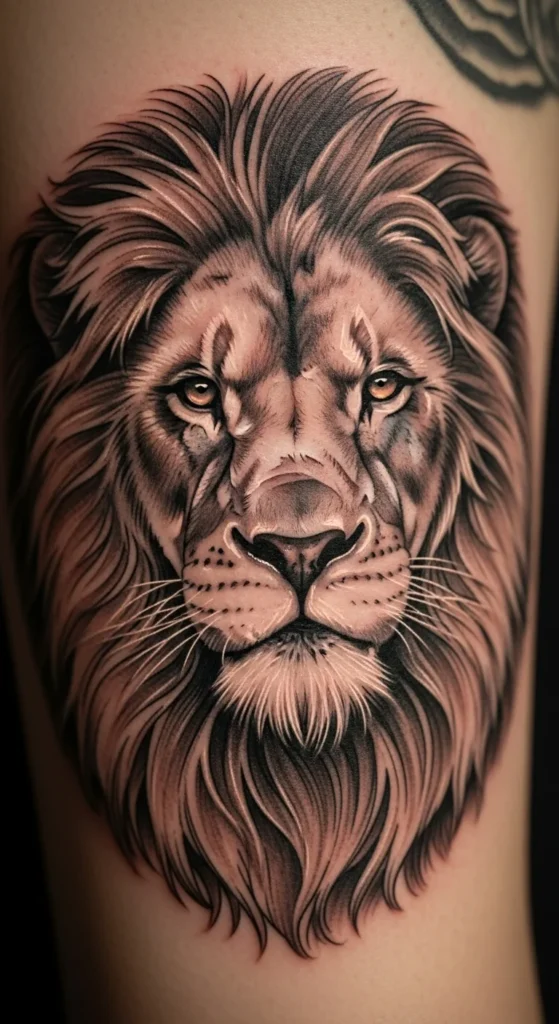
Lion tattoos carry strength, courage, and leadership in a single glance. They suit people who see themselves as protectors, risk-takers, or quiet leaders. Search results lean into roaring faces, crowns, and modern geometric styles, across chest murals, forearm pieces, and small lion paws. This guide walks through practical ideas, pain levels, and wallet-friendly tweaks so you can build a design that feels bold, personal, and realistic for your lifestyle.
1. Roaring Lion Head on the Forearm
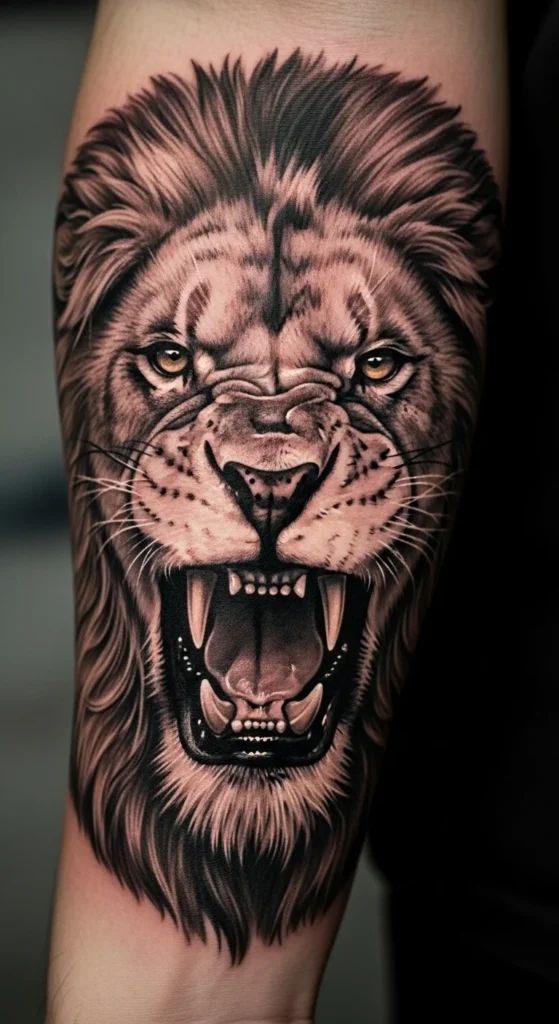
A roaring lion head on the forearm sends a clear message: you’re not easy to push around. The open mouth, teeth, and intense eyes create strong energy without needing words.
If you want this style but your budget is tight, ask for black and grey instead of full color. Shading still gives depth while keeping the session shorter.
At home, print a few lion head photos in different sizes. Tape them along your forearm—center, inner, and outer—to see which position feels best when your arm hangs naturally.
For a softer version, keep the roar but ask the artist to soften the eyes slightly. You still get power, just with more calm control.
Forearm pain usually sits mid-range, so plan a snack and water for breaks. Healing is simple: mild soap, clean hands, and unscented lotion. A loose cotton shirt helps avoid rubbing during the early peeling phase.
2. Crowned Lion on the Chest
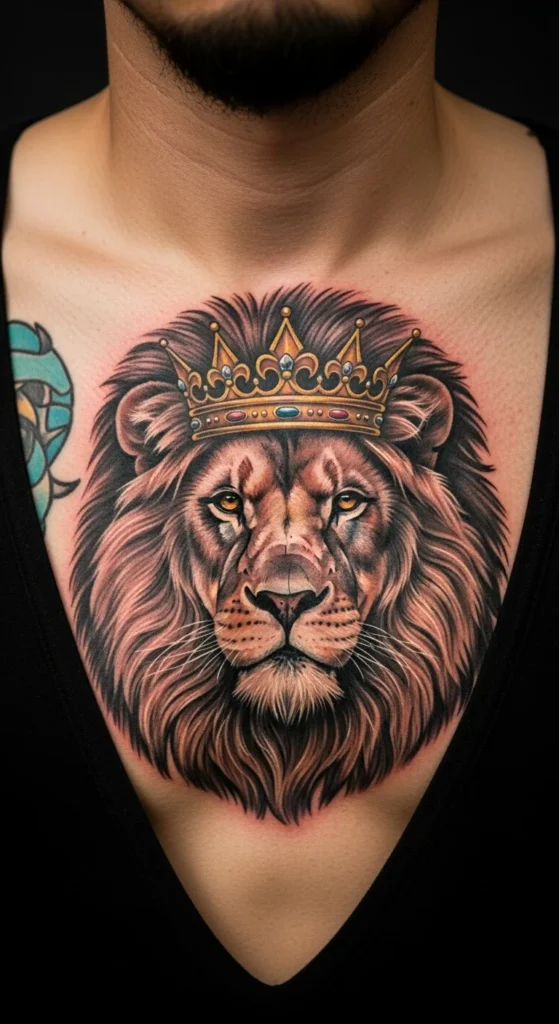
A crowned lion over the chest sits right above the heart, which fits the whole “king of the jungle” idea. The crown signals personal authority, while the face shows how you handle pressure.
Chest tattoos can sit around 7/10 on the pain scale, so planning matters. Break the project into two sessions: outline first, shading later. This spreads the cost and makes the experience easier.
If you want a big impact without a big bill, keep the crown simple. Think clean points and minimal jewels. Less detail means fewer hours in the chair.
To test placement, cut a paper oval the size you’re imagining and tape it over your sternum. Move it slightly left or right to see what balances with your body shape.
Wear open-front shirts for the healing stage so fabric doesn’t stick. Sleep on softer bedding and keep showers lukewarm. A clean, healed chest lion feels like armor you always wear.
3. Geometric Lion for Modern Strength
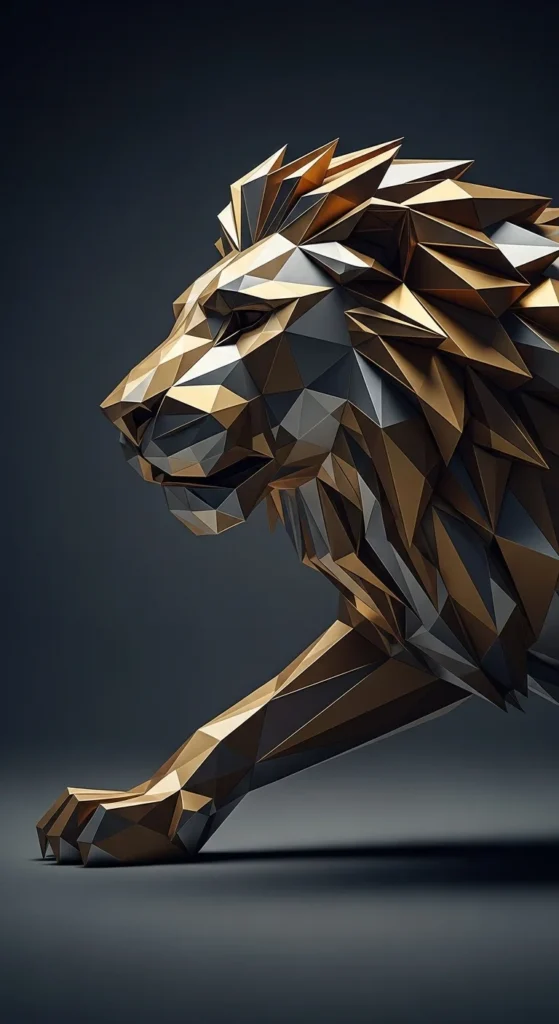
A geometric lion turns sharp lines and triangles into a modern symbol of confidence. Instead of fur detail, the power comes from symmetry and structure.
This style is perfect if you want something bold but tidy. It works well on the forearm, upper arm, or calf, where straight lines hold shape.
To stay within budget, ask for a line-work only design. Save complex dotwork or shading for a later upgrade session when you feel ready.
At home, sketch a simple lion face using straight lines. You don’t have to be an artist—just map out triangles where the cheeks and mane would be. This gives your tattooer a solid starting point.
Bring two or three printed designs you like and ask the artist to fuse your favorite parts. They can adjust angles so the lion flows with your muscles.
For healing, keep your arm or leg out of harsh sun. Geometric lines look sharpest when the skin stays calm and moisturized.
4. Lioness Watercolor Thigh Tattoo
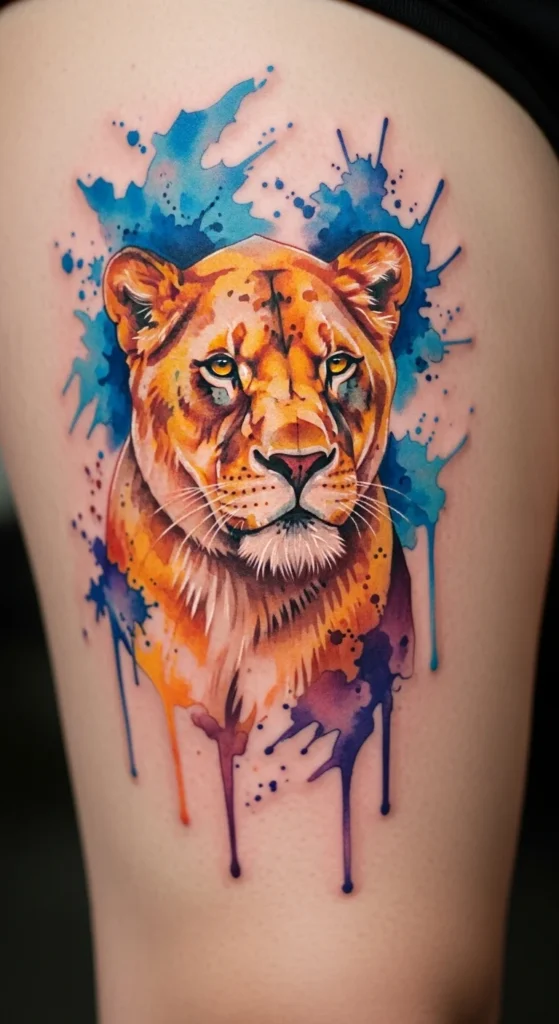
A lioness tattoo often stands for quiet power, protection, and resilience. Add watercolor splashes and you get a softer, more expressive look, especially on the thigh.
You don’t need a full rainbow. To save money, pick two or three key colors only—maybe golden tones around the face and a soft blue or purple wash behind.
Try a DIY test by painting loose watercolor strokes on paper, then taping the sheet against your thigh. Look in the mirror to see if you prefer a vertical or diagonal flow.
Ask your artist to keep the face detailed and let the color bleed out toward the edges. That gives focus without extra hours.
Thigh tattoos are great if you want something strong but easy to hide. Just wear loose shorts or a skirt during healing so fabric doesn’t irritate the area.
Moisturize gently, and avoid soaking in baths while the skin is still new.
5. Lion and Rose Shoulder Design
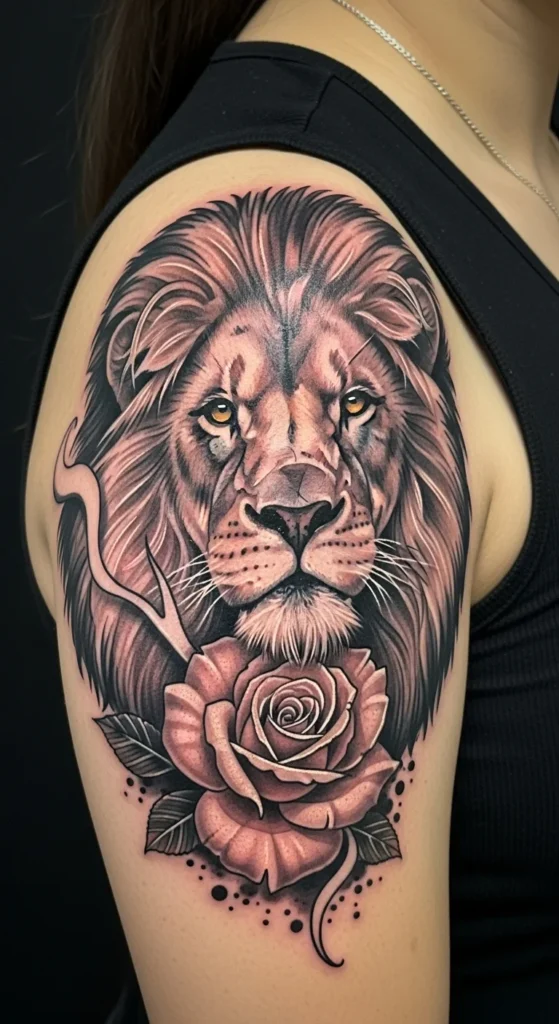
A lion with a rose balances power and softness in one piece. The lion brings authority, while the rose adds heart, romance, or self-love.
This design looks great on the shoulder, where the curve of the muscle frames the face and petals.
If funds are tight, ask for black and grey with just a hint of color in the rose. A single muted tone uses less time than full-color shading.
At home, sketch a simple circle for the lion and a smaller one for the rose. Place them on the outer shoulder using paper cutouts and tape. Move them until the flow feels right when your arm hangs and when you raise it.
You can start with just the lion and add the rose later. That splits cost and time into manageable chunks.
During healing, avoid heavy backpacks. Straps can rub the fresh lines and cause irritation. A light crossbody bag or nothing at all is better for a few weeks.
6. Tribal Lion Bicep Piece
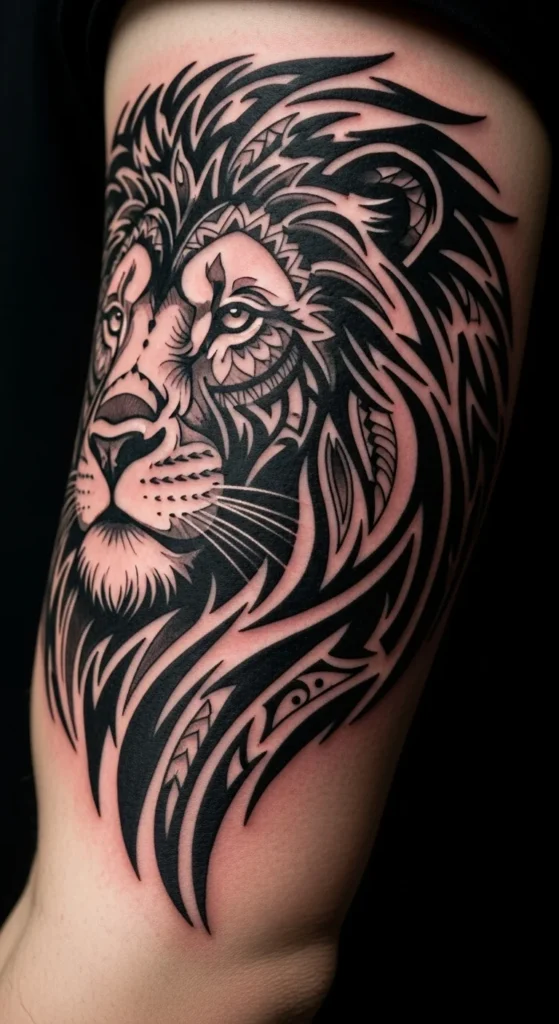
A tribal lion uses bold curves and sharp shapes instead of realistic fur. The style works well for people who enjoy graphic art or cultural patterns.
On the bicep, thick black lines hold up well over time and read clearly from a distance.
To keep the cost reasonable, choose a medium-sized design with strong shapes instead of a full half-sleeve. Less shading, more solid blocks of ink.
If tribal patterns carry cultural meaning for you, research symbols before your consult. Print references and mark what each part represents, so your artist respects that story.
DIY prep can be as simple as sketching a lion silhouette and filling it with repeating curves or triangles. You’re not chasing perfection, just a layout to discuss.
The outer bicep tends to hurt less than the inner, so most people find this manageable. Moisturize after the peeling stage, and avoid intense arm workouts while the tattoo is still new.
7. Mandala Lion for Zen Authority
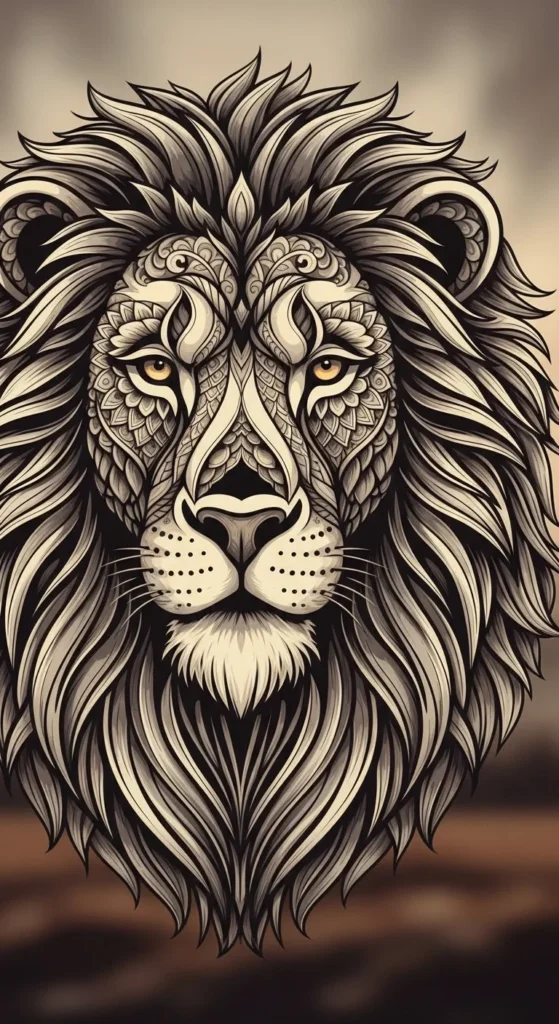
A mandala lion mixes fierce leadership with calm focus. The lion’s face sits in the center, while mandala petals and patterns radiate outward.
This style works beautifully on the upper chest, sternum, or upper back.
To keep it friendly for your budget, have the artist focus detail on the center face, then simplify outer shapes. Repeating lines in a mandala can consume time, so fewer layers still look strong.
At home, trace a circle on paper and lightly sketch a lion in the middle. Around it, draw simple petals or geometric shapes. You’ll quickly see whether you prefer soft curves or sharp angles.
Since mandala work involves many line passes, schedule a longer session only if you’re comfortable sitting still. Otherwise, split it into two shorter visits.
During healing, avoid underwire bras or tight straps across the design. Choose softer fabrics that glide over the skin to reduce friction.
8. Lion Paw or Claw Minimalist Tattoo
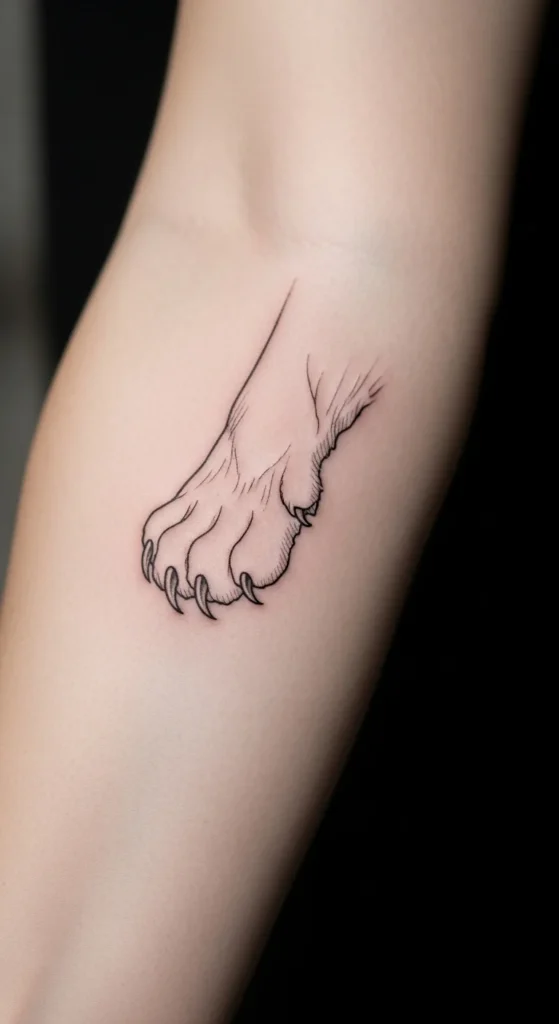
A lion paw or claw mark works when you want a subtle nod to strength without a full face. It suits wrists, ankles, or the side of the hand.
Minimal detail keeps cost and time low. Thin outlines or small scratch marks say plenty in a small space.
DIY planning can start with drawing three or four curved lines on your wrist with a pen. Adjust spacing until it feels balanced. Take a photo and bring it to your tattooer.
You can tuck this design near your watch line or along the thumb base if you want an almost hidden spot.
Because hands and wrists move a lot, aftercare matters. Keep the area clean, moisturize lightly, and avoid swimming while the skin heals.
If you worry about fading, ask the studio for a quick touch-up policy. Small tattoos are usually quicker to refresh if they soften over time.
9. Lioness and Cubs for Family Protection
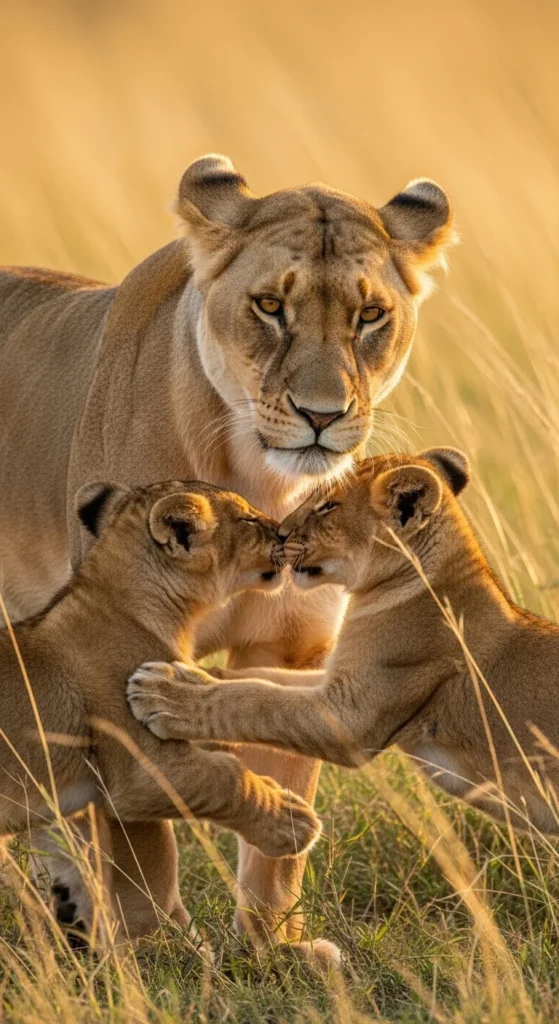
A lioness with cubs tells a family story without saying a word. It can stand for parenthood, older siblings, or guardianship.
Back, thigh, or side ribs give enough space to show each cub clearly. You don’t need high detail on every face; one detailed lioness and simplified cubs still read well.
To keep the design affordable, decide how many cubs you want from the start. Each extra figure adds time. You can always add another cub later if your family grows.
DIY prep: draw simple circles for the lioness and smaller circles for cubs in a row or cluster. Move them around on paper until the layout feels right.
Bring printed photos of your kids or siblings if you’d like the artist to echo some features, like hair texture or small details.
Healing on ribs can sting, so plan loose clothing and shorter sessions. Deep breaths and breaks help a lot.
10. Full Mane Chest Lion
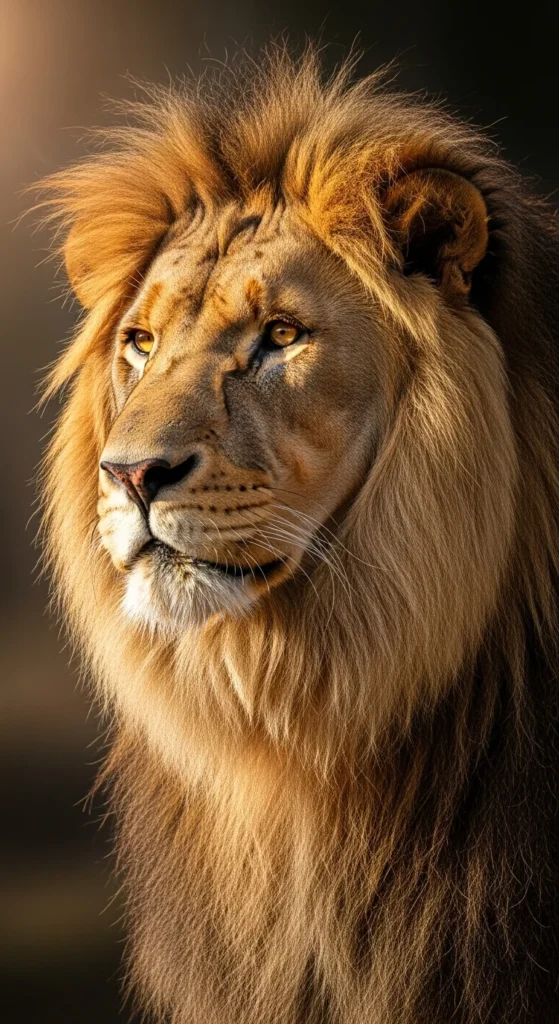
A full-mane lion across the chest feels like armor. The mane can flow across both sides, filling the space above the sternum and over the pectorals.
Realistic mane detail takes time. To protect your budget, ask for looser strokes in the outer mane and tight detail only near the face and eyes.
At home, cut a paper “shield” shape and hold it to your chest in front of a mirror. Mark where the top and bottom feel comfortable when you sit and stand.
Since chest tattoos can feel intense, plan multiple shorter appointments rather than forcing one long marathon. This spreads cost and keeps your body happier.
During healing, avoid heavy chest workouts and direct sun. A soft cotton t-shirt is your best friend. After 4–6 weeks, the lines and shading settle in, and the lion feels like part of you.
11. Lion Forearm Sleeve Starter
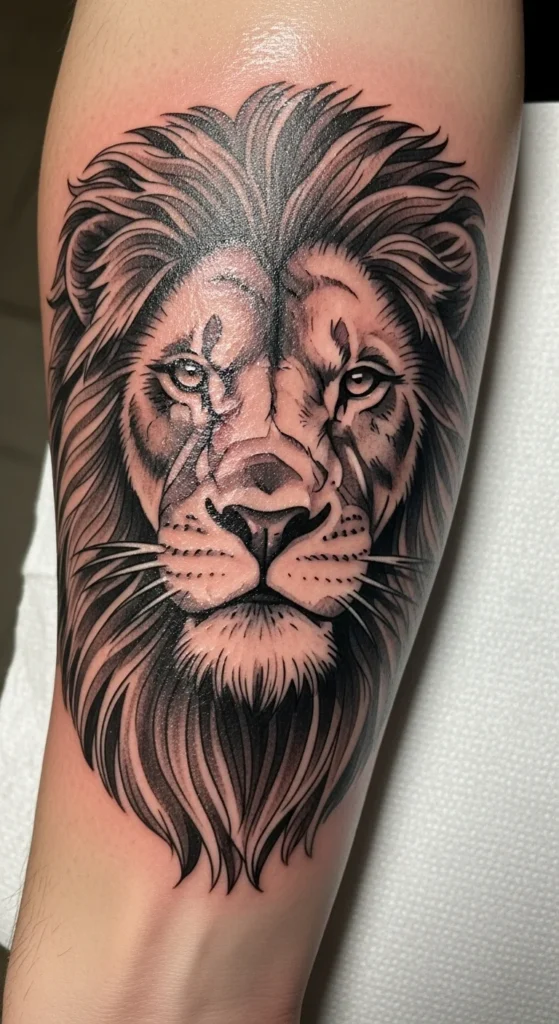
If you dream about a full lion sleeve, start with a single strong lion on the forearm and build around it later. This spreads both cost and healing time.
Place the lion so the eyes sit near mid-forearm. Background elements like clouds, geometry, or leaves can come in future sessions.
To plan at home, draw a rectangle the size of your forearm on paper and sketch your lion roughly in the center. Leave empty areas above and below for future additions.
Ask your artist to keep the background simple for now—maybe just a hint of shading. That keeps the first session focused and budget-friendly.
Forearm healing is straightforward: gentle wash, thin layer of lotion, and avoid tight sleeves in the first week. Later, when you add more pieces, the original lion acts as the anchor for the entire sleeve.
12. Watercolor Lion Face Splash
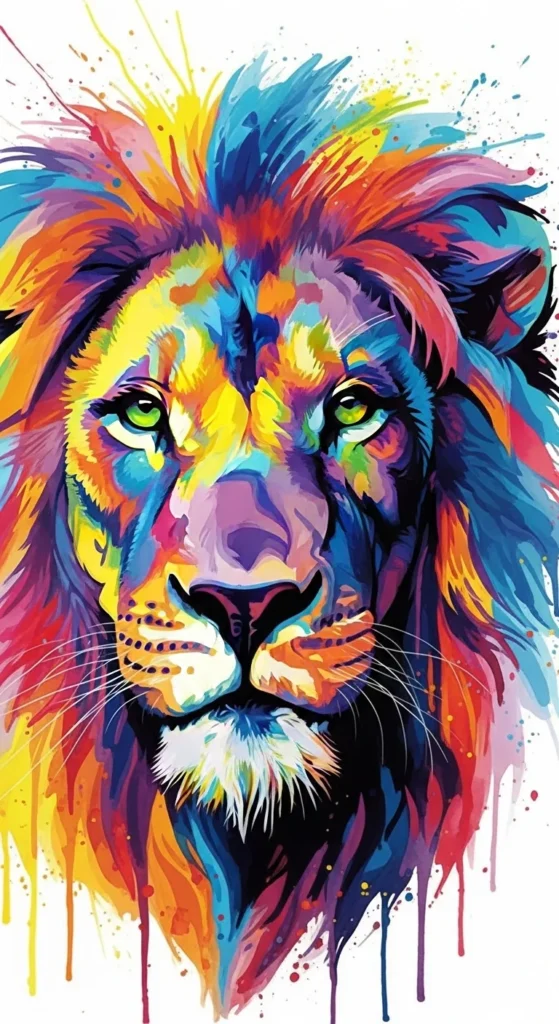
A watercolor lion face feels expressive without heavy outlines. The color splash gives movement while the face stays the focal point.
Choose two or three colors that mean something to you—maybe gold for bravery and blue for calm. That keeps the tattoo readable and helps your budget.
DIY idea: paint a simple lion sketch on paper and brush color outward from one side of the mane. Hold it near your upper arm or thigh to test size and direction.
Ask your artist to keep lines minimal and rely on soft gradients. Less line-work means a gentler final look.
During healing, protect the tattoo from sun and long baths. Color relies on healthy skin, so gentle care helps it stay bright longer.
If you ever want to deepen shades later, you can book a quick touch-up once everything is fully healed.
13. Black and Grey Realistic Lion Portrait
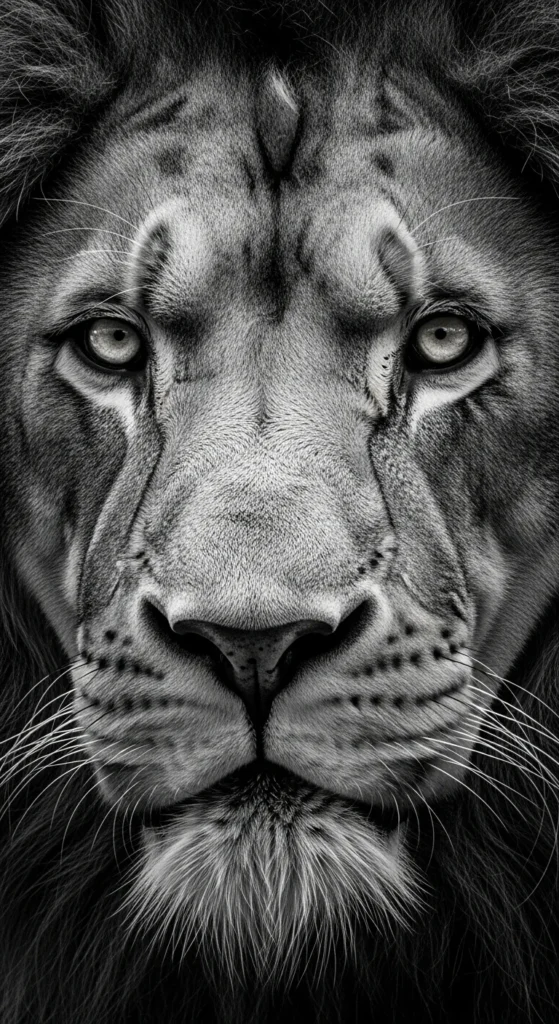
A black and grey lion portrait feels classic and lasts well over time. No color means all the focus goes to contrast and expression.
This style suits upper arms, calves, and upper backs. Pick a reference photo with clear light and shadows so your artist has strong guidance.
If you’re watching your budget, choose a mid-sized portrait instead of a huge back piece. You still get fine detail without a massive session.
DIY planning: print your favorite lion photo in three sizes. Tape each to your chosen body spot and take mirror selfies. Compare which size still looks sharp from a distance.
Ask your artist how many sessions they recommend. Sometimes an outline and rough shading one day, then detail later, feels better for both comfort and finances.
Healing usually takes 4–6 weeks. During that time, keep your new king away from sunbeds and rough fabrics.
14. Neo-Traditional Color Lion
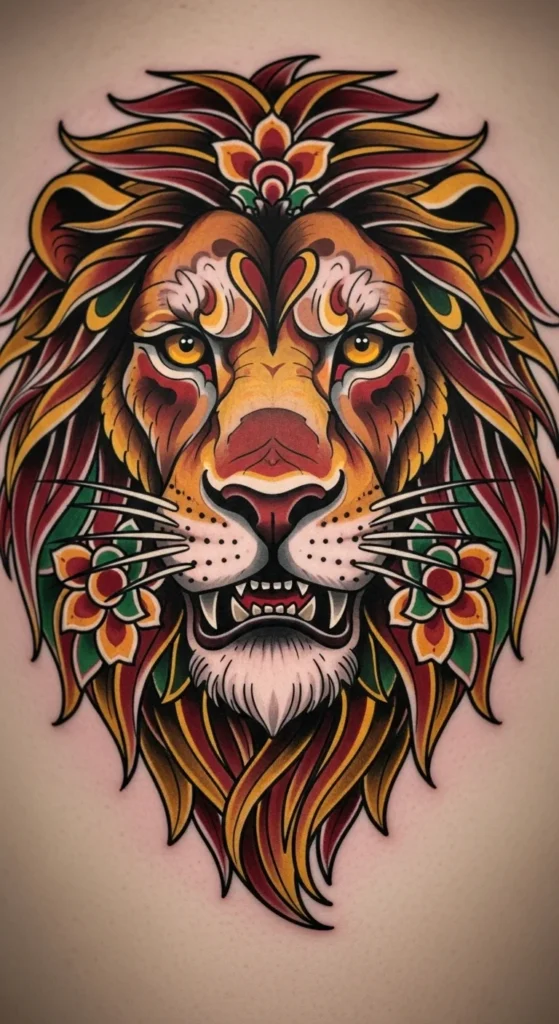
Neo-traditional lions use bold outlines, rich colors, and decorative shapes. Think classic tattoo style with updated flare.
Place this on your upper arm, shoulder, or thigh so the mane and extra elements have room.
To reduce cost, decide on a limited palette ahead of time—maybe golds, browns, and one accent color like teal or red. Fewer colors keep the session shorter.
At home, doodle a simple lion face and surround it with a few leaves or jewels. This rough layout helps your artist understand your taste.
Neo-traditional pieces hold their look even as they age because of strong lines. Just keep your tattoo moisturized and protected from harsh sun.
If you love jewelry, ask the artist to shape the crown or frame like the accessories you actually wear. That ties the tattoo to your real-life style.
15. Lion with Crown of Thorns
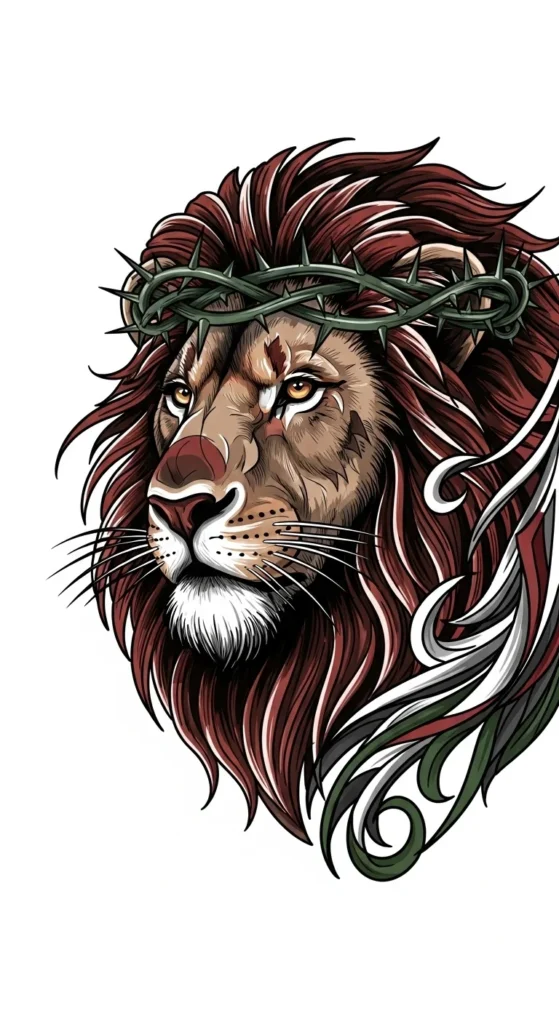
A lion with a crown of thorns mixes sacrifice with royalty. People choose it when their strength comes from walking through hard seasons.
This design fits well on the chest, upper arm, or thigh. The mane can frame the crown of thorns so it doesn’t feel too sharp or crowded.
To keep things simple, go for black and grey with subtle shading around the thorns. Too many harsh lines can feel visually busy and extend the session.
DIY planning: draw a circle for the head and a rough halo of small curved lines for the crown. Add spikes sparingly. Bring this to your artist as a concept, not a final draft.
Ask them to keep facial expression calm rather than angry if you want a more reflective mood.
During healing, avoid anything that rubs the area, like tight harness tops or heavy sports bras. A soft, loose layer works best.
16. Lion and Phoenix Hybrid Mane
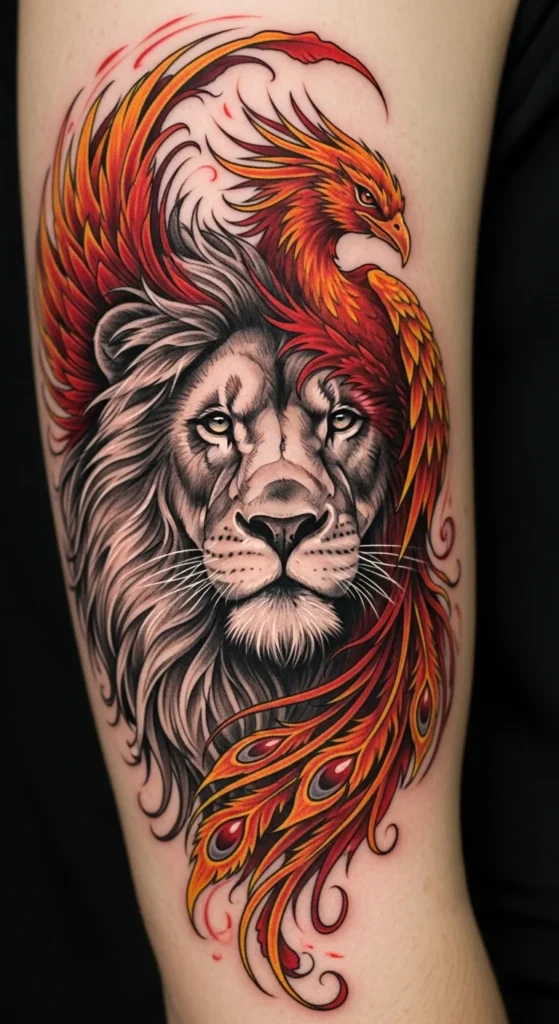
A lion with a phoenix rising from the mane tells a story of rebirth through strength. The lion anchors the design, while phoenix feathers carry the eye outward.
Back or upper arm placements give enough room for both animals to breathe.
If your budget is tight, ask your artist to keep the phoenix more suggested than fully detailed—flowing feathers instead of a complete separate body.
At home, sketch a lion face and let lines from the mane extend upward like flames. Even a messy drawing helps you explain your idea clearly.
Because this is a complex concept, talk through what you want the focus to be. Many people prefer the lion as the sharpest detail, with softer phoenix shapes around it.
Healing a larger piece takes time. Expect several weeks of light peeling, and resist the urge to scratch. A gentle pat with clean fingers is enough when it feels itchy.
17. Lion and Rose Rib Tattoo
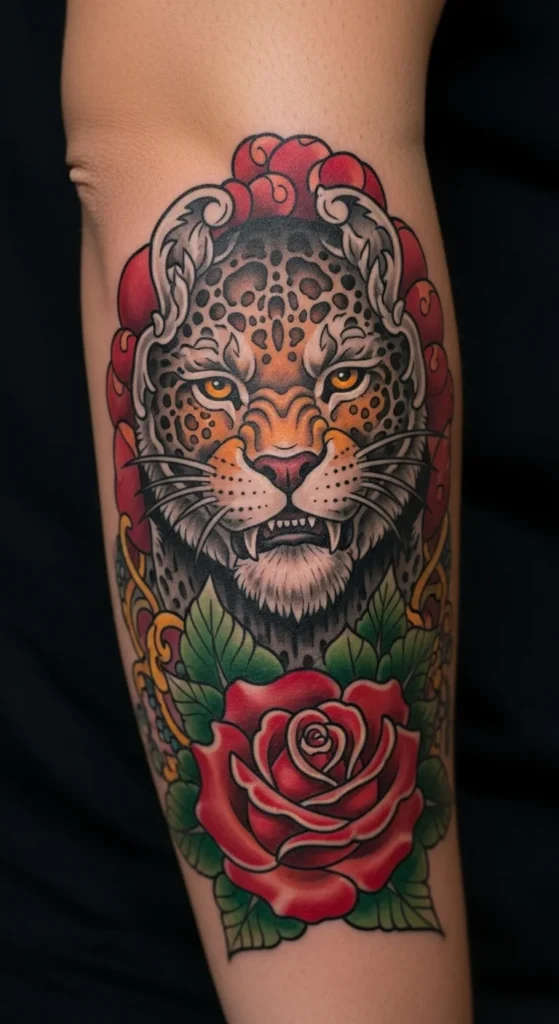
A lion and rose on the ribs feels personal and serious. It’s a spot people see mostly when you choose to show it.
Ribs can hurt more due to bone and movement, so keep the design moderate in size for comfort and budget. One lion face, one rose, and light background is often enough.
DIY idea: draw a long vertical rectangle on paper and sketch the lion on top with the rose below. Hold it against your side and breathe deeply to see how it moves.
Ask your artist to keep line-work clean and limit heavy fill areas. That shortens the session.
For healing, wear loose shirts and sports bras with wide bands that sit away from the tattoo. Sleep on the opposite side if you can.
Rib tattoos often feel a bit tight when you stretch, so gentle movement and deep breathing help things settle.
18. Leo Zodiac Lion with Constellation
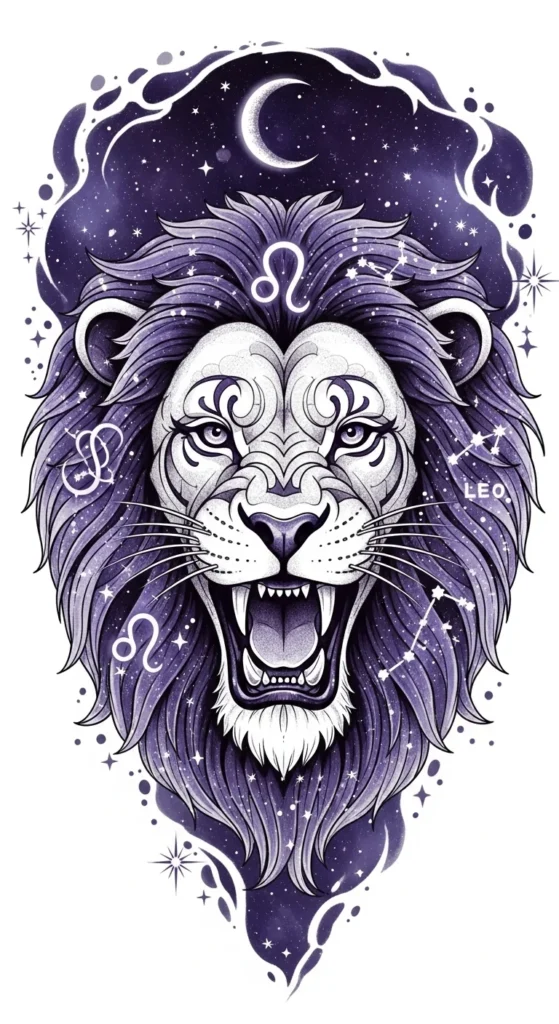
A Leo zodiac lion mixes star signs with classic animal power. A small lion face or profile paired with dots and lines for the constellation gives a neat, personal design.
This style works great on forearms, upper backs, or behind the shoulder.
To keep costs low, ask for simple line-work and a few tiny stars instead of a full galaxy background.
DIY planning can be as simple as printing the Leo constellation and drawing a small lion head beside it. Move them closer or farther apart until the layout feels balanced.
You can even mark where your birthdate might sit as a tiny star. Your artist can then translate that into something tattoo-friendly.
Healing is straightforward, since the design isn’t too dense. Keep it clean, pat dry after showers, and use a light layer of unscented lotion.
19. Minimal Line Art Lion
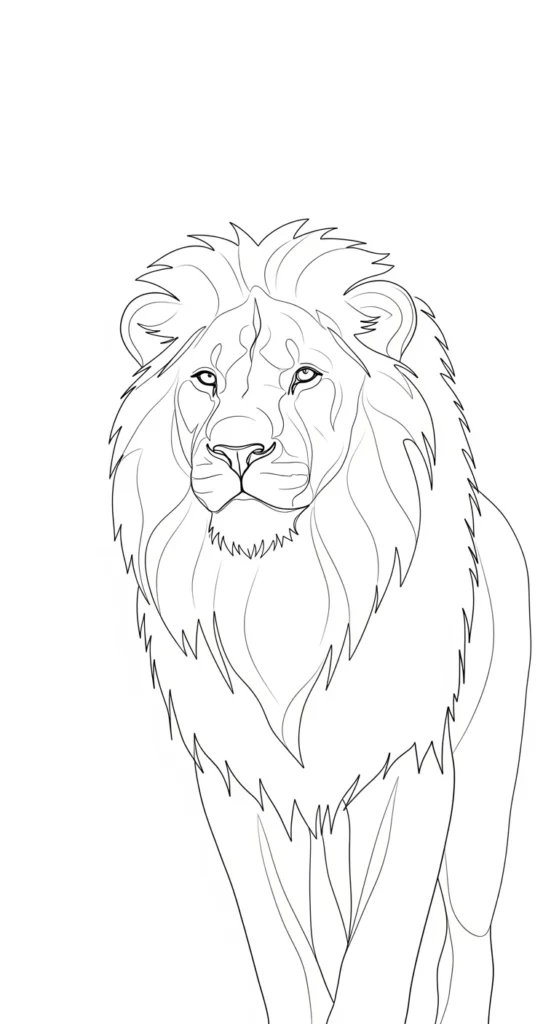
A line art lion is perfect if you love subtle tattoos. One continuous line can suggest the face, mane, and jaw with no shading at all.
This idea keeps sessions short and friendly for your wallet. It also works in many spots—inner arm, ankle, collarbone, or side of the torso.
DIY idea: try drawing a lion without lifting your pen. Even if it looks loose, that flowing style often becomes a beautiful tattoo.
Bring three or four attempts to your artist and let them refine the best parts into a clean design.
Because line art has no heavy fill, healing is usually quick. Still, treat it gently and avoid tight jewelry against the area until the skin settles.
If you ever want to add more detail later, you can layer small stars, plants, or simple shapes around the lion without changing its core personality.
20. Lion Profile on the Side of the Neck
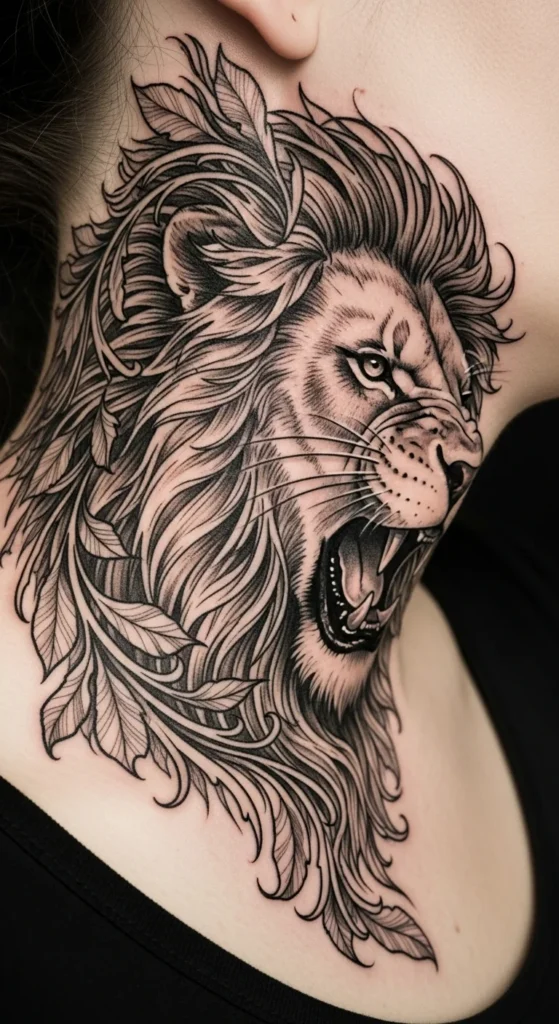
A lion profile on the neck feels bold and confident. It’s a strong choice if you’re comfortable with visible ink.
Keep the design small to medium so your neck doesn’t feel crowded. A sharp jawline and a hint of mane are enough to read clearly.
Neck tattoos can sting, so ask your artist to take short breaks. Schedule it on a day when you don’t need to talk or move your head a lot afterward.
At home, draw a small lion silhouette on a sticky note and place it at different heights on your neck. Check in the mirror from several angles.
For budget, pick a simple black design with minimal shading. That keeps the session shorter and the look clean.
Aftercare is important here: keep hair products off the area, change pillowcases often, and avoid high collars that might rub the skin while it heals.
21. Sports Star–Inspired Lion Back Piece
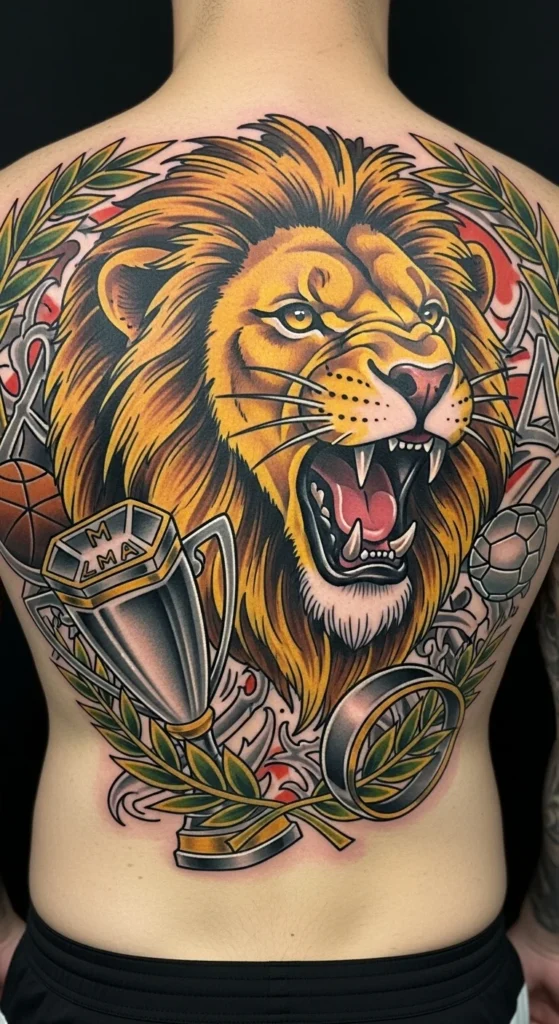
Many athletes choose lion back tattoos as symbols of drive and confidence. You can take inspiration from those pieces while tailoring the design to your own story.
A full-back lion allows for dramatic mane flow, extra elements like crowns, and even scenes behind the head.
Large pieces cost more and may require several sessions. To keep it manageable, start with just the head and upper mane. Add background and extra details later.
DIY planning: ask a friend to trace your back outline on a big sheet of paper. Sketch a lion head in the upper half and see how big you want it.
Wear loose shirts and plan to avoid heavy gym sessions for a while after each session. Back healing can take a full 4–6 weeks, so patience pays off.
By the end, you’ll have a design that feels like a cape you always carry.
22. Armor-Clad Fantasy Lion
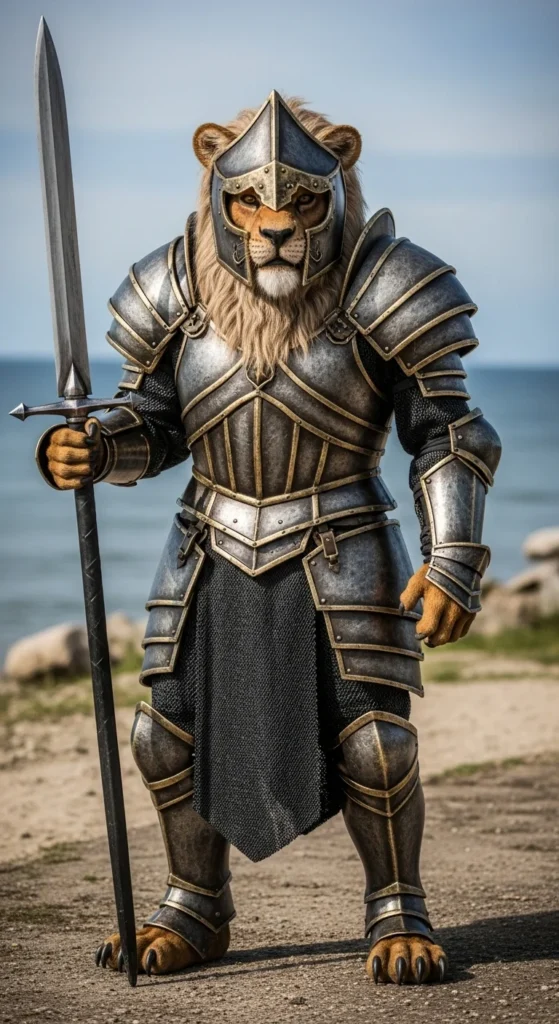
An armor-clad lion turns your tattoo into a fantasy guardian. Think metal plates, engraved details, and a mane that flows around the armor.
Upper arms, thighs, or upper backs are ideal for this concept. They give enough room for both lion features and armor shapes.
To keep your budget controlled, keep armor sections large and simple instead of filling them with tiny engravings. Bold plates still look strong from a distance.
At home, sketch a lion head and draw simple armor shapes around the cheeks and forehead, like a helmet. Your artist can add design flair from there.
Healing is similar to other medium-to-large pieces. Wash gently, pat dry, and avoid intense stretching of the area until the tight feeling fades.
If you love games or fantasy books, weave small nods into the armor shapes instead of full logos, which might age out of your taste.
23. Half Lion, Half Human Face
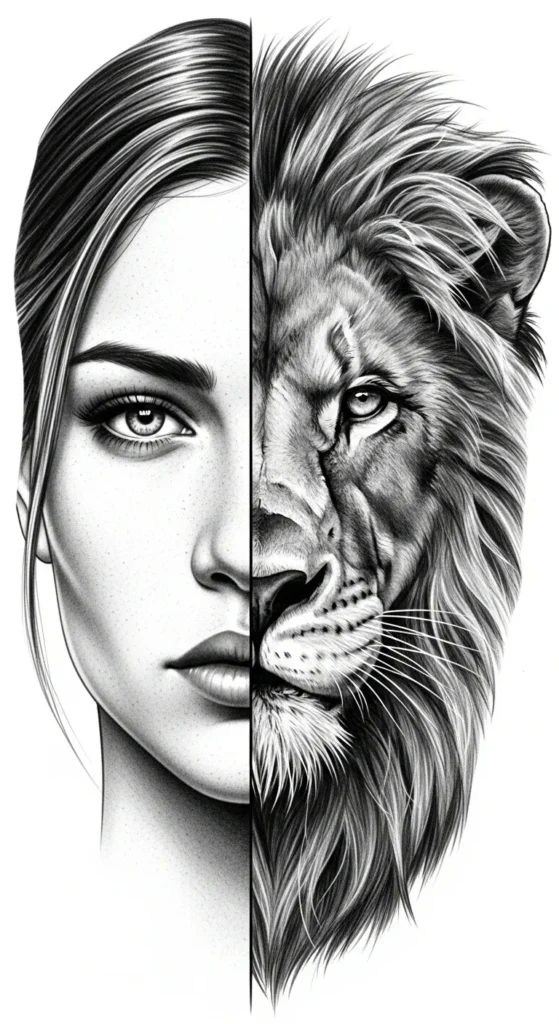
A split lion-human face speaks to dual identity: soft and fierce, calm and ready to act. The design shows half your chosen human portrait, half lion.
This idea fits upper arms, thighs, or the side of the torso.
For budget, ask the artist to keep one side more detailed and the other more stylized. For example, a realistic eye on the lion side and simpler shading on the human side.
DIY prep: print your own face photo in black and white and cut it down the middle. Place a lion half beside it. This helps you decide if you want a straight vertical split or a jagged, torn-edge effect.
Discuss with your tattooer how to keep the features aligned. The more aligned, the more striking it feels.
Healing is standard: keep the area clean, avoid dirty gym equipment pressing against it, and use thin layers of lotion rather than heavy creams.
24. Lion Eye Close-Up
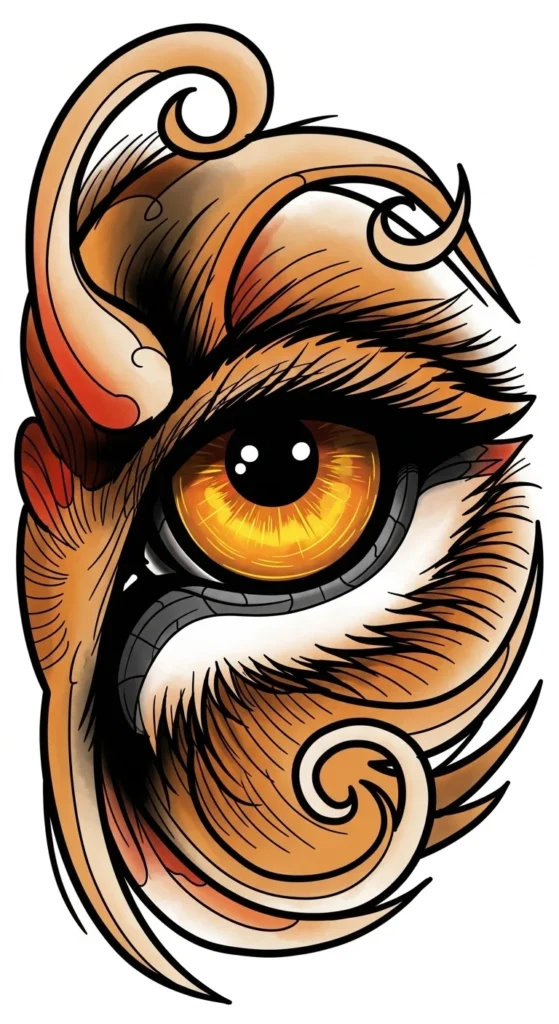
Sometimes one lion eye says more than a full body. A close-up eye with surrounding fur detail feels intense and focused.
Forearm, calf, or upper arm spots work well for this style. The curve of the muscle helps frame the eye.
To keep cost under control, ask for a single-eye composition without extra background elements. High detail in a smaller area often feels more striking than average detail in a large one.
DIY planning: zoom in on a lion eye photo and print it. Hold it against different body parts to see how the gaze direction changes the mood.
Ask your artist whether they recommend adding a hint of color in the iris or keeping it black and grey. Either way, contrast matters.
During healing, expect the tattoo to look a bit cloudy at first. Once the top layer peels, the sharpness of the eye will come through.
25. Lion Hand or Top-of-Hand Tattoo
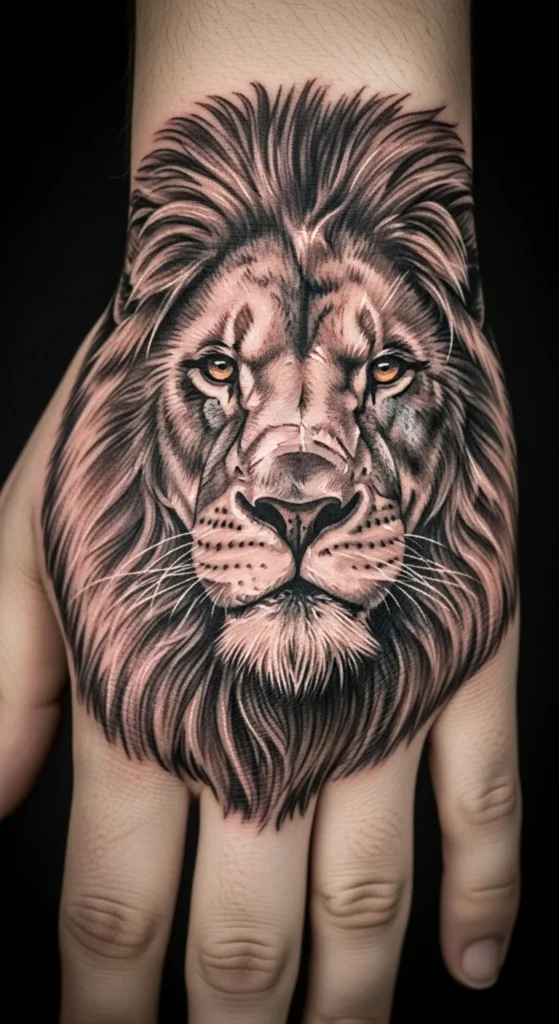
A lion on the hand is about as visible as it gets. It fits people who are comfortable with daily attention and possible fading over time.
Because hands move constantly and face sun every day, they can fade faster. To save money long term, ask about touch-up policies before you commit.
Keep the design simple: a bold lion face with clear shapes rather than tiny details. That helps the tattoo age better.
DIY test: draw a simple lion outline on your hand with a marker and live with it for a day at home. Notice how often you look at it and how it feels with your outfits.
Aftercare is extra important. Keep your hands clean, moisturize lightly, and avoid harsh cleaning chemicals while the tattoo heals.
If you work with your hands a lot, you might start with a smaller, less exposed lion on the wrist or thumb web as a trial.
26. Shoulder-to-Chest Lion Wrap
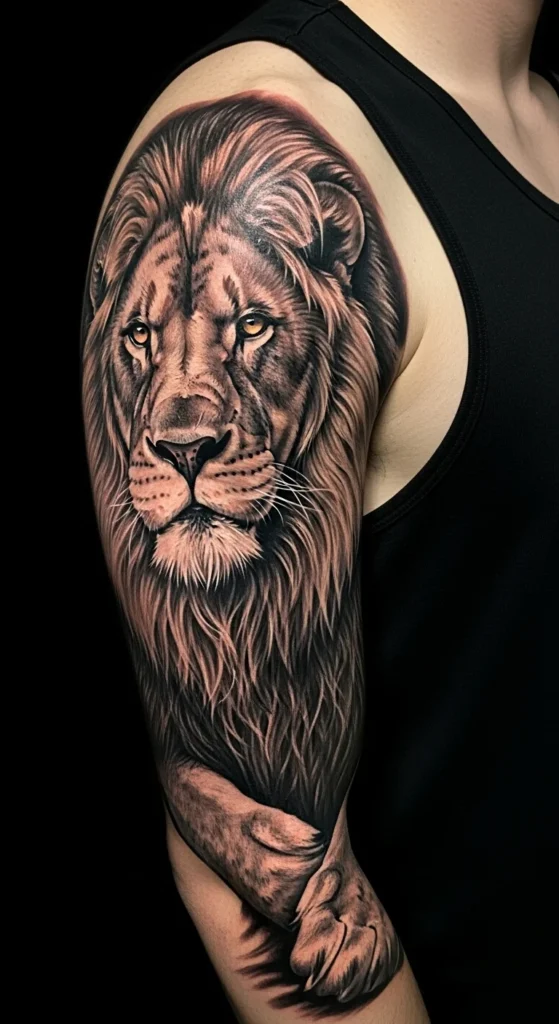
A lion that starts on the shoulder and flows onto the chest frames your upper body nicely. The head can sit on the shoulder cap while the mane sweeps inward.
This layout works especially well if you want to show strength when wearing tank tops or open shirts.
To manage your budget, start with the lion head on the shoulder alone. Add mane and chest detail in later sessions.
DIY planning: use a skin-safe marker to draw a circle on your shoulder and connect sweeping lines down toward your chest. This gives you an idea of how much space you like.
During healing, avoid carrying heavy bags on that shoulder. Let the skin settle without extra pressure.
Over time, you can expand the piece with other symbols—like roses, crowns, or geometric shapes—that flow with the original lines.
27. Lion with Moon and Stars Night Scene
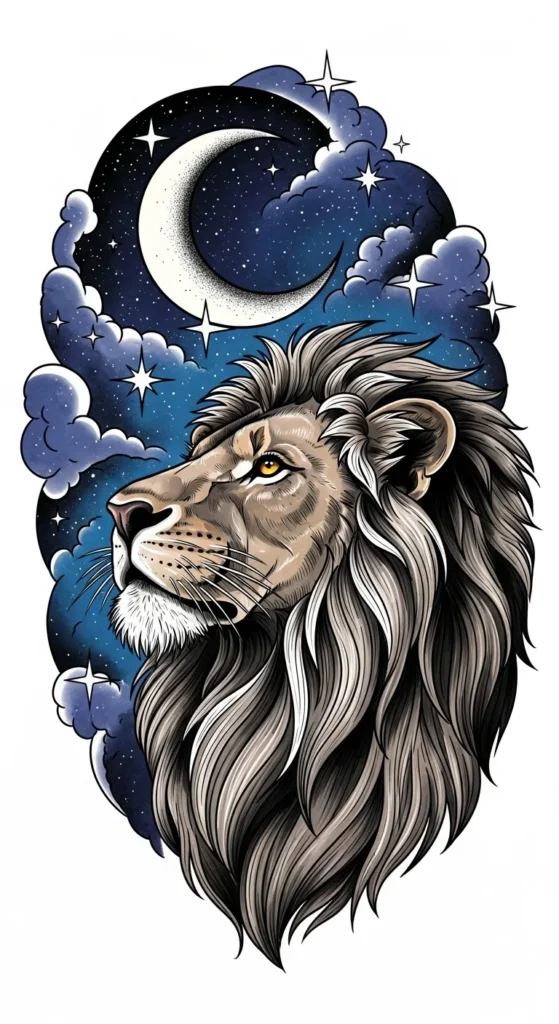
A lion under a moon and stars brings in themes of guidance and quiet strength. The lion can look upward while the sky fills the background.
This design suits upper arms, thighs, or upper backs. You can keep it black and grey with bright highlights for the moon.
To keep the tattoo affordable, ask your artist to use simple dots and small lines for stars instead of fully shaded clouds and galaxies.
DIY idea: draw a lion silhouette on paper and add a crescent moon above. Sprinkle small dots for stars and see how dense you like the sky.
Bring your sketch to the studio and ask them to refine it into a cohesive piece.
During healing, avoid sun exposure, especially if you add subtle white highlights. Those small touches stand out best on well-protected skin.
28. Split Realistic and Geometric Lion
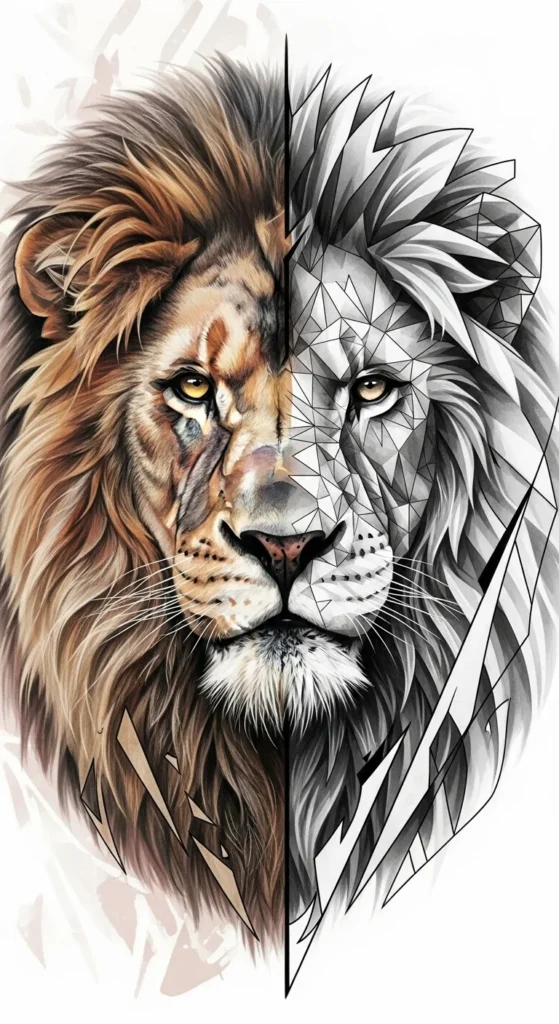
A split lion—half realistic, half geometric—lets you show two sides of your personality. One half has full fur detail, the other half is built from lines and shapes.
This style shines on the forearm, upper arm, or calf.
To control cost, ask your artist to focus detail on the realistic side and keep the geometric half simpler. That still gives strong contrast without doubling the work.
DIY planning: print a lion photo and draw a line down the middle. On one side, sketch triangles and lines over the features. You’ll quickly see what you like.
Discuss where the split should sit—straight down the middle can feel bold, while a diagonal slash adds motion.
Healing is similar to other medium pieces. Keep the area moisturized and avoid picking at flakes so lines stay crisp.
29. Lioness Side Thigh Silhouette
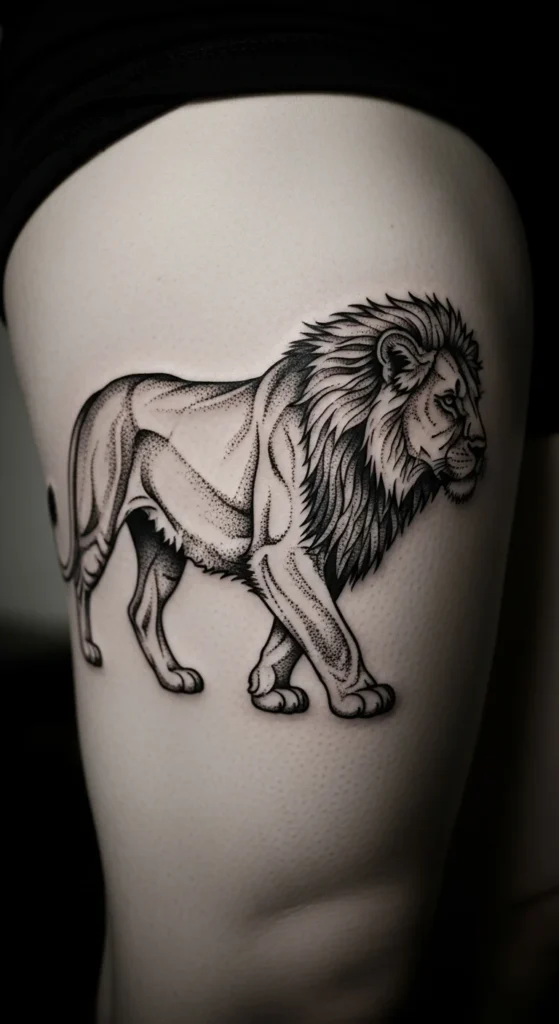
A lioness silhouette on the side of the thigh feels strong and quietly confident. Instead of heavy detail, you get a bold, simple outline.
This keeps the session short and budget-friendly, while the location stays easy to cover.
DIY idea: print a lioness silhouette and cut it out. Tape it to your side thigh and walk around at home. Check how it looks when you sit, stand, and bend.
Ask your artist to adjust the curve so it flatters your leg shape. Slight angle changes can make a big difference.
Healing here is usually calm, as long as you wear loose shorts or soft leggings. Avoid tight seams that cross the tattoo while it’s peeling.
If you ever want to add more later, you can surround the silhouette with subtle plants, cubs, or stars.
30. Roaring Lion Calf Tattoo
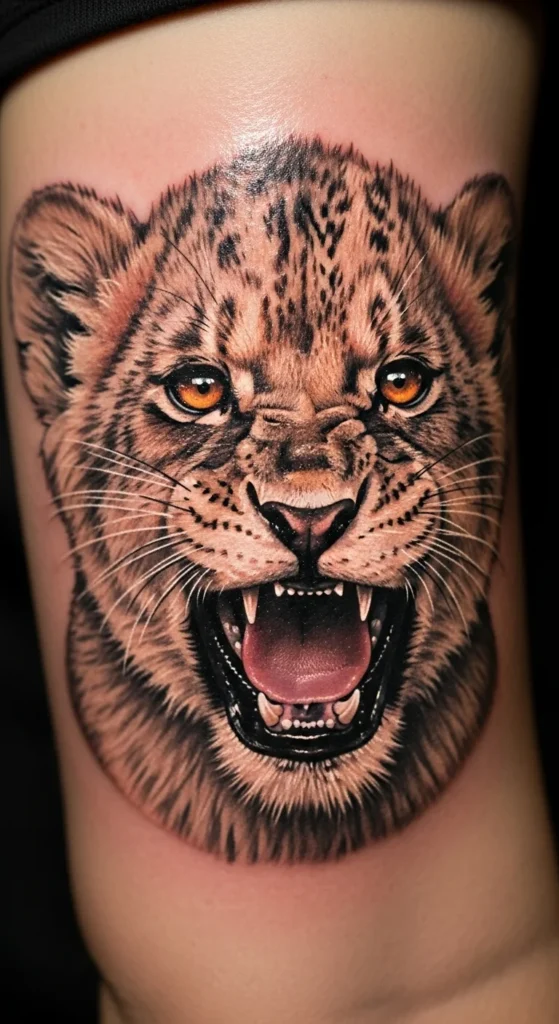
A roaring lion on the calf creates a strong impact when you walk. The natural curve of the muscle frames the mouth and mane nicely.
This placement also avoids some workplace issues, since pants can hide it when needed.
To keep cost reasonable, pick a mid-size design with solid shading rather than a huge mural. Focus detail on the face and teeth, and let the mane fade out along the edges.
DIY planning: print a lion head slightly taller than your phone and tape it to different spots on your calf. Pick the position that looks best in the mirror.
Calf pain is usually manageable for most people. Just expect a little tightness when you climb stairs during healing.
Keep socks and shoes from rubbing the bottom edge by choosing softer, low-friction fabrics until your new lion settles in.
Conclusion
Lion tattoos offer more than pretty artwork—they act as daily reminders of courage, leadership, and resilience. Whether you prefer a realistic chest piece, a quiet lioness silhouette, or a geometric forearm design, there’s a way to match your style, pain tolerance, and budget. Use temporary sketches, printed references, and clear chats with your artist to shape the idea. When you’re ready, pick one concept from this list and start designing a lion that truly feels like your own.