Someone I know spent months scrolling K-pop boards and still missed the real problem. It was not finding a pretty picture. It was finding a design that would hold up on their skin, match their lifestyle, and heal cleanly in summer sweat. I visited five shops across Brooklyn and watched enthusiasts ask the same questions. These fifteen Korean inspired tattoos are beginner-friendly, with notes on aging, placement, and what to ask your artist.
1. Fine line Korean tiger on inner forearm
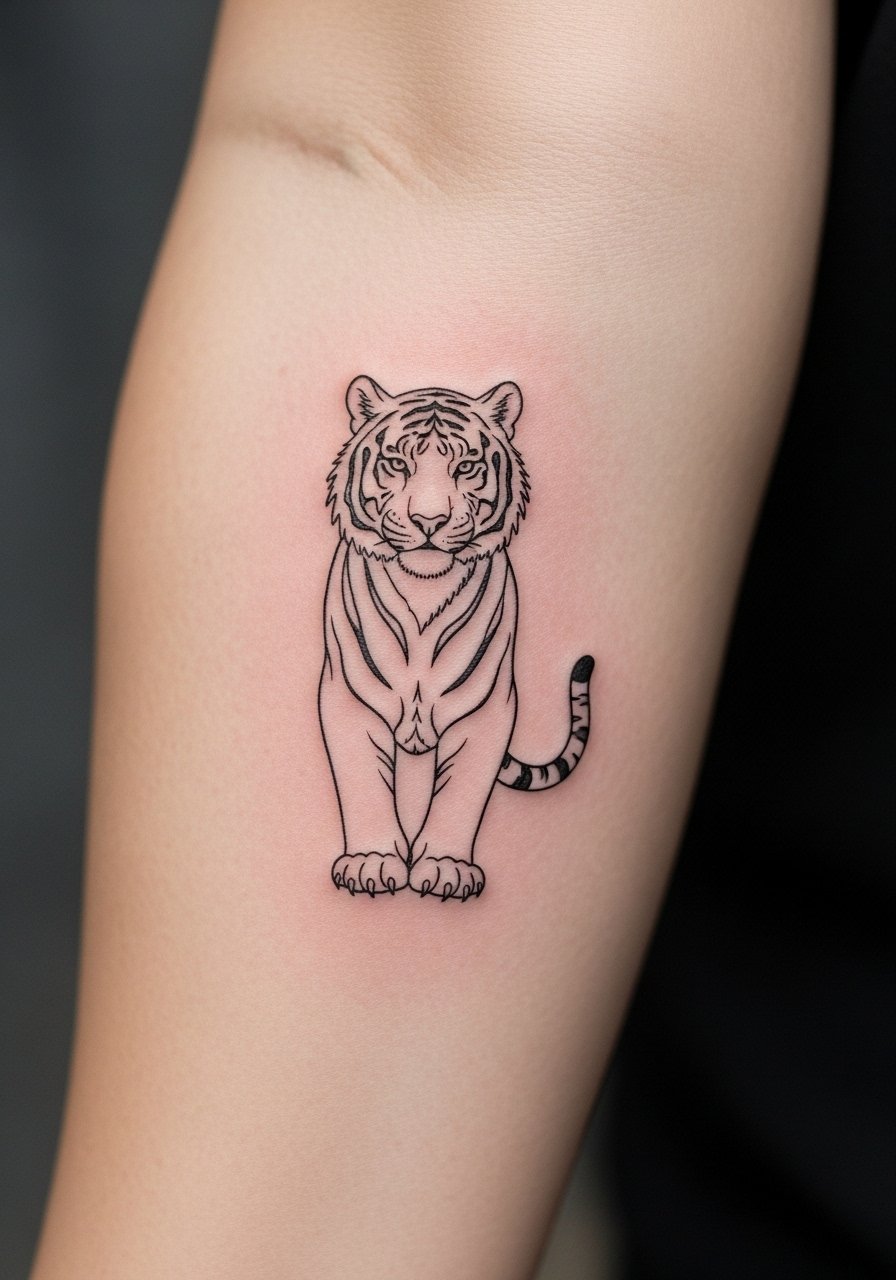
Someone I know got a tiny fine line tiger on their forearm because they wanted courage in a small space. Fair warning: forearm movement and summer sweat speed up peeling, so expect light softening by year two. Tell your artist you want slightly bolder contour lines and a touch of stipple shading for texture. A common mistake is asking for hairline strokes that sit too shallow. Session feels moderate, about one hour. Touch-up at year two keeps the stripes crisp. Ask to see healed photos on similar skin tones before booking.
2. Ornamental Korean cloud pattern on shoulder
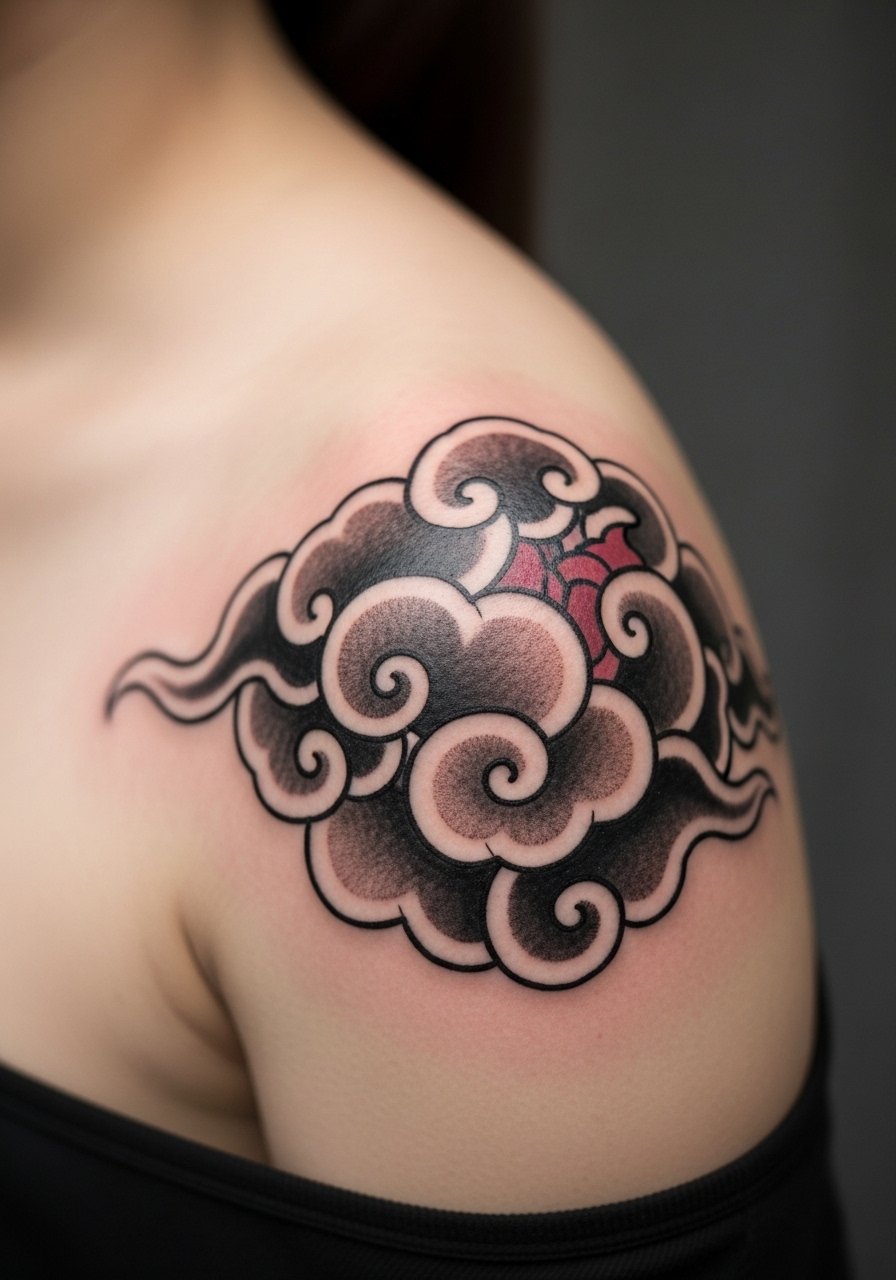
If you want something that elongates the arm, ornamental clouds work as a shoulder piece that can stretch toward the sleeve later. In consultation, point to the exact curve rhythm you want and mention Bojagi-inspired negative space so the design breathes. The shoulder tolerates ink well, pain is mild, and saturation holds longer than on the ankle. A common aging issue is over-detailing small cloud curls, which blur after two to three years. This version uses heavier shadow anchors so the pattern reads from a distance and still connects to future pieces.
3. Blackwork Hanbok silhouette on ribcage
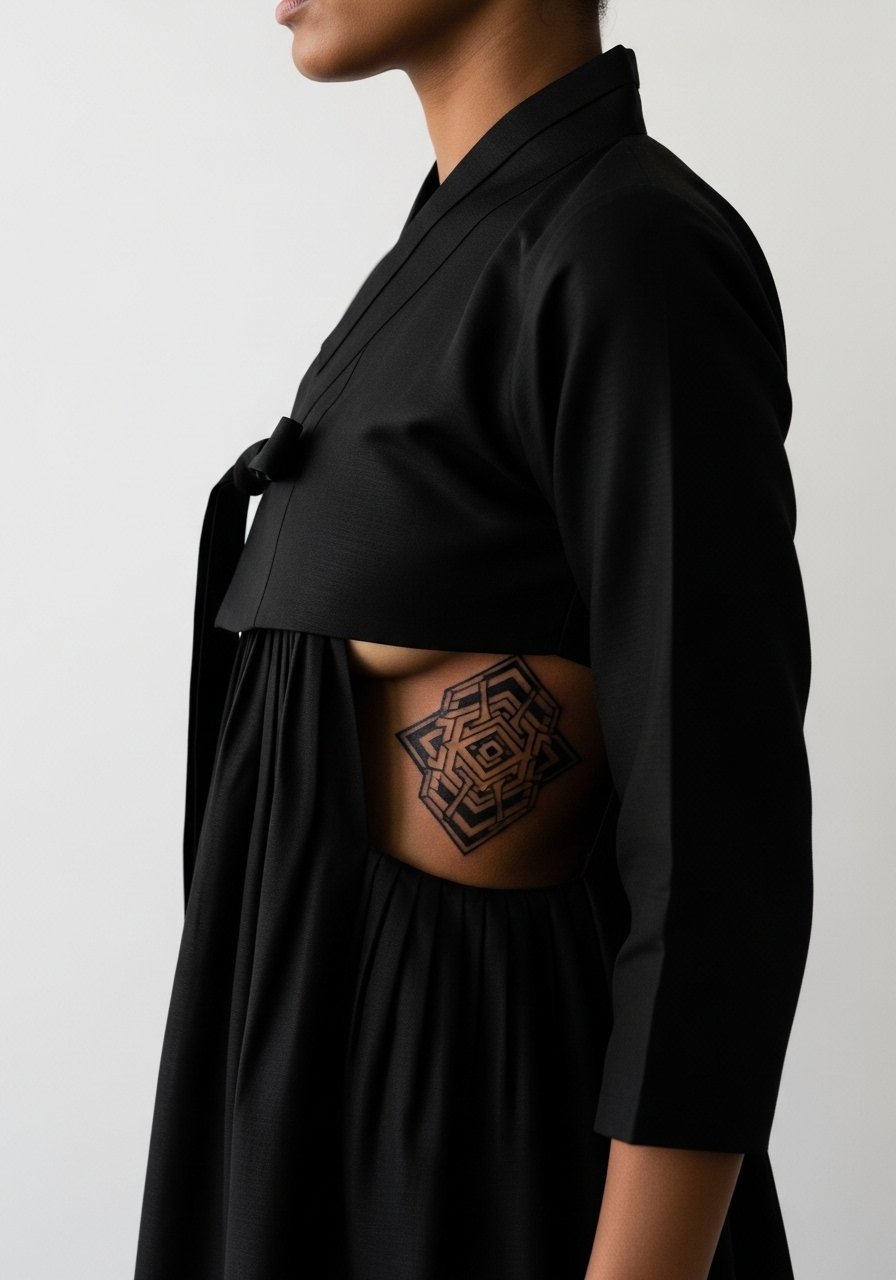
Fair warning: the ribcage is a higher pain zone, so expect a longer session and frequent breaks. The Hanbok silhouette reads well in solid black, which helps on darker skin where subtle shading can fade into the background. Ask your artist to test a small stencil patch so you can see the negative space at different angles. A common mistake is shrinking the silhouette too much, which loses the garment’s flow. Healed, this holds up because of bold saturation, but plan for a touch-up if pregnancy or major weight changes are likely.
4. Micro-realism Mugunghwa on ankle
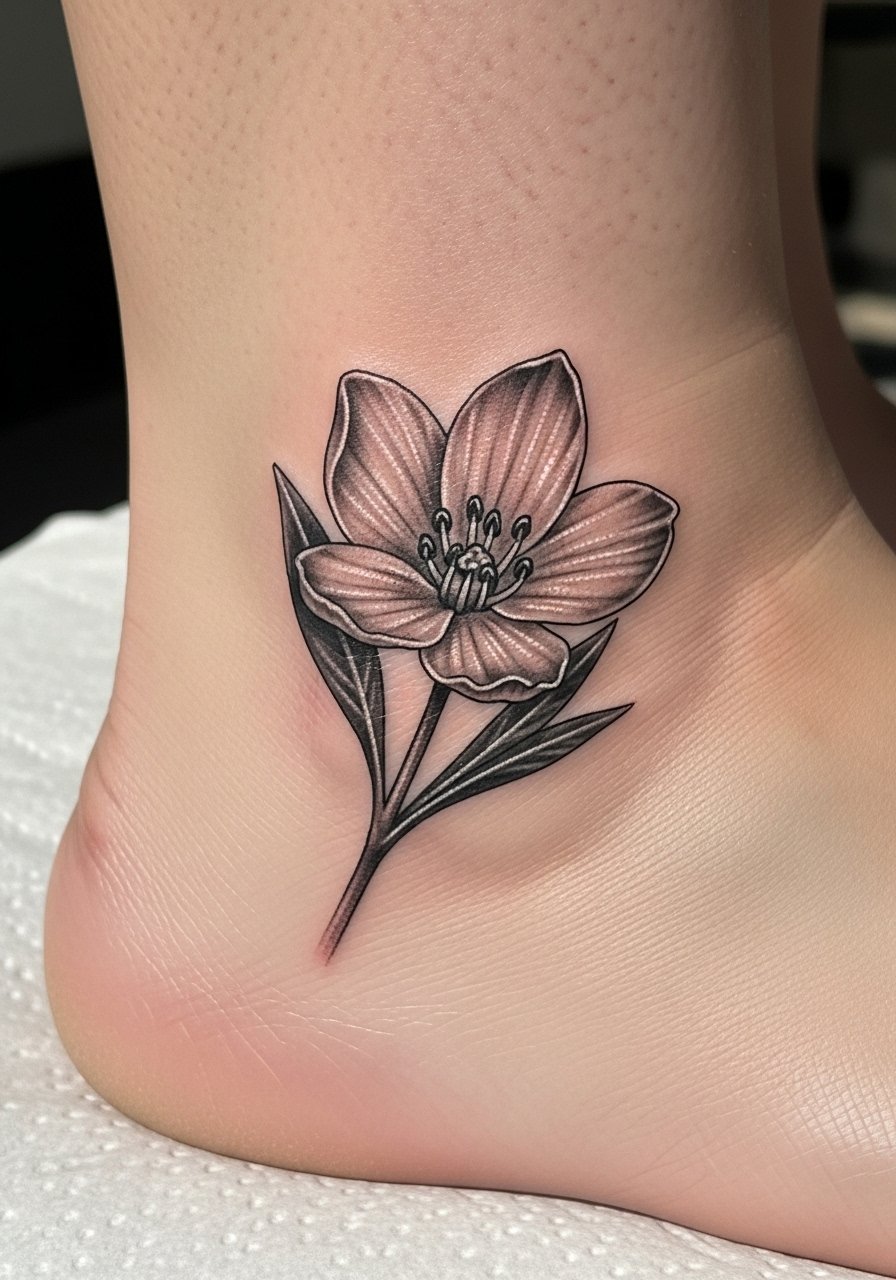
Most micro-realism pieces show beautifully in photos but demand careful placement. The ankle is a risky spot because fine shading can blur if you go too small. Tell your artist you want a two-inch bloom with slightly higher contrast and defined edges. Expect a tight, tingly session that finishes faster than a sleeve. The biggest mistake is asking for full photorealism at coin-size. At six months the petals look soft, at two years expect some feathering, and a precise touch-up can restore the crispness.
5. Watercolor Hangeul phrase across collarbone
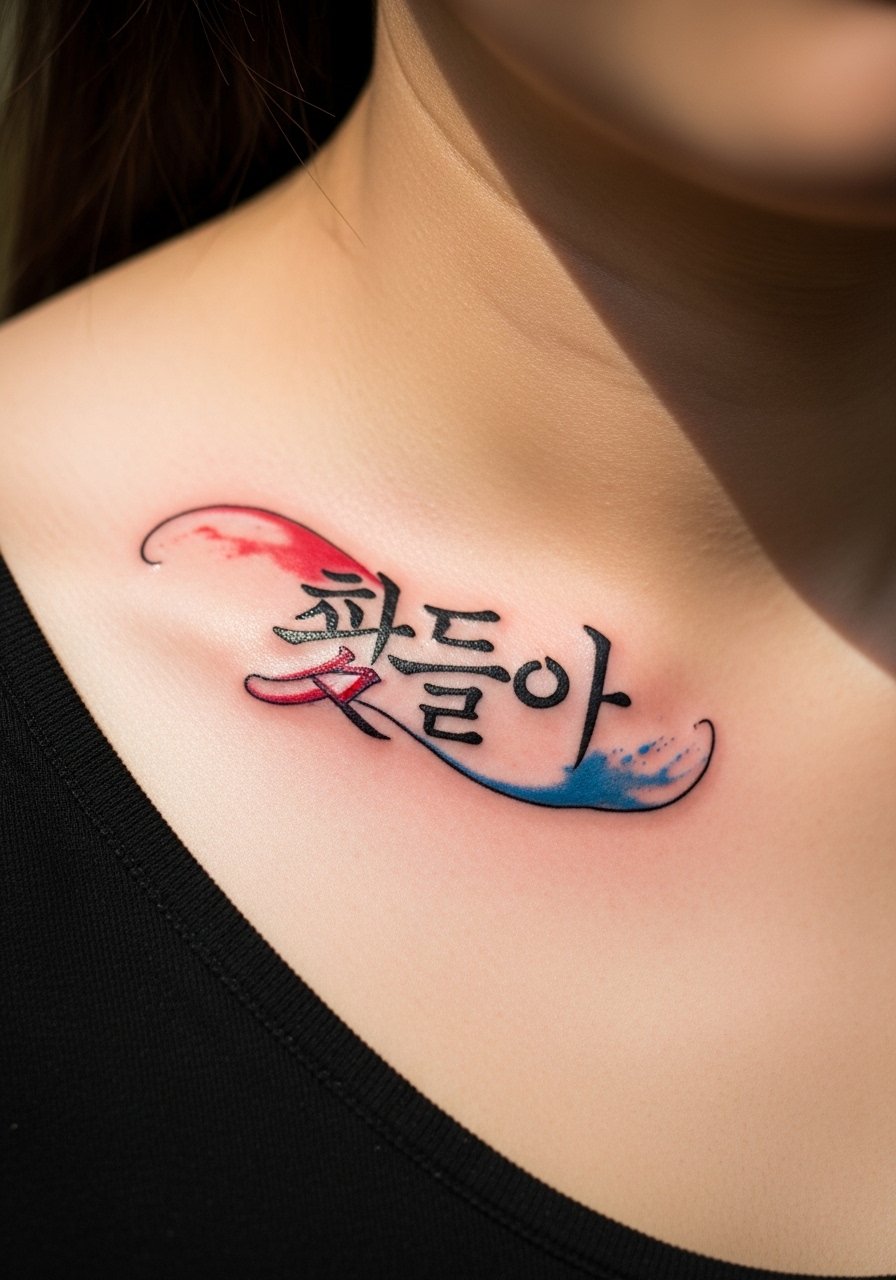
When you pick a Hangeul phrase, verify the wording with a native speaker before the stencil goes down. There is a fine line controversy with calligraphy fans who prefer ghosted blur and artists who want crisp strokes. Name both camps and ask the artist where they land. Watercolor blends can look ethereal at first and then soften into a wash after a year. For beginners, keep the phrase at 3 to 4 inches so letters do not compact. Pain is mild on the collarbone but watch for sun exposure during healing.
6. Ignorant-style Dokkaebi on bicep
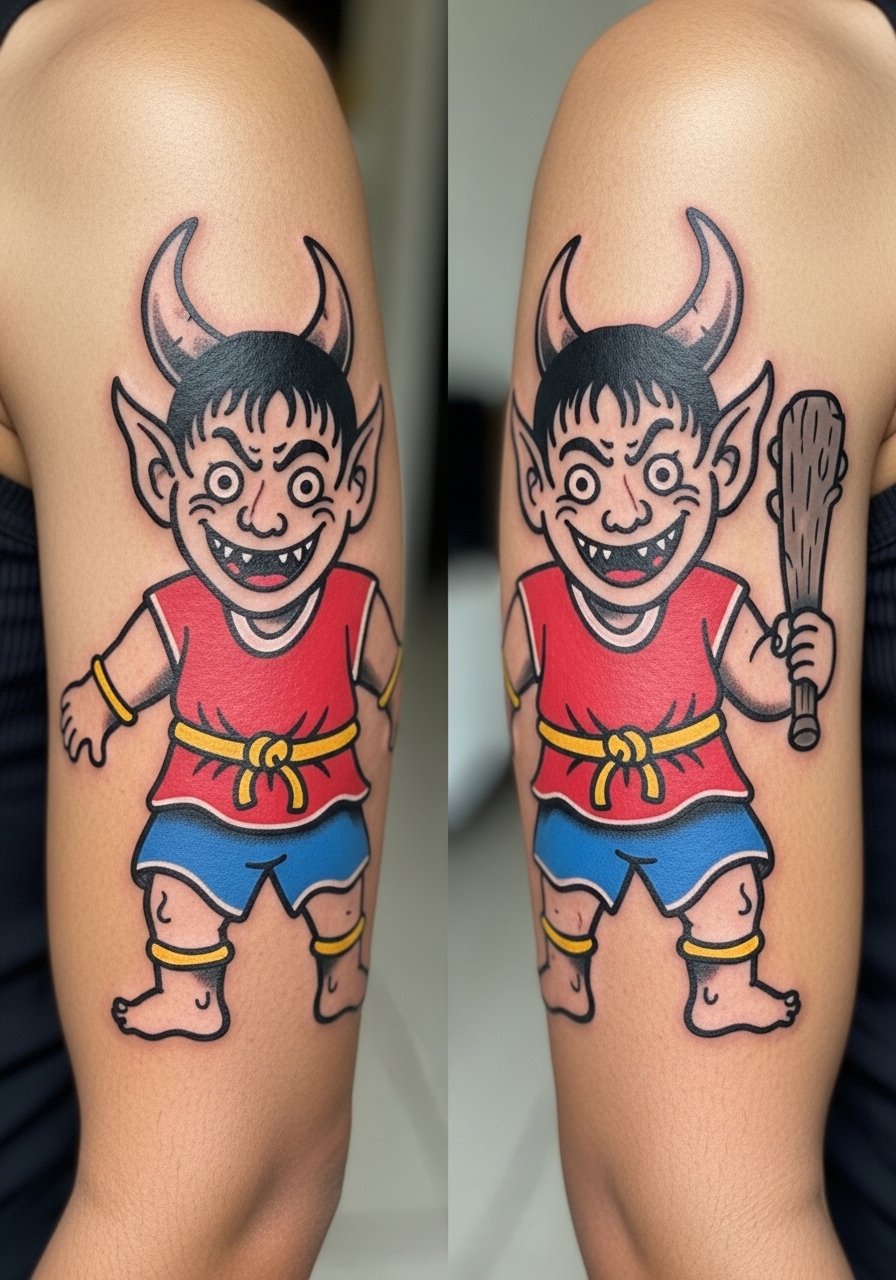
The bicep is forgiving for someone trying bold, raw street-art energy. For Dokkaebi mischief, ask for clean negative space so the face reads in photos. Expect a two-session plan if you want solid fill and crisp negatives. A common mistake is overcomplicating facial features at small size, which loses the character. Pain is low to moderate and saturation holds well on the bicep. If hiring a guest artist, confirm cancellation policies and deposit rules since I have seen guest spots canceled last minute.
7. Traditional Korean dragon coiling around lotus on forearm
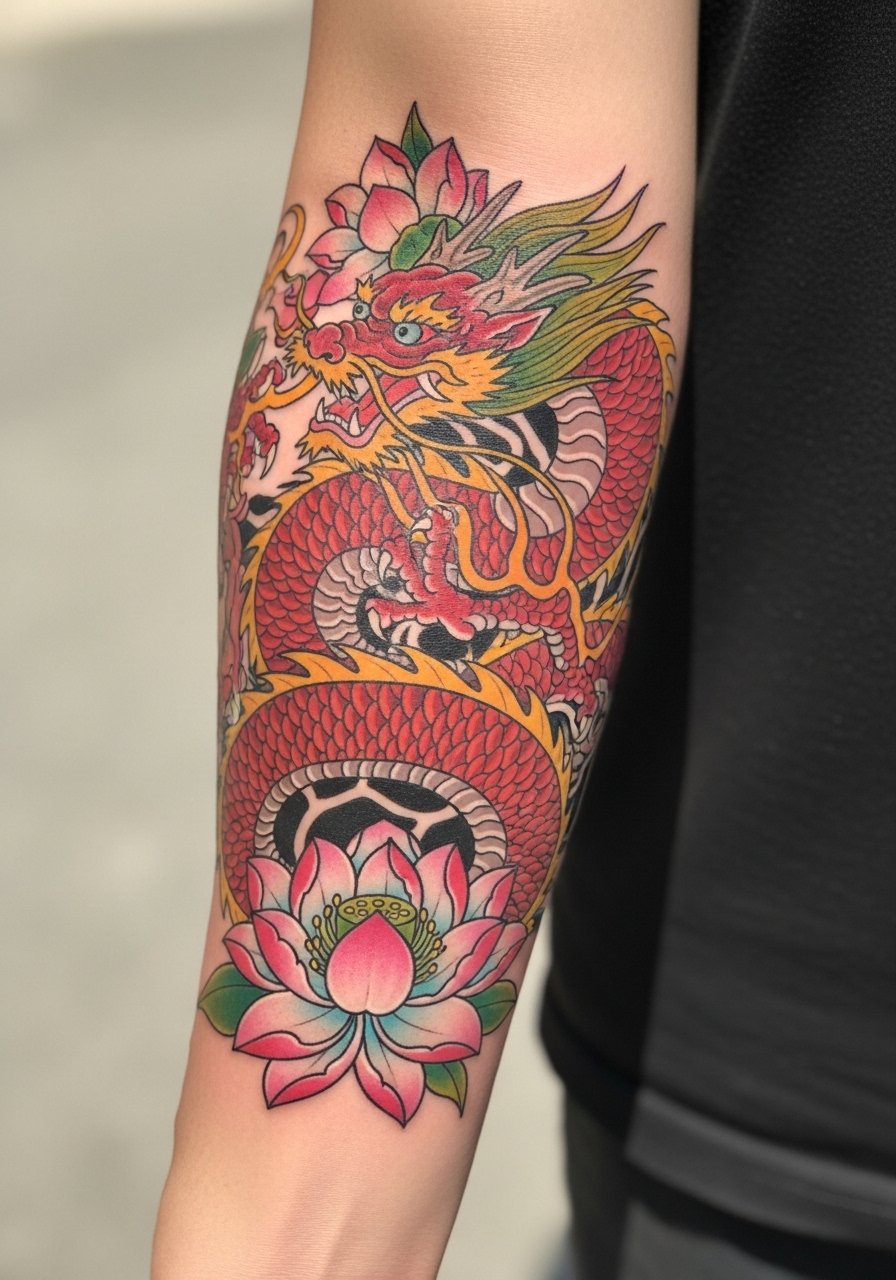
There is something about a coiling dragon that reads as movement when it wraps the forearm. For beginners, scale the motif to at least four inches so claws and scales stay defined. Tell the artist you want bold black anchors under the color to protect saturation as it heals. This takes multiple sessions and can feel long, so numbing options may be useful for comfort. Expect yearly touch-ups if you keep bright reds intact. Avoid tiny scale detail near joints to reduce blowout risk.
8. Minimalist turtle and snake behind the ear
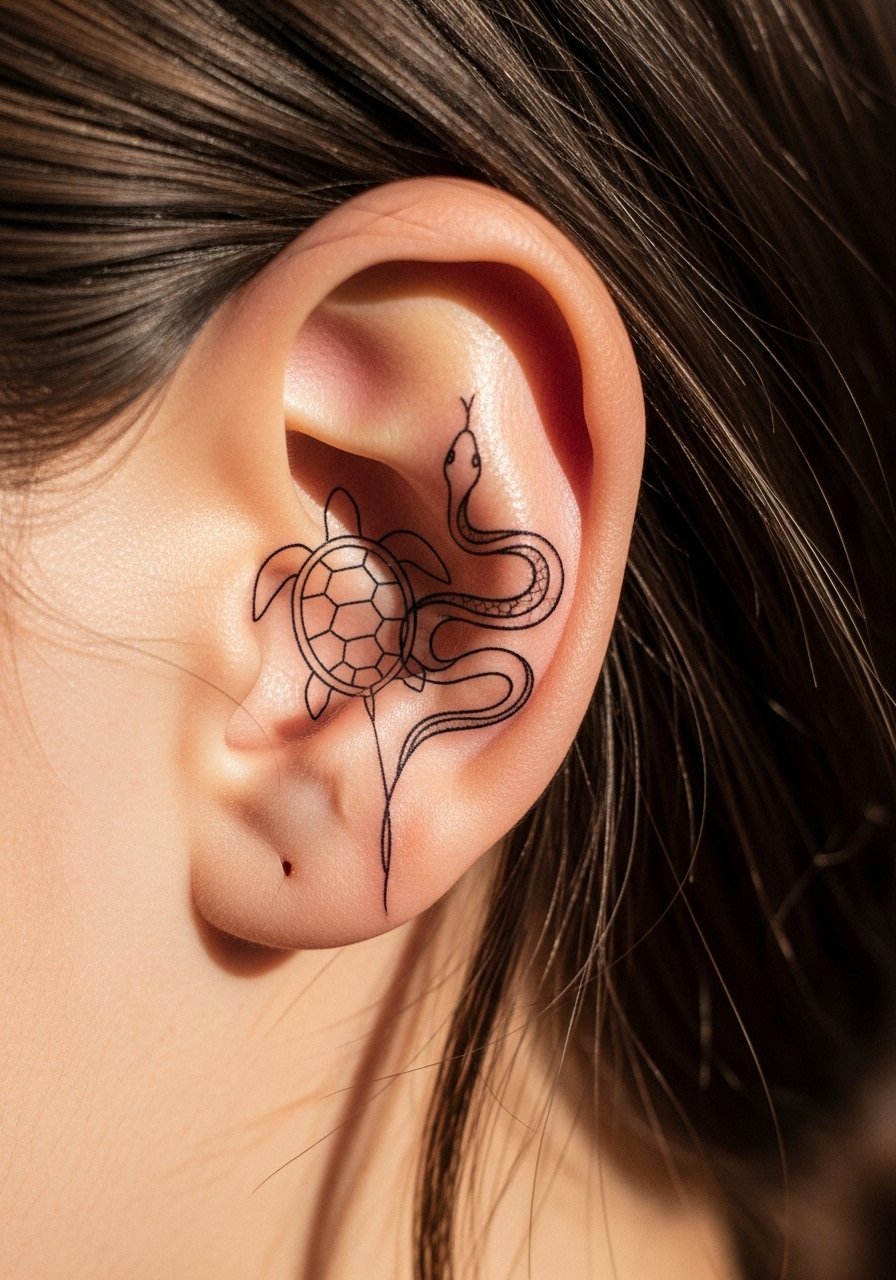
Behind-ear pieces are discreet but require a confident artist who can keep single-line flow steady. Pain is sharp but short. The key consultation note is to ask for one continuous line with slight spacing at overlaps to avoid blurring. A common mistake is trying to cram text or extra curls into that tiny area. Healed, the motif keeps its shape if the line weight is not hairline thin. Keep expectations realistic for workplace visibility since this spot peeks out with certain hairstyles.
9. Ornamental Bojagi pattern as outer arm filler
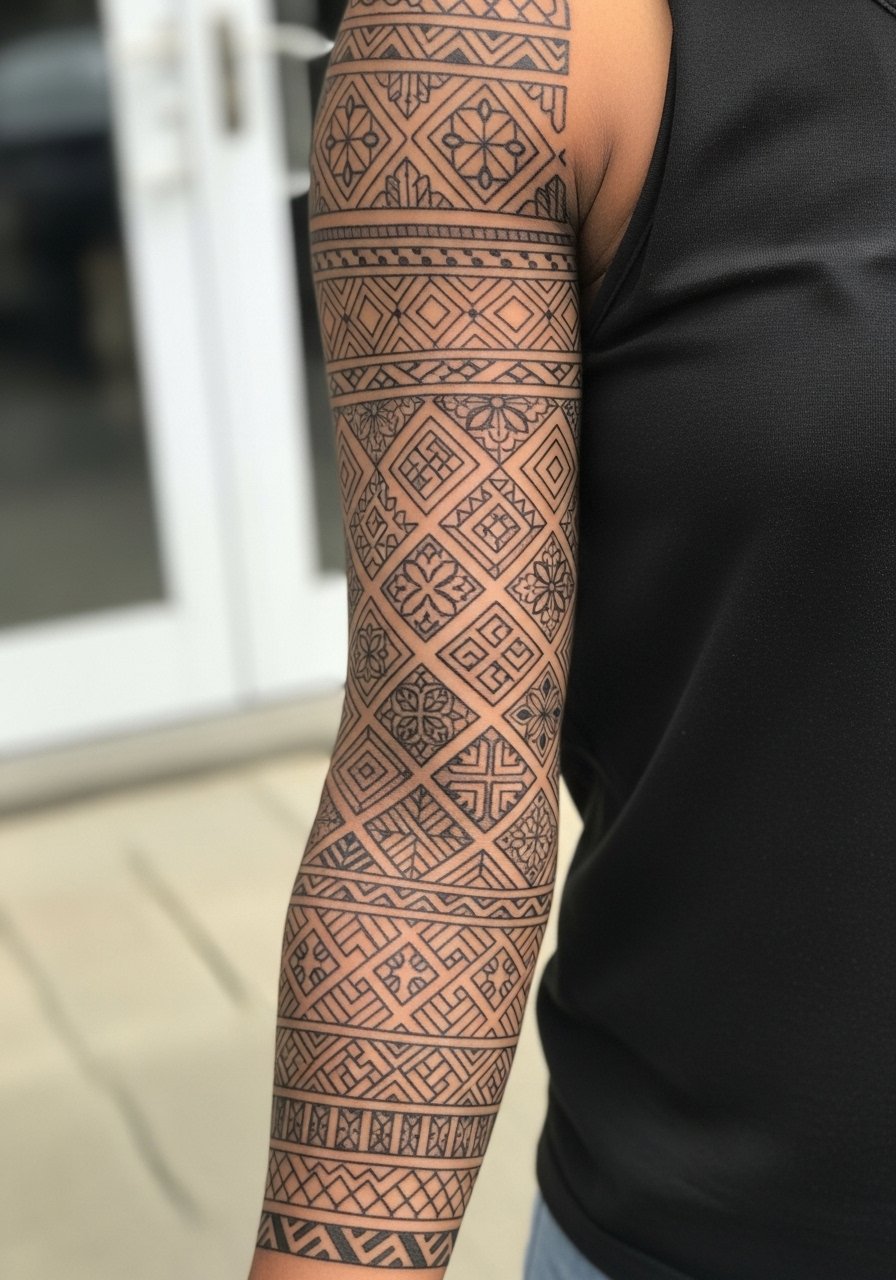
Bojagi patterns make excellent fillers to connect older pieces because the negative space repeats predictably. During consults, bring photos of your existing tattoos so the artist can map how the pattern will bridge gaps. The outer arm wears well and the pattern resists distortion compared to the inner elbow. The mistake I see is making repeats too small, which muddies the rhythm after a year. Sessions are modular, which helps beginners spread cost and recovery over multiple visits.
10. Fine line Hangeul interwoven with peony on inner bicep
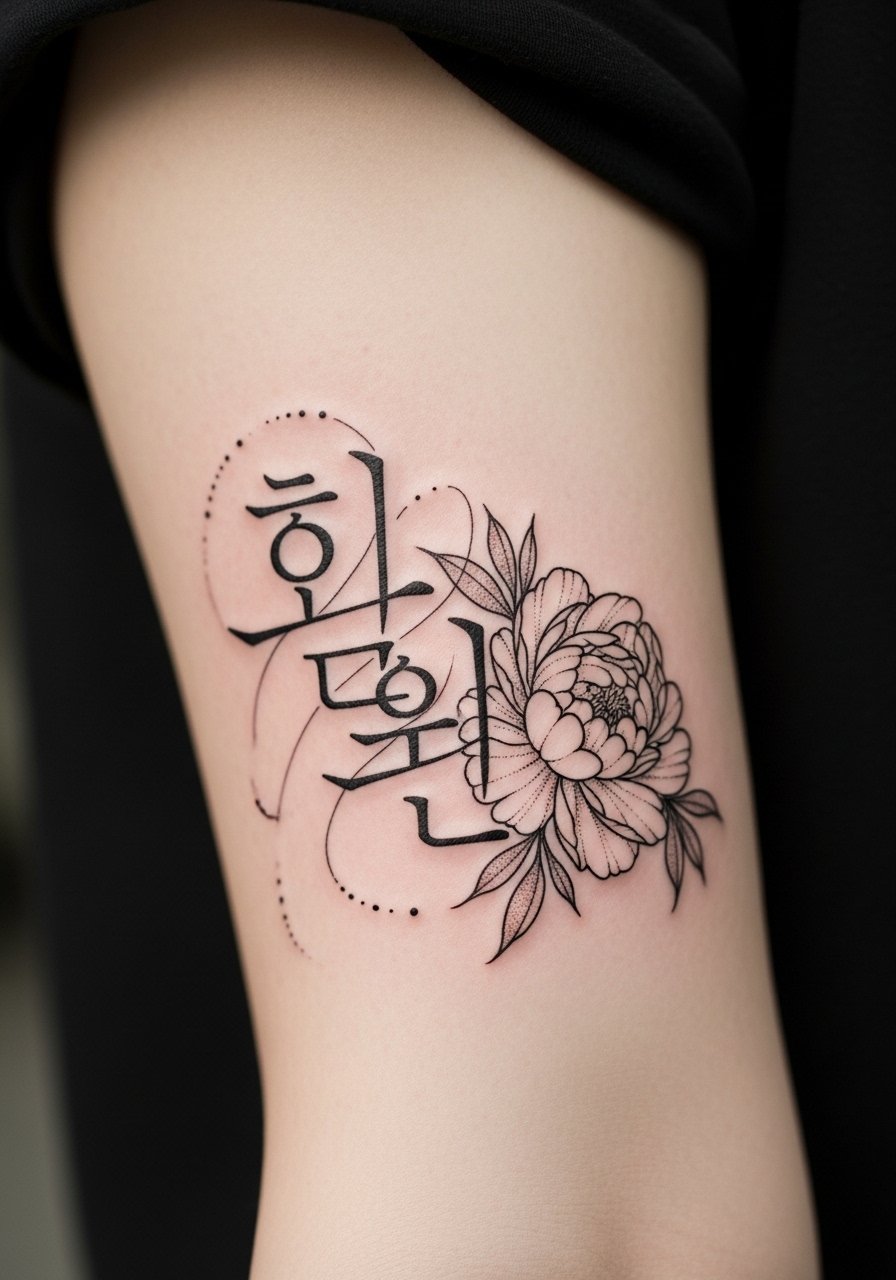
I have noticed fine line script on inner biceps heals differently than on wrists because friction is lower. That said, fine line critics argue the strokes blur within two years while fans say the soft look is worth it. State both positions and ask the artist for recommended line depth. The right compromise is slightly thicker primary strokes with delicate hairlines in the petal areas. Pain is moderate, session time is around one hour, and plan for a touch-up if you want the Hangeul to stay legible long term.
11. Neo-traditional Korean flag elements on shoulder blade
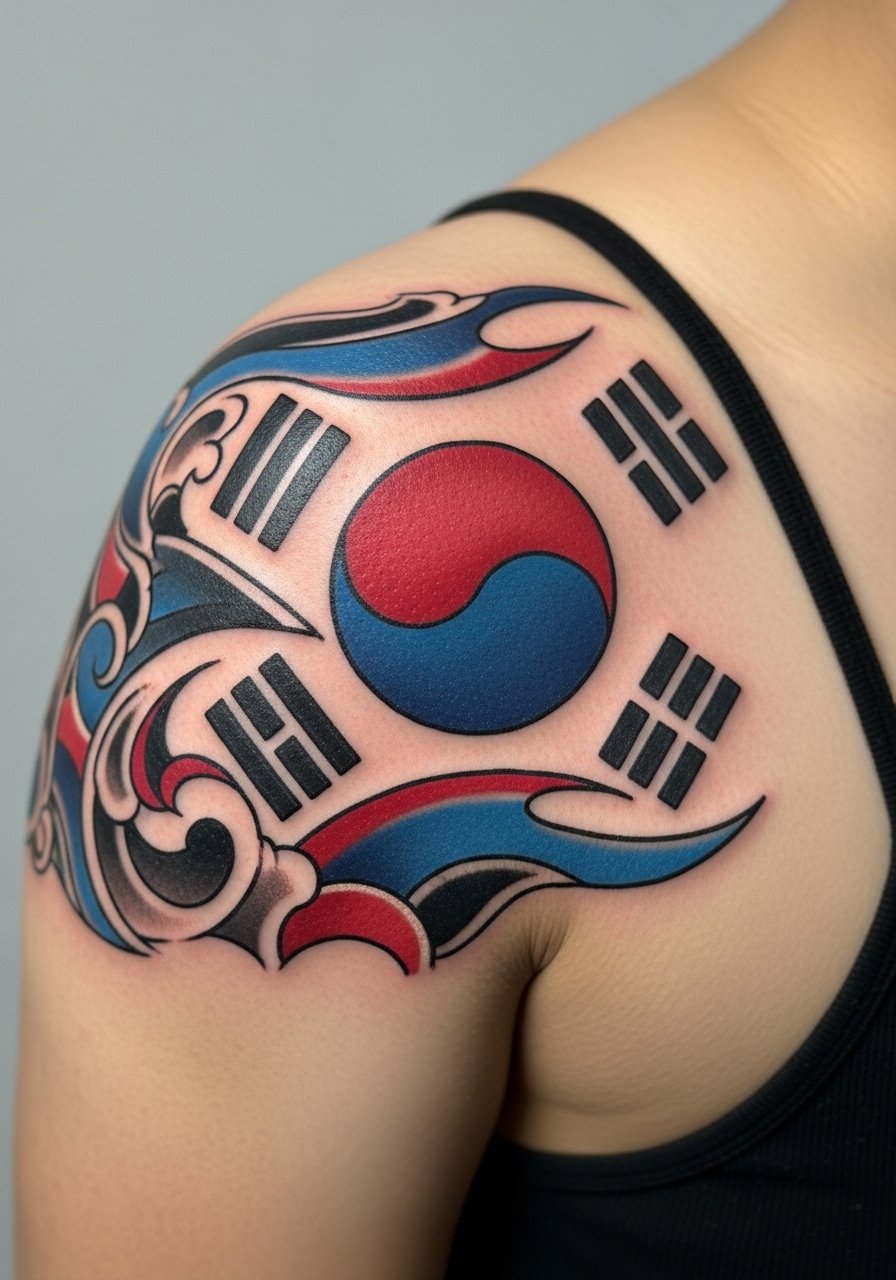
Shoulder blades are generous for neo-traditional color that still looks clean years later. Ask for saturated anchors under the blue and red so the colors remain vivid after summer exposure. A common rookie move is compressing elements into too small an area, which makes the yin-yang symbol lose definition. Pain is low and sessions are comfortable since you can lie face down. If you travel for conventions, use platforms like Booksy to find guest spots with transparent cancellation policies.
12. Blackwork Hanok architecture outline on quad
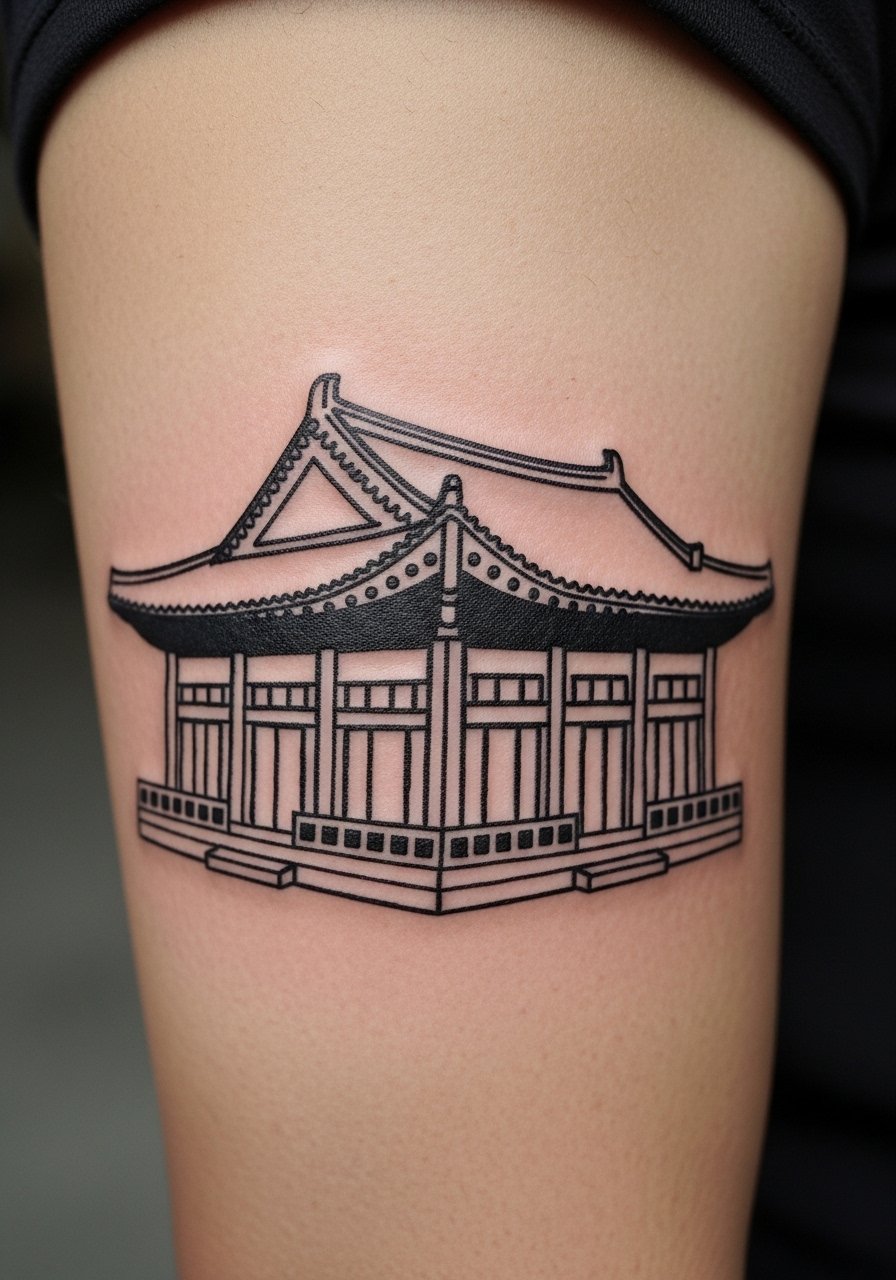
Architectural outlines read best when they respect the natural curve of the quad, so request a stencil mockup and pose during the consult. The quad accepts bold blackwork well which helps on darker skin tones where fine gray shading can fade. The mistake is shrinking complex rooflines too small, which causes detail loss. Session time is moderate and you may schedule a single session if the piece is kept to mid-size. Tell the artist you want strong linework that resists blowout along the muscle edges.
13. Finger heart in dotwork style
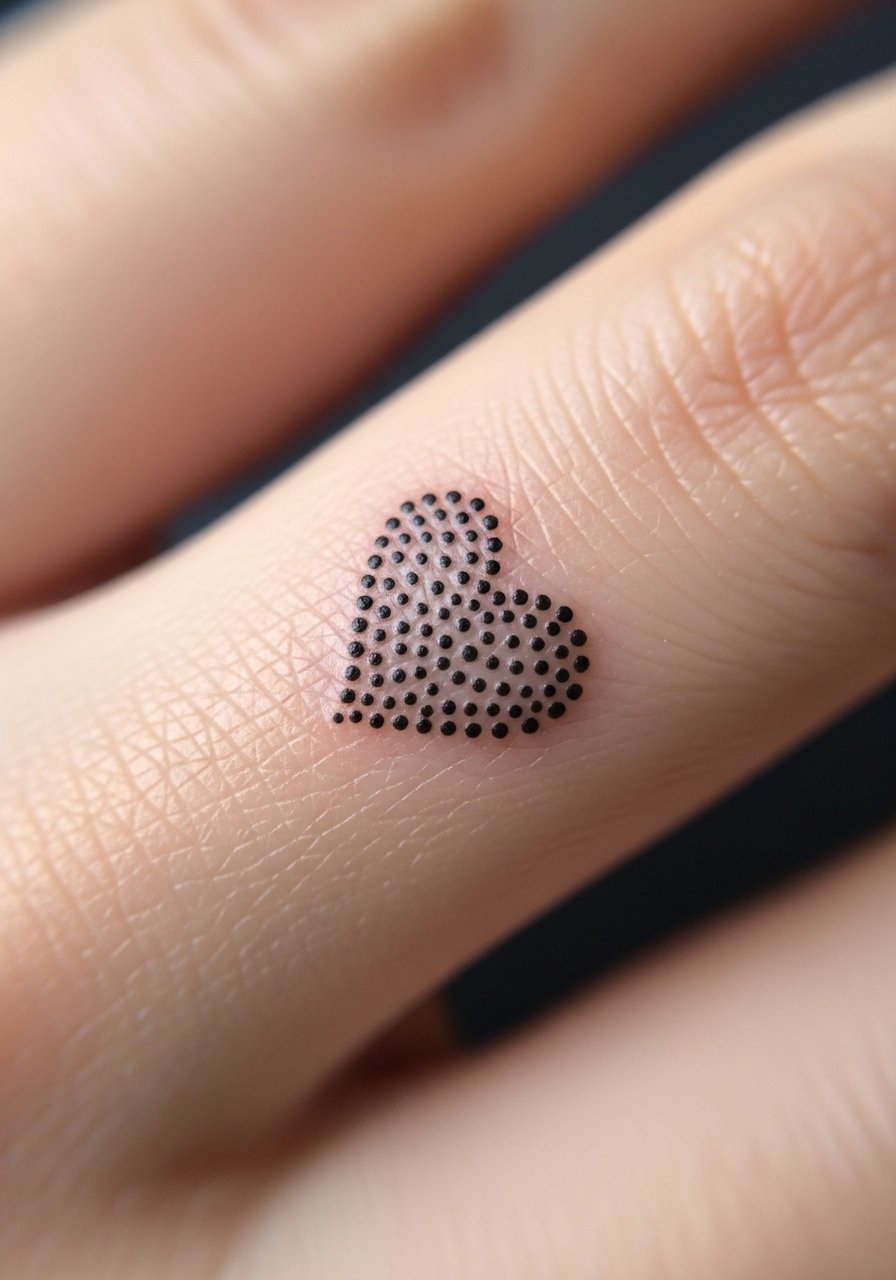
Finger tattoos are great for instant K-pop vibes but are high maintenance because of constant hand washing and friction. Expect faster fading and plan for touch-ups every year to keep the dots crisp. During consultation, emphasize slightly wider dot spacing so dots do not bleed together. The session is quick but the pain is sharp and direct. A common mistake is making the heart too small to photograph. If you work in a conservative industry check how visible hand ink will affect professional settings.
14. Turtle-snake myth in finger dotwork behind the thumb
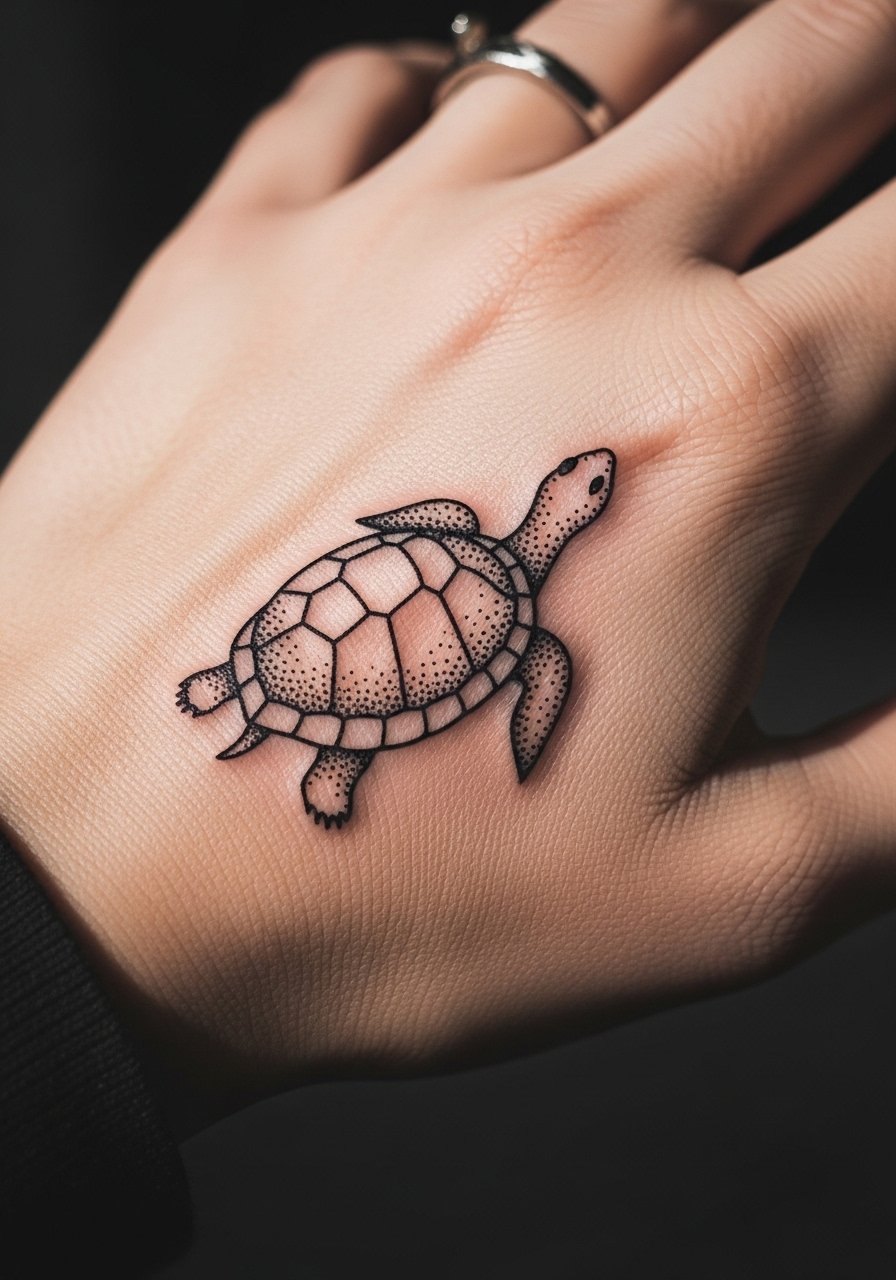
This placement is tiny and intimate, so a single focused session can get it done quickly. Beginners pick this motif because it reads as a protective charm without needing a sleeve commitment. Tell your artist to place the design where skin movement is minimal to reduce early blur. The common oversight is choosing intricate stippling at sub-centimeter scale. At six months expect softening, at two years plan for touch-ups. Keep aftercare strict since hands heal differently than limbs.
15. Neo-traditional Dokkaebi knuckle set for storytelling
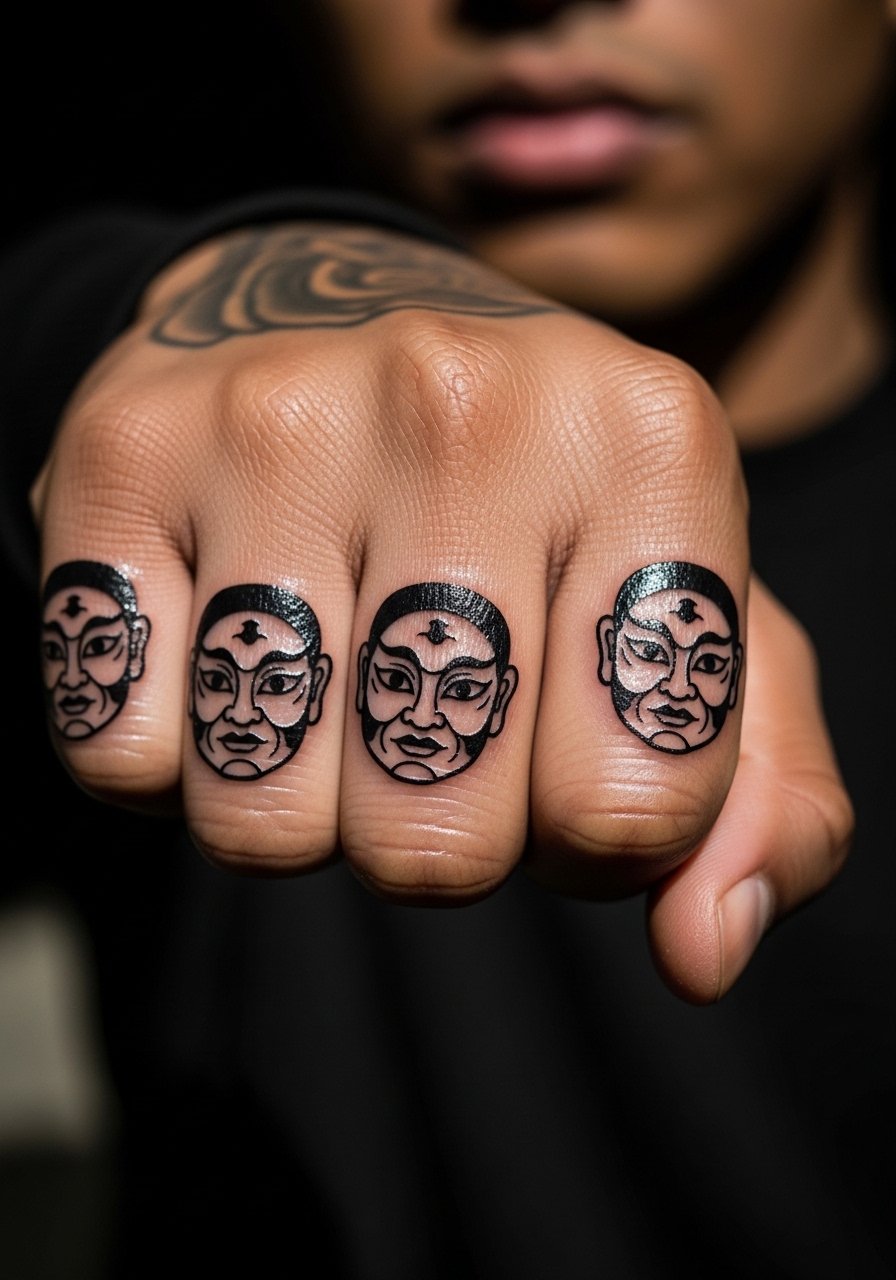
Knuckles make a statement and have higher blowout risk because the skin is thin and sits over bone. If you want interactive folklore on knuckles, ask for simple faces and bold anchors rather than tiny facial details. Expect more pain and a longer initial healing due to constant movement. A frequent mistake is adding small text between knuckle images which blurs fast. For beginners consider starting with one or two knuckles to test longevity before completing the set.
Tattoo Prep and Aftercare Essentials
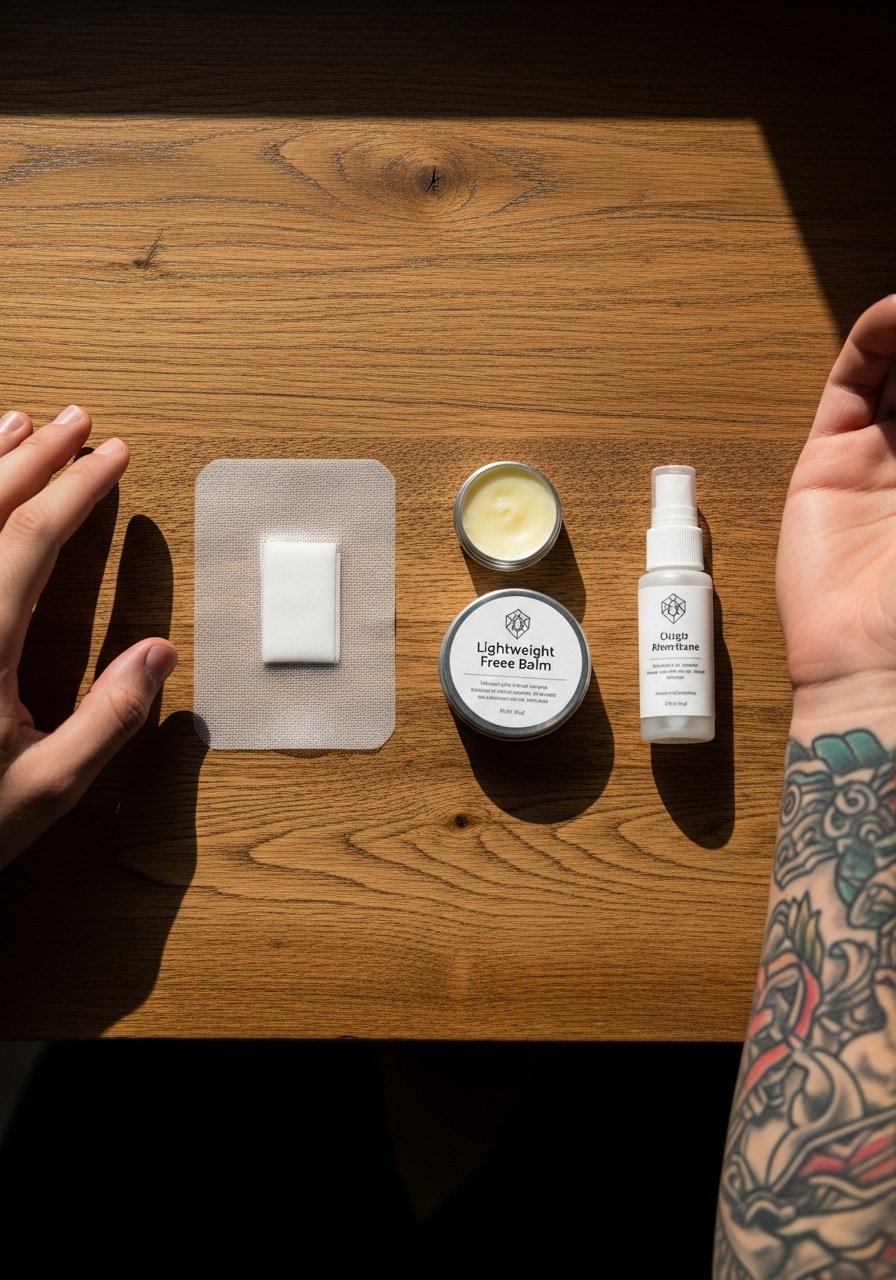
I advise prepping like you would for a short trip. Bring an extra loose shirt, avoid alcohol before your session, and hydrate. Aftercare choices matter more for fine line and watercolor pieces. Artists split on Saniderm versus dry healing. One camp says adhesive films reduce scabbing and let busy people stay active. The other camp insists dry healing leads to better saturation for fine work. Name both positions when you book and ask the artist which method they prefer for your chosen style.
Shopping list
- Ink-Ice numbing spray for tattoos. Use this for longer ornamental sessions if you are sensitive to pain. Users report minimal residue and easier shading time with dense patterns.
- Japanese Tegaderm alternative clear film dressing. Breathable film that artists mention for humid climates, useful on rib and back pieces where movement is constant.
- Indie Korean mugwort lotion for irritated skin. Lighter than thick balms and praised in forums for reducing inflammation on fine line scripts.
- Australian plant-based tattoo goo. A greasier, plant-forward option that some users prefer for darker skin Dokkaebi pieces to avoid ashing.
- Lightweight fragrance-free balm. A generic, non-cloying moisturizer to apply after the initial dry phase. Choose one labeled non-comedogenic.
- Medical-grade second skin bandage, 6-inch roll. Useful for overnight protection when traveling or for active lifestyles that risk rubbing.
- Fragrance-free gentle foaming cleanser. For daily washing during the first two weeks when soap is needed without stripping the area.
- Small SPF 30 mineral stick for healed tattoos. Protects color and stops premature fading when your piece is exposed to sun.
Every tattoo is different. Always follow your artist's specific aftercare instructions. Consult a dermatologist if you have skin concerns or unusual healing issues.
Frequently Asked Questions
Q: Will a fine line Korean tiger on my forearm blur faster than a bold one?
A: From what I have seen, fine line tends to soften sooner, especially on high-motion areas like the forearm. If you love delicate tigers, ask for slightly stronger primary strokes and stipple shading so the design keeps contrast. Plan for a touch-up at around year two if you want it crisp.
Q: Do watercolor Hangeul phrases need different care than blackwork pieces?
A: Yes. Watercolor washes rely on lighter saturation so they are more sensitive to over-moisturizing and sun. Many artists recommend a short dry phase followed by a lightweight balm, and strict sun protection after healing. A breathable film dressing can help early scabbing control if your artist prefers that method.
Q: How do I find artists who do Korean ornamental work that heal well on darker skin tones?
A: Search hashtags like #BlackworkKorea and review healed photos on Instagram and TikTok, filtering by location if you prefer in-person consults. Use Tattoodo and Booksy with the keyword "Korean ornamental" and check studio portfolios for diverse healed examples. Ask to see close-ups of healed pieces on similar skin tones during consultation.
Q: If an artist cancels a guest spot, what should I do about deposits and scheduling?
A: Book through platforms that document cancellation policies when possible and request a clear refund policy in writing. If a guest cancels, many studios rebook you with another artist or refund the deposit. Keep records of messages and payment receipts to resolve disputes if needed.
Q: For a beginner wanting a small Korean-inspired piece, which placements are most forgiving?
A: Outer forearm, upper bicep, and shoulder blade are generally forgiving for beginners because they handle saturation well and tolerate touch-ups. Finger and knuckle placements are less forgiving and need regular maintenance. Try a small outer forearm piece first to see how your skin heals.
Q: Is using a clear film like Tegaderm better than dry healing for neo-traditional color?
A: Both camps have strong opinions. Many artists say breathable film reduces scabbing on active clients and keeps color vibrant, while some prefer dry healing for heavier color saturation. Ask the artist for their preference for neo-traditional work, and follow their aftercare plan for the best result.
Q: How often should I expect to touch up dotwork finger hearts or stipple pieces?
A: Fingers are high-wear zones, so expect touch-ups every 9 to 18 months depending on your lifestyle. Dotwork that uses slightly larger spacing and stronger anchors can stretch that timeline. If you want lower maintenance, consider moving the same motif to the inner wrist or upper arm.