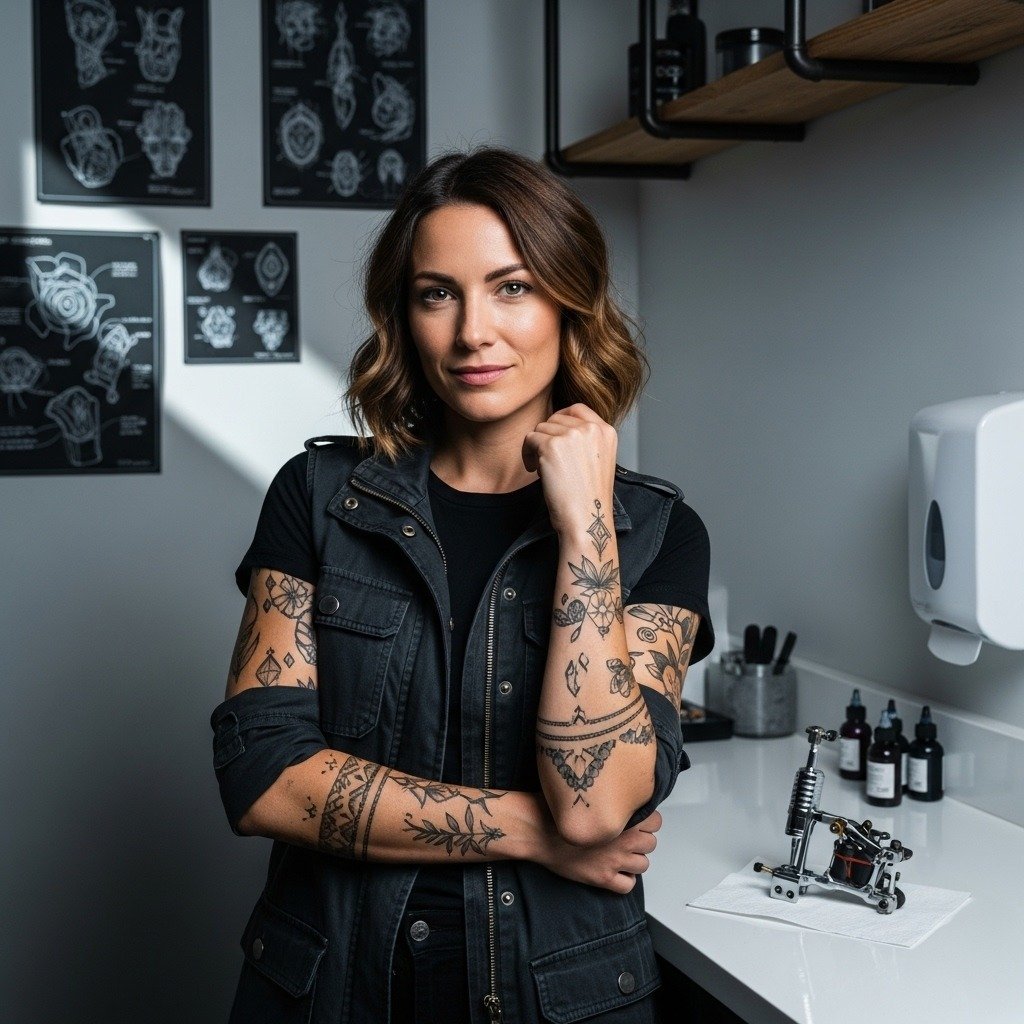
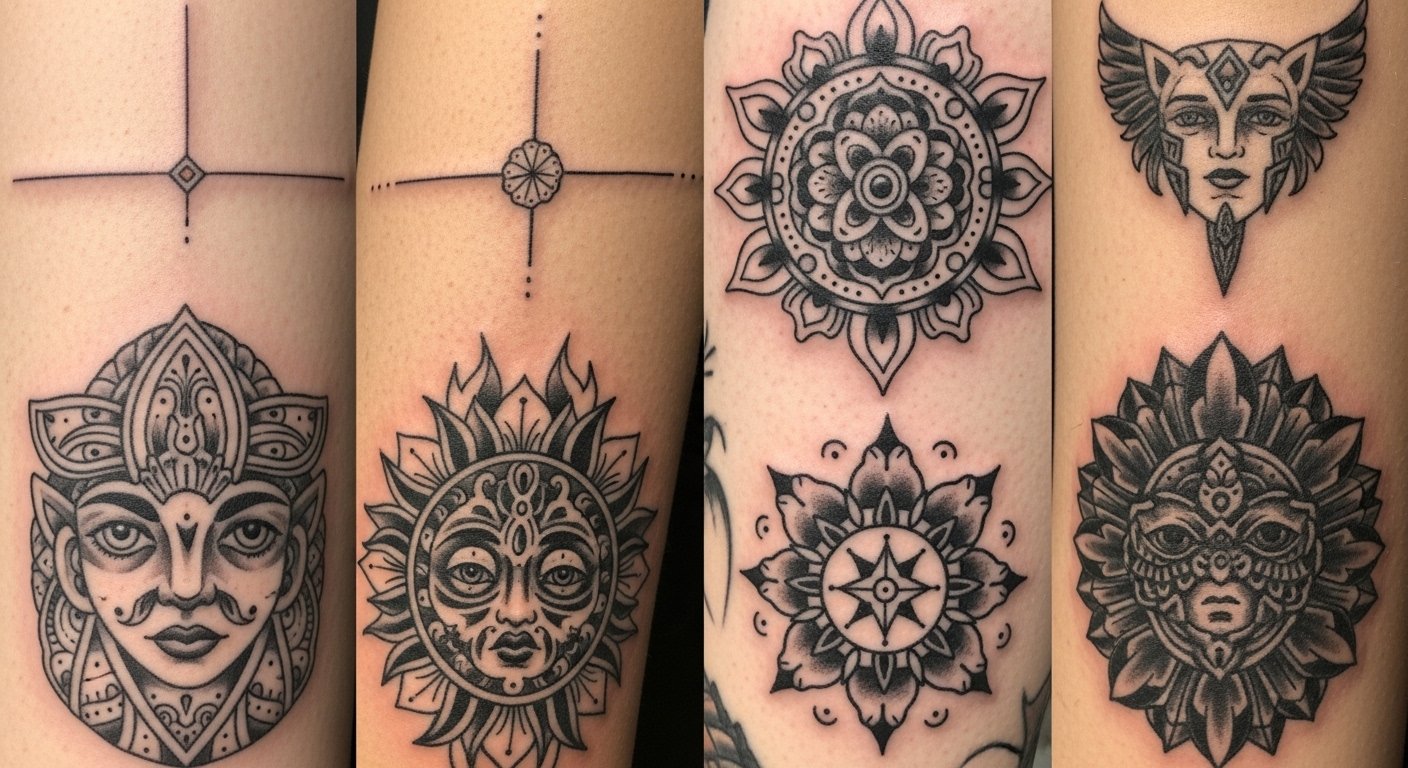
I spent eight months pinning Korean-inspired tattoos before I realized the hard part was not picking a pretty picture. It was choosing a style that fits my body, pain tolerance, and how the ink would look in two years. These 19 Korean tattoos reflect what I actually see on studio walls in 2026, plus a few under-the-radar ideas I keep coming back to.
This list focuses on fine line, micro-realism, blackwork, and neo-traditional takes on Korean motifs. I recommend placements that make sense for everyday visibility or personal meaning. From what I've gathered, artists are leaning toward minimal Hangul, reinterpreted folk motifs, and pieces that age cleanly.
1. Fine Line Hangul '사랑' On Inner Wrist
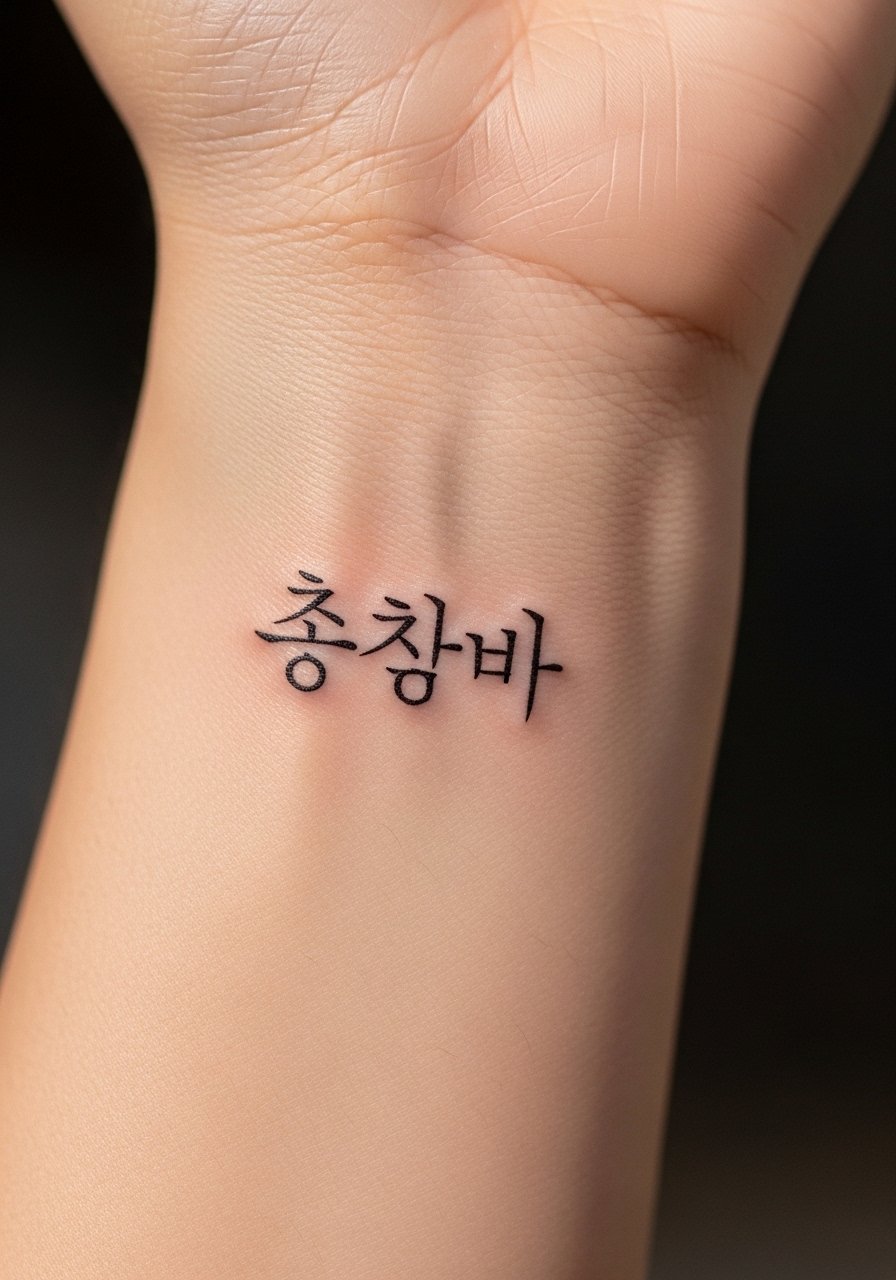
I first saw this on a friend who wanted a subtle reminder of love. It reads clean and personal on the inner wrist. Expect low to moderate pain. A single session of 20 to 40 minutes usually does it. If you want it to last, ask your artist for slightly heavier downstrokes on the thicker parts of each character. Fine, airy Hangul often blurs when the lines are too thin. From what I've seen, a common mistake is asking for hairline script at less than 10 point size. It looks sharp fresh. At six months the lines soften. After two years you will see slight feathering. Wrap the wrist lightly in the first 48 hours and avoid bending the area during early healing.
2. Micro-Realism Mugunghwa Hibiscus On Ribcage
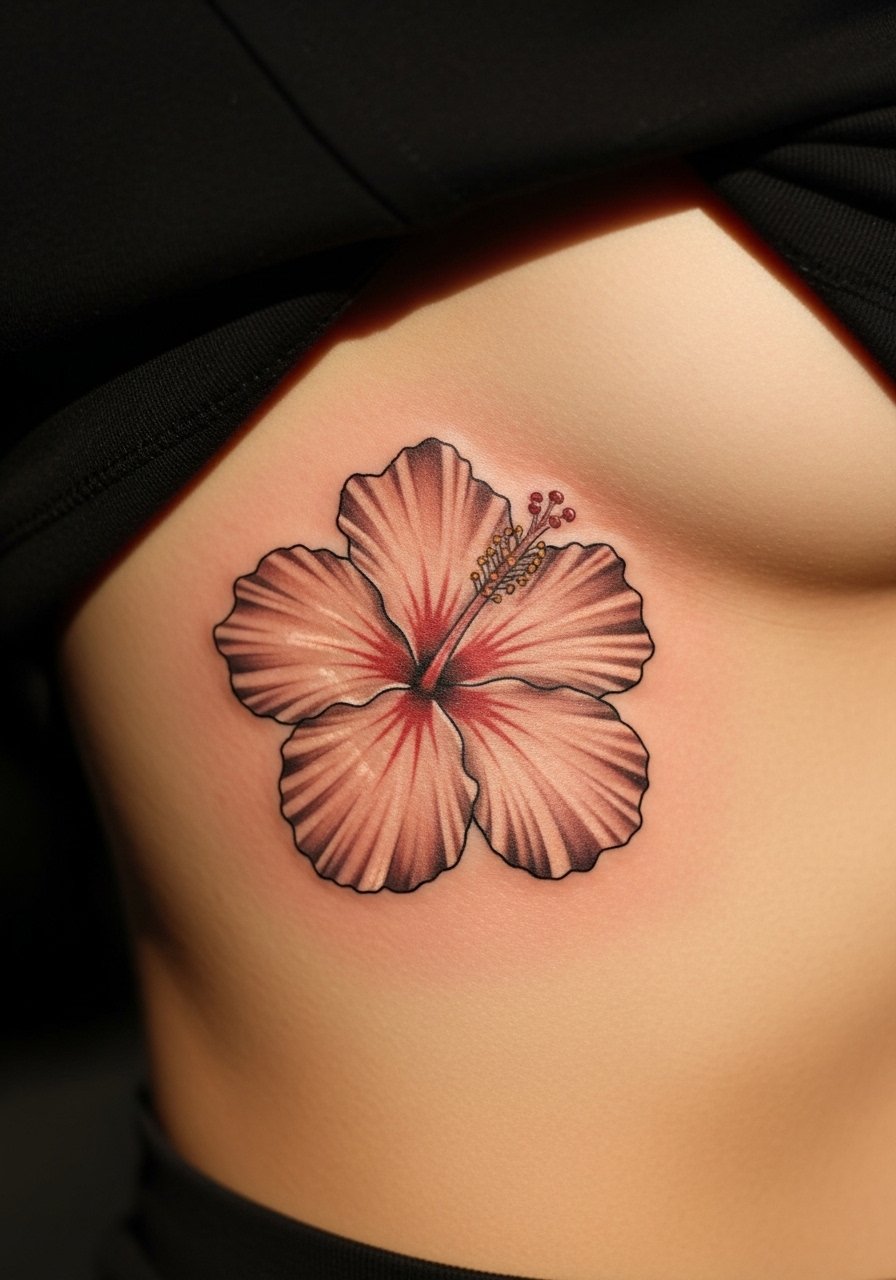
Fair warning, the ribcage is a higher pain area, but the result can be worth it if you love Mugunghwa, Korea's national flower. I recommend micro-realism for the petals and tiny stamen detail. Ask your artist to map a leaf skeleton into the design so the tattoo retains contrast when it heals. Many people choose washed out watercolor versions that fade into a brown bruise after a year. I prefer a slightly higher contrast approach so the flower reads at a distance. Session time runs one to three hours depending on size. Healing is touchy because the skin stretches when you breathe. Plan for two weeks of low-impact activity and gentle moisturizing to avoid scabbing that eats fine detail.
3. Traditional Korean Tiger On Upper Arm
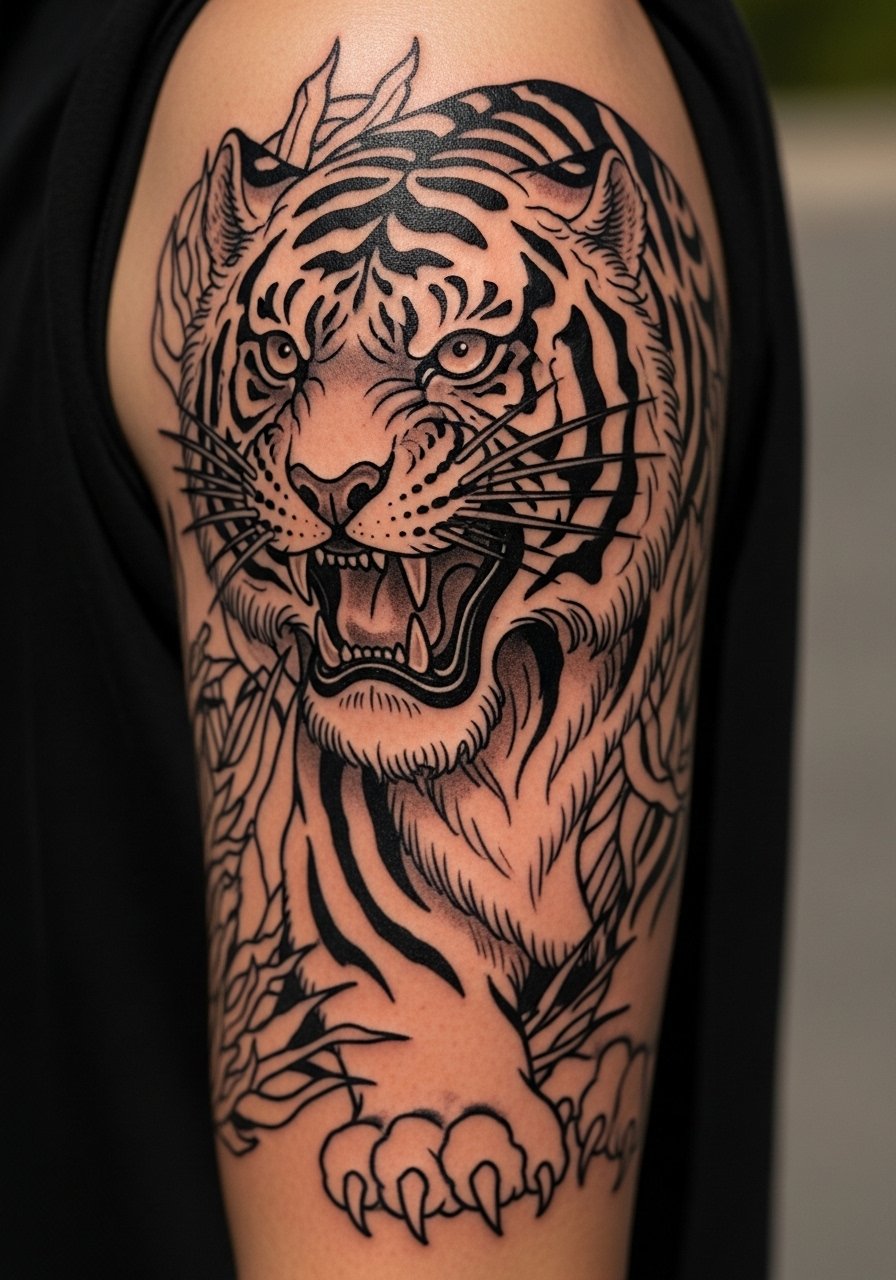
There is something primal about a Korean tiger motif. I saw a sleeve in Seoul with a tiger that kept drawing my eye. For the upper arm, pain is mild to moderate. This style benefits from thick outlines and saturated fills. If you go too small with intricate stripes, the pattern blurs as it heals. Tell your artist you want a mix of traditional Korean folk tiger shapes and modern neo-traditional shading. The recommendation I give people is to allow room for the stripes. At six months the blacks will still be rich. At two to five years you might need a touch-up to restore edge crispness. Avoid tiny whisker lines packed together. They rarely survive past year two.
4. Blackwork Dancheong Geometric On Shoulder Blade
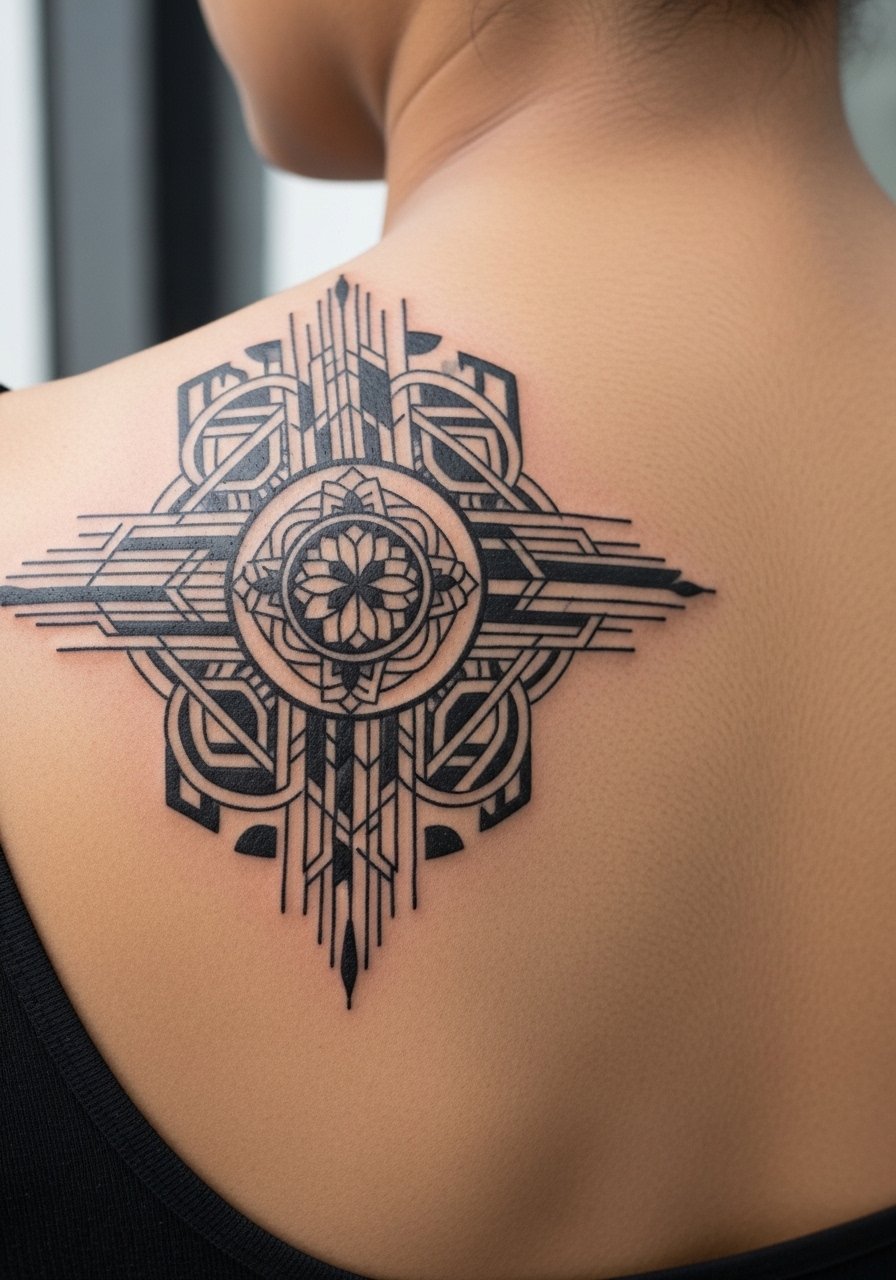
When artists rework Dancheong, the ornamental roof painting, they make gorgeous geometric pieces in blackwork. Shoulder blade placement gives the pattern room to breathe. Pain is low to moderate. I recommend asking for negative space planning during the consult. A common mistake is scaling the pattern too small, which makes repeat motifs merge once healed. For real-life wear, this ages well. The thick blacks hold longer than thin multicolored work. Sessions vary from 90 minutes to three hours. If you want this to peek from a swimsuit, map it with your artist so lines align with shoulder movement. Aftercare for blackwork is straightforward. Keep it clean and moisturized to avoid patchy healing.
5. Watercolor Hanbok Silhouette On Thigh
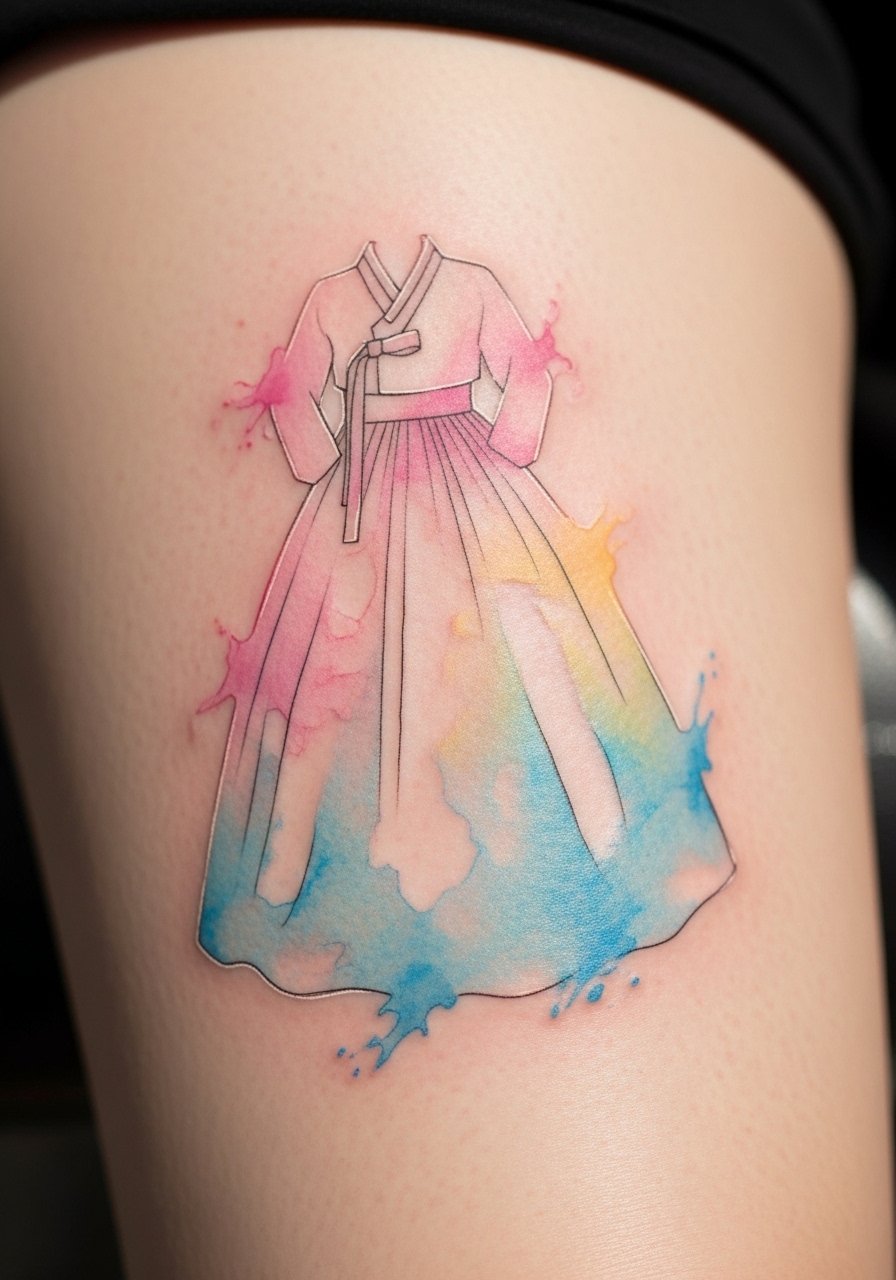
I first bookmarked this look on a Korean illustrator's feed. A watercolor hanbok silhouette reads like fashion on skin. The thigh is forgiving for large washes and the pain is low. But watercolor tends to fade faster. If you want longevity, ask the artist to anchor the watercolor with a thin fine-line outline. I saw a version with raw washes that faded unevenly at two years. Expect a two to three hour session for a medium piece. The thigh accepts touch-ups well and healed color is soft. Avoid asking for neon washes unless you plan on yearly refreshes. Keep sun exposure to a minimum while healed.
6. Minimalist Taeguk Puncta Behind Ear
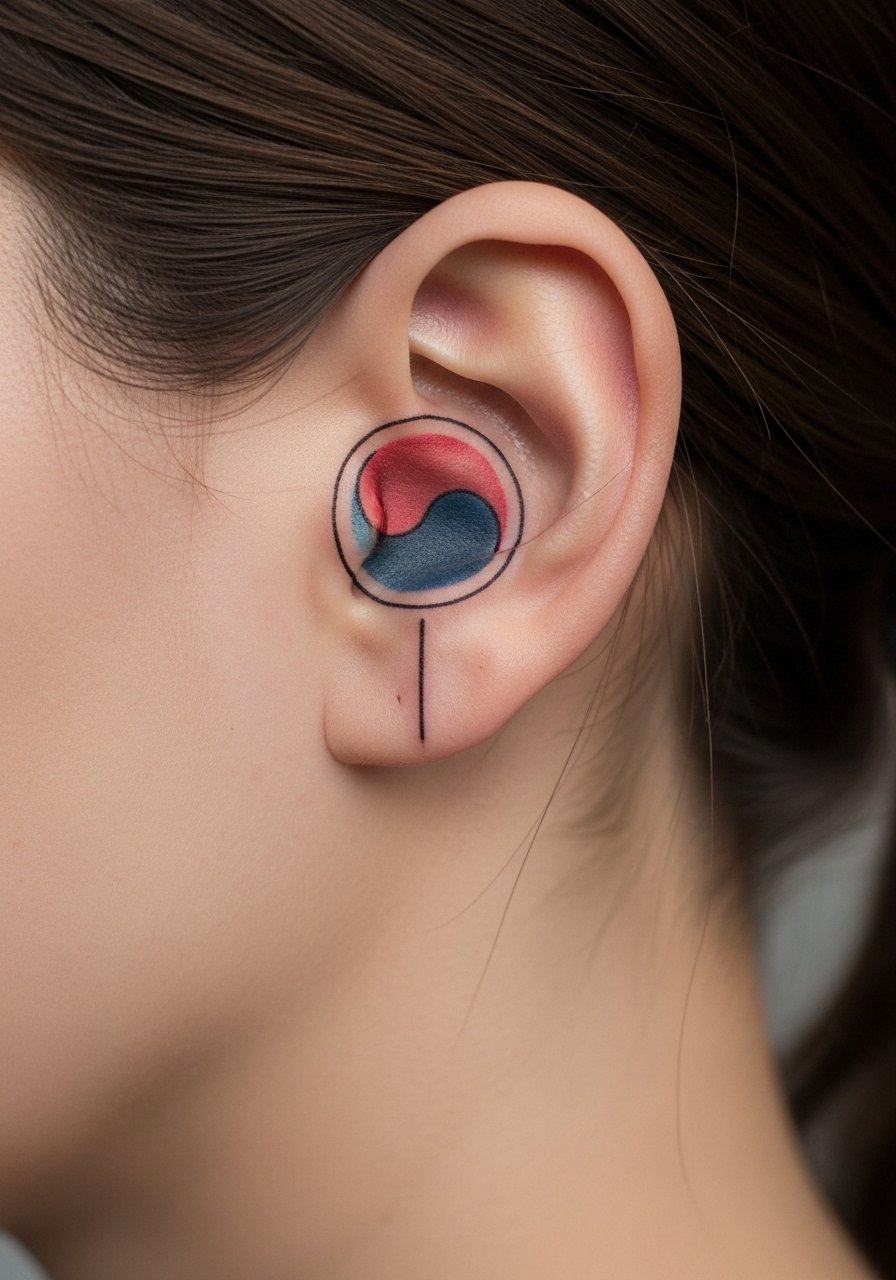
I saw a musician with a tiny Taeguk behind the ear and it read as a subtle nod to identity. This placement stings. Expect sharp, short bursts of pain. Sessions are 15 to 30 minutes. The minimalist version works because it stays discreet. The common mistake is scaling too small or using too much color saturation. Behind-ear ink can migrate and lose roundness. Tell your artist you want a slightly bolder outline so the halves remain distinct once settled. At six months, color will be softer. Use SPF after healing to stop the blue fading faster than the red.
7. Brushstroke Hangul '가족' On Ribcage
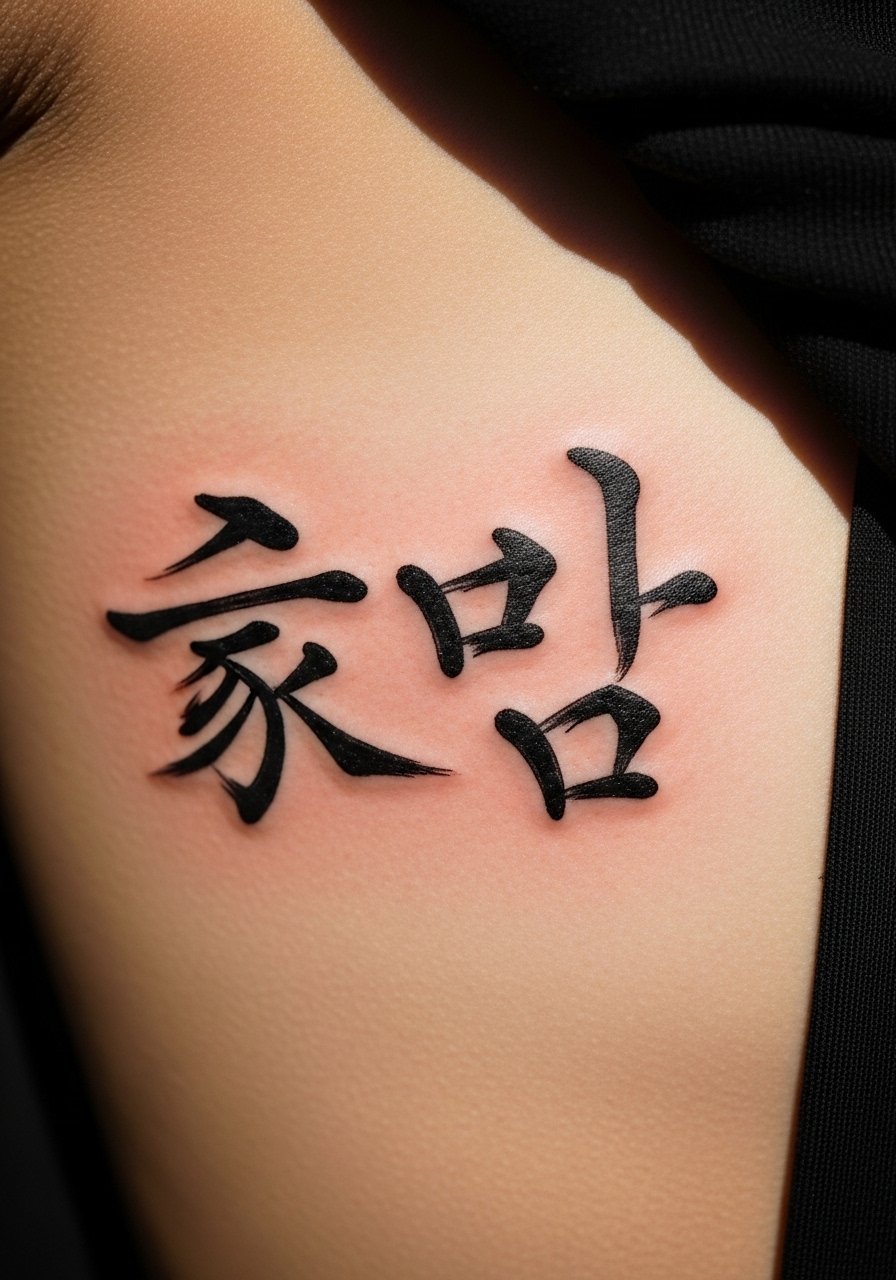
When clients ask me about meaningful family pieces, I suggest brushstroke Hangul for a dynamic look. The ribcage gives the script room to curve. Pain is higher here. Tell your artist to test brush weight on practice skin and bring references. I have seen painterly scripts done too thin that loosen into blobs after healing. This approach needs heavier initial strokes in places where ink pools. Expect one to two hours for a medium ribcage script. At six months the brush texture softens but remains readable. Avoid tiny type or ornate fringe flourishes that do not translate well into healed texture.
8. Micro-Realism Tteokbokki Bowl On Forearm
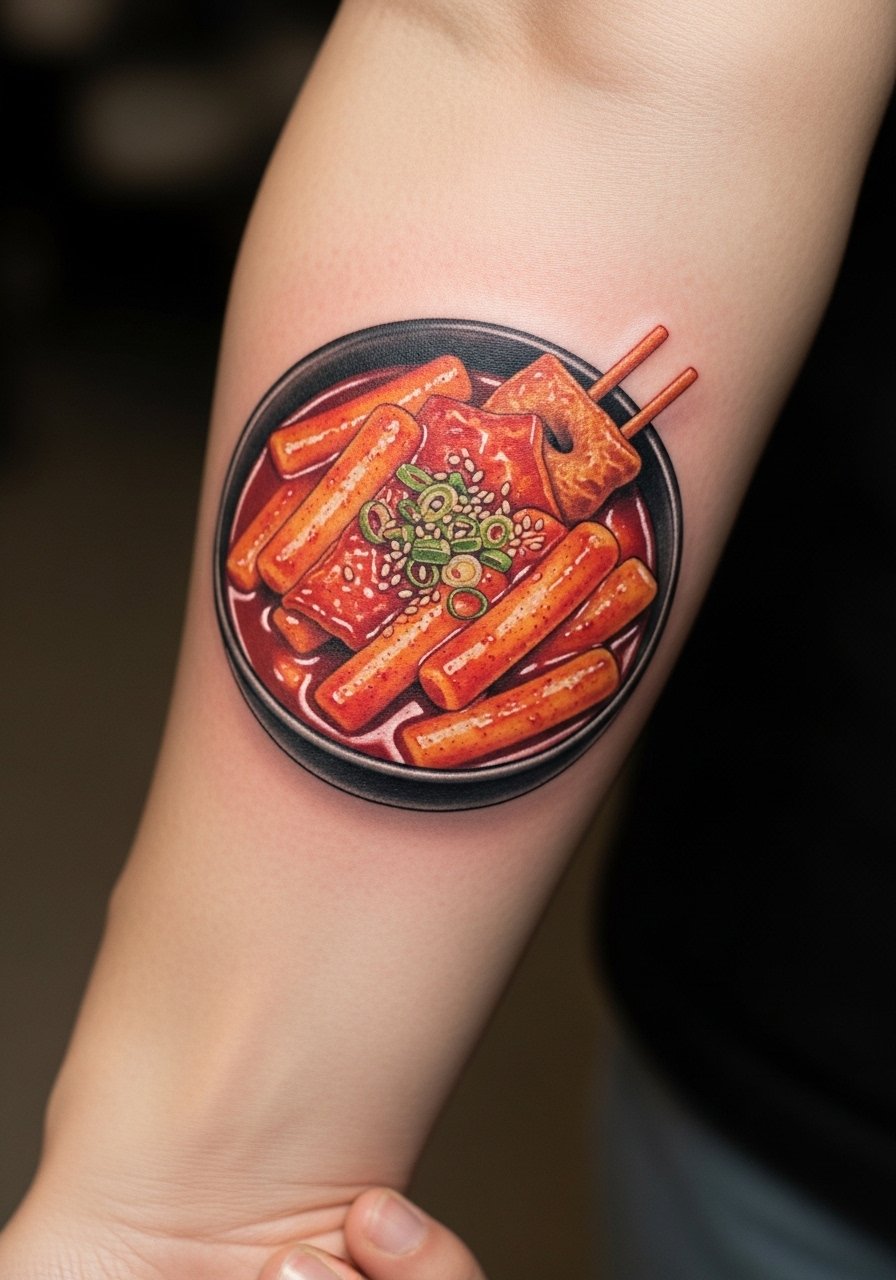
This one is for people who love food tattoos with a nod to Korean street culture. I saw a forearm piece like this on a friend who wanted something playful and personal. Forearm pain is moderate. Ask your artist to lock in tiny spec highlights so the sauce looks glossy after healing. A mistake I see is overdoing fine dots for steam. Those vanish into patchy gray. Session time is 60 to 120 minutes. At six months, highlights wear faster than saturated browns. If you want it to read from a distance use slightly larger spec details. I recommend a top coat balm during early healing to keep highlights sharp.
9. Fine Line Crane On Collarbone
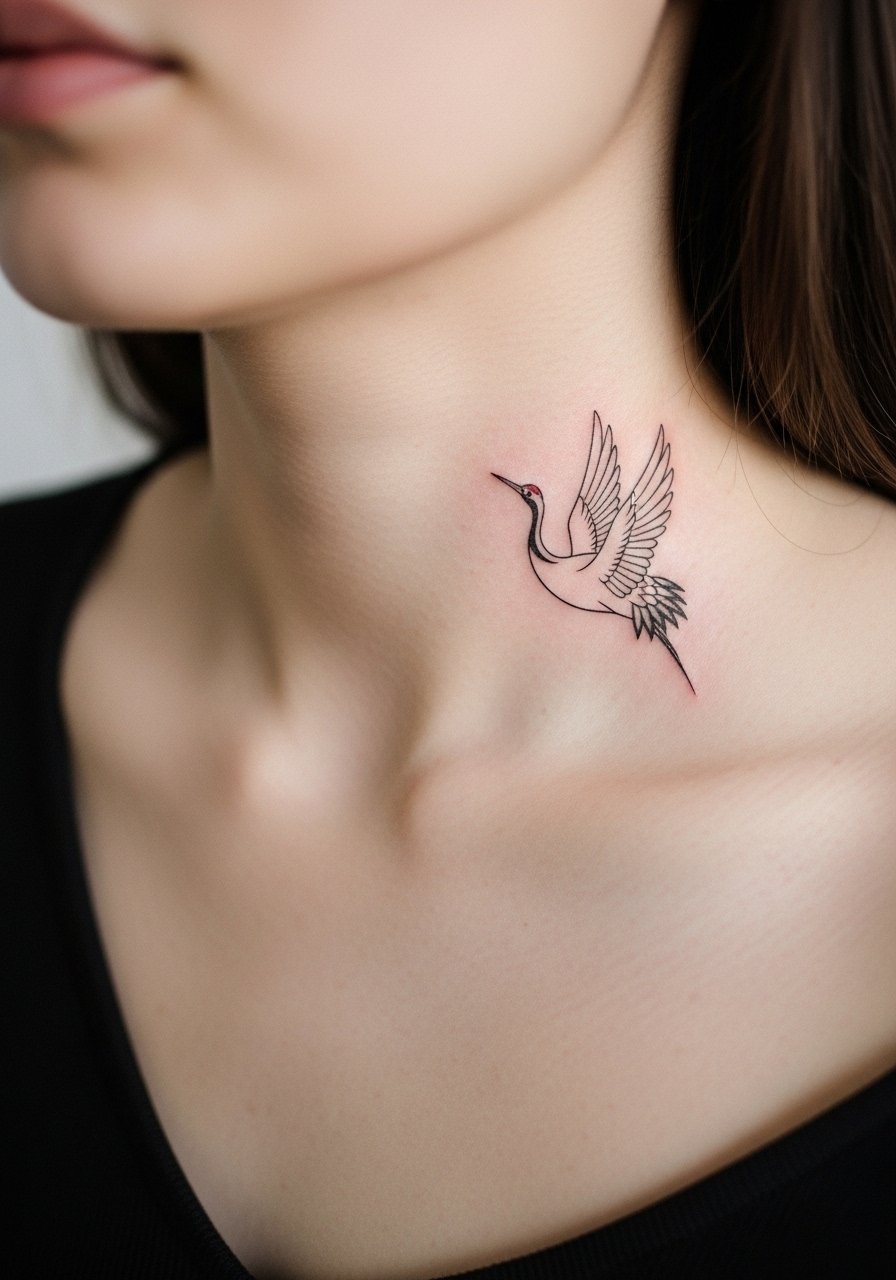
Cranes show up in Korean art as symbols of longevity. On the collarbone this piece needs careful placement to follow bone contours. Pain for collarbone is moderate to high near bone. I tell people to plan for a short session of 30 to 60 minutes. The worst mistake is centering the design too low so it climbs over time when you move. Ask your artist for a stencil check while standing and raising your shoulders. Fine lines here soften after a year, so include a touch of light shading to keep the bird readable. At two years you may see slight spreading in the thinnest lines.
10. Geometric Korean Wave On Calf
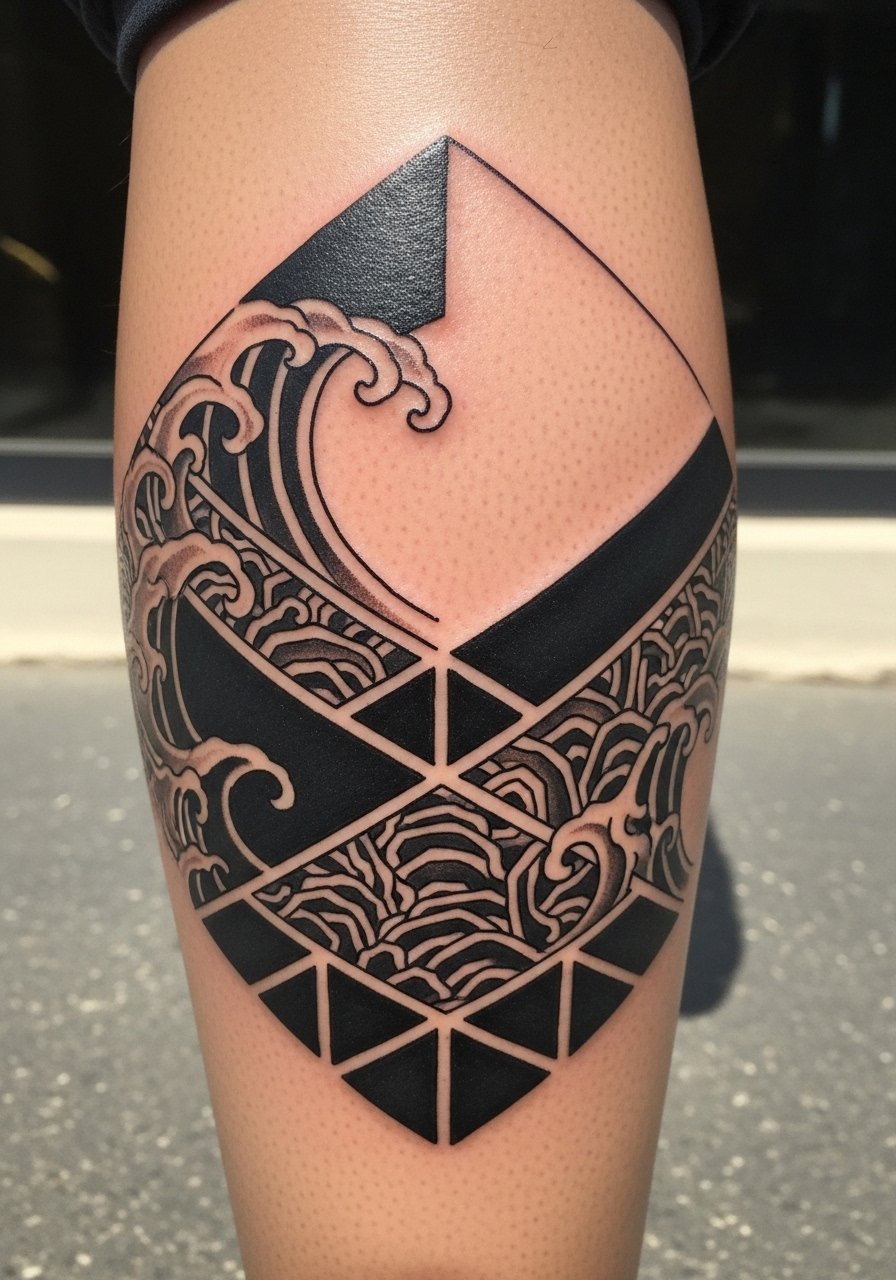
I recommend the calf for repeating wave motifs because the muscle holds ink steadily. This placement has low to moderate pain. Geometric waves need breathing room, and a common error is packing the pattern too densely. That causes shapes to merge as lines soften. Tell your artist you want defined negative space. Sessions vary from 60 to 180 minutes depending on scale. Over time the high-contrast black ages best. Colorful wave versions demand annual refreshes. If you plan active sports during healing, protect the calf to avoid friction scabbing.
11. Minimalist Hangul '희망' On Ankle
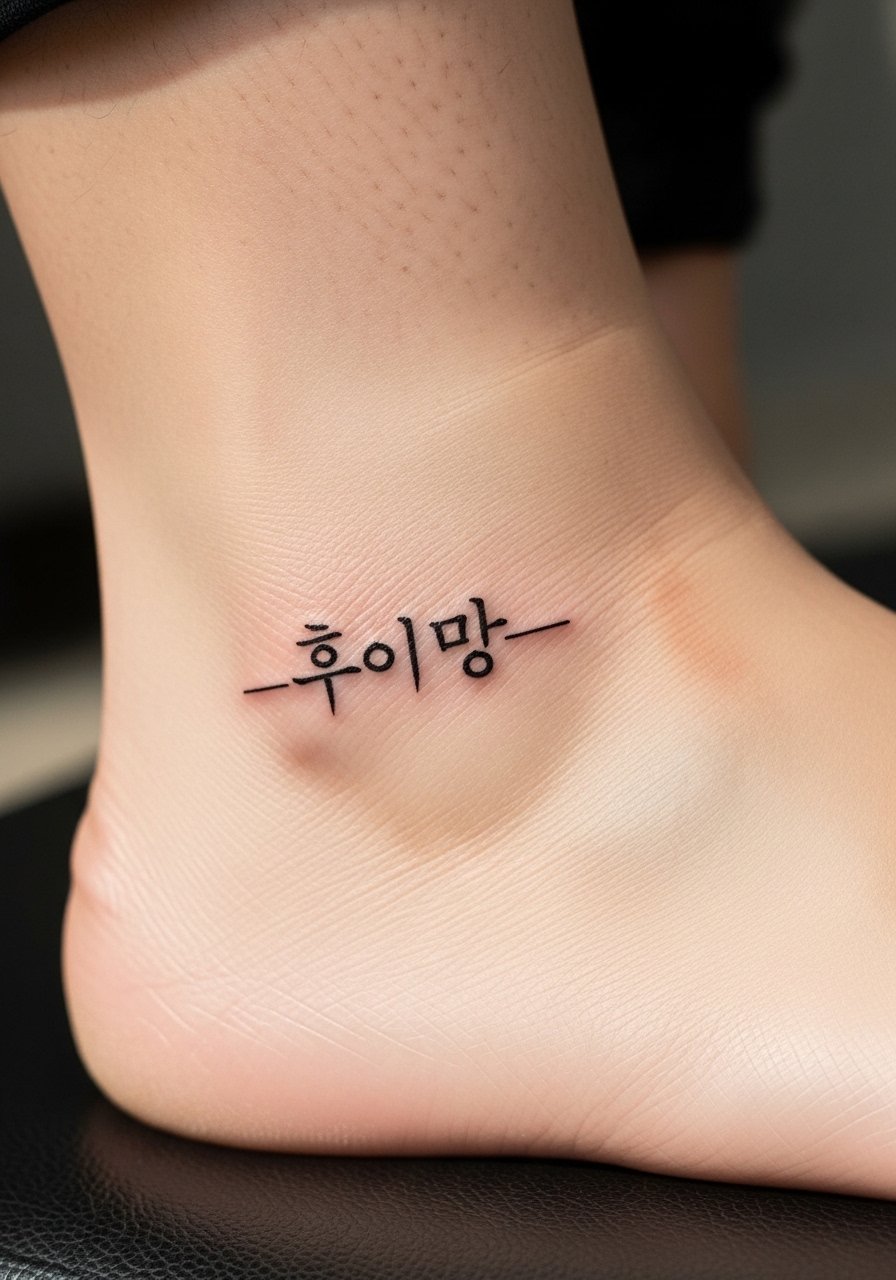
The ankle is a quiet place for a hope-themed piece. Ankle tattoos are notorious for shifting due to skin movement. Pain here is moderate. I often tell clients to choose slightly bolder strokes for letters so they do not disappear into fine lines. A common aging issue is loss of vertical stroke contrast at two years. Ask your artist to space the characters a touch wider than you think they need. Session time is short. Expect 20 to 45 minutes. After six months the letters will have softened but usually remain legible. Avoid requesting hairline thin strokes on the ankle.
12. Blackwork Tal Mask On Upper Thigh
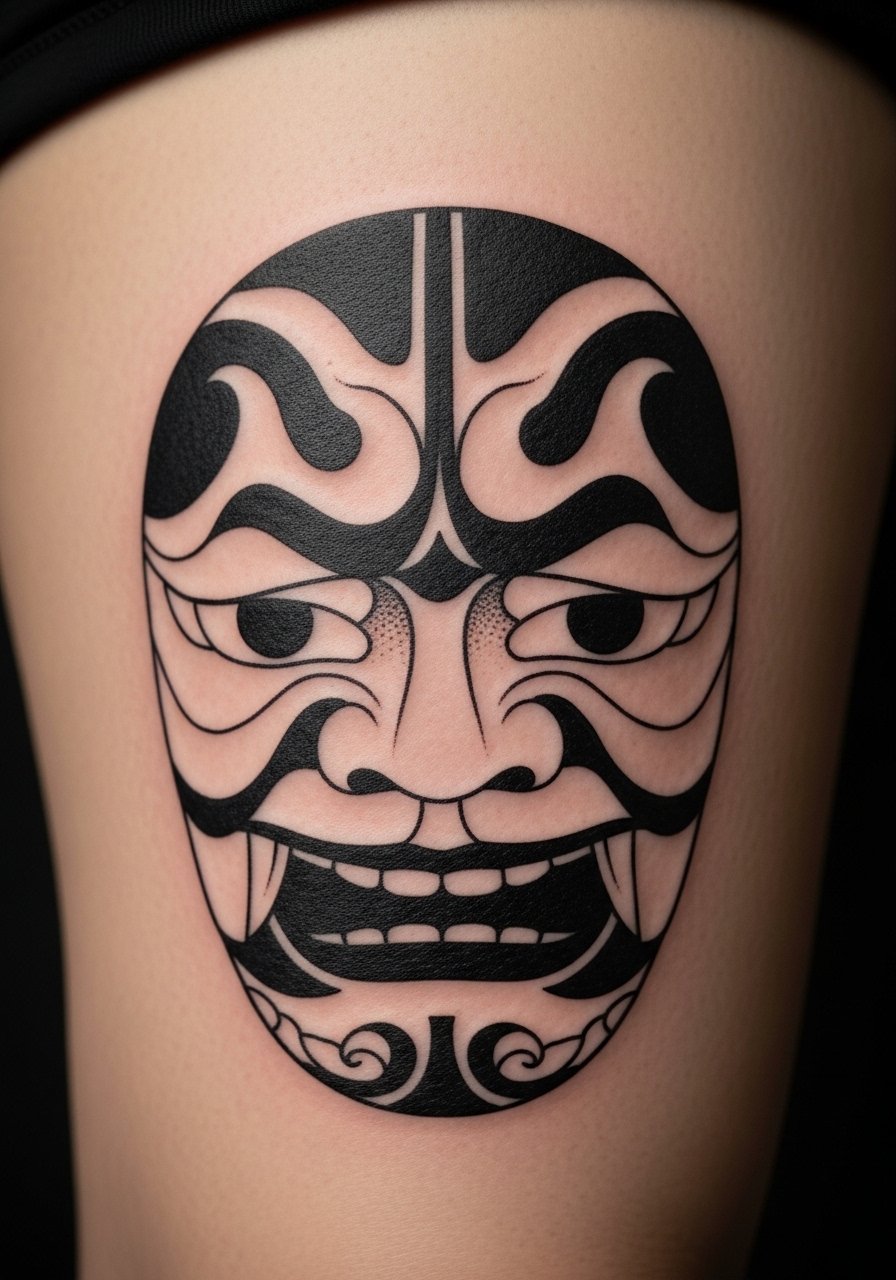
I found one of these on a dancer who wanted dramatic folk art imagery. The upper thigh is forgiving for large blackwork. Pain is low. This style benefits from big shapes and intentional negative space. The mistake I see is adding micro-detail inside black fields. That detail usually vanishes into a gray patch. If you want subtleties, fold them into surrounding negative space instead. Sessions can be long for a full mask. Healed blackwork on the thigh stays bold longer than color. Wear breathable clothing while healing to reduce rubbing and patchy scabs.
13. Single Needle Celadon Porcelain On Wrist
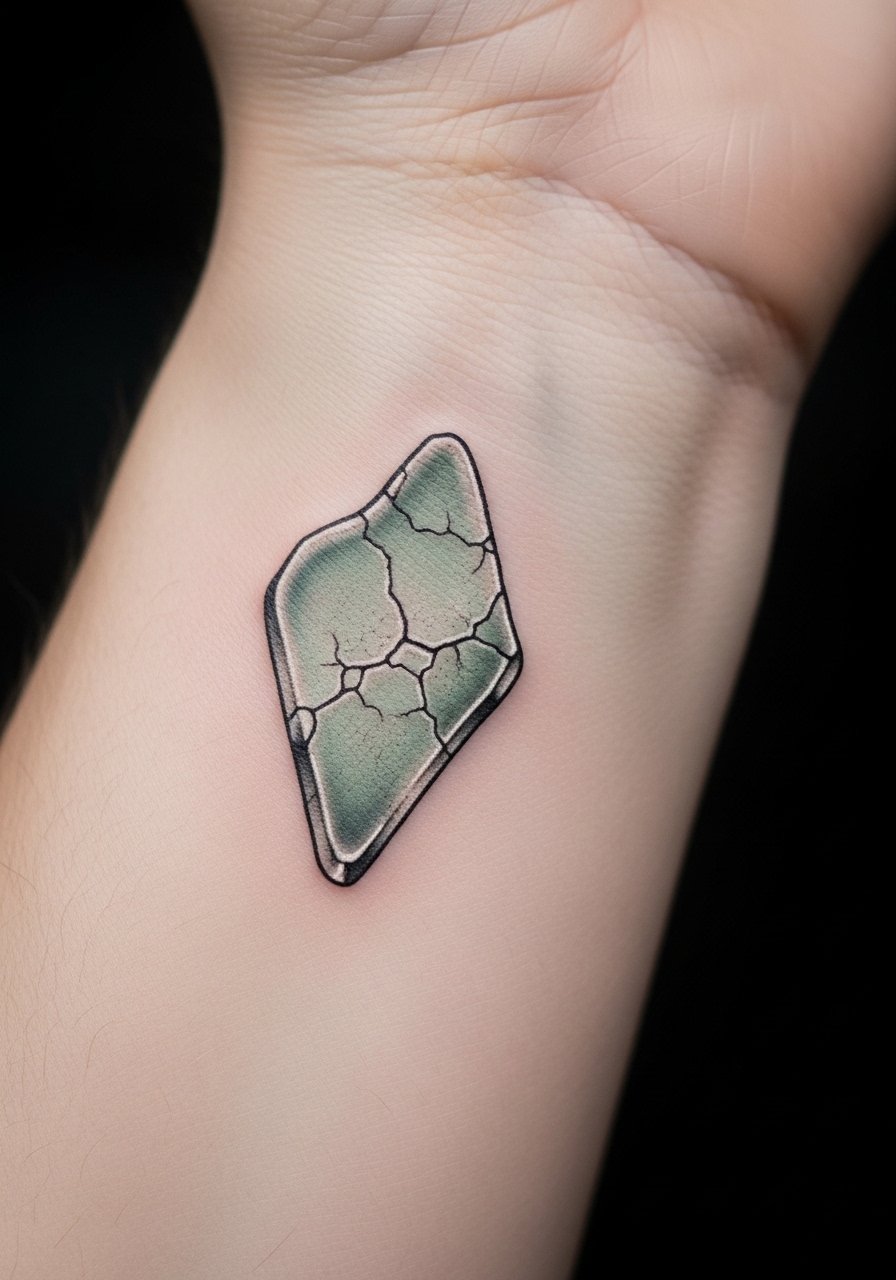
I love celadon motifs for a refined, quiet vibe. On the inner wrist single-needle detail looks delicate but it is fragile. Pain is low to moderate. Tell your artist you want slightly reinforced outlines and light dotwork shading. A frequent mistake is trusting ultra-fine single needles for a frequently exposed spot. Those lines fade fastest. Expect a 60 to 120 minute session. At six months the crackle shading will soften and require a refresh earlier than solid black work. If you are active with your hands, be prepared to re-ink delicate parts after a couple years.
14. Neo-Classic Mugunghwa Wreath On Sternum
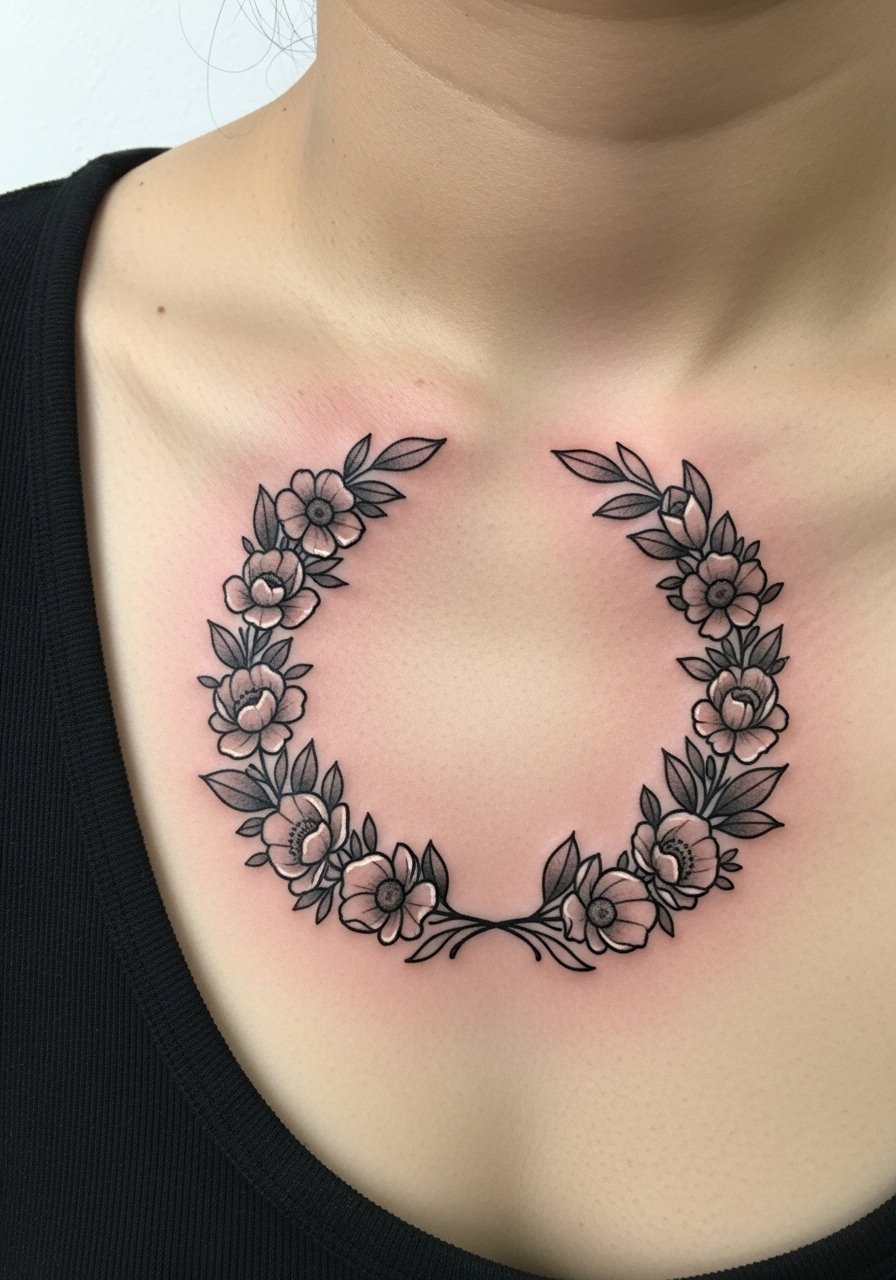
Sternum pieces make a statement and they feel intimate. I saw a neo-classic wreath that framed the chest beautifully. Pain here is moderate to high near sternum bone. This design benefits from symmetric planning and clear contrast. A common mistake is over-detailing tiny petals that flatten when the skin stretches. Ask your artist to center the wreath while you stand and take deep breaths. Sessions may be split across visits if shading is involved. Healed work looks soft and feminine. Avoid open necklines during the first two weeks of healing to prevent snagging.
15. Minimalist Coordinates 37.5665N, 126.9780E On Inner Forearm
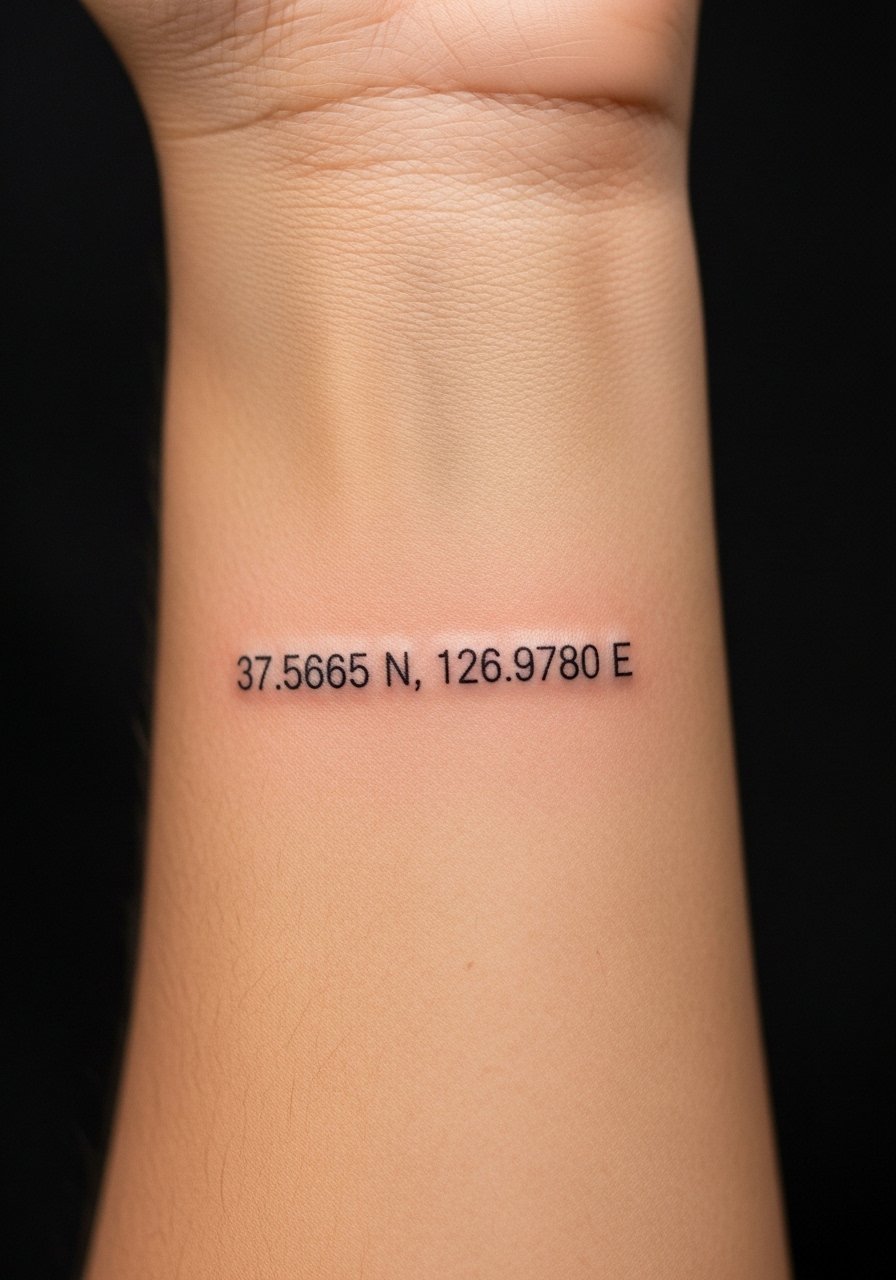
I recommend coordinates if you want a discreet nod to Seoul. Inner forearm placement is visible and easy to show. Pain is low to moderate. Use exact coordinate formatting when requesting this. I find artists do best with monospace lettering for long-term legibility. The mistake I see is choosing cursive for numbers. Script and digits do not age uniformly. Expect 20 to 40 minutes. After six months the numbers retain shape but the fine type may need touch-ups after a few years. If you travel frequently, consider asking for slightly bolder numerals.
16. Subtle UV Hangul '비밀' Underarm
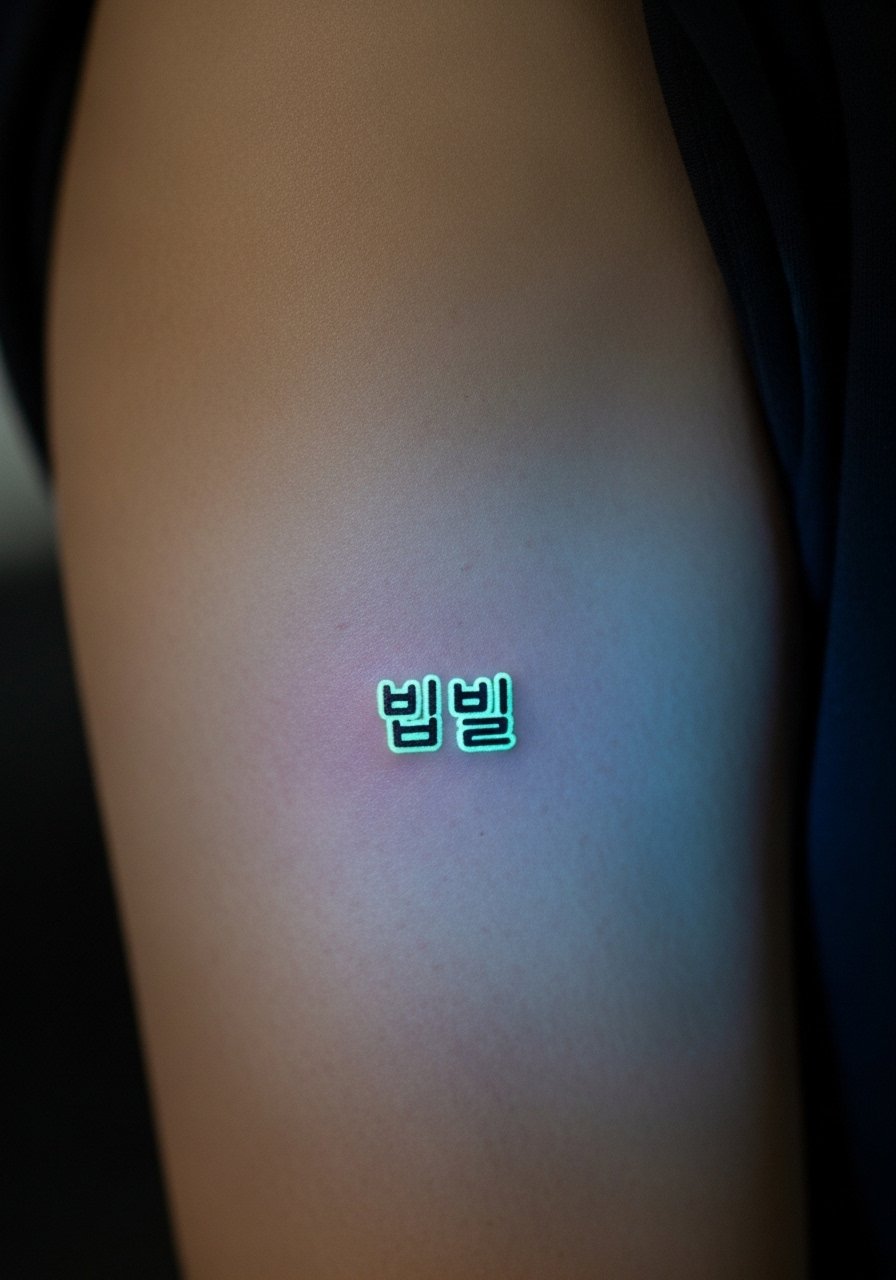
This is an under-the-radar choice for people who want secret ink. Underarm placement is tender. Pain varies from moderate to high. UV ink gives a hidden glow under blacklight. I advise getting a small test spot because UV pigments behave differently. The mistake is expecting the same longevity as pigment visible in daylight. UV can fade or scatter unevenly. Sessions are short. Aftercare is identical to visible ink. I have seen UV pieces look great at six months and patchy by year two. If you plan to keep the glow, budget for a couple touch-ups.
17. Fine Line Jeju Island Map On Back Of Shoulder
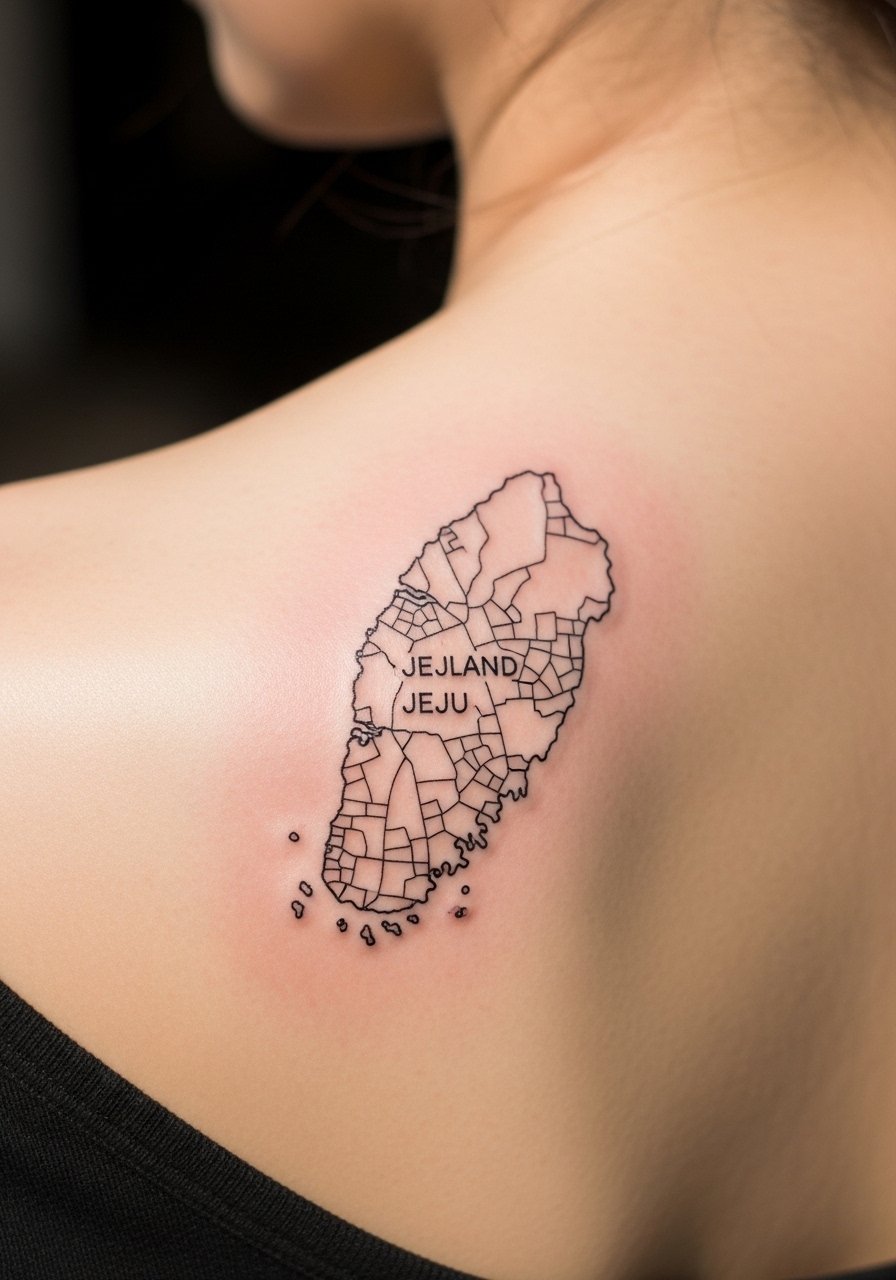
Jeju map tattoos are subtle travel tributes. On the back of the shoulder the piece sits naturally with clothing. Pain is low. Ask for a simplified silhouette rather than tiny coastal details. Small bays and rocks do not translate when the skin settles. A common mistake is insisting on extreme micro-detail. The result blurs into an unrecognizable shape. Sessions typically run 30 to 60 minutes. After six months the silhouette holds well. If you want added texture, layer a faint wind or wave line around the island so it remains recognizable at a glance.
18. Micro-Realism Traditional Fan On Top Of Foot
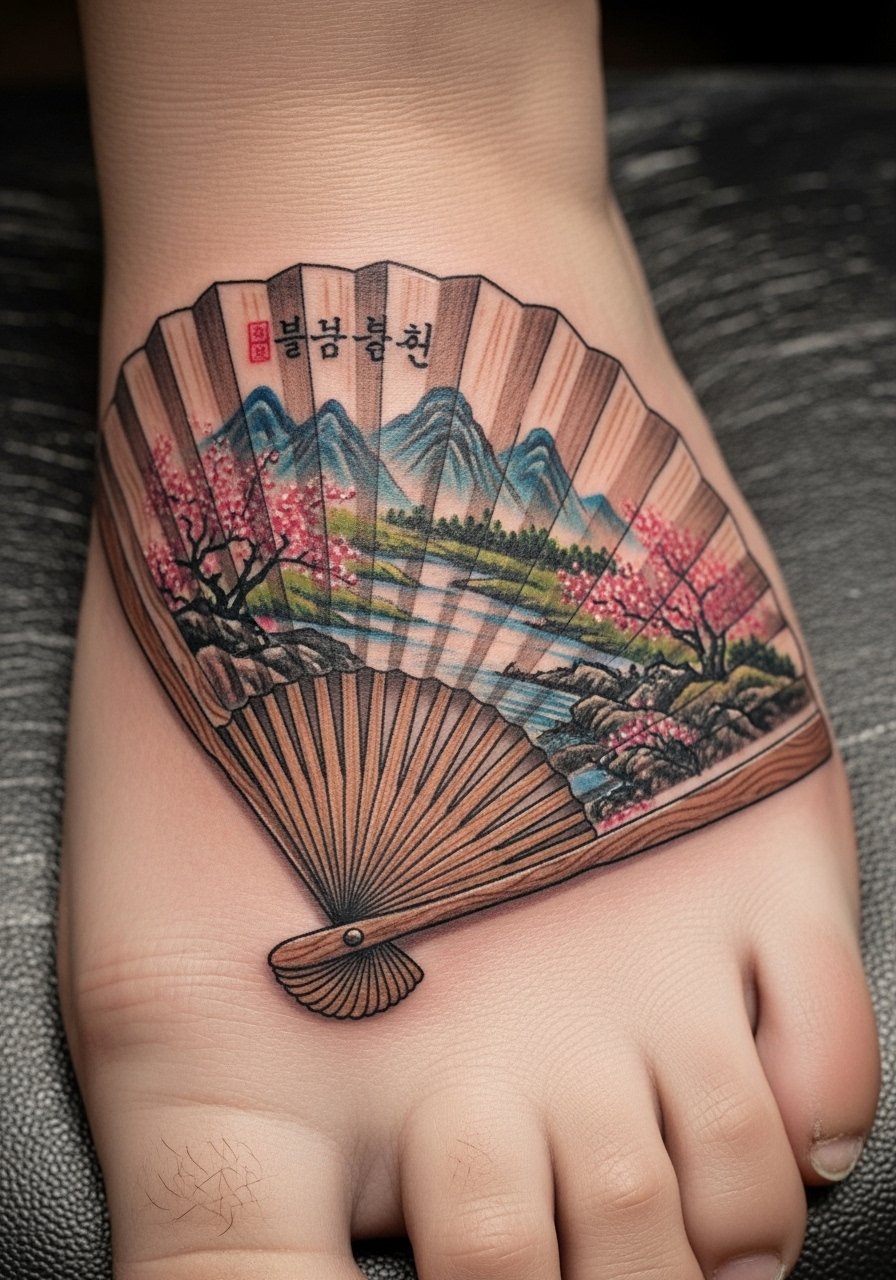
The top of the foot is popular but painful. Expect sharp, stinging bursts as the needle crosses thin skin. I recommend small micro-realism fans here because the foot heals unpredictably. Tell your artist you want slightly bolder wood grain lines so the fan survives shoe friction. Many people ask for extremely fine pigment and then regret it when the design blurs. Sessions are short. At three to six months the piece softens and may need a touch-up if shoes rubbed the area. Plan on keeping footwear loose during early healing.
19. Neo-Script '민지 Minji' Ribcage Name In Mixed Script
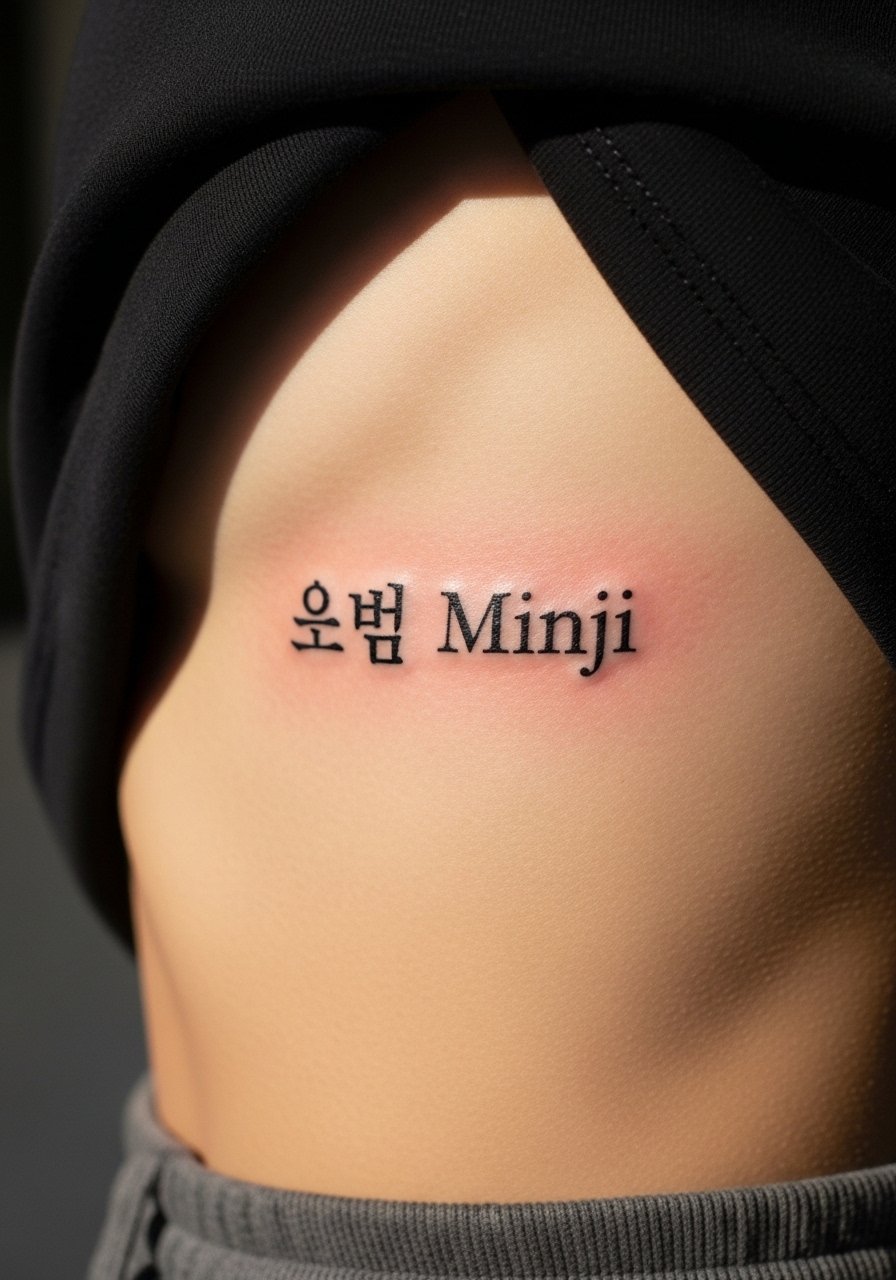
This mixed-script name design is intimate and personal. I saw a version where Hangul sat above a romanized name and it balanced beautifully. Ribcage placement is painful. Ask your artist to match stroke weight between scripts so the two read as one piece. The mistake is treating the romanization as an afterthought in a different weight. Session time is 45 to 90 minutes. At six months the Hangul often retains more crispness than thin serif roman letters. If you want both to age evenly, choose slightly heavier letterforms and plan a touch-up after year one.
Tattoo Prep and Aftercare Essentials
Aftercare Essentials
Aquaphor Healing Ointment, 14oz tube. Industry standard for first 3-5 days. I use a thin layer at night.
Saniderm Transparent Adhesive Bandage, 6-inch roll. Second skin healing method. Every artist I know recommends it for the first 24 to 72 hours.
CeraVe Fragrance-Free Moisturizing Lotion, 12 oz pump. Daily moisturizer for days 4 to 14. I prefer the pump bottle for hygiene.
Dr. Bronner's Unscented Castile Soap, 32 oz. Gentle cleanser for rinsing twice a day the first week. Dilute a small drop with water.
Before Your Appointment
Numbing Cream with 5% Lidocaine, 30g. Apply 30 to 45 minutes before your session only if your artist approves. Some artists prefer no numbing.
Tattoo Stencil Transfer Paper, A4 Pack. Useful if you want to test placement at home before your appointment.
Long-Term Maintenance
SPF 50 Sunscreen Stick For Tattoos, Travel Size. Use on healed tattoos whenever they see sun. I carry one for beach days.
Mad Rabbit Tattoo Balm, 2 oz. Long-term maintenance for vibrancy. Artists I know recommend it for healed pieces.
Hustle Butter Deluxe, 5 oz. Vegan alternative that works during healing and after. Smells better than most aftercare.
Optional Comfort Items
Tattoo Numbing Spray, 4 oz. Handy for touch-ups or sensitive areas mid-session.
Hydrocolloid Bandages, Large Size. Good alternative to Saniderm for small to medium tattoos.
Frequently Asked Questions
Q: Will fine line Hangul blur if I get a full sleeve of text?
A: From what I've seen, fine line Hangul will blur if you pack too many characters into a sleeve at tiny sizes. If you want a sleeve with text, space characters generously and mix in heavier strokes or blackwork panels. For aftercare, I like Saniderm Transparent Adhesive Bandage, 6-inch roll for early protection. Ask your artist to preview the sleeve on your arm in different poses so spacing looks natural.
Q: Do watercolor hanbok tattoos need different aftercare than traditional ones?
A: In my experience watercolor-style pieces need more gentle moisturizing because the color relies on soft washes. Use a fragrance-free lotion like CeraVe Fragrance-Free Moisturizing Lotion, 12 oz pump after the initial ointment phase. Keep sun exposure low while healed. Watercolor can fade unevenly, so plan touch-ups if you love the color.
Q: How should I prep for a ribcage brushstroke script session?
A: Rest well the night before and eat something before your appointment. From what I've found, the ribcage responds better if you are hydrated. Some artists allow numbing. If you plan to use a numbing cream, bring Numbing Cream with 5% Lidocaine, 30g and ask your artist first. I always ask for a stencil check while standing so the script sits correctly with breathing.
Q: Is UV Hangul safe and durable long term?
A: UV ink behaves differently. I've seen beautiful results at six months and patchy glow at year two. Ask your artist for a small test and expect touch-ups. For long-term wear, pair UV with a visible black outline. I keep a sunscreen stick like SPF 50 Sunscreen Stick For Tattoos, Travel Size on me to protect visible parts that might accelerate uneven fading.
Q: What aftercare is best for high-friction spots like the top of the foot?
A: The top of the foot is prone to rubbing. I recommend a protective window the first 24 to 48 hours and then light moisturizing. Aquaphor Healing Ointment, 14oz tube is what I use at night for extra protection. Keep footwear loose during the first week and avoid tight socks.
Q: How often will I need touch-ups for micro-realism food or porcelain tattoos?
A: From my experience micro-realism on hands, wrists, and feet often needs a touch-up within 12 to 24 months. Forearm and thigh pieces last longer between sessions because they get less abrasion. Keep healed pieces moisturized with Mad Rabbit Tattoo Balm, 2 oz to preserve vibrancy. Ask your artist about yearly maintenance if the piece has a lot of tiny highlights or very fine shading.