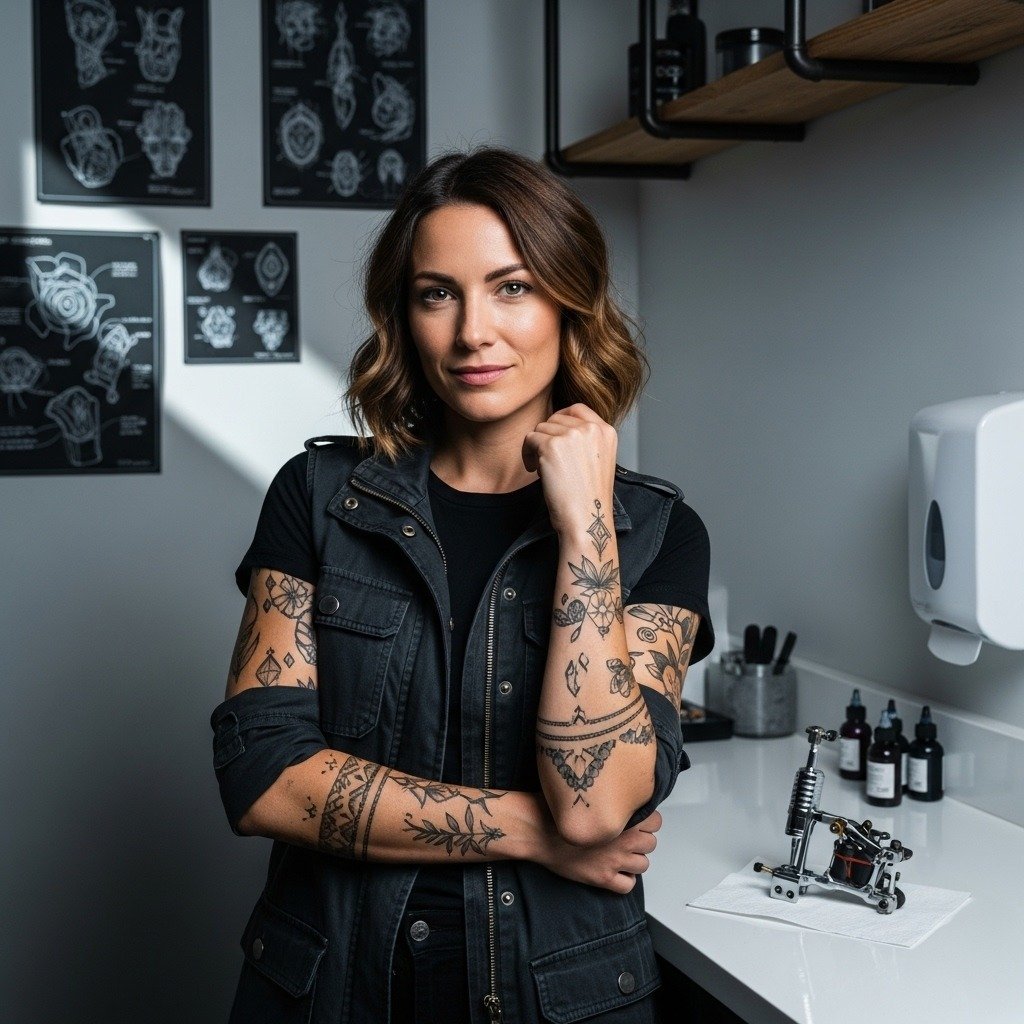
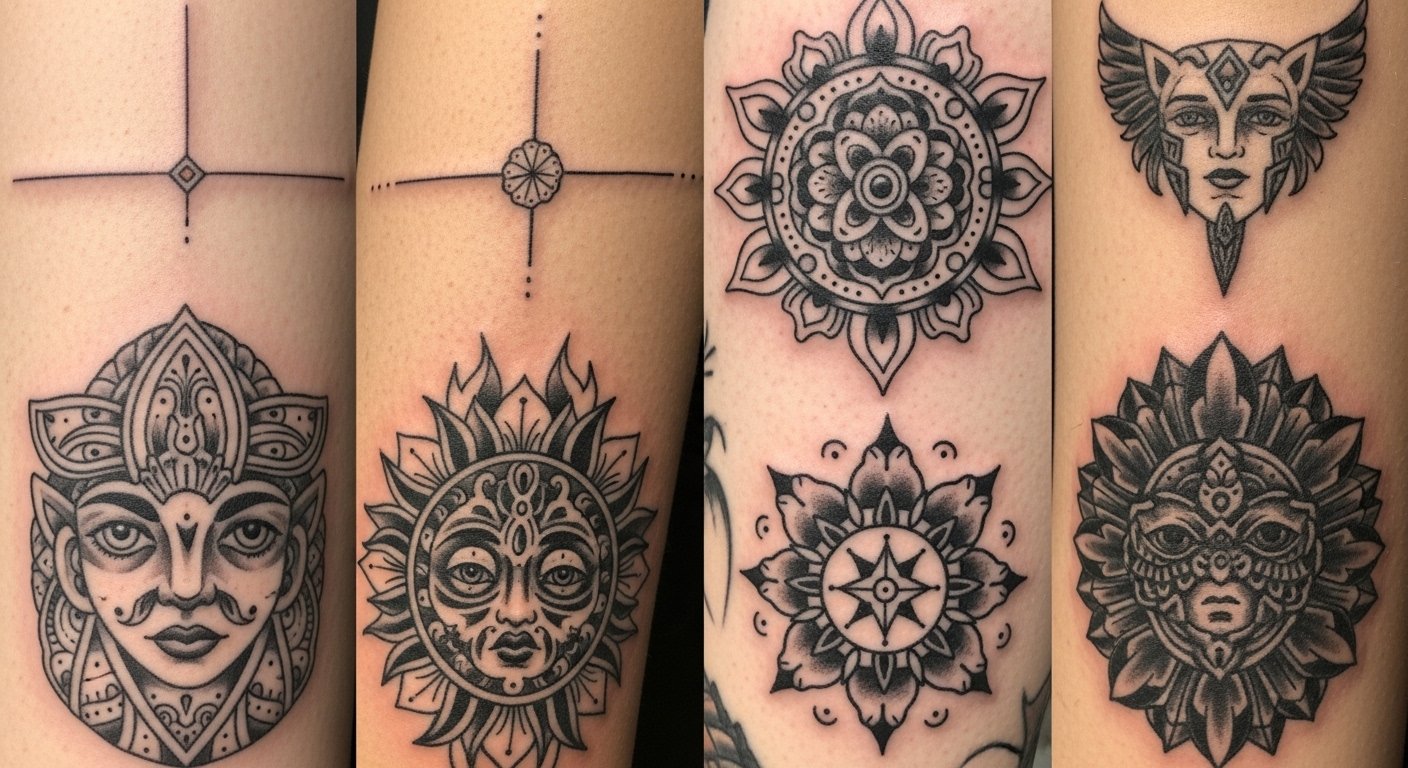
I spent months studying Irezumi and modern Japanese-inspired tattoos before getting my own koi. The hard part I found was not picking a pretty image. It was matching style, placement, and long-term healing so the piece still reads after two years. These 23 designs are the ones that kept showing up in studios in 2026 and the ones I trust to age well when done right.
This list focuses on Japanese-inspired imagery from fine line to full Irezumi. I aimed at placements that work for first-timers and collectors alike. From what I've seen, artists are blending classic motifs with minimalist and sumi-e brushwork. The placements I suggest are chosen for how well the design breathes as skin moves and heals.
1. Fine Line Koi on Inner Forearm
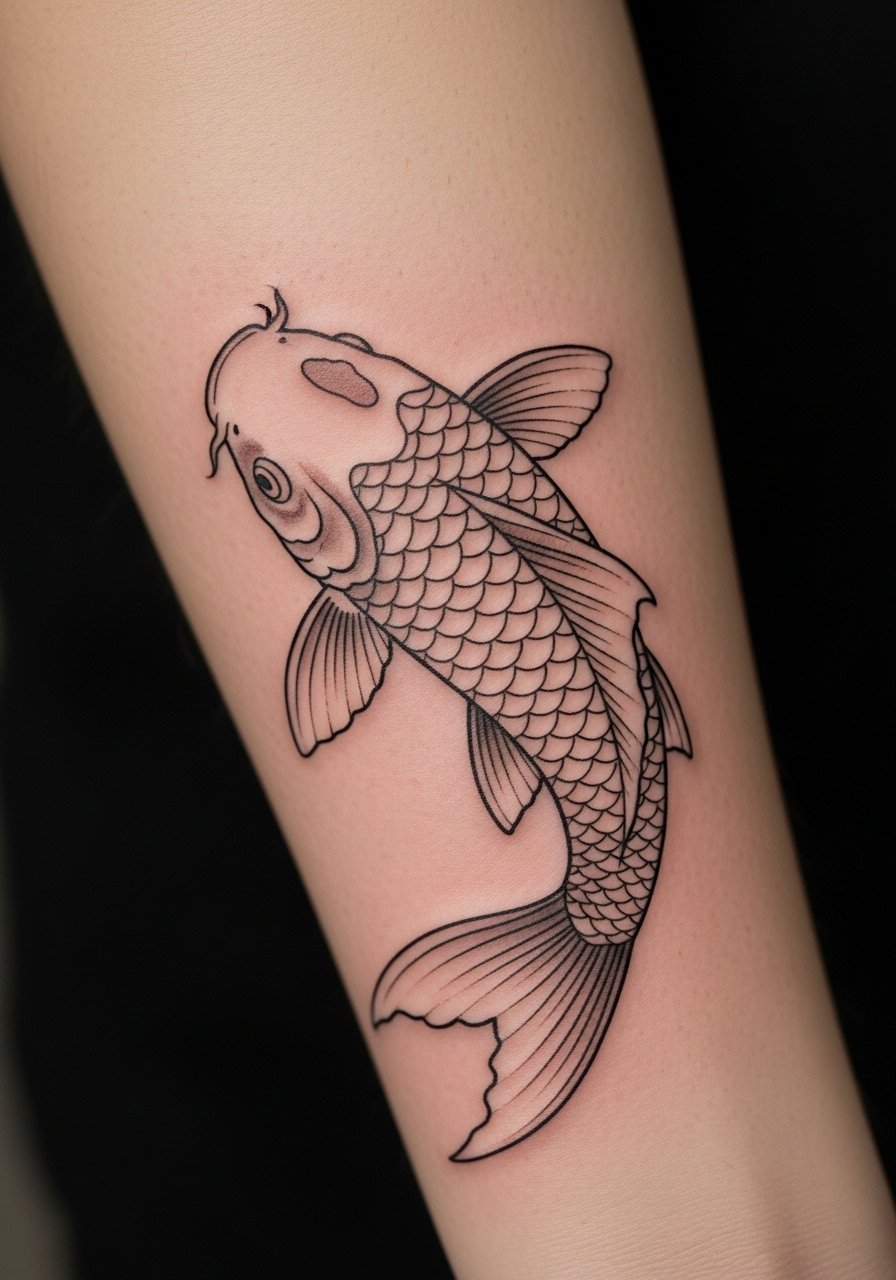
I first saw this on a friend who wanted something elegant but not overpowering. Fine line koi reads like jewelry on the forearm. Expect a mild to moderate pain level because the inner forearm is forgiving. A single 1.5 to 3 hour session usually covers it. Tell your artist you want thin, varied line weight and soft dotwork shading, not a heavy black outline. I have noticed that fine line pieces blur faster if the line weight is too thin. Ask for slightly stronger anchor lines where detail meets motion. Healed at 6 months a koi like this keeps its flow. At 2 years you may see softening in the thinnest lines. A common mistake is over-detailing the scales. Leave room for skin to age. This suits someone who wants a story piece that reads up close and grows with them.
2. Traditional Dragon Back Panel
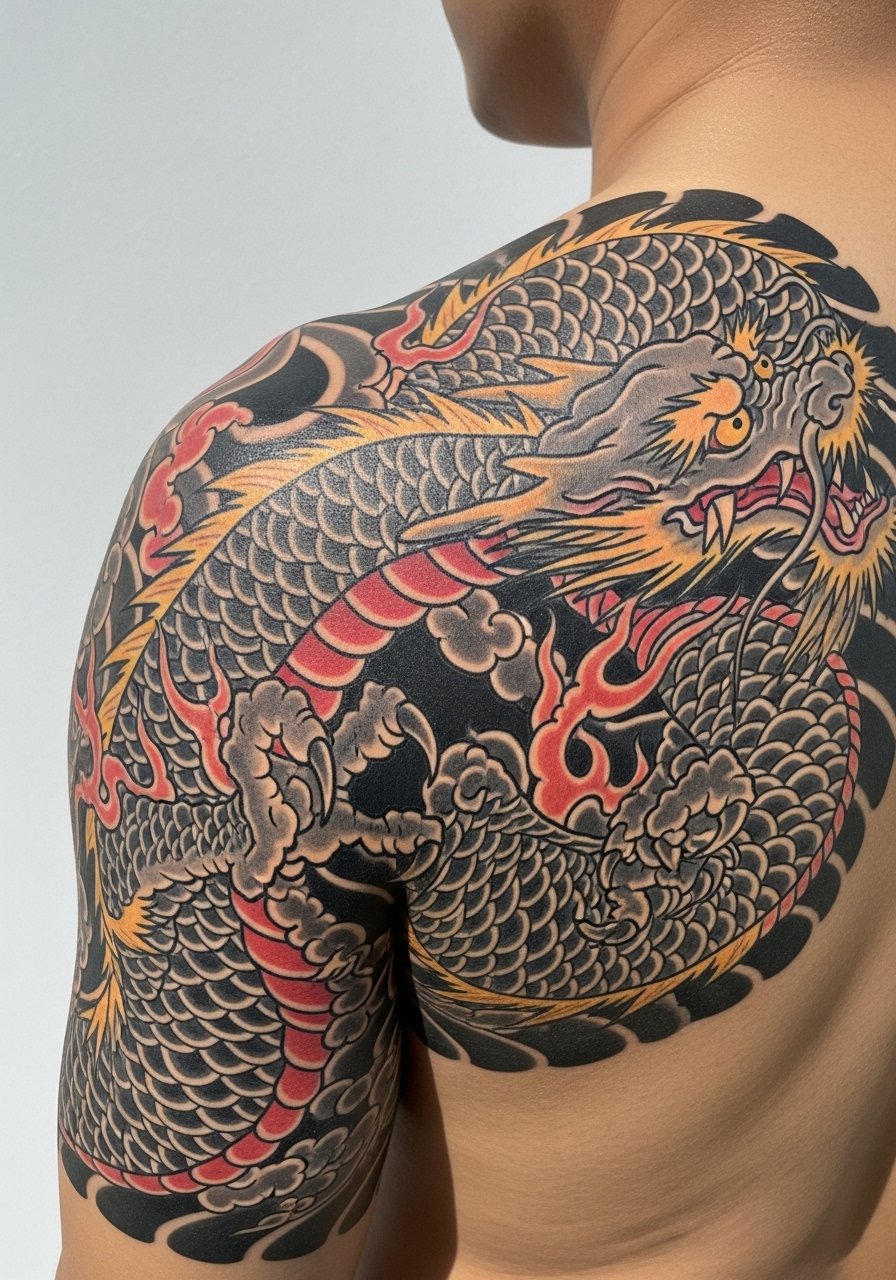
Fair warning, an upper back dragon is a commitment. Sessions feel long but the area handles ink well so pain feels steady and tolerable. I needed four sessions for mine. The visual impact is huge. A classic tattoo artist with Japanese-style experience is crucial. Ask them to design the scales to follow musculature. From what I've gathered, most artists recommend layering color across sessions rather than packing everything in one go. Healed color holds well on the back, but the brightest reds may soften after a few years. People often make the mistake of shrinking a dragon too much. The coils need space to breathe. If you want a cover-up friendly option, request deeper black outlines. This piece is best for collectors who want an epic narrative across the shoulders.
3. Ukiyo-e Wave Half Sleeve
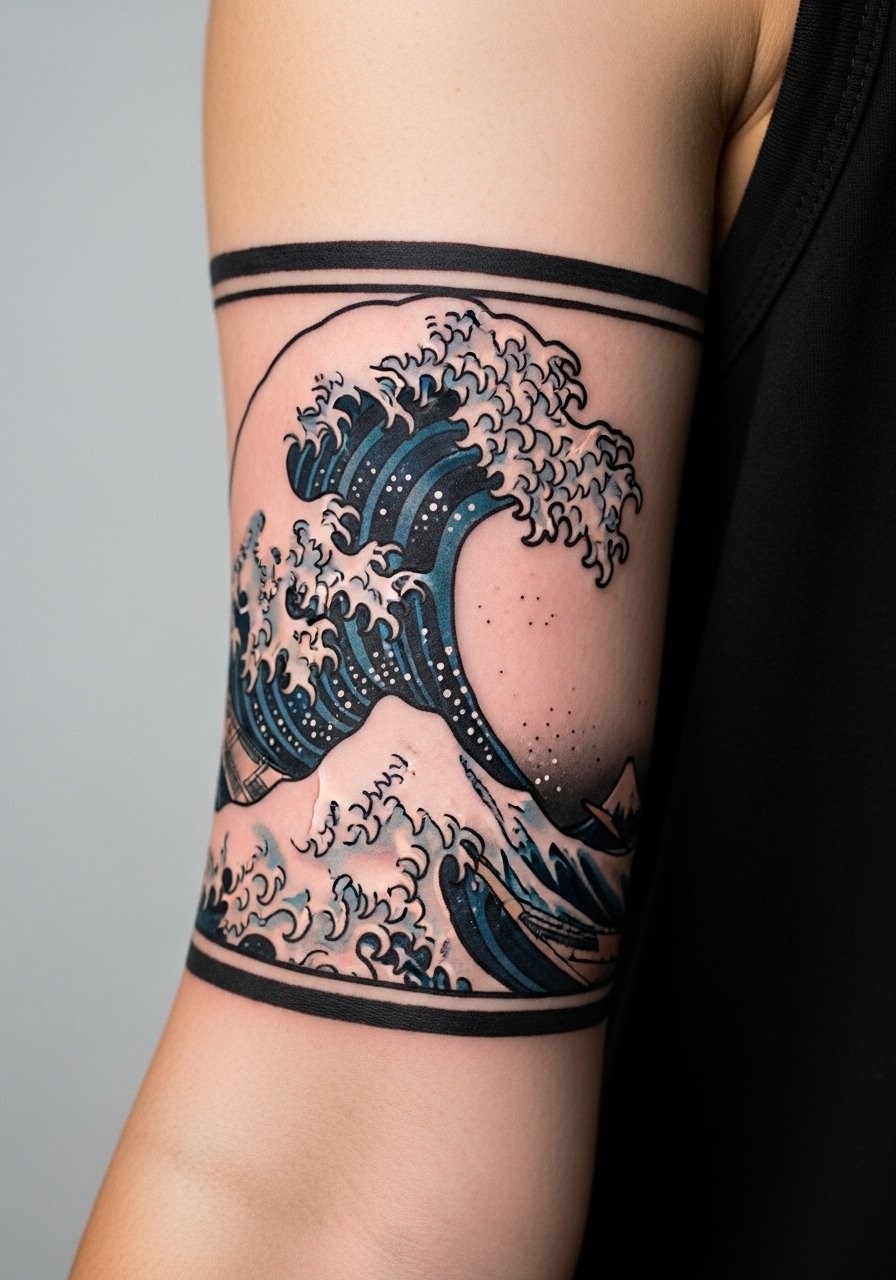
Most ukiyo-e sleeves I’ve tracked use negative space like an old print. That keeps the design readable as you age. This placement can be painful around the elbow crease. Plan two to three sessions at 2 to 3 hours each. Tell your artist you want woodblock-style wave edges and flattened perspective, not a photorealistic ocean. I have seen ukiyo-e sleeves go wrong when artists over-blend color, losing the crisp separations that define the style. At 6 months the contrasts are crisp. At 2 years the edges soften and the white negatives can pick up a slight gray. For longevity request slightly thicker lines around important shapes. This is ideal for people who love historical art translated into skin.
4. Hannya Mask on Ribcage
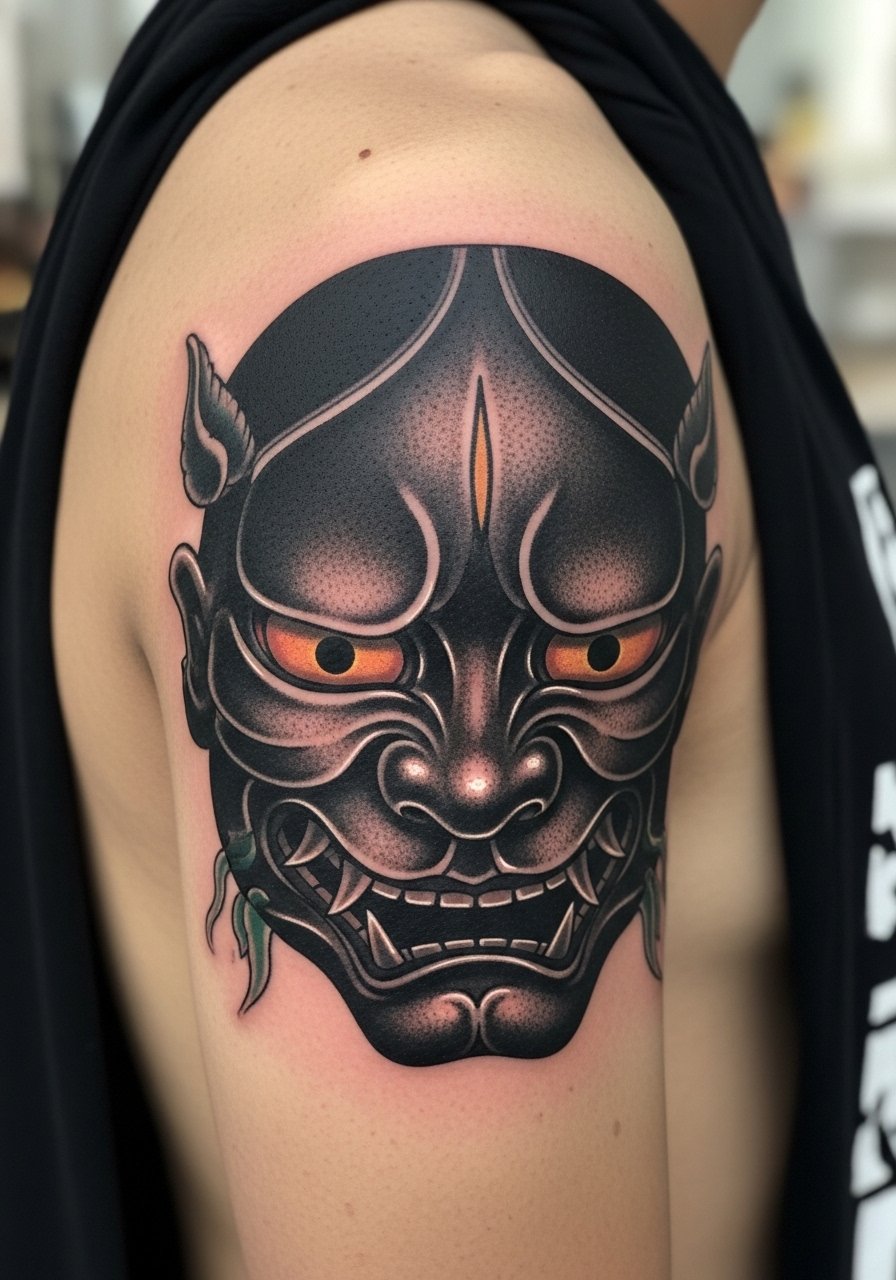
The ribcage is a 7 to 9 out of 10 on the pain scale in my experience. Sessions are intense and usually done in one long visit or split into two. I had mine in two parts. A Hannya on the ribs looks dramatic because the body surface stretches and moves with breathing. Tell your artist you want contrast between the mask's gaze and the surrounding negative space. From what I've seen, the biggest mistake is packing tiny facial details too close to the rib cartilage. Those blur first. Healing time needs patience. Keep movement light for the first 48 to 72 hours. After a year the deep blacks hold best. If you want a version that ages gracefully, avoid tiny hairline strokes around the eyes. This is for someone who wants a bold, emotive piece and is ready for higher pain for high drama.
5. Micro-Realism Geisha on Upper Arm
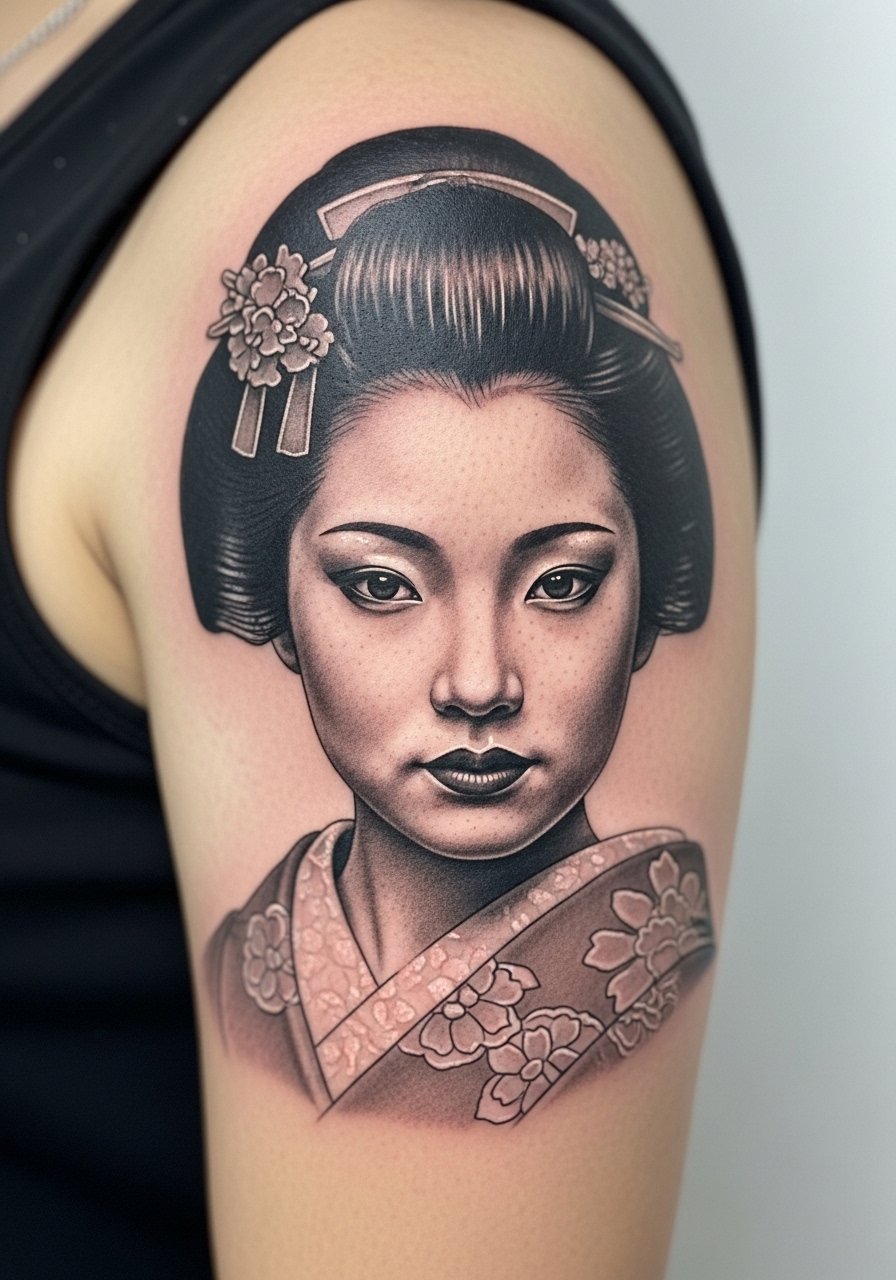
I saw this style in a gallery of healed portraits and was surprised at how well it reads from a distance. Micro-realism needs a steady hand and experience. The upper arm is forgiving for detail and the pain is mild. Expect a 3 to 4 hour session for a mid-sized piece. Ask your artist to prioritize contrast in the first pass. From what I’ve noticed, artists who layer darker values early retain texture better after healing. A common mistake is asking for extreme tiny freckles or lace that disappear after a year. Healed at 6 months this look is soft. At 2 years it can lose micro-contrast if placed on sun-exposed skin. If you want this, plan on sun protection and periodic touch-ups. Best for someone who wants portrait-level storytelling without full-sleeve commitment.
6. Neo-Traditional Peony Thigh
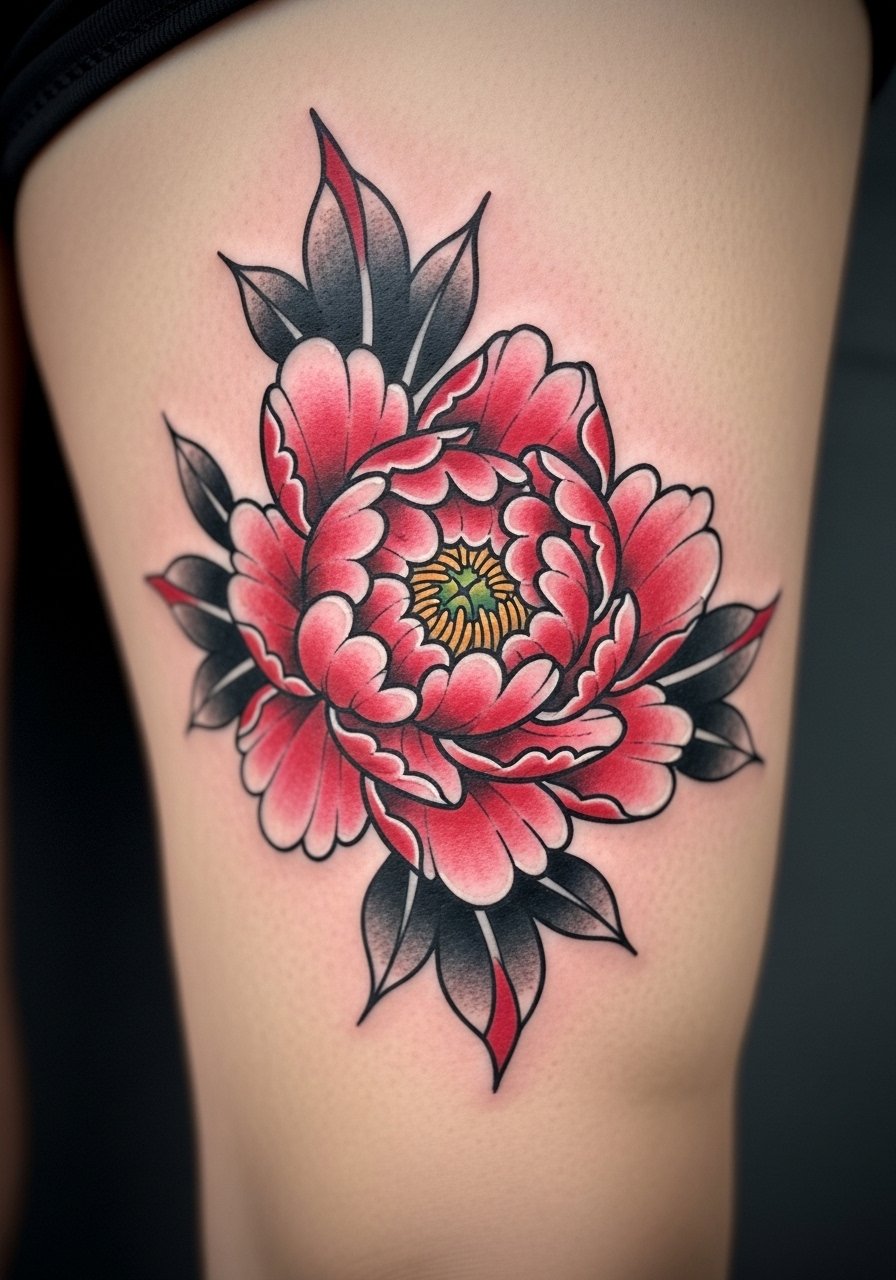
When I consulted with an artist for a thigh peony, I focused on flow over detail. The thigh lets you go big without daily visibility pain. Sessions are comfortable and you can do long sittings. Ask for strong petal anchors and layered color beds. From what I've seen, many people choose too many tiny petals that blur into a blob after healing. Pick fewer, larger petals so the shape holds. At 6 months the color is lively. At 3 years expect natural softening in the small dots and edgework. If you want it to last vibrant, remind your artist to plan shading that reads at a distance. This placement works for someone who wants a romantic, bold floral that can be shown or covered easily.
7. Minimal Kitsune Behind Ear
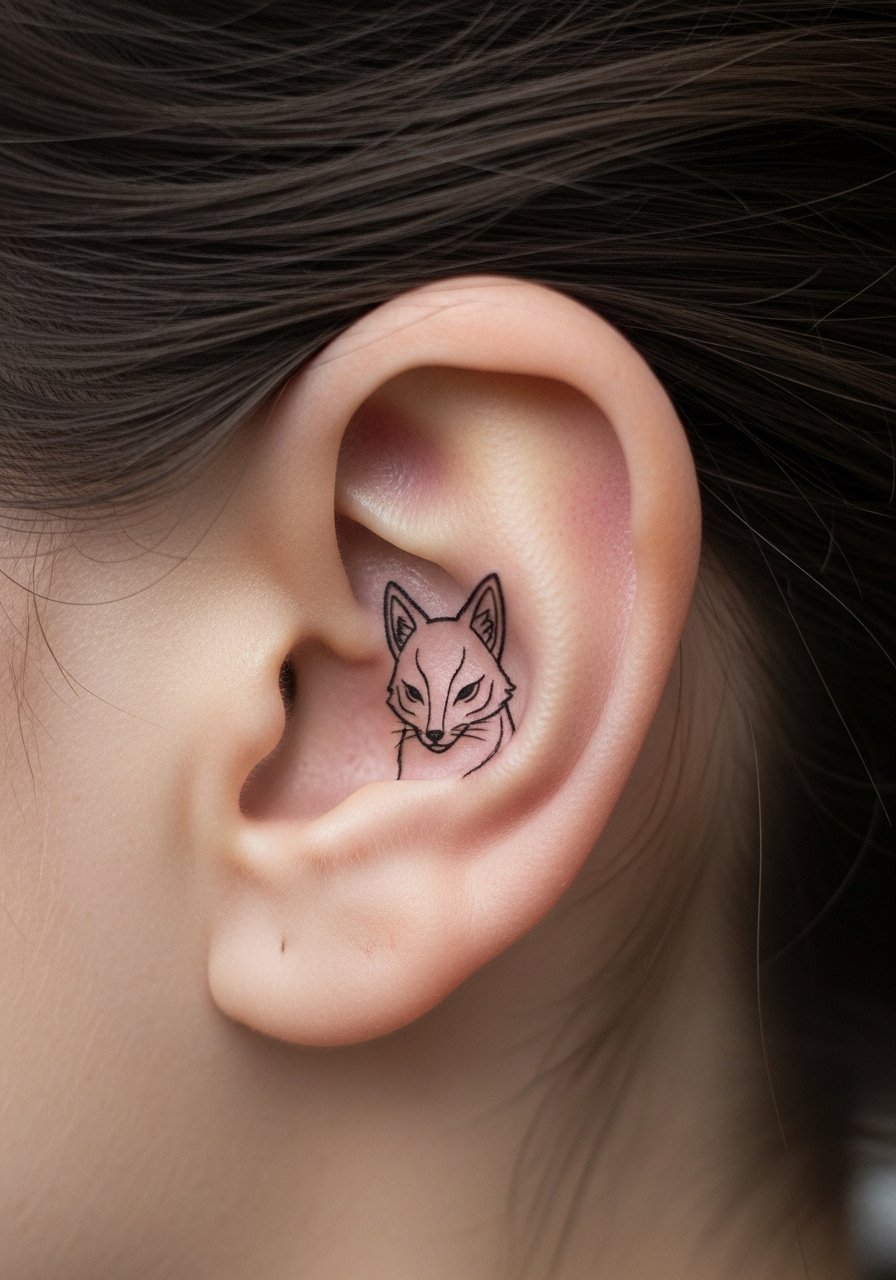
I first fell for a tiny fox behind a friend's ear. The pain is sharp but brief. Sessions are under 30 minutes usually. A minimal kitsune reads as charm rather than a headline piece. When you consult, bring clear reference photos that show line thickness. I have noticed tiny, overly intricate linework fades fastest in this spot. Ask for slightly bolder single lines so the shape remains distinct. Healed at 6 months the ink looks crisp. At 2 years expect slight softening and potential touch-ups if you want the edges crisp. This piece is perfect for someone who wants symbolism with subtle placement.
8. Fine Line Sakura Collarbone
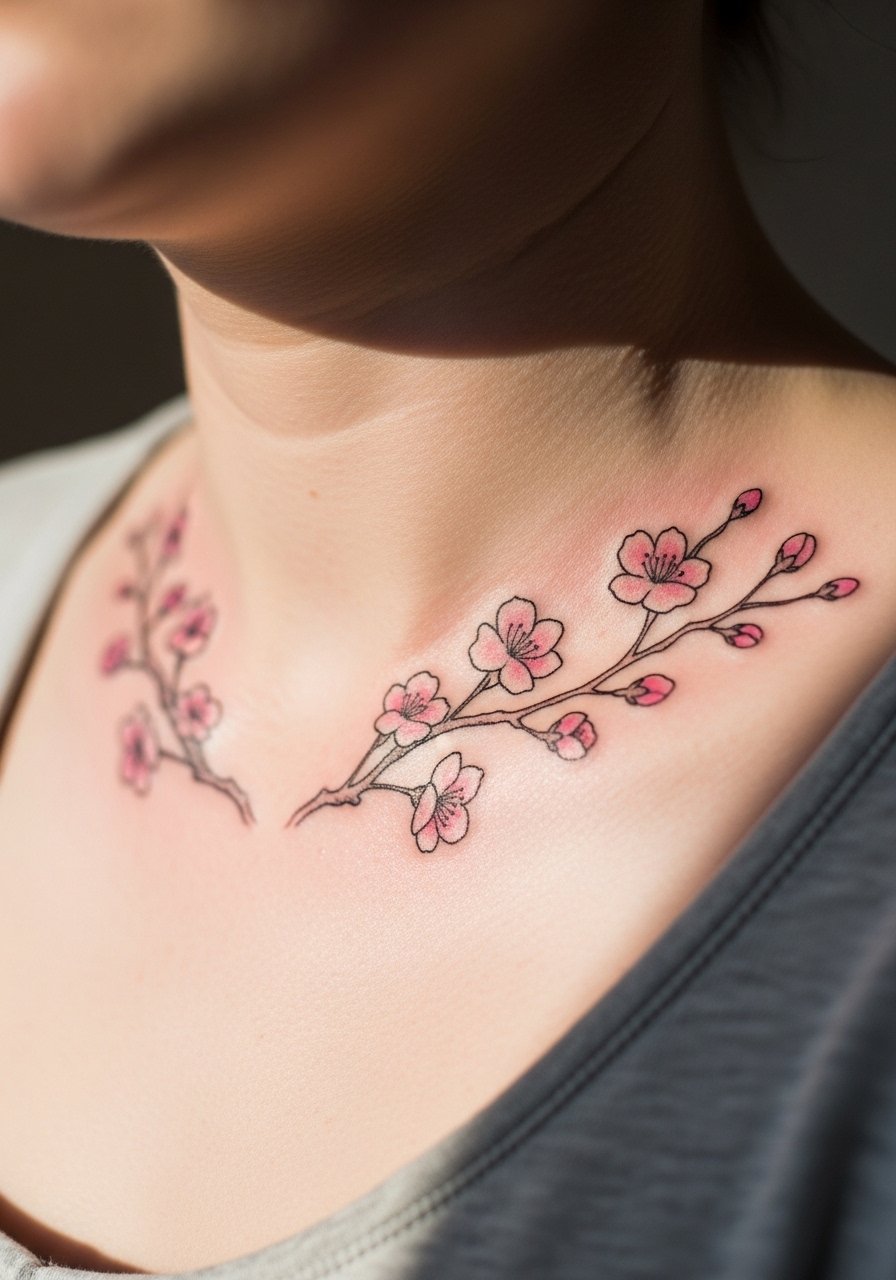
The collarbone is sensitive, and I found sessions there sting more than the forearm. A sakura branch lays well along the bone and creates movement with clothing. Ask your artist to curve the branch to follow collarbone anatomy. From what I've seen, a common mistake is making flowers too full with tight shading. That leads to early blurring. Gentle dot shading holds better. Healing time for this thin work is usually quick. At 6 months petals look soft and natural. By 2 years the faintest lines can merge if you skimp on sun protection. This design suits someone after a romantic, lightweight piece that pairs well with necklaces.
9. Blackwork Samurai Half Sleeve
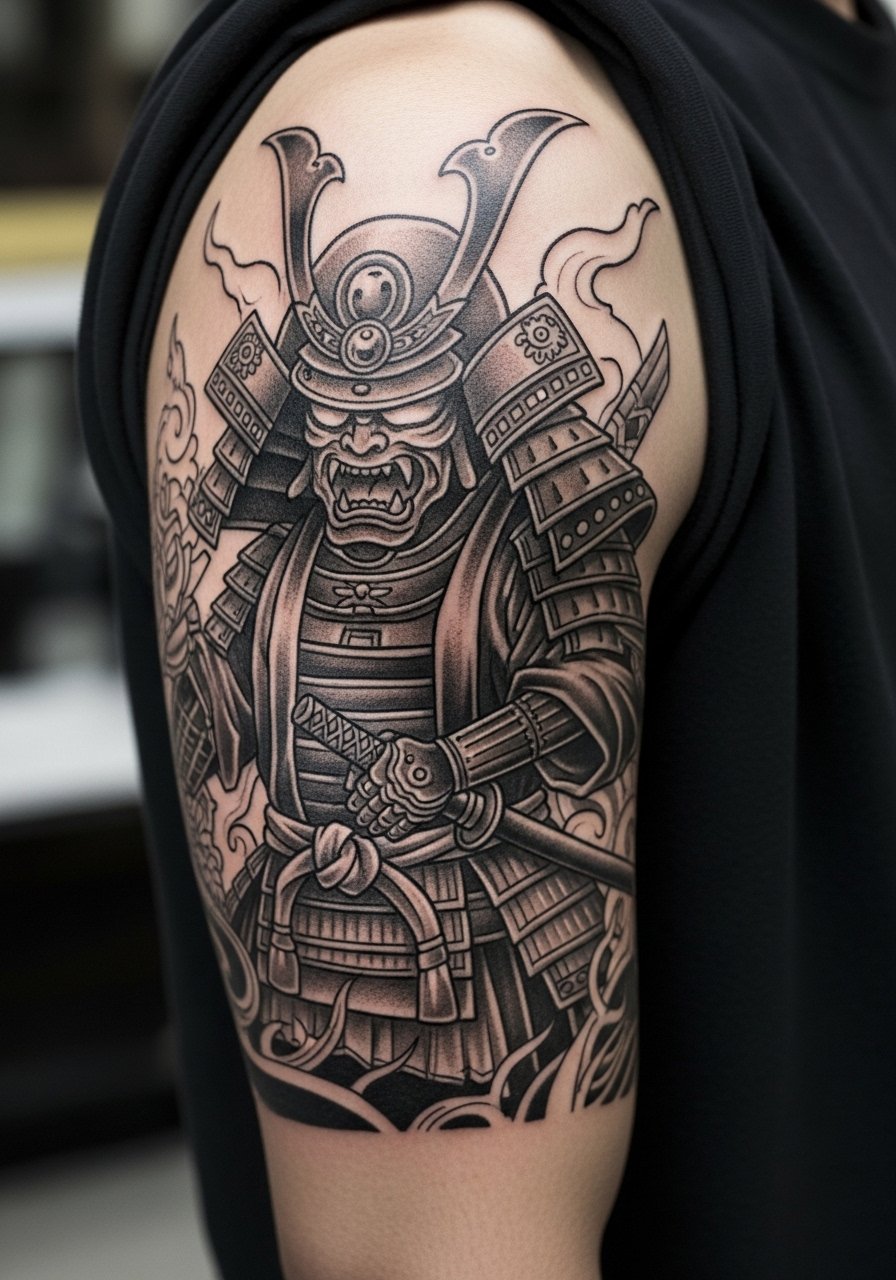
I wanted a samurai that reads bold from across a room. Blackwork gives that silhouette. Expect steady discomfort over long sessions. I split mine across three visits. Tell your artist you want strong negative space around the helmet and armor for contrast. From what I've gathered, one error is trying to add too much micro-detail inside solid black areas. Those details disappear. After 6 months strong black remains dominant. At 2 years solid fills can still pull slightly into surrounding lines, but the silhouette usually survives. This works for someone who wants a modern, graphic take on Irezumi motifs and who likes a masculine, bold look.
10. Minimal Crane on Ankle
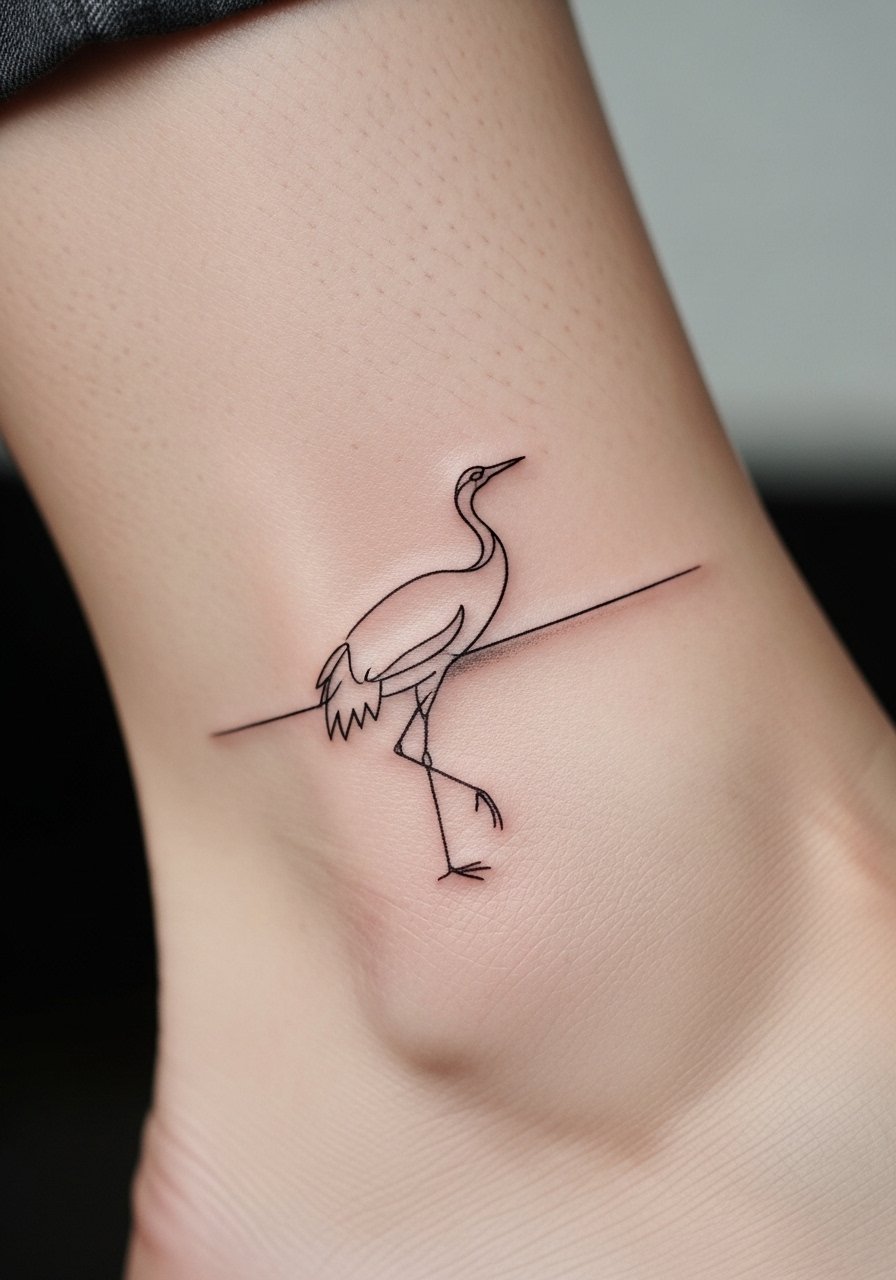
I chose an ankle crane because it felt light and symbolic. The ankle is bony and stings during the session. Expect under an hour for a small design. Tell your artist you want a single fluid line with a slight break in the beak to avoid a weak single stroke. From what I have seen, tiny legs and delicate feet blur first in ankle pieces. Ask for slightly thicker leg lines so the bird keeps its posture over time. Healed at 6 months the crane looked airy. At 2 years the thinnest strokes softened. Best for someone who wants a subtle talisman that can be shown with sandals.
11. Small Daruma on Chest
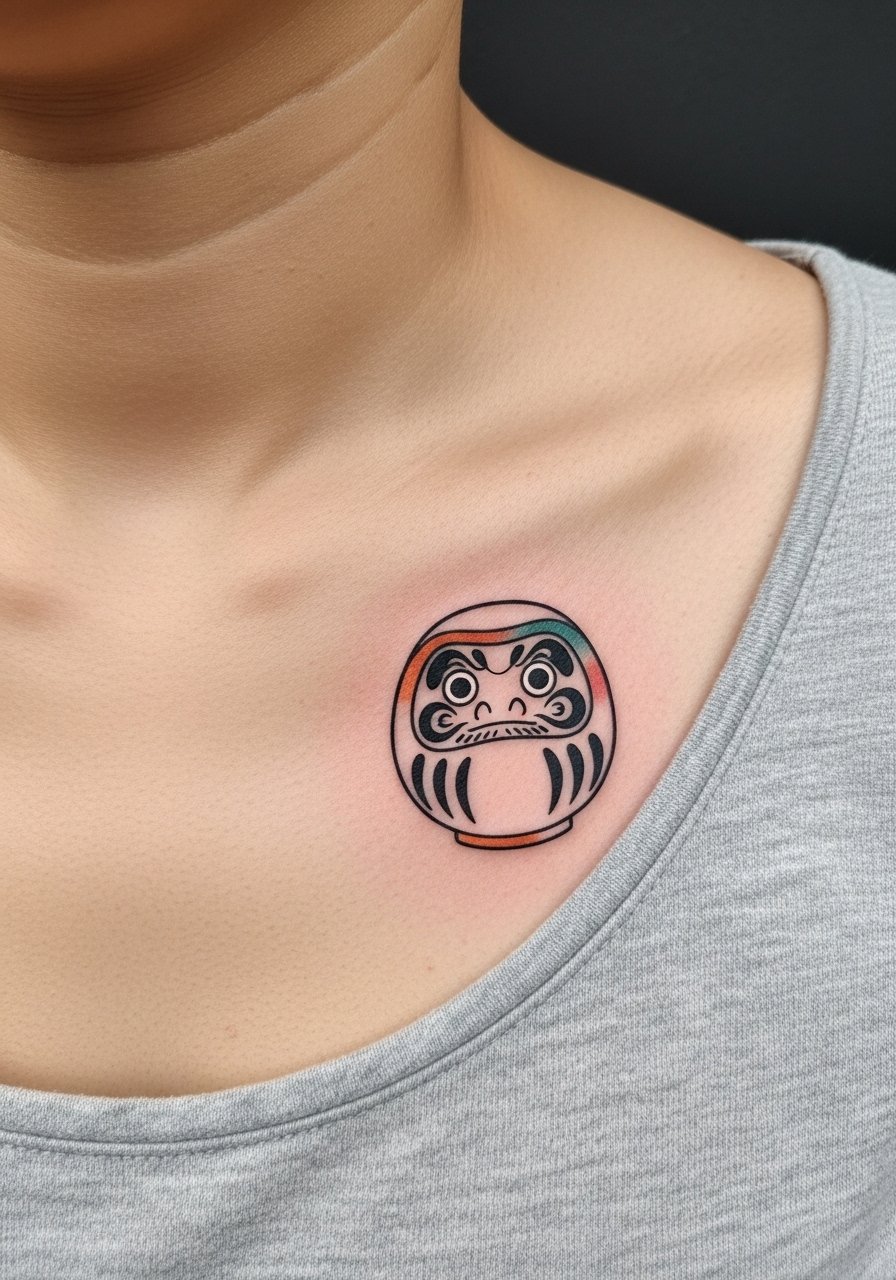
I noticed daruma dolls feel like tiny narrative tattoos people keep to themselves. The chest is moderately painful near the sternum. Sessions for a small piece are short. When you talk to the artist, request strong circular outlines and simplified facial features. I have seen daruma tattoos lose fist-sized facial detail quickly when artists add too many tiny strokes. At 6 months the doll holds its simple charm. At 2 years expect slight softening. This is ideal for someone wanting a meaningful, compact talisman with room to expand into a chest plate later.
12. Irezumi Oni Calf
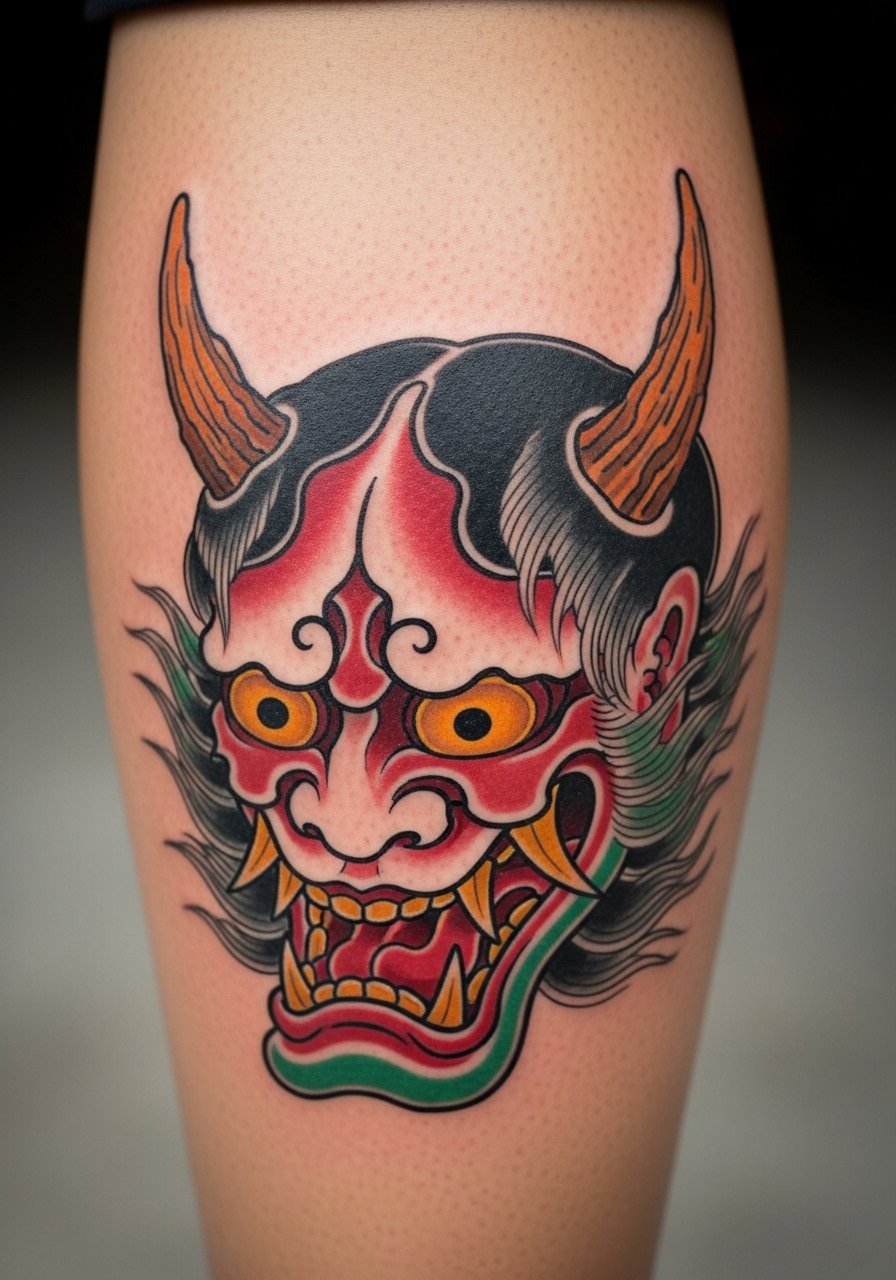
The calf is one of my favorite spots for narrative characters. Pain is moderate and sessions are comfortable for longer durations. I had my Oni in two sessions. Ask your artist to sculpt the face with shadowed planes so it keeps expression as it ages. From what I've seen, the mistake people make is compressing too many facial elements into a small calf piece. Let the mask breathe. At 6 months the character's expression is clear. At 3 years some tiny colored highlights may fade. If you want a survivor piece, plan for touch-ups every few years. This works well for someone focused on storytelling and movement.
13. Bamboo Wrist Band
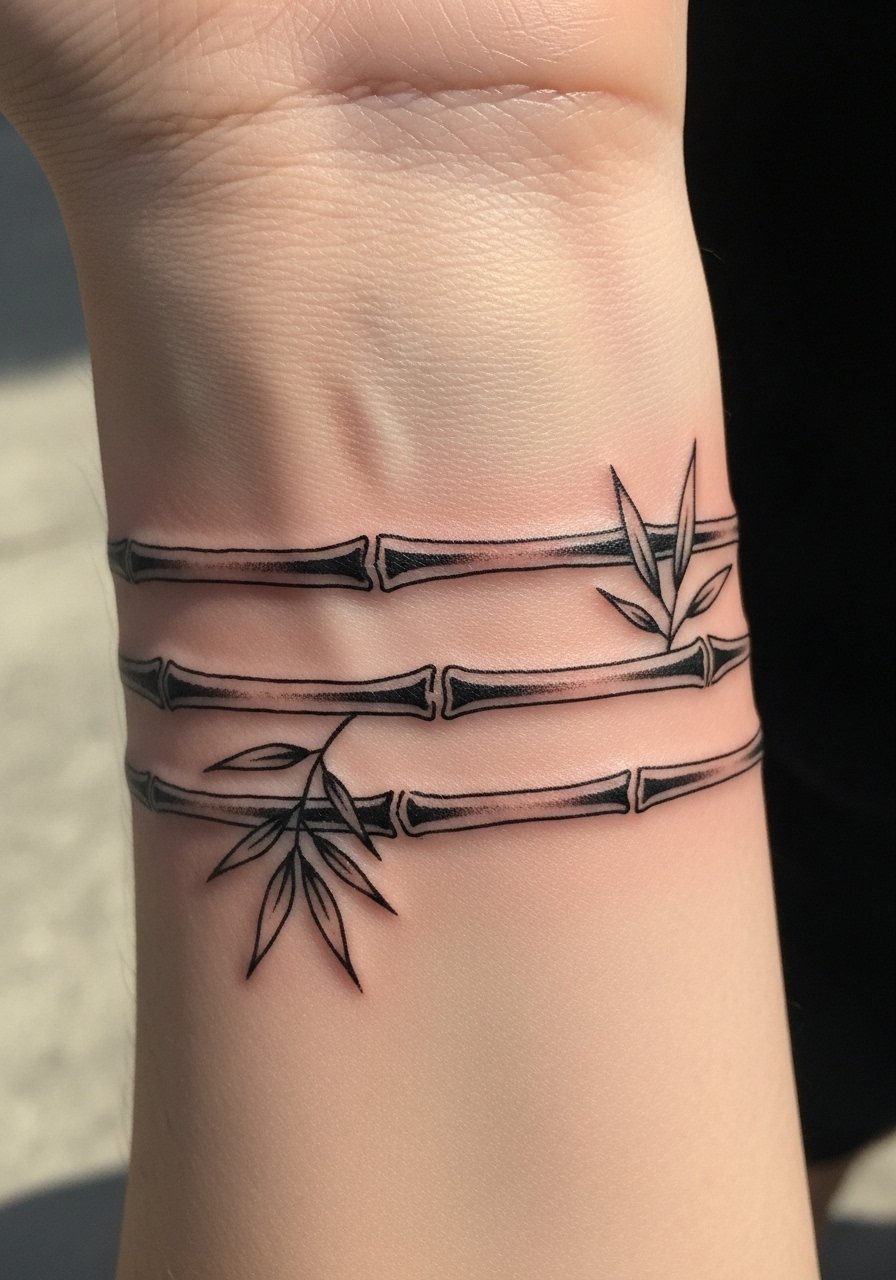
I used a thin bamboo band as a discreet nod to Japanese gardens. The wrist is a sensitive area where ink sits on thin skin. Sessions can sting but finish quickly. Tell your artist you want nodes spaced to match your wrist circumference and avoid tiny intersecting lines. From what I've seen, the biggest mistake is wrapping too tightly with small patterning that blends. Healed at 3 months the band looked neat. At 2 years repeated motion and sun can soften the nodes. This is best for someone wanting a continuous, symbolic piece that pairs with bracelets.
14. Chrysanthemum Shoulder Cap
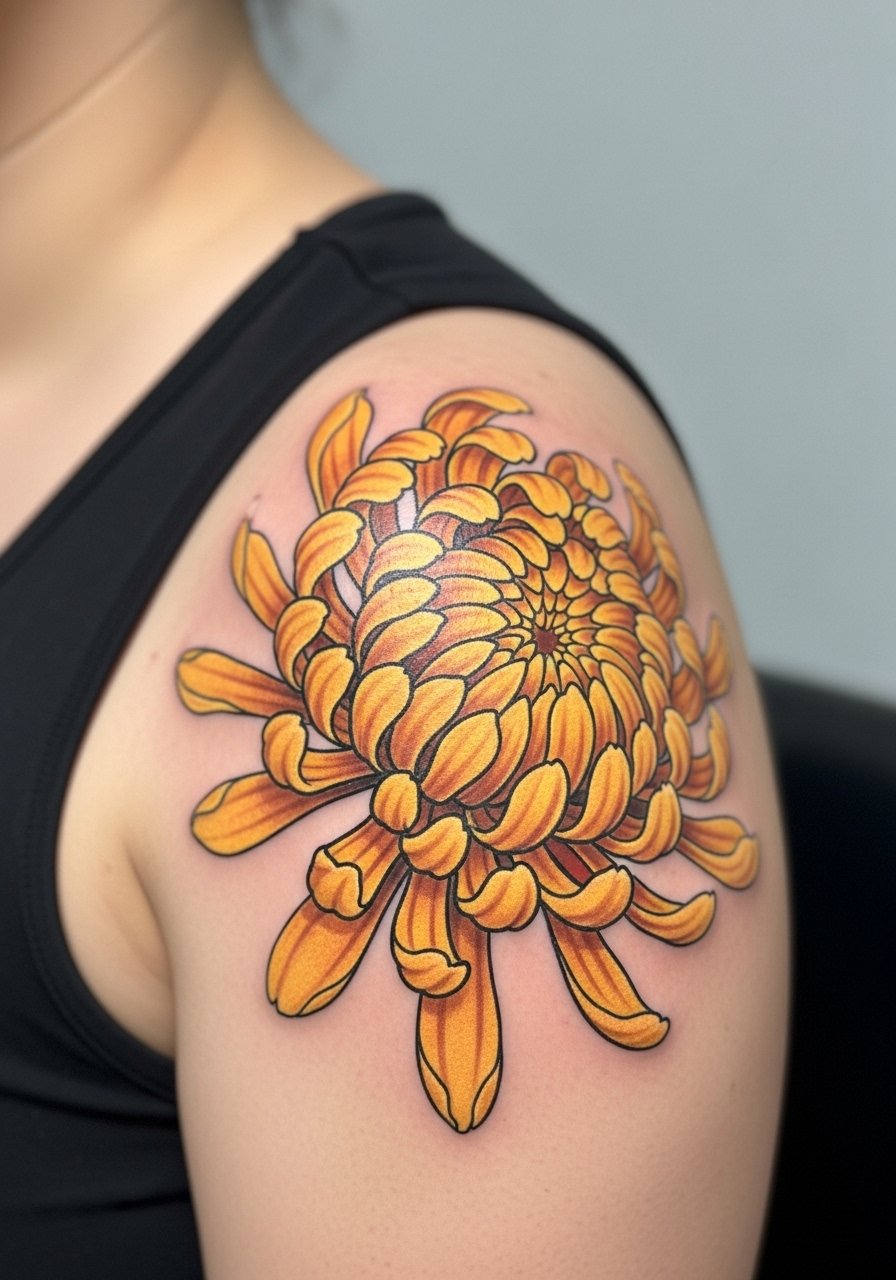
I found that chrysanthemums look great as shoulder caps because the rounded surface gives petals natural curvature. Pain is mild around the deltoid. A single 2 to 3 hour session usually covers a medium cap. During consultation ask for layered petals with negative space at petal tips to keep definition over time. From what I've noticed, over-texturing the inner petals leads to muddiness as the skin settles. At 6 months colors pop. At 2 years detail will soften, but the petal structure remains if you prioritize shape. This suits someone who wants a classic Japanese floral that travels well with sleeve options.
15. Sumi-e Wave on Ribs
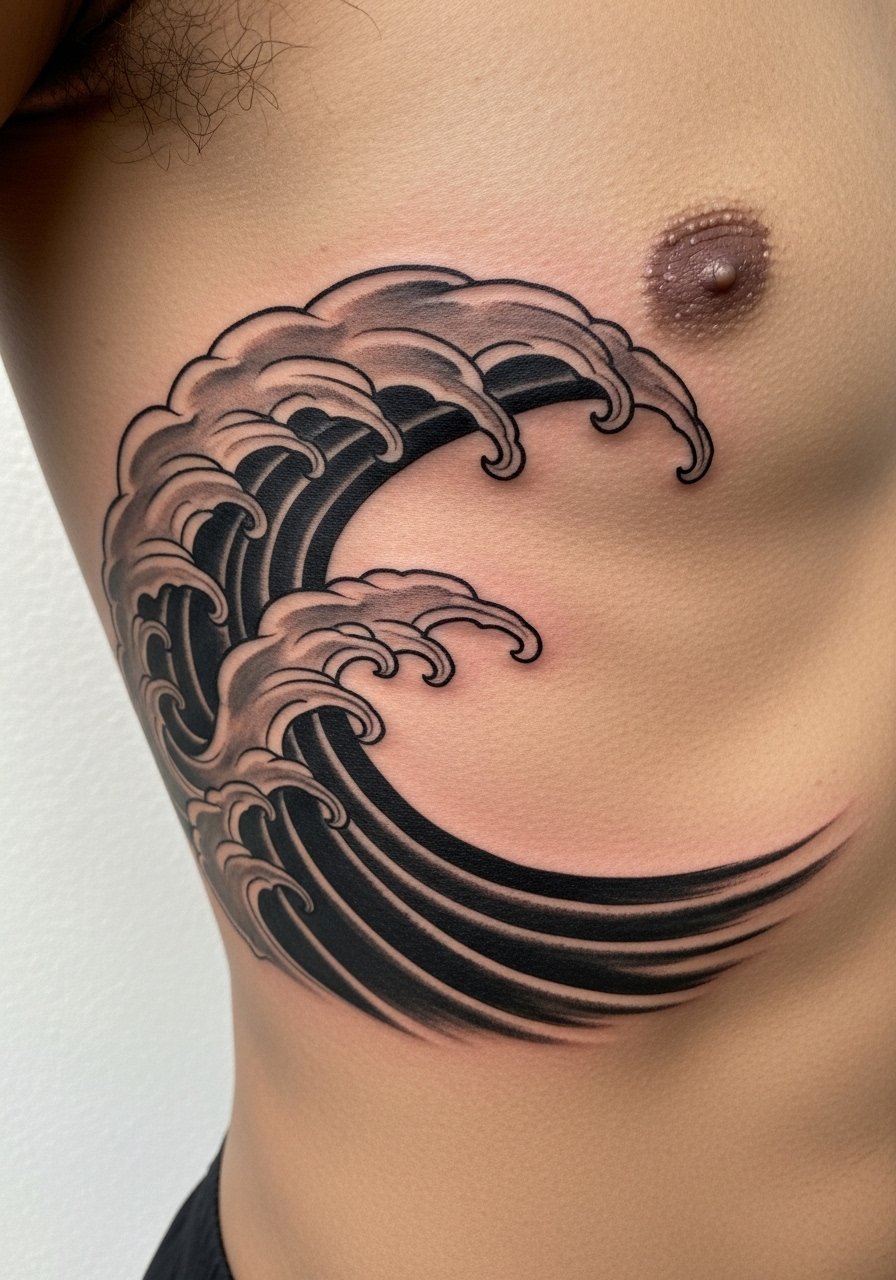
Most sumi-e work reads like motion captured in a single gesture. Because ribs hurt, sessions can be intense. Mine took a single focused visit. Ask the artist to emulate brush flow with varied needle pressure and open washes. I have seen mistakes when people request tiny washes that end up as flat gray after healing. Larger, intentional washes hold the sumi feel longer. At 6 months the gradation looks organic. At 2 years the lightest washes may fade and require touch-ups if you want them preserved. This is for someone who appreciates gestural minimalism and accepts a higher pain payoff for strong aesthetic presence.
16. Phoenix Shoulder Blade
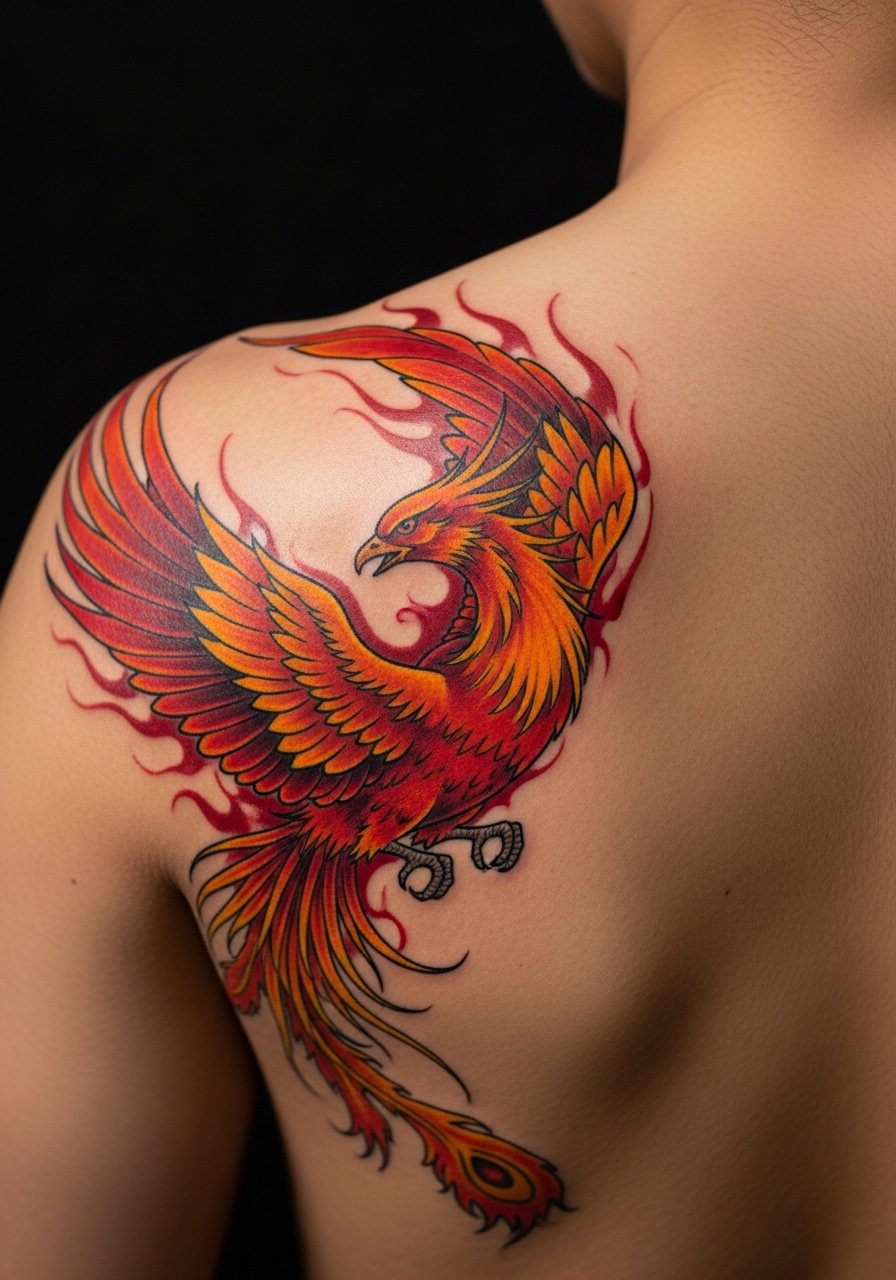
I wanted a phoenix that suggested rebirth without crowding my back. The shoulder blade handles medium pain and sessions are comfortable. Tell your artist to map feather flow across the scapula so the wings read when you move. From what I've gathered, adding too many tiny feather lines makes the image lose motion after a year. Keep feathers defined with strong anchors. At 6 months color depth is rich. At 3 years the orange tones may need refresh to maintain intensity. This design suits someone after symbolic renewal and who enjoys visible pieces that work with shirts or open backs.
17. Torii Gate Sternum
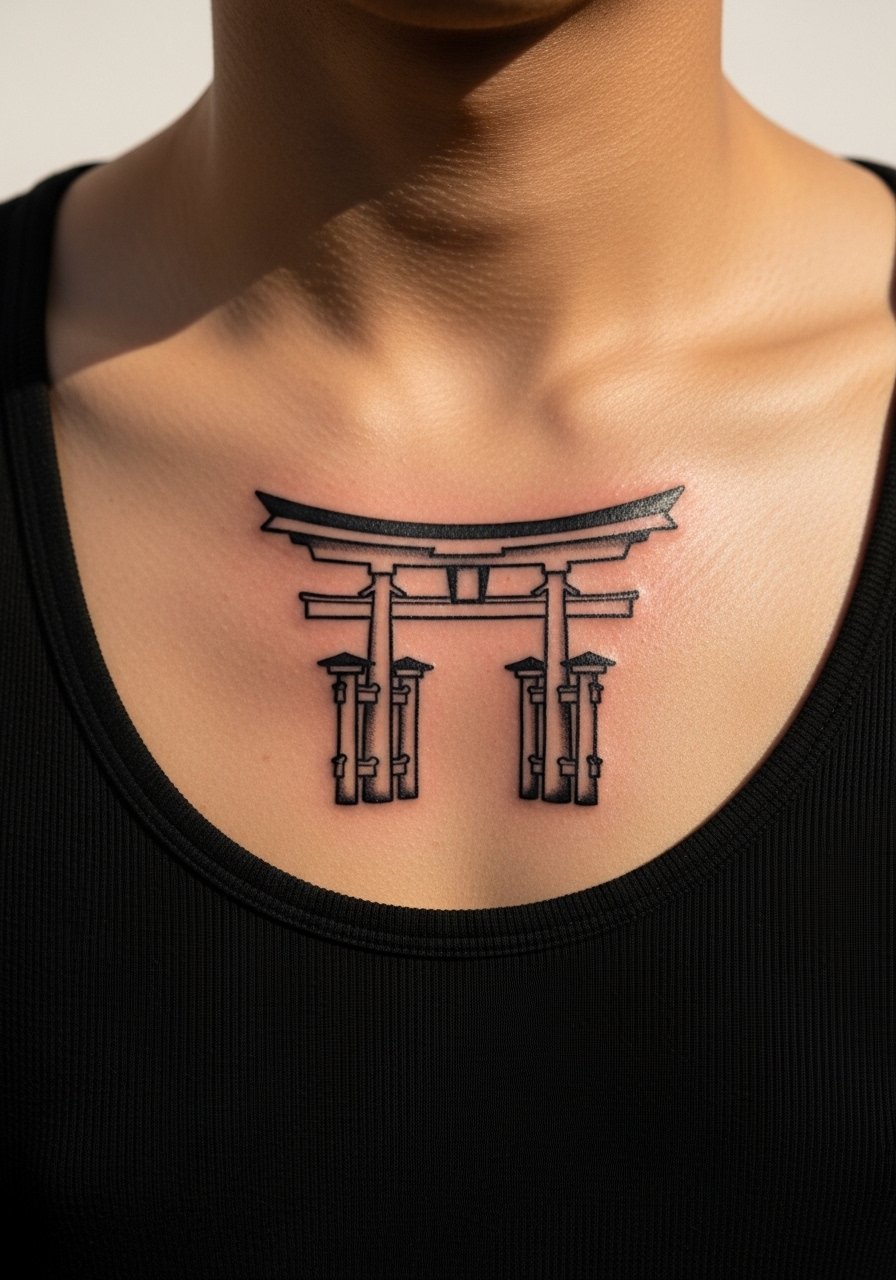
When I sat with my artist about a torii, placement was the key talk. Sternum tattoos hurt a lot near bone. Plan for a shorter, intense session. I asked for bold uprights and an open crossbeam so the gate stays iconic even if fine edges soften. From what I've seen, overcomplicating the base with tiny steps causes early blurring. At 6 months the gate reads well. At 2 years the center line may soften if you don't keep out of the sun. This works for someone who wants a central, structural symbol that anchors other chest pieces later.
18. Enso Circle Inner Wrist
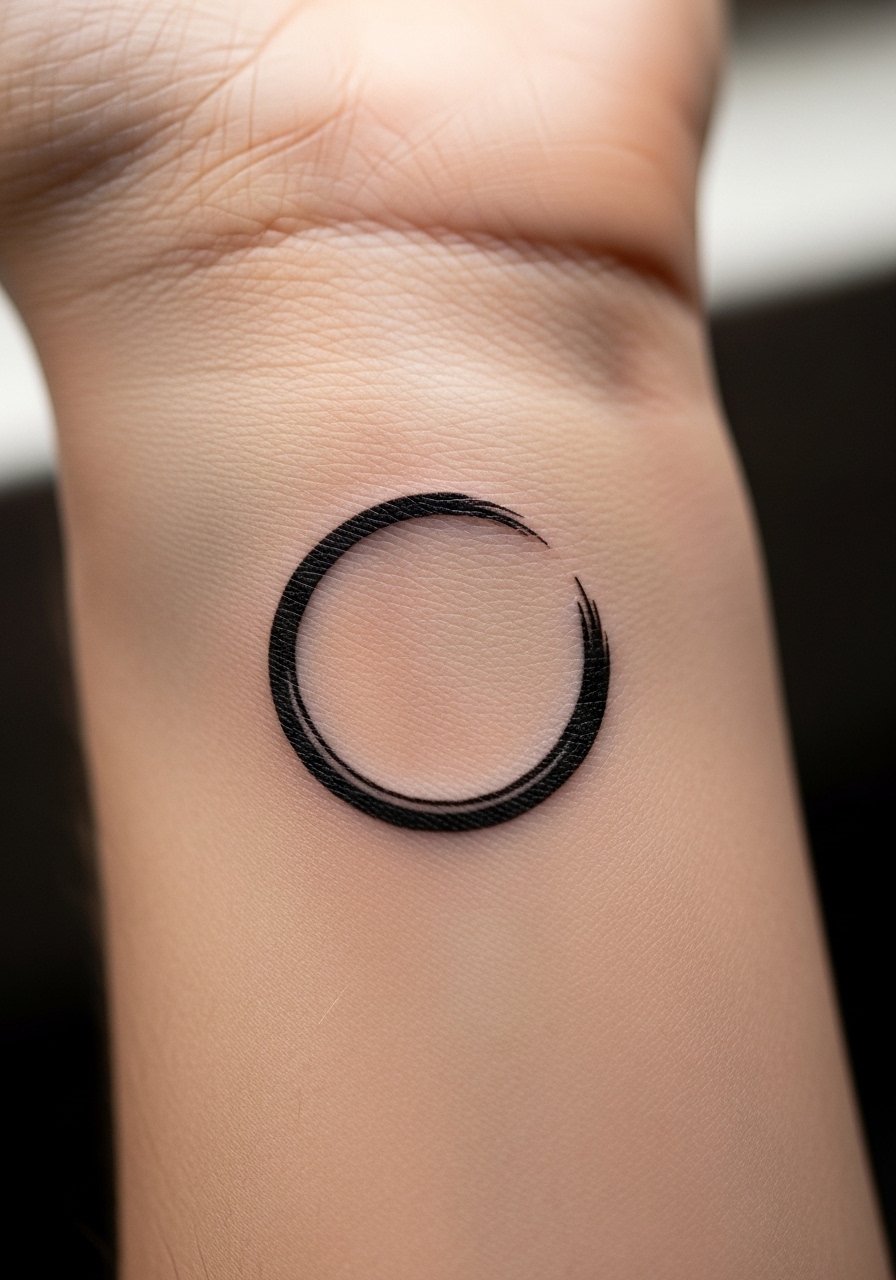
I chose an Enso for its quiet presence. The inner wrist stings but sessions are quick. The Enso is about fluidity, so ask your artist to do a confident single stroke instead of a composed series of dots. I have seen Enso circles that look shaky after healing because artists tried to mimic brush texture with too many tiny strokes. Healed at 3 months a single-stroke Enso looks serene. At 2 years the edges may spread slightly, but the overall circle survives. Ideal for someone who wants a Zen reminder in a visible but small spot.
19. Tsukimi Moon Thigh
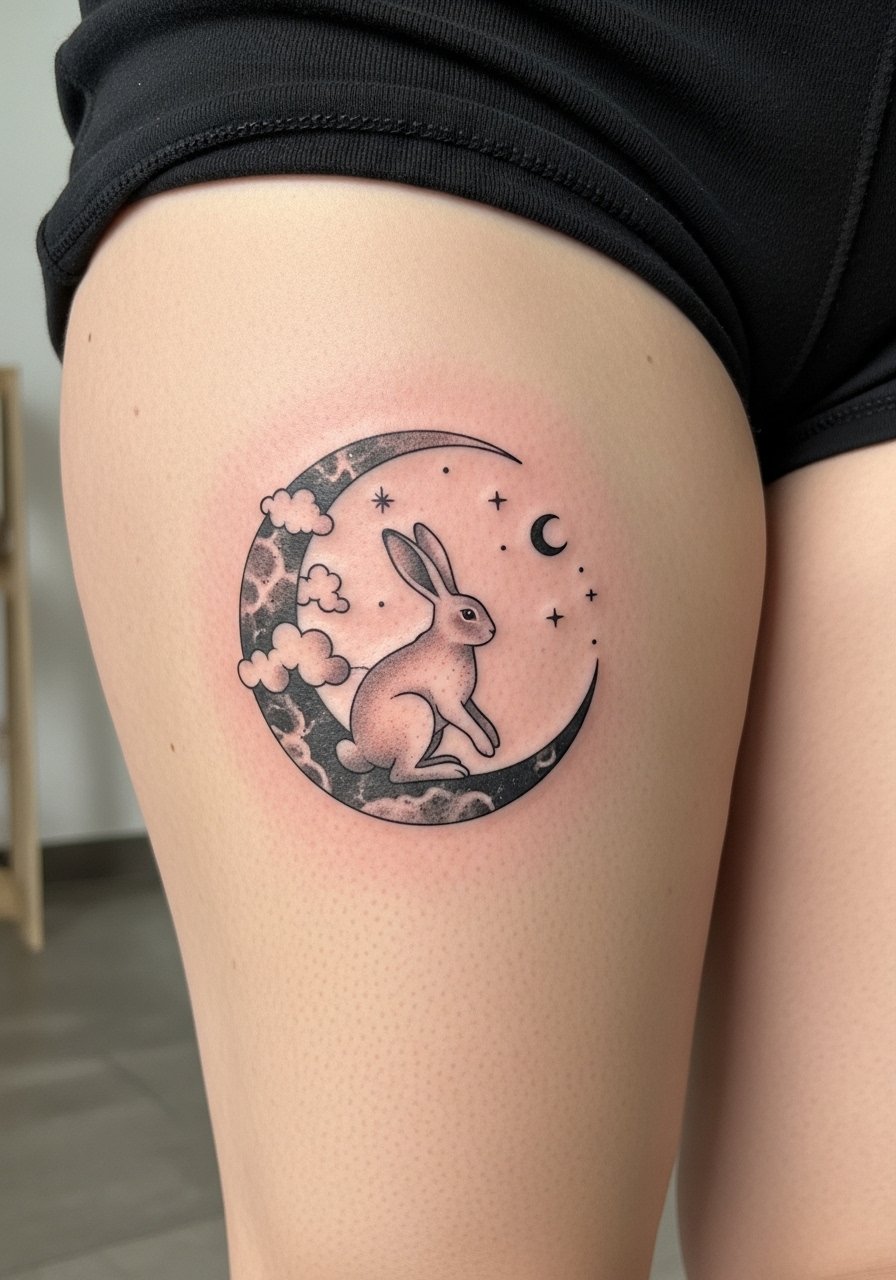
I remember a tsukimi piece that felt like a quiet story on a warm thigh. Thigh placement is low in immediate pain and great for larger, narrative scenes. Sessions can be long and relaxing. Ask for pale gray layers and a clear silhouette for the hare so it reads even with muted palette. From what I've noticed, tiny star dots blur first when spread across a thigh. Keep stars sparse and intentional. At 6 months the moon's soft shading looks beautiful. At 2 years light grays may fade if you don't moisturize. This suits someone who wants a poetic nighttime scene that can be private or shown with shorts.
20. Noh Mask Upper Back
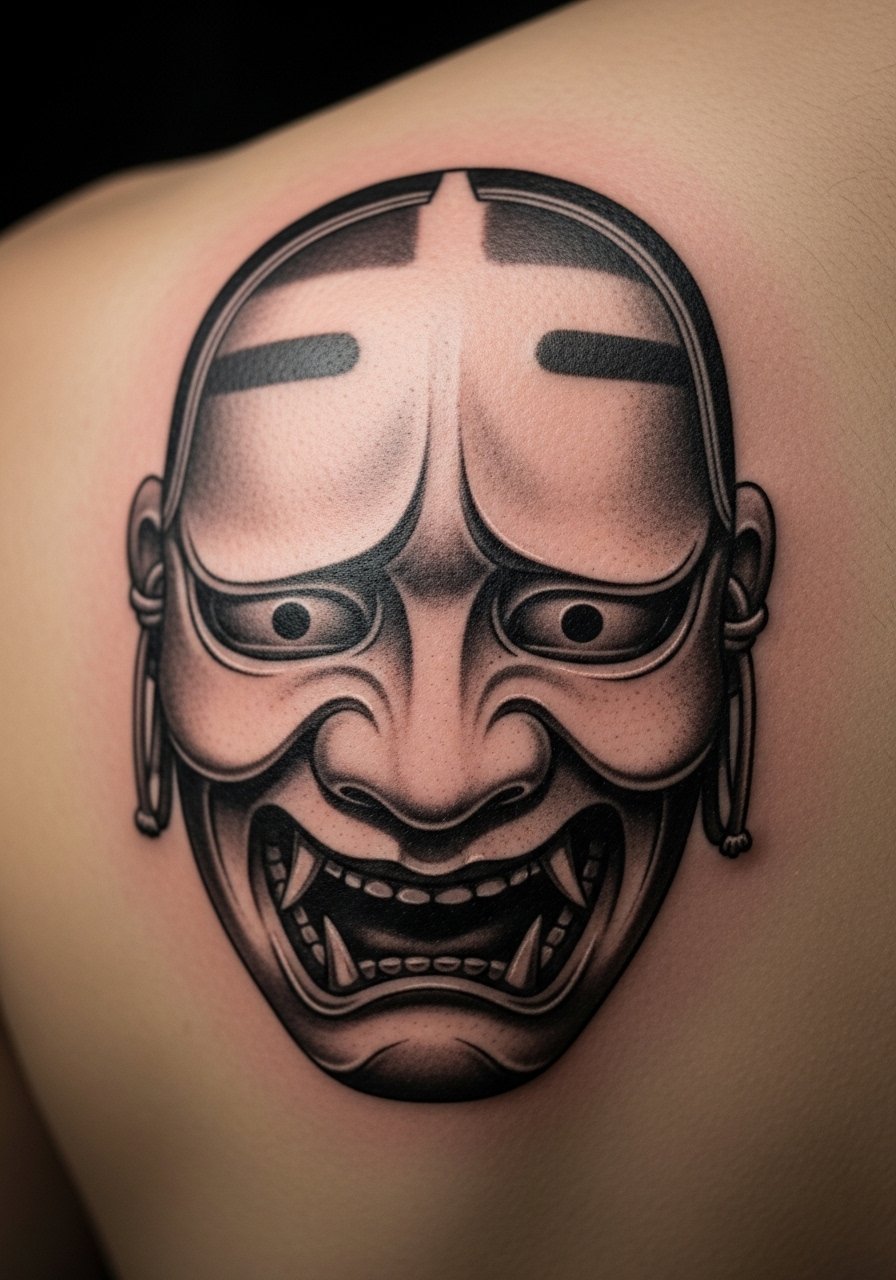
When I watched a Noh play and then saw masks tattooed, I wanted one that suggested narrative without words. The upper back is ideal for that. Pain is mild to moderate and sessions are manageable. Ask the artist to carve shadow planes so emotion reads as the piece ages. From what I've seen, over-detailing the thin mouth lines leads to early loss. Focus on broader planes and deep contrast. At 6 months the mask holds presence. At 3 years you may want a touch-up to refresh highlights. This is for someone who loves theatrical storytelling and bold placement.
21. Peony and Wave Full Sleeve
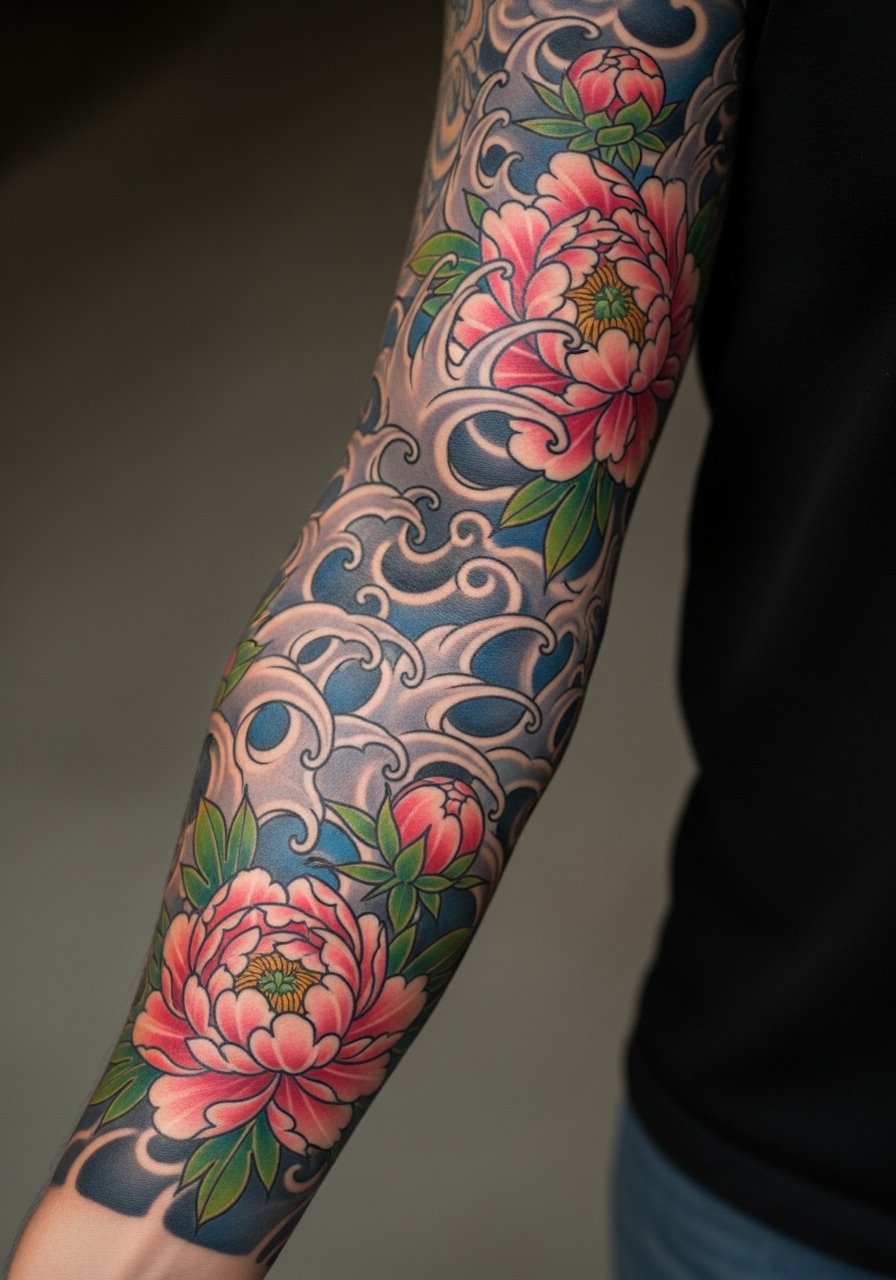
I built my first sleeve by pairing floral peony elements with dynamic waves. A full sleeve is a long-term project. Expect multiple sessions across months. Tell your artist you want the peony centers to stay bolder and the wave edges to be softer so depth remains after healing. From what I've gathered, the common error is crowding the sleeve with tiny filler patterns that become indistinct. Use large anchors and decisive negative space. At 6 months the sleeve reads cohesive. At 2 to 3 years minor softening occurs in tiny lines. This works for someone committed to a continuous narrative and willing to plan sessions and maintenance.
22. Micro-Realism Bonsai Inner Arm
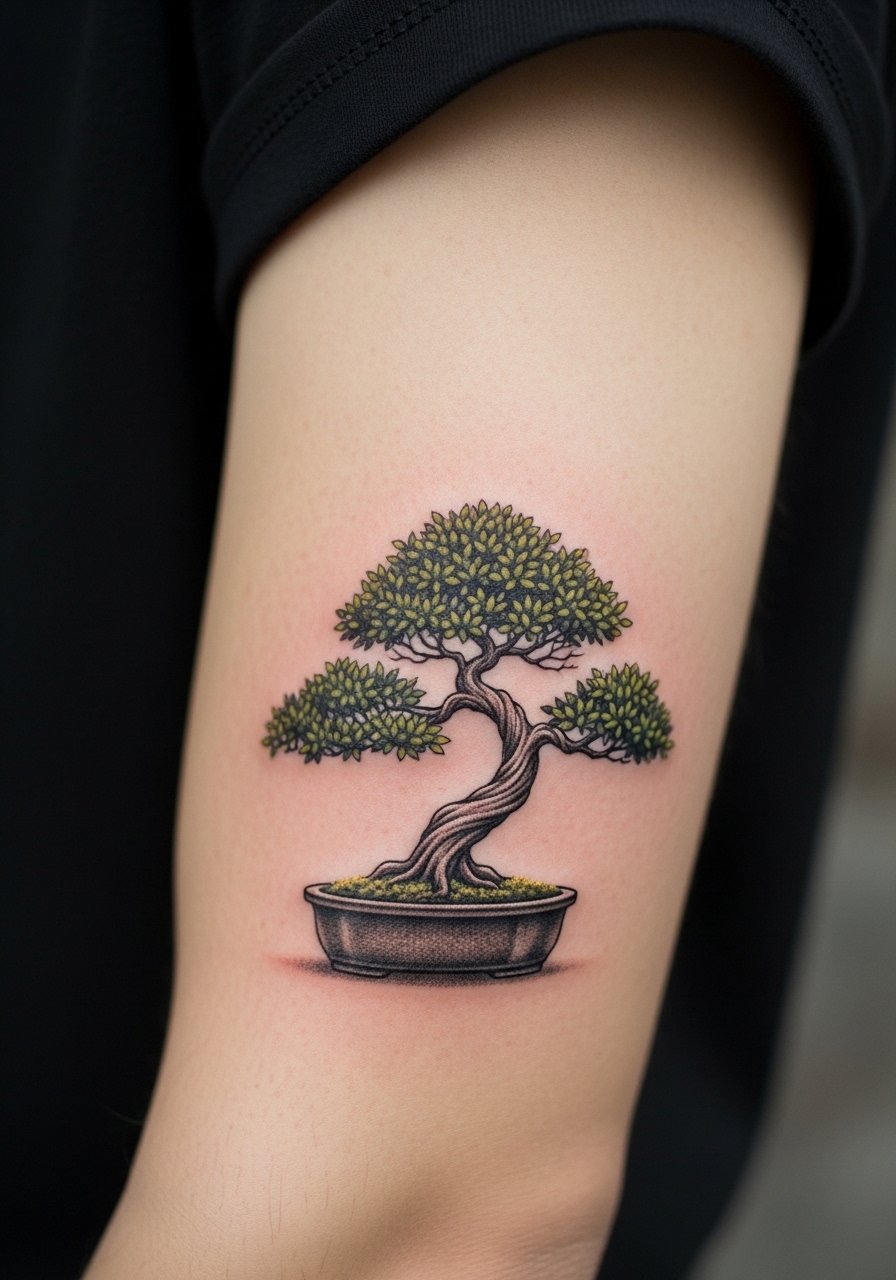
I fell for a tiny bonsai because it held a whole scene in a palm-sized area. The inner arm is forgiving for micro detail but still soft, so line weight matters. Expect a 2 hour session for a detailed mini. Tell the artist to prioritize trunk contrast and simplified leaf clusters. From what I've noticed, the mistake is over-rendering every tiny leaf. That turns into a green blur. At 6 months trunk texture survives. At 2 years leaf clusters merge without periodic touch-ups. This suits someone who wants a contemplative miniature with a lifetime of meaning.
23. Ink Wash Bamboo Side Rib
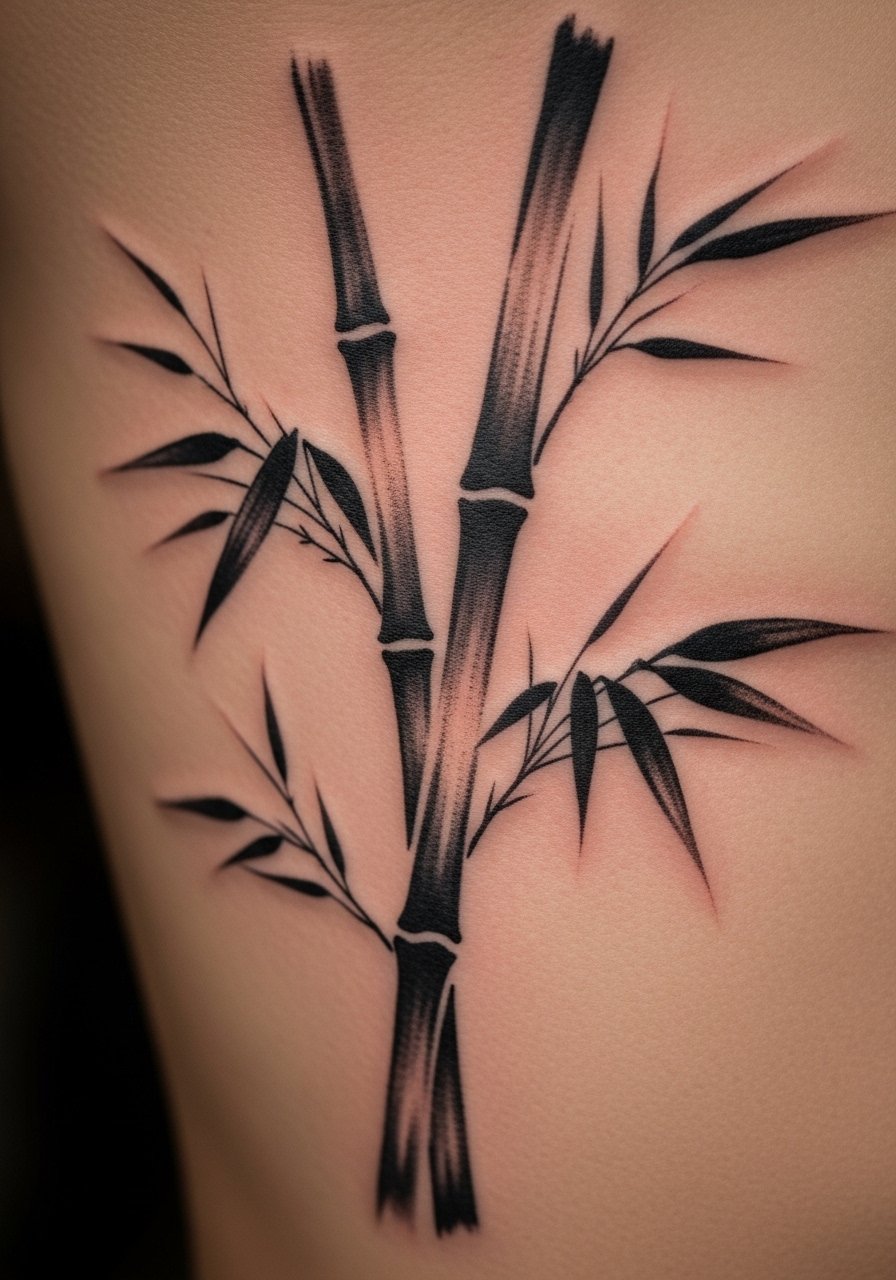
My last rib piece was an ink wash bamboo that mimicked brush strokes. Expect significant pain due to the rib area. Sessions are intense and often done in segments. Ask for varied brush pressure and open washes that respect the skin's grain. I have seen people ask for ultra-fine stalks that disappear within a year. Larger, confident strokes age far better. At 6 months the washes look organic. At 2 years the lightest washes may need reinforcement. This is for someone who wants painterly expression and accepts the pain for expressive movement.
Tattoo Prep and Aftercare Essentials
Aftercare Essentials:
- Aquaphor Healing Ointment, 14oz tube. Industry standard for first 3-5 days. I use a thin layer at night
- Saniderm Transparent Adhesive Bandage, 6-inch roll. Second skin healing method. Every artist I know recommends it for the first 24 to 72 hours
- CeraVe Fragrance-Free Moisturizing Lotion. Daily moisturizer for days 4 to 14. I prefer the pump bottle for hygiene
- Dr. Bronner's Unscented Castile Soap. Gentle cleanser for rinsing twice a day the first week. Dilute a small drop with water
Before Your Appointment:
- Numbing cream with 5% lidocaine, 30g. Apply 30 to 45 minutes before your session only if your artist approves. Some artists prefer no numbing
- Tattoo stencil transfer paper, A4 pack. Useful if you want to test placement at home before your appointment
Long-Term Maintenance:
- SPF 50 sunscreen stick for tattoos, travel size. Use on healed tattoos whenever they see sun. I carry one for beach days
- Mad Rabbit Tattoo Balm, 2 oz. Long-term maintenance for vibrancy. Artists I know recommend it for healed pieces
- Hustle Butter Deluxe, 5 oz. Vegan alternative that works during healing and after. Smells better than most aftercare
Optional Comfort Items:
- Tattoo numbing spray, 4 oz. Handy for touch-ups or sensitive areas mid-session
- Hydrocolloid bandages, large size. Good alternative to Saniderm for small to medium tattoos
Frequently Asked Questions
Q: Will fine line koi blur into each other if I make it part of a sleeve?
A: From what I've seen, fine line pieces blur faster when they sit next to heavy blackwork with no buffer. If you plan a sleeve, ask your artist to give the koi slightly bolder anchor lines and larger negative space around scales. I used CeraVe Fragrance-Free Moisturizing Lotion during the critical 2 to 14 day window and it helped keep skin supple while the lines settled.
Q: Do sumi-e or ink wash tattoos need different aftercare than traditional ones?
A: Yes. Ink wash tattoos rely on subtle gradients. From what I've gathered, avoid heavy ointments for the first 48 hours because they can sit in the washes and reduce contrast. I usually recommend cleaning with Dr. Bronner's Unscented Castile Soap and using a light moisturizer like CeraVe Fragrance-Free Moisturizing Lotion after day three. Artists I know emphasize gentle patting, not rubbing.
Q: How painful is a ribcage Hannya compared to a thigh peony?
A: In my experience ribs are far more painful. The thigh is fleshy so sessions are more comfortable and you can do longer sittings. Ribs feel sharp along bone and cartilage. Plan sessions accordingly and talk to your artist about breaks. If you want to manage pain, discuss approved numbing options with your artist, such as a Numbing cream with 5% lidocaine, 30g, but only use it if your artist approves.
Q: Will a chest or sternum torii gate need touch-ups more often?
A: From what I've seen, sternum pieces can need touch-ups sooner because the skin there stretches with breathing and clothing. To maximize longevity, ask your artist for stronger anchor lines and avoid ultra-fine detailing in the center. After healing I used Aquaphor Healing Ointment, 14oz tube sparingly in the first week, then switched to a long-term balm like Mad Rabbit Tattoo Balm, 2 oz for maintenance.
Q: How should I protect a shoulder or upper arm sleeve from sun while traveling?
A: I carry an SPF 50 sunscreen stick for tattoos, travel size. From what I've gathered, frequent reapplication after swimming or sweating maintains vibrancy. I have noticed sleeves on clients who use high SPF sticks keep color much longer. Also, cover up when possible and reapply every two hours in strong sun.
Q: Are behind-ear and wrist tattoos worth the maintenance trade-off?
A: I have a small behind-ear piece and I can say maintenance is real. Tiny lines in high-motion or exposed spots need touch-ups more often. If you want low upkeep pick bolder line weight and reserve tiny detail for less mobile placements like the upper arm or thigh. Use Hustle Butter Deluxe, 5 oz for ongoing moisturization because it keeps skin supple without heavy residue.
Q: For a full sleeve mixing peony and waves, what should I ask in my consultation?
A: Ask the artist to sketch how each anchor sits at a distance and to leave negative space so patterns don't merge. From my experience you want larger shapes at the start. Tell the artist where you want the focal point when you wear a short sleeve. Also ask about session pacing and how color layering will be staged for longevity. If they suggest constant tiny filler the design will likely age into muddiness.