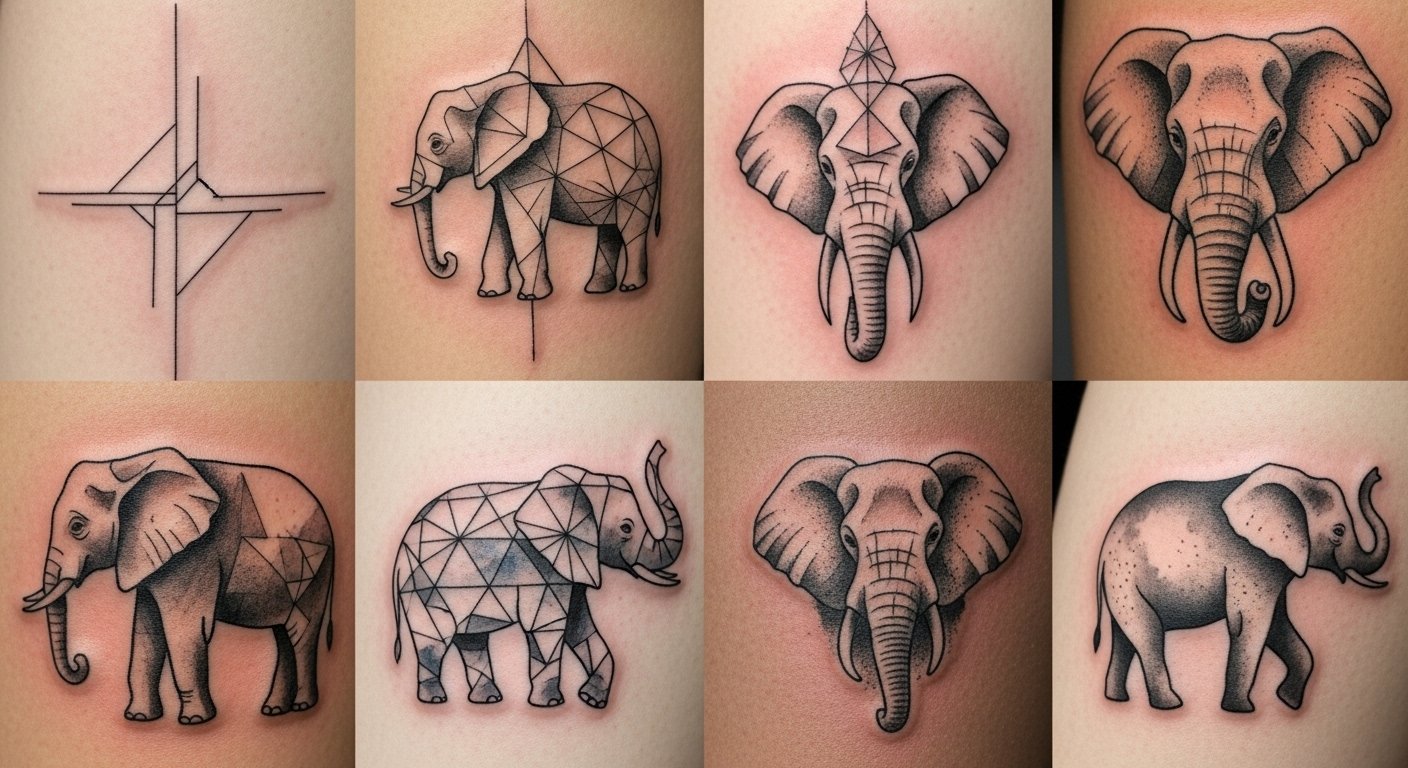
I spent months bookmarking elephant tattoos before I realized the real decision wasn't just the image—it was the style, placement, and how the piece would age. These 23 ideas focus on meaning and longevity so you pick an elephant tattoo that still feels right years from now.
This list centers on geometric, minimalist, and realism vibes with a few neo-traditional and watercolor options. These ideas work well on chest, forearm, thigh, shoulder blade, and wrist—I've noticed artists leaning into mandala and one-line elephants lately, and those styles tend to age differently healed than they do fresh.
1. Geometric Elephant Chest Tattoo
Style/Technique: Geometric / Blackwork
Pain Level: Medium (chest near sternum higher)
Session Time: Multiple short sessions or one long session
Best For: Statement piece, symbolic strength and wisdom
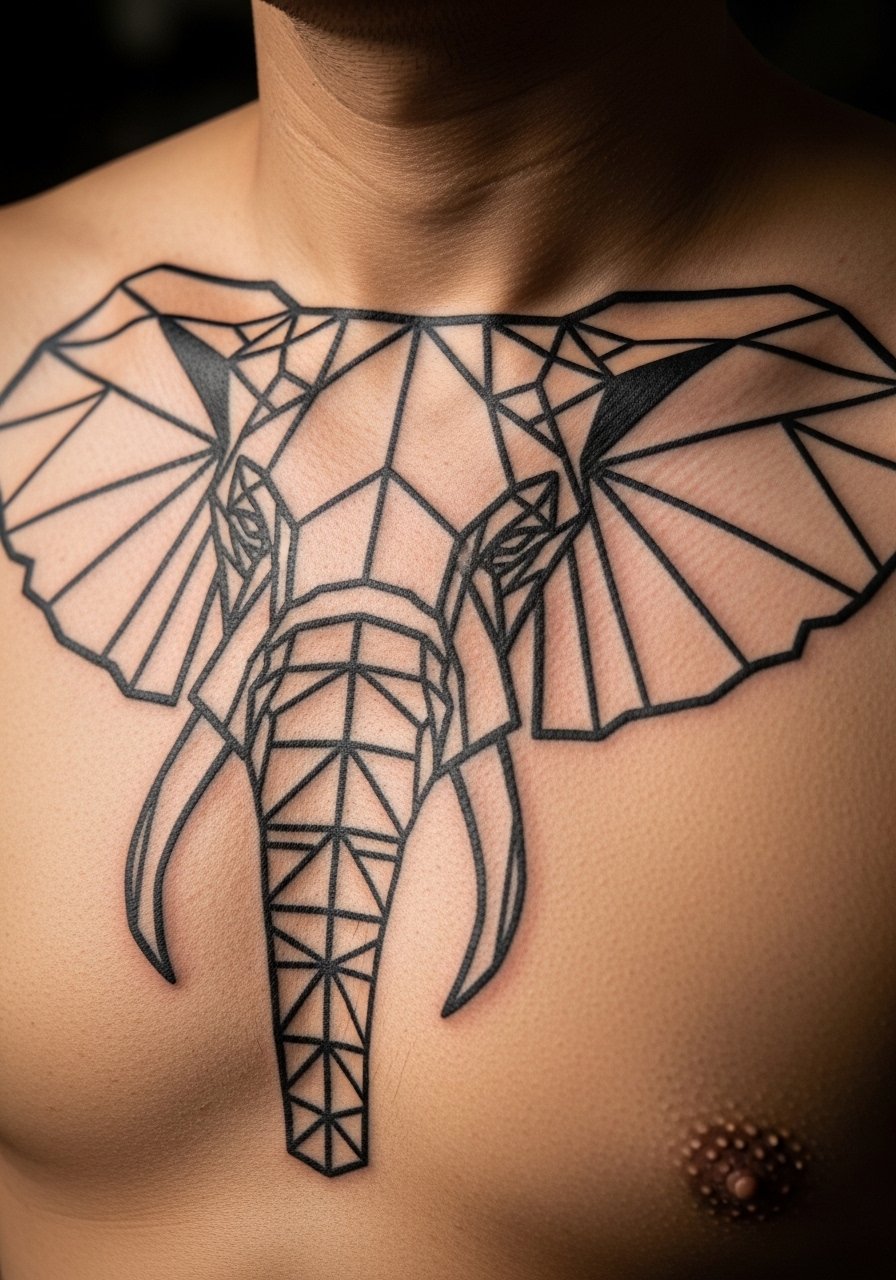
A geometric elephant on the chest reads like a modern talisman—sharp lines and negative space give a clean, timeless feeling that represents intelligence and presence. Chest placement follows the body’s natural symmetry, so ask your artist about flow across the sternum. Pain is medium; expect soreness near the bone. Geometric work needs an artist who’s steady with single-needle lines—I've seen uneven line weight blur faster when the stencil wasn’t aligned with muscle flow. Healed geometric pieces usually age well if the lines are bold enough and you protect them from sun. Don’t ask for hairline details that will vanish; request slightly thicker primary lines and discuss touch-up plans.
2. One-Line Elephant Forearm
Style/Technique: Fine Line / Minimalist
Pain Level: Low (outer forearm)
Session Time: Short session, single sitting
Best For: First elephant tattoo, subtle symbolism
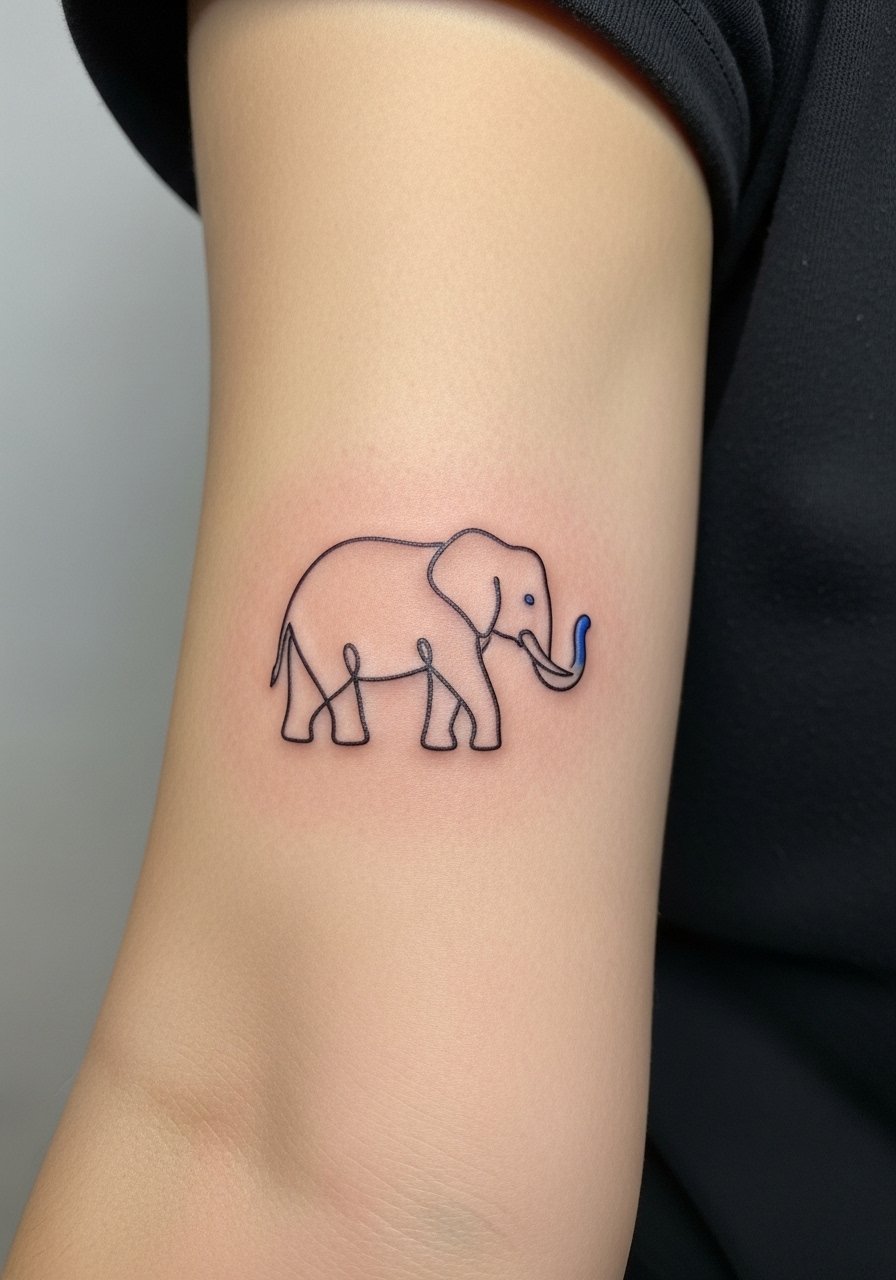
A continuous one-line elephant is perfect if you want minimalism with meaning—memory, loyalty, and quiet presence. Forearm placement lets you watch it while still hiding it under long sleeves. Pain is generally low on the fleshy forearm. From what I’ve seen, fine-line tattoos demand a precise artist because micro-blurring is the most common issue. Healed one-line pieces can lose crispness, so ask for slightly denser ink in the initial pass and plan for a touch-up if lines fade. Avoid overly decorative fills that fight the purity of the single line.
3. Realism Sitting Elephant Thigh
Style/Technique: Realism / Black & Gray
Pain Level: Low-Medium (thigh)
Session Time: Multiple sessions for shading and depth
Best For: Statement portrait, family or memory piece
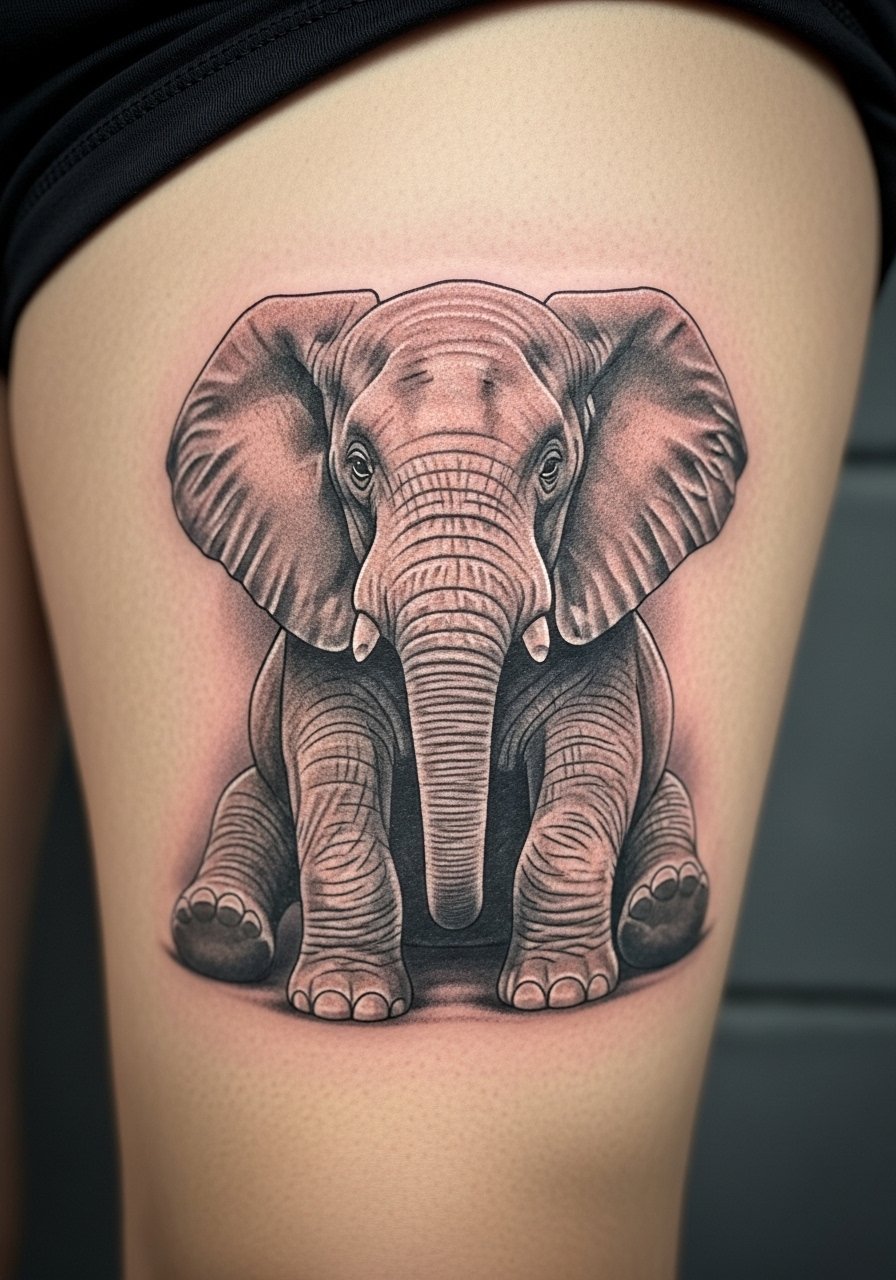
I love realism for the emotional weight it carries—a sitting elephant looks contemplative and familial. The thigh is forgiving for large, detailed work and is easy to hide. Pain is manageable; longevity of shading depends on saturation and aftercare. Realism needs an artist experienced in fine shading; otherwise the texture reads muddy once healed. One mistake I've seen is choosing too-small dimensions for realism—tiny photorealism rarely reads well after healing. Ask to see healed realism samples on similar skin tones to set expectations.
4. Half Elephant With Script On Collarbone
Style/Technique: Illustrative / Script Hybrid
Pain Level: Medium (collarbone area can be tingly)
Session Time: 1-2 sessions depending on script length
Best For: Personalized, meaningful phrase or name pairing
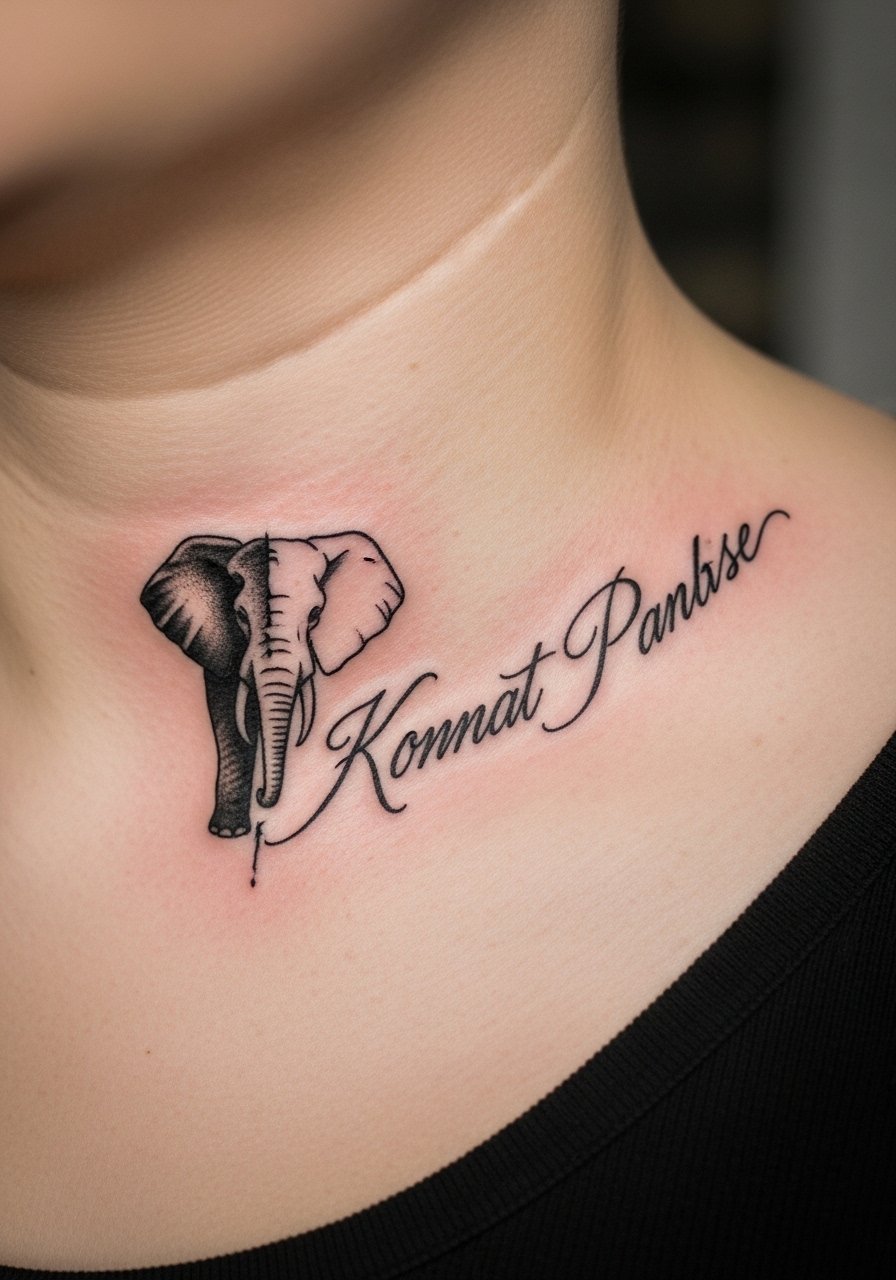
Pairing a half-elephant silhouette with a short script makes the piece personal without becoming a portrait. Collarbone placement reads intimate and looks great with jewelry. Expect medium pain near the bone and some tenderness after. Script needs an artist who writes well in tattoo form—sloppy lettering is the most common regret. From my experience, keep phrases short and choose a lettering style that matches the elephant’s mood (delicate script for subtlety, block lettering for boldness). Protect this area from sun to preserve ink edges.
5. Elephant Mandala Upper Arm
Style/Technique: Mandala / Geometric
Pain Level: Low-Medium (upper arm)
Session Time: Multiple sessions for detail
Best For: Spiritual symbolism, balanced composition
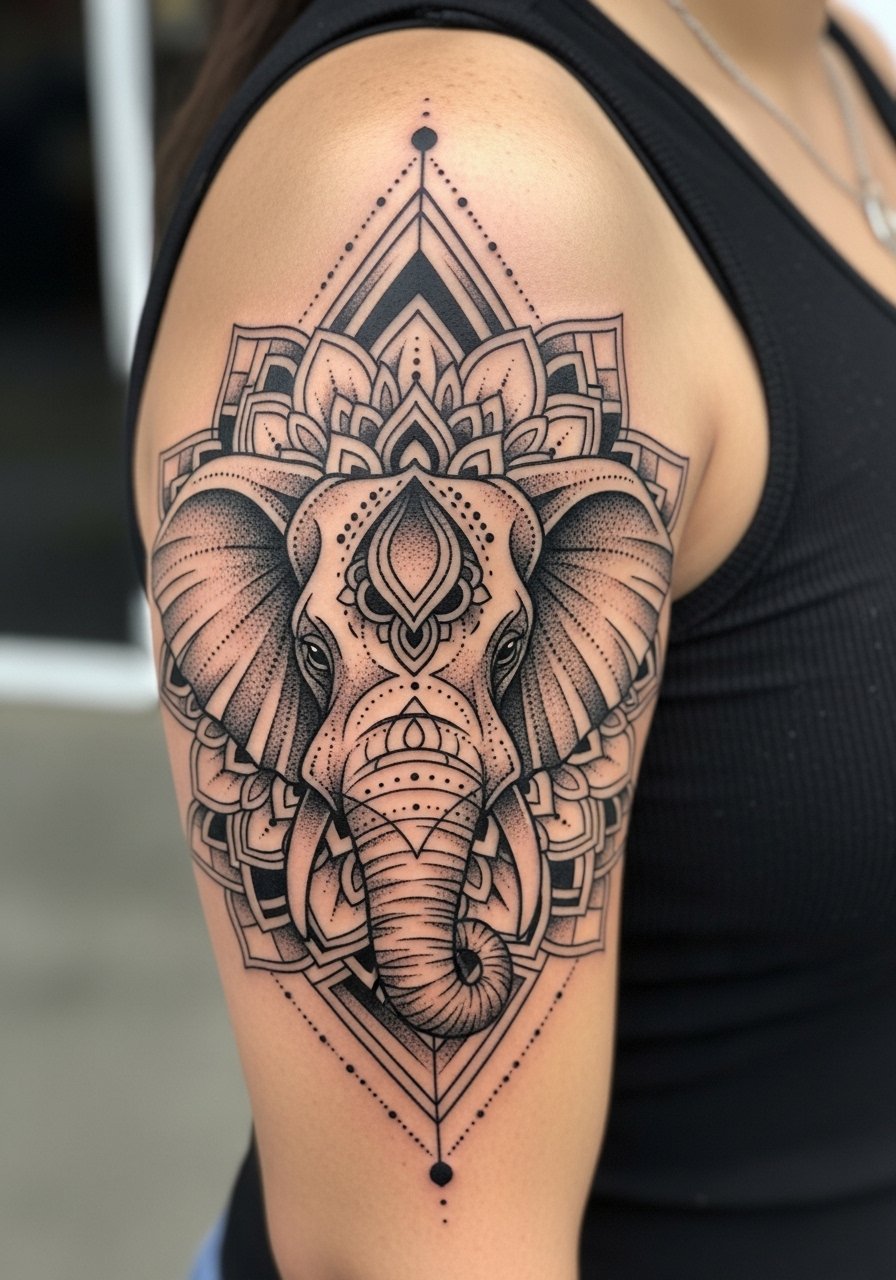
Mandala elephants blend spiritual geometry with the animal’s wisdom symbolism—great for people who want meditation or harmony vibes. Upper arm placement is forgiving and sits well with clothing. Mandala detail ages well if the artist spaces lines correctly; too-fine dots and lines can blur. A common error is packing too much tiny detail into a small area—ask your artist to scale the mandala so patterns read clearly healed. Dotwork and black geometric fills tend to hold up longer than tiny colored accents.
6. Vintage Blue Neo-Traditional On Bicep
Style/Technique: Neo-Traditional / Color
Pain Level: Low-Medium (bicep)
Session Time: 2-3 sessions for color layering
Best For: Color lovers who want a fantasy vibe
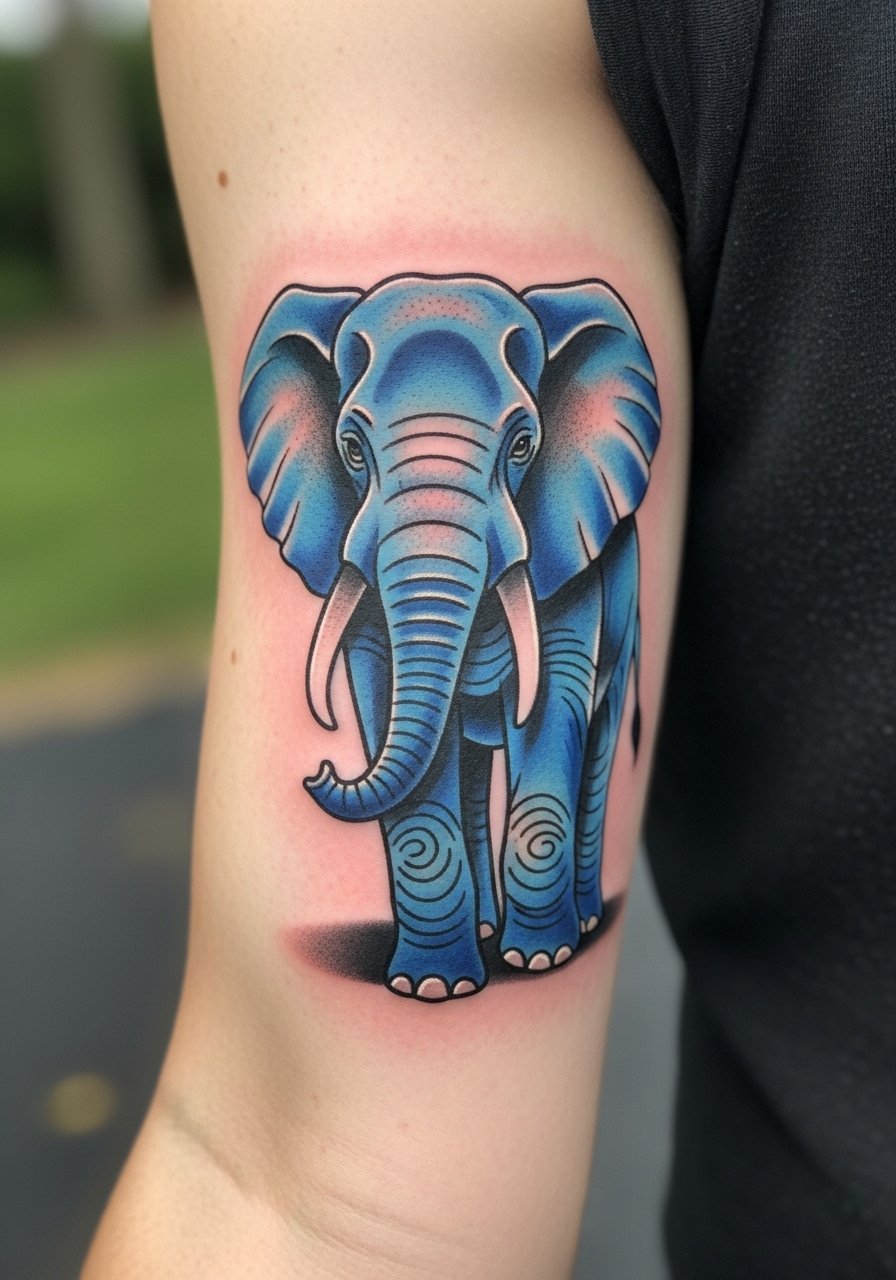
A vintage blue elephant leans into fantasy and uniqueness—blue tones make the design feel nostalgic and distinctive. The bicep is a great canvas for color saturation and muscle flow. From what I’ve noticed, color ages differently across skin tones; blue can hold beautifully but needs proper saturation and long-term sun protection. Avoid pastel washes that flatten—ask for richer pigments and layered packing. If you want color to last, plan on follow-up sessions to refresh saturation as the piece ages.
7. Circles + Arrow Forearm Diamond Elephant
Style/Technique: Abstract / Geometric-Realism Hybrid
Pain Level: Low (forearm)
Session Time: 1-2 hours for medium piece
Best For: Modern, narrative pieces that combine scenery and symbol
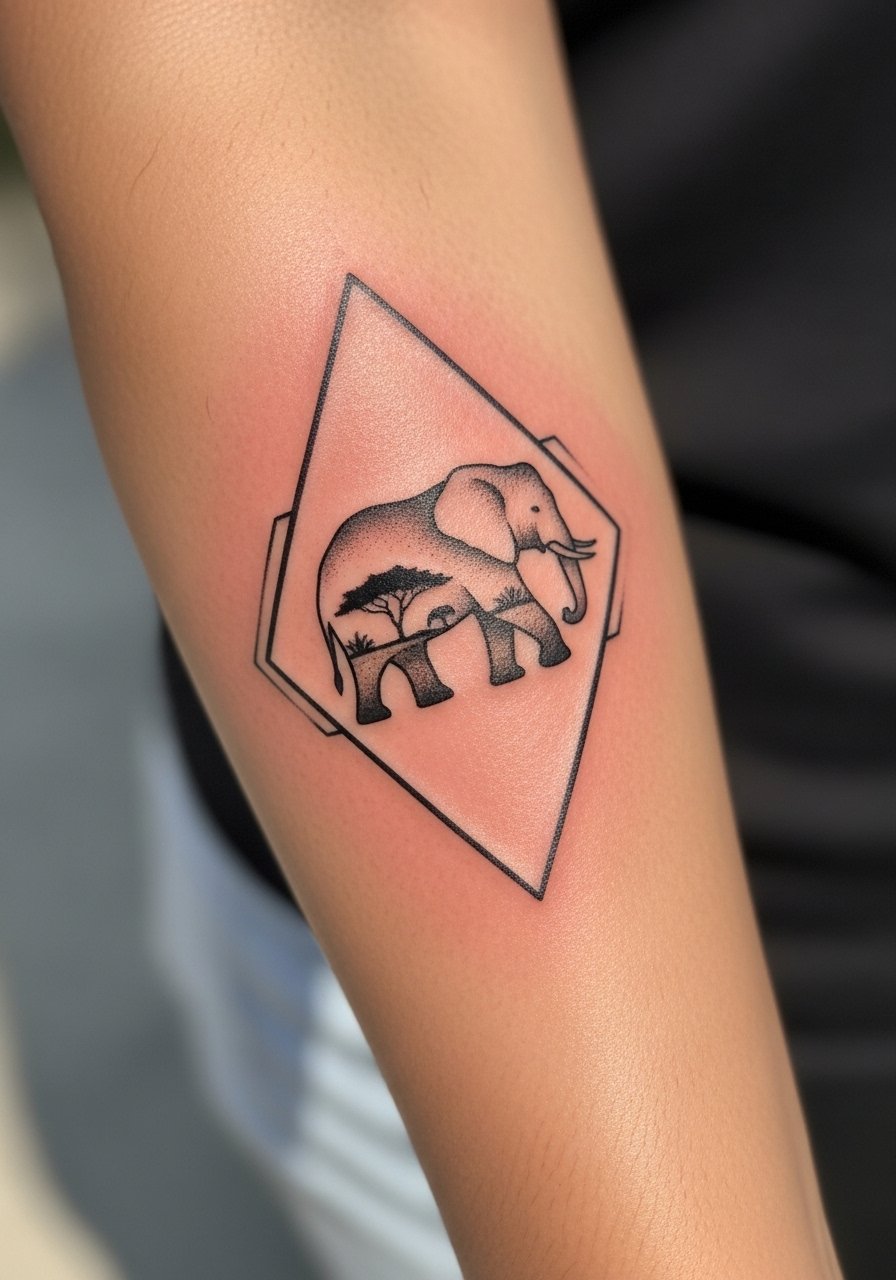
I like the circles-and-arrow layout because it lets you nest a tiny scene inside an abstract frame—an elephant silhouette with distant trees feels poetic. Forearm placement is visible but easy to cover. Pain is low; aging is typically fine for bold lines but the tiny internal scenery needs careful scaling. A frequent mistake is squeezing too much landscape detail into the diamond—ask the artist to simplify or focus on silhouette contrasts so it stays legible healed. This style benefits from a mix of geometric precision and gentle shading.
8. Dandelion And Elephant Ankle
Style/Technique: Illustrative / Floral Hybrid
Pain Level: High (ankle bone areas can be sharp)
Session Time: 1 session for small-medium pieces
Best For: Symbolic healing and letting go, delicate placements
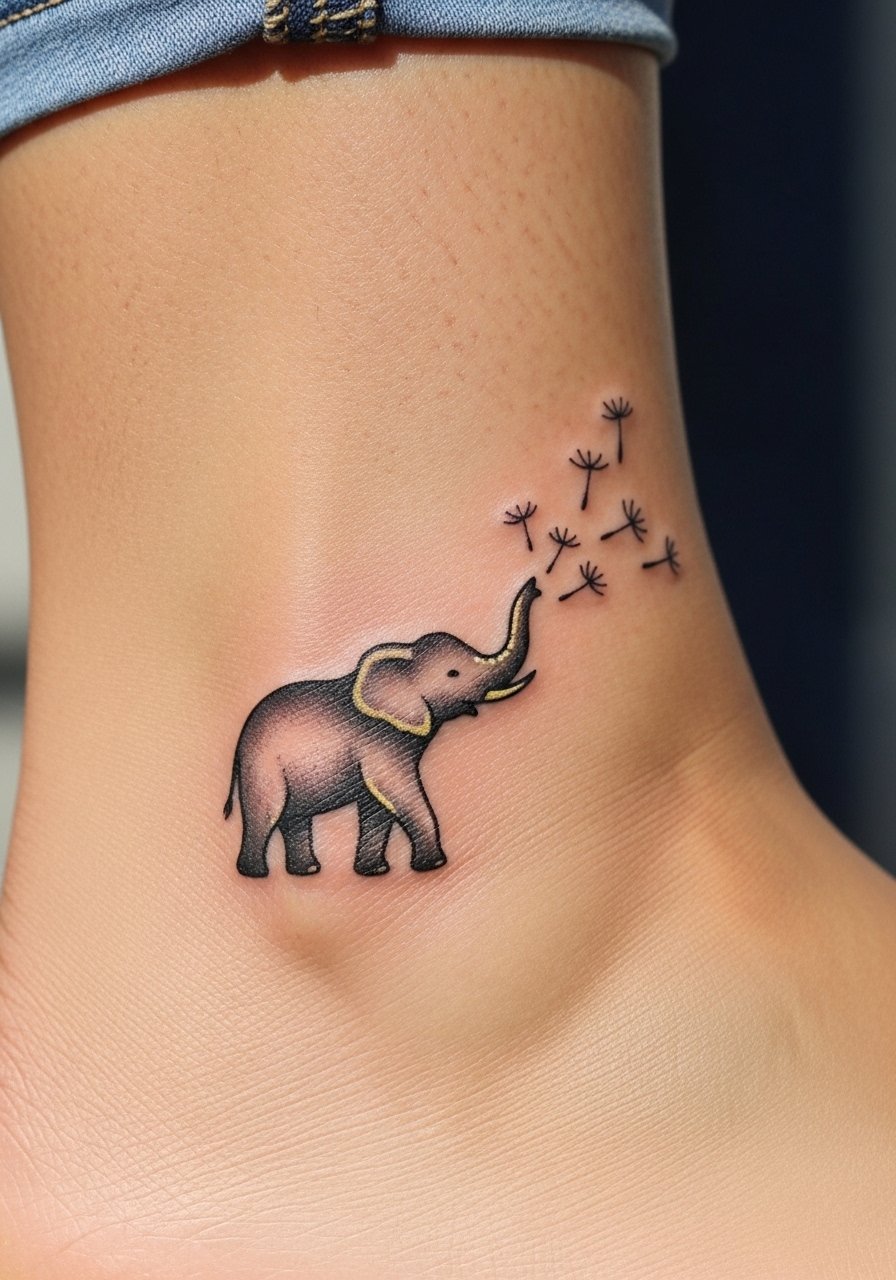
Combining a dandelion with an elephant creates a soft narrative about healing, release, and memory. The ankle gives a low-profile placement but remember the bone makes it one of the more painful spots. Fine details and tiny seeds can blur if too small—I've seen seed dots disappear into skin texture. For longevity, ask your artist to slightly enlarge focal elements and consider black-and-gray for the smallest details. Keep this area moisturized and avoid tight footwear while healing.
9. Floral Watercolor Elephant Inner Arm
Style/Technique: Watercolor / Floral
Pain Level: Medium (inner arm can be tender)
Session Time: Multiple sessions for color layering
Best For: Feminine, vibrant pieces emphasizing growth
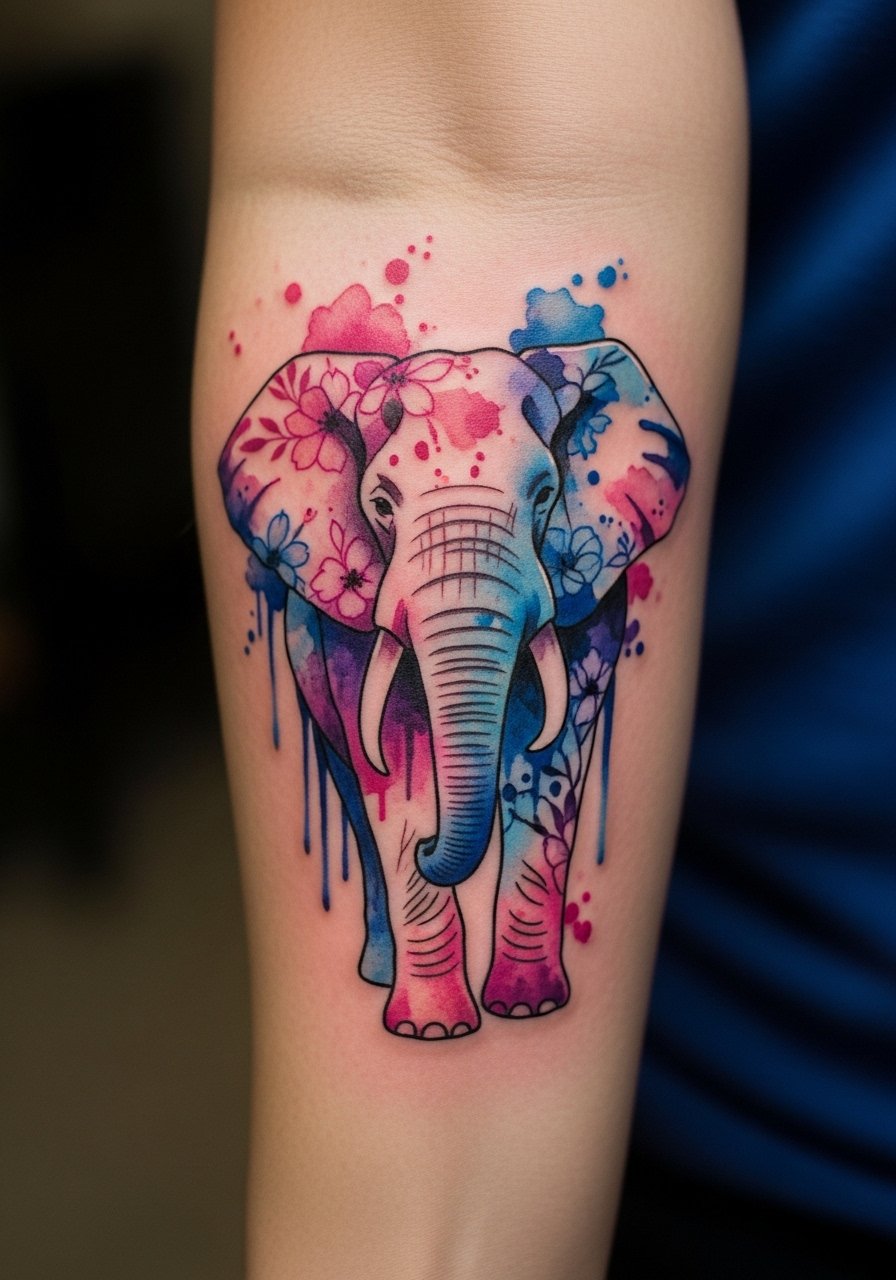
A floral watercolor elephant reads like growth and family—bright pigments and soft edges make it feel alive. The inner arm offers a private canvas but is a bit more sensitive than the outer arm. From my experience, watercolor styles need strong line anchors; otherwise colors can bleed into skin texture and age unevenly. Ask for bold outlines at key points or a neo-traditional mix to keep the piece readable. Use high-SPF sunscreen long-term to protect color vibrancy.
10. Bird And Elephant Shoulder Blade
Style/Technique: Neo-Traditional / Color Accents
Pain Level: Low (shoulder blade)
Session Time: 1-2 sessions
Best For: Symbolic combos—loyalty meets freedom
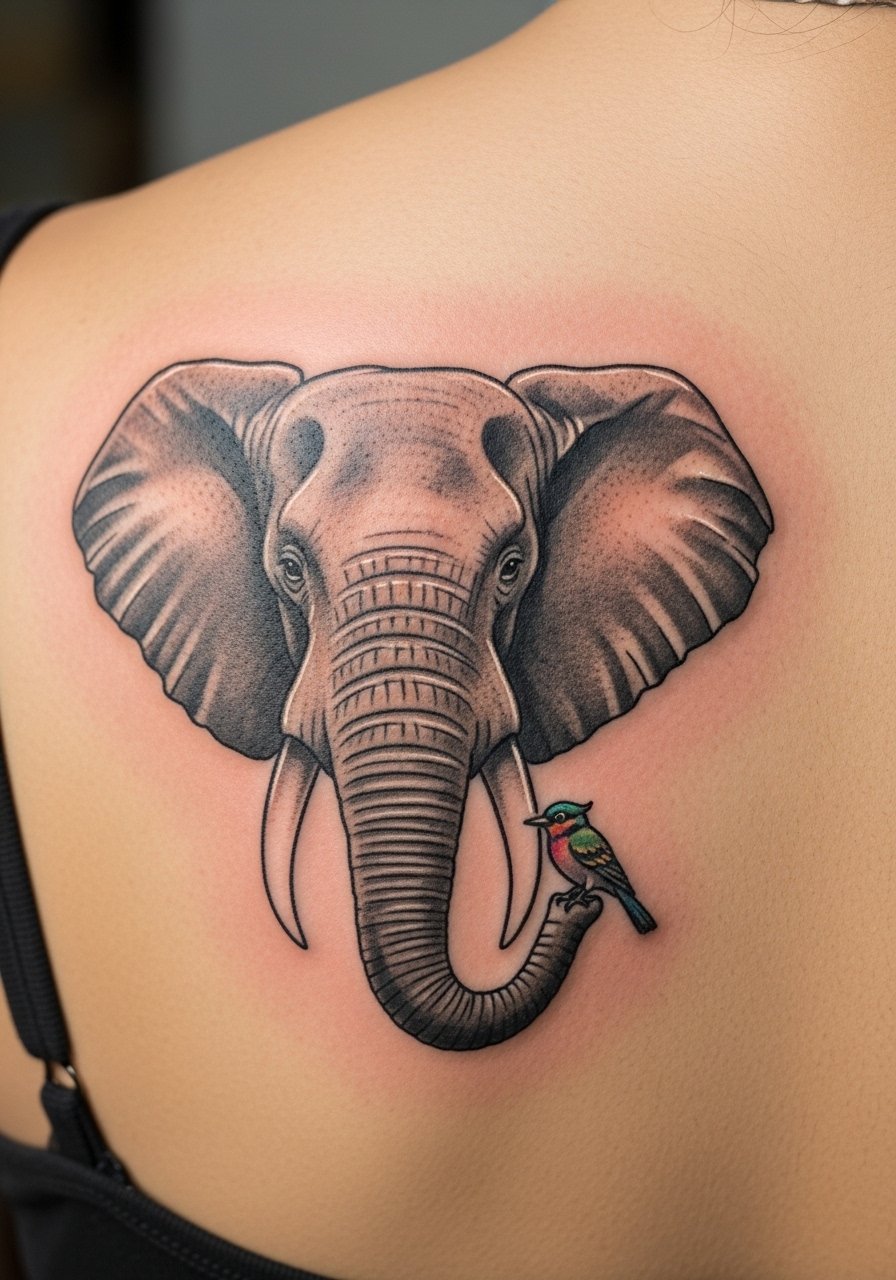
Pairing a bird with an elephant symbolizes the balance between loyalty and freedom. Shoulder blade placement sits nicely under clothing and moves naturally with the scapula. Pain is usually low. Small birds with delicate color highlights can remain crisp if the ink is well-saturated. A common oversight is making the bird too tiny—scale the bird to complement the elephant so both elements age gracefully. Request healed photos from your artist of similar compositions.
11. Triquetra Elephant Shoulder
Style/Technique: Symbolic / Geometric
Pain Level: Low (upper shoulder)
Session Time: Short session for small-medium piece
Best For: Hidden symbolism and elemental meaning
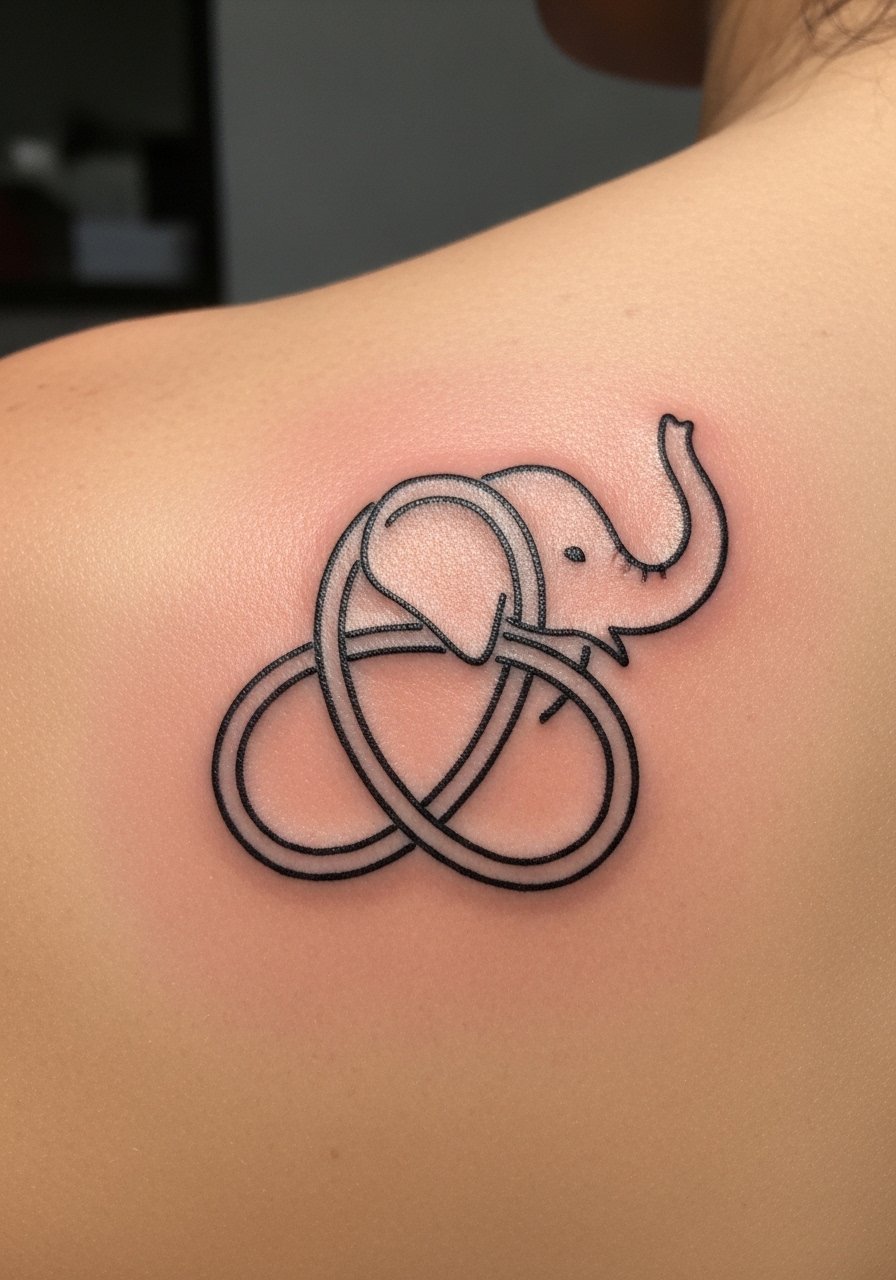
A triquetra elephant embeds nature's elements into a simple symbol—great if you want layered meaning without large scale. Upper shoulder placement is subtle and low-pain. Triquetra designs need balanced negative space; when the triangles are too tight the design blurs. I've found asking the artist to show a stencil on your skin first helps you visualize flow. This style suits someone who likes symbolic tattoos that read clearly healed.
12. Minimalist Elephant Silhouette Wrist
Style/Technique: Minimalist / Outline
Pain Level: Medium (wrist has thin skin)
Session Time: Short session
Best For: Small elephant tattoo, first-timers, daily reminder
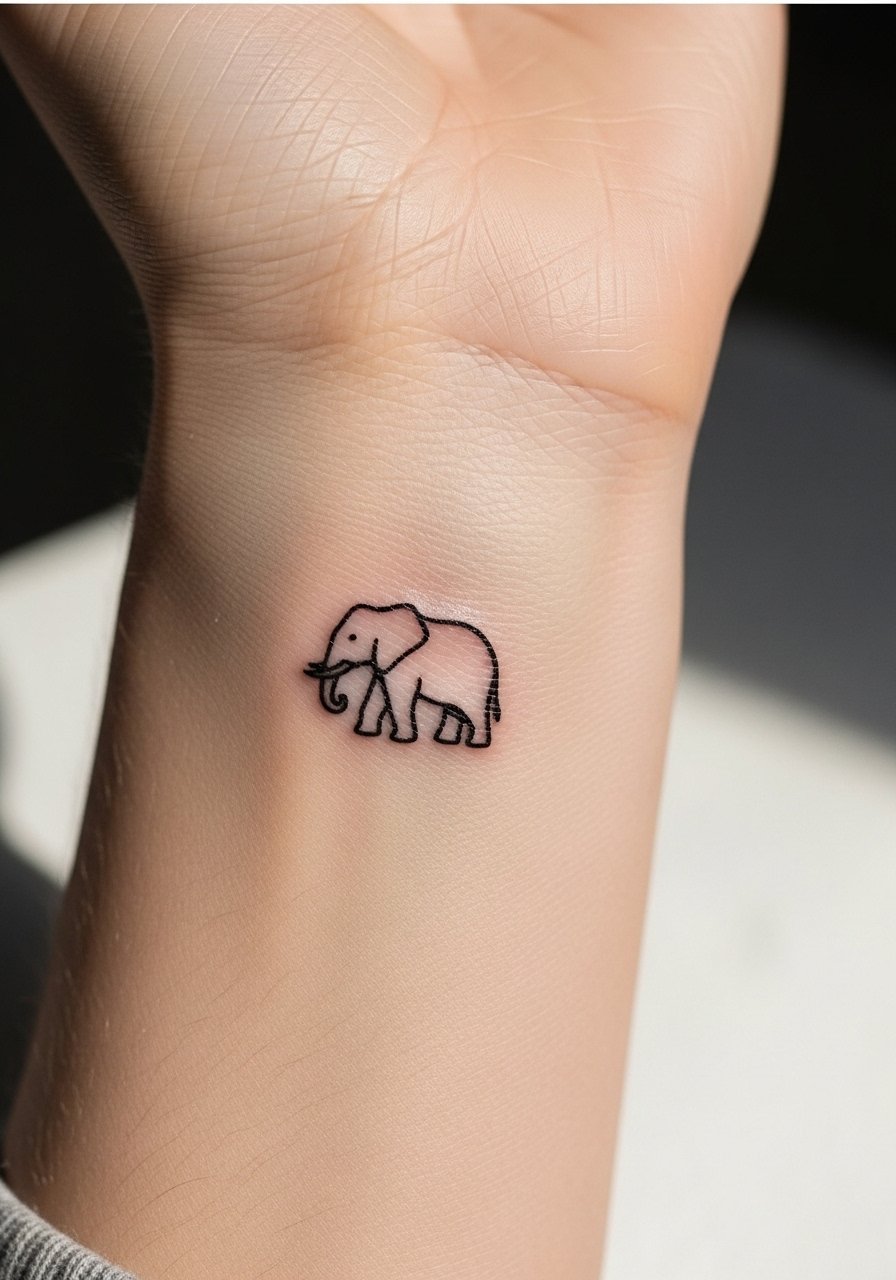
A minimalist wrist silhouette is a quiet statement—memory, loyalty, and presence in a small package. The wrist is visible and can feel sensitive during inking. From what I've seen, small wrist tattoos can blur if lines are too thin; ask the artist to keep core lines slightly bolder than you'd expect. Avoid ultra-detailed fill in this area. Regular sunscreen and moisturizing help keep a tiny piece crisp over time.
13. Tribal African Elephant Large Back Piece
Style/Technique: Tribal / Blackwork
Pain Level: Medium-High (large area, long sessions)
Session Time: Multiple long sessions
Best For: Cultural homage, bold ancestral symbolism
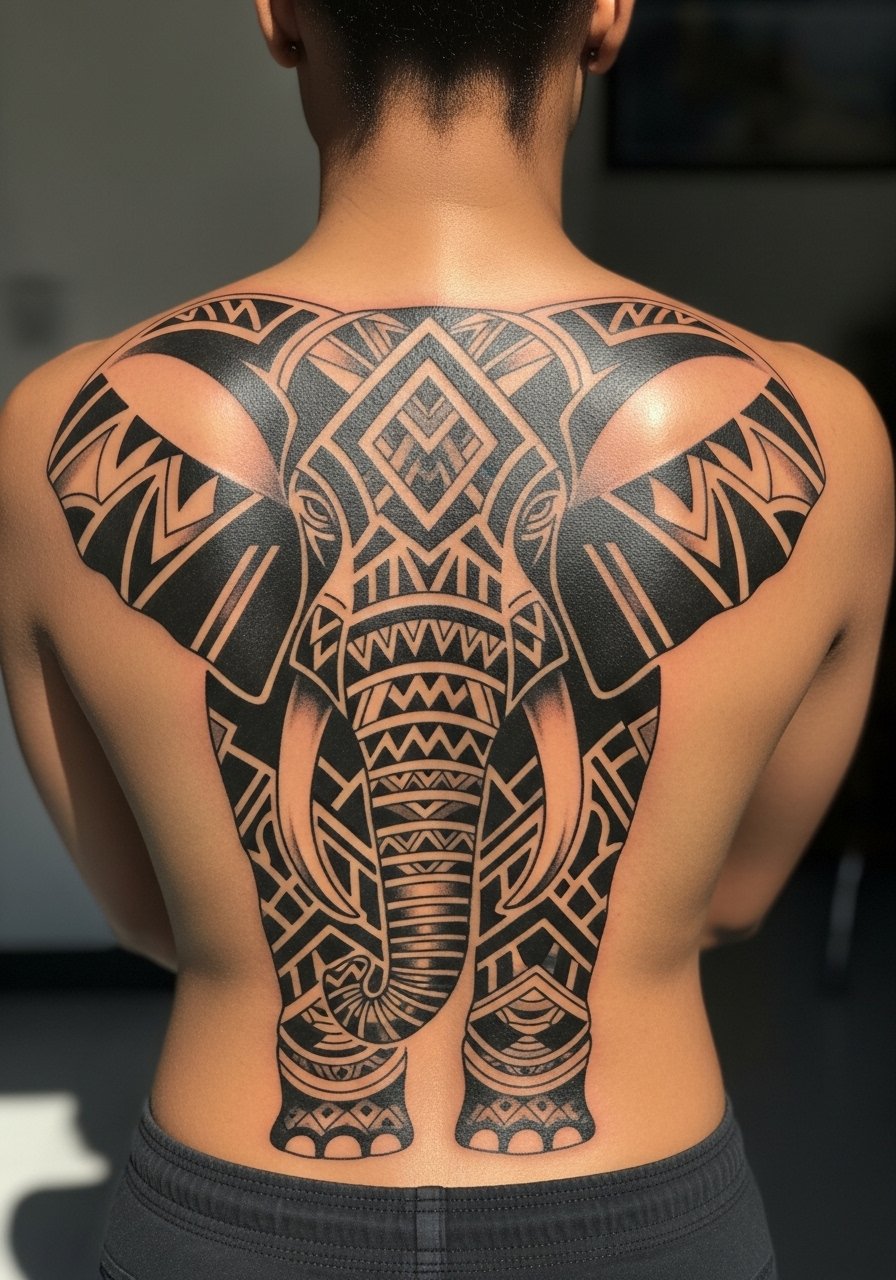
A tribal African elephant uses bold shapes to convey ancestral wisdom and resilience—it's a powerful visual when done respectfully. The back offers a grand canvas but requires stamina for long sessions. Tribal blackwork tends to age well because of heavy pigment, yet small negative-space details can soften. A big mistake is asking for culturally-specific motifs without discussing meaning—I've learned it's important to be mindful of symbolism and collaborate with your artist on respectful design. Ask for portfolio examples of large blackwork on similar skin tones.
14. Watercolor Sleeve Elephants On Forearm
Style/Technique: Watercolor / Large Composition
Pain Level: Medium (forearm to elbow)
Session Time: Multiple sessions for saturation and blending
Best For: Bold color lovers, flowing narrative pieces
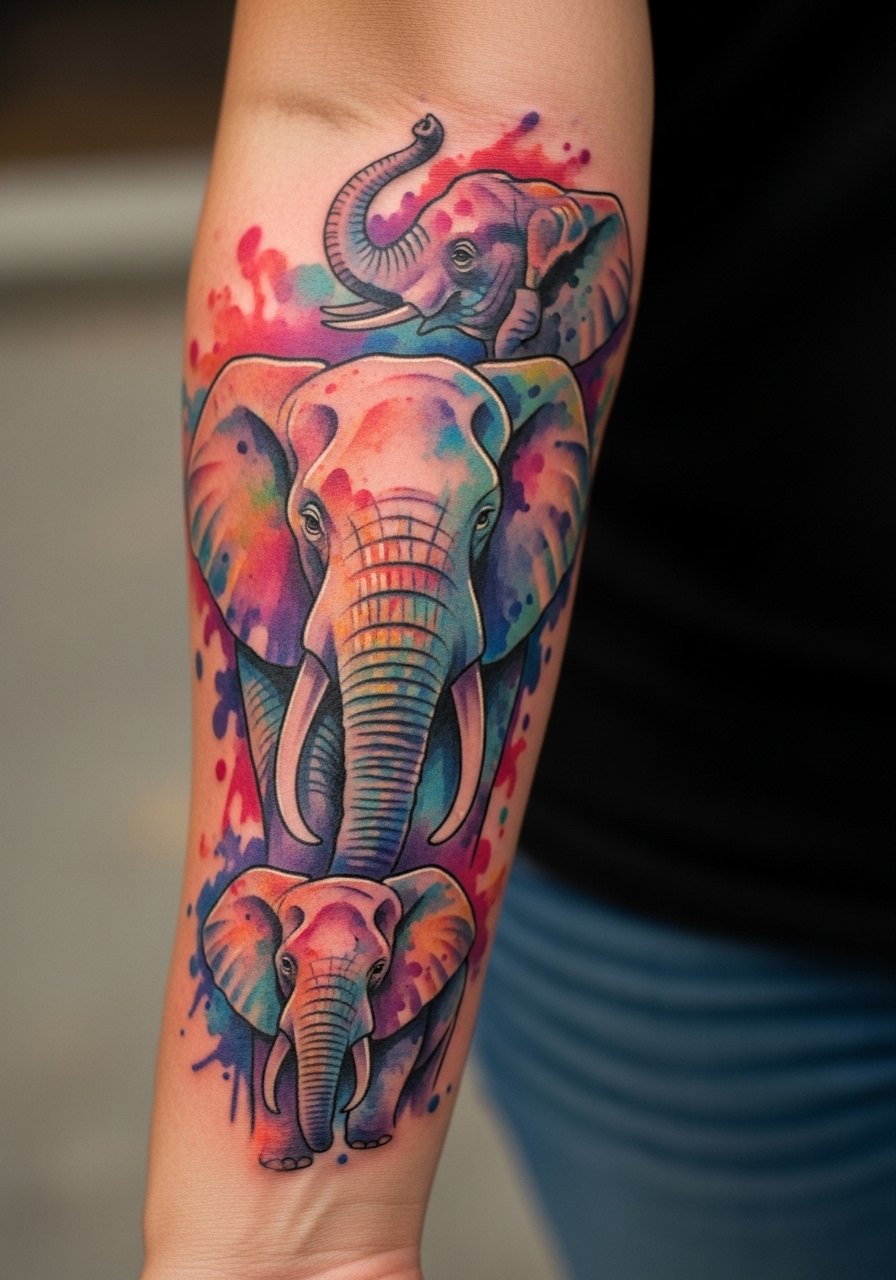
A watercolor sleeve lets you tell a story—multiple elephants, color splashes, and floral elements create motion. Forearm-sleeve work requires color layering; expect several sessions. From what I've seen, watercolor needs anchor lines or neo-traditional elements to prevent colors from becoming a blur after healing. Ask your artist how they plan to retain contrast over time. Long-term care with SPF and occasional touch-ups will keep colors from going flat.
15. Micro-Realism Baby Elephant Calf
Style/Technique: Micro-Realism / Fine Detail
Pain Level: Medium (calf has moderate sensation)
Session Time: Single focused session for detail
Best For: Tiny portrait of a pet or symbolic youth
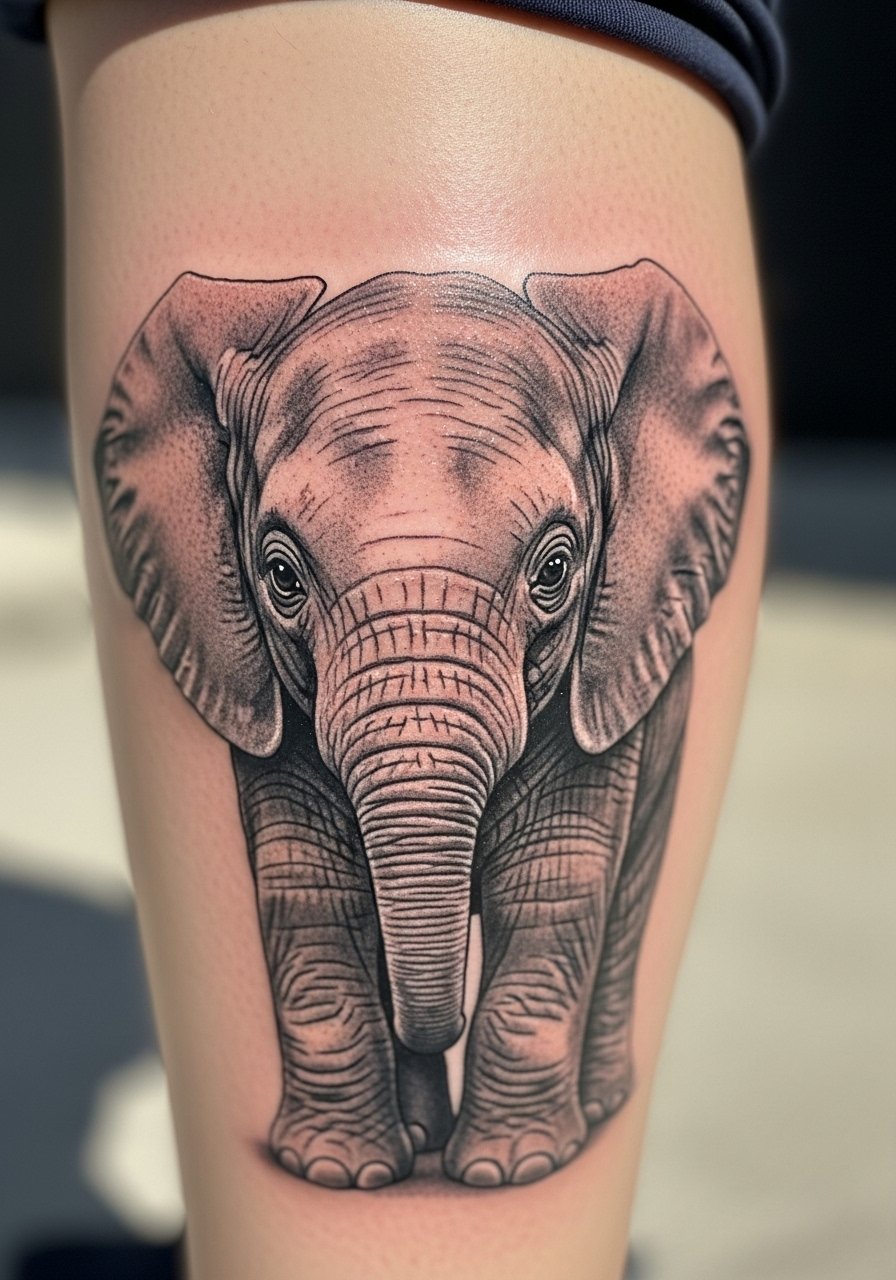
Micro-realism can be incredibly moving; a tiny baby elephant captures tenderness without a large footprint. Calf placement is forgiving and great for small portraits. The big caveat is scale—micro details often need touch-ups, and tiny shading can settle differently across skin types. I've seen artists recommend leaving slightly more space between shaded tones so gradients remain readable healed. If you go micro-realism, request healed photos of similar small-scale portraits from your artist.
16. Mother-and-Baby Chest Pairing
Style/Technique: Illustrative / Black & Gray
Pain Level: Medium (chest/upper sternum areas vary)
Session Time: Multiple short sessions
Best For: Family symbolism, memorial pieces
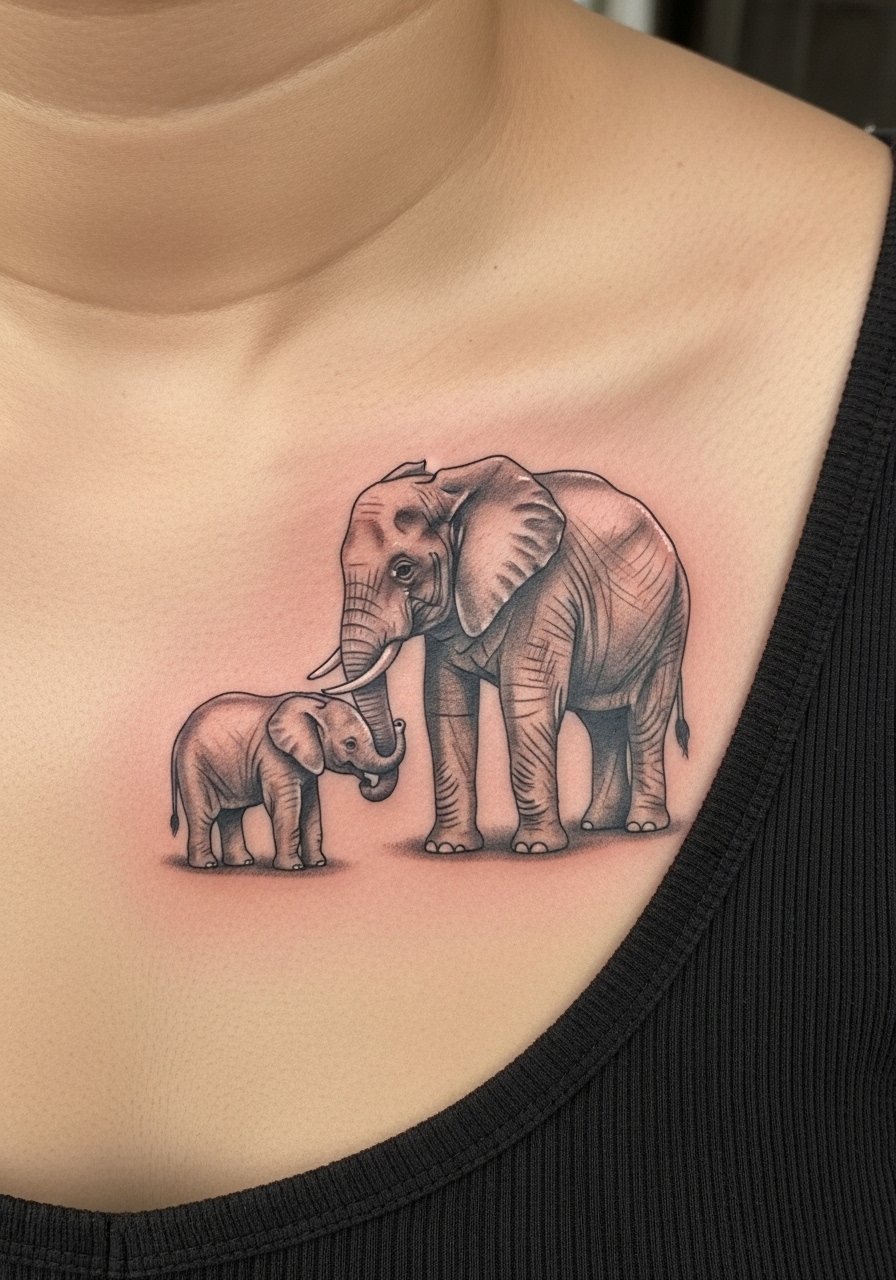
A mother-and-baby elephant across the chest is a classic symbol of family and protection. Center-chest placement reads intimate and meaningful. Pain varies—near bone is sharper. Shading depth matters for emotional resonance; too-flat shading reads lifeless once healed. I've seen people regret tiny separation between figures—ensure enough spacing so both silhouettes age clearly. This composition benefits from an artist skilled in portrait spacing and soft gradients.
17. Elephant With Lotus On Ribcage
Style/Technique: Illustrative / Floral-Symbolic
Pain Level: High (ribcage is one of the top-pain areas)
Session Time: 1-2 sessions depending on size
Best For: Spiritual rebirth, deep personal meanings
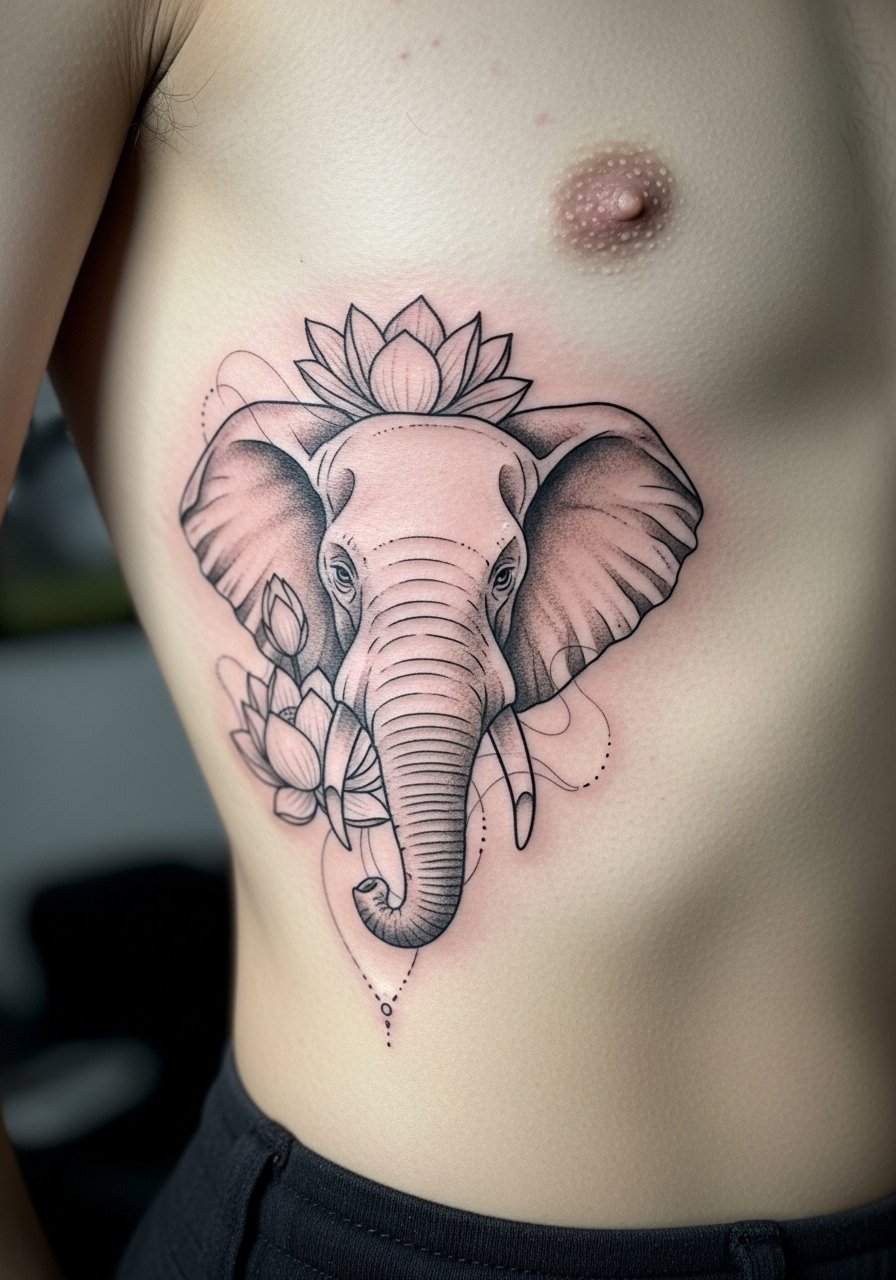
Pairing an elephant with a lotus on the ribcage gives the tattoo a spiritual rebirth connotation. Rib work hurts more, so be prepared—I've talked to people who paced their sessions for comfort. Tiny petals and fine shading risk losing clarity if packed too tight; scale the lotus to balance with the elephant. This placement is intimate and looks great under clothing; discuss how the design curves with your body so it reads healed and natural.
18. Constellation Elephant Upper Back
Style/Technique: Minimalist / Dotwork + Fine Line
Pain Level: Low (upper back)
Session Time: Short session for small-medium piece
Best For: Subtle symbolism—guidance, memory mapped to stars
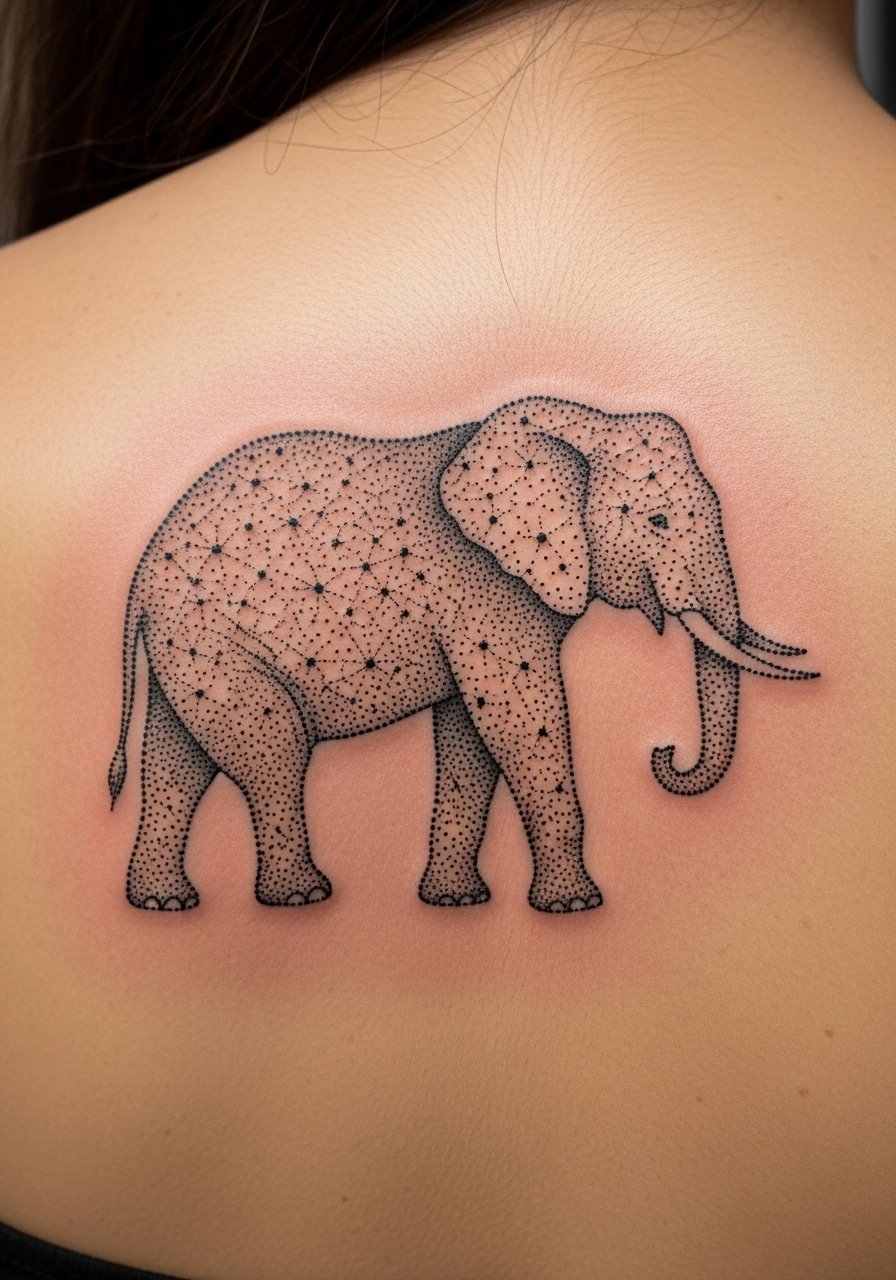
A constellation elephant maps personal meaning to the stars—great for people who like understated metaphor. Upper back placement sits nicely with clothing and has low pain. Dotwork needs careful spacing; overly dense dots can merge during healing. I've noticed artists who do precise single-needle dotwork achieve longer-lasting clarity—ask for healed dotwork examples. Keep this area covered from strong sun early on to protect the small details.
19. Elephant With Moon Phases On Forearm
Style/Technique: Symbolic / Illustrative
Pain Level: Low-Medium (forearm)
Session Time: 1-2 sessions
Best For: Cycles, intuition, personal growth themes
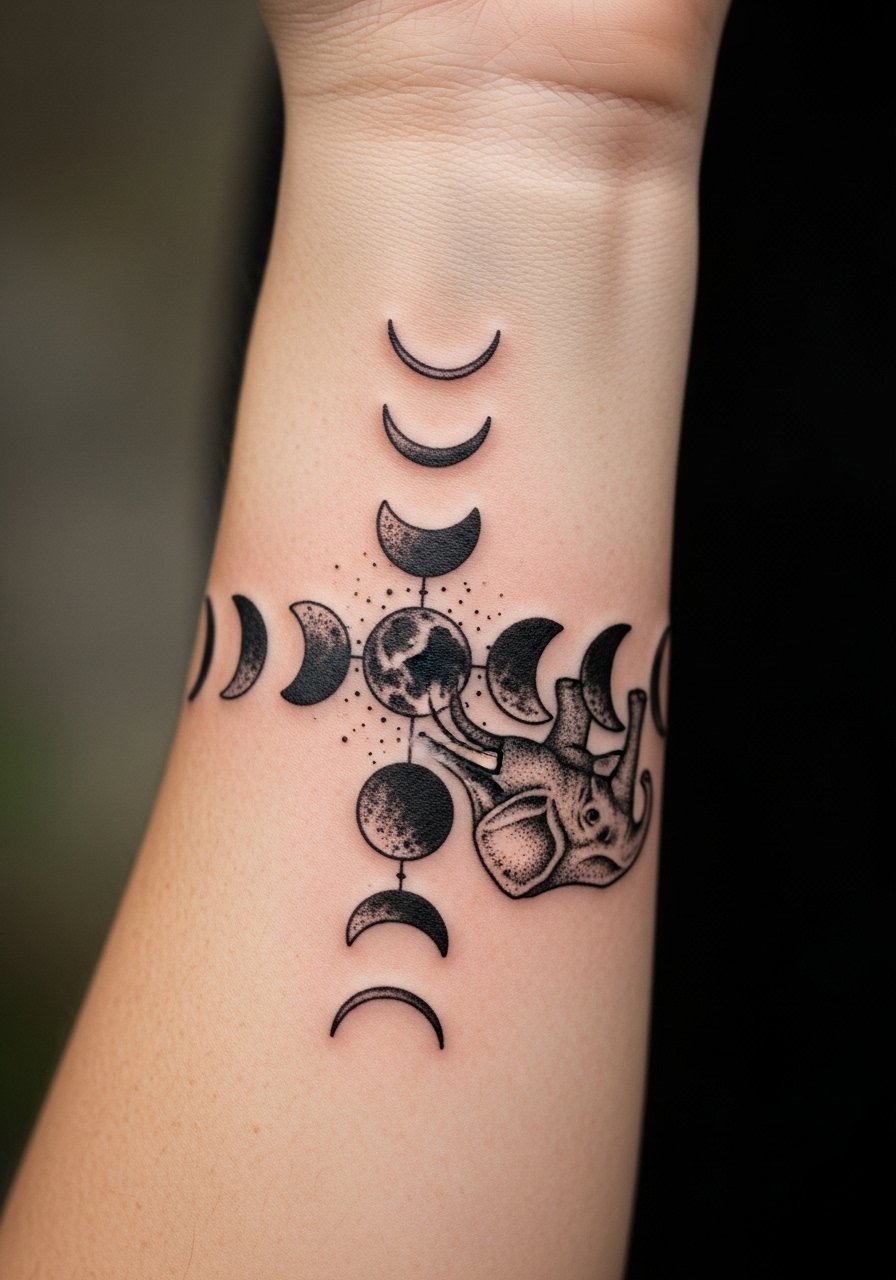
Combining moon phases with an elephant tells a clear story about cycles and inner wisdom. Forearm placement lets you watch those phases daily. The design benefits from solid primary lines and cautious small details. A common mistake is crowding the moons too close—give each phase breathing room so healed contrast remains. From my experience, pairing bold elephant outlines with simplified moons keeps the piece readable long-term.
20. Dotwork Mandala Sternum Elephant
Style/Technique: Dotwork / Mandala / Blackwork
Pain Level: High (sternum and rib vicinity)
Session Time: Multiple sessions for density
Best For: Sacred geometry fans, central symbolic pieces
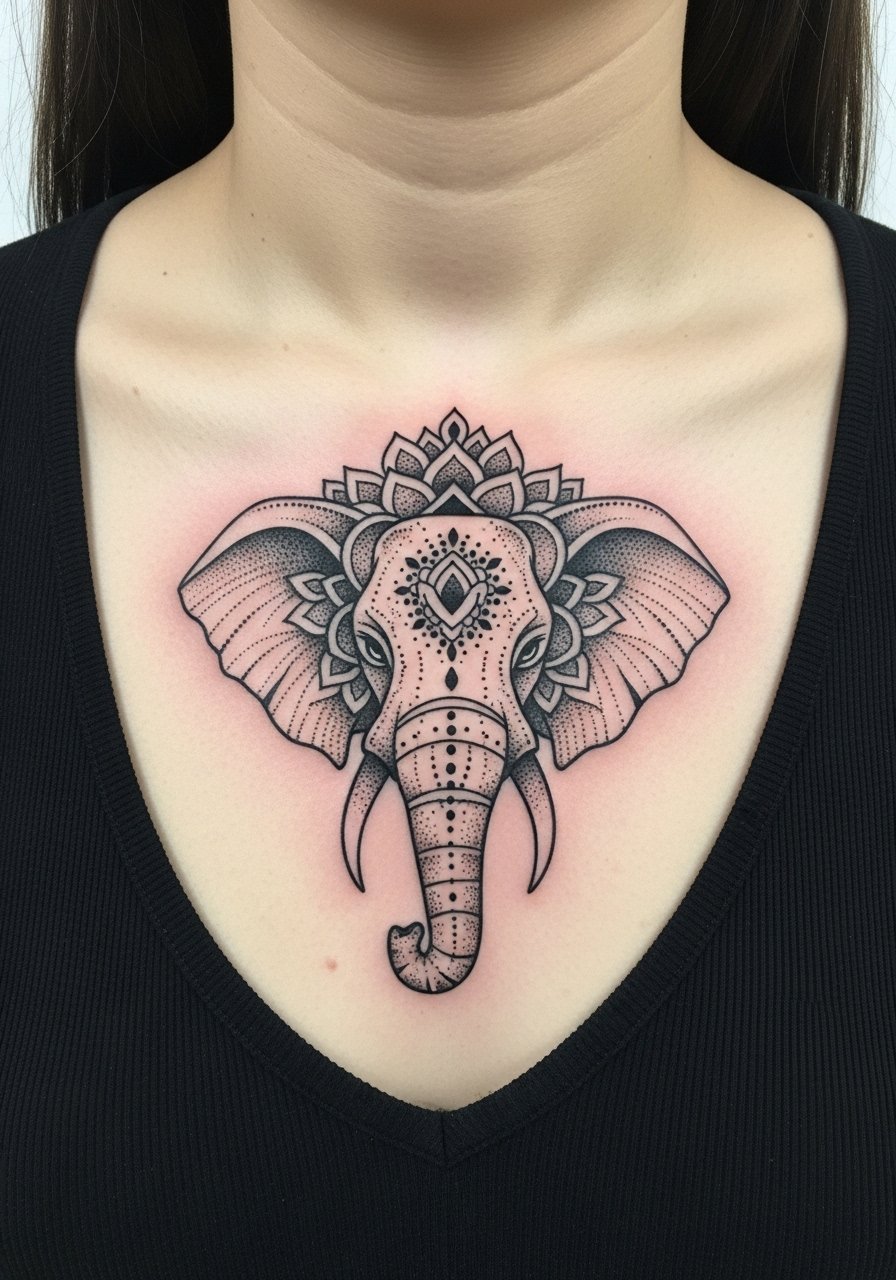
A sternum mandala elephant is intimate and meditative—perfect if you want a central, symbolic anchor. Sternum work can be painful, so many people break it into sessions. Dotwork mandalas age well when the dots have space; overly tight stippling will soften into gray blocks. I always recommend seeing healed mandala photos from your artist to check dot spacing and contrast on similar skin tones.
21. Elephant Landscape Silhouette On Calf
Style/Technique: Silhouette / Landscape Hybrid
Pain Level: Low (calf)
Session Time: Short-medium session
Best For: Scenic pieces that read from a distance
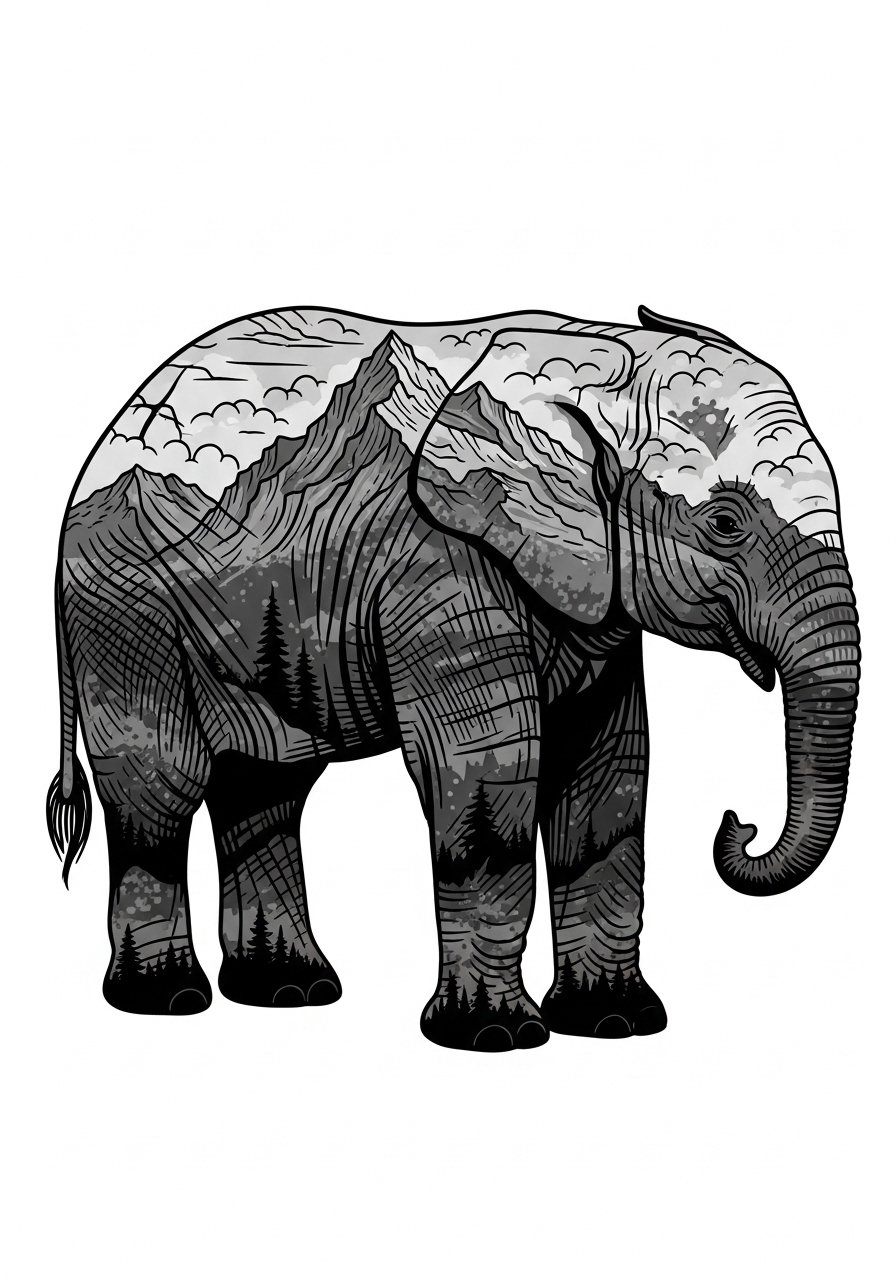
A silhouette that contains a landscape gives an elephant tattoo a narrative quality—place a scene inside to capture a memory or place. The calf offers a good vertical canvas and low pain. Silhouette pieces hold up well because outlines anchor the interior detail. Be careful not to cram too much scenic detail inside the silhouette; simpler landscapes read better healed. I suggest showing the artist your favorite landscape photo to guide composition and contrast choices.
22. Elephant Footprint Spine Trail
Style/Technique: Minimalist / Linear
Pain Level: Medium-High (spine is sensitive)
Session Time: Short sessions spaced out
Best For: Movement and journey symbolism, vertical placement
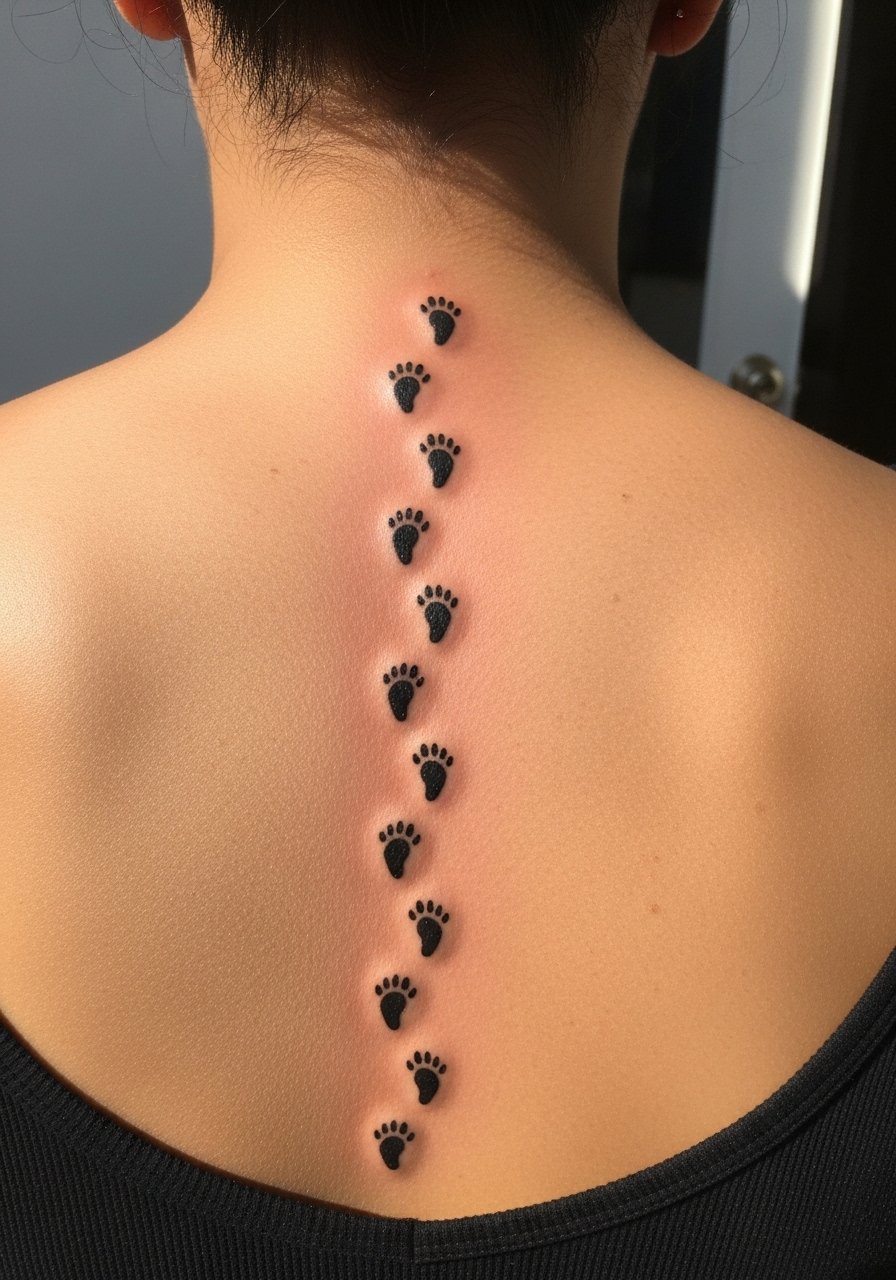
A trail of elephant footprints down the spine evokes journey and persistence. Spine areas can be tender; expect more sensation than on fleshy areas. Tiny footprint tattoos need consistent spacing—if too small, they may blur; ask for a slightly bigger print so the shapes remain obvious healed. This is a design I often recommend people preview with temporary decals to ensure alignment feels right along their spine curvature.
23. Mini Mandala Elephant Behind Ear
Style/Technique: Micro-Mandala / Minimalist
Pain Level: High (behind ear is sensitive)
Session Time: Very short session
Best For: Tiny sacred symbol, hidden accent
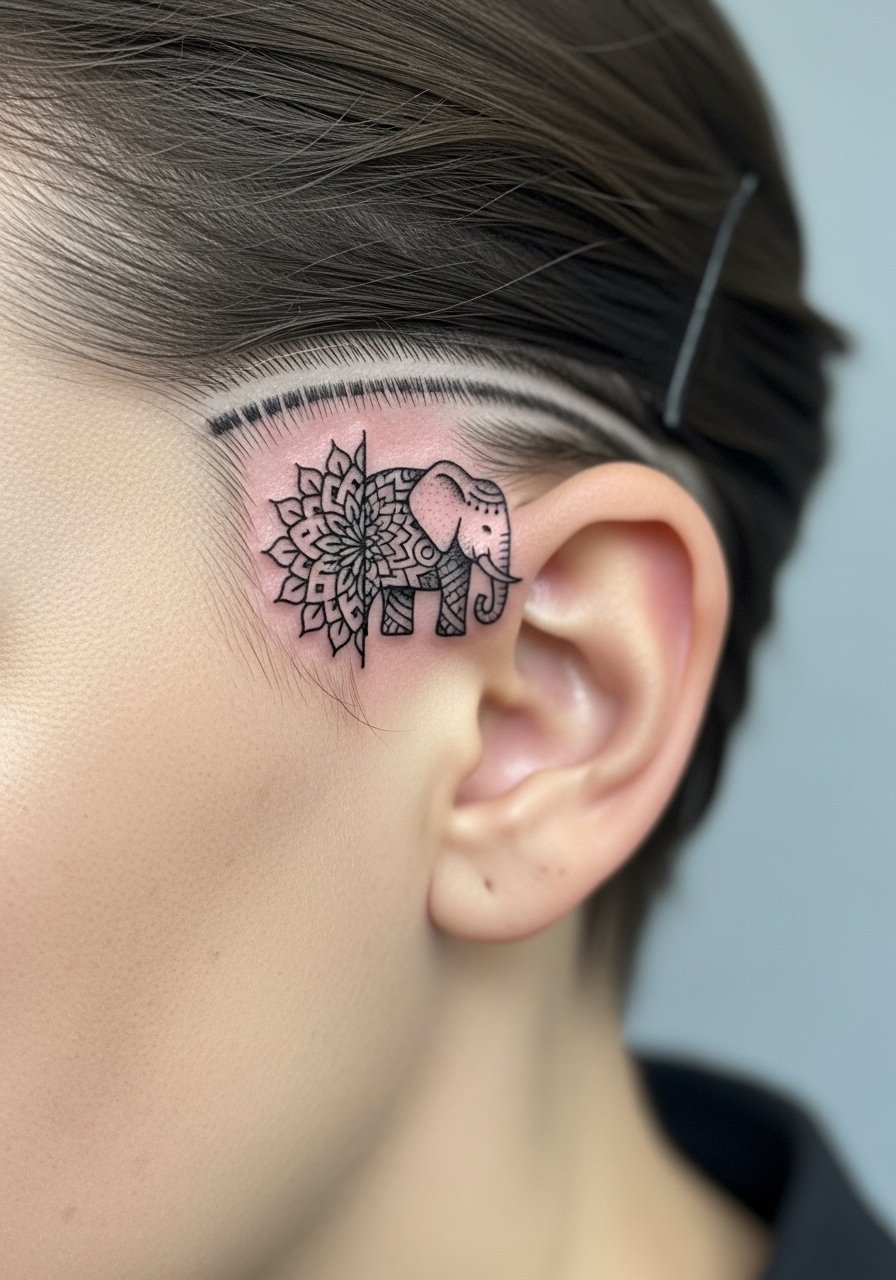
A mini mandala elephant tucked behind the ear is a discreet spiritual accent. That spot is surprisingly sensitive and needs careful aftercare because of hair and sweat. Micro-mandala detail must be simplified—I've seen overly intricate behind-ear designs blur quickly. Ask for a slightly bolder, simplified motif and discuss hairline interference before booking. This placement is perfect if you want private meaning with occasional reveal.
Tattoo Prep and Aftercare Essentials
Aftercare Essentials:
- Aquaphor Healing Ointment, 14oz tube — Recommended for first 3-5 days to prevent cracking
- Saniderm Transparent Adhesive Bandage, 6-inch roll — Second-skin option many artists prefer
- CeraVe Fragrance-Free Moisturizing Lotion, 12 oz — Daily moisturizer for weeks 2–6
Before Your Appointment:
- Tattoo Numbing Cream with 5% Lidocaine — Ask your artist before use; useful for sensitive areas
- Tattoo Stencil Transfer Paper — Handy if you're testing custom placements at home
Long-Term Maintenance:
- SPF 50 Sunscreen Stick for Tattoos — Daily protection keeps color and linework vivid
- Mad Rabbit Tattoo Balm — Good for healed tattoo maintenance
- Hustle Butter Deluxe, 8 oz — Vegan aftercare option many artists mention
Optional Comfort & Healing Aids:
- Tattoo Aftercare Kit (gentle soap, ointment, moisturizer) — Convenient starter set
- Hydrocolloid Bandages (large) — For small spot protection or blisters
- Dr. Bronner's Unscented Castile Soap, 16 oz — Gentle cleaning in initial wash phase
From my experience, artists often recommend Aquaphor or a short Saniderm application right after the session, then fragrance-free lotion for weeks. I keep a sunscreen stick and Mad Rabbit on hand for long-term upkeep.
Frequently Asked Questions
Q: How bad does a tattoo actually hurt?
A: Pain depends on placement and your tolerance. Outer forearm or bicep is usually low; ribs, sternum, ankle, and behind the ear are on the higher side. It's more like a sustained scratching or stinging than a sharp shock. If you're nervous, talk to your artist about pacing and consider a 5% lidocaine numbing cream but always check with them first.
Q: How should I pick between geometric, minimalist, or realism?
A: Think about longevity and daily meaning. I've seen geometrics and blackwork age predictably; fine-line and watercolor need more maintenance. If you want something evergreen and low-maintenance, a bold geometric or silhouette often reads best healed. For emotional portraiture, realism can be irreplaceable—but make sure the scale supports the detail.
Q: What’s the easiest placement for my first elephant tattoo?
A: Outer forearm, upper arm, and calf are forgiving and low pain. I recommend a small one-line or silhouette on the forearm as a first elephant tattoo so you can watch how it heals and how you feel about visibility.
Q: How do I keep color from fading?
A: From what I've gathered, daily sunscreen is essential—use an SPF 50+ stick on tattoos you expose to sun. Moisturize healed work with a fragrance-free lotion like CeraVe to keep skin healthy and pigment vibrant.
Q: Can I work out after getting a tattoo?
A: Wait at least 48–72 hours before heavy sweating. For tattoos over joints or high-friction zones, give it a week or more. Sweat and friction can irritate healing skin and increase scabbing, which affects aging and color retention.
Q: What’s a common aftercare mistake that ruins details?
A: Picking scabs and skipping sunscreen. Picking pulls pigment and ruins crisp lines. I always tell people to let peeling happen naturally and protect the tattoo from sun early on—those two habits prevent most early losses of detail.
Q: Do tattoos look different on various skin tones?
A: Yes. Black and gray hold up well across tones; some bright colors read differently depending on depth. I've seen artists recommend richer black anchors for deeper skin tones and to preview healed examples from their portfolio.
Q: Should I use Saniderm or Aquaphor after my session?
A: Both are commonly used. Some artists prefer an initial Saniderm cover for 24–48 hours, others recommend Aquaphor for the first few days. I keep both options handy and follow the artist's guidance—ask what they suggest for your specific style and placement.