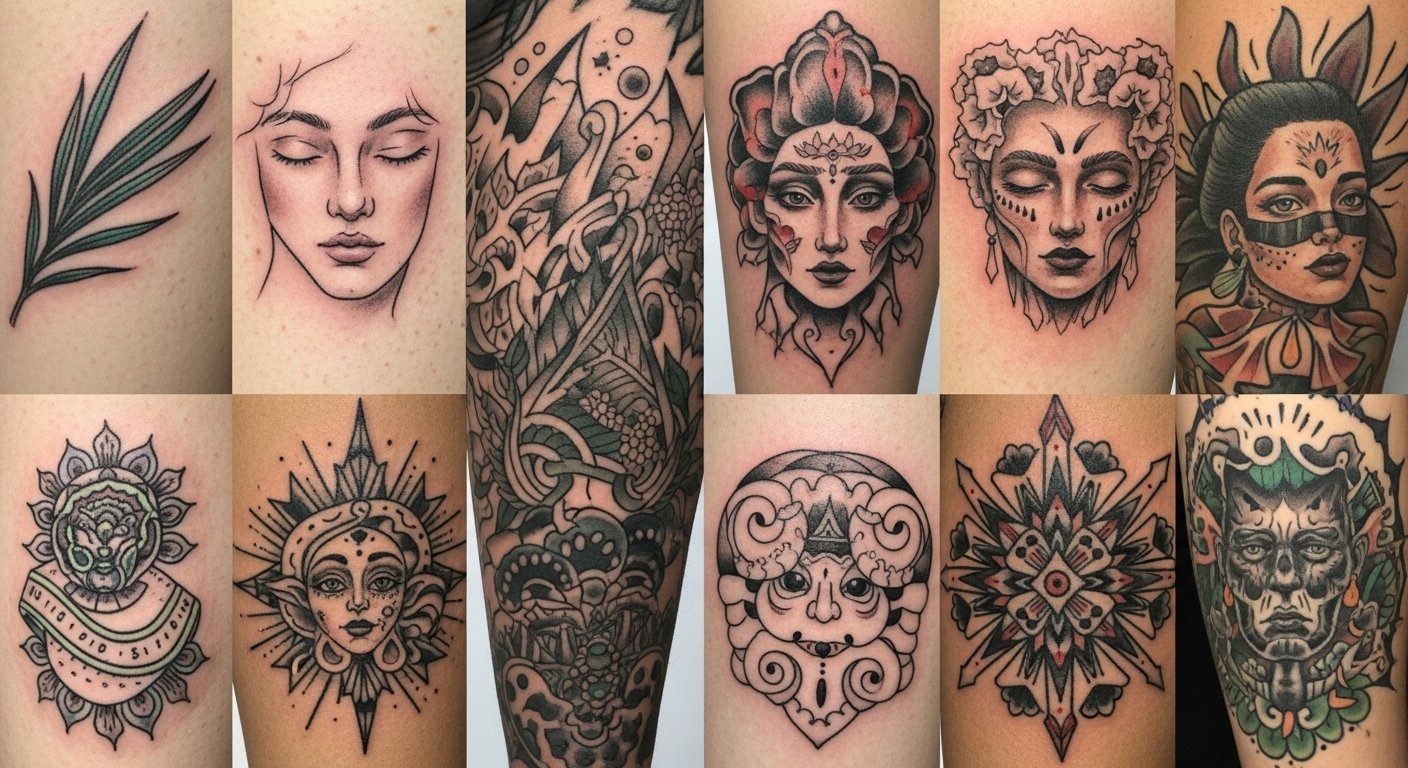
I spent months staring at abstract tattoo feeds before I realized my real anxiety was about how these designs age on skin—not how cool they look fresh. I wanted depth, not a trend that flakes away after a year. These 30 abstract ideas balance visual intrigue with real-life durability.
This list leans into abstract, fine line, blackwork, and watercolor-inspired pieces. Placements range from wrist and forearm to ribs and thigh. I've noticed artists in 2026 favor controlled negative space and layered textures—styles that heal clearly instead of blurring into a single gray patch.
1. Fine Line Abstract Botanical on Inner Forearm
Style/Technique: Fine Line / Illustrative
Pain Level: Medium (3-4/10)
Session Time: 1-3 hours
Best For: First tattoo / Visible statement
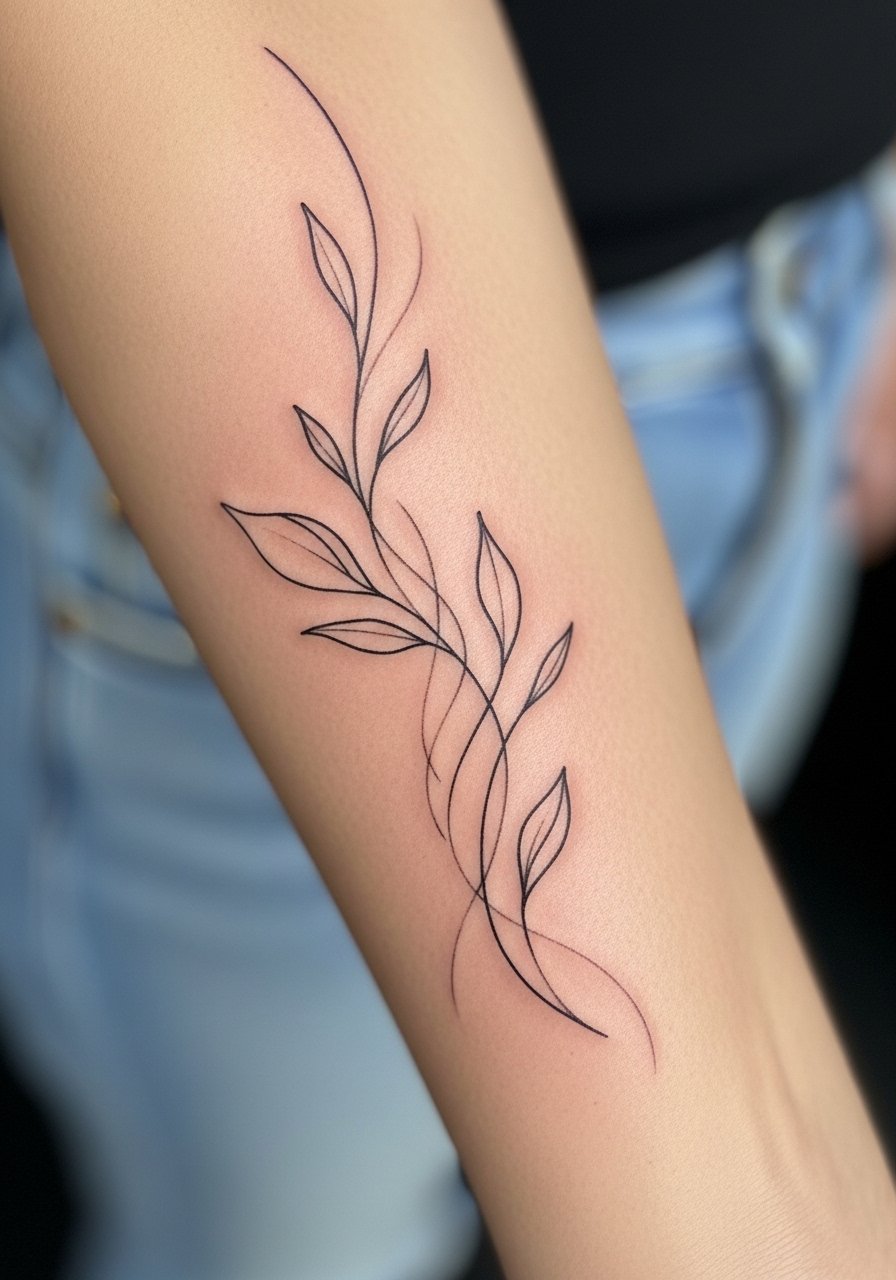
I like this because it reads organic and minimal. The inner forearm keeps lines visible and lets the skin settle evenly. Expect mild swelling and a 2–3 week surface heal. Ask for slightly heavier line weight if you want longevity—ultra-fine lines can blur. Avoid overly dense detail; it heals into soft gray if packed too tight. Look for artists who show healed fine-line work.
2. Geometric Blackwork Band Around Forearm
Style/Technique: Blackwork / Geometric
Pain Level: Low-Medium (3/5)
Session Time: 1-3 hours
Best For: Bold visible piece / Timeless
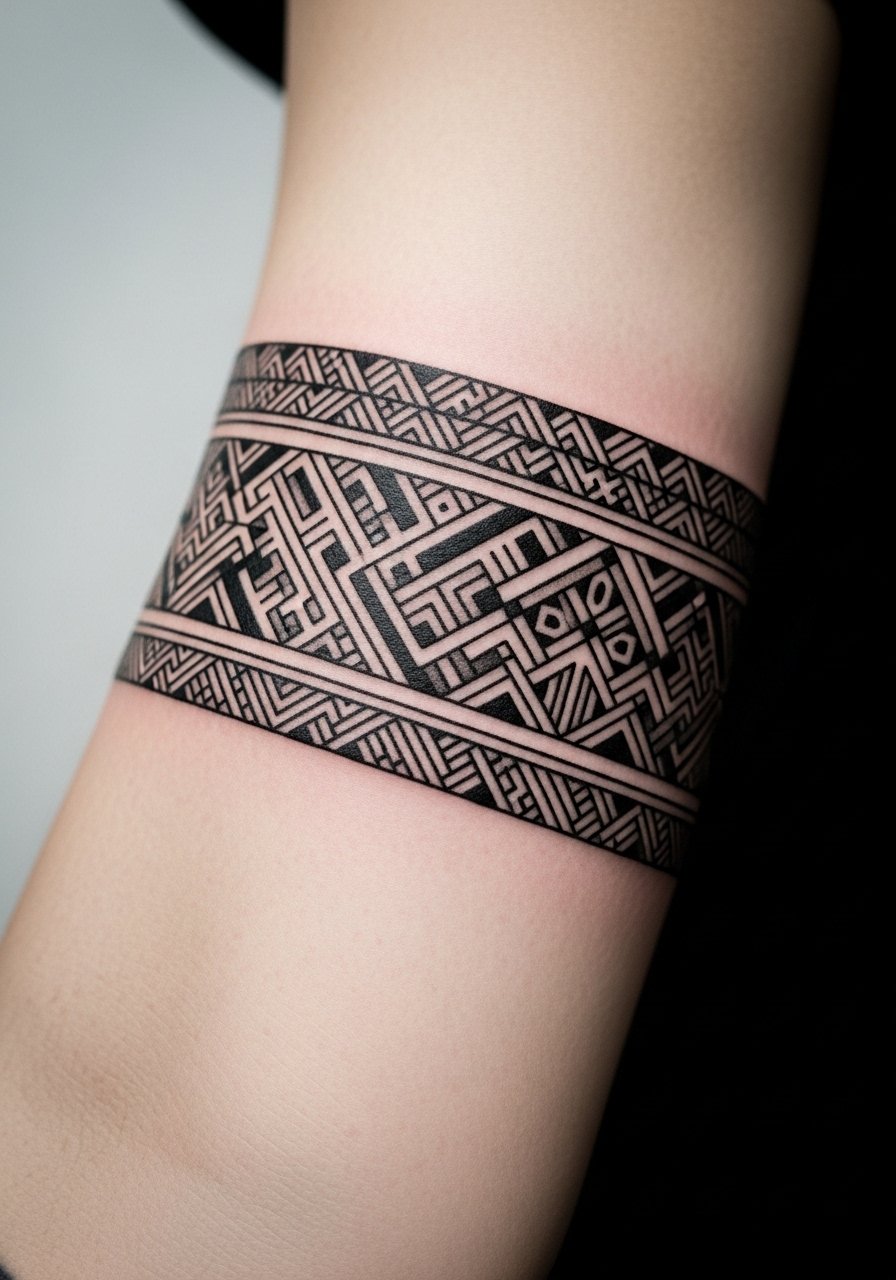
Solid black fills age predictably. On the forearm, this reads graphic and holds contrast over time. Pain is manageable; fills feel like longer, steady sessions. Expect a week of peeling and 6–8 weeks for full settling. Common mistake: letting lines be too thin against big black areas—ask for consistent line-to-fill balance. Artists with blackwork portfolios are ideal.
3. Minimalist Line Wave Behind Ear
Style/Technique: Minimalist / Single Line
Pain Level: High-Medium (5/10)
Session Time: 30–90 minutes
Best For: Hidden, subtle statement
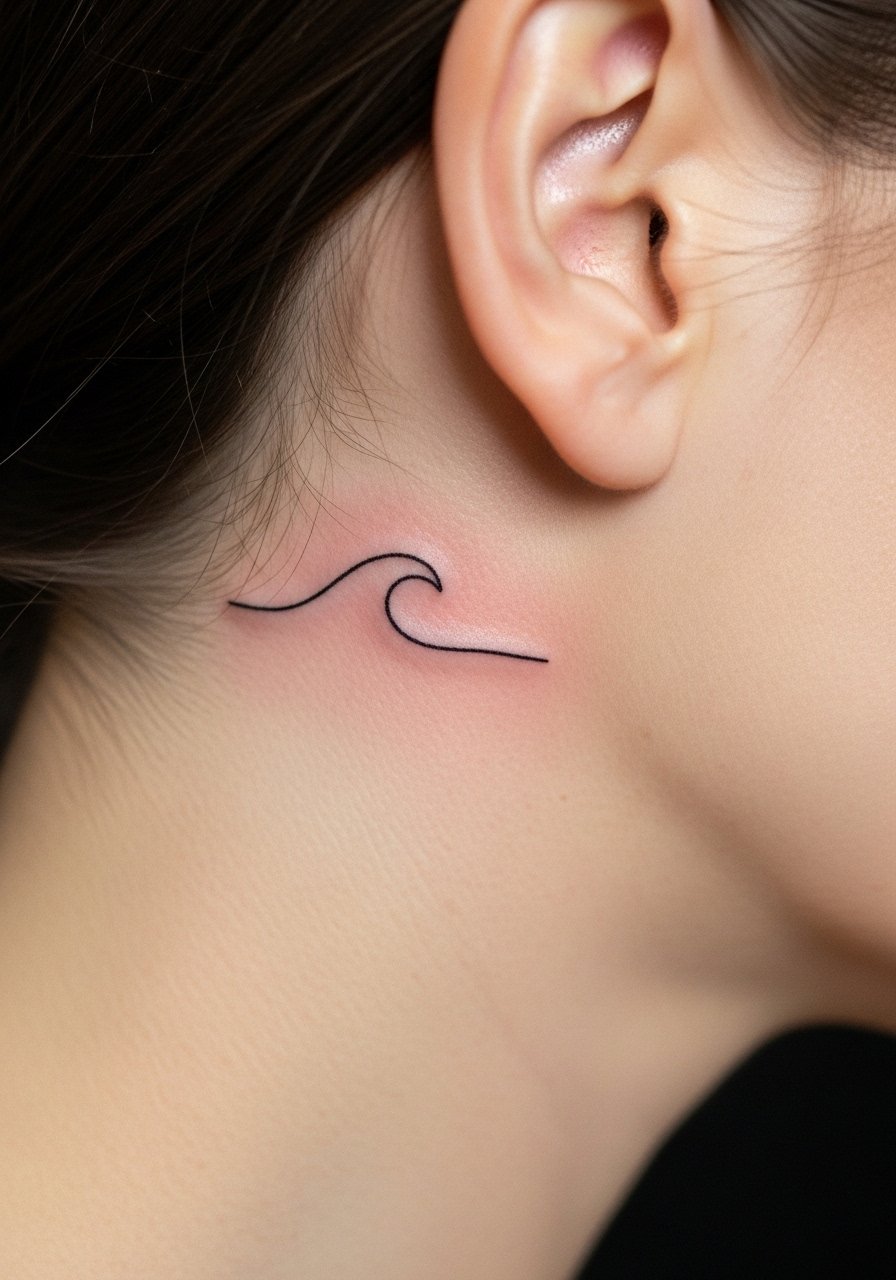
Tiny placements like behind the ear look delicate but can sting because of thin skin and bone. Healing is quick—about two weeks surface—but lines may feather. I tell clients to expect slight softening and to choose a line slightly thicker than they imagine. Avoid super intricate detail here.
4. Watercolor Abstract Splash on Shoulder Blade
Style/Technique: Watercolor / Painterly
Pain Level: Low-Medium (3-4/10)
Session Time: 1-2 hours
Best For: Color-focused, artistic piece
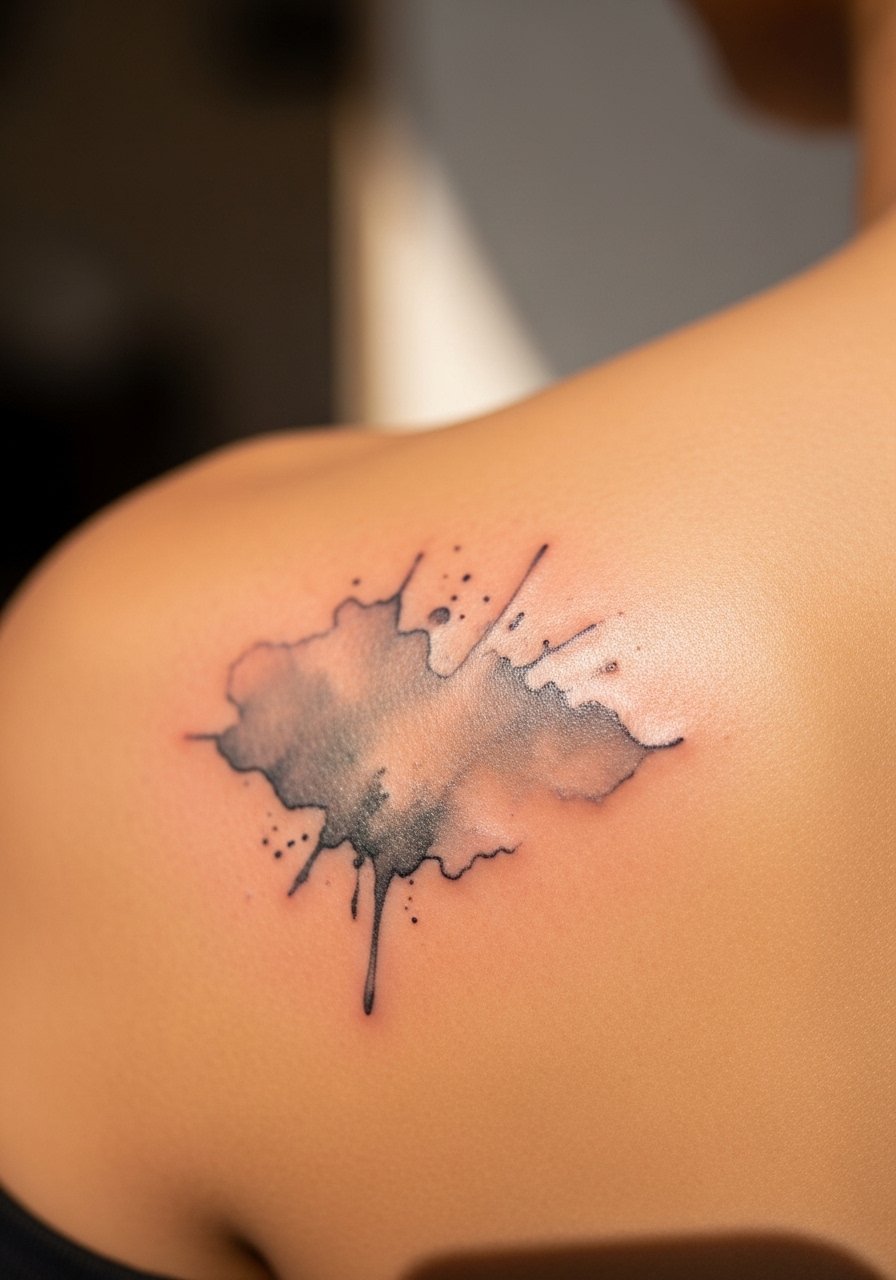
Watercolor looks beautiful fresh but needs strong underlying line or saturation to age well. Shoulder blade is forgiving—skin moves less and pigments settle nicely. Expect color softening over months; red and yellow fade faster. Artists who layer color and show healed examples are a must. Avoid overly diffuse edges without anchors.
5. Micro-Abstract Portrait Fragment on Upper Arm
Style/Technique: Micro-Realism / Fragmented
Pain Level: Low (2-3/10)
Session Time: 1-3 hours
Best For: Meaningful, subtle portrait element
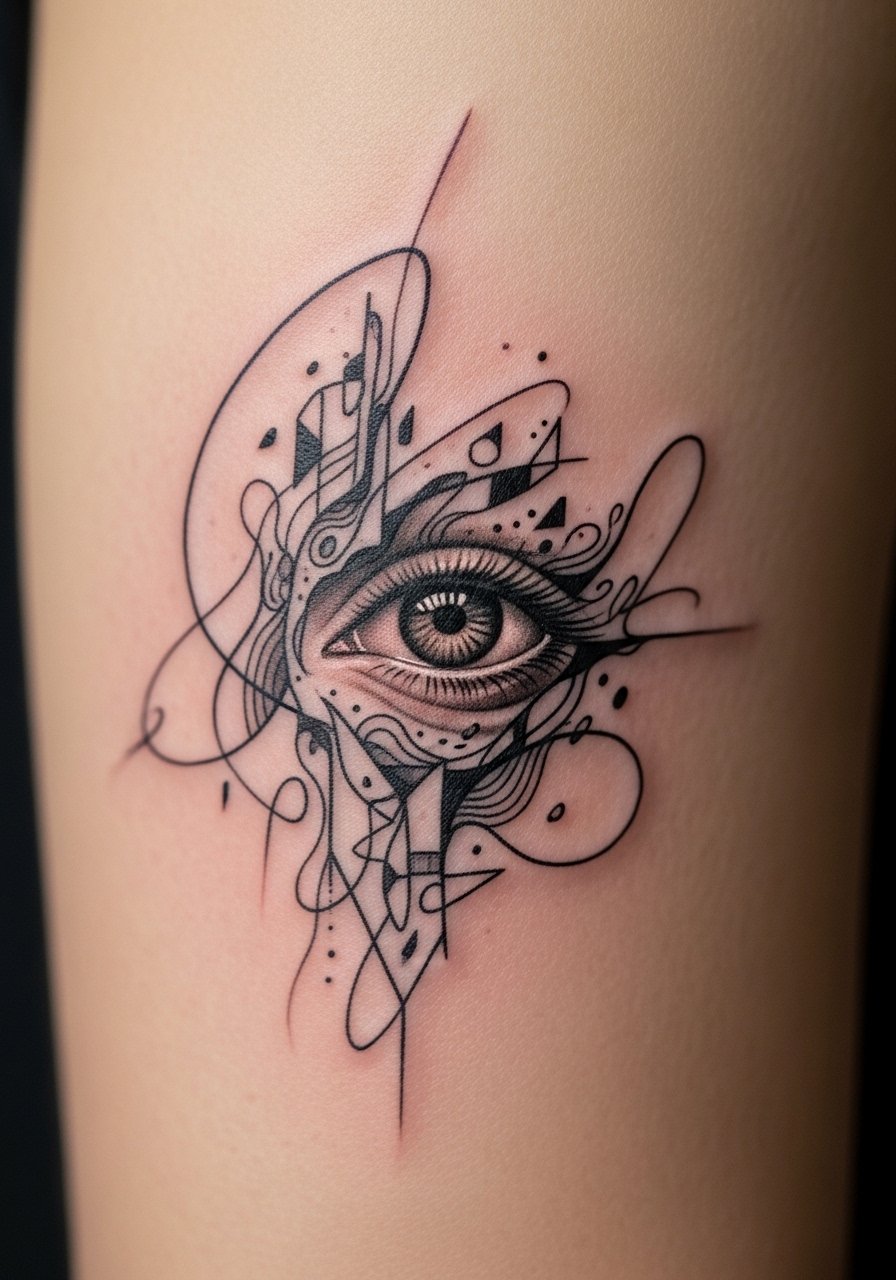
Combining micro-realism with abstract strokes gives emotion without full realism. Upper arm hides movement and heals predictably. Micro details need an experienced hand—blurring is common if the artist isn’t precise. I recommend asking to see healed micro pieces, not just fresh photos.
6. Bold Negative Space Mandala on Sternum
Style/Technique: Blackwork / Negative Space
Pain Level: High (7/10)
Session Time: Multiple sessions
Best For: Statement centerpiece
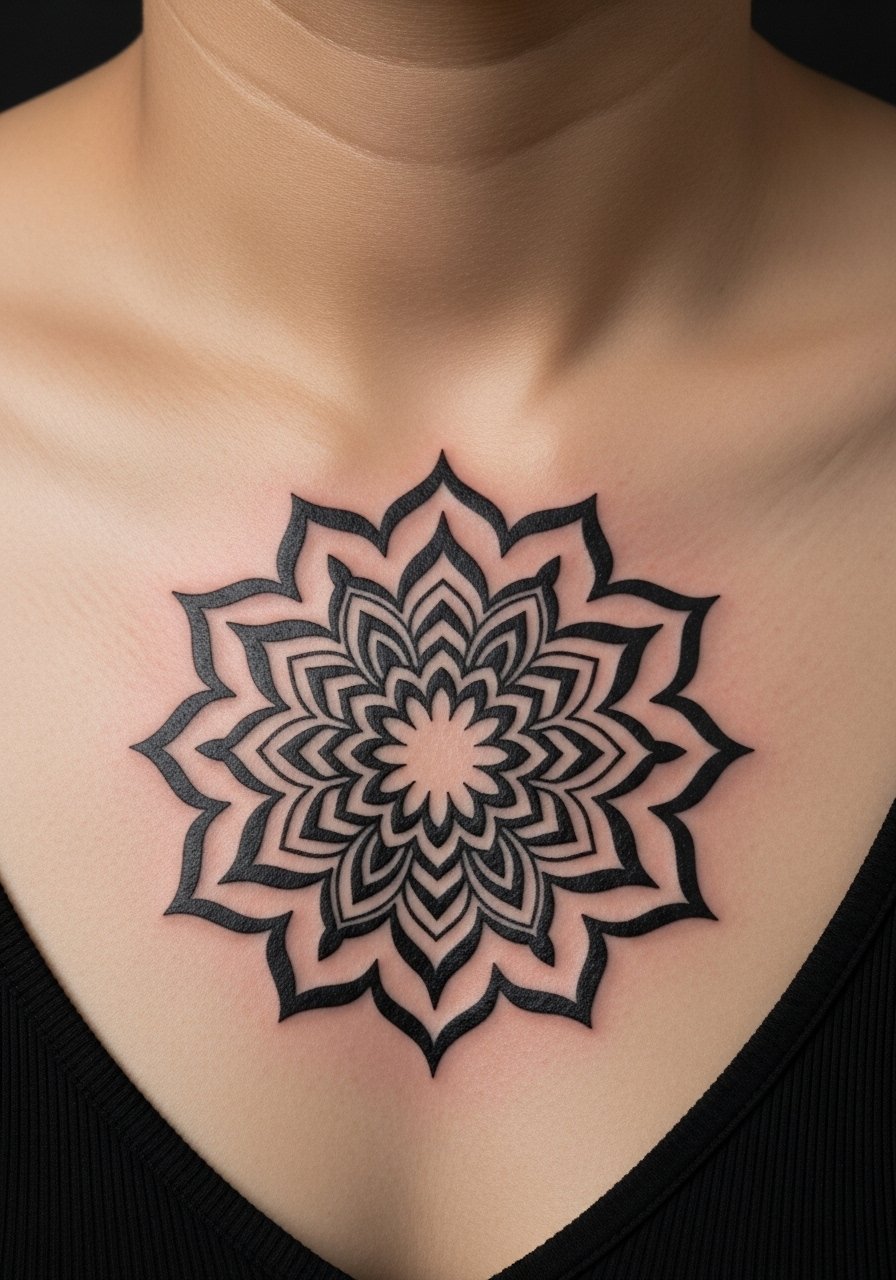
Sternum tattoos hurt more but look dramatic. Negative space mandalas age well because contrast remains. Healing takes longer—avoid chest-straining movement and follow aftercare closely. Common error: packing too many tiny dots; they can blur. Seek artists who do bold geometry and healed chest work.
7. Abstract Mountain Range on Ankle
Style/Technique: Minimalist / Silhouette
Pain Level: High (6-7/10)
Session Time: 1 hour
Best For: Travel-inspired, easy to hide
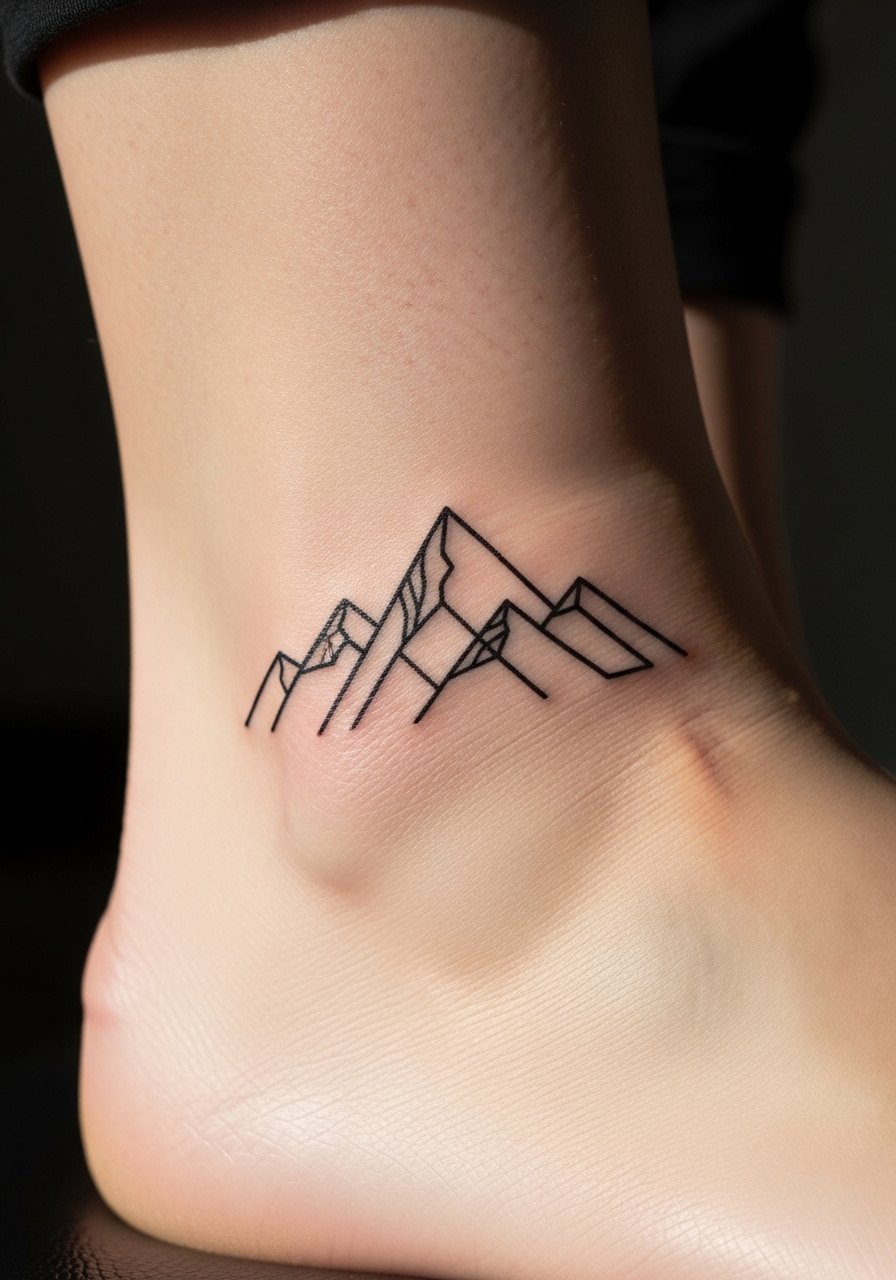
The ankle is bony and tends to sting. Small silhouettes heal fast but lines can fade from friction with socks and shoes. I suggest slightly bolder outlines and using sunscreen once healed. Avoid tiny, hairline details that rarely survive in this spot.
8. Layered Brushstroke Abstract on Calf
Style/Technique: Painterly / Brushstroke
Pain Level: Low (2-3/10)
Session Time: 1-2 hours
Best For: Artistic leg piece
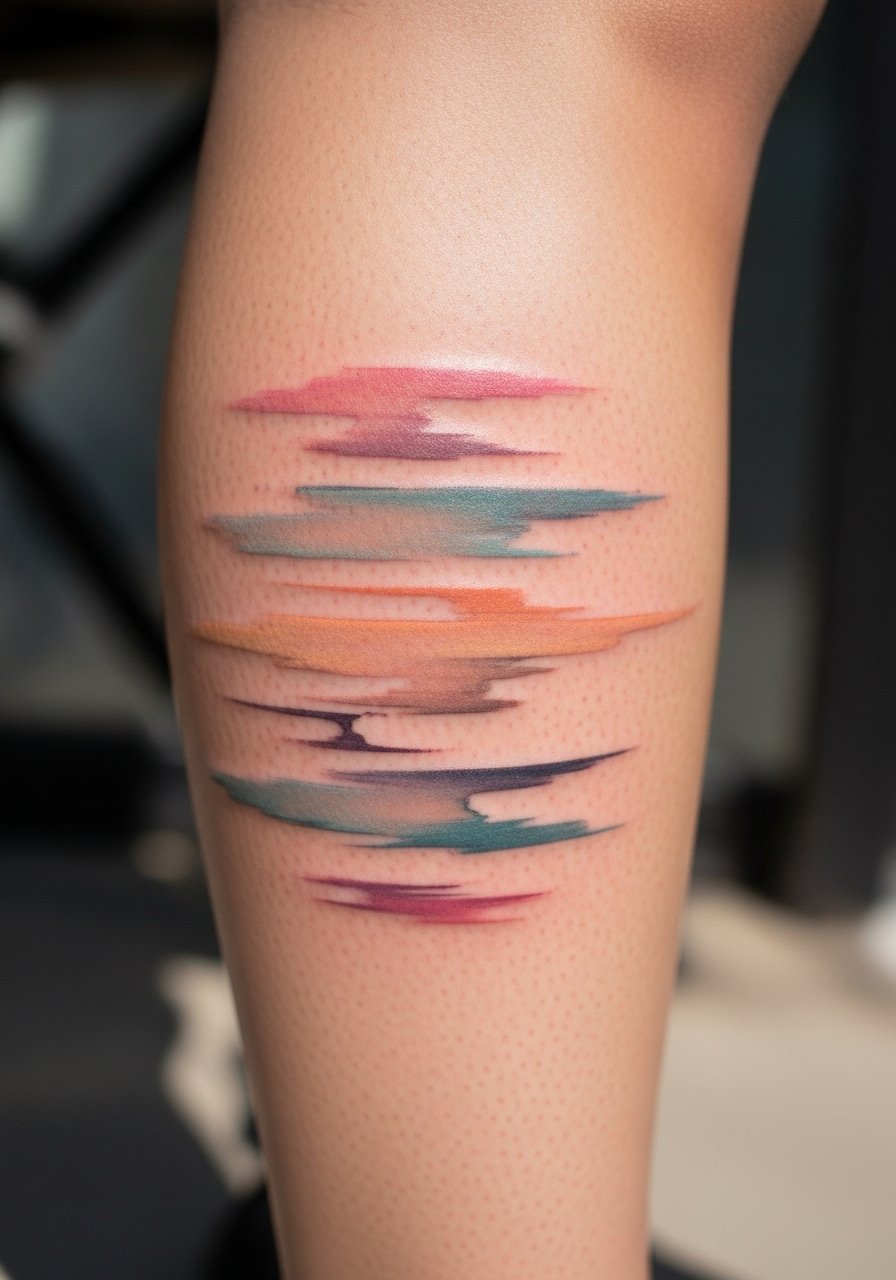
Calf skin tolerates long sessions well. Brushstroke styles read as movement and keep character as they fade. Expect colors to mellow; black anchors help keep the composition readable. Artists who work with painterly techniques and can show healed legs are good picks. Avoid too many thin translucent layers without contrast.
9. Abstract Dotwork Crescent on Ribcage
Style/Technique: Dotwork / Pointillism
Pain Level: High (7-8/10)
Session Time: 1-3 hours
Best For: Intimate, textured detail
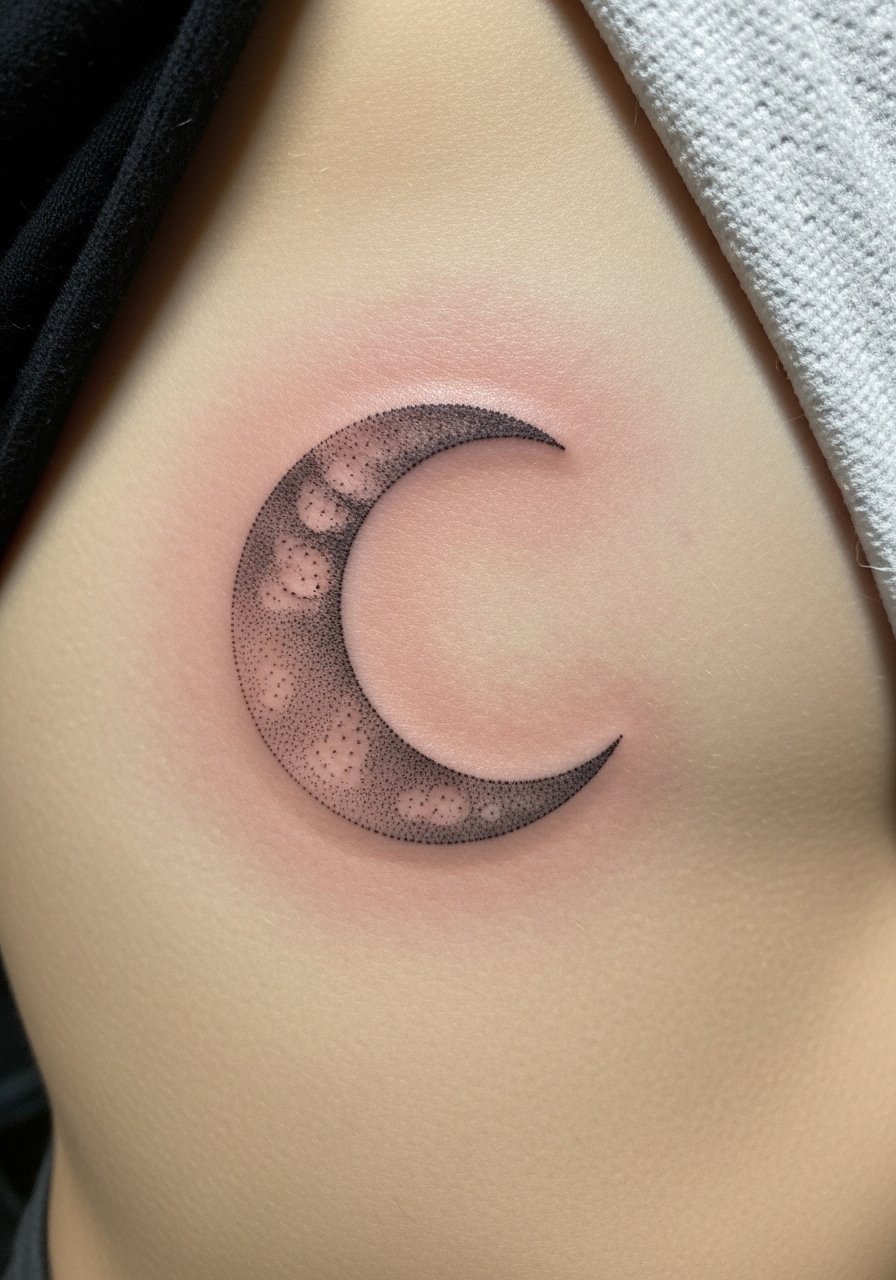
Ribs bite—expect sharp pain and long breaks. Dotwork creates depth and often ages well because dots retain contrast. Healing requires gentle movement rest and no tight clothing. A common mistake is packing dots too densely near ribs; discuss spacing with your artist.
10. Geometric Fragmented Heart on Chest
Style/Technique: Neo-Traditional / Geometric
Pain Level: Medium-High (5-7/10)
Session Time: 1-2 hours
Best For: Emotional, visible chest piece
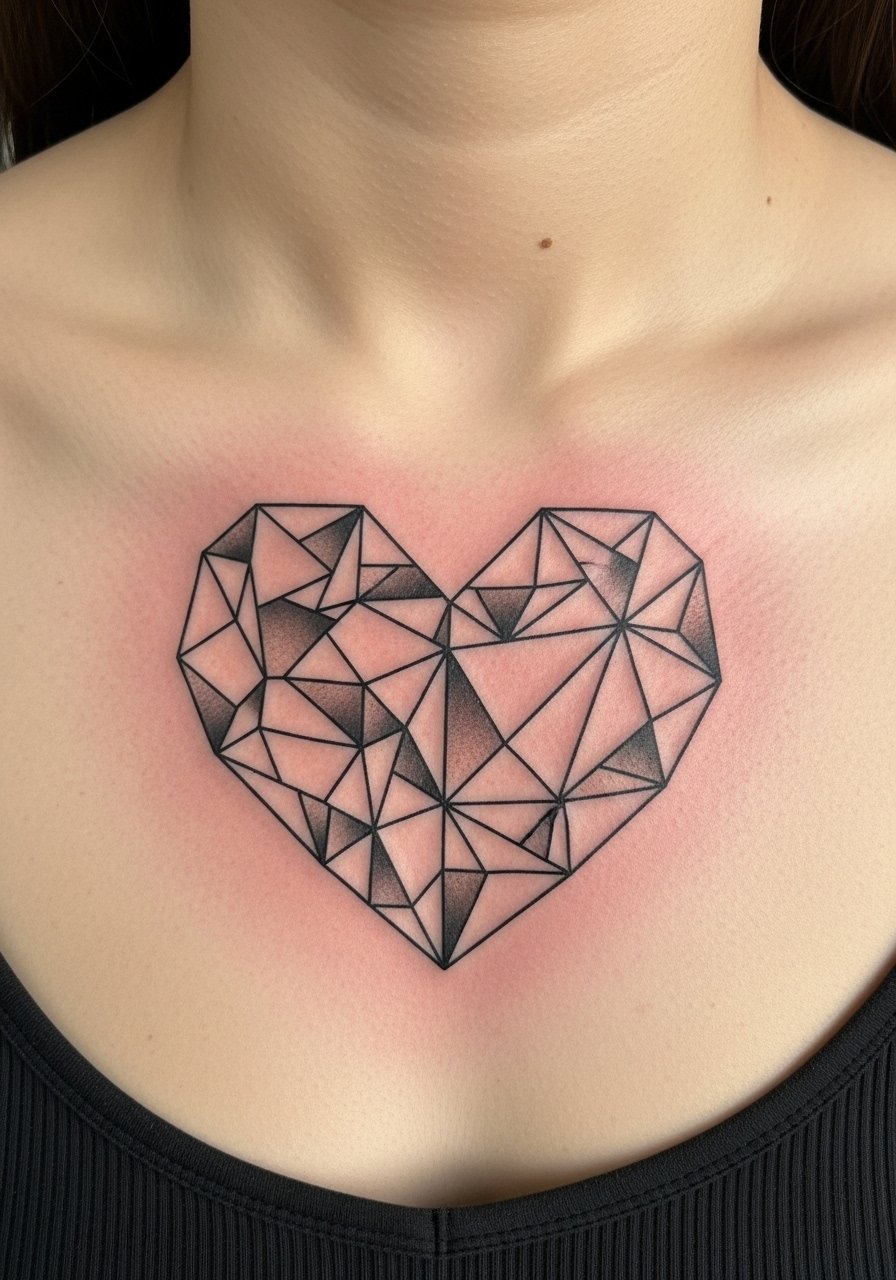
This mixes emotion with structure. Chest movement can blur thin facets—ask for slightly stronger lines. Healing is moderate; avoid heavy exercise for several days. Artists who balance geometry and flow produce the best healed results.
11. Abstract Map Lines on Inner Bicep
Style/Technique: Fine Line / Cartographic
Pain Level: Medium (4/5)
Session Time: 1-2 hours
Best For: Personal, travel-based meaning
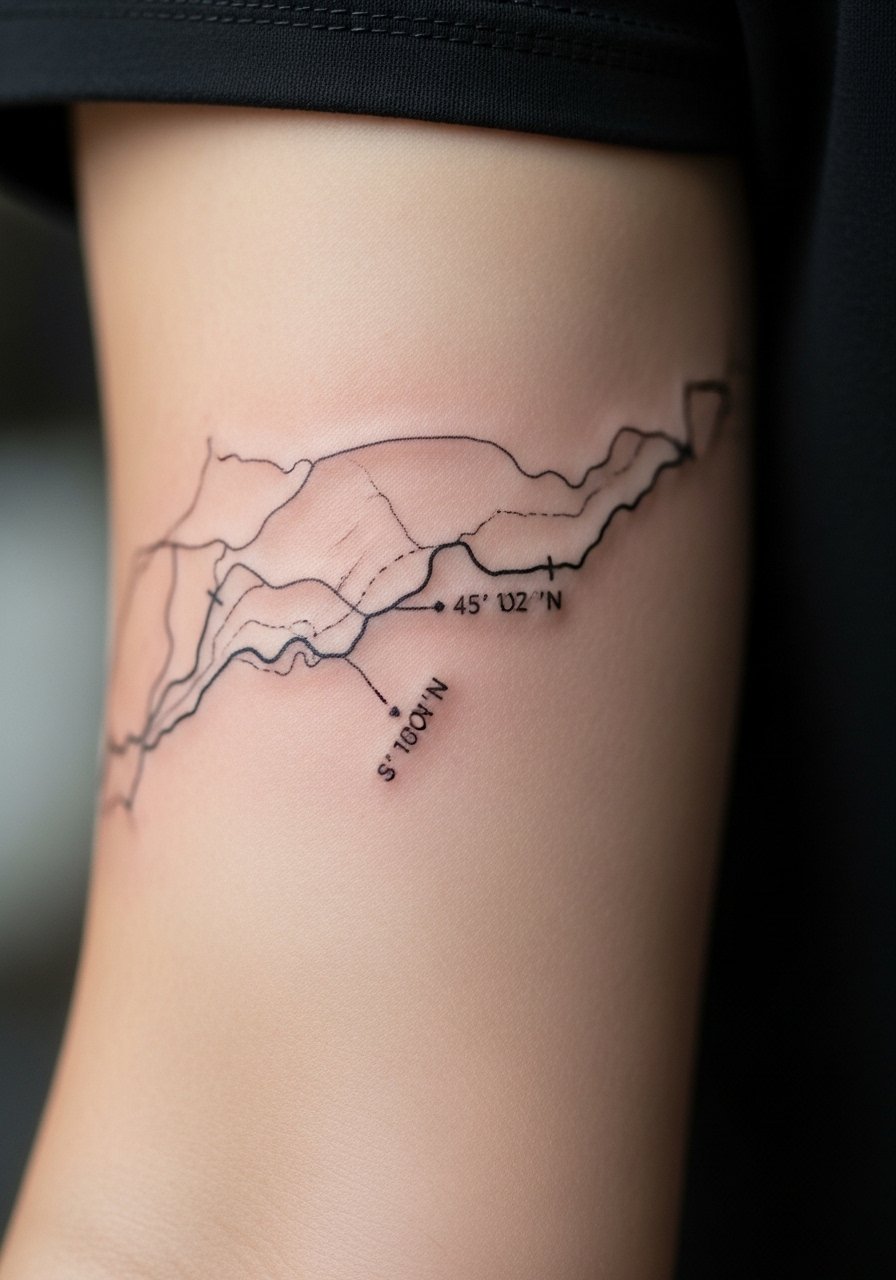
Inner bicep is tender but hides well. Fine map lines create narrative and age gently with moderate thickness. I recommend avoiding ultra-thin text—letters often blur. Ask the artist for healed examples of micro-line work on arms.
12. Blackwork Abstract Wave Down Spine
Style/Technique: Blackwork / Flowing Geometry
Pain Level: High (7-8/10)
Session Time: Multiple sessions
Best For: Vertical statement, dramatic placement
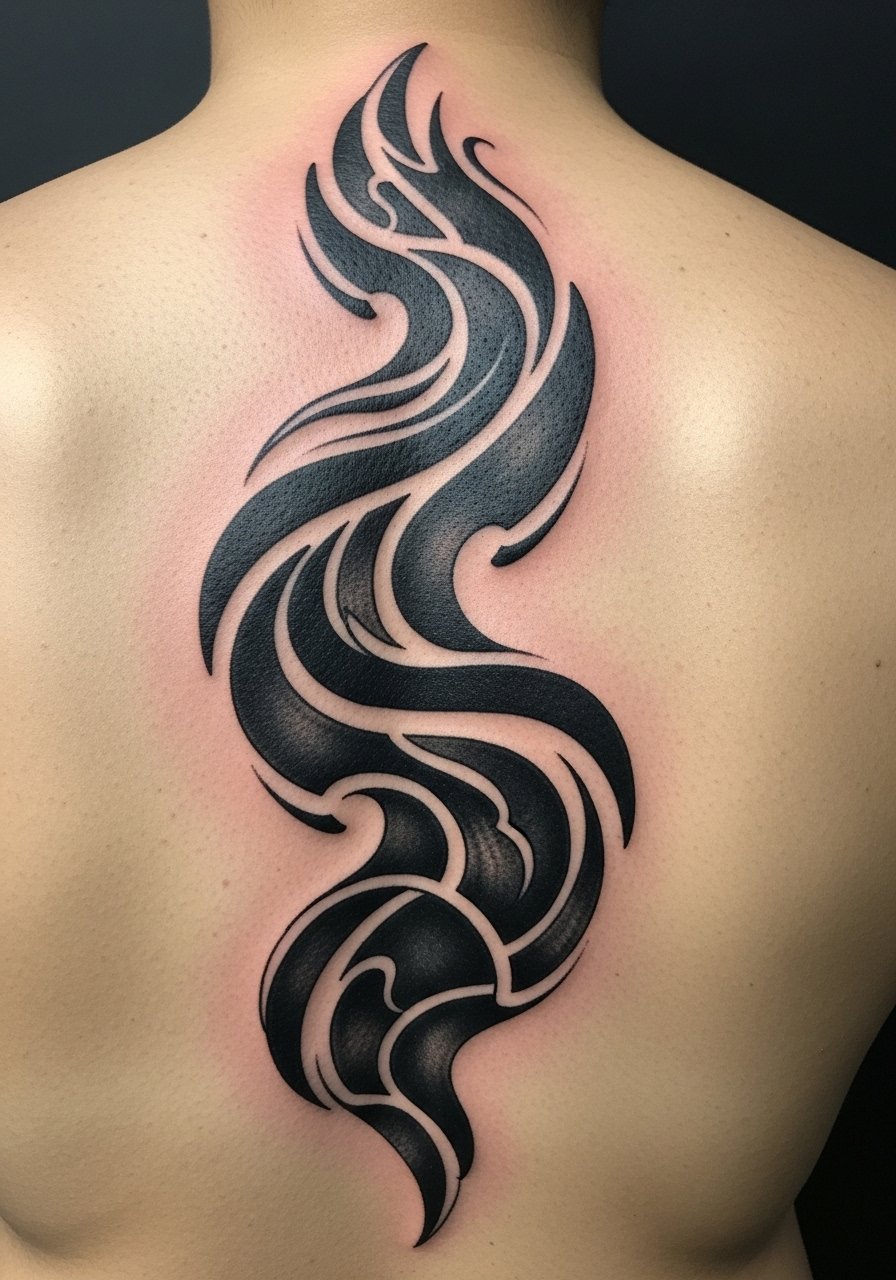
Spine work is painful and shows movement. Blackwork resists fading on the spine, but healing needs strict aftercare. Expect multiple sessions and slow touch-ups. Artists experienced with long vertical pieces are preferable.
13. Fragmented Color Block on Thigh
Style/Technique: Color Block / Abstract
Pain Level: Low (2-3/10)
Session Time: 2-3 hours
Best For: Large, flexible canvas
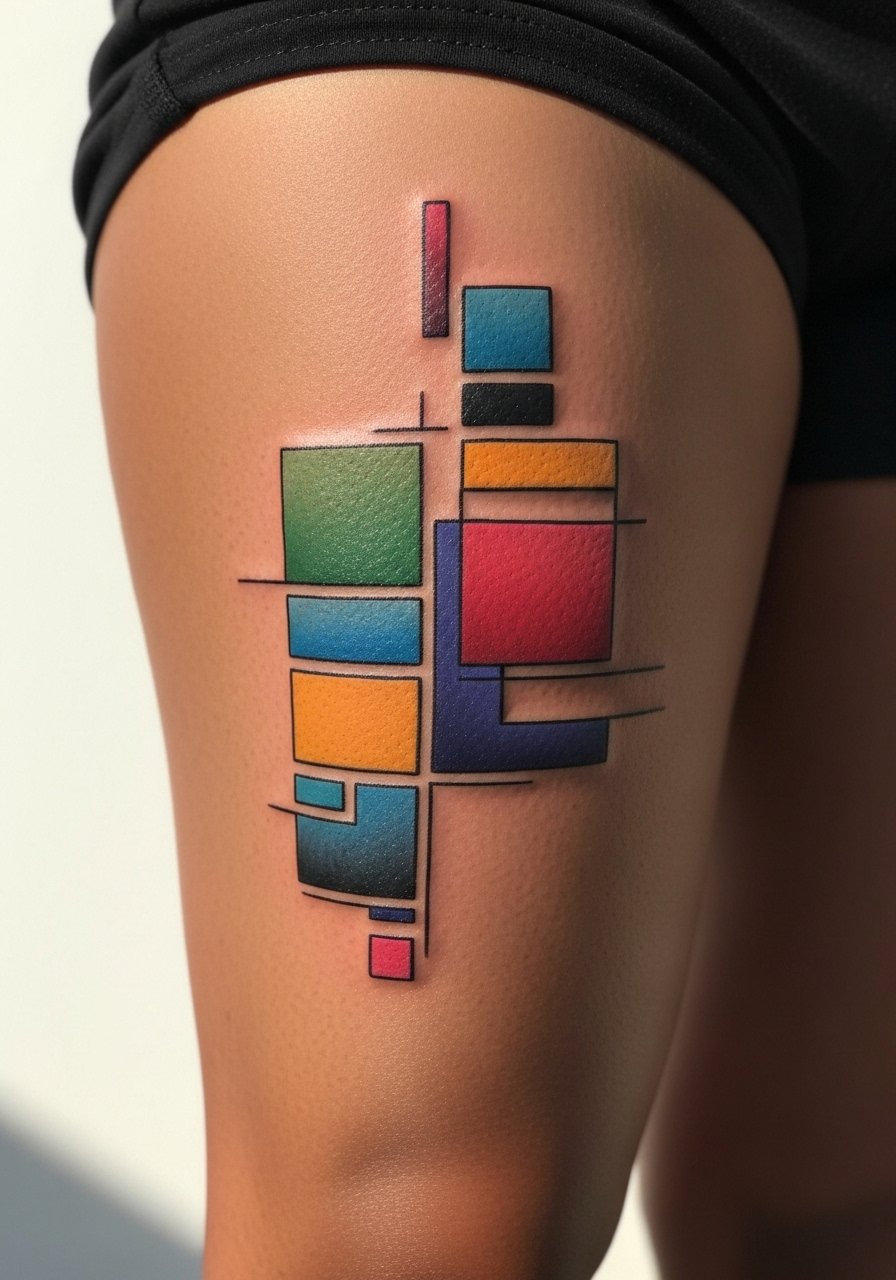
Thighs are forgiving for large color work. Color blocks can remain vibrant if saturated and well-layered. Avoid tiny gradients without contrast; they can blur into each other. Choose artists with solid color packing techniques.
14. Minimalist Fragmented Triangle on Wrist
Style/Technique: Minimalist / Geometric
Pain Level: Medium (4-5/10)
Session Time: 30–60 minutes
Best For: Simple visible piece
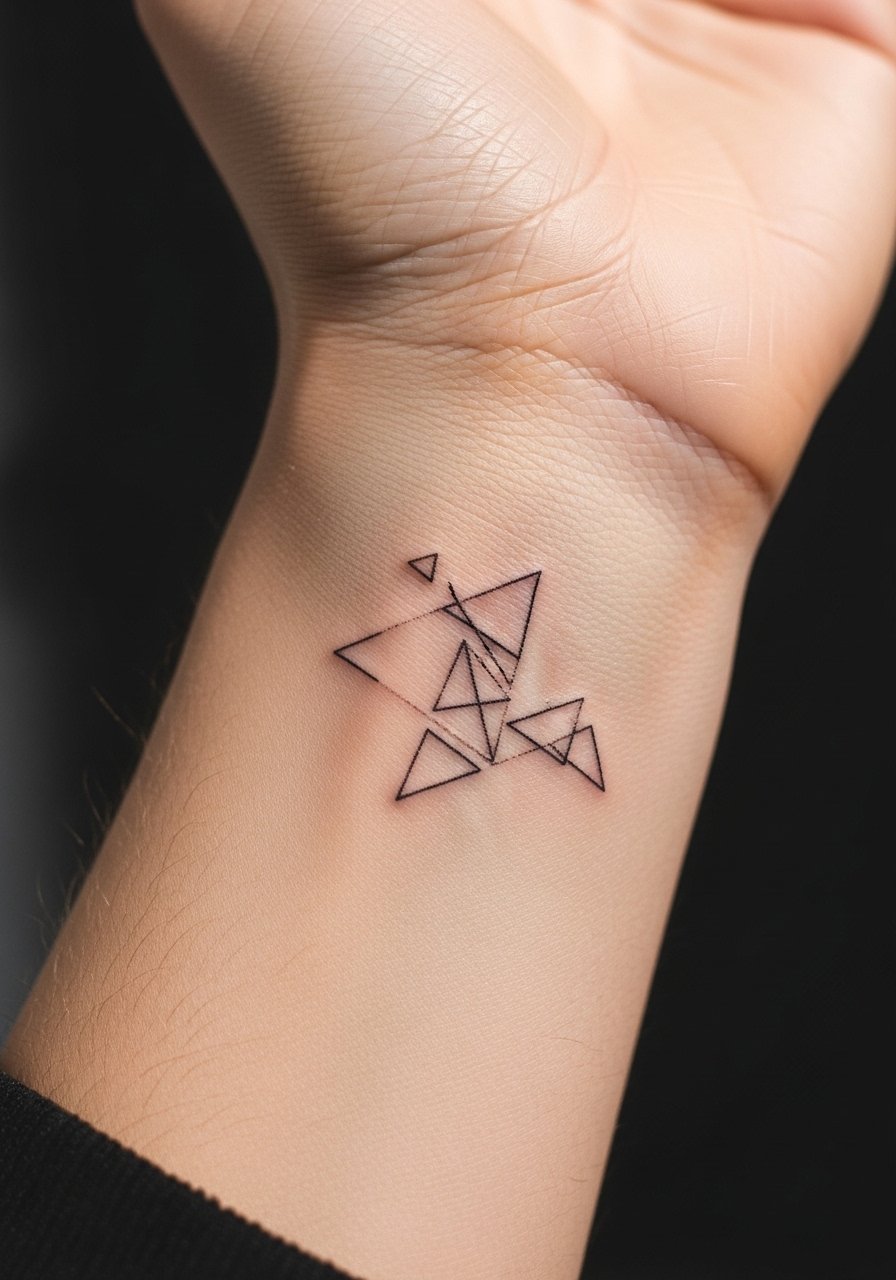
Wrists heal fast but see a lot of rubbing. Thin triangles may soften; I recommend modest line thickness. Common mistake: placing tiny text or hashes nearby—crowding ruins negative space. Artists who show healed wrist pieces help set expectations.
15. Surreal Line Portrait on Upper Thigh
Style/Technique: Fine Line / Surreal
Pain Level: Low (2-3/10)
Session Time: 1-3 hours
Best For: Artistic, private piece
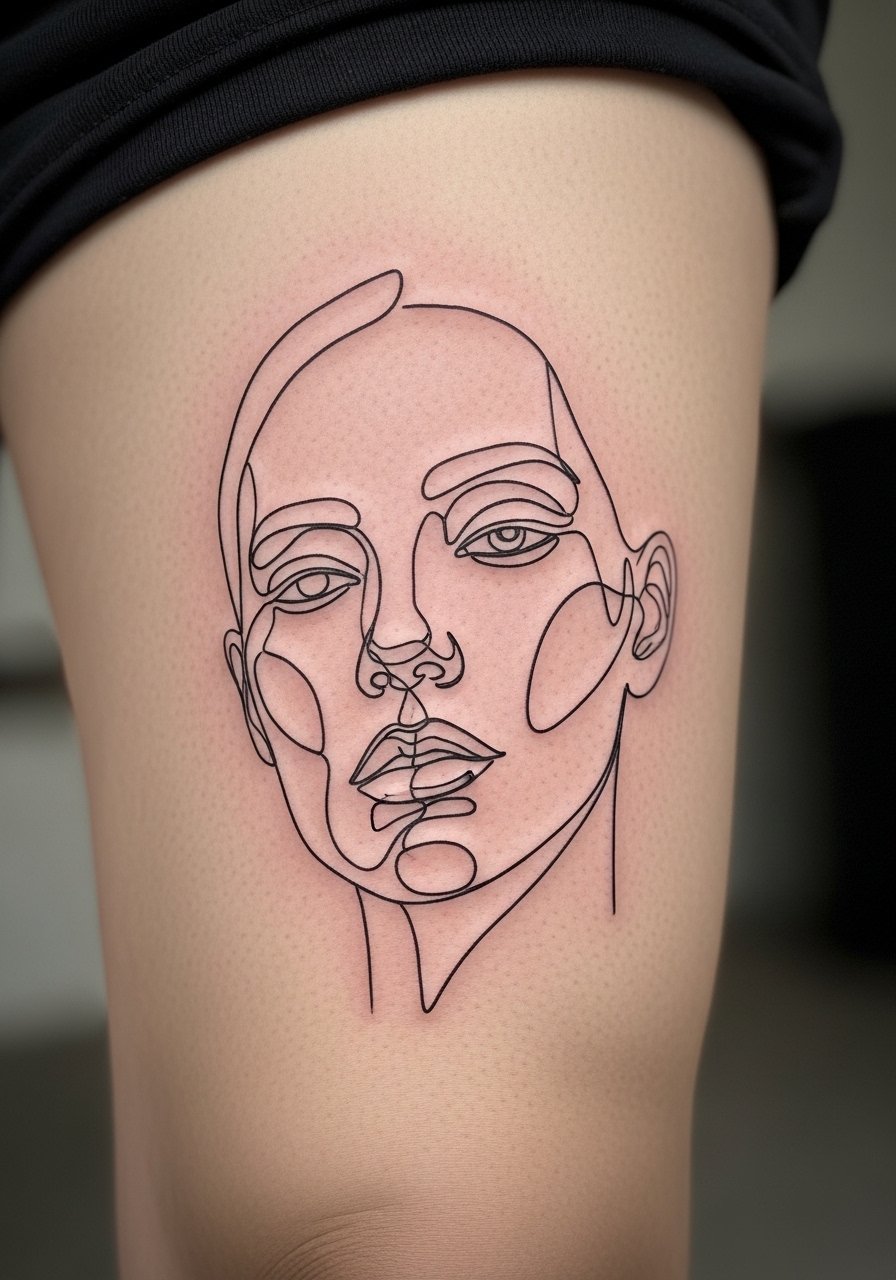
Thigh skin keeps lines crisp. Surreal breaks let the design stay interesting as it ages. Expect minimal discomfort and straightforward healing. Avoid over-detailing the face—stylized lines age better than tiny features.
16. Abstract Floral Silhouette on Ribcage
Style/Technique: Silhouette / Minimalist
Pain Level: High (7/10)
Session Time: 1–2 hours
Best For: Feminine, intimate design
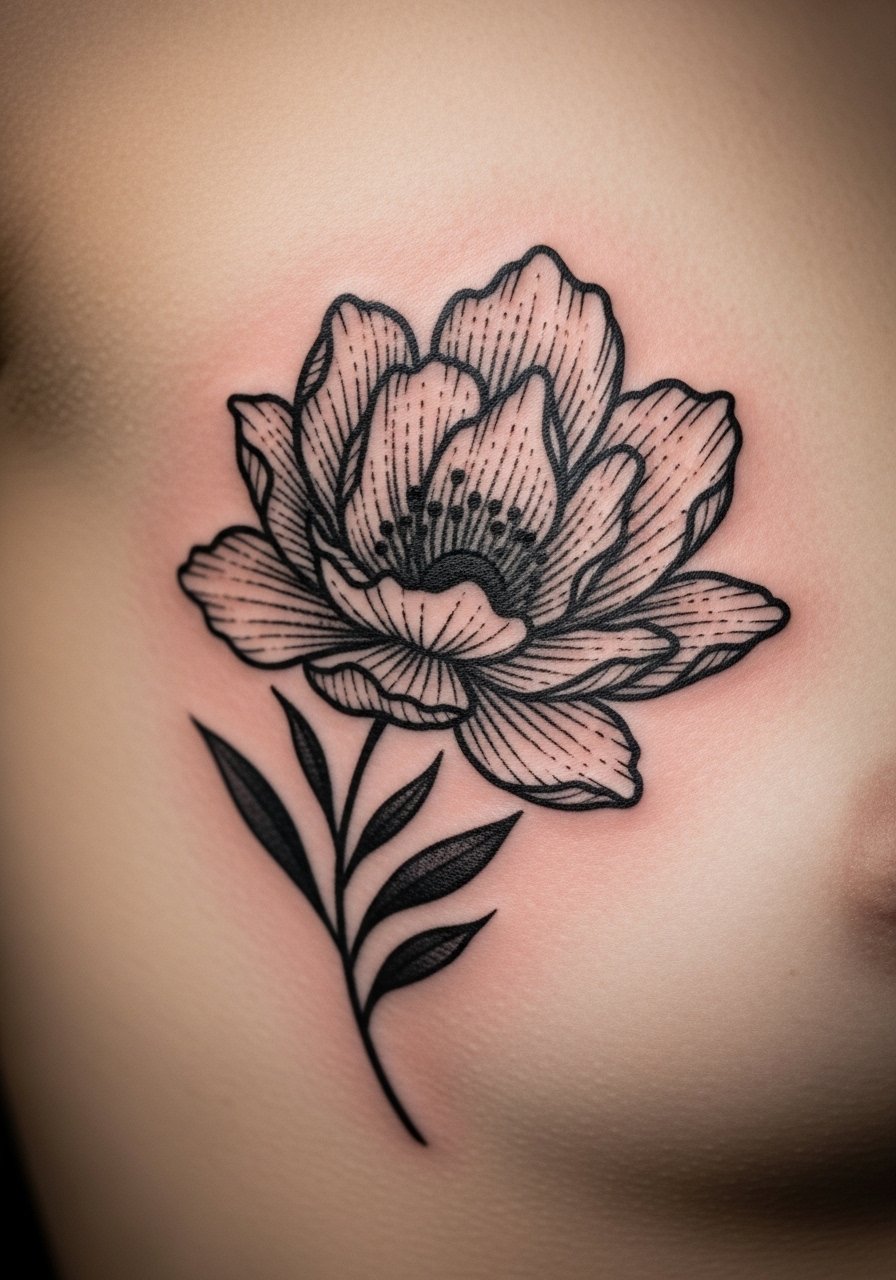
Silhouettes read clearly and age well. Ribs are painful and require careful aftercare. I prefer solid shapes here over intricate shading because they hold contrast longer. Ask artists for healed rib examples.
17. Interlocking Circles on Upper Back
Style/Technique: Geometric / Interlocking
Pain Level: Low (2-3/10)
Session Time: 1-2 hours
Best For: Symmetrical statement
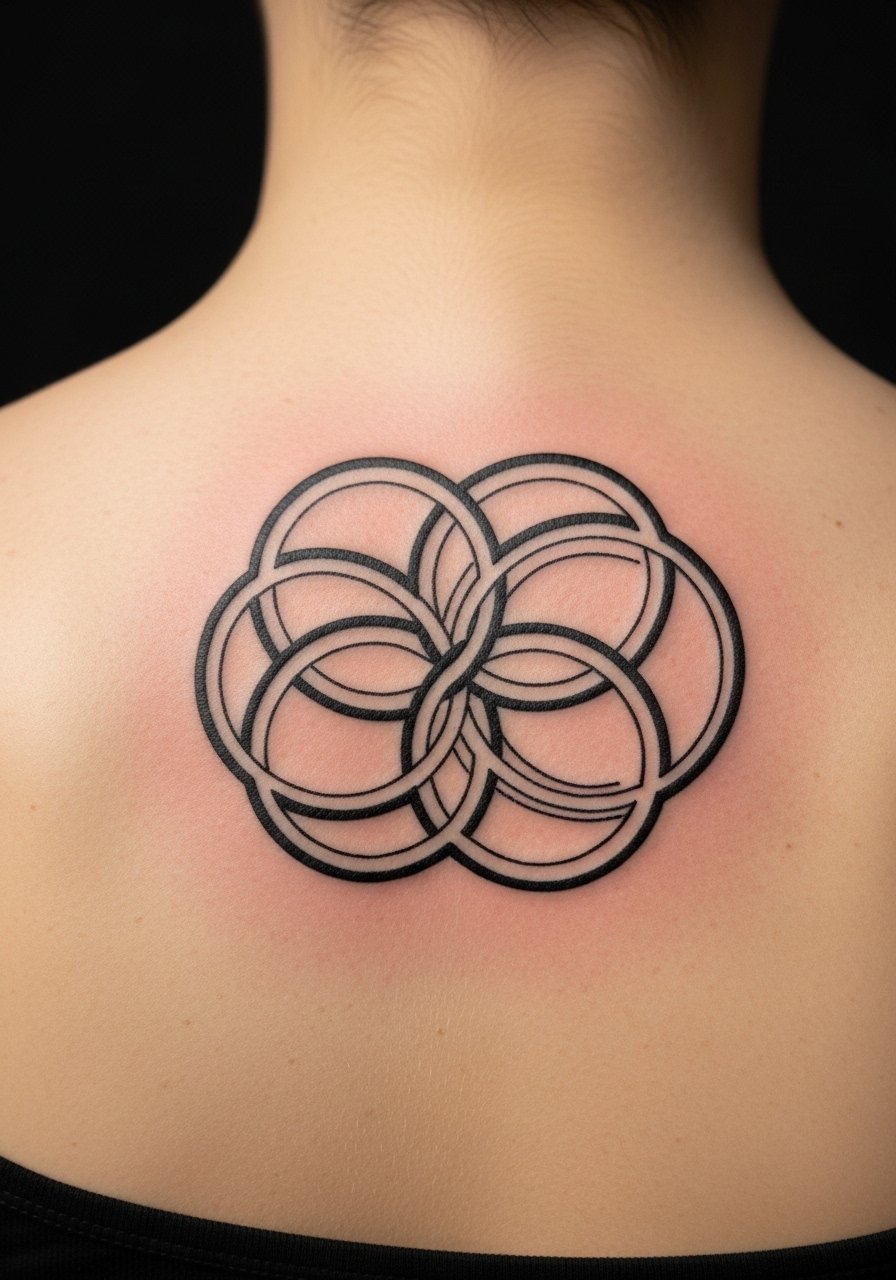
Upper back is stable and heals predictably. Circles with even spacing age nicely. Avoid tiny micro-gaps—these may fill in. Artists who emphasize measuring and symmetry produce better long-term results.
18. Abstract Feathered Line on Collarbone
Style/Technique: Fine Line / Feathered
Pain Level: Medium-High (5-6/10)
Session Time: 1 hour
Best For: Delicate visible accent
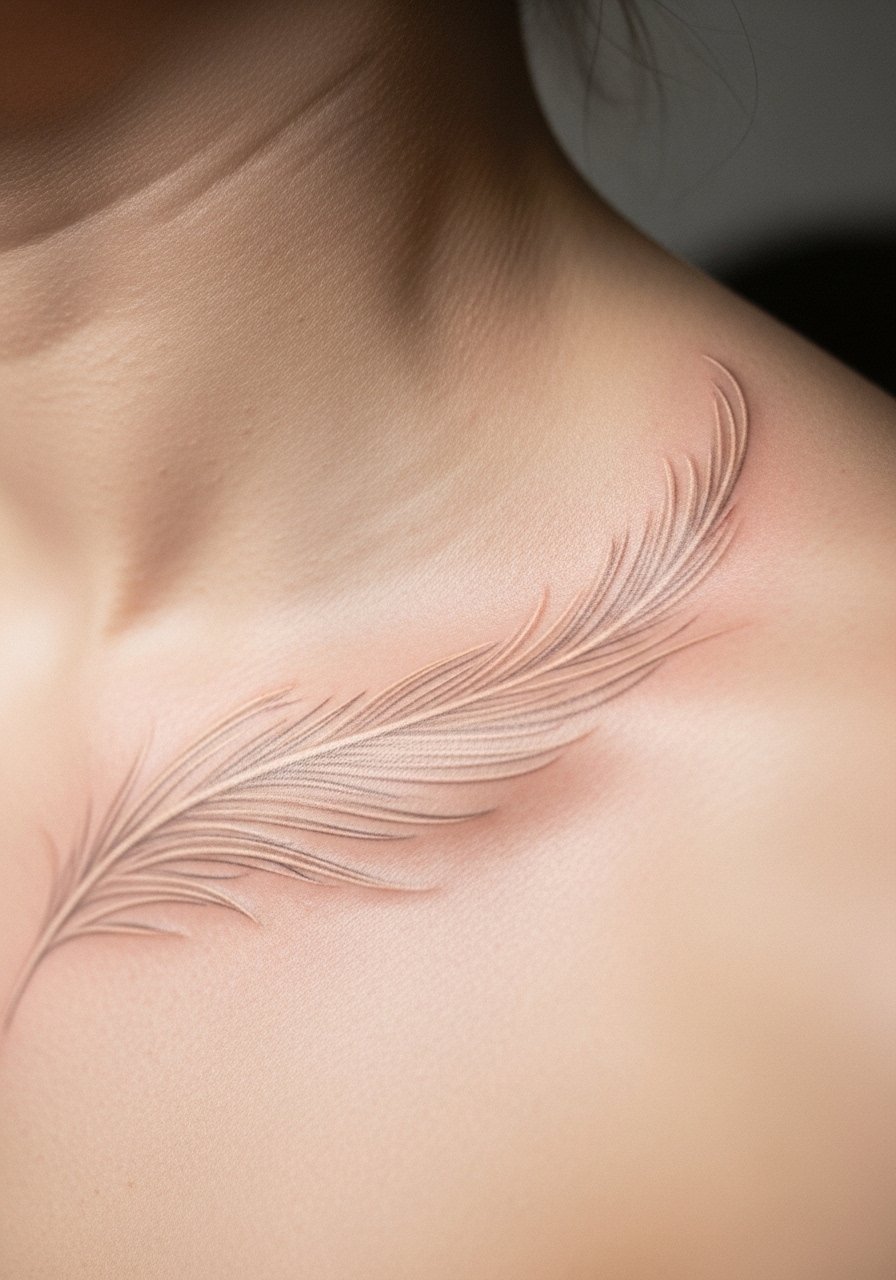
Collarbone can hurt but looks elegant. Feathered lines soften into skin but maintain character if slightly bolder initially. Expect a few days of soreness and to avoid tight straps. Don’t pick ultrafine strokes that may vanish.
19. Abstract Cityscape Silhouette on Forearm
Style/Technique: Minimalist / Silhouette
Pain Level: Medium (3-4/10)
Session Time: 1-2 hours
Best For: Personal, city-inspired design
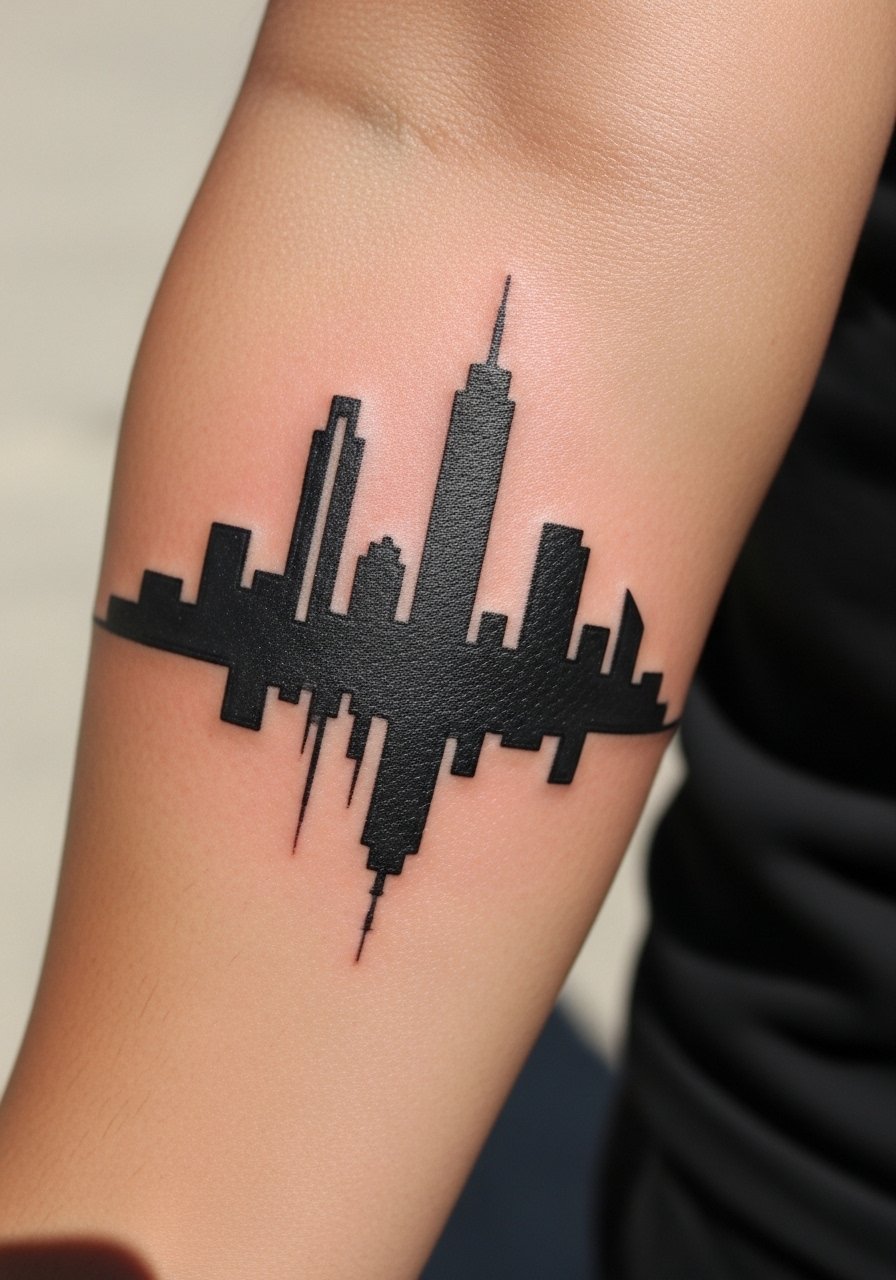
Forearm gives visibility and durable healing. Silhouettes with thoughtful negative space keep detail readable. Ask artists about line thickness to prevent skyline lines merging over time. Avoid tiny windows or micro-text.
20. Stippled Abstract Sun on Shoulder Cap
Style/Technique: Dotwork / Stippling
Pain Level: Low-Medium (3-4/10)
Session Time: 1-2 hours
Best For: Textured, radiant piece
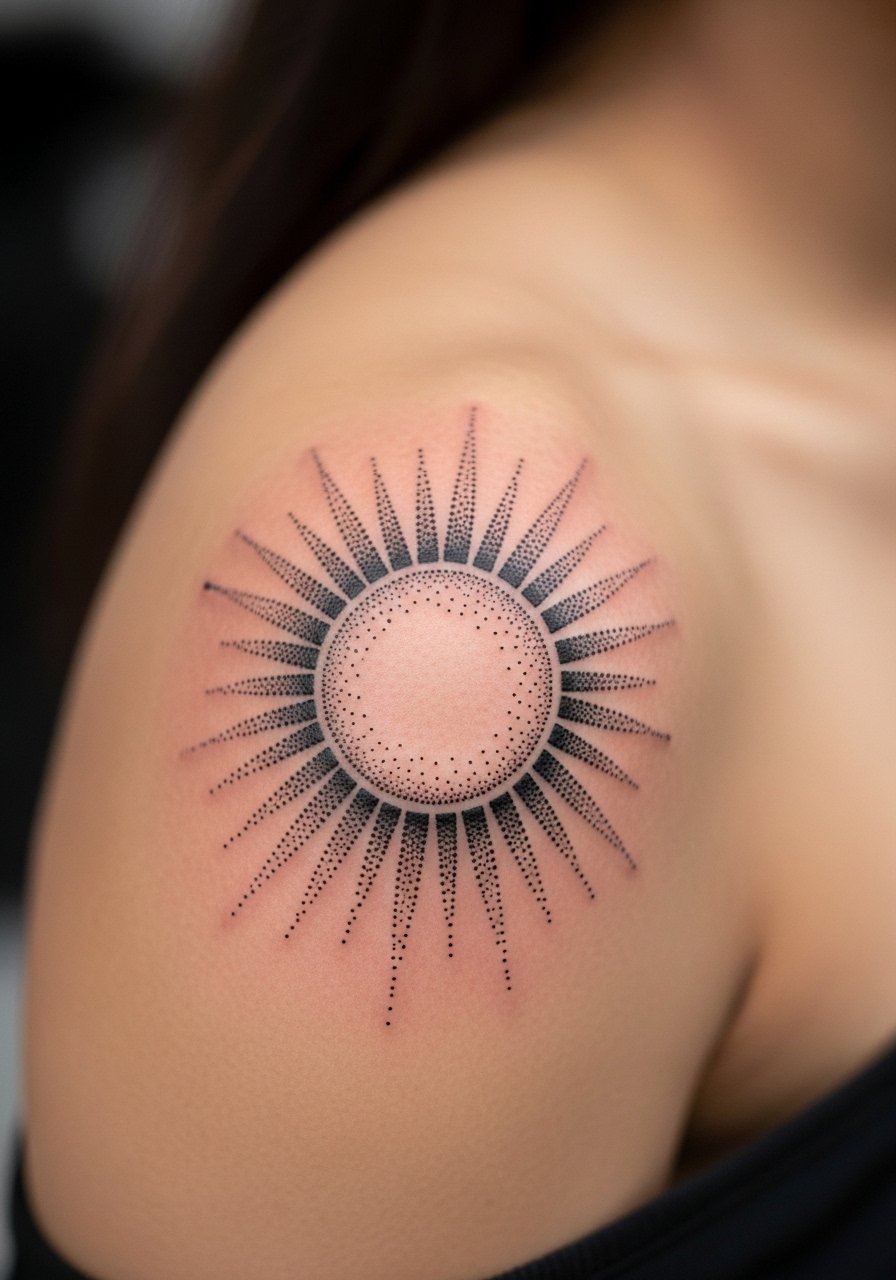
Shoulder caps handle dotwork well. Stippling creates texture that reads over years. Blending dots too tightly can create muddy areas; trust an artist who spaces dots intentionally. Sun motifs pair well with minimal color accents.
21. Chaotic Line Cluster on Side Rib
Style/Technique: Expressive Linework / Abstract
Pain Level: High (7/10)
Session Time: 1-2 hours
Best For: Energetic, personal expression
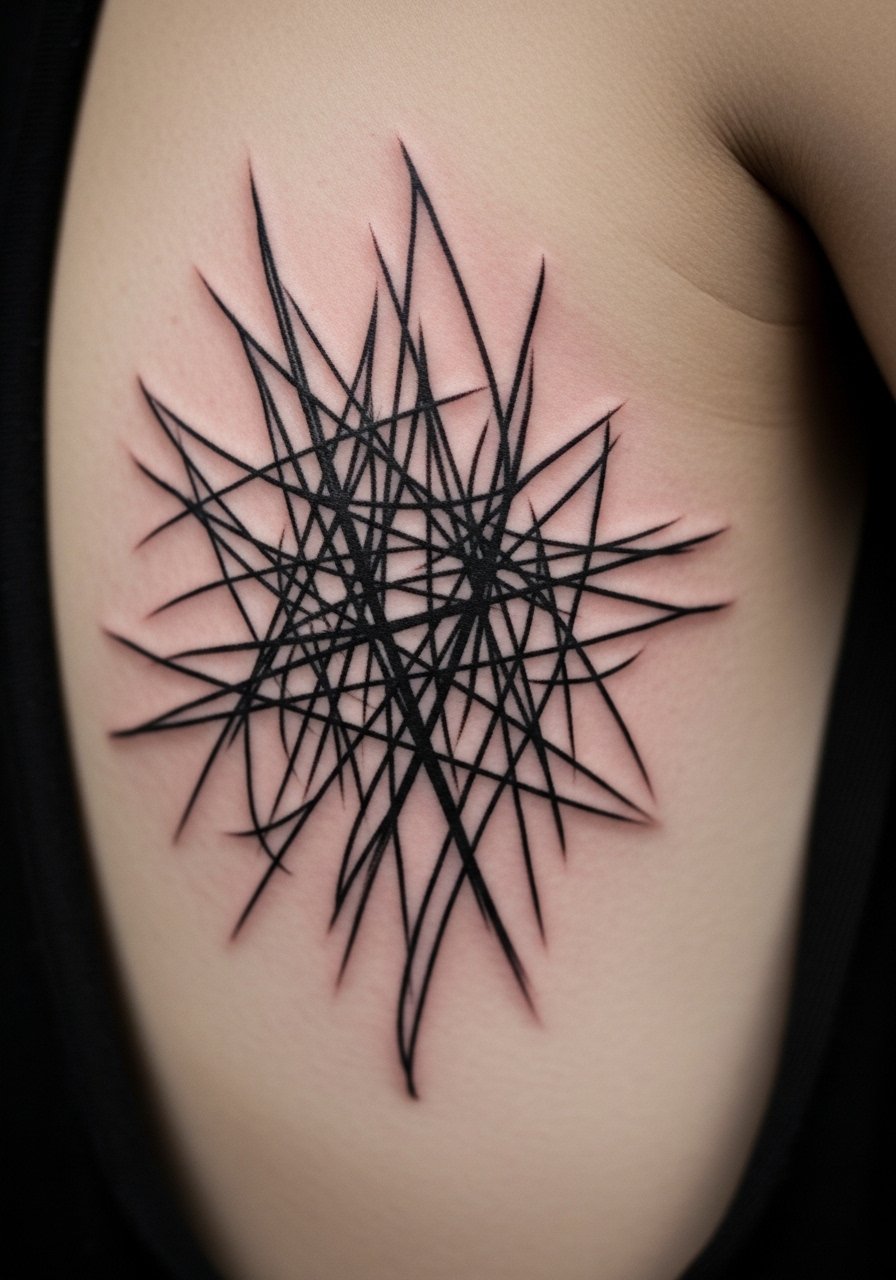
Energetic clusters look raw but need balance to avoid an indistinct healed blob. On ribs, pain is real, and lines should have conscious spacing. Artists who plan negative space will keep the piece readable long-term.
22. Abstract Botanical Negative Space on Thigh
Style/Technique: Negative Space / Botanical
Pain Level: Low (2-3/10)
Session Time: 1-3 hours
Best For: Organic, modern look
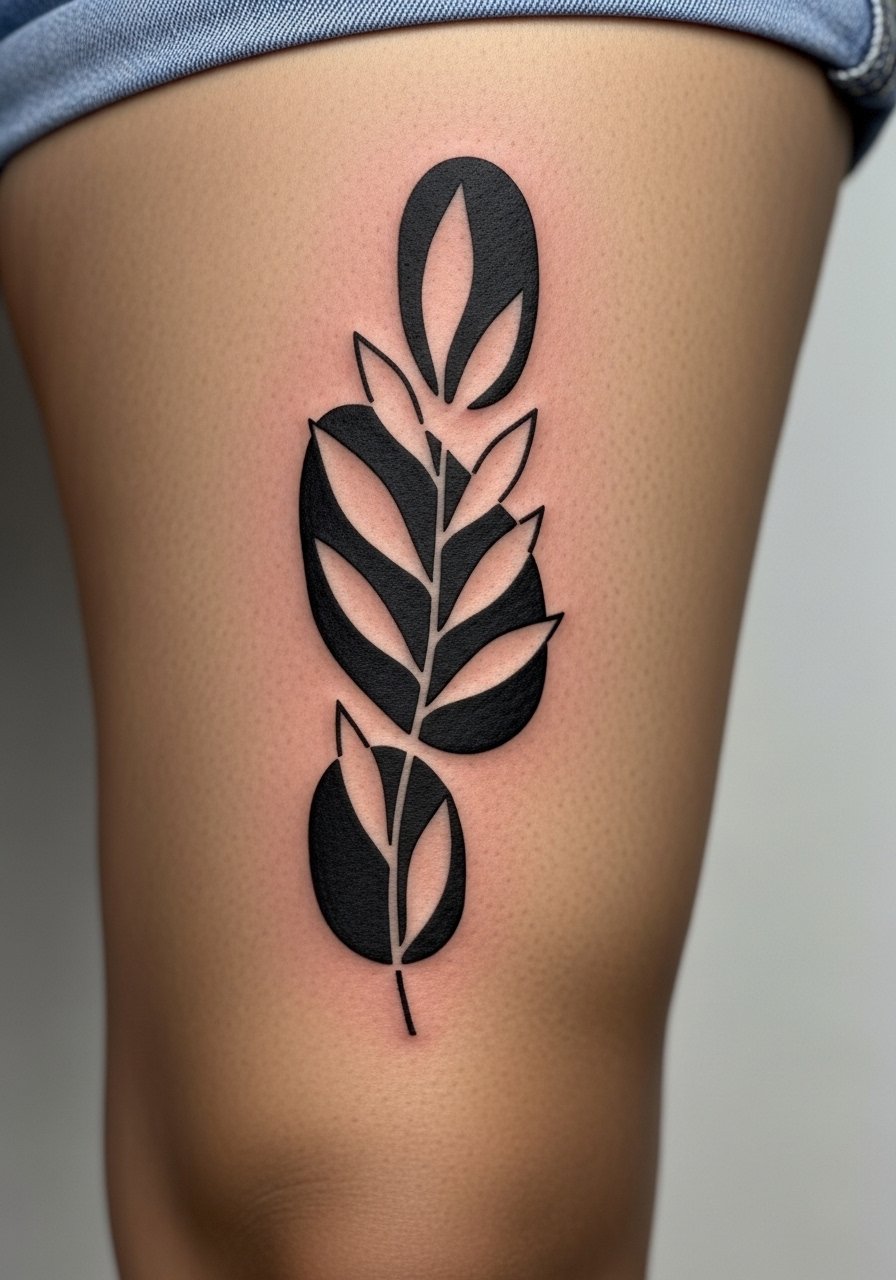
Negative space is forgiving on thighs. The skin there allows for solid blacks that frame lighter shapes. Avoid extremely thin negative shapes—wider forms hold better. Artists who demonstrate healed negative-space work are preferred.
23. Abstract Spiral Tattoo on Palm Edge
Style/Technique: Bold Line / Small Placement
Pain Level: Very High (9/10)
Session Time: 30–60 minutes
Best For: Hidden, tactile piece
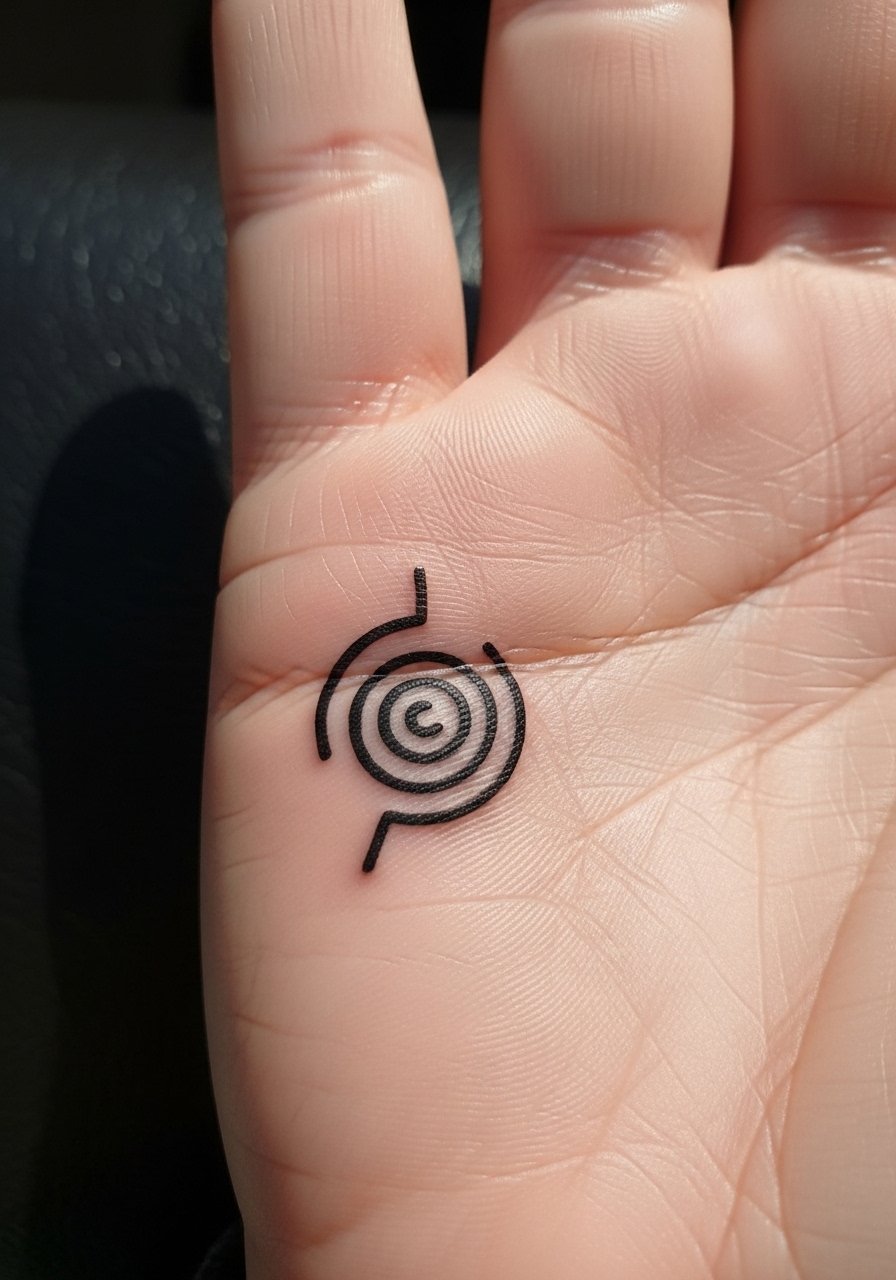
Palm and hand tattoos fade fast due to constant friction. I only recommend these if you accept possible early blur and touch-ups. Lines should be bold and simple. Healing is tricky—follow artist aftercare closely.
24. Cubist Fragment on Upper Arm
Style/Technique: Cubist / Abstract
Pain Level: Low (2-3/10)
Session Time: 1-2 hours
Best For: Modern, art-forward piece
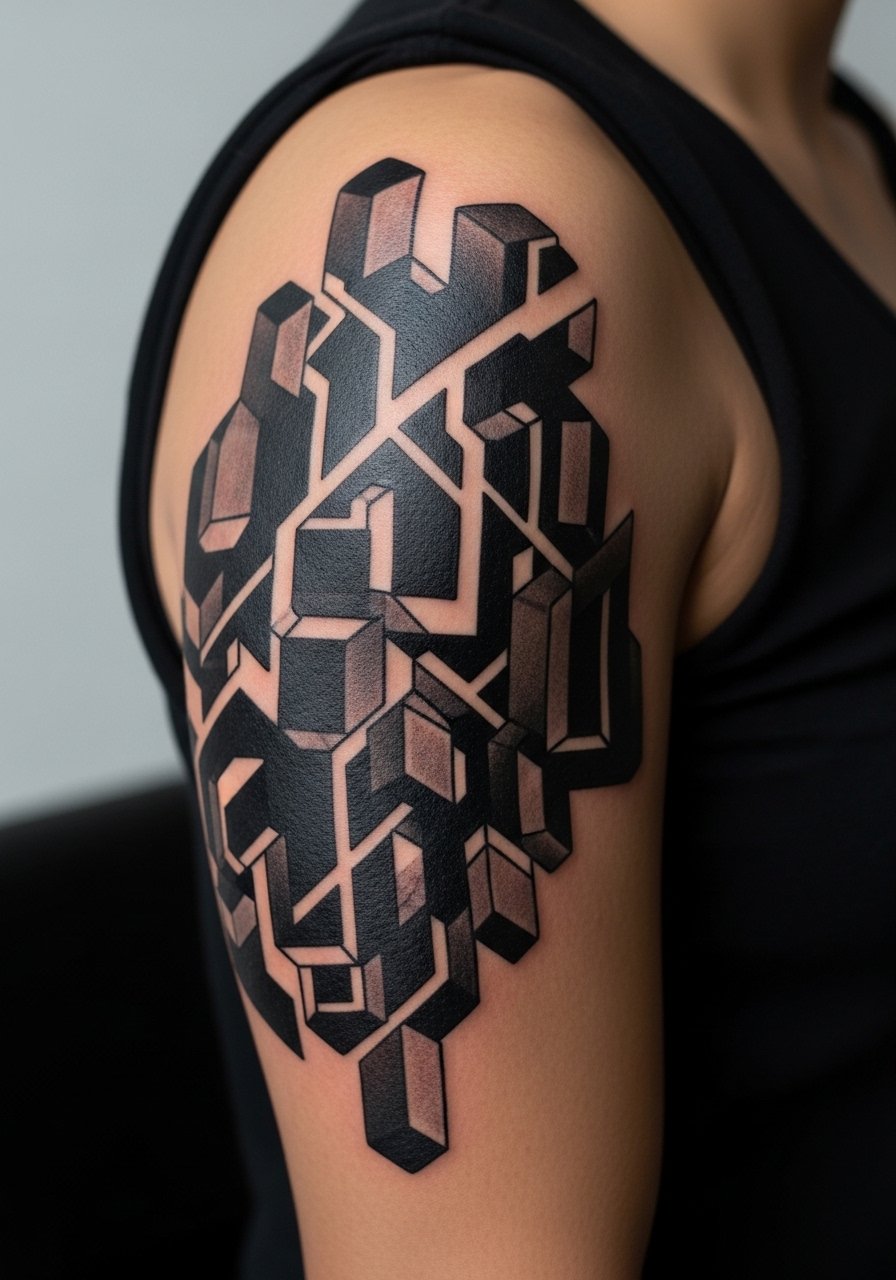
Upper arm keeps geometry stable. Cubist fragments look intentional as they mellow. Ask your artist to plan strong silhouette anchors so shapes don’t blend. Artists who translate paintings into healed tattoos are ideal.
25. Abstract Constellation Wrap on Wrist
Style/Technique: Fine Line / Dot & Line
Pain Level: Medium (4/5)
Session Time: 30–90 minutes
Best For: Symbolic, wrap-around accessory
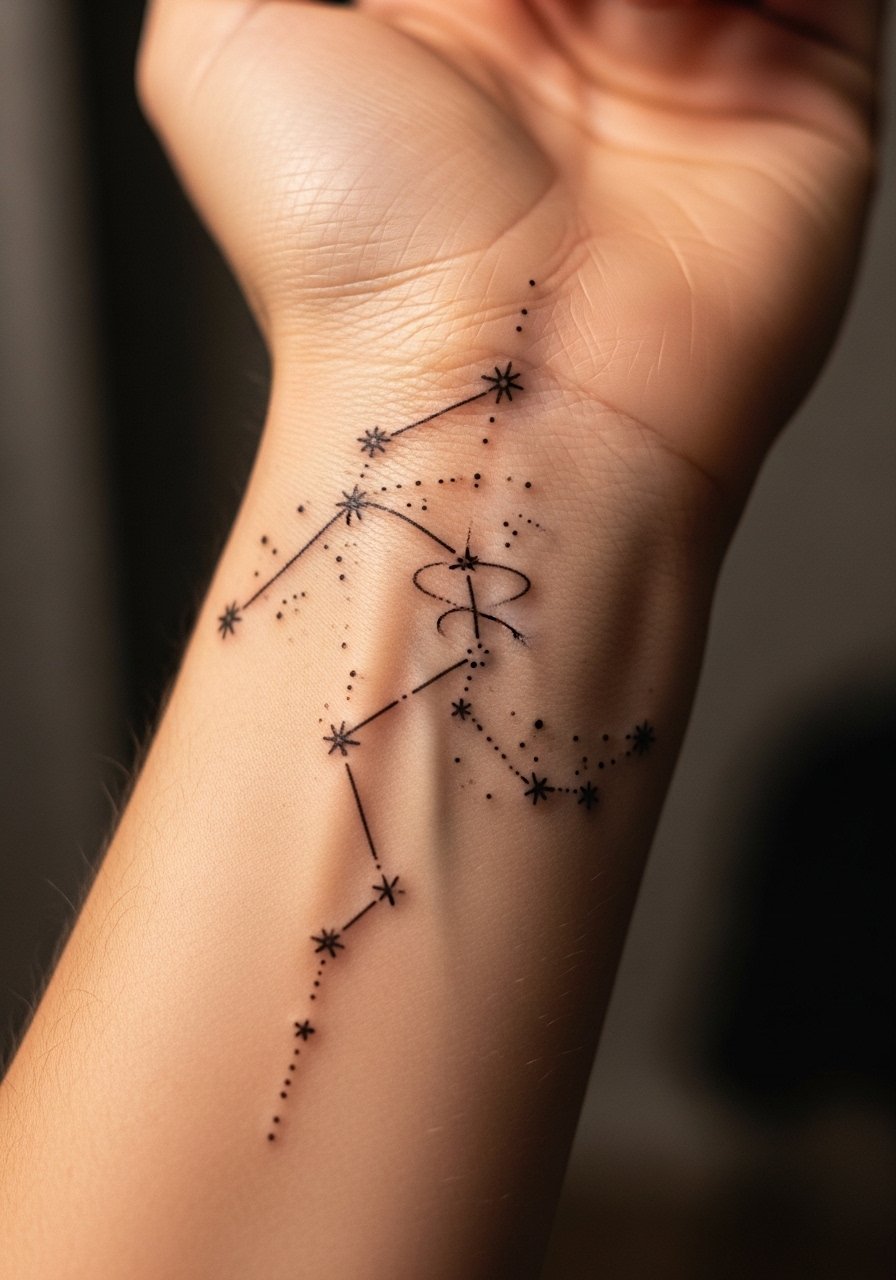
Wrist wraps are visible and charming. Keep spacing between dots and connectors to avoid merging. Expect light fading from sun and wear; a modest line weight helps. Artists who show healed wrists give the best sense of outcome.
26. Abstract Spiral Galaxy on Sternum Edge
Style/Technique: Painterly / Color & Line
Pain Level: High (7-8/10)
Session Time: 1-3 hours
Best For: Cosmic, intimate piece
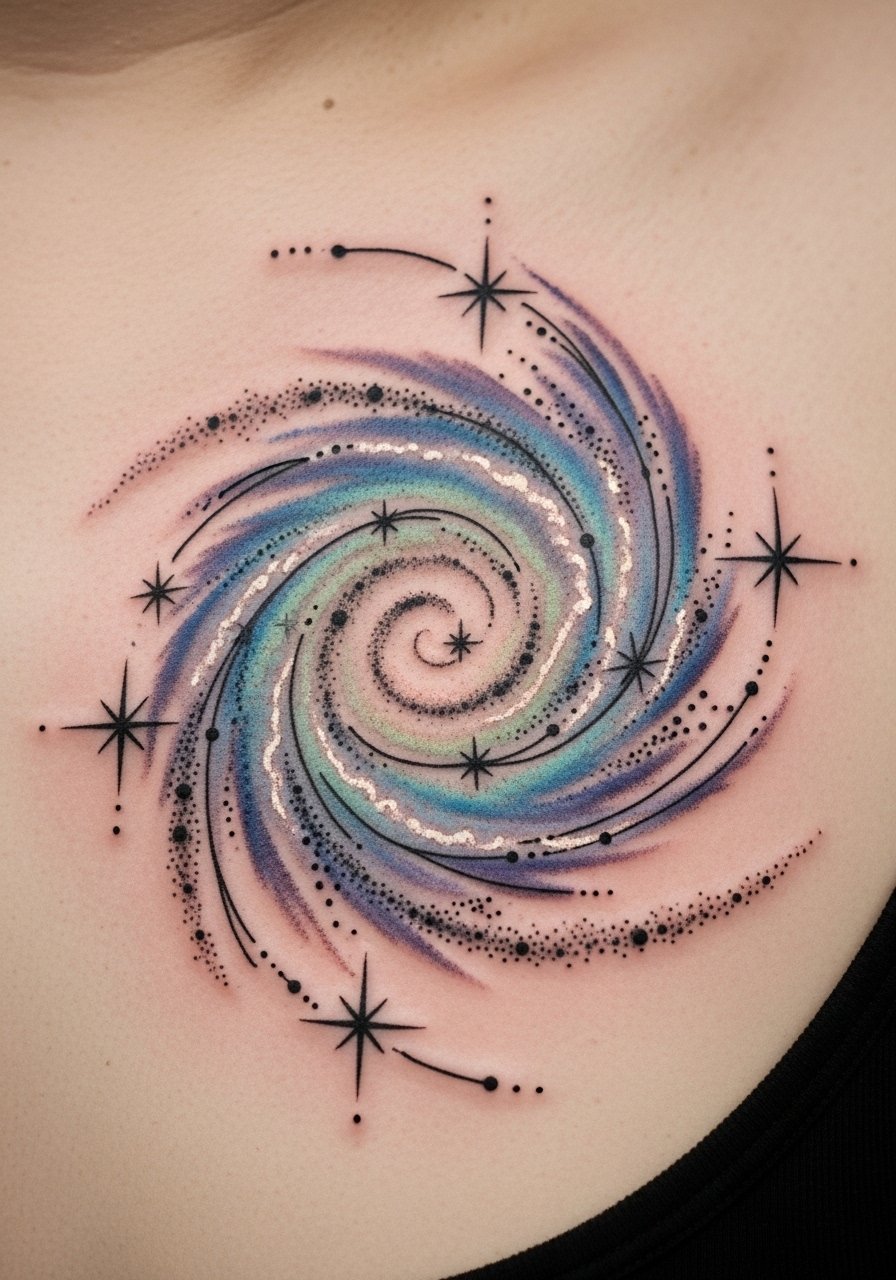
Sternum edge is sensitive. Galaxy effects can be layered to look rich healed. Colors need saturation planning—ask artist about healed pigment examples. Avoid tiny star specks that disappear.
27. Fragmented Arrow Suite on Outer Forearm
Style/Technique: Geometric / Fragmented
Pain Level: Medium (3-4/10)
Session Time: 1-2 hours
Best For: Directional, linear design
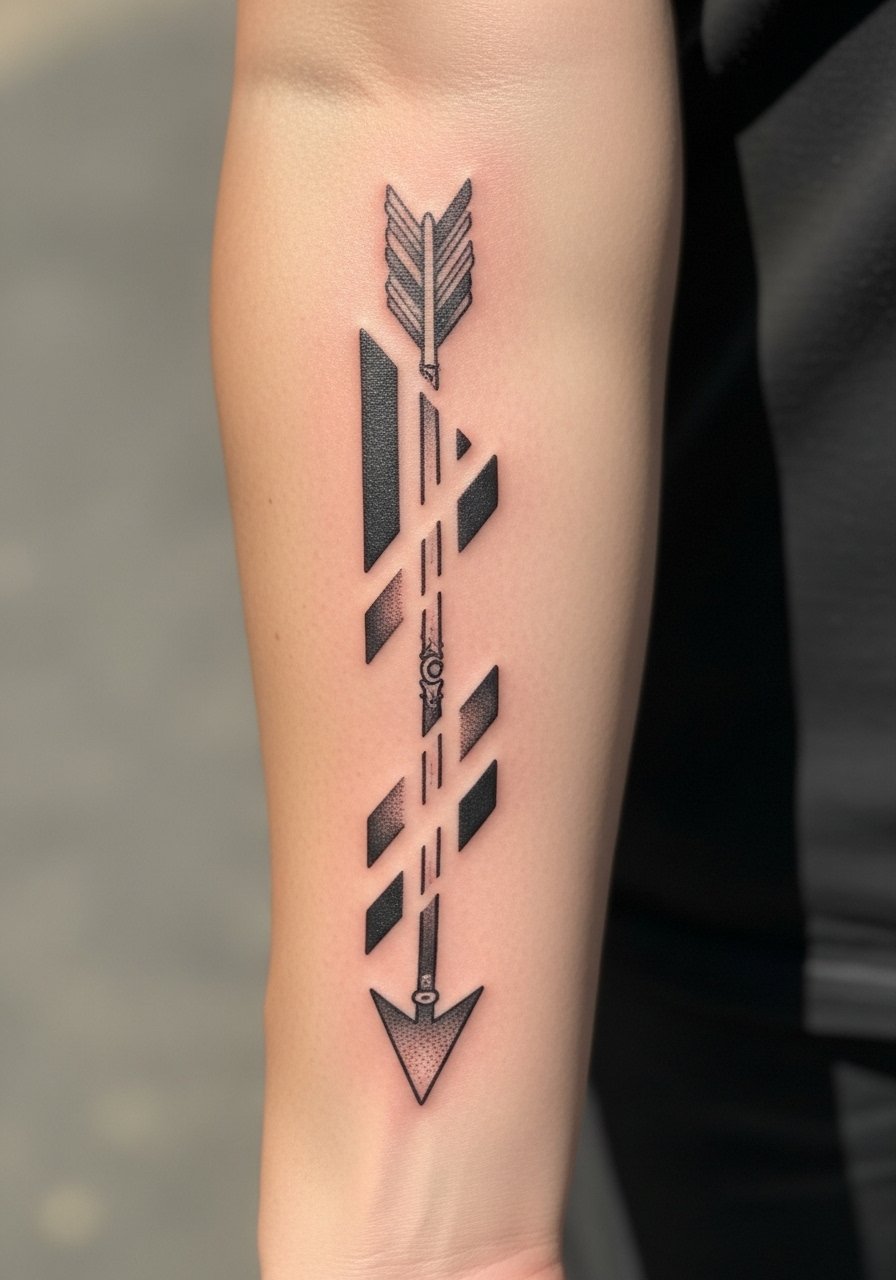
Arrow fragments read dynamic and age well if lines are consistent. Forearm motion is minimal, so details hold. Don’t cram too many tiny arrows; simplicity keeps the design crisp. Look for artists with clean line portfolios.
28. Abstract Botanical Monochrome on Side Hip
Style/Technique: Blackwork / Monochrome
Pain Level: Medium (4/5)
Session Time: 1-2 hours
Best For: Feminine, curving placement
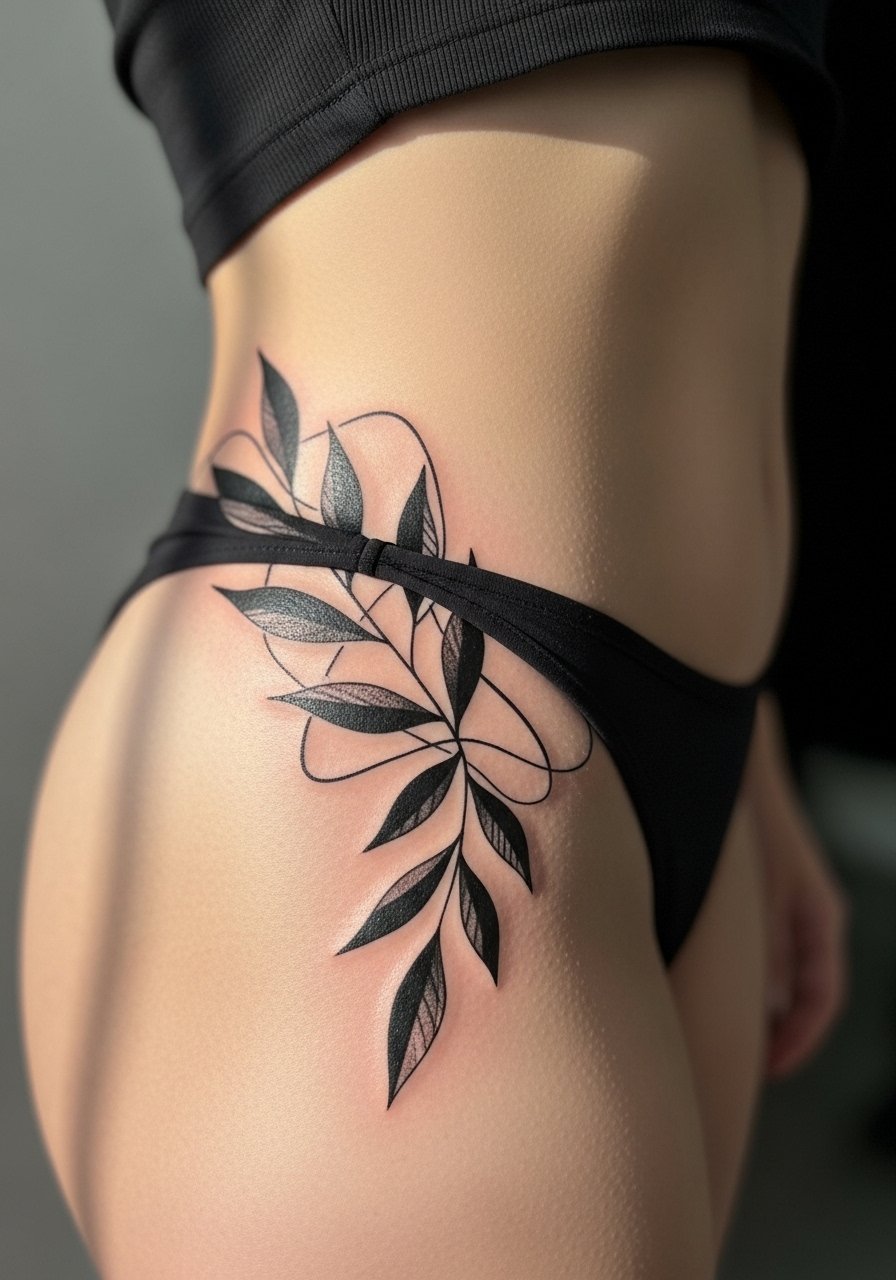
Side hip allows for curving compositions that flatter the body. Monochrome botanical shapes stay readable as skin shifts. Expect some tenderness during healing. Artists who design for body contours produce better healed flow.
29. Abstract Line Grid on Calf
Style/Technique: Minimalist / Grid
Pain Level: Low (2-3/10)
Session Time: 1 hour
Best For: Modern, architectural look
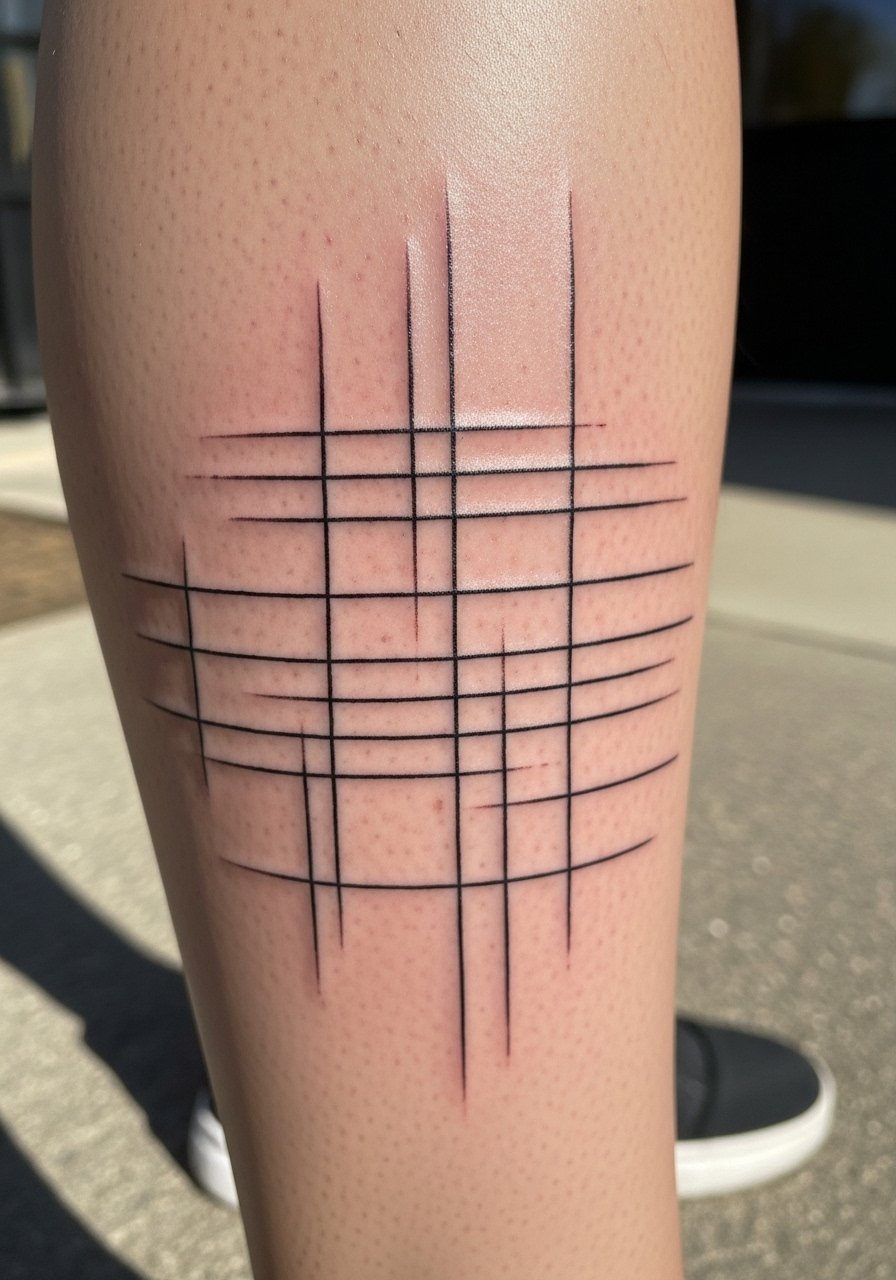
Grids can be striking and hold up as long as lines aren’t hair-thin. Calf support helps consistency. Discuss intentional imperfections with your artist if you want an organic feel—too-perfect lines on skin sometimes look sterile.
30. Abstract Wave Fragment on Foot Arch
Style/Technique: Fine Line / Organic Curve
Pain Level: High (7/10)
Session Time: 30–90 minutes
Best For: Hidden, tactile design
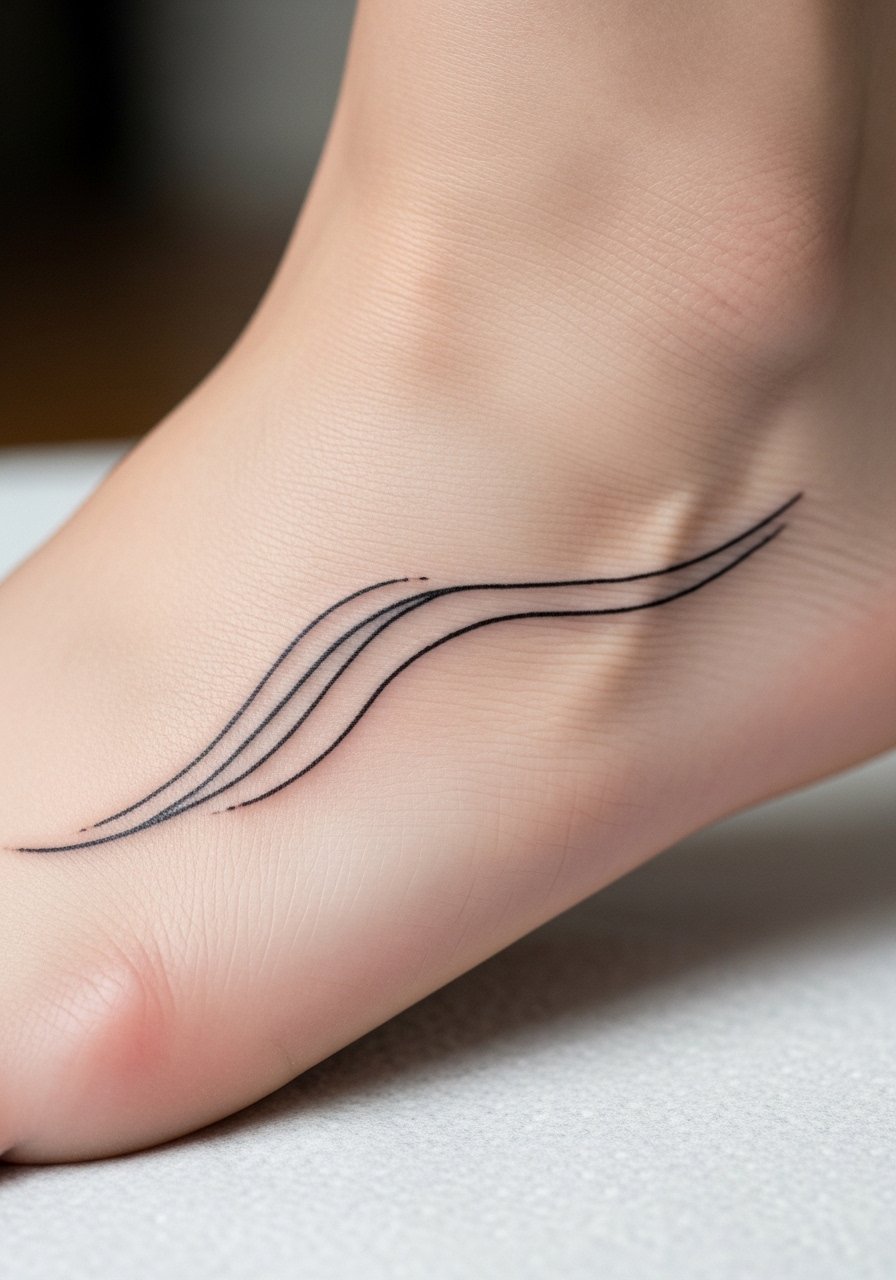
Foot arch tattoos hurt and fade rapidly from shoe friction. Curved fragments work if kept simple and slightly bolder. Healing can be tricky—keep footwear loose and follow aftercare. Expect to revisit for touch-ups.
Tattoo Prep and Aftercare Essentials
Aftercare Essentials:
- Aquaphor Healing Ointment, 14 oz tube — Use first 3–5 days for scab protection
- Saniderm Transparent Adhesive Bandage, 6-inch roll — Second-skin option for initial coverage
- CeraVe Fragrance-Free Moisturizing Lotion, 12 oz — Lightweight daily moisturizer during weeks 2–6
- Dr. Bronner's Unscented Castile Soap, 32 oz — Gentle cleanser for daily washing
Before Your Appointment:
- Topical Numbing Cream 5% Lidocaine — Apply 30–45 minutes before if artist agrees
- Tattoo Stencil Transfer Paper A4 — For sketching placement at home
Long-Term Maintenance:
- SPF 50 Sunscreen Stick for Tattoos — Daily protection once healed
- Mad Rabbit Tattoo Balm, 1.7 oz — Keeps healed ink vibrant
- Hustle Butter Deluxe, 4 oz — Vegan long-term care option
Optional Comfort Items:
- Tattoo Numbing Spray — For sensitive areas or touch-ups
- Hydrocolloid Bandages (Large Pack) — Spot sealing for small pieces
Frequently Asked Questions
Q: How bad does a tattoo actually hurt?
A: Pain varies by placement and your tolerance. Outer arm and thigh feel easier. Ribs, sternum, feet, and palms are much sharper. I tell people it's more persistent scratching and burning than sudden unbearable pain. For sensitive spots consider asking about a topical numbing cream if your artist approves.
Q: What if I regret the design later?
A: Sit with ideas for months. Abstract pieces can be layered or incorporated into larger work if you change your mind. If you want options, choose placements that can be covered. Keep in mind removal is a long process.
Q: How do I keep my abstract tattoo from fading?
A: From what I've seen, daily sunscreen is the single biggest factor. Use an SPF 50 sunscreen stick on exposed ink and moisturize with a fragrance-free lotion like CeraVe.
Q: Can I work out after getting inked?
A: Wait at least 48–72 hours before light workouts. For areas that flex a lot (elbow, knee, chest), wait longer. Sweat can irritate fresh ink and raise the risk of infection. Keep the area clean with a gentle soap.
Q: Should I test with a small tattoo first?
A: Only if you truly want a small piece. Pain differs by location more than size. A tiny wrist piece can hurt more than a larger forearm tattoo. Choose placement based on how visible you want it and your tolerance.
Q: How long does a tattoo take to fully heal?
A: Surface healing often happens in 2–3 weeks. Full settling and color maturation take up to 2–3 months. The first week is crucial—clean gently and use recommended ointments like Aquaphor for initial protection.
Q: Do tattoos look different on darker skin tones?
A: Yes. Black and deep tones show clearly across skin tones. Bright colors can be more subtle on deeper skin. I've learned to ask artists for healed photos on similar skin tones to set realistic expectations.
Q: What common mistakes should I avoid with abstract designs?
A: Expect lines to soften. Avoid packing tiny detail without contrast. Don't assume a design that looks great fresh will read the same healed—ask to see healed photos and request slightly bolder anchors for longevity.