
Most couple tattoos that still look intentional after five years are not exact mirror images. Small, deliberate differences and shared concepts tend to read as a set instead of one design trying to be identical on two different canvases. Think about where the lines will sit on each body, how bold the linework should be, and what will survive everyday friction. The ideas below favor clarity, meaning, and real-world wear.
1. Fine Line Coordinates on Inner Forearm
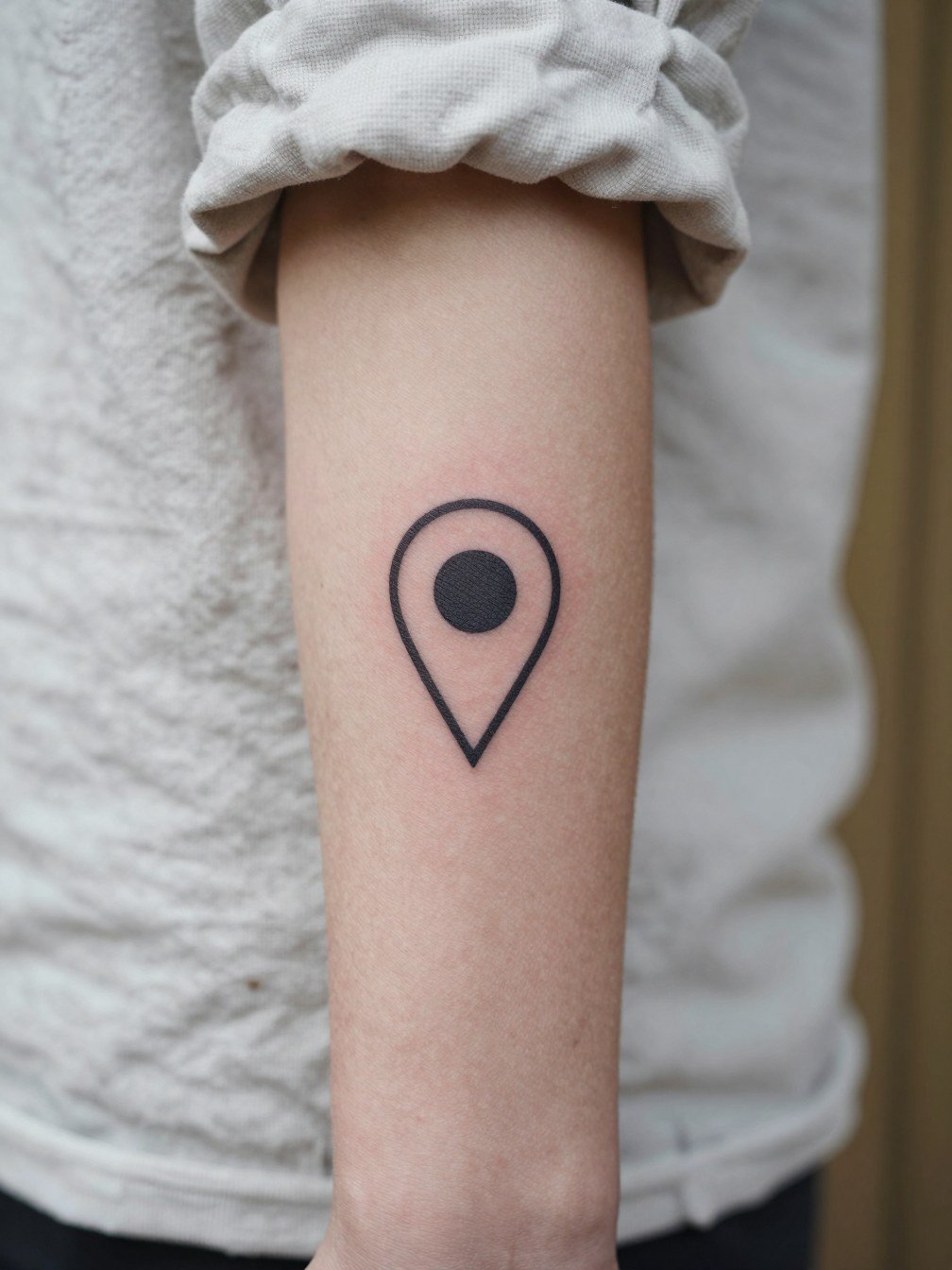
A neat set of coordinates reads like a private map for two people. I recommend slightly heavier single-needle linework here than the featherweight scripts people post online, because the inner forearm sees a lot of sunlight and friction from bags and sleeves. Talk through exact scale by bringing two reference photos at different sizes so the artist can show how the numerals read at three inches versus five. Expect a one to two hour session for both arms if you want matching placement. Six months in the numerals will look crisp, and a touch-up around year two keeps the text legible. For showing it off, roll sleeves up with a linen button-up that frames the forearm.
2. Tiny Ring Band on the Finger
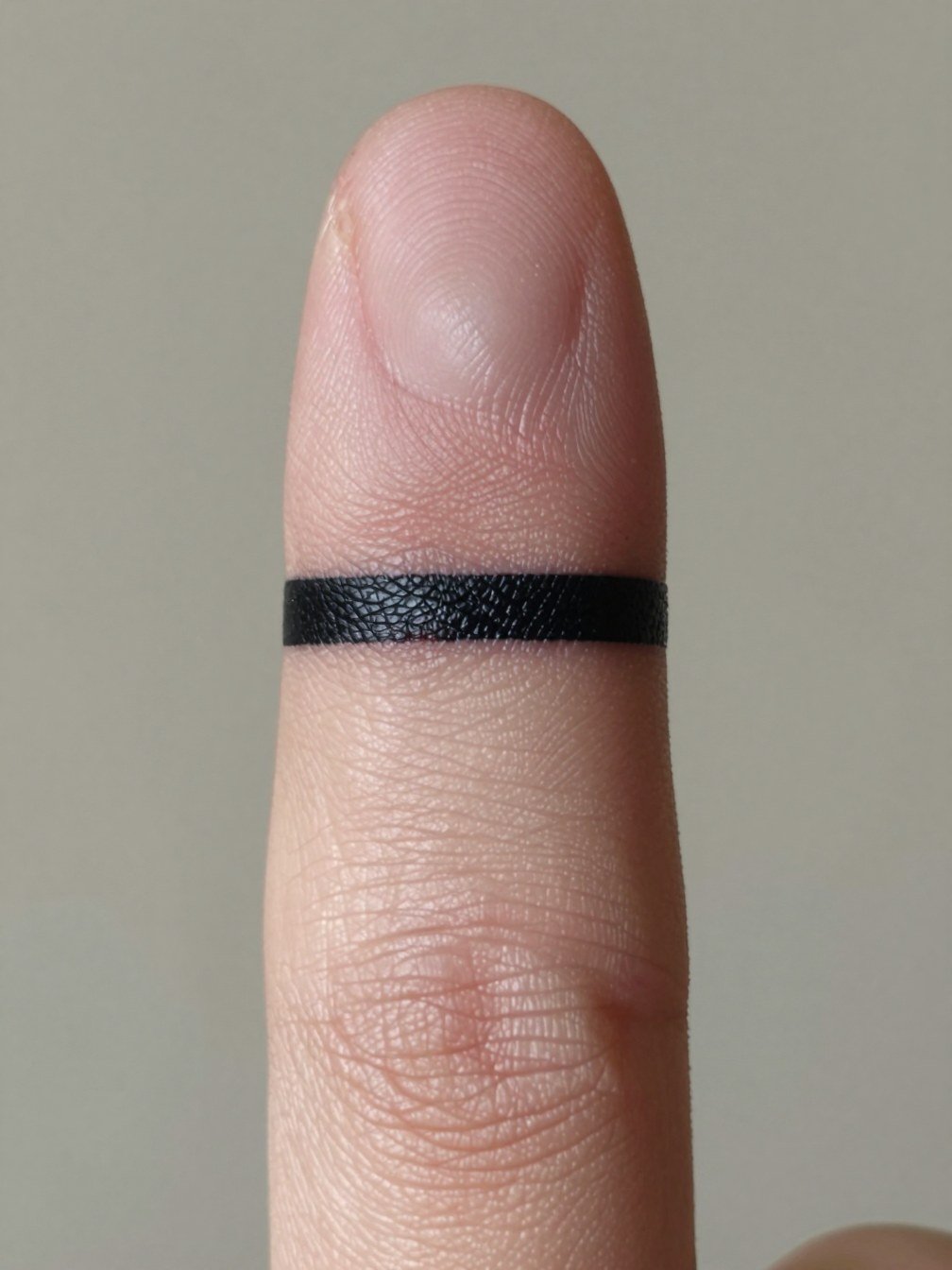
Finger bands are intimate and visible in daily life, but they split artists into two camps. One camp argues that fingers get heavy wear from hand washing and abrasion, so ultra-fine bands blur and need frequent touch-ups. The other camp says that with slightly bolder line weight and conservative spacing the band can last several years and age predictably. The mistake I see most often is asking for paper-thin gaps that disappear by year one. Expect a 20 to 40 minute session per finger and realistic touch-up planning around the one-year mark. If you want a wearable look without daily shine, pair the finger band with a slim metal ring rather than relying on the tattoo alone.
3. Matching Soundwave Micro at the Collarbone
A thin soundwave of a shared phrase or laugh reads like a secret code on the collarbone. For this placement the consultation should include a scaled mockup so you can see where the peaks hit the natural collarbone dip. The piece is best executed with slightly more saturation than a paper-thin line to avoid early diffusing. Expect a single short session under an hour. Healed at six months the soundwave keeps shape if spacing is respected, and a touch-up by year two is common. Wear an open-neck wide V-neck blouse or a delicate chain necklace to frame the line without covering it.
4. Lock-and-Key Mini on Inner Bicep
Inner bicep pieces sit on soft, slightly elastic skin, so the line weight needs slight reinforcement at the start. A common mistake is requesting an ultra-fine sketch and then finding the lock and key blur into each other after a year. When you consult, show how each detail should scale at two sizes so the artist can set appropriate spacing. The session feels calmer than ribs but expect sensitivity where the skin is thin. For the appointment wear a loose tank top so the artist has full access, and afterwards low-pressure fabrics help the area breathe. A simple leather cuff or rolled sleeve sleeveless tee works to show the inner bicep when you want to.
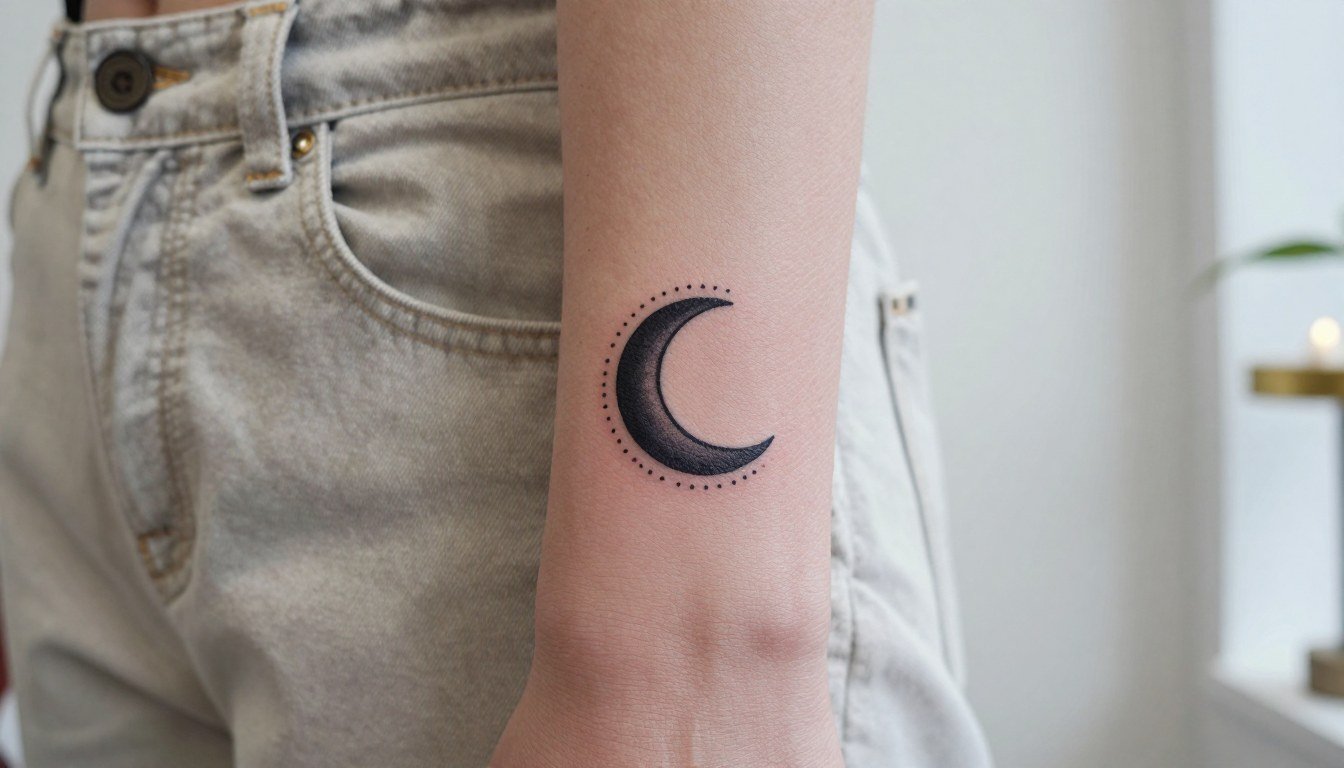
5. Crescent Halves on the Ankles
Ankle tattoos face constant friction from socks and shoes, so silhouettes outperform heavily detailed micro work here. The usual error is packing tiny dots into the ankle crease which disappear under pressure. For placement, agree on exact spacing from the malleolus so the shapes line up when you stand side by side. Sessions are short but expect a week of careful footwear choices and a protective film during the first nights. At six months the crescents will soften slightly around the edges, and a small touch-up at year one is not unusual.
6. Minimal Matchbook Sketch on the Shoulder Blade
Shoulder blade pieces sit on relatively stable skin so they tend to age well even with fine detail. A practical scenario to recommend this design is when one partner prefers a visible spot and the other wants something easy to hide under a tee. Ask to see stencil placement while standing so curvature is respected. Plan for a one to two hour session depending on fill, and expect touch-up only if you want to re-darken the tiny interior lines after the first year. For after-session comfort choose breathable tops and avoid heavy straps that rub the area.
Before You Book
Small designs on wrists, fingers, and ribs above need a few practical things to smooth the session and the first week.
- Stencil transfer paper kit. Lets you preview exact placement on skin before any needles touch, useful for the collarbone and inner forearm pieces above.
- Topical numbing cream. Applied the recommended time before your session eases sensitivity for ankle and rib work without altering the line quality.
- Thin protective film roll. Keeps wrist and finger tattoos cleaner during the first week when soap and water are frequent.
- Fragrance-free gentle body wash. Mild cleansers reduce irritation around delicate fine-line pieces as they heal.
- Aquaphor Healing Ointment. A thin layer in the first days helps lock moisture without suffocating the channel around single-needle work.
7. Morse Code Bracelet on the Wrist
Wrist bracelets are charming because they mimic jewelry but they take constant washing and movement. When asking for Morse code, clarify the dot and dash scale so the rhythm stays readable a year in. A common mistake is compressing too many symbols into a narrow band. Sessions run 30 to 60 minutes depending on wrap-around length. The distal wrist can show early softening, so plan a gentle touch-up window at year one. For showing the bracelet off, pair with minimalist watches or slim woven bands like a woven bracelet.
8. Shared Waveform Along the Ribcage
Fine-line ribcage work divides artists into clear camps. One camp warns that the stretching and movement of the ribs causes delicate lines to blur within two years, especially where the skin flexes under clothing. The other camp counters that with slightly increased spacing and careful needle depth the same design will settle and can be photographed at three years to illustrate durability. If you choose this area, plan for a longer session with breaks and accept higher pain scores. Expect a touch-up window between six months and two years to preserve crisp peaks. Because this is a sensitive area, book a shop known for healed photos in similar placements.
9. Behind-the-Ear Mini Portrait Silhouette
Behind-the-ear pieces are small but highly visible when hair is up, and they require an artist comfortable with tight placement. For consultation bring a photo of hair length and typical part so the artist can map visibility. The session is quick but can feel sharp because of thin skin. A common error is asking for intricate shading that reads like noise at this scale. For styling, plan regular updos or use a simple clip that lets the tattoo be visible on special occasions and hidden otherwise. Consider a large hair claw to reveal the area when you want to show it.
10. Minimal Mountain Range on the Calf
Calf pieces sit on durable flesh and usually handle fine-line detail well. One practical scenario is matching mountain silhouettes where one partner prefers a left-facing ridge and the other a right-facing ridge so the pair aligns when you stand together. The session is often under an hour and the area tolerates slightly denser saturation for longevity. A common mistake is putting the peaks too small vertically which loses presence when healed. For showing these off, pair with cutoff denim shorts and ankle boots that frame the lower leg.
11. Tiny Sternum Script Dates
Sternum script reads as a private, centered mark, but this area demands respect and skill. The skin here can stretch and the curvature will warp very fine cursive if the letters are too condensed. A useful consultation detail is to show how the script looks when you inhale and exhale so the artist can plan spacing. Expect higher pain and a longer healing window because of movement and friction from clothing. A touch-up at six to twelve months keeps thin scripts sharp. Because of placement sensitivity, choose a practitioner with portfolio examples of sternum work in similar sizes.
Frequently Asked Questions
Q: How much does a small couple tattoo usually cost?
A: Prices vary by city and by artist, and this depends on session length and line complexity. As a rule of thumb expect short single-needle pieces to be billed in short sessions and larger matched pieces in one to two hour blocks. If you want a tighter estimate, ask the studio for a session-length quote rather than a fixed price per motif.
Q: Where is the best place to find healed examples and portfolios without naming artists directly?
A: Search platform tags and location filters on social apps for healed shots, for example search terms that match the motif plus "healed" and your city name. Forum threads on community sites featuring "healed" in the title can also surface multiple skin tones and placements.
Q: How do I plan for touch-ups and long-term maintenance for fine-line couple tattoos?
A: Expect a touch-up window between six months and two years depending on placement and daily abrasion. Plan fewer details or slightly bolder line weight for high-wear spots like fingers and wrists. Keep in mind the difference between a light single-needle look and something intentionally built to last.
Q: Are matching tattoos on both people supposed to be identical or complementary?
A: Matching does not mean identical tattoos have to be literal twins. Complementary approaches where lines, orientation, or negative space differ often read stronger over time. Decide ahead which elements must be identical and which can be mirrored or varied so the artist can adapt for different body contours.
Q: What should I wear to my appointment for a collarbone, inner arm, or shoulder blade piece?
A: Wear clothing that gives the artist clear access without you needing to undress, for example a wide V-neck top for collarbone pieces and a tank top for inner arm work. If showing off after healing is part of the plan, consider a wardrobe piece that frames the area during outings.
