
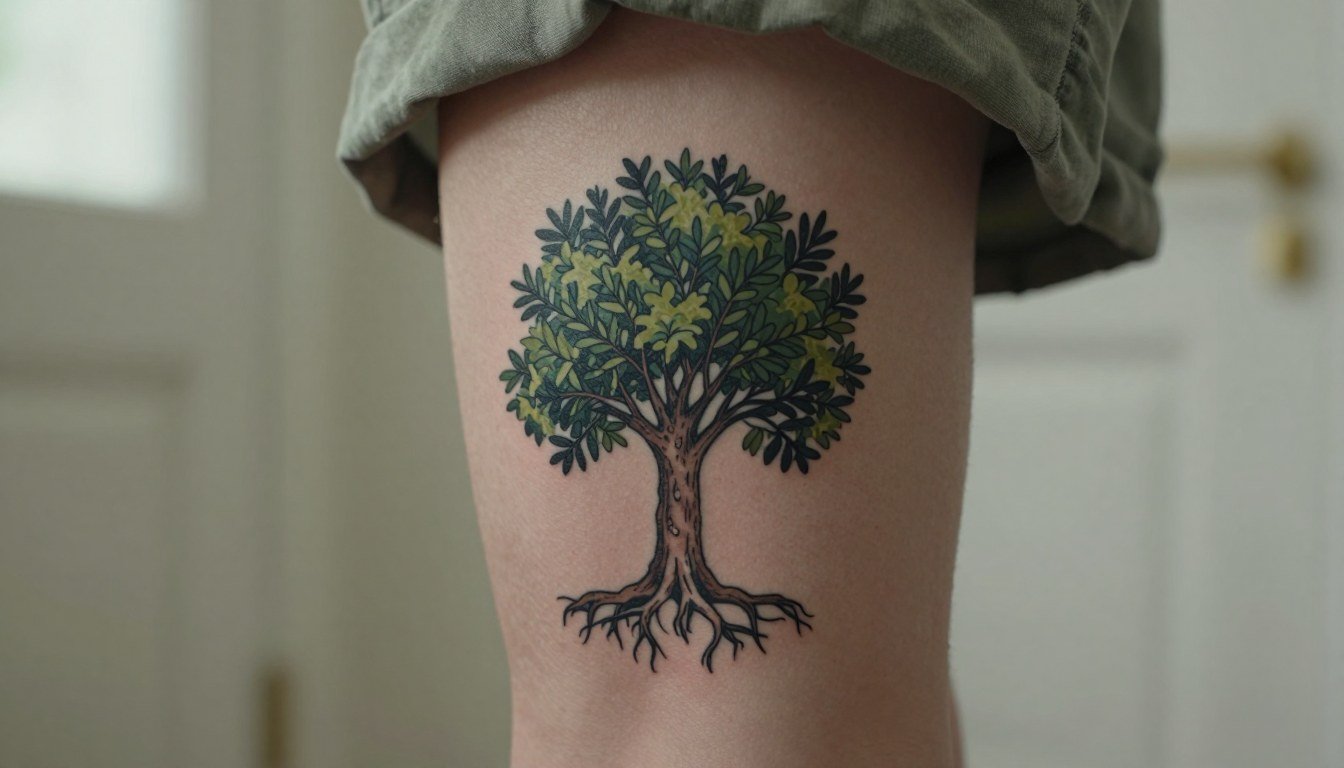
The olive ink that still reads crisp after several years is often not the whisper-thin sprig that fills mood boards. Slightly stronger line weight and deliberate spacing keep individual leaves readable as skin ages. Size, placement, and a whisper of muted green change how that symbol reads over time, so pick a direction that fits how often you want it to show and how it will settle on your skin.
1. Single Fine-Line Olive Branch on the Inner Forearm
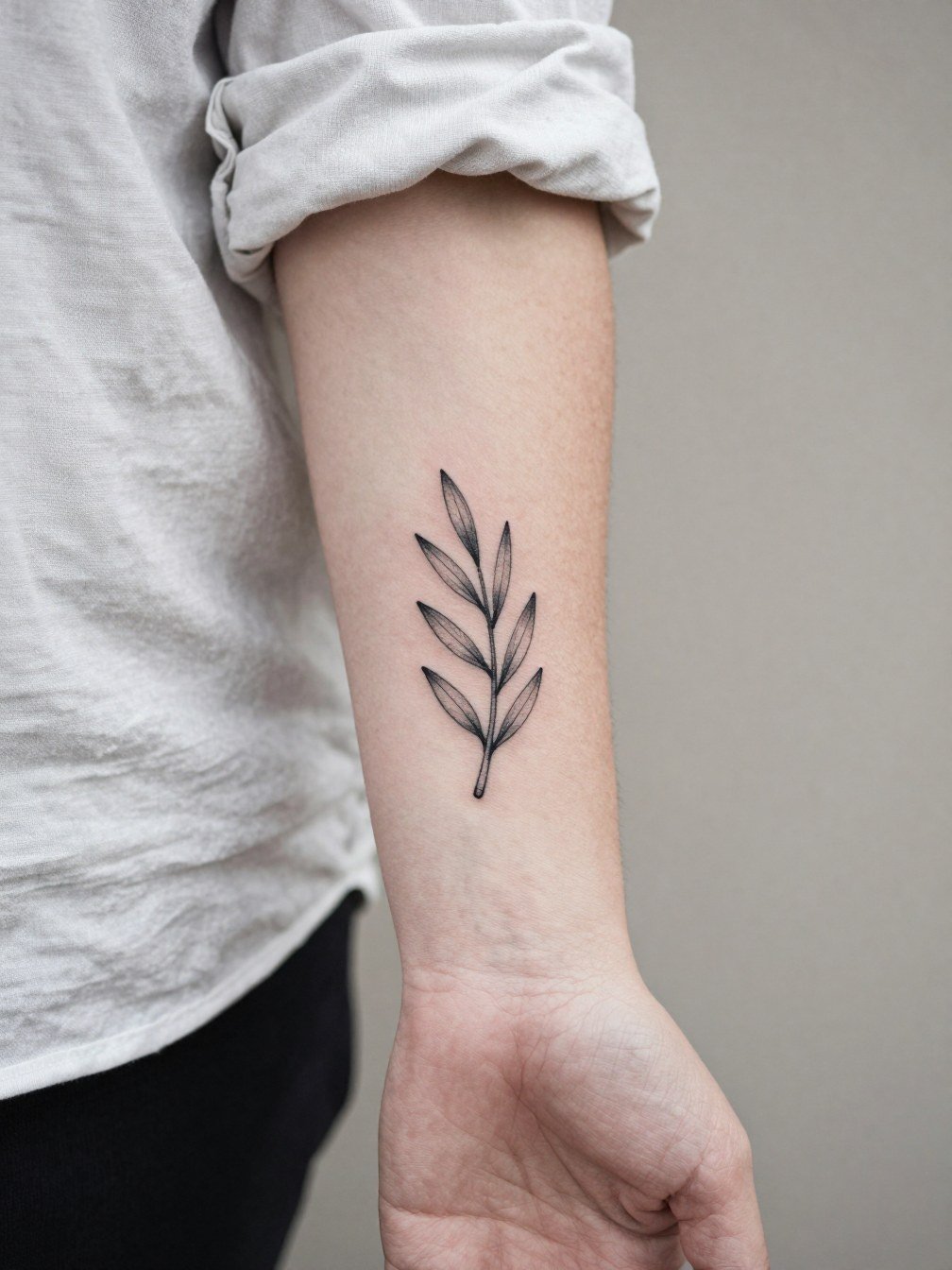
The inner forearm is the classic spot for a single branch because the anatomy matches the design. For the best long-term read, go with a slightly heavier outline than the pencil-skin reference you saved. Bring a three-inch mockup so the artist can show how leaf spacing reads at that scale. A common mistake is asking for ultra-fine veins inside each leaf; that detail blurs by year two. Expect a one-session appointment around 30 to 60 minutes and minor tenderness when you extend the palm-up surface. This placement pairs well with rolled cuffs; try a linen button down shirt for casual show-off looks.
2. Wrist Wrap Branch That Circles the Joint
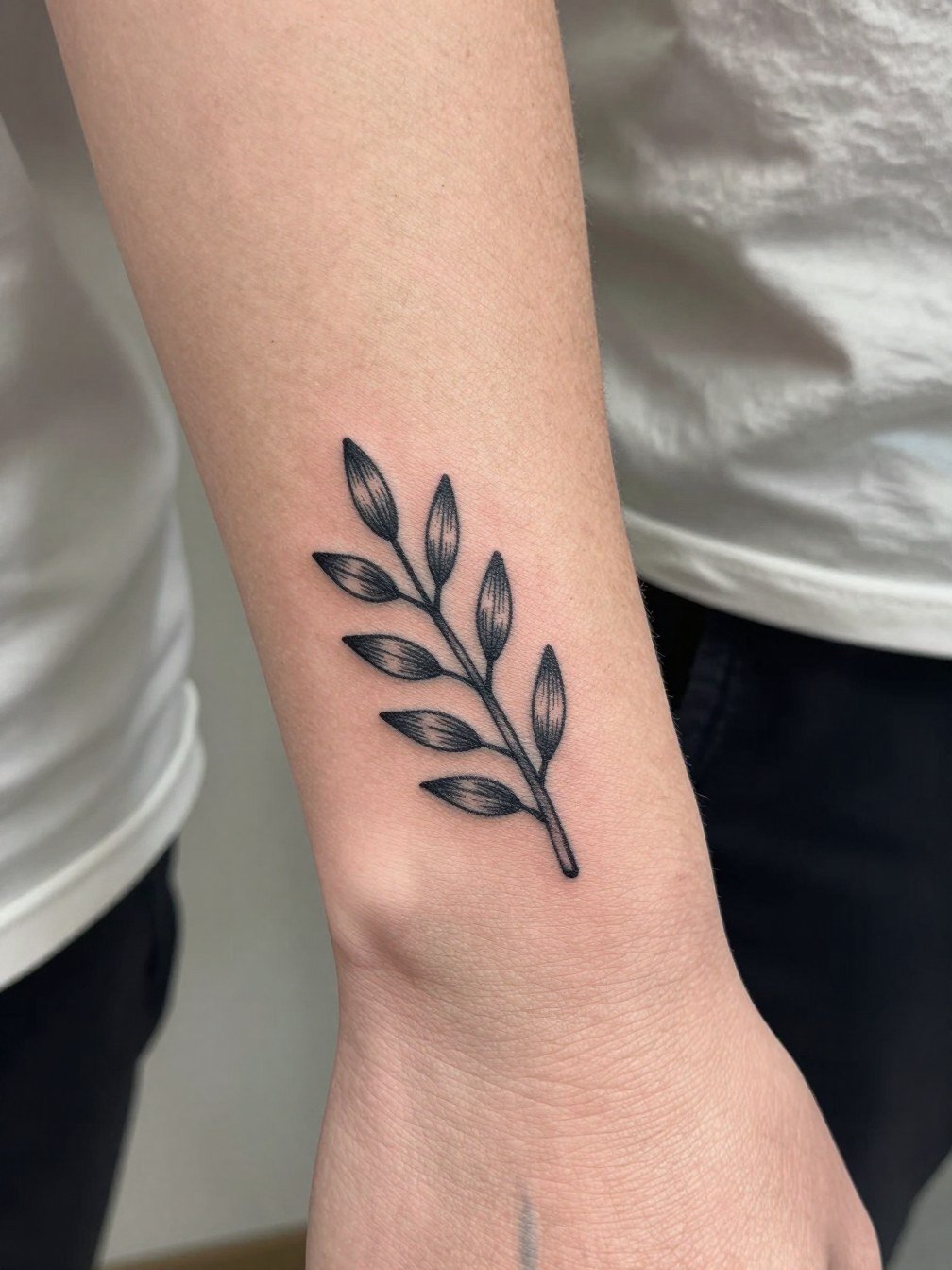
A wrist wrap reads like a delicate bracelet when done with consistent spacing and slightly bolder junctions at the stem. Ask for two reference scales so the artist can show how the wrap looks at a 2.5-inch and a 4-inch circumference. The wrist sees constant washing and jewelry friction so avoid tiny interior leaf veins that vanish after healing. Sessions are short but expect surface sensitivity and light swelling. For showing it off, pair the piece with a thin chain bracelet on the opposite wrist and consider a dainty bracelet set to balance the look.
3. Olive Branch with Muted Green Accents on the Inner Forearm
Adding a whisper of muted green changes the botanical read and softens the black-only silhouette. Artists divide on this. One camp prefers black-only for longevity and crisp contrast as lines spread slightly over time. The other camp argues a restrained green makes the branch feel botanically accurate and more textured without overpowering the linework. If you favor green, request a muted, low-saturation mix and test the pigment on similar skin tone samples. This design usually fits a single session under an hour. For daytime wear, neutral linen tones help the green pop; try a rolled cuff shirt when you want it visible.
4. Tiny Olive Twig Behind the Ear
Behind-the-ear placements read like a secret accent and tend to need touch-ups sooner because the skin there is thin and exposed to shampooing. The biggest mistake is requesting the piece at the same scale as an ankle twig; scale down the leaves and avoid ultra-fine detail. Ask the artist to show how the design sits when hair is down and when it is up. The session is quick but expect more sensitivity than outer-arm work. This spot is subtle with open-neck hairdos and pairs well with small hoop earrings for occasional reveal.
5. Olive Wreath Around the Ankle
An ankle wreath gives a finished ornamental look but takes regular friction from socks and shoes. Avoid tiny interior dots and choose simple leaf silhouettes to prevent blurring in high-movement areas. For a durable result, ask for slightly denser line starts at stem junctions and a shallow touch-up plan at 12 to 18 months. Sessions are usually under 90 minutes. This design pops with cropped jeans and ankle-strapped sandals; pair it with ankle strap sandals for seasonal reveal.
6. Full Olive Tree Silhouette on the Outer Calf
Choose the full tree if you want a broader symbolic arc from peace to endurance and family roots. The tree form benefits from more scale so branches and roots can breathe. A common mistake is compressing too much canopy into a small patch; that causes early visual muddiness. Expect two sessions if you want depth and fruit detail, and plan for a realistic touch-up window around year two. For showing off in warm months, pair with midi skirts or relaxed shorts; a midi skirt neutral frames the outer calf beautifully.
Session Day Picks
These first six designs cover everything from tiny ear sprigs to larger tree pieces, so a few practical items make the appointment smoother.
-
Stencil transfer paper kit. Lets you preview placement on skin and compare the single-needle branch to a scaled-up tree before the needle touches skin.
-
Topical numbing cream. Useful for sensitive spots like the wrist and sternum when you need a calm session.
-
Thin protective film roll. Keeps ankle and wrist pieces clean during the first week of friction from socks and accessories.
-
Fragrance-free gentle body wash. Cleanses healing skin without irritating fine line work.
-
Aquaphor healing ointment. A thin layer in the initial days locks in moisture for delicate linework without clogging.
7. Collarbone Sprig with a Slim Stem
A collarbone sprig reads elegantly when kept horizontally and slim. The main error is overcrowding the stem with leaves that rub against necklaces. Bring two placement photos and specify how low you want the stem relative to the bone. This area is fairly low-pain but takes care when sleeping on the side for the first week. It pairs well with scoop neck tops and delicate layered necklaces; try a layered necklace set that sits above the branch.
8. Side Torso Long Branch That Follows the Rib Curve
Long flowing branches match long body lines and show well on the rib curve. Artists are split on technique here. One camp says fine single-needle linework blurs too quickly on the ribs because the skin shifts and stretches. The other camp says slightly wider spacing and controlled needle depth let fine line survive in that spot. If you want ribs, request spacing examples and healed photos from similar placements. Pain runs higher on the ribs, so schedule a two-part session if you want to pause and recover.
9. Tiny Matching Wrist Pairs
Matching tiny wrist tattoos are great for pairs because the motif is small and nonliteral. The usual mistake is over-detailing a piece meant to be palm-width. Ask for a scale mockup and confirm the negative space between stem and leaves. Healing on wrists is quick but expect touch-up within 12 to 18 months because of daily friction. For display, wear a minimalist watch-free look or stack thin chains on the opposite wrist; a minimalist watch complements the aesthetic.
10. Olive Branch with a Dove Accent on the Upper Arm
Pairing a dove with an olive branch makes the symbolism explicit. A common misstep is adding too many tiny feathers or fine detail in the dove that does not hold at small scales. Request a design that balances the branch proportions so the bird does not appear cramped. Sessions can run 60 to 120 minutes depending on shading. Sleeveless tops or muscle tanks make appointment access easy and frame the piece after healing.
11. Greek Framed Branch on the Shoulder
A shoulder framing with classical motifs reads like a small crest and can elevate the branch motif. The mistake is making the frames too tight to the branch, which creates crowding. Bring visual references of the framing scale you like and request how it sits with motion. Shoulders are medium pain and often take one to two sessions with light shading. For show-off outfits, off-shoulder tops and boat neck knits reveal the framing nicely; try an off shoulder top.
12. Micro-Realism Olive Tree with Exposed Roots on the Calf
Roots add a literal sense of heritage and endurance to an olive tree tattoo. The common error is compressing roots under a small silhouette. For this design, choose a canvas like the calf so roots can breathe. Expect longer sessions and a likely second visit for depth. Healed texture on deeper skin tones benefits from slightly bolder contrast to keep root detail legible. For warm-weather reveal, pair with relaxed shorts or midi skirts and plan comfortable session pants like relaxed shorts women.
13. Minimal Single-Line Branch on the Ankle
Single-line approaches photograph well but can lose presence on textured skin if scaled too small. The mistake is asking for a one-millimeter continuous line. Request the artist to show a thicker continuous stroke option so the design keeps its silhouette. Ankle pieces face shoe abrasion and need protective aftercare in the first week. For outfits, cropped straight-leg jeans and ankle strap footwear highlight the piece effectively.
14. Botanical Half-Wreath on the Upper Thigh
The upper thigh gives privacy and scale, so a half-wreath can be bolder and more ornate. Mistakes include crowding the wreath with tiny dot work that does not read at a glance. Discuss how the piece sits with your typical clothing choices and whether you want it visible in swimwear. Sessions are moderate pain and can be split into two for longer pieces. When showing it off, high-waisted bottoms and cropped tops create a flattering reveal; a high waisted pants look pairs well.
15. Stylized Olive Branch with Subtle Date on the Inner Forearm
Tucking a date into the stem personalizes the piece without changing the public reading. Ask the artist to show the numeric weight at the same time as the branch so you can see legibility at one and three inches. The danger is cramming numerals too small; request a minimum character height for long-term clarity. Expect a touch-up window at one year for crisp numerals. This option works with rolled cuffs and thin bracelets during casual wear.
16. Broken Branch for Personal Reset on the Rib Side
A deliberately broken branch reads as a marker of change and can be quietly powerful. The risk is selecting too thin a break that reads like a flaw rather than intention. Ask for a small spacing and a note in the stencil that marks the intentional gap. Ribs are higher on the pain chart and may need numbing and a two-part session. If you prefer private placement, manage reveal with cropped tops and bralettes during healing.
17. Olive Branch Tattooed Along the Collarbone Curve
Curving a branch along the collarbone complements natural bone lines. The common mistake is tilting the composition so it crosses the neck instead of following the collarbone. Bring a tracing or photo of your bone line and request the artist map the branch to it. Expect low to moderate pain and a clean healed look if you avoid tight necklaces for the first two weeks. Square-neck tops or layered delicate necklaces frame this placement well; try a square neck top.
18. Blackwork Olive Branch with Bold Contrast on the Outer Bicep
Blackwork increases longevity by giving the branch a solid silhouette that reads from a distance. The mistake is converting a delicate reference into heavy black without reworking the composition. Ask the artist for blocked-in drafts that show where negative space will sit. Outer bicep sessions are moderate pain and usually finish in one sitting. Sleeveless tops and tank dresses make this placement easy to show.
19. Small Olive Twig on the Side of the Neck
Neck placements are visible and demand a confident decision about workplace and styling. The common issue is underestimating visibility when hair is up. Request a temporary transfer and live test with hair up and down to see how it sits. The side neck is sensitive, expect higher pain and a short session. Wide-neck tops and low collars place the piece where you want it to be seen without overexposure.
20. Olive Branch Intertwined with a Small Name on the Wrist
Integrating a name into the branch personalizes without dominating the motif. The mistake is choosing a script too ornate for wrist scale. Ask the artist to render the exact name in the specific script at the intended size so you can confirm legibility. Expect a touch-up for the script sooner than for the surrounding branch. For a balanced appearance, opt for a watch-free wrist or thin opposing bracelets.
21. Small Tree Silhouette on the Outer Upper Back
An upper back tree reads like a small emblem that still allows larger canopy detail. The main mistake is putting too much micro-detail into the trunk at a small scale. Discuss the viewing distance you expect and ask for a test stencil so you can see the silhouette from arm’s length. Sessions run moderate time and are relatively low pain. For reveal, scoop-back tops and open-back dresses give a dramatic frame.
22. Stipple-Shaded Olive Branch on the Shoulder Blade
Stipple shading adds texture without relying on heavy black fills, which can be ideal for botanical work. A common misstep is overdoing stipple density that creates a muddy appearance once healed. Ask for sample stipple swatches and confirm how they scale to your shoulder blade. Sessions are moderate and often single-visit. Off-shoulder tops or boat neck shirts highlight shoulder-blade pieces elegantly; try a boat neck shirt.
23. Small Olive Sprig as a Memorial Accent on the Inner Wrist
Using an olive sprig as a memorial accent keeps the mark private yet legible. The pitfall is squeezing initials too small into tight leaf clusters. Request a spacing mockup and choose a subtle initial height that remains readable after healing. Inner wrist sensitivity is moderate and touch-ups for tiny initials are common after year one. Pair with a thin bracelet on the opposite wrist to keep attention balanced.
Frequently Asked Questions
Q: How much does an olive branch tattoo cost in the U.S.?
A: Prices vary by size, complexity, and shop level. Small wrist or ankle pieces often start in a modest range while medium forearm pieces fall in a mid range. Full tree compositions or shaded calf work typically sit in a higher range. Tipping on top of the session is common practice at around 15 to 25 percent.
Q: Will fine line olive branches blur quickly and what helps them last?
A: Very thin single-needle lines can blur faster, especially in high-movement areas like wrists and ankles. Slightly stronger outline, wider leaf spacing, and avoiding crowded interior veins help the design read longer. Expect touch-up timelines around 12 to 24 months for delicate work, and plan to ask for healed portfolio examples the artist can show at your consultation.
Q: Should I choose black-only or add muted green?
A: Artists split into two camps on this. One camp prefers black-only for predictability and high contrast as skin texture changes. The other camp argues a subdued green accent makes the olive motif botanically accurate and visually warmer. If you lean toward green, request muted pigment tests and confirm how it photographs on your skin tone before committing.
Q: Where can I find healed portfolio examples and artists who do botanical linework?
A: Search social platforms with tags like #olivebranchtattoo and #botanicaltattoo plus your city name to surface local portfolios and healed shots. Tattoo directories and studio booking platforms help filter by placement and style. Reddit tattoo communities also point to practitioners with strong healed portfolios, but check multiple sources and ask for healed images in your chosen placement.
Q: What should I wear to my session and what clothing helps show the result afterward?
A: For forearm or wrist pieces wear a loose short-sleeve shirt or a button-down with easy access. For calf or ankle work choose shorts or rolled hem jeans. For shoulder, off-shoulder tops or wide necklines facilitate both the session and reveal. If you want a quick option, a sleeveless tank top is practical for upper-arm appointments.
