
The trendiest matching tattoos right now are the quiet ones that only you two can decode, not the loud heart-and-name combos everyone scrolls past. Subtle coordinates, split symbols, and shared-hobby icons last longer in wardrobes and conversations because they read as part of how you live together. Read on for 21 paired ideas that balance visual clarity, healed longevity, and everyday wearability.
1. Split Heart Halves on Inner Forearm
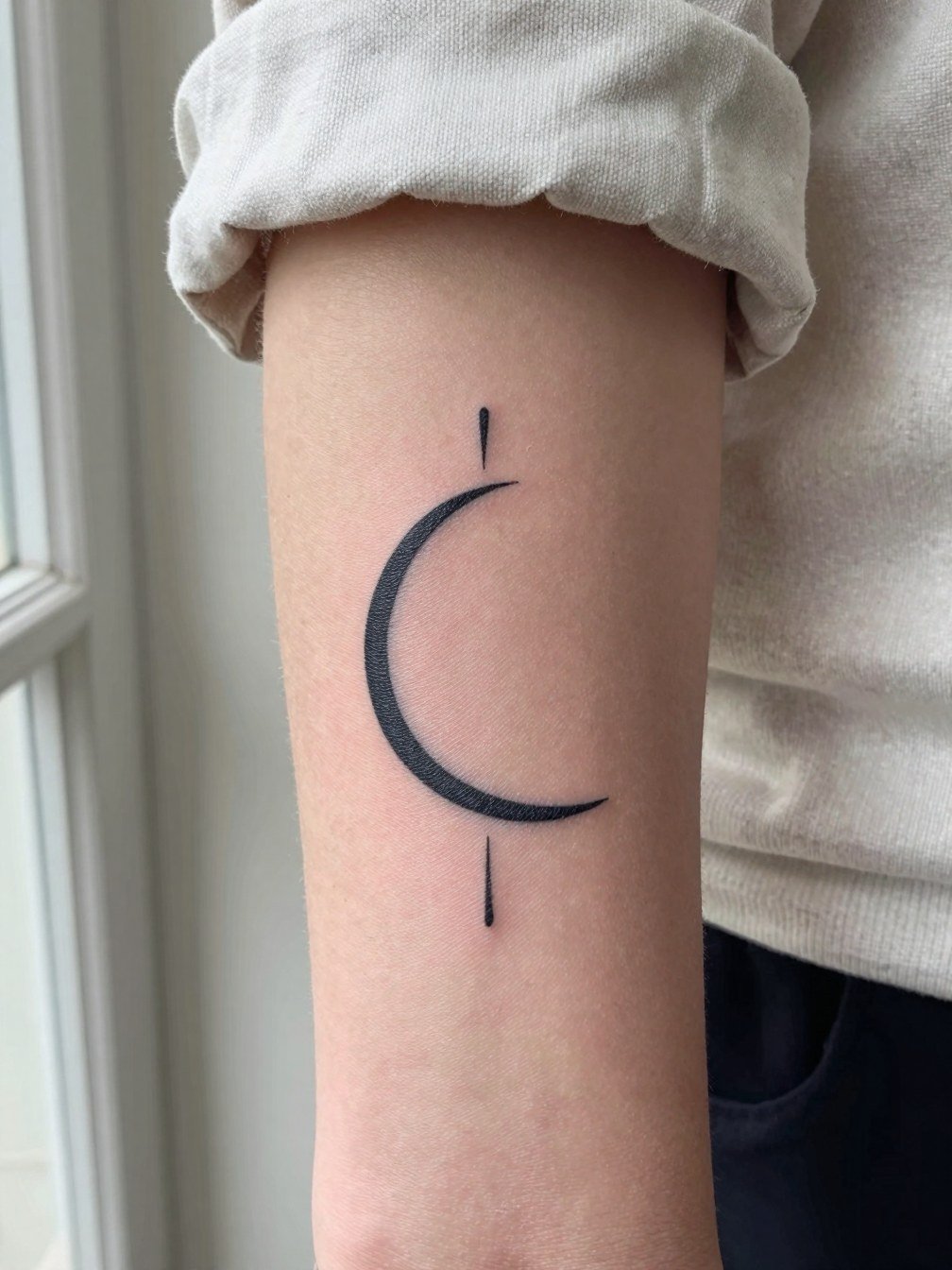
The split heart halves work because each piece reads on its own and connects visually when you bring your arms together. Recommend a slightly heavier single-needle line than a super-fine script so the halves retain separation after two years. Common mistake is shrinking the halves too small, which causes the join lines to blur after a touch-up cycle. For session wear, a rolled sleeve linen button-down makes stencil placement easy and keeps fabric off the fresh ink; try linen button down shirts for a simple appointment outfit. Expect a 30 to 45 minute session for each arm and a touch-up window at 6 to 12 months.
2. Lock and Key Pairing on Inner Forearm
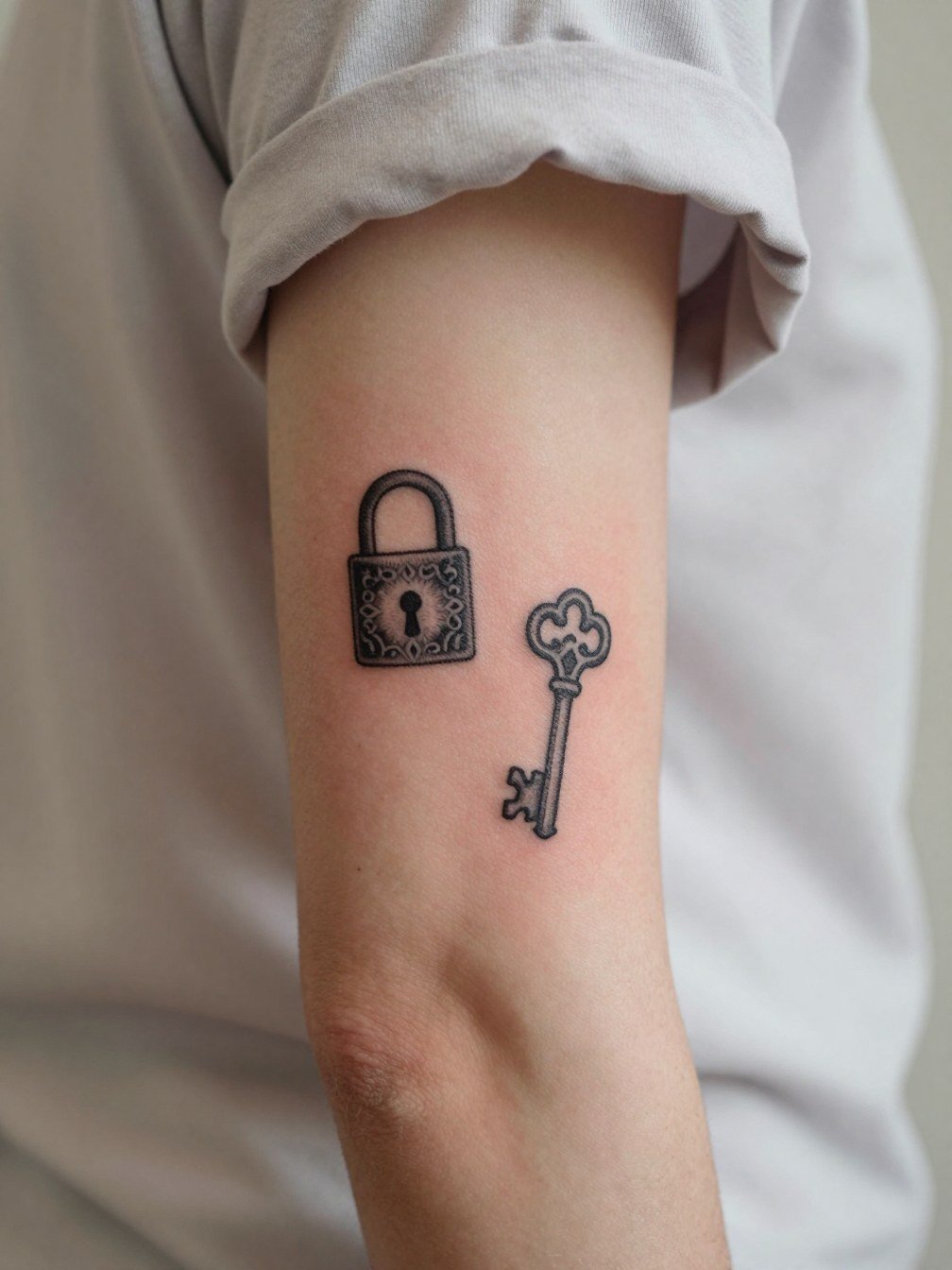
Choose an ornamental lock and a matched key with negative space so both designs work as standalone icons. In consultation, bring two scaled references so the artist can line up proportions for each forearm. Avoid tiny filigree that will fill in over time; instead ask for simplified filigree with one shade of grey for depth. For showing the finished pieces, a fitted crewneck or rolled sweatshirt sleeve frames the inner forearm nicely and keeps attention on the key or lock; link search: fitted crewneck. Expect moderate needle time if you add grey wash, and plan a possible touch-up in 12 to 18 months for the finer shading.
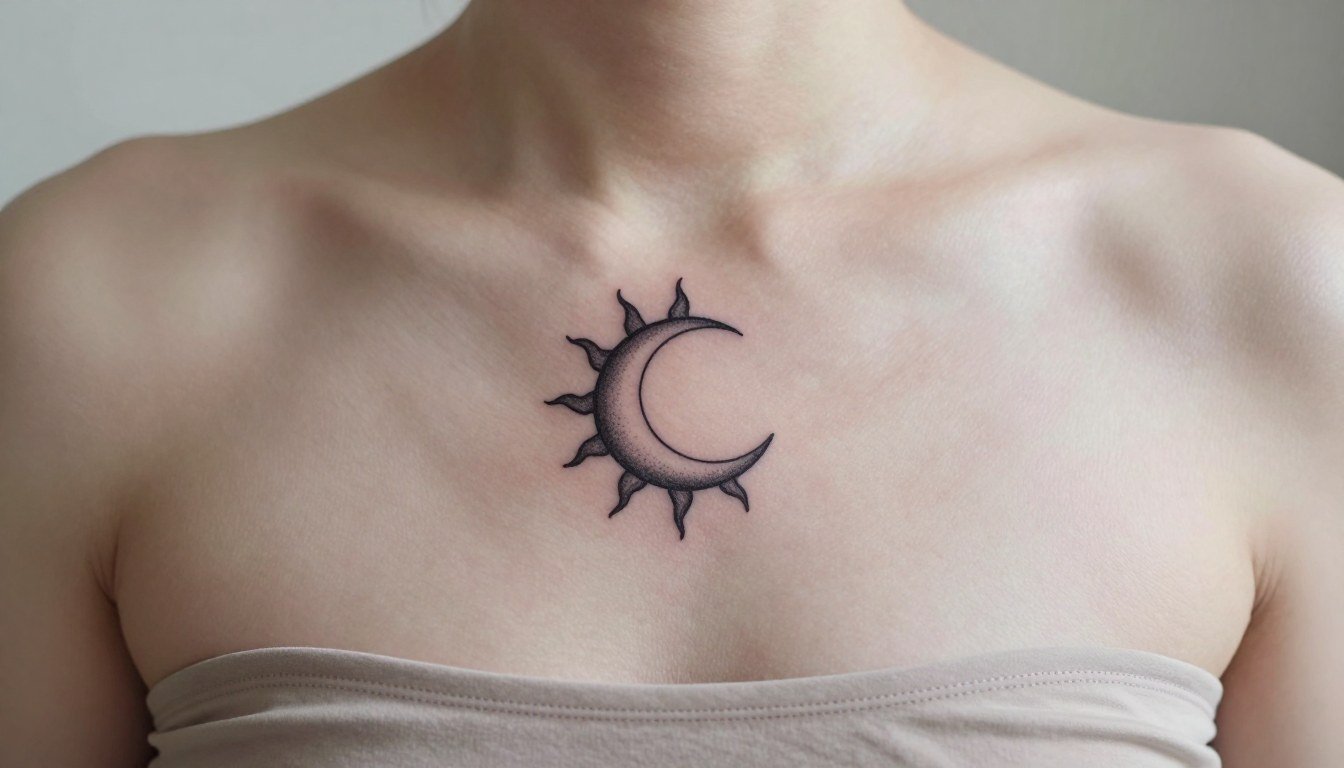
3. Sun and Moon Duo on Wrist or Collarbone
Sun and moon pairings give visual balance while staying symbolic rather than sappy. If you pick the wrist placement, expect slightly faster fading because of sun and wash exposure. When you sit with your artist, specify the sun rays as short and separated so they do not fill in over time. For collarbone versions, a scoop-neck top naturally frames the tattoos for nights out; try scoop neck shirts for an easy show-off option. Pain is low on collarbone-adjacent skin and moderate at the wrist. Touch-ups are usually at year two for very fine rays.
4. Continuous Heartbeat Line on Inner Forearm or Wrist
This motif reads as a shared life rhythm without being literal. A practical tip is to have the central peak slightly thicker than the rest of the line so the pulse reads as intentional instead of a faded scratch after year two. The inner forearm is forgiving for fine line, the wrist less so because of wash and motion. For the appointment, wear a rolled sleeve shirt that your artist can move without rubbing the fresh ink. Typical session time is 20 to 40 minutes, with a likely touch-up within 12 months if lines start to thin.
5. Coordinates of a Shared Place on Collarbone or Ribcage
Coordinates are discreet and private while still specific to a memory. When booking, bring the exact numeric string you want printed so the stencil is accurate, and request a slightly bolder monospaced type so numerals remain legible on darker or textured skin. Collarbone placements pair well with thin pendant necklaces for evenings out; see thin pendant necklaces for a low-profile option. Ribcage placements require loose session wear like a sports bra for access. Expect a 30 to 60 minute session depending on size, with minimal shading needs.
6. Shared Roman Numeral Date on Wrist or Inner Forearm
Roman numerals read as discreet and slightly formal. A typical mistake is choosing a script or ornate serif that shrinks into illegibility on darker tones. Specify even spacing and slightly heavier stroke weight for longevity. For the session, a loose short sleeve shirt that you can roll up keeps the area accessible. Expect a short session and a likely touch-up in 12 to 18 months for very thin strokes.
Studio Day Picks
These items smooth the session and the first week of healing for small forearm, wrist, and collarbone pieces above.
- Stencil transfer practice kit. Lets you preview how the numerals and coordinates sit on the skin before a single needle touches you, which is helpful for the precise placements in ideas above.
- Thin topical numbing cream. Applied per product directions about 30 to 45 minutes before the session it can reduce discomfort on sensitive wrist or rib placements without affecting linework.
- Protective adhesive film rolls. Useful for keeping finger or wrist tattoos clean during the first days of frequent hand washing and movement.
- Fragrance free gentle body wash. Mild cleansers clean healed linework without stripping the skin, which matters for fine line and dot work.
- Aquaphor healing ointment. A widely used emollient for the earliest stage of healing that helps protect tiny single-needle work.
7. Fingerprint Halves on Wrist or Inner Forearm
Fingerprint halves feel uniquely tied to identity, but they require a crisp needle hand and slightly larger scale than you might expect. The main mistake is pushing for a tiny fingerprint that becomes a smudge in two years. Ask for a micro-realism approach with increased line weight in the ridges so the pattern maintains contrast. For after-session photos or casual reveal, a slim watch on the opposite wrist complements wrist placement; try minimalist watch. Expect longer single-session time because of the density of tiny lines and a realistic touch-up window at one year.
8. Paired Puzzle Pieces on Ankle or Wrist
Puzzle pieces communicate connection and are flexible enough to be playful or subtle. Keep the interlocking tabs a little larger than you think so edges remain readable at six months. Ankle pieces face shoe and sock friction, so clean silhouette shapes outperform tiny filigree there. To show the ankle piece, cropped jeans or low-profile sneakers work well; check cropped jeans for a casual look. Sessions are brief for small pieces, but expect a touch-up if the ankle rubs against shoes frequently.
9. Matching Flowers with Different Stems on Inner Forearm or Ankle
This approach keeps the tattoos coordinated without being identical. During consultation, specify how much negative space you want between petals and stem so the design does not slope into a solid patch after a few years. For showing off wrist or forearm botanicals, linen button-downs with rolled sleeves give a casual, framed look; link: rolled sleeve shirt. Small color accents add character, but remember muted pigments may need more frequent touch-ups than saturated black.
10. Two-Part Quote or Handwriting Fragments on Inner Forearm or Ribcage
Using handwriting fragments instead of full names keeps emotional specificity without shouting relationship details. Bring a high-resolution scan of the handwriting you want so the artist can translate stroke weight accurately. A common problem is choosing extremely thin single-needle script for ribcage, which can blur with skin stretch; ask for a slightly heavier stroke on the rib side. For session wear, a loose sports bra makes access simple for both of you. Expect a short session per line and plan on seeing healed examples on similar skin tones before committing.
11. Matching Stars or Constellation Fragments on Wrist or Collarbone
Constellation fragments are low-key and photograph well. The main aging issue is dot work merging if points sit too close. On darker skin, request slightly larger dot sizes so contrast holds. For evening wear, a thin pendant necklace pairs with collarbone constellations; try thin pendant necklace. Sessions are quick, but a one-year check is common to touch up tiny dots that settle shallowly.
12. Two Halves of a Symbol That Complete When Together on Forearm or Behind the Ear
Splitting a symbol that only completes when together avoids an obvious couple tattoo look. In the appointment, have the artist stencil both halves and test the alignment on each body to ensure the halves visually connect despite differences in arm length or neck curvature. A common mistake is forcing exact symmetry which reads odd on different body shapes. Behind-the-ear placements require an artist comfortable with micro work and very steady linework. Sessions are short, but precision matters more than speed.
13. Shared Hobby Icons on Wrist, Forearm, or Ankle
Shared hobby icons feel authentic and avoid romance clichés. Be specific about scale in your stencil consult so the artist knows whether to add tiny stipple shading or keep the icon flat. If you want color, pick muted accents rather than saturated fills for less touch-up demand. For session comfort, wear a loose tank top or sleeveless shirt so the artist can access the forearm or shoulder area easily; search loose tank top. Sessions are typically short, and most hobby icons heal predictably with one touch-up window.
14. King and Queen Card Symbols on Outer Upper Arm or Forearm
This playful dynamic reads quickly and is less risky if done in traditional bold linework because those lines hold well. The controversy here is obvious and worth naming. One camp insists exact matching is the purest commitment, and they like identical placement and detail. Another camp prefers coordinated pieces so each design still functions alone, reducing regret risk if tastes change. Both positions have merit and both deserve consideration before booking. For a night-out reveal, a sleeveless or tank top frames the outer arm pieces nicely. Expect one to two sessions for color-saturated versions and a typical touch-up at one to two years.
15. Matching Rings or Band-Style Linework on Fingers or Wrists
Band-style tattoos echo jewelry, but fingers are high-wear zones that need planning. One camp points to the romance of ring-style finger tattoos and their symbolism. The other camp warns that fingers need frequent touch-ups and fade faster than the forearm. If you go finger, ask for slightly thicker band lines and expect yearly touch-ups. For session wear, have hands clean and free of lotion. Wrist bands face less abrasion and are easier to maintain. If you want a temporary jewelry vibe for special events, pair wrist bands with thin chain bracelets; find thin chain bracelet.
16. Minimalist Mountain Range That Ages Well on Inner Forearm or Calf
A single-line mountain range reads as a shared metaphor for challenges overcome together without spelling that out. The key is spacing peaks generously so the linework does not become a blurred silhouette after a few years. Calf placements give more room for detail and resist blowout better than thin wrists. For showing it off, cuffed jeans or shorts frame the calf piece nicely; see cuffed jeans. Expect a short session that prioritizes consistent depth to avoid patchy saturation.
17. Geo-Coordinates Postcard Mark on Ankle or Outer Forearm
A postcard mark evokes travel memories without an exact date. If you pick ankle placement, cushion against friction by asking for slightly heavier outlines that resist shoe and sock wear. For sessions, wear pants that you can pull up easily without tugging on fresh ink. Small stitched borders need room so the stitches remain crisp after one to two years. A neat session is often under 30 minutes, but expect a 6 to 12 month check if edges soften.
18. Tiny Anchor or Boat for Long-Distance or Travel Couples on Wrist or Calf
Anchors or tiny boats suit couples who travel or keep long-distance connections. The main consultation point is contrast on darker skin; ask the artist to map the silhouette at actual size on your wrist so you can judge legibility. For calf pieces, shorts or running gear that you can roll up makes the session comfortable. Expect a quick session and minimal shading. These designs age predictably if lines are kept bold enough to resist softening.
19. Split Geometric Shape on Forearm or Inner Upper Arm
Geometric splits are modern and avoid romance clichés. The inner upper arm has a different curvature than the forearm, so test stencils on both bodies to ensure the halves read similarly when arms are relaxed. A common error is trying to force perfect mirror symmetry which looks off on asymmetrical limbs. Session feel is usually calm for inner upper arm work, with moderate pain, and touch-ups are often required for fine negative space lines.
20. Small Lockets or Tiny Portrait Silhouettes in Micro-Realism on Inner Forearm or Ribcage
Tiny lockets or silhouette portraits can hold private symbolism if kept small and stylized. Make sure the artist demonstrates healed micro-realism on similar skin tones before booking because tiny shading behaves differently across pigment levels. For ribcage placements, expect higher sensitivity during the session and bring a loose sports bra for access. Micro-realism sessions take longer than flat icons, and touch-ups are common to preserve subtle stippling.
21. Complementary Linework Bands That Interlock on the Wrist or Ankle
Interlocking bands act like pieces of a puzzle that circle the limb without being overtly romantic. When you plan the bands, have the artist mock up how they align at rest and in motion. Wrist bands require thicker line weight to survive frequent washing and motion. For the session, wear a watch or bracelet you can remove easily so the area is clear. Expect an initial session under an hour and a possible touch-up in the first year for highly active wrists.
Frequently Asked Questions
Q: What should we budget for two small couple tattoos?
A: Studio minimums vary, but budget for two separate small sessions plus tip. For small minimalist pieces plan on a studio minimum per person, and remember the normal tipping range is about fifteen to twenty five percent. Costs depend on linework complexity and whether you add color or shading.
Q: How do I make sure the design will still look good if we break up or change tastes?
A: Choose designs that function independently as standalone icons. One camp favors exact matches as the clearest commitment. The other camp prefers coordinated-but-different pieces so each tattoo makes sense on its own. Both positions are valid, so pick the approach that fits how permanent you want the symbolism to feel.
Q: Is fine line or bold linework better for longevity on fingers and wrists?
A: Fine line reads intimate but can soften faster on high-wear skin. Bold linework holds up better on fingers and wrists because thicker strokes resist blowout and abrasion. If you want a delicate look, ask the artist to slightly increase line weight from your reference to protect future clarity.
Q: Where can I find current couple tattoo examples and healed photos?
A: Search social platforms with couple tattoo related tags and style filters, for example #coupletattoos and #finelinetattoo and use location or studio keywords like "fine line tattoo studio" to narrow results. Reddit threads in r/tattoos and r/TattooDesigns are useful for candid healed-photo threads and practical booking advice. Look for healed examples on similar skin tones before you commit.
Q: What should we wear to the appointment for inner forearm, ribcage, or ankle placements?
A: For inner forearm wear a loose short sleeve or a rolled sleeve button-down so the artist can move the fabric without friction. For ribcage bring a fitted sports bra or bralette that the artist can work around easily. For ankle pick pants you can roll up or shorts that you can slide without tugging at the skin. Comfortable, easy-to-adjust clothing keeps the session smooth.
