
Tiny matching tattoos look great at first, but the small choices that survive five years are rarely the ones with the most detail. Simple black outlines and slightly bolder linework often keep a pair readable and paired over time. Below are practical, style-forward tiny matching ideas with what to ask for in the consult, how they age, and how to dress for the session so your ink stays neat.
1. Tiny Heart Outline on the Wrist
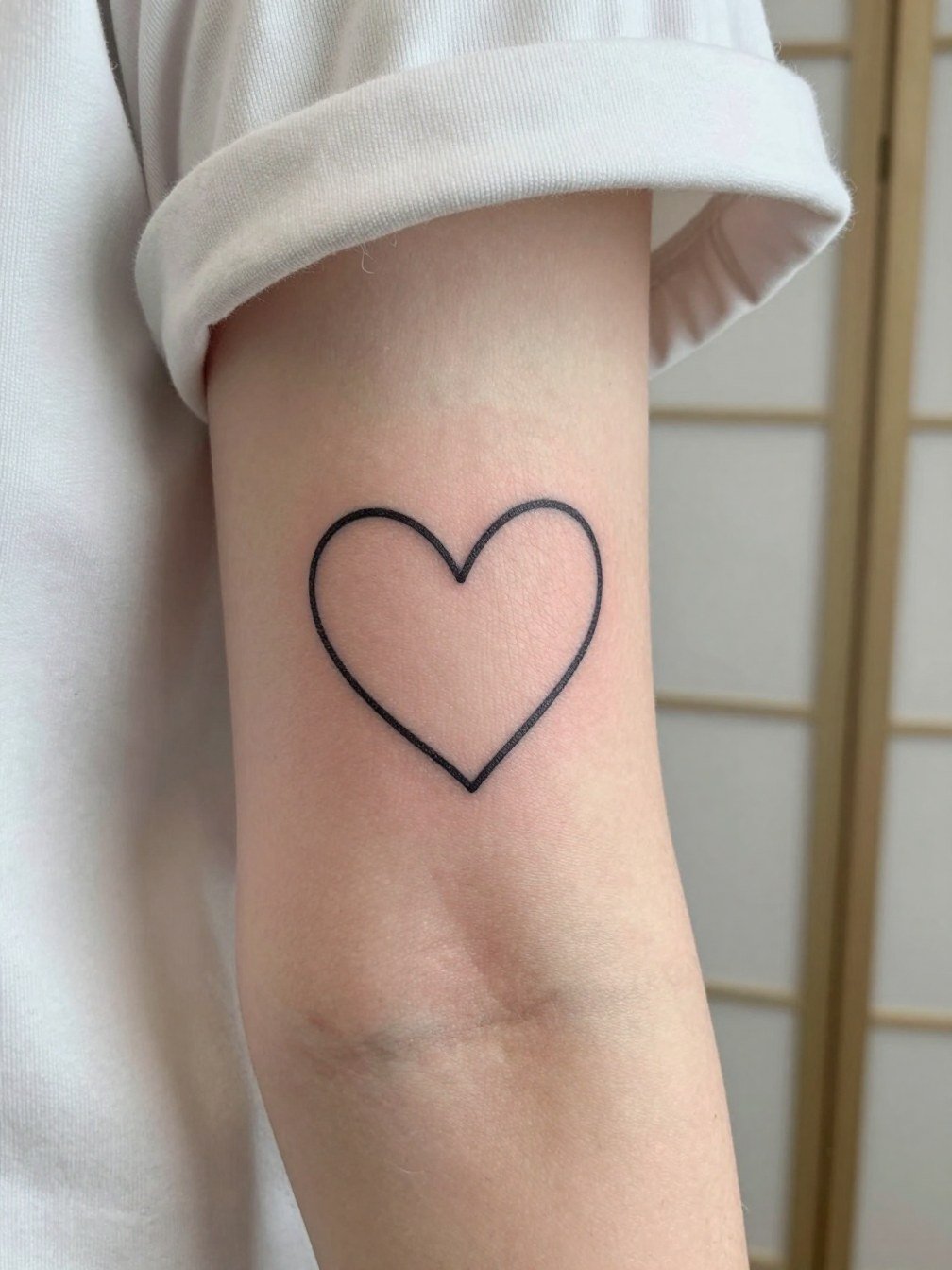
A tiny wrist heart reads instantly and stays hidden when you want it to. Recommend this over a filled or color heart because solid fills at very small scale can blur into a blotch within two years. Tell the artist to thicken the single-needle outline just a hair and to center the heart so the wrist crease does not bisect it. At six months the linework looks crisp, at two years the reinforced contour keeps the shape clear, and typical touch-up needs show up around year three for most wrists. Session feels quick and tingly, and blowout risk is low if the needle depth is steady.
This placement pairs well with slim bracelets on the opposite wrist so the tattoo can breathe visually. For the appointment, wear a cropped sleeve tee so the artist has full access without fabric tugging.
2. Matching Initials in Fine Script on Inner Forearm
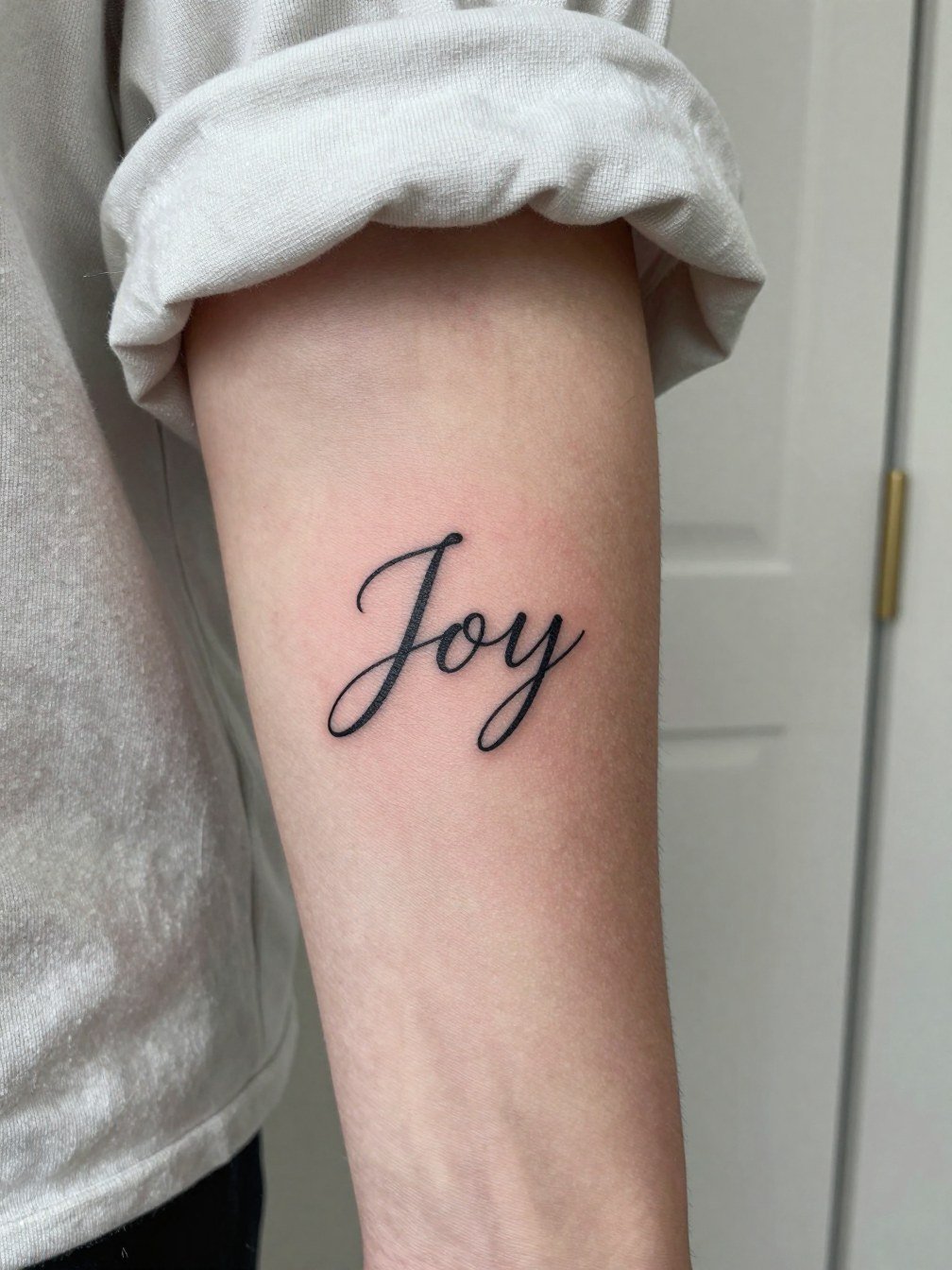
Initials are quietly personal and work when the line spacing is correct. A common mistake is copying a Pinterest script that is too thin and vertical. Instead, ask the artist to space letters slightly wider and to increase linework saturation just enough so the letters stay legible after settling. At six months the thin script looks elegant, at two years a tiny bump in thickness helps keep the script readable, and a single touch-up usually solves any softening. The session feels like steady wrist movement when the artist lays those long strokes.
For showing it off, rolled-up linen shirts keep the forearm cleanly on display. Try a linen button down shirt for casual framing.
3. Puzzle Piece Halves on the Ankle
Puzzle pieces are cute and work because each half is complete on its own. Avoid ultra-thin gaps between tabs at this scale since they close in and look like blobs. Ask the artist to keep negative space between tabs at least a few millimeters and to use a slightly heavier outline to prevent early merging. On the ankle the lines age well if avoiding heavy friction from socks. The session is brief but the area is sensitive to pressure from the table edge. Expect touch-up potential around year two if you wear stiff shoes often.
Wear low-profile sneakers or roll your jeans during the first days to keep the ankle from rubbing.
4. Tiny Star or Constellation Near the Clavicle
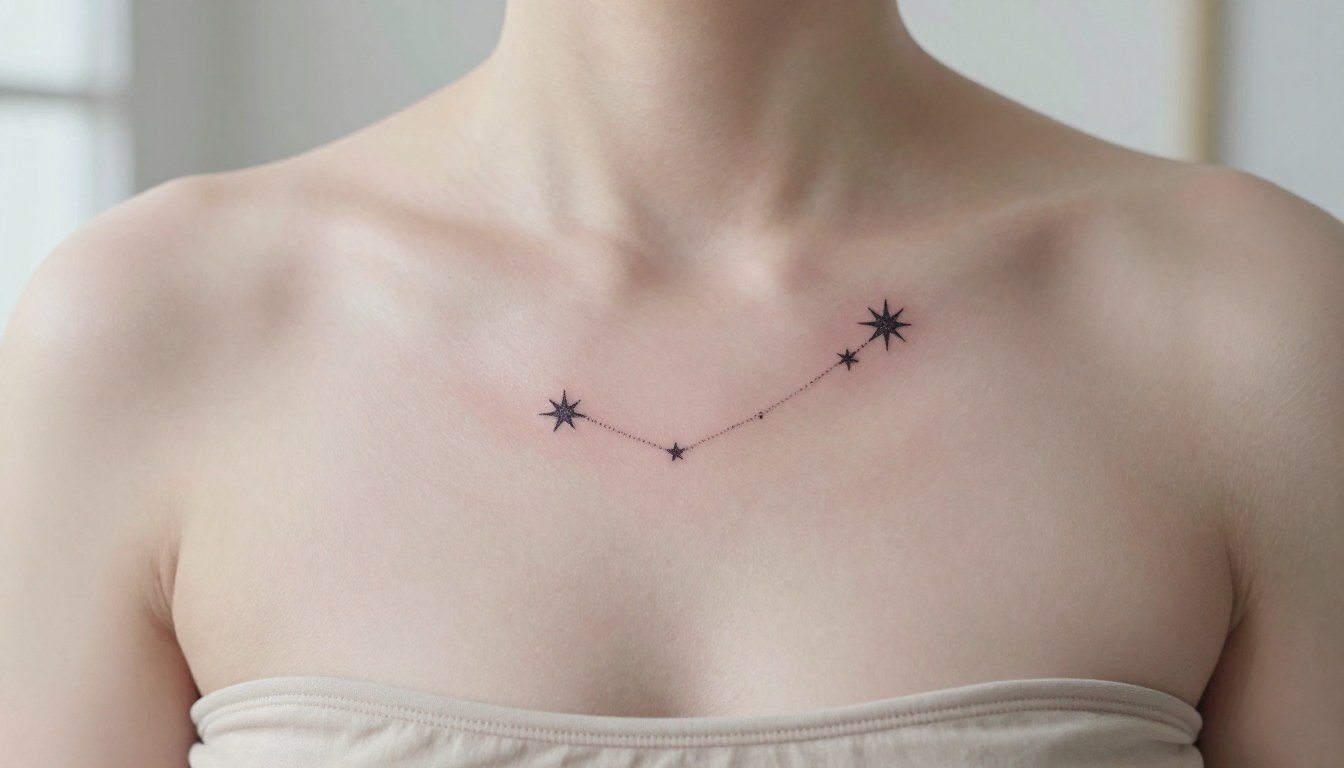
Small star clusters sit nicely under a necklace and age predictably when spaced for the skin's movement. Avoid putting several stars in a tight pack since the dots can coalesce into a smudge after a few years. Ask the artist to arrange the constellation with breathing room and to use dot work that reads at small scale. On the clavicle area the skin moves with shoulders, so at six months the dots will appear crisp, at two years tiny dots may soften and benefit from a spot touch-up. The session is low pain and quick for most people.
Pair this with a delicate layered necklace set to frame the area when you go out.
5. Tiny Bow or Ribbon on the Inner Wrist
Bows read as fashion-forward at small sizes, but color tends to fade fastest. If you want a lasting bit of color, specify low-saturation red and ask for the color to be placed with conservative saturation near the knot only. The common mistake is going for full color fill that flakes and fades unevenly. At six months the red looks visible, at two years it will be lighter and may need a color refresher. The session is quick and slightly scratchy near the wrist bones.
Show it with rolled denim cuffs and a slim bracelet on the opposite wrist. A thin chain bracelet set complements the tiny bow.
6. Half-Sun and Half-Moon on Opposite Forearms
Complementary sun and moon pairs feel matched but not identical, which is great for partners or friends. Avoid cramming ornate rays into a micro scale since those become indistinct. Ask the artist to balance ray count against spacing and to show a mockup at realistic scale on the skin. At six months the shapes are distinct, at two years tiny ray tips may blur if too thin and may require periodic touch-ups. Forearm sessions feel like steady pressure and are usually under an hour.
For daytime wear, a half sleeve tee keeps both arms visible without crowding the chest.
Studio Day Picks
The wrist, forearm, and collarbone pieces above have different access and healing needs, so a few small items smooth the chair time and the first week.
-
Bepanthen healing cream. Gentle alternative for light healing periods when you want a smooth, thin protective layer that many people use in the early days for small pieces.
-
Dial Gold bar soap replacement packs. A familiar, fragrance-free cleansing option some people prefer for washing fresh ink without additives.
-
Lubriderm fragrance-free lotion. Light moisturizing that keeps tiny linework from drying out without suffocating the skin.
-
A and D ointment tubes. Short-term thin-layer option for specific spots that need extra moisture in the first 48 hours.
-
Aquaphor healing ointment. Useful as a very thin initial barrier for small tattoos, then switch to lighter lotion per how the skin reacts.
7. Tiny Flower Sprig on Inner Forearm
Botanical sprigs are forgiving at small scale when the artist uses clear negative space. The common mistake is adding too much petal detail. Instead, ask for simplified petal shapes and a consistent stem thickness so it reads at two years. At six months the petals look neat, at two years the simplified shapes hold better than tightly rendered petals. Touch-ups are often minimal and typically cosmetic. The session feels gentle since the inner forearm is a lower pain area.
For styling, rolled-up linen shirts keep the lines visible and unobstructed. Consider a loose short sleeve tee when showing it off.
8. Pet Silhouette on the Ankle
Pet silhouettes make a clear statement without fine detail that can blur. Ask the artist to keep the silhouette closed with solid negative space so ears or tails do not fragment. On the ankle, friction from shoes is the main risk, so schedule touch-ups if you wear stiff footwear often. The session is short and mildly sensitive. A mistake is requesting tiny facial detail that will not read after healing.
Pair this with low-profile sneakers or cropped hem pants to display the tattoo. Try cropped joggers for casual looks.
9. Tiny Fruit Icon on Outer Upper Arm
Playful food icons like cherries are readable and fun when color is limited. The common mistake is over-saturating color at tiny scale which becomes patchy after a year. Ask the artist to reserve color for small focal points and to keep the outline slightly bolder than a single-needle line. Outer upper arm sessions are low pain and heal well with minimal friction from clothing if you avoid tight sleeves. Expect a touch-up on color at year two if you want it bright.
Show it in summer by wearing a ribbed tank top to keep the design visible.
10. Split Quote Word on Inner Forearm
Split quote words are meaningful and work best when each person carries one word that still reads on its own. The common error is choosing a long word that compacts into an unreadable squiggle. Ask the artist to proof the script at actual size on your skin and to thicken key strokes so the letterforms survive touch. At six months the word reads clean, at two years small tails may soften and can be corrected with a targeted touch-up. Session is calm and short for the inner forearm.
For daily wear, rolled-up shirts keep the word visible. A loose short sleeve tee works well.
11. Simple Wave Line on the Wrist
Wave lines are classic for matching beach or travel meanings and scale down very well. A mistake is requesting too many undulations at tiny sizes which muddle as the skin settles. Ask the artist to show a mockup with the curve at the exact wrist placement and to keep the linework consistent rather than tapering it too thin. At six months the curve looks clean and fluid, at two years uniform thickness helps the line remain recognizable. Wrist sessions are quick and the area can be slightly sensitive near the bone.
Keep the wrist visible with cropped sleeves and avoid stacking bracelets on the tattoo wrist during healing.
12. Queen and King Mini Motifs on Forearms
Playful king-and-queen motifs read well when scaled for the forearm. The common mistake is adding small jewels and ornate shading that vanish after healing. Ask the artist for simplified silhouettes and restrained gray washes so the motif reads at arm distance. Forearm placements age steadily, and any softening is often cosmetic. Sessions feel like steady rolling strokes and usually finish in one visit.
Show them off with a minimal watch on the opposite wrist for balance.
13. Tiny Anchor on the Ankle
Anchors are compact and classic and survive well if the outline is strong. A frequent error is requesting fine internal detail that blurs on an ankle. Instead ask for a bold anchor silhouette with clean negative space. Because ankles see friction from socks, protect the area during the first week and expect possible touch-up in one to three years depending on footwear. The session is short and slightly tender just above the bone.
Low-profile sneakers and ankle socks show the design clearly in warm weather.
14. Tiny Geometric Moon on the Collarbone
Geometric moons are neat when line spacing is deliberate. The mistake is stacking too many narrow stripes that compress into a muddy band after healing. Ask the artist to test stripe spacing on the skin at the intended scale and to set a minimum gap for each stripe. Expect crispness at six months, then a small softening that may need a thin touch-up at year three. Collarbone sessions are low pain and visually high-reward.
Pair it with an off shoulder top to frame the area.
15. Minimalist Arrow on the Inner Wrist
Arrows are versatile and read well at tiny sizes if kept graphic. A common misstep is angling an arrow into the wrist crease which distorts the shape. Ask for placement that respects the wrist fold and for slightly thicker heads to maintain shape when the skin stretches. The session is brief and mildly tingly. Touch-ups are rare unless the wrist sees unusual abrasion.
Wear a rolled cuff shirt for easy access during the session and to show the finished piece.
16. Tiny Crescent and Star Pair on the Shoulder
Shoulder pairs avoid the constant rubbing common on ribs or hips, so fine elements survive longer here. The error is placing too many dots close to the crescent which merge with movement. Ask the artist to space the star away from the crescent and to use slight stippling rather than dense fill. At six months the duo is crisp, and at two years the space between elements keeps them readable without touching up. Sessions are easy with good arm access.
Show this off with a sleeveless dress for warm-weather looks.
17. Tiny Leaf Pair on the Rib Edge
Ribs are a sensitive spot and fine line there can be controversial. One camp argues the skin stretch near the ribs blurs fine lines within two years and recommends bolder work. The other camp says careful needle depth and slightly wider spacing lets fine line settle fine, with healed photos to support that view. If you want this area, ask for slightly wider spacing and to see healed examples on similar skin tones. The session is more intense pain-wise than forearm work and may require breaks. Expect a realistic touch-up timeline of one to two years depending on healing.
Wear a fitted sports bra during the appointment so the artist can access the area without fabric tugging.
18. Tiny Musical Note Behind the Ear
Behind-the-ear icons are near-invisible and great for subtle matching. A common mistake is making the design too large for the small mastoid canvas. Ask the artist to size the note to the exact behind-ear plane and to use clean, slightly bolder single strokes so the shape reads after settling. The area tends to heal fast but can be more sensitive during application. Expect a small touch-up if any line softens after a year.
Style it with hair updos to reveal the tiny note when you want to show it.
19. Tiny Coordinate Dots on the Ankle or Wrist
Tiny dot clusters function like coordinates without explicit text and are very low-profile. The mistake is using dots so small they blur together. Ask the artist to space the dots and to set each dot with consistent saturation so they remain distinct at six months and at two years. Sessions are quick and mildly sensitive on the ankle. If you want a literal coordinate as text, spell out the exact numbers in your reference so the artist lays them in precisely.
Pair the ankle version with low top sneakers and keep socks thin during the first week.
Frequently Asked Questions
Q: How should I decide between second skin and dry healing for a tiny matching wrist tattoo?
A: One camp uses second skin to protect fresh ink from friction and to limit handling in the first days. The other camp prefers dry healing or soap-and-lotion because some people react to adhesive and because the skin can breathe better. The right choice depends on placement, your skin type, and what your studio recommends based on the ink and technique they used.
Q: Is Aquaphor okay for small tattoos or should I use fragrance-free lotion?
A: Some people start with Aquaphor or a thin ointment in the first 24 to 72 hours to prevent cracking and then move to lotion. Others avoid heavy ointments and stick to fragrance-free lotion from day two because thick products can sit on tiny linework and feel suffocating. Watch how your skin responds and switch if the area feels clogged.
Q: How often should I moisturize a tiny matching tattoo to avoid ruining the linework?
A: The practical approach is light layers once to three times daily rather than slathering. Keep the skin slightly hydrated so it never feels painfully tight but avoid thick coats that sit on top of the ink. If your tattooed skin flakes heavily, a slightly increased frequency of thin application helps more than a single thick application.
Q: Where can I find local artists or healed examples for matching tattoos without tracking down specific handles?
A: Search Instagram and TikTok with tags like #matchingtattoo and #smalltattooideas and then filter by your city to find studios posting healed photos. Reddit threads often show real-world healed shots and candid aftercare notes from people who got the same small pieces. For local searches use terms like "your city fine line tattoo studio" and check portfolios that include healed and close-up work.
Q: What should I wear to the appointment for a wrist or ankle matching piece?
A: For wrist tattoos wear a short sleeve or cropped sleeve tee that stays above the wrist so the artist has access. For ankle pieces wear cuffed jeans or shorts that can be rolled without shifting the fit. If you want outfit ideas, a cropped sleeve tee and cropped joggers are practical for easy access and comfortable healing.
