
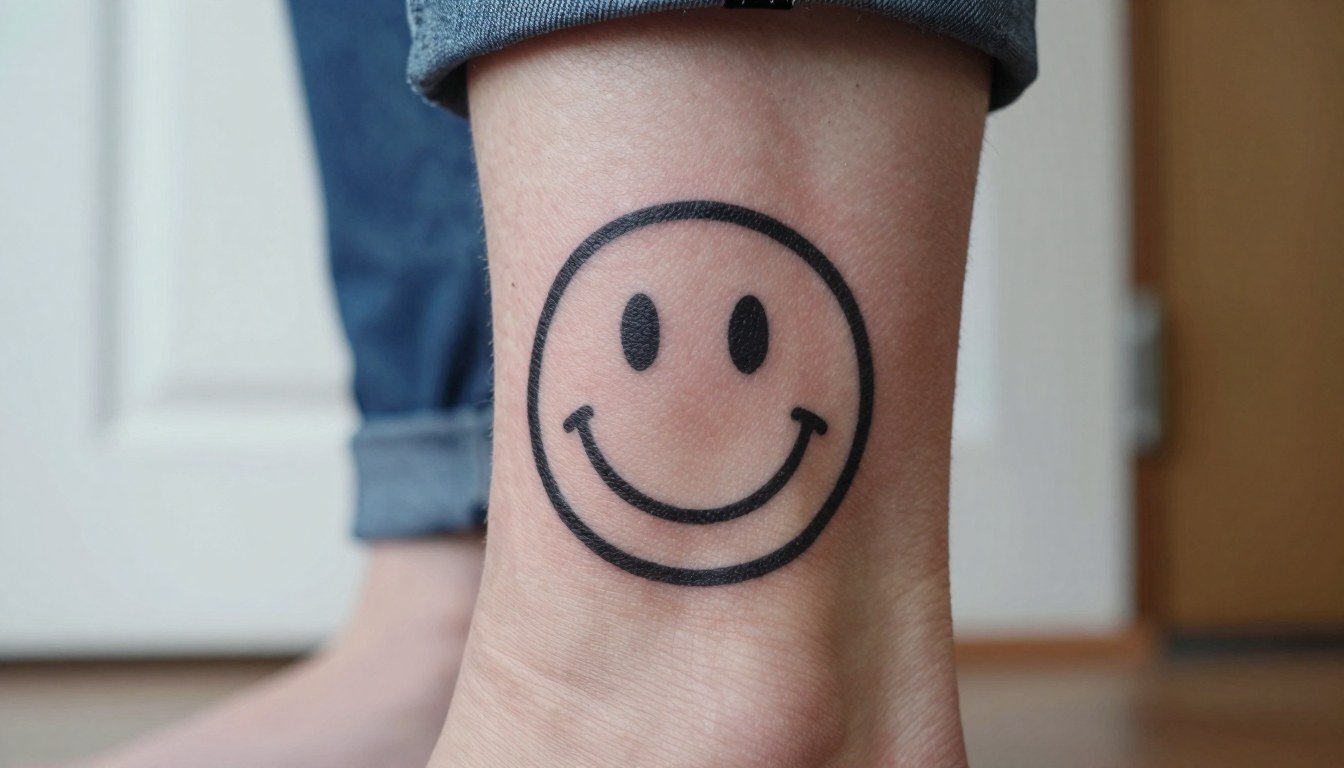
Small matching jokes are the safest bets for friends who want a laugh without a lifetime of explanation. Aim for designs that read as clever on their own, and that keep the punchline if one person later changes their mind. Below are playful, wearable ideas that hold up, notes on placement and healing, and clear cues for what to tell the artist so the joke stays legible for years.
1. Two Halves of a Donut on Opposite Wrists
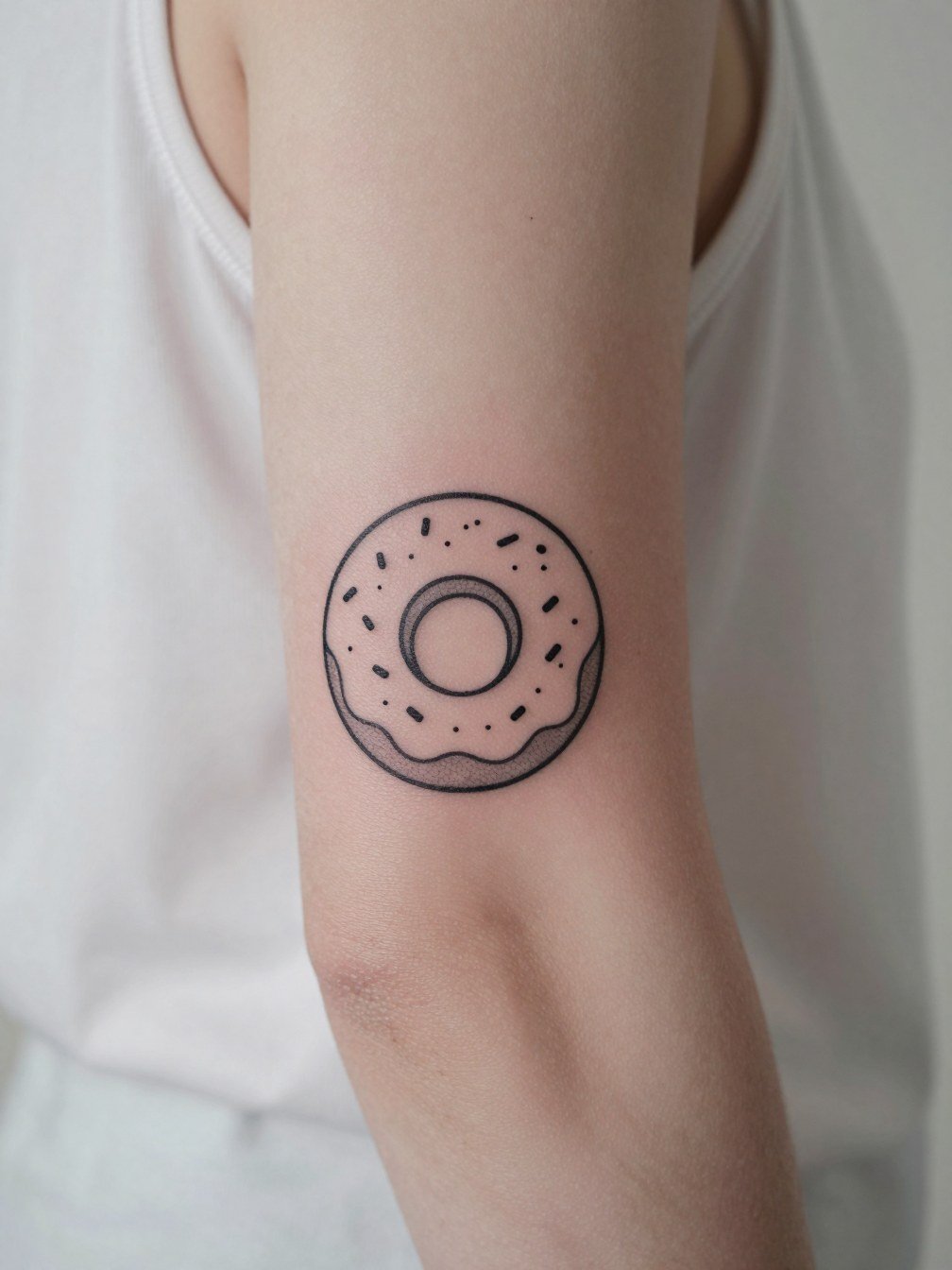
A half-donut on each wrist reads as a pair when the friends high-five or hold hands. Recommend scale at about two inches across so the sprinkle dots keep their shape after a few years. Inner forearm is low to moderate on the pain scale. Plan on one short session, often under an hour per piece. Ask for slightly heavier single-needle weight than your reference so the sprinkles do not blur into smudges. At six months the sprinkles look crisp. By year three, very fine dots may need a touch-up. Style tip: show it off with stacked thin bracelets that frame the wrist.
2. Complementary Mug and Teabag on Ankles
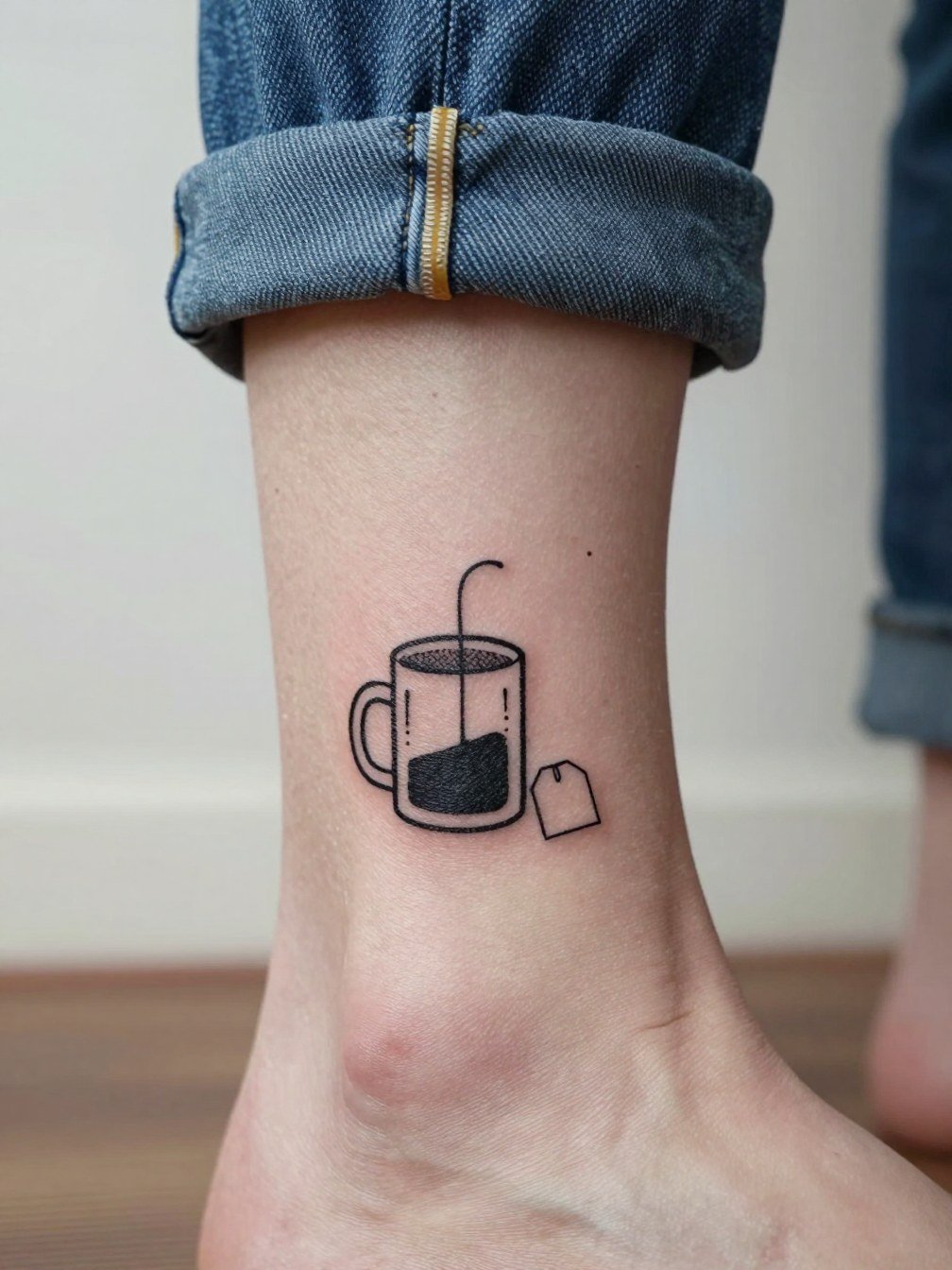
This pair works well because each design stands alone visually. The mug reads as a tiny object and the teabag tag still reads months from now. Ankles take less time and the session is usually quick. Note that ankle skin has more friction from socks and shoes. Request the artist to place the mug slightly above the bone to reduce rubbing. At six months the outlines should still be solid. By two years small chips can appear along the edges if placed too low. Wear cropped trousers or ankle boots to show the ink. A go-to item for photos is a low-rise cuffed jean that keeps the ankle visible.
3. Split Speech Bubble Joke on Inner Biceps
A split speech-bubble joke reads when you face each other. Inner biceps hide well under sleeves so the design stays a private gag for most social settings. Fair warning, inner bicep skin can move with muscle and weight changes. Ask the artist to increase the bubble stroke a hair for longevity. Sessions tend to be short and moderately uncomfortable because of the tender inner-arm skin. Expect a touch-up window around the two-year mark if the fine script softens. Show-off pairing: roll sleeves up and wear a soft linen button shirt for a casual reveal.
4. Tiny Taco and Hot Sauce Drop Behind the Ear
Behind-the-ear spots make micro jokes feel secretive. The area heals quickly because it does not get much sunlight. Expect a short session and mild soreness. The common mistake is requesting ultra-thin detail in a space that needs slightly bolder dots. Ask for a small increase in dot size so the taco texture still reads after a year. If you want to show it, wear hair up or choose a cropped jacket. For the appointment, bring a simple clip to hold hair back. A delicate accessory like a curved ear cuff frames the spot without covering the ink.
5. Matching Barcode Strips on the Side of the Finger
Finger placements are visible and high maintenance. One camp warns that fingers fade and blur quickly because of constant washing and skin regeneration. The other camp argues that thicker bars and bold blackwork can last years with regular touch-ups. Decide if you want novelty now or something built to survive. For this barcode, request bold bars with consistent spacing, not hairline strips that will disappear. Pain is higher on fingers because the skin is thin and close to bone. Expect a touch-up within 6 to 18 months. Accessorize with a slim open ring that complements the barcode without covering it.
6. Coordinated Tiny Pizza Slice and Bite Mark on the Calf
Calf tattoos heal well and tolerate bold blackwork. The slice and the bite both keep the gag if friends part ways because each design reads independently. For best longevity, scale the pizza to at least two inches so the crust texture holds. Calf sessions are low to moderate on pain and often under an hour each. The usual mistake is underscaling, which flattens the visual joke over time. Wear cropped shorts or slip-on sandals to show the design. Styling pick for photos is a casual drawstring short that frames the calf.
Session Day Picks
These small, visible pieces have different friction and hygiene needs than larger work. A few small items help the session go smoothly and the first week of healing go without fuss.
-
Stencil transfer paper kit. Lets you preview how tiny text and split jokes sit on the skin before any needle touches the surface, which matters for wrist and finger placements.
-
Low-scent numbing gel. A topical gel applied per the product instructions eases nerves for sensitive rib or finger sessions without smearing the stencil.
-
Thin protective film roll. Useful for high-friction spots like ankles and hands in the first 48 hours when showering and moving.
-
pH-balanced gentle body wash. Cleans small tattoos without stripping oils that help initial healing.
-
Aquaphor healing ointment. A widely used petrolatum-based option for the first 48 to 72 hours to keep micro linework from drying into scabs.
7. Inside Joke Word in Morse Code on the Collarbone
A Morse code line is clever because the message stays private to those who decode it. Collarbone skin is thin and moves with posture. Ask for slightly larger dots than your reference so the pattern reads after one year. Pain is higher at the collarbone because the needle rides over shallow bone. Short session time is typical. A common error is placing the code too narrowly which leads to merging after two years. For outfits that show it off, try wide V-neck tops that frame the collarbone elegantly.
8. Matching Taco Cat and Snack Mouse on Lower Arm
Two-character pairings are playful and photograph well together. Forearm placements are visible and hold detail when sized around two inches. Ask the artist to sketch a composition that maintains negative space between characters. Blowout risk is low here but poor spacing can make the designs read as a single blob over time. Expect routine touch-up discussion options at year two. Session feel is mild to moderate. Style advice for showing off is to wear rolled-up short sleeves so both forearms are visible in photos.
9. Fine Line Rib-Cage Caption That Reads Differently Lying Down
Fine line on ribs is split among artists. One camp argues that the constant stretch and thin skin on the ribcage cause delicate lines to blur within two years. The other camp says that with slightly increased line spacing and careful depth control, fine scripts can settle well and still read at three or more years. If you want the rib to read differently when lying down, plan the curvature in the stencil stage and ask for slightly wider letter spacing than your visual reference. Pain is high and sessions may need breaks. Expect a realistic touch-up conversation in the months after healing.
10. Matching Rescue Arrow and Map Pin on the Ankle and Foot Edge
Foot and ankle placements have higher abrasion and sun exposure. Some people skip these spots because they fade faster. Others prefer them because bold shapes and black fills survive friction better than tiny hairlines. Choose simple silhouettes and ask the artist to set the map pin with a filled center so it reads across seasons. Foot sessions are moderately painful and usually quick. Common mistake is over-detailing the pin which gets lost within a year. For footwear-friendly show-off, pair with low-profile sandals.
11. Complementary Miniature Cupcakes on Upper Arm
Upper arm work ages reliably because the skin is stable and not exposed to constant friction. If you want a playful dessert motif, the traditional bold outline holds far better than a tiny watercolor decoration. Request saturated black outlines and minimal interior shading so the cupcake retains its silhouette after five years. Sessions are low discomfort and often under an hour. The usual mistake is wanting pastel fills that fade unevenly. Pair with short sleeves or a casual knit tee to show the design.
12. Matching Puzzle Piece and Missing Piece on the Back of the Neck
Nape tattoos can be shown or hidden by hair. Because the area is small, keep the puzzle shapes bold to prevent merging. A specific conversation to have is about the negative space edges. Ask the artist to test a stencil at life size so you can see how the missing piece reads from a short distance. Expect mild discomfort and a quick session. The common issue is requesting razor-thin edges that soften into smudges. Necklace or collar styling is helpful here. Try a simple hair clip pack to easily reveal the nape when you want to show the tattoo.
13. Two-Mini-Protest Signs on the Thigh With Reversible Text
Thigh placements are forgiving and private. Reversible or mirrored text works because the words flip meaning with orientation. The skin here tolerates fine type but still needs readable letter spacing. Request literal life-size stencils and stand to view them from a few feet away before the needle. Sessions are low to moderate on pain and can be done in one appointment. The usual mistake is cramming too many letters into a tiny block. For evenings out, try a high-waisted skirt that lets the design peek when you sit.
14. Matching Tiny Compass and Tiny Anchor on the Wrist and Inner Ankle
Travel-themed micro tattoos read well across different pairings. The wrist design is low to moderate pain and highly visible. The ankle anchor has more rubbing risk but a bold silhouette will hold. Tell the artist to set the compass needle and anchor flukes with clear negative space so they do not blur. Expect a small touch-up conversation after a year for the wrist if you wash hands a lot. Session times are brief. For outfits that reveal both, choose a rolled cuff pant and thin bracelet combo that balances both placements.
15. Split Comic Panel One-Liner on Inner Wrist and Inner Ankle
Comic panel splits are charming because each person can carry their half as a private line. Make sure the one-liners work independently so no explanation is required. Inner wrist is a high-visibility area. Request slightly bolder panel borders than your sketch so the comic boxes remain readable after two years. Sessions are short but can sting on the wrist. Common mistake is using tiny type that becomes illegible. For casual show-off, layer with a slim canvas bracelet.
Frequently Asked Questions
Q: How do I choose a funny matching tattoo that still feels okay if the friendship changes?
A: Start with designs that function alone, not just as a paired reveal. Choose symbols or single words that make sense independently so removing or covering one side does not erase meaning. For example, a solo cupcake or a bold geometric pin will still read as a tattoo rather than a lost reminder.
Q: Will tiny fine-line jokes last, or should I pick bold shapes?
A: It depends on placement and daily wear. Fine-line works best in low-friction areas like the upper arm or nape with slightly increased spacing. Bold shapes are safer for hands, feet, and fingers. Plan a touch-up window at one to three years for delicate work.
Q: Where can I find healed examples and playful portfolios without naming individual artists?
A: Search platform hashtags and location filters on Instagram and TikTok like #funnyfriendshiptattoo, #matchingtattoos, and #microtattoos. Reddit tattoo threads also host before-and-after posts that show healed results across skin tones. Use those searches to build a shortlist of styles and healed photos to bring to your consultation.
Q: What should I wear to the appointment for specific placements?
A: Wear clothing that gives the artist clear access without adjustments. For collarbone or sternum pieces, a wide V-neck or fitted tank works well. For thighs, choose high-waisted bottoms that stay in place. A lightweight loose tank top is often the easiest option for many placements.
Q: Are matching name tattoos a bad idea?
A: Opinions split. One group says names and initials tie you to a single memory and increase regret risk if relationships change. The other group feels names are meaningful markers worth committing to when the relationship is significant. If you want lower future risk, choose an abstract symbol or inside-joke word instead.
Q: How often do I need touch-ups for micro matching tattoos?
A: Expect to evaluate at six months and again at around a year. High-friction spots like fingers and ankles often need touch-ups sooner. Stable areas such as the upper arm and thigh might go years before any adjustment. Bring photos of the healed work to a consultation to plan a realistic timeline.
