
A lot of couple tattoos on Pinterest read romantic in photos but blur into mush in real life. Trends push the tiniest single-needle scripts and matching hearts, yet the pieces that age best are the ones planned so each partner can wear the mark alone. Below the surface there are choices about spacing, lineweight, and placement that decide whether a shared design still reads as art five years from now.
1. Split Roman Numeral Date on Inner Forearm
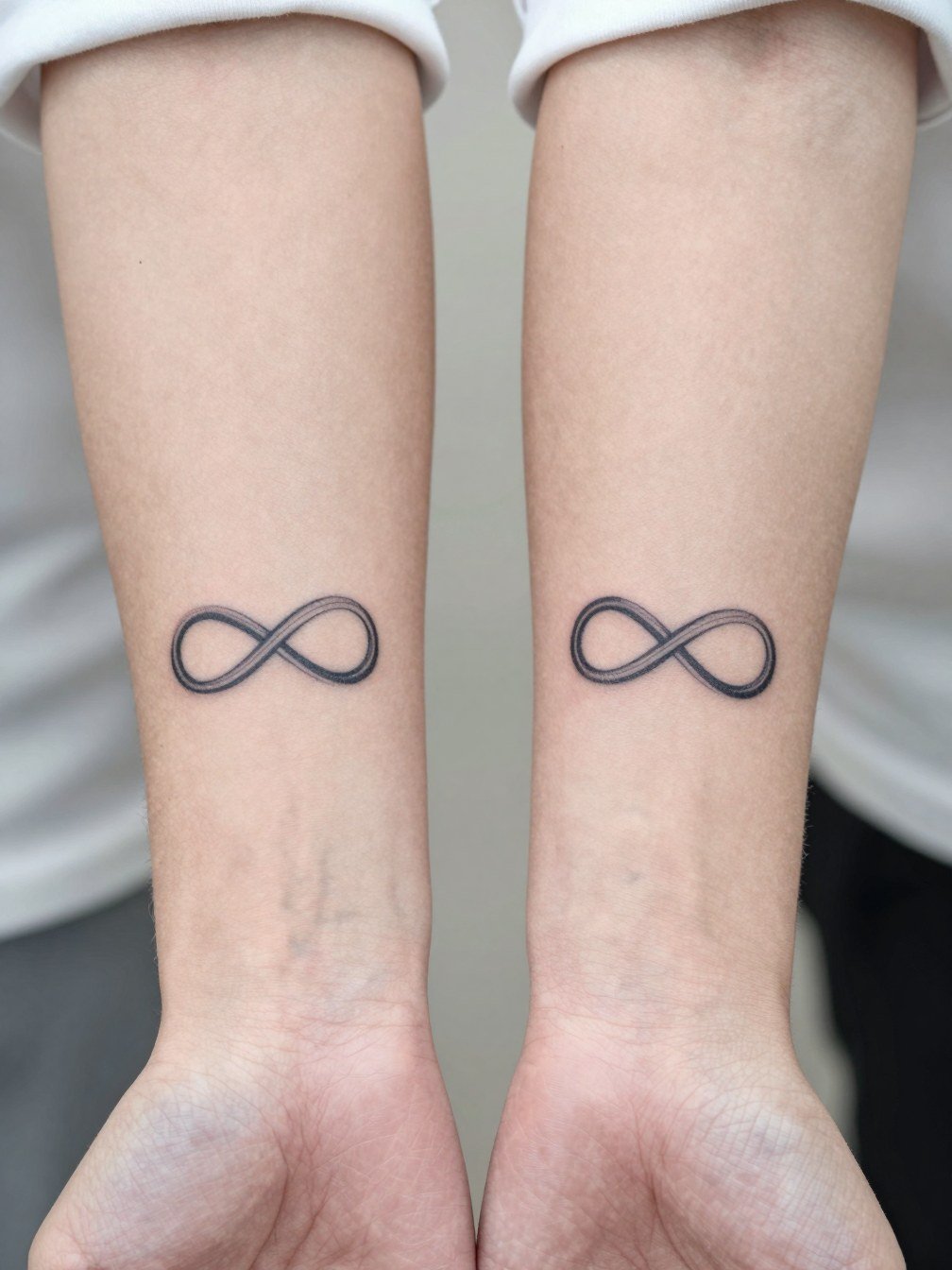
A split Roman numeral date keeps the meaning private while reading clean on its own. For this placement the inner forearm favours a slightly bolder contour so single-needle detail does not wash out as the skin moves. Expect low to moderate pain and a 30 to 45 minute session. A common mistake is asking for hairline numerals with no breathing room, which leads to blurring and touch-ups by year two. Bring a reference that shows scale at three and five inches so the artist can map spacing. For the appointment wear a linen button down you can roll past the elbow easily. Plan on a touch-up at 12 to 18 months for crisp numerals.
2. Two-Part Coordinates, One for Each Wrist
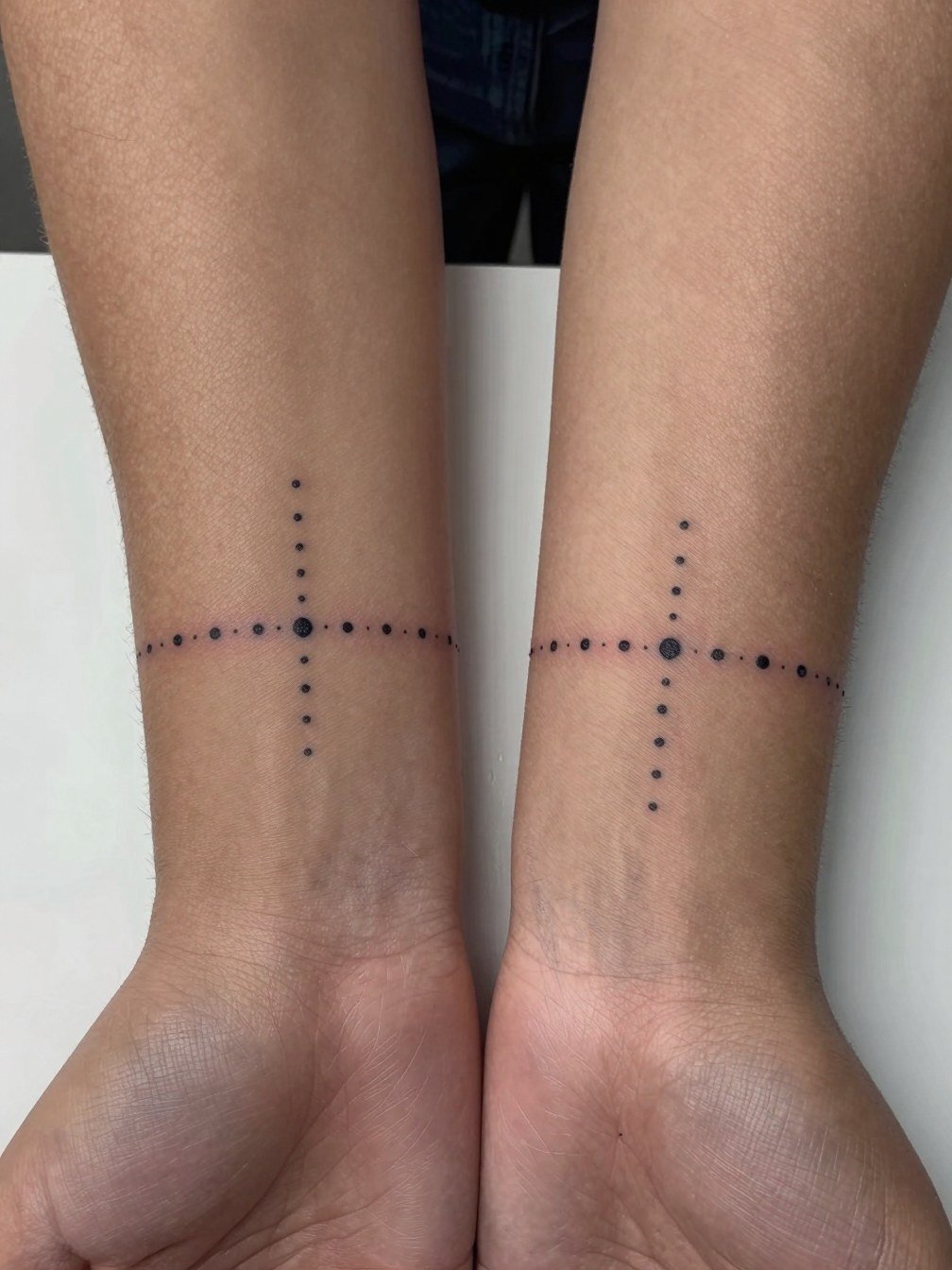
Wrist coordinates are a tidy way to mark a place without obvious couple iconography. The inner wrist eats fine detail, so request slightly increased linework density and ask the artist to space numbers for readability. Sessions are short and the pain is mild. A mistake people make is choosing tiny type that looks great on a phone but smudges on skin. Consider the effect of wrist movement on blowout when you choose font weight. This design works as a stand-alone reminder of place even if the relationship changes, because the numbers reference a location rather than names.
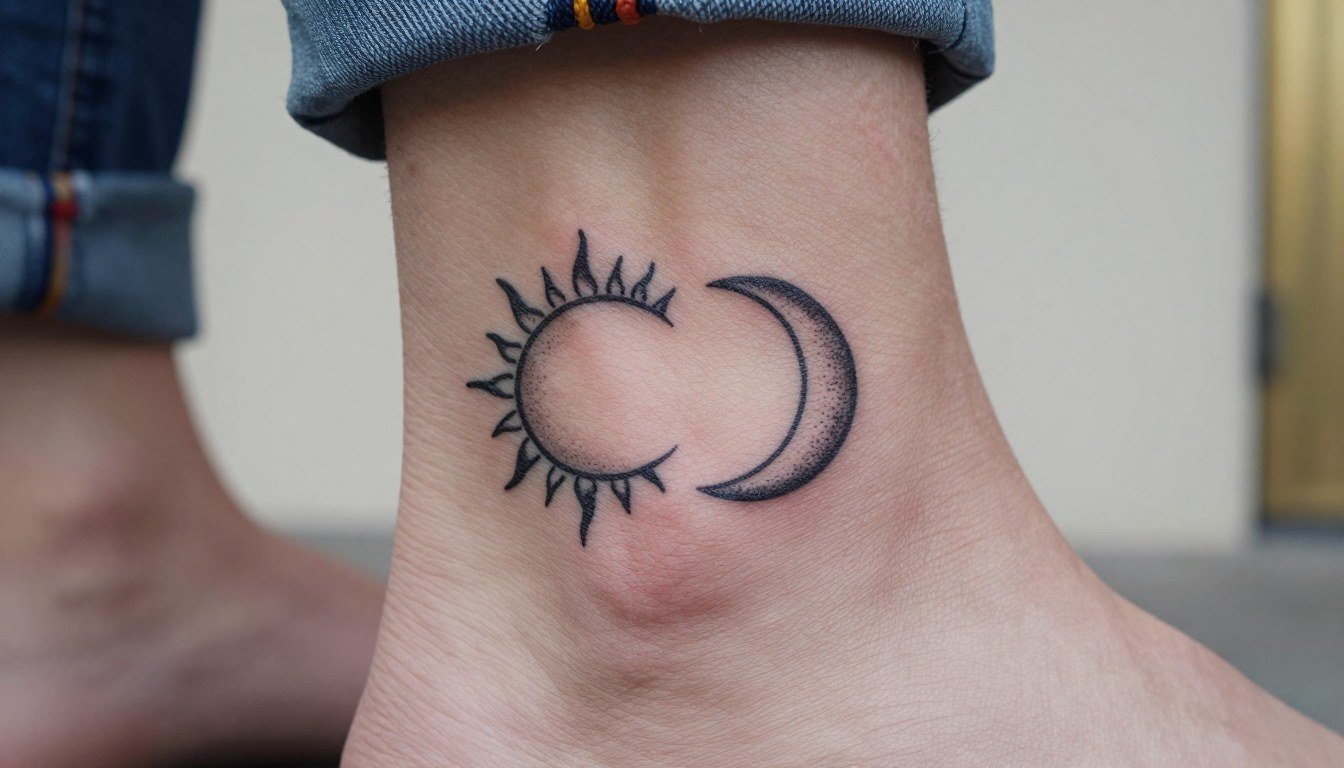
3. Sun and Moon Complementary Pair on Ankles
Sun-and-moon pairs are readable across placements and give clear contrast without being obvious. Ankles face rubbing from socks and shoes, so bold silhouettes and limited color hold up better than delicate filigree. The session is quick and tolerance is usually medium. Avoid tiny rays or micro-dot halos that fade into texture after frequent friction. For showing the pieces, cropped pants or ankle strap sandals keep the area visible. Expect a touch-up opportunity in year two if you add color.
4. Matching Outlined Books for Shared Chapters
An outlined book is a small symbol that reads as a private mark or a love of stories. For wrists, avoid razor-thin outlines. Request a slightly heavier contour and light stipple shading for the page breaks so the image keeps its form as the skin ages. The session is low time and low pain. A frequent error is putting the book too small near wrist creases where motion distorts linework. For the session wear a short sleeve overshirt that you can easily push up without creasing the stencil. This design stands on its own if meanings shift later.
5. Two-Piece Scene That Completes When Together
Split scenes are conceptually strong because each half should look like a complete motif on its own. Discuss composition with the artist so each panel balances visually at arm length. The outer forearm tolerates slightly denser shading. A common mistake is making each half too literal; aim for compositional elements that read independently. The session time can be longer if you want gray wash. For showing the work, short sleeves and bracelets on the opposite arm keep the focus. Budget for a possible touch-up if the gray wash settles unevenly at the six-month mark.
6. Invisible-String Connection on Inner Wrists
Invisible-string tattoos signal connection without cliché motifs. Inner wrist detail can blur, so ask for a hair heavier lineweight than your reference so the thread stays legible. The session is short but sensitive. A mistake is choosing a thread so thin that it disappears into wrist creasing by year two. For the session wear a minimalist watch band on the opposite wrist to avoid rubbing the fresh ink. Plan for a light touch-up if edges feather.
Session Essentials
Small wrist and finger marks behave differently from larger forearm pieces, so a few tools smooth the chair day and the first week.
- Stencil transfer paper roll. Lets you preview exact placement on skin, which helps with split designs and coordinate layout from ideas above.
- Disposable protective film roll. Useful for keeping small wrist and ankle tattoos clean during showers and daily wear.
- Fragrance-free gentle body wash. Cleanses healing skin without irritation for fine line work.
- Thin non-stick gauze pads. Help protect fresh bandages on finger and wrist pieces without sticking to delicate linework.
- Aquaphor healing ointment. A commonly used ointment for the first few days that keeps fine line tattoos from drying out while allowing airflow during the early healing window.
7. Puzzle-Piece Fitting Motif on Inner Biceps
Puzzle pieces are instantly legible and easy to personalize by scale and negative space. Inner biceps are soft and slightly mobile, so the artist should slightly widen the connecting tabs to preserve shape over time. Pain ranges higher here than on the forearm. A common error is making the tabs razor-thin, which can bleed into a less defined silhouette. Wear a tank top to the session so the artist has unobstructed access. Expect touch-ups at one year if edges soften.
8. Small Wedding Date in Clean Font on the Finger
Finger bands read well as ring substitutes but have distinct longevity issues. The skin on fingers regenerates more and ink can fade or spread. Choose slightly bolder lineweight and plan for more frequent touch-ups. The session is quick and the pain is moderate to high on bony areas. A major mistake is requesting ultra-fine script that vanishes in months. For showing off, pair with thin stack rings on other fingers so the tattoo stays readable without extra hardware. Expect a touch-up at 6 to 12 months and another around year two.
9. Ring-Finger Band Tattoo as Permanent Token
Some couples choose ring-finger bands as a permanent commitment symbol. Other couples prefer separate symbolic marks instead. One camp values identical bands because matching ink visibly signals unity and symmetry. The other camp prefers concepts that read alone so each person keeps a mark that works if life changes. Finger skin moves and we see heavier saturation last longer, so ask for a solid graphic approach rather than micro-detail. For the session avoid wearing rings that day and follow artist guidance for hand protection during the first week.
10. Half-and-Half Love Motif on Forearms
Half-and-half motifs create a shared payoff while allowing each piece to function alone. Forearms give room for spacing, so ask for mirrored negative space to prevent the halves from merging visually when separated. Sessions vary with detail but are usually under two hours each. A mistake is compressing too much detail into the split seam, which reads as clutter at a distance. For styling, short sleeves and a unisex crew neck tee show the pieces well without distraction. Expect a light touch-up at year two if stipple shading softens.
11. Yin-Yang Inspired Complementary Motifs on Ankles
Yin-yang motifs are adaptable and familiar. The controversy here is visual style versus literal symbol. One camp prefers the classic symbol as a direct reference to balance. The other camp favors abstracted complementary shapes that read as personal motifs rather than obvious romance imagery. Ankles require bold contours to resist friction. If you like the idea but worry about cliché, ask for a custom organic version with negative space and stipple shading. The session is brief and the pain mild.
12. Unified Theme, Different Execution on Upper Arms
Choosing the same concept but different execution keeps a connection without matching clones. Discuss scale, lineweight, and saturation so both pieces read cohesively. Upper arms tolerate saturation well and are forgiving over time. A common error is copying the same reference for both partners and expecting variety. Instead, bring two concept images and let artists tailor composition and shading. For the session wear a sleeveless tee so artists can access the upper arm without fabric bunching. Plan on minimal touch-ups if one style uses heavy color and the other stays black.
13. Custom Shared-Memory Design on Collarbone
Custom shared-memory marks shift the design from generic romance imagery to something private and specific. Collarbone work reads as intimate so keep scale modest. Pain can be higher on the clavicle. The biggest mistake is overloading the motif with too many literal elements, which reduces legibility. Bring a short written note describing the memory and two visual references to guide the artist. For session access choose a v-neck blouse you can open easily without tugging. Expect a one-time touch-up to sharpen script after healing.
14. Minimalist Line Mountain Range for Two
A minimalist mountain range can symbolize shared adventures while remaining stylish. Outer forearm placement gives the line room to breathe, which preserves crisp linework at five years. One camp says ultra-thin continuous lines are the right minimalist choice. The other camp argues for slightly heavier lineweight so the peaks stay distinct. For the session wear rolled cuff jeans if you plan ankle placement or a short sleeve if forearm work is chosen. Expect light touch-ups at two to three years if the line softens.
15. Custom Morse Code or Simple Symbol Set
Morse code and symbol sets are private by design and versatile across placements. The inner forearm reads well while fingers and wrists need bolder dots and dashes to prevent merging. A common mistake is packing too many characters into a short span. Discuss spacing and dot diameter with the artist so each unit retains separation after healing. For the session wear a soft knit top that can be moved without rubbing the stencil. Plan a touch-up at 12 months if any dots show early bleeding.
Frequently Asked Questions
Q: How do we pick a couple tattoo that will still look good if we split up?
A: Aim for designs that stand alone visually, like coordinates, dates, or symbolic motifs. One practical method is to design each half so it forms a complete image by itself. I have seen couples get split scenes that both read as small landscapes when separated, and those age with less regret.
Q: Are matching identical tattoos a bad idea?
A: There are two sides. Some people prefer identical tattoos because the visual symmetry signals unity. Others choose the same concept done differently so each piece feels personal and remains meaningful if life changes. Decide which matters more to you and then pick composition and scale that support that choice.
Q: Where can we find healed portfolios and local artist styles?
A: Search Instagram and TikTok tags like #coupletattoo, #matchingtattoo, and add your city to narrow results. Reddit communities such as r/tattoos and r/TattooDesigns show healed examples and candid feedback. Look for portfolios that include both fresh and healed shots so you can judge how linework and saturation settle.
Q: What should we wear to the appointment for different placements?
A: Match your clothing to access needs. For wrists and forearms roll sleeves or wear short sleeves. For shoulders choose tank tops. For hips and ankles wear low-rise or rolled hem pants so artists can work without fabric tugging. Pick garments you can move without stretching the stencil.
Q: How often will these small couple tattoos need touch-ups?
A: Small black line pieces often benefit from a light touch-up between 12 and 24 months. Fingers and ring areas may need touch-ups sooner, around six to twelve months, because of frequent washing and skin renewal. Plan a realistic maintenance check in your budget and appointment planning.
