

Fine color photos of fall leaves look great in galleries. Color fans will tell you the reds, oranges, and yellows are the whole point because they make a leaf read instantly like autumn in photos. Other people counter that black-and-gray or bolder outlines age better and avoid the washed-out look that can happen when bright pigments soften over time. Start with a placement that gives the artist room to set line weight, and the first idea below shows a small wrist option that holds up.
1. Single maple leaf, fine line wrist
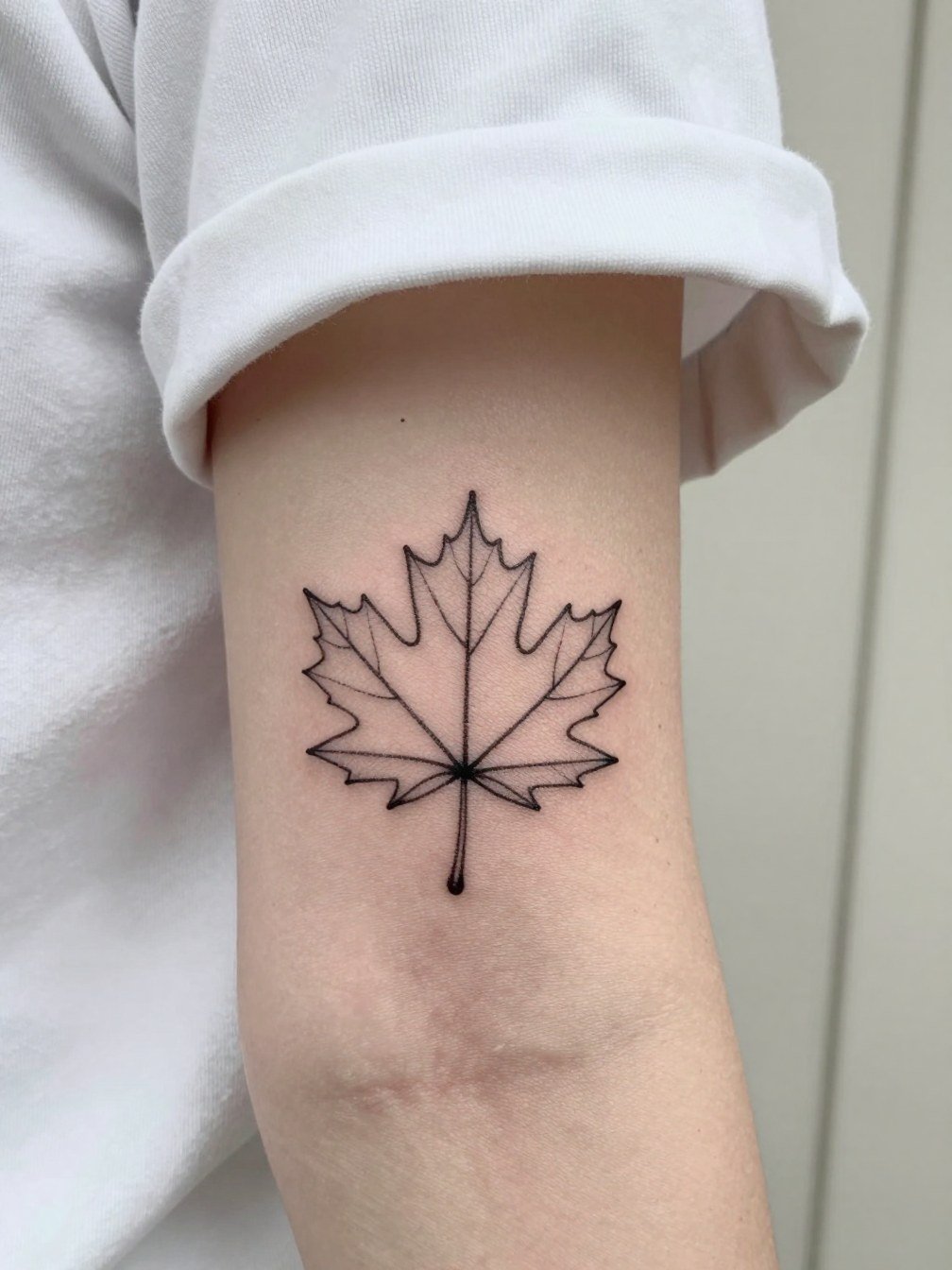
A single fine line maple leaf reads clean at small sizes if the artist sets a slightly heavier lineweight than a single-needle flash. Recommend bringing one reference that shows the exact line thickness you like, and ask the artist to scale the veins so they do not sit narrower than a hair of space. The inner wrist is prone to motion and daily friction, so expect hairline details to soften by year two without a touch-up. For the session wear a short sleeve tee so the artist can roll the sleeve up easily, and pair the healed tattoo with thin bangle bracelets when you want it to peek out.
2. Cluster of falling leaves, outer forearm
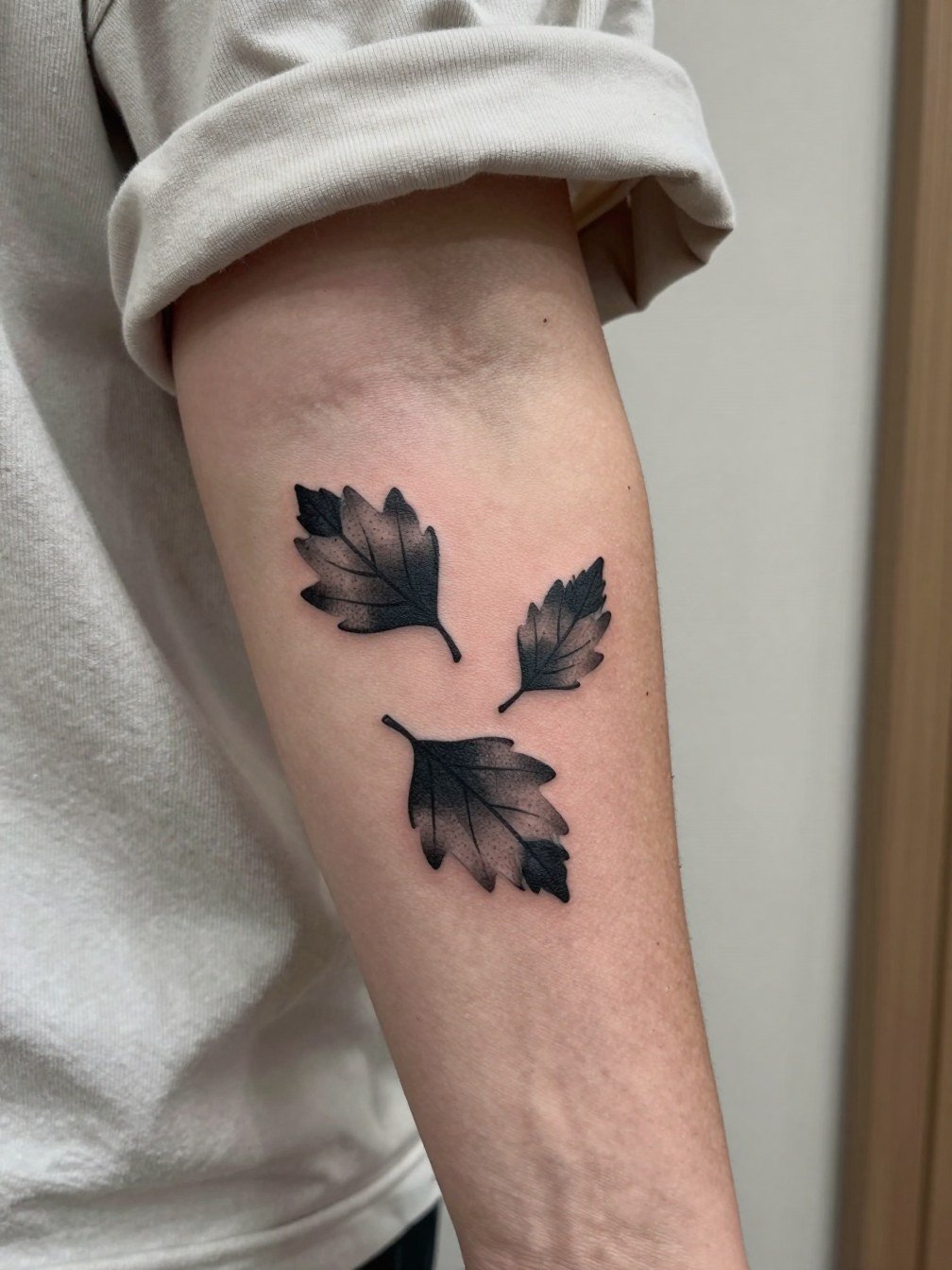
A windblown cluster works well on the outer forearm because there is room for motion and spacing. Tell the artist exactly how much negative space you want between each leaf, and show a photo of the cluster at the scale you plan to wear it. A common mistake is cramming five leaves into a flash-sized rectangle so the composition blurs together as the lines settle. Outer forearm pieces tend to be low on blowout risk, and a single medium session will usually cover this size. For showing it off, cropped workwear jackets and rolled denim sleeves frame an arm cluster nicely.
3. Color maple leaf gradient, upper arm
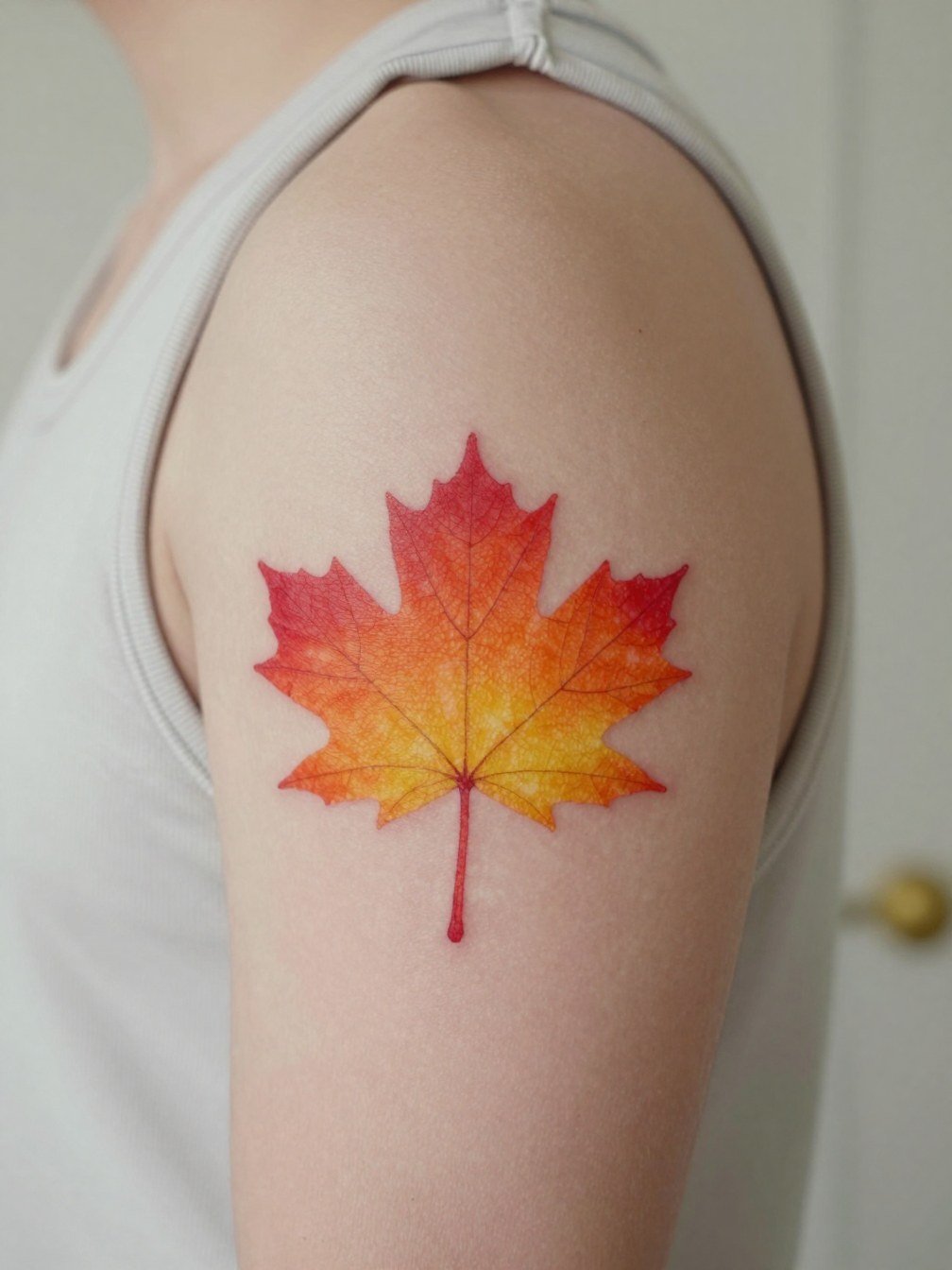
A saturated color leaf on the upper arm gives the artist room to pack pigment without losing shape. During the consult bring one healed color photo that shows how bold you want the gradient to be, and ask how the artist plans to layer saturation so the leaf keeps its silhouette after healing. Watercolor washes can look gorgeous early and lose contrast later if overblended, so request a clean edge or a faint outline to preserve the shape. For session wear pick a sleeveless tank top so the artist has unimpeded access, and style the healed piece with fitted knit vests when you want the color to pop.
4. Geometric leaf with color blocks, behind the ear
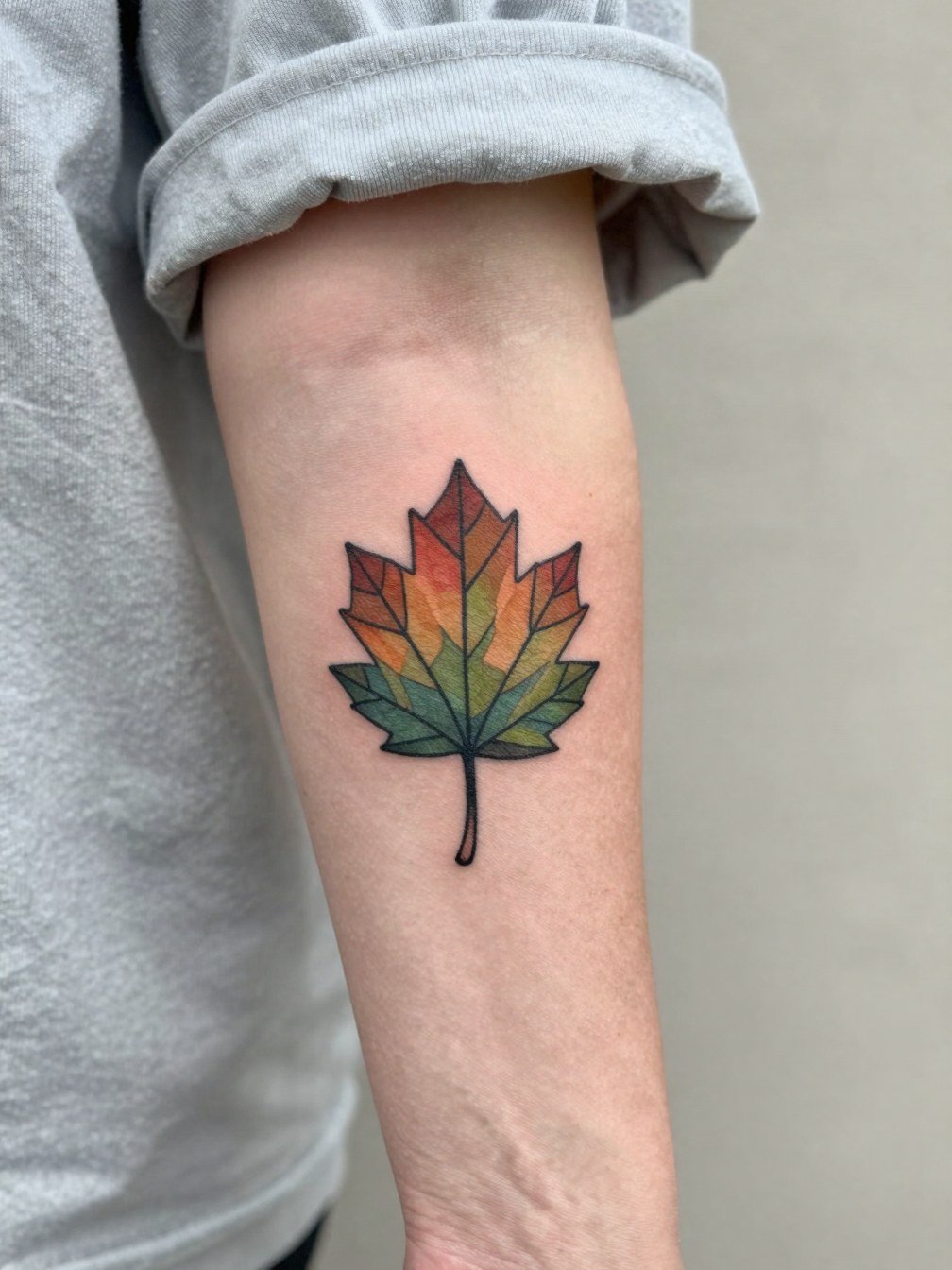
Behind-the-ear placements need compact, bold shapes to stay legible. The geometric color block approach keeps the silhouette readable at tiny scale and avoids the fading blur that a soft watercolor wash would create there. One real mistake is asking for a gradient fill in a space smaller than an inch, which almost always becomes an indistinct patch. During the consult ask for how the blocks will be spaced to maintain negative space, and plan to show off the healed piece with updos or a hair claw clip that exposes the area.
5. Traditional maple leaf, outer forearm or shoulder
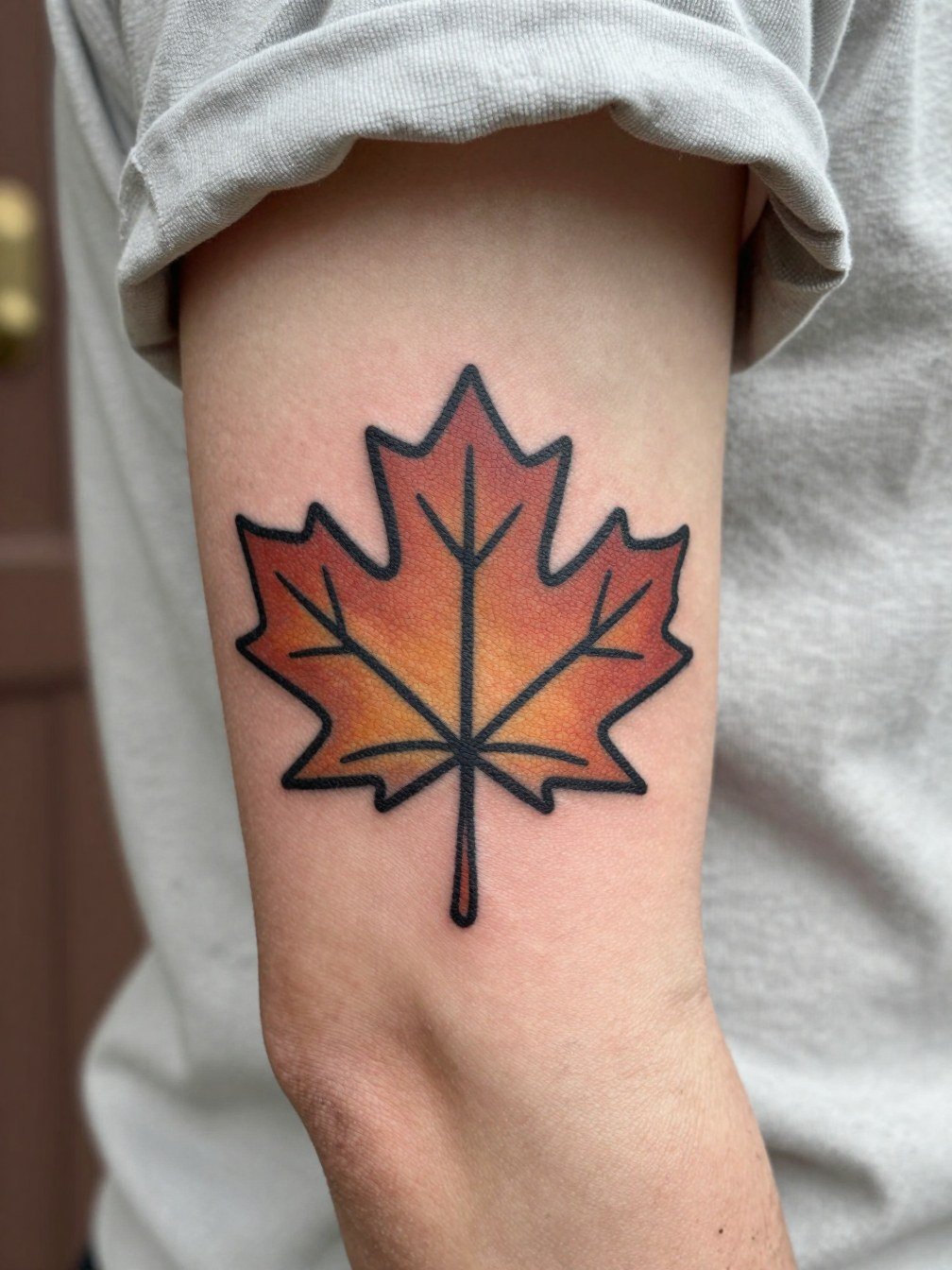
Traditional work is an excellent choice if you want a piece that reads from a distance and holds its shape as the years go by. Name the exact outline thickness you want and show a bold-outlined reference so the artist can match the saturation and edge. The shoulder is low on daily abrasion, and forearm placement fares well from activity, but both benefit from solid outlines to resist softening. For session wear bring a rolled sleeve shirt for forearm access, and when wearing the healed piece try off-the-shoulder tops to frame larger traditional fills.
6. Tiny leaf with moon or floral sprig, ankle or wrist
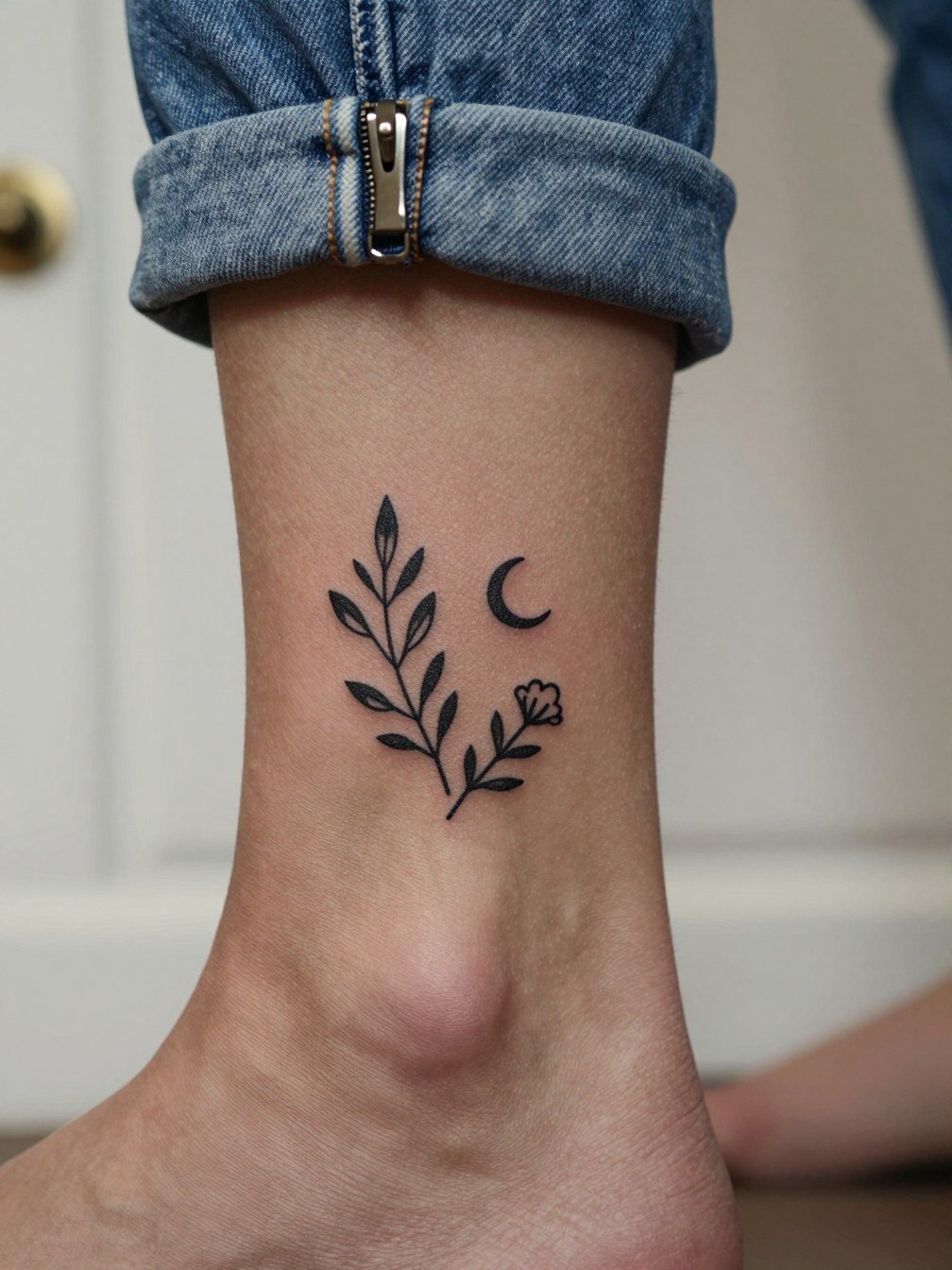
Micro compositions like a leaf plus moon or a sprig do their best work when the artist spaces each element to avoid overlap as the skin settles. Ask for the exact millimeter spacing between the leaf and moon so everything still reads at six months. A common error is asking for too many tiny dots packed together, which can blur into one dark blotch. For the session wear shorts or a skirt that can expose the ankle easily, and style the healed ankle piece with delicate anklets when you want an accent.
Pre-Session Essentials
Those first six small pieces share two needs: keep linework clean during the initial healing window, and protect color from early fade. These picks smooth the session and the first week on wrist, ankle, and upper-arm placements.
-
Fragrance-free ointment alternative. A light, non-scented balm soothes fresh lines without adding irritants that can inflame delicate fine work on the wrist and behind the ear.
-
Non-comedogenic moisturizer. Use after the first few days of scabbing to keep healed color soft and avoid clogged pores on areas like the forearm and ankle.
-
Fragrance-free body wash. Gentle cleansers cut soap residue without stripping pigment from shallow color work during showers.
-
Silicone-based healing balm (thin application). A thin layer helps newest tattoos retain moisture and reduces scab thickness on medium fills like upper-arm leaves.
-
Broad-spectrum sunscreen for healed skin. Apply once fully healed to protect warm pigments from rapid sun fade on exposed placements such as the shoulder and calf.
7. Micro-realistic vein study, inner forearm

A vein-focused study rewards the inner forearm because the palm-up surface ages predictably there if linework is slightly bolder than a single-needle whisper. During the consult bring healed close-ups of vein detail you like and ask for the exact spacing the artist plans between each vein line. The inner forearm is lower on friction, but very fine crosshatching can soften by year three, so expect a potential light touch-up later. For session wear a linen button-down you can roll up, and style the healed study with slim bracelets on the opposite wrist.
8. Leaf pile composition, calf or ankle
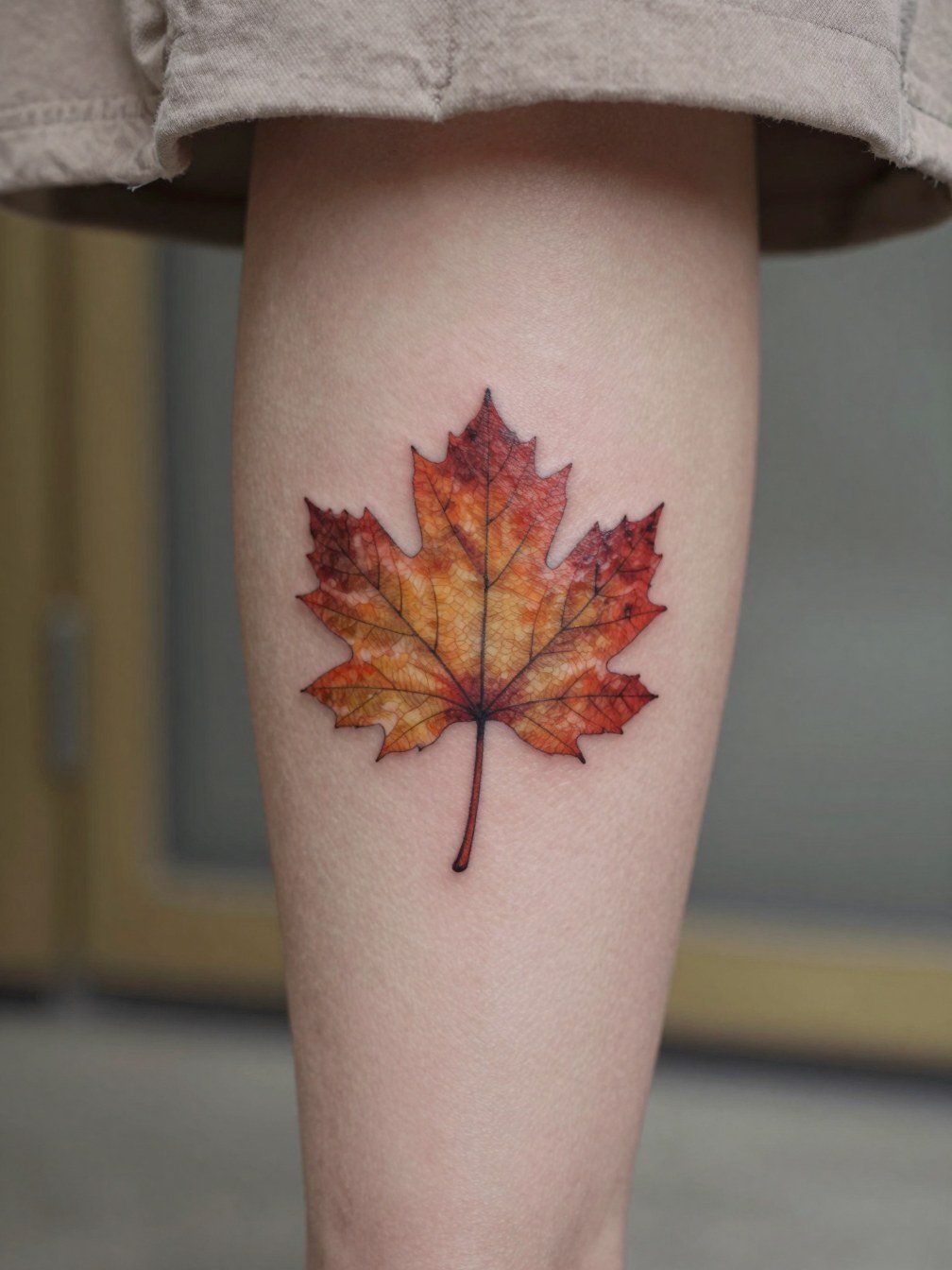
A leaf pile captures motion and reads well on the calf where there is room to layer shapes without losing edges. Ask for healed examples of overlapping color to see how opacity and negative space resolve after scabbing, and request slightly firmer outlines on the outer edges so the pile keeps contrast. Ankle versions of this composition need simpler stacking to avoid blur from shoes and socks. For session wear bring shorts or a skirt that can be pulled above mid-calf easily, and pair the finished calf piece with midi skirts to let the composition show.
9. Tiny branch on the nape, discreet nape accent

Nape tattoos sit in a spot that is often hidden by hair, so keep scale small and lineweight slightly stronger than the thinnest reference. A common mistake is asking for hair-fine strokes that blur under the natural movement of the neck. Ask the artist how the piece looks at three different scales so you can choose what reads when the hair is up and when it is down. For the session tie your hair up with a simple clip and plan to show the healed accent with open-neck tops or an open back top when you want it visible.
10. Forearm watercolor wash with warm hues
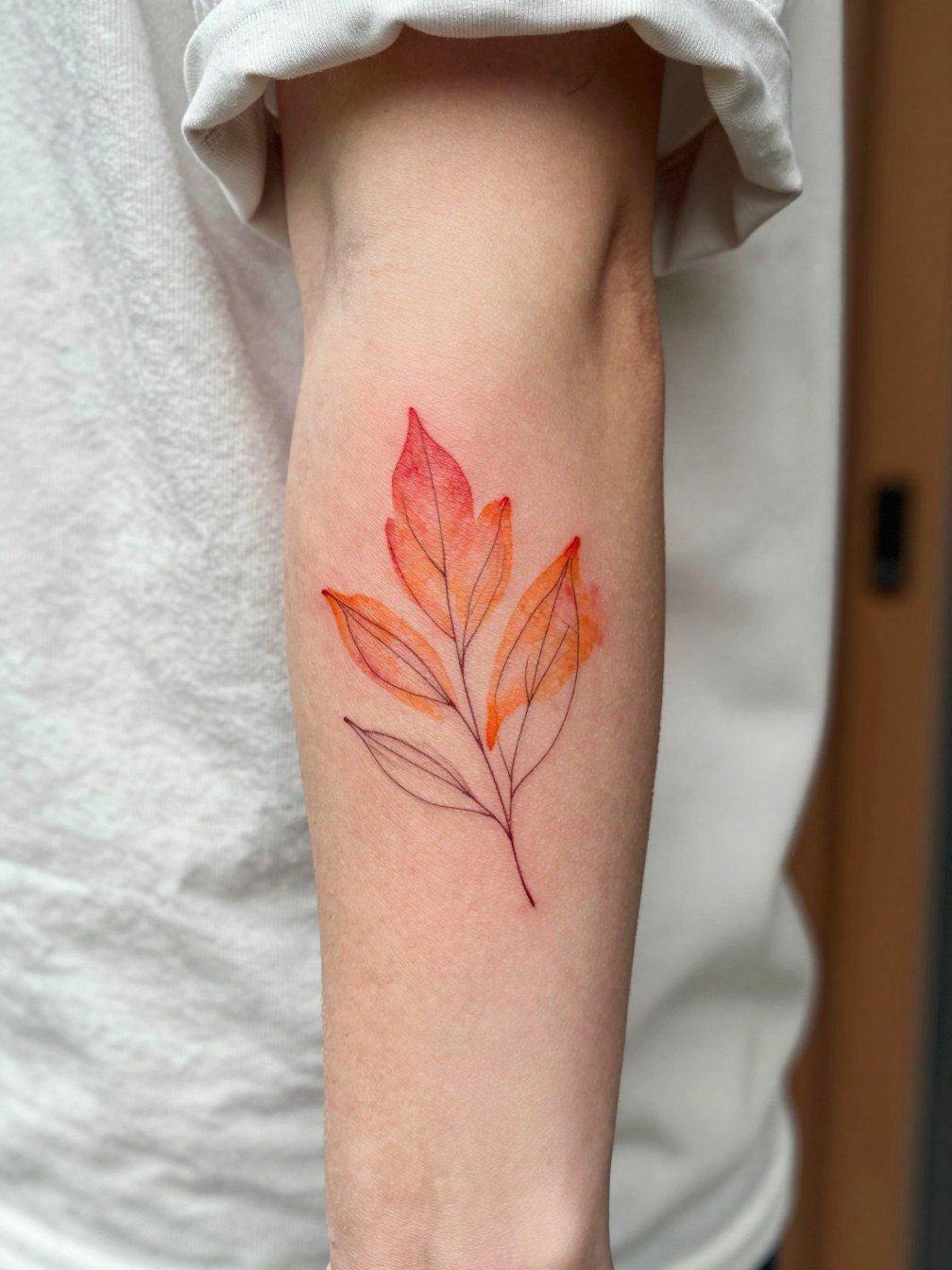
Watercolor washes give an immediate autumn look, but they can lose edge definition over time. If you want a wash, request a faint contour line or negative-space veins so the leaf still reads when pigments soften. A typical issue is asking for a broad wash without any hard edge, which turns into a patchy blur as pigments spread. For the session wear a short sleeve or tank so the forearm is fully accessible, and style the healed wash with rolled denim sleeves to keep the color visible.
11. Black silhouette with negative-space veins, shoulder or forearm

A black silhouette reads strongly and generally ages better than ultra-fine filigree. Negative-space veins keep the piece visually interesting without relying on thin lines that blur. Ask the artist how deep they will pack the black so the cutout veins remain crisp after healing. Shoulders take color well with low abrasion, and the forearm version will be more visible daily. For showing the silhouette, racerback tanks and strappy dresses frame the negative-space veins cleanly.
12. Neo-traditional leaf with broken-arrow motif, outer forearm
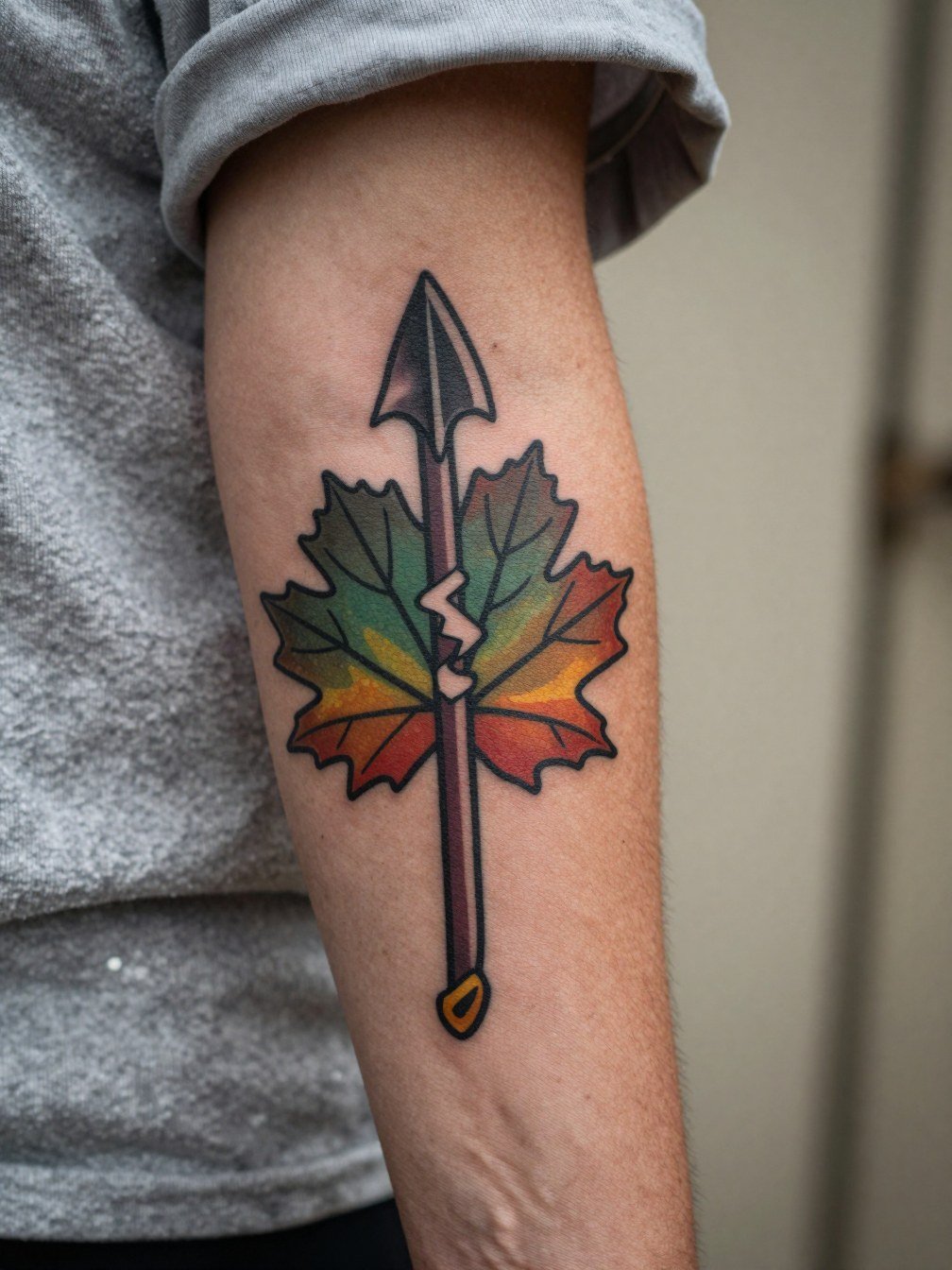
Combining a leaf with a symbolic object like a broken arrow gives a rugged edge that keeps the composition personal. Name the balance you want between the two symbols during the consult and show one or two references that match that proportion. The main mistake is letting the additional motif crowd the leaf, which makes the subject ambiguous after a few years. Outer forearm placement keeps the composition readable and allows a crisp touch-up if color softens. For the session wear a short sleeve shirt so the arm is easy to access, and wear boxy tees after healing to let the bold motif read.
13. Tiny behind-the-ear accent, mastoid area
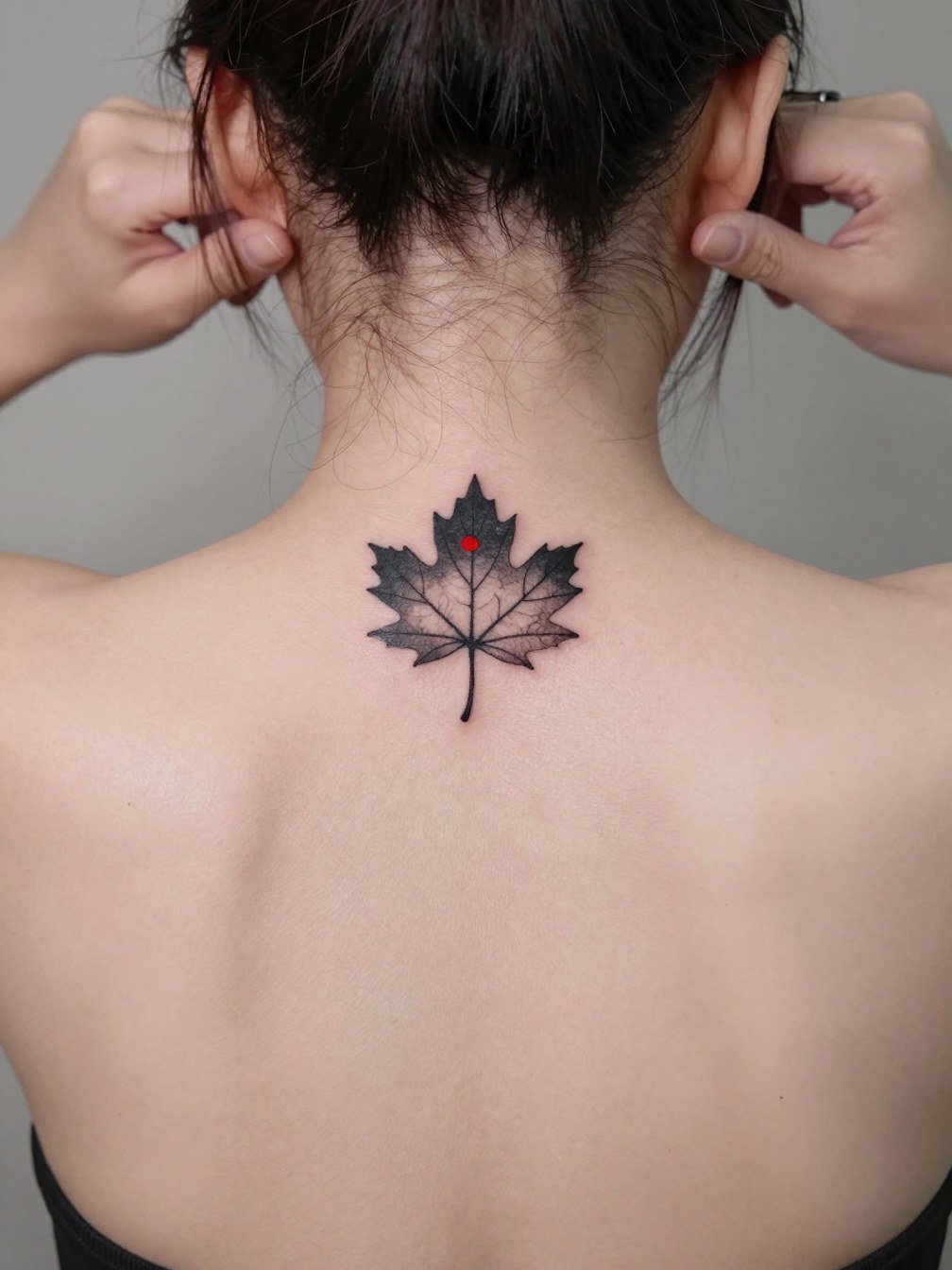
Behind-the-ear accents succeed when kept tiny and composed of a single readable element. If you add a single color dot to highlight the leaf, ask how that pigment looks on your skin tone in healed photos rather than fresh photos. The mastoid area heals quickly but has less surface area for touch-ups, so keep the design simple. For the session have your hair clipped up and carry a hair claw clip to hold your style, then show the finished accent with short updos or cropped collars.
Frequently Asked Questions
Q: How should I decide between color and black-and-gray for a fall leaf tattoo?
A: If you want immediate autumn color for photos then color will deliver that look, but colors often require stronger saturation and future touch-ups to retain brightness. Black-and-gray or bold outlines keep the shape readable as the skin ages, and they usually need fewer maintenance sessions. Think about how visible you want the piece to be in the long term and ask for healed photos on similar skin tones.
Q: Will a fine line leaf on my wrist blur quickly, and what should I tell the artist?
A: Fine line on the wrist is prone to softening because of wrist motion and thin skin. Ask for slightly heavier lineweight than ultra-fine work, and show the artist a healed reference so they can match spacing. Also agree on a touch-up window at the consult so you know when to return if lines soften.
Q: Where can I find local portfolios and healed examples for fall leaf tattoos?
A: Search social tags like #fallleaftattoo and #autumntattoo plus your city name on Instagram and TikTok, and look for feeds that post both fresh and healed shots. Reddit tattoo threads tend to include real healing timelines and price chatter. Use studio directories or booking sites when you need to filter by style rather than a specific artist name.
Q: How long do watercolor leaf washes usually last before needing a touch-up?
A: Watercolor blends often show noticeable softening by two to five years, depending on sun exposure and how the pigment was packed. Expect color touch-ups earlier than with bold traditional fills. Protect healed watercolor pieces with broad-spectrum sunscreen when exposed to sunlight.
Q: What should I wear to the appointment for a nape or shoulder leaf tattoo?
A: For nape work wear a top with a wide neckline or bring a hair tie to pull hair into a natural updo during the session. For shoulder pieces choose a sleeveless or spaghetti-strap top so the artist can access the area without you changing shirts. These wardrobe choices keep the session comfortable and protect the fresh ink from unnecessary fabric friction.
