
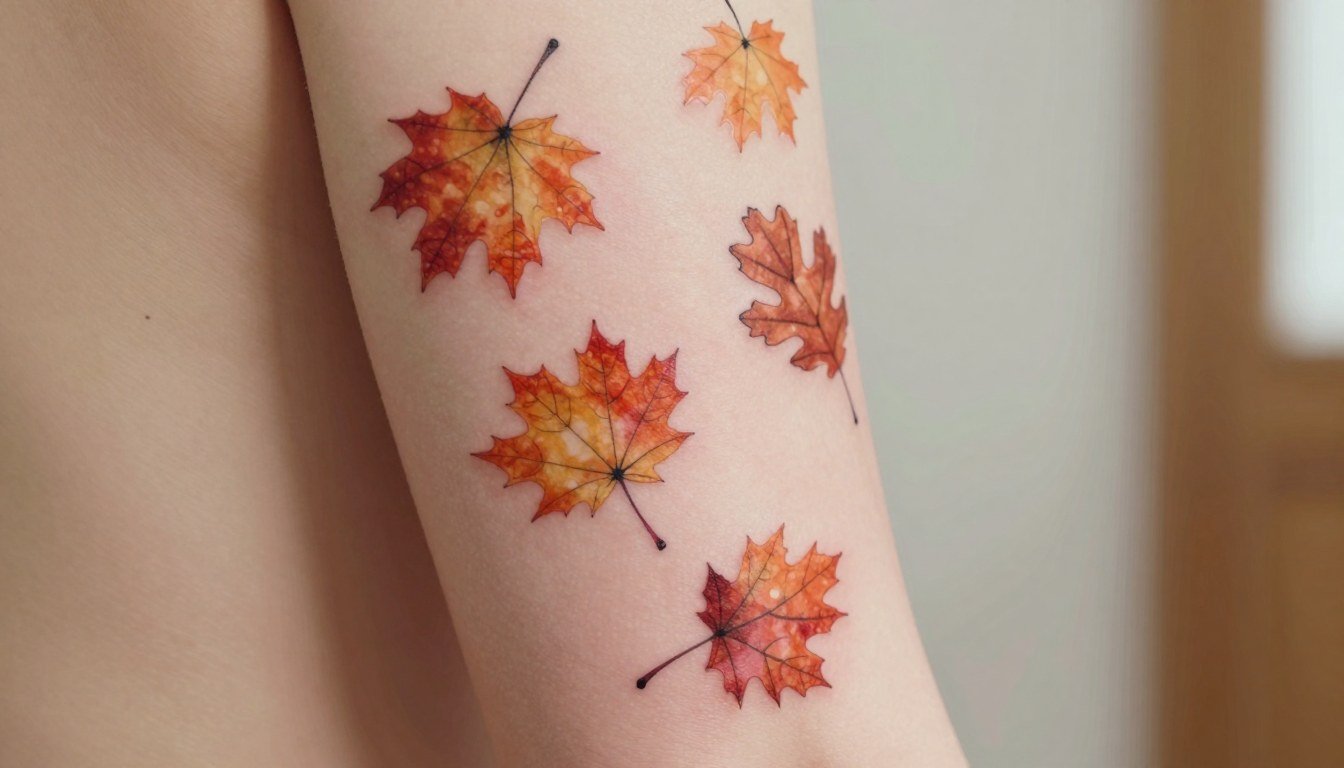
The deep tones of fall read differently on skin than they do on paper, and the autumn leaves tattoos that look best after five years are rarely the exact images people save off a moodboard. Lighter palettes, narrow stems, and careful spacing make color feel intentional rather than clip-art. Read on for species-specific ideas and placement tips that help an autumn motif stay readable, wearable, and easy to add to later.
1. Single Maple Leaf on the Wrist
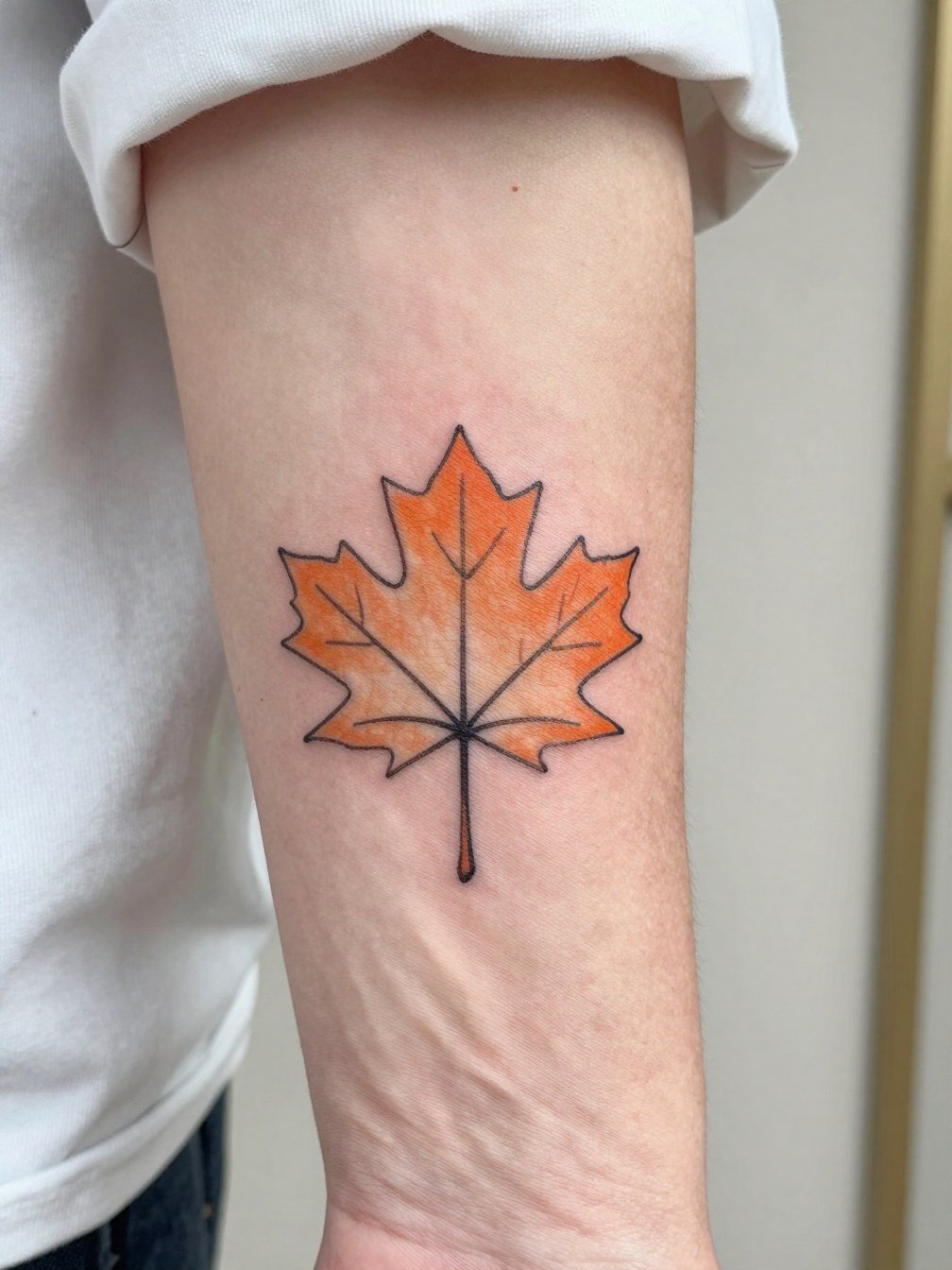
A single maple leaf is the easiest seasonal micro tattoo to get right. It reads at a glance and is forgiving when sized to two to three inches. For a wrist placement plan for medium linework so the veins keep shape as the skin ages. Common mistakes are choosing single-needle filigree for a high-movement spot and expecting it to stay crisp. Expect a short session under an hour and a possible touch-up at year one if you go for very light color. For showing it off, roll a cuff or wear a slim watch on the opposite wrist, and wear a rolled cuff shirt on session day for easy access.
2. Falling Leaves Trail, Inner Forearm
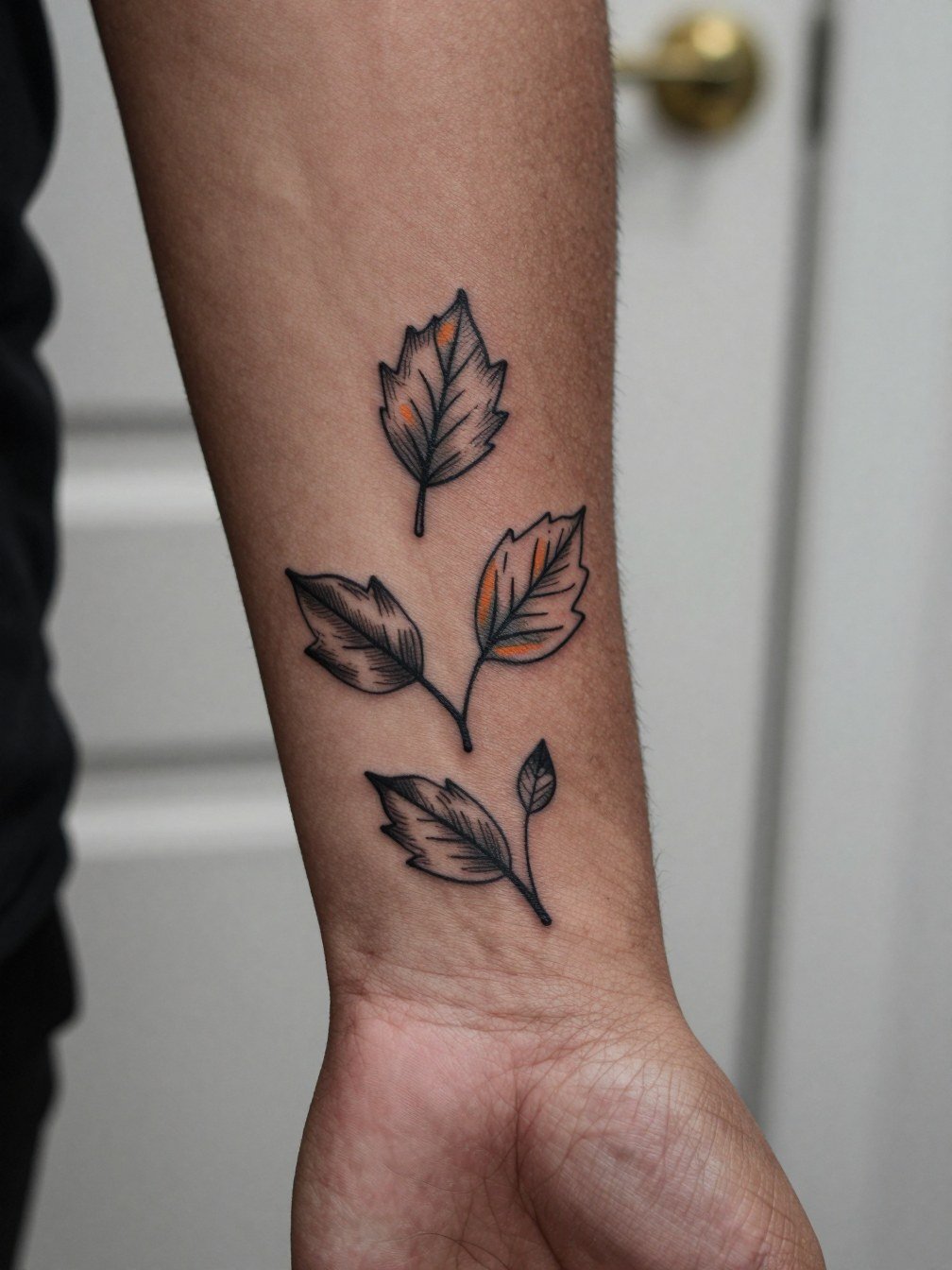
A falling trail is ideal if you want future expandability. Start with two to four leaves spaced along the inner forearm so the piece breathes and new elements can be added between them. Tell your artist to test leaf scale on skin during the stencil stage so you can see how each one reads at two and four inches. A common aging issue is crowding leaves too close together which causes lines to merge after a few years. Expect moderate session pain and an hour or two for initial work. Pair with an oversized tee and rolled sleeves when you want to show it off, and bring a light denim jacket for cooler weather.
3. Oak Leaf with Acorn, Upper Arm
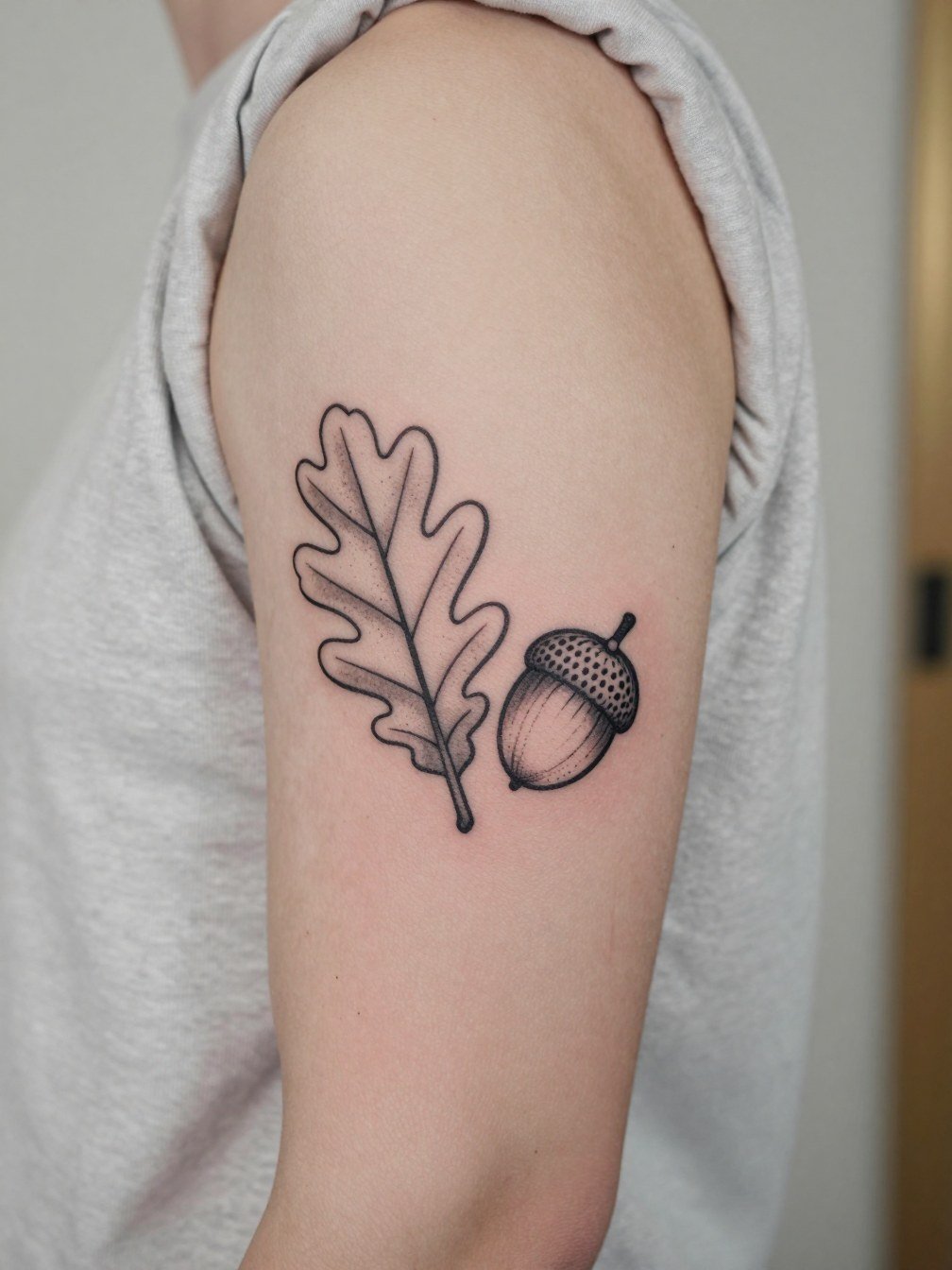
The oak leaf plus acorn gives a grounded feel with a clear silhouette that ages well in black and grey. For this placement request slightly heavier contour lines so the piece keeps presence as skin texture changes. Artists often see requests where the acorn gets shaded too small, which disappears after healing. The session runs about one to two hours for a medium-sized piece and blowout risk is low on the fleshy outer arm. For warm-weather reveal wear a sleeveless tee and consider a tank top loose fit when you want to frame the artwork.
4. Fern Frond, Side Ribcage
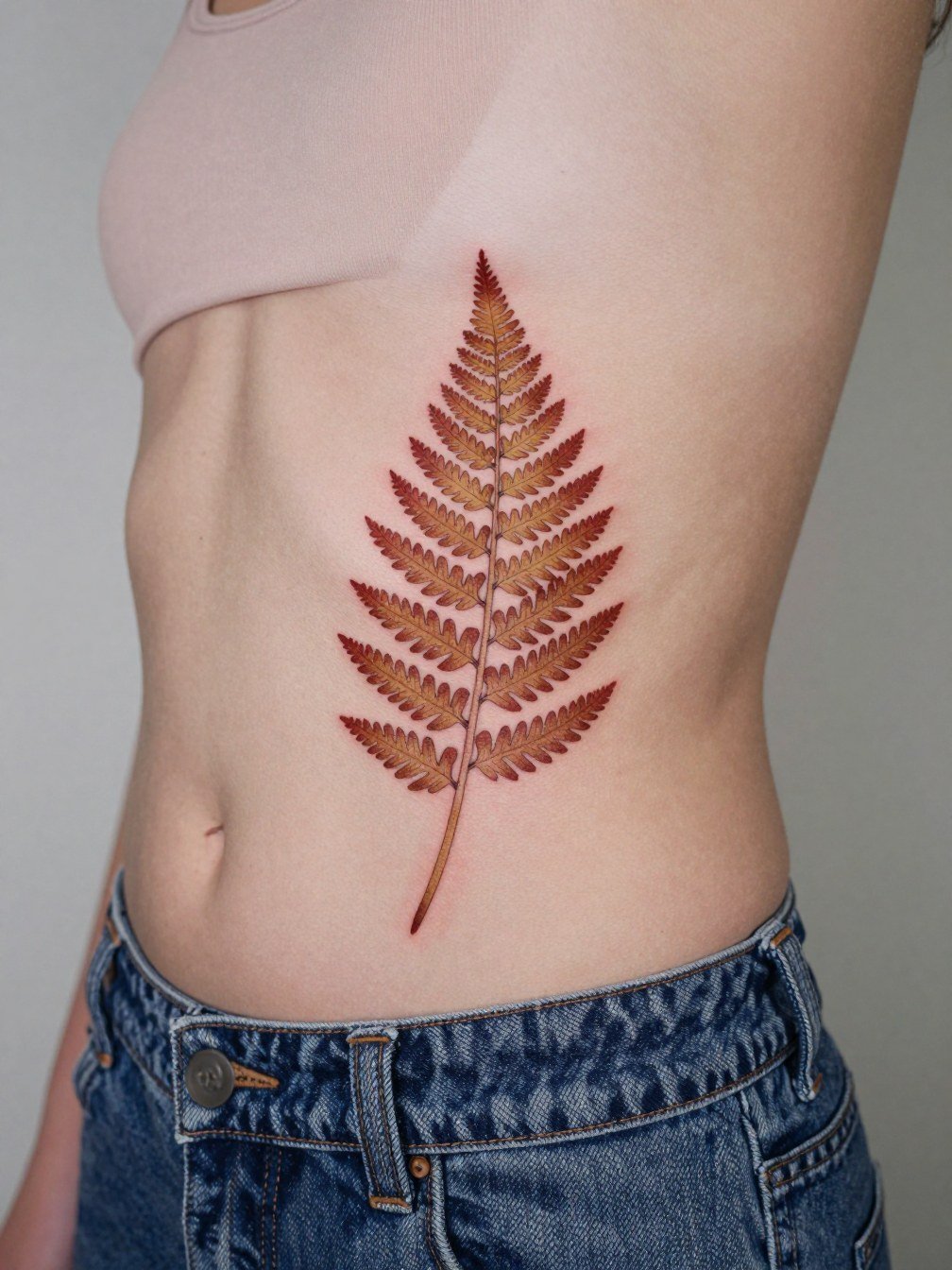
Ribcage placements are high on the pain chart, but the long, narrow frond suits the space and reads elegantly at scale. For this design ask the artist to space the leaflets wider than a printed reference to avoid blurring in two to three years. A frequent mistake is trying to cram tiny stipple details on the ribs which heal into a muddled tone. Sessions are broken into shorter passes for comfort and a topical numbing protocol can help if you are anxious. Wear a loose sports bra or a button-down that opens in front for easy access on session day.
5. Ginkgo Leaf, Behind the Ear
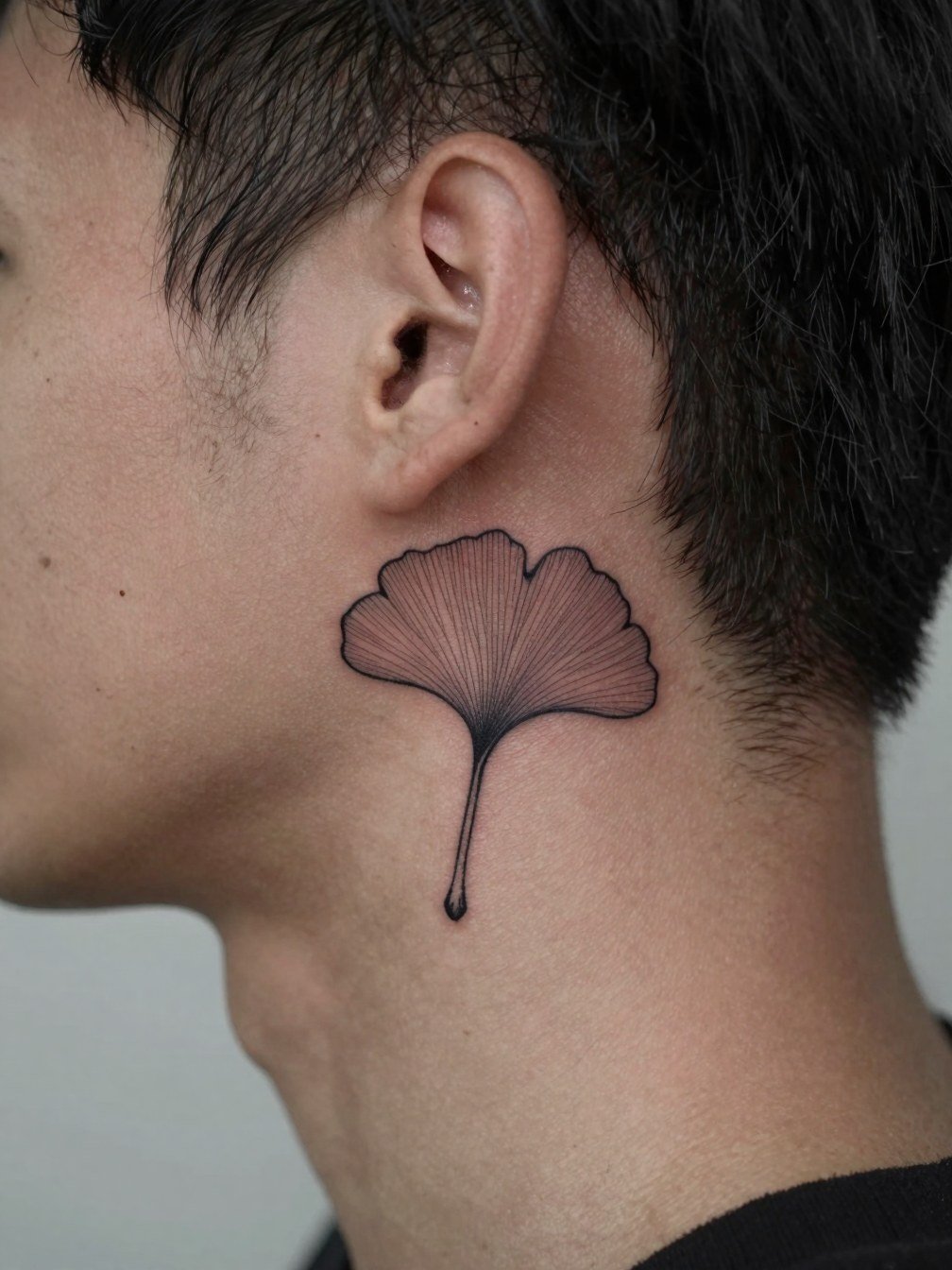
Ginkgo brings a distinctive fan silhouette that avoids the maple crowd. Behind-the-ear work needs slightly bolder single-needle lines than gallery photos suggest because the area is small and the skin moves with hair growth. A common error is choosing ultra-fine calligraphy that disappears after healing. The session is quick and a single-needle touch-up at year one is common. Because of the placement have hair clipped up on session day and use a set of hair clips for neat access.
6. Leaf Band Wrap, Ankle
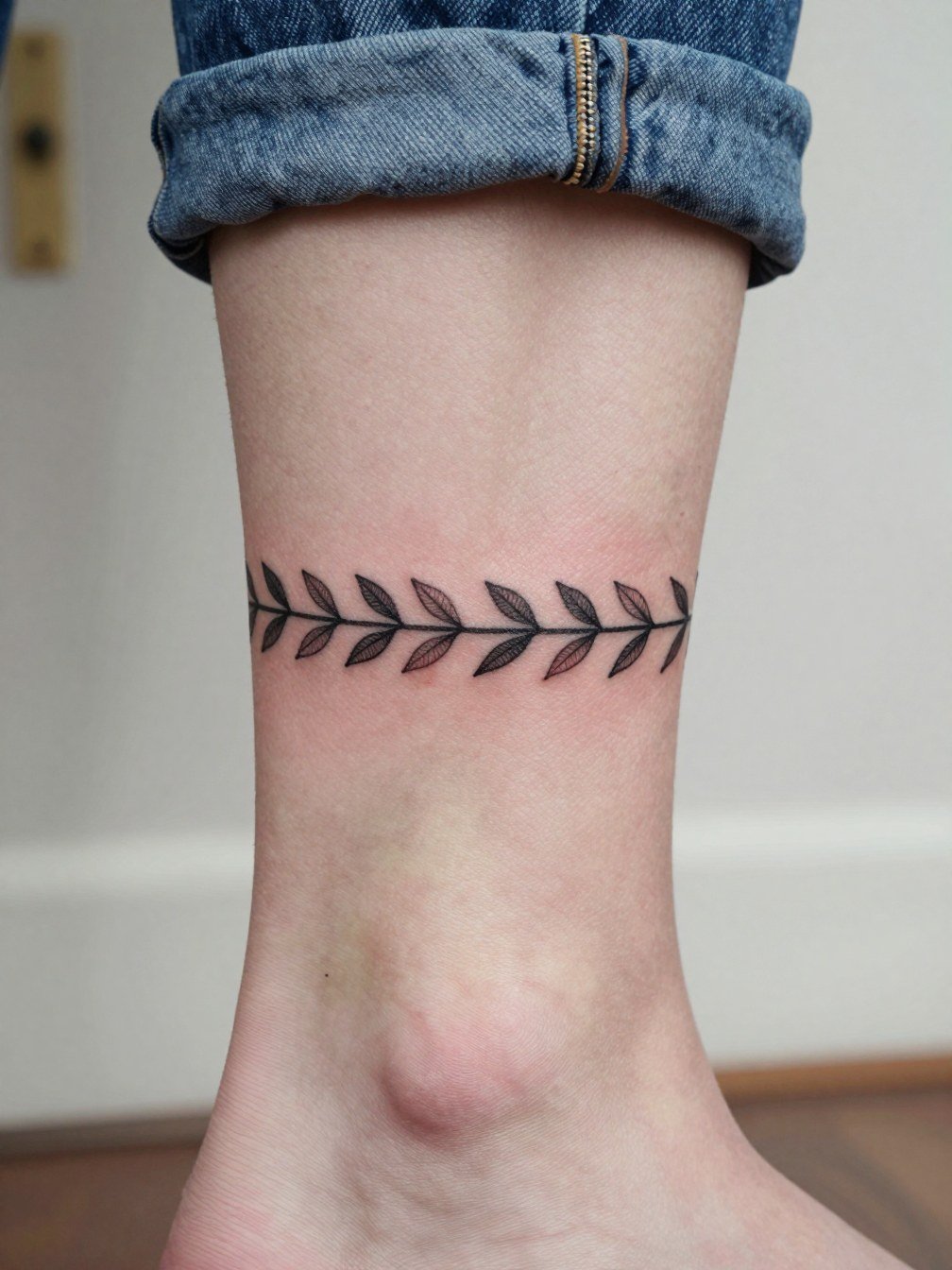
A leaf band reads like jewelry and is very wearable when sized to follow the ankle contour. Even spacing is the technical key, so ask for a printed wrap stencil during consultation so you can check symmetry before ink hits skin. The biggest practical issue is friction from socks and shoes while healing, so plan footwear accordingly. Session time is short but expect potential touch-up on exposed edges because ankles rub a lot. When you want to show it off pair bare ankles with low-profile sneakers or cropped trousers and a pair of ankle bracelets for evening looks.
Studio Day Picks
These items help small autumn pieces stay neat through the first week and make the session smoother for artist and client.
- Transfer stencil paper kit. Lets you preview line weight and placement directly on skin before the needle, which is useful for wrist bands and falling trails.
- Disposable thin protective film roll. Keeps ankle and wrist bands clean during the first days of high-friction movement.
- Low-residue topical numbing cream. Applied 45 minutes before the appointment eases ribcage and sternum sessions without creating excess surface residue for the artist.
- Fragrance-free gentle body wash. A mild cleanser that helps during showering without stripping delicate color in the first two weeks.
- Aquaphor healing ointment. Thin layers during the initial days protect fine line work without clogging needle channels.
7. Harvest Moon with Falling Leaves, Upper Back
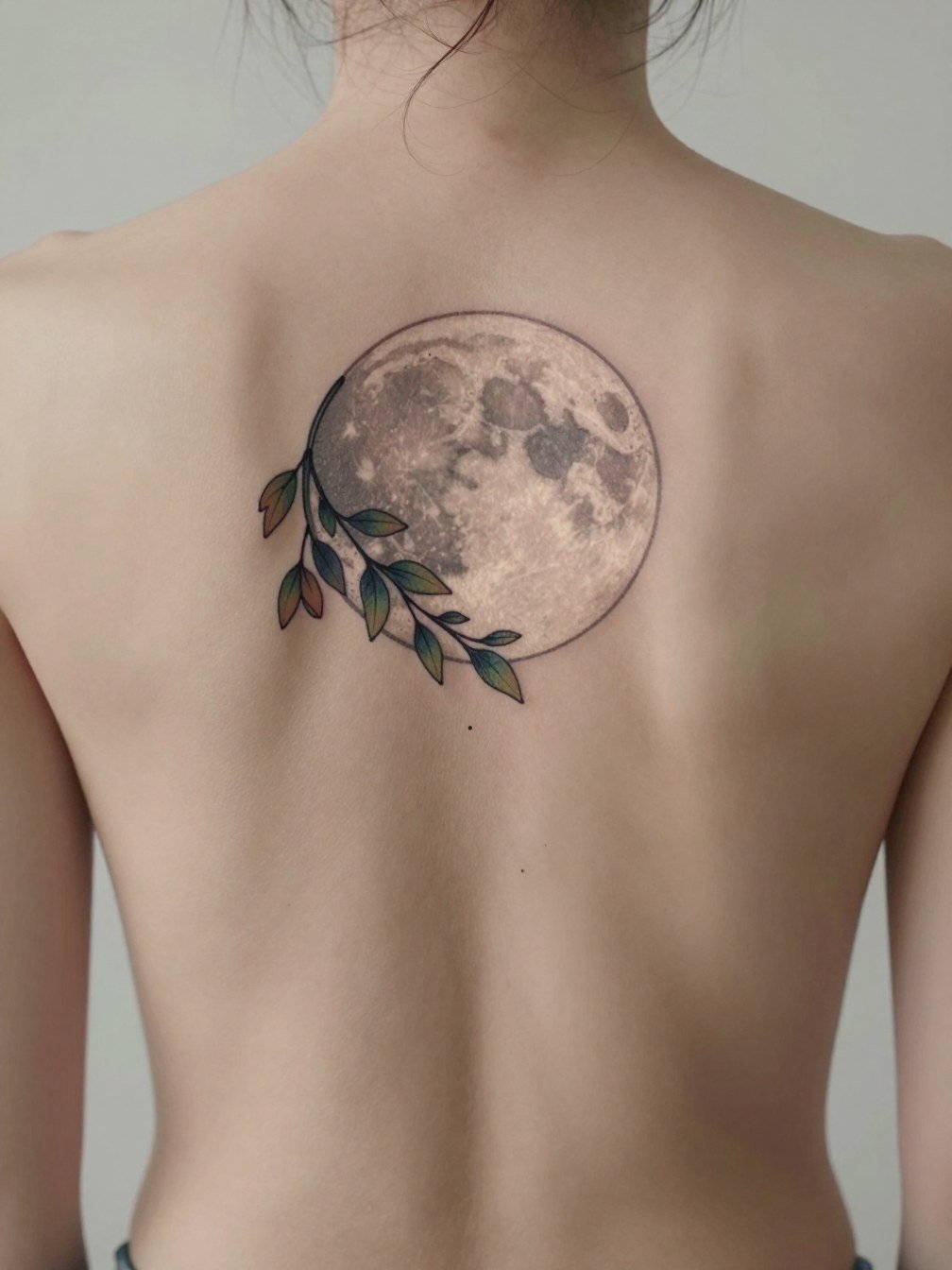
A moon-and-leaves composition gives an atmospheric focal point that suits the upper back. For longevity request stronger outlines around the moon and slightly desaturated fills for the leaves so the composition remains readable from a distance. A common planning error is cramming too many small leaves into the negative space which reads noisy after healing. This medium-size piece needs a two to three hour session and is easy to style with open-back tops or wide-neck shirts. For show-off outfits try an open-back top when the weather allows.
8. Owl on a Branch with Falling Leaves, Upper Arm
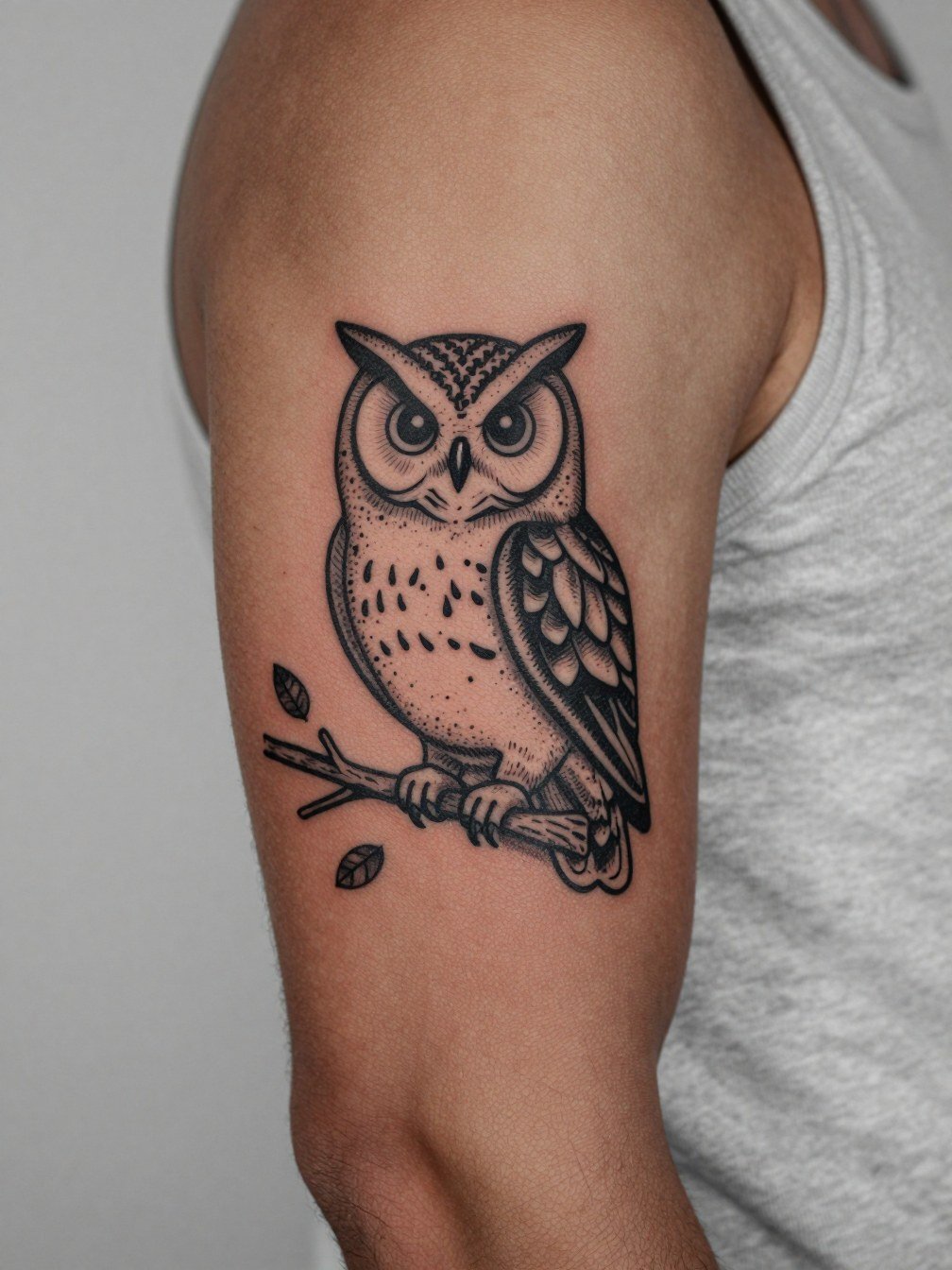
Combining an animal with foliage makes the concept feel like a small scene rather than a single motif. Ask for composition mockups so the owl, branch, and falling leaves balance without tiny filler elements. A common mistake is adding too much feather texture at small scale, which becomes blotchy after healing. Expect a two to three hour session and moderate pain. This placement looks great with sleeveless tees and cropped jackets, and you can wear a cropped jacket to frame the piece.
9. Mountain Scene with Autumn Trees, Calf or Forearm

Landscape tattoos give context to seasonal leaves and scale well on the calf or forearm. For longevity request simplified tree forms and restrained saturation so the trunks keep definition as the color softens. A mistake is over-detailing tiny leaves that will fade to indistinct smudges. Session time varies with size from one to three hours. For showing it off pair with shorts or an oversized tee and consider a rolled sleeve shirt for forearm displays.
10. Tree Through the Seasons, Spine

A seasonal tree split into halves makes a strong symbolic composition that needs vertical breathing room. For spinal work ask the artist to space major branches and avoid tiny vein details that get lost across the back's movement. Many clients forget the session will be long and bring only light snacks, so plan breaks and plan for a two to four hour block. This placement looks dramatic with open-back dresses and tops, so consider a low back dress for reveal photos.
11. Watercolor Autumn Leaves, Outer Forearm
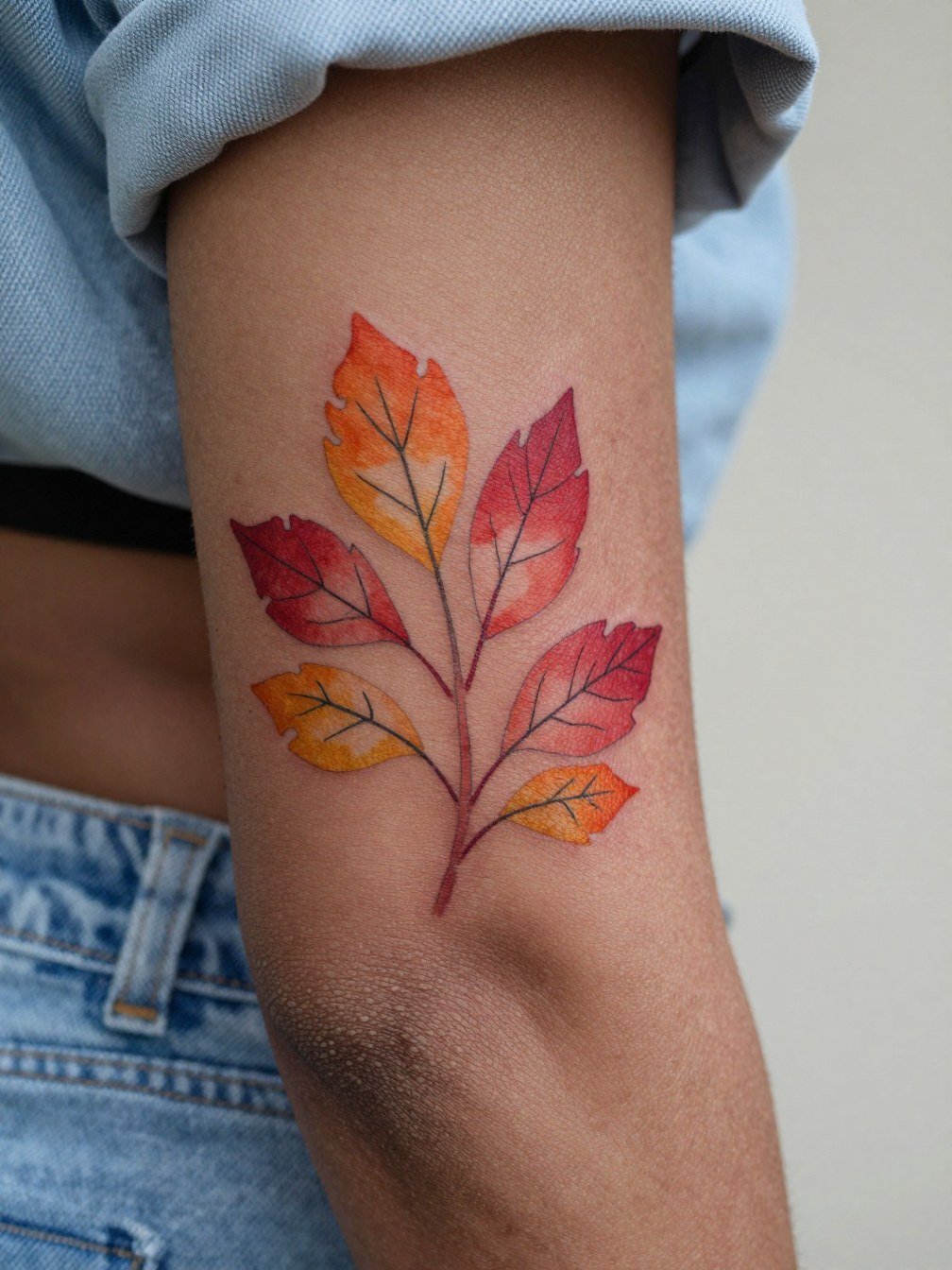
Watercolor palettes make the season obvious, but artists and clients split on whether color is essential for autumn motifs. One viewpoint insists color is the point of an autumn tattoo, that the reds and golds are what read as fall and make the piece instantly recognizable. The opposing viewpoint argues that black-and-grey ages more quietly and avoids a seasonal clip-art look, especially at small scale. If you want color keep fills loose and choose a touch-up plan at year one because bright pigments do settle differently across skin tones.
12. Tiny Autumn Leaf, Ankle
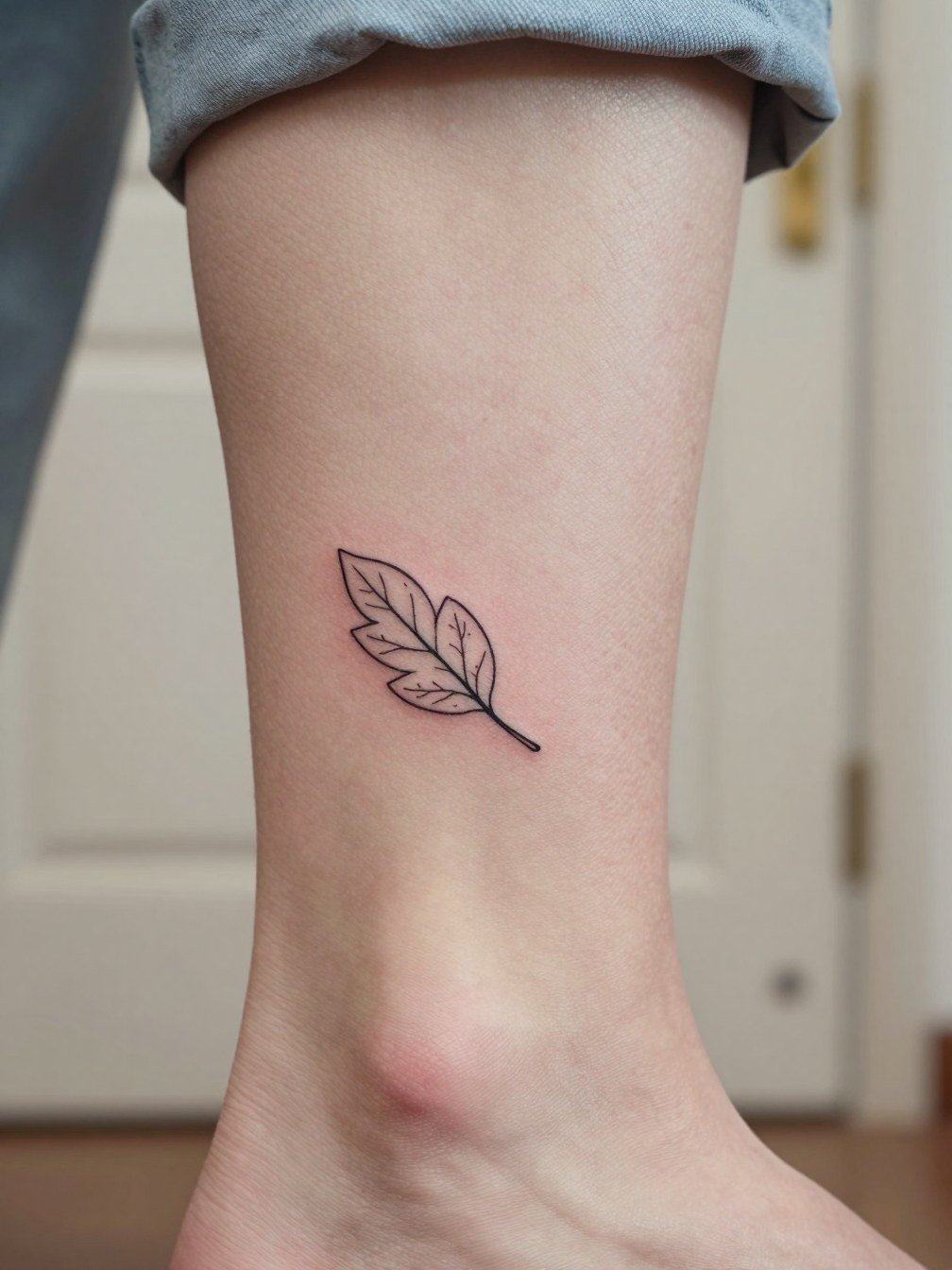
A tiny ankle leaf is a low-commitment seasonal nod that photographs well. Keep the design simple because overly intricate veins disappear quickly in micro scale. The main mistake is using single-needle script or super-fine detail that the ankle will not hold. Sessions are fast and aftercare needs to account for sock friction. To show the piece off wear cropped trousers or low-rise sneakers and try cropped trouser pants for a polished look.
13. Colorful Scattered Leaves, Back of Neck

The nape is a popular small canvas for multicolor leaf clusters that peek out when hair is up. Ask the artist how the colors appear on your tone to avoid surprises, and request slightly stronger outlines under the color to hold shape longer. A typical error is over-saturating small patches which then blur. Sessions are brief and a discreet touch-up is normal at year one. For reveal wear hair up with a hair claw clip for a natural look.
14. Multi-Species Falling Trail, Outer Forearm

Combining species prevents the result from feeling generic and gives each leaf a distinct silhouette. When planning this ask for a scale mockup that places each species at realistic relative sizes because a ginkgo left tiny beside a maple will look off. A common mistake is trying to cram many species into a short length which flattens the trail. Session time is moderate and the forearm tolerates detail well. For showing off, use an oversized tee with rolled sleeves and a linen button down layered for casual days.
15. Minimalist Vein-Detail Leaf Silhouette, Collarbone
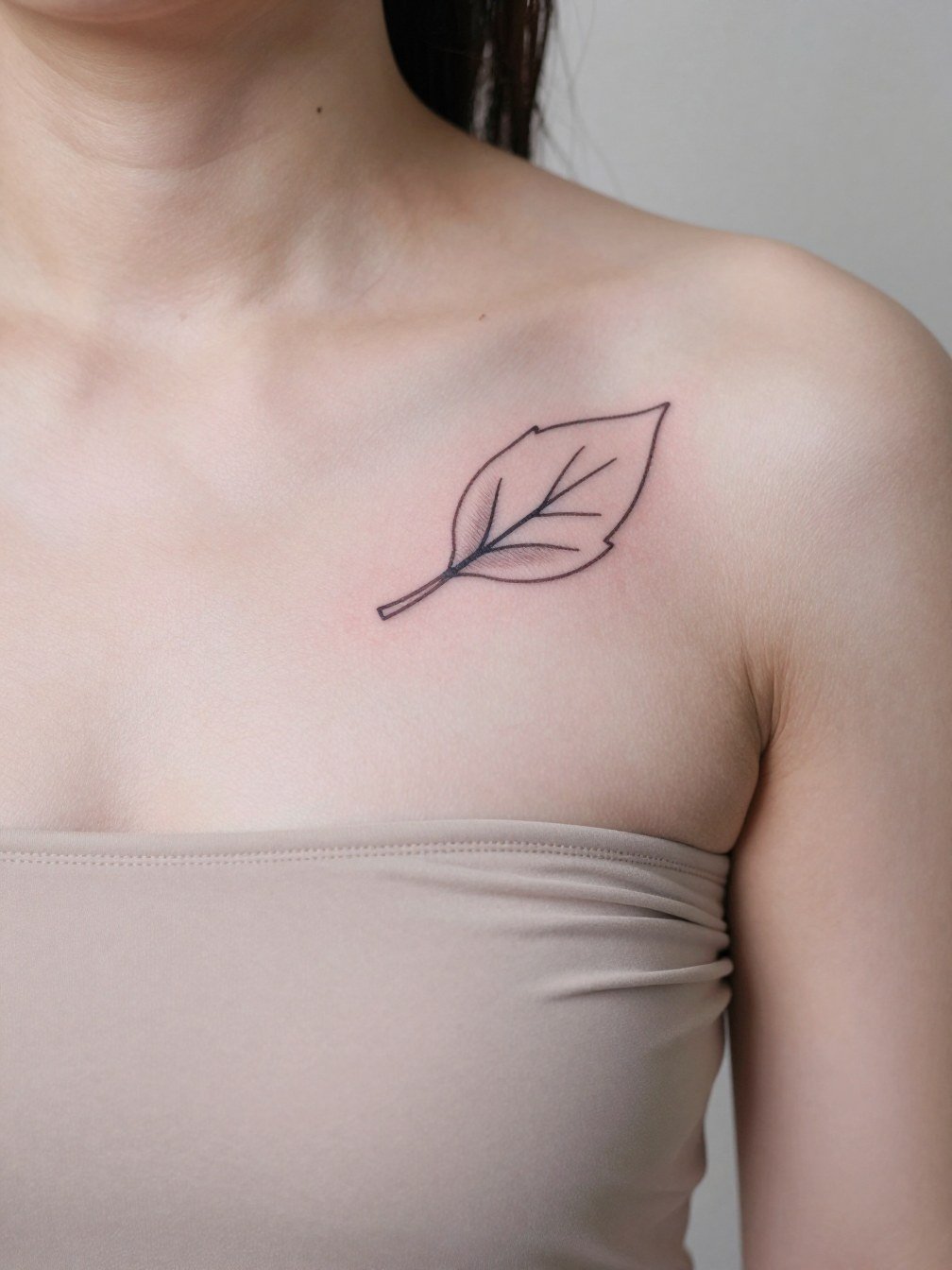
Collarbones are visible and delicate, so go slightly bolder on contour to keep definition while preserving a minimalist aesthetic. A frequent planning mistake is insisting on ultra-fine hairline veins that vanish into clavicle texture. Expect a short session and recommend no necklaces during the first two weeks. For session wear bring a scoop-neck tee that the artist can lift without tugs.
16. Abstract Geometric Leaf Cluster, Upper Chest
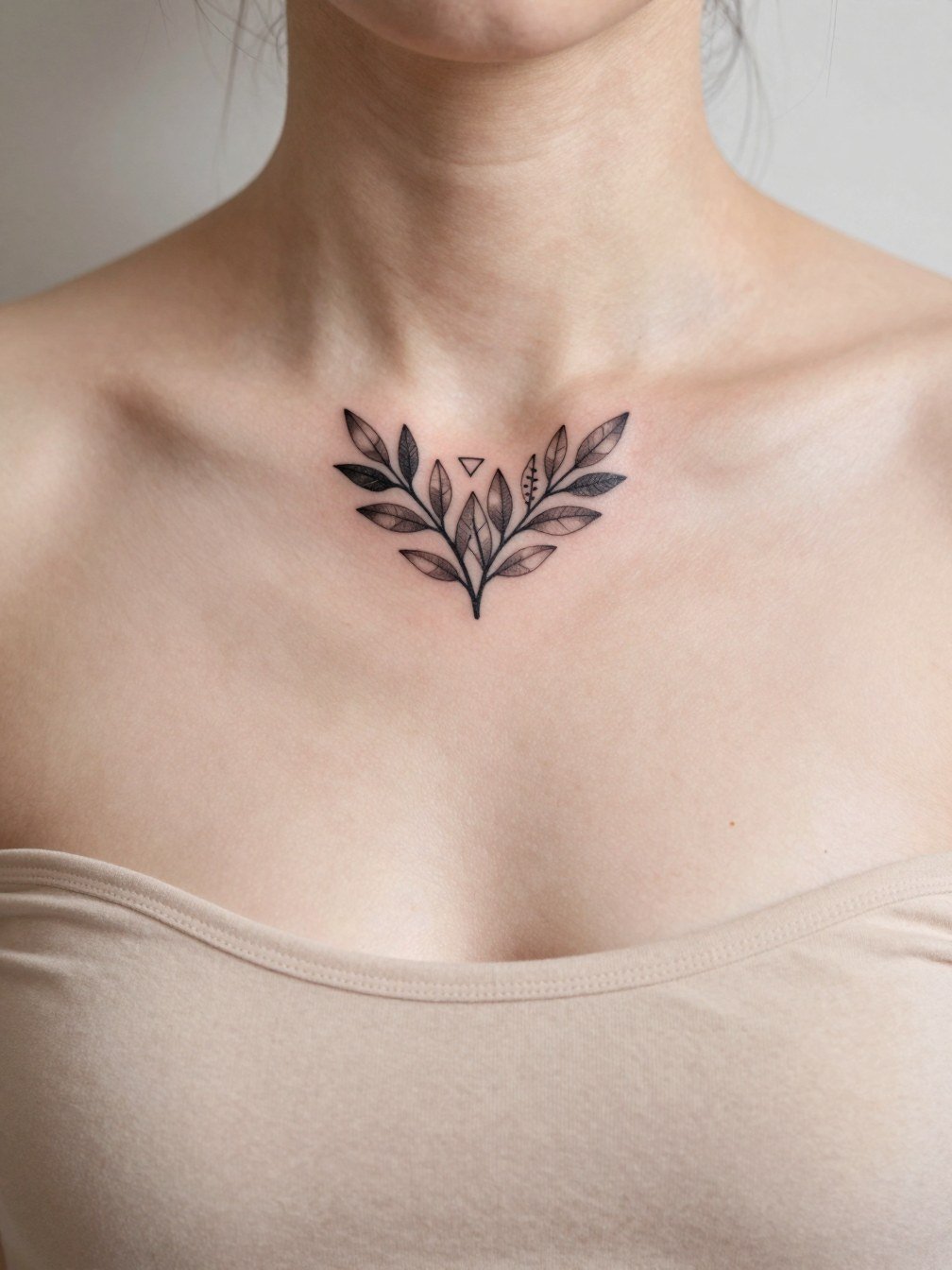
Geometric approaches make an autumn motif feel modern and less seasonal. Ask for test stencils to confirm how negative space reads across the chest curvature. The mistake is expecting tiny negative shapes to remain sharp over time. Sessions are moderate and careful placement avoids distortion across the sternum. For wardrobe pair with wide V-neck or scoop-neck tops and consider a layered necklace to frame the work when exposed.
17. Leaf and Acorn Memorial with Coordinates, Ribcage Side

Combining a small botanical with coordinates makes a quiet memorial or location piece. For legible numbers ask for monospace type at a scale your artist can demonstrate with a stencil on skin. A common error is placing the digits too small on a curved area, which becomes hard to read after settling. The ribcage is sensitive, so plan for break periods and a possible two-pass session. Session wear should be a loose sports bra that can be removed without tugging at the area.
Frequently Asked Questions
Q: How do I pick between color and black-and-gray for a small autumn leaves tattoo?
A: If you want the season to read instantly choose restrained color accents and accept a touch-up at year one. If longevity and low maintenance matter more choose black-and-gray with stronger contour. Both approaches have supporters. One camp says reds and golds are the whole point and make the motif unmistakable. The other camp says black-and-gray avoids seasonal clip-art and holds up better at small scale.
Q: What placements are best for a first small autumn leaves tattoo?
A: Wrist, ankle, behind the ear, and inner forearm are beginner-friendly because they allow for compact compositions and short sessions. If you want vertical flow choose the spine or ribcage but plan for longer sessions. Wear session clothing that gives clear access, for example a loose tank or a linen button down that opens in front.
Q: How can I find local artists who show healed botanical work?
A: Search Instagram and TikTok with species-specific tags like maple leaf tattoo, ginkgo tattoo, or falling leaves tattoo, then narrow by location. Browse tattoo directories for portfolios tagged fine line and watercolor, and check Reddit threads for healed examples on different skin tones. Focus on healed photos rather than fresh work when you compare styles.
Q: Will tiny color details fade faster on darker skin tones?
A: Color behavior varies by pigment and individual skin. In general very tiny color patches can soften faster, so ask for slightly larger swatches of color or rely on accents rather than full fills. Your artist can show healed comparisons with similar tones to set realistic expectations.
Q: How often do these autumn leaf designs need touch-ups?
A: Micro pieces often benefit from a small touch-up around year one to even out saturation, then maintenance is on an as-needed schedule. Larger illustrative compositions with solid black outlines usually need fewer adjustments long term.
Q: Any wardrobe tips for showing off a fresh leaf tattoo?
A: For collarbone or upper chest work try scoop-neck tops or open-back dresses. For forearm or wrist styles roll sleeves and wear slim bracelets. For ankle pieces choose cropped trousers or low sneakers. One helpful item for open backs is an open-back top that shows the area without constant adjustment.
Q: Is it safe to expand a falling-leaves trail later?
A: Yes. Start with well-spaced elements and leave room between leaves. When you return for expansion bring scaled reference photos and the original stencil so the artist can match line weight and spacing for a seamless addition.
