
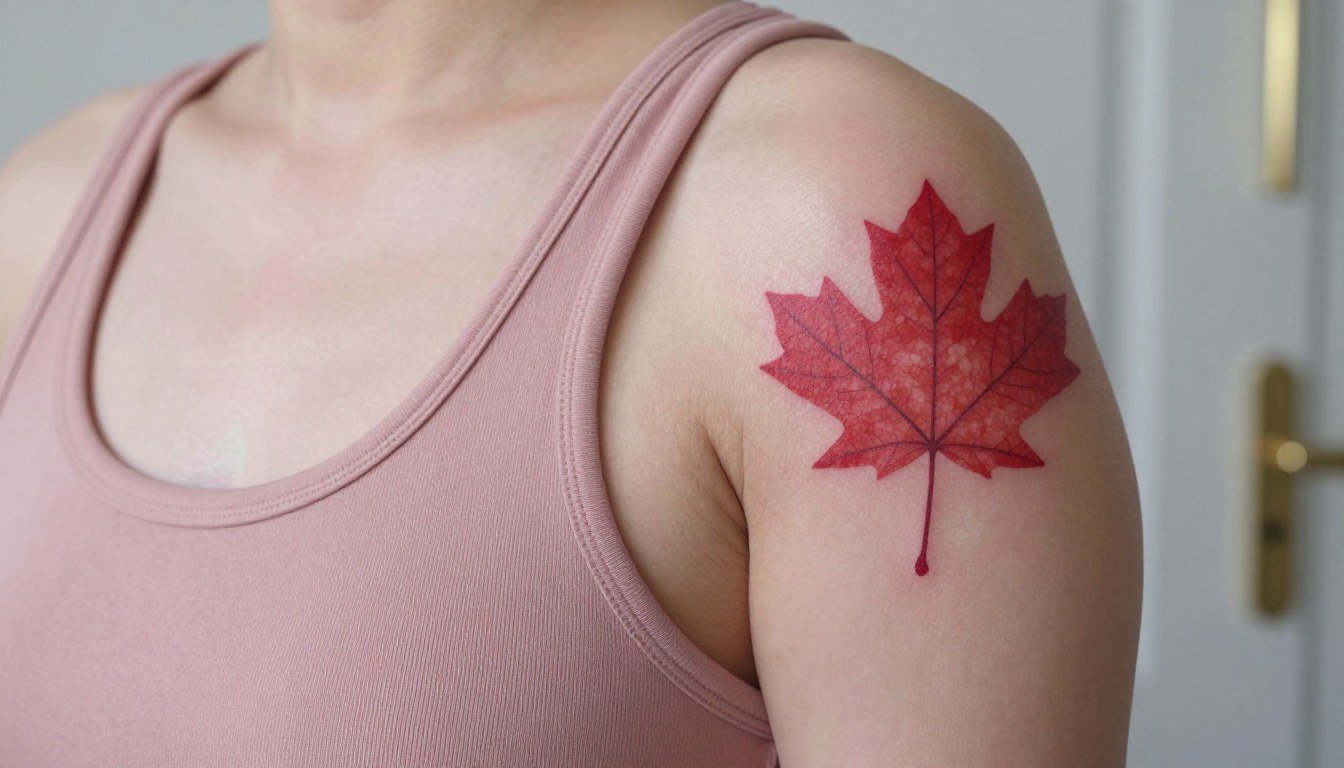
Bold, saturated maple leaf pieces usually look better five years later than micro single-needle versions. Many people assume a tiny, hairline leaf will age like a sharp sticker, but the skin eats very fine detail over time. If you want a maple that still reads as a leaf in years, this list favors placements and line choices that keep edges clear and color lively while offering outfit ideas that show the work off.
1. Fine-Line Mini Maple on the Inner Wrist
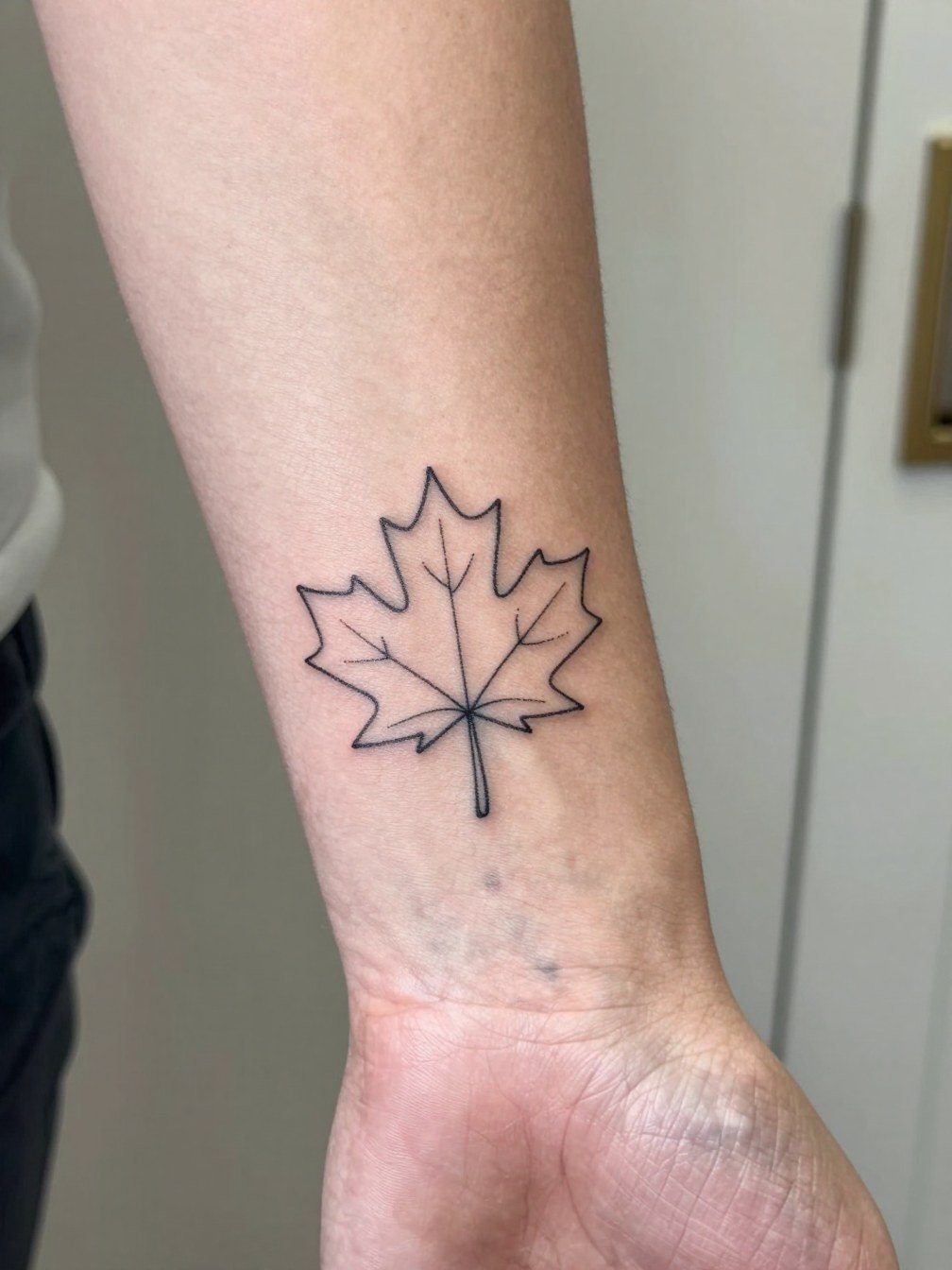
Tiny wrist maples look delicate for the first year but often lose crispness after two to five years. Fine line maple tattoos split artists into two camps. One group argues that single-needle detail on wrists blurs quickly because the skin there moves and the needle tracks can spread. The other group says slightly deeper placement and a hair-thicker contour will settle and stay readable, and they point to healed photos to back that up. Expect a short session, light sting, and a likely touch-up at year two. For showing it off, pair with a slim bracelet or a cropped sleeve top like a loose tank top to keep the wrist visible while letting the linework breathe.
2. Micro Maple Behind the Ear

Behind-the-ear maples are great if you want something intimate but still visible when your hair is up. This placement can be tricky because the skin there is thin and healed photos often show slight softening of tiny details. Session time is short and the sting is sharp but over quickly. A common mistake is asking for ultra-tiny veins inside the leaf, which are swallowed by the healing process. Mention the exact scale you want and have the artist sketch the piece on the skin so you can see it at real size. Because this needs a steady, experienced hand, hire someone who shows healed behind-ear work in portfolios.
3. Realistic Red Maple on the Shoulder Blade
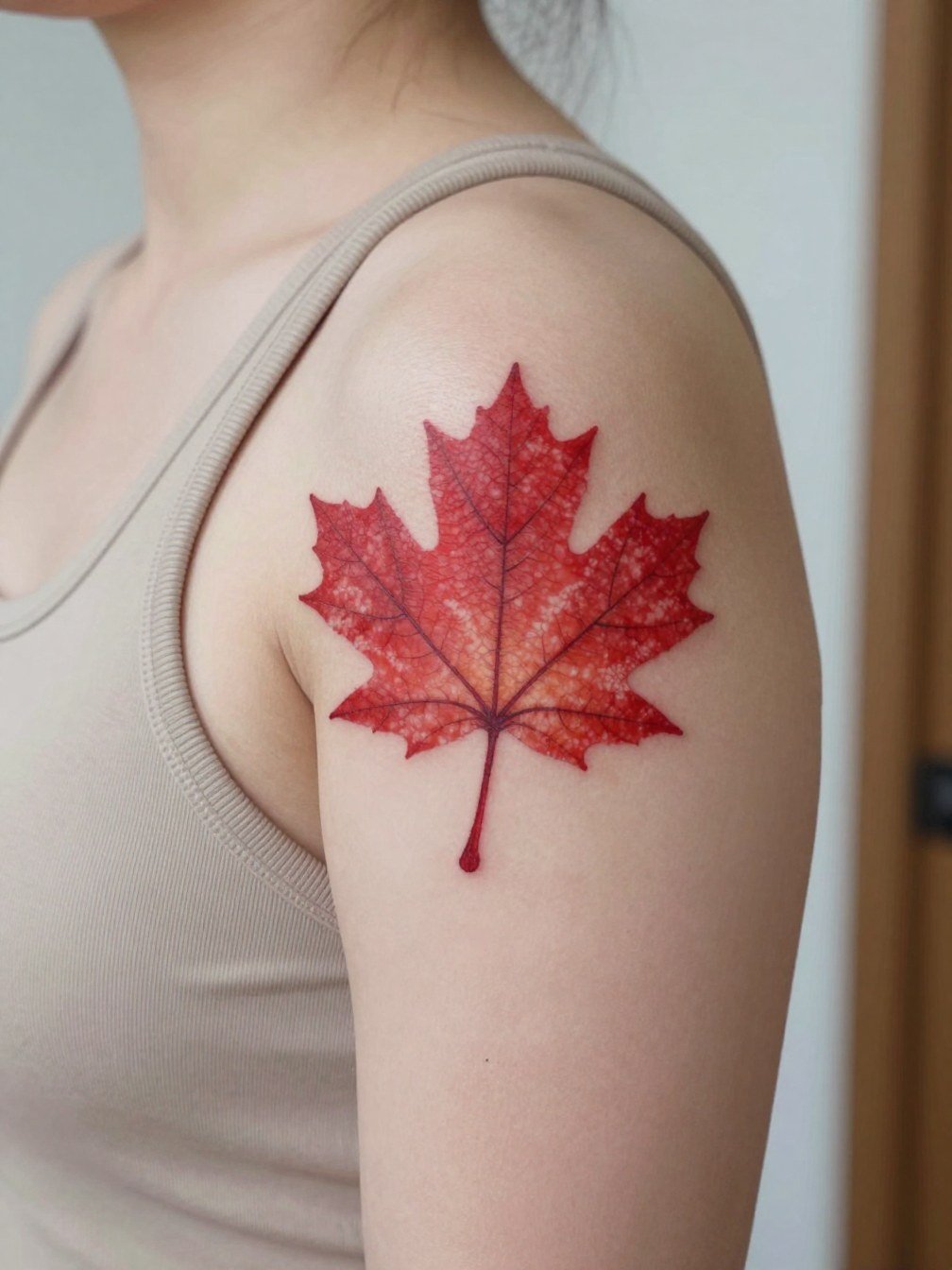
If you want color that still reads as a leaf after sun exposure, choose strong saturation and clear margins. Realistic red maples age better when artists use solid color fields and contrast in the veins rather than delicate stipple only. The shoulder blade tolerates longer sessions, so plan for a two- to three-hour sit for decent saturation. Tell the artist you want layered color blocks with a darker rim to hold contrast at year three. For outfits, this placement shines with open-back dresses or open-back midi dresses that reveal the leaf without fuss.
4. Watercolor Falling Leaves on the Ribcage
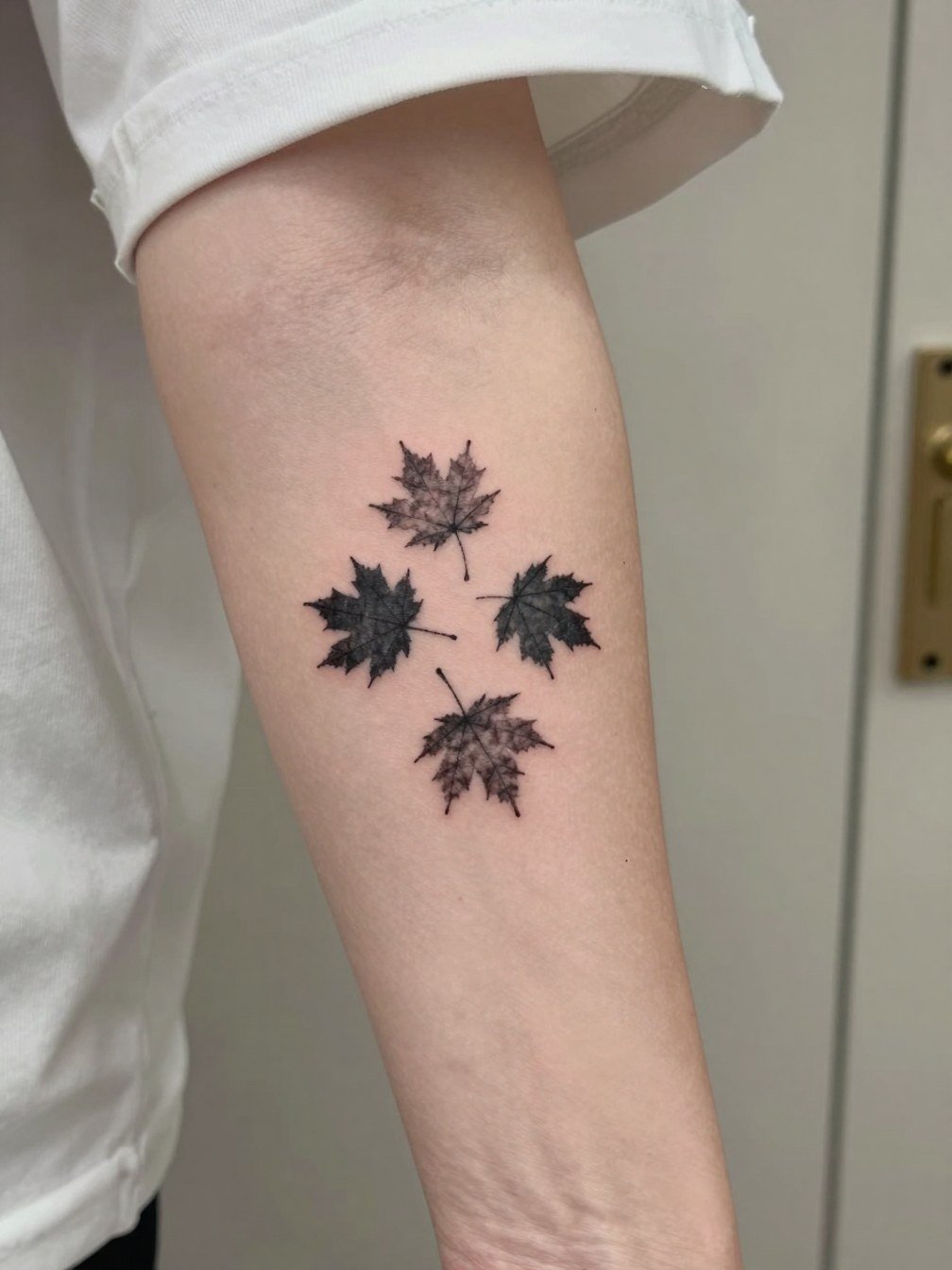
Ribcage watercolor maples look airy on day one but the lack of an outline means the color can diffuse over the first few years. Fine line on ribs splits artists into two camps. One camp warns that the skin stretch from breathing blurs thin lines within two years. The other camp believes careful spacing and slightly heavier washes can retain the watercolor look longer. Pain is high on the ribs, so plan for short sessions and breaks. The biggest mistake is asking for barely-there washes and then expecting decade-long clarity. For the session, wear a fitted cropped top so the artist has clean access without fabric movement.
5. Flag-Inspired Single Leaf Over the Heart
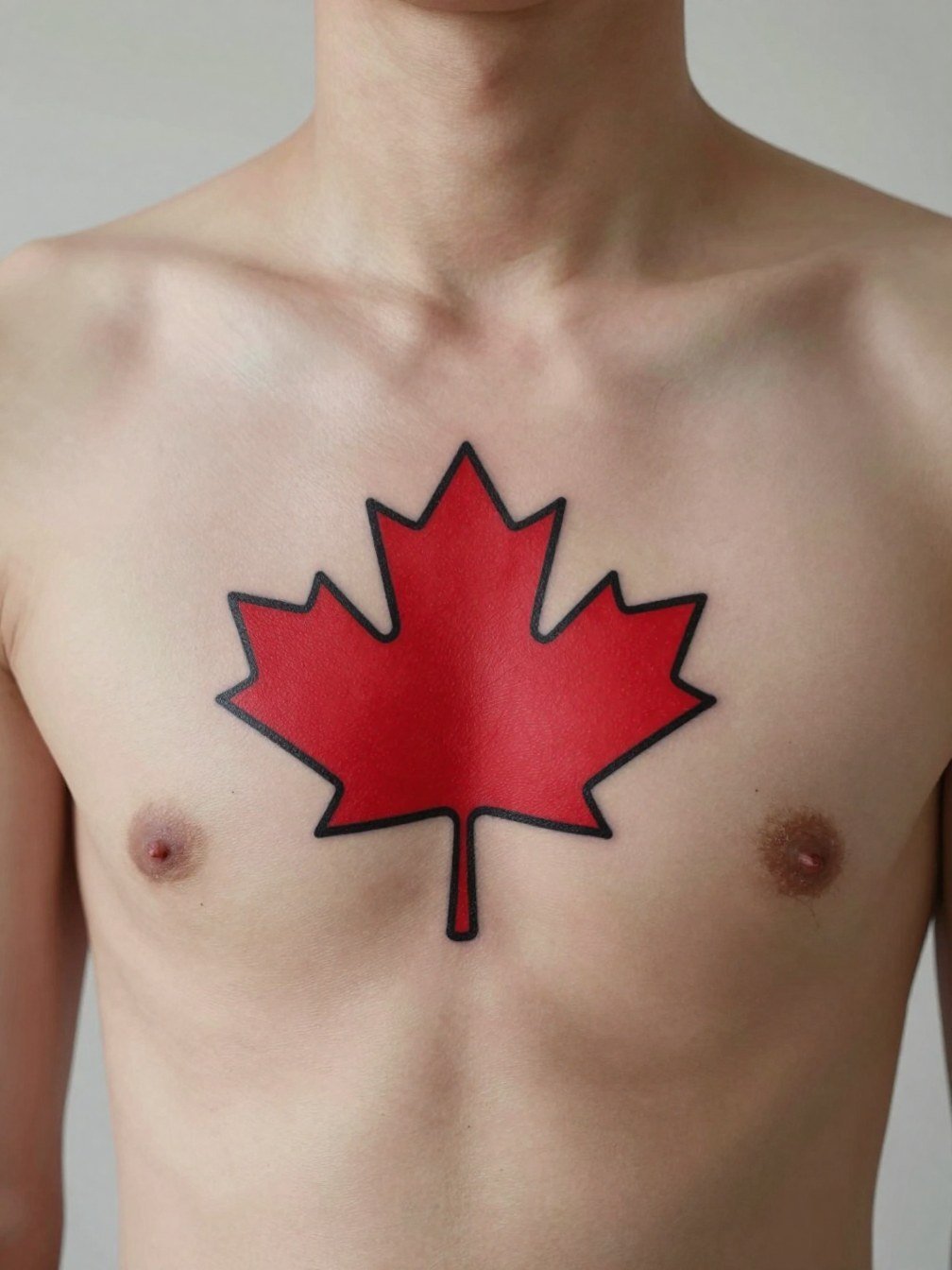
A single bold leaf over the heart reads clearly and holds up because the shape is simple and contrast is strong. Expect one longer session or two shorter ones if you want extra saturation. A common mistake is shrinking the emblem to the size of a dime. Instead pick a scale that keeps the leaflet gaps open. For wardrobe, shallow V-neck tees or button shirts left slightly open highlight the placement, try pairing with a scoop-neck tee when you want the tattoo visible without being overt.
6. Geometric Maple Cluster on the Outer Forearm
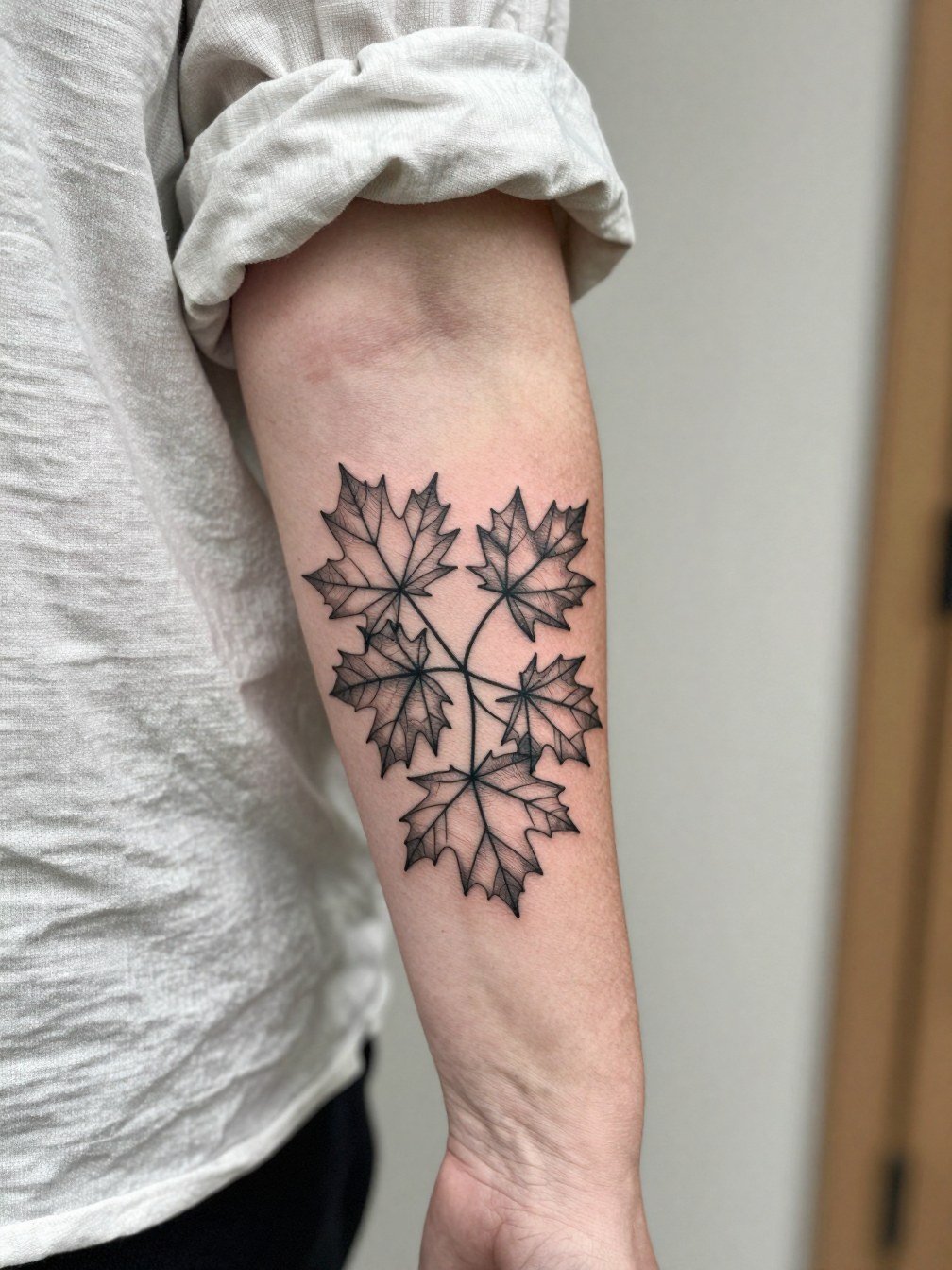
Geometric clusters use negative space to read as a group of leaves even at distance. Outer forearm pieces handle bolder linework well, which reduces blowout risk. Plan for a one- to two-hour session depending on how many leaves you want. A typical misstep is cramming too many tiny shapes into a small forearm canvas. Ask the artist to map the negative space so the cluster reads at arm length. For showing it off, roll your sleeves and wear a linen button-up for a relaxed look that keeps the forearm visible.
Session Day Picks
The first six ideas include small, exposed placements and brief sessions, so a few targeted items make the appointment smoother.
-
Stencil transfer paper kit. Useful to preview size and line weight directly on skin before the needle starts, which matters for wrists and behind-ear pieces.
-
Topical numbing cream. Applying the cream about 40 to 60 minutes before helps take the edge off sensitive spots like ribs and the inner wrist.
-
Thin protective film roll. Keeps ankle and finger tattoos protected from friction and water for the first few days.
-
Fragrance-free gentle body wash. A mild cleanser prevents irritation during the initial healing window for chest and shoulder pieces.
-
Aquaphor healing ointment. A familiar mainstream balm used by many after sessions to lock in moisture during the earliest phase of healing.
7. Minimalist Outline on the Ankle
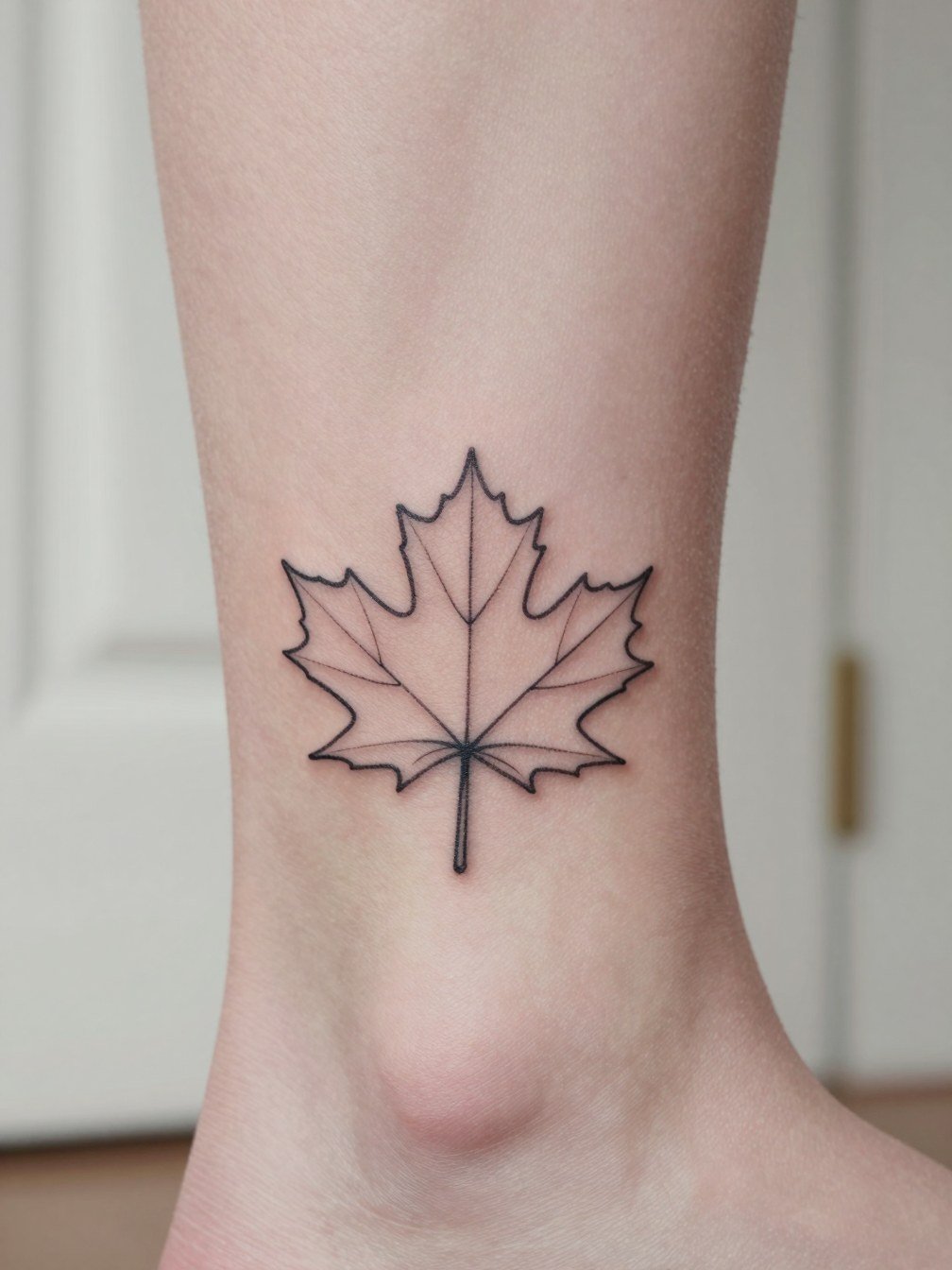
Ankle outlines are prone to friction from shoes and socks, so clean silhouettes outperform tiny filigree over time. The area tolerates small sessions but needs careful aftercare in the first week to avoid scabbing from rubbing. Common mistakes are asking for extreme micro detail while planning to wear ankle boots every day. For showing it off, ankle boots or cropped jeans frame the leaf nicely and you can add a pair of ankle boots that leave the tattoo visible while protecting it during cooler months.
8. Stipple-Shaded Black Maple on the Calf
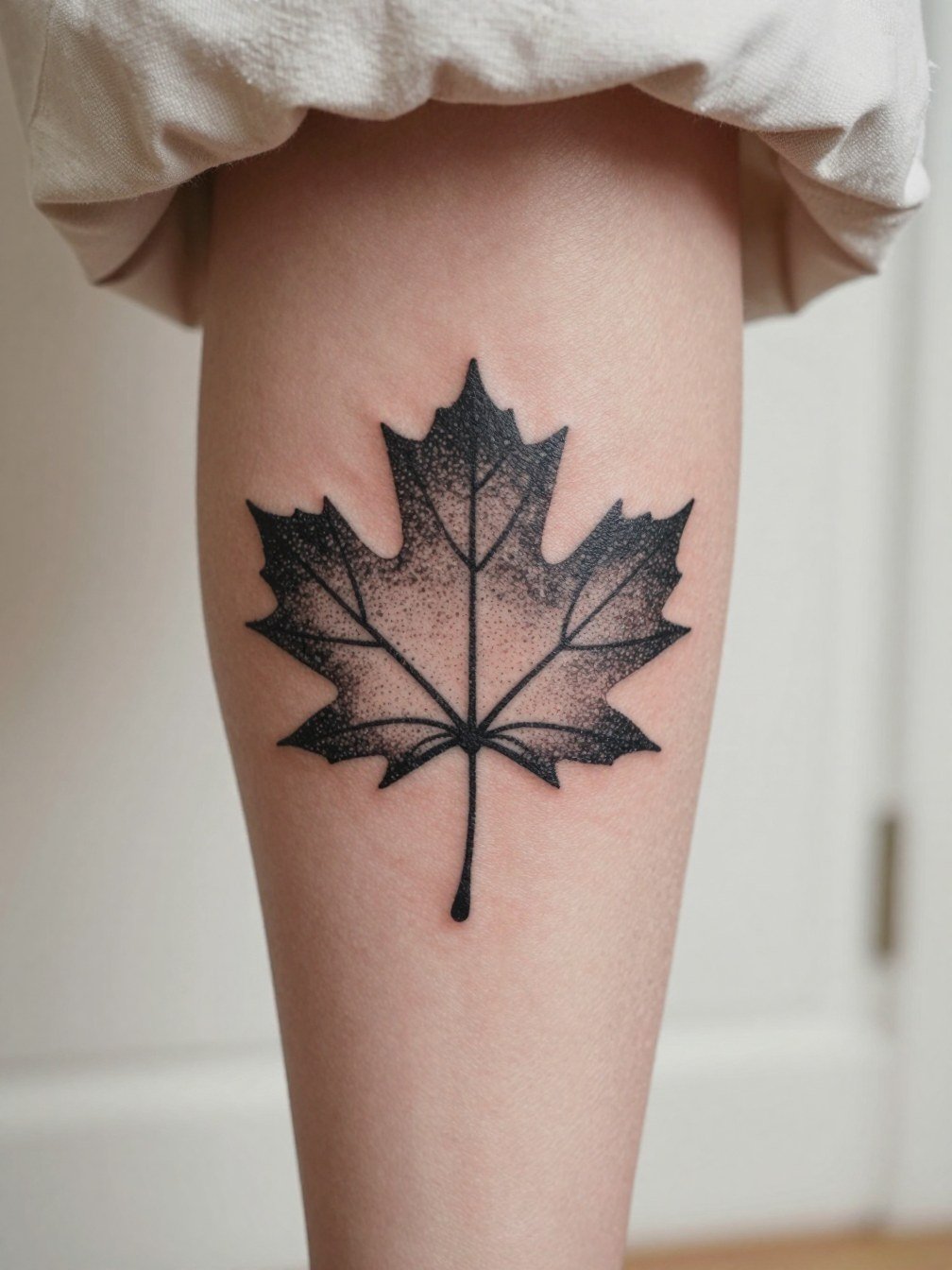
Dot work holds up nicely on the calf because the skin there is stable and the artist can pack consistent saturation. Expect a medium session and moderate discomfort on the lower calf if your muscle twitches. A mistake is requesting stipple at too small a scale which blurs into a grey patch over time. For outfits, calf tattoos pair well with midi skirts or cropped trousers. Try a midi skirt to make the stipple read without exposing the whole leg.
9. Maple Sleeve Accent with Foliage
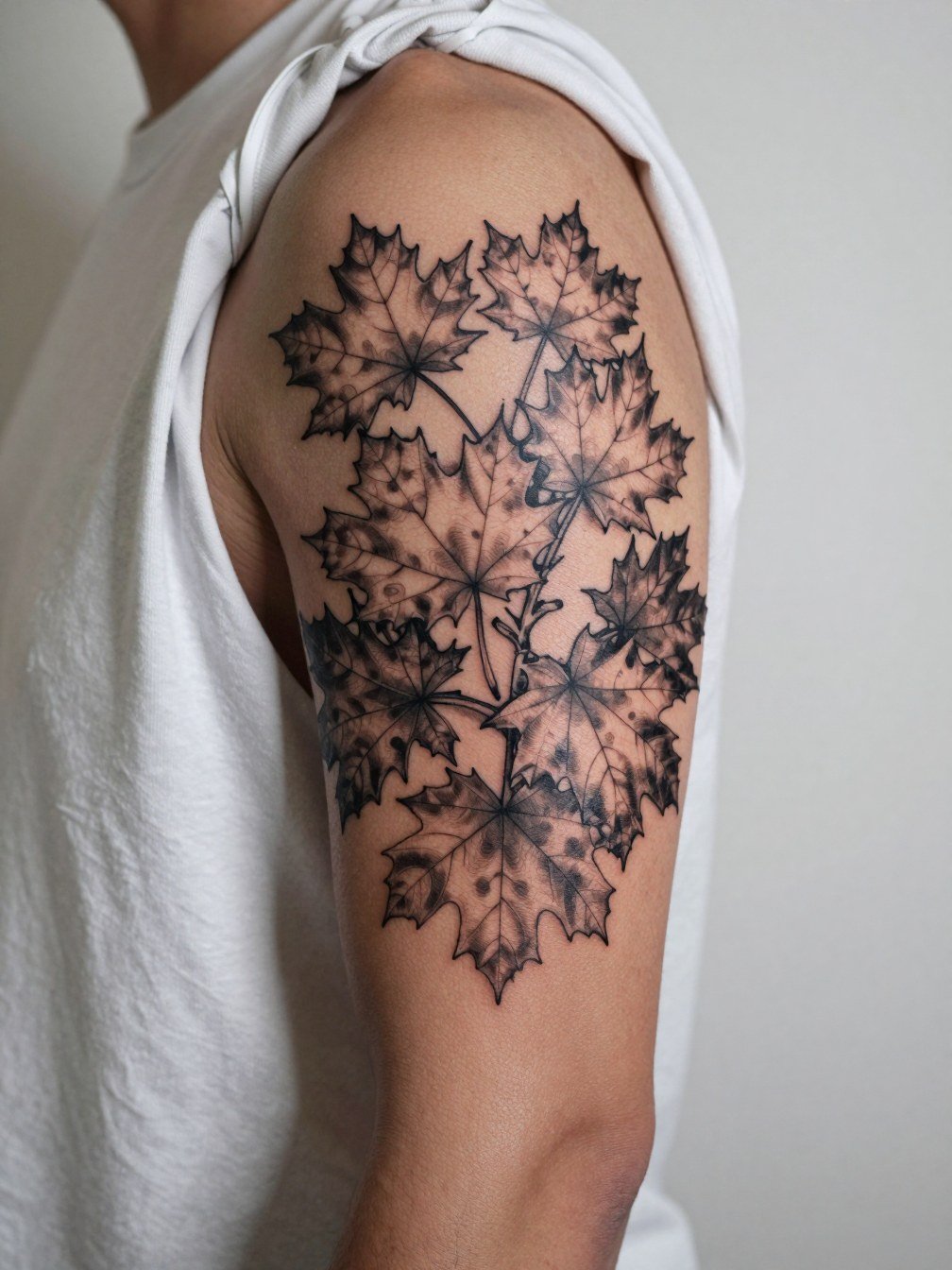
Use maple motifs inside a sleeve when you want a nature theme without committing to a single focal leaf. This approach benefits from heavier linework that ages consistently across the arm. Multiple sessions will be needed, often spread over months for saturation and healing. A common regret is trying to cram a tiny signature leaf into a sleeve designed for larger elements. For a show-off combo, sleeveless jackets and tank tops reveal the work well, try coordinating with a sleeveless denim jacket when the weather allows.
10. Single-Needle Contour Maple on the Collarbone
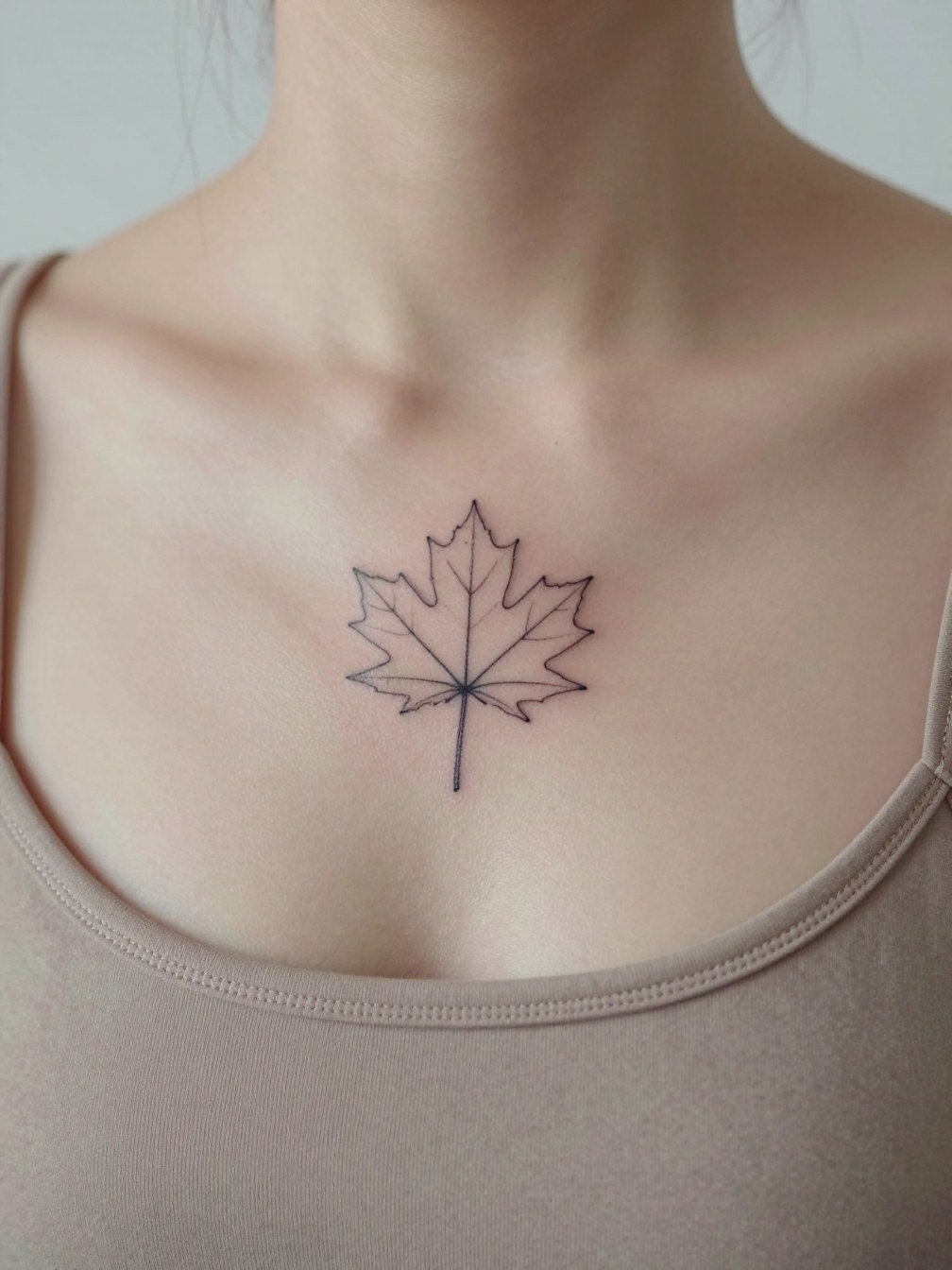
Collarbone linework can look elegant but thin contours there compete with movement from breathing and shoulder motion. A mistake is insisting on the absolute thinnest single-needle outline without a backup thicker variant for longevity. Expect a short but sharp session and a likely touch-up for preservation. To frame the piece, low-neck tops or off-shoulder sweaters show the collarbone subtly, and a wide V-neck top keeps the area visible without tugging at fresh ink.
11. Tiny Maple on the Side of a Finger

Finger maples are convenient but they fade and blur faster due to constant washing and friction. Expect multiple touch-ups for sustained clarity, usually within one to two years. A common mistake is choosing overly detailed veins or tiny lettering on the finger. Rings can enhance or hide finger tattoos, so pick a ring style that frames the leaf rather than covers it. Consider a set of stackable minimalist rings to complement the tiny maple without rubbing the healed ink constantly.
12. Negative Space Maple at the Nape of the Neck
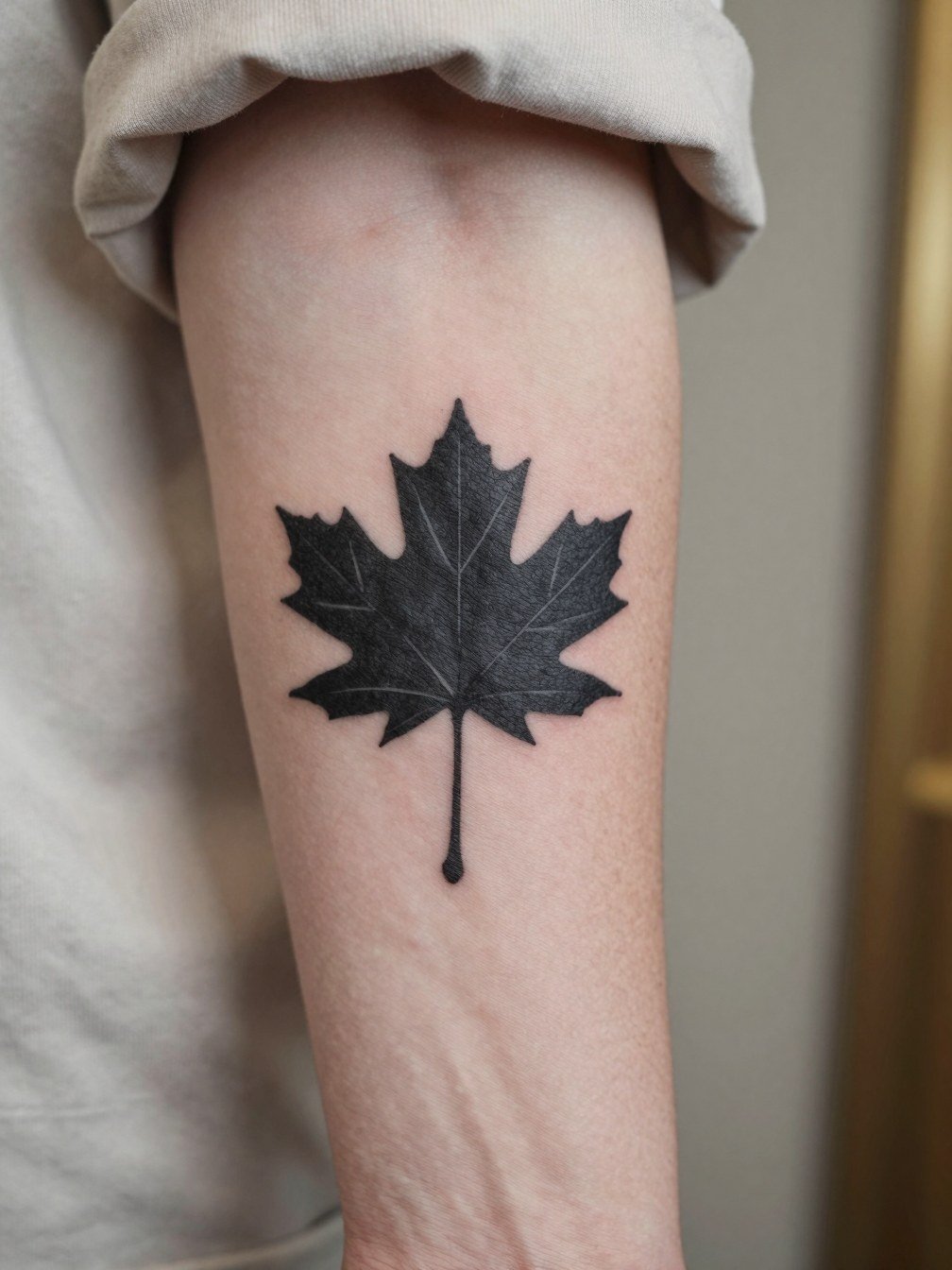
Nape placements read strongly when you want contrast without explicit outline. Negative space designs require a confident artist who can pack saturation around the leaf without bleeding into the negative area. Healed photos usually show how crisp the edge remains at year two. This placement needs someone experienced with nape fills because the hairline and movement complicate healing. Show-off styling is simple hair-up looks, and a statement hair clip or tie like a decorative scrunchie keeps the nape visible on occasion.
13. Two-Tone Maple on the Upper Thigh
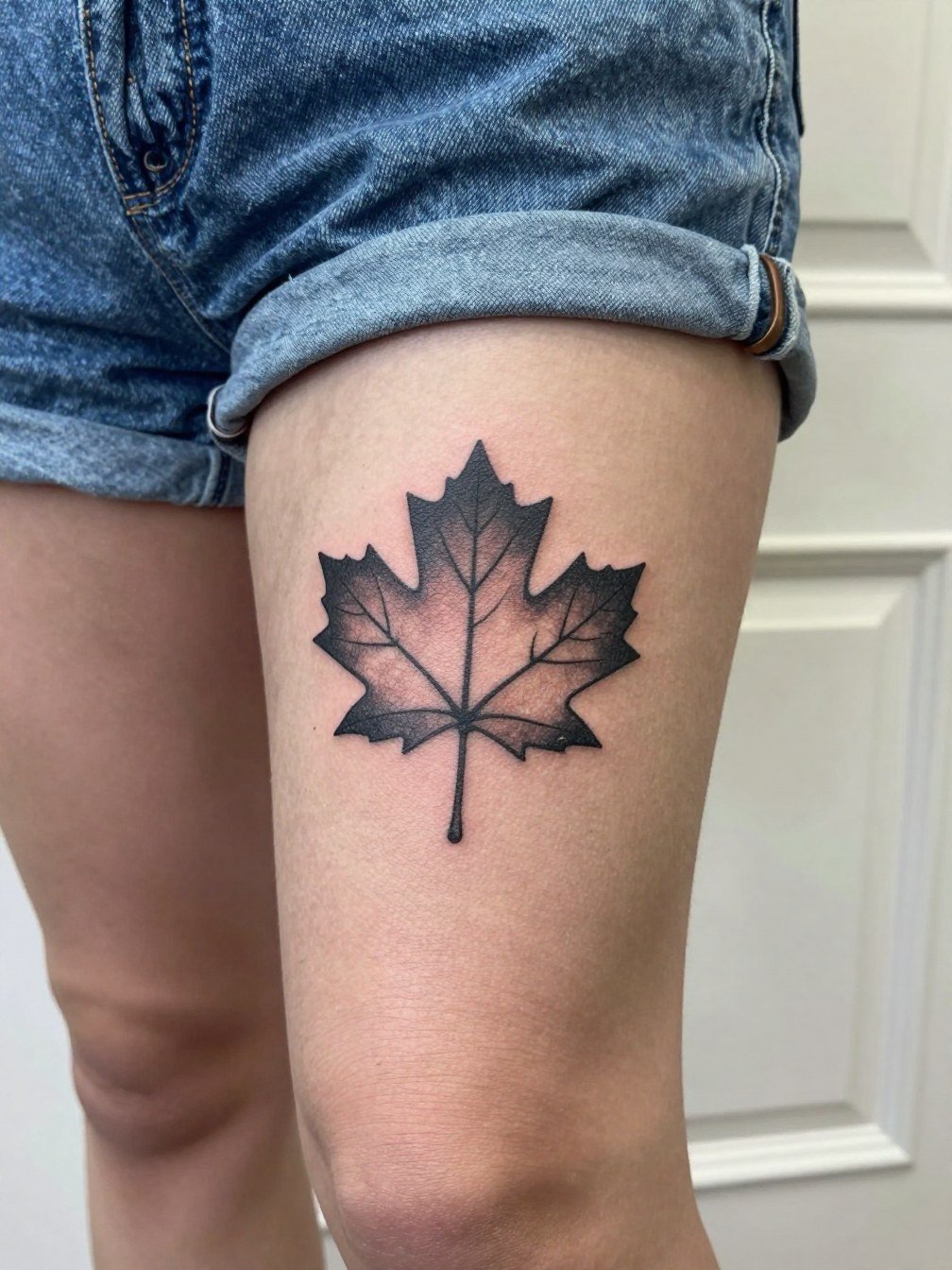
Upper-thigh maples let you go larger and experiment with tone without exposure concerns. The biggest session mistake is planning for long marathons without breaks. Thigh skin handles saturation well, so the two-tone approach keeps depth without busy details that might blur. For the appointment, wear shorts that allow the artist to roll the leg up without pressure on the area. This is an intimate placement so consider a practitioner who regularly does leg work and shows healed thigh pieces in portfolios.
14. Neo-Traditional Maple with Banner on the Upper Arm

Neo-traditional maples balance bold outlines with decorative fills, which helps them age predictably. Upper arm skin holds color well, and a banner anchors the motif in a way that still reads if the fill softens. A common error is asking for excessive small lettering inside a narrow banner. If you want text, provide the exact word or date during the consultation and have the artist show it at scale on skin. Pair this with short sleeves or rolled hems and a short-sleeve cotton shirt to keep the arm visible without overexposure.
15. Small Maple Constellation on the Shoulder Cap
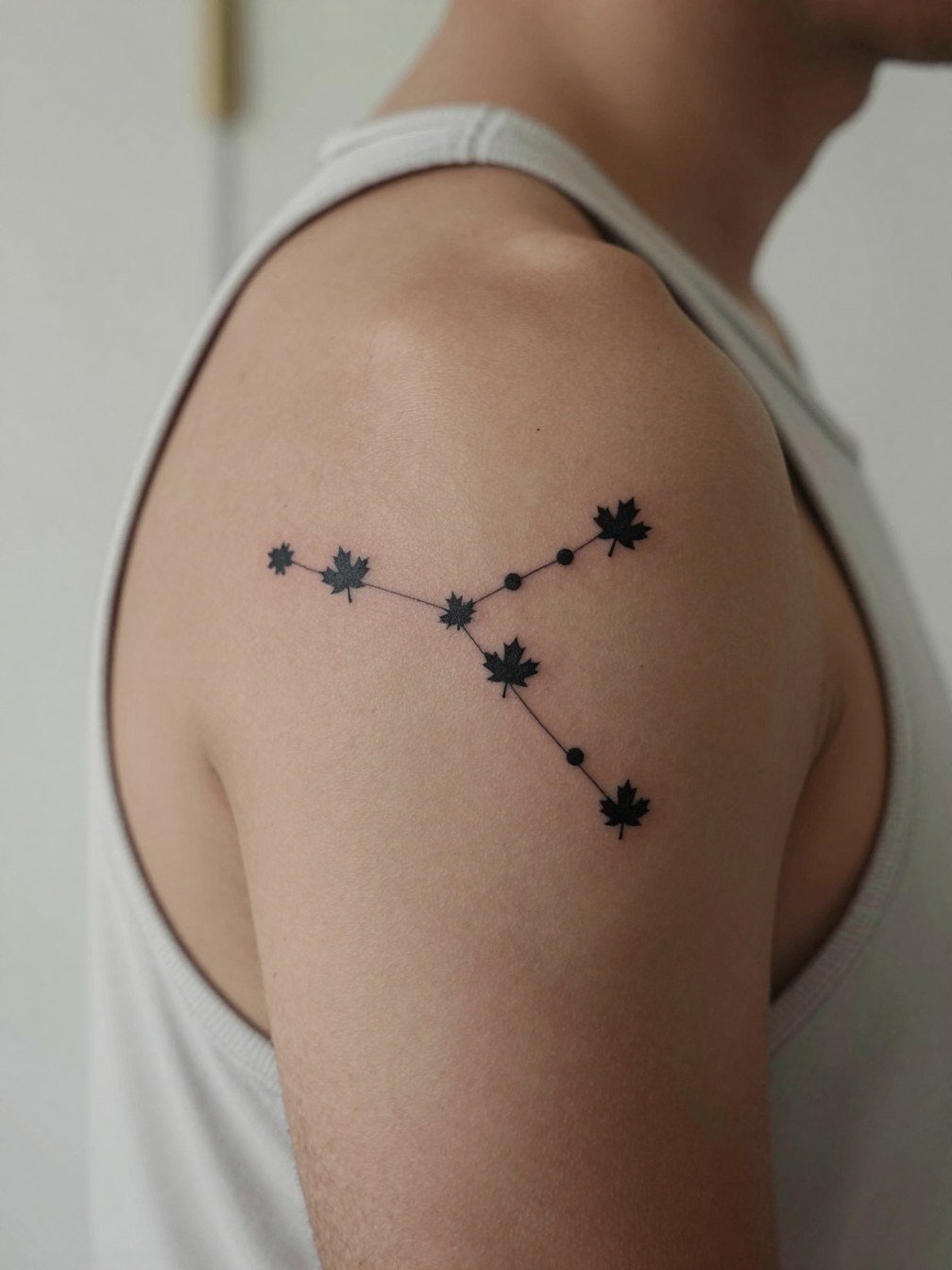
A shoulder cap constellation reads well at a distance because the separate silhouettes avoid a single blob of ink. Session time is short to moderate depending on count. The main mistake is packing too many micro silhouettes into a small area. Space them so each leaf keeps its silhouette after healing. This shoulder placement looks great with tank tops and off-shoulder pieces. Try a lightweight tank top to reveal the arrangement in warm weather.
Frequently Asked Questions
Q: How long will a small maple tattoo last before it needs a touch-up?
A: It depends on placement and line weight. Fingers and palms often need work within a year, wrists and collarbones might need a touch-up around year two, and larger shoulder or thigh pieces can go much longer before color loss shows. Expect touch-ups sooner if you choose single-needle micro detail, and plan for a maintenance pass every few years if you care about crisp edges.
Q: Are fine-line maple tattoos a good choice if I want something subtle?
A: Fine-line maples are elegant but they trade longevity for delicacy. One viewpoint says single-needle contours blur faster on mobile skin, while the other viewpoint believes careful spacing and slightly fuller line weight solves that. If subtle is the goal, ask for a slightly heavier contour than micro hairline so the design still reads at year three.
Q: Where can I find healed examples and portfolios without naming artists?
A: Search platform tags and keywords that match the look you want, for example try hashtags like #mapletattoos, #mapleleafink, and #healedtattoos on social platforms with location filters. Browsing portfolio sites and community threads focused on healed work helps you compare skin tones and placements. Use search filters for terms like "shoulder healed maple" or "fine line maple healed" so you see after-healing photos rather than fresh sessions.
Q: What should I wear to the appointment for a ribcage or thigh maple?
A: Pick clothing that gives the artist clean access without tugging at the area. For ribs wear a fitted cropped top that stays put. For thighs wear comfortable shorts that the artist can roll up without stretching the skin. Lightweight, easy-to-remove layers work best and help you stay comfortable during longer sessions. See options like a fitted cropped athletic top to keep the area accessible while staying modest.
Q: Are maple leaf tattoos tied to specific meanings I should be aware of?
A: Maples often carry meanings of home, memory, or seasonal change, and some people use them for national identity. If you plan a culturally specific angle, be clear about the symbolism you want and avoid borrowing indigenous or sacred motifs without context. Honest conversation about meaning helps the artist design a leaf that reflects your intent without borrowing imagery that has roots outside of your own heritage.
