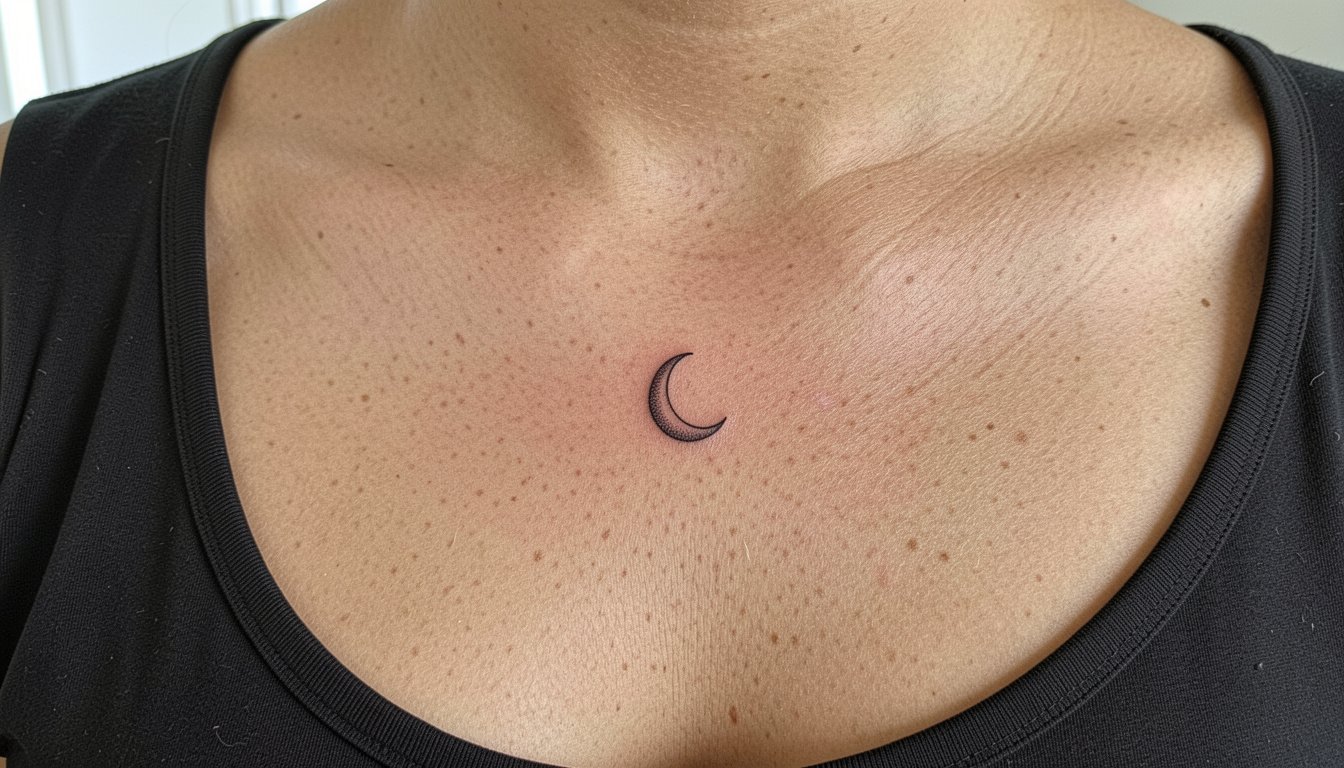
Tiny matching symbols are the easiest matching tattoos to live with long term, but the trick is not to make them the faintest thing you can imagine. Slightly bolder single-needle lines, small negative space, and simple solid fills help a micro symbol keep its shape past the first touch-up. Below are 23 friend-friendly matching designs with where they work best, what to request in the consult, and how to style them so they read clearly in photos and everyday life.
1. Tiny Symbol Pair on the Inner Forearm
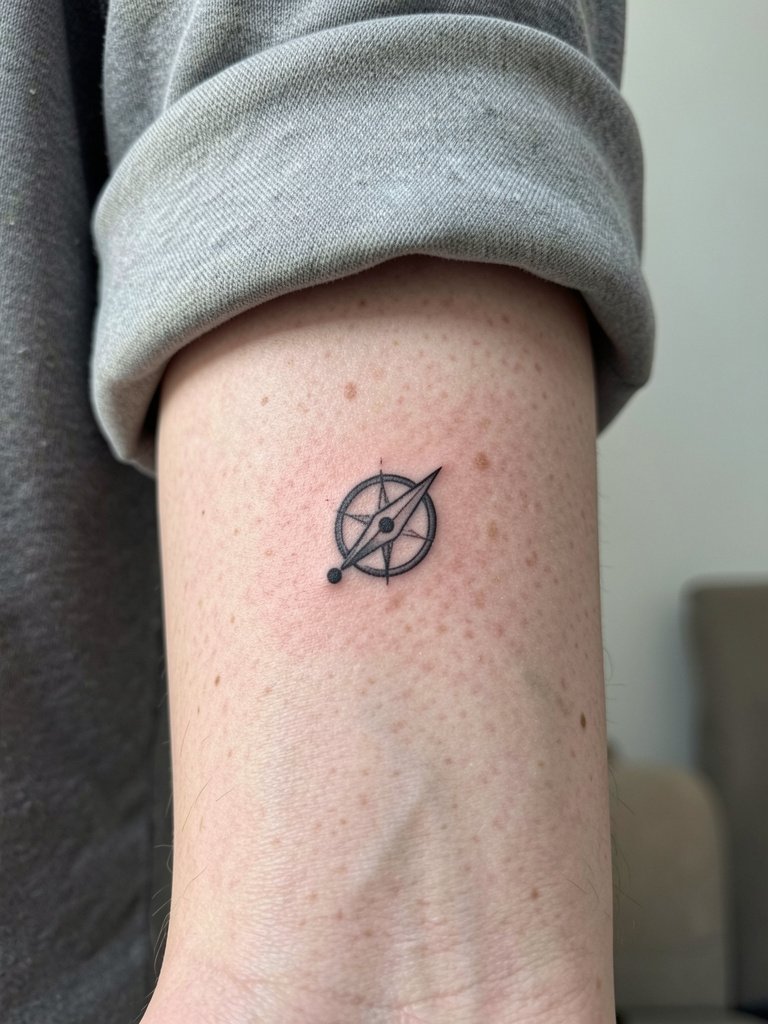
This is the classic low-commitment pick for friends who want a visible match that still behaves over time. Recommend a hair heavier single-needle weight than the thinnest reference so the compass point stays crisp after two years. A common mistake is packing too many tiny details into a one-inch symbol, which causes early blurring. On the inner forearm the session usually runs 20 to 40 minutes and rates low on the pain chart compared with ribs. For showing it off pair with a thin chain bracelet set that sits on the opposite wrist and keeps attention balanced.
2. Complementary Puzzle Halves on Wrists
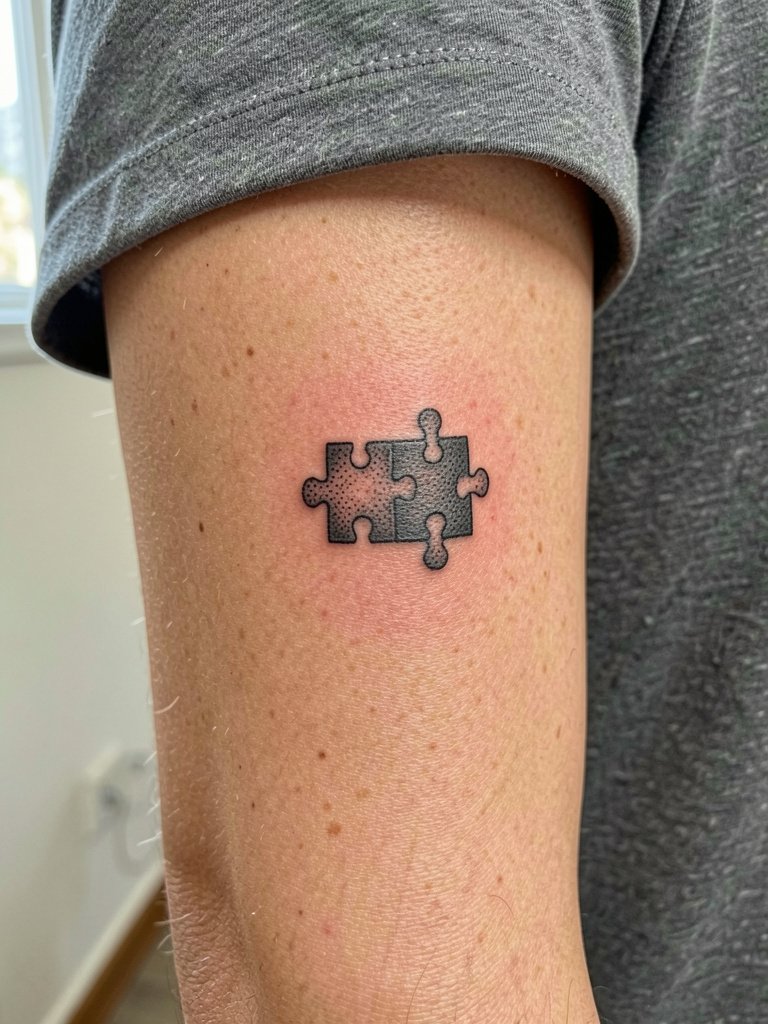
Puzzle halves read instantly on the wrist and let each person keep their own placement. For longevity ask for slightly thicker outlines and modest internal negative space so the halves do not merge if the edges soften. People often try to shrink these to the size of a charm and then regret the loss of clarity. The wrist is an easy session and a common spot for daily display, but expect touch-ups sooner than forearm work because of sun exposure and friction. Wear a cropped sleeve tee on the day of the appointment so the artist can access the wrist without jewelry interference.
3. Sun and Moon Pair on Inner Forearm
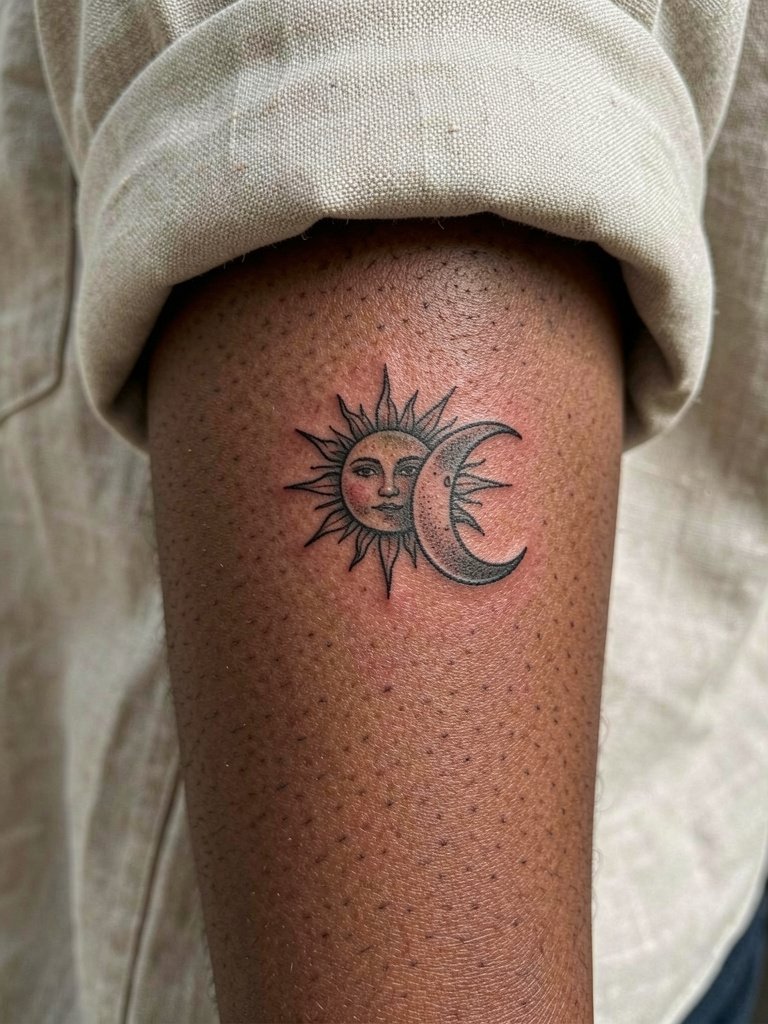
Fine line celestial pairs are visually satisfying and allow two different symbols to read as a set. Artists and collectors are split on fine line durability. One camp argues that ultra-fine single-needle work placed too small will blur within a few years, especially in high-friction or sun-exposed spots. The other camp says fine line holds up when sized correctly and when the line weight is adjusted slightly thicker than the inspiration photo. For this pair ask for line weight scaled to two inches so the rays and moon craters keep structure at year three. Style notes: rolled cuffs and neutral tops let the inner forearm read clean in photos.
4. Tiny Script Initials on the Nape
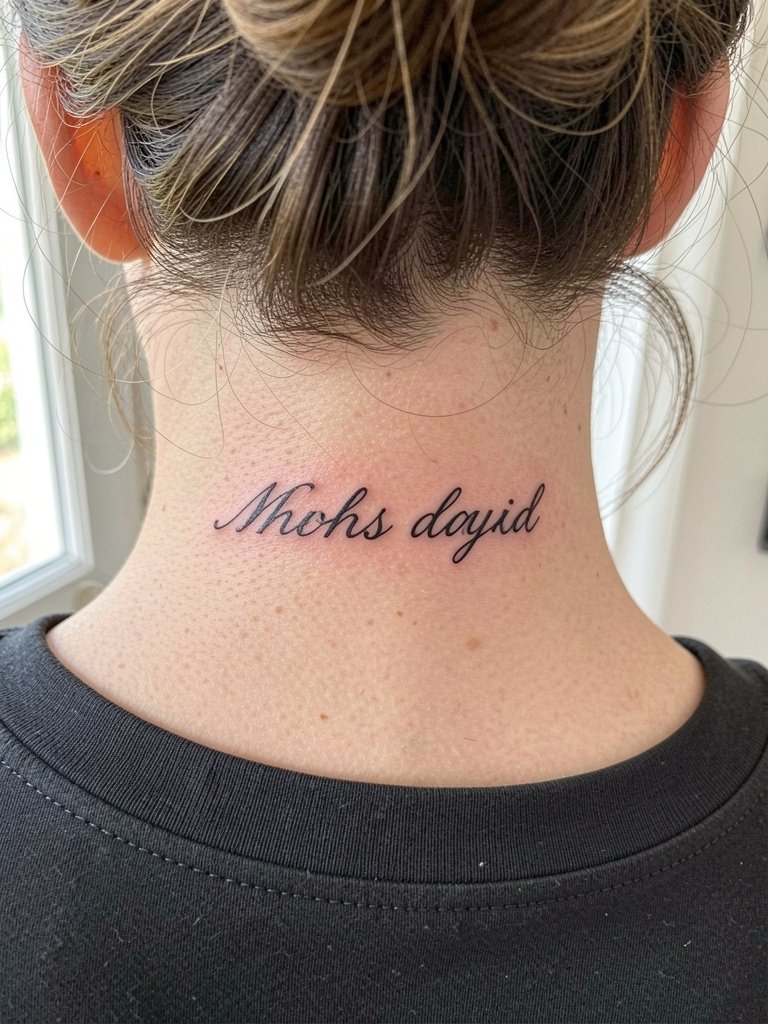
Nape placements read private until you put your hair up, and that makes them ideal for friends who want a secret match. The area tends to be low-friction if clothes do not rub the neckline. Expect the session to be quick, often under 30 minutes, but healing can be complicated by sweaters or scarves. Request slightly increased spacing between letters compared with image references so the script does not soften into a single mass. For showing it off choose simple hair clips and tie it back with a scrunchie so the tattoo sits clearly at the hairline.
5. Split-Quote Phrase Across Two Inner Forearms
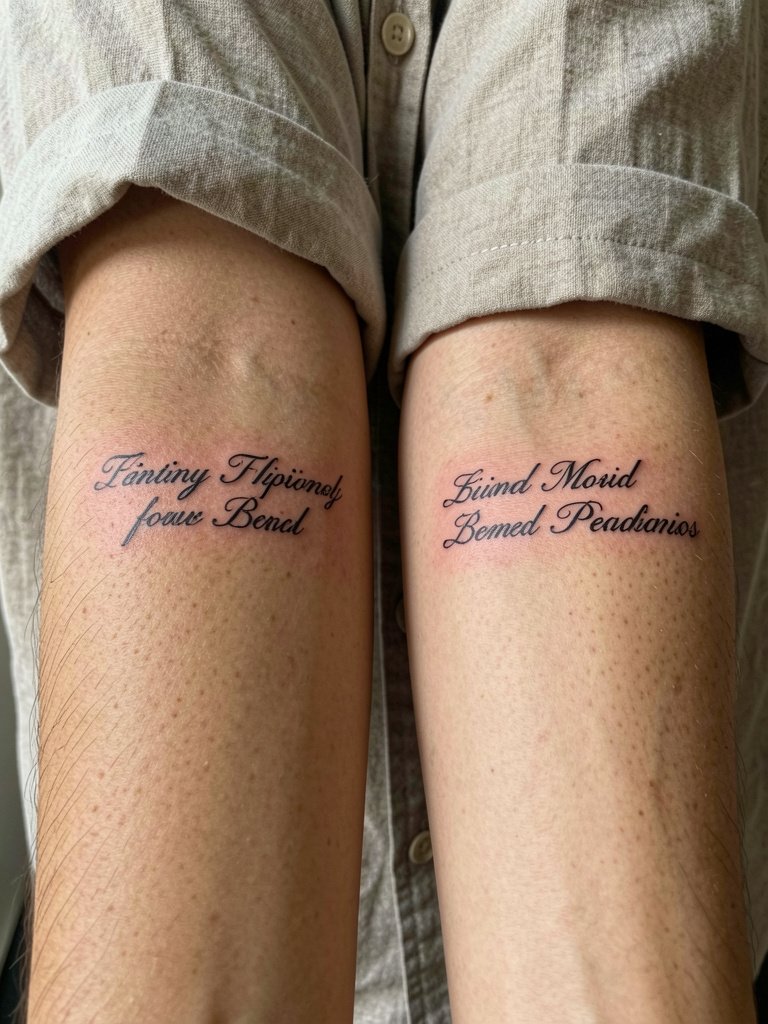
Splitting a short quote is charming but the typography matters more than the words. A common error is using a script that is too flourished for small scale, which becomes illegible once healed. Bring two reference photos at different sizes so the artist can show how the quote reads at three inches versus five inches. Inner forearm placement means both sides will see similar friction levels, so line weight should be steady. On session day wear a linen button down that opens easily so the artist can work without fabric tugging.
6. Tiny Heart Halves Behind the Ear
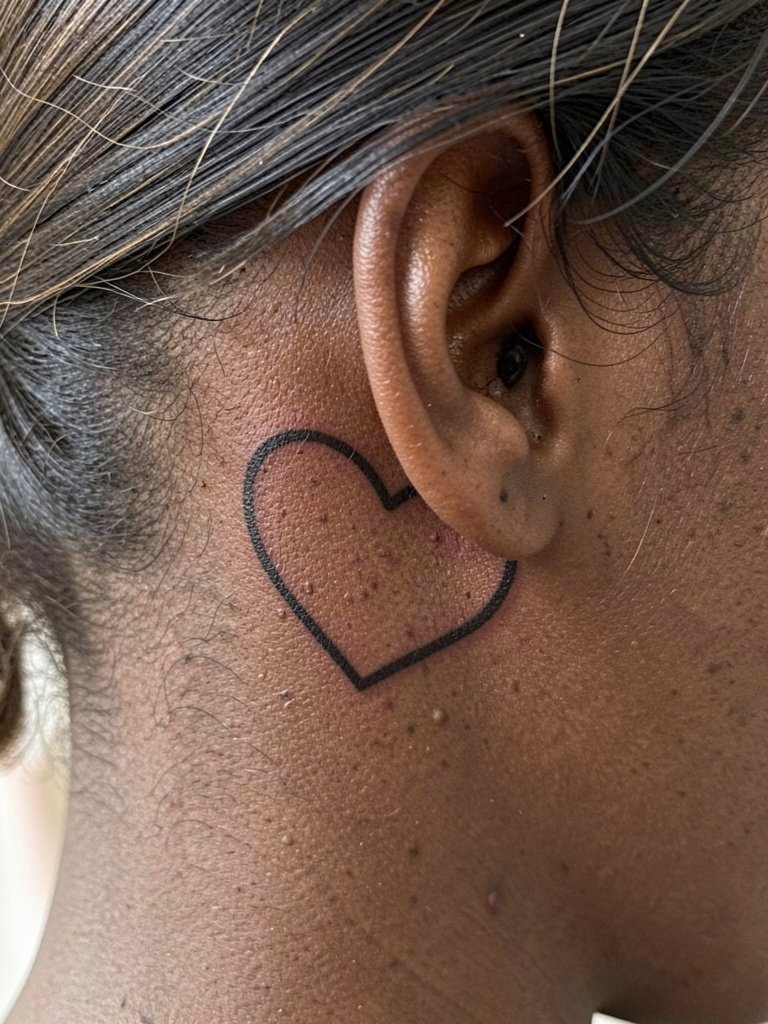
Behind-the-ear marks are tiny and intimate. The biggest mistake is asking for too much internal detail in that small mastoid real estate. Expect 10 to 25 minutes of in-chair time and light tenderness during sleeping if you rest directly on the area. Keep the line weight consistent but not wafer-thin so the halves still read on dark skin tones. Because the placement is often hidden by hair, think about how often you will wear hair up before committing. No accessory links here since this spot is usually revealed by hairstyle rather than jewelry.
Pre-Session Picks
The pieces above include several wrist and forearm designs that benefit from a few practical session and healing aids.
-
Fragrance-free tattoo balm small tin. A gentler, thin balm option for people who react to heavy petroleum products and want a less greasy first-week finish.
-
Thin breathable recovery dressing roll. Useful when ankles or ribs will rub against clothing during the first few days and you want a low-profile protective layer.
-
Sterile saline spray canister. A low-touch rinse alternative for people who prefer misting the area instead of repeated wet washcloths during early healing.
-
Breathable adhesive dressing sheets. Handy for small hand, finger, and foot pieces where friction and water exposure are high.
-
Second-skin style waterproof bandage strips. Great for the first 24 to 72 hours if the tattoo is on a spot that will see frequent contact or dirt, like the ankle or top of foot.
7. Matching Floral Pair with Different Blooms
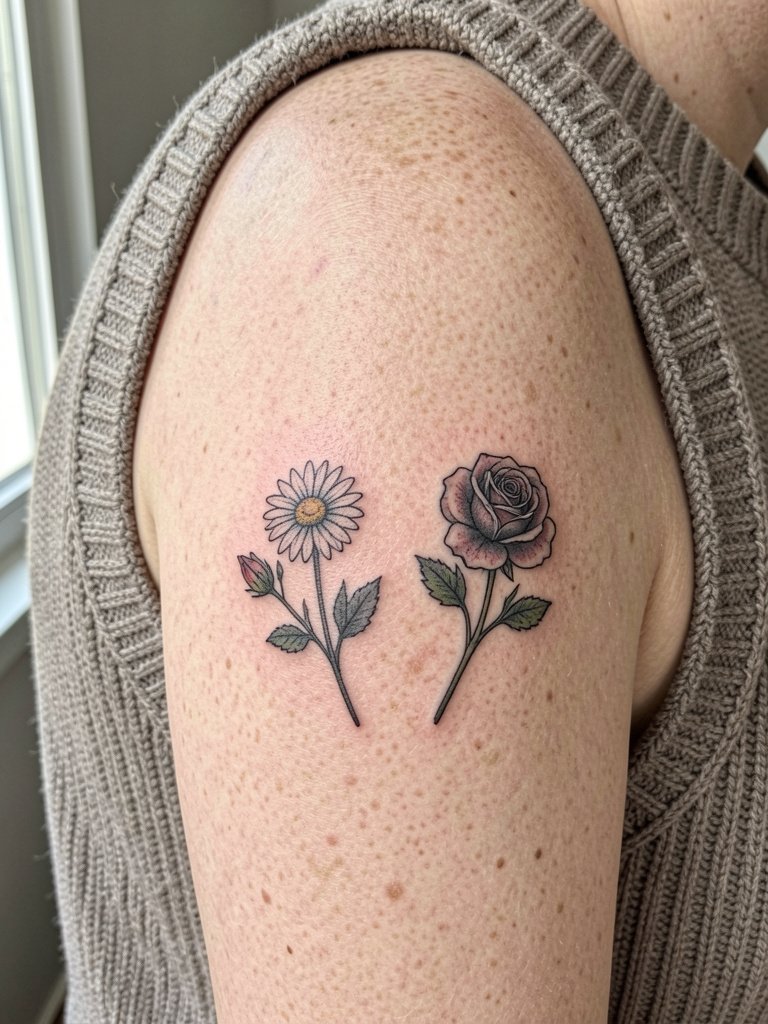
Complementary botanicals let each friend pick a bloom that suits them while the shared theme ties the pair together. When the blooms differ, plan spacing and scale so both read at arms-length photos. A common mistake is requesting full color in a one-inch flower, which often loses vibrancy as it heals. Shoulder pieces take longer and can require two sessions if shading is dense. For a casual outfit that frames the shoulder piece try a tank top loose fit so the neckline naturally highlights the floral.
8. Matching Starfield or Constellation Dots
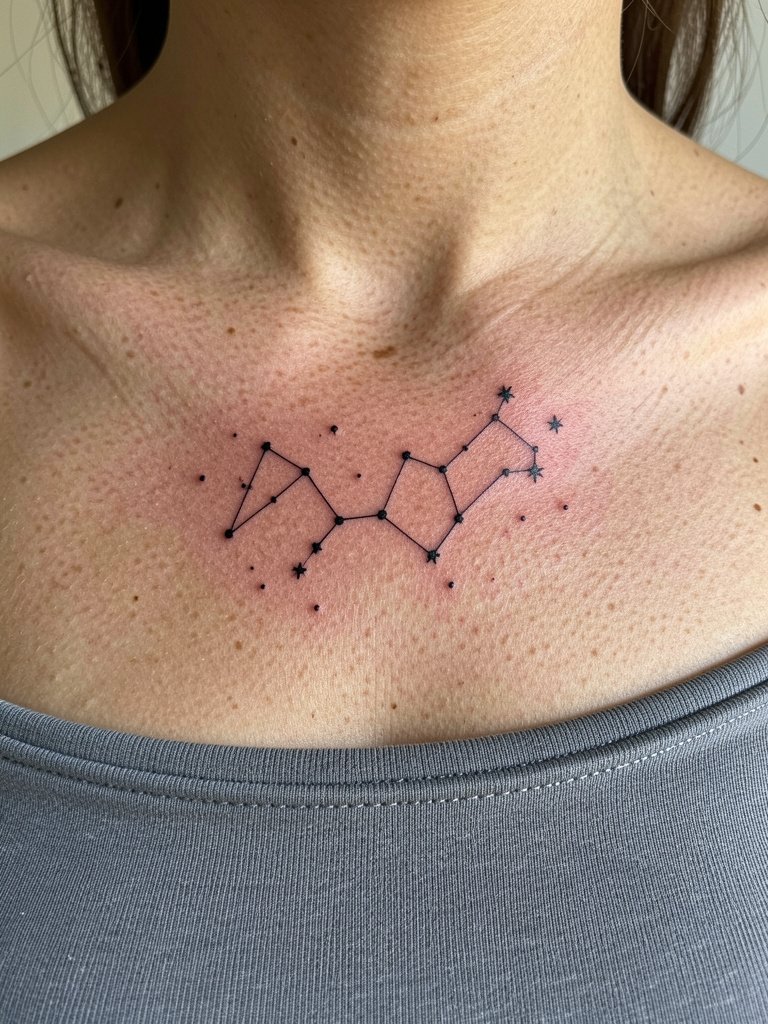
Starfields are flexible because you can match by pattern instead of identical dots. Request clear negative space between stars and avoid micro-connections that invite blurring. On the upper chest these designs sit near clothing edges so plan top choices for the session. The collarbone area can be slightly more tender than the forearm but heals predictably. For evenings out try a layered necklace set that frames the collarbone without covering the ink.
9. Simple Wave or Mountain Outline Pair
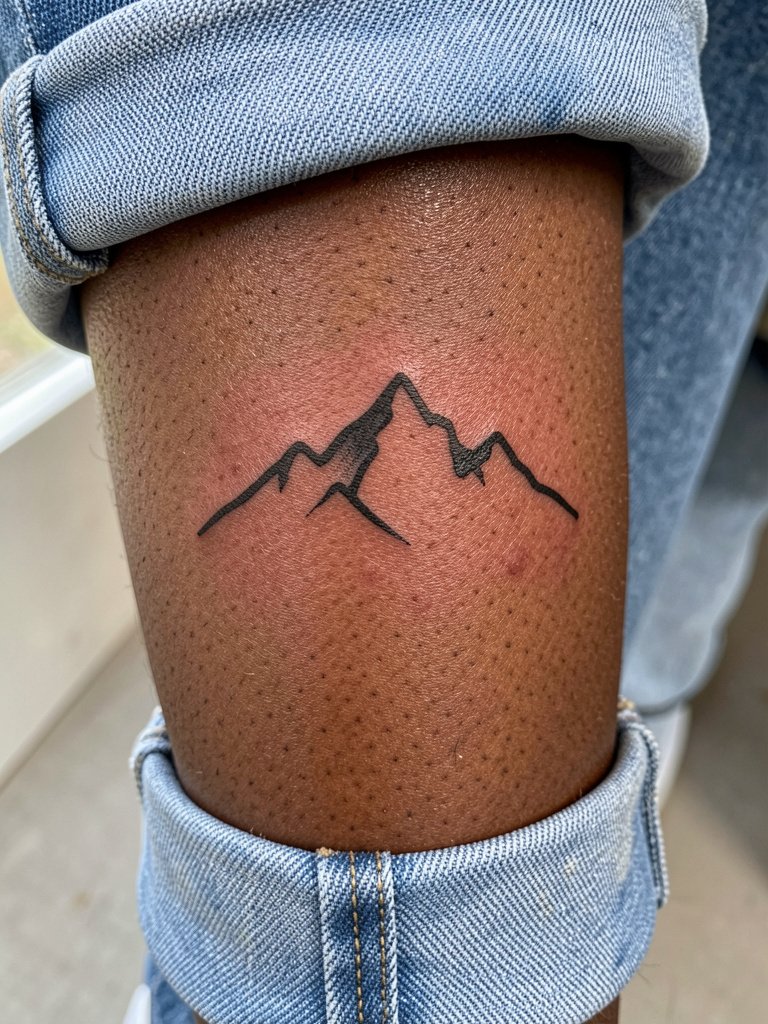
Landscape silhouettes are great for friends who share a place-based memory. The key is choosing one clean contour line rather than many tiny ridges that blur. Calf pieces read well in shorts and skirts and usually take 20 to 40 minutes. A common mistake is asking for micro-detail inside the peaks instead of a bold silhouette. Style-wise, cuffed denim or midi skirts makes the lower-leg work visible without forcing full exposure.
10. Mismatched but Coordinated Icons
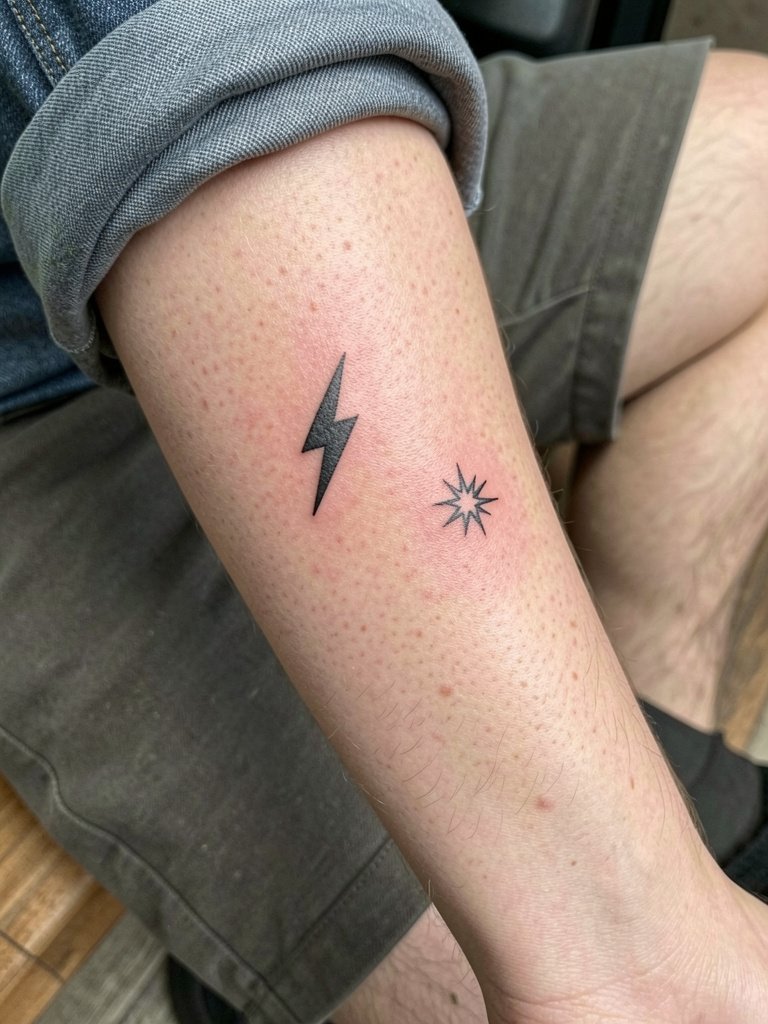
Not every friendship wants identical pieces and that is the point of coordinated mismatched designs. Identical-tattoo advocates say exact matches show clear commitment and look great in twin selfies. The opposing camp prefers complementary pieces that keep each person autonomous and reduce the pressure to remain perfectly synced forever. For longevity agree on consistent line weight and finish so the styles read as a set even when sizes or placements differ. If one person chooses an ankle and the other a forearm, size the ankle art slightly larger so it reads from the same viewing distance. For outfit pairing try cropped straight leg jeans that reveal the ankle piece.
11. Tiny Animal Pair on the Ankle
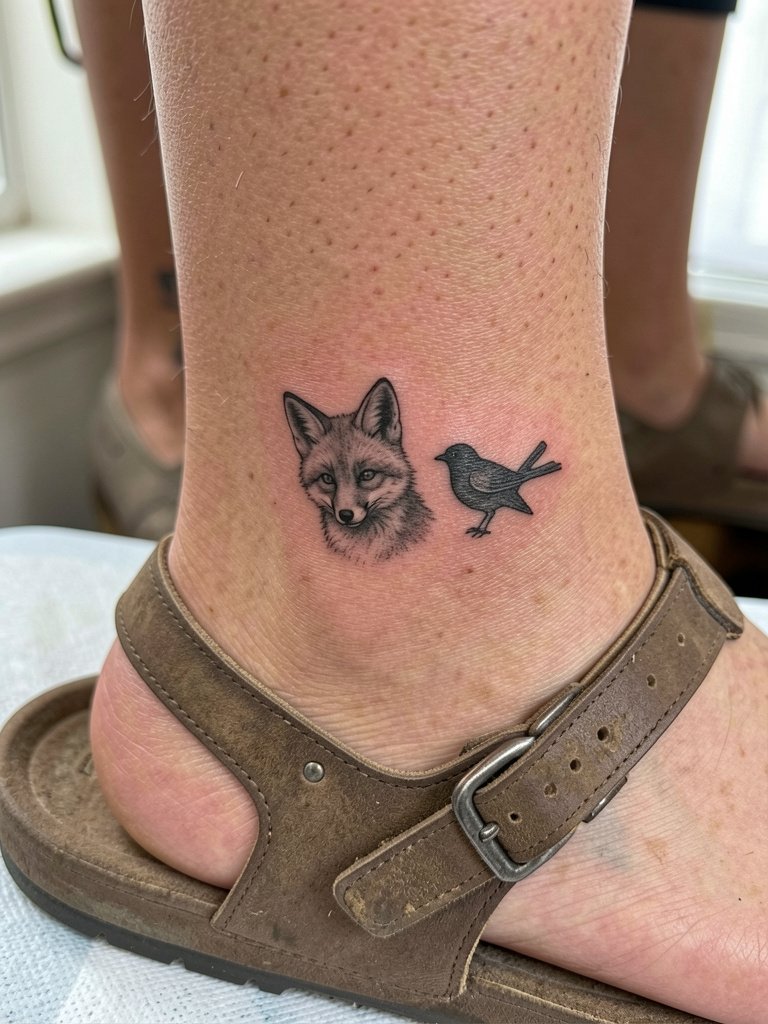
Micro animal portraits are charming but demand restraint to avoid detail loss. If you want shading, keep it sparse and expect the ankle to need a touch-up sooner due to shoe friction. The session is usually short and tolerable, but heal time can be fussy if you wear tight socks. Pick animals that translate simply into silhouette or minimal shade. Showing this off pairs well with open footwear, so consider ankle strap sandals for summer.
12. Hand-Poked Minimal Matches
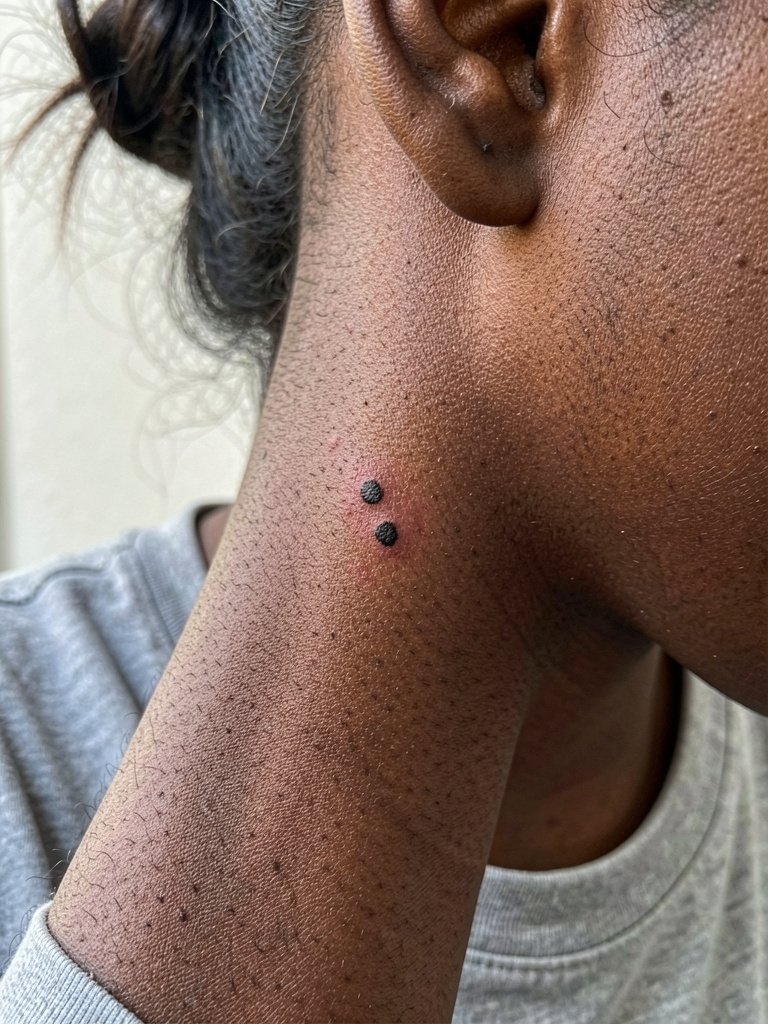
Hand-poked pieces carry a raw, slightly uneven look by design. The main risk is inconsistency in dot depth which can affect healing and visibility on darker tones. A specific consult note to share is how deep each dot should sit so the artist matches pacing across both tattoos. For very small shapes use a little extra negative space so points do not merge over time. Behind-ear hand-pokes are low-visibility choices for friends who want something private, while wrist placements make them visible in everyday wear.
13. Split-Design Geometry That Completes
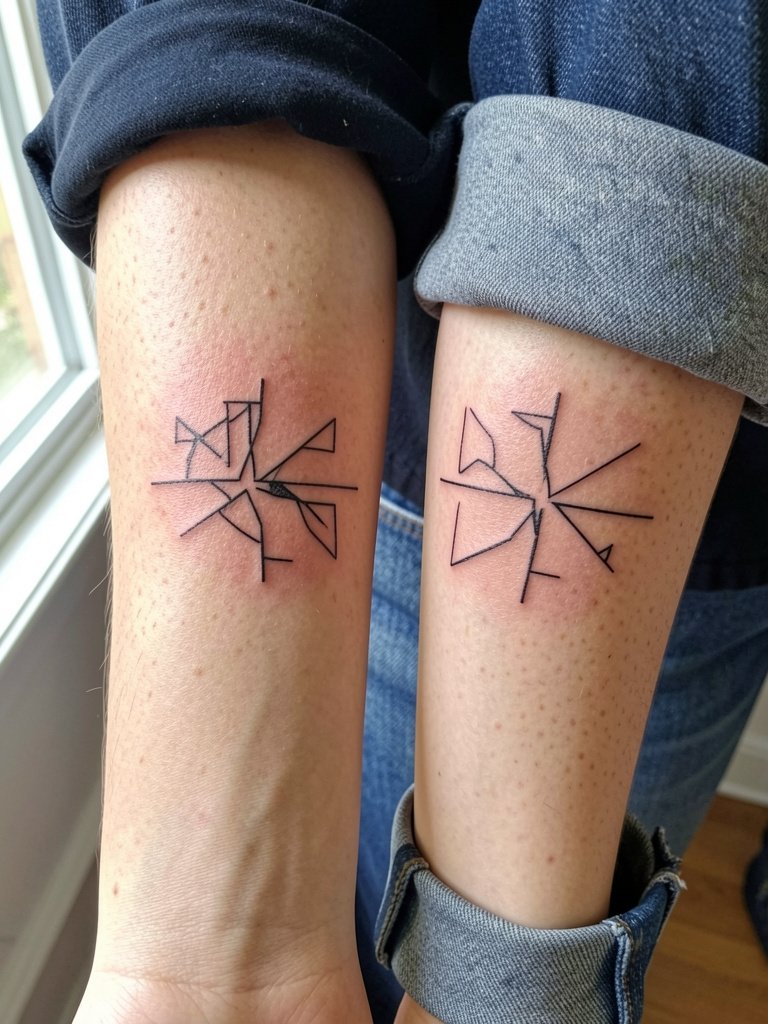
Split geometric pieces make a satisfying visual puzzle when you stand together. The usual mistake is making the lines too tight to stay crisp at small sizes. In the consultation bring a mockup showing both halves scaled to the intended placements so the artist can balance the geometry. Forearm and calf placements behave differently under tension, so agree on proportional scaling. For pairing with outfits the forearm half looks sharp with rolled-up oversized button-downs that frame the ink without covering it.
14. Tiny Matchstick or Spark Motif on Outer Forearm
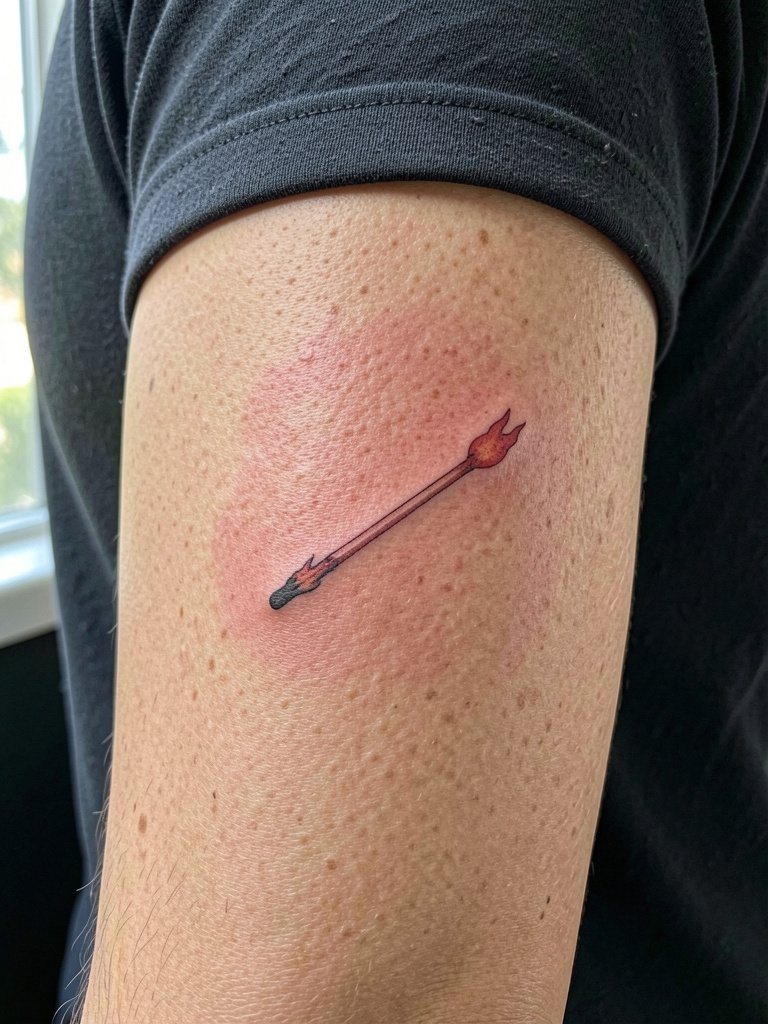
Tiny flame motifs are playful and photograph well. Keep color accents minimal and moderately saturated so they age with less patchiness than neon tones. The most frequent mistake is over-coloring a micro spot which loses contrast as pigment fades. Outer forearm work is low on the pain scale and typically heals cleanly with a single touch-up possible at year two. For casual wear choose fitted tees that stop above the bicep so the piece remains visible without layers.
15. Matching Daisy or Simple Botanical on Shoulder
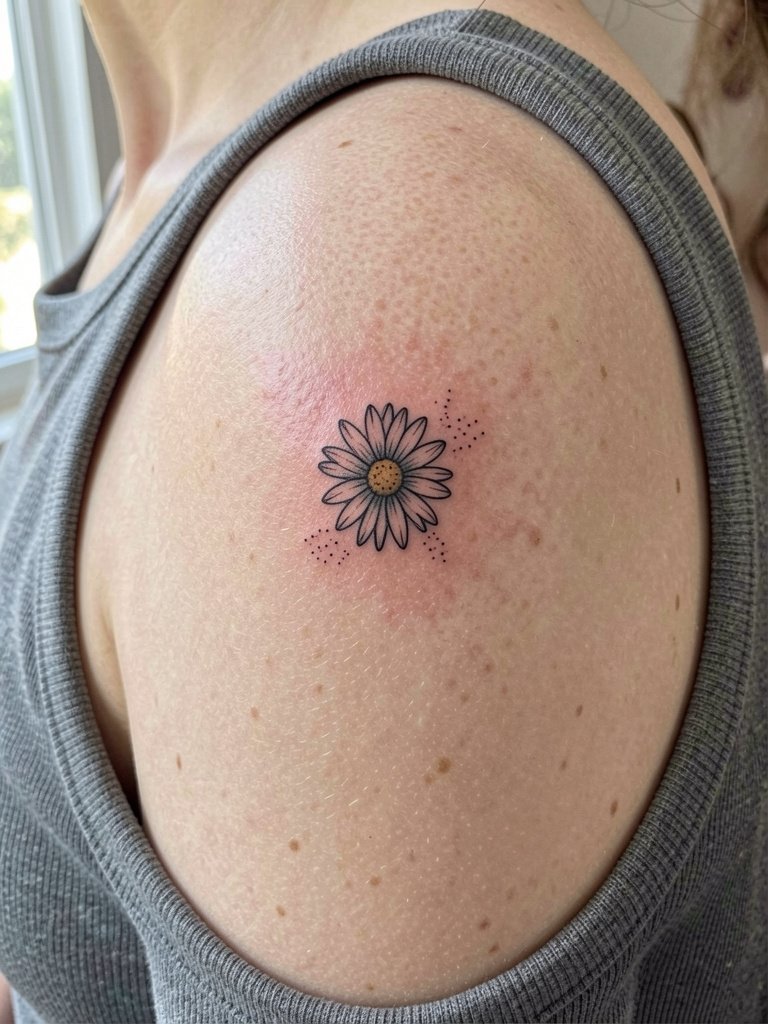
Shoulder botanicals are forgiving because the skin there holds linework well. The common misstep is asking for micro-stamens and filigree that add unnecessary session time and age poorly. Shoulder sessions are comfortable and often take under an hour. If you want subtle color, ask for muted tones rather than tiny patches of saturated pigment. Show-off pairing: tank tops and sleeveless knits frame this spot, so plan outfits that reveal the top of the shoulder.
16. Tiny Map Coordinates on Inner Wrist
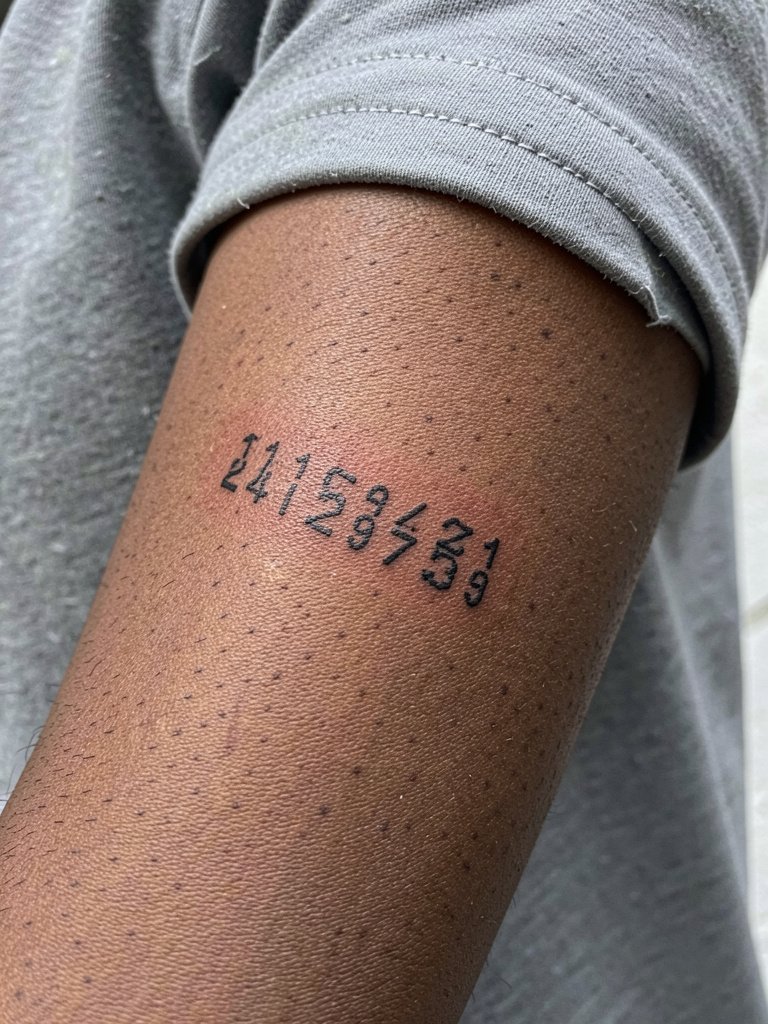
Coordinates read as small, meaningful anchors without being showy. Numerals must be spaced and sized to remain legible long term. A frequent client error is picking a font that looks great in a mockup but compresses badly when transferred to skin. Inner wrist placement means more sun and hand friction than the forearm, so expect earlier softening. Wear a loose sleeve or no bracelet during the session and plan for short touch-ups if you want the digits to remain crisp.
17. Minimalist Lock and Key Pair on Calf
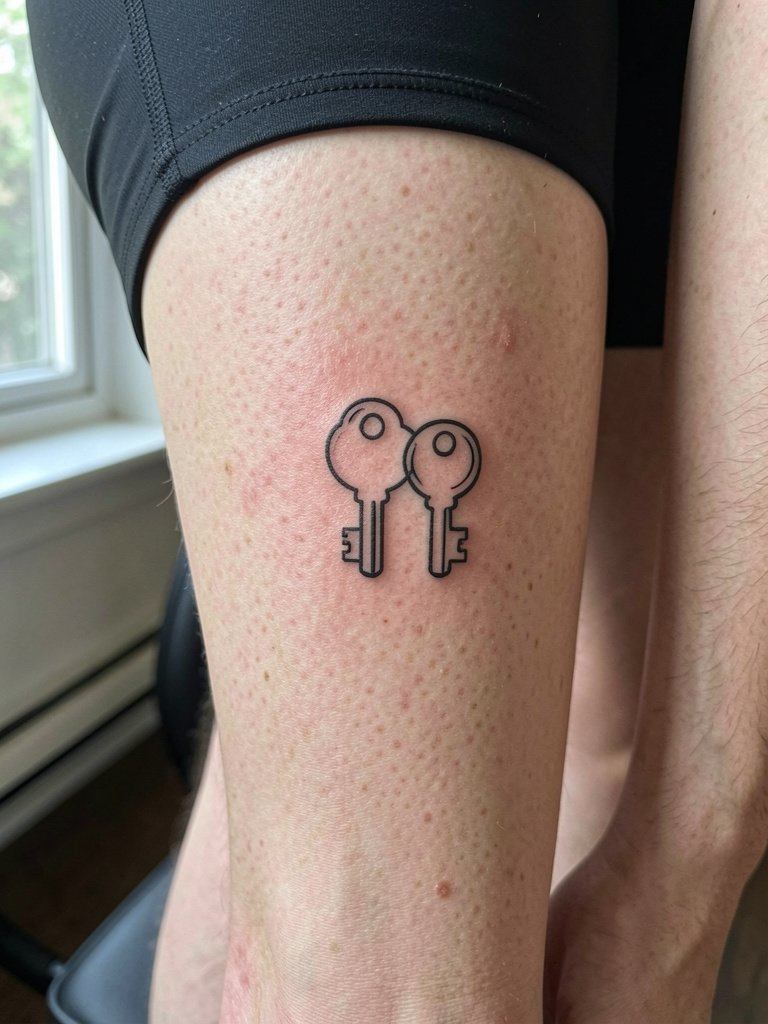
Lock-and-key pairs are a literal but tasteful match if the scale is kept small and the lines are clean. The common mistake is making the key too ornate for its intended one-inch scale. Calf pieces allow slightly larger work without risking blowout, and healing is straightforward if pants do not rub the area. For session comfort wear bike shorts that leave the lower leg accessible while protecting upper thigh skin from awkward seams.
18. Tiny Constellation Bracelet Around the Wrist
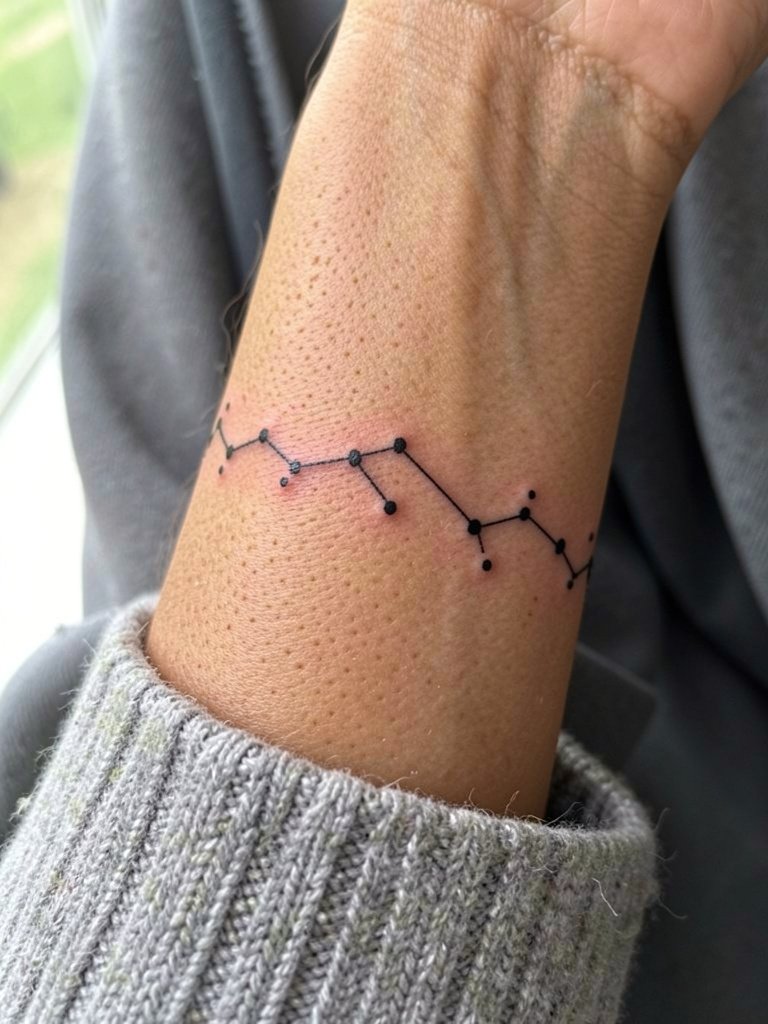
Wrapping a constellation as a wrist band reads like jewelry. Keep the connectors and dot sizes consistent and avoid tiny filler dots that invite spreading. Bracelet-style wrist placements face constant hand movement so expect touch-ups earlier than static forearm work. For the appointment avoid watches and bracelets and plan to wear a loose sleeve afterwards. A thin chain on the opposite wrist complements the look without overcrowding.
19. Minimalist Horizon Line for Two
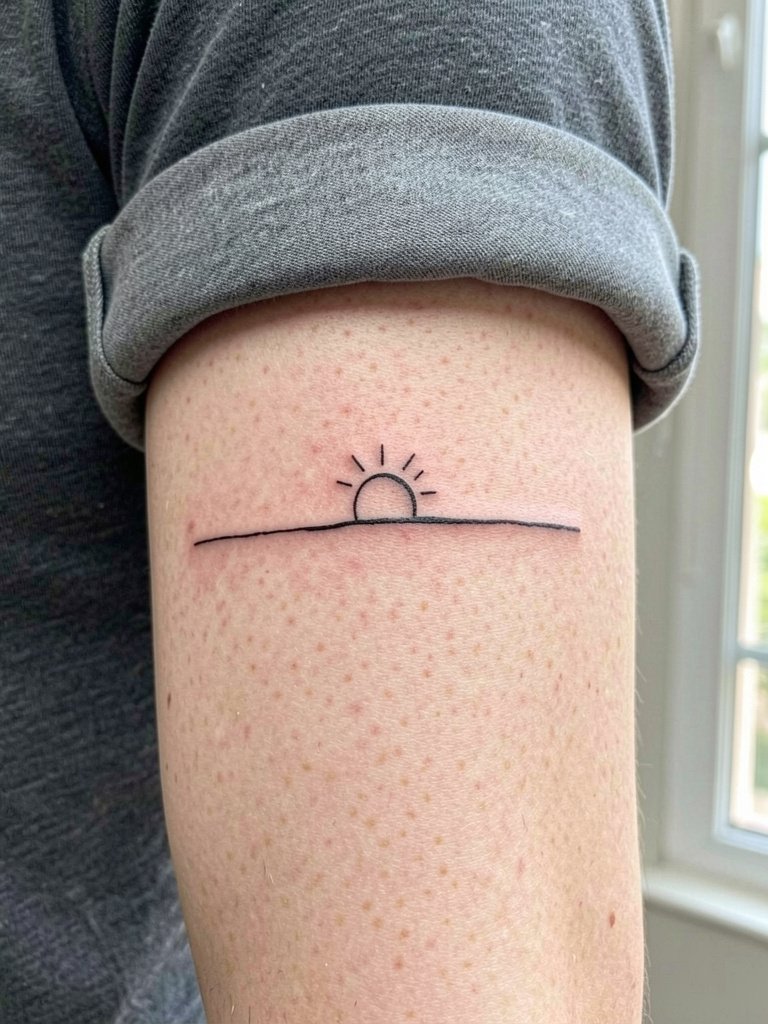
A horizon line works well when you want a very subtle sign of a shared memory. The visual mistake is asking for layered hatch shading in a one-inch line which will muddy over time. Forearm placement is forgiving but think about how much sun exposure the line will see. For casual styling pair with cuffed sleeves or an oversized tee so the horizon sits visible in photos without full-arm exposure.
20. Tiny Arrow Pair with Opposite Directions
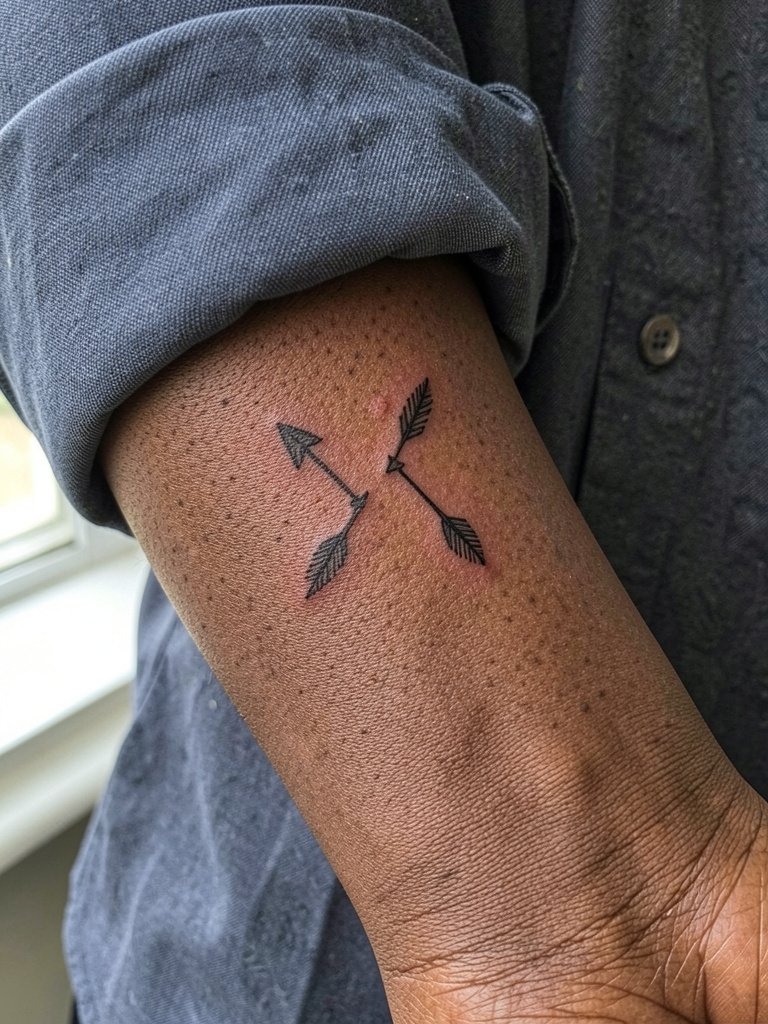
Arrows translated into two directions give a sense of connection without mirror imaging. The main consultation note is to agree on a shaft thickness that keeps the point and feather readable at expected viewing distances. Wrist placements will need earlier touch-ups, while forearm shafts hold longer. For the session avoid bracelets and rings on the tattooed hand so the artist can work without obstruction.
21. Tiny Gemstone Outline Pair on Collarbone
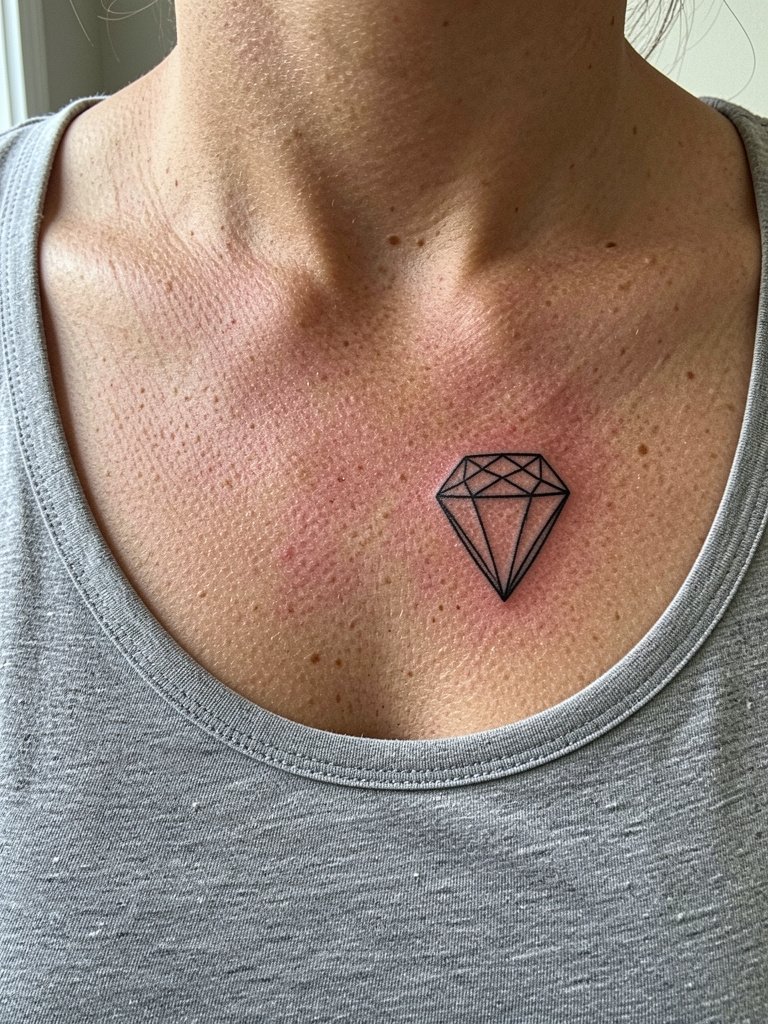
Geometric gems look modern and photograph nicely on the collarbone. The mistake is overcomplicating facets that become lines with no depth once healed. Ask for simplified planes and a touch of negative space to keep facets readable. The collarbone is a visible placement that will show in many outfits, and session time is usually brief. For nights out a short layered necklace can frame the gem without obscuring it.
22. Tiny Matching Dots or Morse Code on Ankle
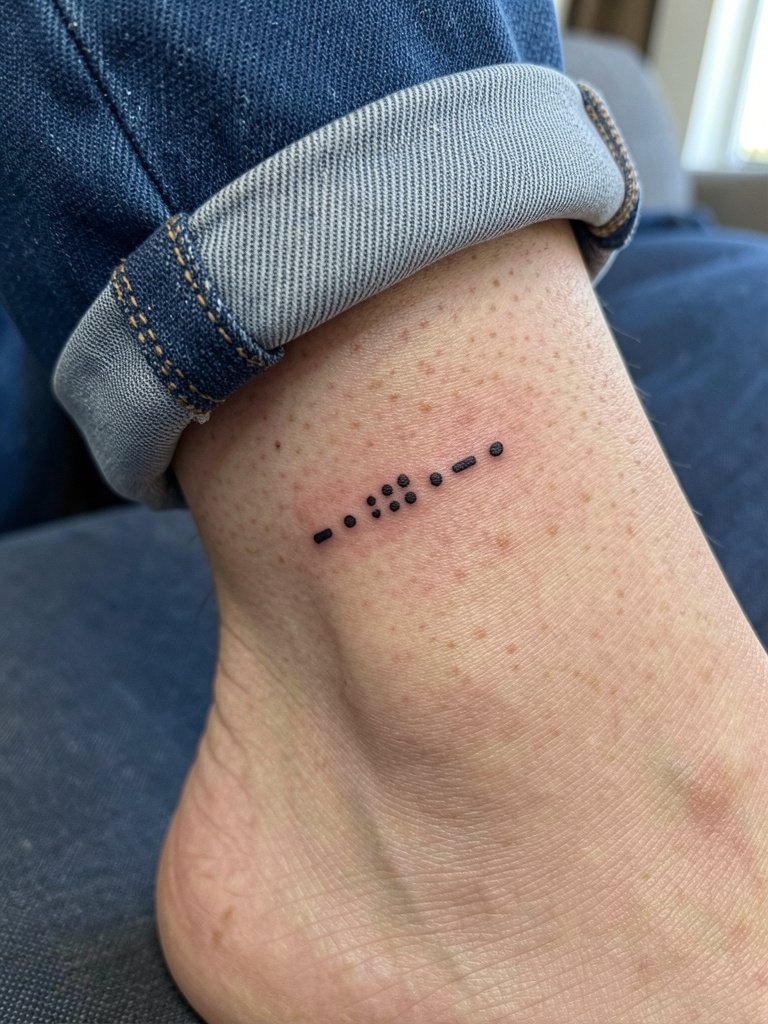
Morse code lets you hide a short phrase in plain sight. For ankles choose slightly larger dots and dashes than you would on a wrist so the pattern stays legible. The ankle sees friction from socks and shoes so protect it during the first week. For summer wear pick footwear that lets the piece breathe, such as low cut sneakers or sandals that minimize ankle rubbing.
23. Tiny Crescent Moon and Star Pair on Outer Wrist
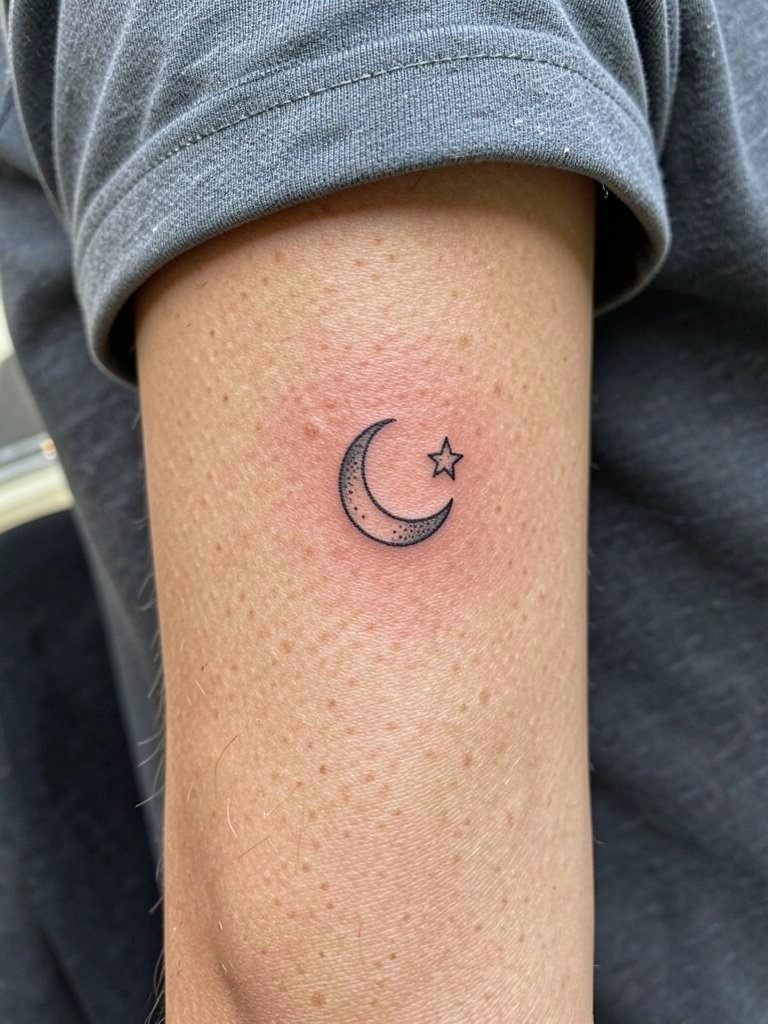
The moon-and-star pairing is iconic for a reason. Keep the moon curve clean and avoid tiny internal shading that will soften into a smudge. Outer wrist placement is visible and makes photo symmetry easy in friend pictures, but the area gets heavy sun exposure so plan sunscreen for the healed ink. Sessions are quick and tolerable for most people. For session day wear a short sleeve tee so the artist has clear access without jewelry on that wrist.
Frequently Asked Questions
Q: How much does a small matching tattoo usually cost for two people?
A: Price varies by city and shop minimums, but expect ranges. Many studios have minimums roughly $60 to $150 per person, and a small custom piece commonly falls in the $100 to $400 range total per person when you include tip. Plan for separate deposits if you need to protect both schedules.
Q: Will fine line matching tattoos actually hold up on darker skin tones?
A: Fine line can hold up on darker skin when the line weight and spacing are chosen for the skin’s texture. One camp argues very thin lines blur faster on darker or textured skin, and the other camp has many healed examples showing thin work that reads clean years later. To improve longevity ask for slightly bolder single-needle lines and request healed photos from the artist on similar skin tones.
Q: What should two friends wear to a session for wrist, ankle, or forearm pieces?
A: Pick clothes that give the artist clear access. For wrists and forearms wear short sleeves or a loose button-down. For ankles choose easy-roll pants or sandals that will not press on the fresh ink. A practical item for sessions is a pair of crew socks you can remove right after the appointment to limit rubbing during immediate healing.
Q: Where can I find healed examples and an artist who does matching micro work?
A: Search visual hashtags like #matchingtattoo and #smalltattooideas on Instagram and TikTok with your city name to narrow results. Use Tattoodo to filter by design keywords such as "fine line sun and moon" or "matching floral wrist." Reddit communities often show candid healed photos and real price notes. Focus on portfolios that include healed shots, not just freshly done pieces.
Q: What if my friend cancels or flakes on the appointment?
A: Protect yourself by booking separate deposits when the studio allows it and agree on backup dates before committing. If one person cancels you can often reschedule the still-willing friend for the same design solo, ideally sized or positioned so it stands alone if needed.
Q: How often will these tiny matching tattoos need a touch-up?
A: Touch-up timelines depend on placement and pigment saturation. Hidden or low-friction spots can go five years before a tweak, while wrists, fingers, and ankles often need touch-ups around year one to three. Expect earlier maintenance for color accents and dense dotwork.