Bold blackwork holds up in ways most trendy fine-line pieces do not. High-contrast old school forms like anchors, daggers, and panther heads age into clear silhouettes if the artist plans spacing and lineweight from the start. This list favors bold contour, smart negative space, and placements that keep detail readable for years, so you can pick an idea that still reads at five and ten years healed.
1. Anchor, Bold Blackwork on Forearm
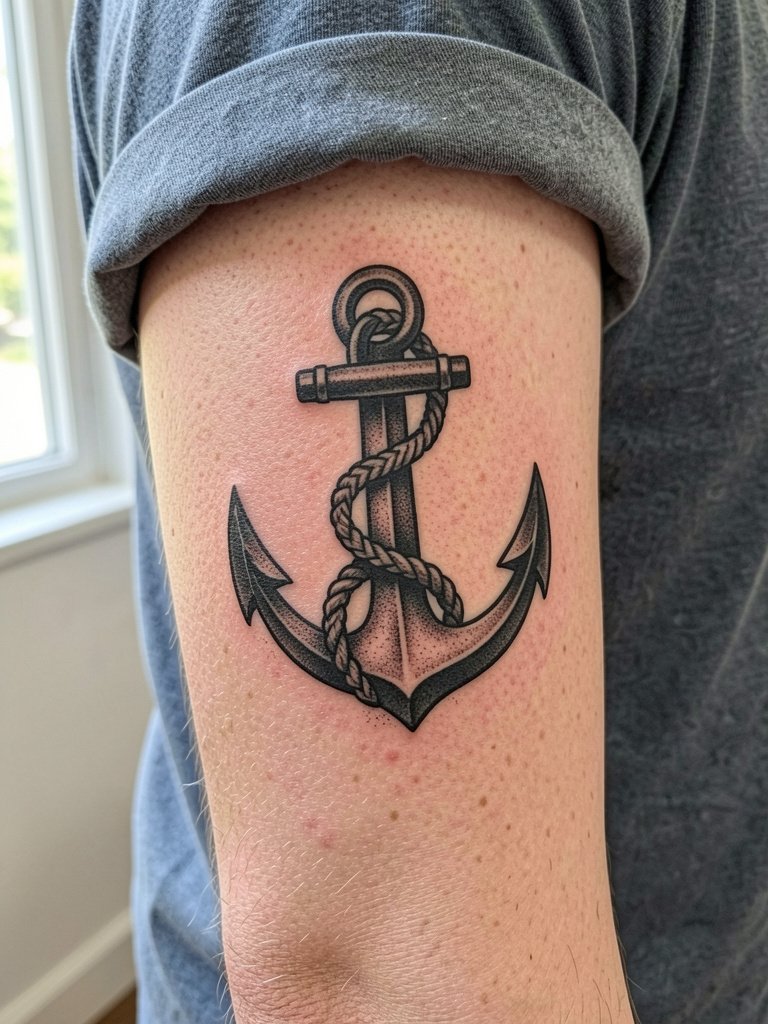
An anchor reads especially well as blackwork when you keep the silhouette chunky and the rope as pure negative space. Recommend a size that sits at least three inches tall on the forearm so the rope knots do not collapse over time. Linework should be thicker than a typical flash anchor so the outline and internal fills remain distinct at five years healed. Typical session for a medium anchor is one to one and a half hours and pain is low to moderate on the forearm. For showing off, pair with rolled short sleeves and a denim jacket cuff, for the appointment wear a short sleeve tee to give clear access to the artist.
2. Swallow Pair, Blackwork Collarbone
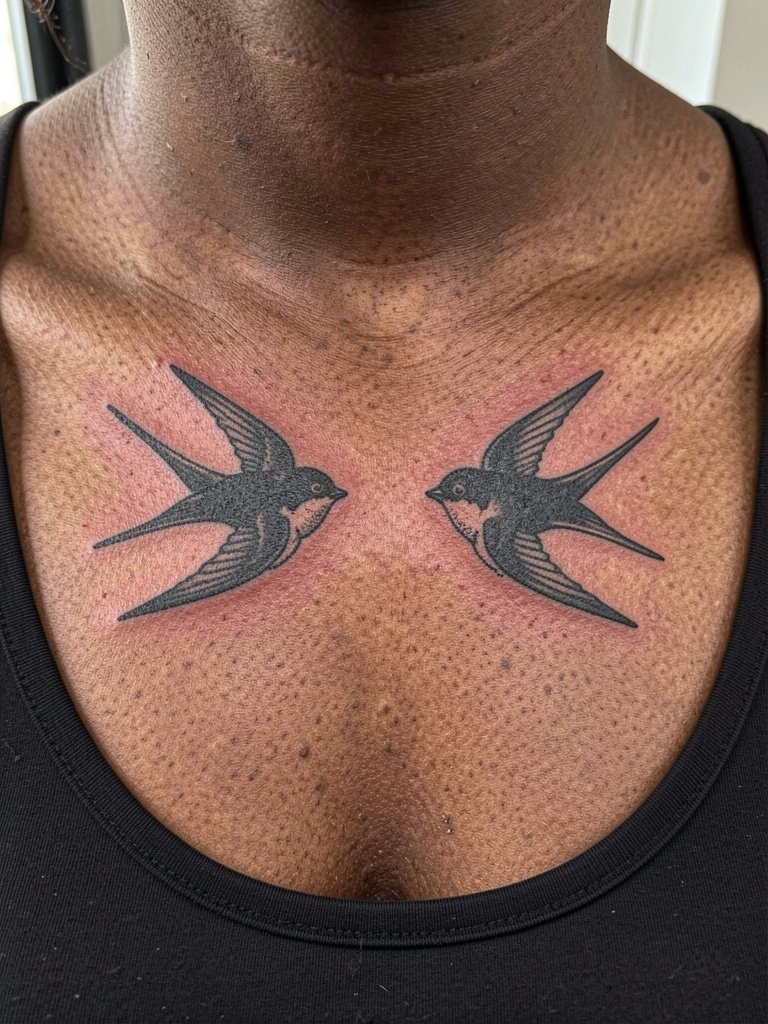
Old school swallow imagery works in black-only because it relies on silhouette. One camp favors traditional color to preserve the vintage vocabulary and argues that red and blue make the birds pop. The other camp favors all-black versions that prioritize long-term contrast and simpler touch-up needs. If you want this on the collarbone, request increased spacing between wing feathers and a touch more lineweight than the reference so the wings do not blur along the clavicle with time. Session time is about 45 minutes per bird and the area rates moderate on the pain scale. Show it off with open-neck shirts or wide-neck tees and link to wide neck tee designs when planning outfits.
3. Traditional Rose, Black Silhouette on Upper Arm
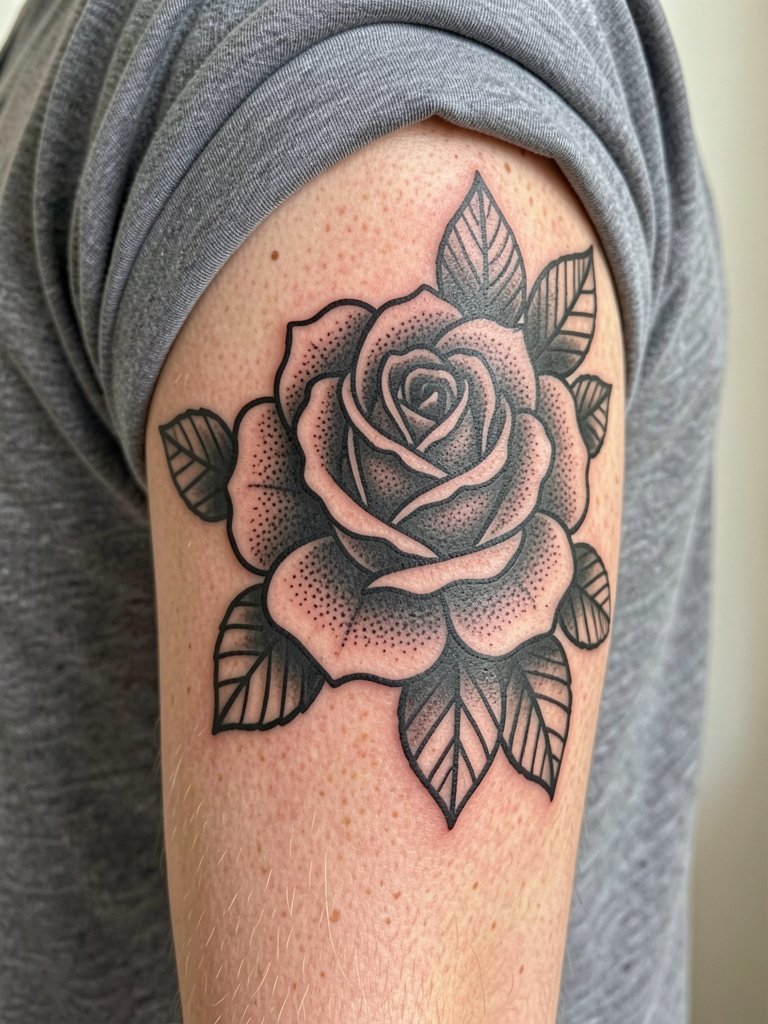
A rose keeps its old school identity even when you strip color and lean on silhouette. I recommend bringing two reference photos at different scales so the artist can show how a three-inch rose reads versus a five-inch piece. Common mistakes are shrunk-down versions meant for wrists that then lose petal separation and turn into a blotch. Expect one session for a medium rose and a touch-up at year two if small areas need re-saturation. For showing off, pair this with a boxy plain tee or a sleeveless top, link to boxy plain tees to try the look.
4. Dagger Through Rose, Vertical Calf Piece
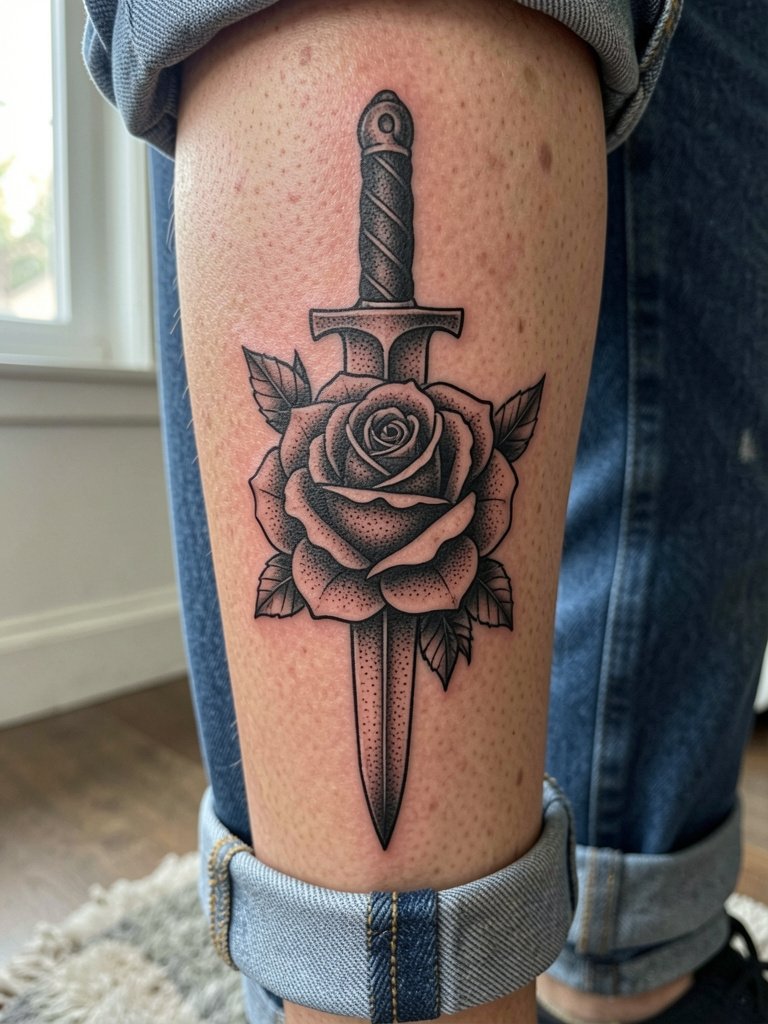
Long vertical designs like a dagger and rose play to the calf because the muscle keeps the silhouette visible in motion. Ask the artist to map the dagger's angle to the leg's natural line so the tip doesn't sit in an awkward crease when you walk. A common aging issue is over-detailing the hilt; keep the hilt bold and let the rose petals carry the detail instead. Calf work feels moderate on the pain chart and usually takes a single two-hour session for a medium piece. Style it with cropped straight-leg jeans or shorts, and use cuffed straight leg jeans for weekend show-off.
5. Panther Head, Solid Black Shoulder Cap
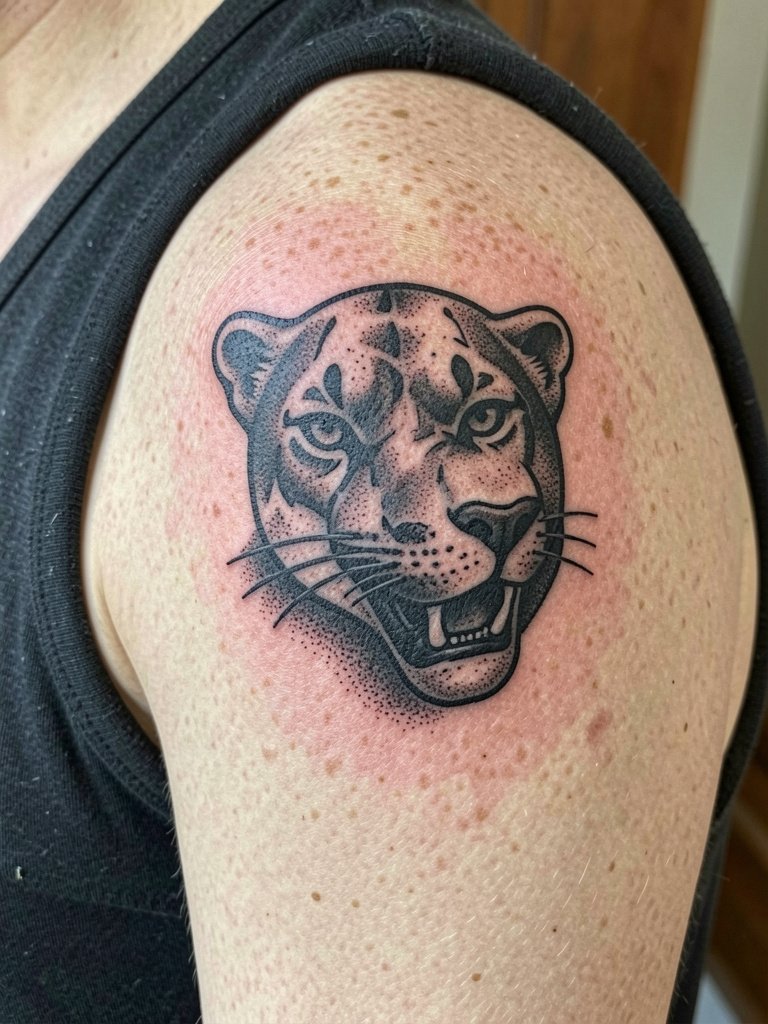
Panther heads work as heavy black blocks and still read on motion areas like the shoulder. Recommend a bold jawline and minimal micro-shading near the whisker area so the piece does not blur into texture as the skin moves. The biggest mistake is shrinking a panther down to wrist size where facial features collapse. Expect one to two sessions depending on scale and moderate pain. For outfits, this placement looks best with wide-neck or tank tops and clean fabrics that let the silhouette stand out. Try a sleeveless workout tank for easier display.
6. Eagle Spread, Chest Blackwork Panel
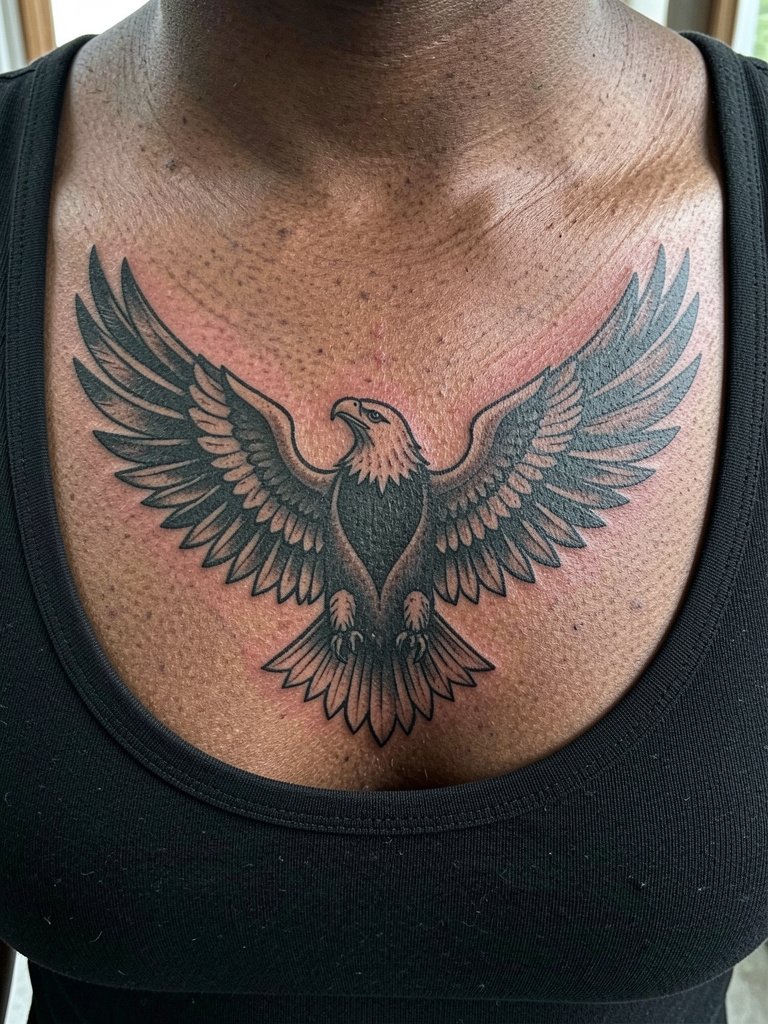
A chest eagle needs symmetry and spacing so the wings do not meet the sternum crease and blur. One camp insists color is essential to make the eagle read as traditional. Another camp argues a monochrome black panel keeps the piece legible longer and simplifies touch-ups. For session planning discuss how the wings align with your collarbone and rib movement so the composition holds at rest. Chest sessions can be longer and the sternum area is higher on the pain scale. For show-off looks, a wide V-neck or open-collar shirt frames the piece best.
Pre-Session Picks
The forearm, shoulder, and chest pieces above all benefit from a few session-day items that keep ink clean and the artist organized.
-
Stencil transfer paper kit. Lets you preview the placement on skin before the needle hits and is useful when mapping anchors, roses, and swallows on the forearm.
-
Topical numbing cream. Applied per product instructions about 30 to 45 minutes before the session it can reduce chest and rib discomfort for longer panels.
-
Thin protective film roll. Handy to cover smaller wrist and hand pieces during the first few hours post-session while you travel home.
-
Fragrance-free body wash. Gentle cleansing avoids irritating fresh work on the shoulder or calf during showering the first week.
-
Aquaphor healing ointment. A thin layer in the first 48 hours locks in moisture for solid black fills without clogging the channels that need to breathe.
7. Heart with Banner, Inner Forearm Script
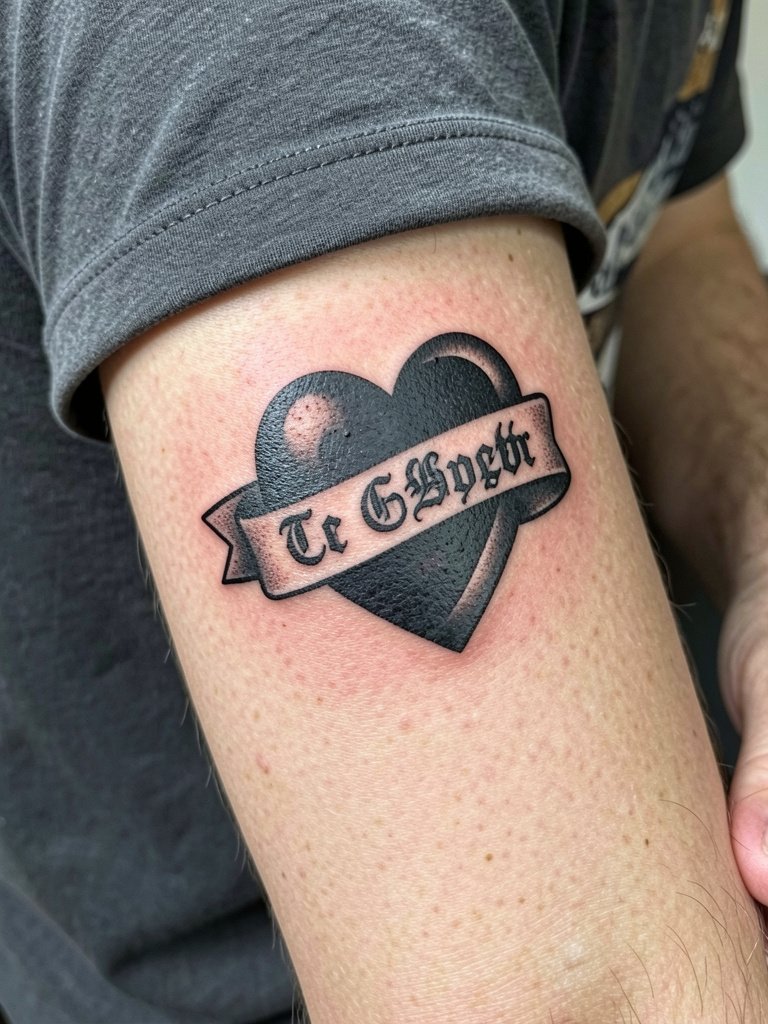
Inner forearm hearts look classic when the banner has room to breathe. Ask for lettering at a legible scale and a bold banner outline so the script does not blur into the heart by year three. The inner forearm shows healed contrast well at six months and usually needs only a small touch-up at year two for saturation. Session feels mild to moderate and lasts under an hour for a compact heart. For session wear, a rolled sleeve or loose short sleeve makes access simple. If you want to display the piece, pair with vintage crew neck tees and link to vintage crew neck tee picks.
8. Skull, Thigh Blackwork Statement
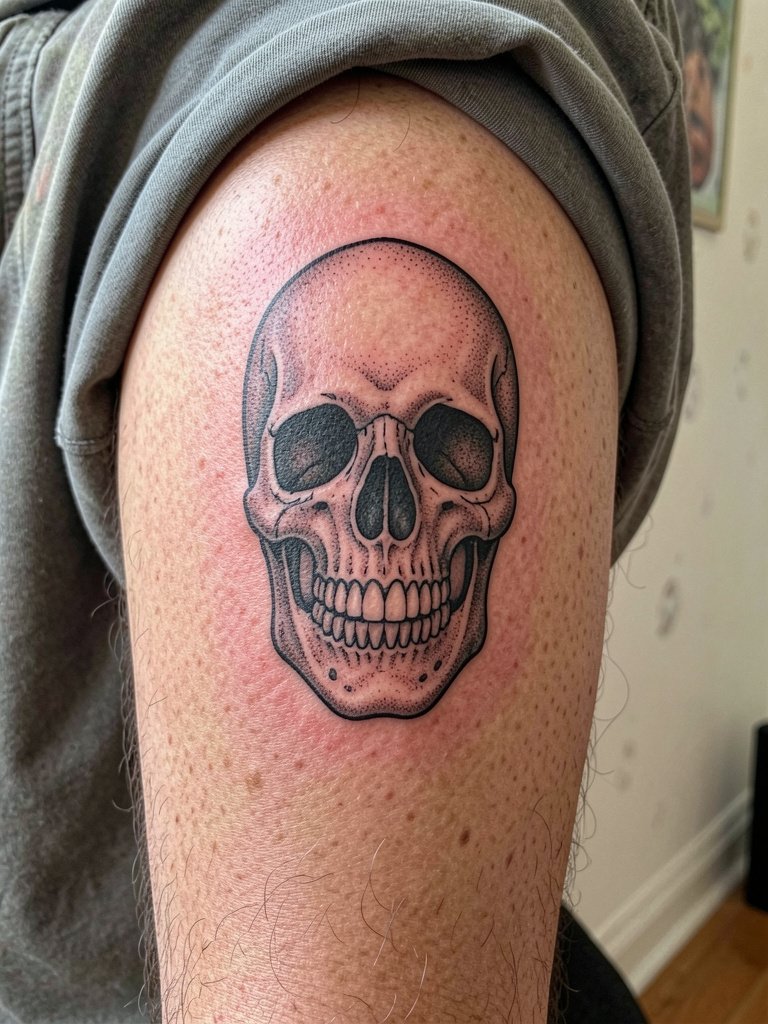
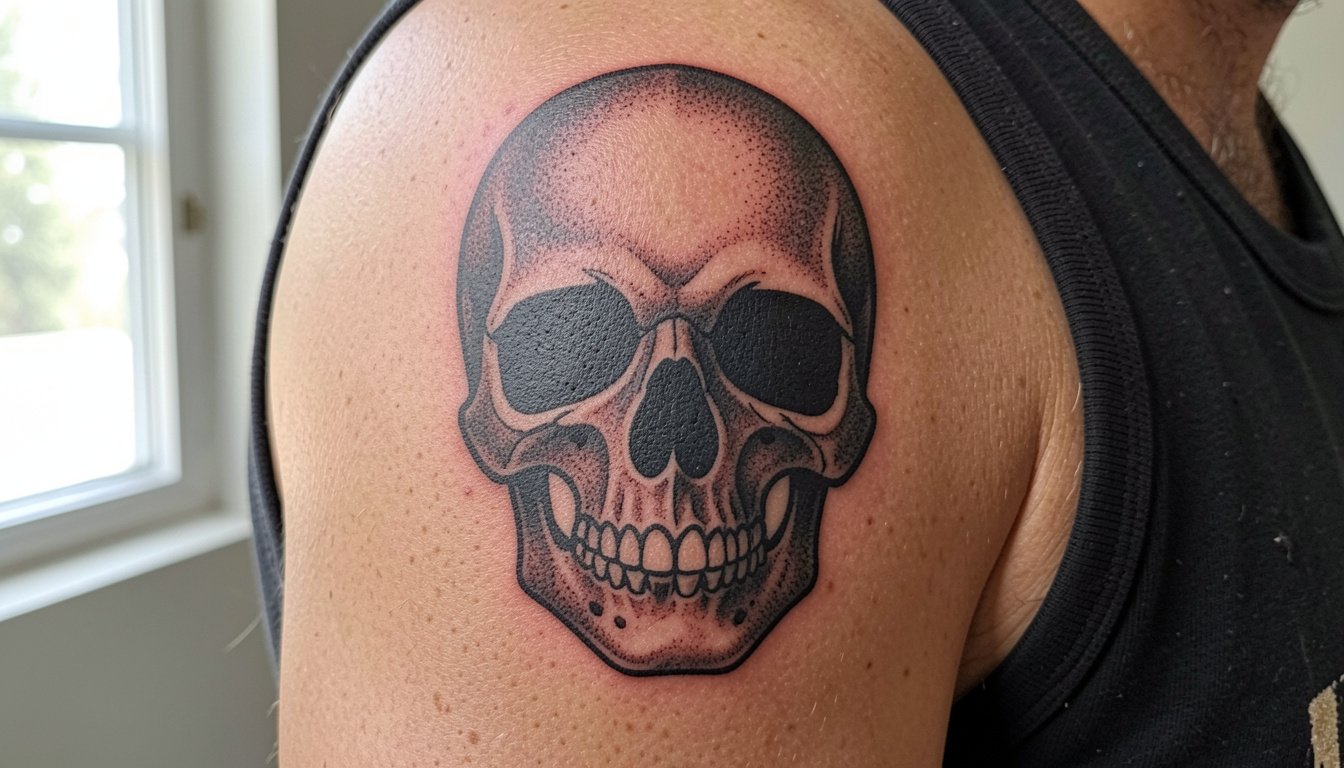
Skull imagery gains drama in blackwork because you can use heavy block fills and clean negative eye sockets. On the thigh, the design has room to breathe so keep the teeth simplified instead of micro-detailing that will blur when the piece settles. Thigh pain is lower and session times can run from 90 minutes to three hours when the piece is large. For showing off, loose summer shorts or biker shorts frame the tattoo well. For session wear, opt for athletic shorts that the artist can roll up without pressure on the area.
9. Snake Wrap, Ribcage Vertical Blackwork
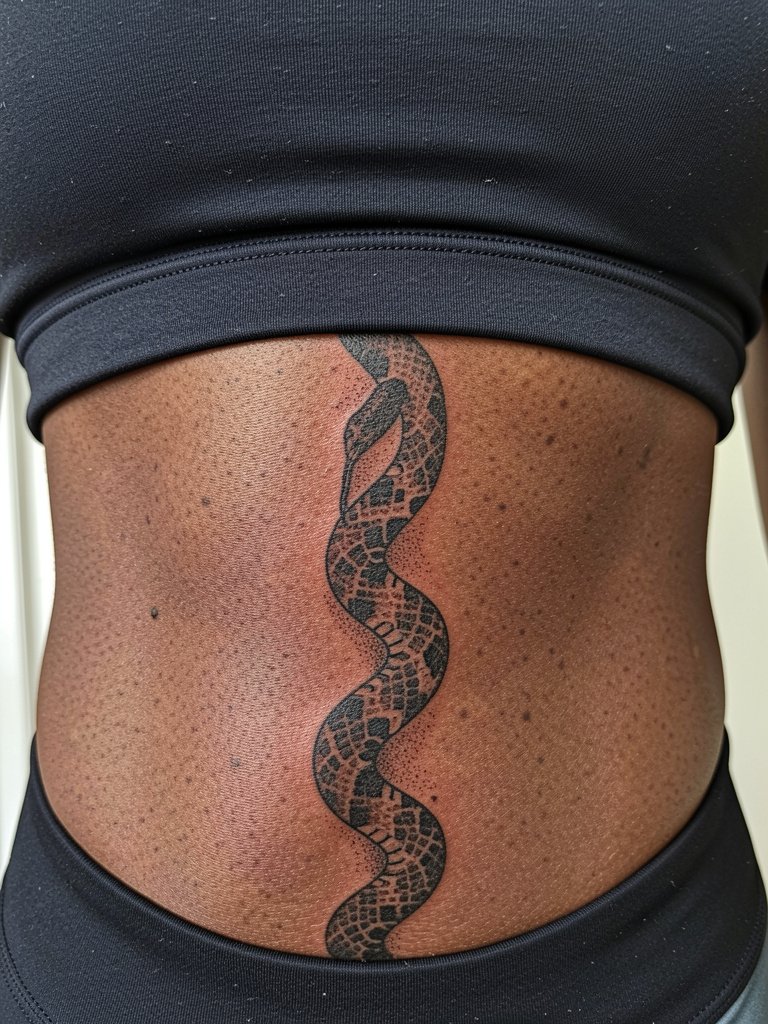
Ribcage snakes look striking but require spacing that accounts for breathing and stretching. A common mistake is wrapping too tightly with micro-detail scales that will smear across the intercostal region. Discuss slightly wider scale shapes and a bold spine line so the snake's form remains readable at two and five years healed. Rib sessions are higher on the pain scale and often split across two shorter sittings. For session wear choose a loose sports bra or button-down you can open; that prevents fabric tugging over the healing skin.
10. Blackwork Tribal Band, Upper Arm Wrap
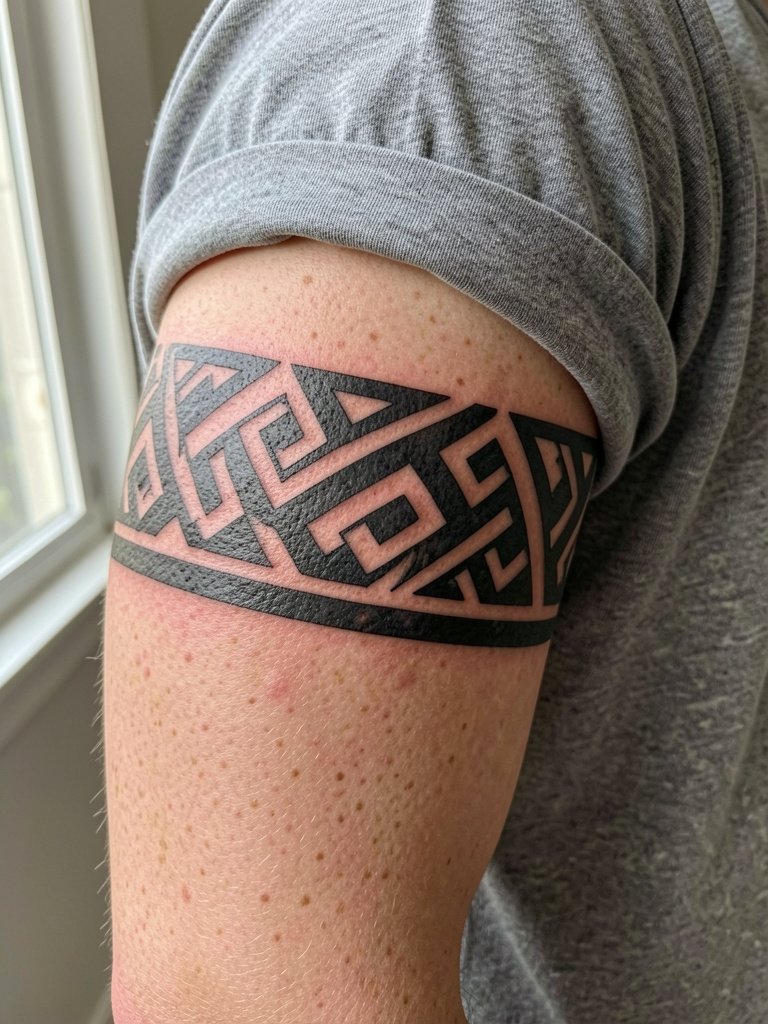
Solid tribal bands need consistent saturation and crisp edges to avoid patchy healed fills. If you choose a band, make sure the negative space between shapes is at least a few millimeters so the motifs do not visually merge. Upper-arm placement is low blowout risk and sessions are usually under two hours per band. For the look, wear a boxy tee or relaxed muscle tee so the band sits cleanly beneath the sleeve hem and link to relaxed muscle tee options.
11. Polynesian-Inspired Panel, Shoulder and Chest
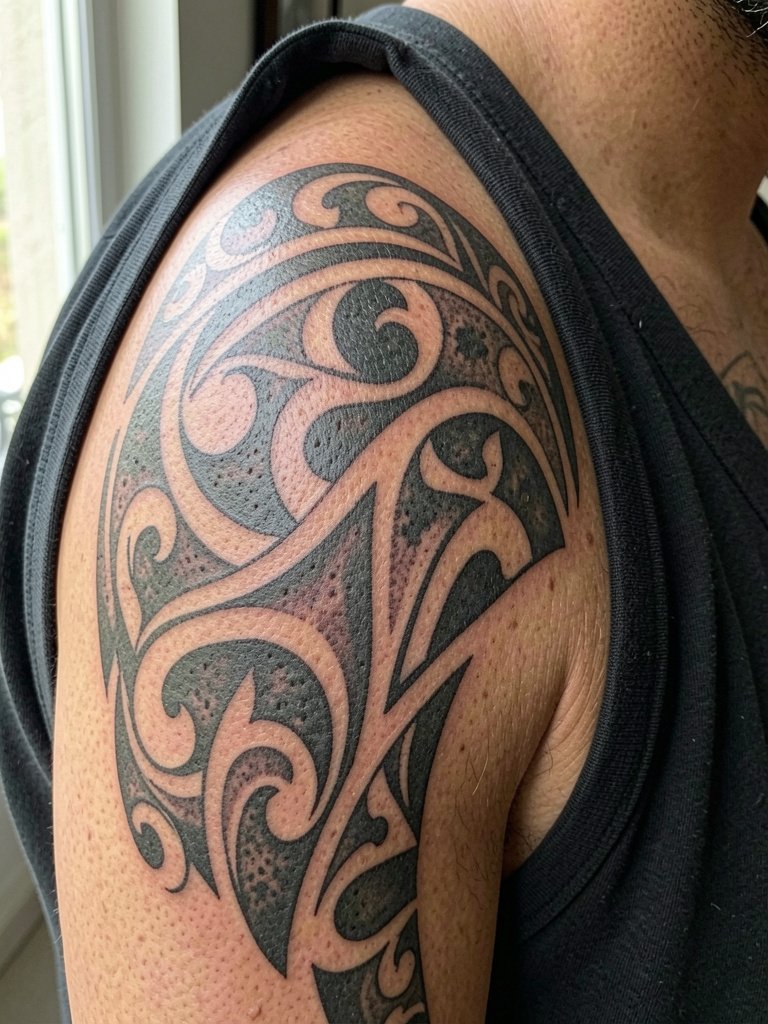
Polynesian-inspired blackwork invites a sensitivity conversation. One camp treats these motifs as culturally specific symbols that require permission and heritage understanding. The other camp sees geometric motifs as widely adoptable aesthetic forms and focuses on placement and flow. If you consider this style, discuss cultural origin and intended motifs with the artist and be prepared to modify designs out of respect. Shoulder-to-chest panels are multi-session projects and often need consistent touch-up across the first year as skin settles.
12. Dark Art Blackwork, Full Thigh Graphic
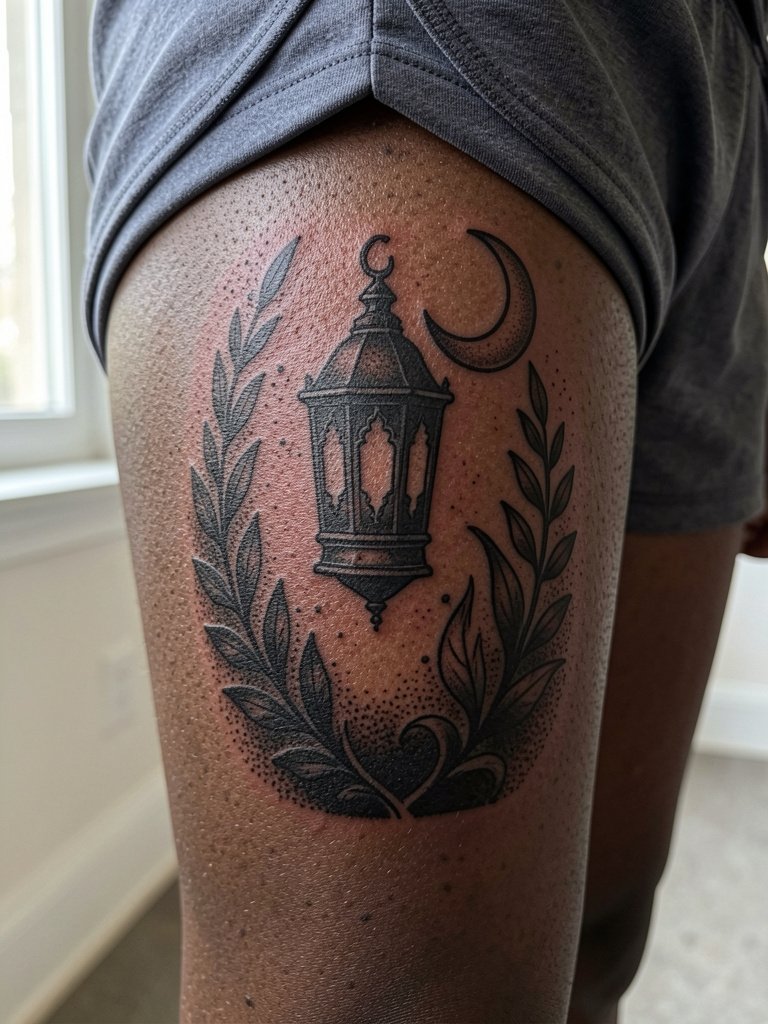
Dark art blackwork benefits from strong black blocks offset by tiny bright highlights and stipple. For thigh pieces, the extra real estate lets you push contrast and keep micro details large enough to survive healing. A common mistake is tiny etched linework inside dense fills; instead ask the artist to use stipple or spaced negative dots for texture. Thigh sessions are comfortable for most people and can be done in longer sittings. Try pairing with biker shorts or loose shorts to show the piece and link to biker shorts for styling.
13. Calligraphic Word, Ribcage Script in Blackwork
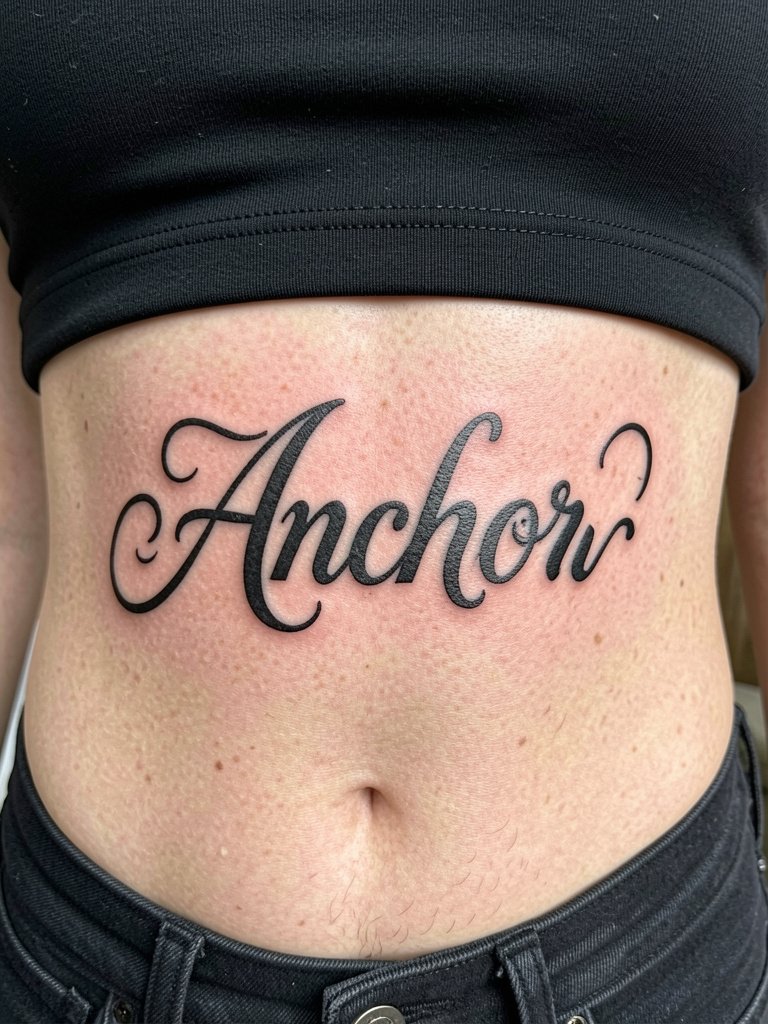
Calligraphic blackwork reads best when letters are scaled for the placement. On the ribcage, keep flourishes minimal and spacing generous so the script resists blurring when you bend. Avoid ultra-thin single-needle strokes on ribs. The rib area often needs two shorter sessions and numbing strategies are common to get through the pain. For session wear, a sports bra or loose button-down that opens makes access easier.
14. Traditional Flash Animal Motif, Calf Panel
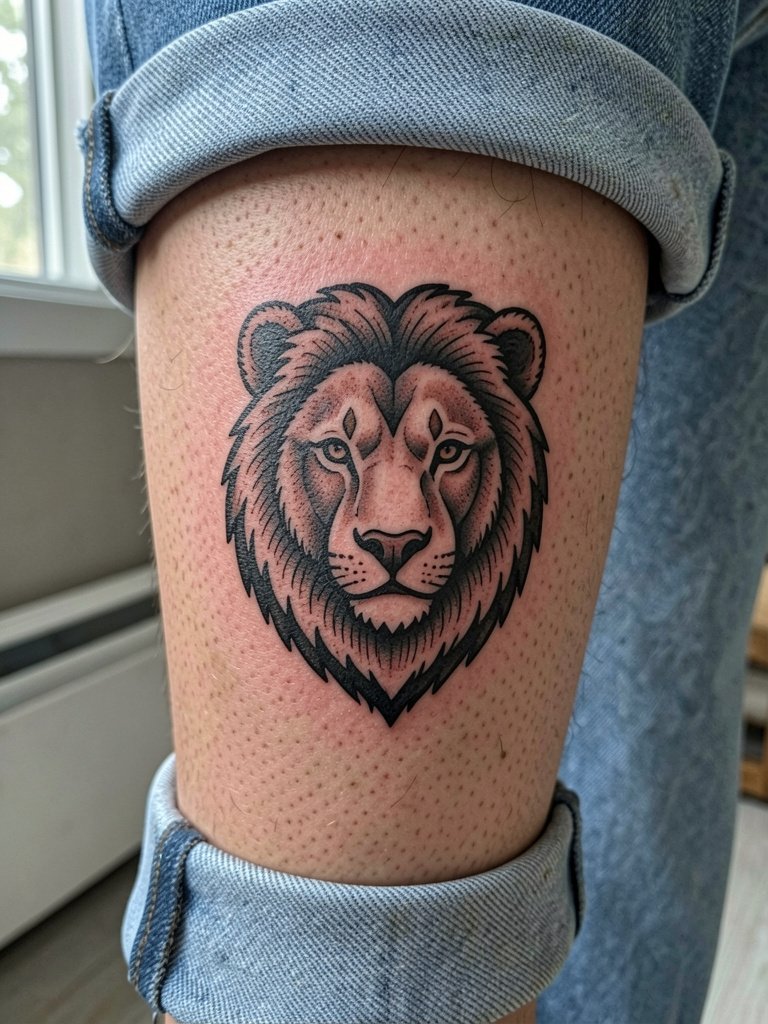
Classic animal flash adapts well to blackwork when you emphasize jawlines and eye hollows as black shapes. For calf pieces, align the animal's face to the leg's curve so the portrait does not distort while walking. Mistakes include tiny fur lines that look busy from a distance. Calf work is low pain and often one session for a medium design. Cropped straight-leg jeans show this placement well, so consider cuffed straight leg jeans for styling.
15. Nautical Star, Wrist Compact Blackwork
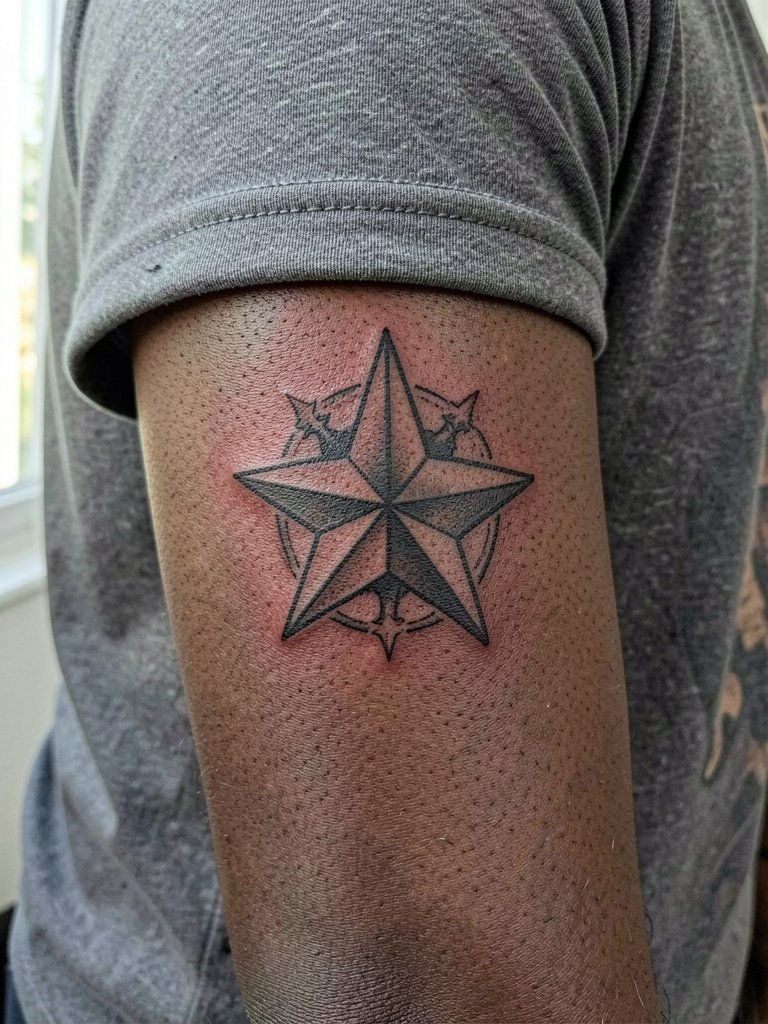
Wrist stars are visible and iconic but are fragile when shrunk too small. For wrist placement make the points bold and allow a narrow outline so the star keeps shape after healing. Expect the wrist to need a small touch-up around year one because washing and friction wear the edges. Session time is short and pain is moderate. When showing off balance bracelets on the opposite wrist and opt for a minimal watch on the non-tattoo side.
16. Ship in Bottle, Inner Forearm Blackwork Scene
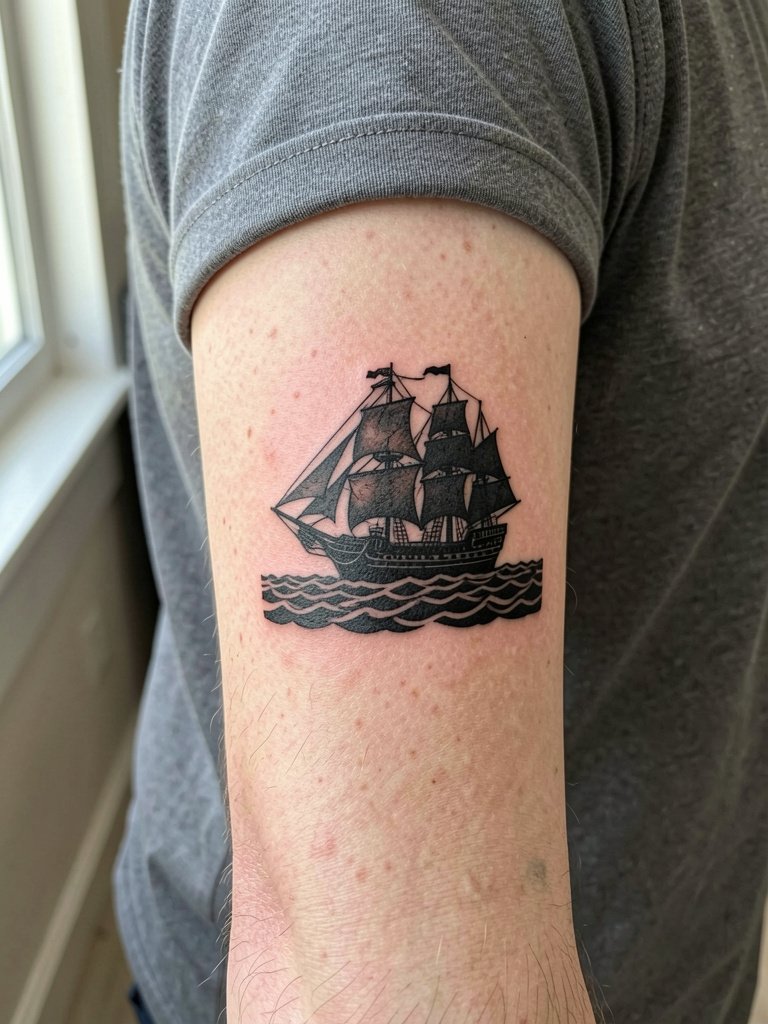
Narrative mini-scenes like a ship in a bottle work as compact blackwork when you simplify horizons and avoid minute rigging. If you plan text in the banner, specify exact wording so the script stays legible at the final scale. Inner forearm sessions run low to moderate on pain and usually take under two hours for a detailed mini-scene. For appointment comfort, roll sleeves up or wear a loose short sleeve and consider vintage crew neck tees to display after healing.
17. Pocket Watch, Upper Chest Blackwork
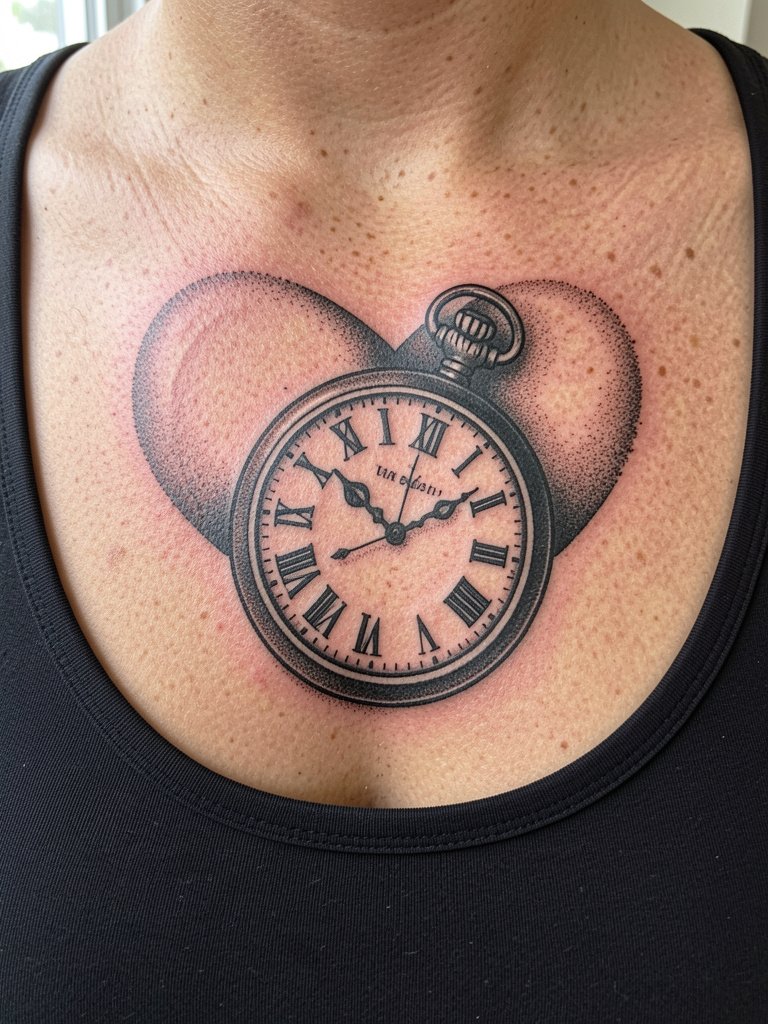
Pocket watch pieces need clean numerals and bold hands so the face stays readable past the first year. If you include numbers, specify the exact numerals or date to avoid mistakes. Chest placement can be tender near the sternum so expect a more sensitive session. One common error is crowding the watch with extra filigree that ages into visual noise; keep surrounding motifs spaced. For evening outfits, wide V-neck tops frame the watch well.
18. Sugar Skull, Blackwork Calavera on Thigh
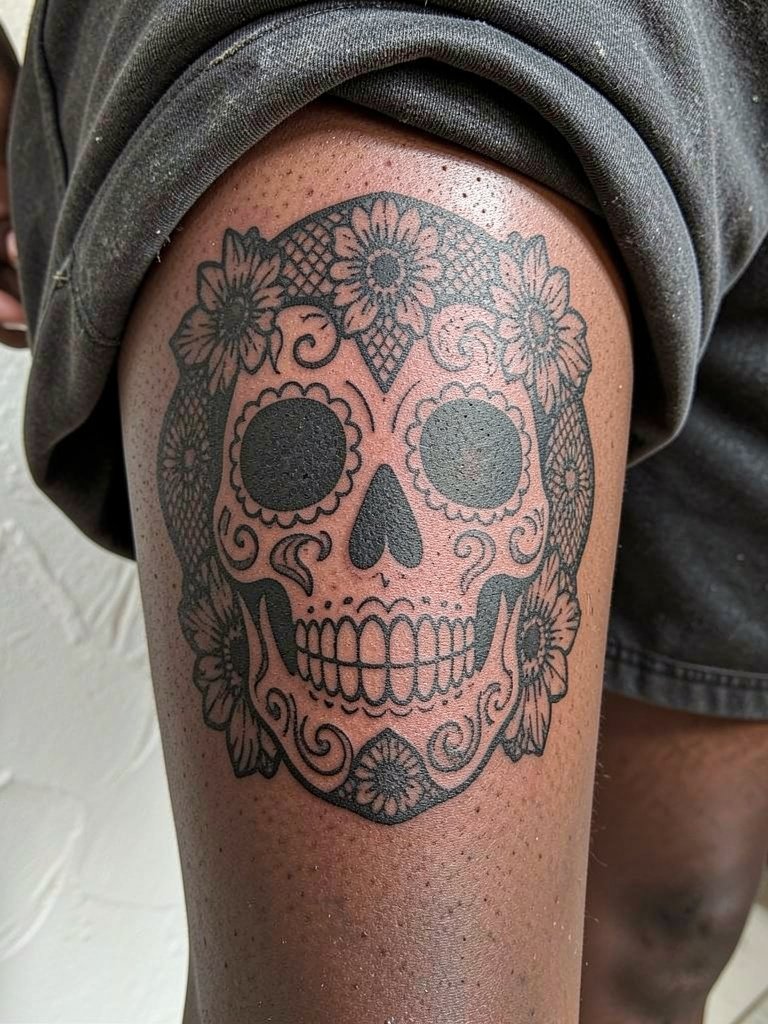
Sugar skulls in blackwork lean on high contrast and negative-pattern lace to feel ornate without color. On the thigh the motifs have room, but keep decorative spaces wide enough to avoid a "muddy" look after two years. Thigh pain is moderate and sessions are comfortable to longer. For display, biker shorts or loose summer shorts work best. During the session choose shorts that the artist can roll up without creating pressure on the area.
19. Minimalist Compass Rose, Wrist or Ankle Blackwork
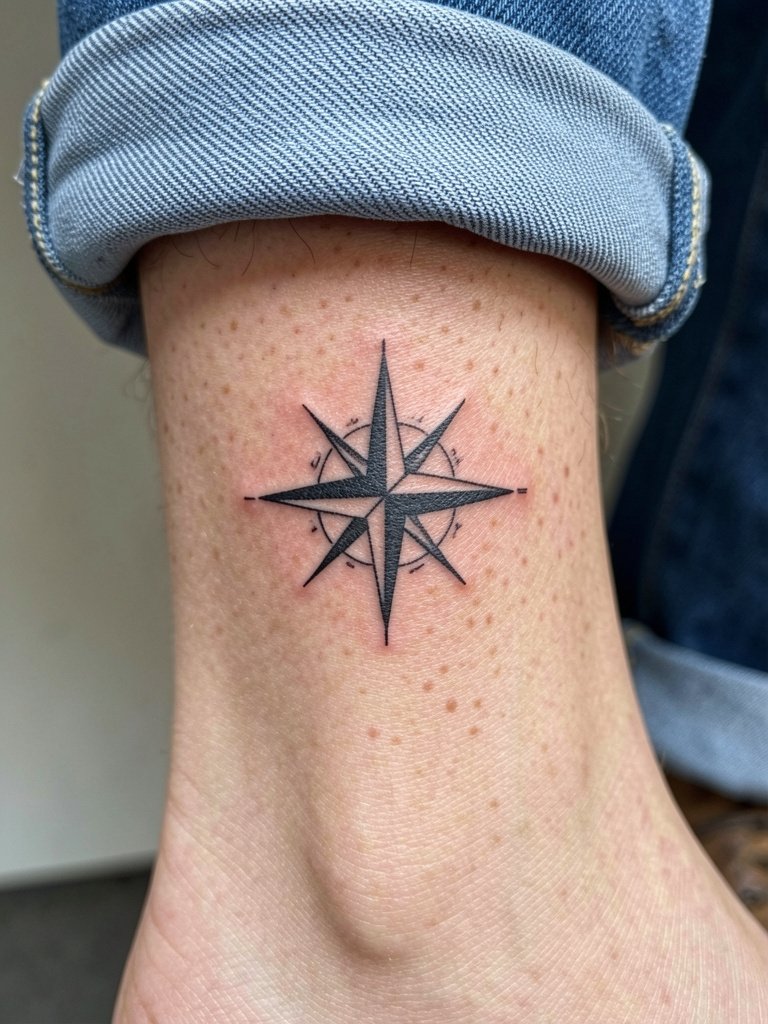
Compass roses need crisp points and a clear center so the geometry holds as the skin moves. On an ankle reduce tiny filigree and favor bold triangles that keep shape. Ankle tattoos face friction from socks and shoes so expect some early fading and a likely touch-up at year one for tiny edges. For display cuff your jeans or wear cropped pants and link to rolled jogger pants for casual looks.
20. Torch and Flame, Bicep Blackwork Emblem
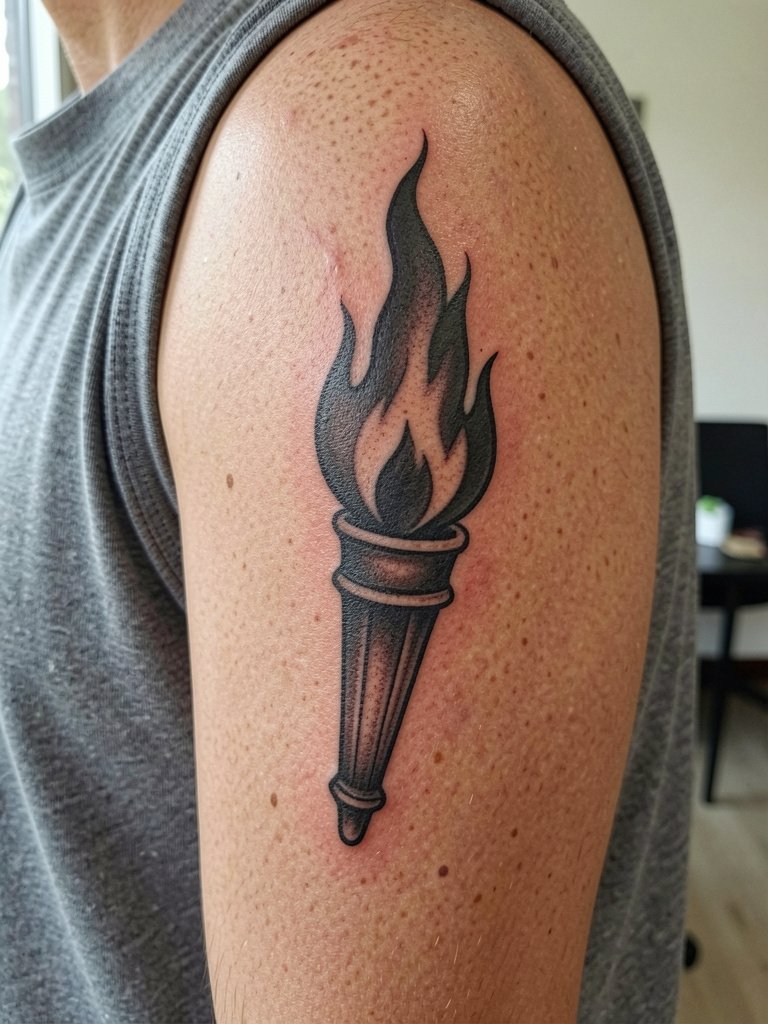
A torch motif reads as an emblem when you emphasize the flame as negative space and the torch head as a single bold block. For bicep placements align the torch vertically so it follows muscle flow when you flex. Avoid tiny filigree on the flame rim that will disappear with movement. Sessions take under two hours and pain is moderate. For wardrobe, a relaxed muscle tee or tank top shows the emblem cleanly.
21. Panther Pounce, Thigh-to-Hip Blackwork Flow
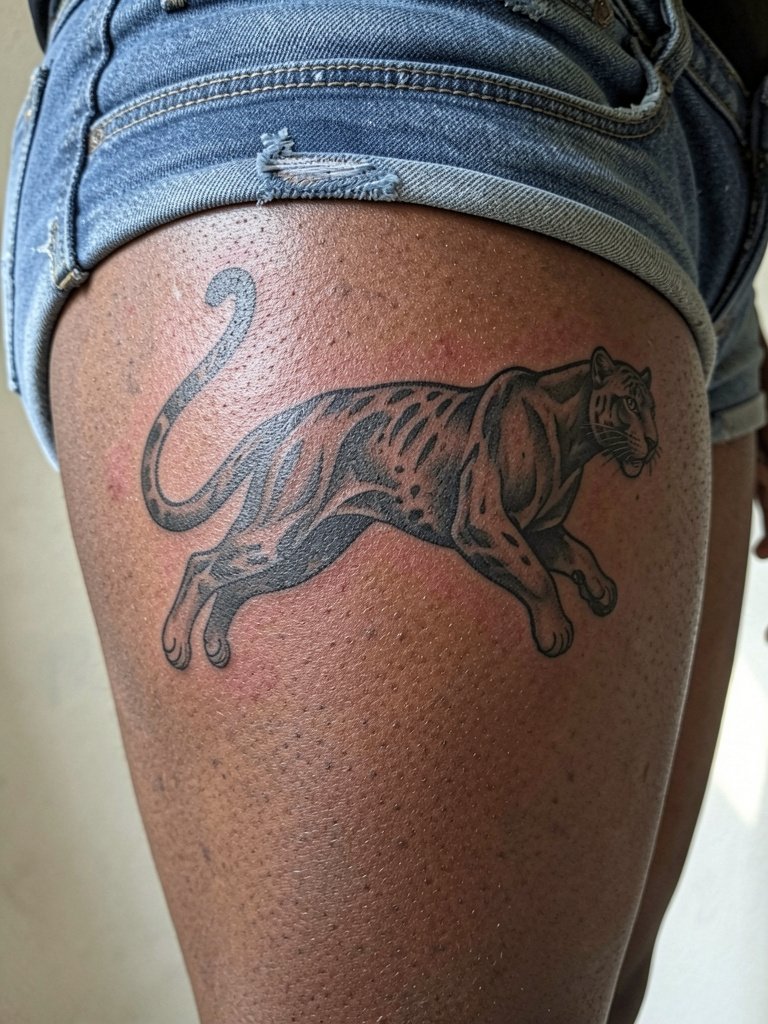
Flowing animal pieces that bridge thigh and hip need composition that accounts for how clothing will sit over the area. Make sure the hip portion avoids the waistband line so nothing is constantly rubbed. Large moving figures take longer sessions and may need touch-ups as edges settle. For show-off styling choose low-rise jeans or shorts that expose the hip area without tugging. When booking, bring outfit examples or photos so the artist can map the flow against real garments.
22. Serpent and Dagger, Upper Arm Blackwork Duo
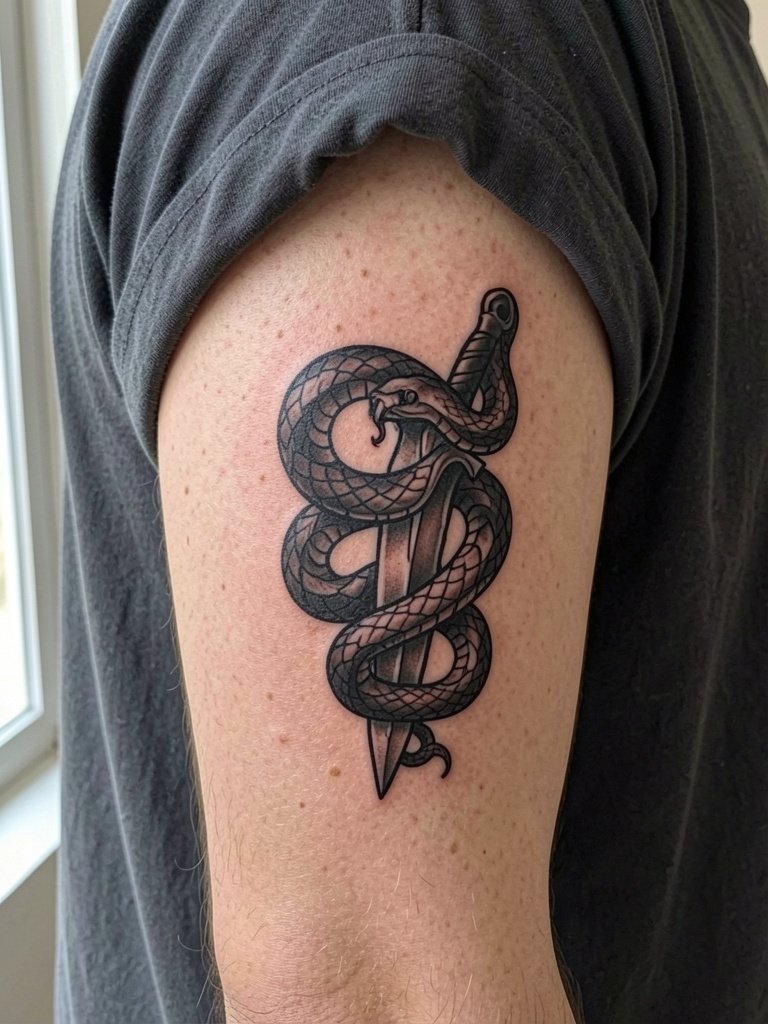
Paired motifs like a serpent and dagger balance when composition is considered as a whole. Discuss where the serpent's head sits relative to bicep tension so it does not disappear when you flex. Upper arm work is forgiving and ages well with bold outlines. Sessions are moderate and often done in one sitting for medium pieces. For display, a high-armhole tank or relaxed boxy tee works well and link to boxy plain t shirt.
23. Anchor with Rope, Ankle Tiny Blackwork
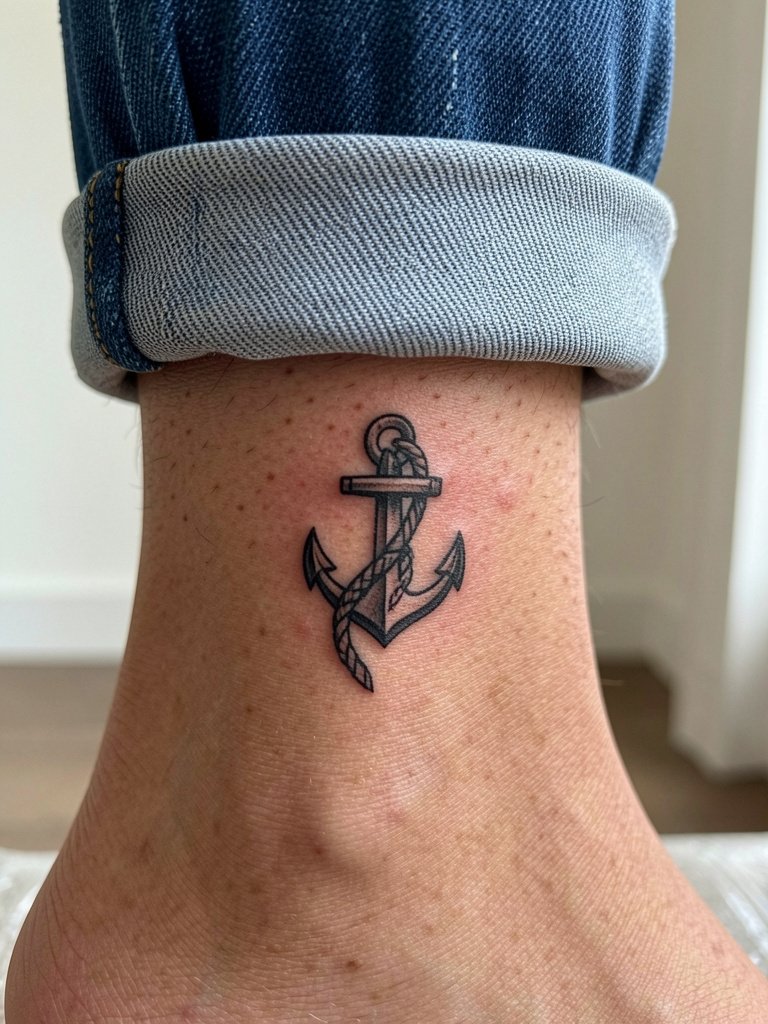
Tiny ankle anchors work but need slightly heavier lines than a wrist micro version to resist blowout. The ankle endures friction from shoes so expect early edge wear and plan a touch-up if needed. Session is short and pain is low to moderate. For show-off styling cuff your pants or wear shorts and link to athletic shorts for casual display.
24. Bannered Skull, Upper Arm Old School Shield
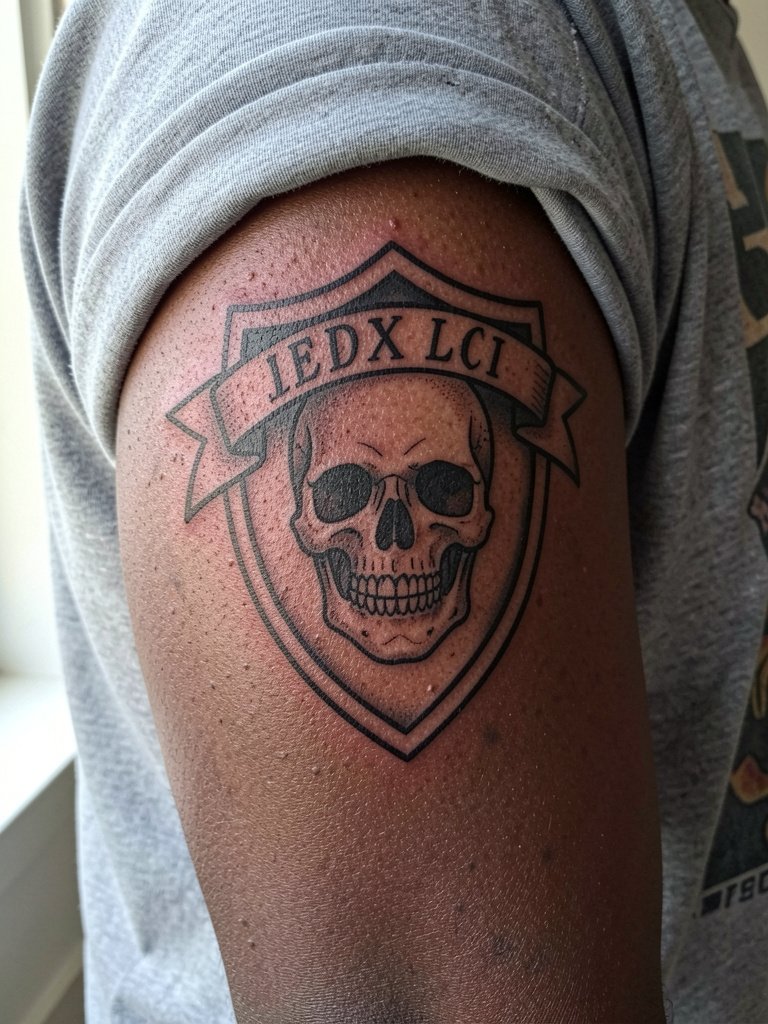
Combining a skull and banner in a shield motif benefits from simplified teeth and a bold banner outline so text remains clear. Upper arm locations tolerate detail well but avoid tiny serif fonts that age into fuzz. Sessions are moderate length and healing is straightforward. For style pair a sleeveless top or a boxy tee and consider sleeveless tank tops for summer display.
25. Small Script, Wrist Inside Lettering
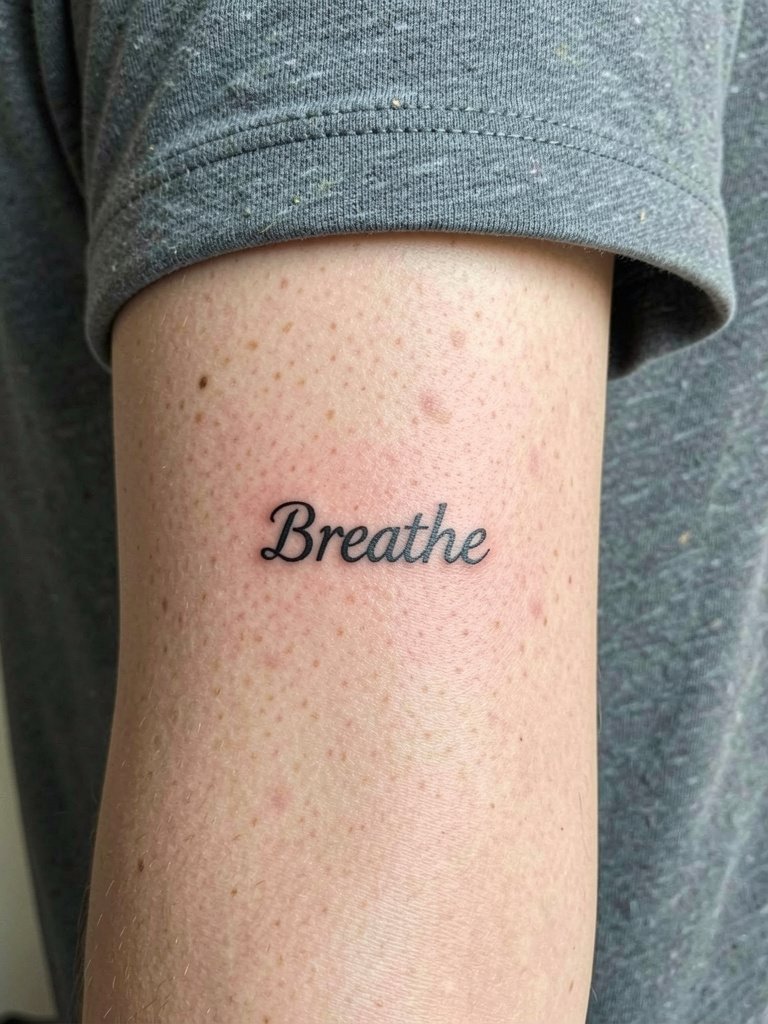
Wrist scripts need exact text specified so the lettering renders correctly and avoids gibberish. Keep stroke weight just a hair heavier than a single-needle to prevent early blurring from wrist motion. Expect a likely small touch-up around the one-year mark because of constant washing and friction. For session comfort remove bracelets and watches from the tattooed wrist and wear short sleeves to the appointment.
26. Geometric Mandala, Shoulder Blade Blackwork
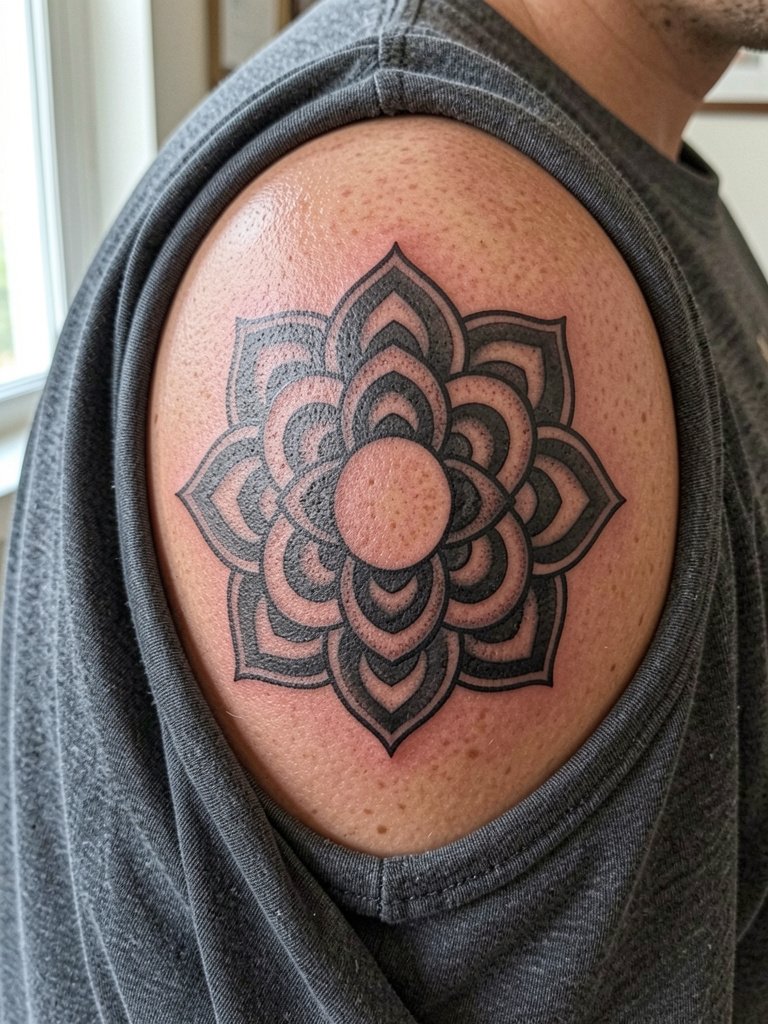
Mandala work must avoid overly fine spokes when placed on the shoulder blade, which moves with posture. Ask for thicker radial lines and more negative space between rings so the pattern remains readable at three and five years. Shoulder blade sessions are moderate and good for single-sit projects up to two hours. For display, wide-neck tops and off-shoulder blouses frame the piece; consider an open-front shirt for casual styling.
27. Blackwork Nautical Sleeve Accent, Forearm Wrap
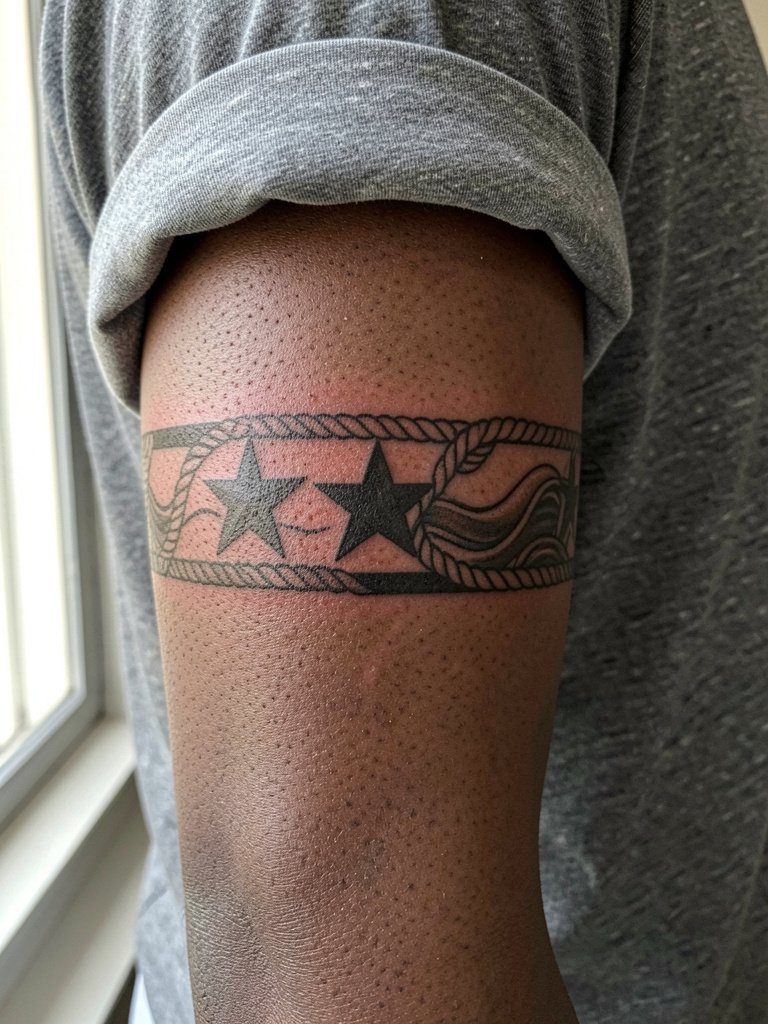
Small forearm wrap accents are a sleeve-friendly way to add old school motifs without committing to full coverage. Keep motifs spaced and outlines bold so adjacent pieces do not merge over time. Forearm skin accepts saturation well and sessions are short for strip pieces. For showing off, cuff sleeves or wear rolled linen shirts. For the appointment wear a loose short sleeve so the artist can roll the cuff without compressing the area.
Frequently Asked Questions
Q: How do I choose between color and blackwork for a traditional motif?
A: Think long-term about contrast. Color stays vibrant early but needs more maintenance and can fade unevenly. Blackwork keeps a high-contrast silhouette and often needs simpler touch-ups. If you want a compromise, ask for black outlines with small solid-black anchors of shadow so the piece reads from afar and still has a painterly pop up close.
Q: Where can I find portfolios and healed-photo examples for these styles without naming artists directly?
A: Search style-specific tags on Instagram and TikTok such as #oldschooltattoo, #traditionaltattoo, #blackworktattoo, and use location filters to find nearby studios. Browse Tattoodo for curated style galleries and visit Reddit threads where people post healed photos and discuss which shops specialize in blackwork. When you review portfolios look for healed shots not only fresh work and compare the same motif at multiple scales.
Q: Are there placements I should avoid if I want blackwork to age cleanly?
A: Areas with frequent friction like the ankle, fingers, and the side of the waist are higher risk for early edge wear. If you choose those spots plan slightly larger motifs, heavier outlines, and accept a likely touch-up around year one. Also avoid tiny micro-detail across joints where movement stretches the skin.
Q: How often do blackwork pieces need touch-ups compared with color traditional tattoos?
A: Black pigment is durable but solid fills can thin in high-friction zones and may need a touch-up within one to three years. Color pieces can show uneven fading and may need targeted re-saturation. The realistic timeline depends on placement, daily wear, and sun exposure. Keep in mind that a single small touch-up is common and not a sign of a bad tattoo.
Q: What should I wear to the appointment for different placements?
A: Choose clothing that gives the artist easy access without tugging the area. For forearm and wrist wear short sleeves or rolled sleeves. For shoulder and chest bring a wide-neck or scoop-neck top that sits naturally. For thigh and calf choose loose shorts or joggers that you can roll up without pressure. Consider packing an extra loose tee to change into after the session.