
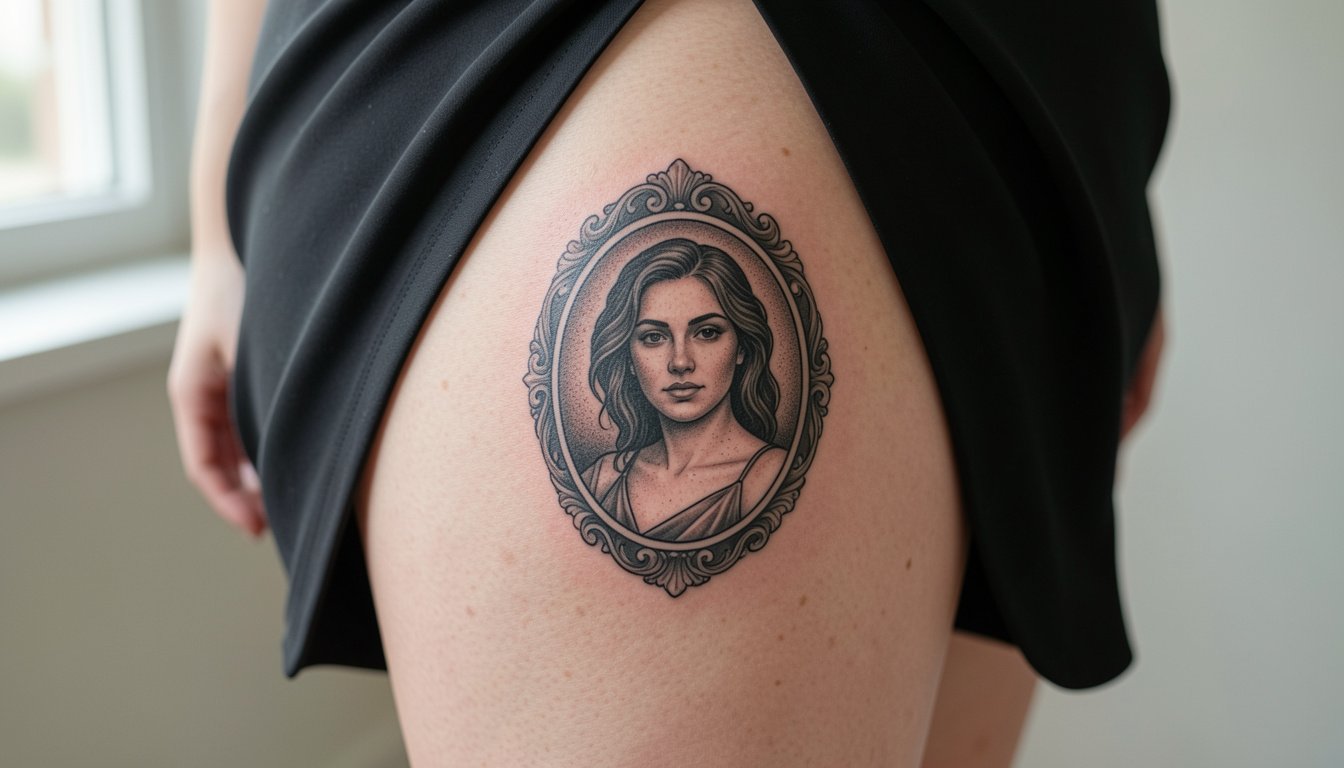
Victorian details read a certain way on skin. Tiny filigree and single-needle lace can look exquisite at first, and then soften into a muddied pattern if they were drawn too small. These picks favor clarity and composition that stay readable, with notes on placement, pain, and how to style the pieces so they work with everyday wardrobes while keeping the mood dark and period-accurate.
1. Victorian Gothic Bat with Vine Framing
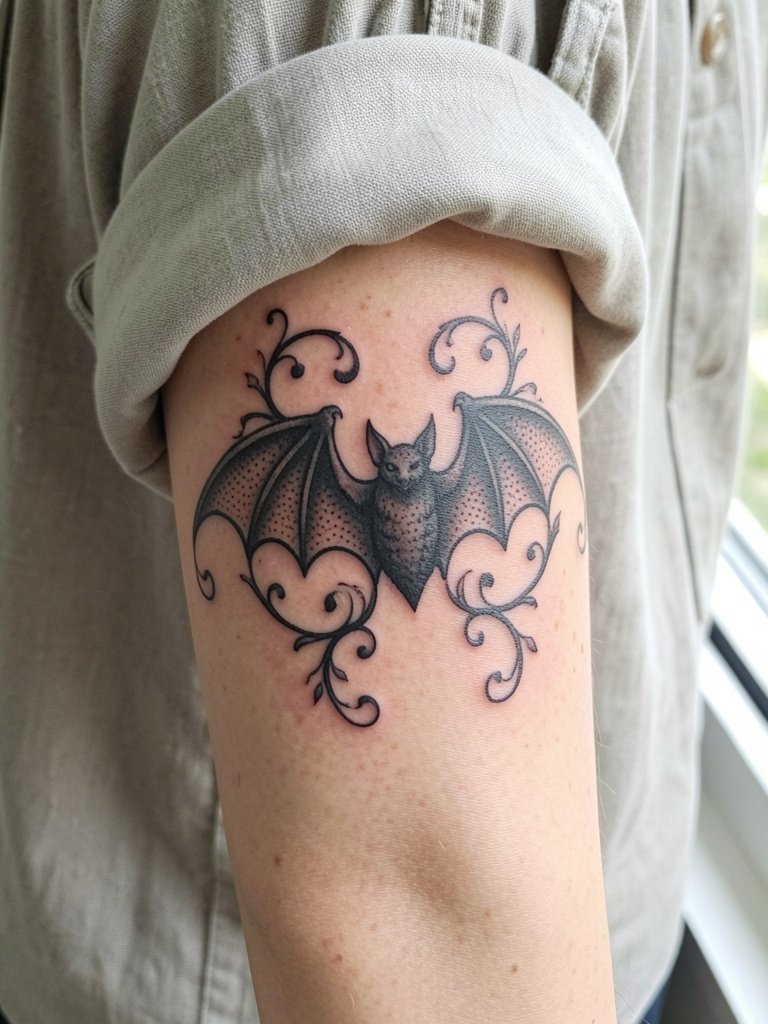
A medium-sized bat works here because the wings give linework room to breathe, and the surrounding vines carry the Victorian ornament without turning the piece into a micro-detail mess. Tell your artist you want strong outlines around the wings and stipple shading inside the membrane so the bat keeps shape as it heals. Common mistake is shrinking the vine scrolls until they become a single dark blob. Expect a one-session piece for a modest size, moderate pain on the outer forearm, and a touch-up possible around year two if you want the dot work re-crisped. For evenings out pair this with a rolled sleeve blouse to show off the art.
2. Ornate Victorian Lamp on Upper Arm
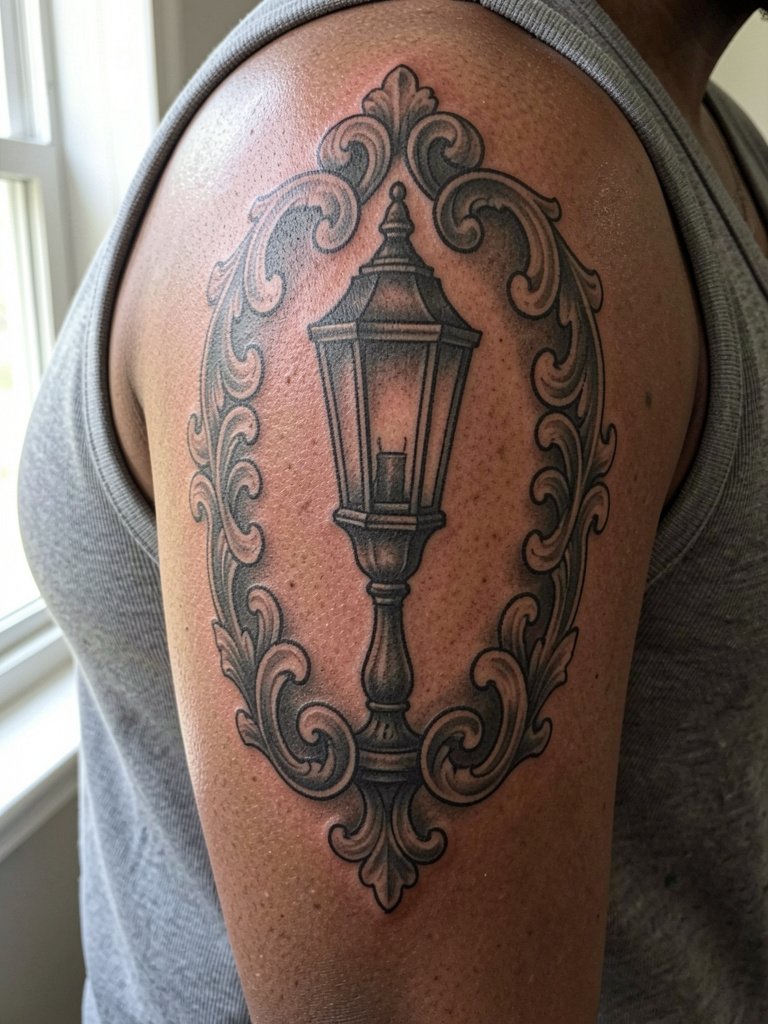
This is a better sleeve anchor than a scattered lamp across a small area. The lamp reads architectural, so aim for crisp negative space and clear separations between the scrolls and the lamp body. On the consult bring a photo that shows scale and spacing at three inches and five inches so the artist can lay out the frames correctly. The outer upper arm tolerates heavier shading, and the session usually runs longer because of the detailing. For daily wear try an off shoulder blouse to let the lamp peek out without committing to a full sleeve reveal.
3. Black Bat with Dotwork Wing Texture on Calf
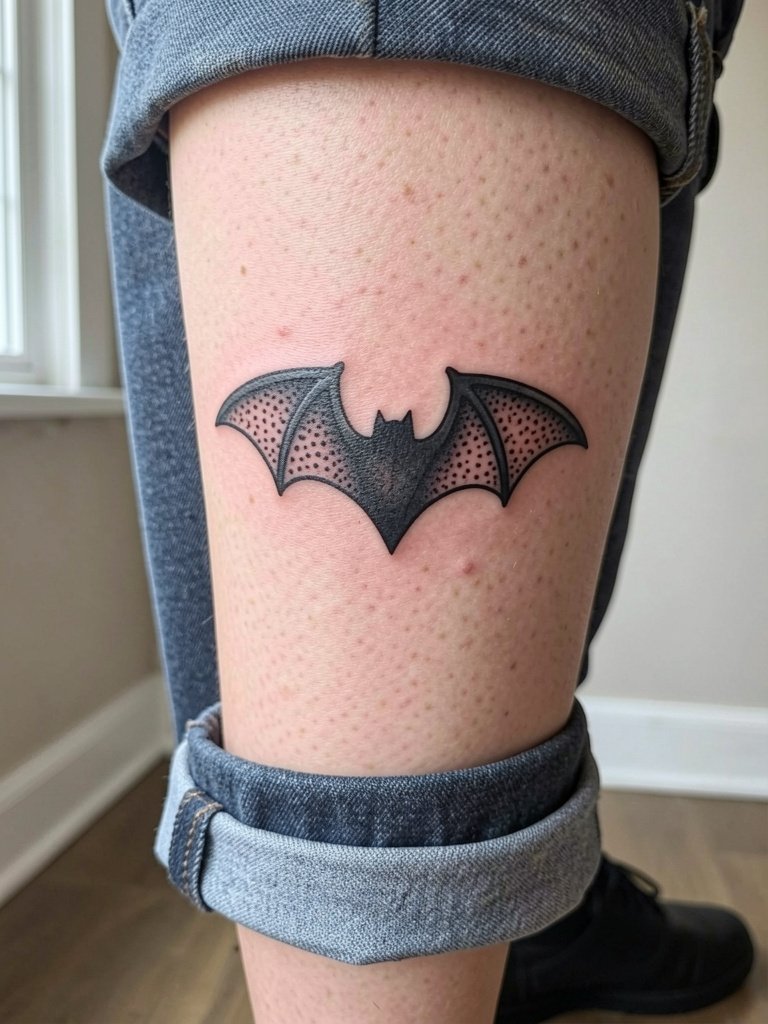
The calf is forgiving for compact blackwork because it avoids constant friction from clothing and shoes. Ask for heavier wing outlines and graduated dot shading so the piece keeps silhouette contrast over years. A common error is overfilling the wings with tiny curls that flatten in time. Pain is usually low to moderate, and most of these sit comfortably in a single session. Pair with midi skirts with a slit when you want the calf visible with a Victorian vibe.
4. Cameo Portrait with Ornate Frame on Inner Forearm
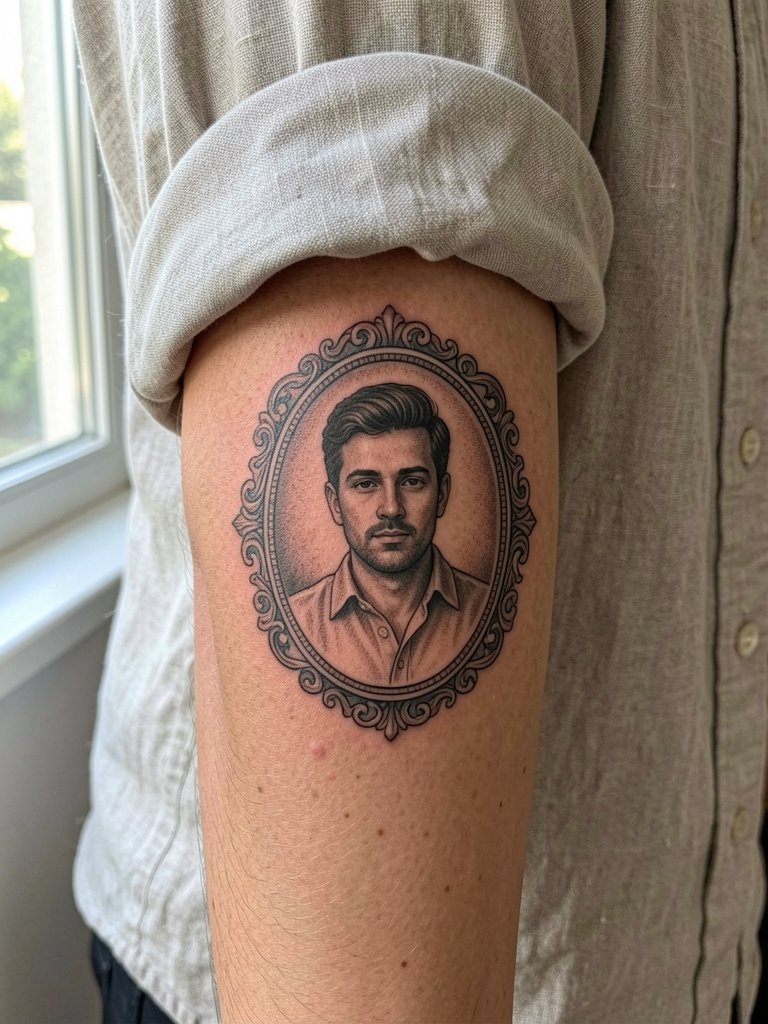
Cameos read classic but they can fall into the fine-line controversy. One camp argues the truly delicate single-needle cameo best captures Victorian elegance. The other camp says slightly bolder linework and wider spacing are necessary for cameo frames to stay readable after a few years. Bring two scale references so the artist can show how the face and the frame read at a three-inch and a five-inch diameter. Inner forearm is a visible spot, and it will show healed detail well if the artist leaves breathing room in the filigree. For showing it off, try a linen button down with rolled sleeves.
5. Vintage Key with Filigree on Wrist
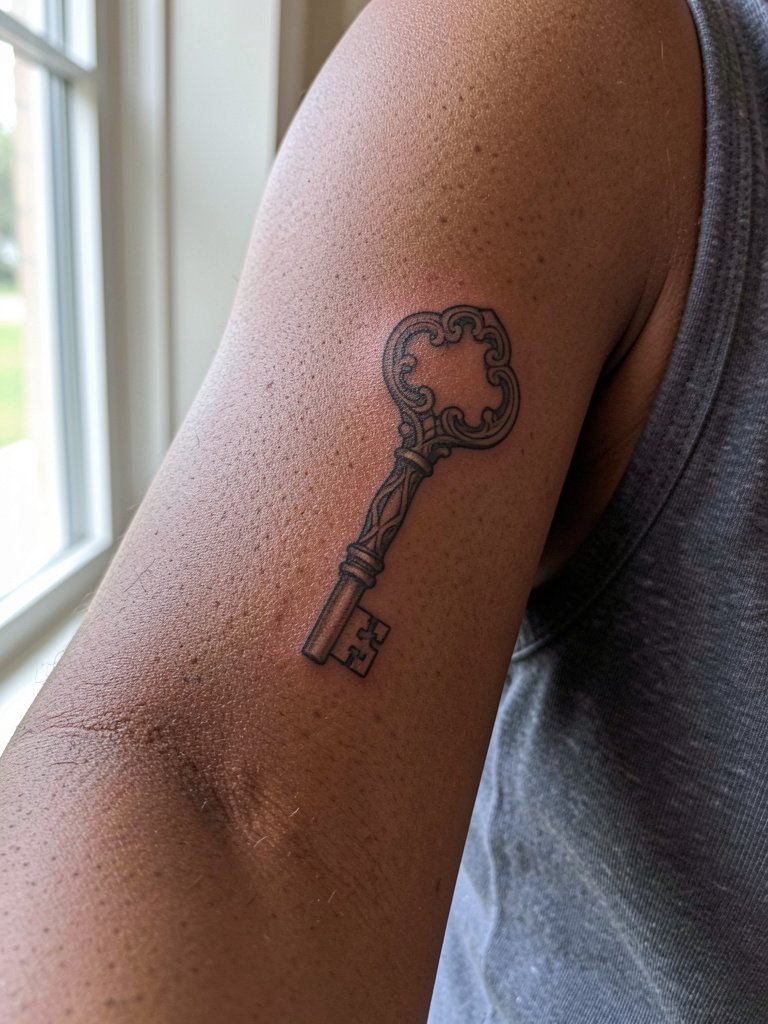
Wrist tattoos face daily friction and frequent washing, so increase the line weight a hair from your reference image. Specify that the key should have defined negative space inside the bow so it does not merge into a dark spot. The biggest mistake is trying to cram extra filigree into a tiny area. Expect light to moderate pain on the inner wrist and plan for a touch-up after the first year if the thin sections soften. Keep jewelry minimal on the tattooed side during healing and wear an open cuff blouse when you want the wrist visible.
6. Victorian Rose Cluster with Lace Accents on Ribcage
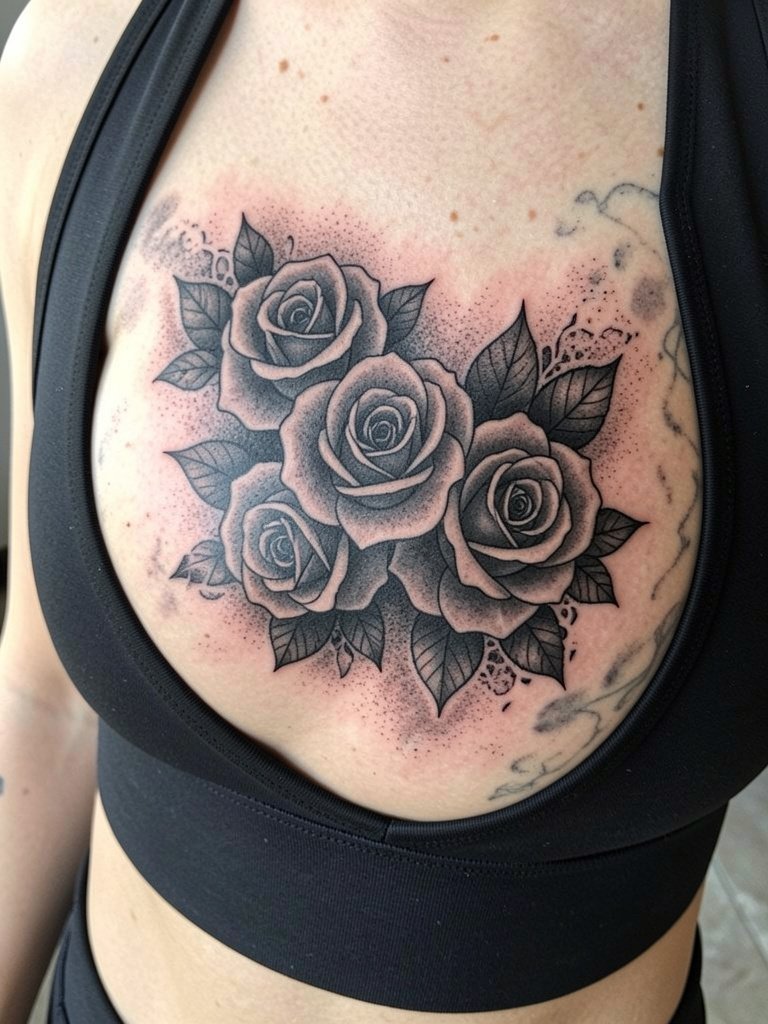
Ribcage roses can be gorgeous and they also expose the line-weight debate. One camp believes black-and-gray keeps the Victorian gravity and ages more predictably. The other camp supports muted burgundy or sepia tones to bring period color back into florals. Decide whether you want the look to read as black-and-white jewelry or as an antique painting. Rib sessions are painful for most people, and the area moves with breathing so discuss spacing for the lace elements specifically. Session time runs longer because of shading. For showing the piece, high-waisted bottoms and a cropped top make the ribs peek through without being obvious.
Pre-Session Essentials
The wrist, forearm, and ribcage pieces above have different healing needs. These small items make the first week easier and reduce the chance of irritation.
- Fragrance free gentle body wash. A mild cleanser helps avoid irritation on delicate lace lines and stipple shading during showers.
- Thin protective film roll. Useful for small wrist and ankle work when daily tasks rub the area.
- Hydrating, non-comedogenic moisturizer. Locks in moisture without heavy residue that can trap debris in open needle channels.
- Second-skin bandage sheets. Helpful when the artist recommends an occlusive cover for the first 24 to 48 hours on detailed blackwork.
- Aquaphor healing ointment. A thin layer for the initial days prevents excessive dryness on fine filigree while allowing the skin to breathe.
7. Mourning Jewelry Pendant on Inner Forearm
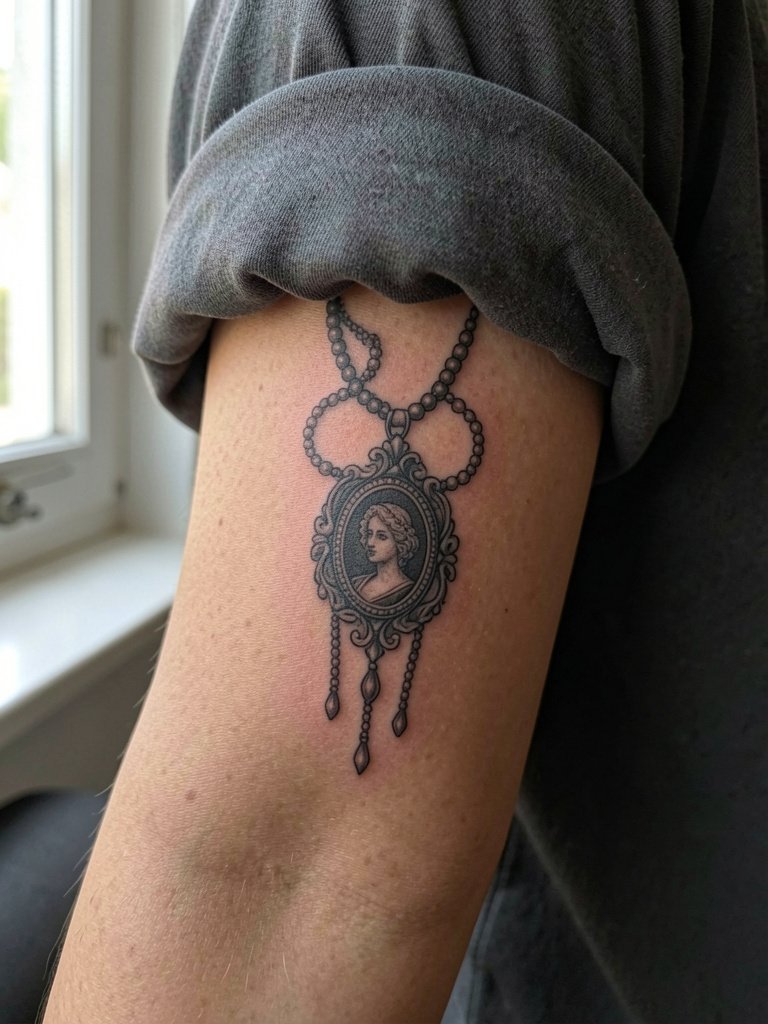
Mourning pendants read period-authentic when the chain layout follows the forearm line. Ask the artist to space the beads so the chain still looks delicate after a year. A common error is making the pendant too tiny and then losing cameo detail. Inner forearm pain is moderate and healing shows contrast well. Wear a linen button down with rolled sleeves to style the pendant during casual outings.
8. Ornamental Half Sleeve with Scrolls and Frame Motifs
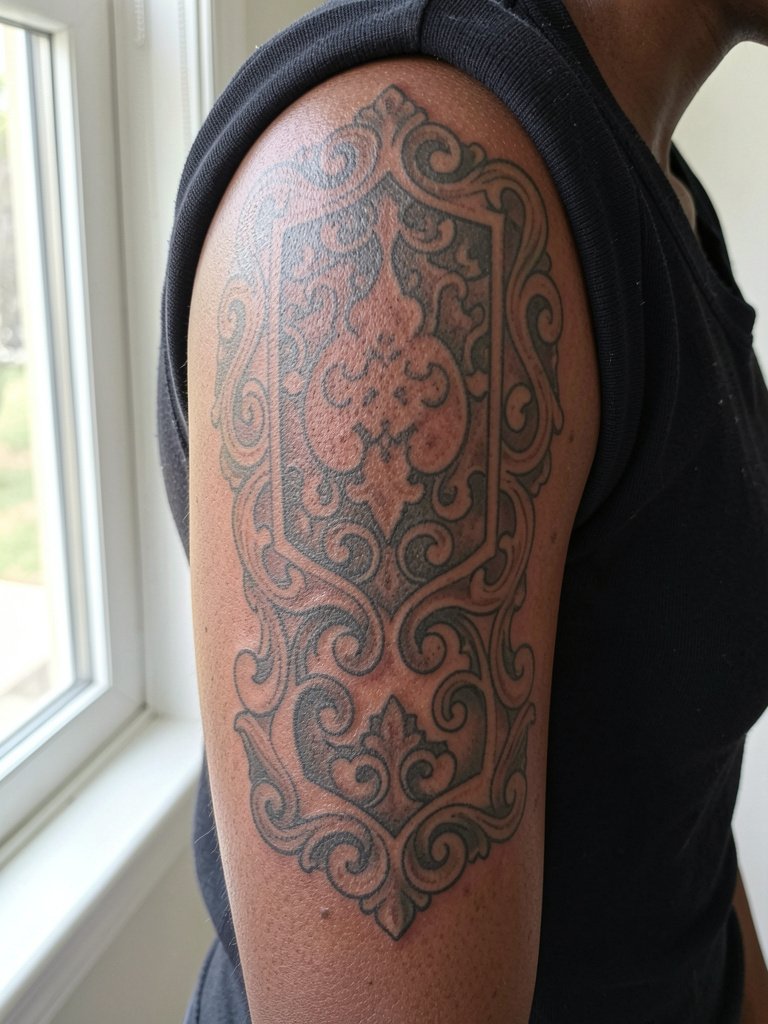
Half sleeves need composition planning so later additions slot into place. Bring reference images that show how the scrolls should repeat along muscle curves. The typical mistake is packing too much micro detail into a small band. Expect multiple sessions and heavier shading work. Outer upper arm sessions are tolerable for most people. For wardrobe, sleeveless tanks and structured vests work with this layout.
9. Gothic Cross with Victorian Framing on Sternum
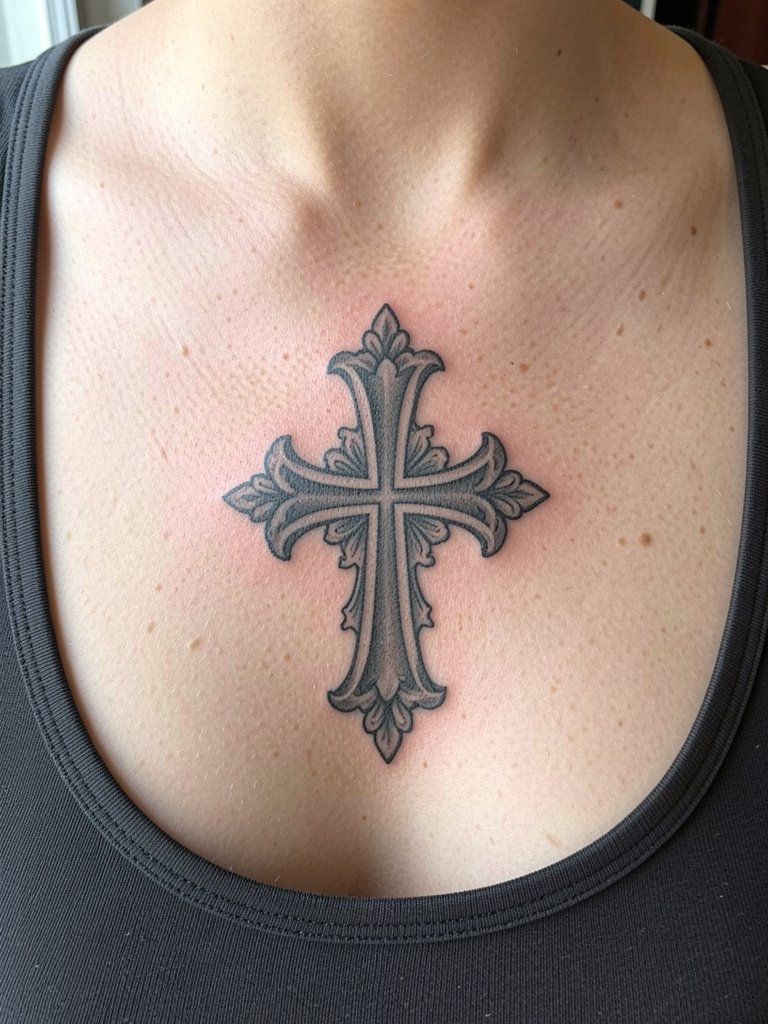
Sternum pieces demand symmetry and confident linework. Request a printed stencil and a mirrored layout check before the first needle. People sometimes ask for absurdly tight ornamental margins that will blur against the sternum crease. Pain can be high in this area. A two-session approach, one for outline and one for shading, reduces trauma and gives the artist time to refine the frame. Try a scoop neck top to show the piece directly under the collarbones.
10. Lace Cuff Around the Wrist
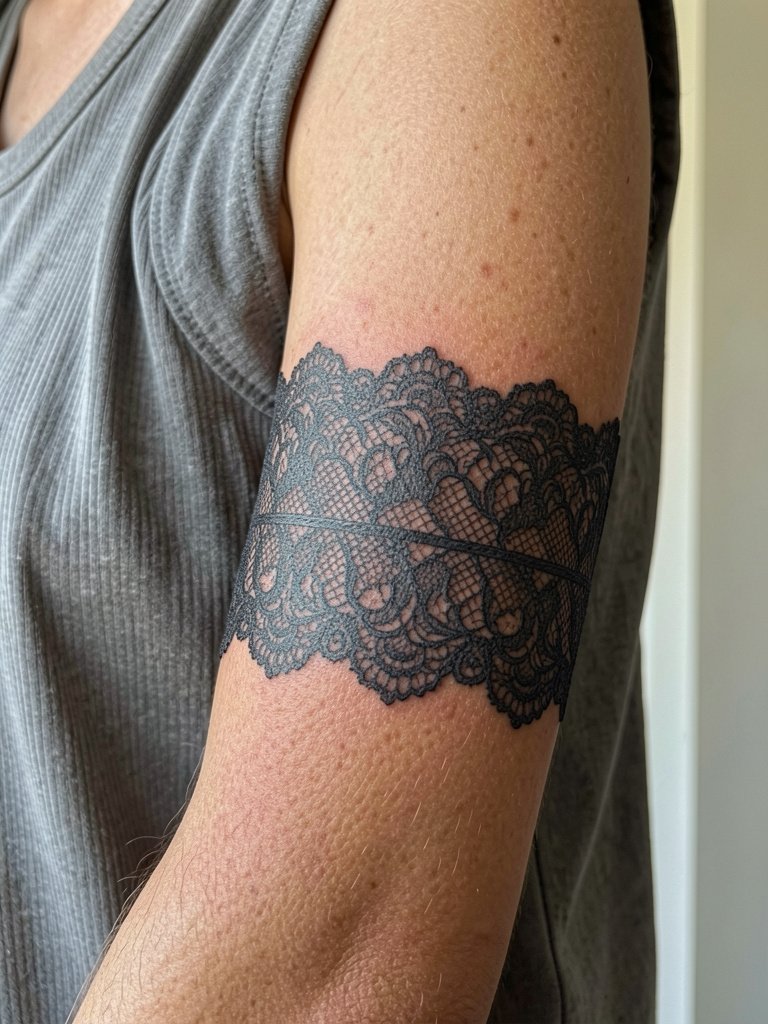
Lace cuffs look best when artists expand line weight just enough so the pattern keeps clarity. One group of artists insists on single-needle lace to match authentic fabric motifs. Another group argues for bolder anchor lines so the cuff reads after two or three years. Name which outcome you prefer and show healed examples at similar scale on similar skin tone. Cuffs sit near the wrist bone, so expect light pain and a likely touch-up once the piece settles. Keep watches off the tattooed side while healing.
11. Ornamental Mirror or Hand Mirror on Outer Forearm
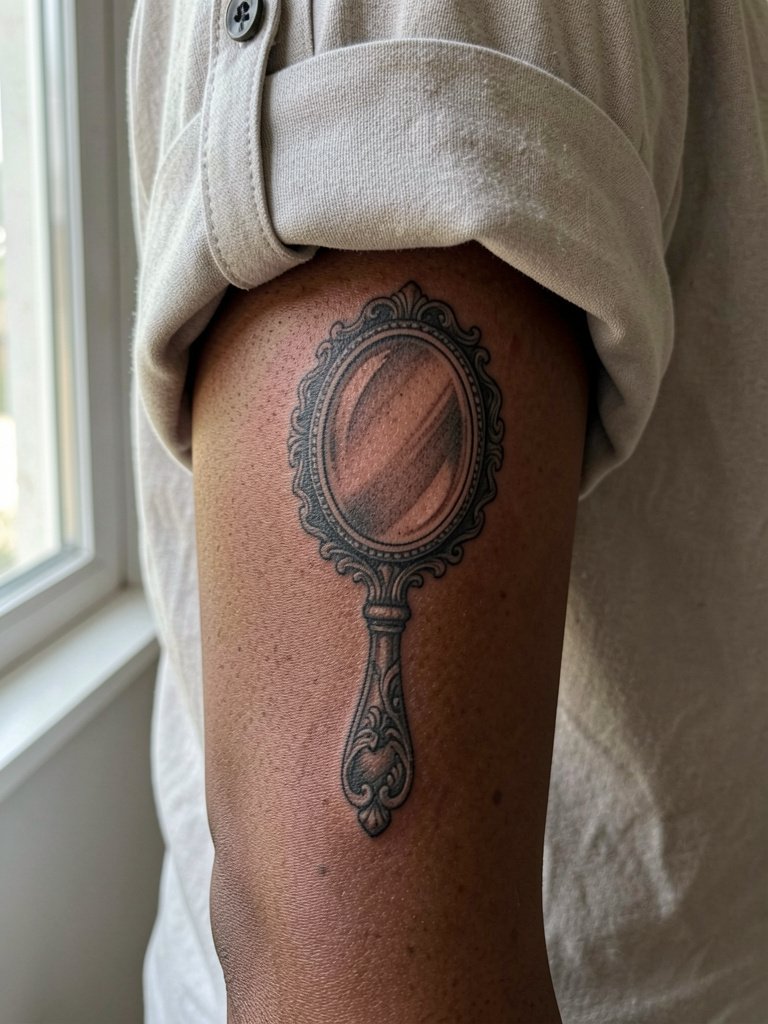
Mirrors read well when the frame gets visual weight and the reflective area is rendered with stipple rather than flat grey. A mistake is filling the mirror with dense micro-detail that disappears after healing. Outer forearm sessions are comfortable and the piece shows clearly over time. For styling try cropped jackets or rolled sleeve blouses that let the mirror be visible without exposing the whole arm.
12. Thigh Portrait with Filigree
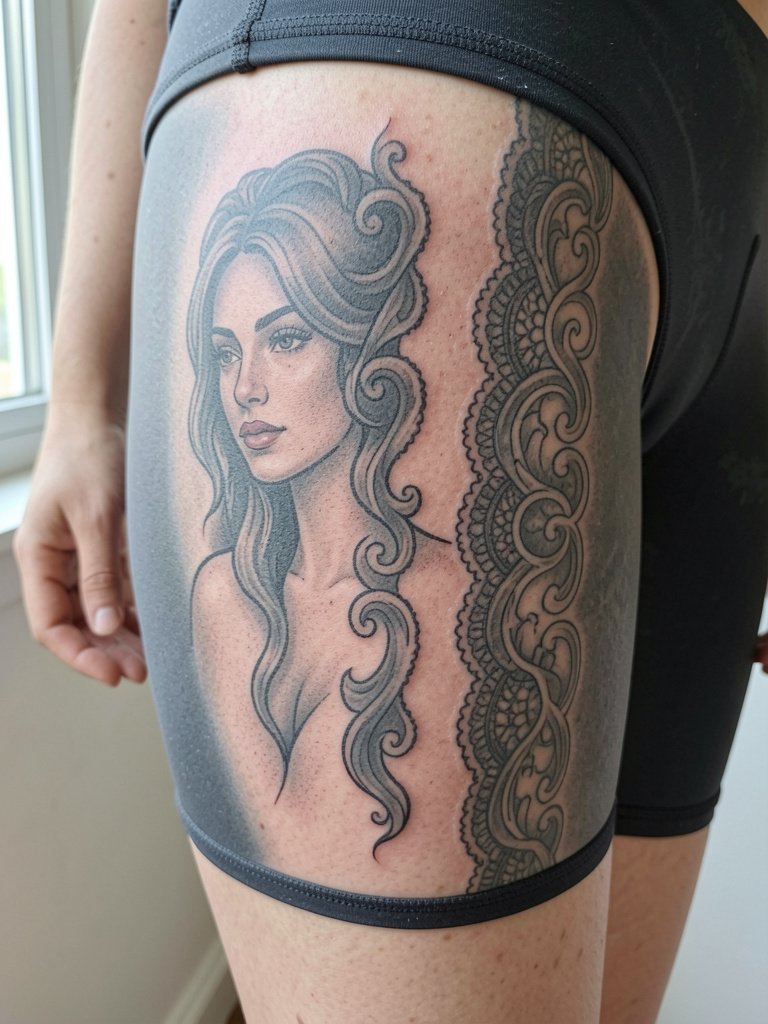
Outer thigh lets you choose scale and detail freely because the skin there is stable. If you want color, muted burgundy will hold period charm without the punchiness of modern reds. The debate about black-and-gray versus muted color matters here. One camp prefers black-and-gray for predictable longevity. The other camp wants antique tones to enhance realism and period feeling. Decide whether you prefer a monochrome jewel or an antique wash, and bring references that show color in healed photos. Thigh sessions can be multiple hours with low to moderate pain. Wear bike shorts for the appointment so the artist has clear access without fabric pulling.
13. Gothic Floral Sleeve with Dark Roses and Bold Vines
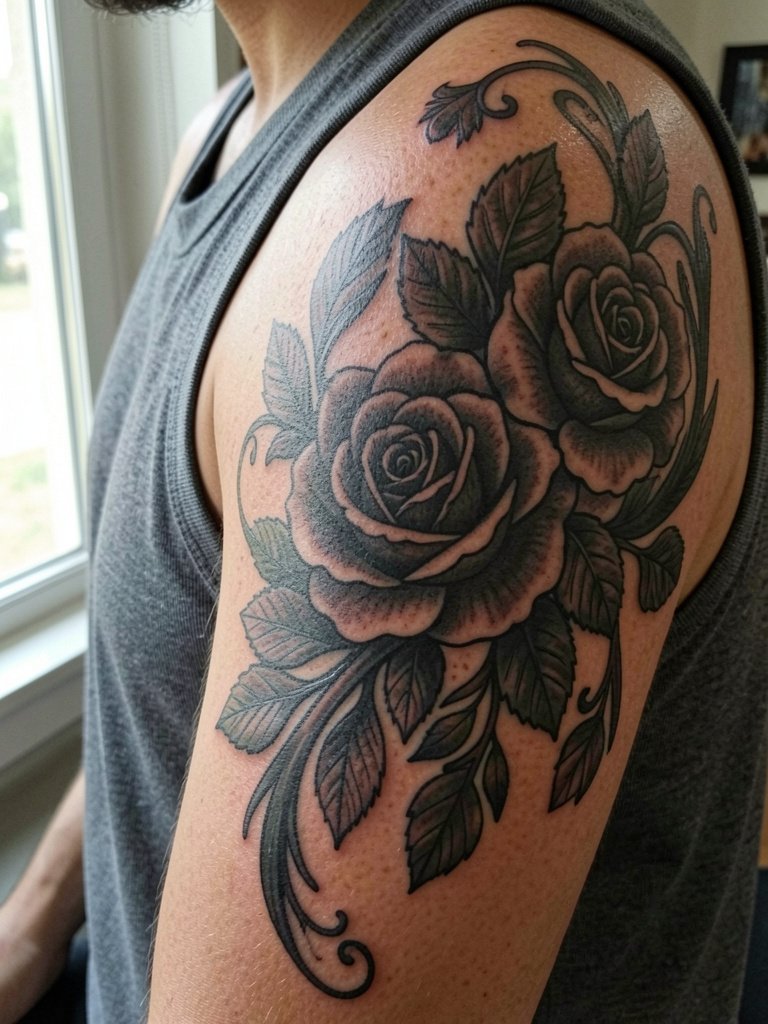
Gothic florals read stronger when roses have core contrast and the vines create flow rather than competing with petals. A common misstep is over-detailing every leaf. For sleeve work plan broad darks first and add mid-tones later so the composition remains legible. Expect multiple sessions and a realistic touch-up window around year three, depending on sun exposure. Pair with sleeveless tops or structured vests to show off the arm.
14. Small Cameo on Lateral Hip
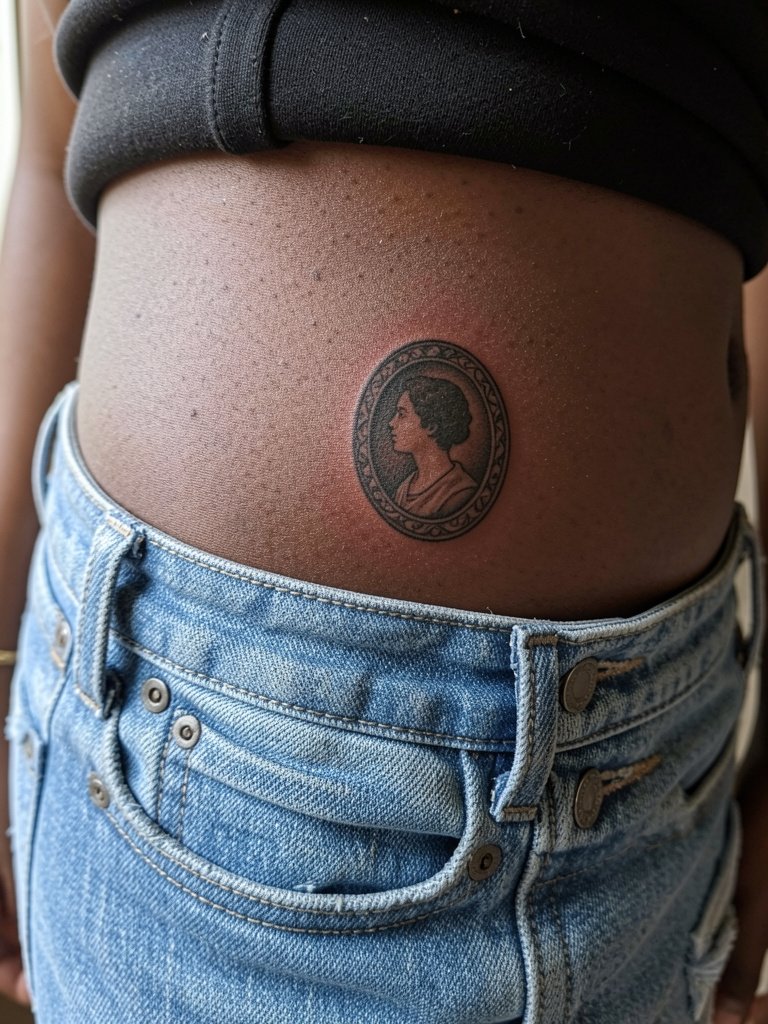
Hip cameos are intimate and work well as surprise pieces. Keep the frame simple because the waistband can rub edges during healing. The error here is centering too close to the waistband; move the design a finger width higher so normal movement and clothing do not disturb the scab. Healing can be slower if clothing constantly grazes the area, so pick low-rise jeans that sit naturally below the tattoo for the first two weeks. For show-off styling a high slit skirt reveals the cameo deliberately.
15. Vintage Key and Rose Pairing on Inner Forearm
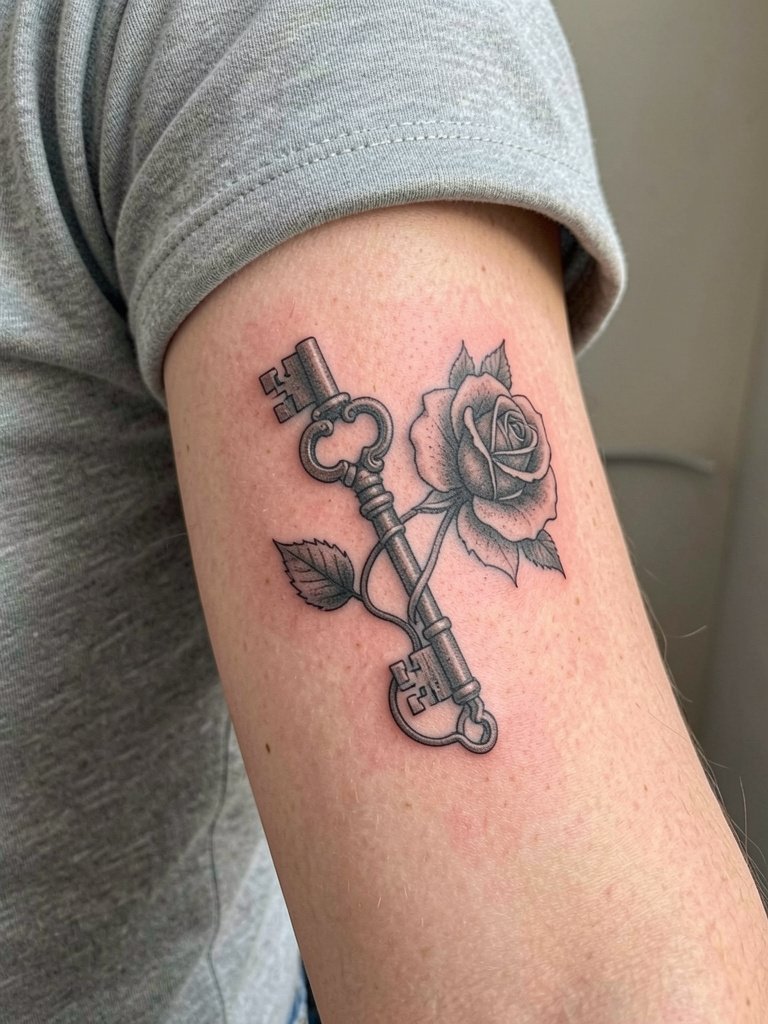
This pairing balances softness and gravity. Request the key be drawn at a slightly larger scale than your thumbnail reference so the tooth detail does not compress. A frequent mistake is making both elements tiny and then layering the rose petals over the key where they both lose definition. Inner forearm pain is moderate and the piece tends to photograph well once healed. Style with stacked rings and rolled linen sleeves for a subtle Victorian edge.
16. Ornamental Mirror on Outer Thigh
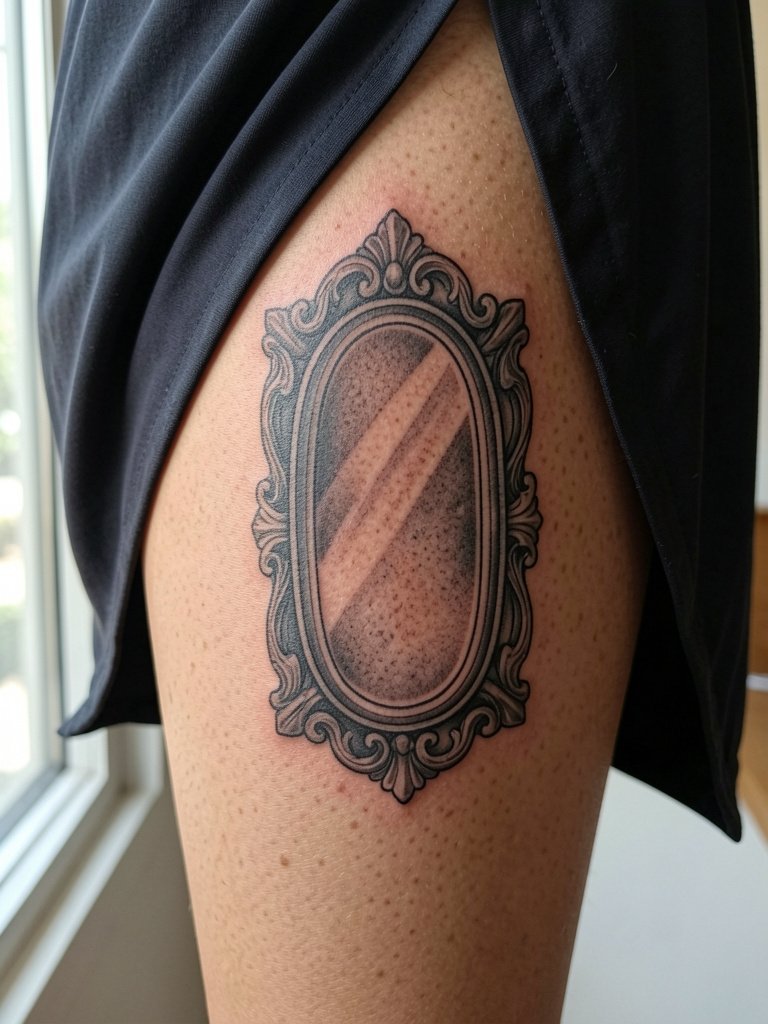
Thigh mirrors can be scaled to make a strong statement without crowding. Ask for frame anchors where the artist can later add small tokens or nameplates. Distortions from sitting are minimal on the outer thigh, and sessions are usually comfortable. For wardrobe, slip dresses expose the upper thigh while keeping the overall look understated.
17. Gothic Chain and Locket on Collarbone
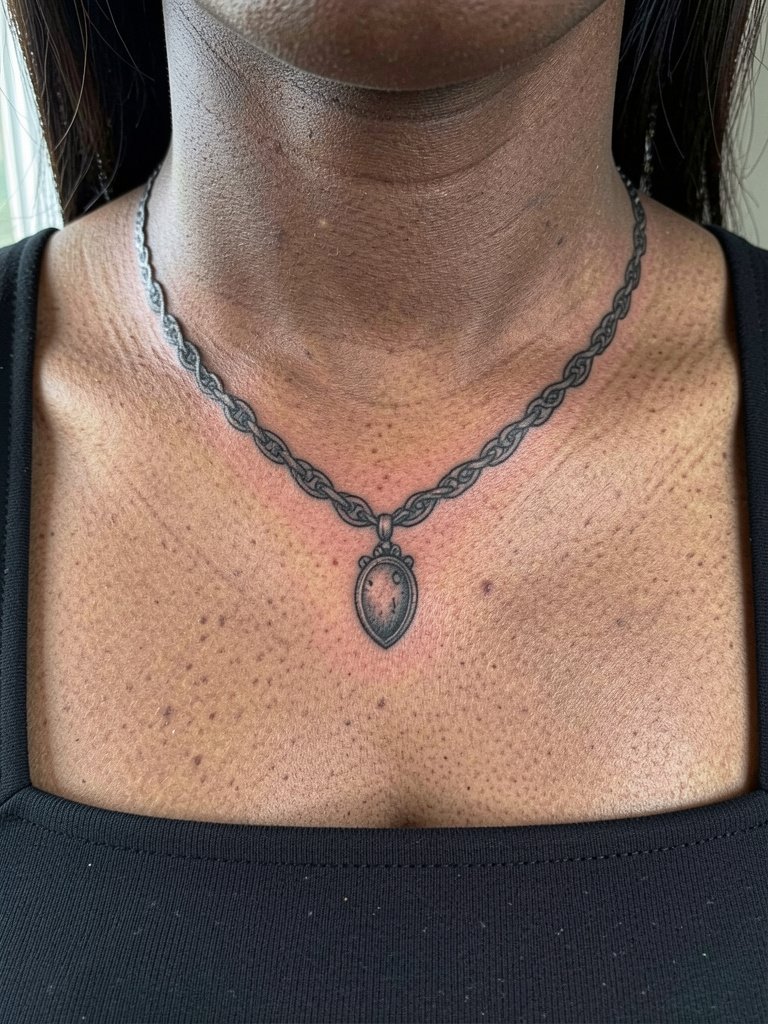
Collarbone lockets read like jewelry when the chain follows the bone line. A mistake is placing the pendant too low where the skin flexes more. For this area ask for slightly heavier main chain links while keeping filler beads lighter. Pain is moderate due to thin skin over the clavicle. Layer with layered necklace sets to mirror the tattoo when you want a cohesive look.
18. Small Gothic Bat on Ankle
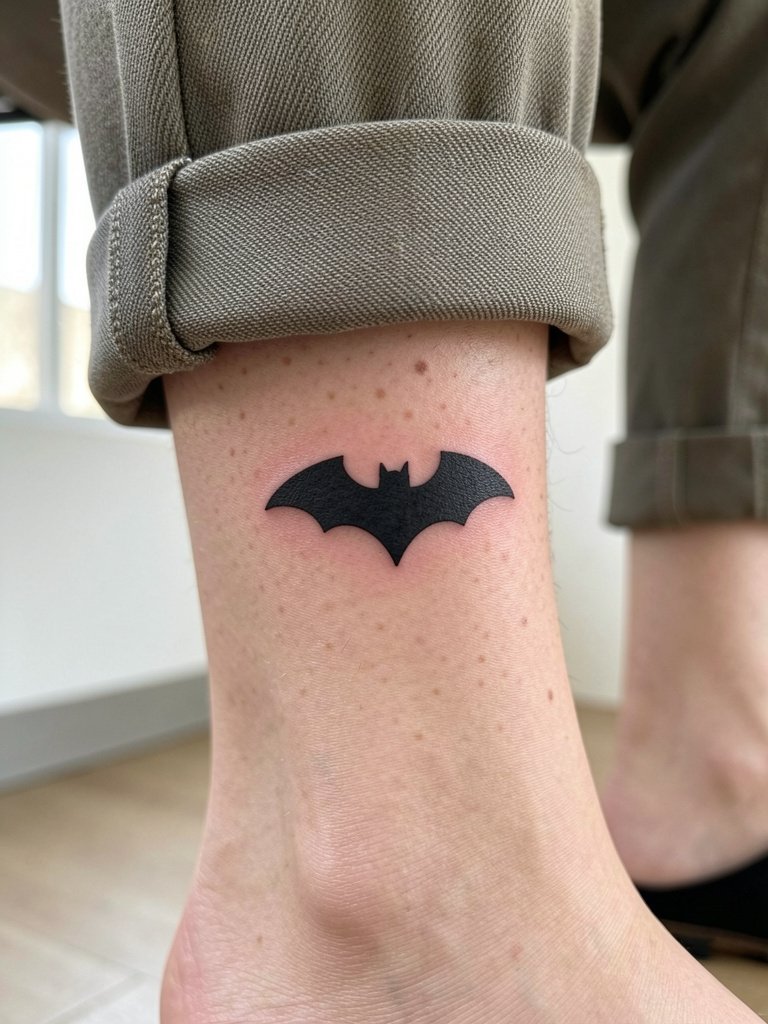
Ankle tattoos face shoe and sock friction, so a solid silhouette keeps the bat clear. Avoid tiny inner details that will break down quickly. Pain on the ankle is often moderate. For seasons when you want the bat visible, choose strappy sandals to show the placement.
19. Victorian Script with Narrow Ornate Bracket on Rib
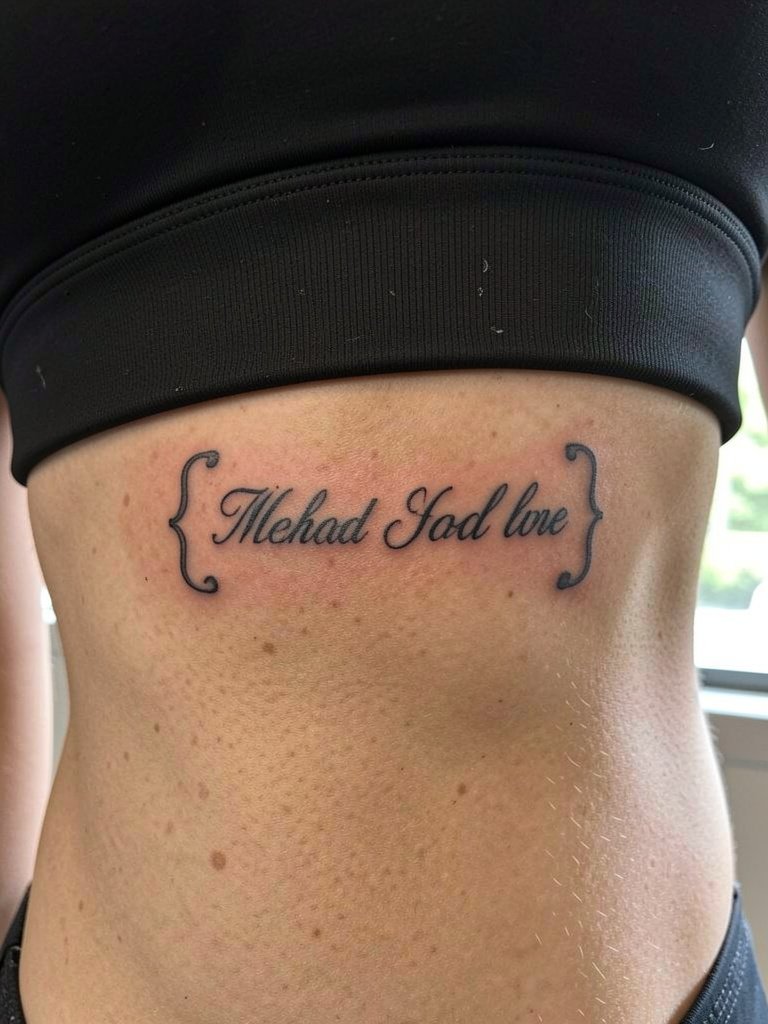
Vertical script on the ribs needs spacing and slightly bolder letterforms than the Pinterest sample you love. A common regret is choosing flourished lettering that becomes illegible on moving skin. Plan for a two-pass approach where the artist sets the script and then refines the thin serifs after the first healing. Numbing options and breaks during the session help with the higher pain level. For dress-up moments a long pendant necklace pairs well.
20. Baroque Frame with Empty Oval on Sternum
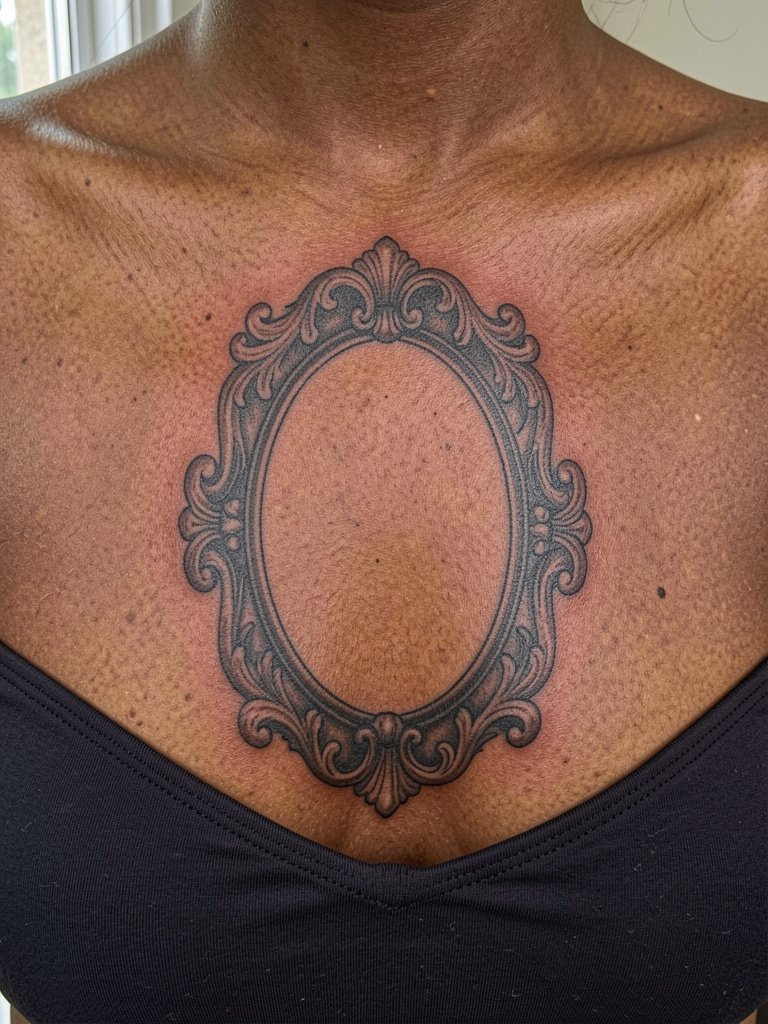
An empty oval gives you the option to add a small portrait later without redrawing the frame. The risk is over-ornamenting the frame so the center looks crowded. Request clear margins and ask the artist to show negative space tests on the stencil. Sternum work is high on the pain scale and benefits from staged sessions. For styling, low-cut tops and bandeaus showcase the frame cleanly.
21. Lace-Edged Rose Sprig on Ankle
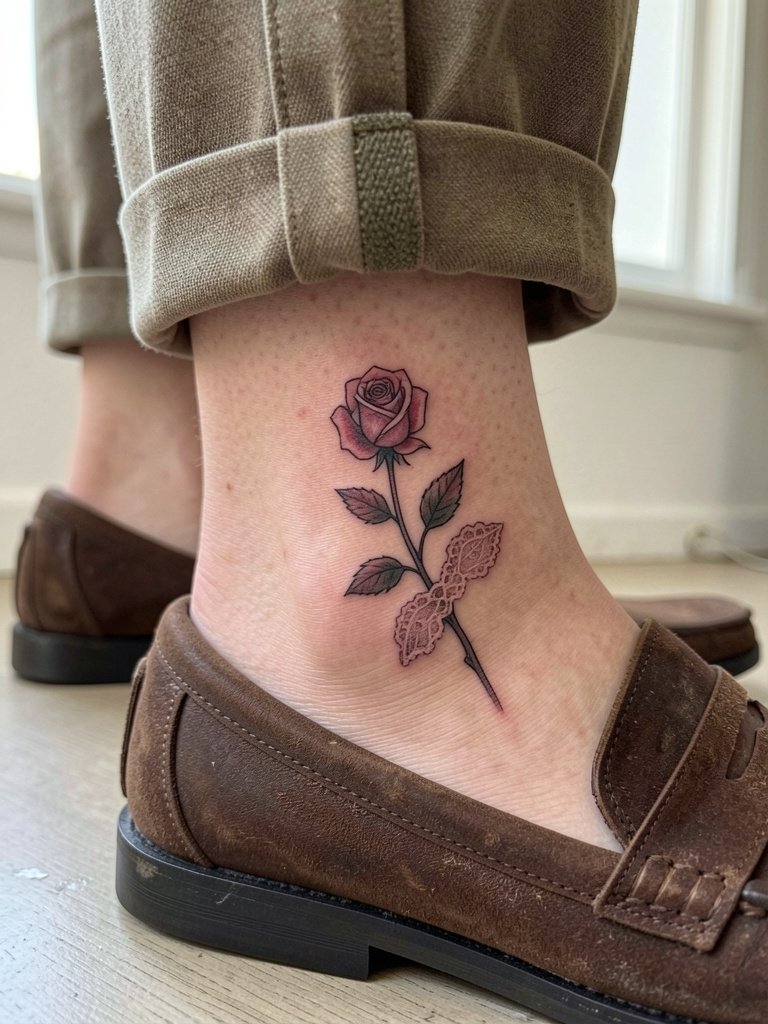
For ankle florals the stem should be open and readable with deliberate breaks in the lace edge. Tiny thorns and micro leaves vanish quickly, so avoid them. Healing is straightforward if you keep socks off the area for the first few days. Pair with low profile loafers when you want the ankle visible.
22. Gothic Frame with Mini Portrait on Lateral Arm
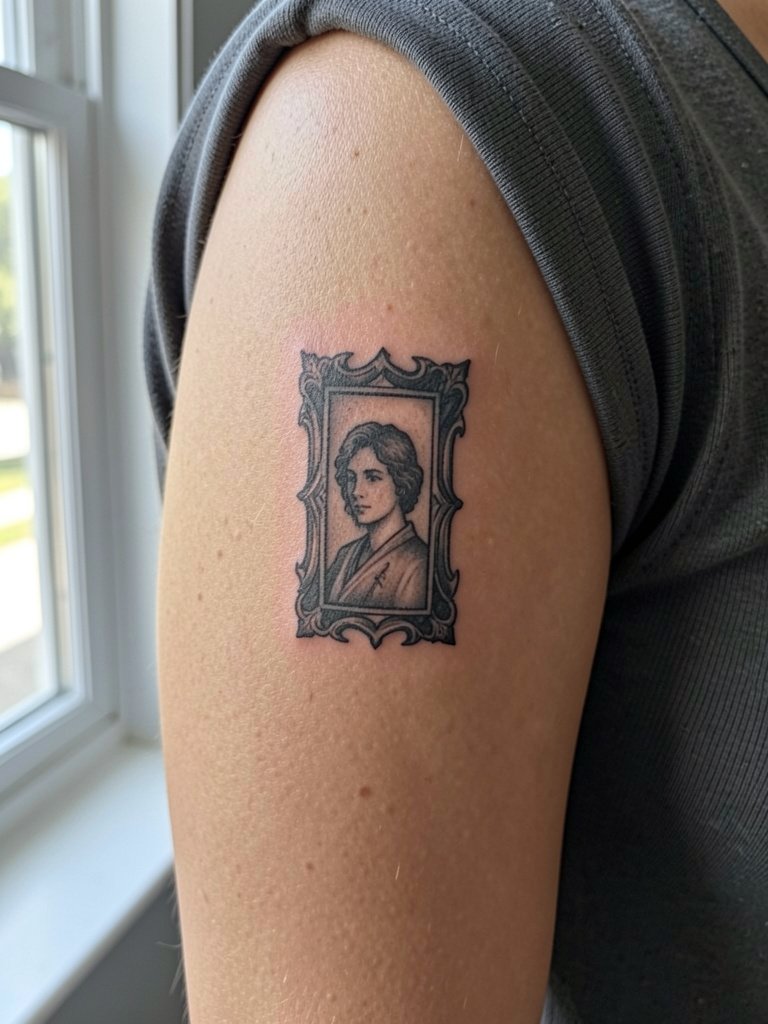
Place the frame where the arm rounds without squashing the portrait. A common mistake is compressing the internal portrait into too narrow a space. Lateral arm work is lower on the pain chart and photographs well over time. Show it off with cap sleeve tops that reveal the frame.
23. Victorian Mourning Brooch on Side Torso
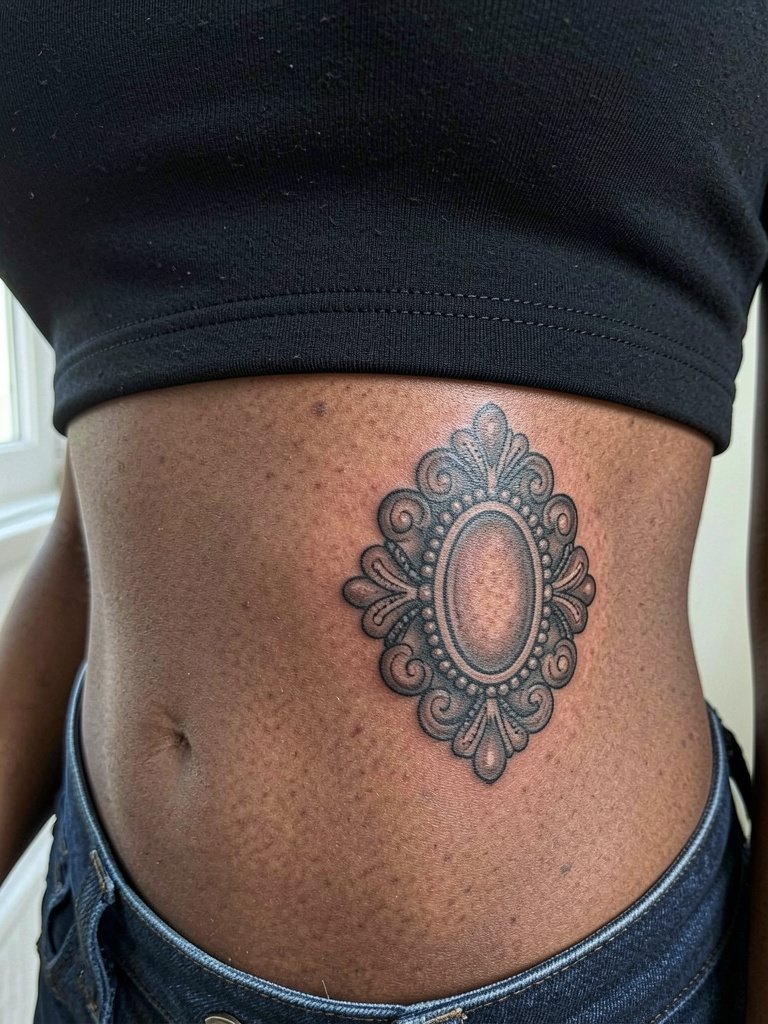
Side-torso brooches are a good place to hide a memorial detail without making a loud statement. Keep beadwork minimal and the oval inset slightly larger than your reference photo so details survive. The ribs flex with breathing so spacing matters for longevity. Pain is on the higher side and sessions should be planned with breaks. For outfits, high-waisted bottoms and a cropped top let the brooch peek through in a tasteful way.
Frequently Asked Questions
Q: How do I decide between black-and-gray and muted color for Victorian florals?
A: If longevity and contrast are your priority choose black-and-gray with layered grey wash and dot shading. If you want period color and richness choose muted burgundy or antique sepia, but accept that those tones may fade unevenly and could need color refreshes down the line.
Q: Where can I find portfolios and healed examples for Victorian gothic work without naming artists?
A: Search social platforms using tags like #victoriangothictattoo, #ornamentaltattoo, #blackworktattoo, and #finelinetattoo while using location filters to narrow local results. Tattoodo-style portfolio searches and Reddit tattoo threads are good for healed photos and real-client feedback. Look for portfolios that show healed shots rather than only fresh images.
Q: Will fine-line lace on the wrist hold up, or should I go bolder?
A: Artists are split. One side favors the single-needle lace because it matches historic fabric detail and looks delicate. The other side recommends slightly bolder anchor lines so the lace pattern does not collapse into a blur after a few years. If you prefer delicate visuals be ready for a likely touch-up in the first two years, or plan the lace at a slightly larger scale.
Q: What should I wear to a ribcage session to make the appointment easier?
A: Wear a fitted sports bra or a bralette that the artist can move out of the way without you fully disrobing. Choose bottoms that can be lowered and raised without pressure on the area, such as high waisted skirts or loose drawstring pants.
Q: How often do Victorian ornamental pieces need touch-ups?
A: Small, high-friction spots like wrists and ankles often benefit from a minor touch-up within one to two years. Larger black-and-gray pieces on thighs or upper arms typically hold longer and may not need work until year three or later, depending on sun exposure and care.
Q: Are there special concerns for dark skin tones with fine detail Victorian work?
A: Yes. On deeper skin tones increase line weight modestly and favor clear negative space in frames and lace so elements remain readable. Ask to see healed examples on similar skin tones and request the artist point out which details they would scale up for clarity.