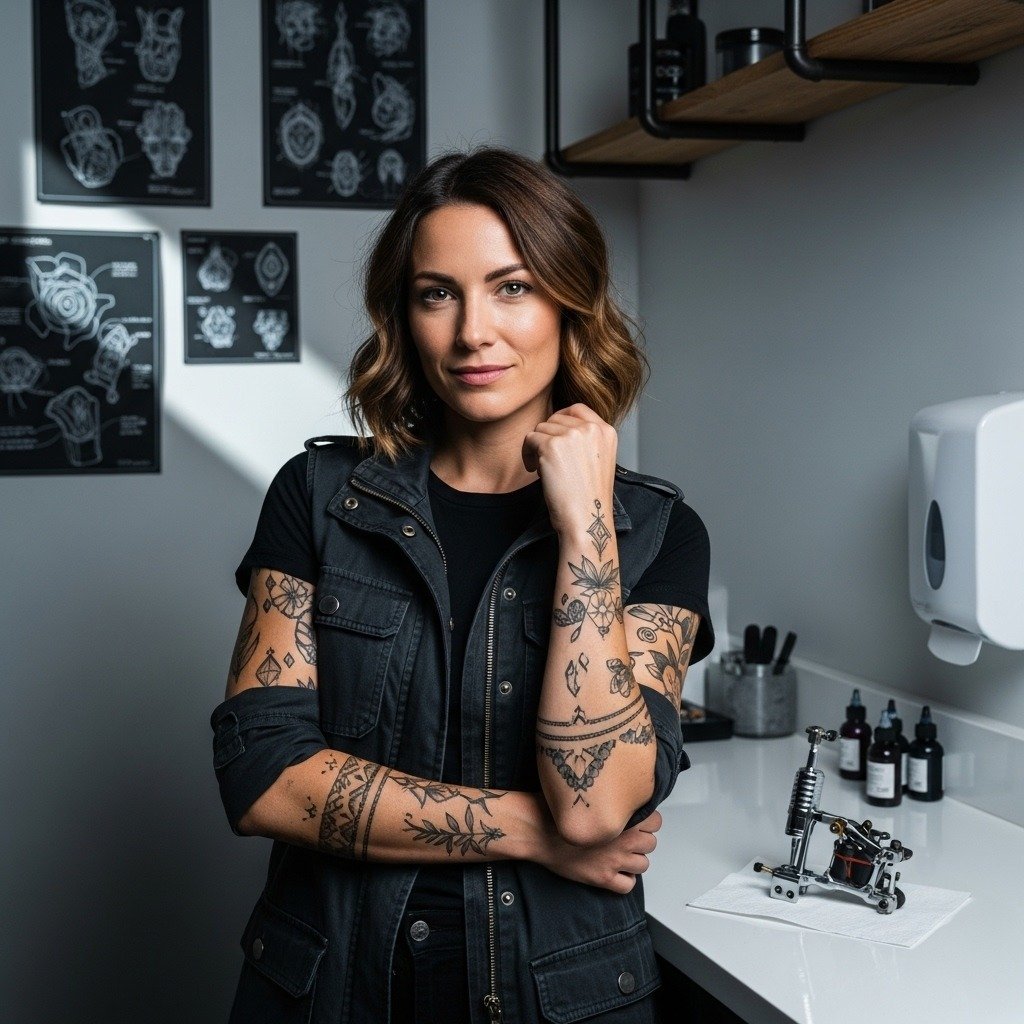

Tattoos meant to remember someone often start as an emotional impulse. A quiet script on the wrist, a small bird tucked behind the ear, a floral cluster along the ribcage. The hard part is choosing a design that still reads clean after years of life, sleeves, and sun. These 15 ideas focus on line weight, placement, and wardrobe choices that help a tribute hold up and feel right beyond the first month.
1. Handwriting Script on the Inner Forearm
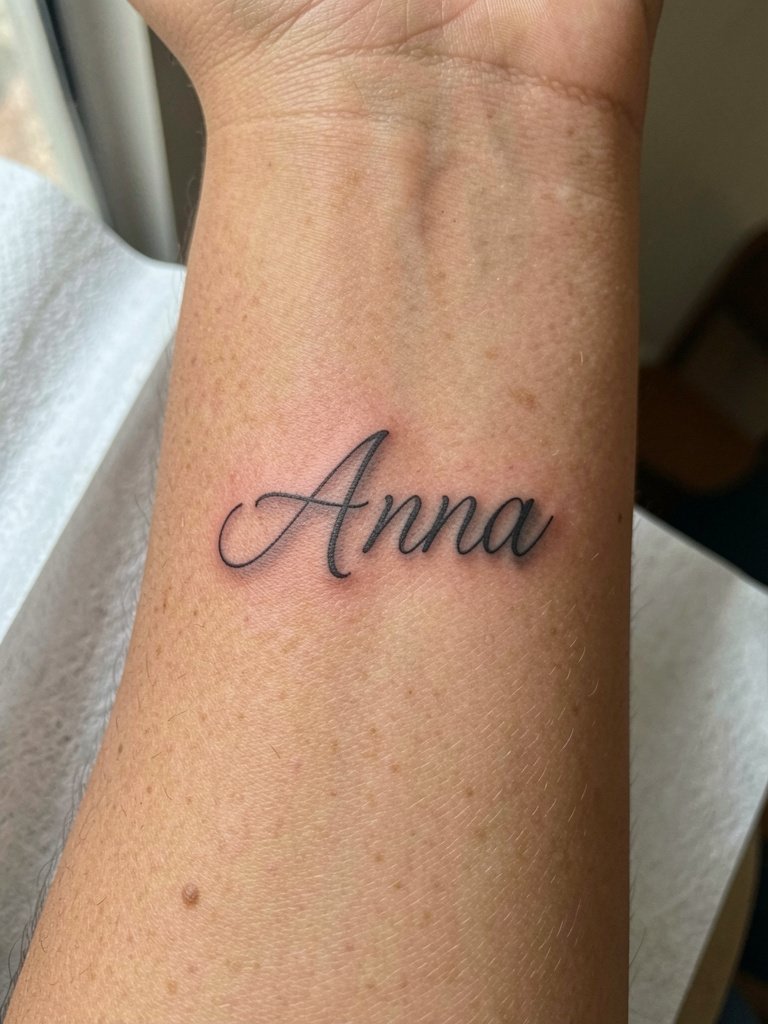
A traced handwriting piece reads like a private note on the inner forearm. Linework should be a touch heavier than the original pen stroke so the letters stay legible after settling and gentle spreading. Bring a clear, high-resolution scan of the sample and two scale references so the artist can show how the letters read at three versus five inches across. Inner-forearm skin is moderate on the pain chart and usually finishes in one session of 20 to 45 minutes. Expect light touch-ups at year two for very fine scripts. For showing it off, roll your sleeve up with a rolled sleeve button-down that keeps the arm visible without fuss.
2. Roman Numeral Date on the Wrist
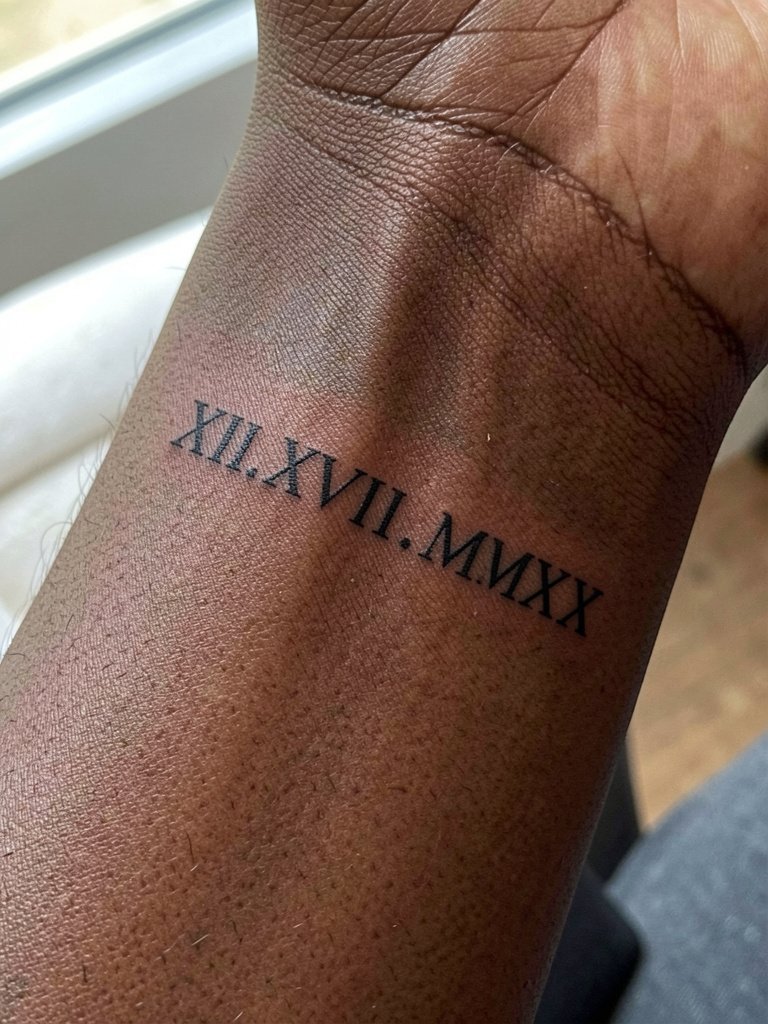
Dates in roman numerals keep the tribute discrete and durable. The wrist eats the finest detail faster than the forearm, so request slightly wider numeral strokes and consistent spacing so the characters do not smudge together. Wrist pieces are quick but sensitive, so plan short sessions and a calm breathing rhythm. Common regret comes from squeezing too many digits into a tiny band. For daily wear, pair this with a thin chain bracelet on the opposite wrist so the tattoo has visual balance without covering it up.
3. Small Feather Along the Collarbone
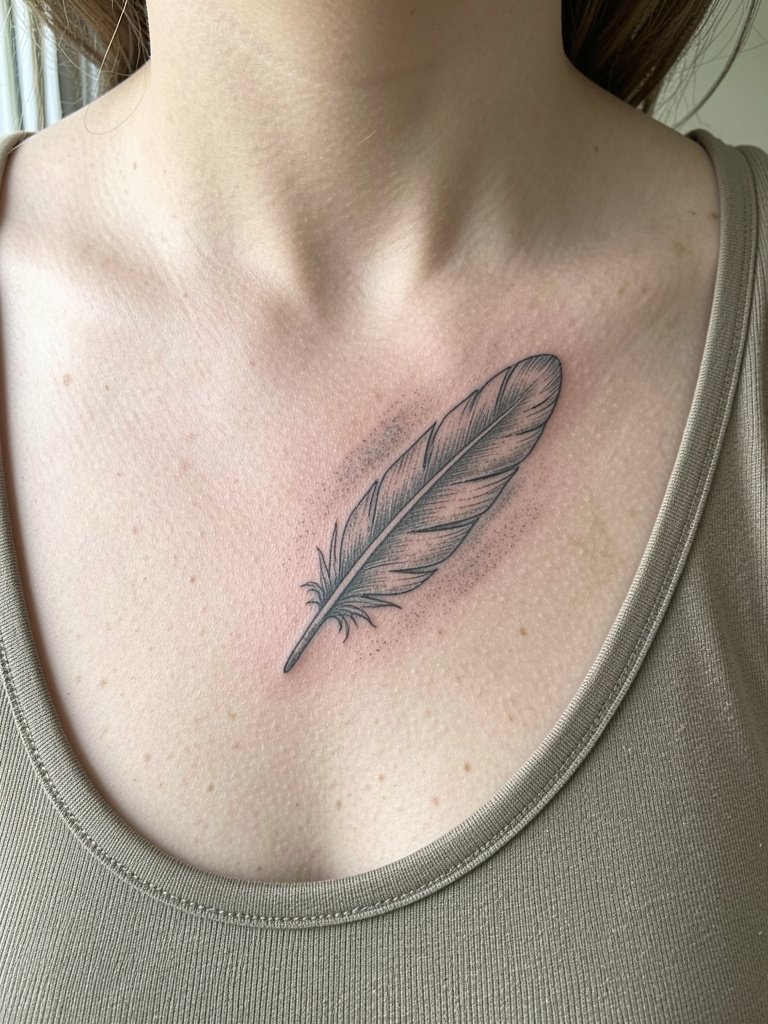
A collarbone feather reads delicate and wearable. The area moves with breathing, so request slightly broader linework and subtle stipple shading to avoid early break-up. Sternum and collarbone skin can bruise more easily so plan for 30 to 60 minutes and a calm coffee before the session. The common mistake is asking for single-needle hairlines that vanish into natural skin texture. This placement looks great with layered jewelry, so consider pairing it with a delicate layered necklace when you want the piece visible.
4. Cloud Cluster on the Outer Shoulder
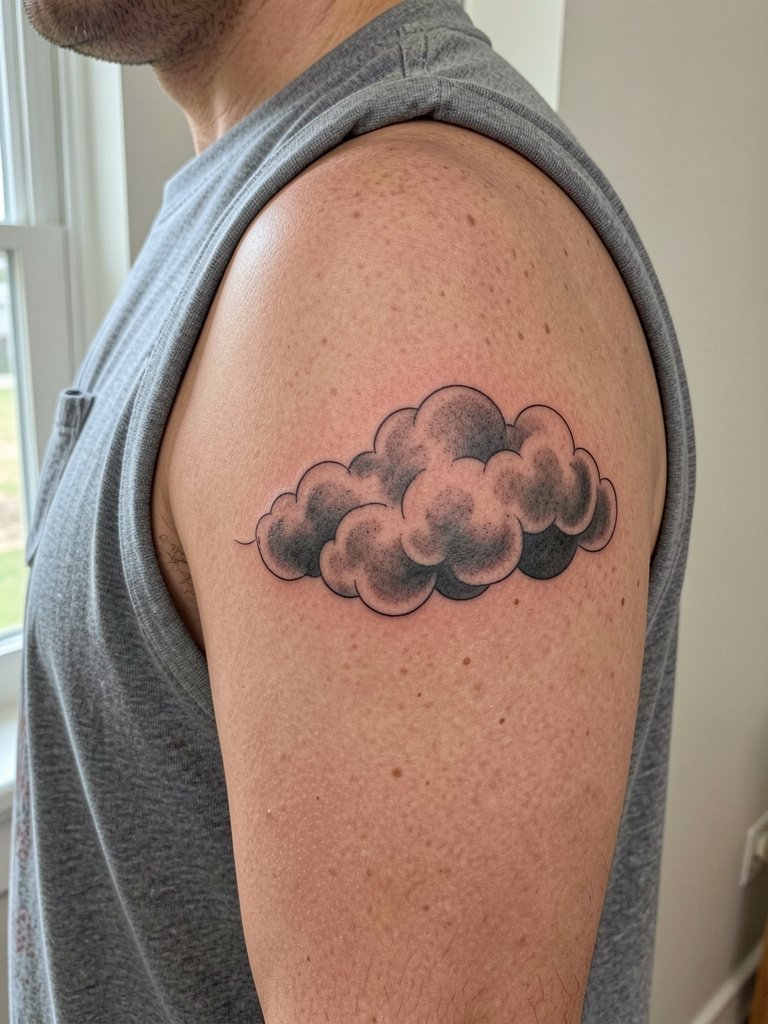
Cloud motifs are forgiving on shoulders because the area has thicker skin and a lower blowout risk than the inner arm. If you want a soft, illustrative look, choose stipple shading and gradual saturation. Artists sometimes default to heavy gray washes which can flatten over time. Ask for layered highlights and slightly stronger outlines where the cloud edges need to keep shape. Shoulder sessions are easy to access. For evenings out, the cloud sits nicely beneath a sleeveless tank top that frames the upper arm without hiding the design.
5. Single Feather Behind the Ear
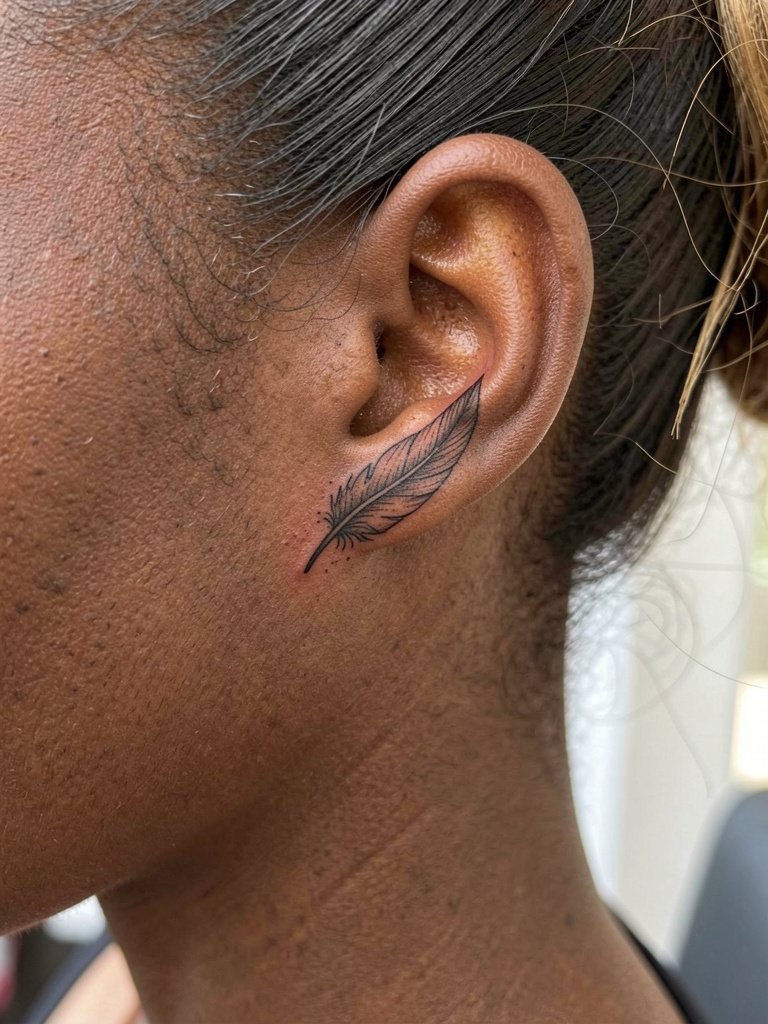
A behind-the-ear feather is private and quick. The skin there is thin and close to cartilage which can feel sharp during the session. Expect under-20-minute sessions. The main mistake is trying to cram script or tight detail into that small zone. Keep the design simple so the shape ages clean. If you want it visible at times, choose an easy updo that shows the area. No hands should be moving hair during the session, and mention the hair plan when you book so the artist can prep.
6. Small Butterfly on the Thigh
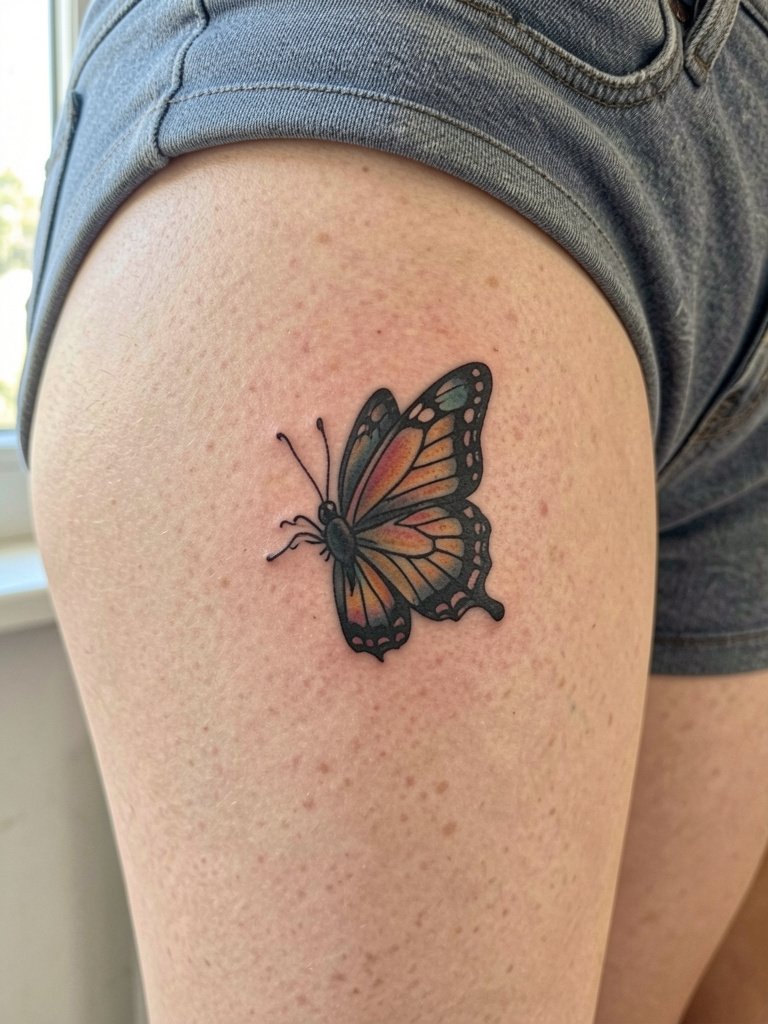
Butterflies work well on the thigh where there is room to size the wings. Thigh flesh takes saturation and keeps color longer than wrists. A common misstep is insisting on very tiny wings with heavy color fill which can blur inward as the skin stretches. Request a mid-sized composition and stipple or whip shading to give depth without over-saturation. For the session, wear loose shorts you can lift without tugging at the area. Try a pair of high-waisted shorts that let the artist access the upper thigh comfortably.
Session Day Picks
The first six ideas include fine line wrists and heavier thigh pieces, so a few small items smooth the session and the first week.
-
Stencil transfer paper kit. Helps you preview placement and line weight on the actual skin before the needles start, which is useful for scripts and numerals above.
-
Topical numbing cream. Applied per product instructions before the session reduces wrist and rib sensitivity without affecting the artist's linework.
-
Thin protective film roll. Useful for small hand and finger pieces to protect against friction when you return to daily tasks.
-
Fragrance-free gentle body wash. Cleans the tattooed area during showers without added irritants during the initial healing window.
-
Aquaphor healing ointment. A standard salve for the first few days to seal moisture without suffocating the skin while fine line work starts to crust.
7. Rose Stem on the Upper Arm
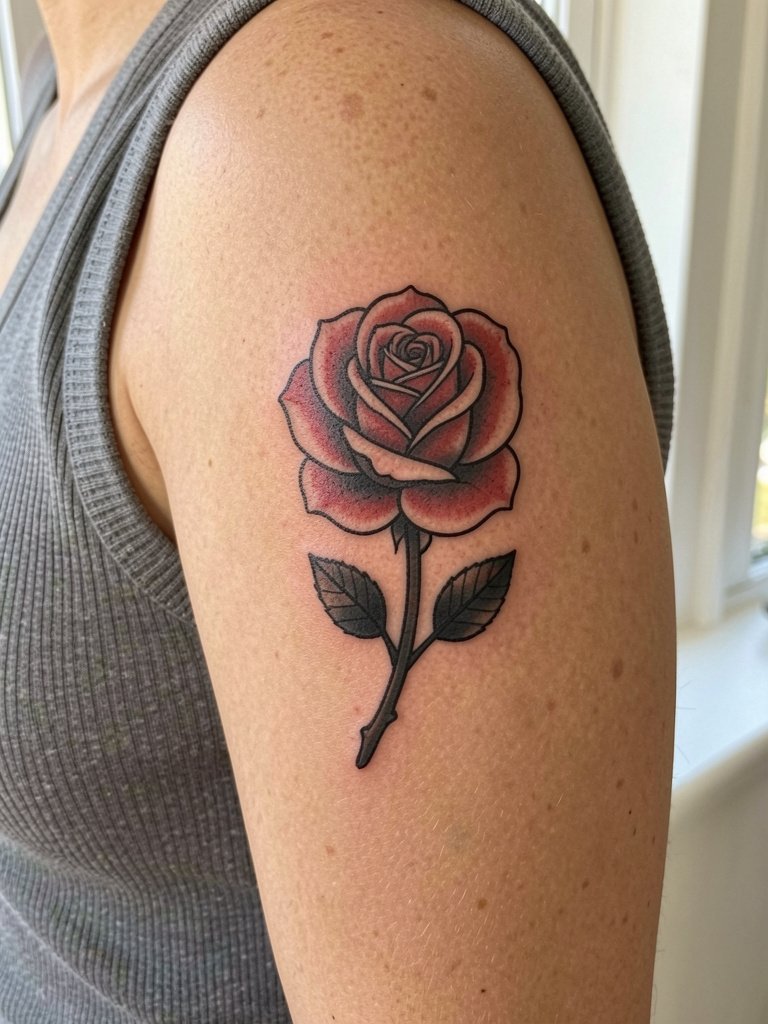
Roses age well when the outline is clear and the color saturation is even. Choose a design that allows the outer petals to have stronger outlines so the shape remains readable as inner shading softens. Upper arm flesh tolerates longer sessions so you can include moderate detail in one sitting. A frequent error is overcrowding the stem with tiny thorns and script. For outfits that show the piece, a capped-sleeve tee frames the upper arm without hiding the rose.
8. Black and Gray Portrait on the Bicep
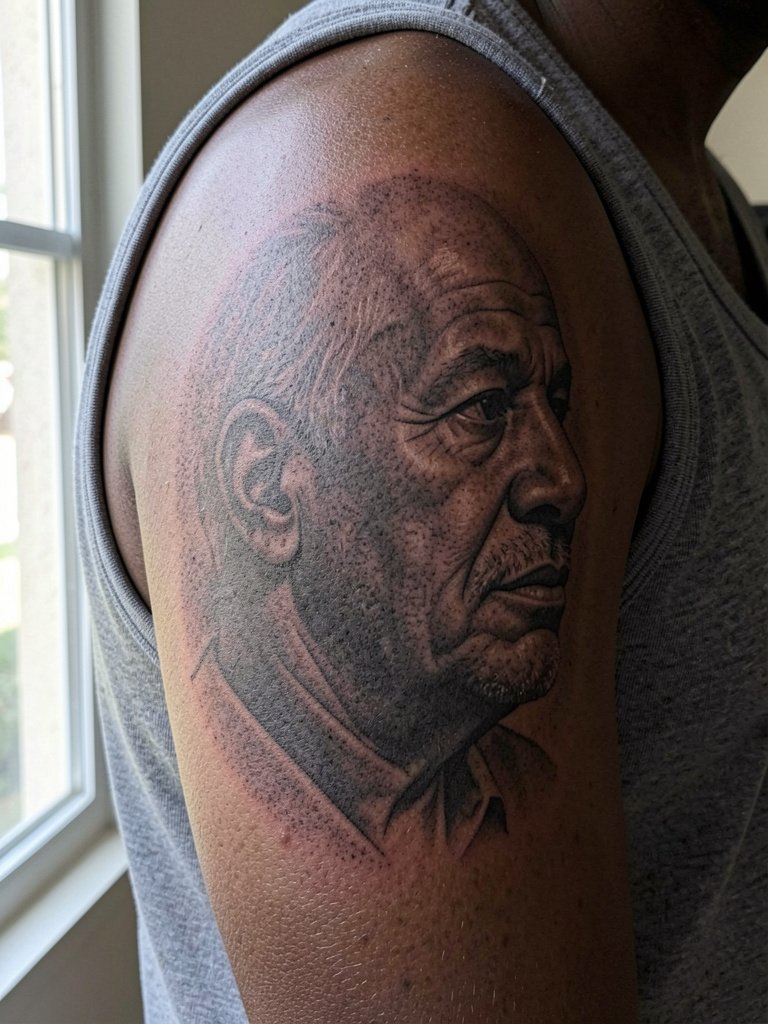
Portraits spark the biggest debate. One camp favors portraits because faces are an unmistakable tribute and carry immediate emotional recognition. The other camp recommends symbolic work instead because portraits depend heavily on the artist's realism skills and can disappoint if reference photos, skin tone, or sitting time are not ideal. Both positions are valid. If you choose a portrait, bring multiple high-resolution references at different ages and lighting so the artist can plan for the exact tonal range. Portraits usually require several sessions and touch-ups. Note that bicep flesh accepts fine value work well. For session wear, pull on a sleeveless tank top so the artist has full access without fabric tugging.
9. Angel Wing Pair Across the Shoulder Blades
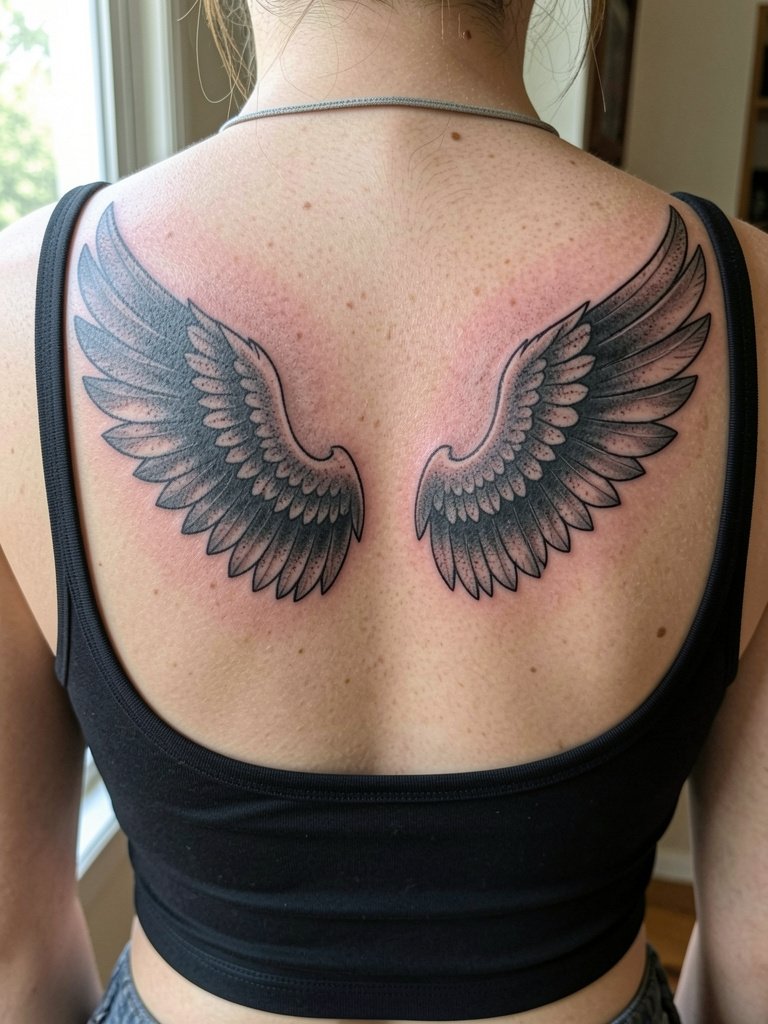
Shoulder-blade wings let you create a larger canvas that reads from a distance. The skin here moves with posture but has low blowout risk. The usual mistake is squeezing too many tiny feathers into each wing which flattens into noise as the tattoo settles. Opt for a clear primary feather row and suggest stipple shading for the inner fills so the wings retain depth. These sessions take longer and may need two sittings if you want strong contrast. For visibility, a wide-back top or open-back dress shows the composition without revealing too much.
10. Small Heartbeat Line with Initials on the Ribcage
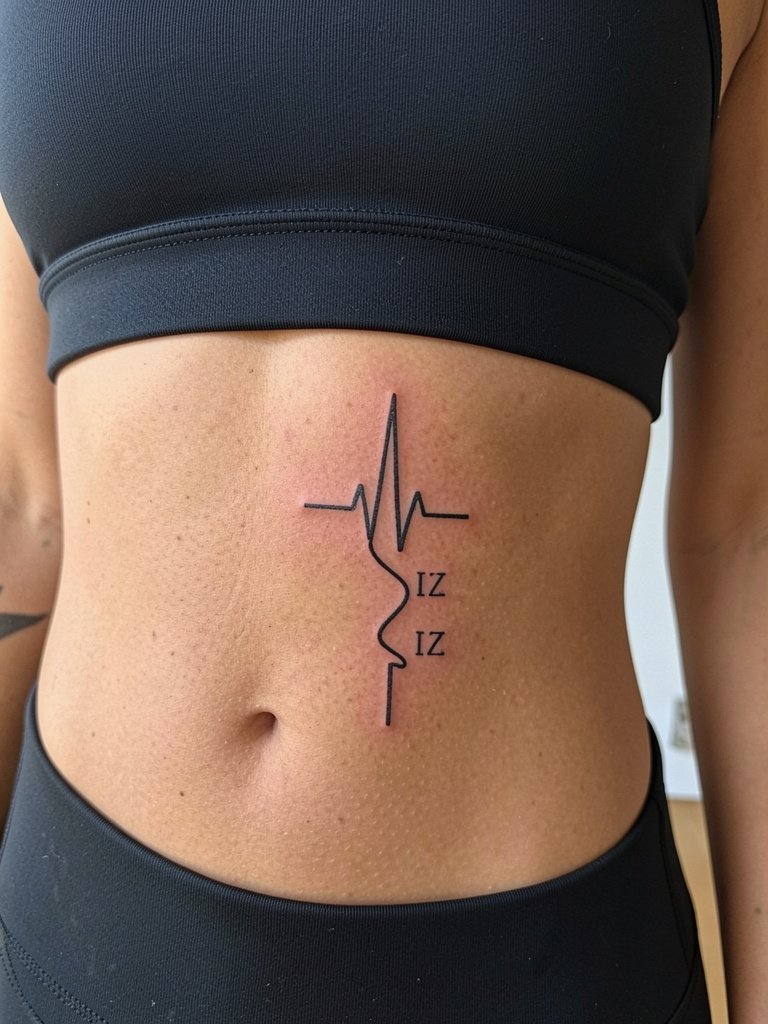
Ribcage pieces are intimate and can read like a private emblem. Pain levels are higher there so plan for breaks and numbing strategy if needed. There is a practitioner split about fine line on the ribs. One group warns the skin stretches and lines blur within a couple of years. Another group says with slightly increased line weight and precise depth it settles well and keeps definition. If you pick ribs, add small spacing between heartbeat peaks and initials. Wear a fitted sports bra that the artist can shift without tugging. If you want a session outfit, try a fitted sports bra that gives access and stays in place.
11. Script Quote Along the Spine
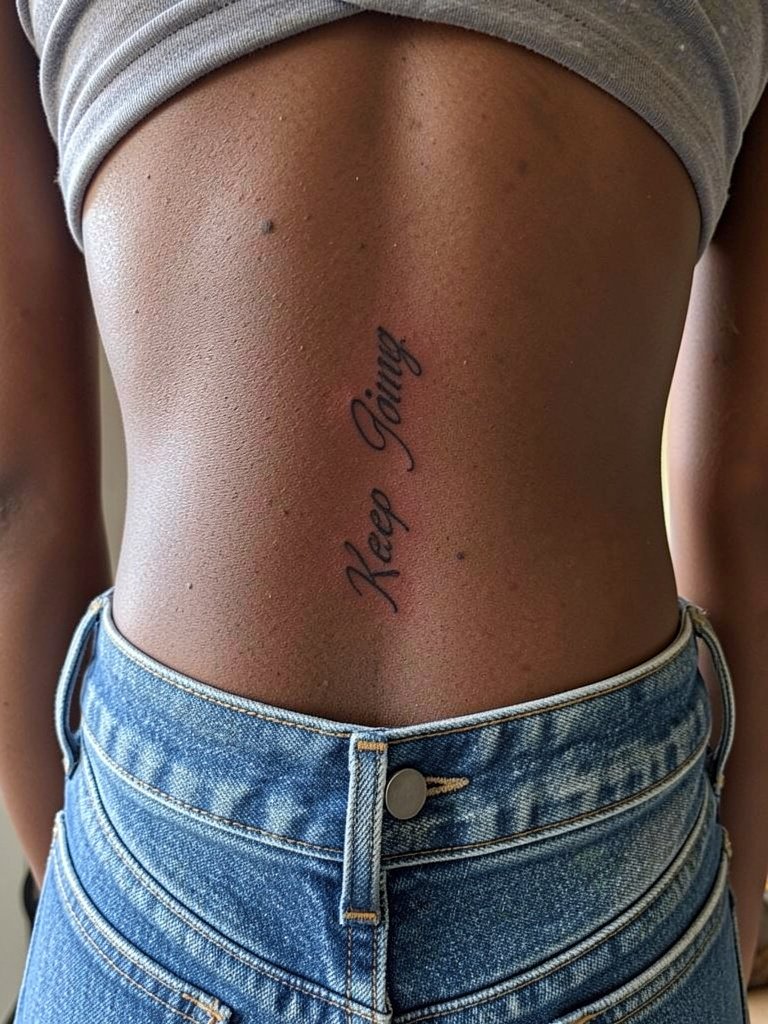
Spine scripts look elegant but require planning for curvature and movement. The common mistake is using extremely thin single-needle letters down the spine which can merge. Ask for slightly heavier strokes and consistent spacing so the phrase remains readable at three and five years. Spine sessions can be uncomfortable so plan breaks. For clothing, low-rise jeans that sit below the work avoid rubbing the healing area and make showers easier. Consider a pair of low-rise jeans you can wear without irritation during healing.
12. Rosary Wrap Around the Forearm
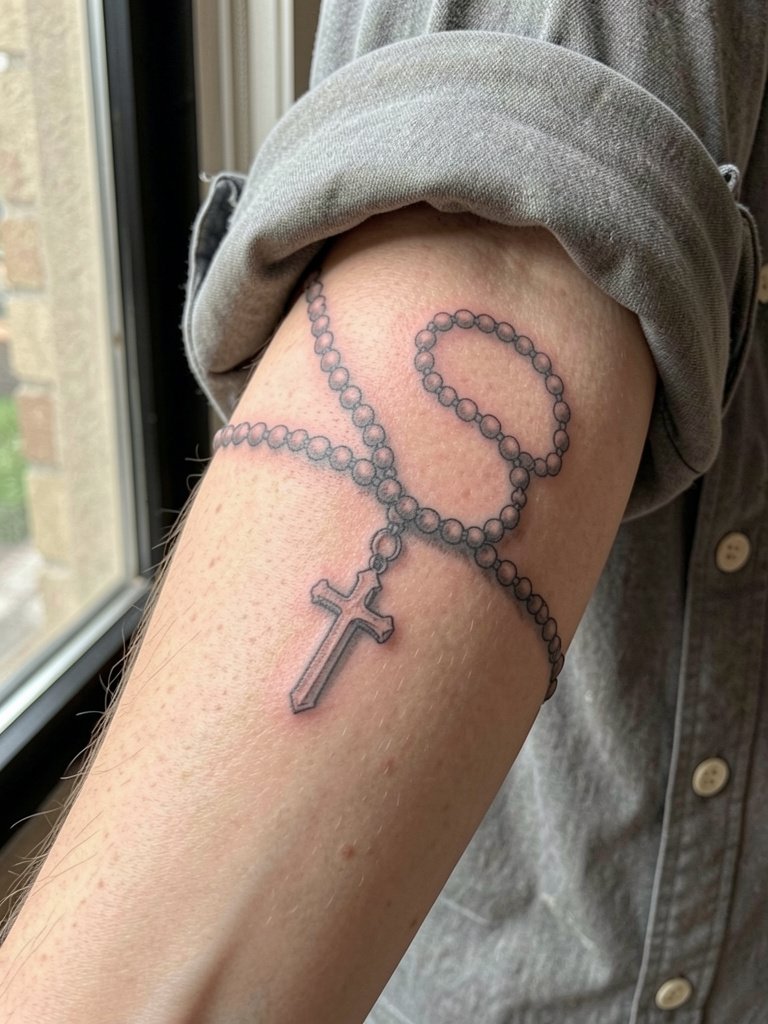
Religious motifs can be deeply rooted in the relationship you remember. For a rosary wrap, insist that bead spacing be even and bead outlines have tiny negative highlights so they do not merge into a gray chain over time. Forearm skin handles beadwork well but the wrist end is more delicate. A common misstep is making the beads too small near the wrist. If the design includes a pendant, size it so detail still reads at arm distance. For a polished look, a rolled sleeve button-down keeps the forearm visible while staying office appropriate.
13. Coordinates in Tiny Monospace on the Ankle
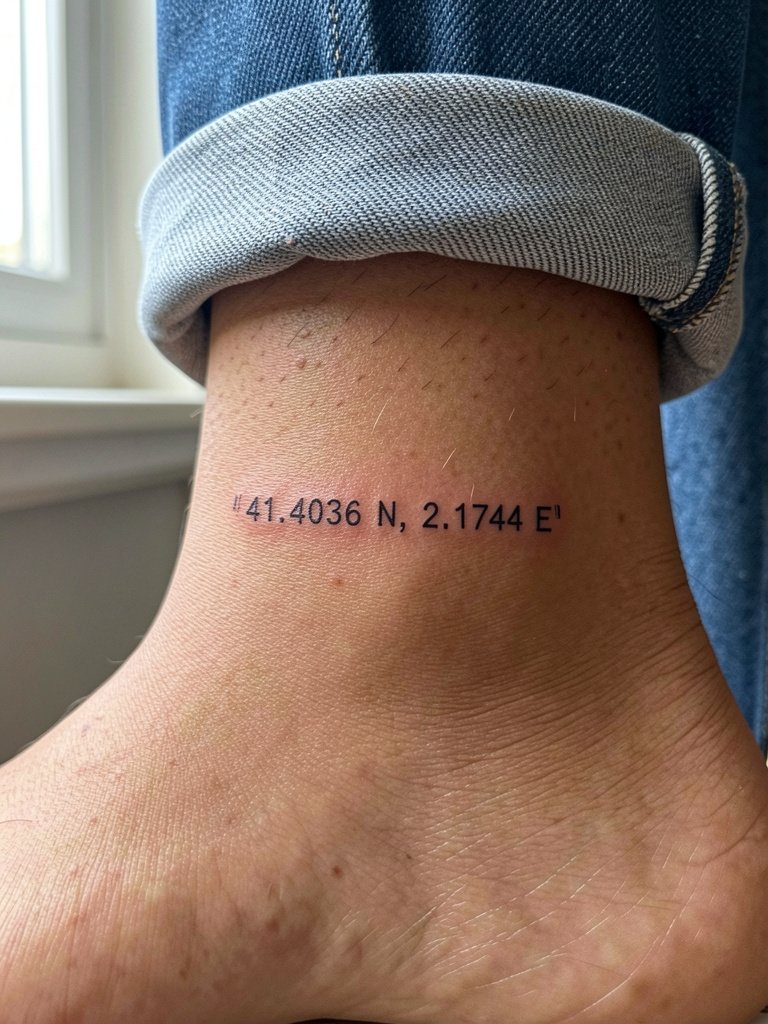
Coordinates act like a quiet address to a place that matters. Keep the font simple and give each character room so the numbers do not blur. Ankles see a lot of friction from shoes which can speed fading. Pick slightly bolder strokes for longevity. A common error is placing the coordinates inside the shoe line. Wear jeans with cuffs rolled so the ankle is visible without the tattoo rubbing. Try a pair of jeans with cuffs rolled that show the spot and protect it from constant shoe contact.
14. Multi-Family Symbol Mosaic on the Upper Back
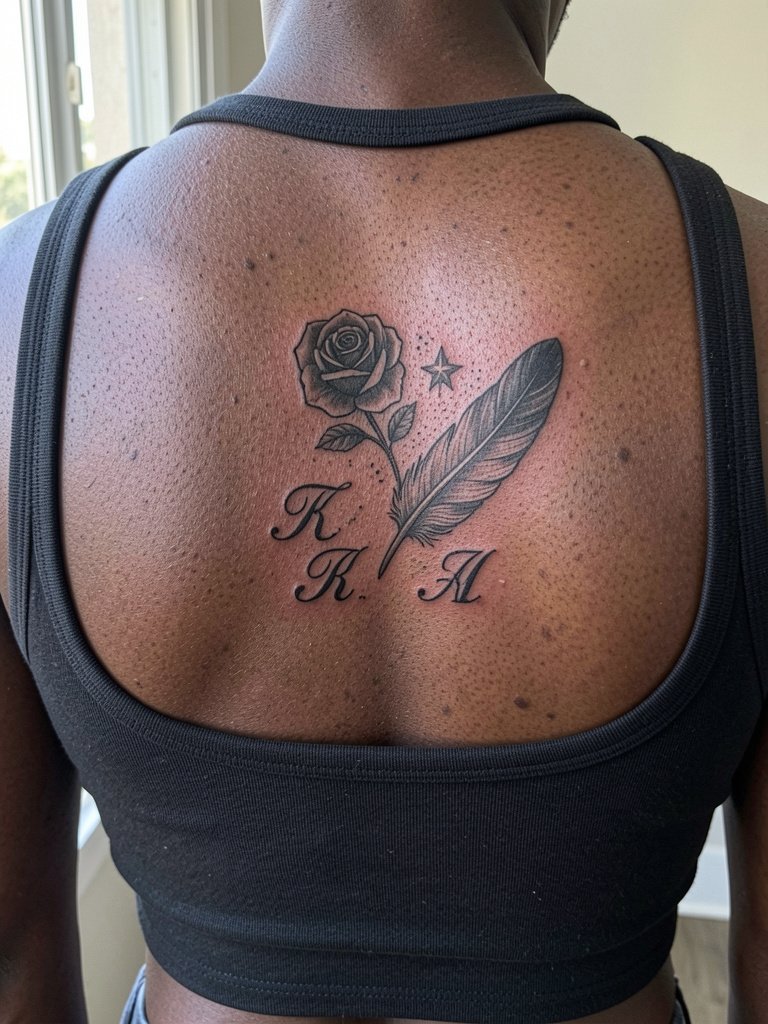
Composing tributes for several people works when each element has room to breathe. The mistake people make is forcing many names into a small patch. Plan a mosaic layout and assign each symbol a similar visual weight. Upper-back panels tolerate moderate detail and are easier to expand into a larger composition later. If you plan to show this off at times, a wide-back top or a scoop-back dress frames the mosaic well.
15. Small Wave Line on the Calf
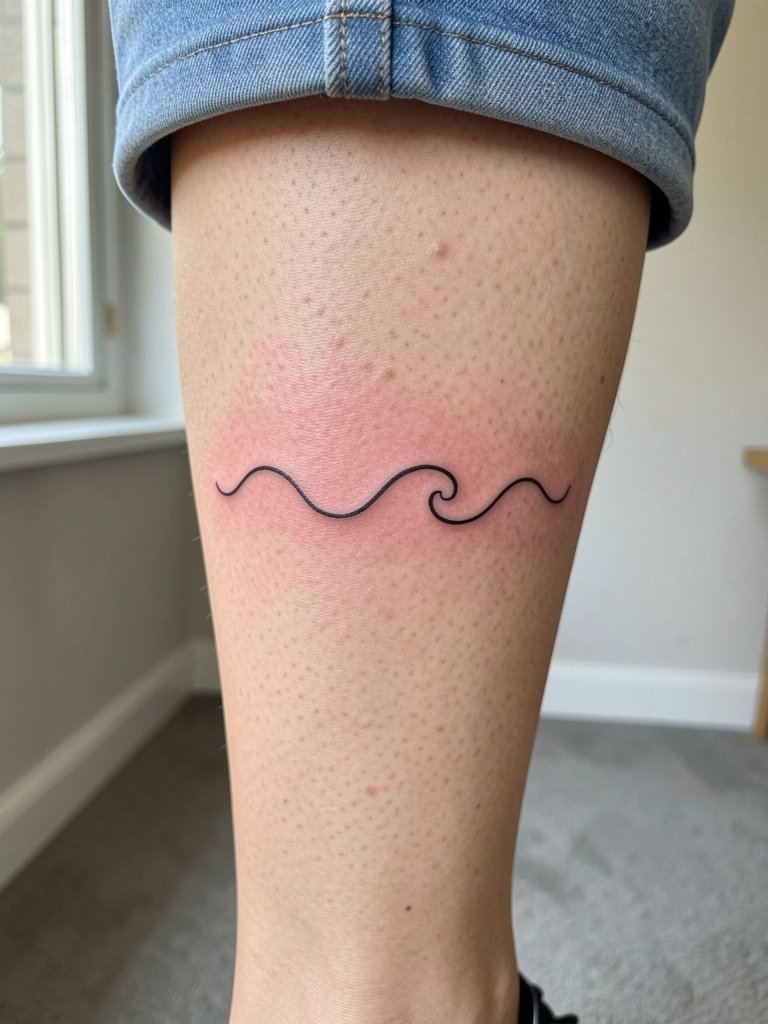
A small wave on the calf is low fuss and ages predictably. Calf muscle gives the line some room so it can stay crisp even if the stroke is slightly thin. Sessions are typically short and low on pain for most people. The common regret is overcomplicating a simple line with tiny flourishes that obscure the clean motion. For easy visibility, pair with shorts or a skirt. A pair of loose running shorts keeps the area free from friction while it heals.
Frequently Asked Questions
Q: How do I decide between a portrait and a symbolic memorial?
A: Portrait supporters point out that faces capture a person's likeness in an unmistakable way and can feel like the clearest remembrance. Symbolic supporters argue that symbol-based designs adapt better to shifting grief and avoid the risk of a portrait that does not match memory. Both paths require careful reference selection. If you want a portrait, bring multiple high-resolution images and ask the artist how the face will read at the final size.
Q: Will tiny script on the wrist last more than a few years?
A: Wrist skin is thinner and sees more movement and sun exposure, which makes ultra-fine script prone to softening. For longevity, request slightly thicker linework and clear spacing between letters. Plan for a touch-up at around year two or three depending on how the piece settles.
Q: Where can I find healed examples and local portfolios without naming artists directly?
A: Search Instagram and TikTok using targeted hashtags such as #memorialtattoo, #memorialtattooideas, and add your city name to narrow results. Pinterest boards help compare symbol options, and Reddit or Facebook tattoo groups often share healed photos and aftercare notes. Use location filters on social platforms to find portfolios from studios in your area.
Q: What should I wear to a session for a ribcage or sternum piece?
A: Wear a fitted sports bra or a loose button-up shirt that can be moved without pulling at the skin. The goal is easy access without fabric tugging. A fitted sports bra or a loose button-up works well depending on the placement.
Q: How soon after a loss is it okay to get a memorial tattoo?
A: There is no single right timeline. Some people find a tattoo helps in early processing, others prefer to wait until emotions settle so the design choice is clearer. If you are worried about regret, pick a small, expandable design that can be added to later rather than a large, fixed composition.
Q: Do memorial motifs require special cultural considerations?
A: Yes. If a design uses cultural or religious imagery, research the symbol's background and consider whether you have cultural permission to use it. Ask the artist how they handle cultural motifs and propose respectful alternatives if needed.