
Thinner ankle motifs and micro-thin vines dominate saved boards, but legs age differently than wrists and hands, and design choices matter for how a piece looks at year three. Think bigger where the skin creases, pick contrast for darker tones, and plan clothing around visibility. These 23 leg options balance what photographs well with what actually heals and stays readable so you can pick a piece that fits your wardrobe and lifestyle.
1. Floral vine thigh wrap
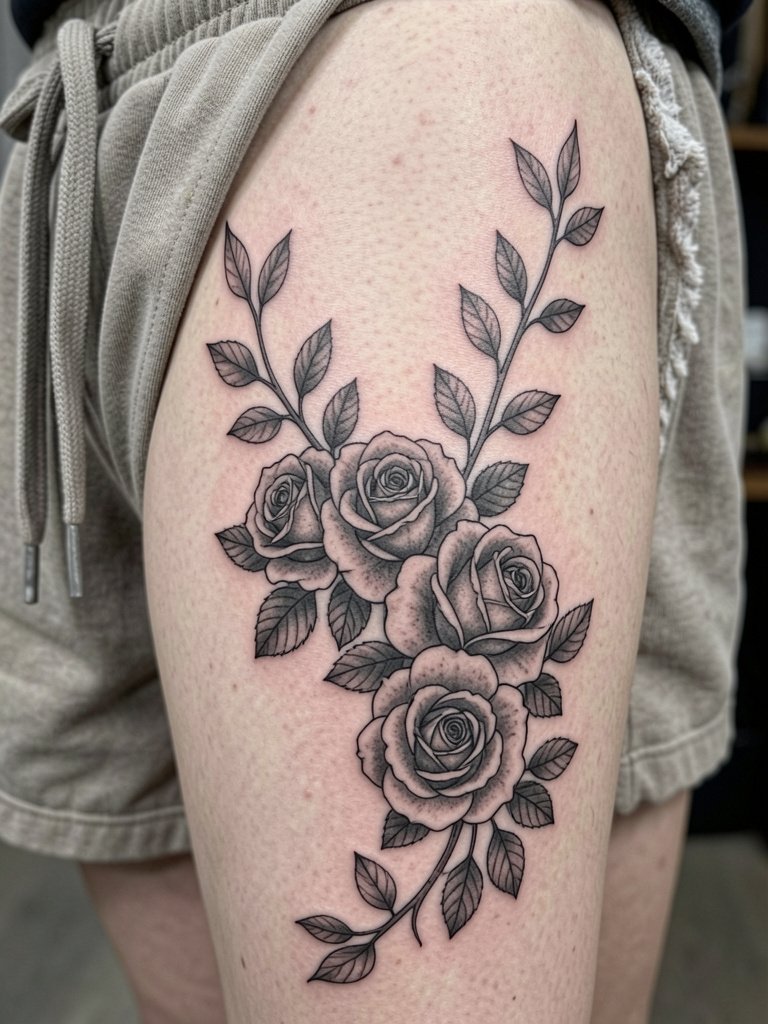
A vine wrap suits the upper thigh because the area has room to breathe and moves less than the inner thigh. Plan for medium to large scale so the flowers do not look tiny when you stand, and bring reference images at two sizes so the artist can show how a three-inch sprig reads versus a six-inch cascade. Common mistake is relying on ultra-fine single-needle lines that sit too close together. For visibility on darker skin tones, ask for stronger black outlines and denser shading to maintain contrast as the piece heals. For the session wear a pair of loose drawstring shorts that lift easily and do not press on fresh ink.
2. Butterfly and moon combo at the ankle
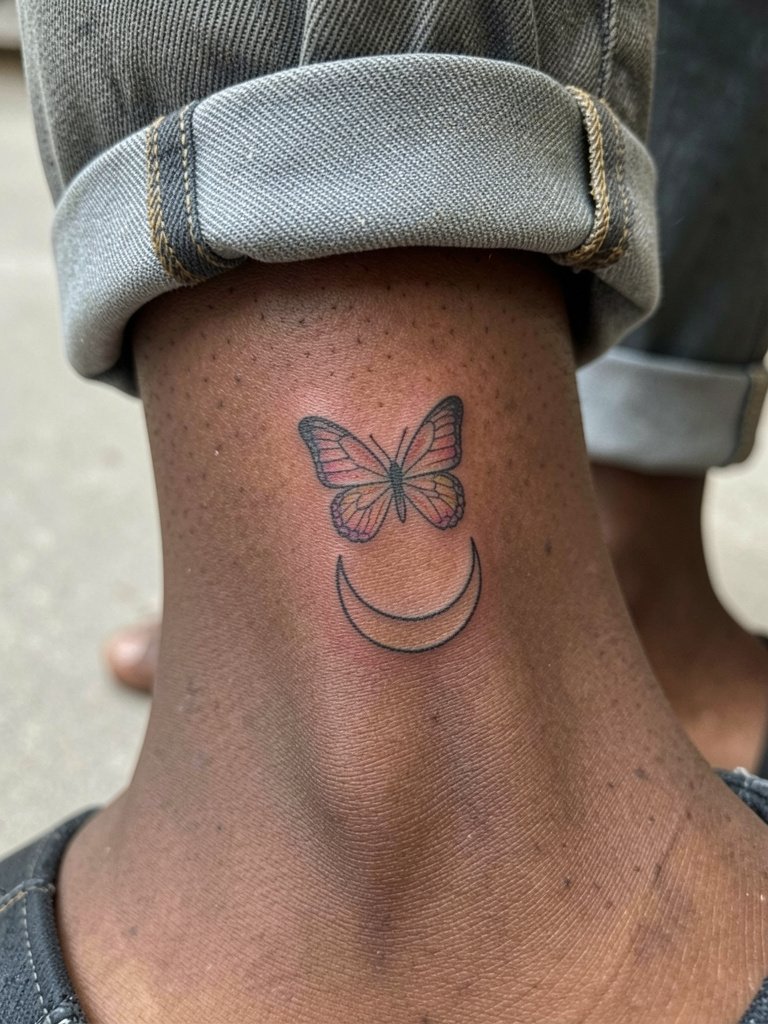
Small ankle motifs are great for subtlety, but tiny fine-line butterflies can disappear into shoe friction if spaced too tightly. Make the butterfly silhouette slightly bolder than your Pinterest sample so the wings keep shape after six months. The crescent moon pairs well with thin chain anklets when you want a delicate layered look, and for session wear choose rolled joggers or shorts so the artist can access the area without tight elastic rubbing the fresh work. Expect a single short session for this size.
3. Calf mandala wrap
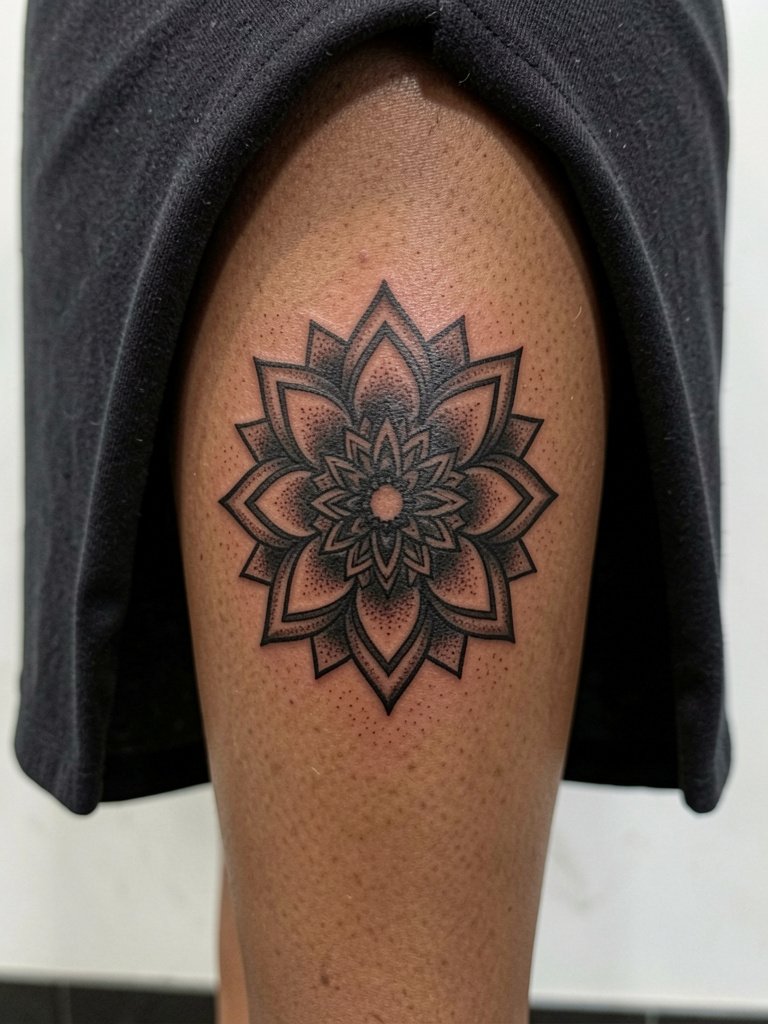
Mandala or ornamental geometry reads well on the calf because the long vertical canvas lets patterns breathe. The common error is compressing too much detail into a small circle. Request a design scaled to two to four inches across and insist on clear spacing between major elements so the pattern does not blur into a blob by year three. For showing it off, cuff straight-leg jeans or pair it with a midi skirt that lets the lower leg speak. Calf work can take two to four hours when the piece wraps, and touch-ups may be required where dot-work sits light on textured skin.
4. Snake and roses along the outer calf
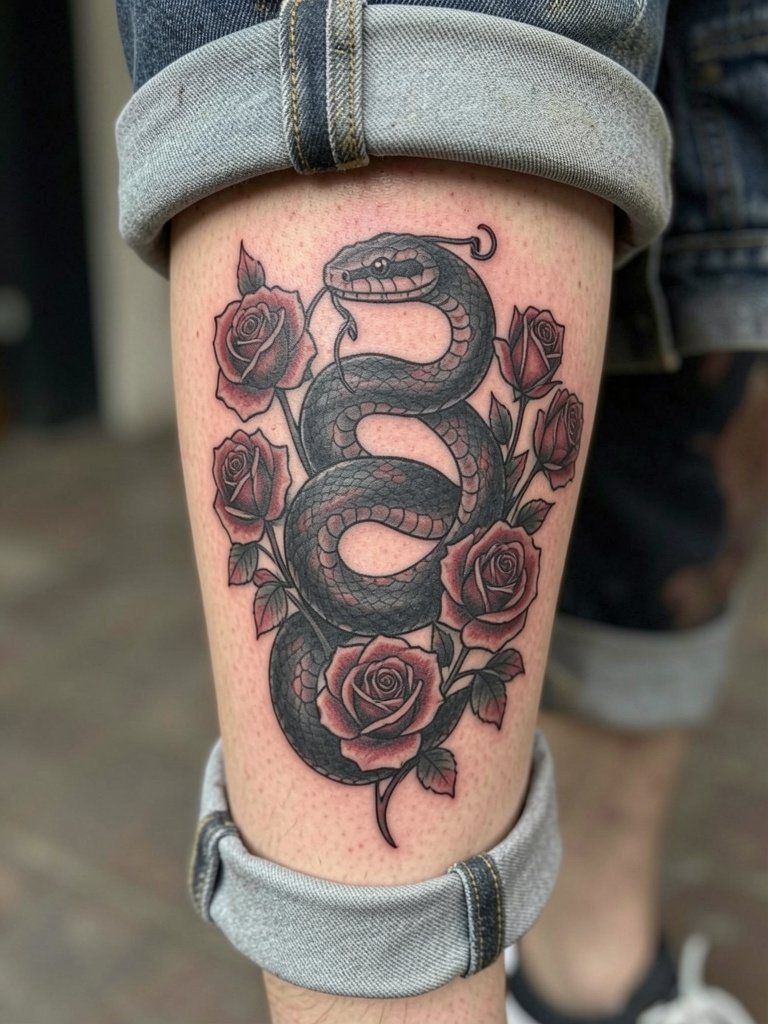
A snake wraps the leg naturally and elongates the silhouette when placed on the outer calf. If you want longevity, avoid ultra-fine scales with tiny crosshatching. Instead pick bolder outlines and well-saturated shading in the body so the form still reads from a distance. Styling tip for warm months is heeled sandals or cropped trousers that expose the coiling form. Session-wise expect a one- to two-session job depending on color. A common mistake is starting a wrap too small and discovering later you need more negative space to separate the snake from the roses.
5. Minimalist single stem at the ankle
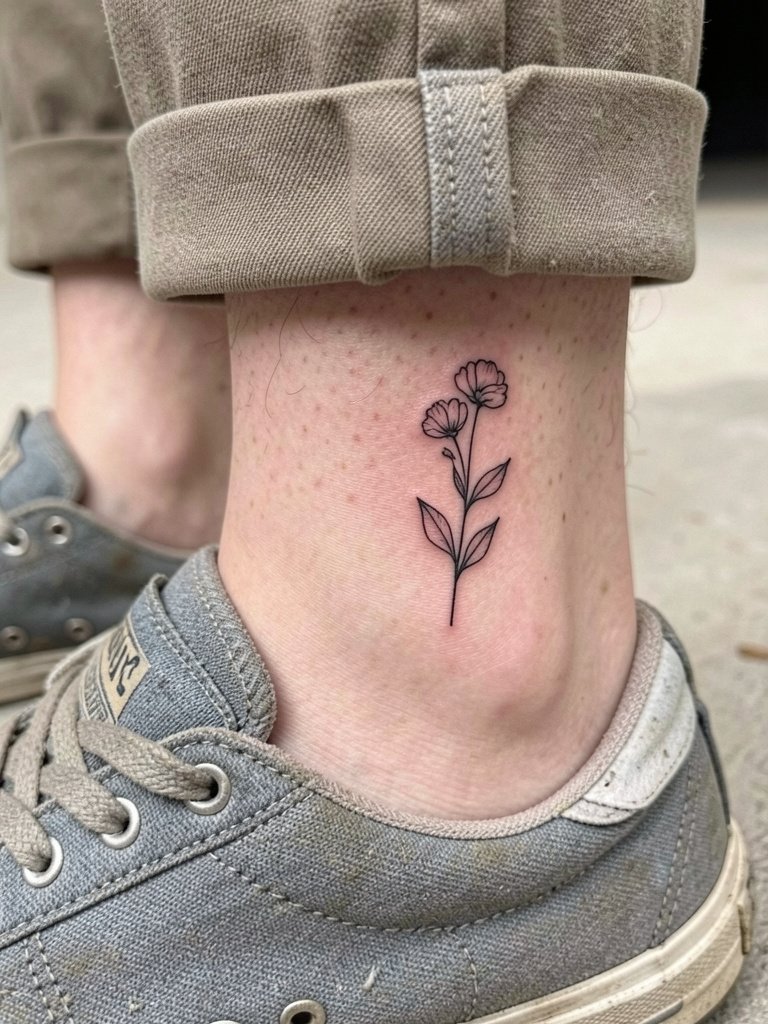
A single stem is deceptively simple. The inner ankle sees constant friction from socks and shoes, so opt for a slightly heavier outline than your sample photo so the stem retains its silhouette after healing. Wear rolled joggers or cuffed pants to the session so the artist can work without fabric rubbing the area. Small ankle pieces are often done in one short appointment, but be prepared for a touch-up if any linework softens during the first year.
6. Geometric lower-leg wrap
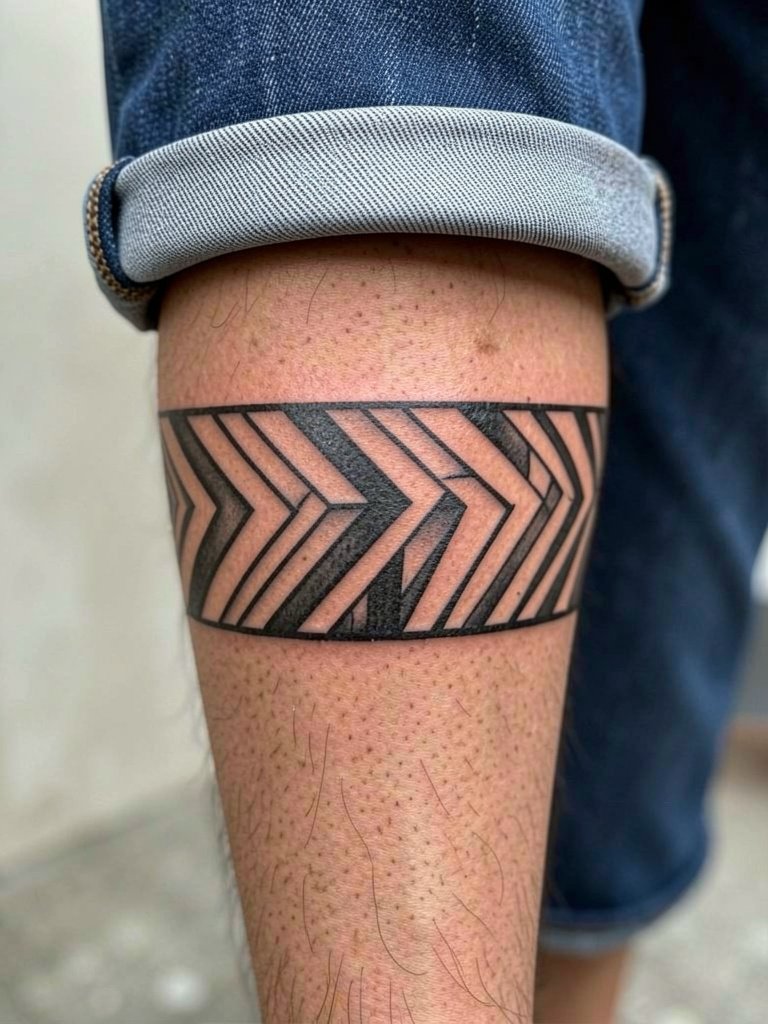
Geometric wraps need room to breathe, and the biggest mistake is shrinking intricate linework into a narrow band. Ask the artist to draft the pattern at full scale on tracing paper so you can see how it flows with the leg's curvature. For showing the piece pair it with straight-leg jeans cuffed at the ankle or midi skirts. Two to four hours is typical for a medium wrap, with blackwork holding up well if saturation is solid.
Heal Smart
That lower-leg geometry and thigh wrap can rub the first week, so a few targeted items smooth session day and the initial healing window.
-
Tattoo-specific wash bar. Gentle, low-foam bars clean fresh tattoos without stripping oils, which helps delicate linework in ankle and inner-thigh pieces heal without scabbing.
-
Thin fragrance-free body butter alternative. Lighter balms layer without clogging pores on larger thigh or calf pieces that need moisture but not heavy occlusion.
-
Bamboo lounge shorts. Soft, sliding fabric keeps upper-thigh and outer-thigh tattoos from rubbing against bedding during the first week.
-
Loose cotton calf sleeves. Useful in cold weather to protect fresh calf work from denim friction without tight compression.
-
Fragrance-free unscented lotion. A lightweight lotion provides ongoing hydration for healed pieces, which matters for color retention and preventing premature fade.
7. Upper thigh large-scale botanical
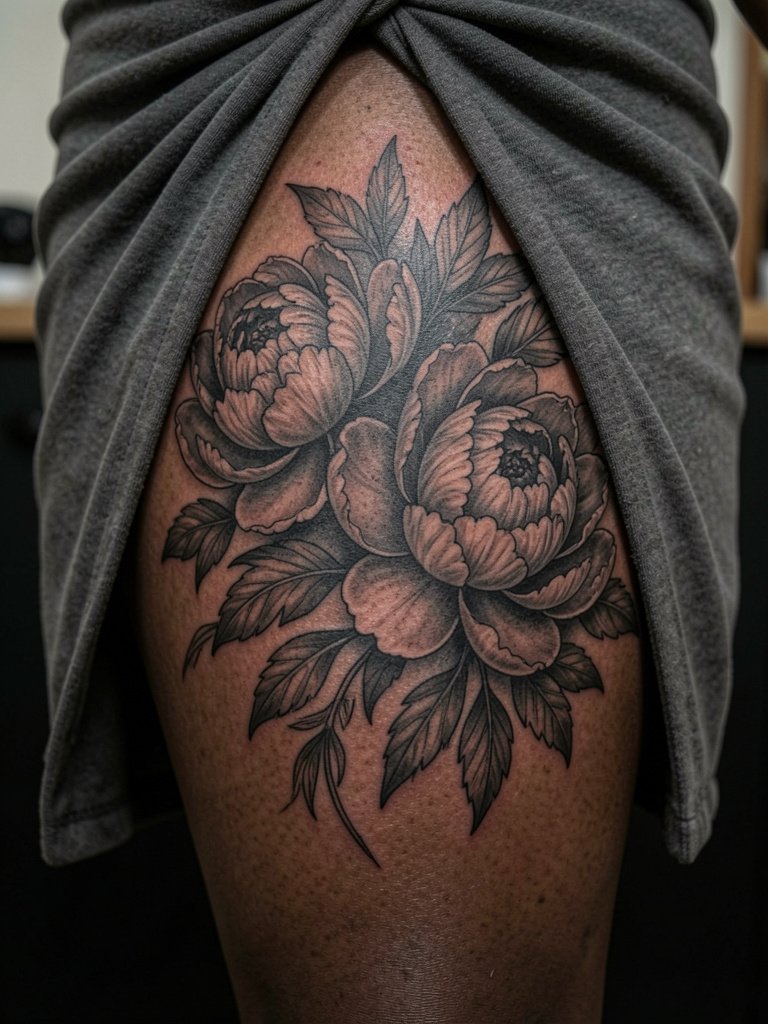
The upper thigh is forgiving and ideal for large botanicals because it tolerates density and detail. If you plan a multi-session build, map out a patchwork plan so each session sits harmoniously next to older pieces. A common error is crowding multiple focal flowers too close together. For showing the work try high-waisted shorts, slit midi skirts, or a tied oversized button-down to let the piece peek without full exposure. Session wear should be soft shorts or skirts with easy access.
8. Animal portrait with floral frame
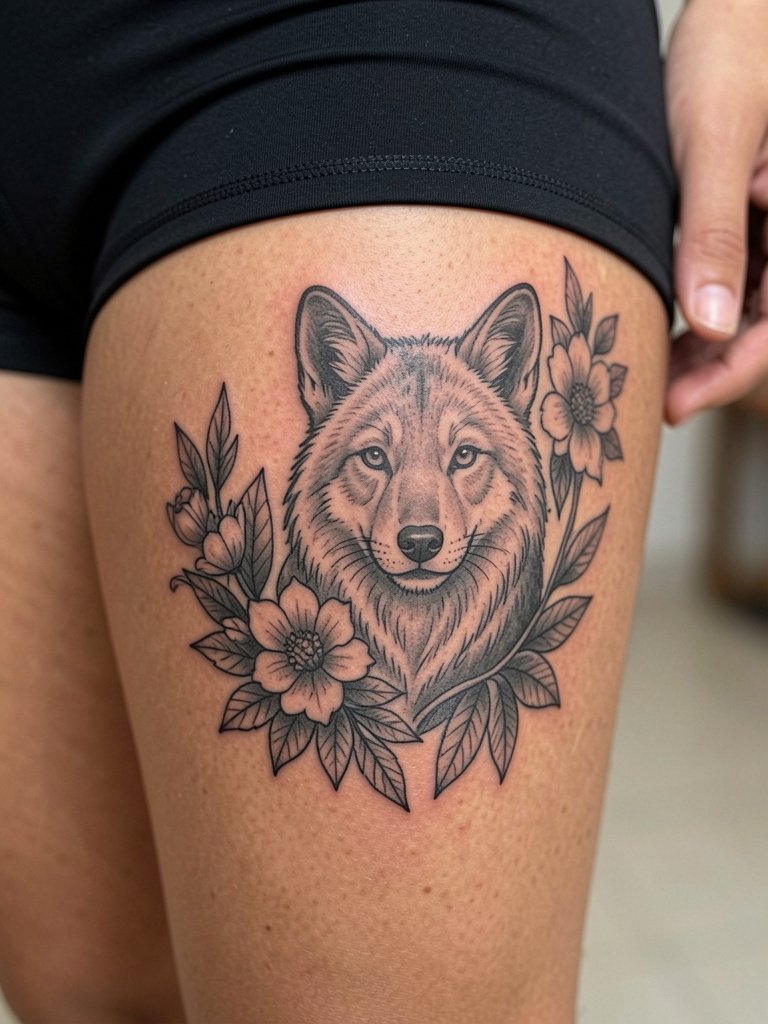
Animal portraits paired with florals give visual contrast and let the floral elements soften a realistic face. For animals on the thigh or calf, request healed examples from portfolios so you can see how fur texture and stippling hold on similar skin tones. The common mistake is demanding too-small realism; scale up the portrait so facial features keep separation as it ages. For session comfort wear loose drawstring shorts and bring a long sweater or slip-on to stay warm between passes.
9. Tiny script on the inner calf
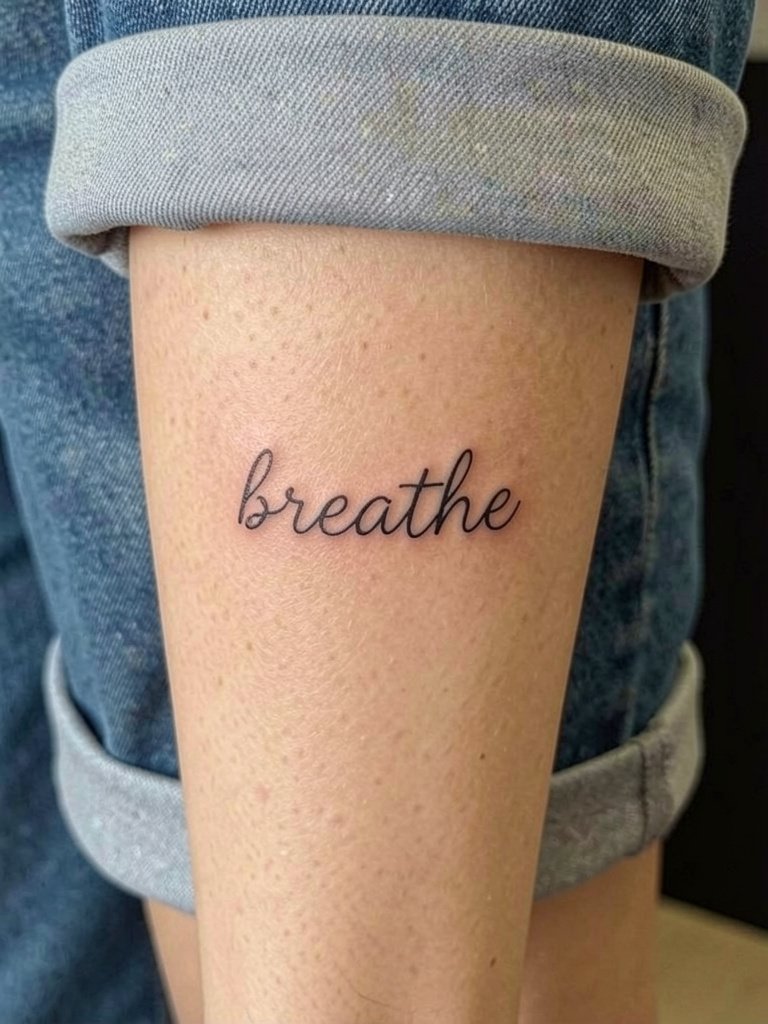
Inner calf script can be elegant, but thin cursive tends to soften on the vertical stretch of the calf. To avoid early blur, pick a slightly heavier single-needle thickness and ask for letters spaced a touch wider than the reference. A practical session tip is to wear shorts or pants that roll up easily so your calf is exposed without pressure. Inner-calf pieces are lower on the pain scale than shins, but expect standing and repositioning during the session.
10. Full leg patchwork sleeve
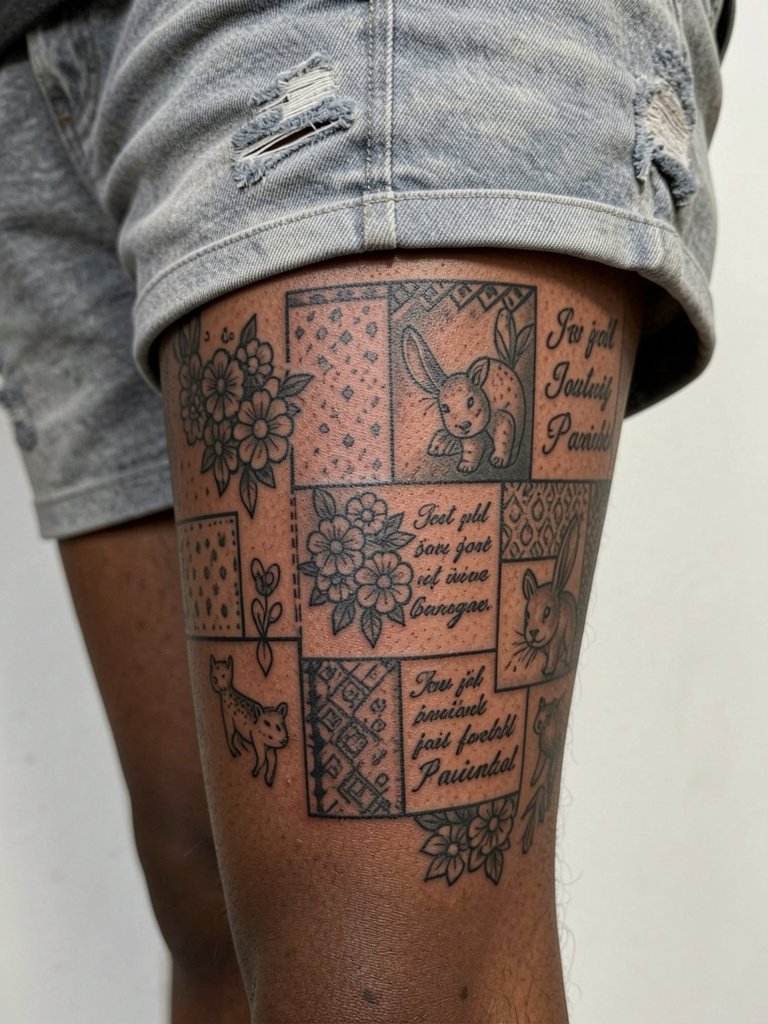
Patchwork sleeves let you build over years and avoid the commitment of one massive session, so plan connector elements in your initial session. A common mistake is mixing too many dense black pieces without negative space, which reads crowded as the sleeve grows. For styling, longer shorts and boots look curated and prevent overexposure. Expect multiple sessions spaced months apart and budget for touch-ups as you stitch pieces together.
11. Neo-traditional lion on the outer thigh
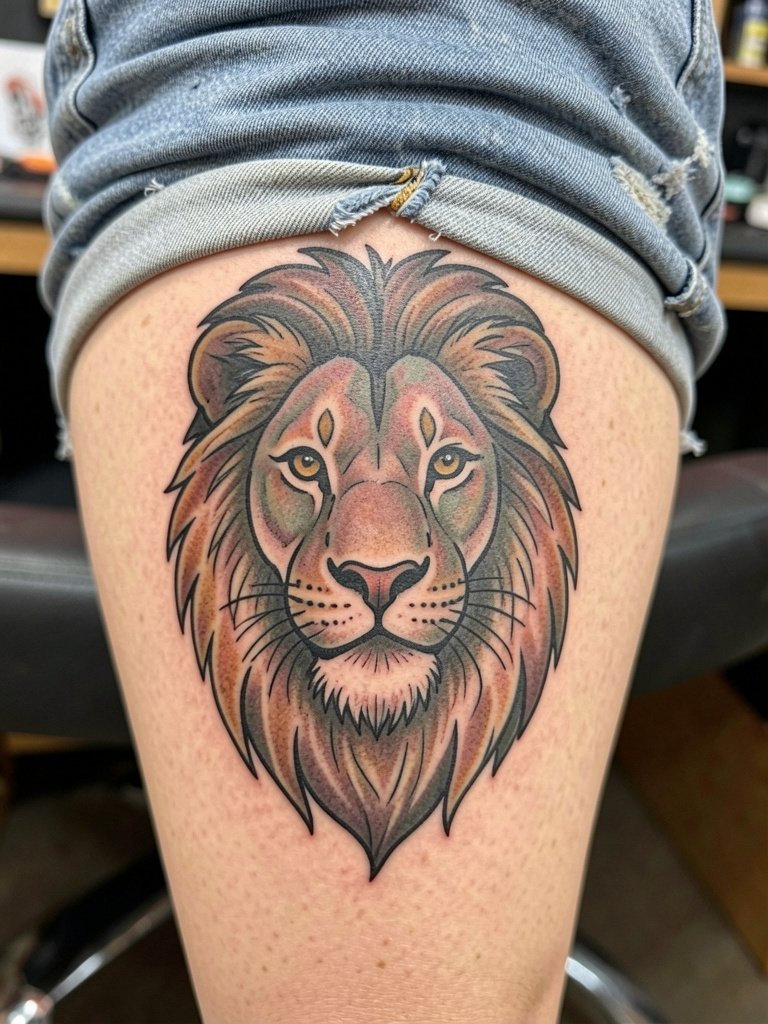
A lion on the thigh makes a strong centerpiece and benefits from larger scale so facial detail looks intentional. Neo-traditional saturation reads well on thigh surfaces because the skin tolerates color layering. If you want the portrait to age gracefully, aim for bold contour lines around key features rather than tiny stippled details that can break up. For session wear pick soft shorts that allow the artist to pivot the canvas comfortably.
12. Slim snake along the shin
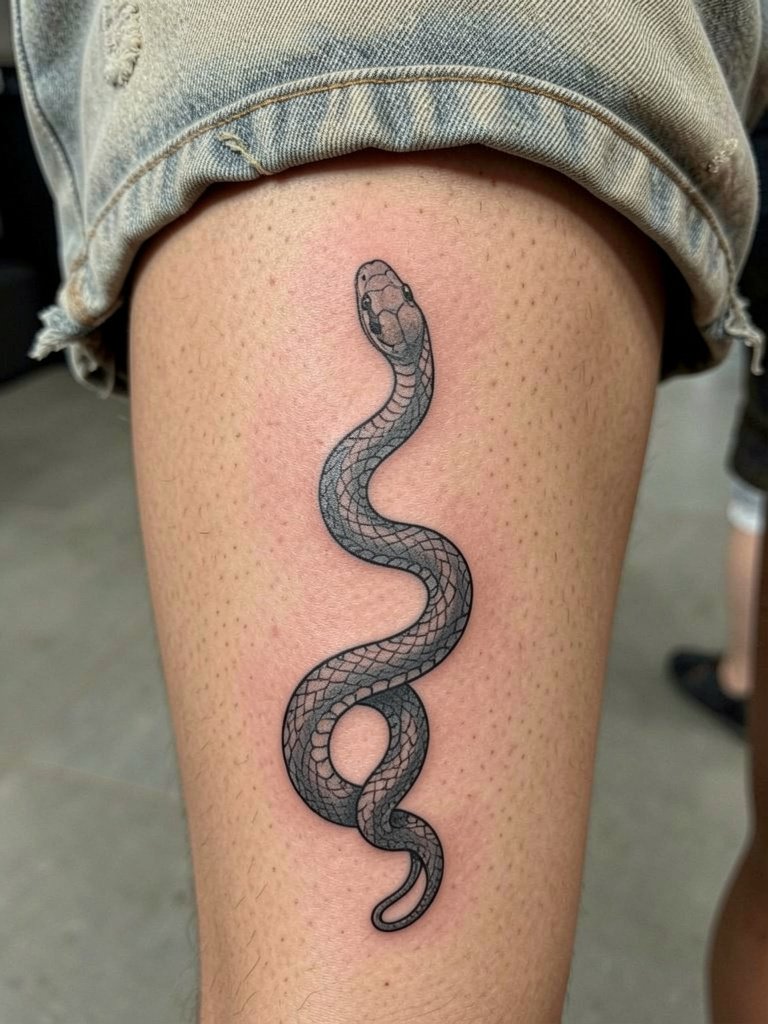
Shin placements are bony and can be more painful than calf work. The shin also shows movement, so very thin scales can merge. Choose slightly wider spacing and ask for scale pattern breaks at intervals to keep texture readable. The session will feel sharper near the bone, but many people say the result is worth the sensation. For showing the piece, go with sandals or cuffed jeans.
13. Mandala knee cap and patella band
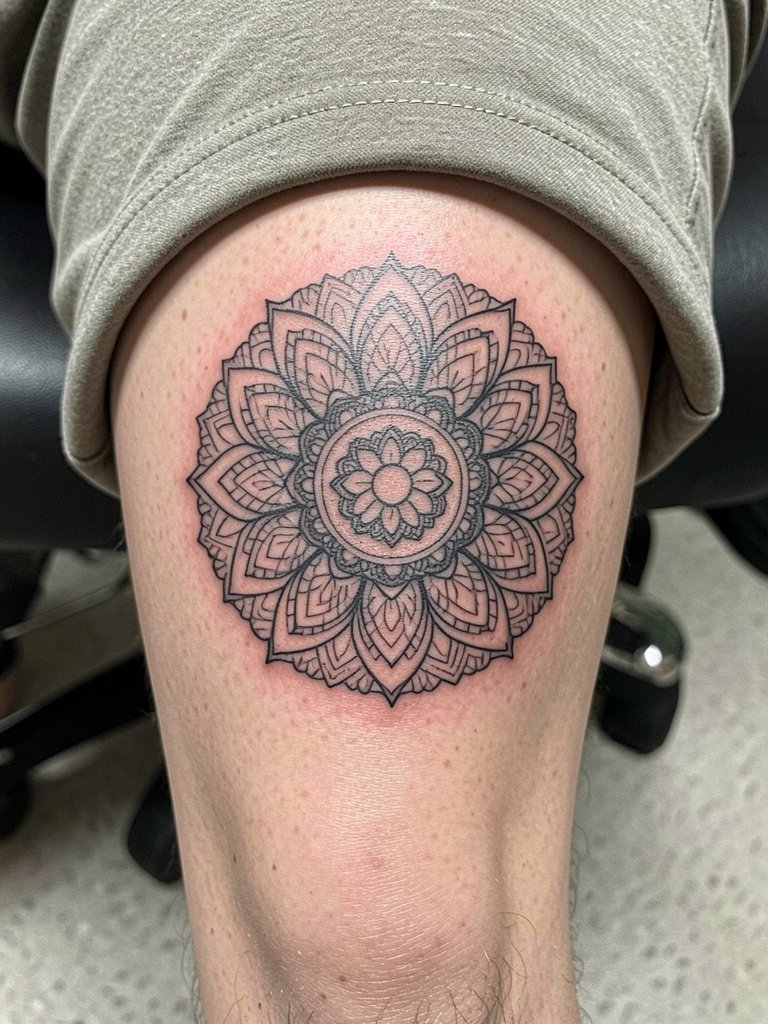
Knee tattoos must accommodate range of motion. If the mandala is too tight to the joint, lines can distort when the leg bends. Ask the artist to test the stencil on both flexed and extended positions so the radial geometry aligns. A common error is placing too many tiny details directly over the patella. For visibility, midi skirts and knee-length dresses show the patella band without overexposure. Sessions on the knee are often broken into shorter passes.
14. Wave and sea motif down the calf
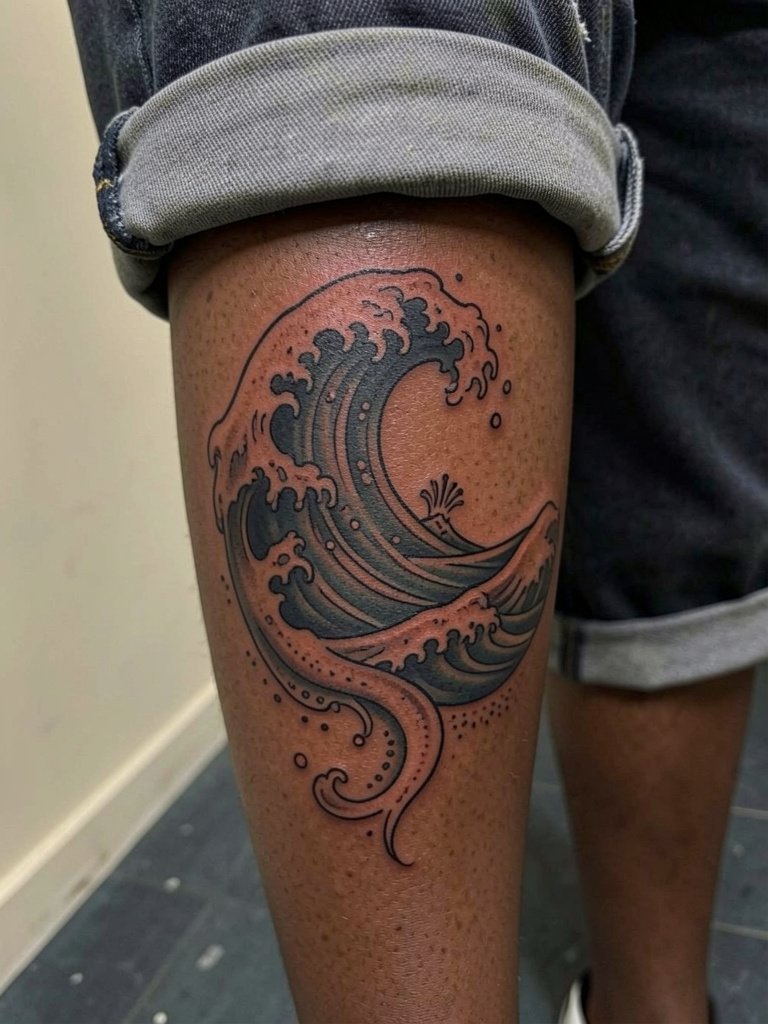
Flowing wave designs suit the calf because the vertical motion complements the leg line. For longevity, choose clear silhouettes and avoid micro-crosshatching in high-movement zones. Pair this look with straight-leg jeans cuffed at the ankle or knee-length dresses for a seaside vibe. Expect one longer session for medium-scale flows, with a touch-up possible where dot-work sits light.
15. Delicate fern on the inner thigh
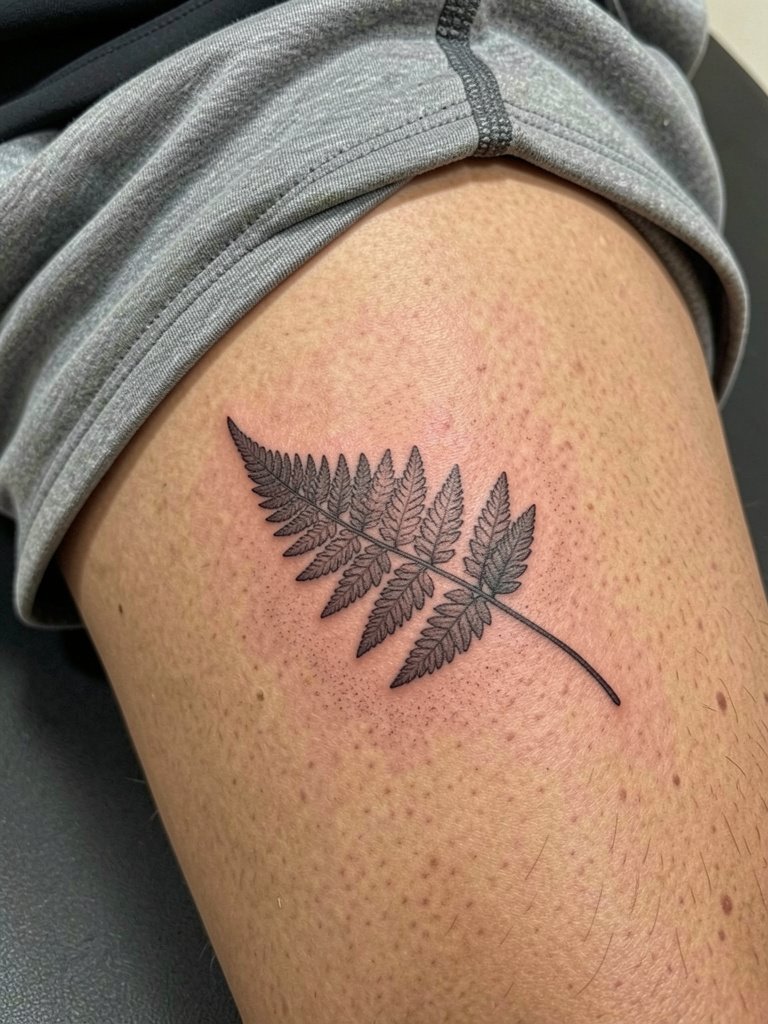
Inner-thigh pieces age differently because the area stretches and rubs against the other leg. The inner thigh can distort small details after body changes, so favor a slightly larger frond with spaced pinprick dots rather than ultra-fine filigree. For the session, wear loose shorts that lift without tight waistbands. Healing also benefits from breathable fabric and minimal friction while sleeping.
16. Small constellation cluster on the ankle
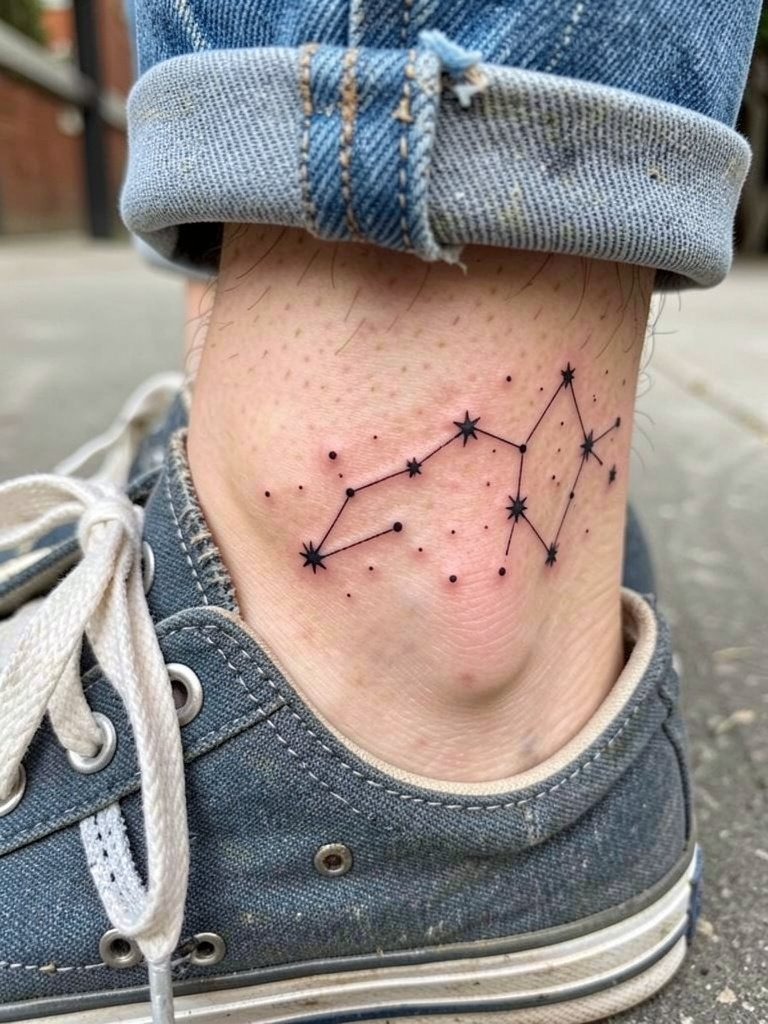
Constellation clusters are tasteful at the ankle, but note that tiny dots can fade or migrate with constant shoe friction. Consider a denser dot cluster or slightly larger start points to maintain read at six months. Pair the tattoo with thin anklets or low-top sneakers when you want a layered look. One short session is typical, but plan for a light touch-up if dots settle light.
17. Rose stem circling the ankle
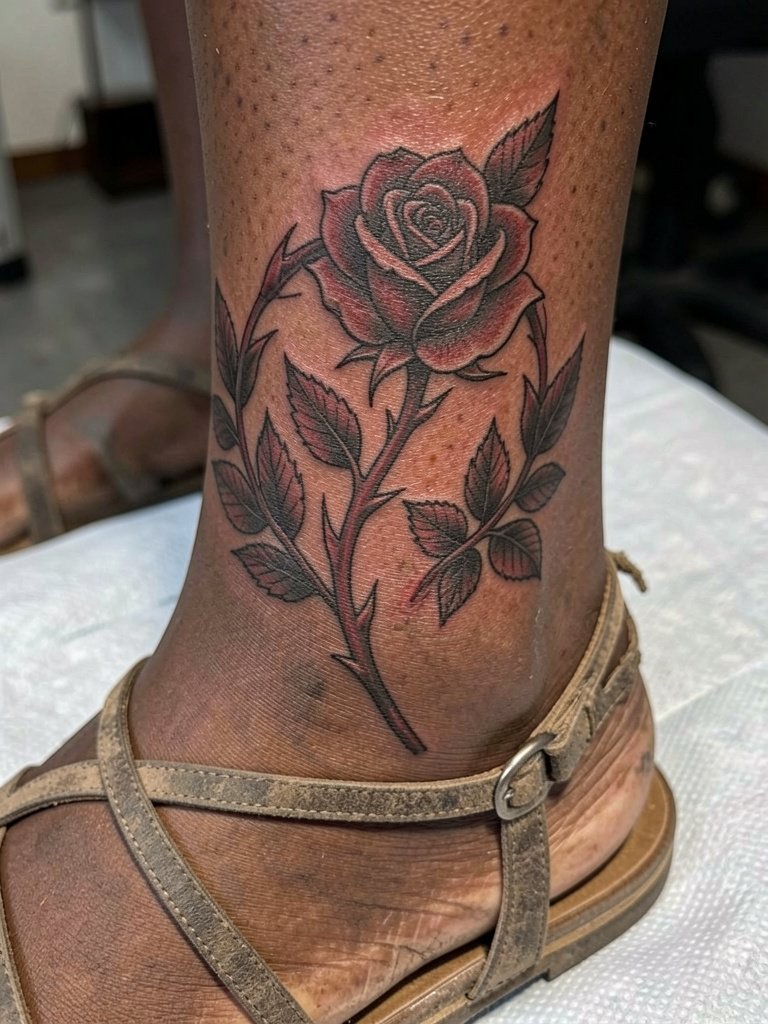
A rose stem that partially encircles the ankle reads like jewelry and pairs well with strappy sandals. The biggest mistake is going too thin around the ankle where lines can blur against footwear. Ask for consistent outline weight and denser petal shading so it keeps its form. For the session, wear sandals or pants that can be rolled without tight elastic.
18. Celtic knot calf panel
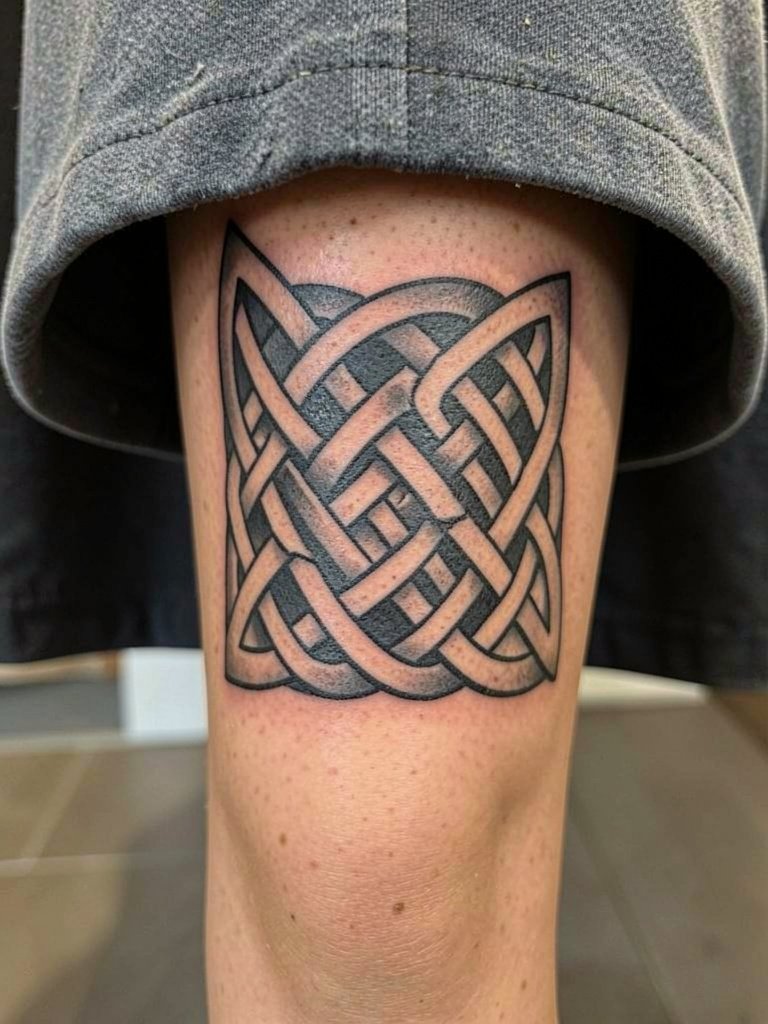
Knotwork benefits from clear, well-separated lines. If the knots are too small, intersections liquefy over time. Ask the artist to render the pattern at the intended final size and to show you how joints will read after a simulated stretch. For wardrobe, straight-leg jeans cuffed or knee-length dresses let the panel read cleanly from a distance. Calf knotwork typically touches up less when lines are bold and saturation is even.
19. Compass on the outer thigh
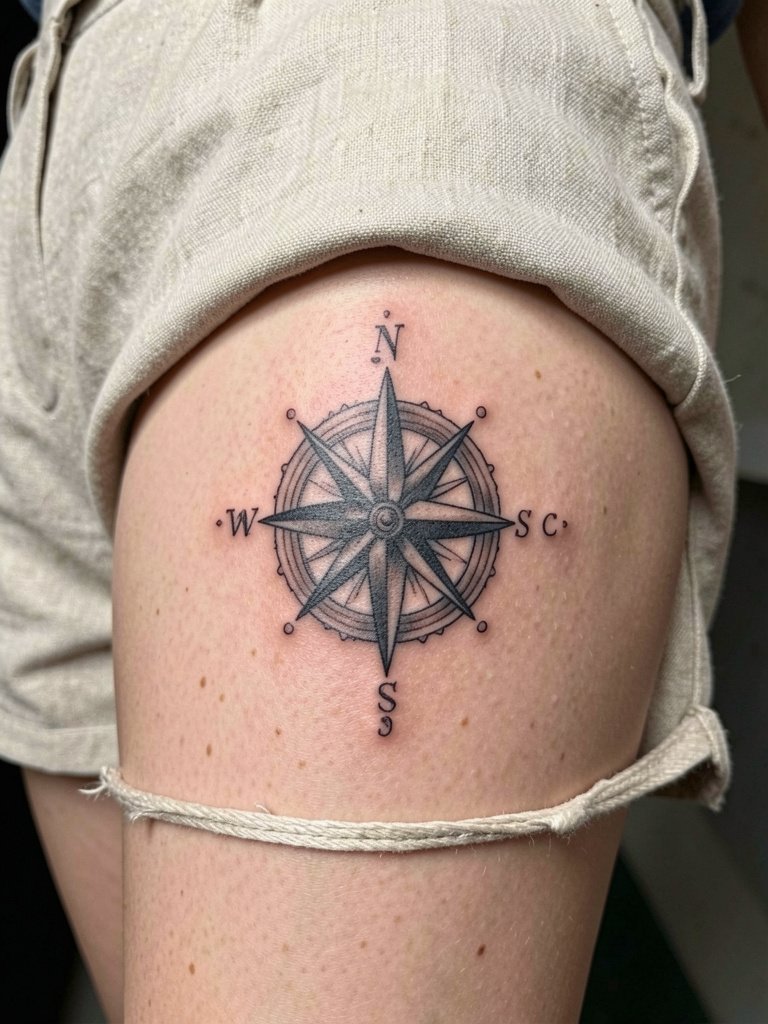
A compass needs enough size so directional points remain distinct. The thigh lets you get the map-like detail without crowding. During your consult bring two scale options so you can see how the rose reads at four inches versus seven inches. For session comfort wear a soft pair of shorts and plan for breaks if shading is dense. Thigh placements often have lower pain and heal reliably.
20. Watercolor poppy cluster on the thigh
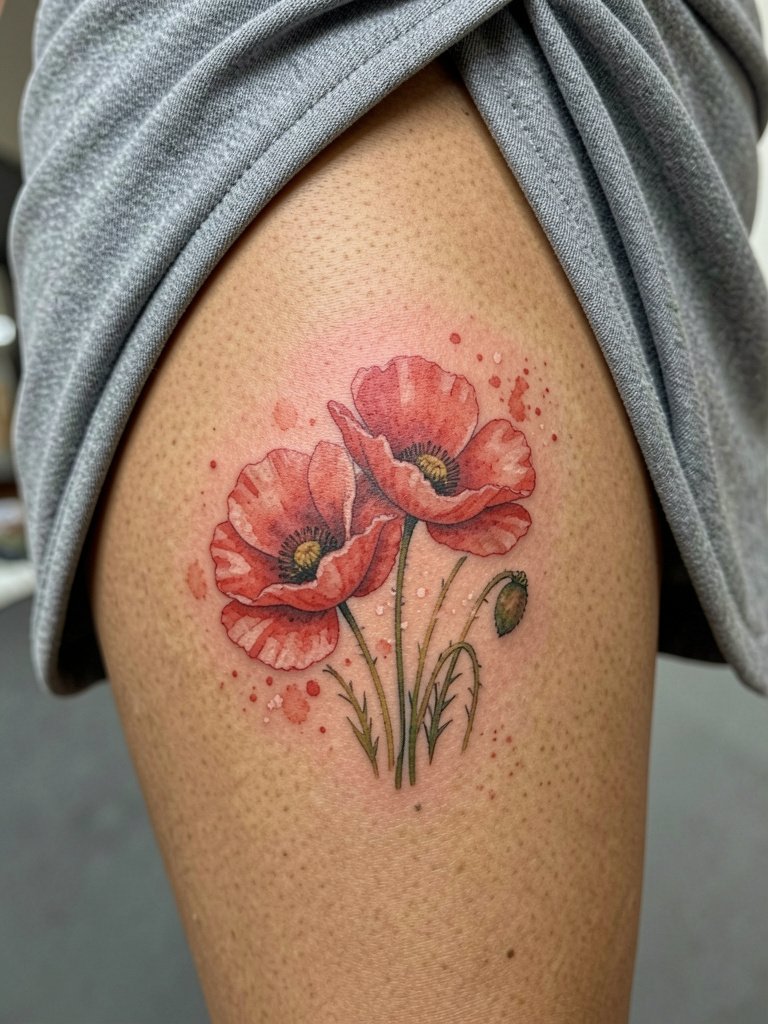
Watercolor effects can photograph beautifully but sometimes age into muted washes if not framed by deliberate outlines. The debate around color on the leg is active. One camp favors black and gray because it typically remains legible longer on moving skin. Another camp argues that carefully placed color, with solid black anchor lines, produces a more expressive piece that is worth the trade-off. If you want watercolor, ask for muted but saturated pigments and a plan for a touch-up year one to refresh washes.
21. Minimalist band above the knee
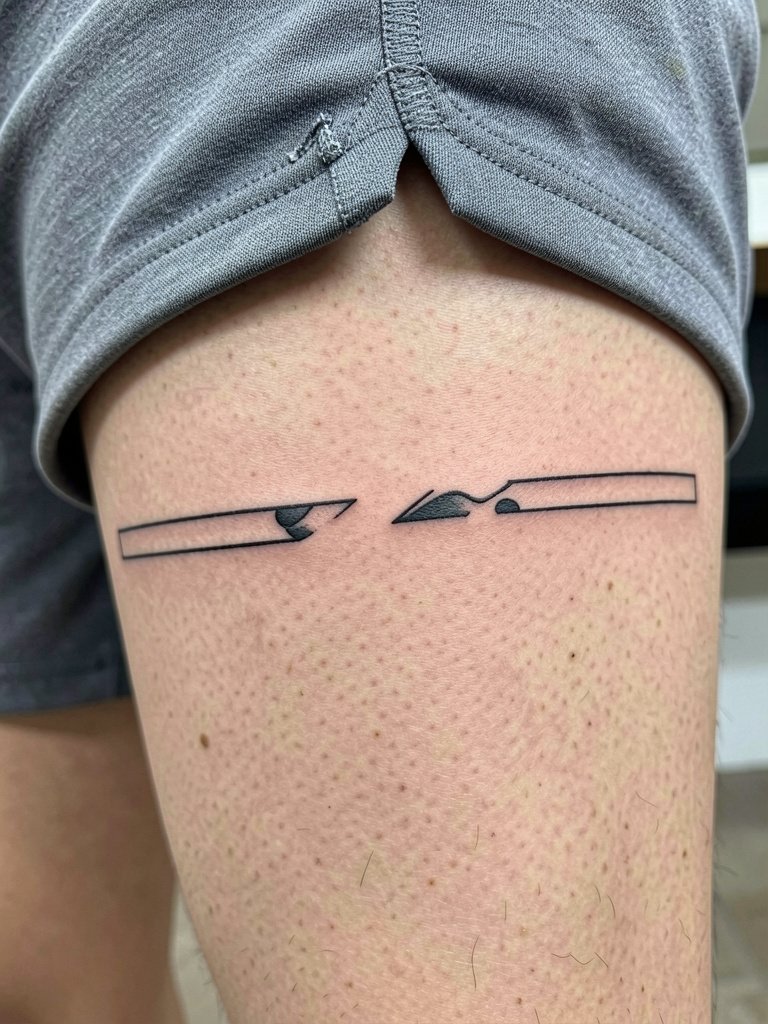
A subtle band reads like jewelry and works well on active people who want low-visibility pieces. Keep the line slightly stronger than micro-dot work to avoid softening as your knee moves. For session wear bring athletic shorts and be prepared to flex early so the artist can seat the band in the right place. A single thin pass is fast, but expect a return visit if any part heels patchy.
22. Tiny barcode or coordinate script on the calf
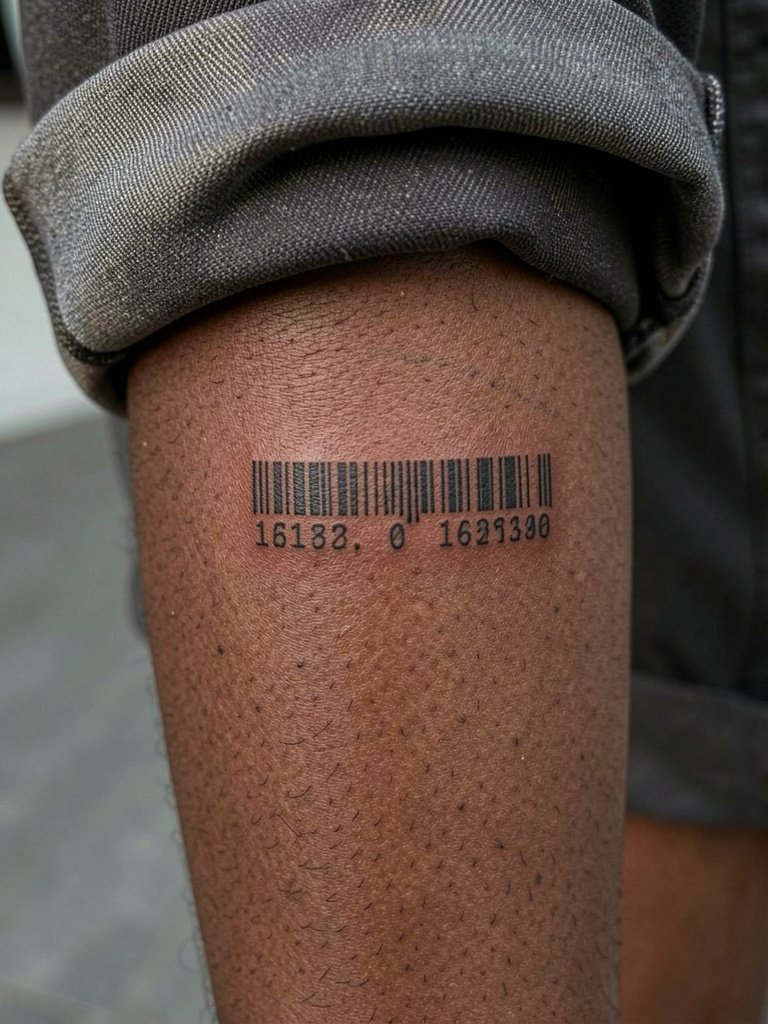
Linear barcode or coordinate motifs read best when scaled to allow machine-style spacing to remain crisp. Tiny monospaced digits packed too tightly can merge after healing. For visibility, wear midi skirts or cuffed jeans. In consultation provide the exact text you want, because image generators and stencil makers need the precise characters to avoid gibberish in the stencil.
23. Fern band up the shin
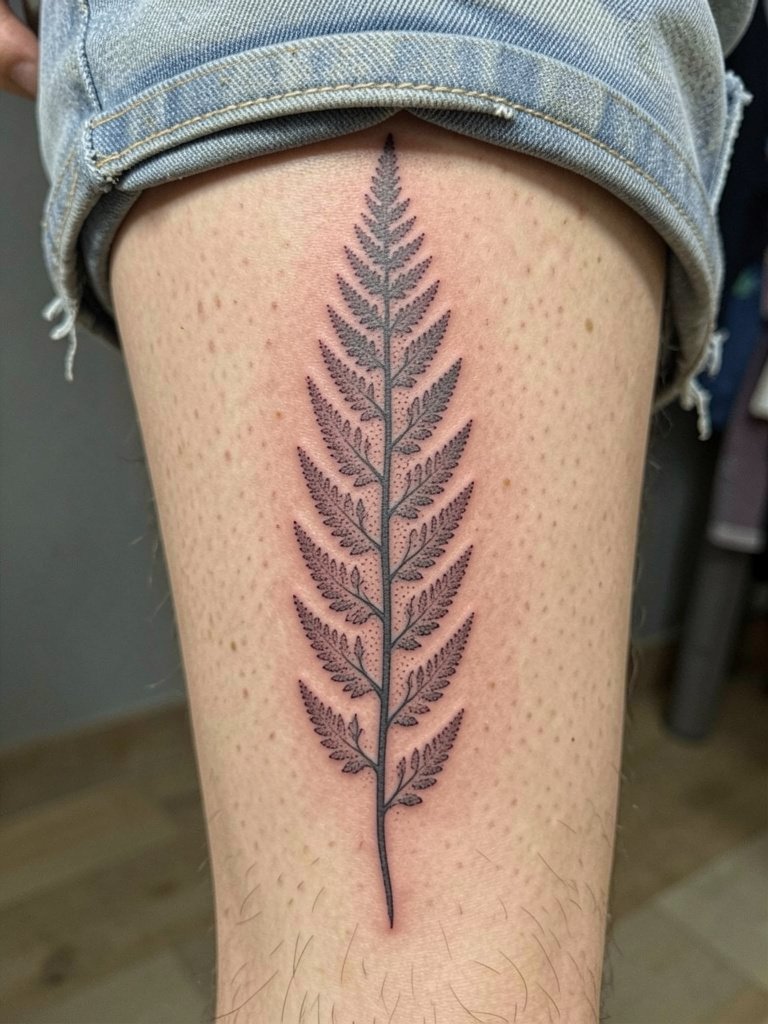
Vertical fern bands play with the shin's length but be cautious about very tight dot shading near bone. Dot work can look delicate, but on the shin it may need heavier stippling near the center to maintain depth over time. For session comfort expect sensitivity near the bone and short breaks. Pair the finished band with sandals or cuffed pants for a botanical touch.
Frequently Asked Questions
Q: How much does a leg tattoo cost in the US, roughly?
A: Expect a wide range depending on size and complexity. Small ankle or calf pieces commonly range from about 100 to 400, medium thigh or calf work often falls between 250 and 1,000, and large patchwork or full-leg projects can run 1,500 to 5,000 or more over multiple sessions. Shop minimums and custom design fees are common, so factor those into your booking budget.
Q: Which leg placements hurt the most and how should I prepare?
A: The shin and ankle are generally sharper because of proximity to bone, while the outer and upper thigh are usually less painful. For shin sessions expect stinging near the bone and plan for breaks. Wear loose, easy-to-remove clothes so the artist can access the area without tight elastic.
Q: Do fine-line leg tattoos hold up long term?
A: One group of artists and clients warns that fine-line work, especially on calves and shins, can soften and blur faster because of movement and skin texture. Another group argues fine-line pieces hold if the artist spaces lines wider, uses proper depth, and you follow aftercare, and they show healed photos to prove it. If longevity is a top concern, ask for slightly bolder line weight and healed images on similar skin tones.
Q: Should I use second-skin bandages or dry healing for a new leg tattoo?
A: Some wearers prefer second-skin because it reduces friction from pants and bedding and keeps plasma contained during the first days. Others prefer dry healing or lighter balm routines because second-skin can trap moisture and irritate sensitive skin on larger pieces. Both camps have valid points, so decide based on how your skin has reacted to bandages before and what the studio recommends for that placement.
Q: Where can I find healed leg tattoo portfolios and local artists who post real work?
A: Search hashtags like #legtattooideas, #finelinetattoo, and #patchworksleeve on Instagram and TikTok and filter by location to surface nearby portfolios. Reddit threads in r/tattoos and r/tattooadvice are useful for healed photos and booking experiences. For local options use "[your city] + tattoo studio" plus the style you want to find shops that post healed work.
Q: How do I pick clothes for a thigh or calf session?
A: For thigh work wear loose drawstring shorts or a wrap skirt so the artist can access the area easily without tight waistbands. For calf and lower-leg sessions cuff straight-leg jeans or wear bike shorts that slide up and stay comfortable during longer passes. Soft, sliding fabrics reduce post-session rubbing and help the piece heal cleaner.