
Someone I know spent hours scrolling neck tattoo reels before they realized the real problem was not the design. It was knowing which dotwork details survive hair products, whether a guest-spot artist will ghost you mid-session, and how that stipple reads on darker skin tones. I’ve seen the same debates in shops across Brooklyn and on forum threads, so these ten small dotwork neck tattoos focus on density, placement, and real-life aging so you can pick one that lasts.
1. Side-neck dotwork mandala that frames the jawline
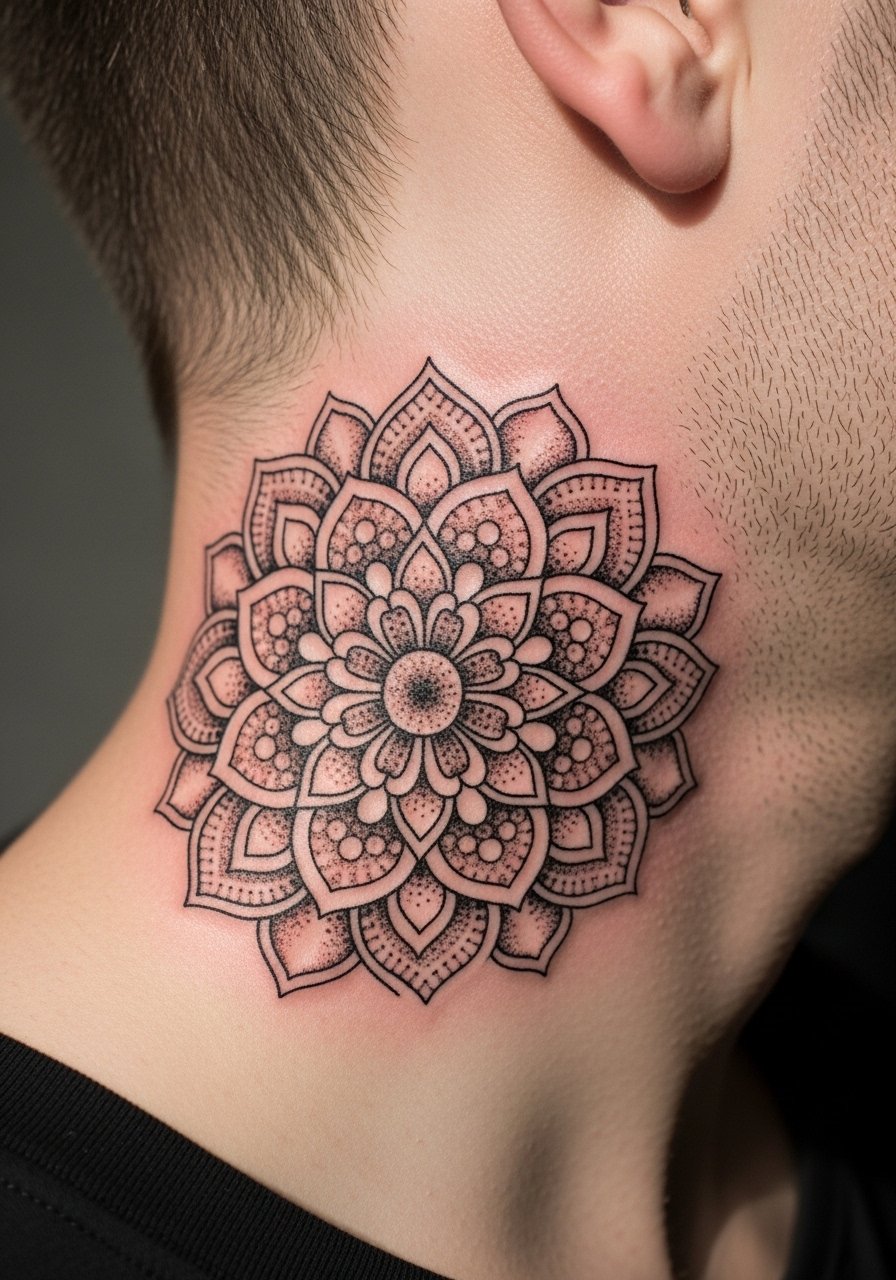
Someone I know got a side-neck mandala to frame their jaw and said it reads like a necklace without metal. Ask your artist for higher dot density near the outer petals so the design keeps shape against collars and conditioners. The common mistake is shrinking the mandala until the detail crowds together, which leads to blur after six months. Expect a low-to-moderate pain level and a session that runs one to two hours. For touch-ups, plan a check at six to twelve months since neck movement and hair products are constant culprits. This placement is visible, so mention any career considerations during your consult.
2. Geometric spiderweb at the nape, compact and peekable
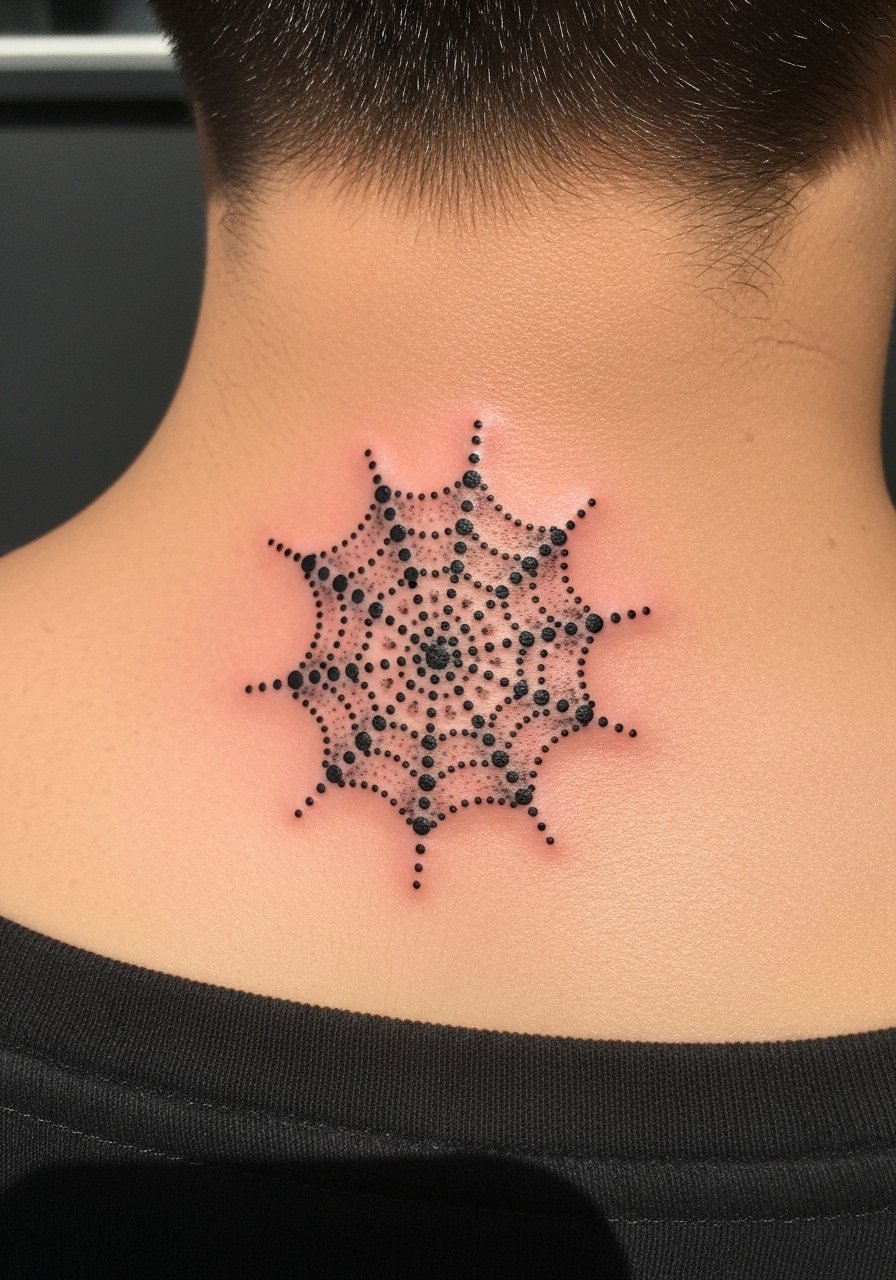
When you want an edgy accent that hides under hair, the nape spiderweb is sharp. Fair warning: the nape heals differently when it rubs against shirts and collars, so request a denser interior stipple to avoid patchy fade. Artists split on aftercare here. One camp swears by short-term Saniderm wraps to keep the area clean and fast-healing. The other camp prefers dry first-week healing to let dots anchor without a wet film. Name where you stand with your artist before booking and ask about their wrap routine. Sensitive-placement note: nape dots work best with an artist who handles small back-of-neck work regularly.
3. Stipple-shaded floral vine along the neck curve
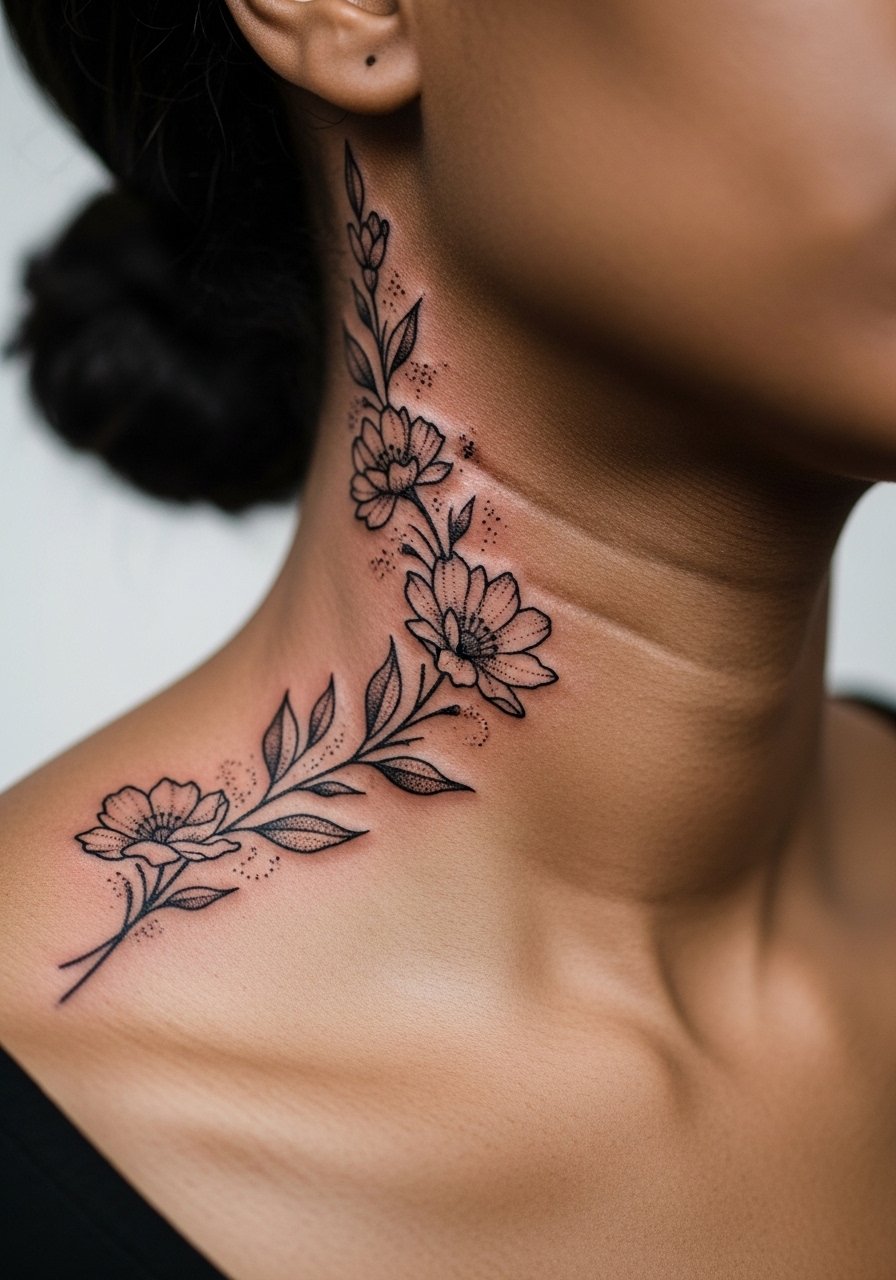
I’ve noticed floral vine dotwork reads like lace when the stipple is spaced to mimic shadow, not like a thin line tracing. Tell the artist you want stipple shading rather than single-needle outlines so the vine keeps softness as it heals. Most mistakes come from asking for "fine lines only" which often fade into ghosted threads on mobile neck skin. Expect a medium pain level and one to two sessions depending on length. At six months the vine may look softer, and by year two expect a need for a targeted touch-up in shaded zones. Sensitive-placement note: when a design crosses the collarbone, reveal your usual wardrobe so the artist can plan edge placement.
4. Pointillist triangle on the throat for minimalist protection
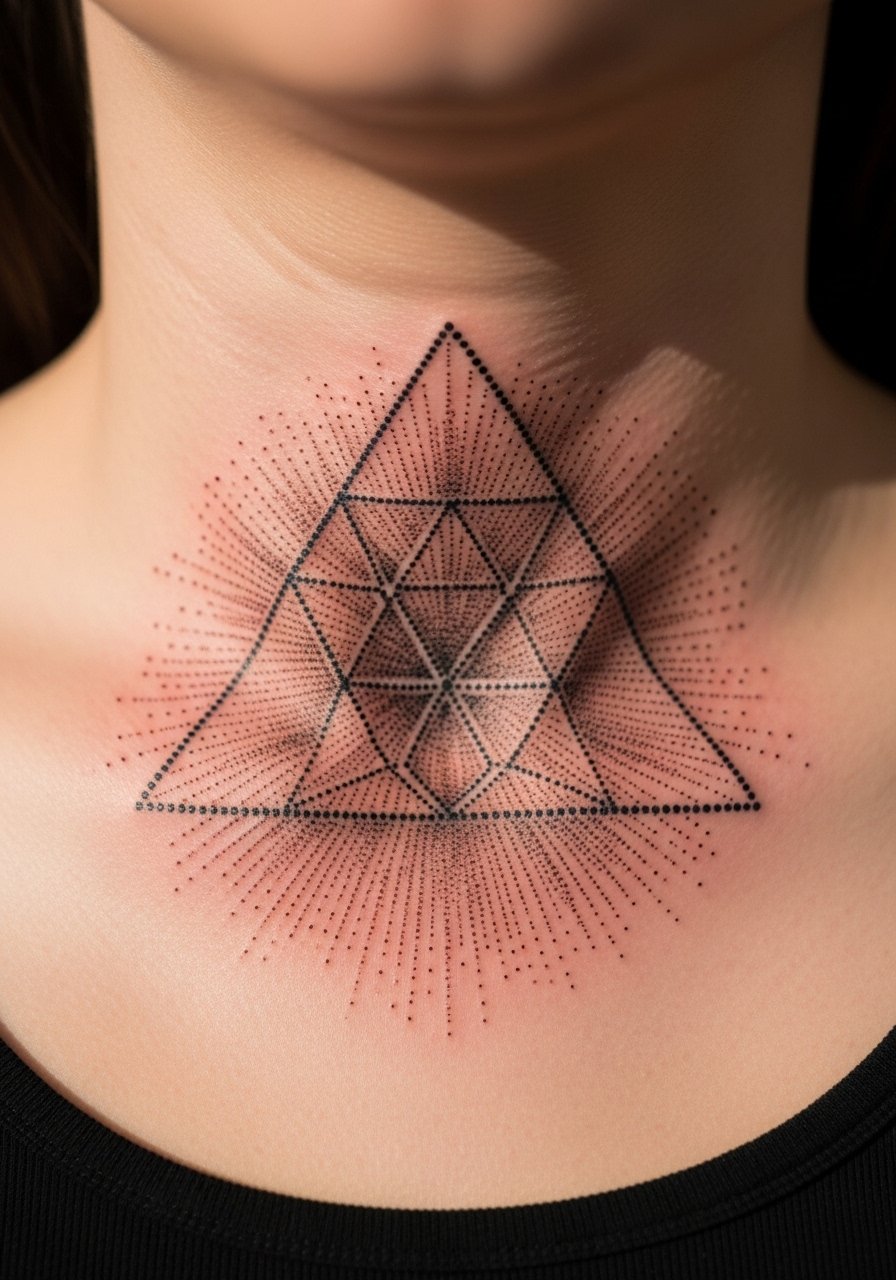
When you want something front and centered, a pointillist triangle focuses attention upward without heavy linework. The biggest mistake is making the triangle too small, which eats into negative space and blurs quickly. Expect a sharper sting on the throat than on the nape and a short one- to two-hour session. Artists debate fine-line throat work. One side argues thin dots blur within a year on such mobile skin. The other side says larger dot clusters with correct depth hold far better. Ask the artist how they set density and where they place negative space. Sensitive-placement note: front-throat work often requires an artist experienced in small central pieces.
5. Crescent moon and clustered stars tucked at the base of the neck
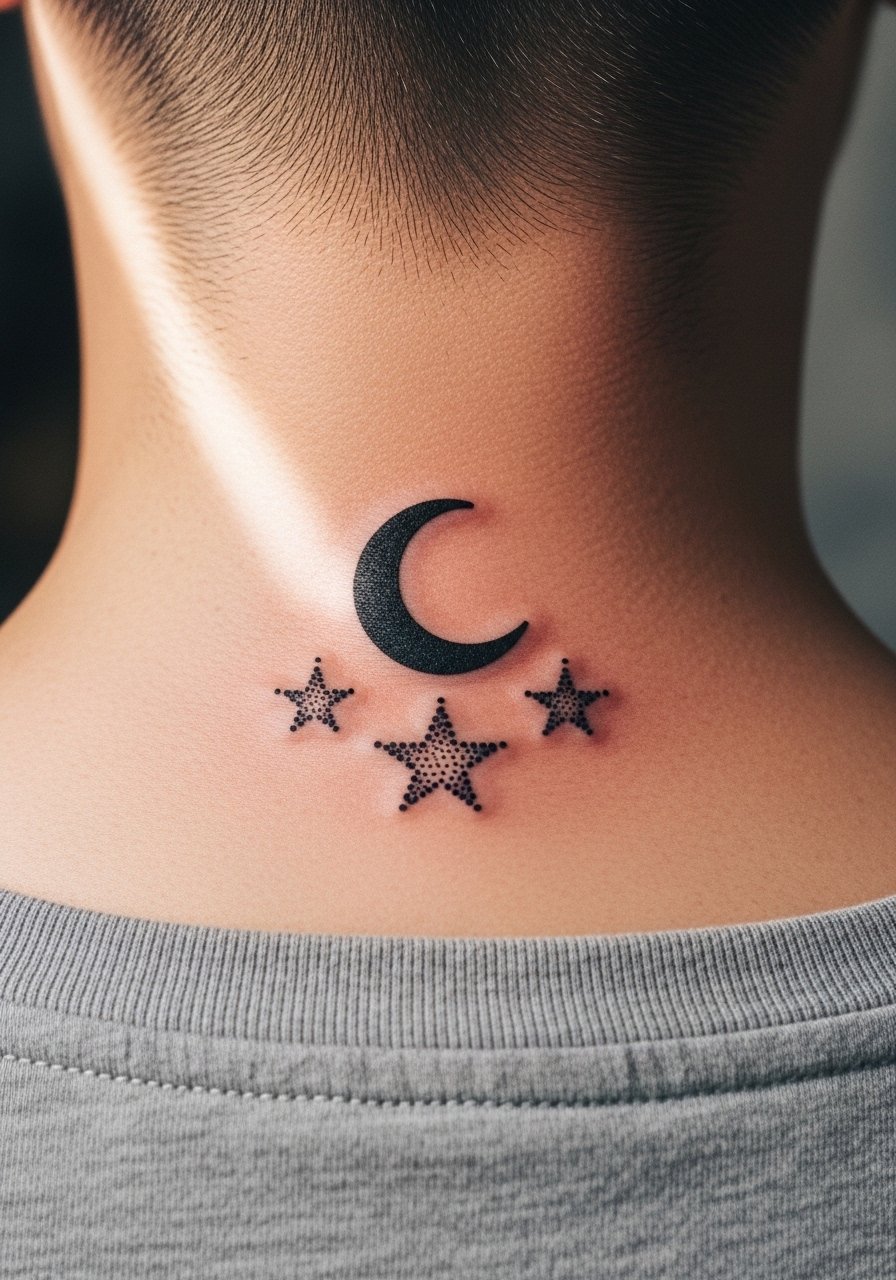
There is a reason this peeks from ponytails so well. For low-visibility charm choose a moon with clustered stars and ask for a slightly higher dot count on the outer curve so it reads crisp under hair. Common mistakes include asking for sparse stars that vanish when photographed. Expect a quick single-session tattoo and low-to-moderate pain. At two years this motif usually needs only a light touch-up if you avoid heavy hair oils near the area during healing. Sensitive-placement note: nape dots interact with hair products, so mention your regular shampoo and styling routine.
6. Micro-realism hourglass on the side neck, shaded by stippling
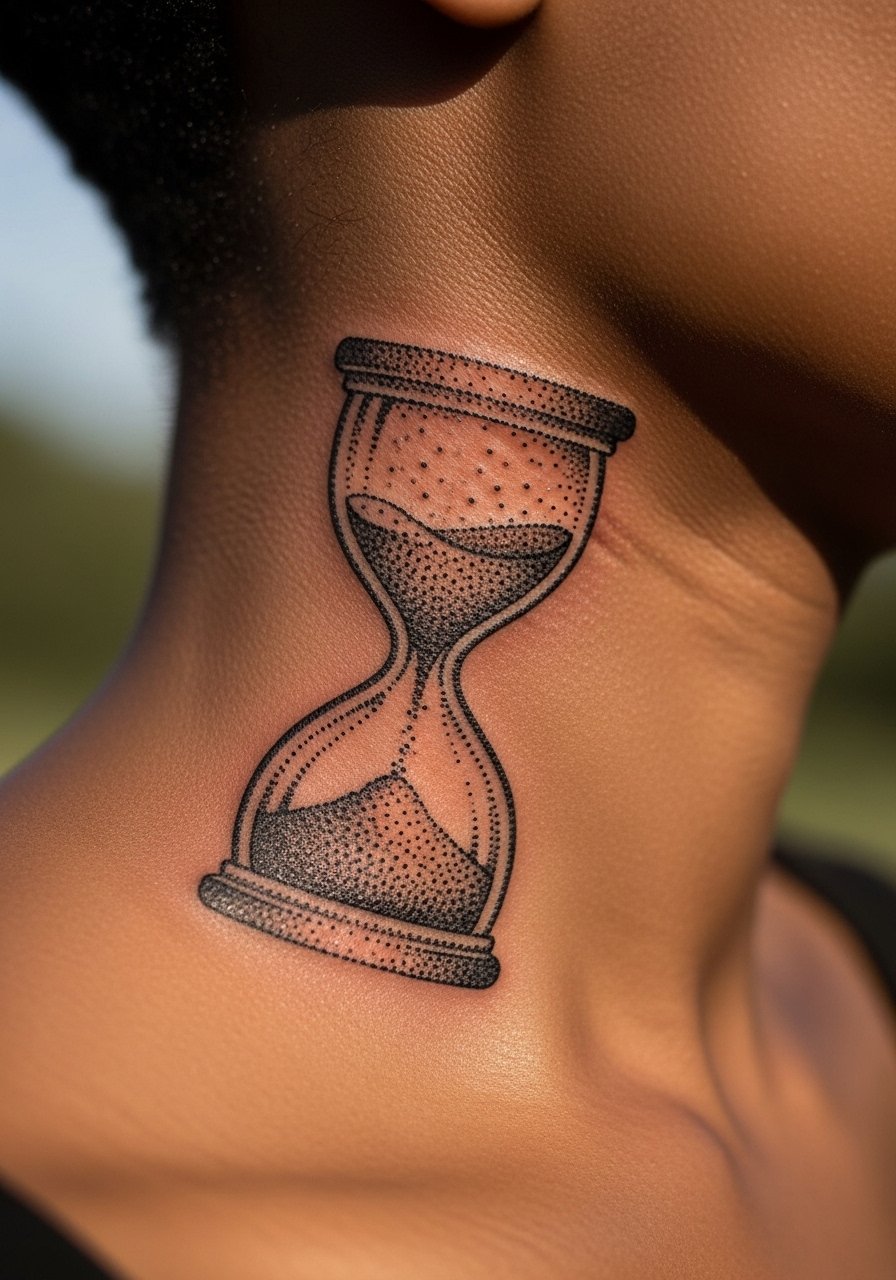
When a milestone matters, an hourglass communicates passage without lettering. During consult, ask for stipple gradients that emphasize contrast between upper and lower chambers rather than thin crosshatching. The frequent error is compressing micro detail into too small a space, which causes the sand effect to muddle. This takes longer, often two to three sessions, and feels like prolonged stippling on a sensitive area. Expect a touch-up within a year for dark-to-medium tones since the tiny transitions are where fade shows first. Sensitive-placement note: side-neck micro realism requires steady hand and prior experience with small shaded pieces.
7. Stippled lotus centered on the back of the neck for serene concealment
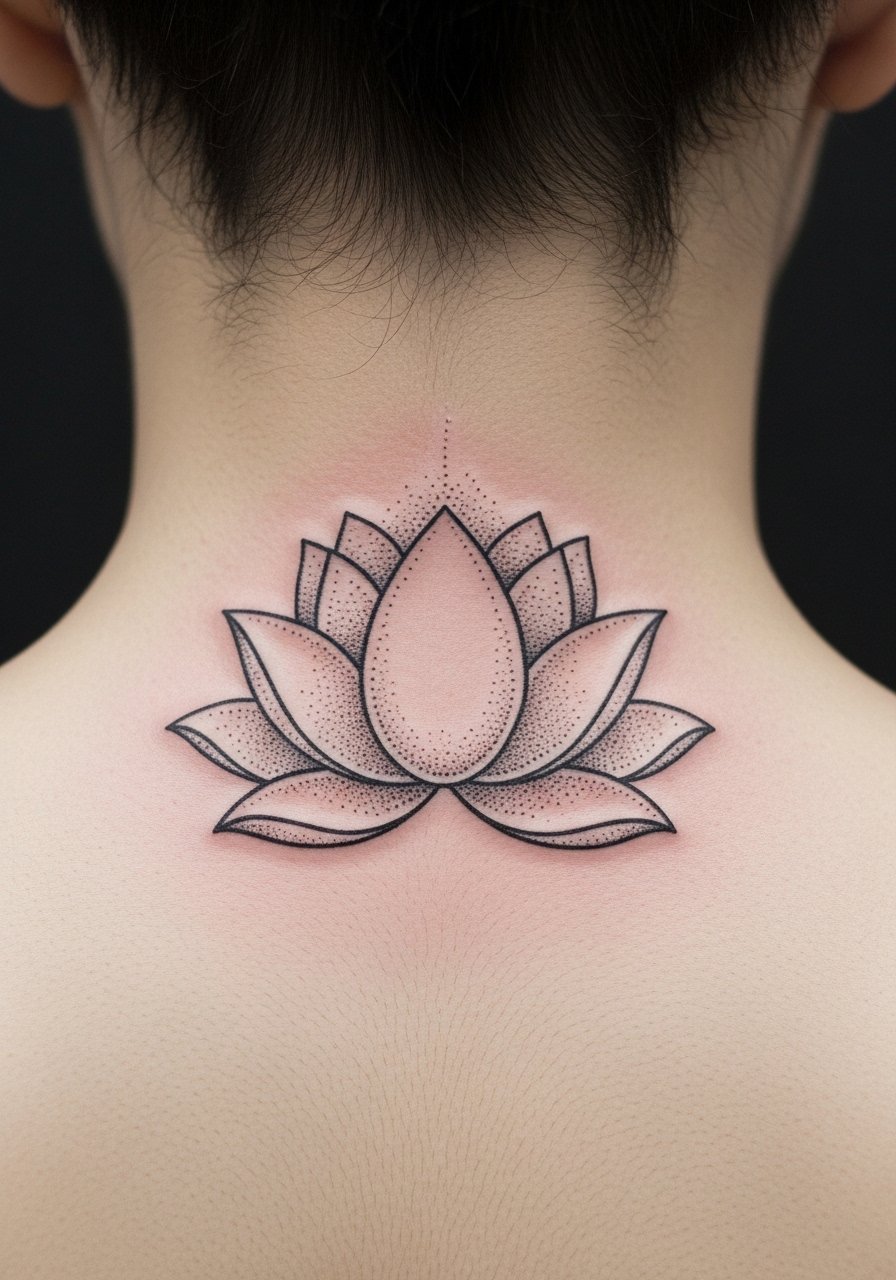
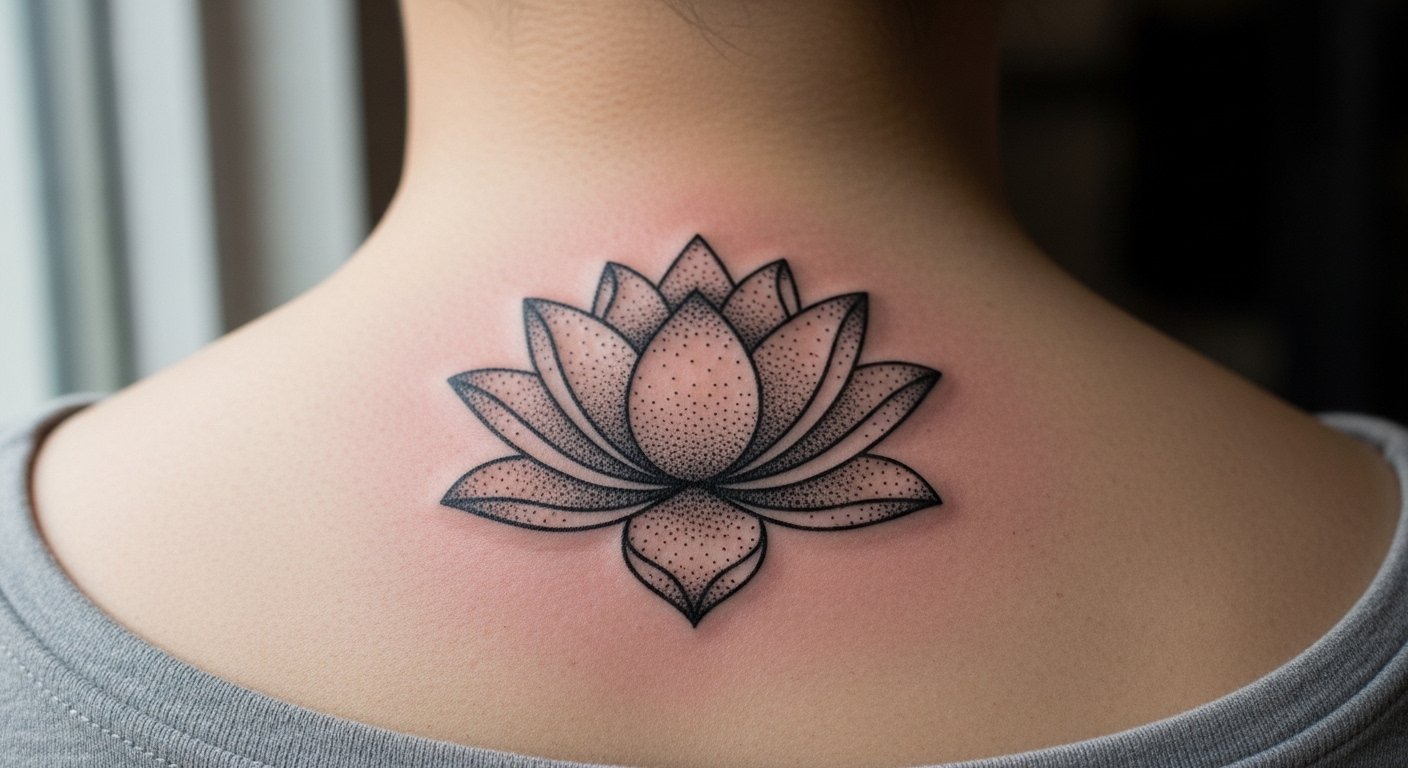
Most people pick a lotus at the nape when they want meaning and concealment. I recommend denser dots at the base of each petal so the silhouette holds under hair and shirts. A common mistake is asking for thin petal outlines that fade into wisps after a year. Pain is usually mild compared with throat placements and a two-session approach gives time for crisp layering. At six months the contrast will soften in peripheral dots, and you should plan a touch-up around year one for long-term clarity. Cultural note: lotus motifs carry spiritual ties for many, so slight stylistic variations are a respectful choice.
8. Geometric skull outline along the neckline for contrast
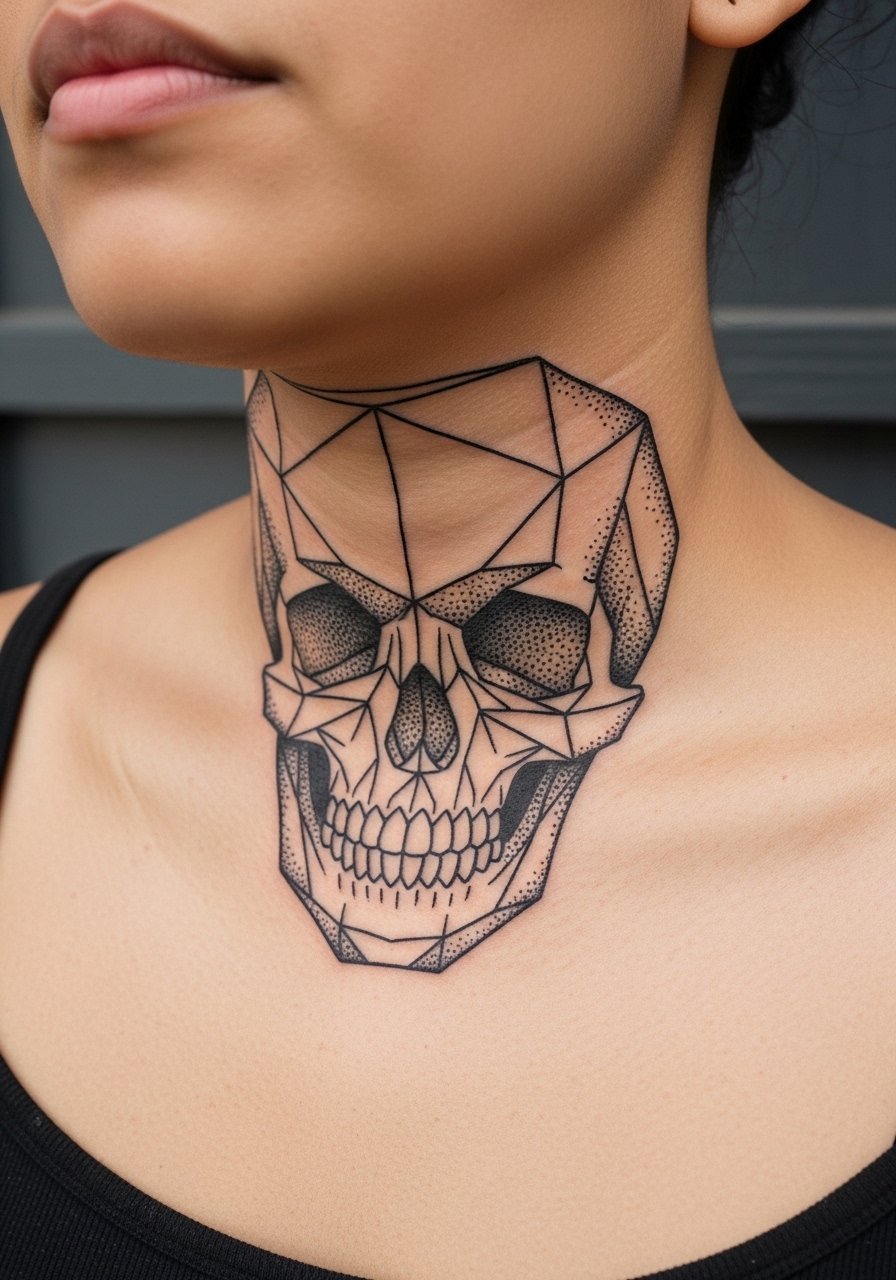
There is a dramatic effect when a skull contours the jawline without heavy solid fill. When you ask for this, specify where the darkest stipple sits so the jaw shadow reads properly in photos. The error I see is too much negative space under the jaw which makes the skull read flat once healed. Expect moderate pain and two sessions for clean gradients. For dark and medium skin tones ask for pre-ink previews on similar tones so your photos match expectations. Sensitive-placement note: pieces near the jawline need careful planning around facial hair and neckbands.
9. Pointillist wave pattern circling the lower neck, small wrap detail
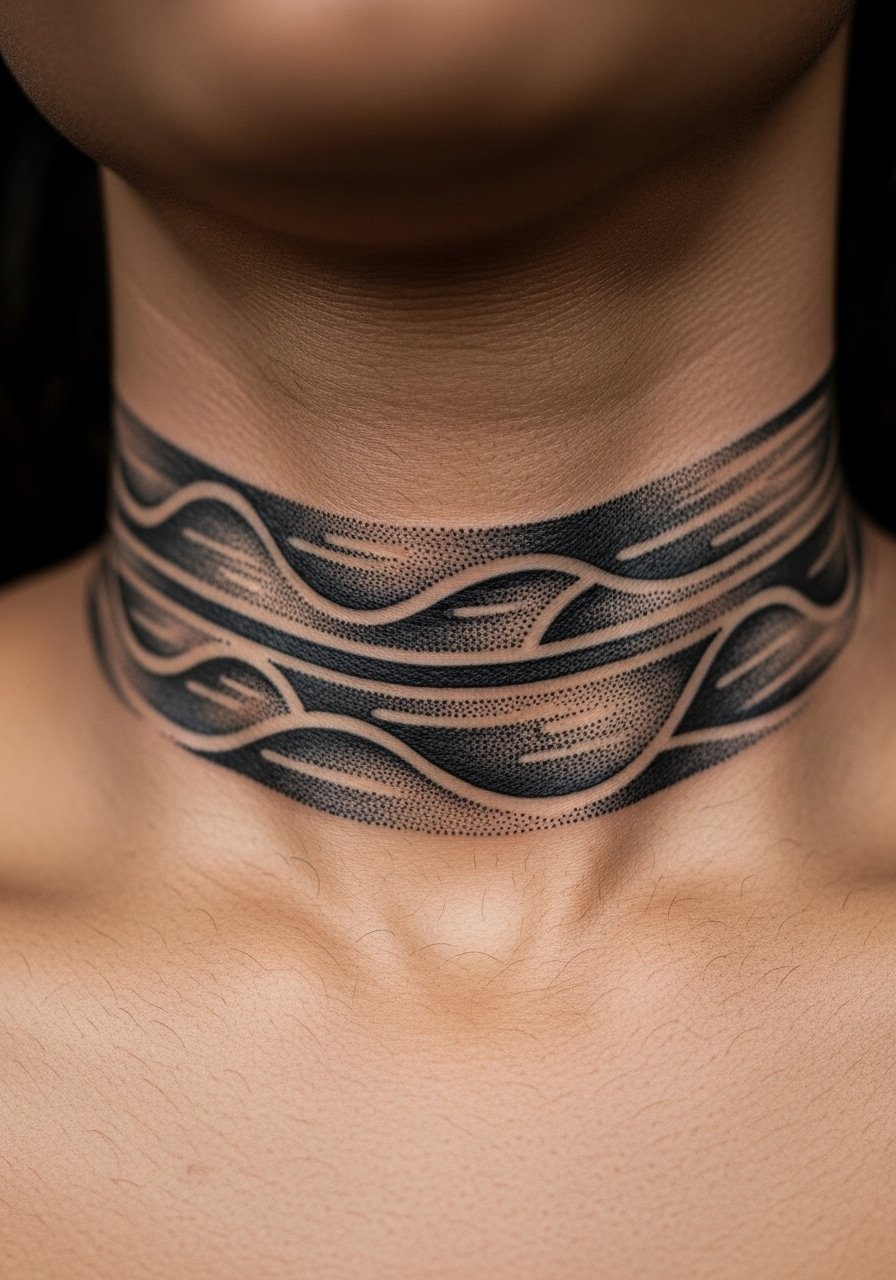
If you want motion, a narrow wave band solves static design boredom while still staying small. When you consult, bring photos that show how the band sits with your hairline and collars so the flow does not distort with weight change. A frequent mistake is asking for a full wrap too tight to the front, which changes shape when you turn your head. Expect three to four sessions for a seamless wrap, and plan touch-ups at year one where movement is greatest. Sensitive-placement note: full or partial wraps require an artist who schedules time for multiple sittings.
10. Butterfly with mandala wings at the nape, delicate density balance
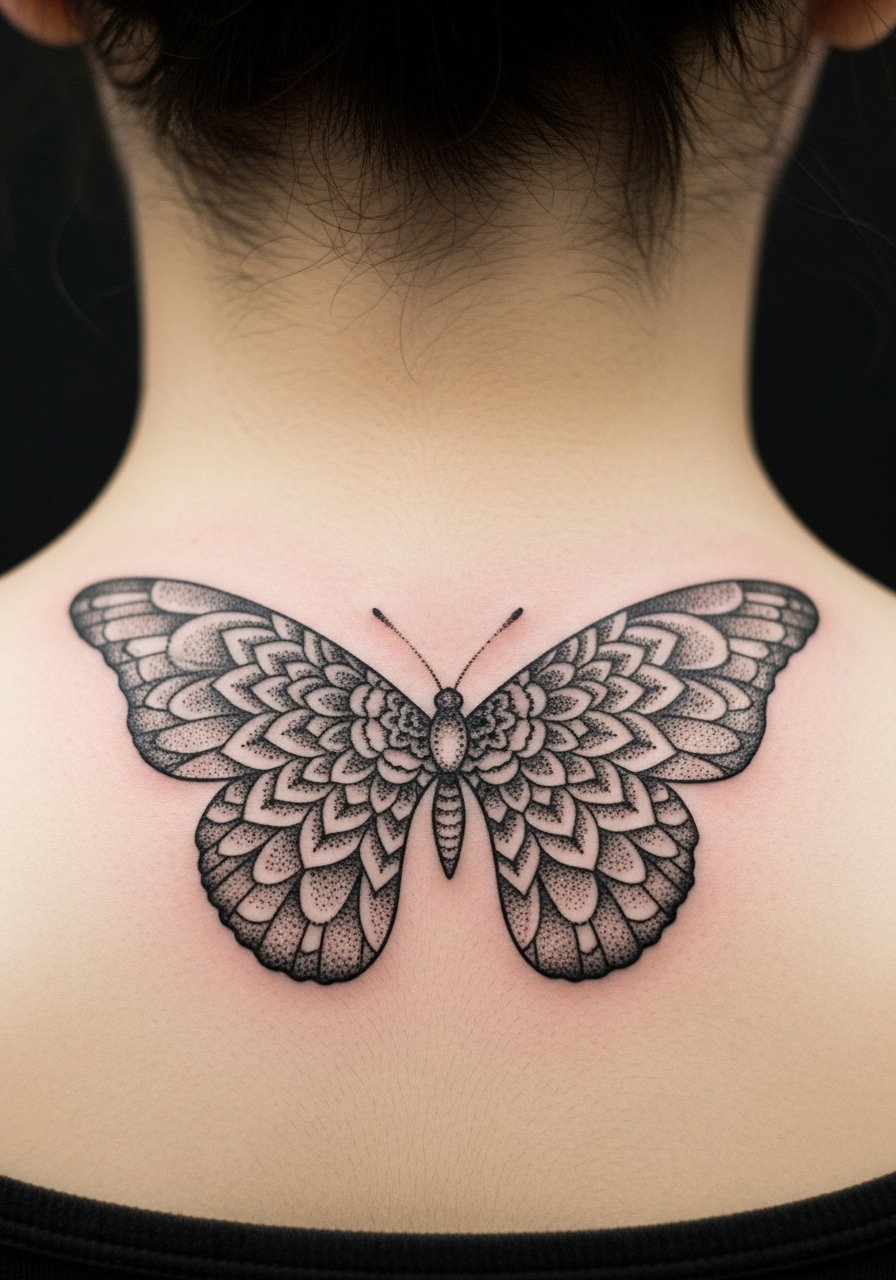
When collectors add a delicate center piece, a mandala-winged butterfly is a smart choice because it reads like two motifs in one. During the consult ask for a clear balance between wing edge dots and inner mandala density so the wings keep their mandala texture at six months. The typical mistake is over-detailing the wings in a tight span which turns into mud as the skin settles. Expect moderate pain and two sessions, with a likely touch-up in the first year for outer wing edges. Sensitive-placement note: the nape interaction with hair means you should mention your heat-styling and overnight routines.
Tattoo Prep and Aftercare Essentials
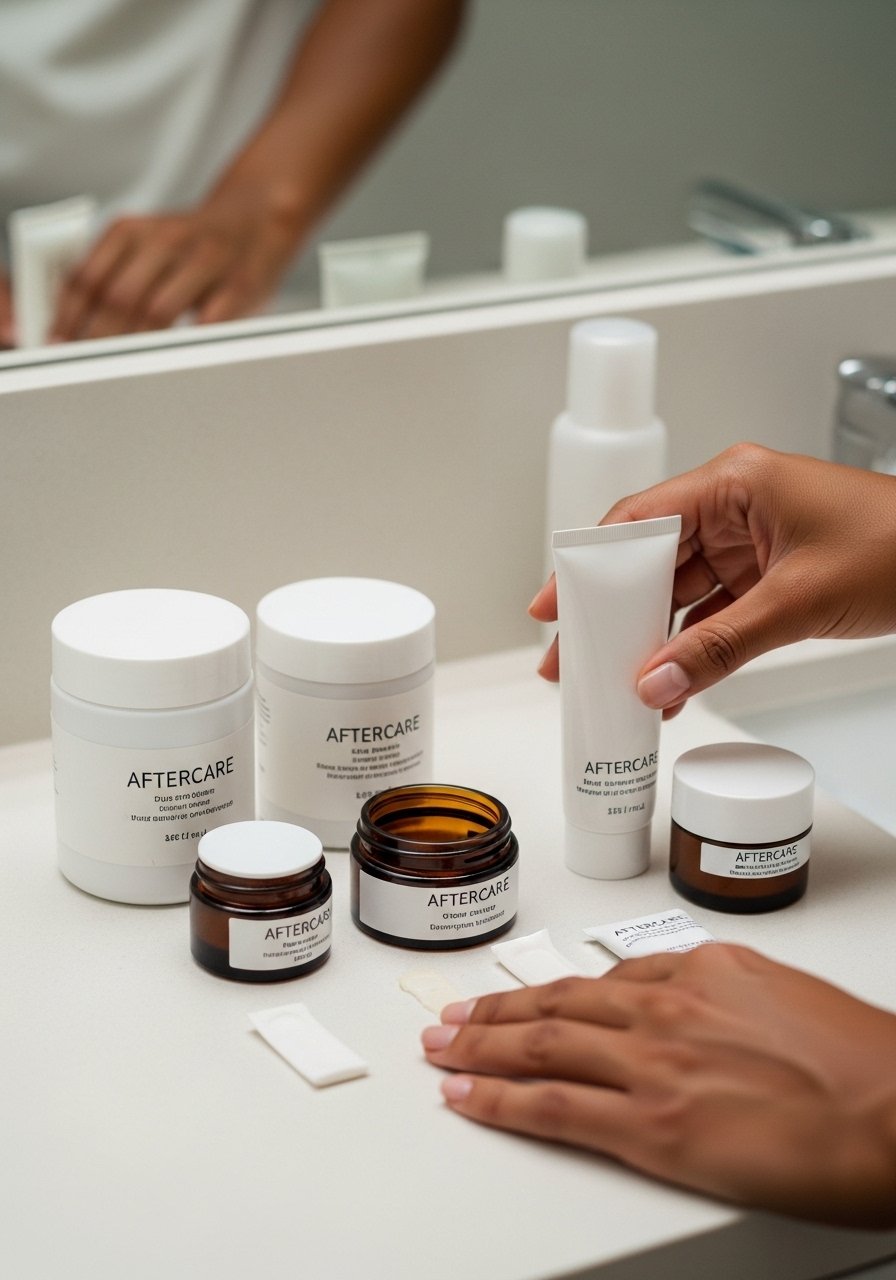
Tea tree salve, small tin, fragrance-free. A gentle salve with tea tree can cut oiliness that traps sweat on neck dots. Use it sparingly during the late healing phase to avoid clogging.
Japanese rice bran oil balm search. Rice bran oil balms are lighter than heavy petroleum and many people report less dot clumping in humid weather.
Aussie manuka honey paste, small jar. Manuka paste is anecdotally used for small spot healing and can soothe inflamed dots on mature neck pieces.
Korean centella cream, soothing gel. Centella-based creams calm sensitive neck skin without the greasy residue that can blur dotwork.
Indie dotwork sealant spray search. A light sealant applied before dyeing hair or heavy styling can reduce transfer from pomades during the critical first month.
Saniderm tattoo bandage, single roll. Saniderm is the one mainstream wrap many artists use for necks. If you plan to try it, remove it early per your artist’s guidance to reduce stipple blur risk.
Fragrance-free moisturizing lotion. A lightweight daily lotion keeps the skin supple after the initial healing phase without leaving a heavy film.
Medical-grade second skin bandage, small sheets. Handy for overnight protection against pillow friction in the first week.
Every tattoo is different. Always follow your artist's specific aftercare instructions. Consult a dermatologist if you have skin concerns or unusual healing issues.
Frequently Asked Questions
Q: Will a dotwork mandala on the side neck fade faster because I use hair products?
A: It depends on your routine. From what I’ve seen, conditioners and leave-in oils speed fading at the outer edges, so ask for higher dot density near exposed petals and avoid applying heavy products directly over the area for the first four weeks.
Q: Is Saniderm a bad idea for stipple-heavy neck pieces?
A: Artists and clients split on this. One group finds Saniderm speeds clean healing and reduces scabbing, while the other group worries it traps too much moisture and softens tiny dots. If you try it, follow your artist’s timing and ask them to remove it early if stipple blur shows.
Q: How well do dotwork designs photograph on darker skin tones?
A: Darker tones can read differently in photos, and I’ve noticed stipple density needs increasing to maintain contrast. Ask for healed examples on skin tones similar to yours, and request matte lighting shots from the artist to set expectations.
Q: What touch-up timeline should I expect for small neck dotwork pieces?
A: From what I’ve gathered, many neck tattoos benefit from a check at six months and another touch-up between twelve and eighteen months. Mobility and sun exposure are the main drivers for repeat work.
Q: Can I get a throat triangle if I am anxious about pain?
A: Throat placements sting more than the nape, but the sessions are usually brief. Numbing options exist and many people find it tolerable if you break the session into shorter passes and breathe through shading phases.
Q: Do any of these designs work better for weight fluctuation or body changes?
A: Vertical and central pieces tend to age more predictably across body changes than horizontal bands. For side-neck zones avoid long horizontal fills if you anticipate large fluctuations.
Q: Where should I look to find an artist who actually specializes in dotwork neck tattoos?
A: Use discovery pathways like the dotwork hashtags on Instagram, Tattoodo filters, Booksy searches for "dotwork + [city]," and r/tattoos threads for guest-spot alerts. Look for portfolios that show healed work and examples on a range of skin tones.