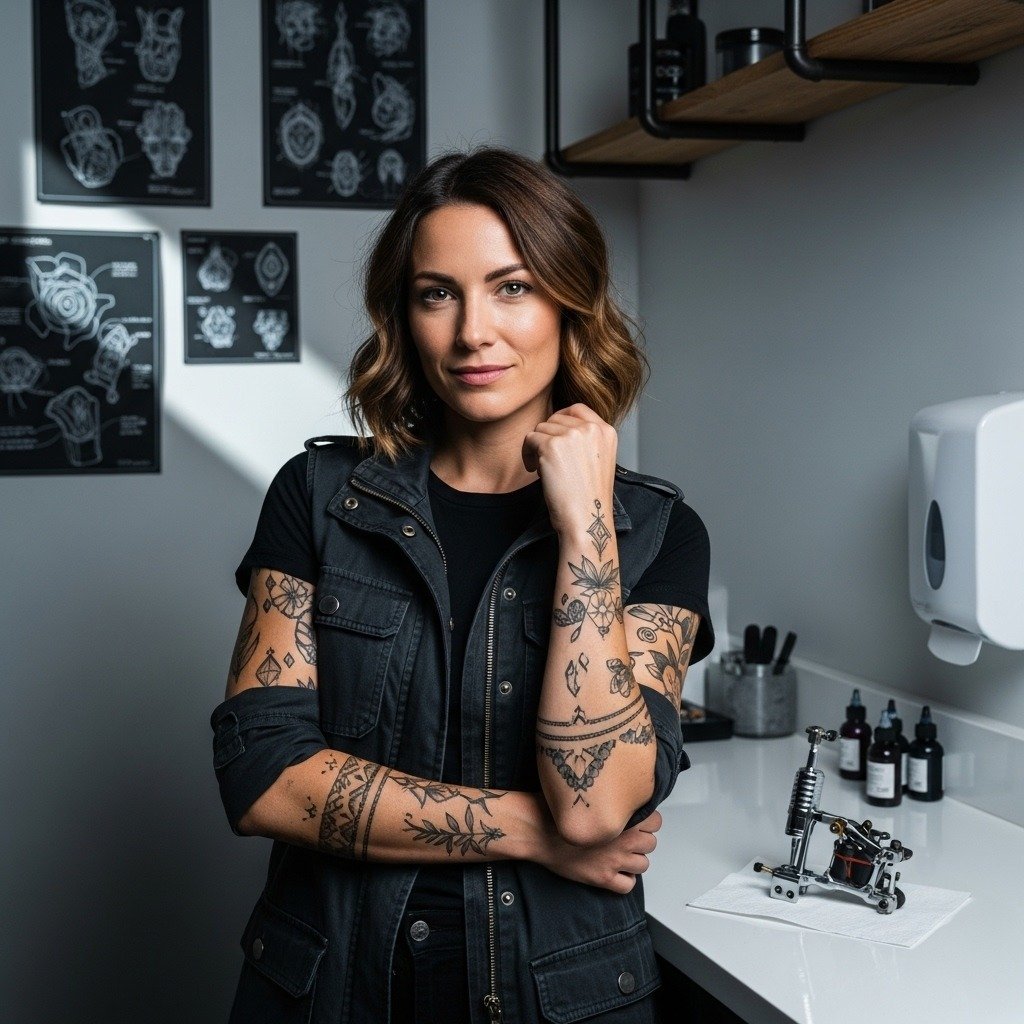
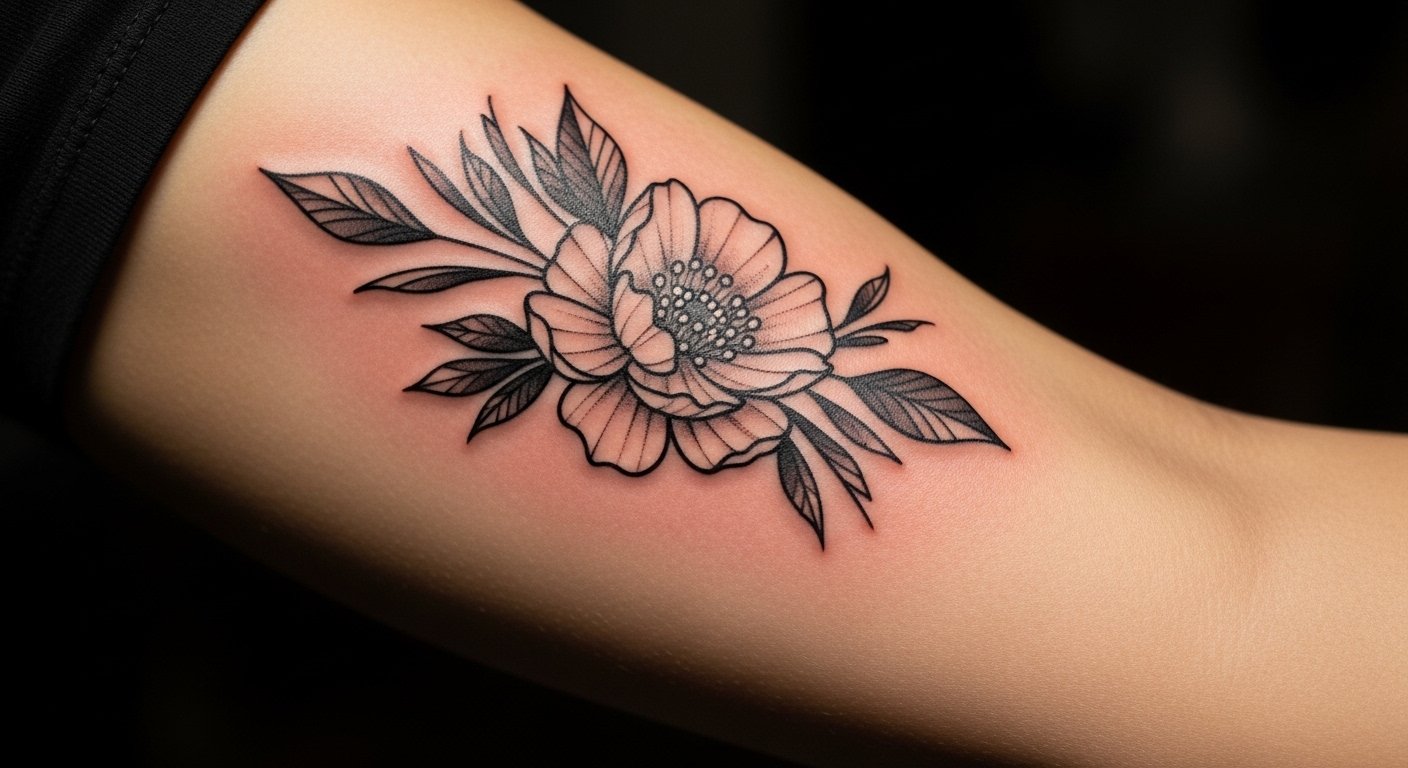
Someone I know spent months saving designs on their phone before one question stopped them cold. It was not which image looked best. It was which tiny inner arm idea would still read clearly after a year of sun, sweat, and real life. After visiting five shops across Brooklyn and talking with artists at two conventions, I pulled together 25 small inner arm tattoos women keep asking for this year, and what actually makes each one work long term.
1. Fine Line Arrow on Inner Forearm
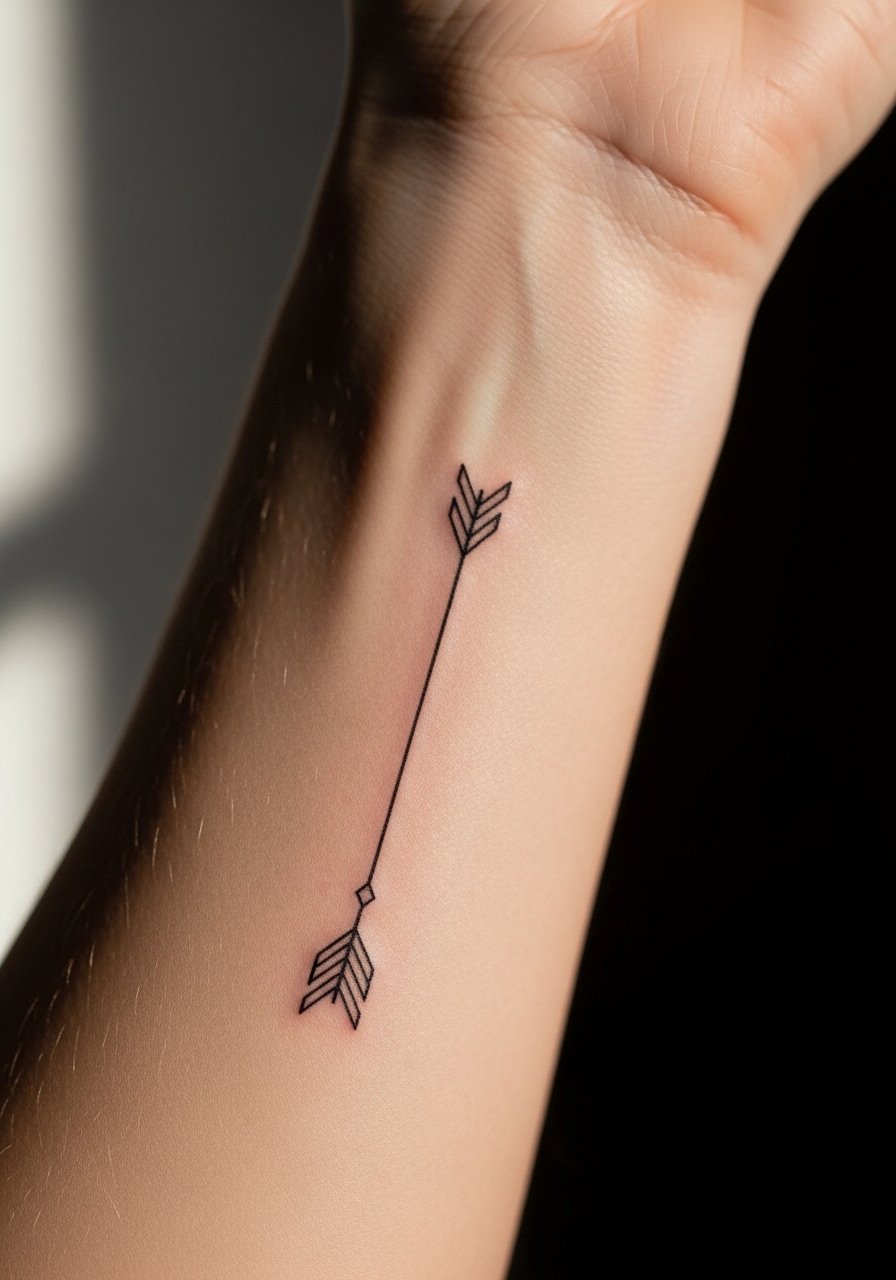
Someone I know first saw this style on a friend and loved how it followed the arm. Fair warning about the placement. The inner forearm moves a lot when you reach and sleep. Ask your artist for slightly heavier linework than the slimmest flash arrow. That helps the line avoid feathering and keeps the arrow readable at two years. Pain is usually low to moderate for this area and most sessions run under an hour. Common mistakes are requesting an ultra-tiny arrow that blurs into a smudge, and not thinking about orientation so the tip reads the way you want when your arm rests.
2. Micro-Realism Single Rose on Inner Bicep
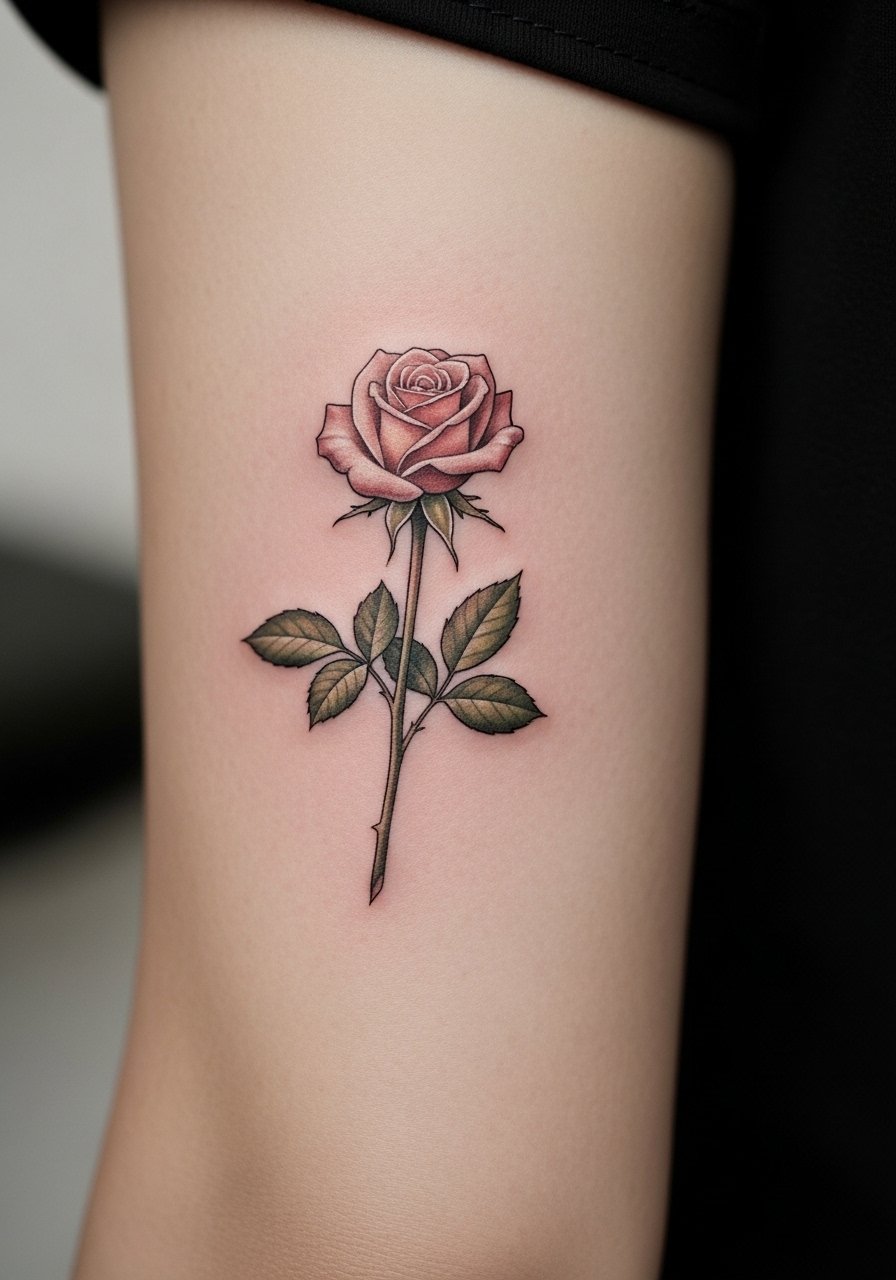
When placed on the inner bicep this rose feels intimate and easy to hide. Expect a 1 to 2 hour session depending on shading. Micro-realism needs careful saturation to avoid patchy fade in year two. Tell your artist you want layered stipple shading and a clear highlight area so the petals keep depth as the skin settles. The inner bicep can bruise during healing more than the forearm. A common mistake is asking for too much tiny detail that will merge as the skin ages. Plan for a light touch-up after a year if you want the crisp edges to stay.
3. Minimal Script "Breathe" Along Inner Wrist
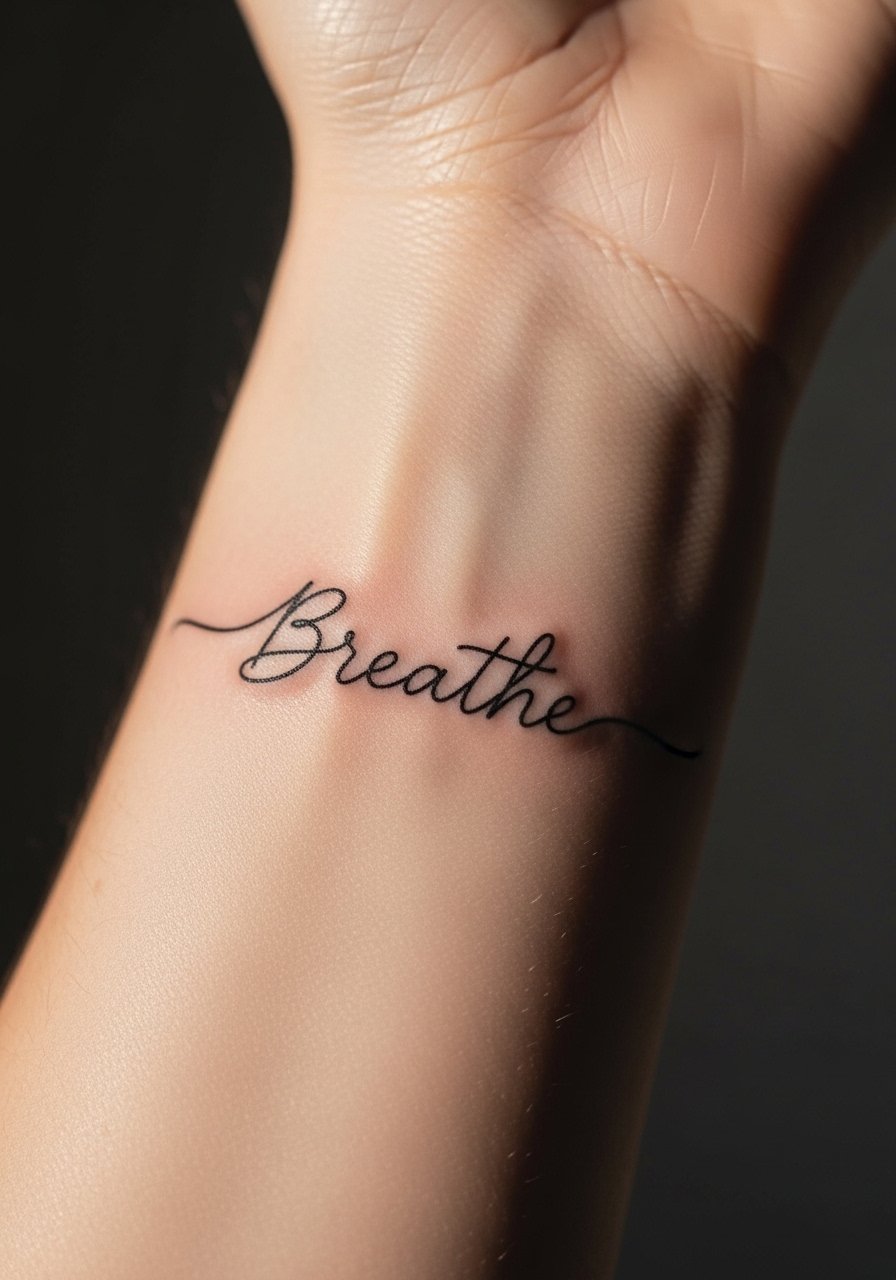
A tiny word at the inner wrist reads like jewelry and is quick to do. The wrist skin is thin so expect some sting during the 20 to 40 minute session. Ask for slightly more spacing between letters than your reference photo shows. Tight loops often blur together after healing. One aging note is that wrists see friction from watches and sleeves, so the ink may lighten faster than mid-forearm pieces. This design works for people who want a personal prompt rather than a bold statement. If you plan to wear tight bracelets daily, mention that to your artist.
4. Constellation Cluster Along Inner Forearm
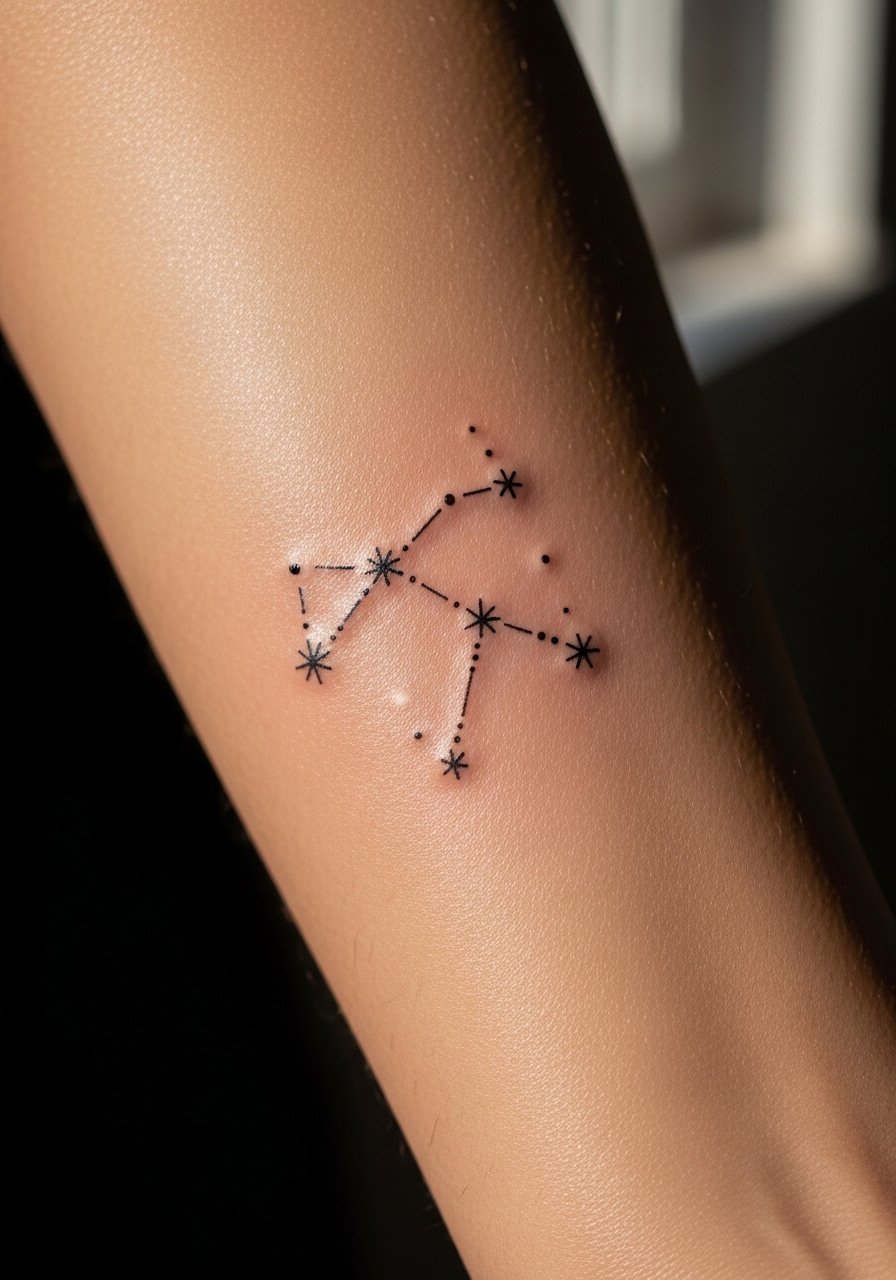
There's a reason constellations keep popping up in consultations. They follow the arm's length and look balanced whether vertical or diagonal. For clusters use dot work and tiny single needles so the stars keep sparkle without heavy saturation. In session expect light to moderate discomfort for 30 to 60 minutes depending on how many dots you want. A common error is packing too many stars into a short stretch. Leave breathing room so lines do not merge after a year. Ask for slightly larger primary star dots if you want long-term definition.
5. Mandala Slice with Stipple Shading Near Inner Elbow
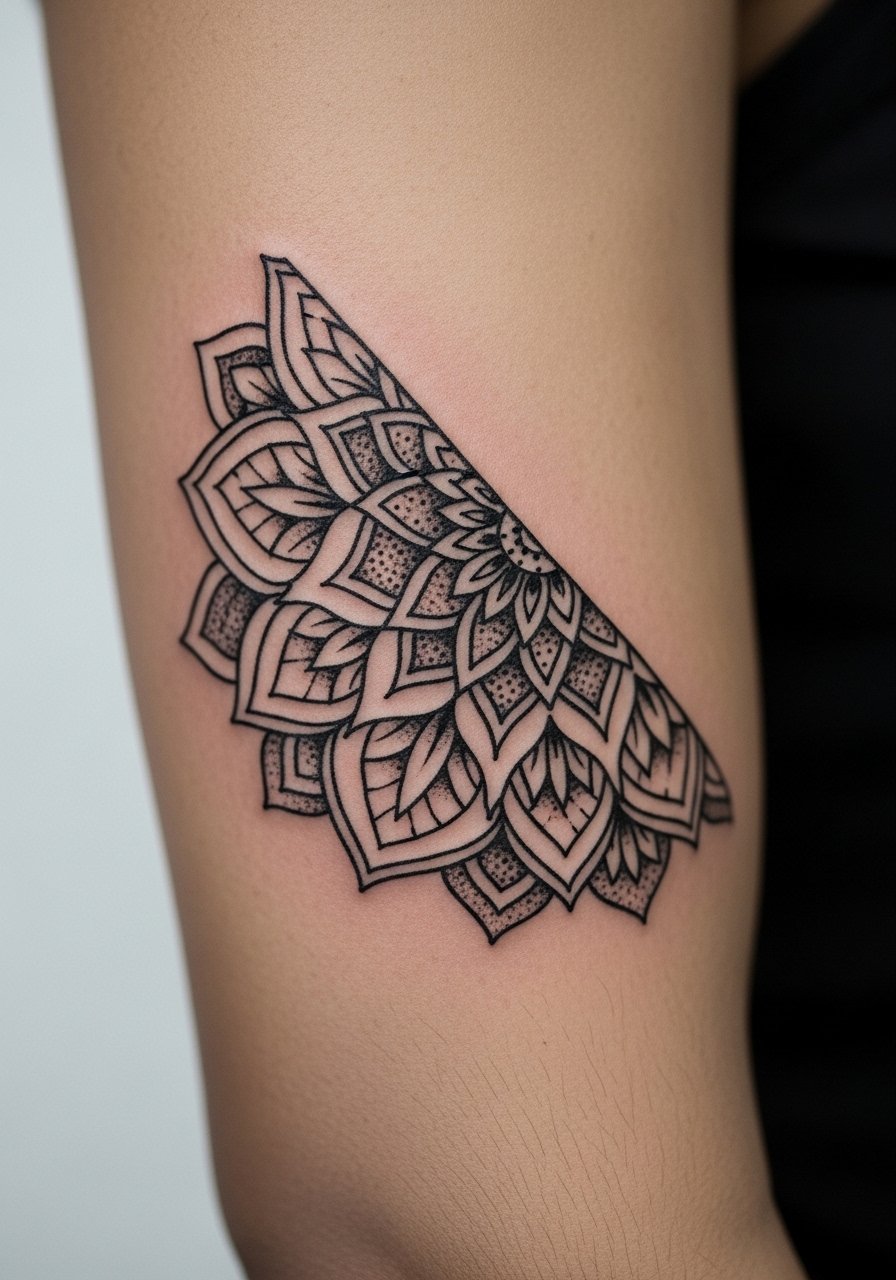
Most mandalas on the inner arm are done as slices not full circles. If you choose a slice ask for stipple shading and strong linework on the outer contour. The inner elbow is a tricky surface. Expect a higher pain level and some extra time for careful placement. Artists debate how tight the dot density should be. One camp favors dense stipple for rich contrast. The other camp warns that overly dense dots can merge into a gray patch on this spot. Bring references that show the dot spacing you like and ask about touch-up timelines up front.
6. Tiny Butterfly in the Inner Arm Crease
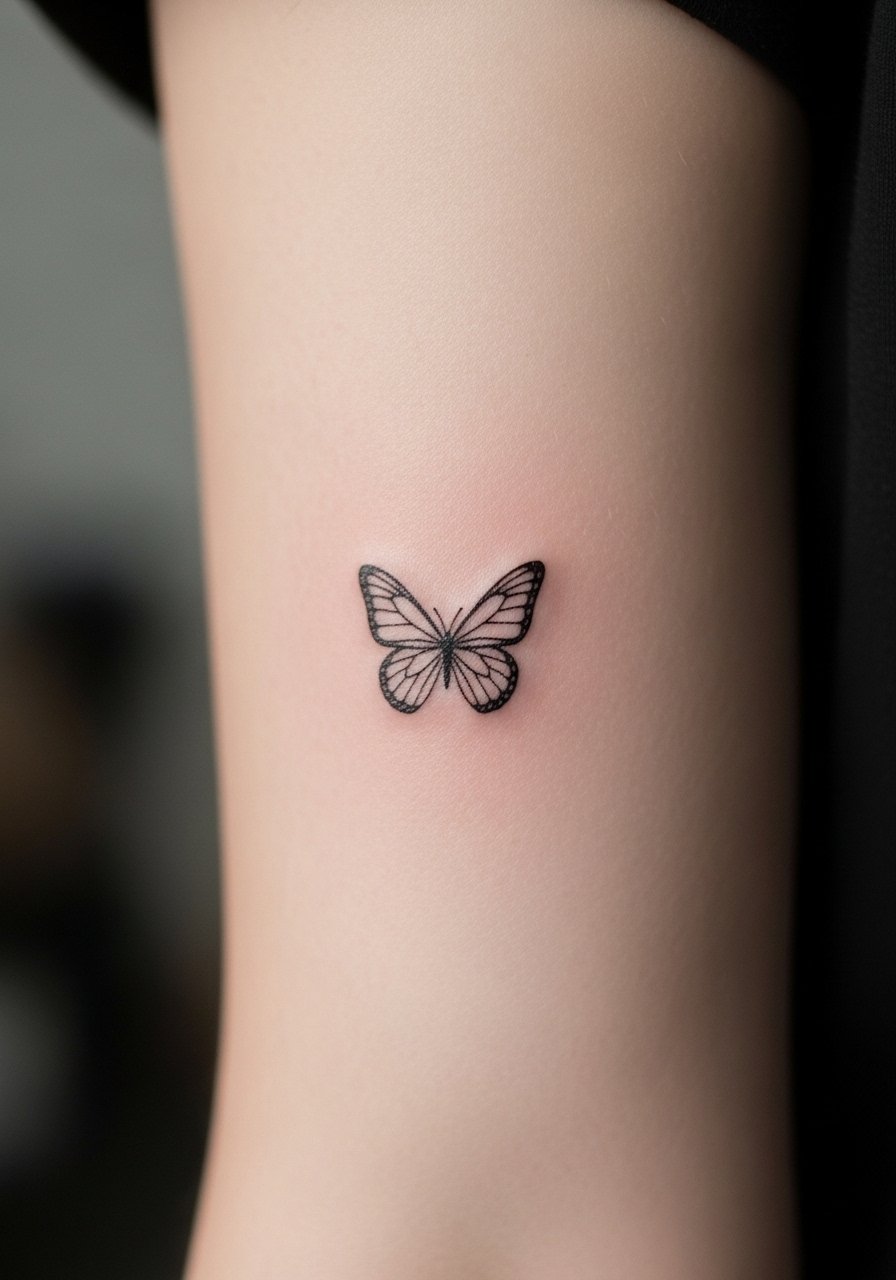
Butterflies sit naturally where the arm folds and feel personal. Because the crease moves the wings, tell your artist to keep the wings open enough that motion does not collapse the silhouette. Sessions are short, usually under 45 minutes, and pain is moderate. A common mistake is asking for micro wing veins that disappear as the area settles. If you want the color to last, plan for conservative saturation rather than a saturated watercolor fill which may fade unevenly. For a subtle look choose single-needle linework with small blocks of saturation.
7. Geometric Mountain Range Along Inner Forearm
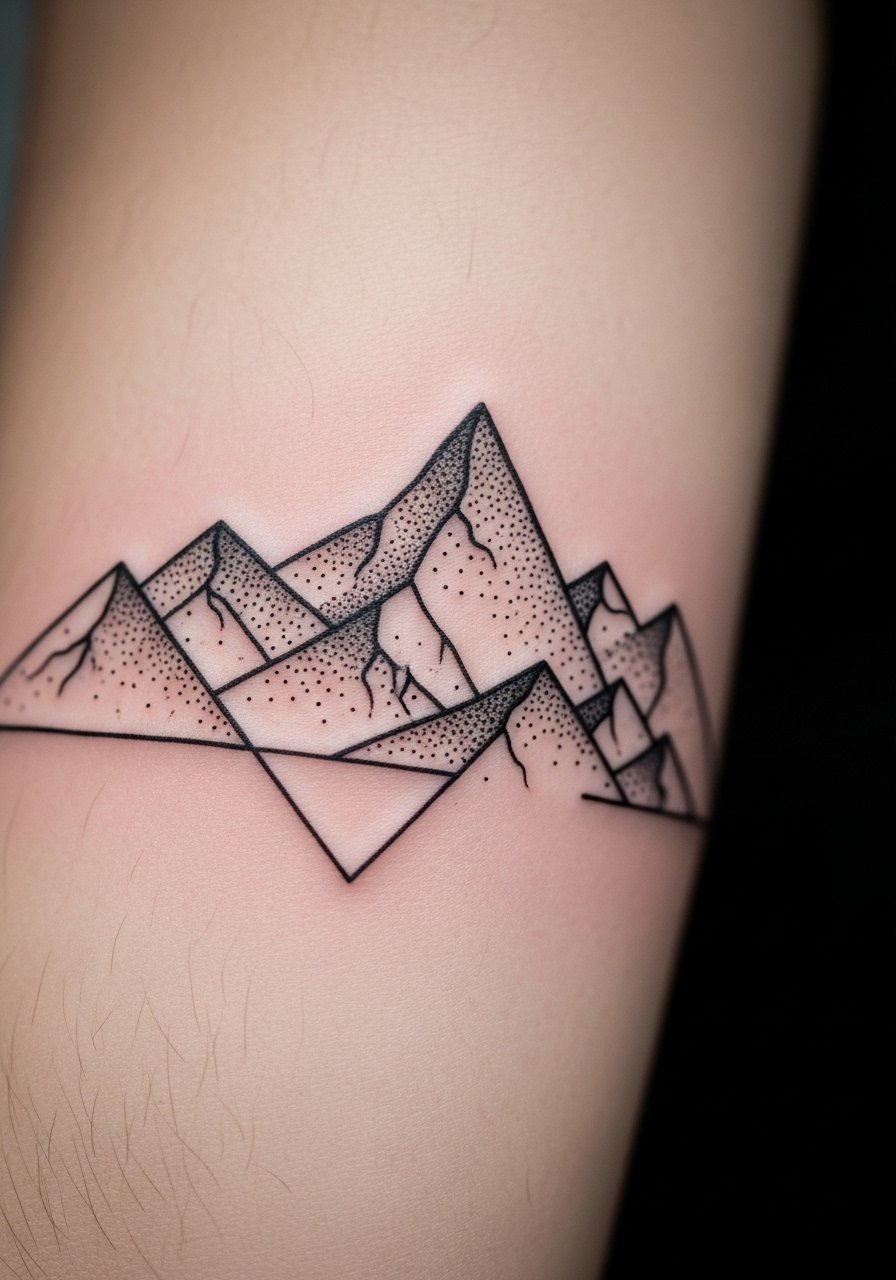
There is a visual rhythm to mountains running with the arm's length. The biggest mistake is making peaks too tight. The lines need space so a year from now the geometry still reads sharp. Tell your artist you want consistent lineweight and hint at light stipple shading for texture. Expect about one hour for the piece. Placement closer to the wrist tends to preserve detail longer than higher on the upper inner arm. If you plan for a matching piece on the other arm, bring both references so the balance is intentional.
8. Minimalist Heart Outline Near Inner Wrist
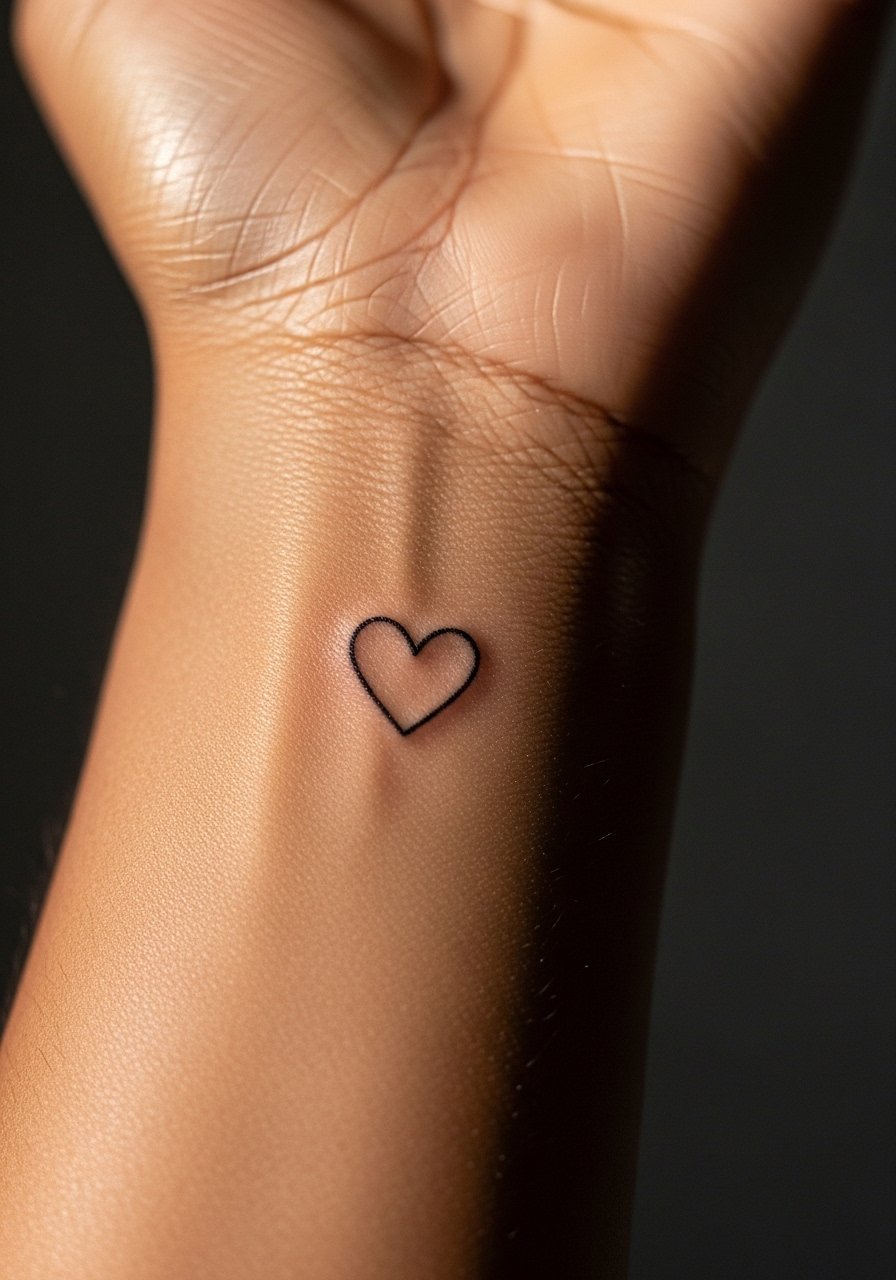
A small open-heart outline is fast, often under 30 minutes. Because it sits on thin skin, keep the heart slightly larger than you think you want. Tiny outlines are the most common request that ends up needing a touch-up. Tell your artist you want the outline to breathe and avoid compressed curves. The wrist sees constant motion so ink can thin over time. A single, clean session usually does the job. If you want a bold read from across a room increase the lineweight deliberately during consultation.
9. Botanical Sprig Wrapping the Inner Bicep
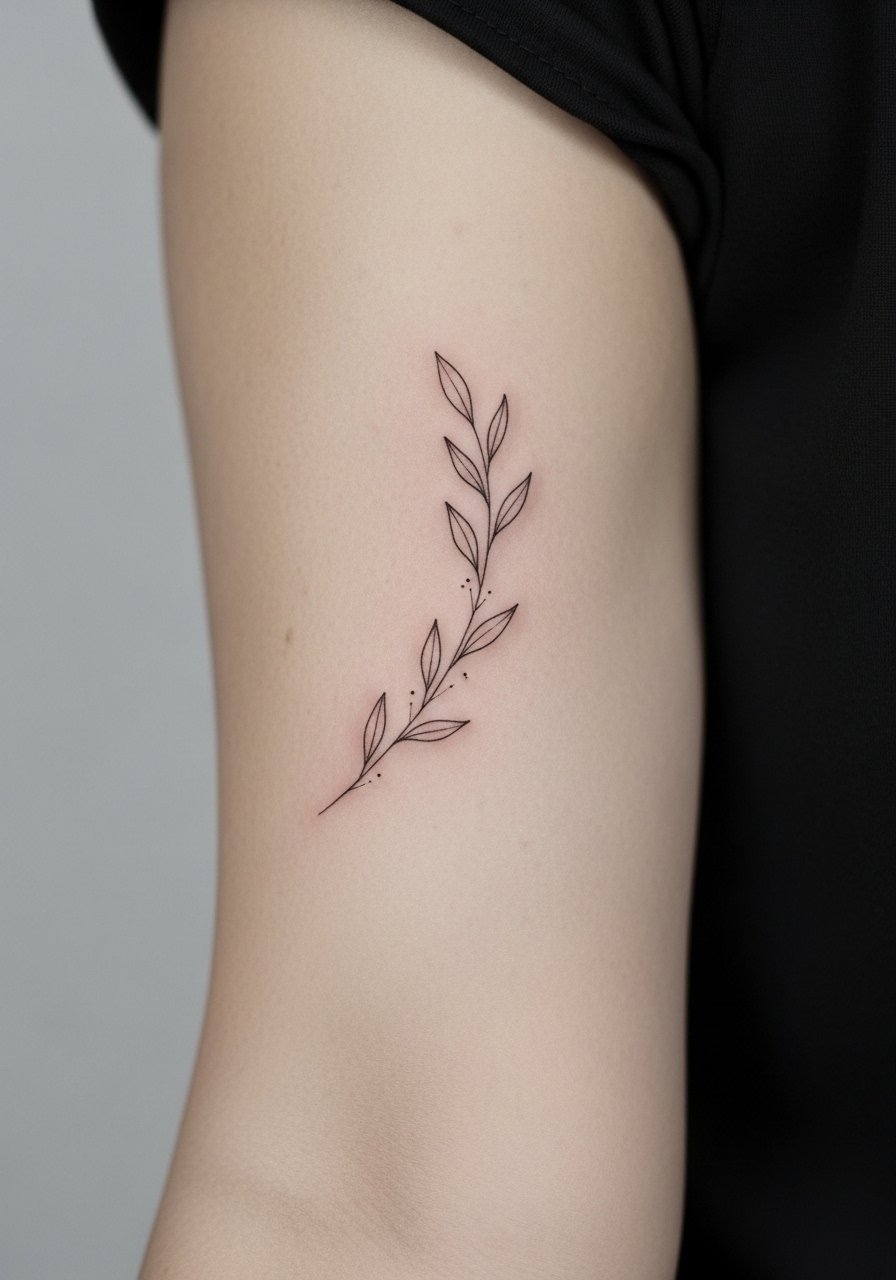
Botanical sprigs follow the arm curve well and read as elegant instead of loud. For the inner bicep, ask for slightly more saturation in the stem than in leaf veins. That helps the design keep contrast as the skin settles. Sessions can take 45 to 90 minutes depending on length. A common error is requesting ultra-thin leaf veins that vanish after a year. If you want a version that ages well pick modest spacing and a mix of linework and light stipple shading. Also mention whether you expect more sun exposure on this arm.
10. Vertical Foreign Script "Amor" on Inner Arm
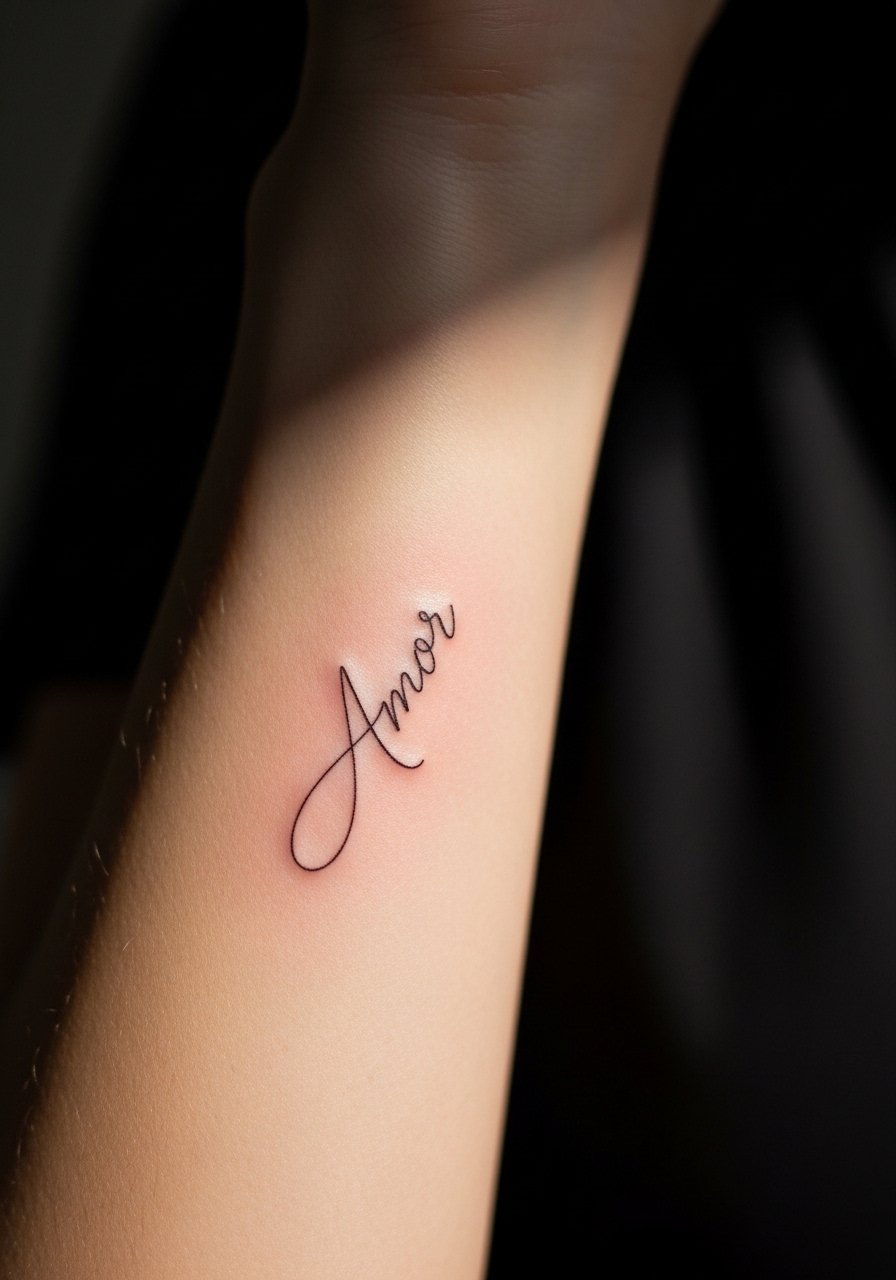
When text is visible as part of a design, the exact wording matters. "Amor" works well vertically because it follows the arm line. Pain is low to moderate. The aging risk is letter overlap in tight scripts. Ask your artist to add breathing space between characters. Artists sometimes split on whether to letter vertically or horizontally for inner arm pieces. One group says vertical looks more intimate. The other group says horizontal reads better in photos. Decide which you prefer before booking. Expect about 30 to 45 minutes for the script.
11. Tiny Crescent Moon with Dot Halo on Inner Forearm
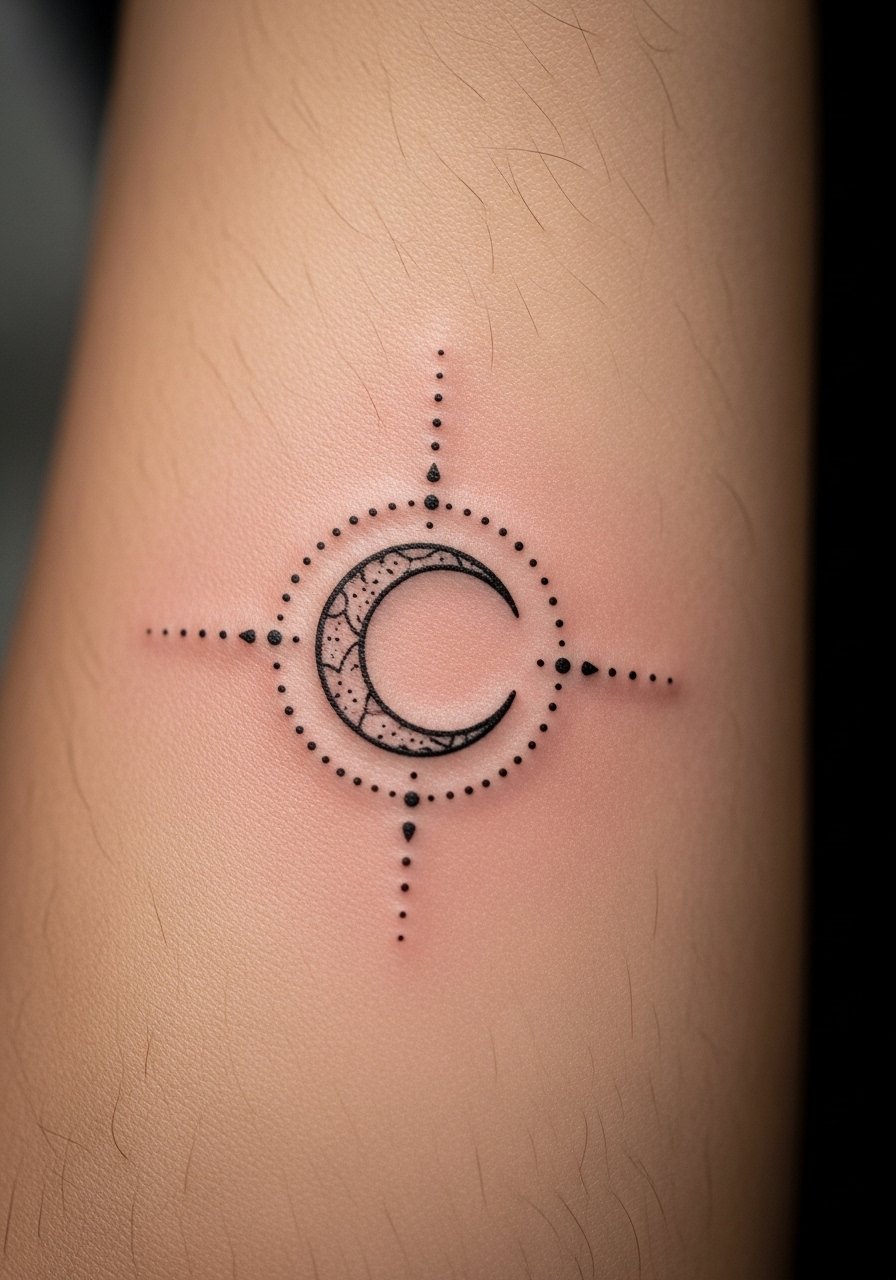
A moon with a halo of dots feels celestial without being over the top. For longevity choose crisp single-needle outer lines with medium-density dot work for the halo. The inner forearm keeps the halo circular more easily than the wrist. Sessions run around 30 to 50 minutes. A common mistake is crowding the halo with too many small dots. Keep the dots spaced so the halo still looks airy after a couple of years. Mention to your artist how much negative space you want around the moon.
12. Micro-Realism Eye with Lash Detail on Inner Arm
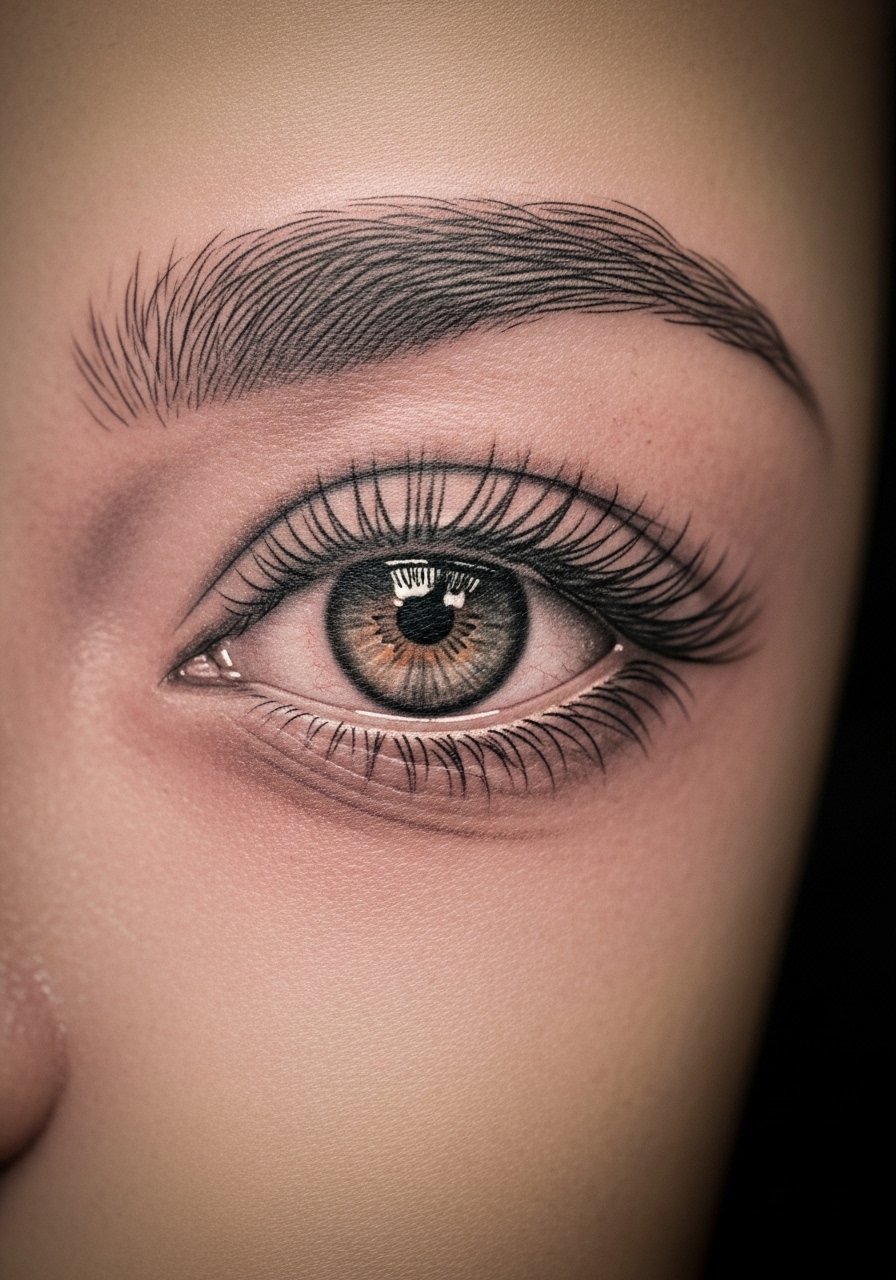
Eyes demand careful contrast when they are tiny. The inner arm gives enough real estate to keep the iris detailed. Expect a 1 to 2 hour session. Tell your artist you want a clear white highlight zone so the eye keeps depth as the shading softens. A common misstep is asking for ultra-fine lashes that merge into a soft gray patch. Plan for a light touch-up in year one if you want the pupil crisp. Also discuss whether a stylized eye fits your aesthetic more than full micro-realism.
13. Thin Band of Dotwork Around Upper Inner Arm
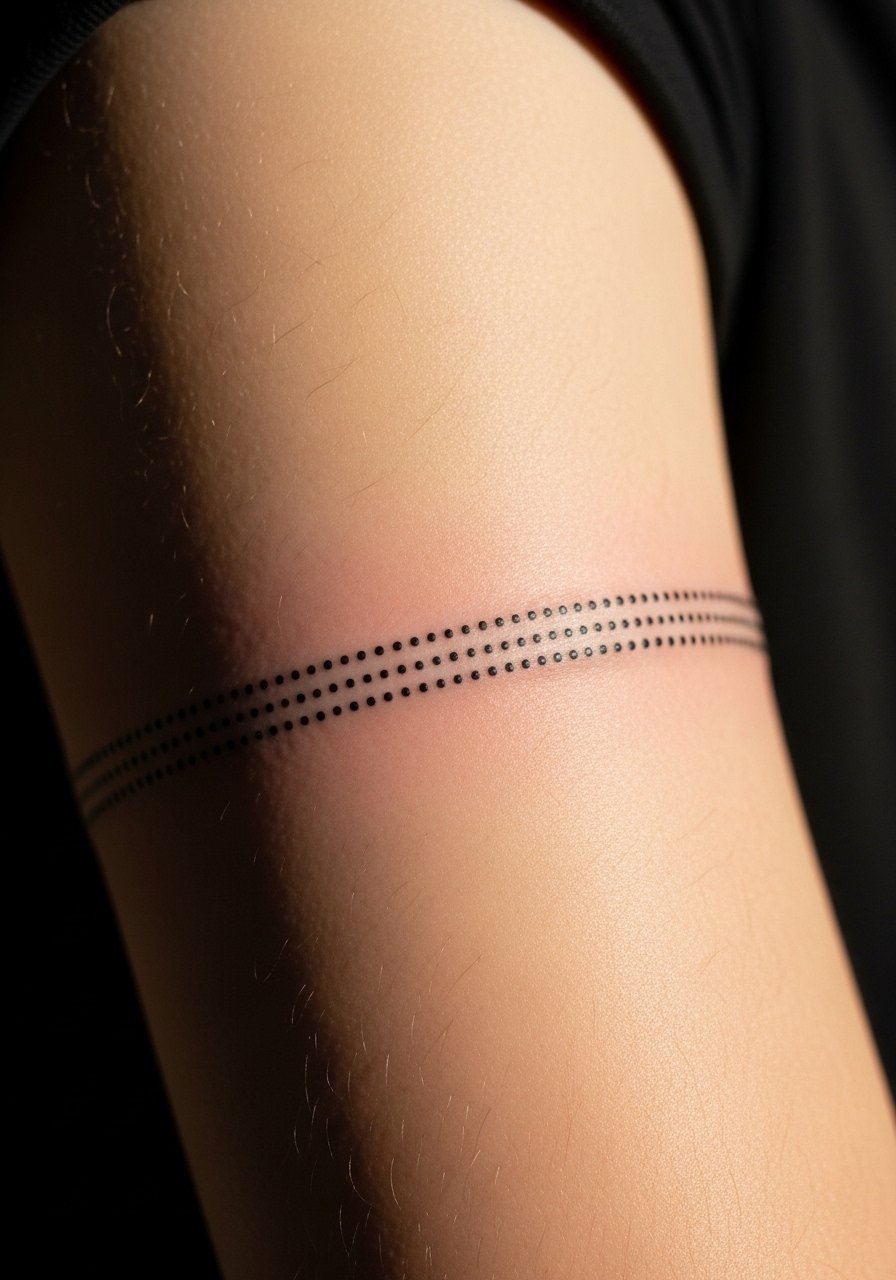
Bands read like jewelry and are easy to conceal for work. Dotwork bands age well if the spacing is generous. If the dots are jam-packed you risk them melding into a gray line. The upper inner arm sees less abrasion than the wrist so contrast stays longer. Sessions are generally 30 to 60 minutes. A common mistake is choosing band width too narrow. Wider bands allow for intentional negative space and cleaner aging. Mention elastic edges of sleeves during consultation so placement sits right with your clothing.
14. Simple Anchor with Rope on Inner Wrist
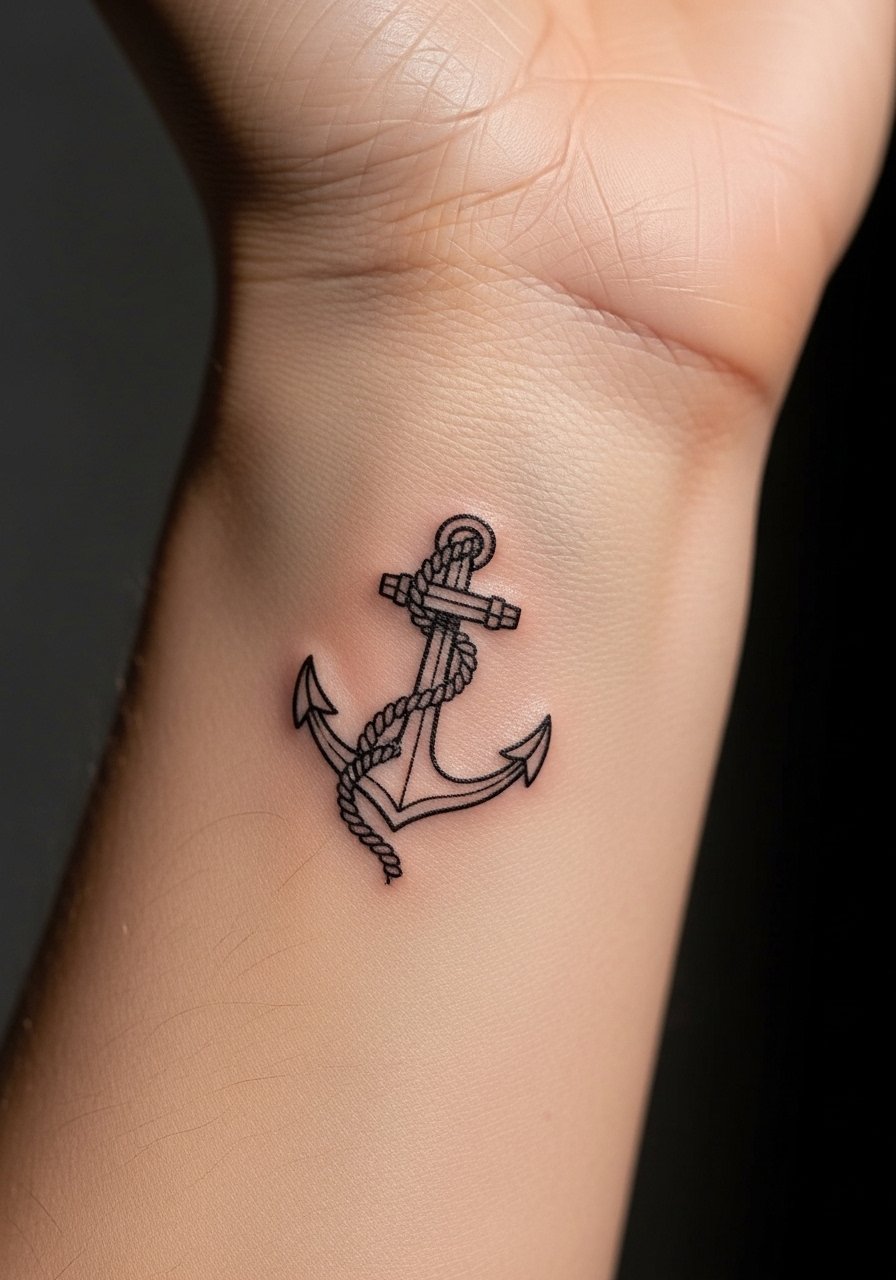
Anchors feel classic and nautical without being loud. The inner wrist makes the anchor a small signature piece. Ask for a bold outer line and lighter inner rope detail so the silhouette remains legible over time. The wrist's thin skin means the session is quick but slightly sharper in sensation. A mistake I see often is requesting a tiny, intricate rope that blends into the anchor after healing. If you want visible texture ask for contrast between the anchor and rope from the start.
15. Single Wave Line Along Inner Forearm
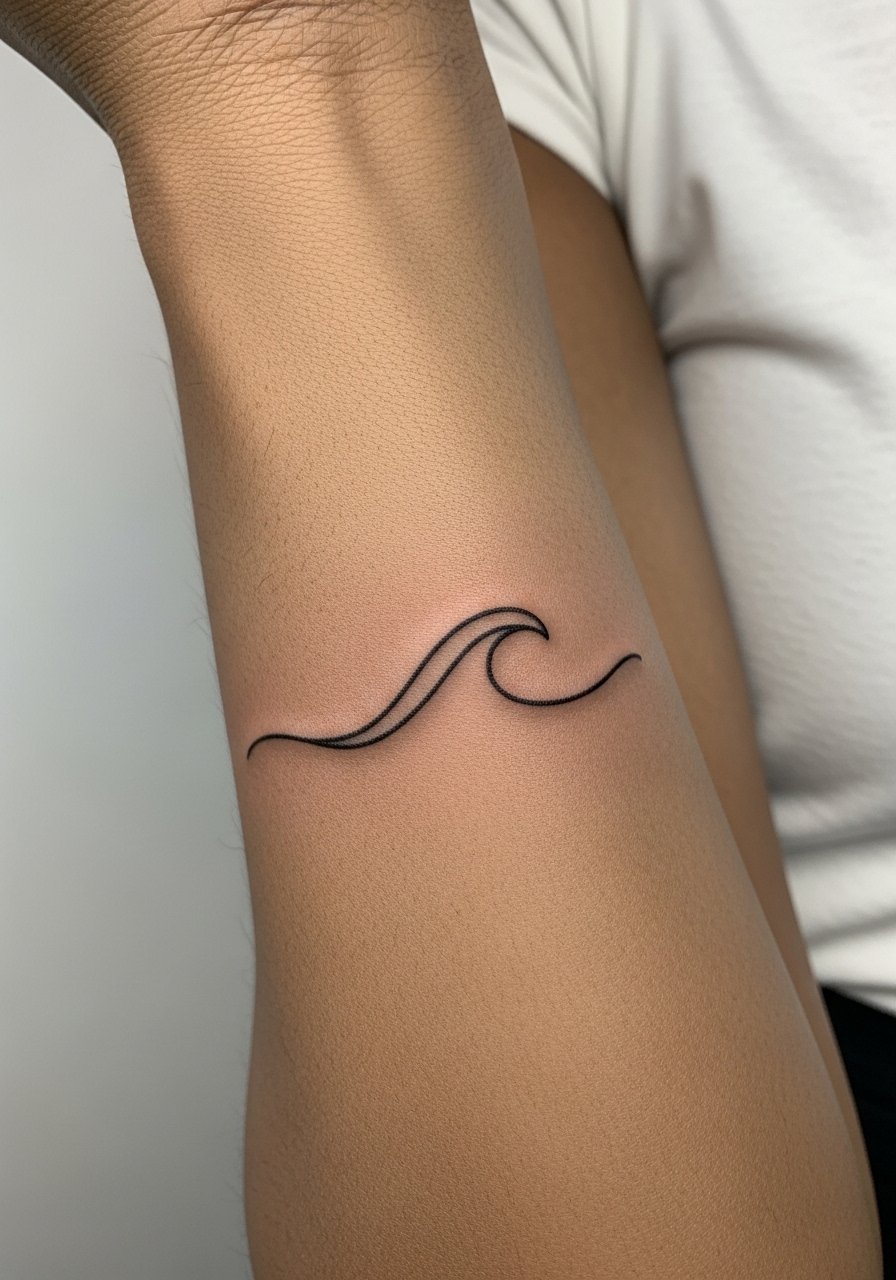
There is a calmness to a single flowing wave. It moves with the arm and suits people who want a subtle motif. Keep the curve generous so the wave keeps its shape after skin settling. Sessions are short, often 20 to 40 minutes. The common mistake is mirroring a photo without adjusting for arm curvature, which can skew the flow when placed. Tell your artist whether you want the peak pointed or soft. That small choice changes how the line reads in photos and in person.
16. Roman Numeral Date "XII.XXV.MCMXCIV" on Inner Forearm
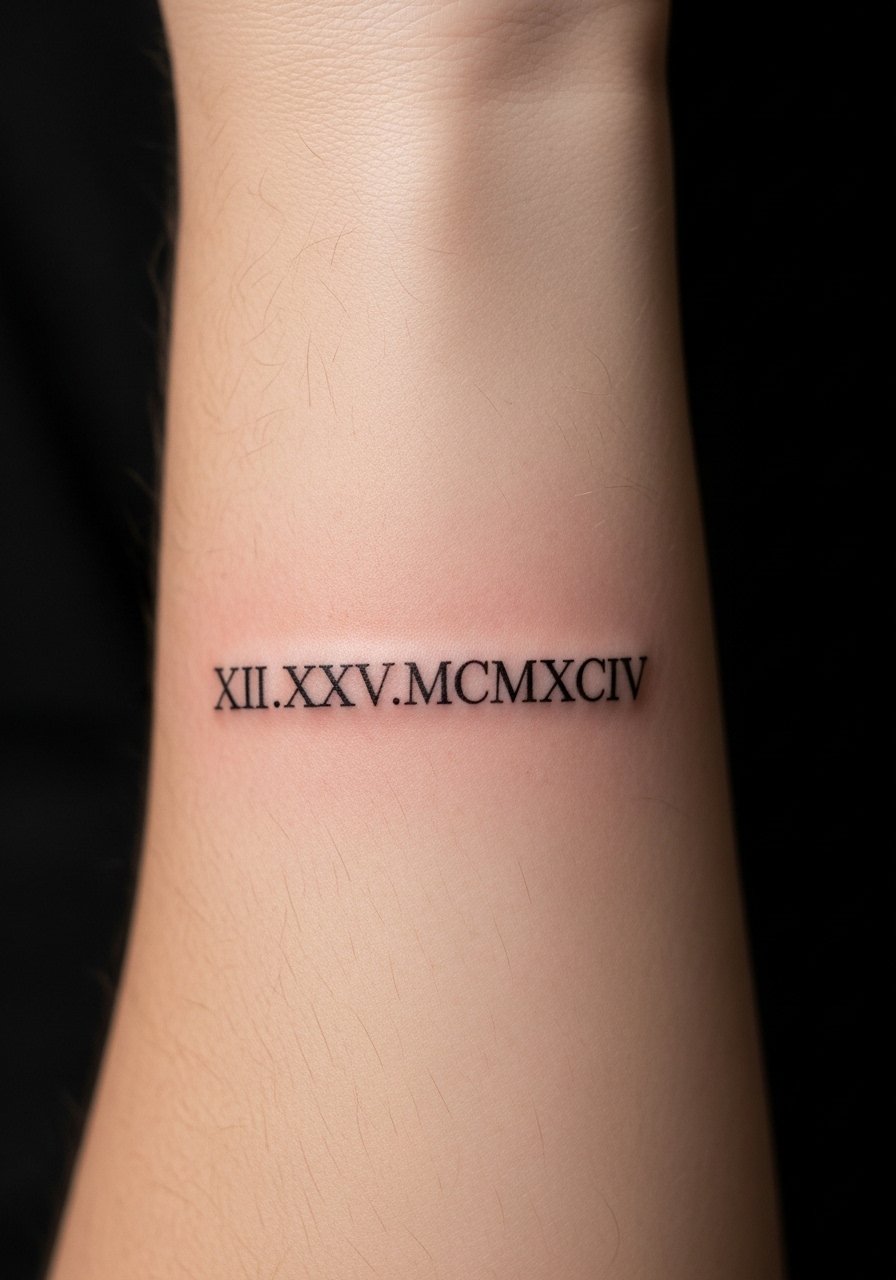
Dates in Roman numerals feel timeless and compact. The inner forearm gives enough space to keep characters spaced clearly. Ask for slightly more kerning between numerals than your eye says. Tight kerning is the biggest cause of characters merging. Expect a 20 to 40 minute session with low to moderate pain. If this is a memorial date consider a matching small symbol nearby for context. Also talk about font weight so the numerals read in photos as cleanly as they do up close.
17. Minimal Portrait Silhouette Outline on Inner Arm
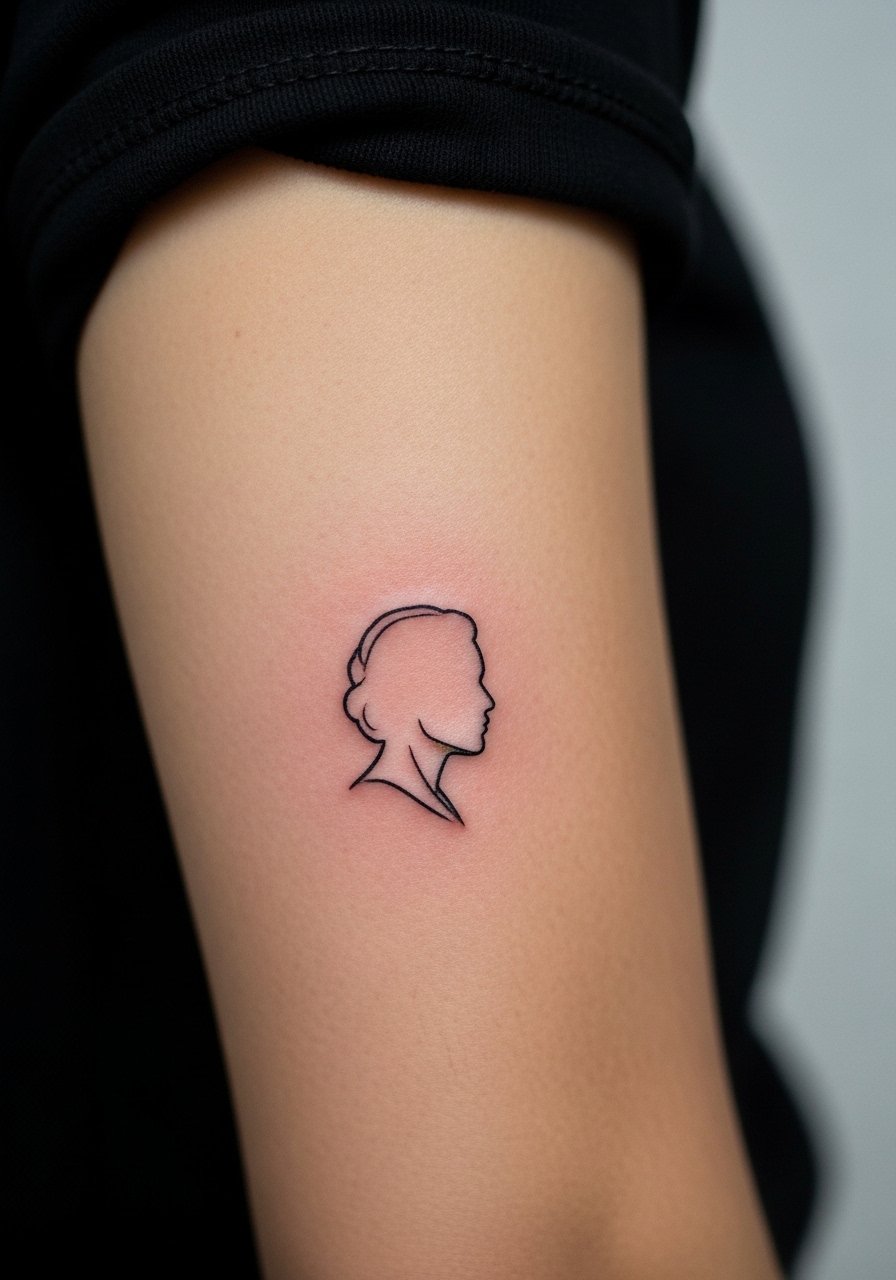
Silhouette portraits are subtle. They read best when scaled so facial features are implied not detailed. Ask your artist for a simplified profile rather than micro facial features. The inner arm can handle a small silhouette in one hour. A common error is requesting too much facial detail, which blurs with time. If the portrait is personal bring clear reference and mark which angle you want. A light touch-up after a year keeps the edges crisp without changing the silhouette.
18. Tiny Bee with Stipple Wings on Inner Bicep
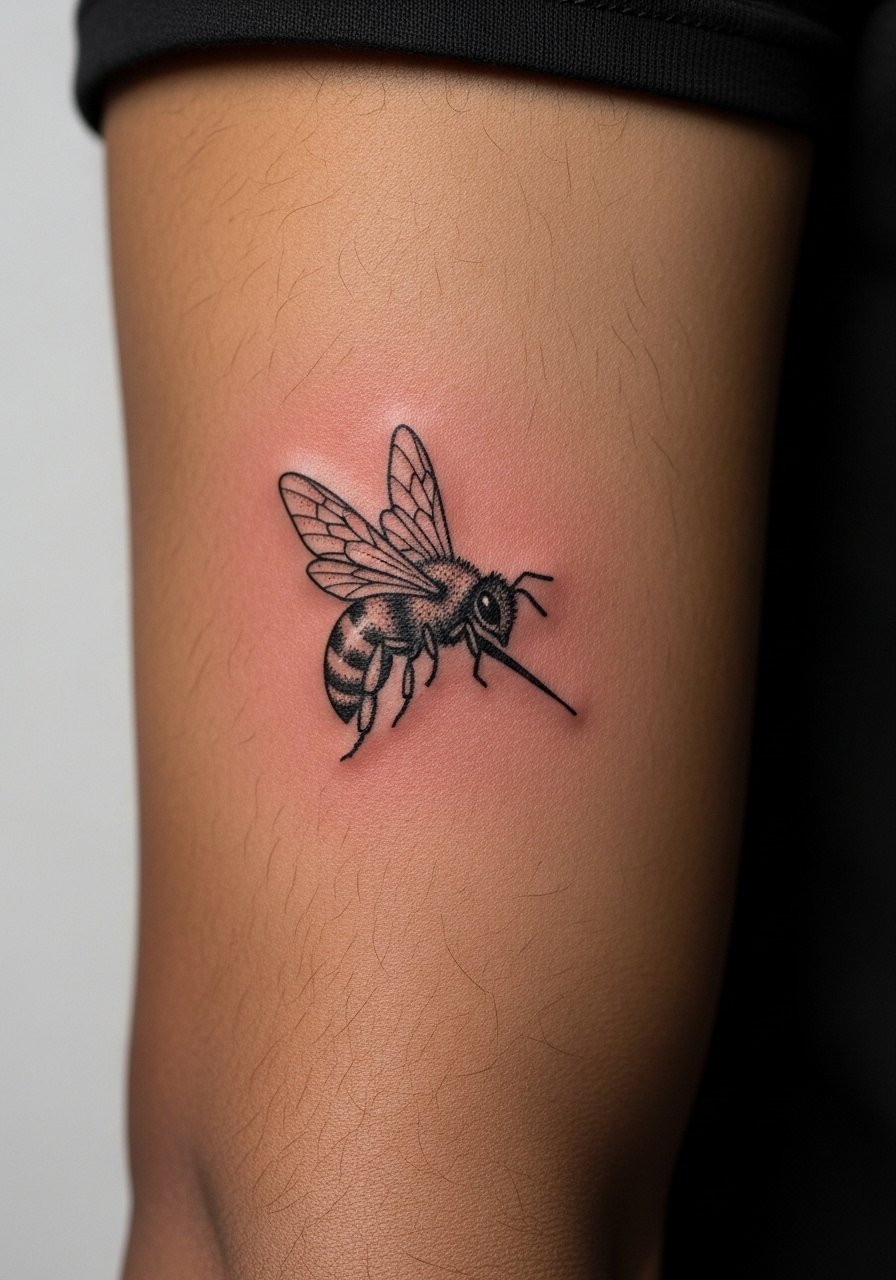
Bees feel lively and intimate on the inner bicep. Stipple wings give texture without heavy color. Tell your artist you want the body slightly more saturated so it keeps contrast as the stipple softens. Session time is usually 30 to 60 minutes. A common mistake is asking for glossy color fills that fade unevenly on this spot. If you want longevity keep the palette minimal and rely on dot shading for form. Discuss whether you prefer a realistic or stylized bee; each ages differently.
19. Constellation Map with Coordinates "41.4025 N, 2.1743 W" on Inner Forearm
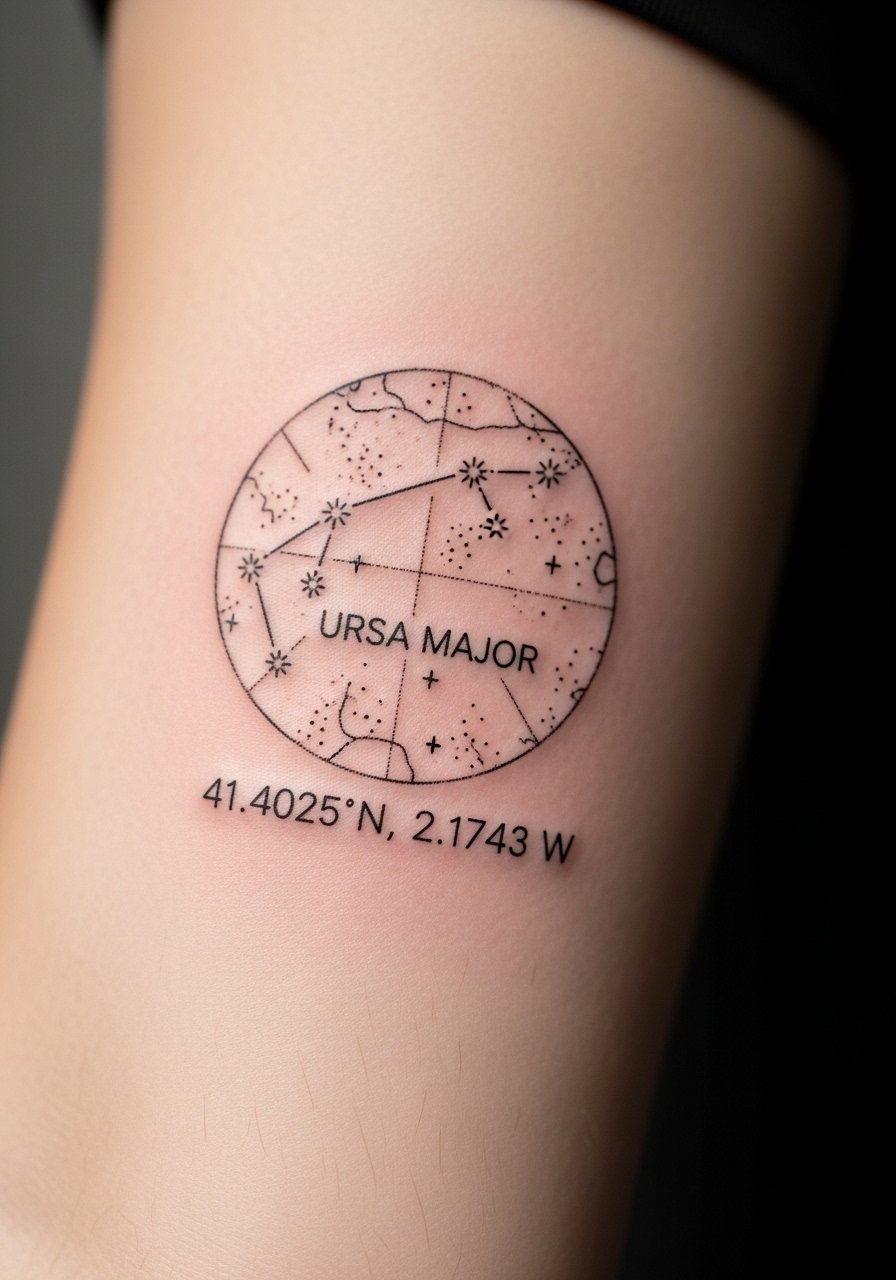
Exact text like coordinates must be spelled out. This combination reads like a secret map and fits the arm's linear space. Expect a 45 to 75 minute session depending on star count. Ask for monospaced or thin serif numerals so the coordinates stay legible. A common error is letting numerals sit too close to dot work. Maintain breathing room so the numbers do not blur into the design over time. Mention whether you want the coordinates to be the focal point or a subtle tag.
20. Single Line Continuous Design Flowing Inner Forearm
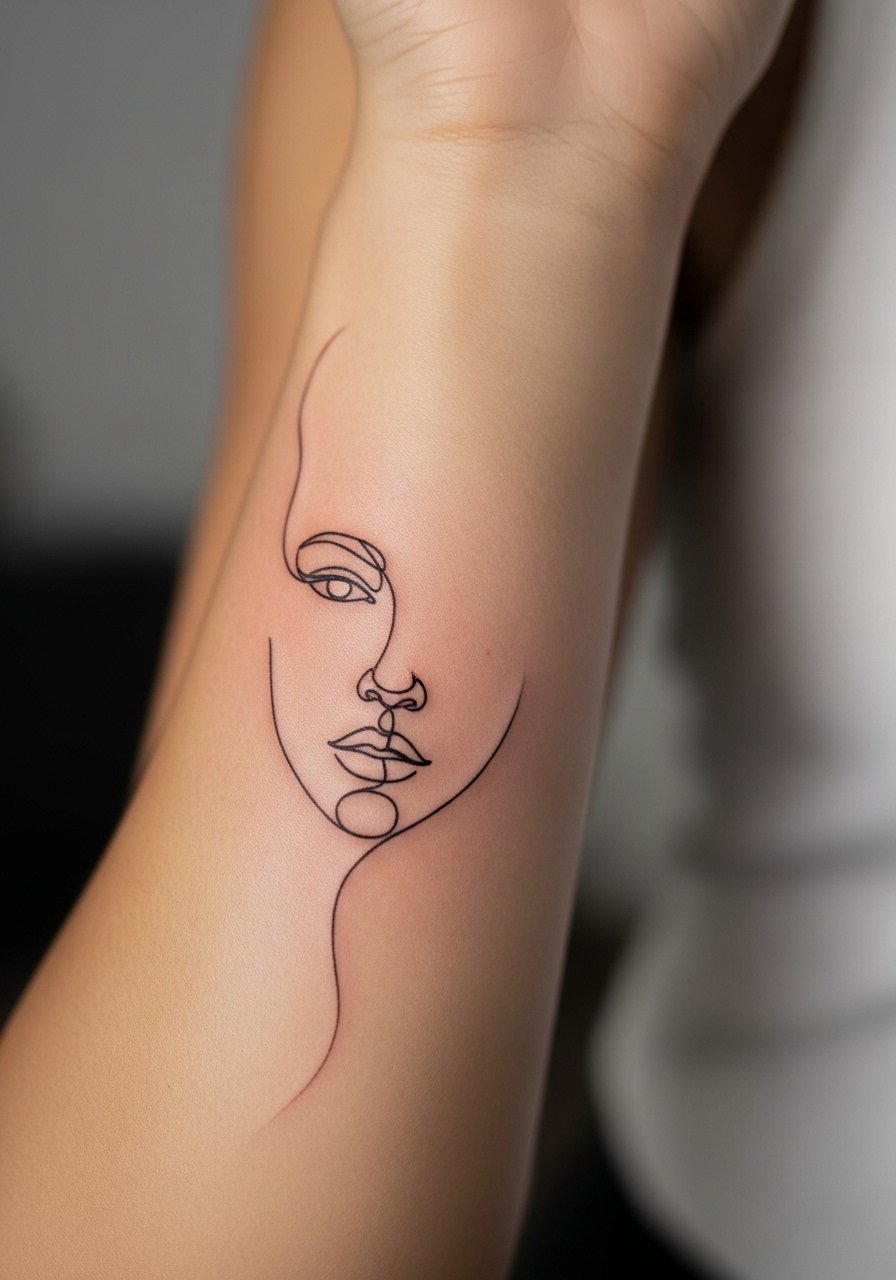
Continuous line designs look modern and keep movement with your arm. The risk is that too fragile a line loses its personality as the skin changes. Ask for intentional weighting at anchor points so the flow reads in photos and from a distance. Sessions vary from 45 to 90 minutes depending on complexity. A mistake is copying an overly intricate continuous piece meant for a canvas rather than a curved arm. Bring scaled references and ask the artist to redraw the composition to your arm size.
21. Tiny Key with Ornate Bow Near Inner Wrist
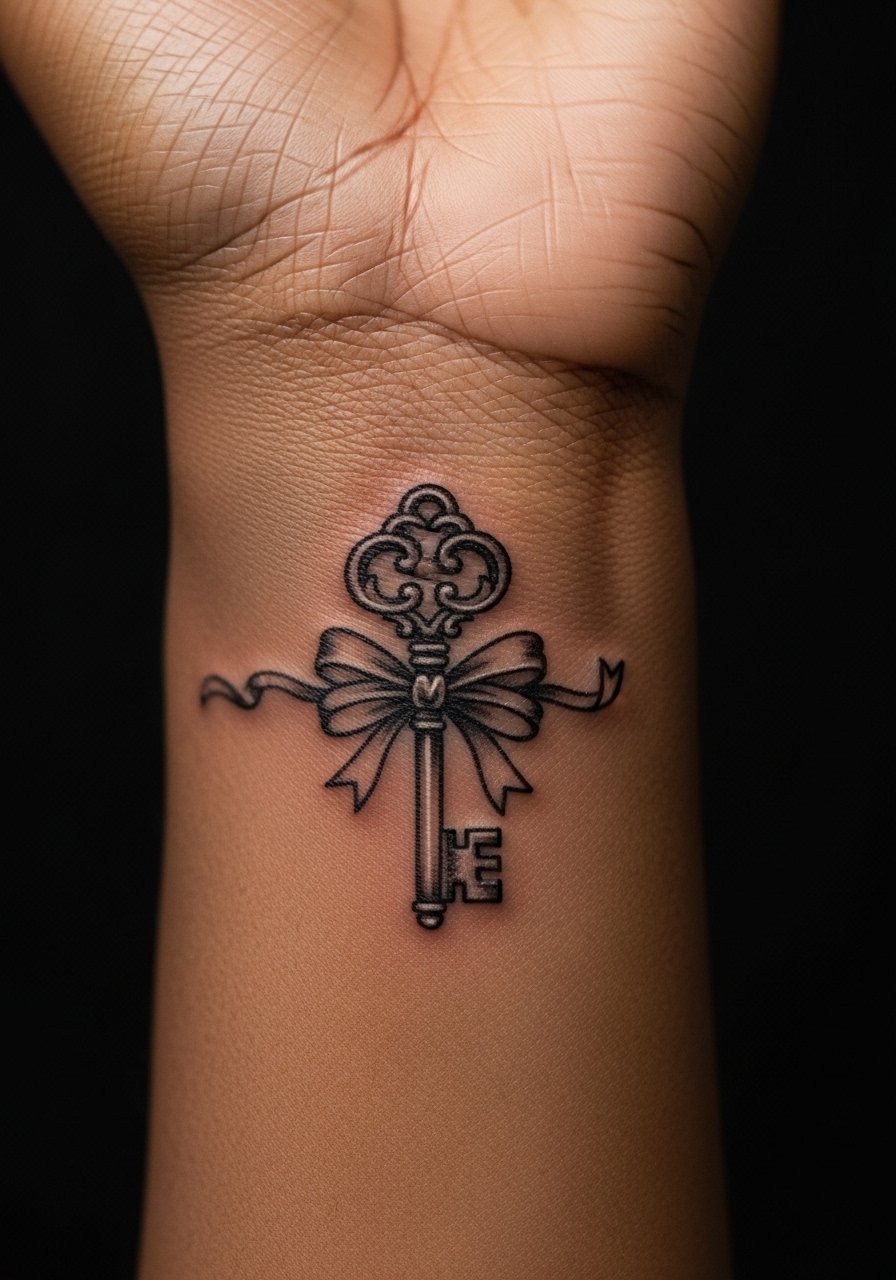
Keys are little stories you can hide or show. The wrist is a sensitive spot but the session is short. For longevity request a solid outline with lighter interior detail. Overly filigreed bows often smudge into a textured patch. Tell your artist you want a clean silhouette at a glance and tiny bowwork that reads up close only. Expect a light touch-up possibility within two years if you want every flourish to stay crisp.
22. Abstract Brushstroke Blackwork Along Inner Forearm
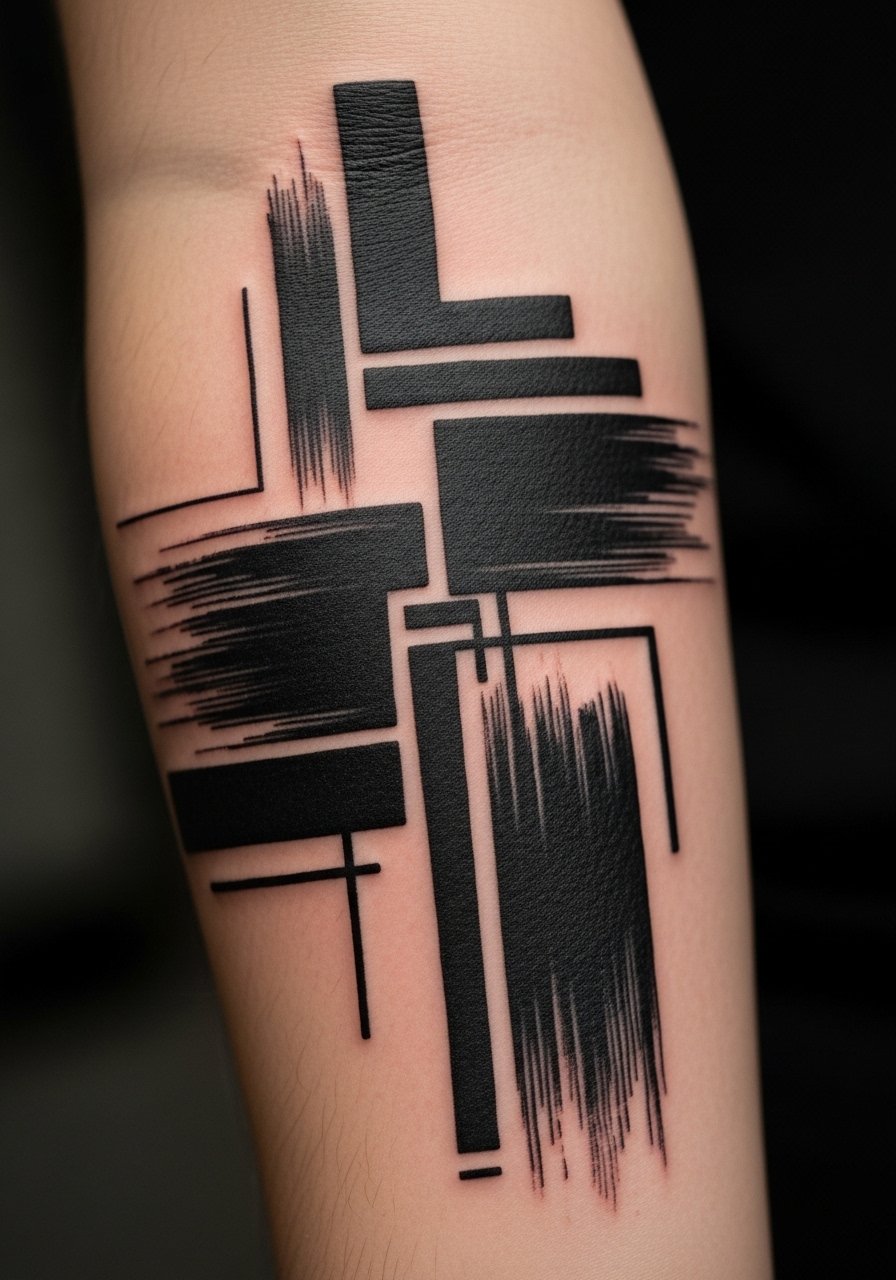
This one touches a debate in the community. One camp says brushstroke blackwork reads brilliantly on arms and ages like a badge. The other camp warns large black patches on thin inner skin can settle unevenly and look patchy in two to five years. The practical path is to mix strong black zones with thin edges and clear negative space. Sessions can be longer for saturation and shading. Mention to your artist whether you want painterly edges or crisp blocks. If you plan heavy black areas, budget for a follow-up to even saturation once healed.
23. Mirrored Small Designs for Both Inner Arms
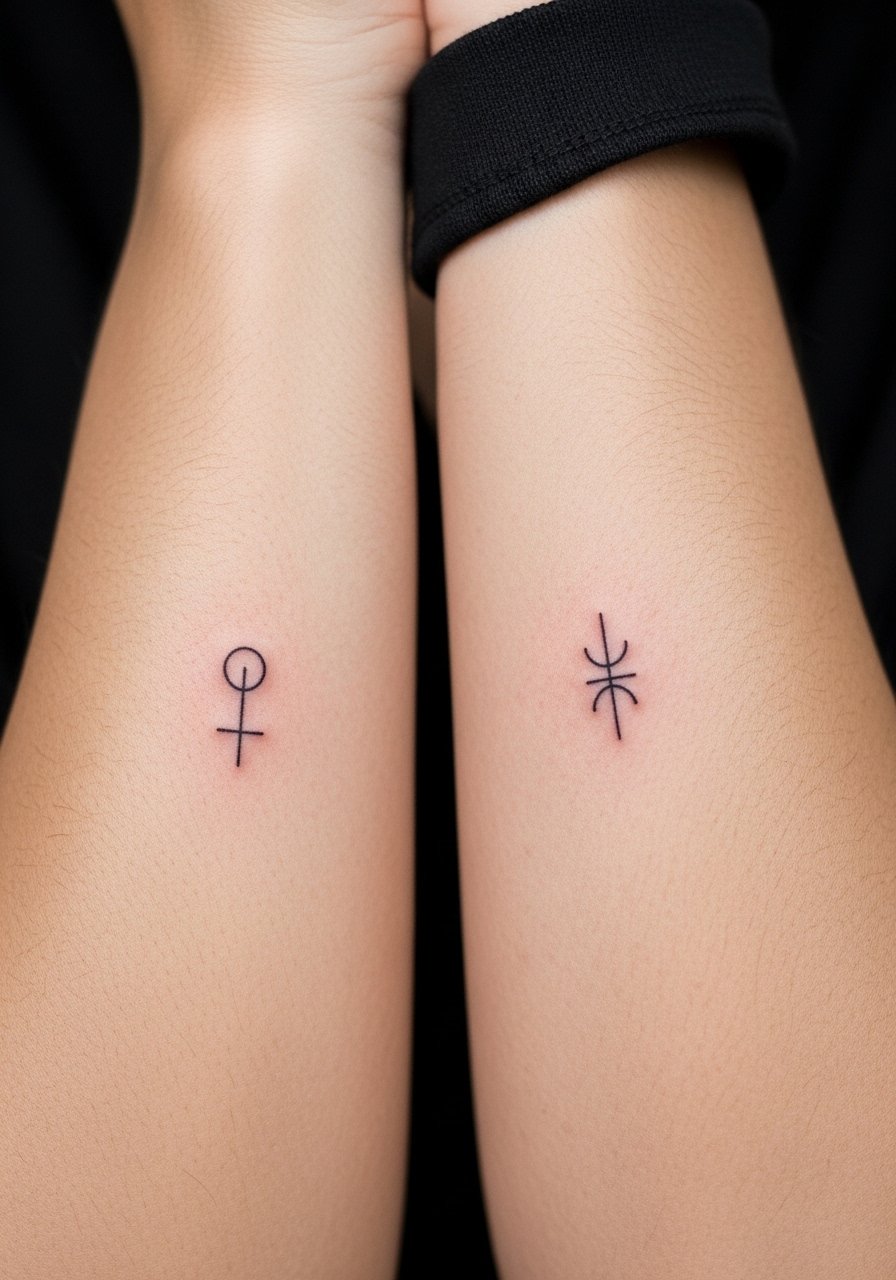
Mirrored pieces read like a deliberate set. Matching on both inner arms requires careful measurement so the balance reads when your arms are relaxed. Ask the artist to place both pieces in one sitting when possible. The common mistake is assuming symmetry without measuring against your posture. Sessions might be shorter per piece but reserve enough time for both to be positioned precisely. Consider whether you want exact mirror symmetry or slight variations that make each arm unique.
24. Delicate Music Note on Inner Wrist
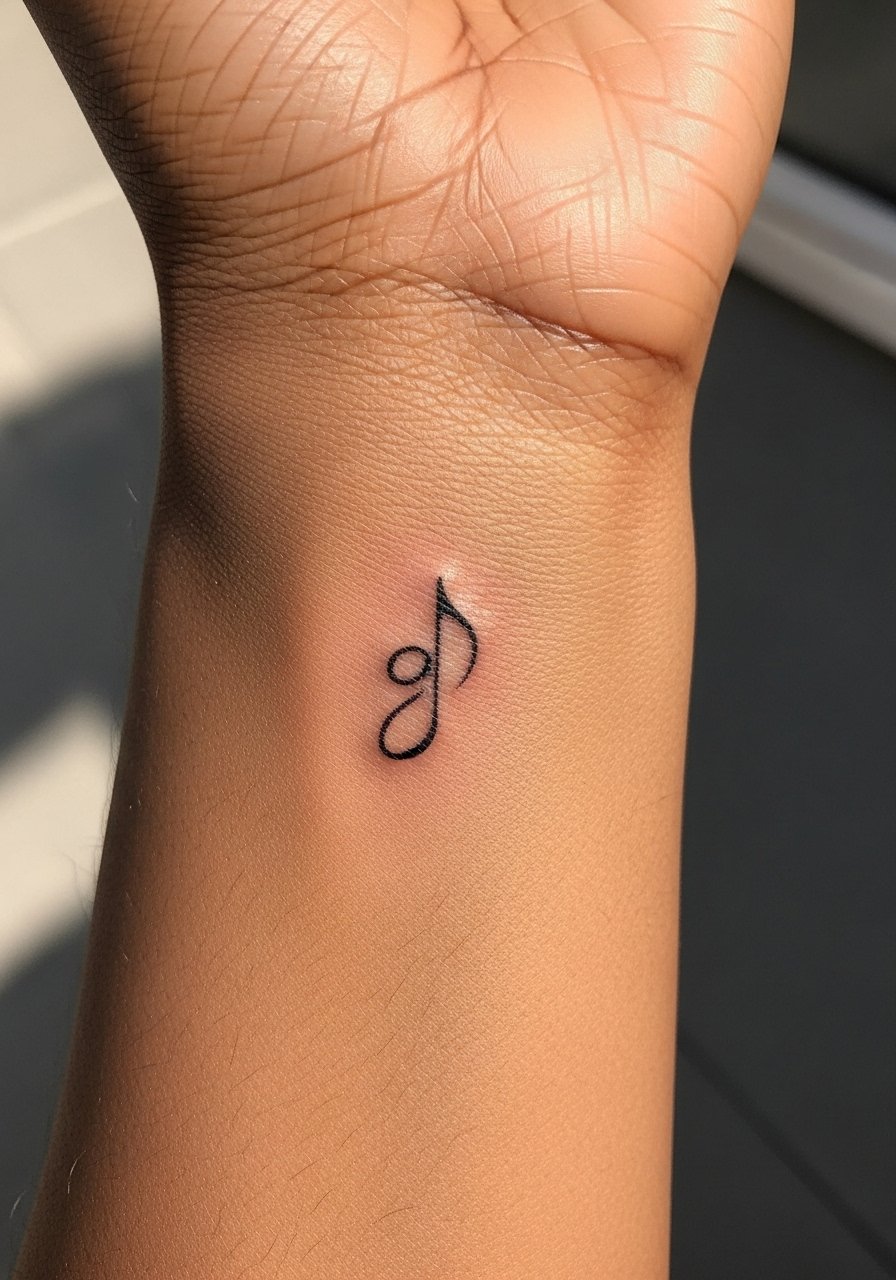
Music symbols are quick and personal. The wrist placement means the note is seen often. Request a slightly bolder stem so it does not disappear into skin texture. The session is brief and tolerable for most. People often ask for ornate clefs that are too detailed for a wrist scale. Keep the motif simple and choose a confident line weight. If you play an instrument professionally think about future visibility and how sleeves will interact with the piece.
25. Micro Script Name "Sarah" in Cursive on Upper Inner Arm
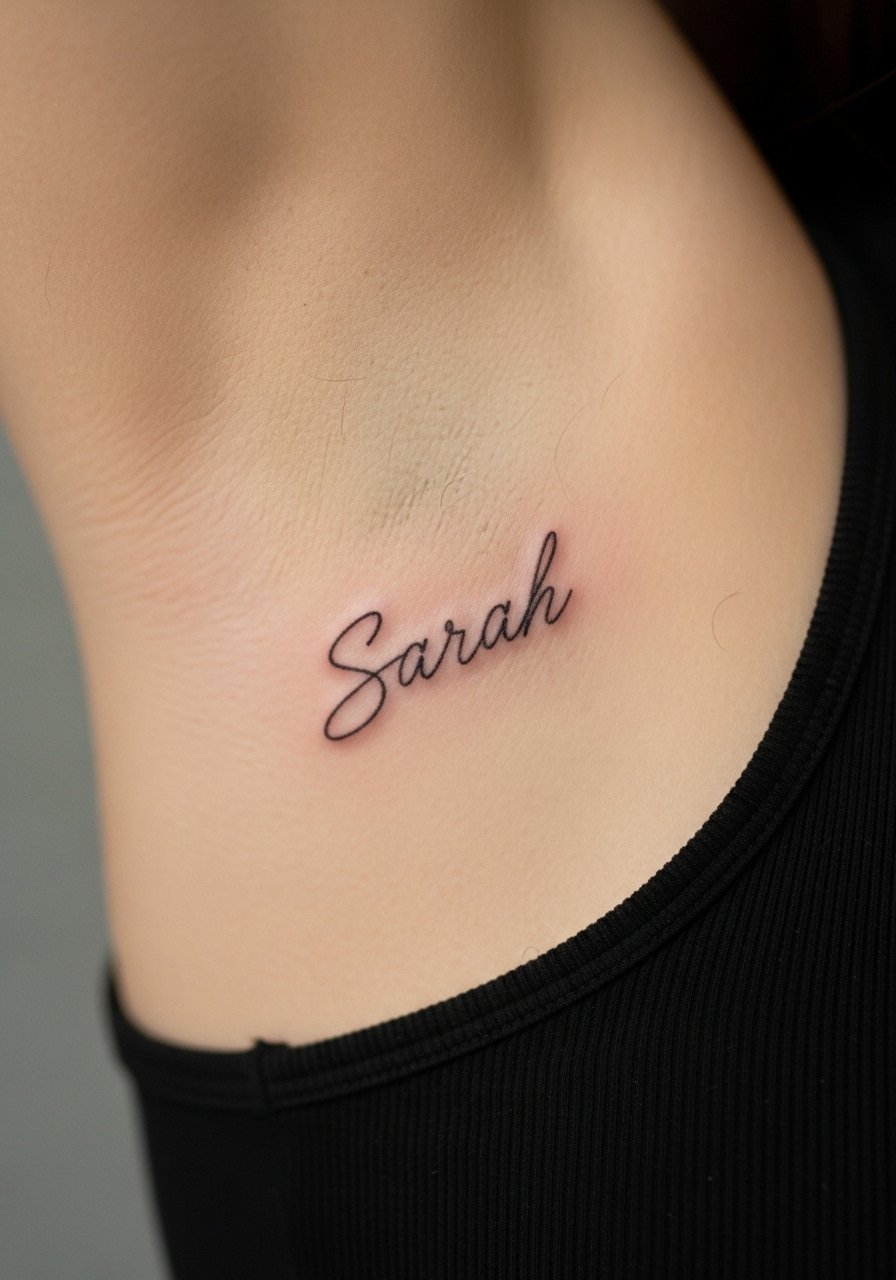
Names in cursive up near the armpit read private and intimate. That area sees less sun, so scripts survive better there than on the wrist. Because it is a slightly mobile area, ask for a touch of spacing between letters. Tight lettering is the top mistake here. The session is short and pain moderate because of softer flesh. Think through the orientation so the name reads the way you prefer when your arm hangs. If you want matching typography for other pieces bring the font sample.
Tattoo Prep and Aftercare Essentials
After Inked Tattoo Moisturizer. A lightweight post-healing lotion made specifically for tattoos. Use it after the peeling phase to maintain hydration and gentle saturation. It absorbs quickly and leaves no heavy residue so your ink shows clearly while healing completes.
H2Ocean Ocean Care Tattoo Aftercare Spray. A saline-based spray that soothes surface irritation during the first few days. Spray gently after cleaning to reduce crusting and support a clean surface for initial healing.
Tattoo Goo Original Tattoo Salve. A traditional balm option for short-term occlusion. Apply in a thin layer when your artist recommends an ointment to prevent drying cracks during the earliest phase.
Ink-EEZE Green Soap (gentle cleanser). A mild cleansing soap for washing the area the first week. Use lukewarm water and pat dry with a clean towel to remove excess plasma and keep the site clear.
Bepanthen Nappy Care Ointment. Often recommended where thicker occlusion is needed. Use sparingly and only if your artist agrees, because heavier ointments can trap moisture if overapplied.
Fragrance-free gentle foaming cleanser. A generic, mild cleanser for ongoing hygiene after the first few days. Avoid exfoliating agents and perfumes during the healing window.
Medical-grade second skin bandage, 6-inch roll. Useful for covering the tattoo for the first 24 hours or protecting against friction. Follow your artist's instruction on timing for removal.
Aquaphor Healing Ointment. A commonly used occlusive for short-term use. If you choose this as your one mainstream option, apply in a very thin layer and only during the initial phase if your artist recommends it.
Every tattoo is different. Always follow your artist's specific aftercare instructions. Consult a dermatologist if you have skin concerns or unusual healing issues.
Frequently Asked Questions
Q: Will fine line scripts on the inner forearm blur faster than bolder lettering?
A: In my experience fine line scripts can blur sooner, especially if the letters sit close together or if the skin gets a lot of sun. Ask your artist for slightly increased spacing and a touch stronger lineweight than your reference. A light touch-up at year two keeps the script crisp. If you want product support try a lightweight moisturizer like After Inked to keep the skin supple.
Q: Do stipple-shaded mandala slices near the inner elbow need special aftercare?
A: The inner elbow moves a lot so keep the area dry and avoid tight sleeves while peeling. Use a gentle cleanser such as the fragrance-free foaming cleanser listed above and apply thin layers of moisturizer when your artist advises it. If you notice raised scabs or unusual redness consult a dermatologist.
Q: For a brushstroke blackwork piece, how do I balance bold saturation with long-term texture?
A: Artists differ on this. One camp pushes for heavy, even saturation to achieve a graphic block. The other suggests mixing bold areas with defined negative space so the piece breathes as the skin changes. Tell your artist if you prefer a painterly edge or crisp blocks and plan a follow-up session to even out saturation once healed.
Q: How often should tiny inner wrist pieces get touch-ups?
A: It depends on lifestyle and sun exposure. For many tiny wrist pieces a light touch-up between one and three years keeps the lines readable. If you wear watches or bracelets a lot expect more friction and possibly earlier fading. Using sunscreen after full healing helps long-term preservation.
Q: Are coordinate tattoos with numbers like "41.4025 N, 2.1743 W" likely to remain legible?
A: Yes if you pick a clear font and give the numerals room to breathe. Monospaced or thin serif numerals are my go-to for legibility. Keep the text separate from heavy dot work so the numbers do not merge. A one-hour session usually covers placement and execution cleanly.
Q: Can matching mirrored inner arm tattoos be done in the same session for best symmetry?
A: Yes and I recommend it. Booking both in one session helps the artist measure and position them to mirror posture and muscle alignment. If you book separately, bring your healed photo and measurements so the second piece can match the first accurately.