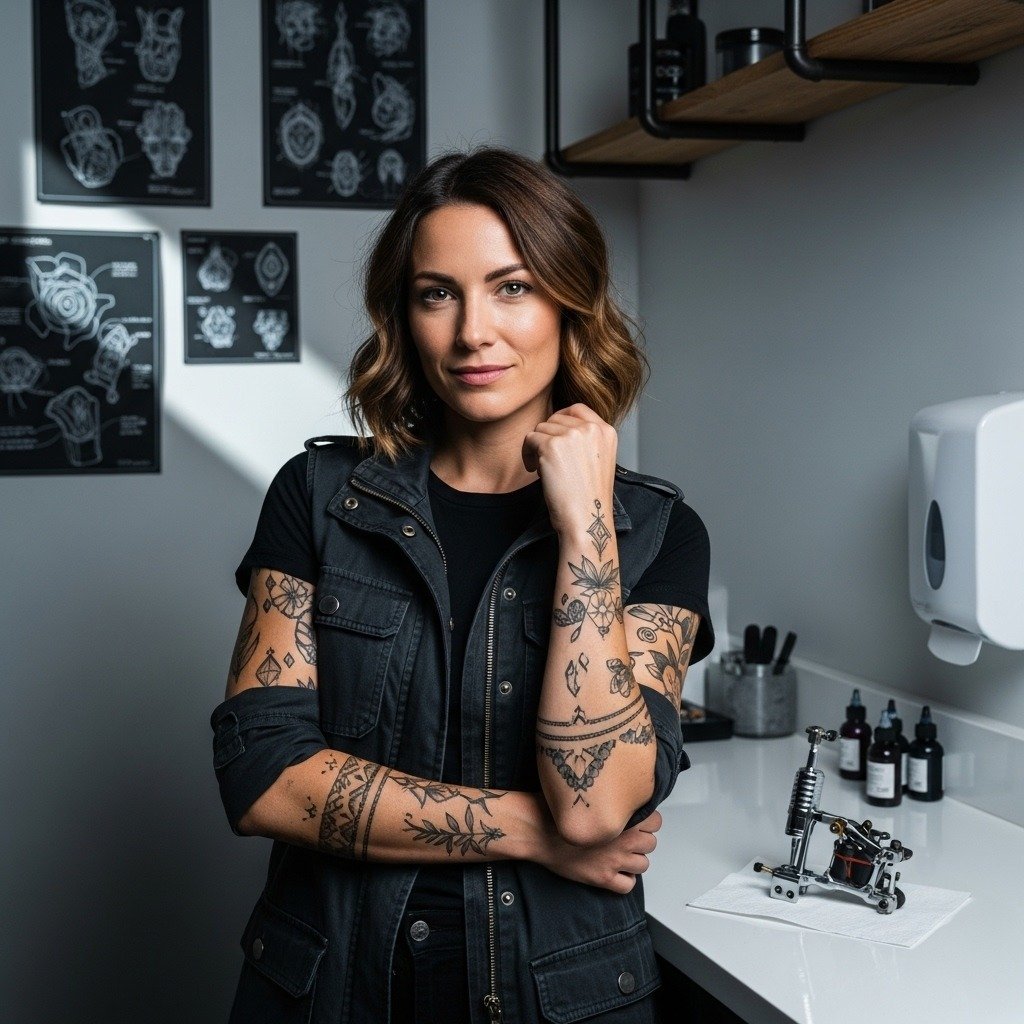
Someone I know booked three artists and still left unsure because the problem was not picking a pretty picture. It was knowing which sleeve will age well on your skin, how many sessions you can realistically fit into your schedule, and which designs hide sun fading on medium to dark tones. Read on for 25 arm-wrap ideas that solve those exact headaches and show what to ask at your consultation.
1. Floral Mandala Arm Wrap from Shoulder to Wrist
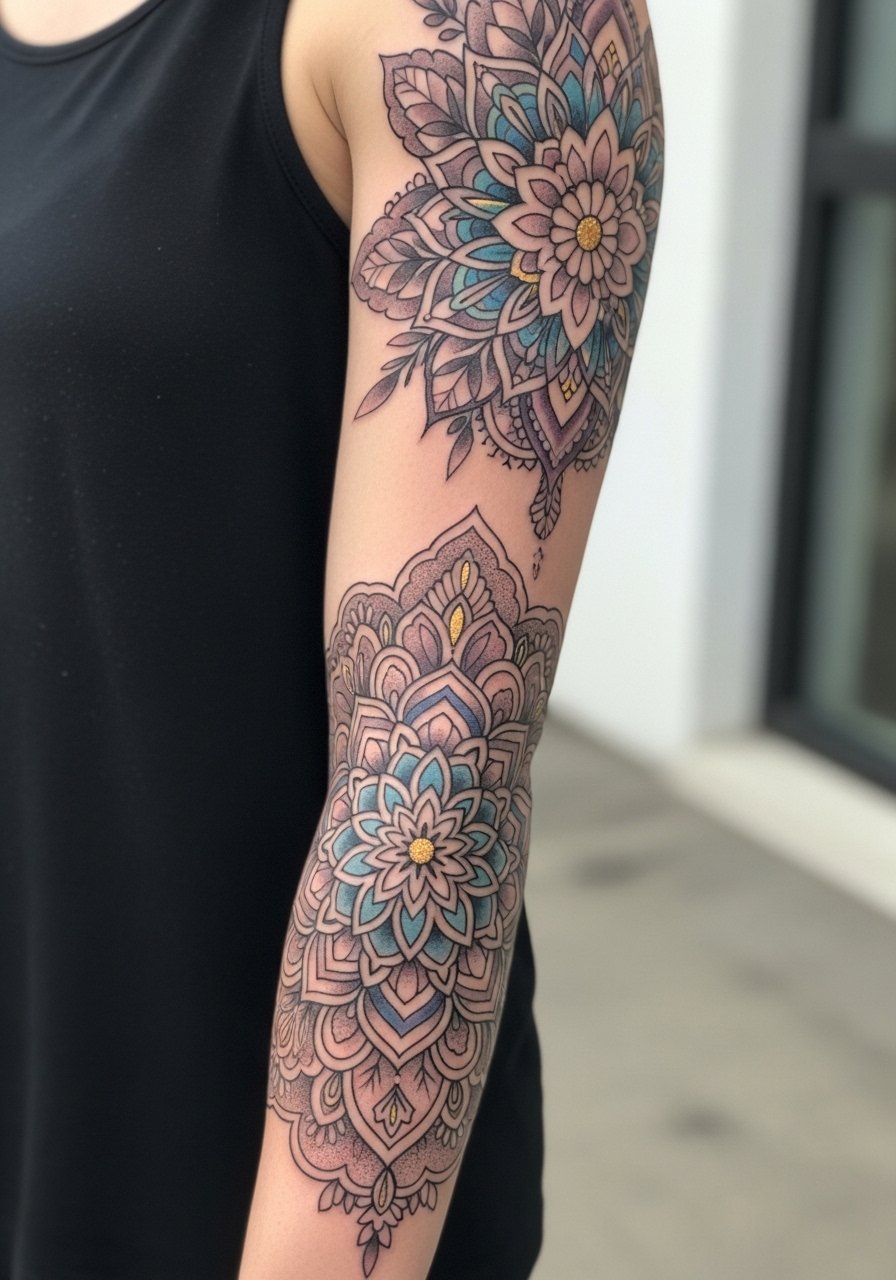
Someone I know first saw this on a friend and booked a consult the next week. Start the conversation by asking your artist for a flow map that follows muscle curves so the mandala radiates instead of looking flat. The common mistake is crowding too many petals into a small area which blurs after healing. On light skin the black and gray settles with clear linework at six months. At two years expect minor softening of fine dots and plan a touch-up window around year three. For session time, expect multiple medium-length sittings and moderate forearm discomfort as the needle crosses thin skin.
2. Polynesian Tribal Wave Sleeve with Bold Blackwork
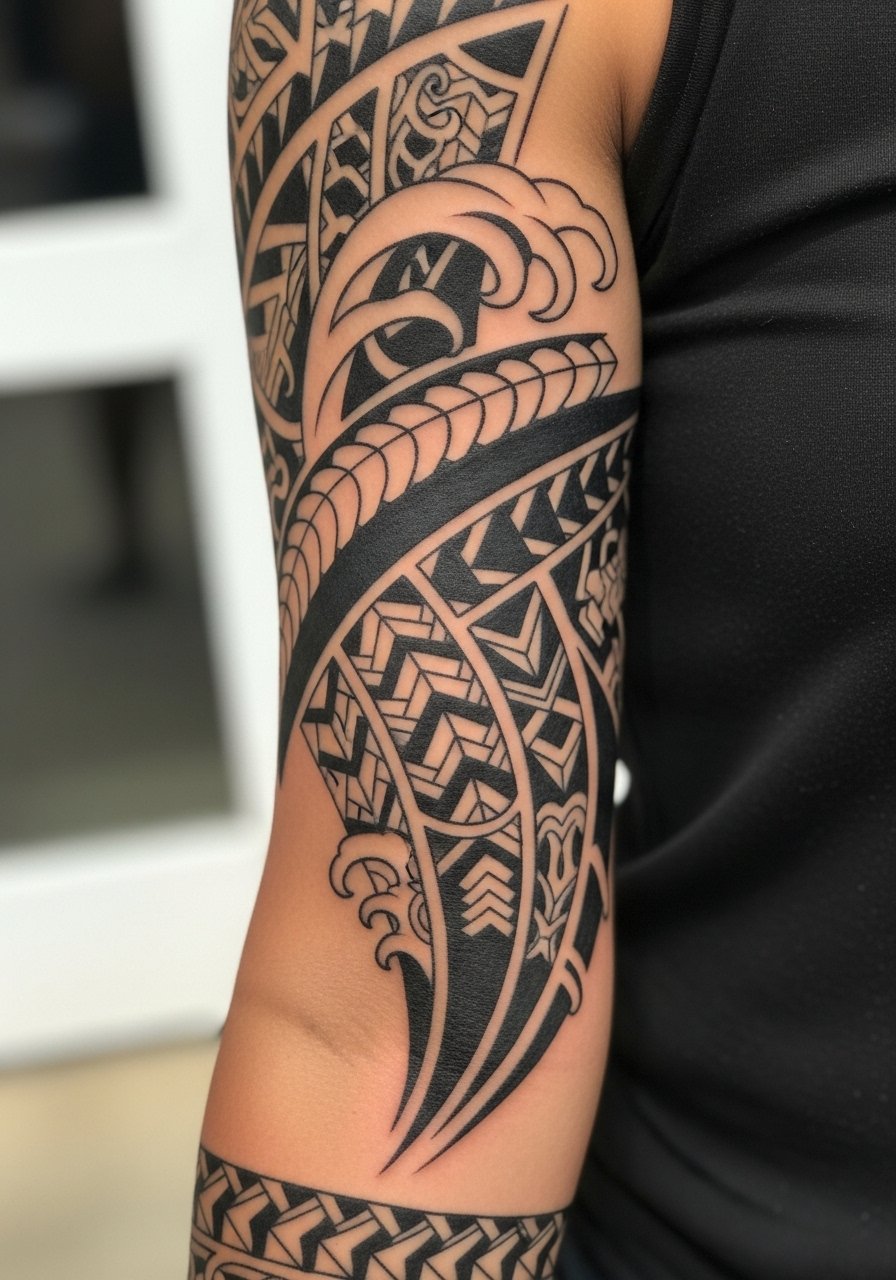
Artists split on cultural replication. One camp treats traditional motifs as sacred and recommends collaboration with community sources. The other camp adapts patterns into contemporary arm wraps and focuses on technique. If you choose this route, say you want respectful motifs and ask the studio about their approach to cultural origin. The design needs broad panels and thick linework to avoid early blowout. Expect stronger pain on the outer upper arm where skin sits over bone. A standard run is long sessions that alternate heavy black fills with shorter shaping passes.
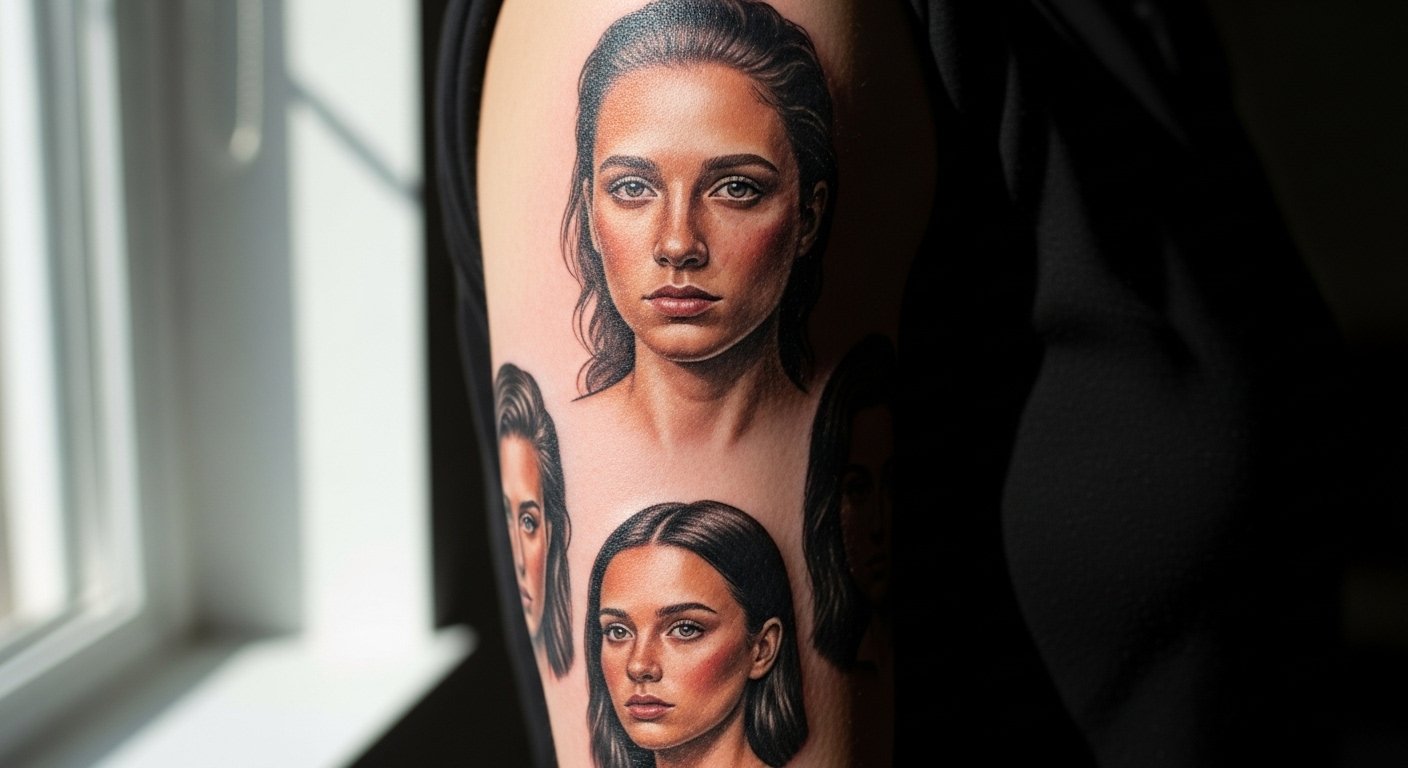
3. Realistic Portrait and Rose Hybrid on Inner Forearm
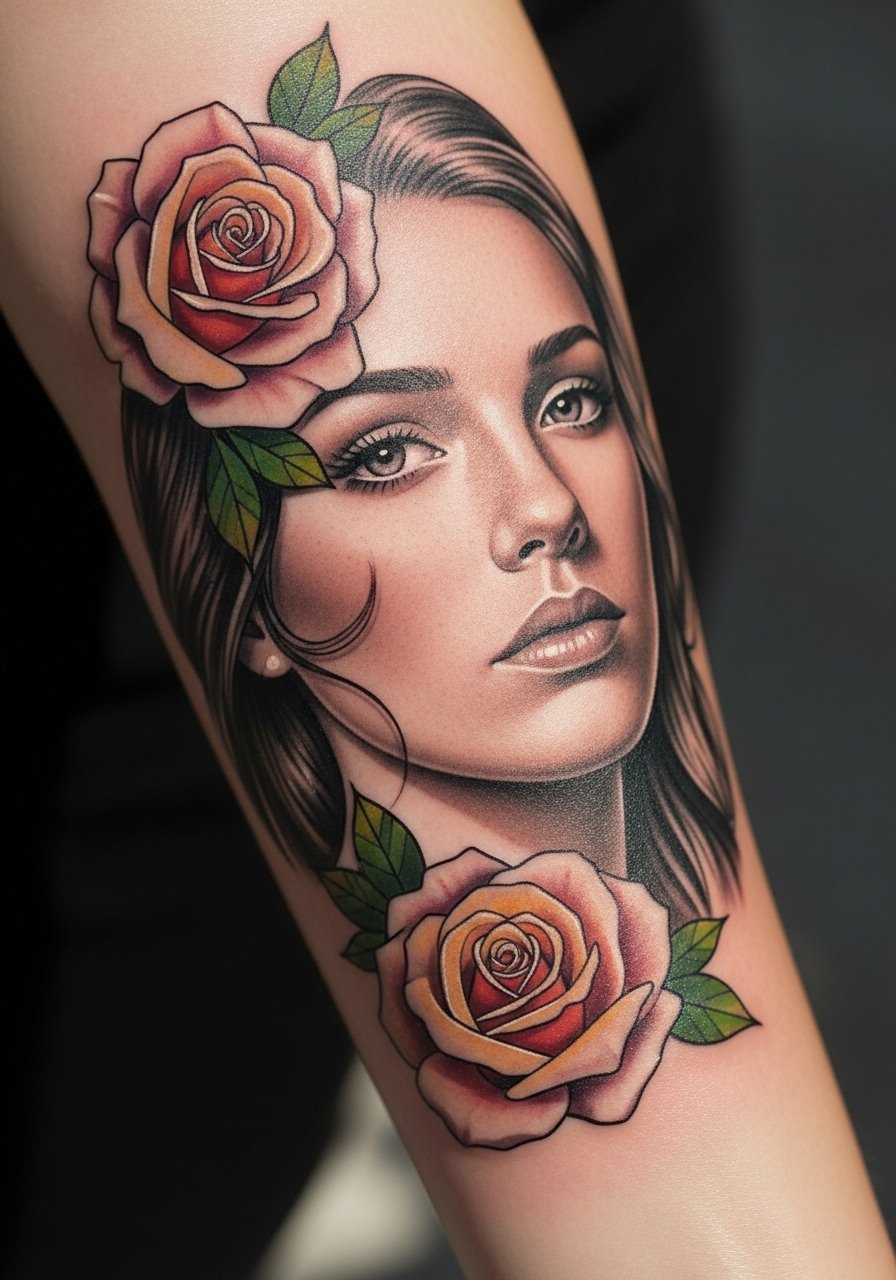
Fair warning: inner forearm is lower pain but shows every drop of ink clearly. When you sit with your artist, bring six reference photos that show the face angle you want and the exact rose style. A mistake people make is asking for tiny photorealism in a narrow strip. That invites blowout and loss of detail. At six months the portrait has resolved into soft gradients. At two years fine highlights may need a touch-up to recover contrast. For placement, inner forearm gives readable detail during social interactions and photographs well.
4. Watercolor Butterfly Progression from Shoulder to Elbow
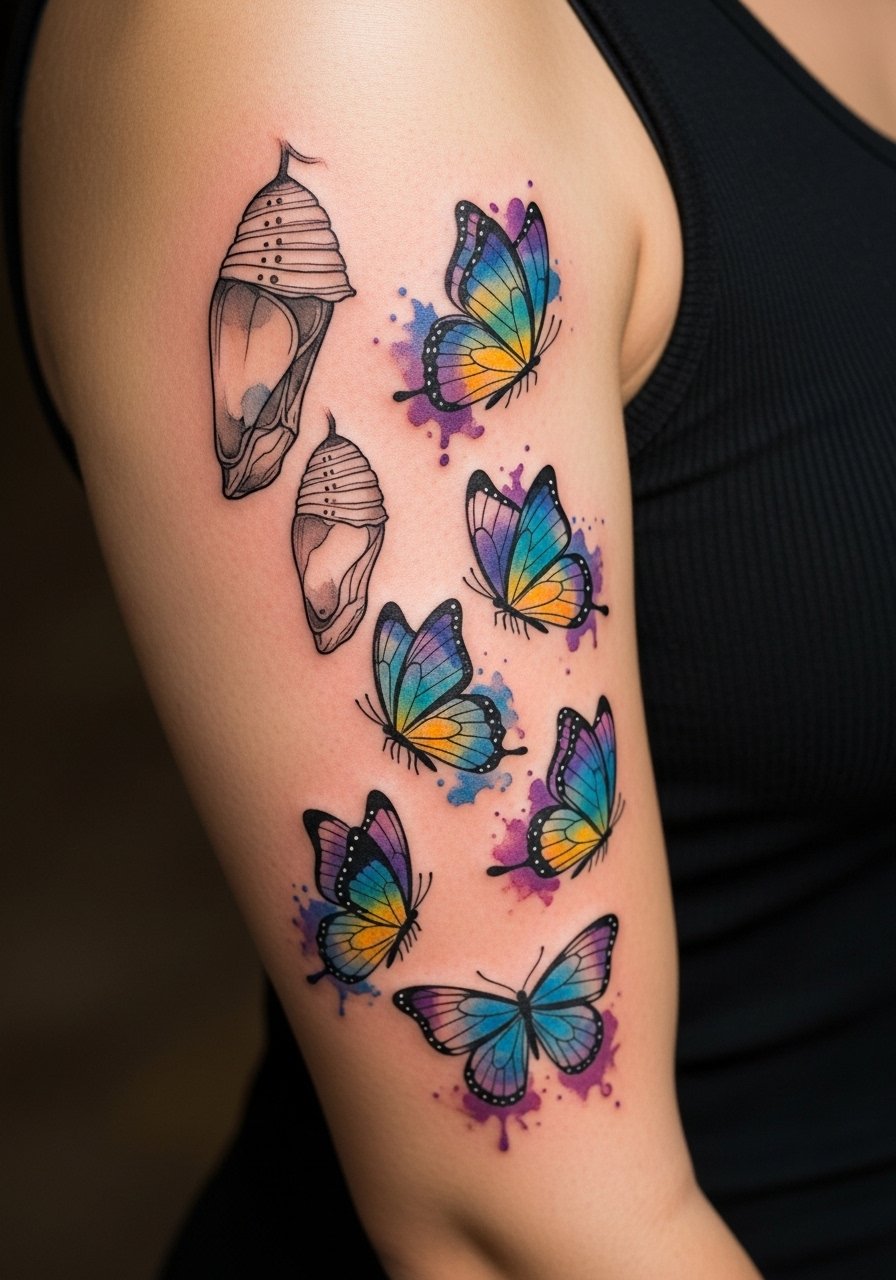
Most watercolor sleeves from years ago faded into blotchy color. This version holds up because it anchors washes to crisp black outlines and picks pigments that read on medium skin. In consultation request color blocking next to linework so the artist knows where saturation matters. The common error is using diluted pigments only, which disappear within a year. Expect shorter sessions initially for color layering and a longer blending session later. For career-sensitive wearers, place the brightest colors on the upper arm where clothing can conceal until healed.
5. Blackwork Geometric Lotus Wraparound
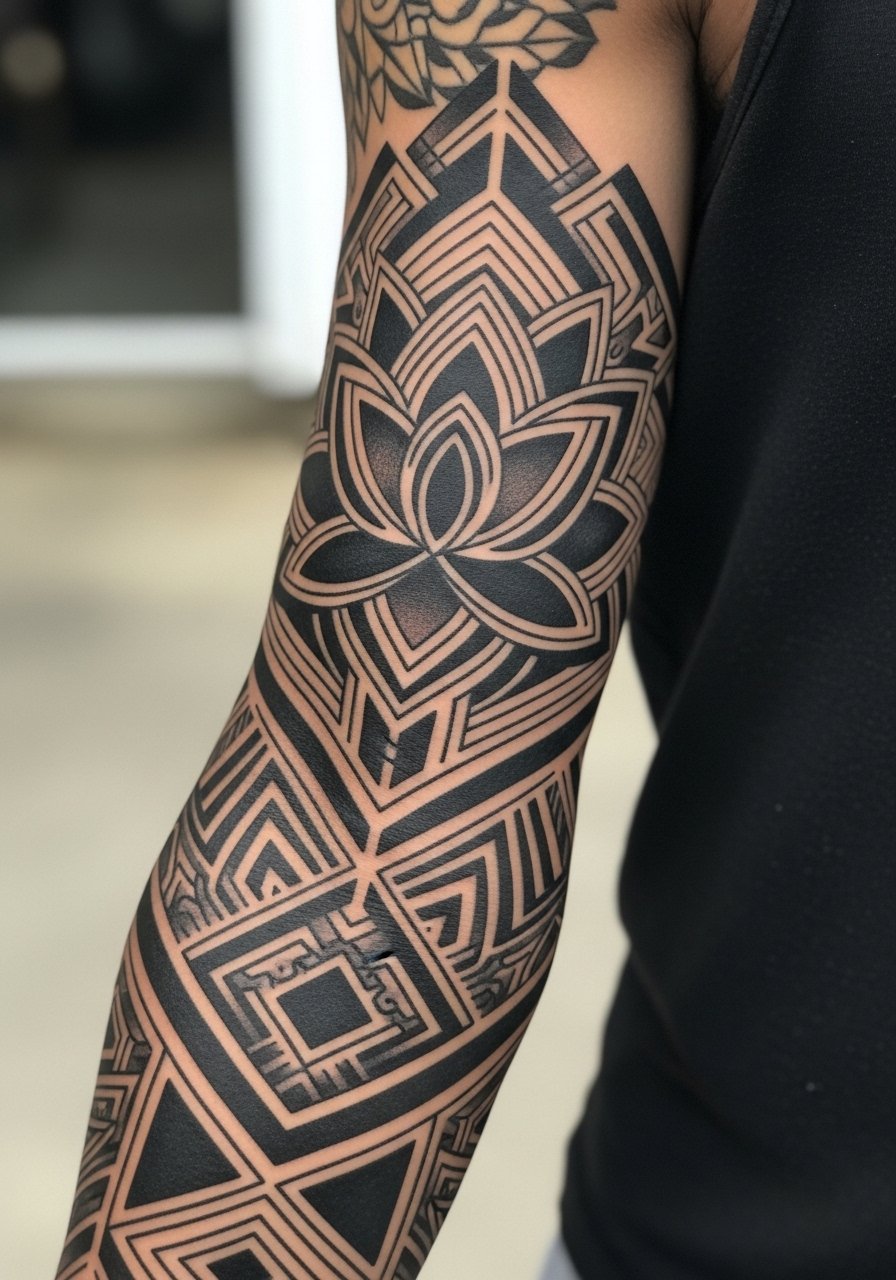
There's a clear visual impact when negative space is part of the design. Ask for full-saturation patches separated by breathing room so the black does not blob together as it heals. A typical mistake is scaling elements too small. Lines need room to keep their crisp edges over years. At six months, heavy black holds strong. After two to five years you may notice a slight matte shift that benefits from a touch-up. This style ages well when the lotus geometry is kept bold rather than overly intricate.
6. Fine Line Vine and Bird Migration on Inner Arm
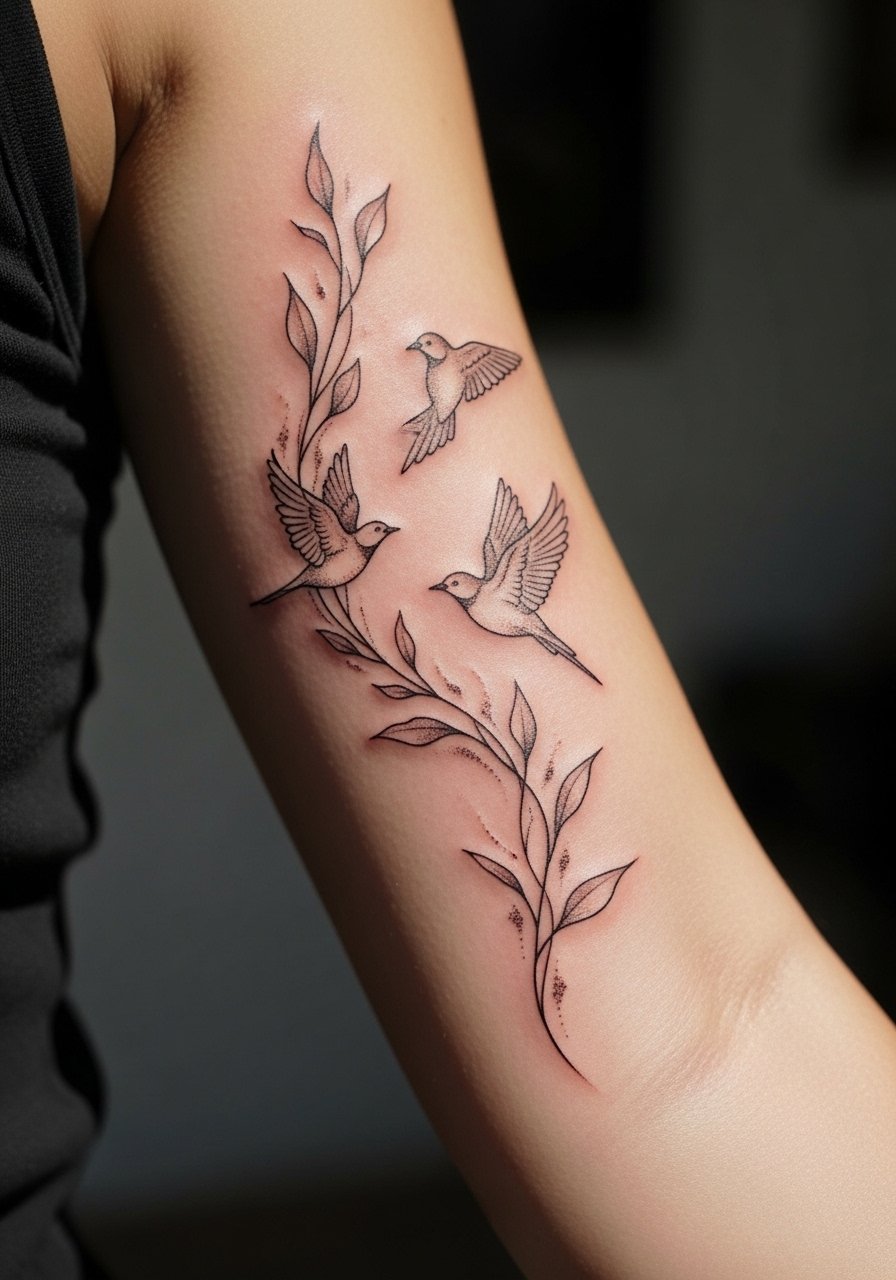
When you book this, tell the artist you want spacing that avoids line convergence. One camp of artists warns fine line blurs quickly on thin skin. The other camp argues careful depth and spacing preserve detail. Ask where the artist stands before committing. This style is low-visual-weight so it fares best on inner arm placements with softer movement. Pain is mild. Expect two to three shorter sessions. At year two some lines may soften and a precise touch-up often restores the original airiness.
7. Patchwork Sleeve That Honors Indigenous Motifs
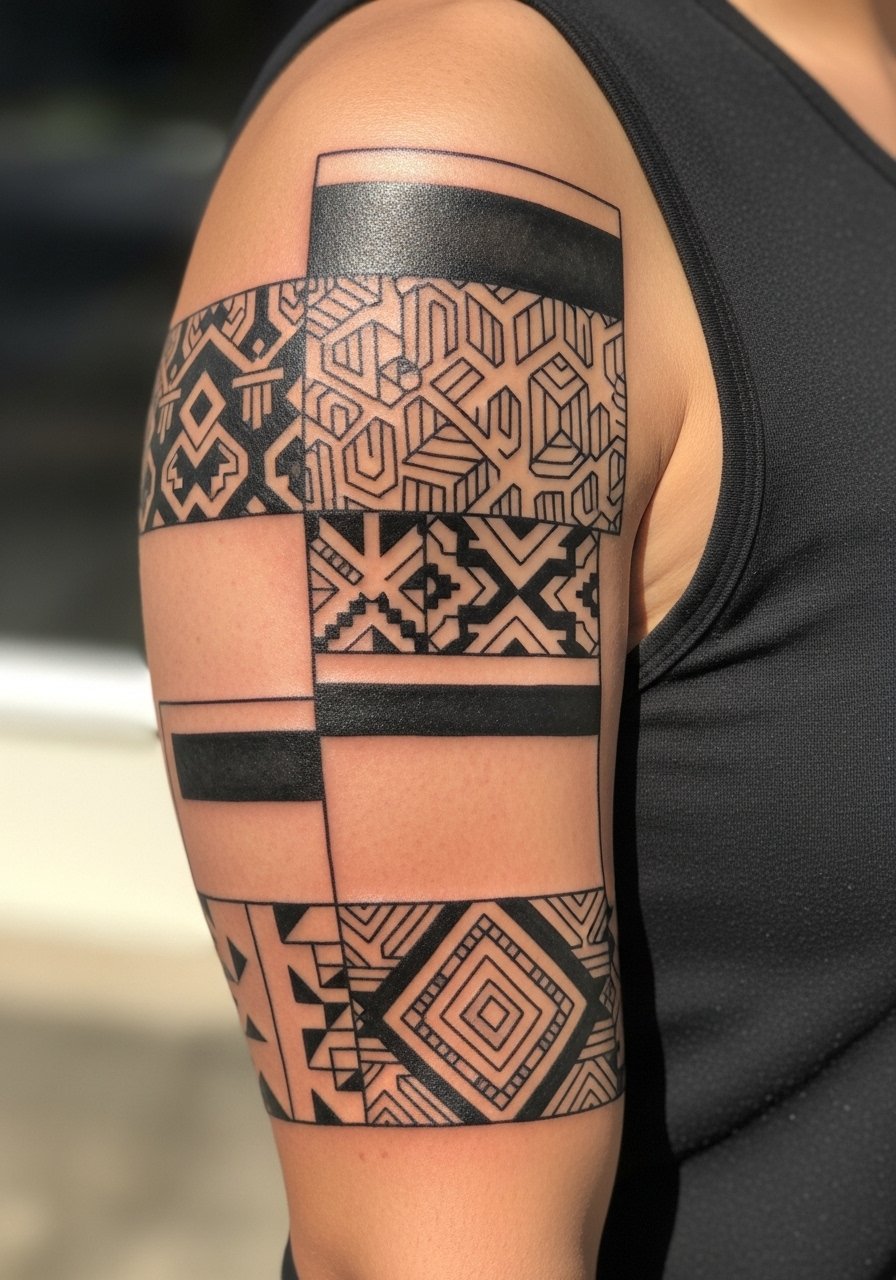
This is one of the under-covered angles I have seen in studio conversations. Because the design borrows cultural elements, include a note in your consult that you want respectful adaptation. Some people choose direct replication and others prefer abstracted motifs that nod to roots without copying sacred designs. The risk of misappropriation is real so ask your artist about the source of each pattern. Expect multiple sessions that mix large solid fills with precise outline work. Over years, the patchwork approach allows isolated touch-ups rather than reworking the whole arm.
8. Neo-Traditional Animal Totem with Floral Frames
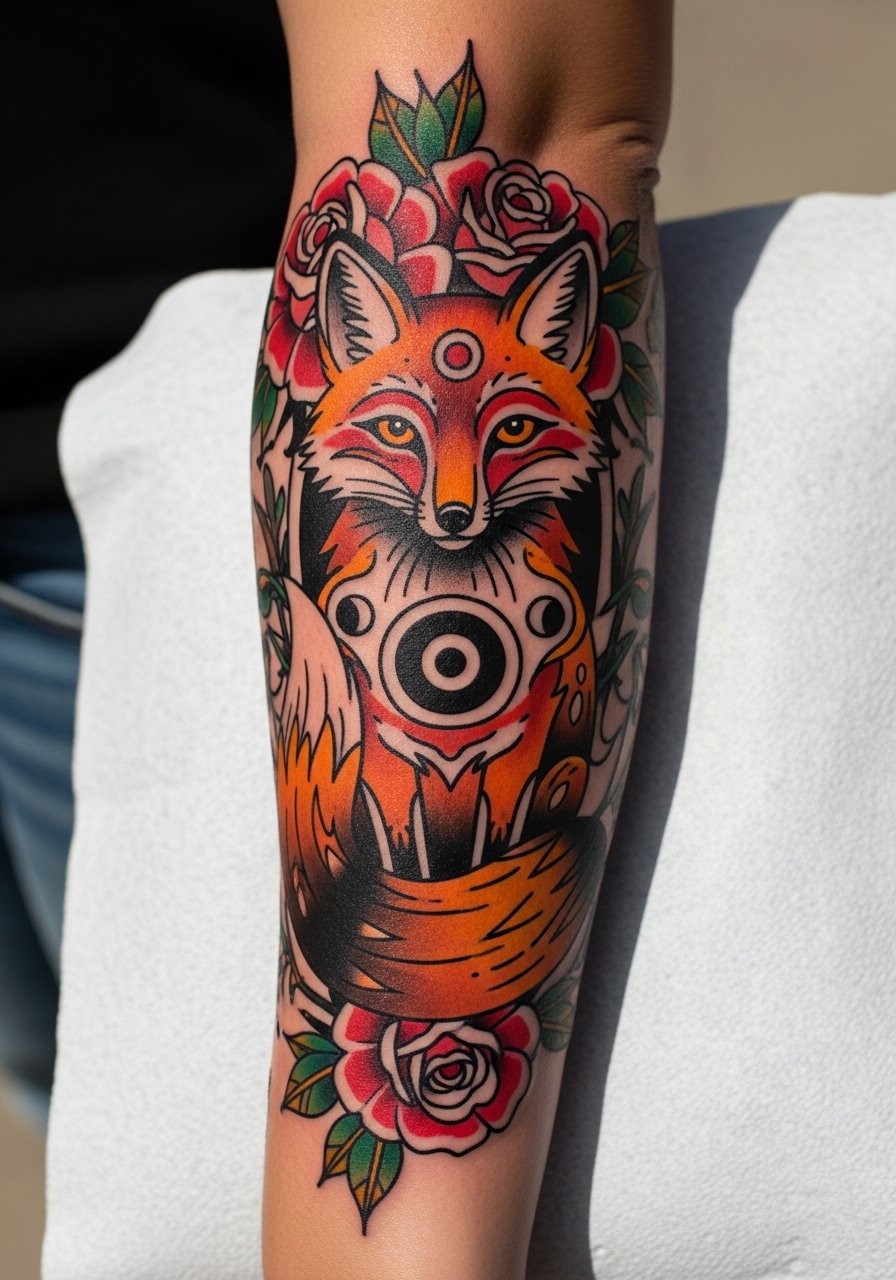
When you describe this to an artist, bring mood photos that show eye expression and color palette. A real mistake is requesting ultra-small facial details in animal portraits. Those features need room to remain legible. Session times vary but expect longer blocks for color saturation. On darker skin, choose richer pigments that read as intended and discuss contrast with your artist. After two years color may need boosting, especially in high-sun areas like forearms. Plan for a touch-up window around year three.
9. Minimalist Constellation Sleeve with Fine Dot Work
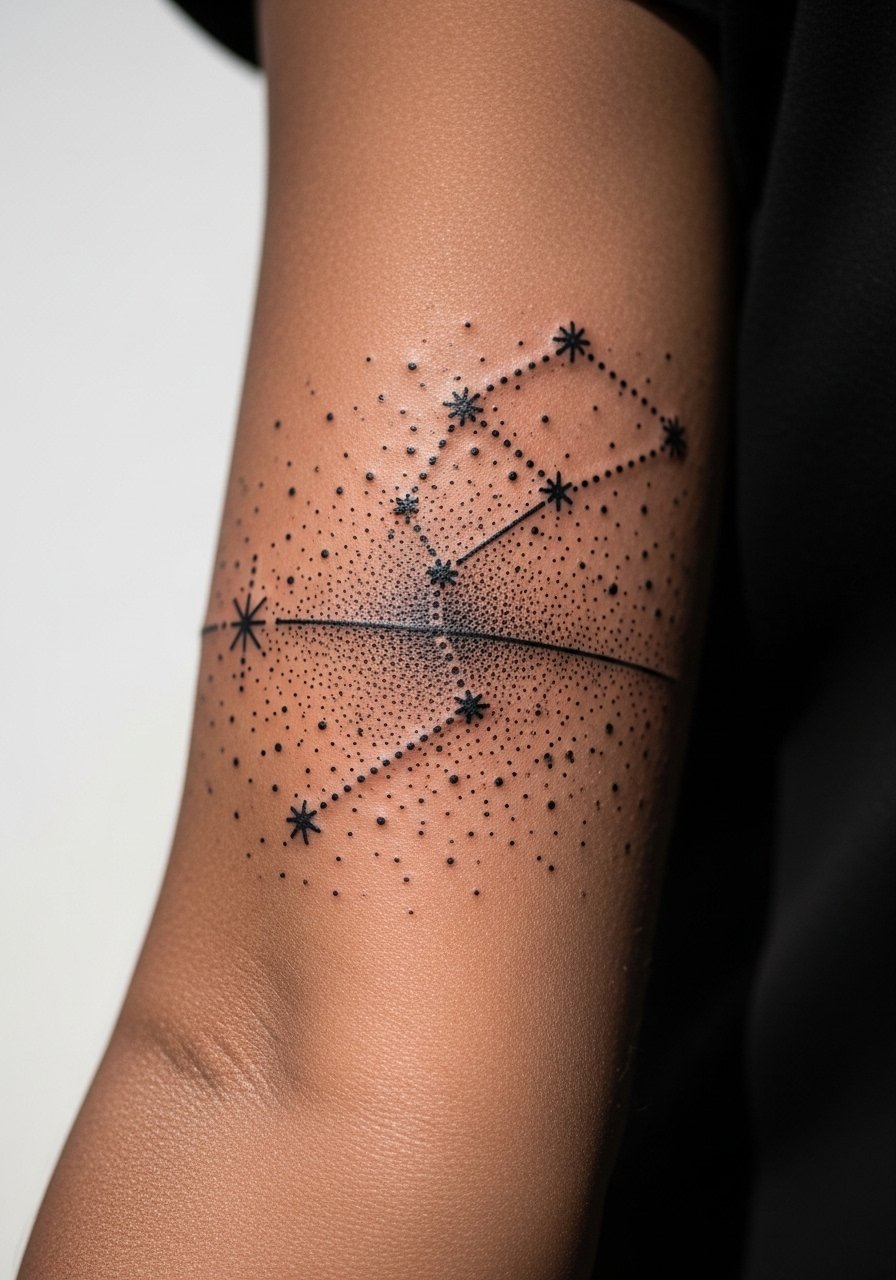
The visual effect here is subtle and personal. Ask your artist for spacing templates so constellations do not blur into a single gray wash. A common error is placing dot work too densely. Dot work needs deliberate breathing room to remain crisp. The pain is light on the forearm but can spike near wrist bones. Expect multiple short sessions focused on placement. At two years, well-spaced dots still read as individual marks. If you want extremely dense shading, be ready for earlier softening.
10. Botanical Sleeve for Garden Lovers with Mixed Scales
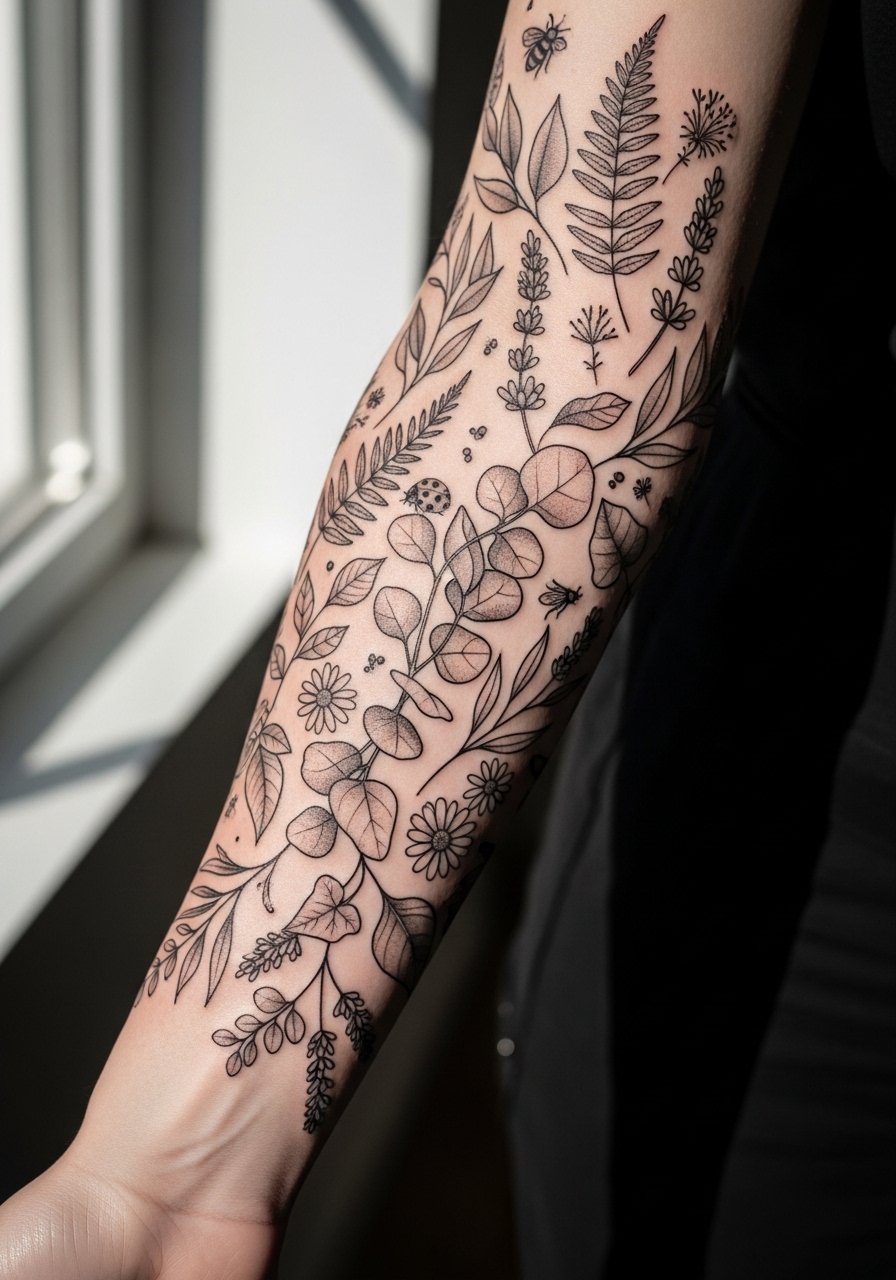
Someone I know who gardens loved this because it reads like a living arm. In consult ask the artist to vary scale so large leaves act as anchors and small buds provide texture. The typical mistake is making every element the same size which flattens the composition. For placement consider elbow joints where leaves can wrap and flow with natural bending. Expect moderate pain around inner elbow and longer sessions to layer detail. Over five years, textured shading holds, but fine highlights may fade and benefit from a touch-up.
11. Micro-Realism Wildlife Column on Outer Forearm
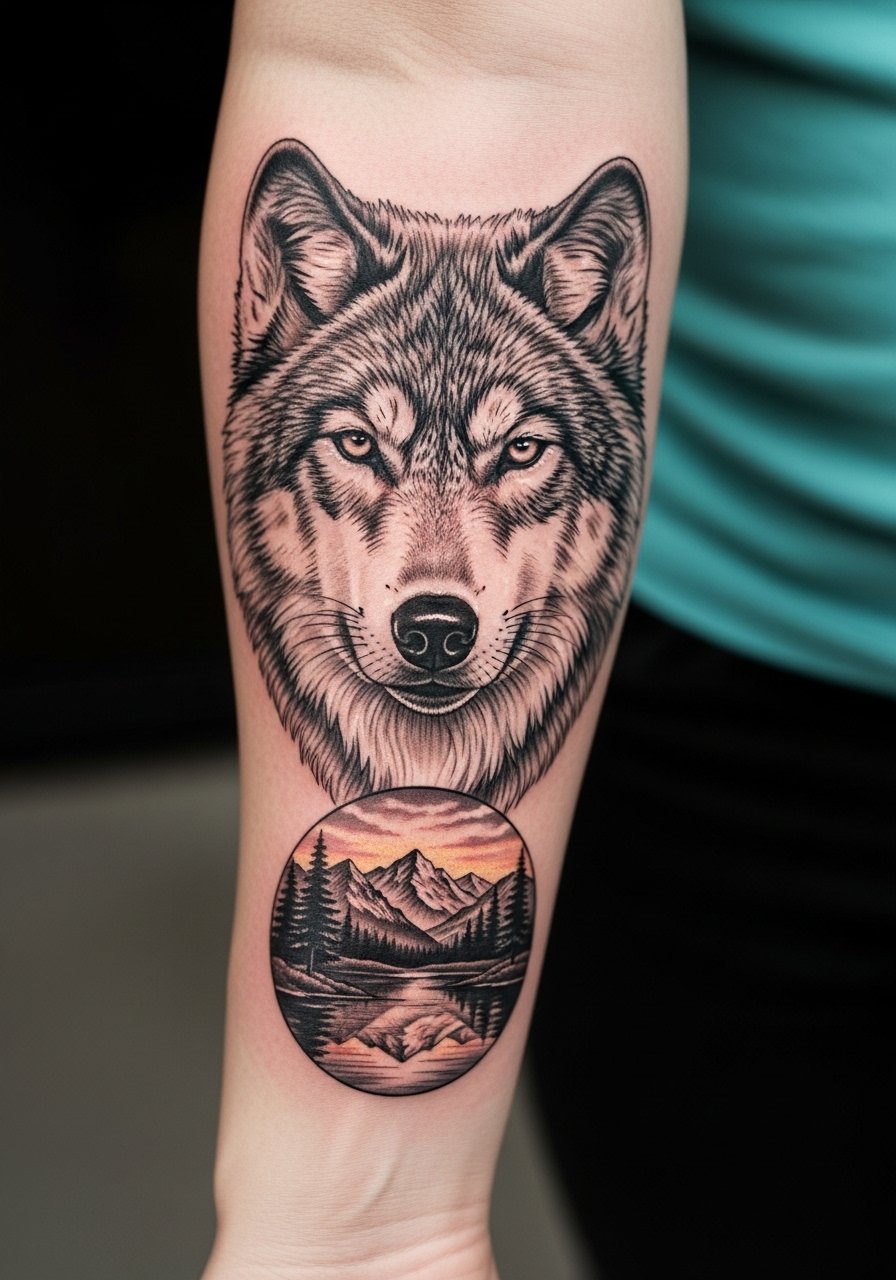
When you sit down, specify the hierarchy of elements so the main subject remains dominant. The biggest mistake is cramming several tiny realistic pieces into a narrow column. That invites loss of contrast. This placement showcases detail and reads well at arm's length. Pain is moderate on outer forearm. Session time can be long because of layered shading. At two years micro-realism retains much of its form if ink depth was correct. Plan a touch-up if background tones begin to flatten.
12. Geometric Mandala Sleeve Centered on Elbow
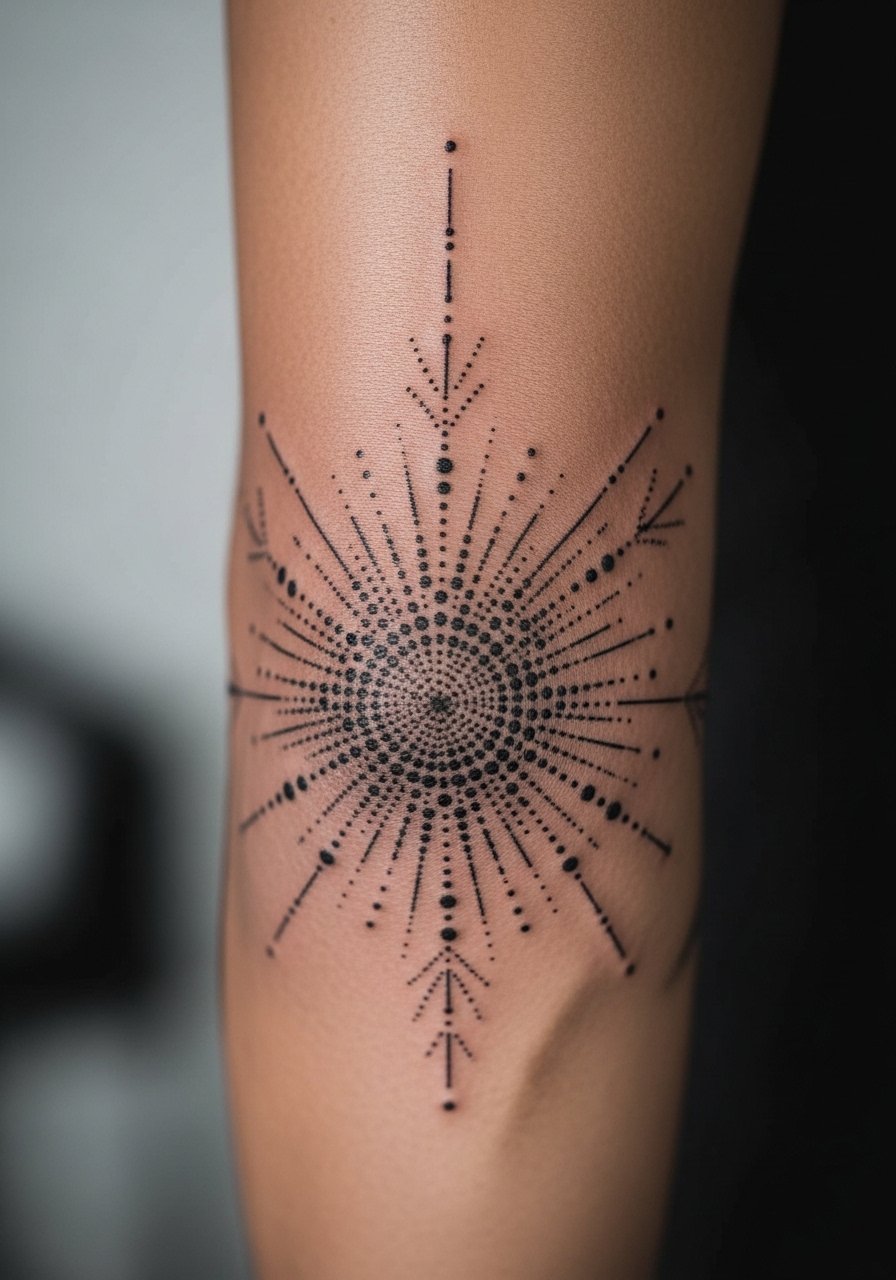
The elbow is controversial for fine geometry. One camp says the joint motion causes early distortion. The other camp says proper spacing and heavier linework solve that. Ask the artist which approach they prefer. If you proceed, expect extra care in staging the mandala so connections cross joint lines smoothly. Pain on the elbow is higher than surrounding areas. Sessions will be split to allow swelling to settle between passes. Over years, strong geometry survives better than delicate filigree at this placement.
13. Surrealist Clock and Flora Sleeve with Asymmetric Flow
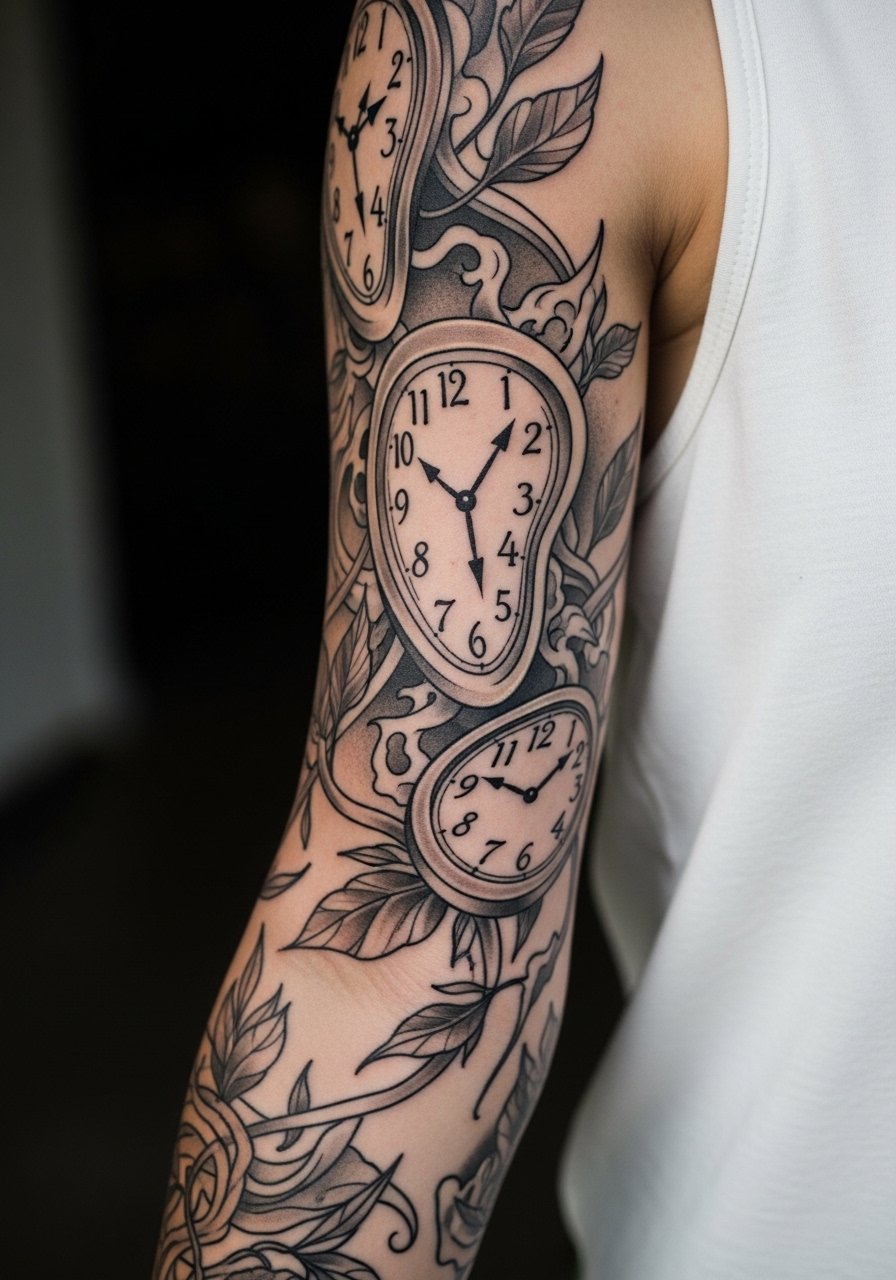
There is a narrative strength in mixing timepieces with plants because one element constrains and the other grows. Tell the artist the emotional tone you want so the clocks read aged or pristine. The common error is making the clocks too small relative to surrounding florals. Small clock faces lose numerals over time. Expect several medium-length sessions to define both hard edges and soft petals. At two to five years hard edges may soften slightly and a targeted touch-up will restore crispness.
14. Irezumi-Inspired Koi and Wave Sleeve with Modern Negative Space
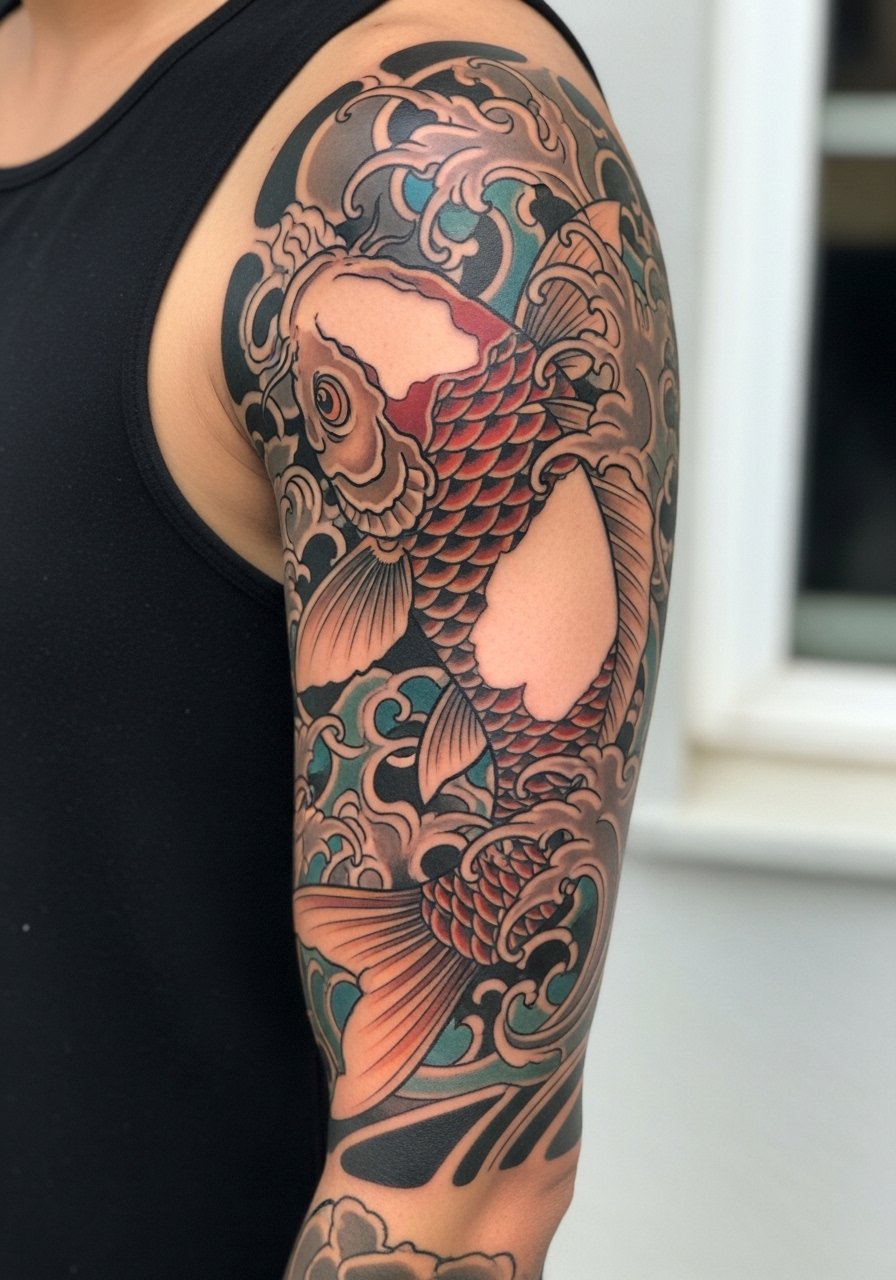
Because this draws from Japanese tradition, include a line about respectful influence when you consult. Some collectors want strict traditional rules followed. Others adapt motifs with contemporary spacing. The big mistake is shortening scale to fit a small arm. Irezumi elements benefit from larger areas to show curvature. Sessions include long blackwork passes and color layering. Over years the black framing helps preserve the koi contrast even as color pigments gently soften.
15. Celestial Sleeve with Lunar Phases and Stipple Nebula
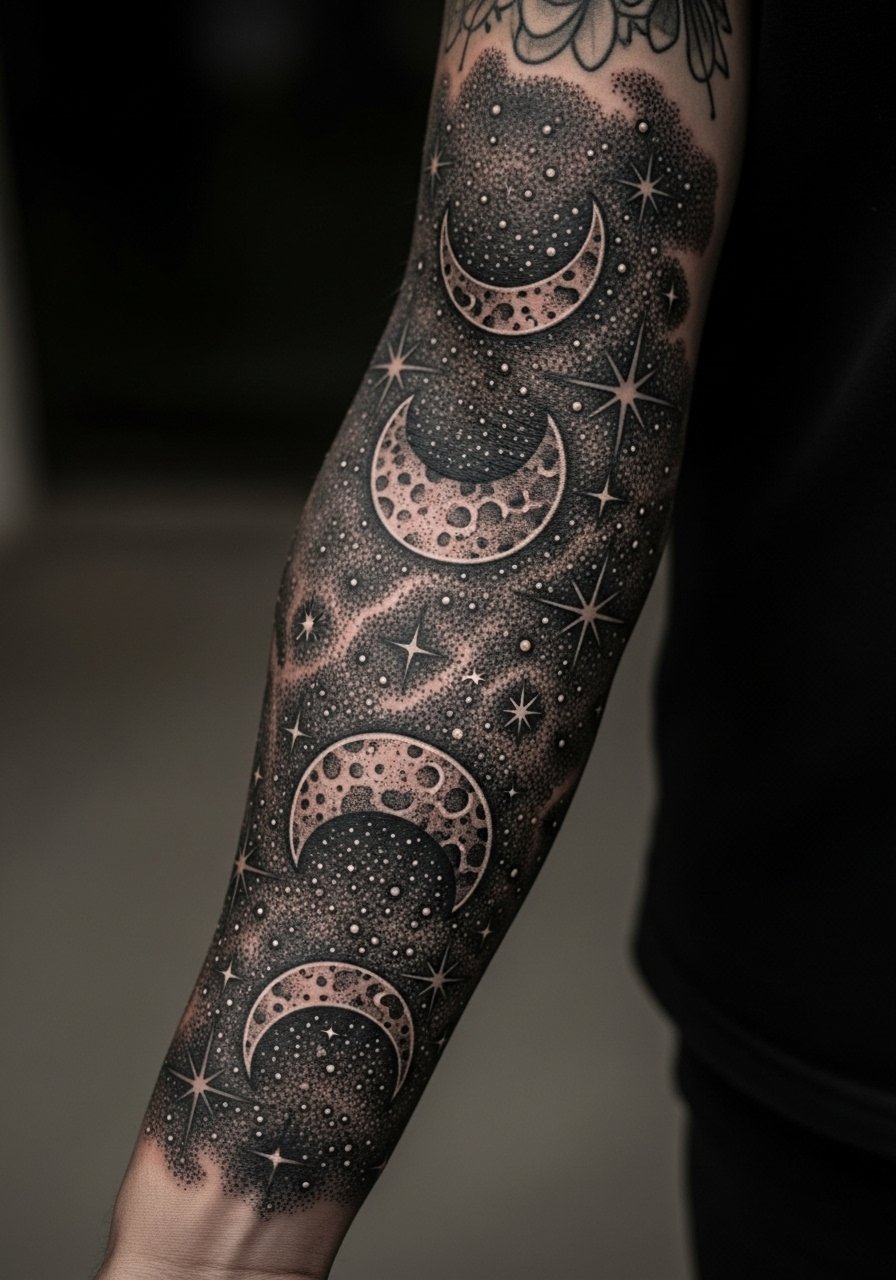
When you describe this piece, specify which phase you want emphasized and whether dots should be dense or airy. Many people err by asking for ultra-fine stippling across large areas, which clogs with time. For durability, ask for slightly larger stipple marks with negative space. Pain is varied depending on placement across the wrist. Sessions are generally shorter but focused. After two years well-placed stipple retains texture. Plan a light touch-up if clusters look muddy.
16. Architectural Linework Sleeve with Thin Negative Space Bands
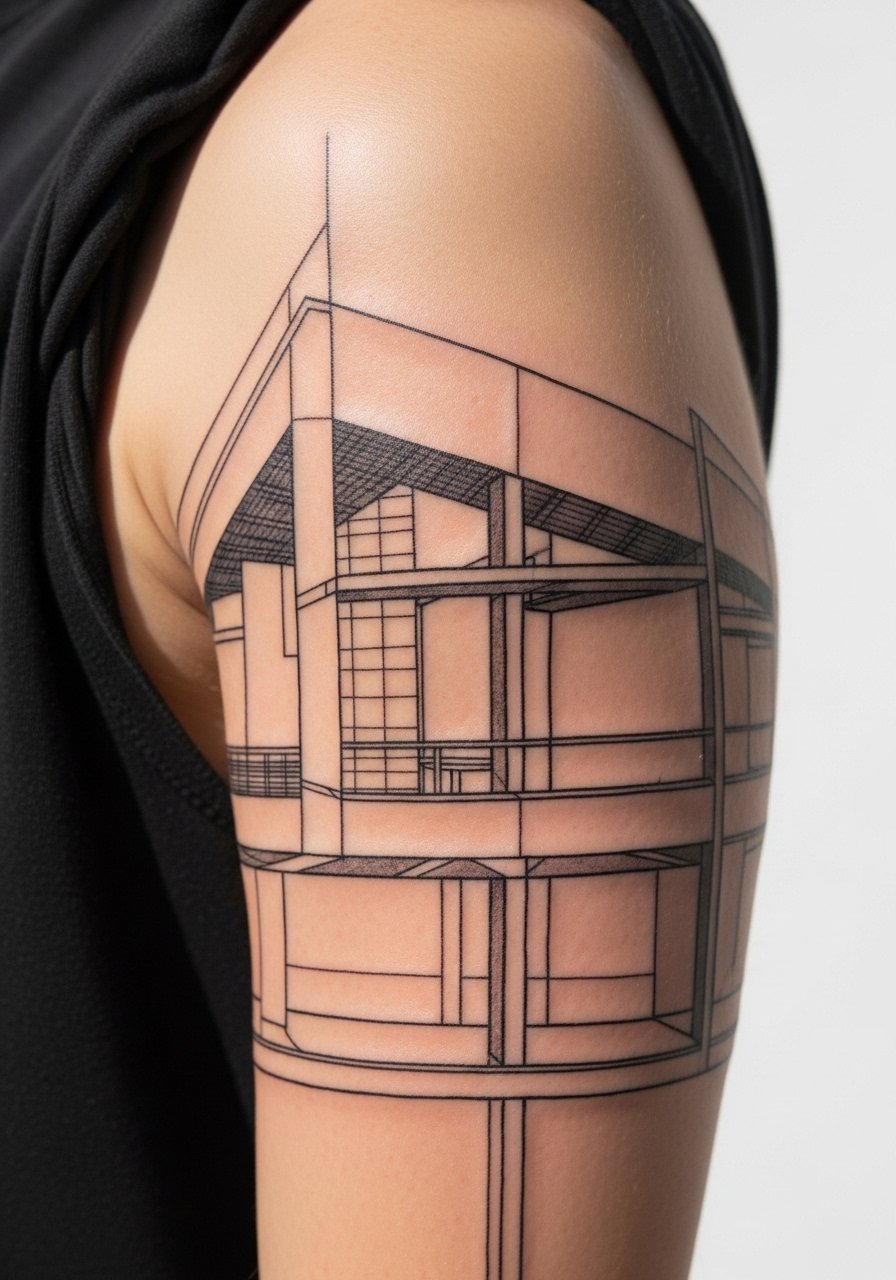
The biggest mistake with architectural sleeves is insisting on micro-proportions that blur. Request a scale sketch and ask the artist to test a line thickness sample on similar skin. Pain is moderate near bony ridges. Sessions can be spaced to let swelling subside so precise lines stay crisp. At year three parallel bands may soften slightly but the overall structure remains legible if the negative space is preserved.
17. Floral-to-Abstract Gradient Sleeve with Soft Whip Shading
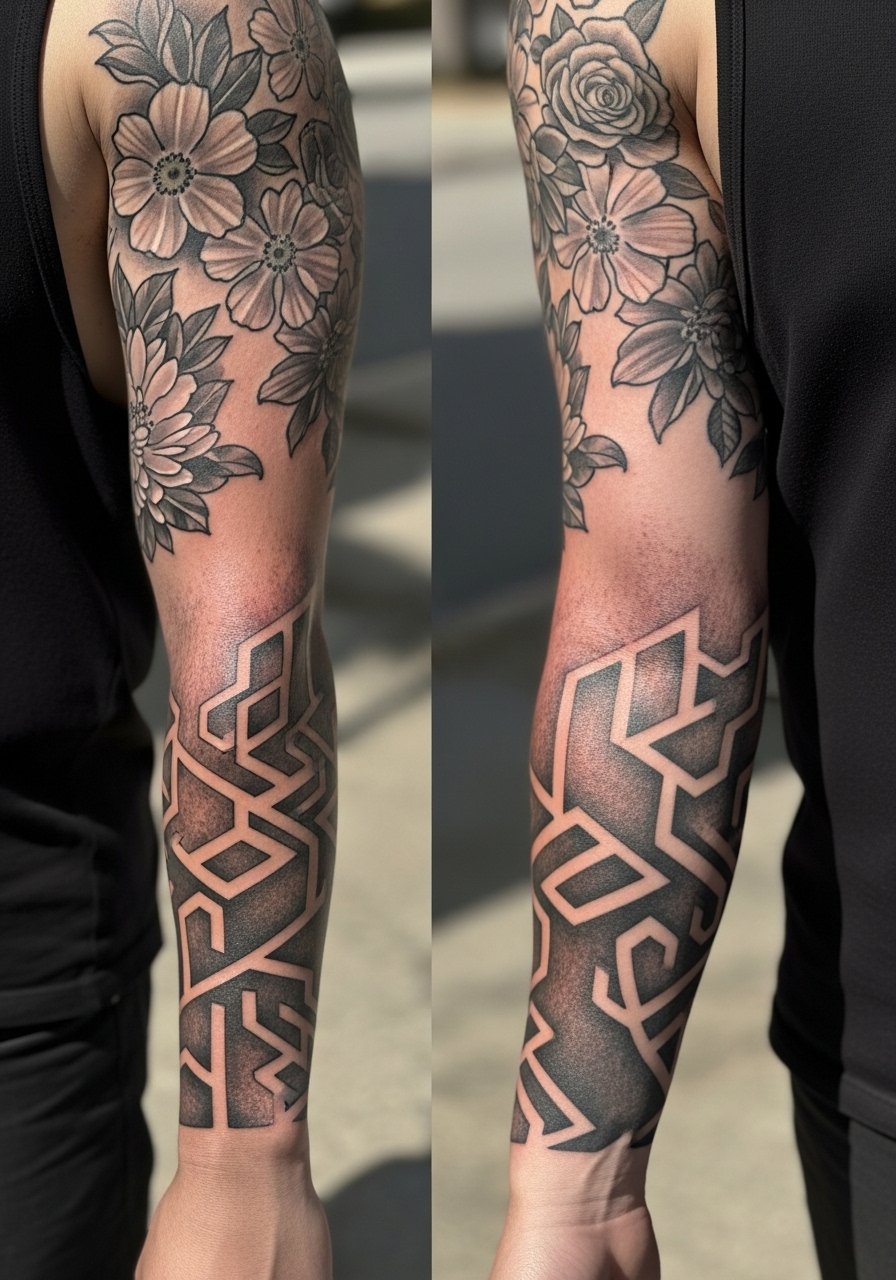
When you sit down, show transitional references so the artist can blend realistic petals into abstract forms. A common error is treating the gradient as an afterthought rather than designing the bridge. Pain is lower on fleshy upper arm areas and higher near wrist bones. Sessions alternate detailed floral passes with looser abstract sessions. Over time the abstract portion conceals minor blowouts better than fine florals. Touch-ups are often localized to the realistic areas.
18. Minimal Script Spiral Sleeve with Important Dates
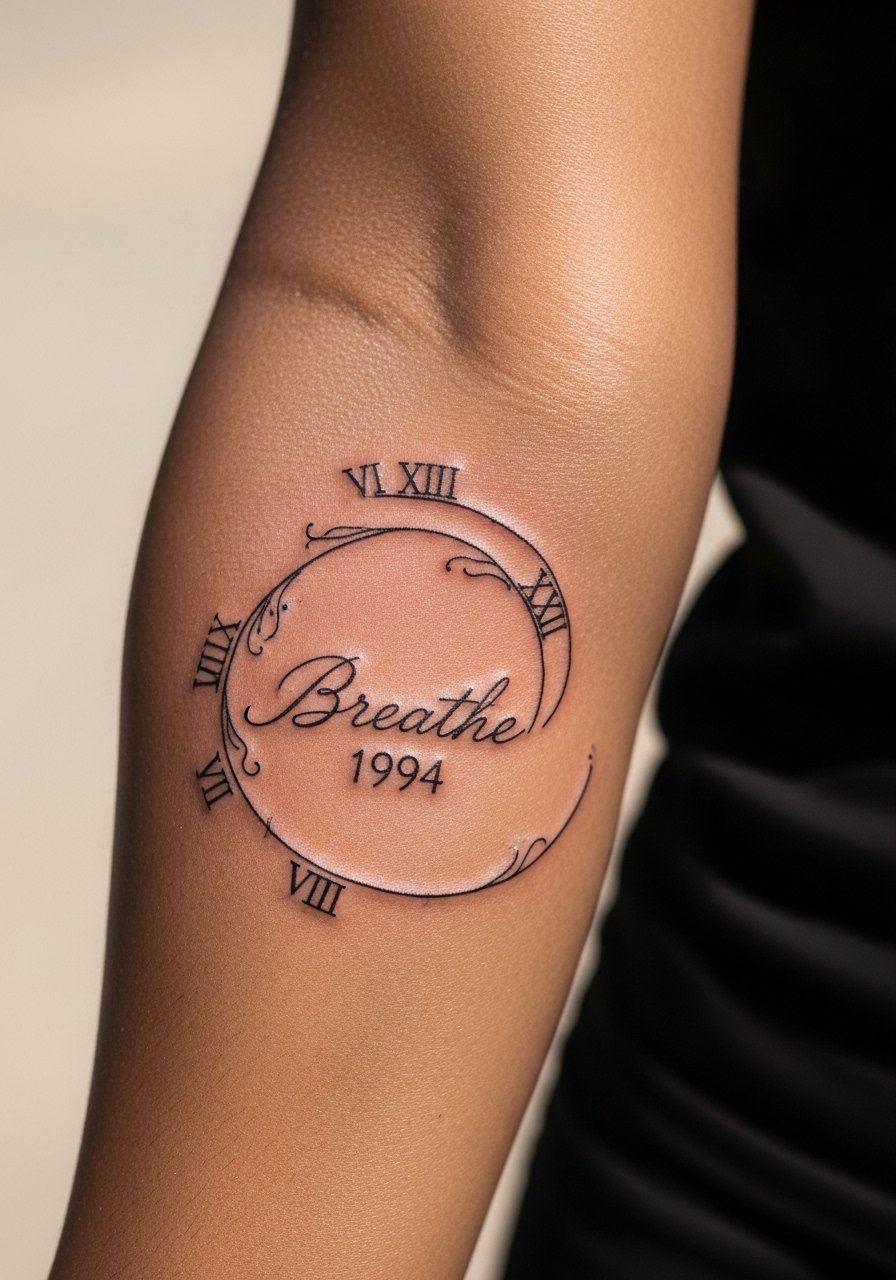
When lettering is visible, specify the exact text to avoid gibberish. Ask for scale samples because script that is too tiny tends to blur. The wrist and inner forearm require calm breathing during the session because movement affects steady lines. Expect short sessions to lock in letter shape. At two years thin scripts can soften and a tidy touch-up typically restores clarity. For career considerations think about placement and visibility.
19. Collage Sleeve of Vintage Flash Reimagined
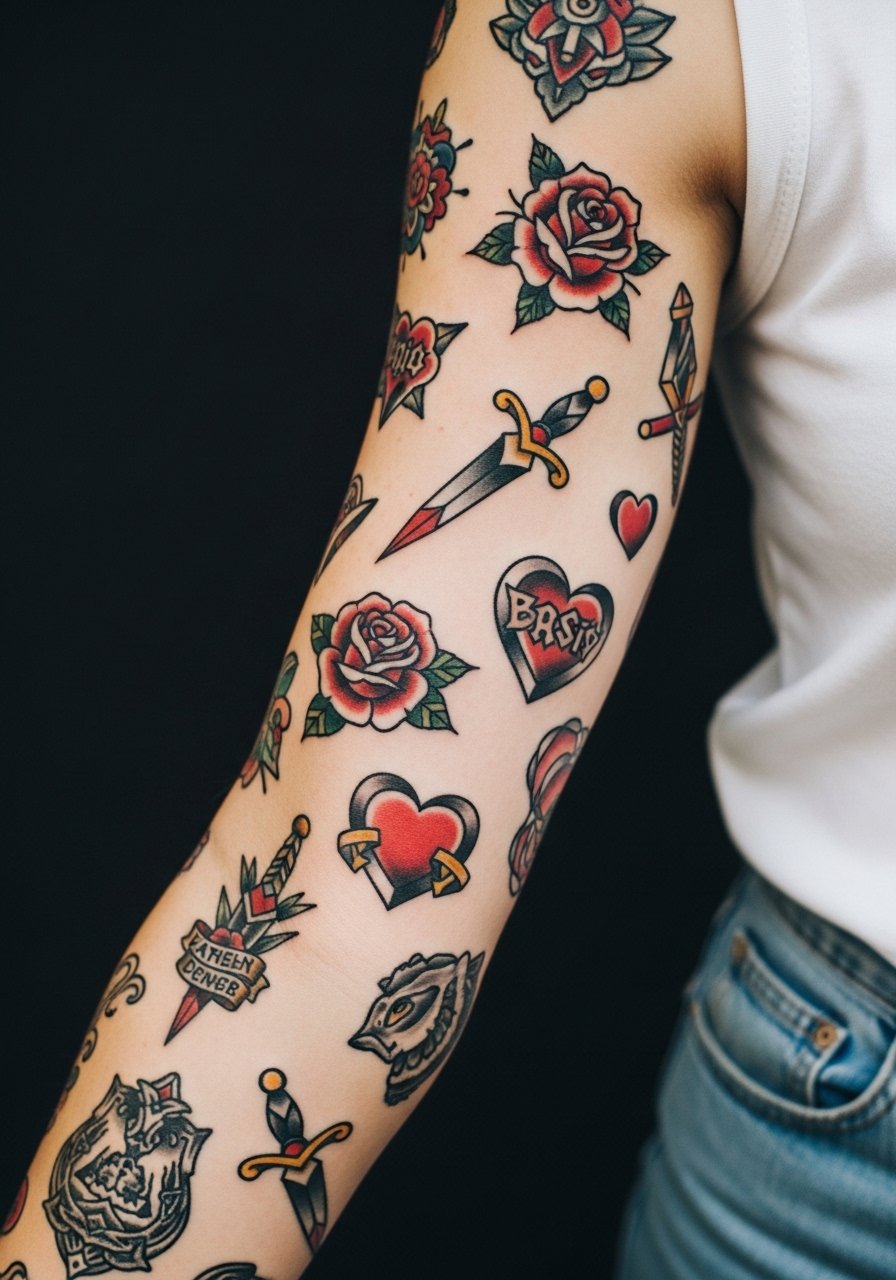
Someone I know found that mixing flash motifs made booking easier because the artist could adapt pre-drawn elements into a custom wrap. Tell your artist which flash elements you favor and how much negative space you want between them. The mistake is forcing unrelated images too close together which reads cluttered when healed. Sessions can be modular so you can add pieces later. Over years individual flash pieces handle touch-ups independently which makes maintenance easier.
20. Mandala and Compass Sleeve for Travelers
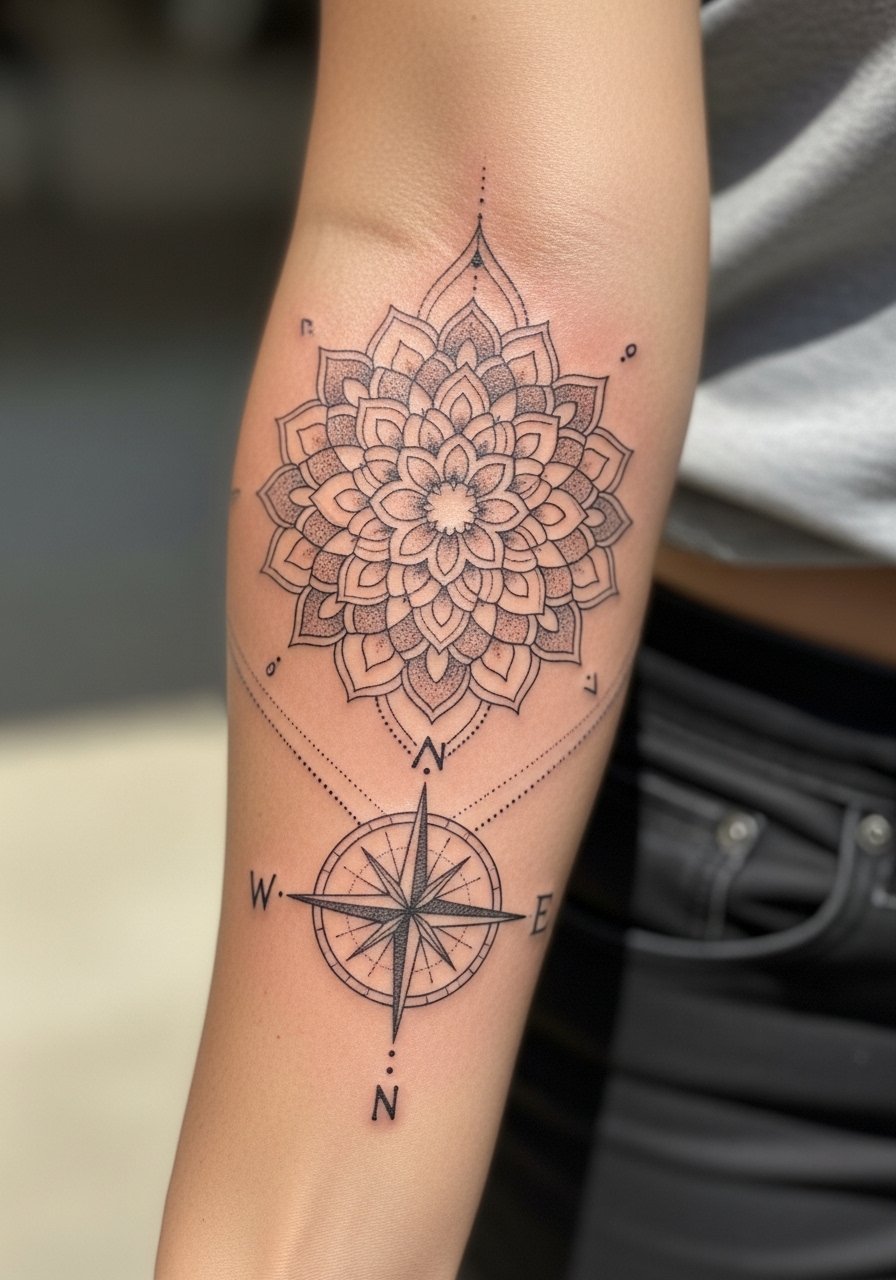
When you want symbolism tied to travel, specify which direction or map references matter to you. People often request tiny compass detail that disappears. A better approach is enlarging the compass face and pairing it with mandala anchors. Pain on the outer arm is moderate. Multiple sessions create depth for the mandala and crispness for the compass. At year two the compass retains form if contrast was prioritized in the initial work.
21. Blackout Accent Sleeve with Negative Cutouts
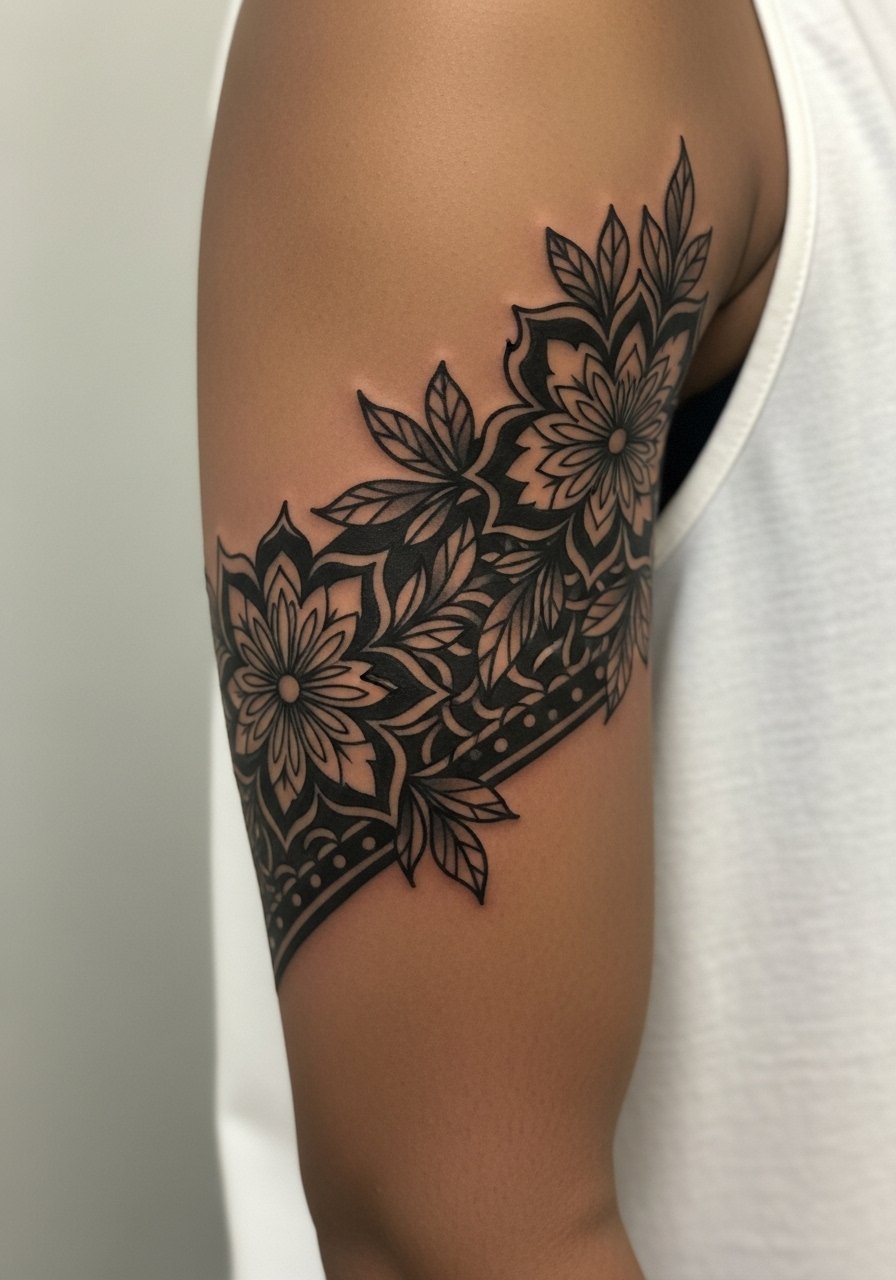
There is a commitment here because large blackout areas demand maintenance decisions down the road. Ask for staged blackout plans so you can preview how negative cutouts will read as the body moves. The common error is starting blackout without a long-term plan for touch-ups. Sessions are intense and involve large areas of saturation. After years, blackout itself tends to remain consistent but edges may require redefinition.
22. Mythical Creature Column with Stipple and Whip Techniques
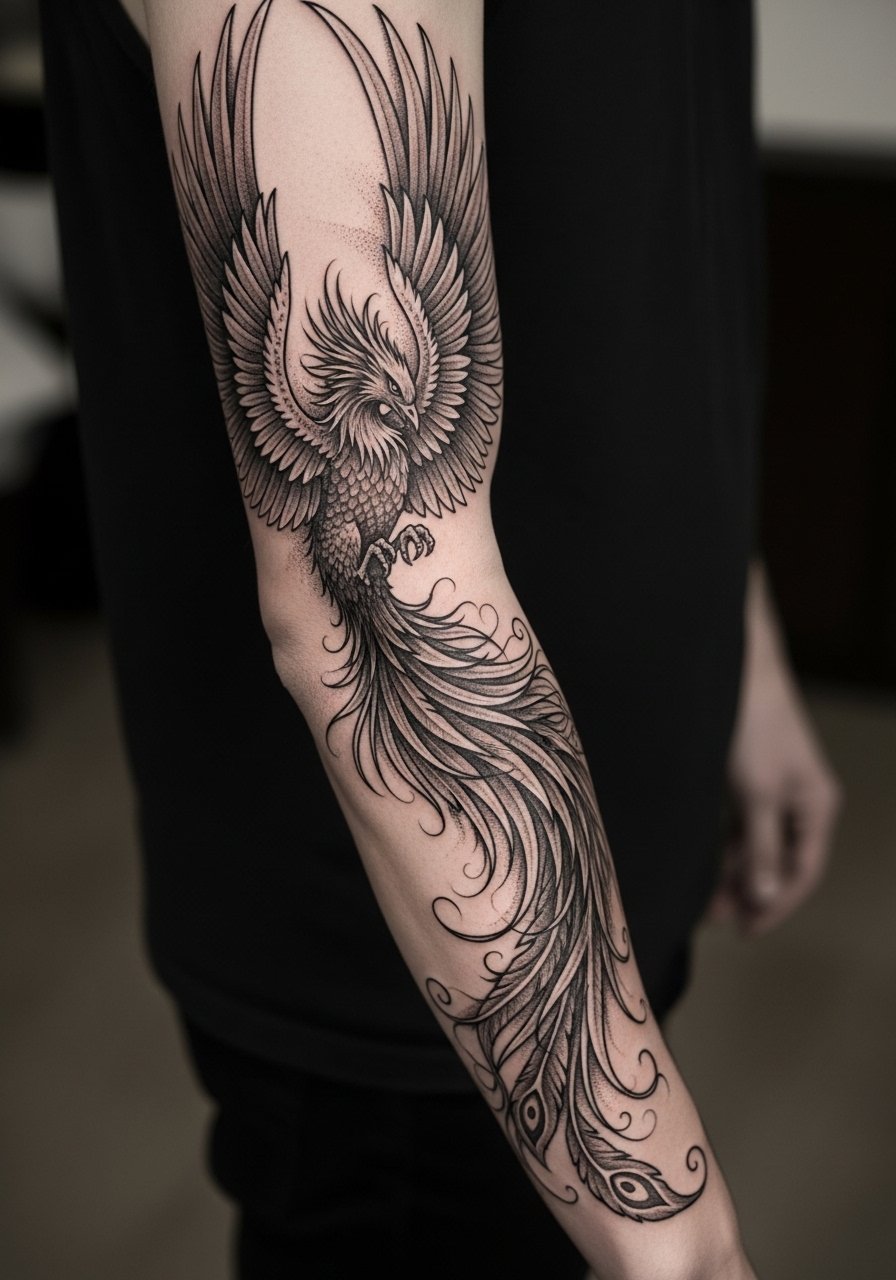
The visual drama of a creature that moves along the arm works best when you request contouring that follows muscle lines. A mistake is placing the creature against flat backgrounds which reduces motion. Expect medium pain along ribs if extended there and longer sessions to layer stipple and whip shading. At two years, motion and contrast are preserved if shading density was handled in layers. Touch-ups often focus on highlights.
23. Botanical Blackwork Sleeve with Heavy Saturation
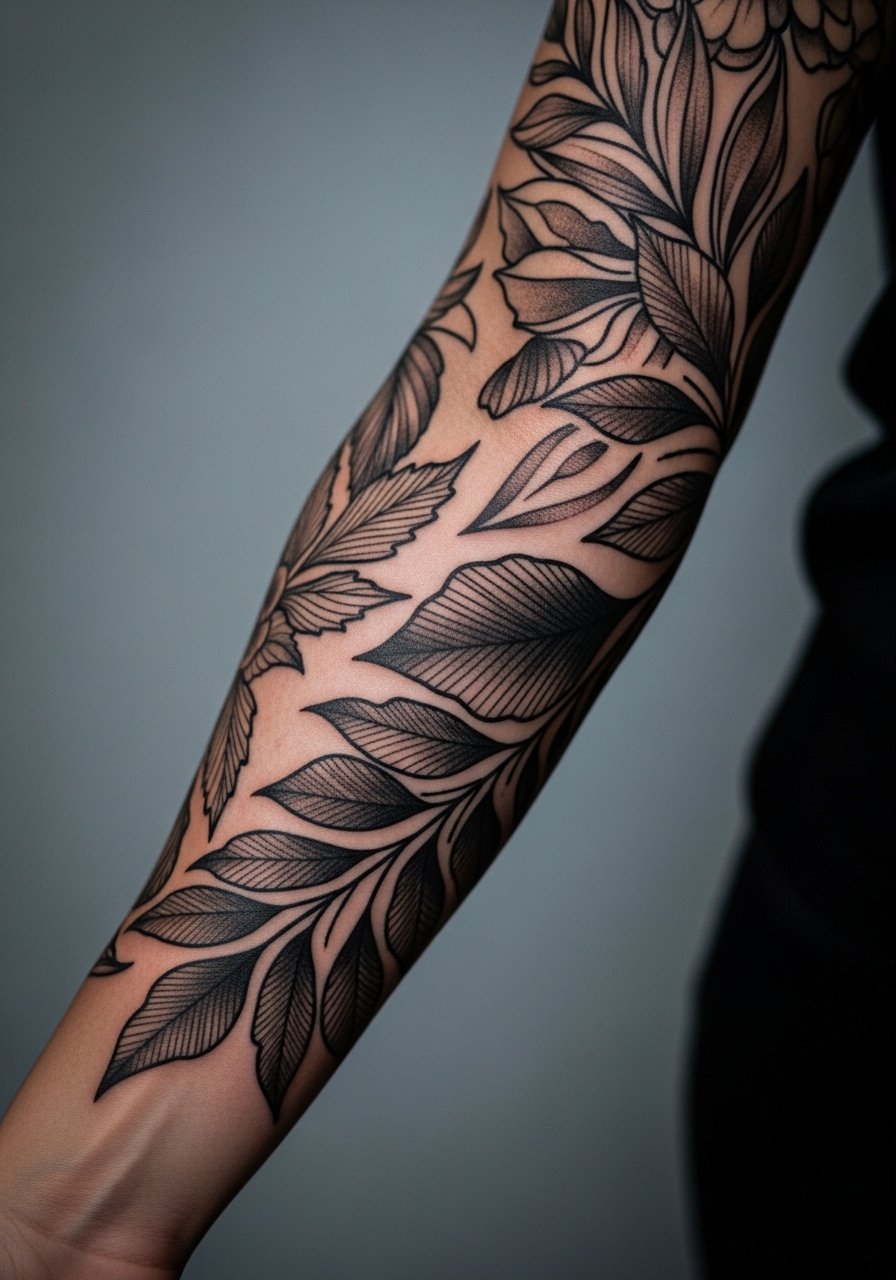
When you favor longevity, heavy blackwork is a practical choice because saturation ages predictably. Ask the artist to plan thick outline anchors so fills do not run. The major mistake is leaving tiny connecting bridges that can vanish as the skin shifts. Pain is variable and sessions will include long fill passes. Over the first year the black will matte slightly and remain bold. Plan on occasional touch-ups to maintain edge definition.
24. Anatomical Linework Sleeve with Educational Details
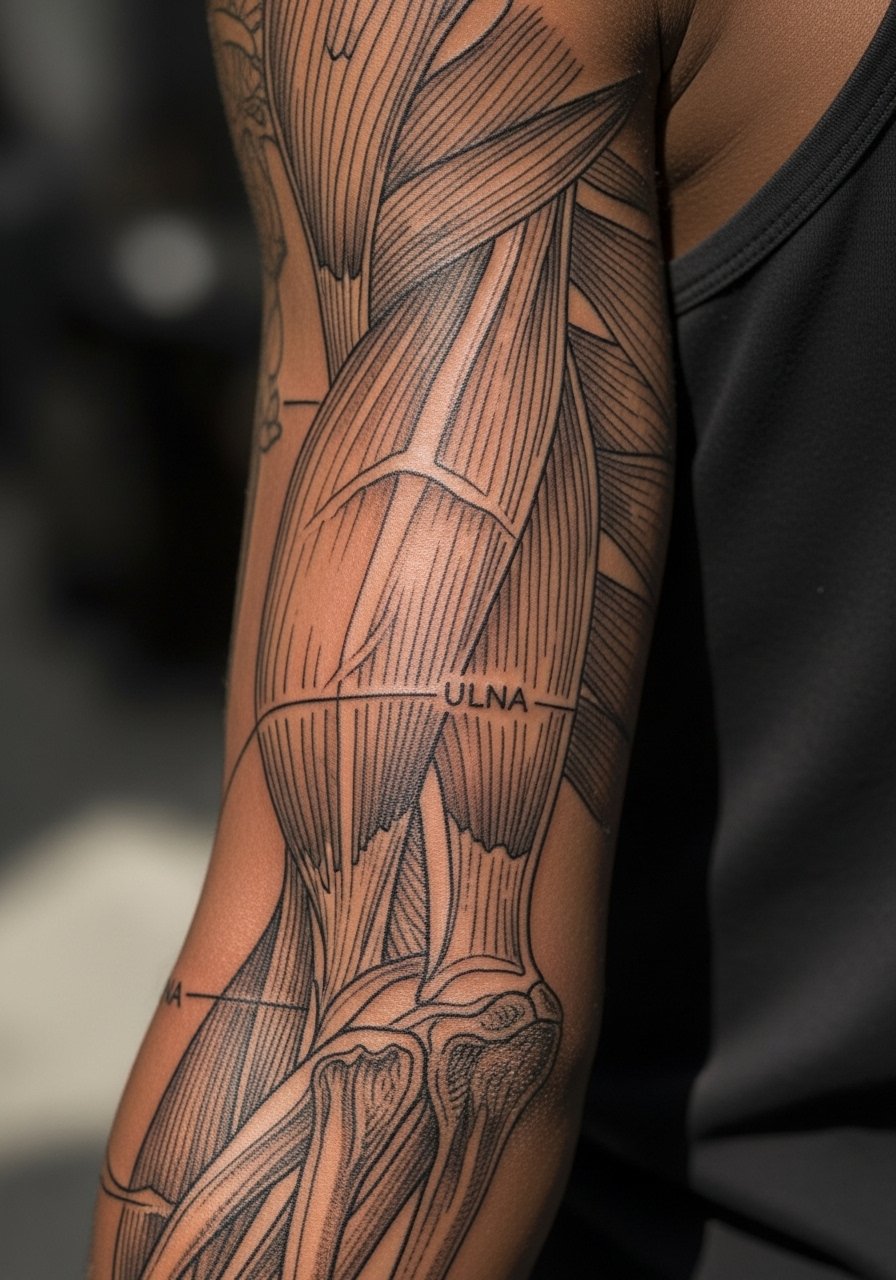
When labels are visible include the exact wording you want so the artist knows sizing. Small lettering tends to blur so pick a slightly larger type. The common error is mixing too many tiny labels across moving skin. Expect longer sits near joint areas and a higher sensitivity level. After two years the linework maintains its educational clarity if spacing is respected. This design reads well in museum or medical settings and can be a conversation piece.
25. Floral Cover-Up Sleeve That Blends Old Tattoos
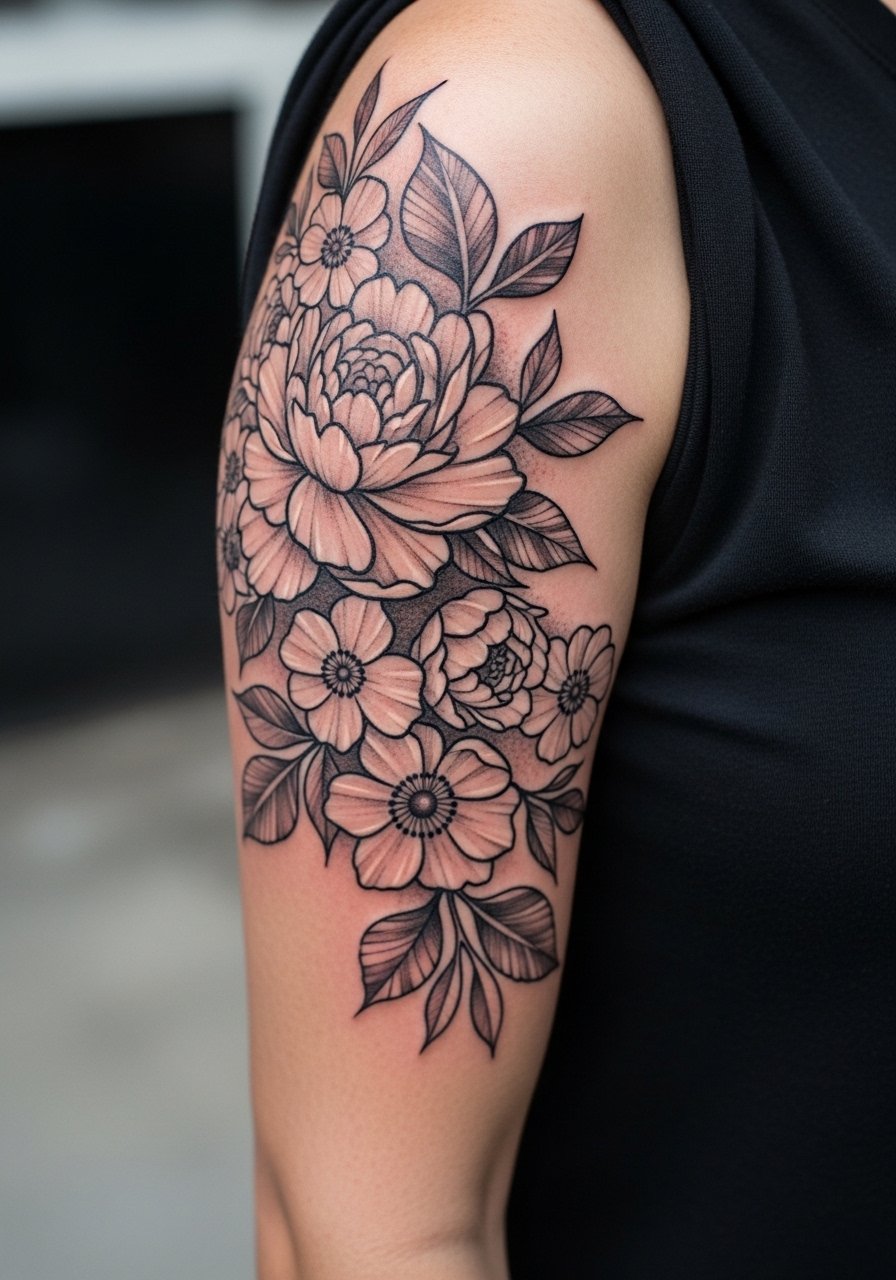
Cover-ups need honest consults. Bring clear photos of the existing tattoos and be prepared for larger, darker elements to mask old lines. A mistake is trying to cover heavy blackwork with a tiny pastel. Sessions begin with strategic mapping and usually require larger composition than a fresh piece. Pain varies by previous work areas. Over time the new florals can camouflage old lines well but expect occasional spot touch-ups to keep edges seamless.
Tattoo Prep and Aftercare Essentials
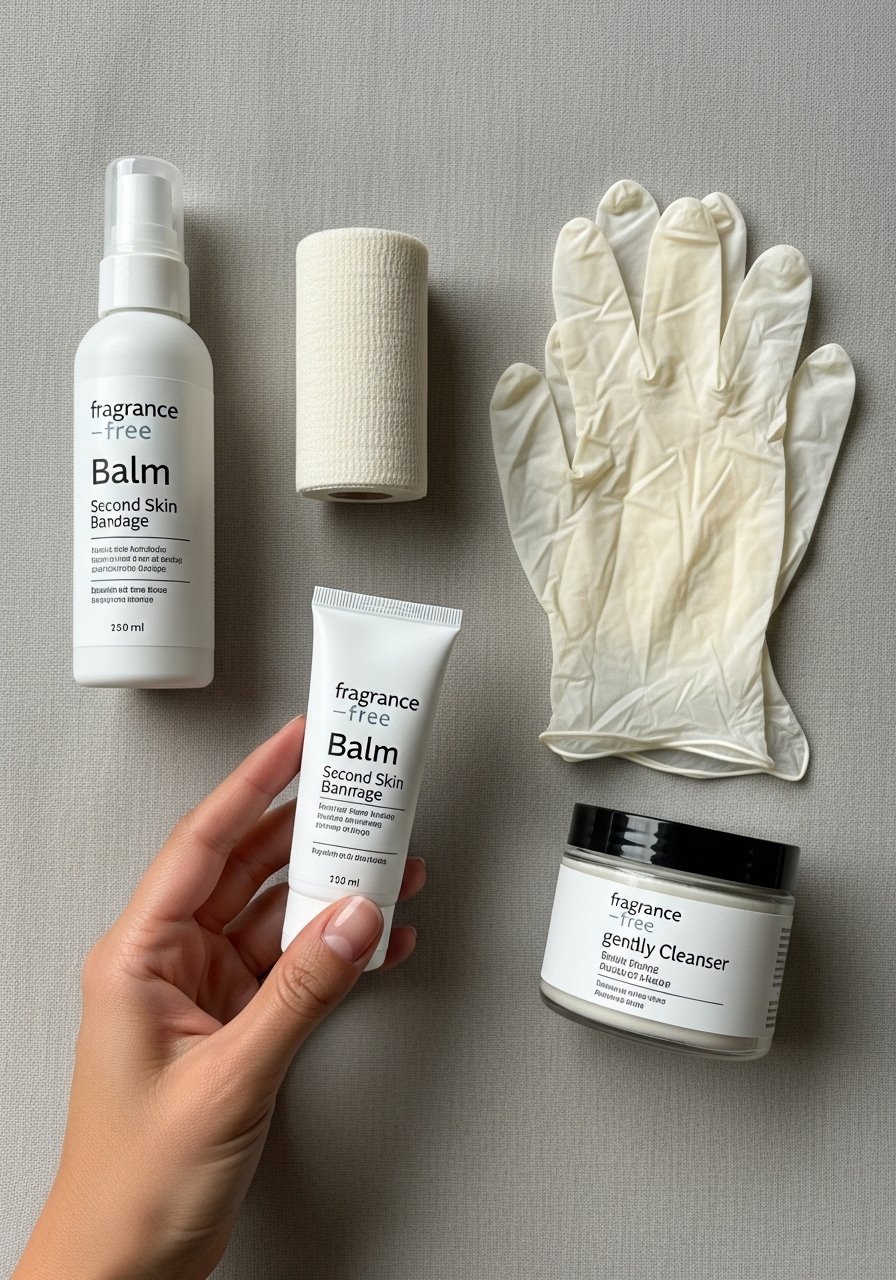
Lightweight fragrance-free balm for daily healing. A non-greasy balm that absorbs quickly helps keep scabs supple during the first two weeks. Use sparingly and follow your artist's timing.
Medical-grade second skin bandage, single roll. Useful for larger sleeves that rub clothing. Apply for the first 24 to 48 hours if your artist advises it.
Gentle foaming cleanser without fragrance. Mild cleansing twice a day stops bacteria without stripping ink.
Lightweight antiseptic spray. Handy for travel days when you cannot do a full wash.
Breathable tattoo wrap or tubular sleeve to protect fresh work during sleep. Keeps sheets from sticking to new ink.
Saniderm-style medical occlusive bandage pack. This is the mainstream option included once. Many people like its barrier properties but follow your artist's recommendation.
SPF 50+ mineral sunscreen for healed tattoos. Long-term maintenance depends on avoiding UV damage.
Every tattoo is different. Always follow your artist's specific aftercare instructions. Consult a dermatologist if you have skin concerns or unusual healing issues.
Frequently Asked Questions
Q: Will fine line elements in a full sleeve blur faster than bold blackwork?
A: From what I have seen, fine line tends to soften sooner than heavy blackwork because individual hairs of ink sit closer together. The longevity depends on initial line thickness, spacing, and placement. If fine line is important, ask for slightly thicker single-needle lines and plan for touch-ups around year two to three.
Q: For a watercolor-style butterfly sleeve, does aftercare differ from traditional work?
A: Yes, watercolor tattoos often rely on color saturation that needs gentle handling. Keep washes covered from heavy rubbing while they form scabs and avoid scrubbing during the first two weeks. Use a fragrance-free balm and a gentle cleanser. Once healed, mineral sunscreen helps keep pigments brighter.
Q: How do I approach a Polynesian-style sleeve without appropriating cultural symbols?
A: Start by saying you want respectful influence and ask the shop how they source patterns. One camp maintains strict traditional rules for motifs. Another adapts visual language into contemporary compositions. A candid conversation about intent and reference will steer the project toward respectful adaptation.
Q: How often should I expect touch-ups for a full sleeve that mixes blackwork and color?
A: It depends on your sun exposure and skin type. From spending time in studios, I hear most people book targeted touch-ups every two to five years for color and edge redefinition for blacks. Heavily sun-exposed arms often need touch-ups sooner.
Q: Is the elbow a risky spot for geometric mandalas?
A: Geometric work over joints is debated. Some artists avoid delicate geometry there because motion can distort fine detail. Others plan spacing and heavier linework to compensate. Ask the artist to show healed examples of elbow geometry before committing.
Q: Can a cover-up sleeve successfully hide old blackwork?
A: Yes, but it requires honest mapping and often larger, darker elements. Expect a design that leans into heavier saturation to mask old lines and plan for multiple sessions. Small pastels rarely conceal dense blackwork.
Q: Do different skin tones affect how watercolor and pastel palettes read over time?
A: Pigment visibility varies with skin tone. On medium and dark tones pick richer pigments and higher contrast anchors so colors remain readable. Discuss pigment choices with your artist and request healed photos on similar skin tones if possible.