I spent months narrowing down inner arm ideas because I kept seeing tattoos that looked great fresh but blurred into a soft smudge after a year. I wanted pieces that read as private, intimate, and still crisp when people only glimpse them in conversation. These 22 options are what I found work best on the inner arm, based on what I’ve seen on healed skin and the feedback I’ve gotten from artists and friends.
This list leans into fine line, blackwork, micro-realism, and small traditional pieces. I focus on inner forearm and inner bicep placements but note when a variant works on ribs or wrist. From what I’ve gathered, artists in 2026 favor clean negative space and slightly thicker main lines so pieces stay readable years out.
1. Fine Line Script on Inner Forearm
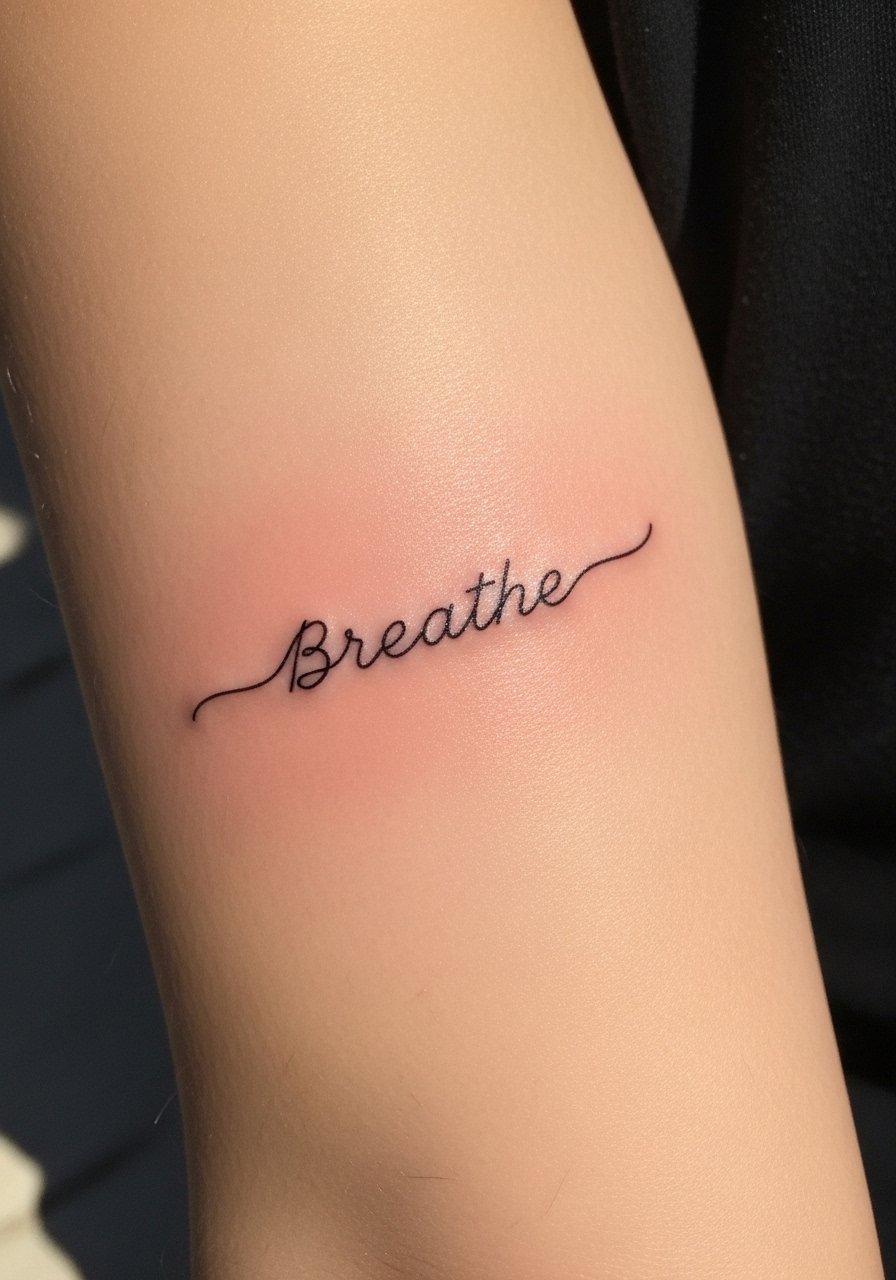
I first noticed this on a friend who uses the one-word reminder as a private anchor. Fine line script reads intimate here. Pain is mild to moderate because the area has some padding. Keep line weight slightly bolder than the thinnest font you find online. Ask your artist to thicken downstrokes by a hair during the consult. If lines are too thin, they blur into a gray line at six months. Plan for a 20 to 40 minute session. Expect light scabbing and two weeks of tender skin. A common mistake is asking for hairline script. It looks delicate fresh but loses character once healed.
2. Micro-Realism Portrait on Inner Bicep
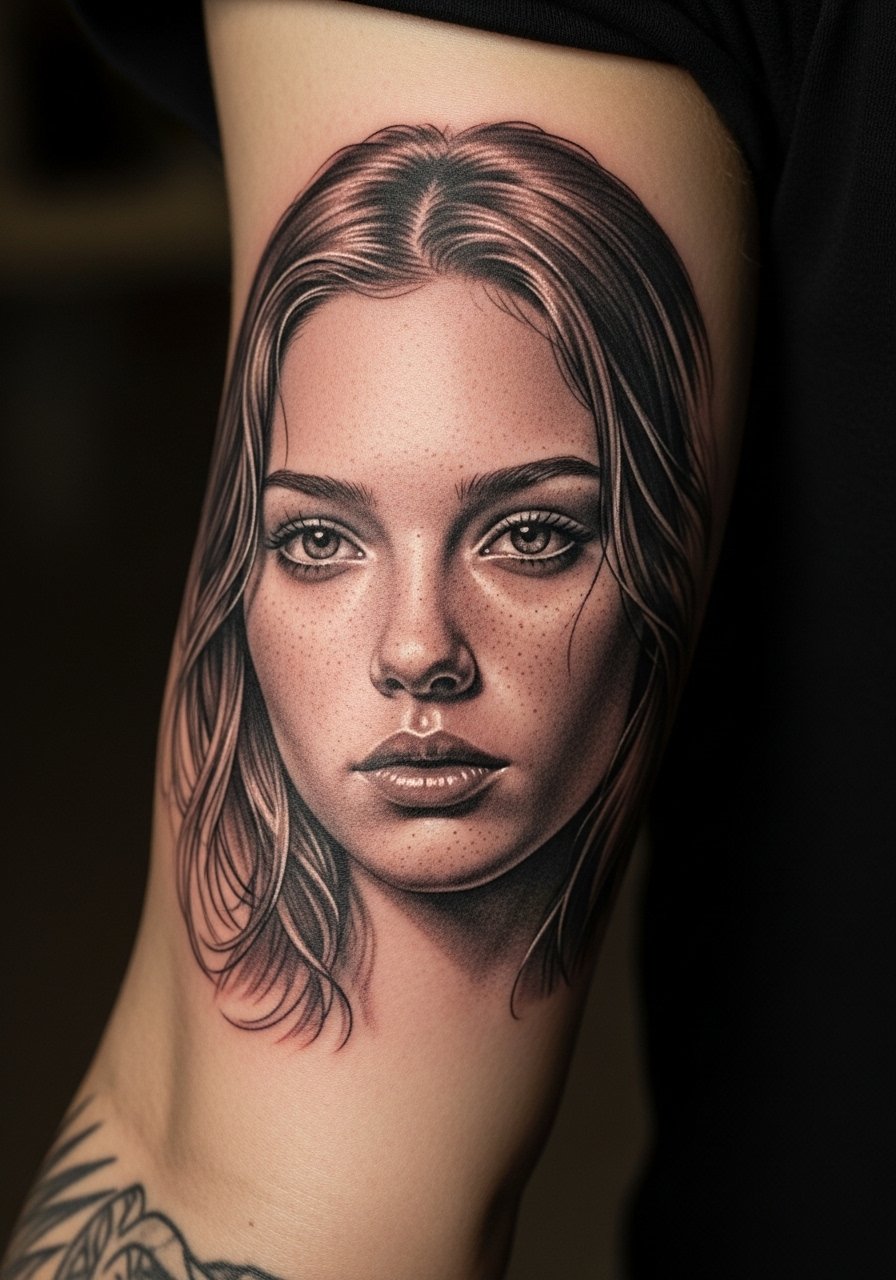
I was surprised how well tiny portraits on the inner bicep hold up, when executed by artists who specialize in micro-realism. The inner bicep hides in short sleeves, so the piece feels private. Pain is a 5 to 7 for most people, because the skin is thinner and moves when you flex. Request soft contrast rather than extreme black. Ask the artist to plan for slightly stronger main lines around facial features. If an artist packs too much micro-dot shading, it can become muddy after two years. Sessions run 60 to 90 minutes. Healed photos at six months show the best read, then contrast softens slowly by year three.
3. Minimalist Botanical Sprig Along Inner Forearm
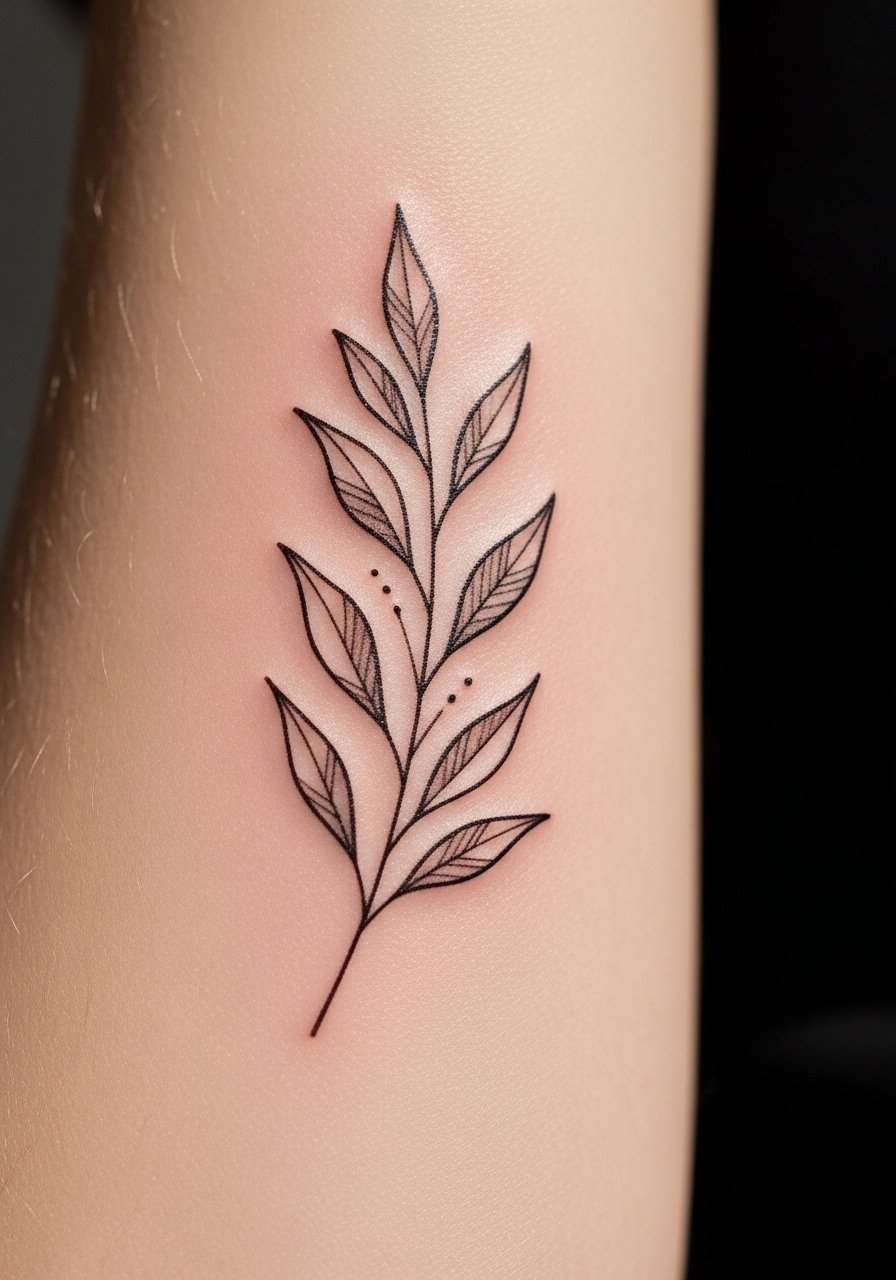
A sprig is quiet and private if placed near the inner elbow. I chose this after seeing a version that used negative space between leaves to keep it legible. Pain here is moderate, with a pinch near the crease. The look is airy if you request varied line weight. Tell your artist to avoid extremely thin leaf veins. Very thin veins disappear by the one-year mark. Best for people who want something organic but not bold. Session time is 30 to 60 minutes. I tell friends to expect the piece to look slightly darker at two months, then settle into a softer tone.
4. Blackwork Geometric Band on Inner Forearm
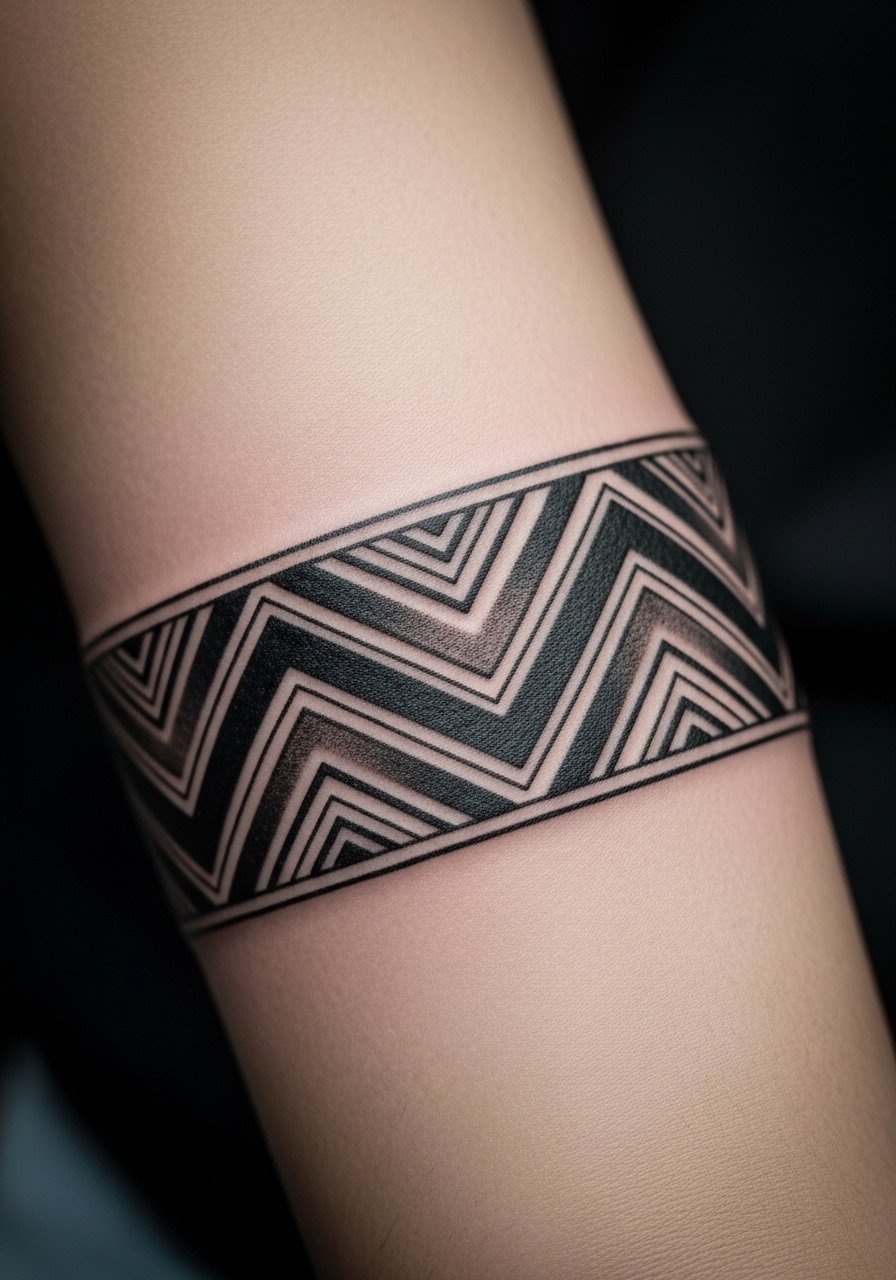
I saw a version of this wrapped low on the inner forearm and it read like a secret sign. Bold blackwork holds up well in areas that get less sun. Pain is moderate, and heavier sessions mean longer healing. Request solid fills and clean spacing. If the shapes are too tight, the ink can bleed into nearby lines over a few years. Tell your artist you want clean negative space between shapes. Session time varies from 45 minutes to 2 hours. Healed pieces look best after three months when the scabs are gone and the black has settled.
5. Tiny Coordinate Tattoo on Inner Wrist
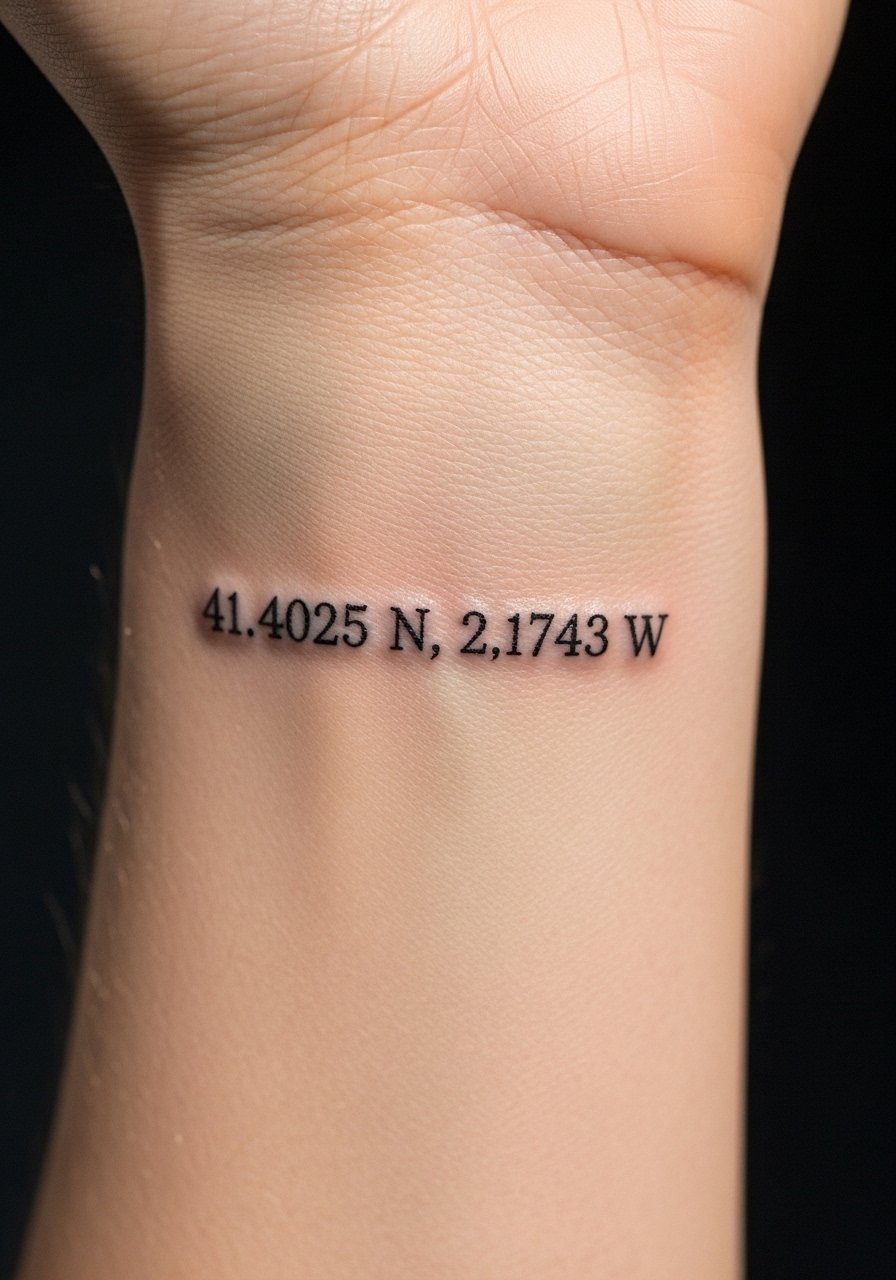
I like coordinates when you want total privacy because the numbers mean something only to you. The inner wrist is more exposed than the upper inner arm. Expect a 4 to 6 pain level and quick sessions under 20 minutes. Ask for slightly bolder numerals in the consult so digits remain legible at two years. Too-fine numbers blur the fastest. If you want a more hidden version, place it a couple of inches up the inner forearm. Watch sun exposure, because wrists take more UV and that fades ink faster.
6. Single-Needle Constellation on Inner Forearm
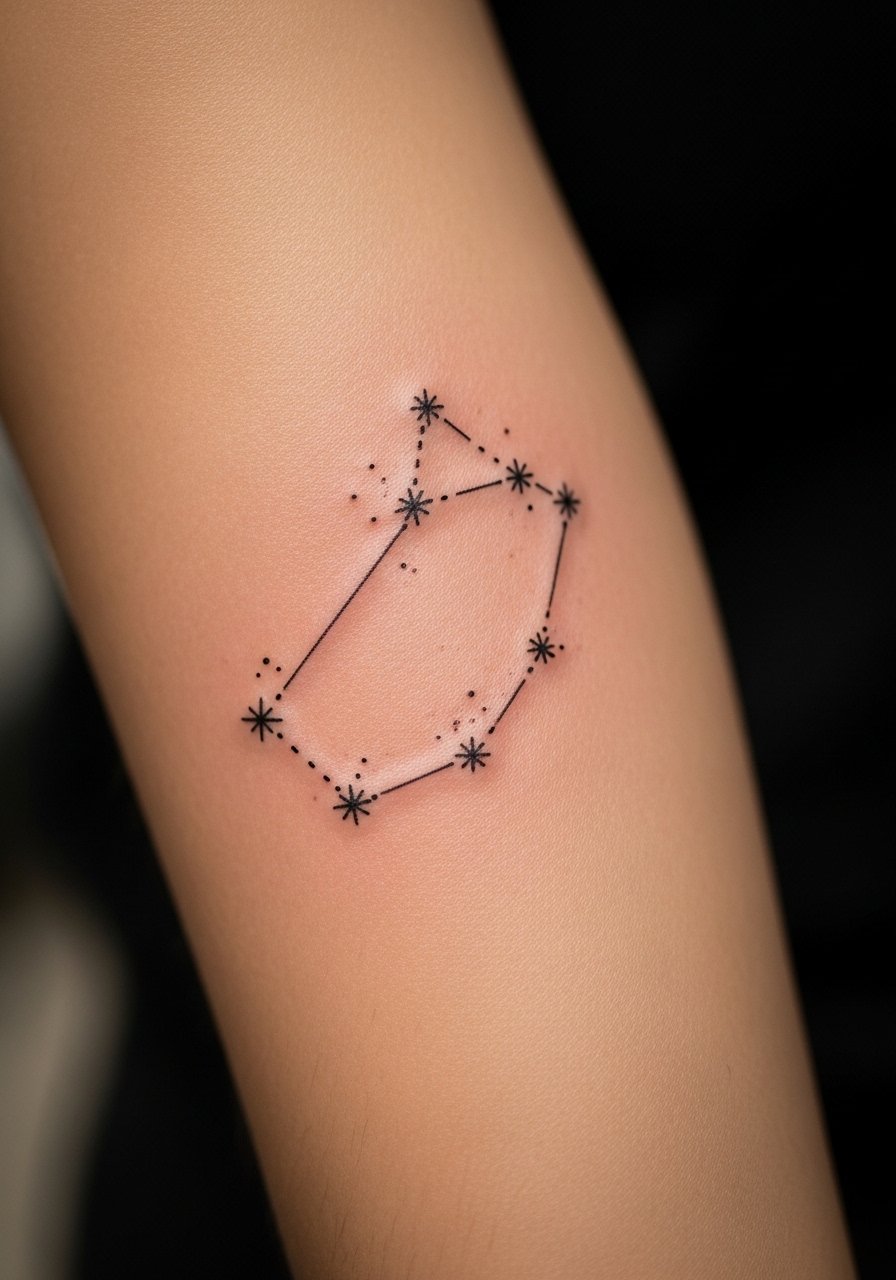
I first saw this during a shop visit where an artist used sparse dots to form a constellation. It reads like jewelry when you move your arm. The single-needle approach feels delicate. Pain is low to moderate. Tell your artist you want spacing between dots so each star stays distinct. A common error is clustering dots too closely. At 12 months those clusters can look like smudges. Sessions are quick. Healed photos at six months show the most accurate spread once the tiny scabs fall.
7. Traditional Small Rose on Inner Bicep
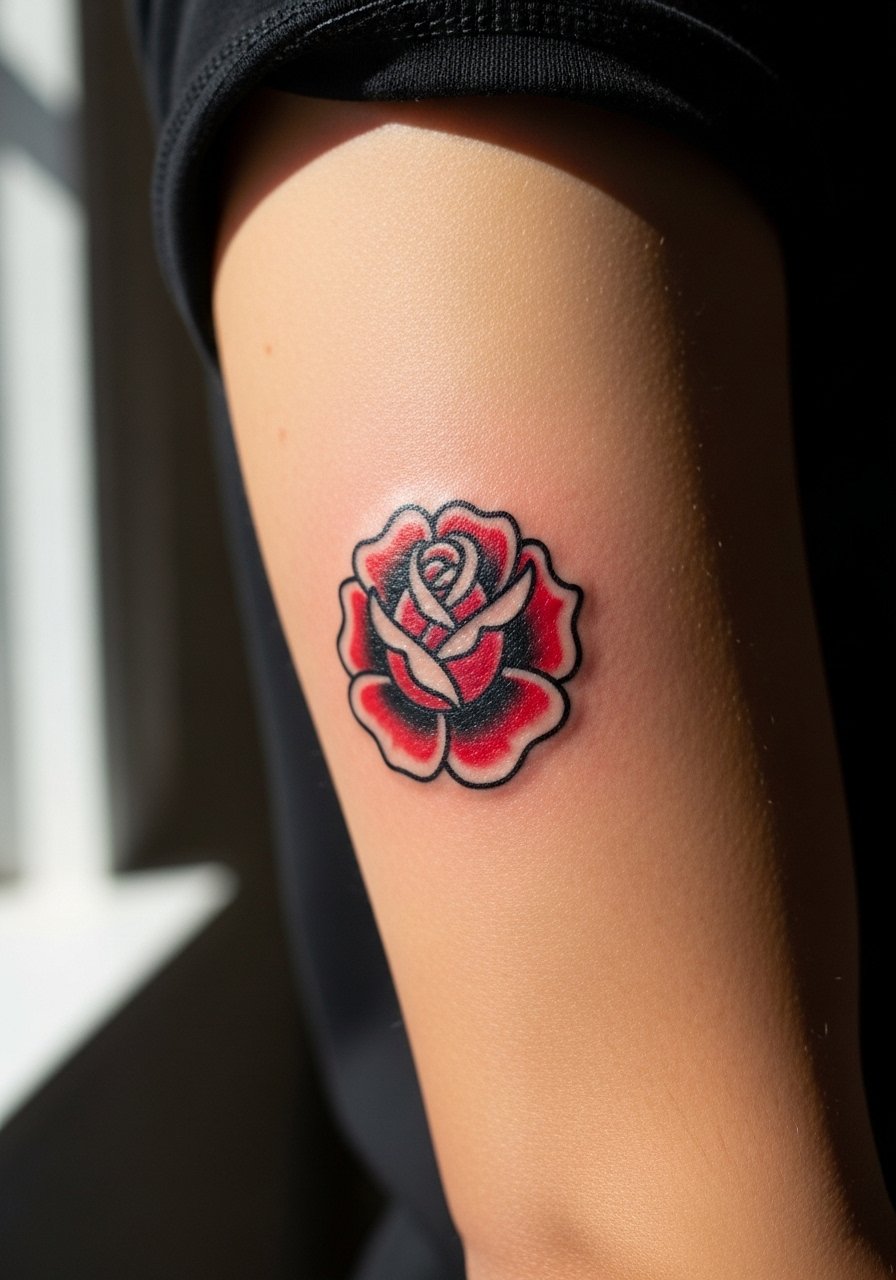
I gravitate toward a small traditional rose when I want something classic but private. The thicker outlines used in traditional work help this style last on the inner bicep. Pain is moderate. Ask for color packing that is slightly denser than you think you need. Thin color layers fade unevenly. Sessions take 45 minutes. In my experience, healed color holds up well if you protect it from the sun. A mistake I see is asking for micro-sized petals. That tiny detail rarely stays crisp.
8. Watercolor Splash Accent with Fine Line Quote
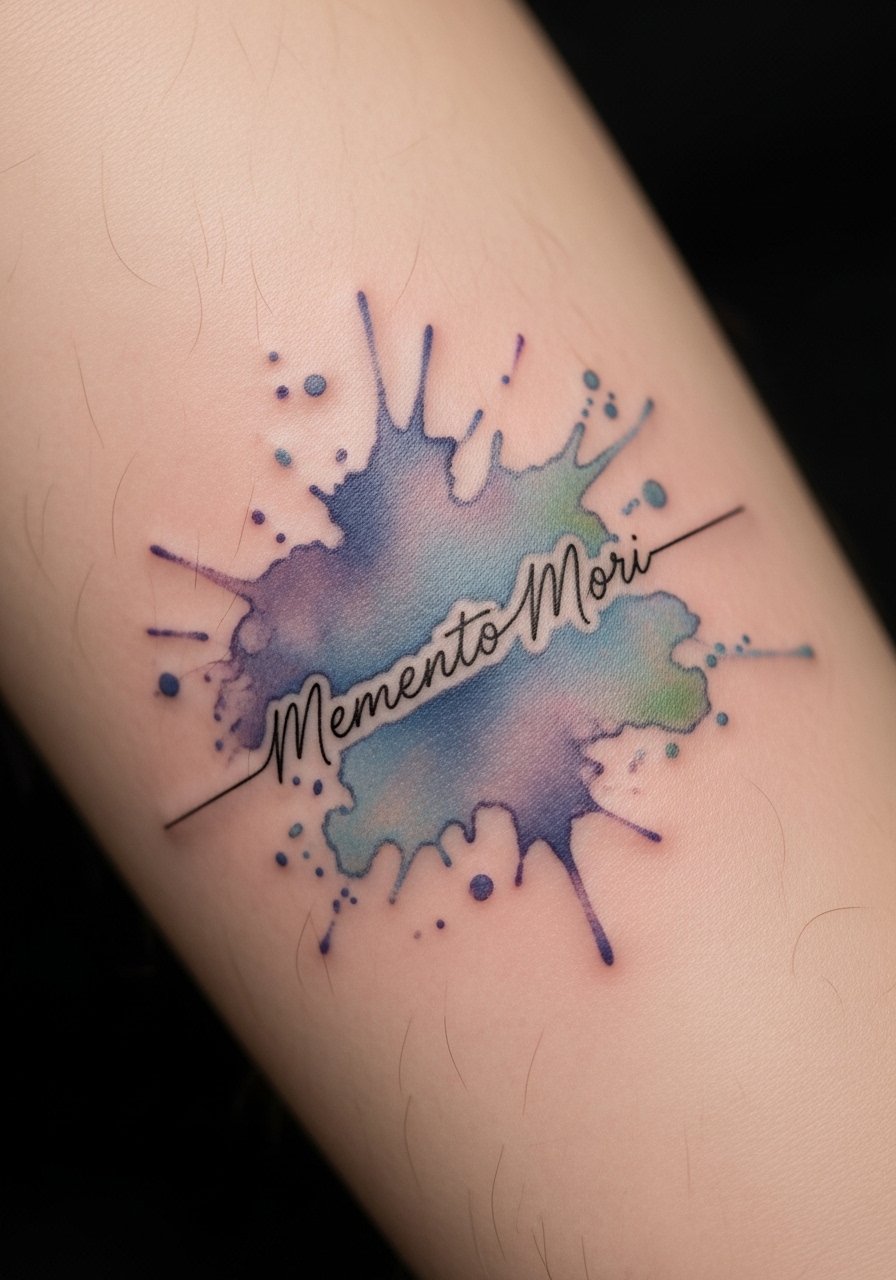
I love watercolor accents combined with small script when you want privacy and visual softness. Watercolor fades differently than solid black. Tell your artist to anchor the design with a thin fine line script so the composition still reads when the pigments fade. Pain is low to moderate. Watercolor can look blown out if the artist packs pigment too deep. Healed checks at three months will show how much the colors held. Ask how they plan to refresh color during touch-ups, because many watercolor pieces benefit from a minor re-saturation at year two.
9. Micro-Lettering Date on Inner Forearm
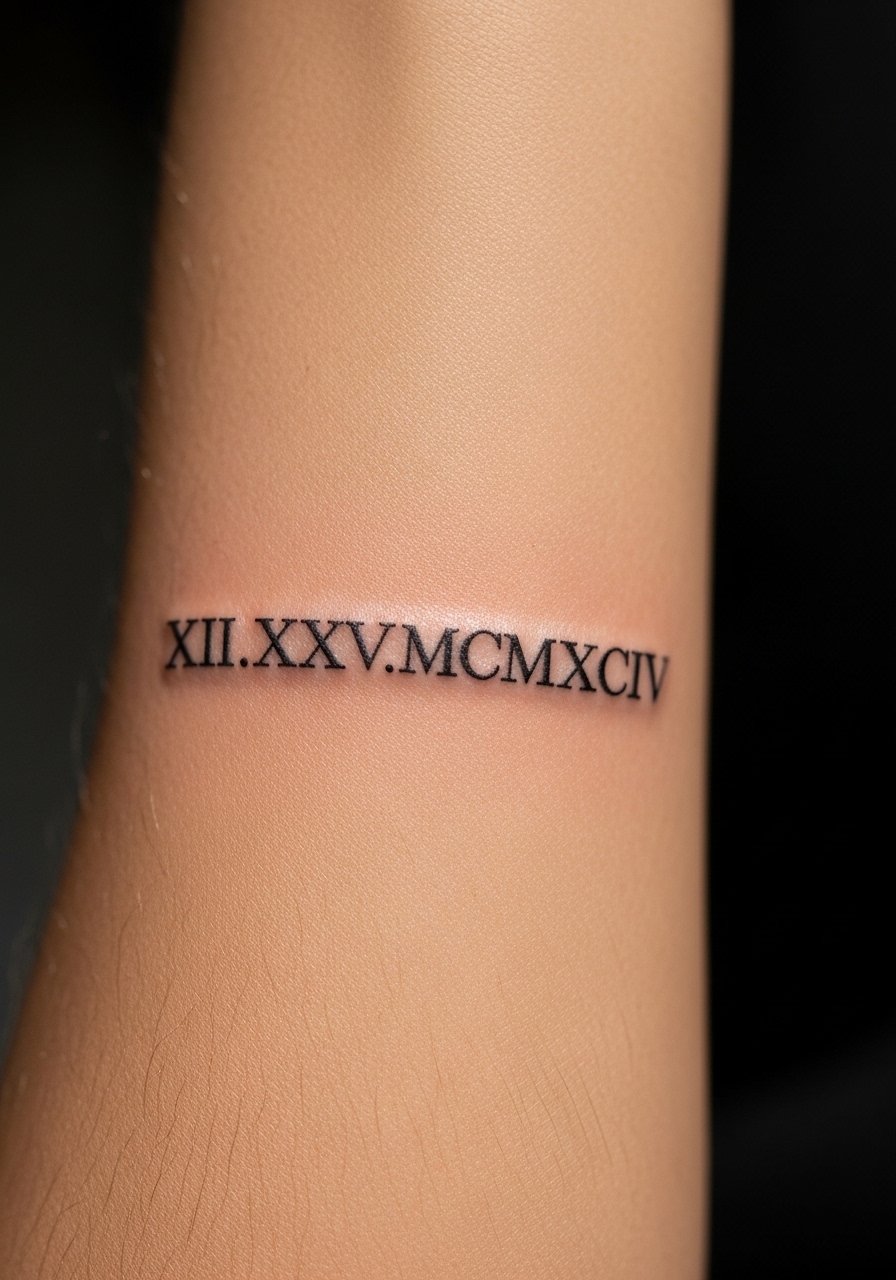
I chose a Roman numeral date for a private anniversary. Micro-lettering can be risky. Pain is low. The trick is to request slightly increased kerning and a bit more line weight in numerals. If numerals are too thin, they merge into an unreadable line by year two. Session time is brief, around 20 minutes. Tell your artist exactly how you want the numerals spaced. A classic mistake is copying digital fonts without adjusting for flesh.
10. Negative Space Mandala Slice on Inner Forearm
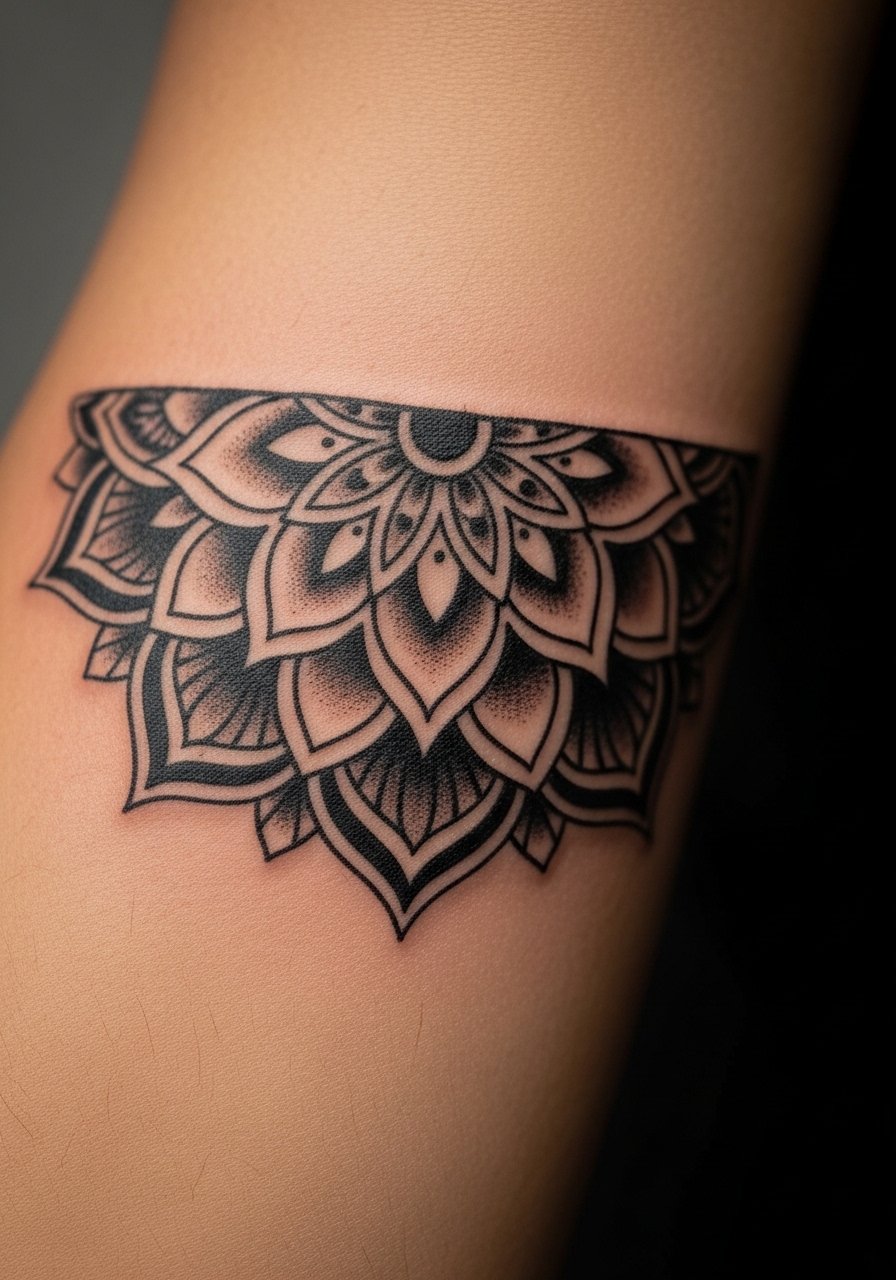
I first noticed mandala slices used where a full mandala would be too showy. The inner arm lets you reveal a petal or two, which keeps the design private. Pain is moderate. Ask your artist to plan for thick outer lines and open negative space inside. Tiny inner details may blur over time. A common mistake is compressing the mandala elements too small. Sessions vary from 60 to 120 minutes. Healed images at one year show the negative space staying clear if the line weight was generous.
11. Single-Needle Floral Dotwork on Inner Forearm
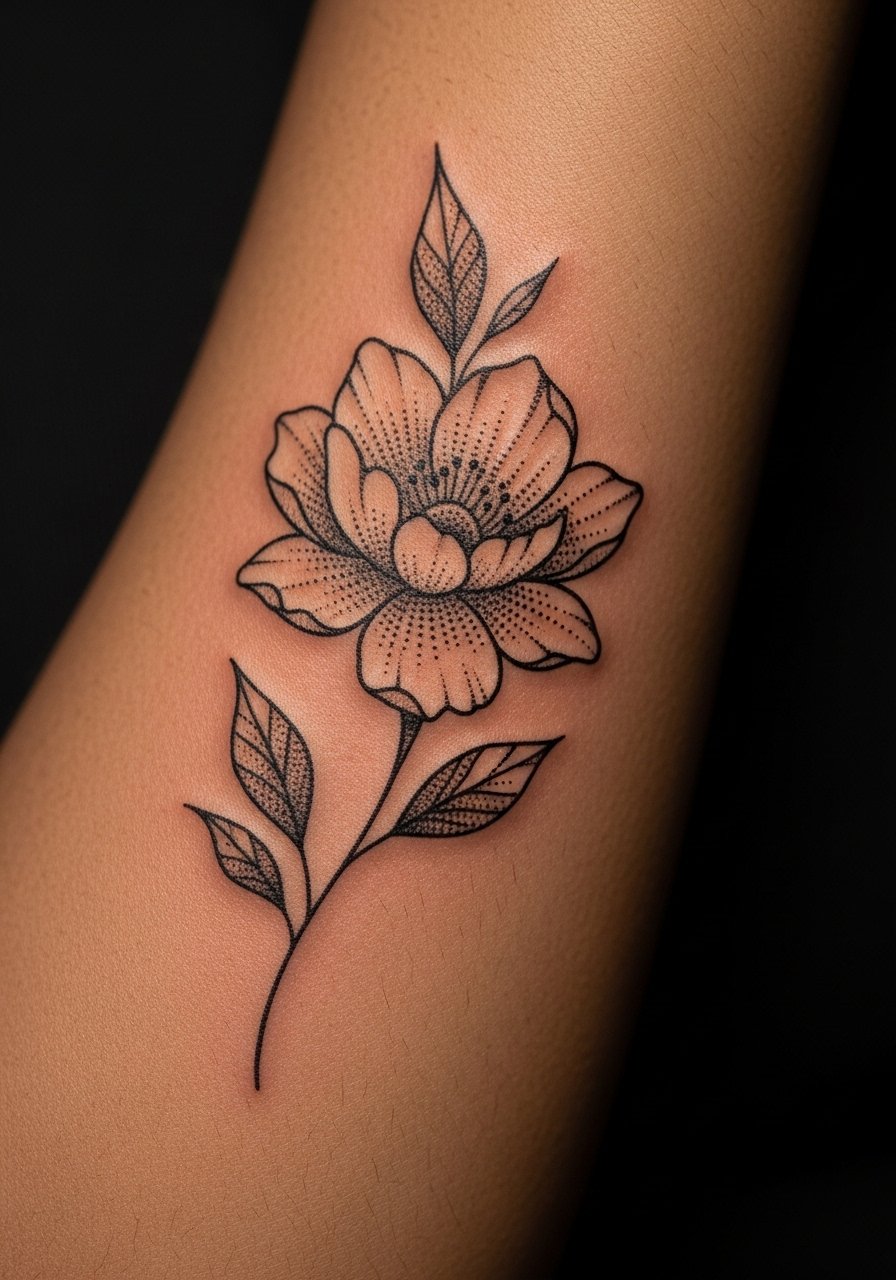
I saw dotwork florals in a gallery and liked how discreet they are tucked toward the inner arm. Dotwork ages differently than solid shading. Pain is mild for single-needle dots but can add up over longer sessions. Request that the artist use clusters with breathing room. Dense dot clusters become muddy with time. Expect a session between 45 and 90 minutes. Tell your artist you prefer contrast between dot shading and clean lines so the silhouette remains obvious after two years.
12. Minimalist Animal Silhouette on Inner Arm
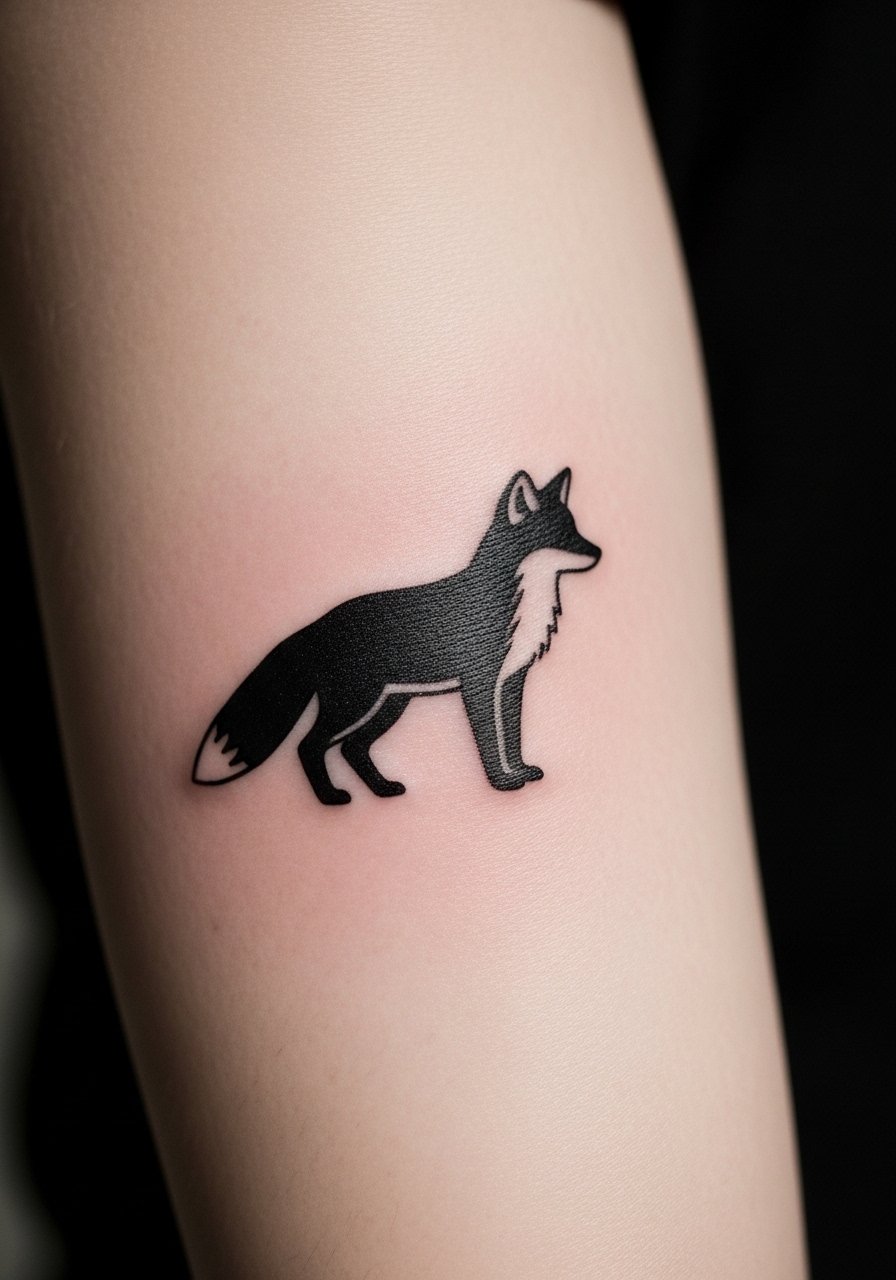
A small animal silhouette can feel personal. I liked a fox silhouette I saw because the inner arm hides it until you show it. Pain is low. For longevity, choose a silhouette with a solid outline rather than tiny interior detail. Tiny inner features vanish with time. Sessions last 20 to 40 minutes. Tell your artist the size you want visible at arm-rest. Many people underestimate how small they should go for long-term clarity.
13. Thin Script Band Near Inner Elbow
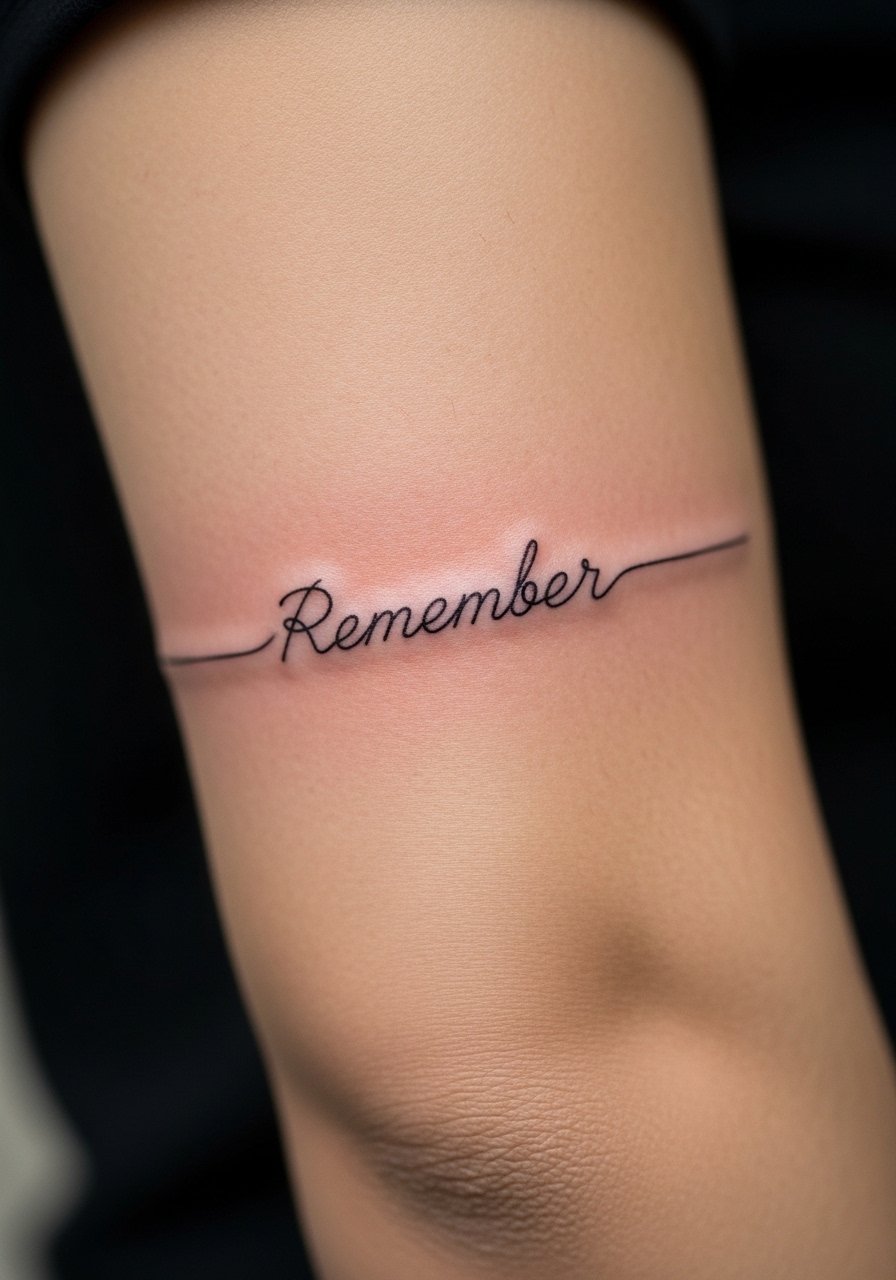
I remember a thin script band that hugged the inner elbow like a whisper. The inner elbow crease is tricky. Pain peaks when the needle crosses the crease. Ask for a slightly bolder line to offset the constant movement of the elbow. A common mistake is wrapping text too close to the crease. That area moves and letters spread faster. Plan a session of about 30 to 60 minutes. Healed text at six months often shows minor distortions around the fold.
14. Surreal Tiny Scene on Inner Forearm
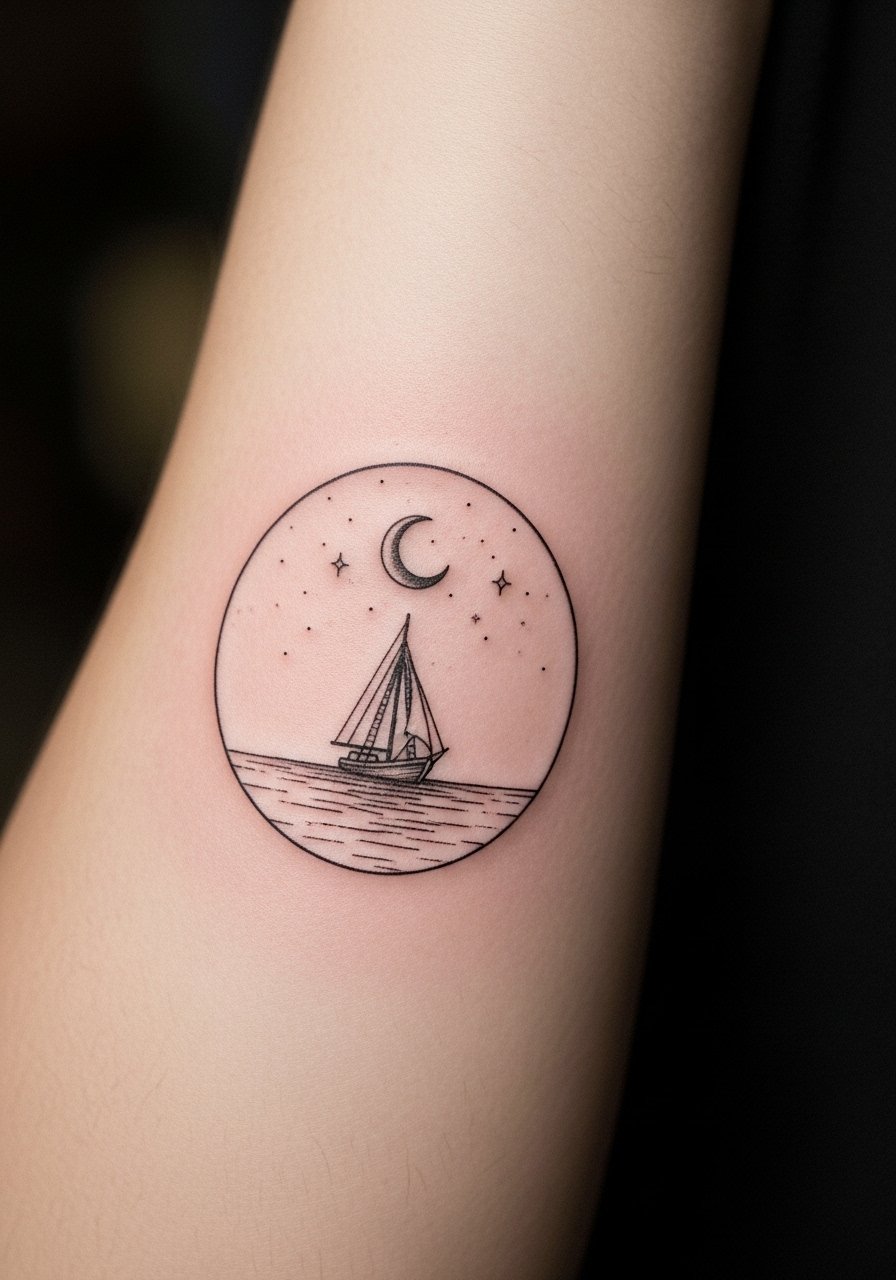
I liked a micro scene I saw because it reads like a private story when someone leans in. Small scenes require clever negative space. Pain is moderate. Ask your artist to design compact elements with clear focal points. Too many micro elements make the piece unreadable after two years. Expect a 45 to 90 minute session. In my experience, a piece like this looks best at three months once crisp linework settles.
15. Blackletter Single Word on Inner Bicep
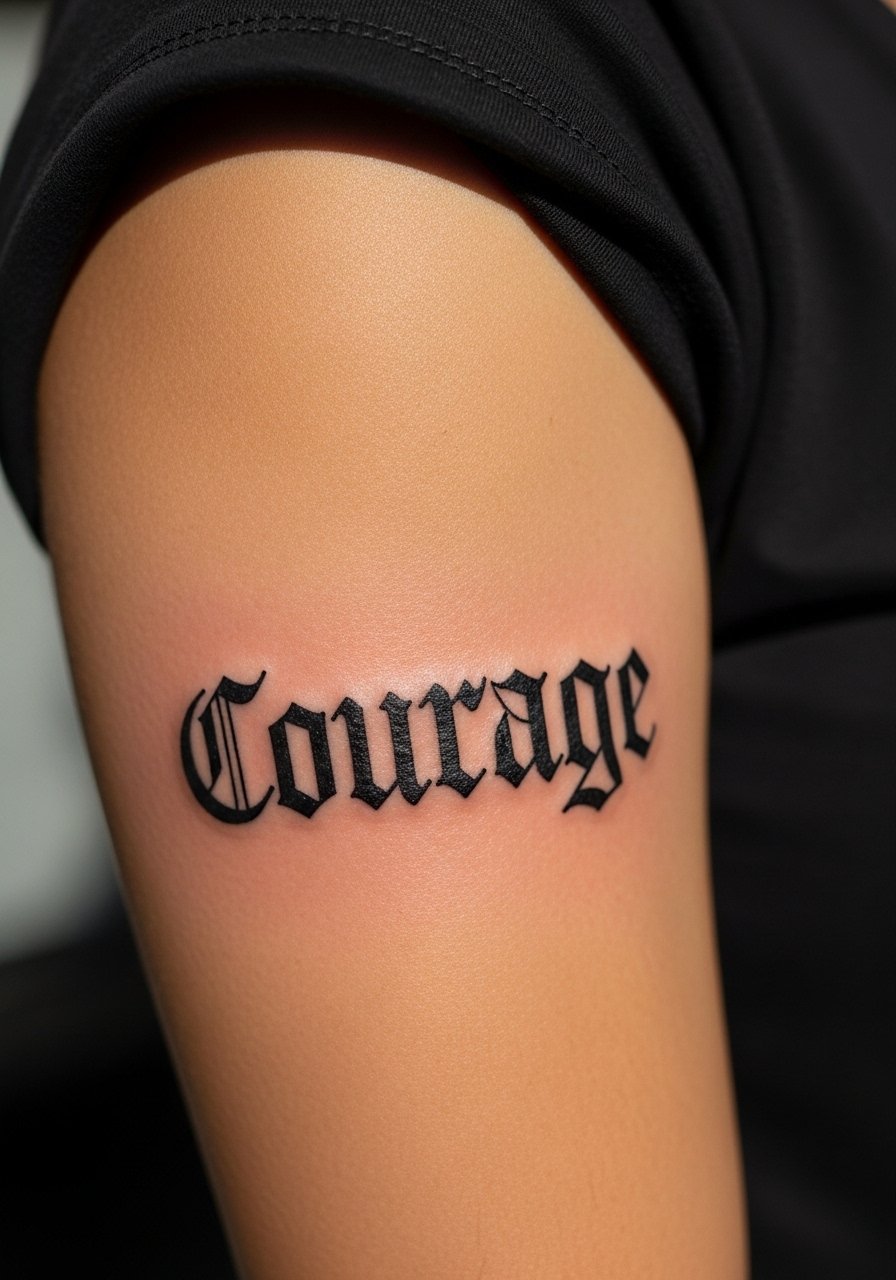
I once saw a single blackletter word tucked under the arm that felt private and intentional. Blackletter holds up because of its thick strokes. Pain on the inner bicep is moderate to high when shading fills are added. Ask your artist to adapt the letterforms so counters do not collapse. A common error is copying a tiny blackletter font exactly. That usually needs enlargement and clean spacing. Sessions often run 60 minutes. Healed pieces retain striking contrast if given bold main strokes.
16. Miniature Botanical Crown on Inner Forearm
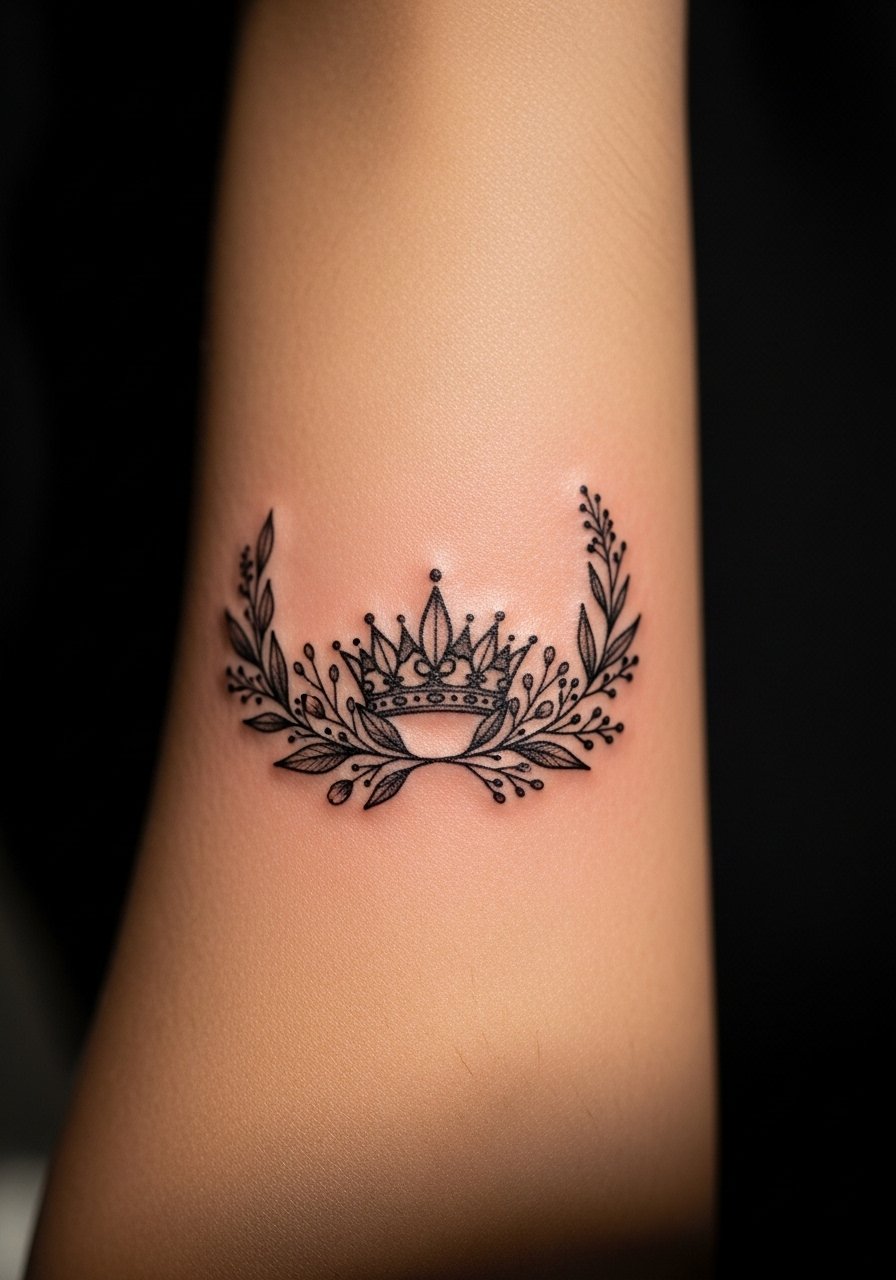
I chose a tiny botanical crown for a private reminder of growth. Placement near the inner wrist makes it visible to you, but not everyone. Pain is low. Insist on a modest line weight. The crown shape needs negative space around each leaf or it will blur. Sessions are short, 20 to 40 minutes. Expect healed softening at six months. A mistake I often see is too many tiny leaves, which makes a mess after a couple of years.
17. Single-Color Red Dot Accent on Inner Forearm
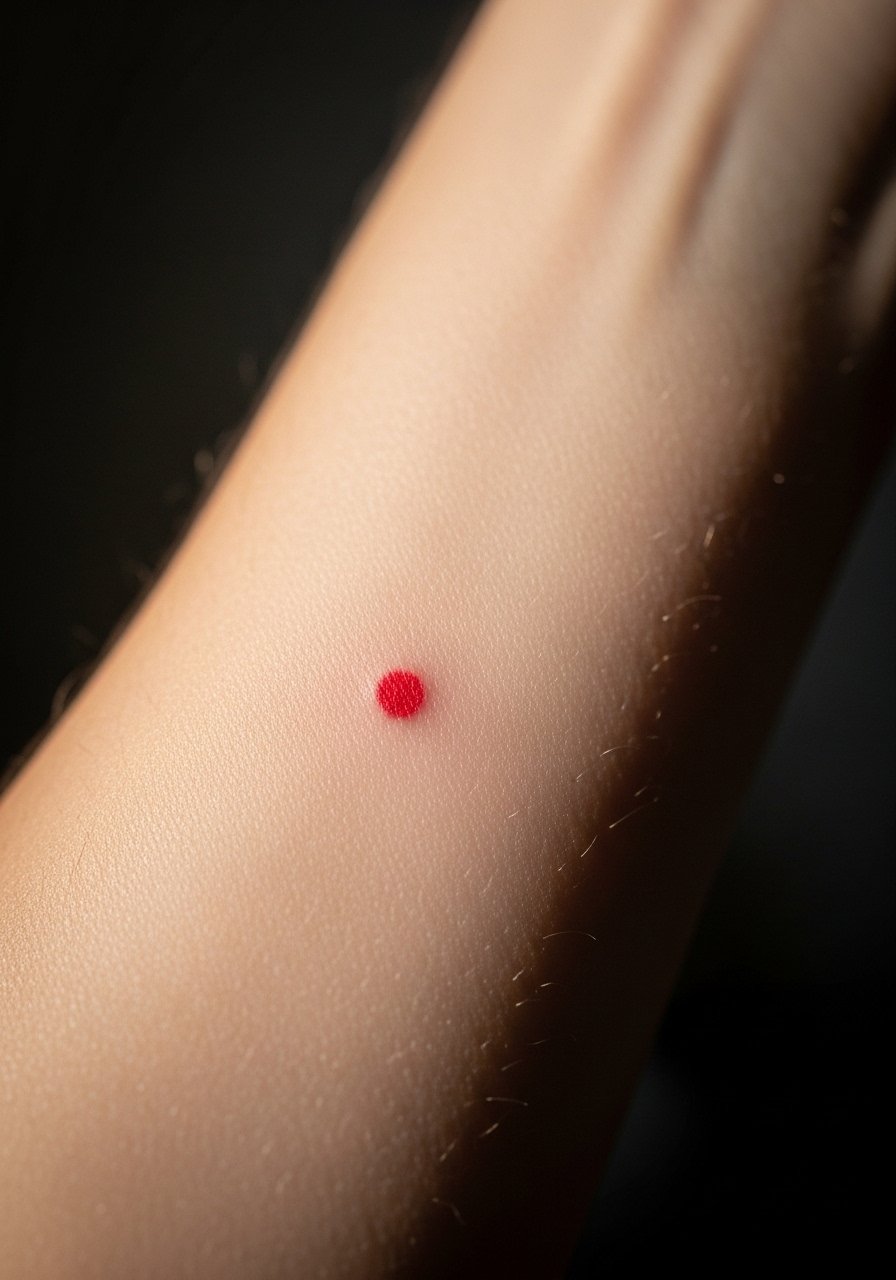
I once saw someone with a tiny red dot that functioned like a signature. Color-only micro tattoos need stable pigment. Pain is minimal. Ask which red pigment the artist uses and expect slightly more sensitivity. Reds can fade faster under sun, so plan on touch-ups in a few years. Session time is under 15 minutes. If you put the dot too close to hair follicles or creases it may blur unevenly.
18. Fine Line Anatomical Heart on Inner Forearm
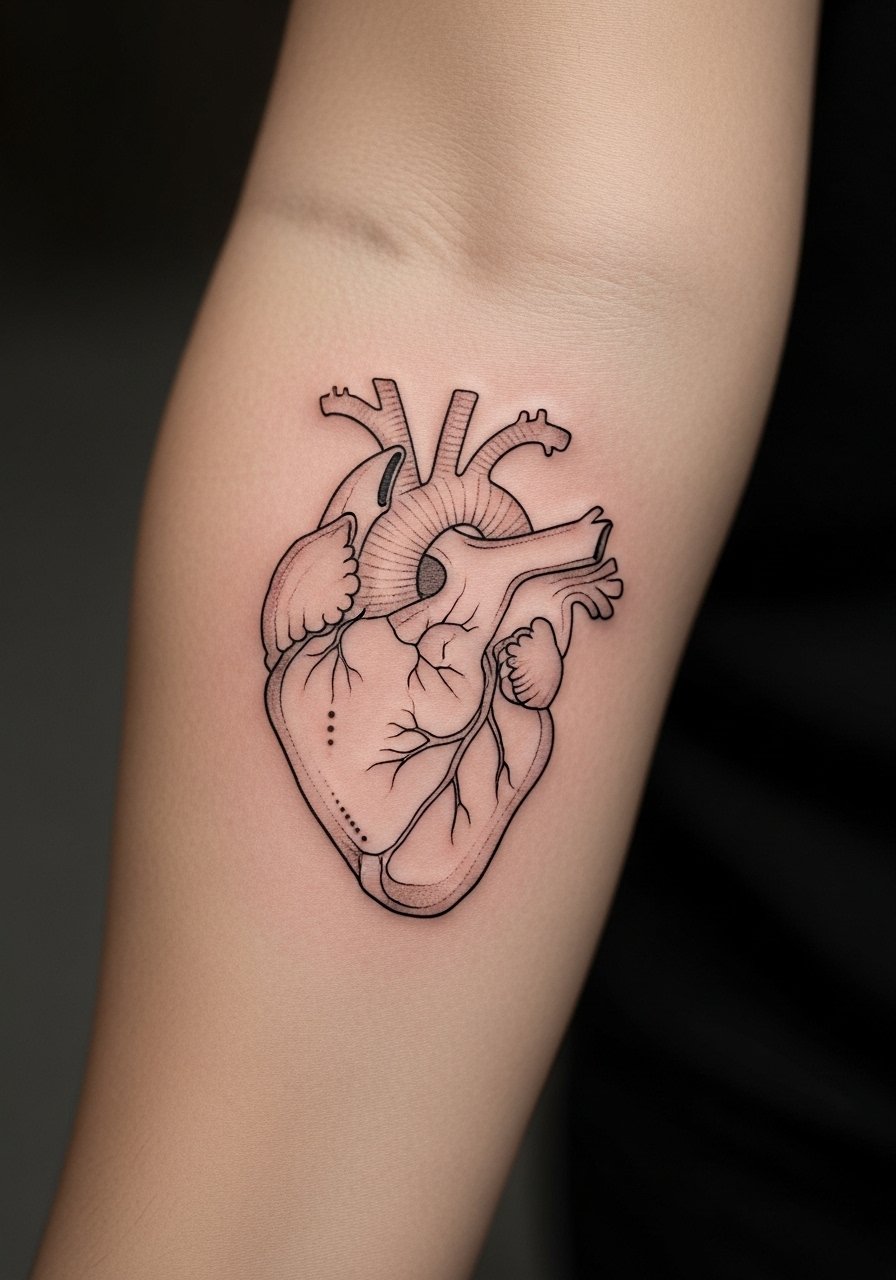
I picked an anatomical heart because it feels intimate without being overt. The inner arm gives it an almost hidden quality. Pain is moderate when shading is added. Tell your artist to keep core lines clear and to avoid excessive micro shading. Over-shaded anatomy loses definition in two years. Session time is 45 to 75 minutes. Healed results often show natural softening in shaded areas while main outlines remain readable.
19. Tiny Line Art Portrait on Inner Forearm
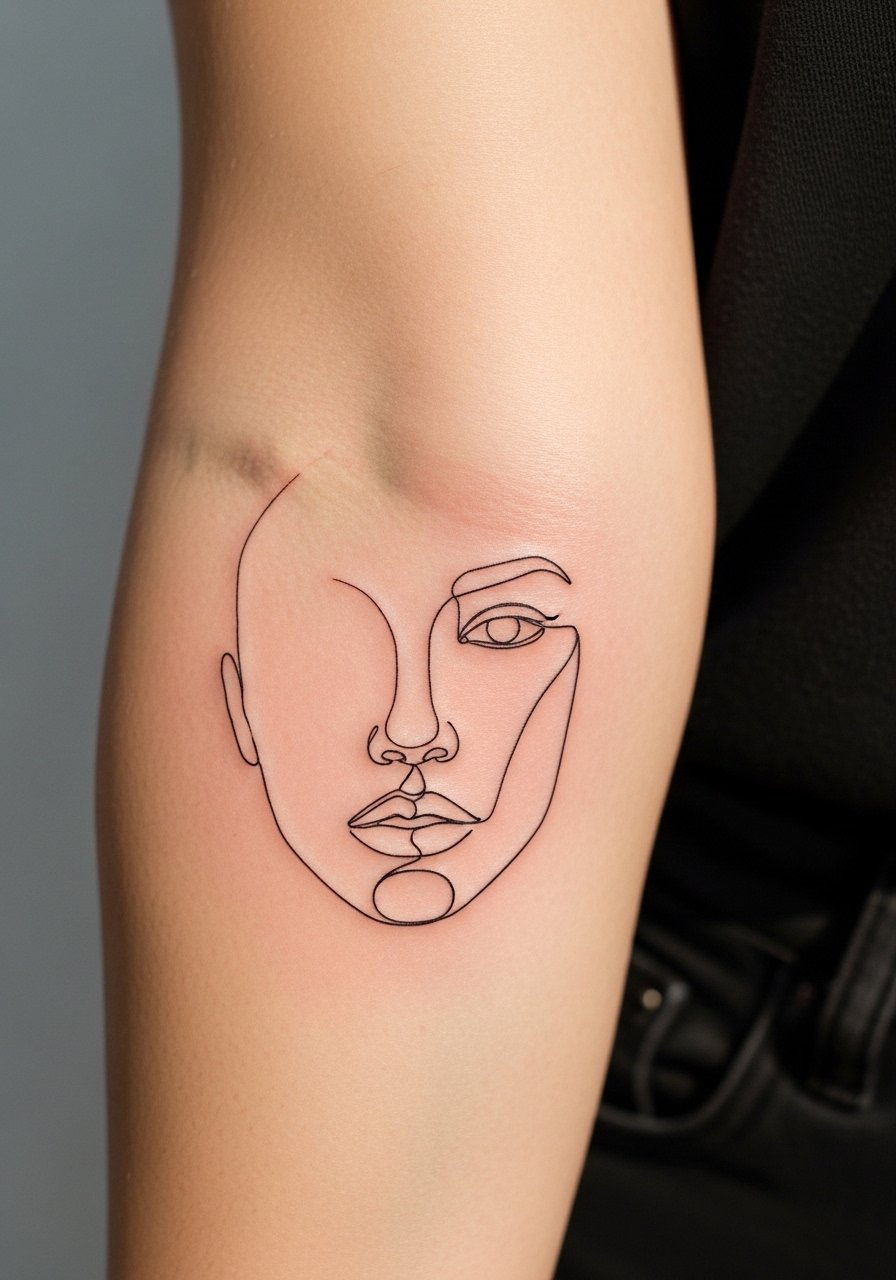
I saved a continuous single-line portrait that felt like a secret sketch. Line art is pure and private. The inner forearm keeps it tucked during many interactions. Pain is mild. Tell the artist you want a few strategically thicker anchor lines. If the entire piece is ultra-thin it can read as a gray blur at one year. Sessions are usually 30 to 60 minutes. I advise checking how the line sits when your arm is relaxed to avoid distortion.
20. Small Botanical Column Behind Inner Elbow
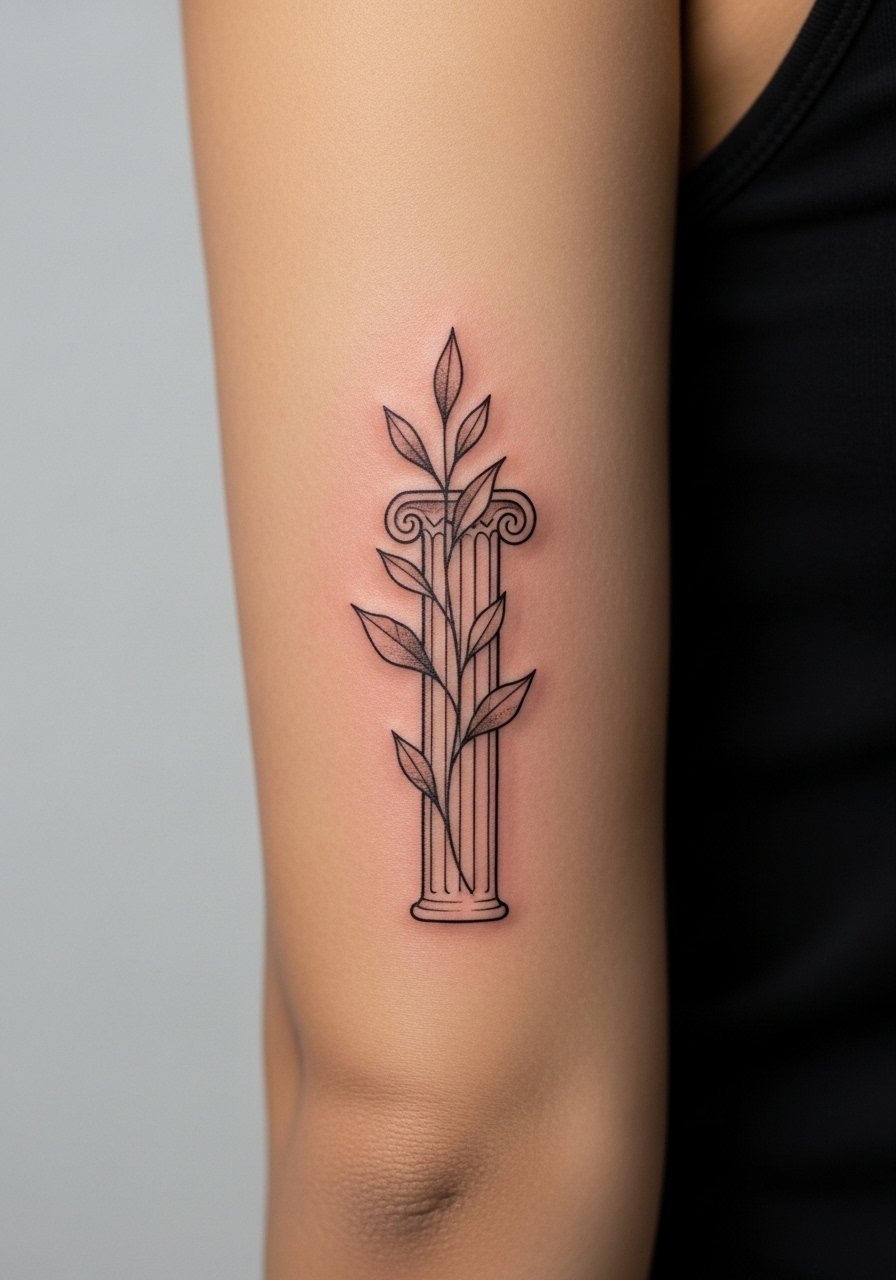
I found a design that follows the curve behind the inner elbow and it reads like a private flourish. That placement is higher pain because of the thin skin and movement. Ask the artist to map the curve while your arm is bent and relaxed. Thin leaves need space or they will merge. Sessions are 60 to 90 minutes depending on detail. Healed photos at a year show how the piece sits with movement and whether any touch-ups are useful.
21. Morse Code Message on Inner Forearm
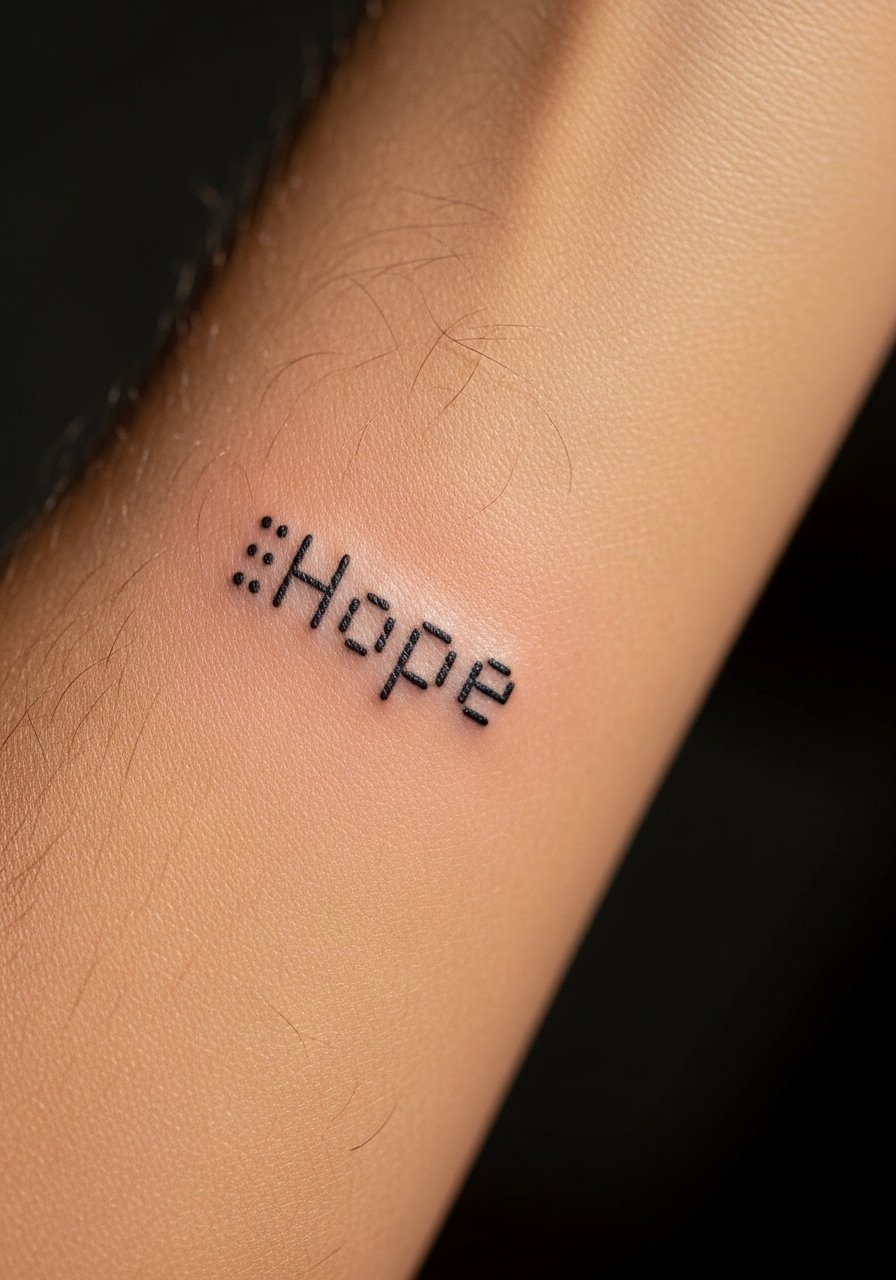
I liked a morse code message because it reads as a private encryption. The inner forearm is perfect for a linear code. Pain is low. Request clear spacing between dots and dashes. If the dots are too small they can expand into tiny smudges. Sessions are brief, under 30 minutes. I tell friends to verify the translation twice in the consult. The design keeps meaning for you and looks like a subtle pattern to others.
22. Small Linework Mountain Range on Inner Forearm
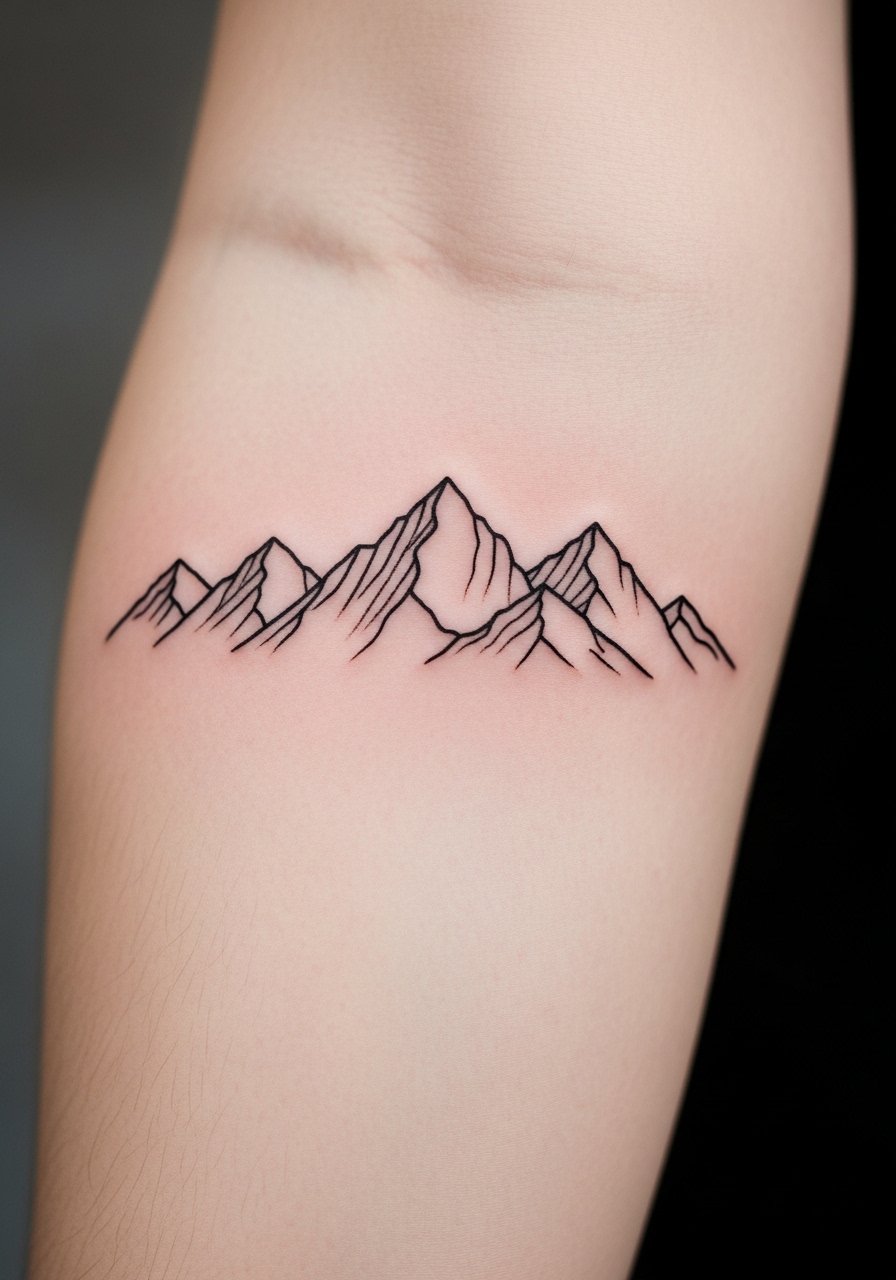
I first saw a tiny mountain range on someone who said it reminds them of where they grew up. The inner forearm reads like a private landscape. Pain is low. Ask for slightly thicker summit lines so the silhouette stays distinct after two years. Tiny ridge lines disappear faster. Sessions are typically 20 to 45 minutes. Healed wives at six months show the best readability, then the faint lines soften with time.
Tattoo Prep and Aftercare Essentials
Healing supplies I actually use and recommend. I group items by stage so you buy what you need for each phase.
Aftercare, First 0–5 Days:
- Aquaphor Healing Ointment, 14oz tube. Industry standard for first 3 to 5 days. I use a thin layer at night when the tattoo is not covered.
- Saniderm Transparent Adhesive Bandage, 6-inch roll. Second skin healing method. Every artist I've talked to recommends it for the first 24 to 72 hours.
- Dr. Bronner's Unscented Castile Soap, 32oz. Gentle cleanser for rinsing twice a day the first week. A small drop diluted with water works best.
Before Your Appointment:
- Numbing cream with 5% lidocaine, 30g. Use only if your artist approves. Apply 30 to 45 minutes before the session.
- Tattoo stencil transfer paper, A4 pack. Handy if you want to test placement at home before committing.
Long-Term Maintenance:
- CeraVe Fragrance-Free Moisturizing Lotion, 12oz pump. Daily moisturizer for days 4 to 14 and beyond. I prefer the pump bottle for hygiene.
- SPF 50 Sunscreen Stick for Tattoos, Travel Size. Use on healed tattoos whenever they see sun. I carry one to the beach.
- Mad Rabbit Tattoo Balm, 2 oz. Long-term maintenance for vibrancy. Artists I know recommend it for healed pieces.
- Hustle Butter Deluxe, 5 oz. Vegan option that works during healing and after. Smells better than many alternatives.
Optional Comfort and Supplies:
- Tattoo numbing spray, 4 oz. Good for touch-ups or sensitive spots mid-session.
- Hydrocolloid bandages, large size. Useful for small to medium tattoos if you prefer a cheaper second-skin option.
I buy these items myself and have heard the same recommendations across several artists. Use the pre-appointment items only with your artist's approval. Over-moisturizing early on hides scab formation and can trap bacteria.
Frequently Asked Questions
Q: Will fine line script blur if I get a full inner arm collection?
A: From what I've seen, fine line script blurs fastest when lines are hairline thin and placed near high-motion areas like creases. If you plan a collection, ask your artist to slightly increase line weight and give each word room. Also plan small touch-ups at year two if you want the original crisp look.
Q: Do watercolor-style accents need different aftercare than traditional pieces?
A: Yes, I recommend treating watercolor accents like color work. Use gentle soap like Dr. Bronner's Unscented Castile Soap, 32oz for cleaning and a thin layer of Aquaphor Healing Ointment, 14oz tube for the first few nights if your artist approves. Watercolor pigments can fade unevenly, so sun protection after healing is crucial.
Q: Will inner elbow placements hurt more than inner forearm tattoos?
A: In my experience the inner elbow is noticeably more painful because the skin is thinner and flexes a lot. Sessions crossing the crease can get intense in short bursts. If you want a band or script near the elbow, split the work into shorter sessions and expect some swelling. Use a numbing product only if your artist agrees, like Numbing cream with 5% lidocaine, 30g.
Q: How do I keep a small blackwork piece saturated on the inner arm long term?
A: I've found that solid fills hold up when the artist packs pigment and uses bold outlines. After healing, regular moisturizing with a product like Mad Rabbit Tattoo Balm, 2 oz and avoiding sun keeps saturation strong. Expect minor touch-ups at year two or three depending on sun exposure.
Q: Should I use Saniderm right away on inner arm tattoos?
A: Every artist I've talked to recommends Saniderm for the first 24 to 72 hours, especially on inner arm tattoos that may rub clothing. I use Saniderm Transparent Adhesive Bandage, 6-inch roll when the piece is in a high-contact spot. Follow your artist's timing on removal to avoid adhesive damage.
Q: Are single-needle dotwork tattoos worth it on the inner arm?
A: I like single-needle dotwork for its subtlety. They age well if the dots are spaced deliberately. A mistake I've seen is asking for extremely dense dot clusters. Those dense areas tend to merge into gray patches after a couple of years. For longevity, request airy shading and test a small patch if you are unsure.
Q: Can I apply sunscreen to a new tattoo once scabs are gone?
A: From what I've gathered most artists say wait until the tattoo is fully healed and scabs are gone. For healed tattoos use an SPF stick like SPF 50 Sunscreen Stick for Tattoos, Travel Size. I carry one when I'm out in the sun.