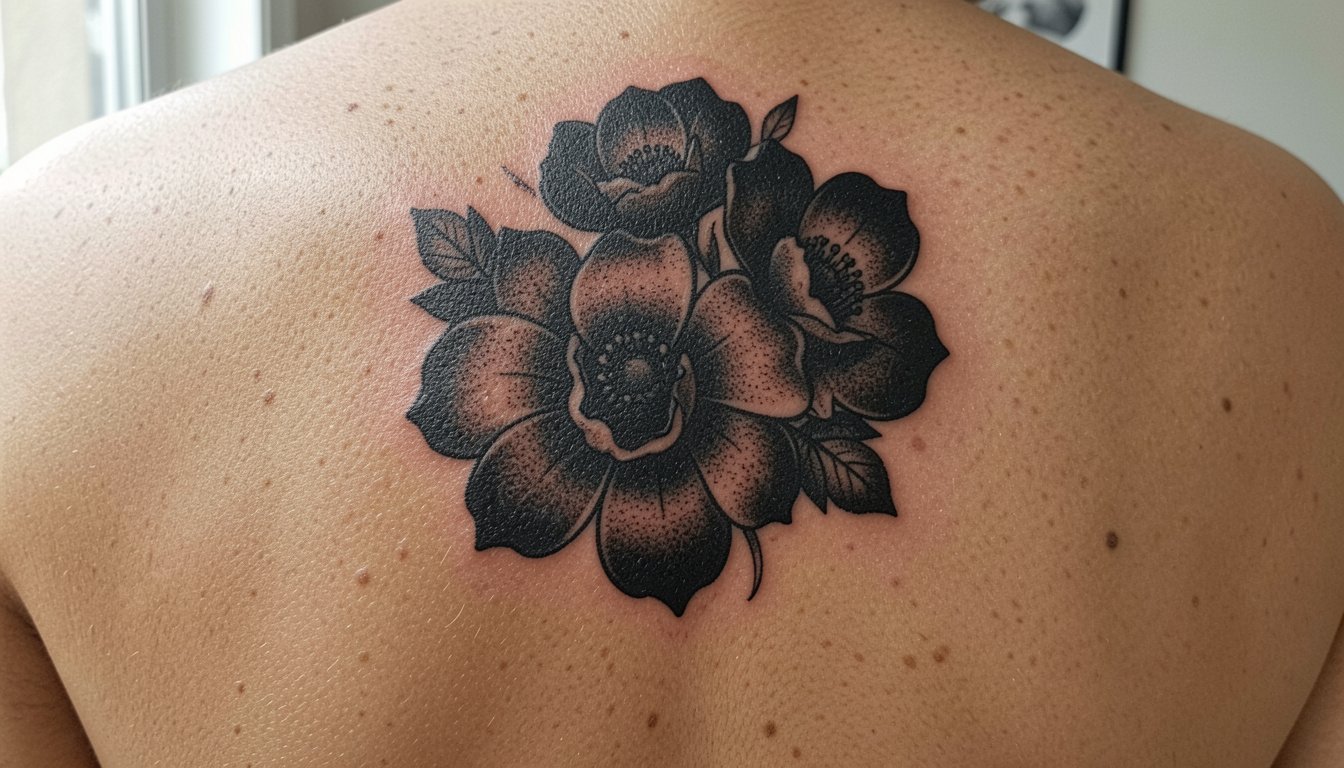
Bold, heavily saturated cover pieces often hide old linework better than the featherlight overlays most people pin on their boards. I have seen tiny script and micro-realism attempts soften into a muddle while a thoughtful blackwork or floral motif hides old edges and still reads clean years later. Below you will find creative options that work around common blowout, fading, and placement problems and what to ask for at the consult.
1. Oversized Peony Sleeve Patch on Outer Forearm
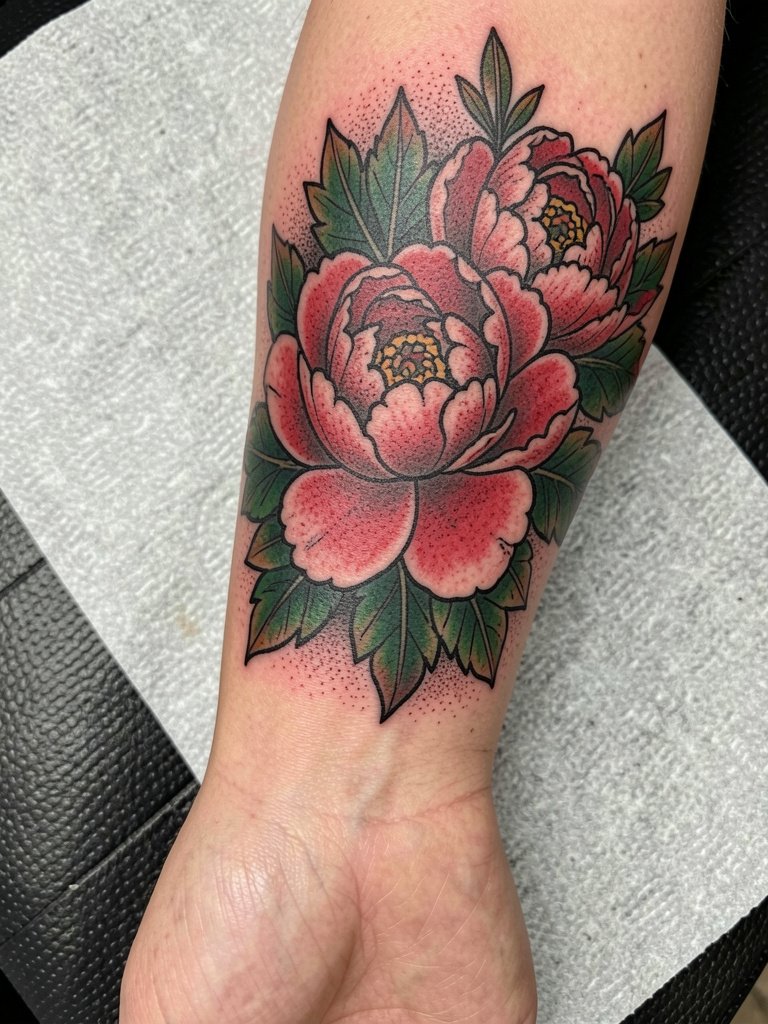
An outer forearm is forgiving for cover ups because you can scale up without hitting tricky contours. I prefer a dense peony cluster when old ink has scattered thin lines. Bring a reference photo that shows how dense the petals should be at six inches across so the artist can match spacing and saturation. Common mistake is trying to trace the old piece exactly and keeping the cover too small. Expect a two to four hour session depending on color layering and touch-up needs after three months. For showing the work, rolled linen sleeves or a short-sleeve linen shirt frames the forearm without hiding the piece.
2. Geometric Patch with Negative Space on Upper Arm
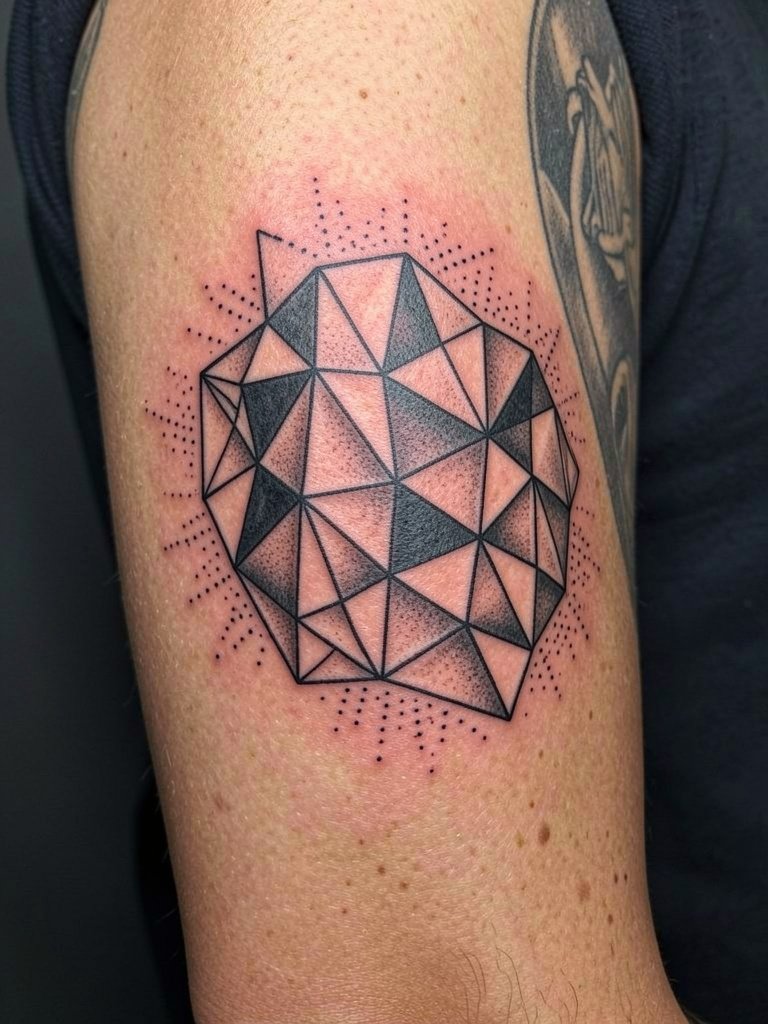
A geometric patch works when the original tattoo has predictable lines that can be interrupted with repeated shapes. Tell the artist you want slightly heavier linework than your reference so it survives two to five years without losing definition. The session feels like moderate pressure for the upper arm and most of these sit in a single two to three hour block. A typical error is keeping the polygons too small. When scaled to at least four inches across, the geometry breathes and hides the old work while still reading clean.
3. Bold Blackwork Crescent on Ribcage
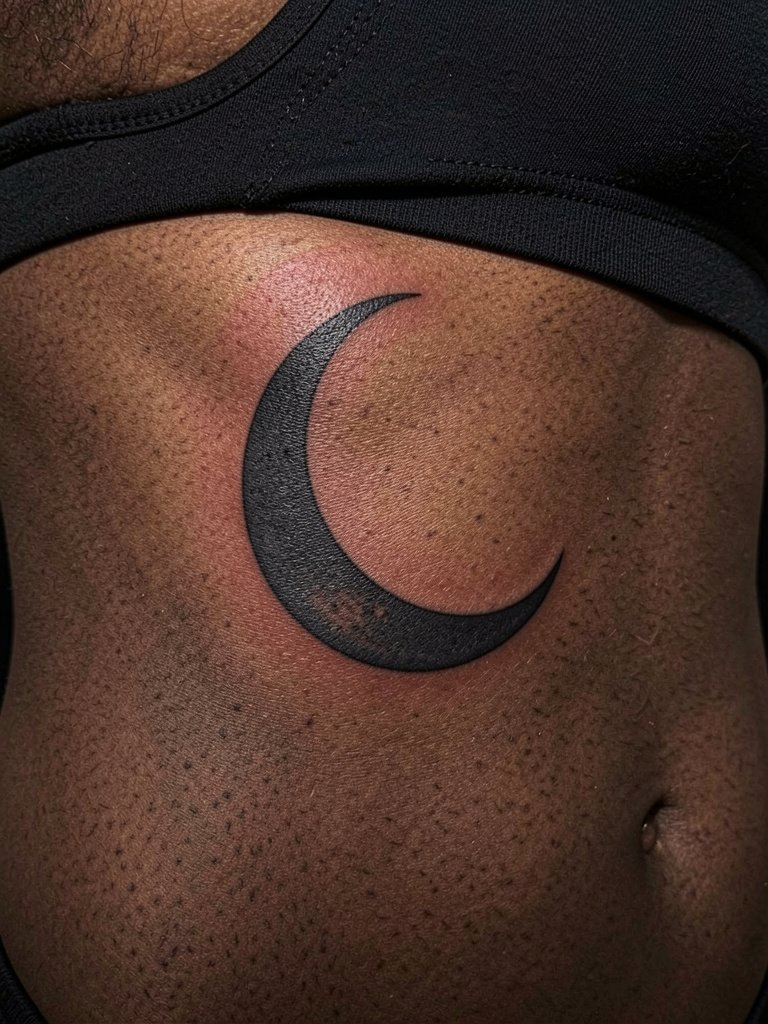
Ribcage skin moves a lot with breathing so heavy blackwork can mask older faint lines reliably. Be clear at consult about how deep you want saturation and where the old piece sits relative to the curve of the ribs. One camp of artists says fine line here blurs within two years because the skin stretches with respiration. The other camp argues that with slightly wider spacing and precise needle depth fine line can settle well even on ribs. Pain is higher on ribs, expect breaks during a three to five hour session and a likely touch-up at eight to twelve months. For the session wear a loose sports bra so the artist has access without fabric being moved.
4. Floral-Patterned Mandala Over Back of Shoulder
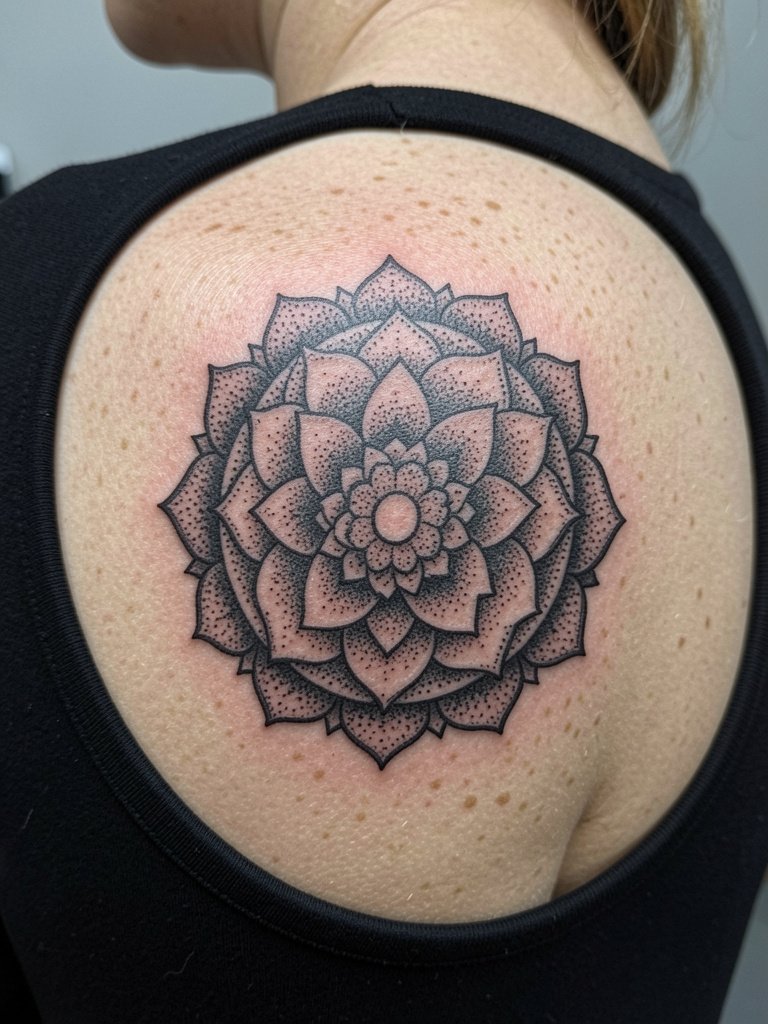
A layered mandala with alternating bold rings and stipple centers covers fragmented old ink well because the eye reads the pattern, not the original silhouette. During the consult bring a photo of the exact old mark and ask for an outer ring wide enough to overlap its edges. A common mistake is making the mandala too small and relying solely on delicate dots to hide heavier old lines. Expect a two to three hour session, and plan for a touch-up at six to nine months if the stippling needs reinforcement. This placement looks great with tank tops and off-shoulder sweaters, and a staple like a wide-neck cotton tee nicely frames the design.
5. Watercolor Wash Framed by Bold Linework on Calf
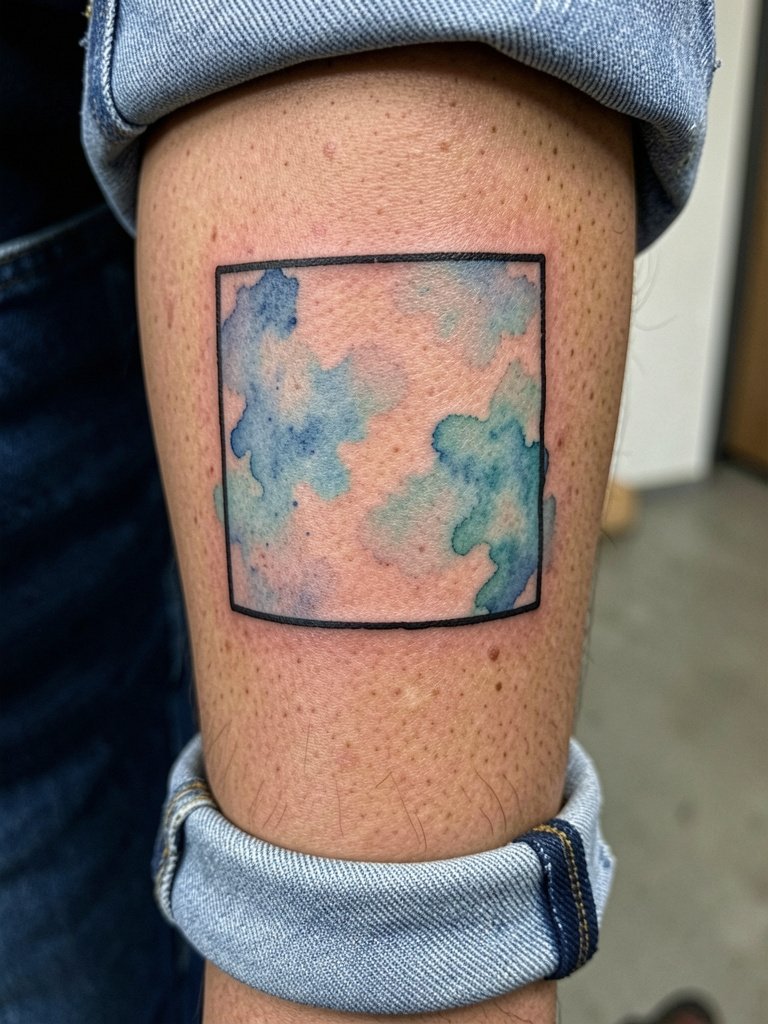
Watercolor cover ups split opinions in the community. One camp insists watercolor fades and looks messy after a few years on high-friction zones like calves and ankles. The other camp says combining the wash with a bold enclosing line and careful saturation lets the color remain a readable wash for years. If you prefer the wash look ask for the outer contour to be at least twice the thickness of your old lines so it masks them rather than tracing. Session time for a calf piece is usually two hours and touch-up depends on how much sun exposure the area receives. Wear loose drawstring pants that can roll up without pressure on the new ink.
6. Neo-Traditional Anchor with Banner on Inner Forearm
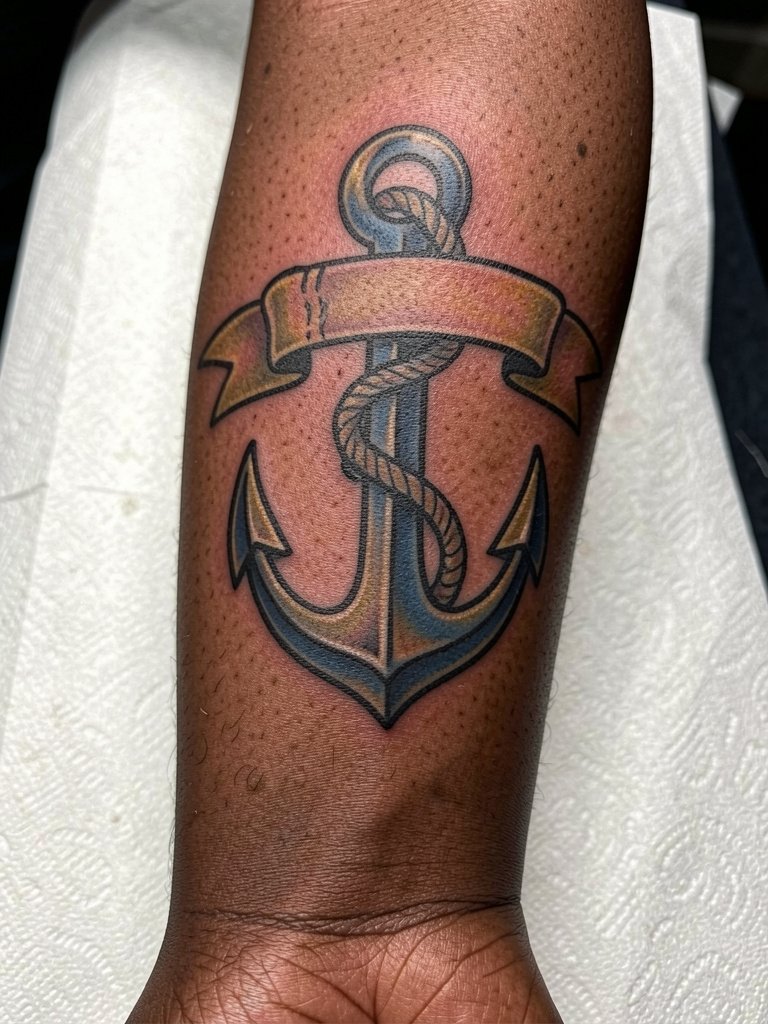
Inner forearm cover ups benefit from clear negative space and bold outlines because the skin there tends to show fine detail for longer than wrists. If the old tattoo has thicker lines, request heavier outlines and slightly denser color fields. A mistake is keeping the banner small and trying to stack too much text into it. Expect a one to three hour session depending on color layering, and plan a touch-up at six months for saturation. For showing off this spot try a rolled-sleeve chambray shirt that frames the forearm without covering the piece.
7. Blackwork Geometric Sleeve Connector on Upper Arm
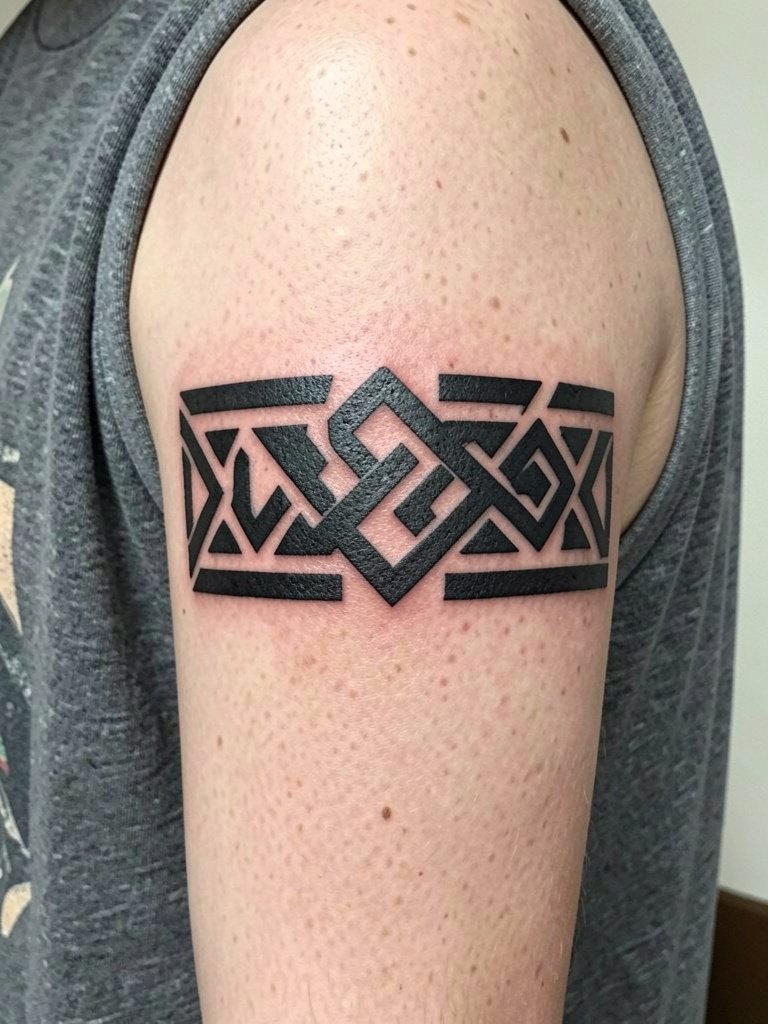
When you have several small old tattoos clustered on the upper arm a connector piece in blackwork unifies and conceals them. Describe how seamless you want the transition to be rather than just saying "cover these." A common error is leaving thin gaps where old outlines peek through. Expect multi-hour sessions spread over two visits for dense black saturation. This area tolerates heavy work well and usually does not require frequent touch-ups. For the reveal try sleeveless linen tops that balance a summer aesthetic with the bold black design.
8. Illustrative Bird Flight Across Shoulder Blade
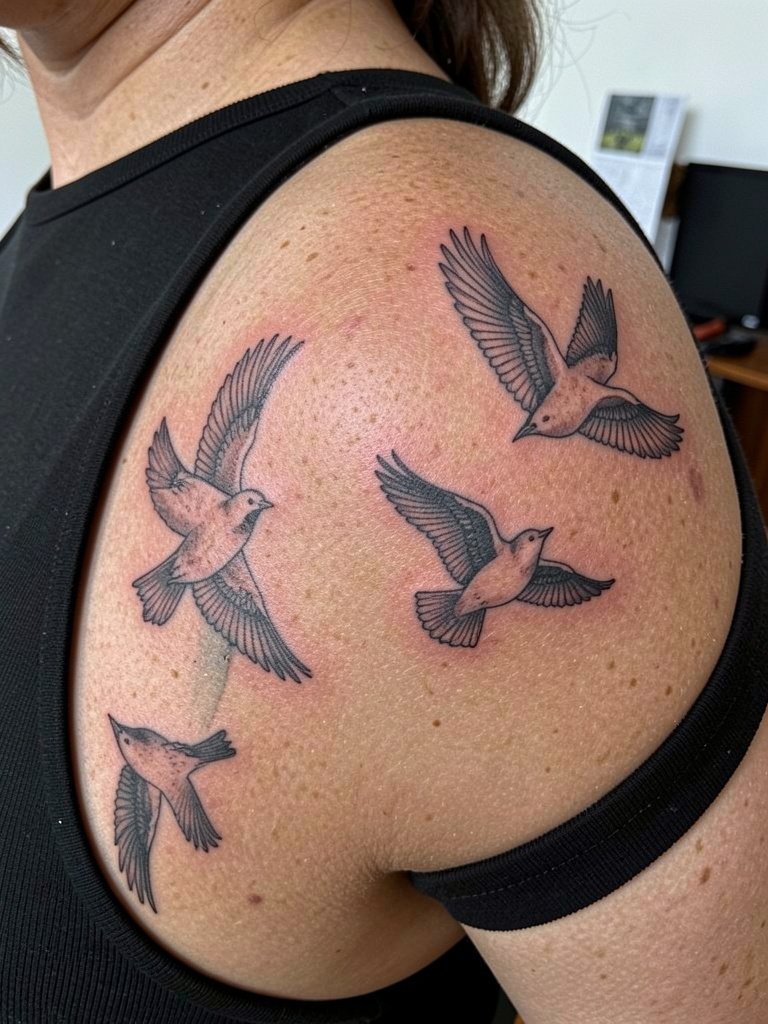
A row of bird silhouettes works when the old ink is small and spread out because the composition distracts the eye from the original shapes. Bring at least two scale references so the artist can show how a three-inch wing reads versus a five-inch wing. Mistakes include tiny birds that attempt to trace over old lines. Shoulder blade sessions feel moderate and usually finish in one long sitting. Pair the piece with open-back dresses or a wide-neck blouse for an evening look.
9. Stippled Script Framed by Ornamental Scroll on Collarbone
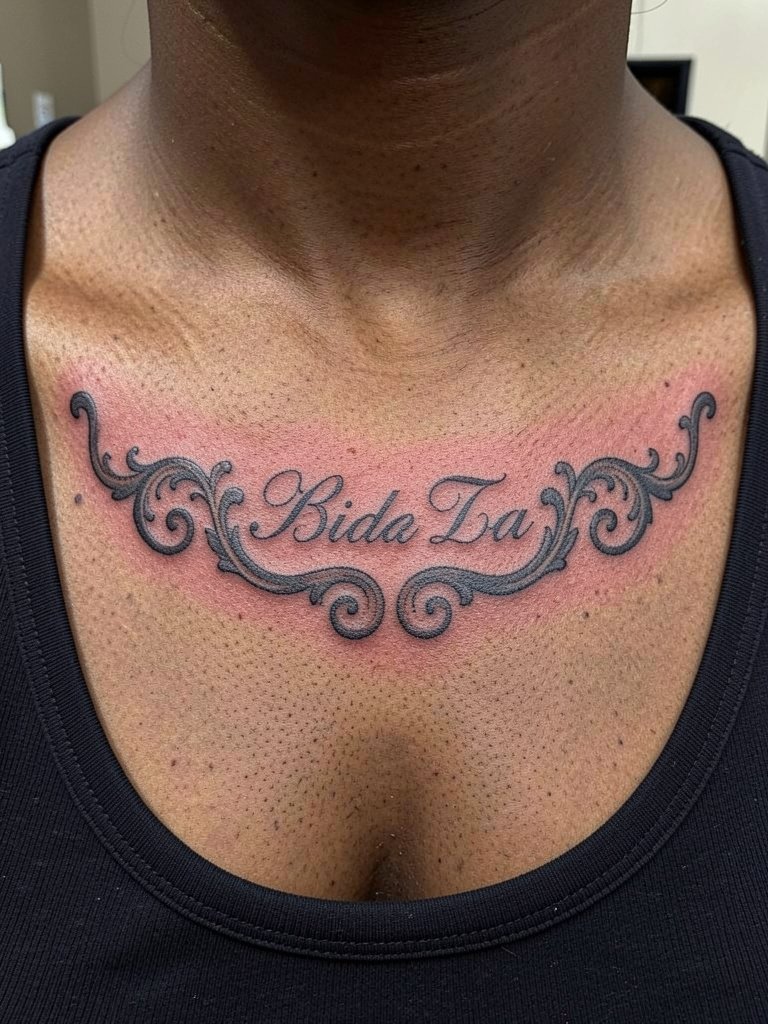
Collarbone cover ups are challenging because the area is thin and shows blowout more quickly when detail is too fine. One camp insists scripts here should be bolder and more widely spaced to resist blowout. The other camp prefers delicate stippling and says with careful depth the script will read softly but clearly. When planning, ask the artist to map the scroll so the old lines fall inside a shaded area rather than running under the lettering. Session time is often short but intense, and a touch-up at six to nine months is common. For dress pairs, scoop-neck tops and pendants highlight the scroll without covering it.
10. Dense Paisley Patch on Hand Side
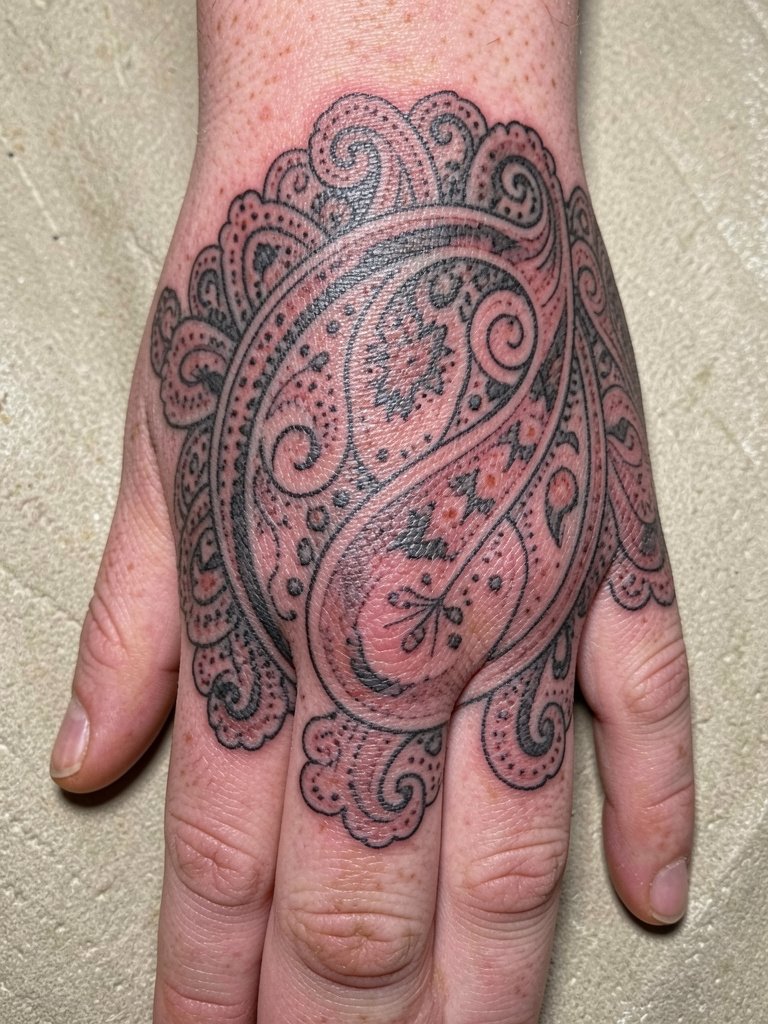
Hand cover ups call for heavy linework and dense fill because hands experience constant washing and friction. Be explicit about coverage near creases so the artist can place darker patches where the old ink sits. A frequent mistake is trying to keep a hand piece airy and detailed. Expect a short but painful session, and know touch-ups are common within the first year. For after-session mobility, wear gloves when doing heavy cleaning, and for showing off consider slim bracelets or a minimal leather cuff that complements the pattern without hiding it.
11. Nautical Chart Lines Masked by Wavework on Lower Calf
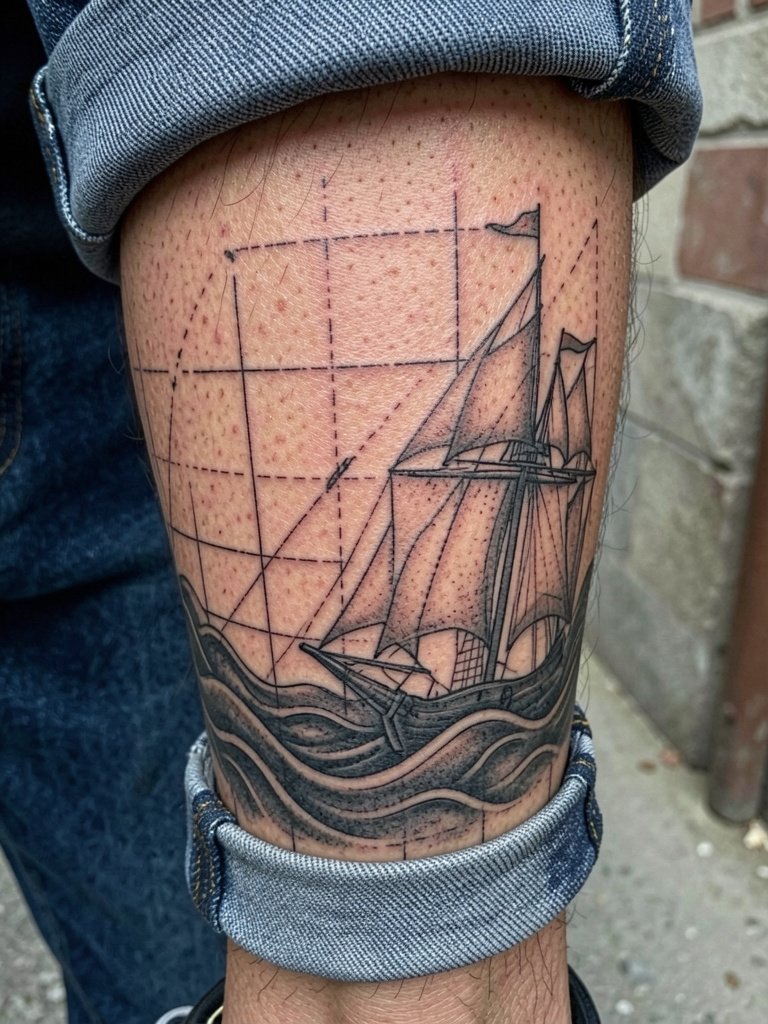
When the previous ink is linear and light you can use organic wave patterns to break up the silhouette and draw attention away from the old topology. Tell the artist where the old lines intersect with anatomical folds so they can plan darker anchor points. Many people underplay how much sun affects calf saturation. Session time is usually two to three hours, and you may need a small touch-up after a year if you wear shorts a lot. For footwear pairings try low-top canvas shoes or rolled socks that keep the calf visible without rubbing.
12. Neo-Japanese Koi Wrap on Thigh
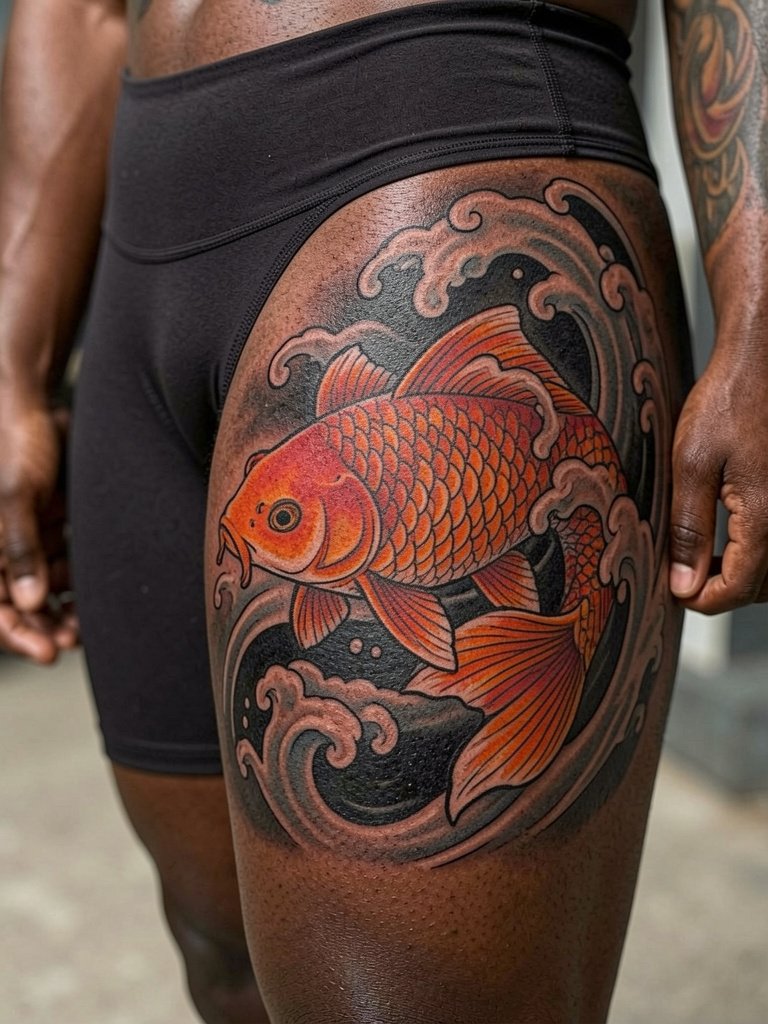
Thighs let you go large which is ideal for masking old work that is stubborn or dark. A koi wrap uses both scale detail and surrounding black water to distract from underlying ink. Note that this style draws on Japanese motifs. Respect the origin by discussing composition and meaning with your artist. Sessions can be long and may happen over multiple visits. For comfort at the appointment wear loose shorts or bike shorts that the artist can work around without fabric being moved.
13. Minimalist Arrow with Solid Shield on Inner Wrist
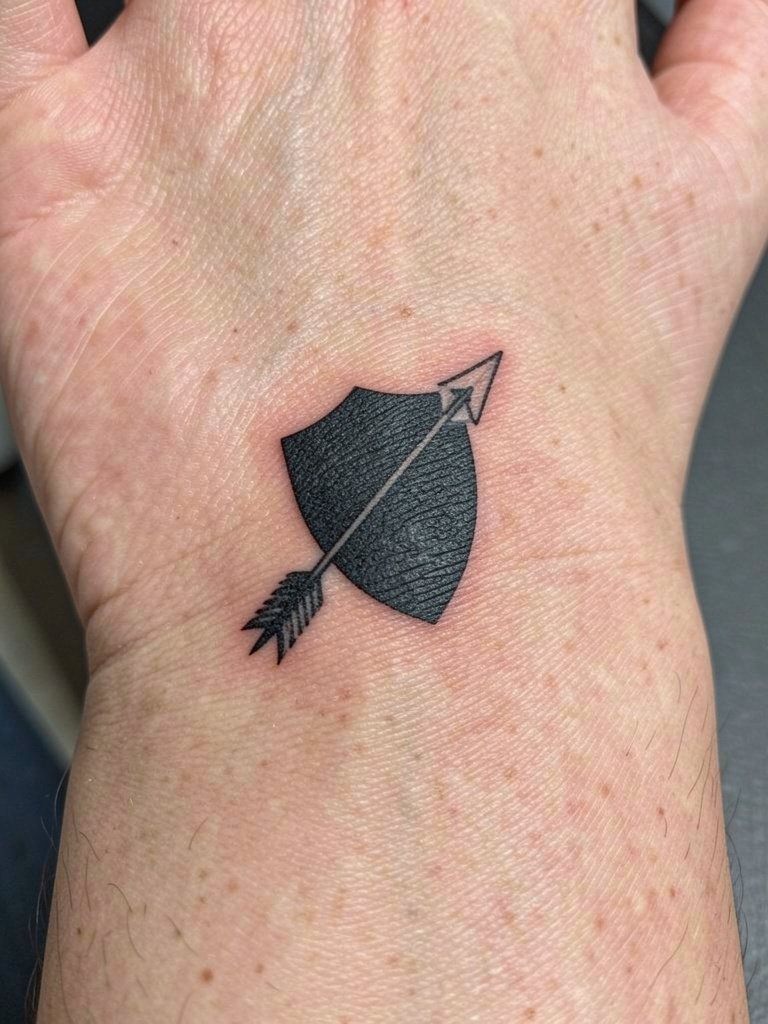
The inner wrist often eats the finest detail so pairing minimalist linework with a small solid shield is a strategy I recommend for fragile old ink. Specify at the consult that the shield should be slightly larger than the old mark and the arrow line weight a touch heavier than a typical single-needle. A common mistake is going too delicate and needing multiple touch-ups. The session is brief but the area registers high on sensitivity. For the session wear a loose long-sleeve you can easily roll without stretching the wrist.
14. Lace-Inspired Panel Across Sternum
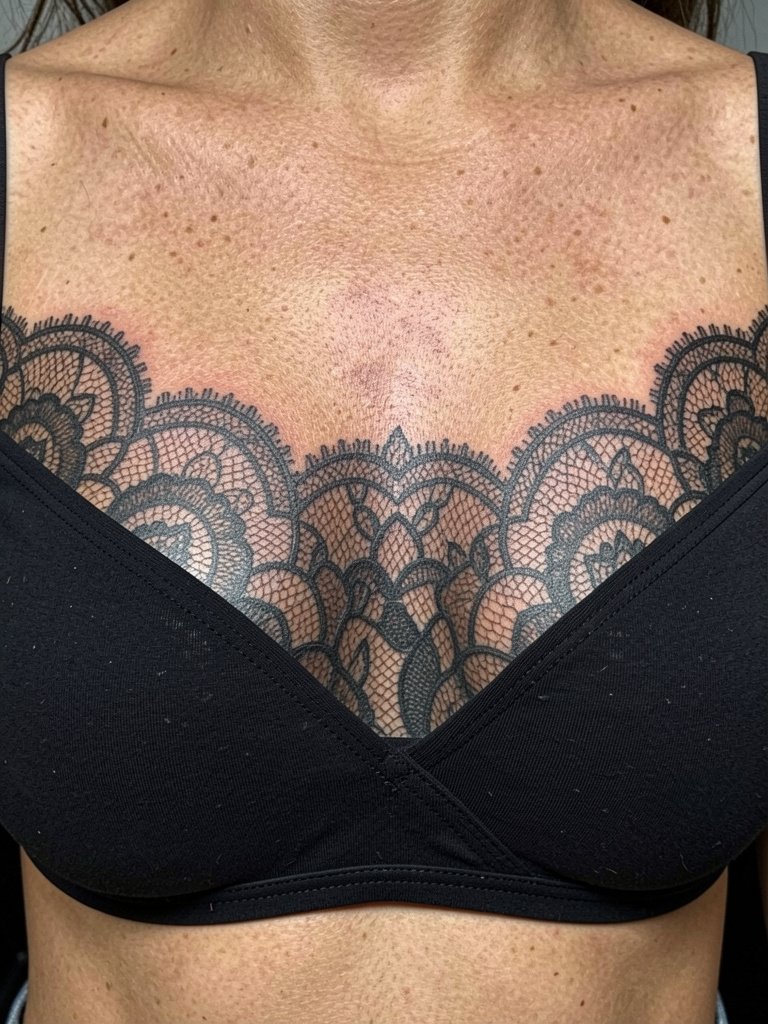
Sternum pieces are intimate and require specialized planning because the skin and underlying tissue move with breathing. One group of artists advises larger, more saturated contour lines for sternum covers to avoid early blurring. Another group favors delicate inner detail supported by a bold frame and says that combination keeps the piece elegant while hiding old work. Specify comfort breaks in advance since the pain can spike quickly. Session time is variable and many people schedule two shorter visits. For the appointment wear a fitted sports bra or bandeau that stays in place without being adjusted.
15. Abstract Brushstroke Back Patch
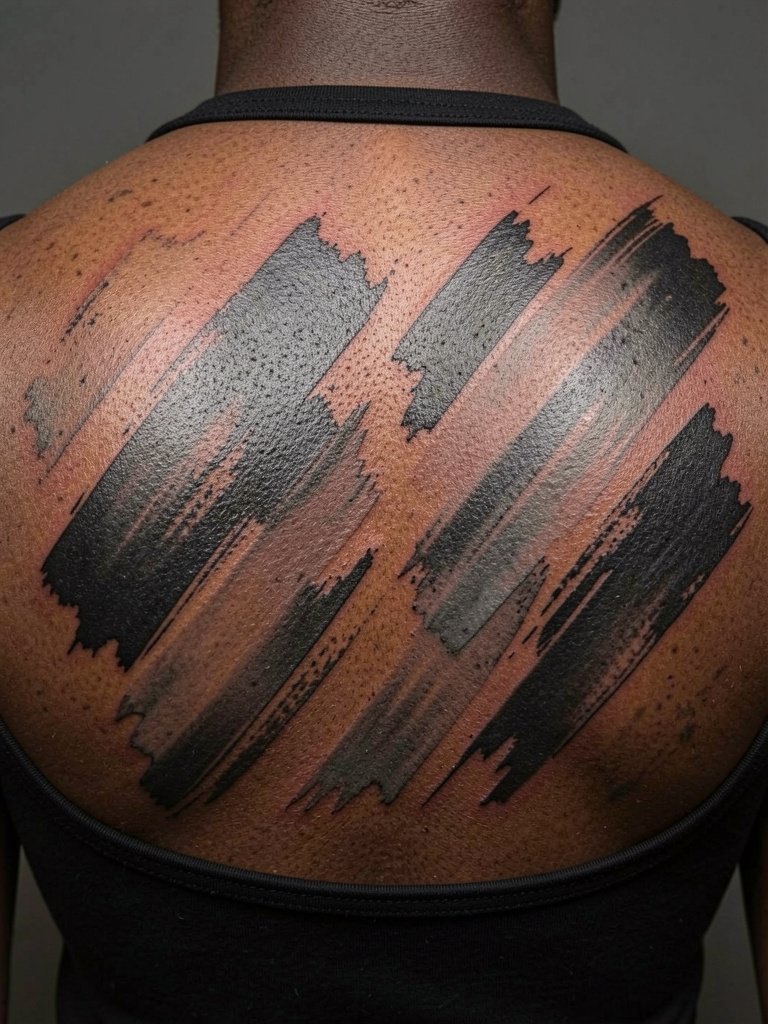
When multiple old tattoos vary in style and age, an abstract brushstroke composition can unify and effectively obscure them because the eye follows movement rather than form. During the consult map which older marks you want fully hidden and which can remain hinted at so the artist can design overlapping strokes. A common error is underestimating how much darkness is required to hide deeper inks. Sessions may be long and staged over two or three days. For revealing the piece wear open-back shirts that let the composition read without covering the central strokes.
Session Day Picks
These items smooth the consult and early healing for the wrist, forearm, calf, and collarbone pieces described above.
- Stencil transfer paper kit. Useful for previewing how larger floral and geometric patches will sit over old edges before the needle touches skin.
- Topical numbing cream. Applied 30 to 45 minutes before helps with ribcage and sternum sessions without altering linework.
- Thin protective film roll. Keeps finger and wrist pieces clean during the intense first week of washing and movement.
- Fragrance-free gentle body wash. Cleans healing areas like calves and thighs without irritating delicate new ink.
- Aquaphor healing ointment. Thin applications for the first few days lock in moisture for covered areas that relied on dense saturation.
Frequently Asked Questions
Q: How do I decide between going bold blackwork or a subtle cover-up for an old tattoo on my forearm?
A: I usually weigh how dark and spread the old ink is. If you have thick, patchy lines bold blackwork hides them in one pass, while subtle work is best when the old piece is faint and small. Bring scale references so the artist can show how different widths read at three, four, and six inches.
Q: What should I wear to the appointment for a sternum or ribcage cover-up?
A: Choose a fitted sports bra or bandeau that stays put in normal worn position so the artist has access without you adjusting fabric. For legs or thighs wear loose shorts or bike shorts that let the artist roll the hem without pulling fabric. Consider a loose drawstring linen pant if your piece is on the hip or outer thigh.
Q: Are there cover-up styles I should avoid because they age poorly?
A: Very fine single-needle work over dense, old black lines tends to blur as the underlying ink spreads. One camp in the community says watercolor on high-motion areas like hands and calves looks soft and attractive only for a short period. Another camp believes pairing watercolor with a bold enclosing line reduces early fading and keeps the shape readable. If longevity matters, ask for slightly heavier outer lines and a touch-up plan.
Q: Where can I find healed examples and discovery pathways without naming specific artists?
A: Search relevant hashtags and niche keywords on image platforms and video apps, use location filters to find local healed shots, and browse community forums for tagged healing timelines. Terms like "healed cover up blackwork," "healed minimalist collarbone," and "cover up forearm healed ink" help surface real examples across skin tones. Reddit and portfolio pages often show multi-year healed photos that reveal how styles behave.
Q: How many sessions does a typical cover-up take and when is a touch-up usually needed?
A: Many cover-ups finish in one to three sessions depending on size and saturation needs. Dense blackwork and thigh wraps often require multiple visits, while small wrist shields and scripts can be done in a single sitting. A realistic touch-up window is around six to twelve months for most cover-ups, and your artist should map that into the plan during the consult.