
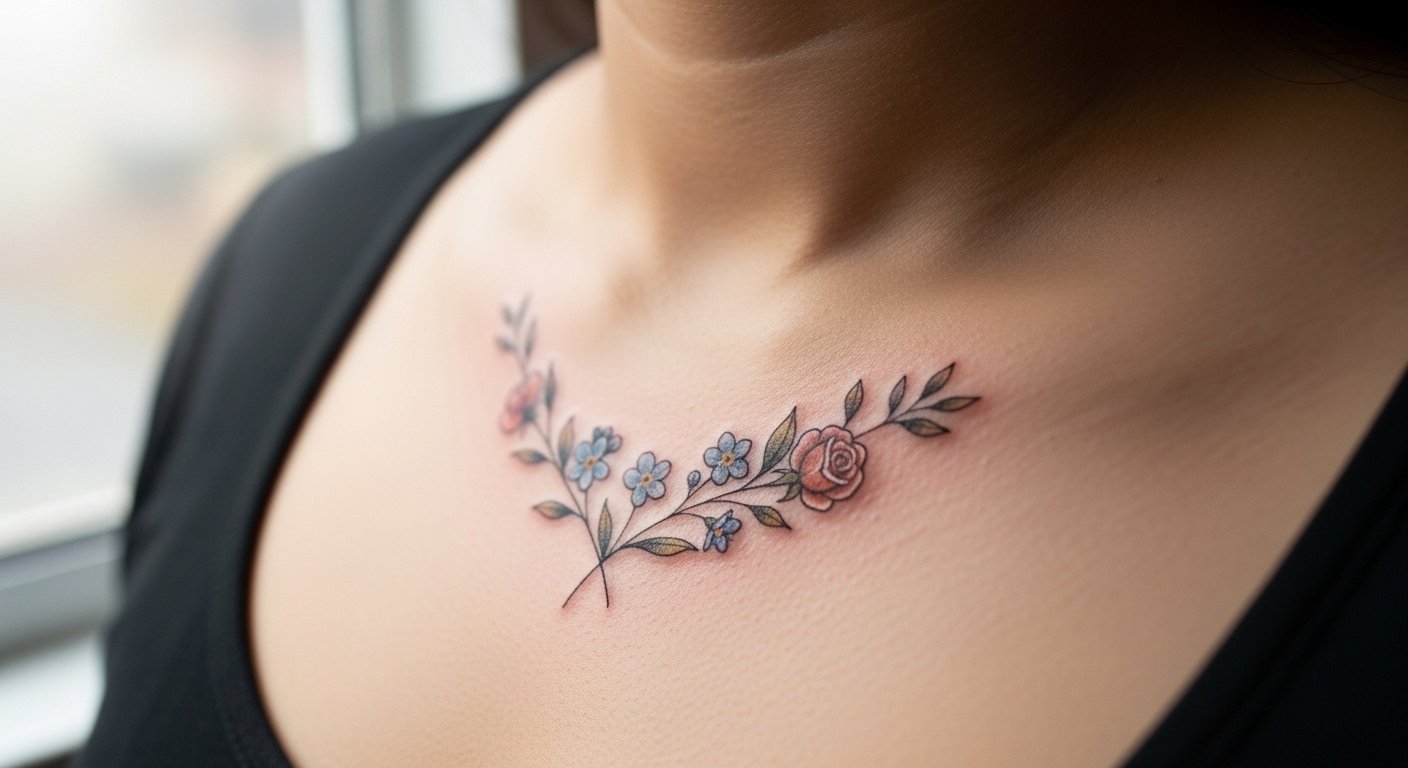
Someone I know waited nearly a year to book a chest piece because they could not tell which small designs would still look good after a few years. The problem was not lack of ideas. It was not knowing how a delicate piece behaves on chest skin, what to ask in a consultation, and how to keep it looking crisp. These ten approachable chest tattoos for women focus on low-risk placements, easy maintenance, and designs that age well for beginners.
1. Tiny Fine Line Heart Between the Clavicles
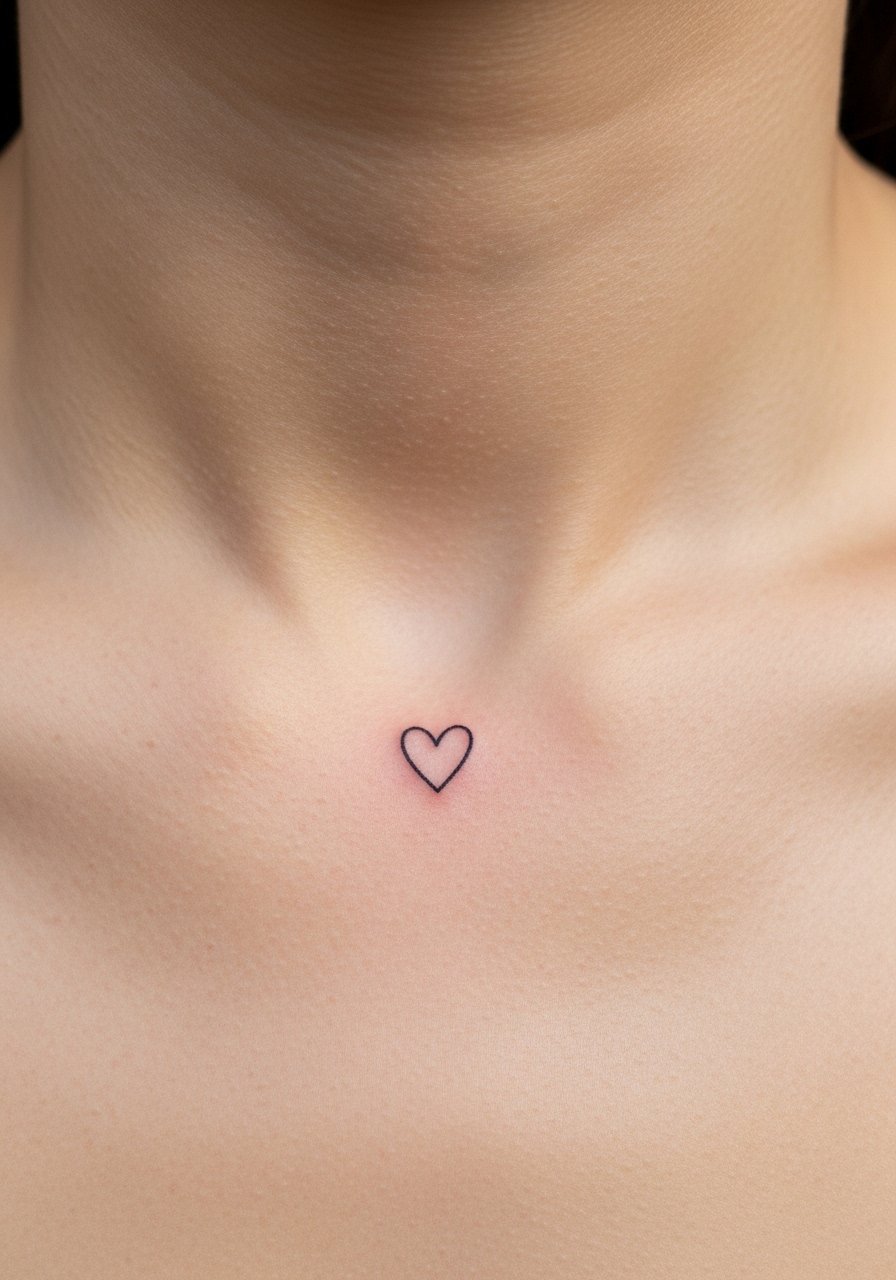
Someone I know picked this spot for a first chest piece because it reads delicate but stays visible when you want it to. Pain is mild to moderate for most people on the upper chest, and a single short session usually does it. Tell your artist you want slightly wider line spacing than the faintest needle work so it can hold for years. A common mistake is asking for ultra-tiny lines that blur into a gray smudge after two years. This version keeps some breathing room, so it ages cleaner. Expect a touch-up discussion around year two to three depending on your skin and sun exposure.
2. Small Script Word Over the Sternum
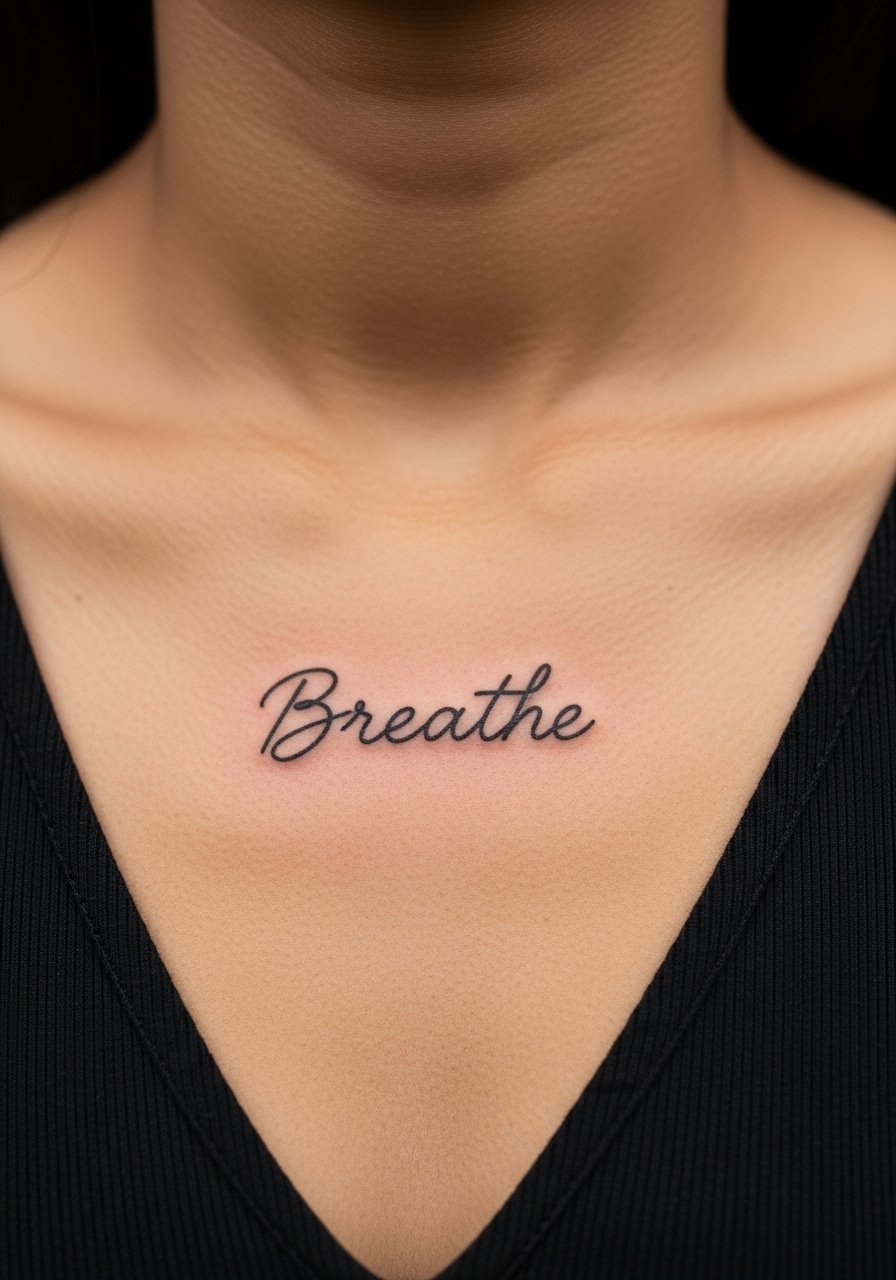
Fair warning, the sternum area can be more sensitive than the upper chest, so plan for a slightly longer session. When you book, bring the exact word in the font you want and ask the artist to stencil it at full size so you can confirm placement. Artists split on ultra-fine script on sternum. One camp says the skin stretch and movement make micro script blur fast. The other camp says with the right depth and spacing it can hold. Say which side of that debate your artist falls on before you book. A common mistake is shrinking the lettering too much. Slightly larger, properly spaced script lasts longer and needs fewer touch-ups.
3. Minimalist Floral Branch Along the Collarbone
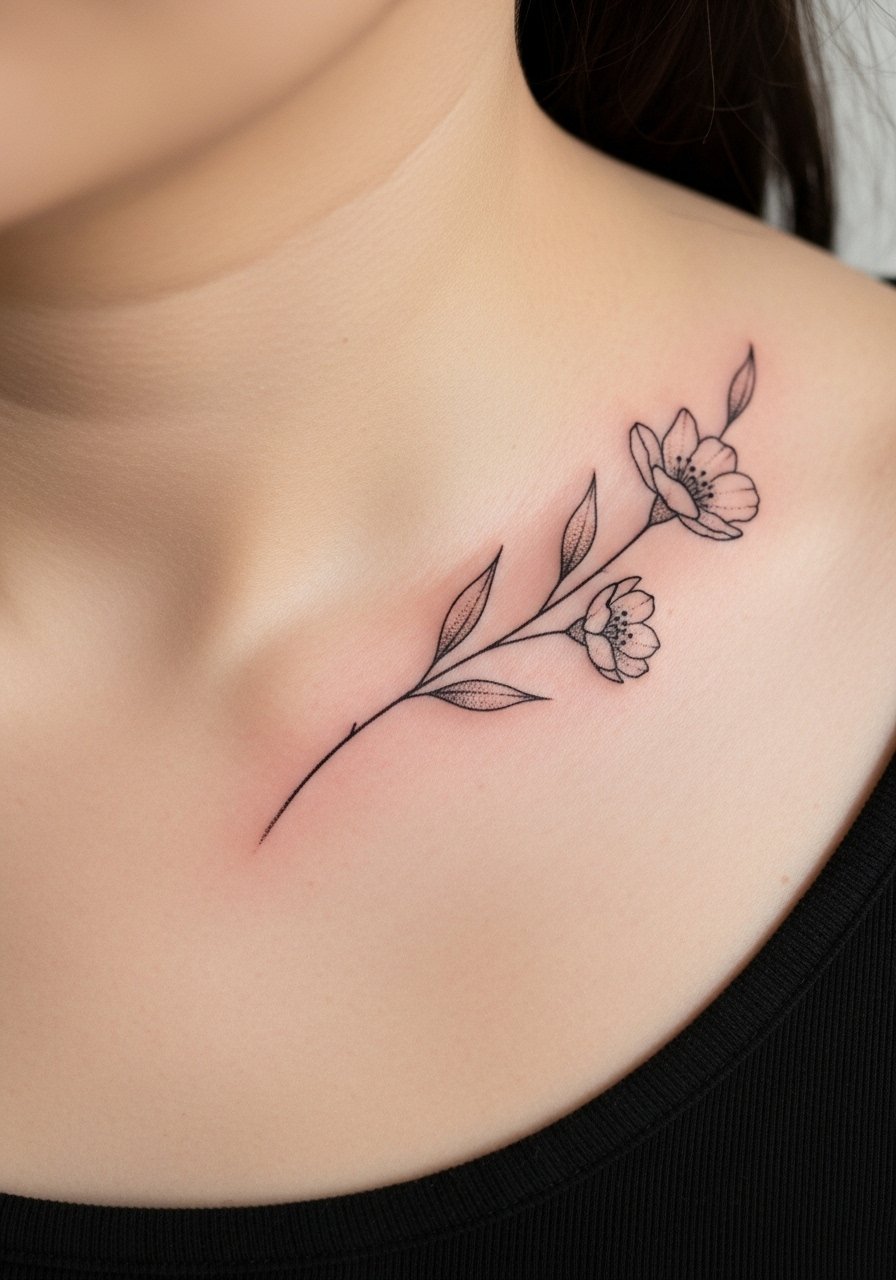
When you want something feminine but unobtrusive, a branch along the collarbone is a smart choice. Session time is brief for a small piece, and pain is usually on the low side unless the needle hugs the bone. Tell your artist you want negative space between petals and thin stem linework with light stipple shading. A frequent mistake is overfilling petals with solid colour, which flattens and fades oddly over time. On clavicle placement the linework sees sun and movement, so expect mild softening at 6 months and note that a small touch-up at year two can restore crispness.
4. Crescent Moon Under the Collarbone
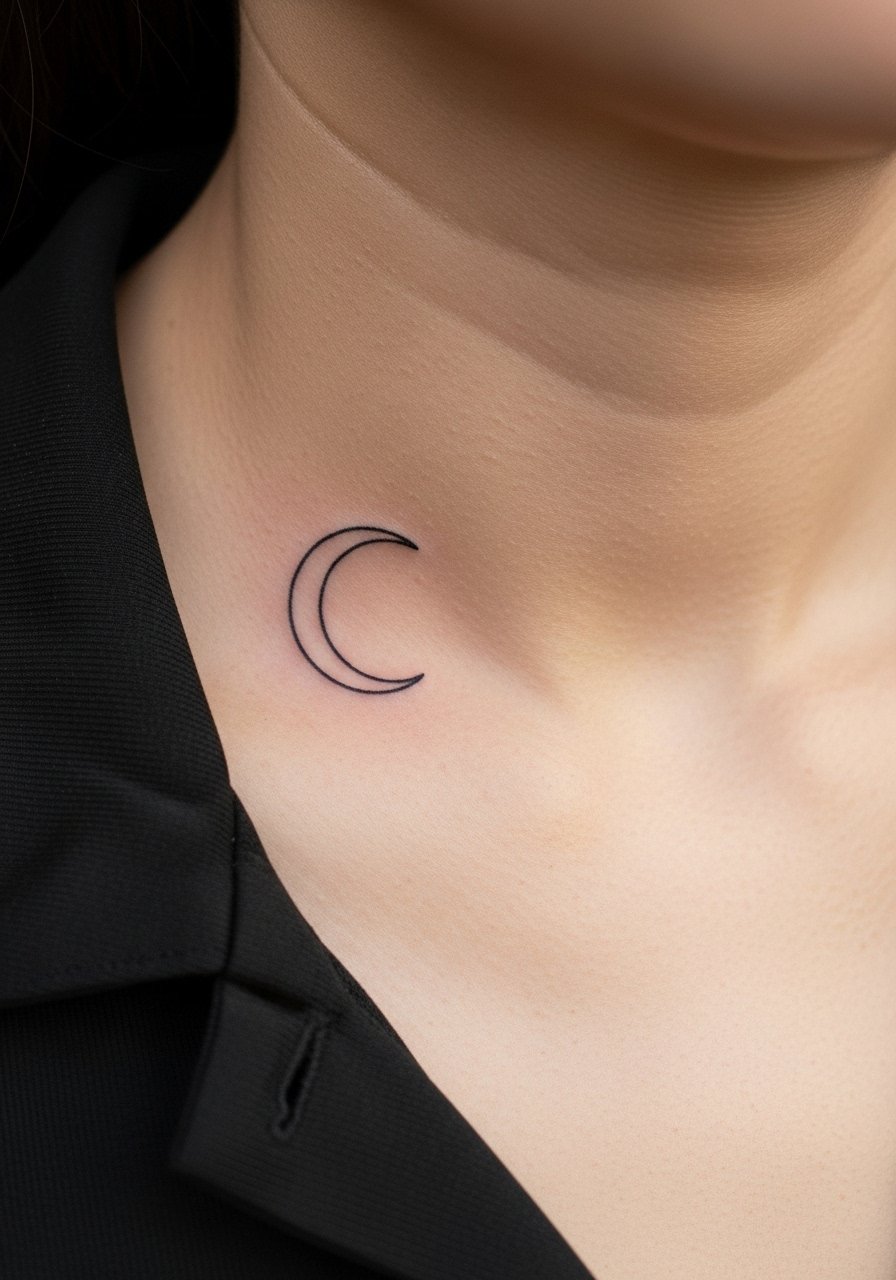
There is a visual impact to tiny celestial pieces that makes them feel both personal and effortless. For this spot expect low to moderate pain and a short session. Ask your artist for a slightly thicker outer curve so the crescent keeps a clean silhouette as it heals. A common misstep is asking for near-hairline strokes that disappear or blur. On the collarbone the skin moves a lot with breathing and clothing, so thicker linework helps longevity. If you plan to wear necklaces, think about placement so the jewelry does not rub during early healing.
5. Single-Line Butterfly Nestled on the Cleavage
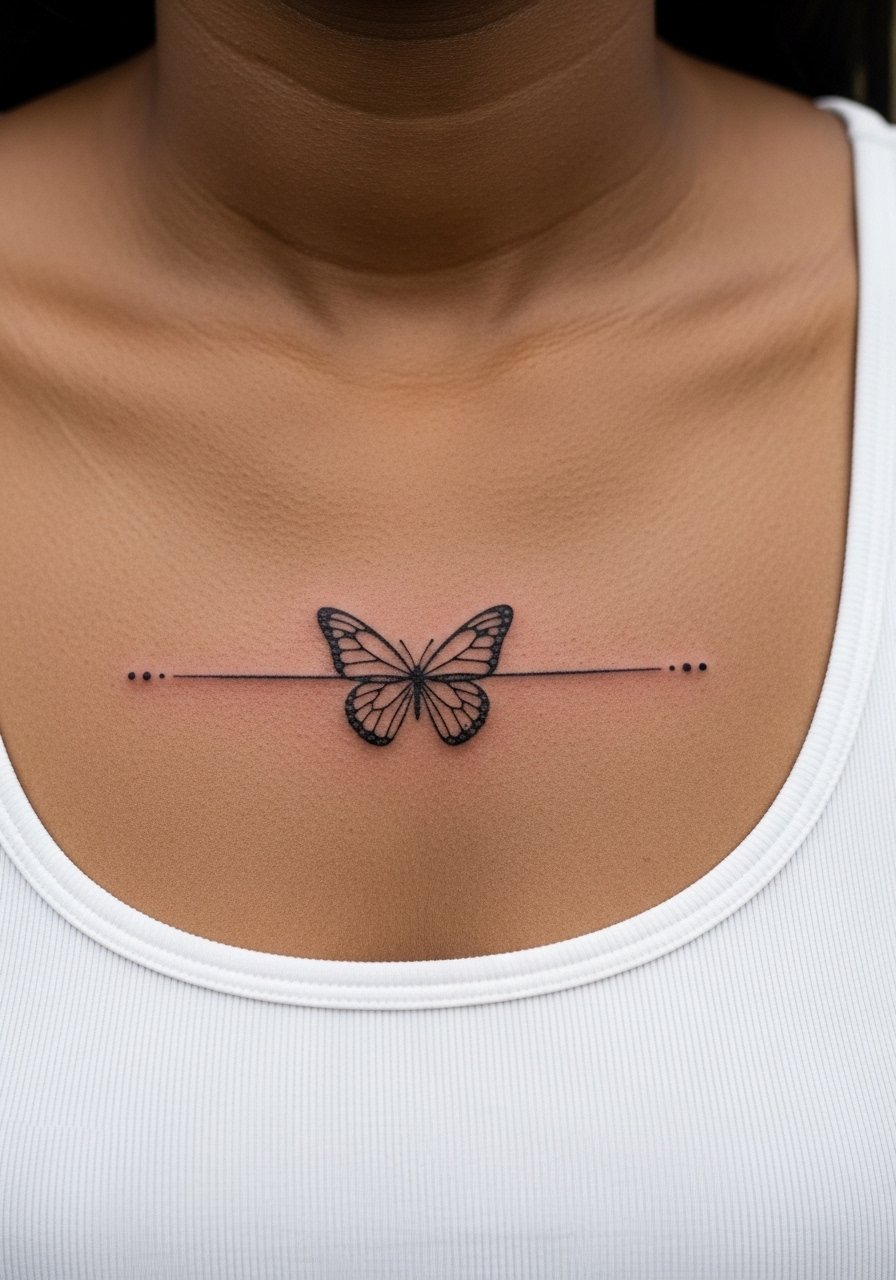
There is more sensation and movement in the cleavage area than on flat parts of the chest, so expect moderate pain and a slightly longer session. When you consult, specify the scale and ask for a tested reduction in detail so wings do not merge as they settle. A mistake beginners make is packing too much internal detail into a tiny butterfly. This leads to muddiness after a year. For anyone concerned about workplace perceptions, note that cleavage pieces are more visible with certain necklines. If you plan to wear low necklines often, choose shallow placement so it sits comfortably under clothing.
6. Micro-Realism Rose Centered Below the Sternum
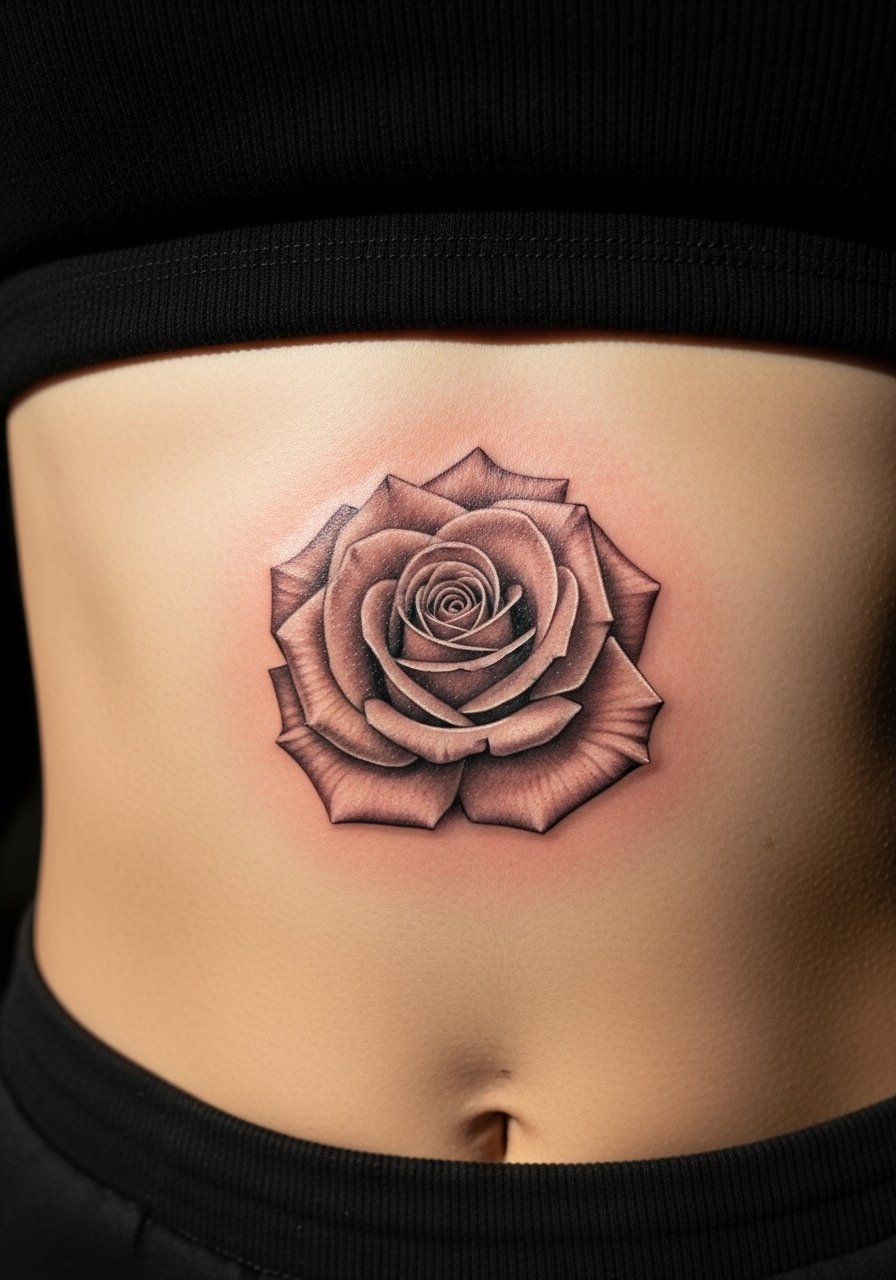
Most micro-realism on chest skin is best kept small and simple. The sternum can be sensitive, and healing can feel tender for a week. Tell your artist you want soft contrast rather than dense black fills so the rose keeps texture without turning flat. There is a debate about detailed realism on sternum. One camp warns that tiny shading loses definition as the skin stretches. The other camp points out that careful stipple shading can hold if mapped to skin movement. Avoid asking for minute background dots that mimic large texture. If you want realism, accept a touch-up at one or two years to keep edges clear.
7. Geometric Dot-Work Mandala at the Center Chest
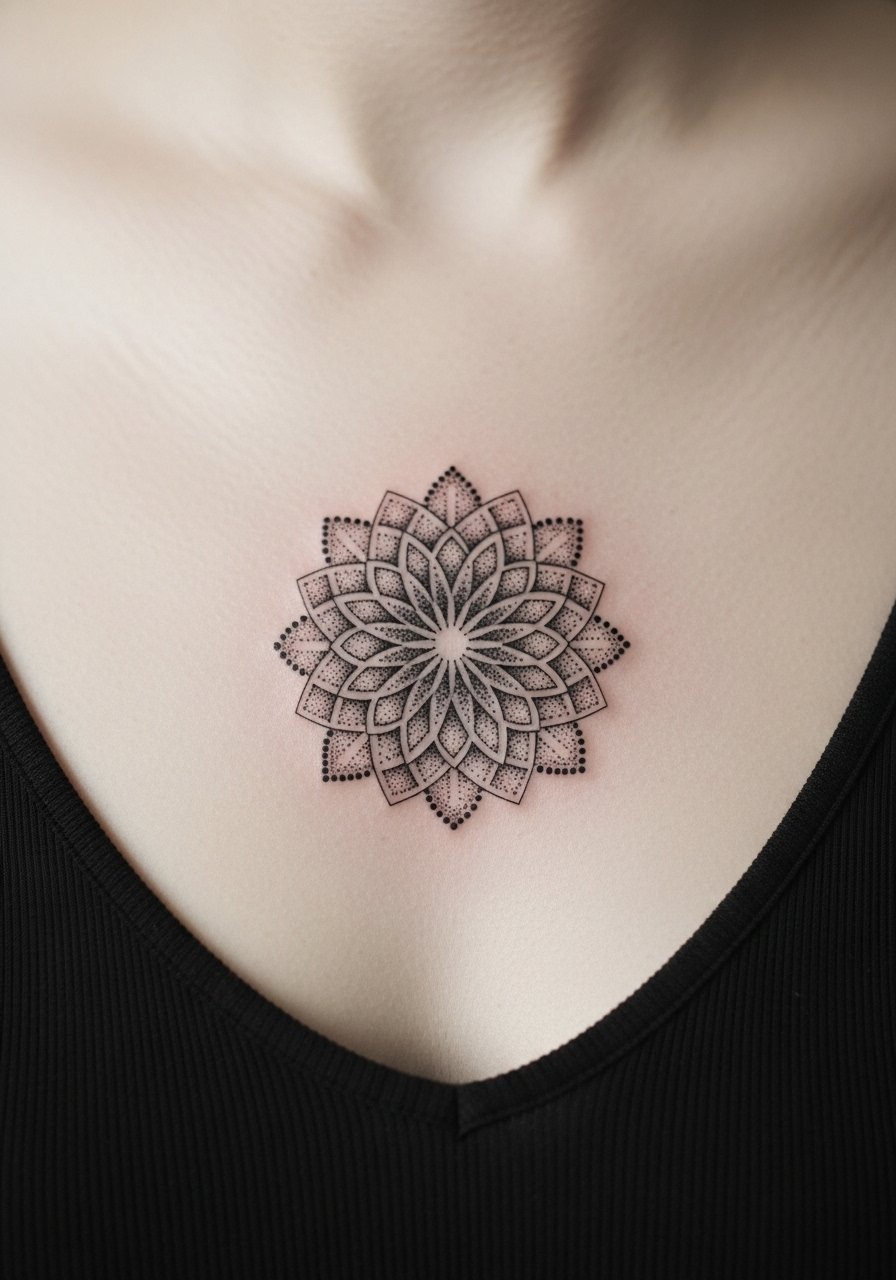
A mandala reads clean on chest when scaled correctly. Pain is moderate where the bone sits close. Bring clear references that show the exact spacing you like and tell the artist you want dot work with room between rings. New tattooers often compress patterns too tightly and that is the fastest route to a muddy outcome. Dot-work ages differently than solid black work. Expect the outer dots to soften at year two more than the inner ones. A touch-up focused on outer rings can restore the crisp geometry without reworking the whole piece.
8. Classic Blackwork Anchor Near the Upper Chest
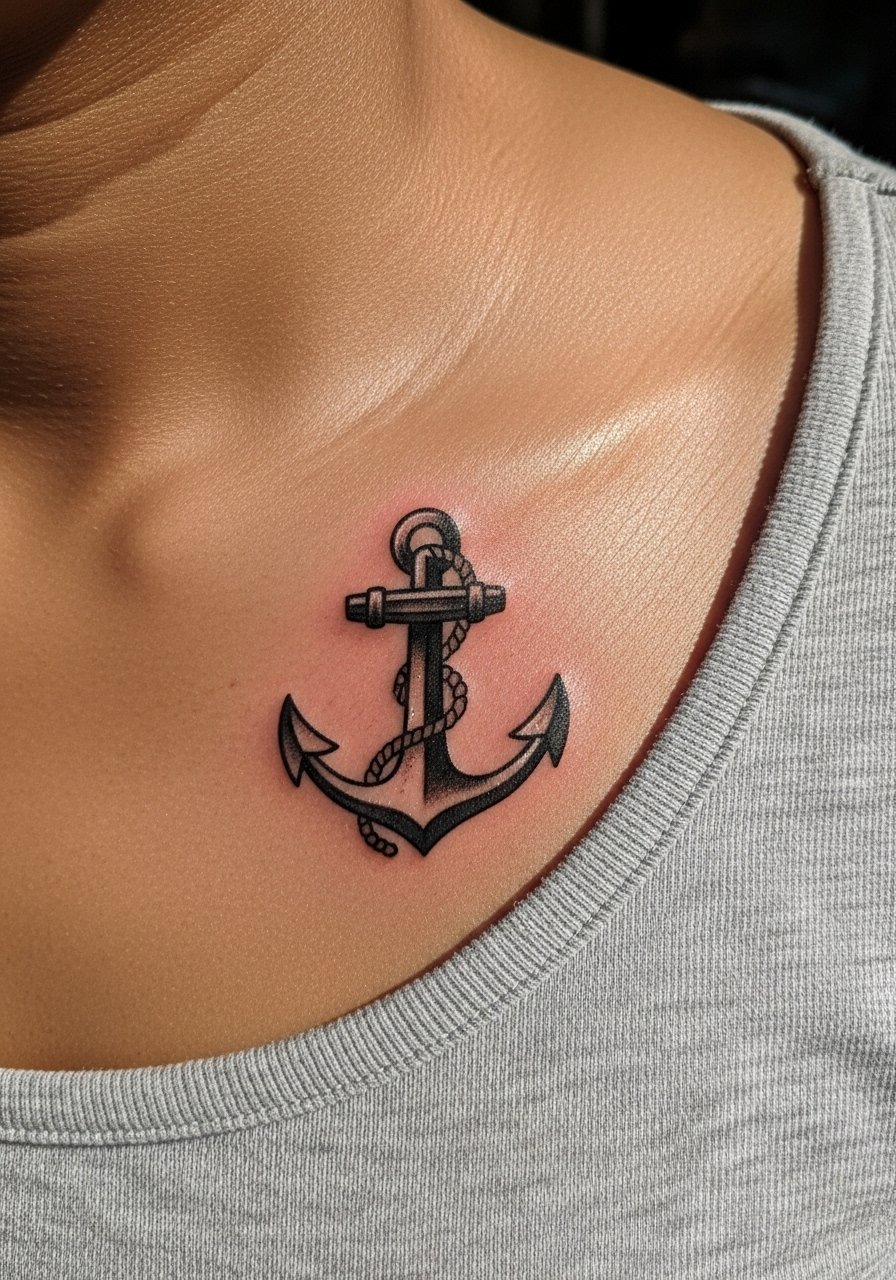
There is something about bold black anchors that reads crisp even from a few feet away. Pain is mild to moderate here and session time is short. Ask for full saturation with a clean border so the anchor maintains its silhouette as the skin ages. The biggest mistake is asking an artist to feather the edges for a vintage look in a tiny size. Feathering shrinks and becomes indistinct. Blackwork survives better on chest than ultra-fine work because the solid shape keeps contrast. Expect less frequent touch-ups if the saturation is dense and the piece is kept out of prolonged sun.
9. Symmetrical Minimal Constellation Across the Upper Chest
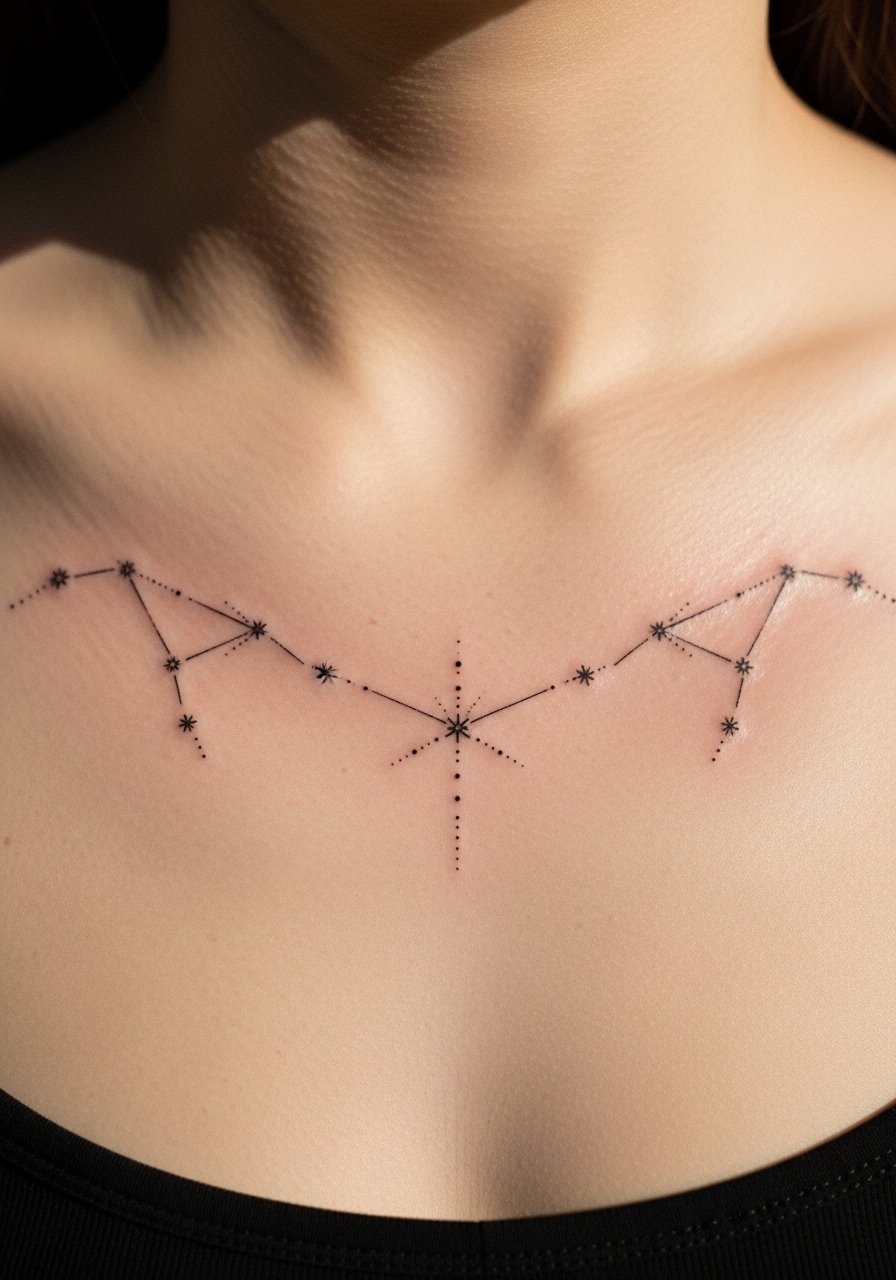
When you want a design that moves with the body, a subtle constellation spread works well. This placement is mildly sensitive and often done in a single session. Tell your artist you want dot spacing generous enough to avoid bleed between stars over time. A common error is clustering too many tiny dots in a small area. That leads to speckled blur after a couple of years. Symmetry helps the piece read intentional across cleavage, but be ready to accept tiny asymmetries from natural body curves. Touch-ups for individual dots are easy and typical at the two to three year mark.
10. Tiny Key Near the Inner Upper Chest
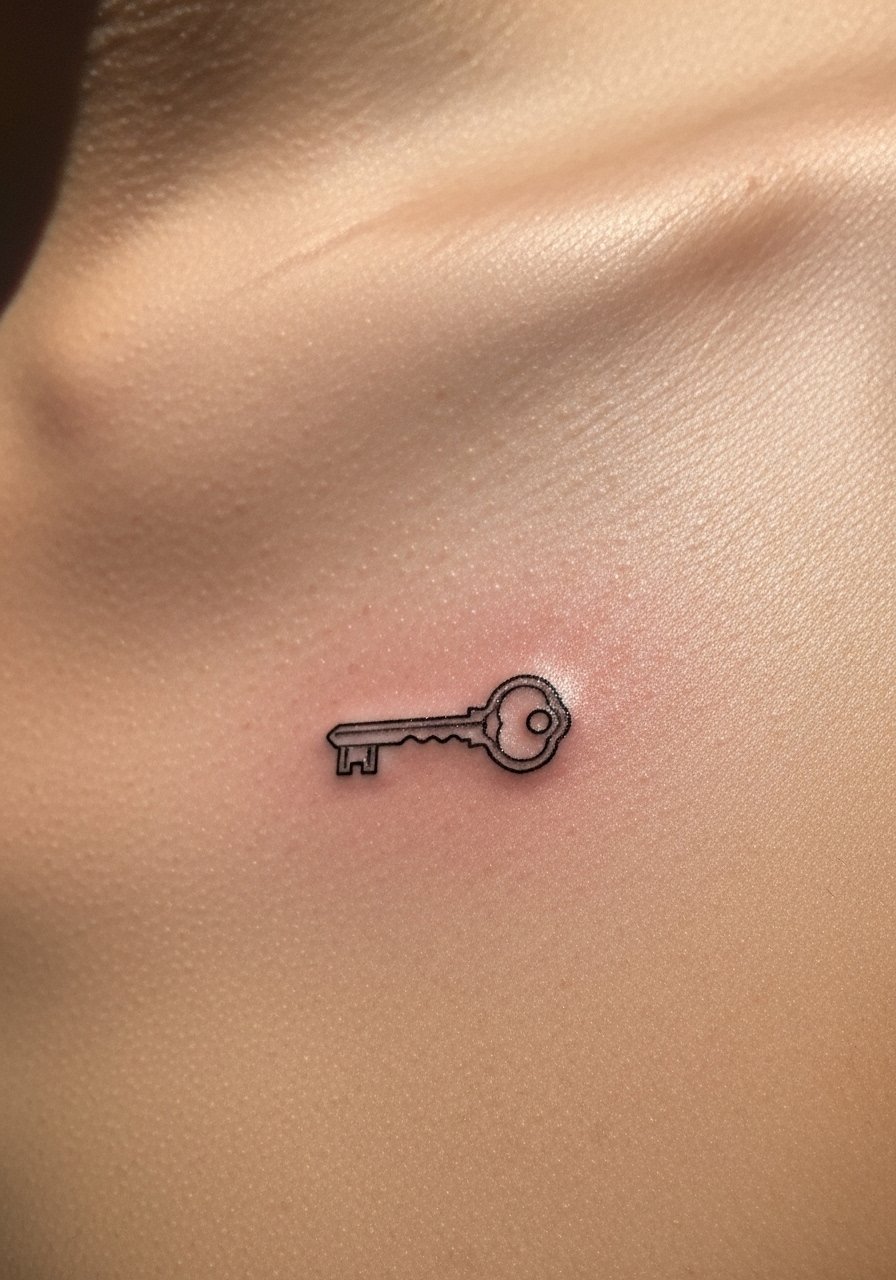
When someone wants a symbolic first chest tattoo, a small key is discreet and adaptable. Pain is moderate near the sternum. During the consult ask the artist to thicken the shaft slightly compared with ultra-micro keys so the silhouette remains clear. A usual mistake is over-ornamenting such a small motif. Extra filigree gets lost and creates fuzz. On inner chest the skin moves and stretches differently than on the clavicle, so expect subtle softening. A targeted touch-up after healing is common for tiny motif edges.
Tattoo Prep and Aftercare Essentials
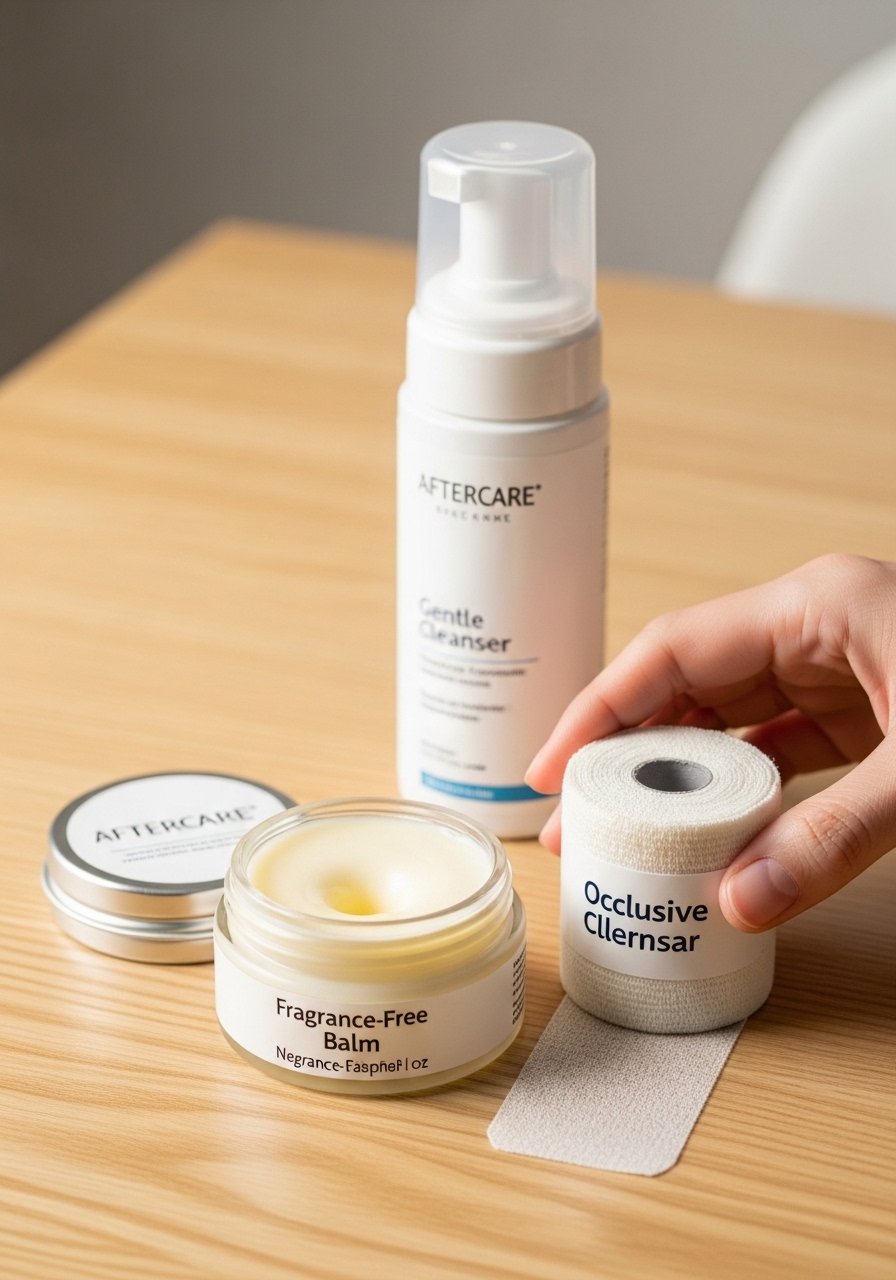
I spend time in shops across Brooklyn and have heard the same aftercare debate a lot. One camp favors occlusive bandage healing for the first few days. The other camp prefers short bandage time and open-dry healing. Both have valid points and the right choice depends on the artist's method and your skin type. Below are practical items that cover both approaches. Links go to generic searches so you can pick formulas that match your skin. Only one mainstream product is listed here. Replace items with what your artist recommends.
Lightweight fragrance-free balm for gentle hydration. Use during the mid-stage of healing for short bursts of moisture without clogging pores.
Gentle pH-balanced foaming cleanser. Use to clean the area twice a day with lukewarm water and soft hands.
Medical-grade second skin bandage roll. Useful for the occlusive camp's method, especially in the first 24 to 48 hours.
Silicone scar-reducing sheets for long-term texture care. Use months later if raised texture shows.
Plant-derived healing salve in a small tub. A calmer alternative to heavy petroleum products for people with sensitive skin.
Fragrance-free moisturizing lotion for maintenance. Use daily months after healing to protect saturation.
SPF 50 mineral sunscreen stick for small areas. Apply after the tattoo is fully healed to slow fading.
Saniderm brand occlusive bandages search. For people following the occlusive method this is a commonly used option. This is the single mainstream product listed.
Every tattoo is different. Always follow your artist's specific aftercare instructions. Consult a dermatologist if you have skin concerns or unusual healing issues.
Frequently Asked Questions
Q: Will the fine line heart between my clavicles blur faster than a bolder chest tattoo?
A: Fine line pieces tend to soften sooner than bold blackwork because there is less ink margin for the skin to hold onto. For the tiny heart, ask for slightly increased line spacing during your consult and plan a potential touch-up at year two if you want it to stay crisp.
Q: If I get script over the sternum, how do I make sure the letters stay legible long term?
A: Use a font with modest spacing and avoid ultra-thin strokes. During consultation, request a full-size stencil and ask the artist how they handle script on moving skin. If they recommend higher contrast or a slightly larger size, take that advice seriously.
Q: Does dot-work mandala on the center chest need special aftercare compared with simple blackwork?
A: Dot-work needs gentle cleaning and careful moisturization because small dots can blur if rubbed during healing. Use a gentle foaming cleanser and a lightweight balm during the mid-healing phase. The lighter touch matters more than more product.
Q: How visible will a collarbone branch be in two years if I keep it out of the sun?
A: If you protect it from UV and avoid heavy abrasion, the branch should retain its shape well. Expect slight softening of the thinnest strokes. A touch-up to reinforce thin stems is common around year two to three.
Q: Are there special considerations for getting a tattoo centered on the sternum if I plan to breastfeed later?
A: Chest tattoos do not automatically affect breastfeeding, but incision scars or other medical procedures might. Talk to your health provider if you have planned chest surgery. Also mention upcoming life plans to your artist so placement can avoid areas that could be affected.
Q: Which aftercare approach should I pick if my skin is reactive to common lotions?
A: If you have reactive skin, lean toward fragrance-free, plant-derived or hypoallergenic products and test a small patch before using broadly. The medical-grade second skin bandage approach can limit topical exposure early on and reduce irritation for some people. If you see an unusual reaction, consult a dermatologist.