
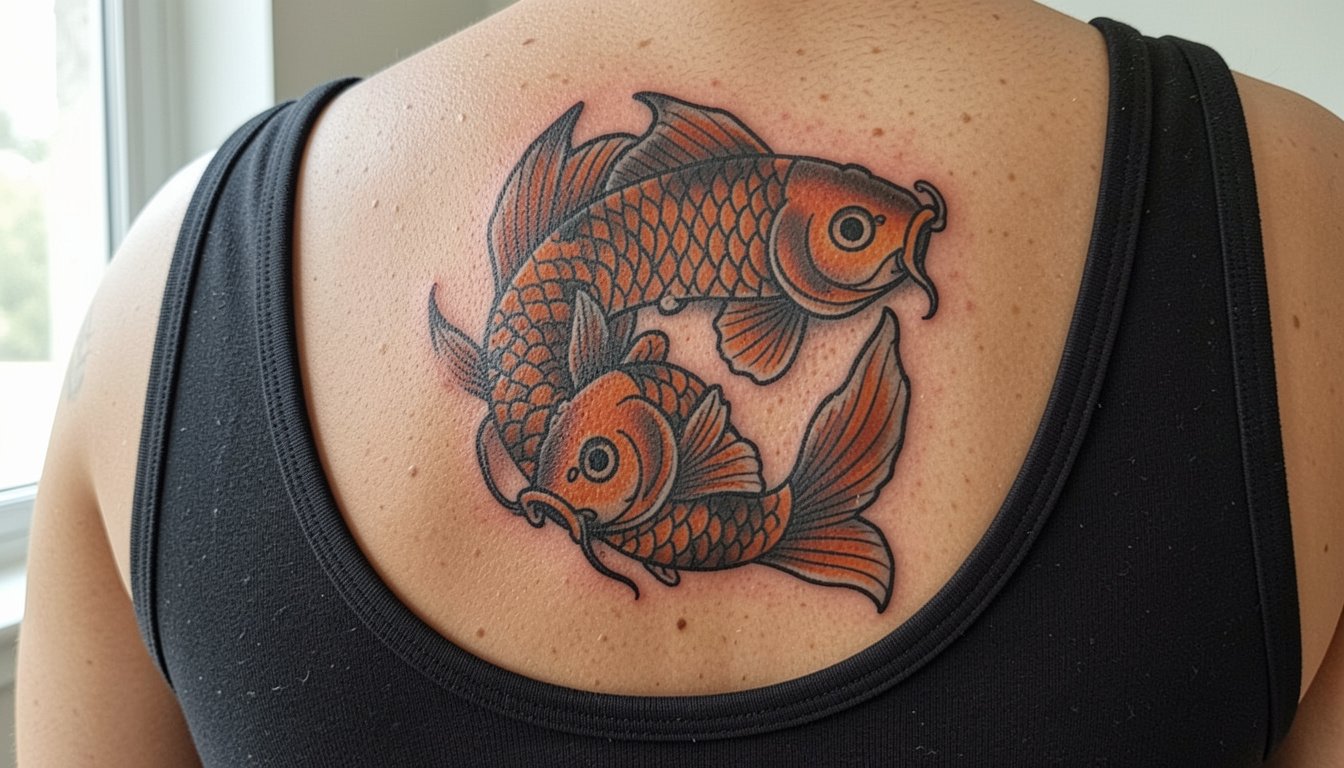
Bold, saturated Irezumi-style back pieces hold their clarity in ways a lot of Pinterest-friendly fine-line sketches do not, especially on large canvases. If longevity matters, pick compositions that give motifs room to breathe across the shoulder blades and spine rather than tiny tightly packed detail. The ideas below offer ways to lean into authentic Japanese motifs while keeping line weight, spacing, and wardrobe in mind so the work still reads beautifully after five years.
1. Minimalist Sak Yant-Inspired Spine Band
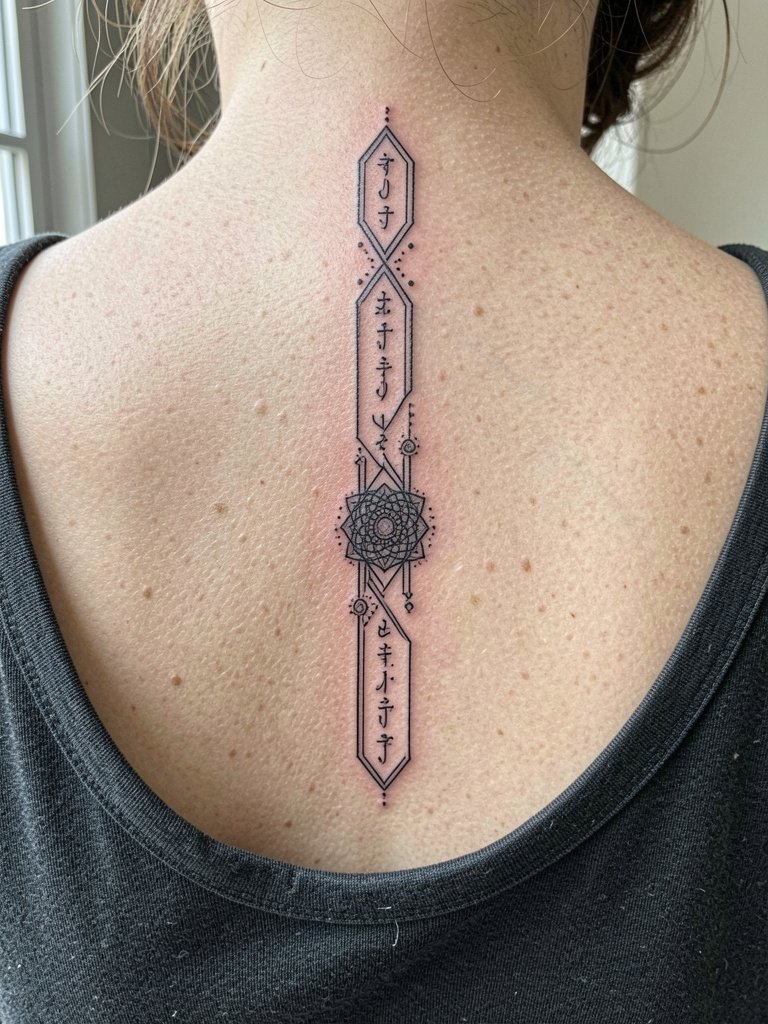
A narrow vertical composition like this suits someone who wants a strong central motif without committing to a full back piece. Ask for slightly heavier single-needle work than a standard single-needle wrist script so the vertical script holds against the slight stretching of the skin along the spine. Tiny spacing mistakes age badly, so plan for two to three millimeters of negative space between script elements. Session time for a neat spine band is usually one to two hours depending on length. Pain is moderate near the lower thoracic spine and higher by the vertebrae, so expect short breaks.
2. Water-and-Waves Back Panel with Subtle Cherry Blossoms
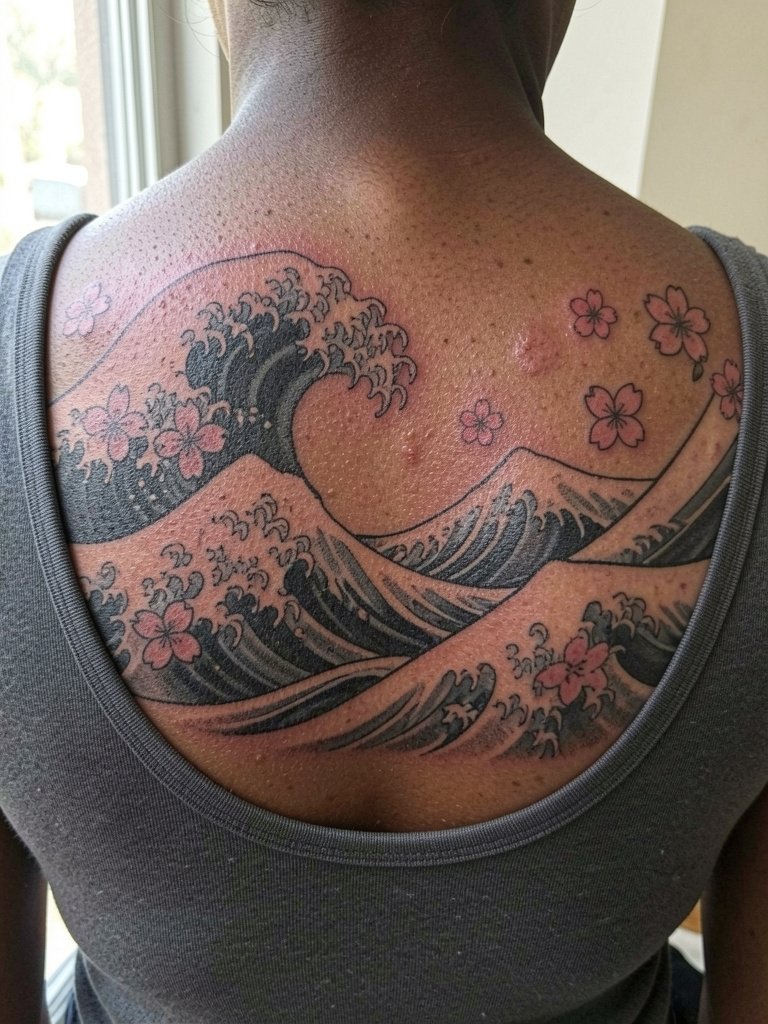
This composition reads well across movement, which is why I suggest bold wave bars and medium saturation for the blossoms instead of ultra-fine petals. Talk with the artist about blossom scale and leaf placement so the flowers do not compact on the scapula curves. At six months healed the grey wash will look softer, and at two years the black wave bars should retain shape if saturation is solid. A common mistake is asking for both extremely fine petals and dense wavework, which ends up as visual muddle on textured back skin.
3. Full-Scale Dragon Curling Over the Spine
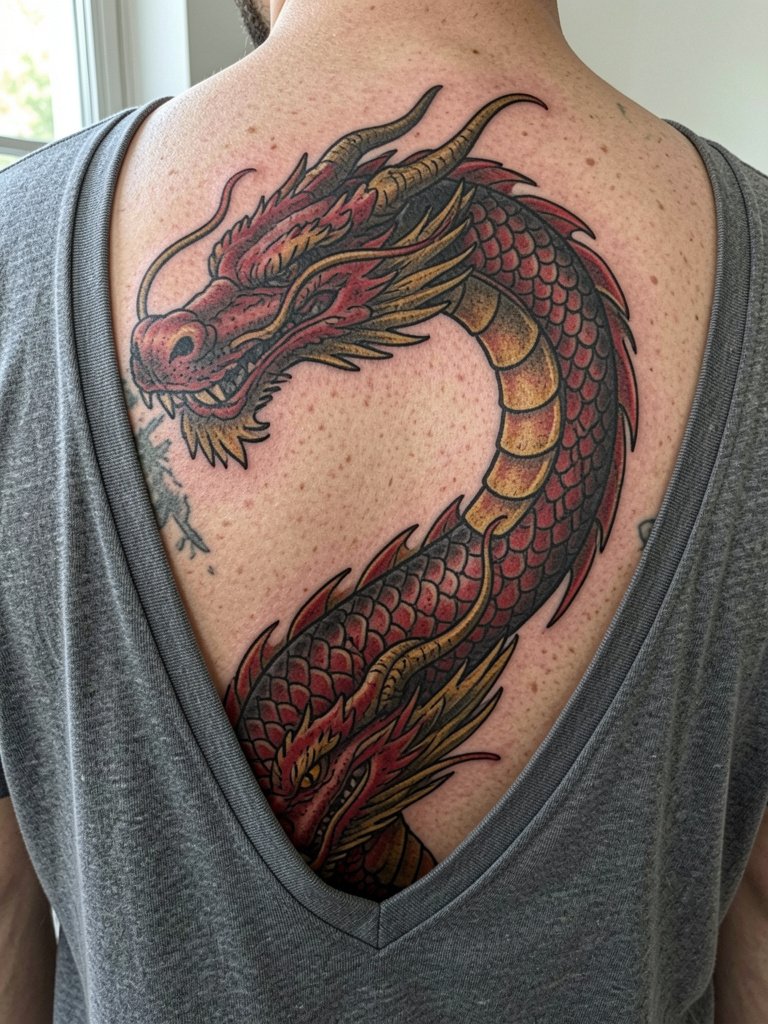
Artists and clients debate whether a fully detailed dragon should be done as micro-detailed scales or simplified bold shapes. One camp favors tight scale work for realism and texture, and they will show healed photos of three-year pieces where scales still read. The other camp prefers larger scales and stronger outlines because they argue micro-scales can blur on the back over time. If you prefer detail, ask for a test patch idea and plan a staged session to preserve saturation across large areas. Expect long sessions and moderate discomfort over the spine.
4. Hannya Mask Centered on the Lower Back
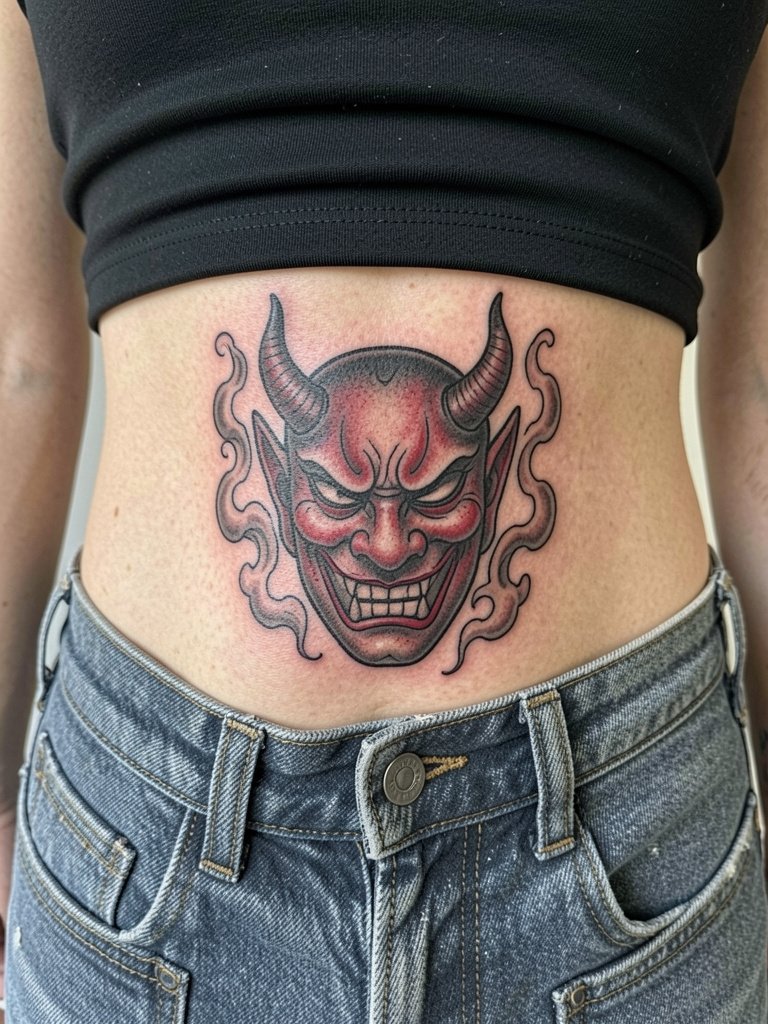
A lower back placement changes how a Hannya reads because the waistband sits so close. Plan composition so the mask's bottom margin does not sit exactly at the pant line. During consultation, bring reference for horn curvature and smoke direction so the mask moves with the natural lumbar curve. Healed at six months the shading will soften, and in five years the heavy outlines are what keep the facial features legible. Pain on the lower back varies with body fat, so expect moderate to low discomfort.
5. Koi Pond Flowing From Shoulder to Rib
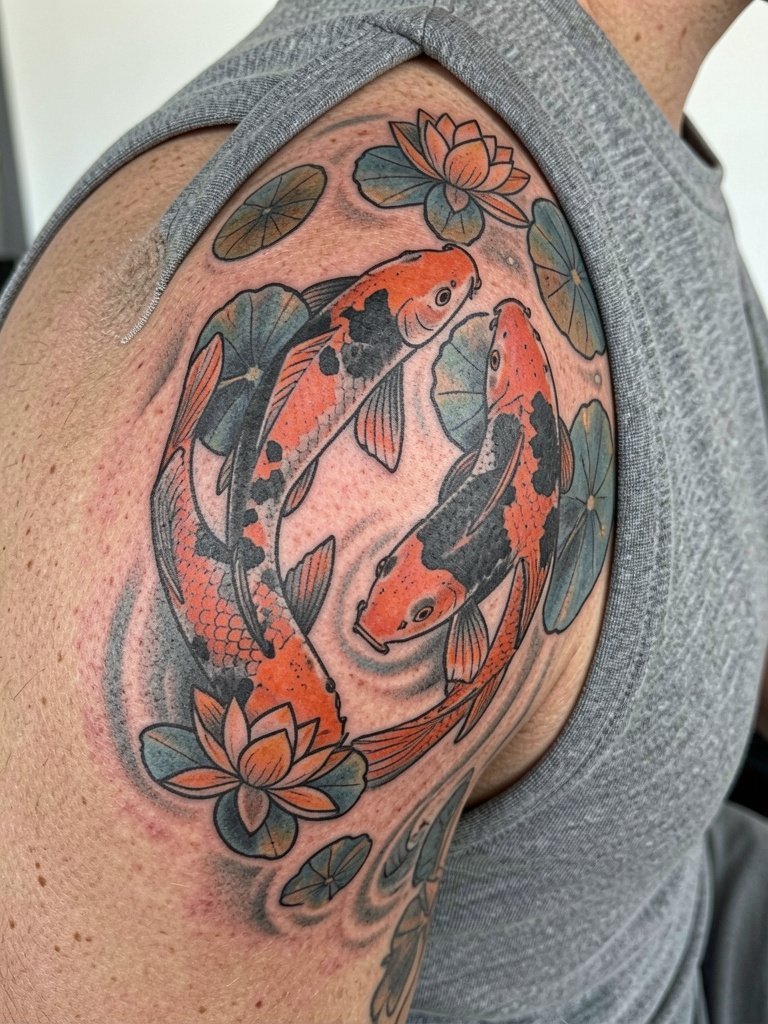
This is ideal when you want motion across planes. Ask the artist to plan for scale changes so the koi heads maintain breathing room when the client twists. The rib side of the piece is more painful and can require shorter sessions, so split into shoulder and rib appointments. A common mistake is trying to pack too many small lily pad details into the rib portion; those elements fade faster because of friction and stretch. For show-off styling, this pairs well with open-back dresses and swimsuits, try open back midi dresses for evenings when you want the art visible.
6. Black-Scale Tiger Over the Left Scapula
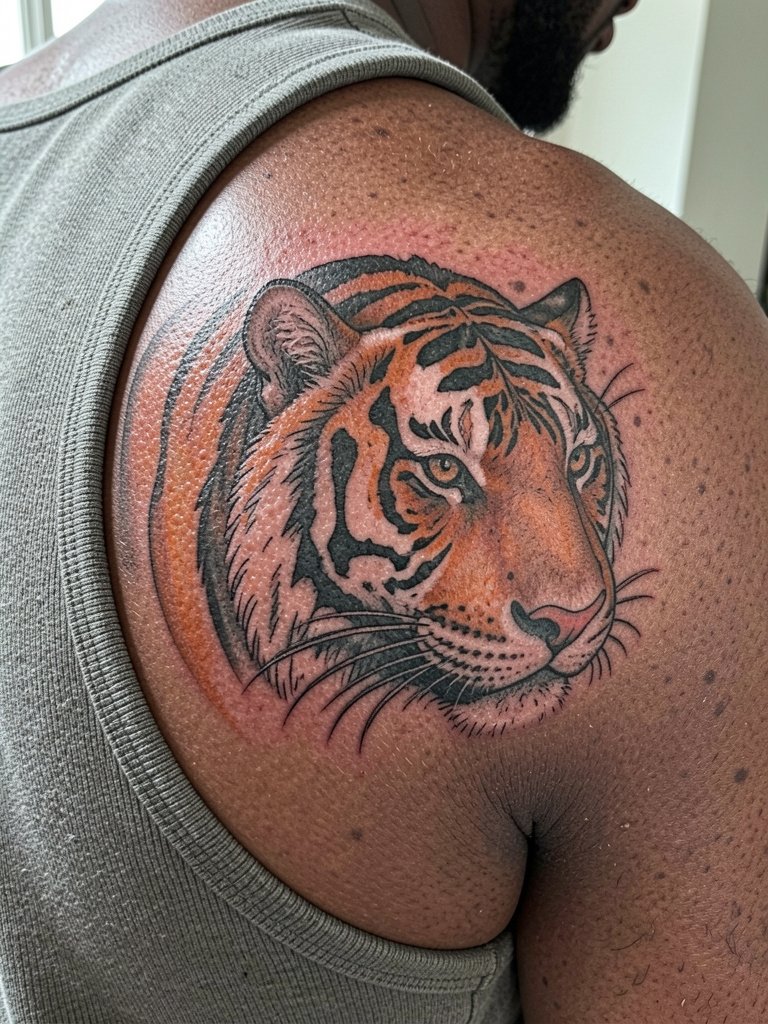
A focused scapula tiger is great for someone who wants a powerful image without a full-back commitment. Discuss whisker length and the negative space you want to keep around the neck so the piece does not look cramped. The bone under the scapula can make sessions uncomfortable, so expect short bursts of work with positional adjustments. Healed at one year the black scales should remain bold if saturation was deep. Styling-wise, this shows off under linen shirts and crewneck tees, consider loose linen drawstring pants for casual looks that balance the silhouette.
Session Day Picks
These earlier shoulder and scapula pieces can require dressing that gives easy access and protects fresh ink. A few small session items smooth out the chair day and the first week.
-
Disposable stencil transfer paper kit. Helps confirm spine-centered and scapula-aligned placements from ideas above before the needle hits skin.
-
45-minute topical numbing cream. Useful for longer rib and spine appointments to reduce break requests without altering linework.
-
Thin protective film roll. Keeps lower back and hip tattoos clean during the first days of apparel friction.
-
Fragrance-free gentle body wash. Cleanses healing areas without stripping fresh saturation on large back fills.
-
Aftercare healing ointment. A mainstream balm option for the initial moist healing window when large fills need protection.
7. Map-Style Back Piece with Mountain and Temple Vignettes
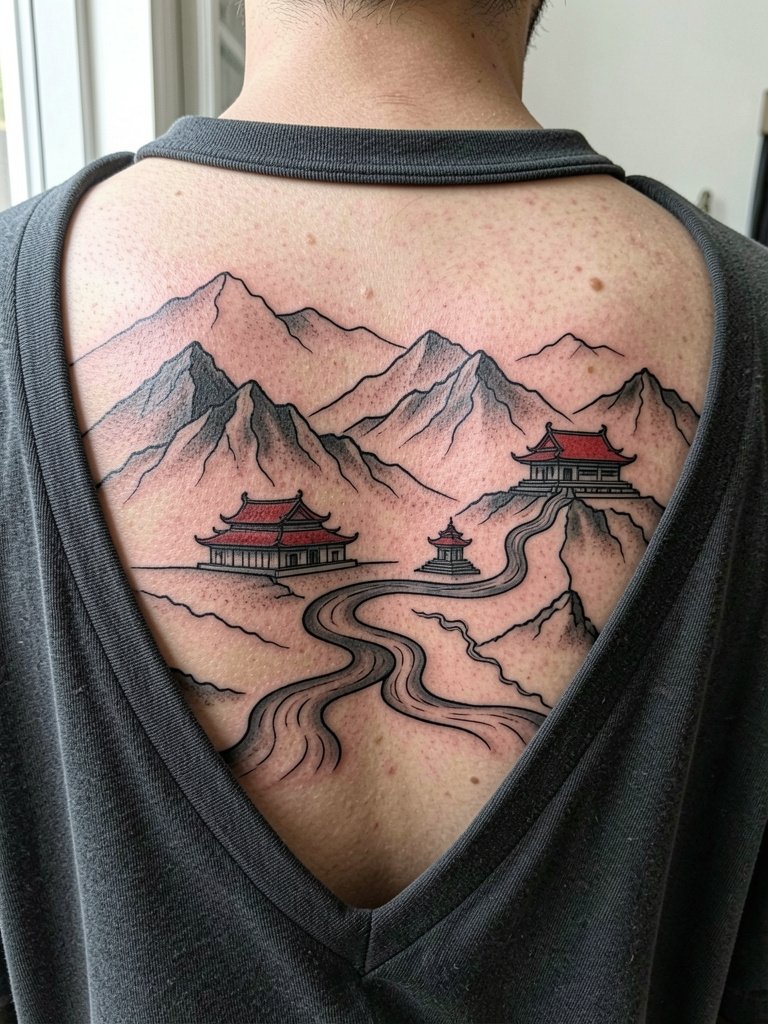
This narrative back piece works for someone who wants storytelling without intense color blocking. Ask the artist to plan for left-to-right flow and to leave breathing room between vignettes so each element reads from a distance. The map approach prevents overcrowding that often makes full-back scenes blur after two to three years. Sessions can be staged across multiple visits and pain is usually low to moderate across the flatter mid-back. For sessions wear, a loose button-up shirt that opens easily helps access while protecting other areas.
8. Crane Pair with Long Tail Feathers Across the Shoulder Yoke
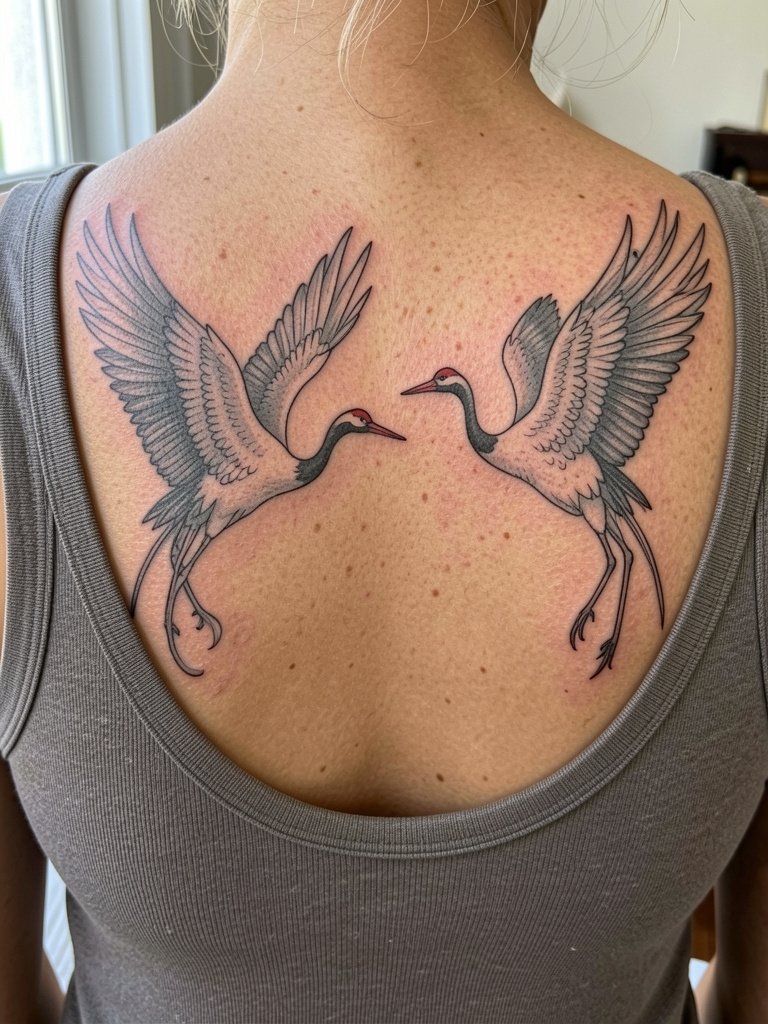
Cranes read elegantly when given negative space. Recommend feather scale changes that keep long tails airy and avoid dense stippling near the spine. A common mistake is asking for too many feathers with tiny detail, which can become visual noise across the back yoke. At one year healed the flight silhouette should still read if the linework had consistent depth. This pairs well with off-the-shoulder tops, try open shoulder blouses to highlight the wingspan.
9. Phoenix Rising With Cloud Bars and Flame Accents
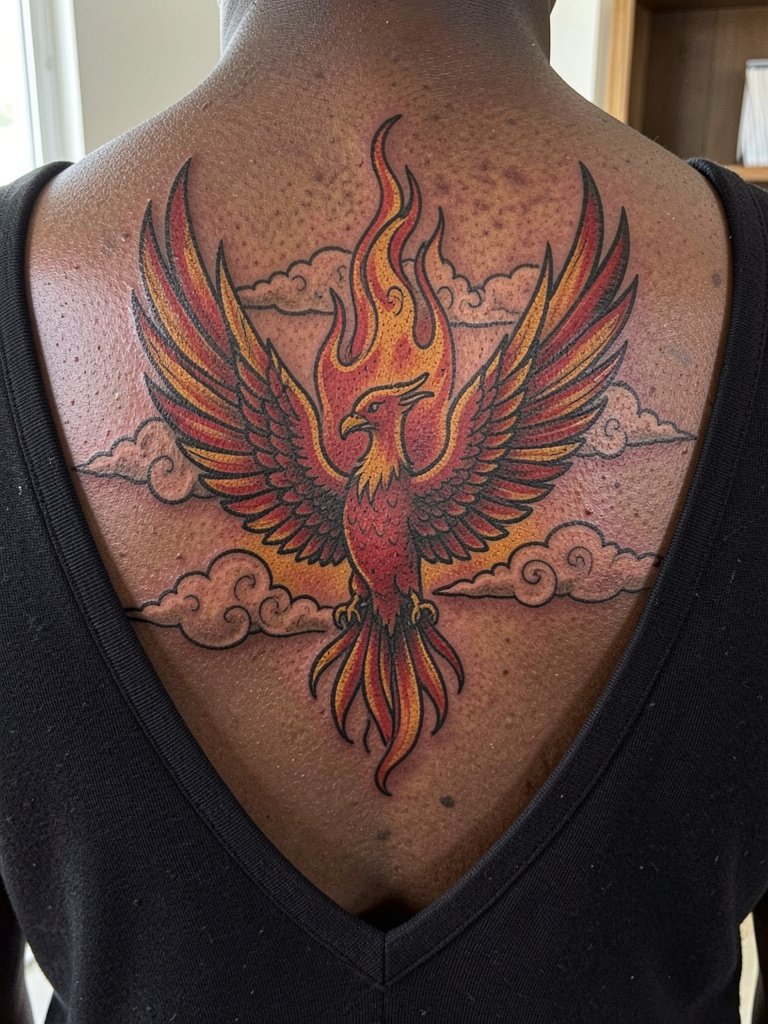
A phoenix with vertical lift benefits from a central spine anchor, but avoid compressing feathers into the vertebral column or they risk losing separation. Discuss how much negative space to keep along the spine and whether cloud bars wrap to the sides. Expect multiple long sessions for color saturation, and plan touch-ups around year two for reds that naturally fade faster. For show-off clothes, open-back eveningwear works well, consider backless dresses for special occasions.
10. Peony and Maple Leaf Scatter
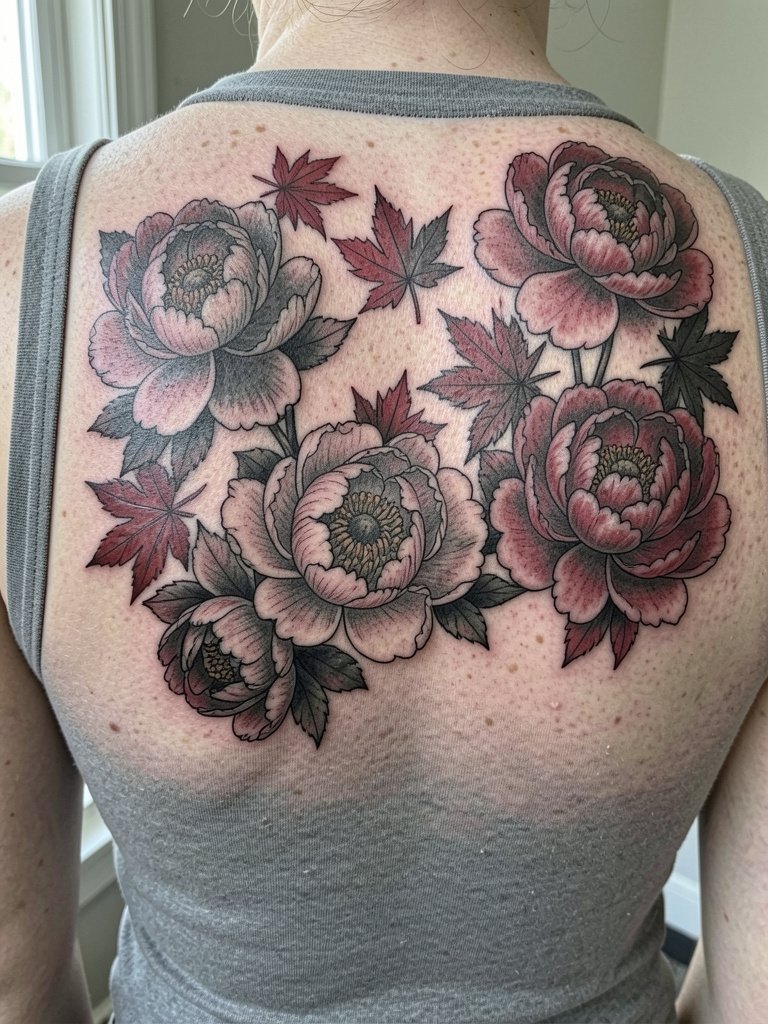
Florals and leaf scatter is a low-risk way to get Japanese motifs without committing to large mythic figures. Ask the artist about petal edge spacing, because petals drawn too close together can become a single blurred mass over years. This composition heals predictably; color will soften but the contrast between petal edges and leaf silhouettes is what preserves definition. Session time is moderate and pain is typically low across the fleshy mid-back.
11. Samurai Helmet with Banner Stretching Across the Back
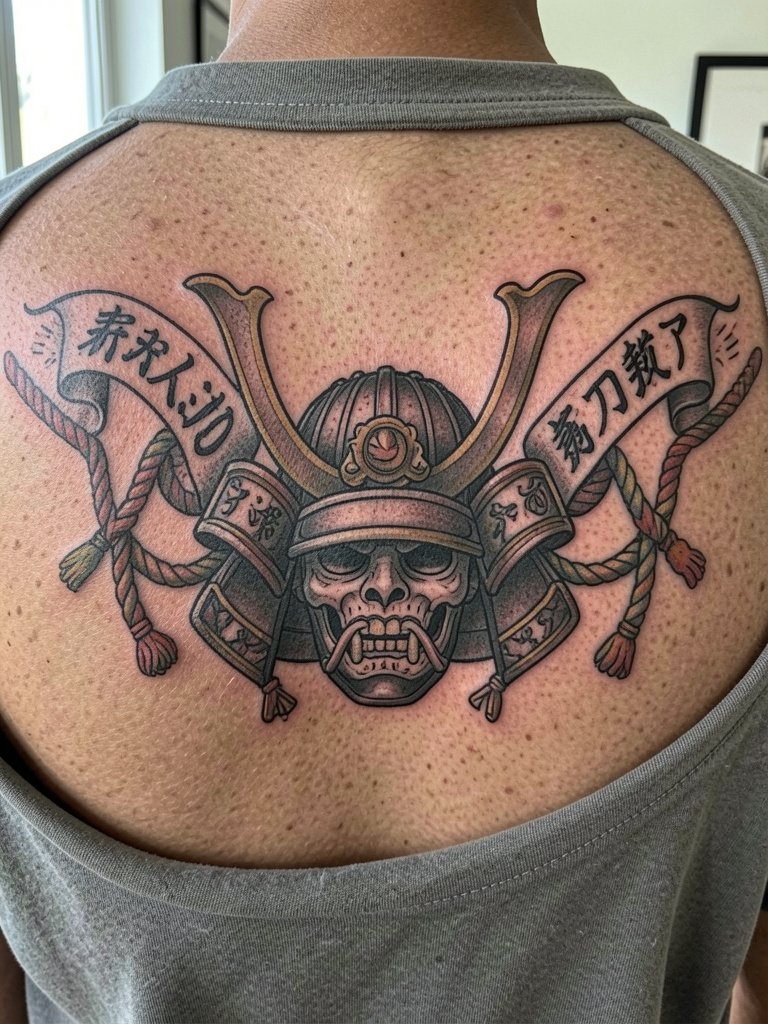
A helmet motif benefits from symmetry and a banner that wraps naturally with posture. During consultation specify banner curvature and whether you want kanji-style block text or an abstract motif. Cultural origin sensitivity matters here, so acknowledge Japanese history and avoid trivializing sacred symbols. Expect more session time for the ornamental cords and plan touch-ups for the cords where they cross over bony areas like the scapula edge.
12. Mono-Black Cloud Bars With Negative-Space Motifs
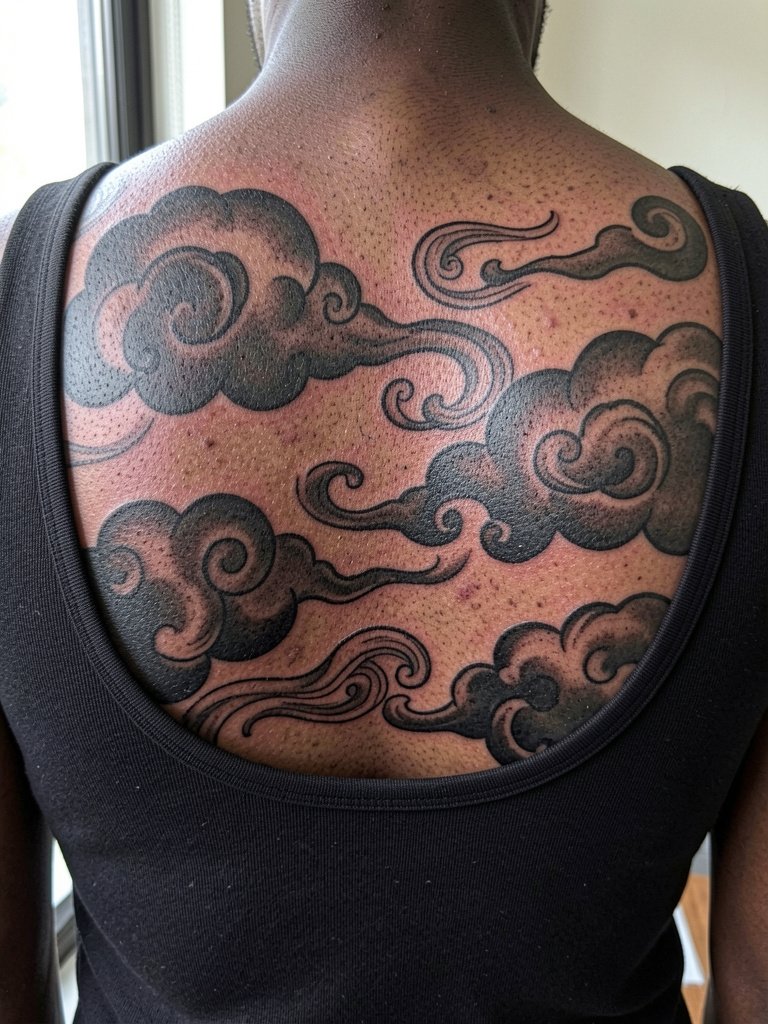
Block-black back pieces spark a common debate in the tattoo community. One camp favors heavy mono-black fills and cloud bars because they read clearly from a distance and age into strong silhouettes. The opposing camp worries that large black fills limit future additions and can feel visually heavy on smaller frames. If you choose blackwork, talk about future expansion and how much negative space to preserve for potential color overlays. Expect longer sessions and significant initial saturation to prevent patchiness later.
13. Samurai in Motion: Dynamic Mid-Back Scene
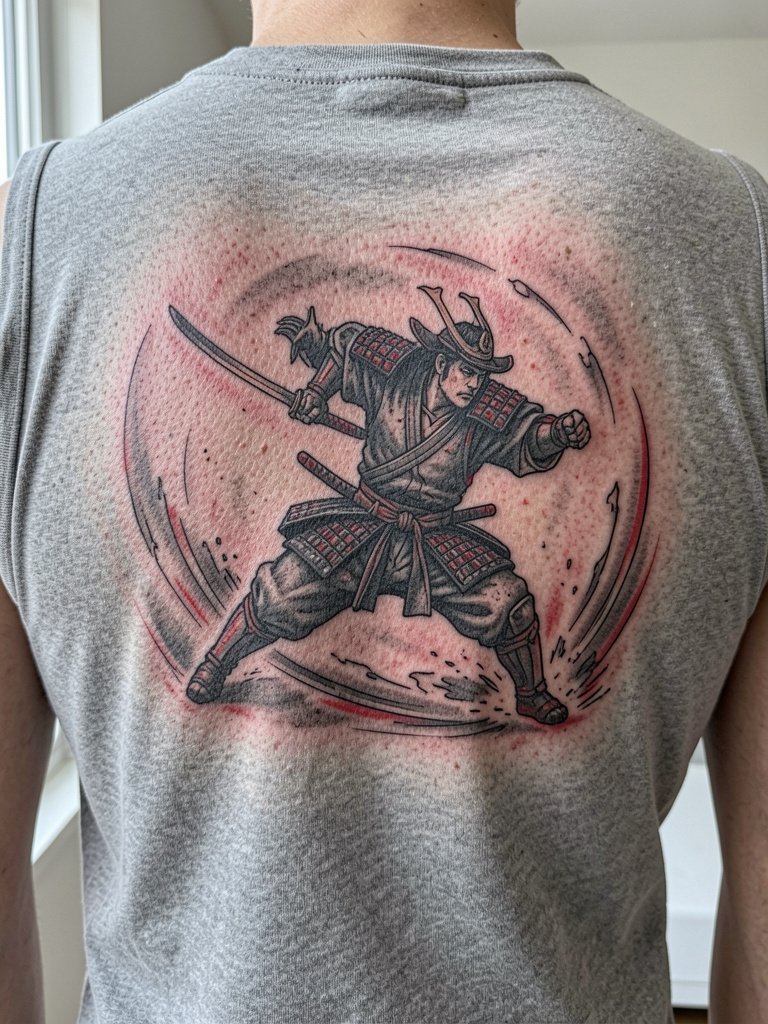
Narrative scenes like these work best when the artist plans negative space to separate moving limbs and clothing folds. A mistake is packing in too many secondary figures which makes the central motion unreadable. For session planning, expect multiple sittings and request a mid-point mock-up on skin so you can judge motion flow before deeper shading is added. Pain is moderate over the mid-back where muscle sits under the needle.
14. Geometric Komainu Pair on Lower Shoulder Blades
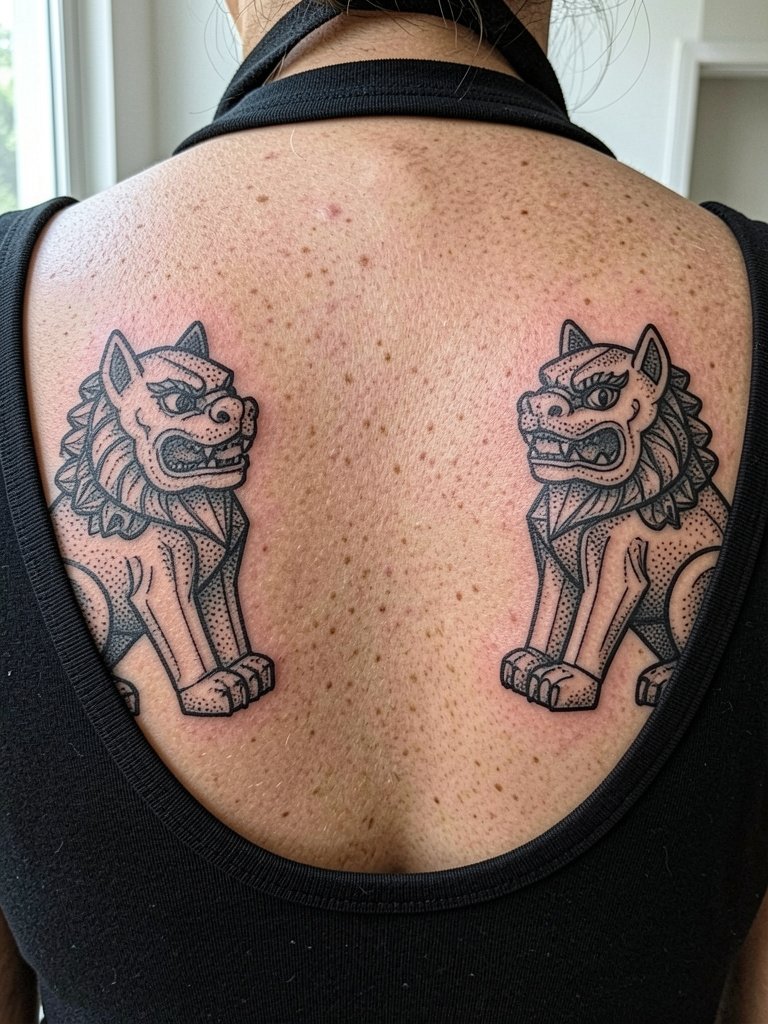
Komainu are decorative and symbolic; include a line acknowledging origin and asking about respectful symbolism. For symmetry, measure across the spine so both creatures sit at the same height. A common mistake is off-center placement that becomes obvious in mirror shots. Sessions are relatively short per side, and the dot-work texture may soften over time so discuss touch-up expectations up front.
15. Subtle Kanji Row Along the Lower Spine
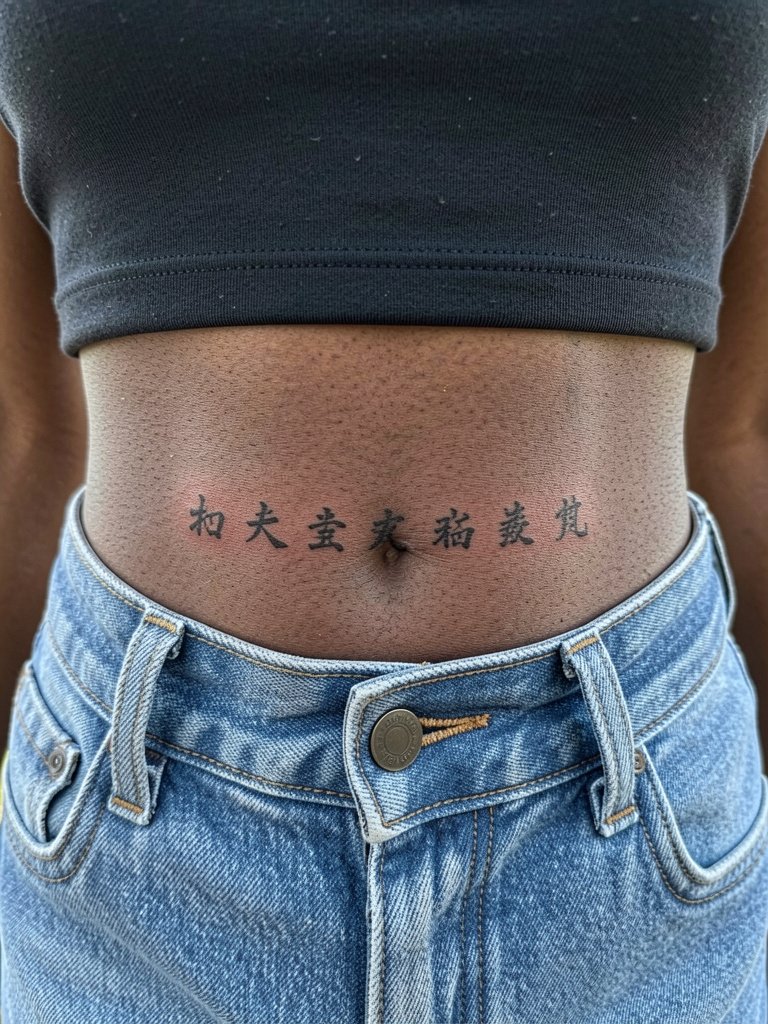
Text on the lower spine needs exact spelling and consideration for proportional spacing. Do not compress multiple characters into a narrow column. Verify the precise kanji translation and ask the artist to stencil in different font weights to see readability at the chosen scale. Pain near the sacrum can be higher for some people, so expect shorter sessions. For session clothing pick low-rise bottoms that remain comfortable during sitting and movement.
16. Stylized Bamboo Grove With Interlaced Water
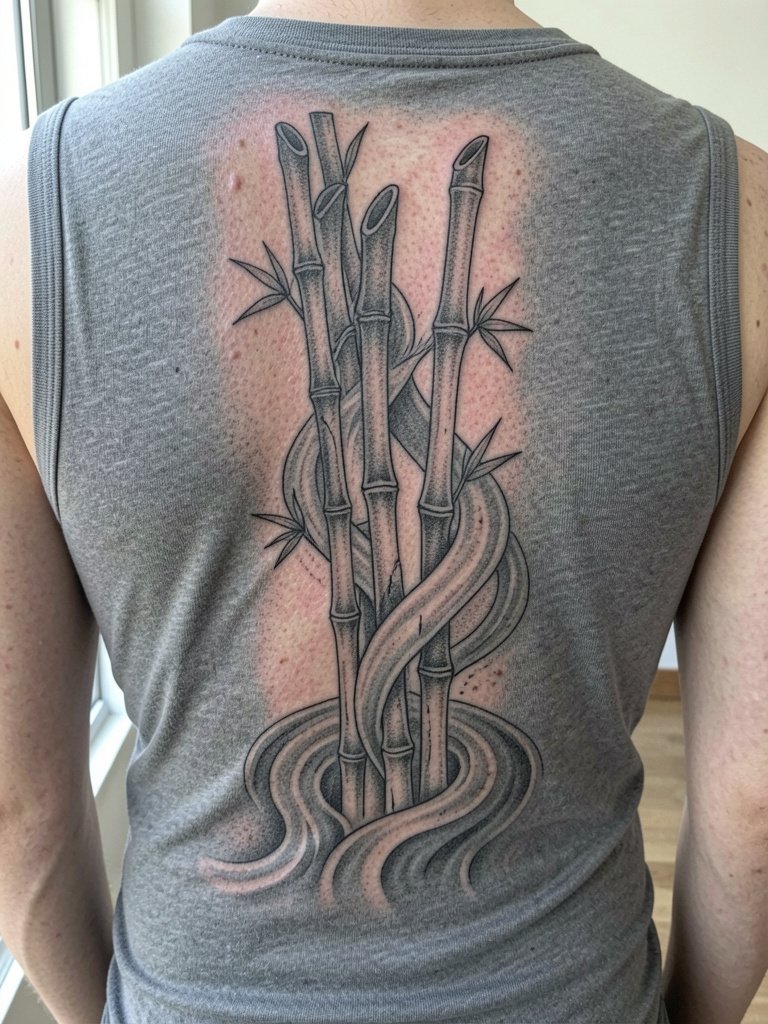
A vertical bamboo grove gives an organic rhythm to the back. Ask the artist about stalk spacing and where the leaves should taper so the grove does not look crowded at the lower back. Bamboo lines age well if the artist uses consistent depth and avoids hairline strokes in dense sections. Session time is moderate and pain is lower across the fleshy parts of the back. For a casual show-off look, this pairs with cropped sweaters and low-back tops, try cropped sweaters.
17. Full-Back Koi Migration With Pond Elements
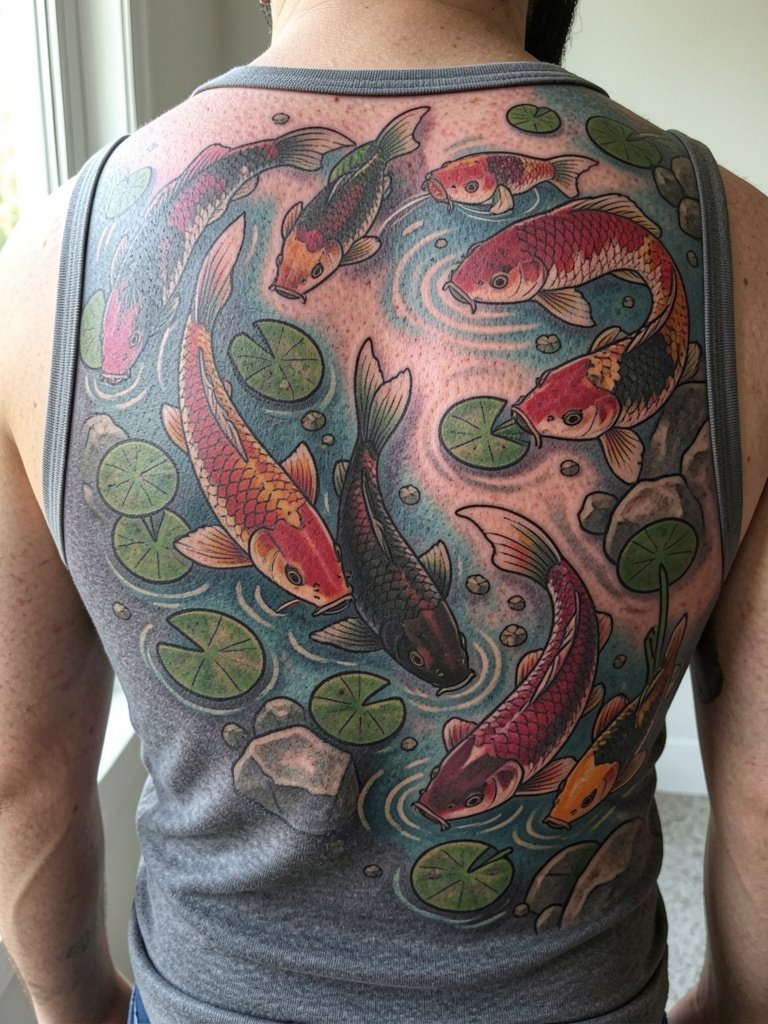
Full-back koi migrations need staging across multiple sessions and a long-term plan for saturation. Discuss how each koi will read at different distances and whether you want overlapping elements to create depth or clear separations to prevent blending. Expect substantial chair time and schedule a touch-up after the first year to even out saturation. Pain varies by area, ribs are more sensitive, so stage those sections with breaks.
18. Subtle Wave Band Across the Lower Back
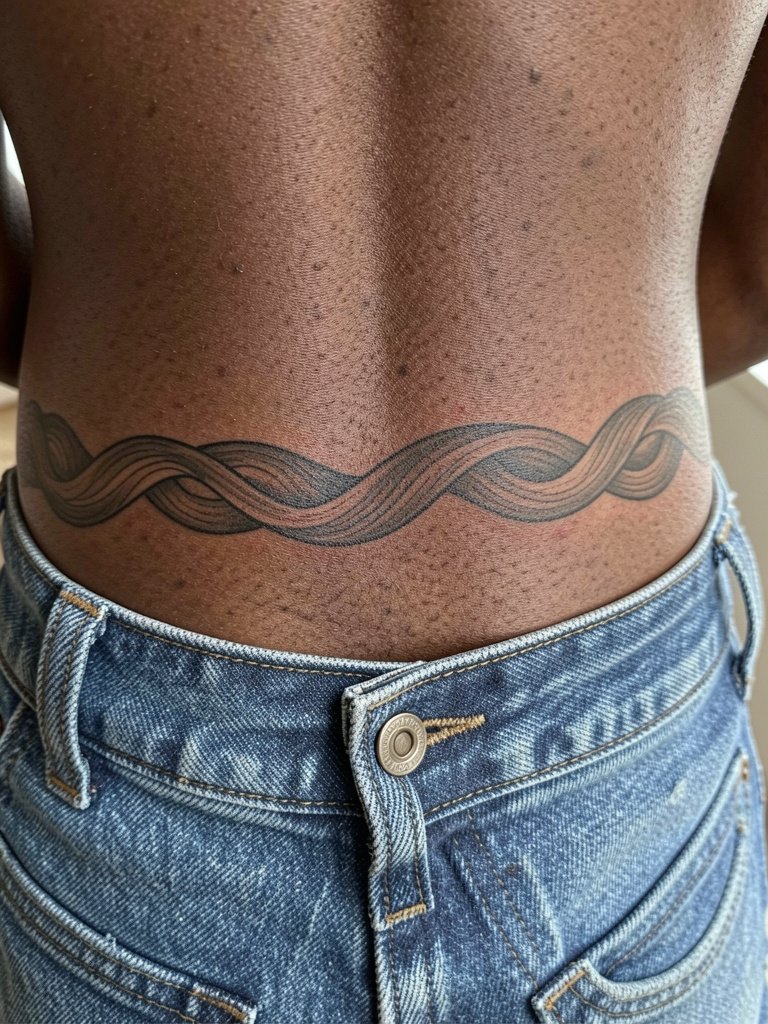
A lower back band is discreet but needs scale to avoid looking like a thin line that fades. Request slightly bolder line weight than a wrist band and discuss how the pattern will sit relative to the waistband. The area tends to heal well but can pick up friction from belts, so keep that in mind. Session time is usually short and pain is low to moderate.
19. Multi-Motif Back Collage With Negative Space
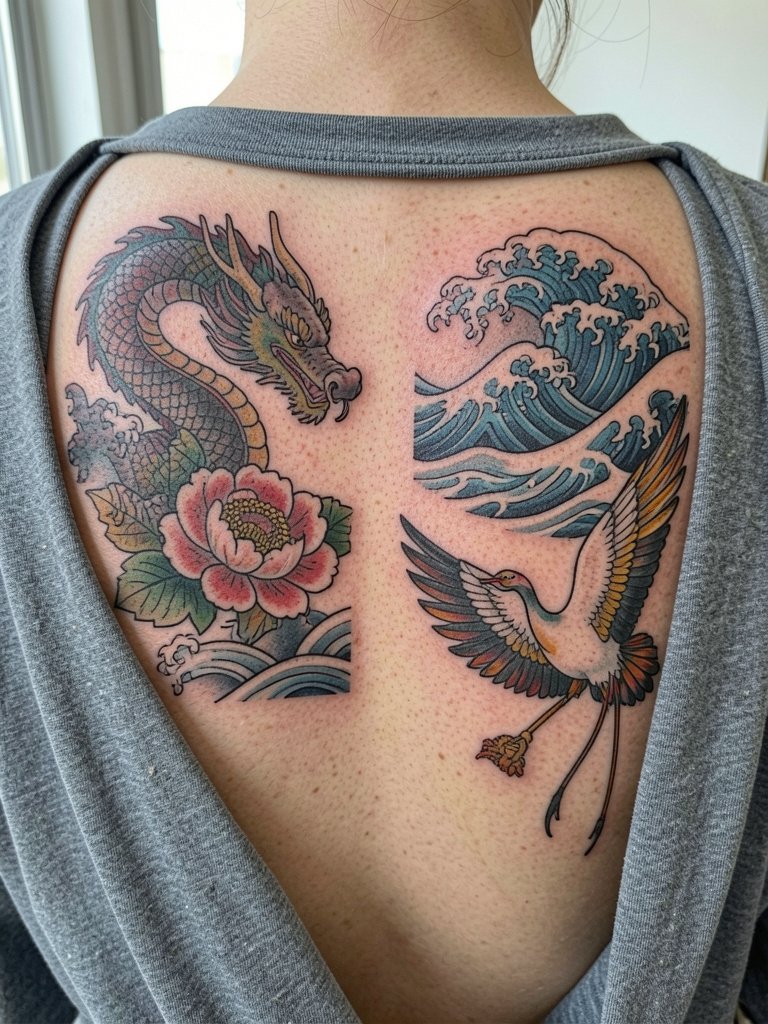
Collage pieces let you pick favorites and avoid tight crowding. Ask your artist to mock up scale and spacing at full scale so the negative space works when you move. A common mistake is crowding motifs into a single plane which leads to muddiness after a couple of years. Plan for staged sessions and consider which motifs you want prioritized for early touch-ups.
20. Rising Sun With Radiating Cloud Lines
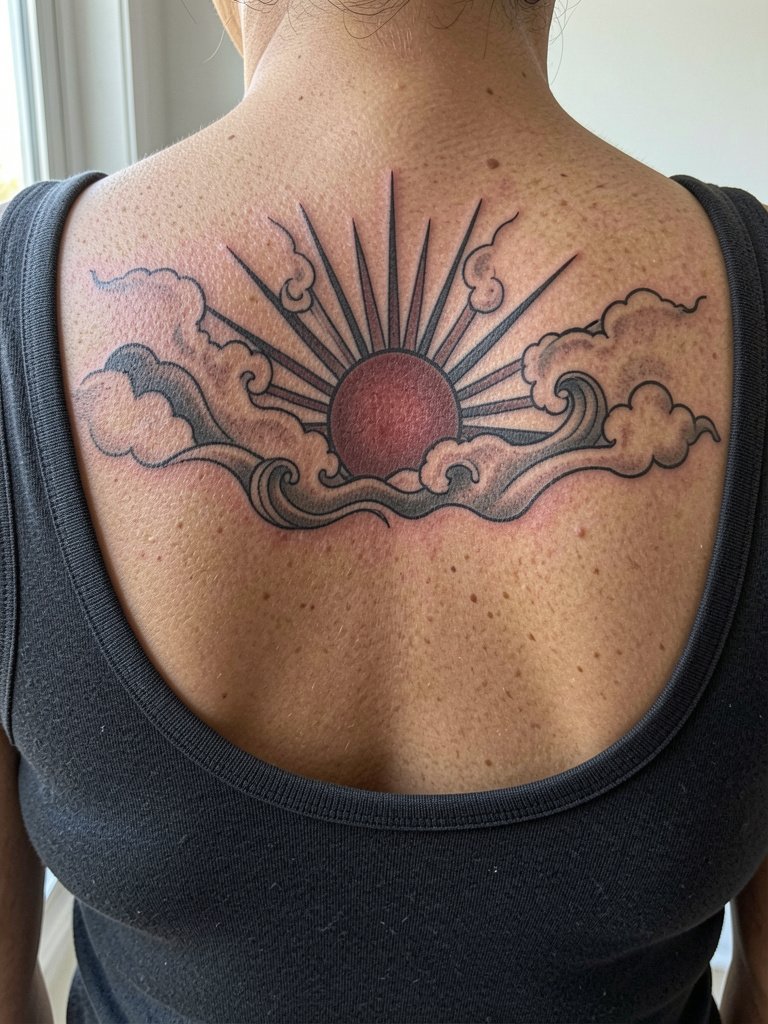
Graphic sun motifs work well when you want a symmetrical landmark on the back. Discuss the exact radius and whether clouds should fracture into separate elements toward the sides. Saturated red centers need periodic attention, so plan for color touch-ups later. For wardrobe pairing, backs like this look strong with halter tops and racerback dresses, try racerback dresses when you want a clean frame.
21. Lotus Bloom Framed by Swirling Wind Bars
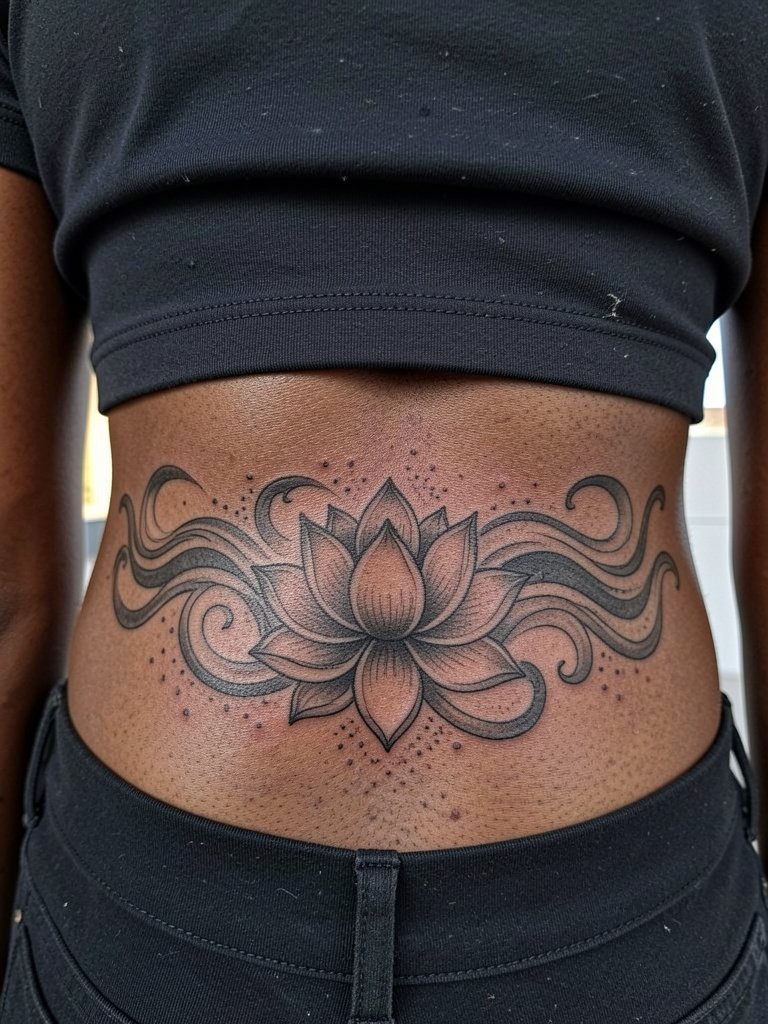
A lotus frame centers naturally above the waistband but needs vertical clearance so petals are not cut off. Talk about petal edge spacing and whether the wind bars should wrap to the sides. The lotus ages well if linework is a touch thicker than fingertip single-needle lines. Sessions are usually short and pain is moderate near the lower back margin.
22. Wave-Filled Negative Space Spine Column
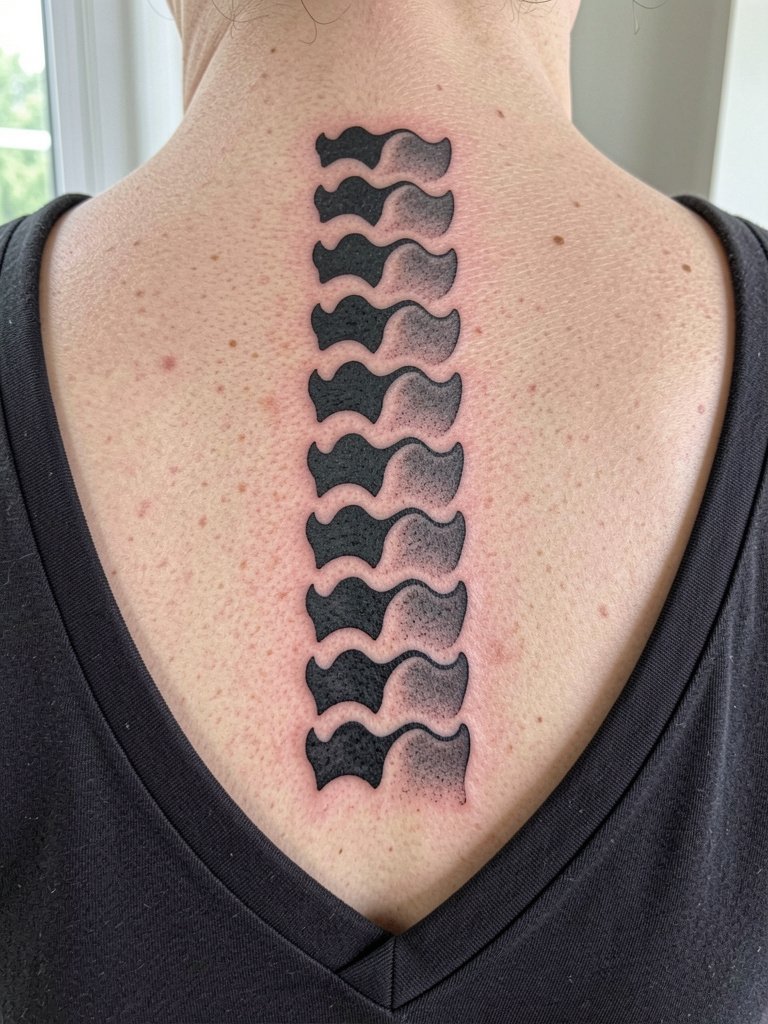
Negative-space spine work looks striking but requires precise stencil alignment so each wave aligns perfectly during each session. Discuss staging and how long each column segment will be worked on to avoid misregistration. A common error is shifting the stencil slightly between sittings which makes the column look jagged. For showing off this vertical effect, backless gowns and open-back swimwear show the column cleanly, consider backless swimsuits for beach days.
23. Mythic Tortoise and Crane Pairing on the Upper Back
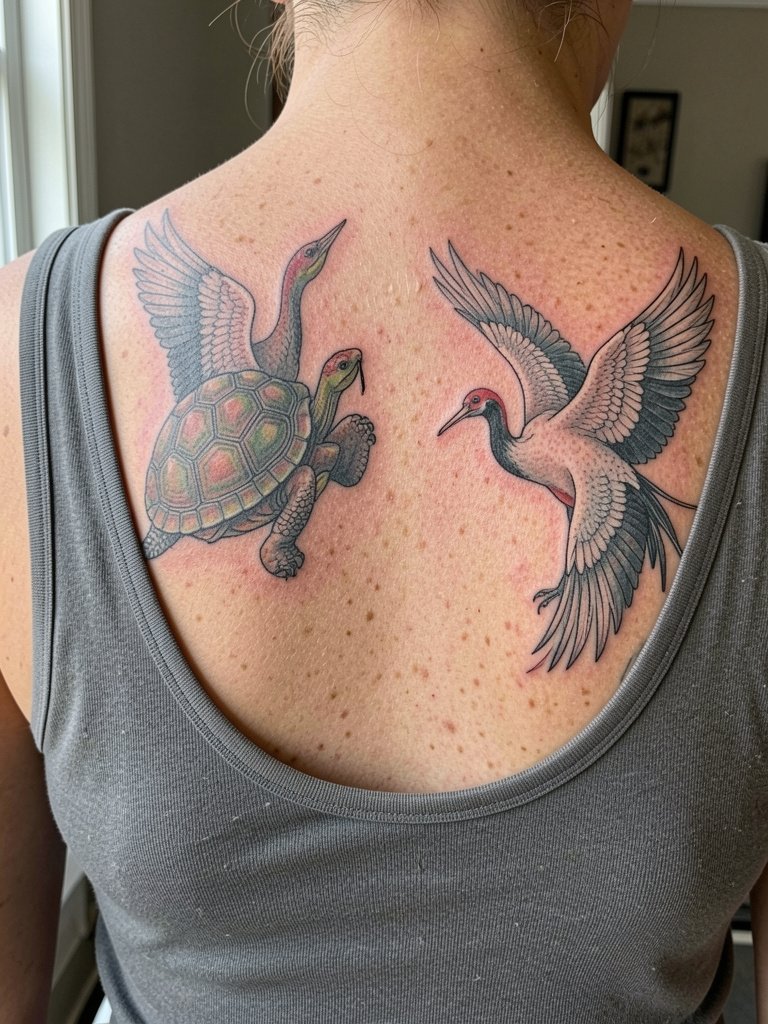
Symbolic pairings like tortoise and crane need thoughtful placement to avoid the elements colliding during movement. Ask the artist to map where wings and shell edges fall and to show the layout in motion-friendly poses. These motifs heal predictably when not packed too tightly. Session time is moderate and pain is low across the fleshy upper back.
24. Stylized Fan-Shaped Composition with Floral Insets
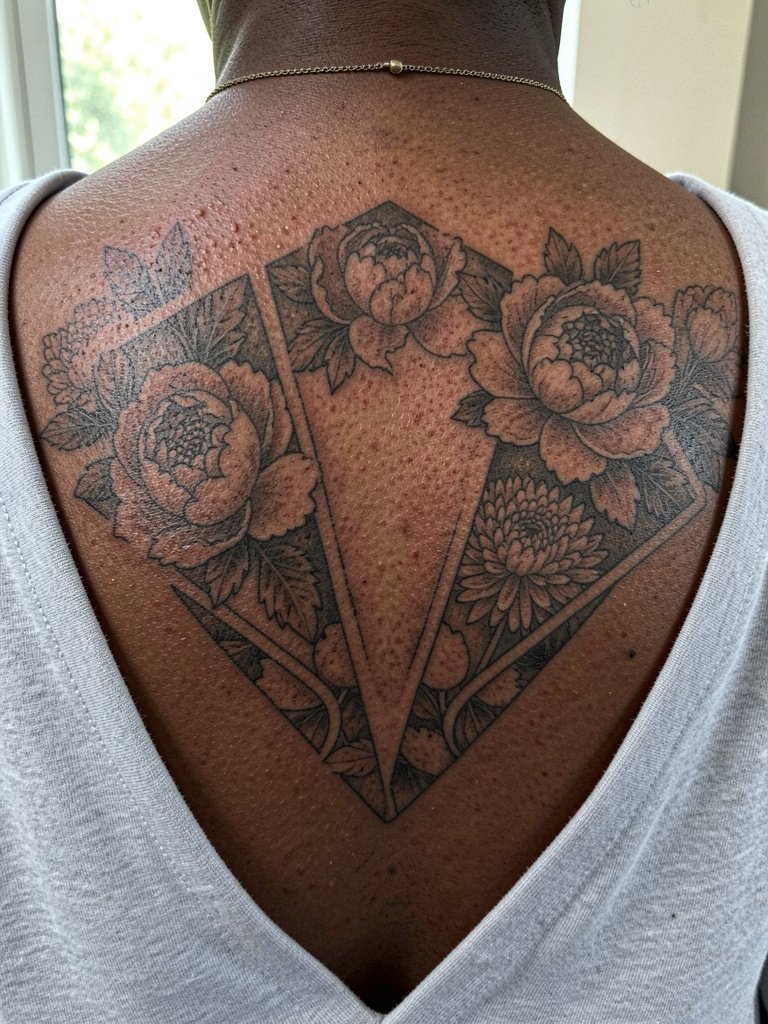
Fan compositions are decorative and frame the shoulder line well. Bring a clear preference for panel detail density and whether you want thin filigree or more solid shading in the floral insets. A frequent mistake is too many tiny petals in a single panel which become indistinct later. For outfits that make the fan sing, try open back tops that reveal the upper fan curve.
25. Stylized Wind and Water Interplay With Small Gold Accents
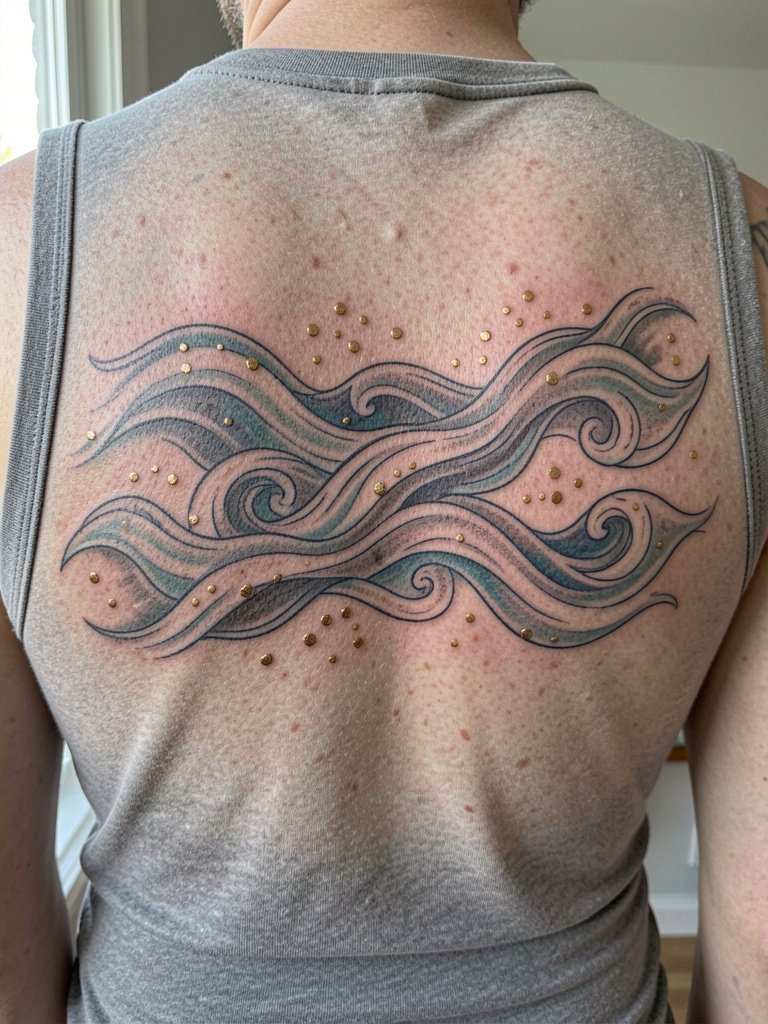
Metallic-like pigments need expectation management because real metallic shine does not persist under skin. Discuss colorfast options and how the gold accents will look healed and in photos. A design like this reads best with intermittent color rather than heavy metallic fill. Schedule touch-ups for accent points if you want them to stay luminous over the years.
26. Guardian Deity Silhouette With Haloed Clouds
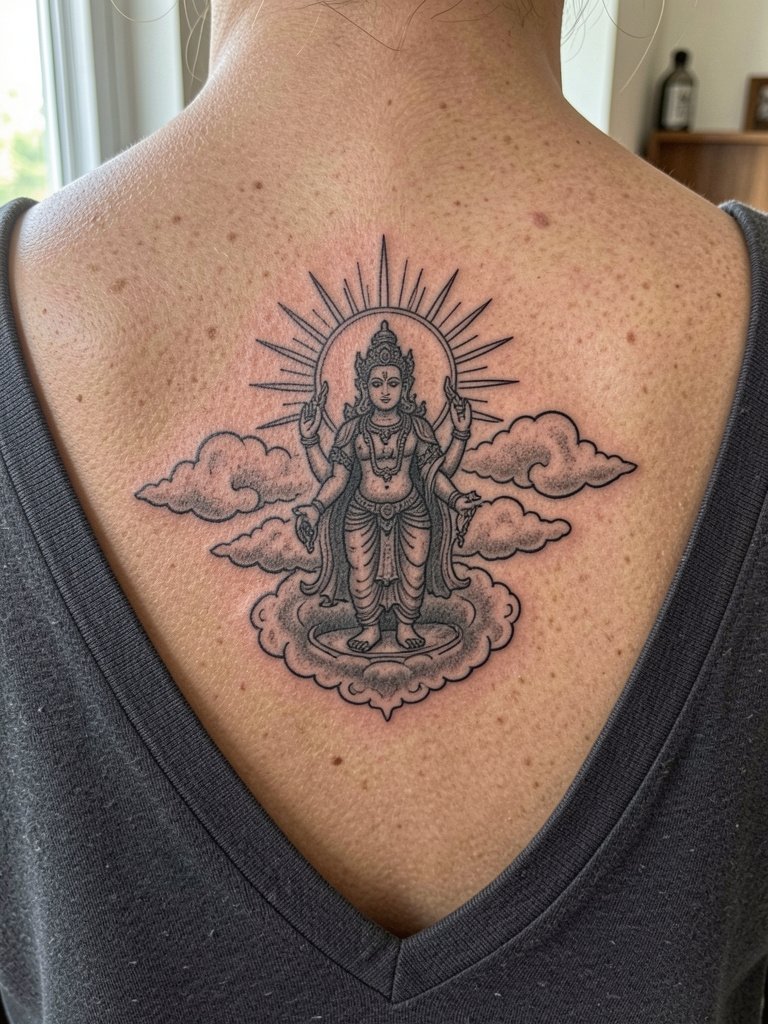
Religious or deity imagery carries cultural significance so include a sentence about respectful depiction and provenance. Plan halo and cloud spacing so the silhouette does not become a solid blob over time. Sessions are long for central pieces and you may want staged shading days. For clothes that frame a haloed back piece, try halter tops for visible symmetry.
27. Classic Irezumi Full-Back Panel With Mixed Motifs
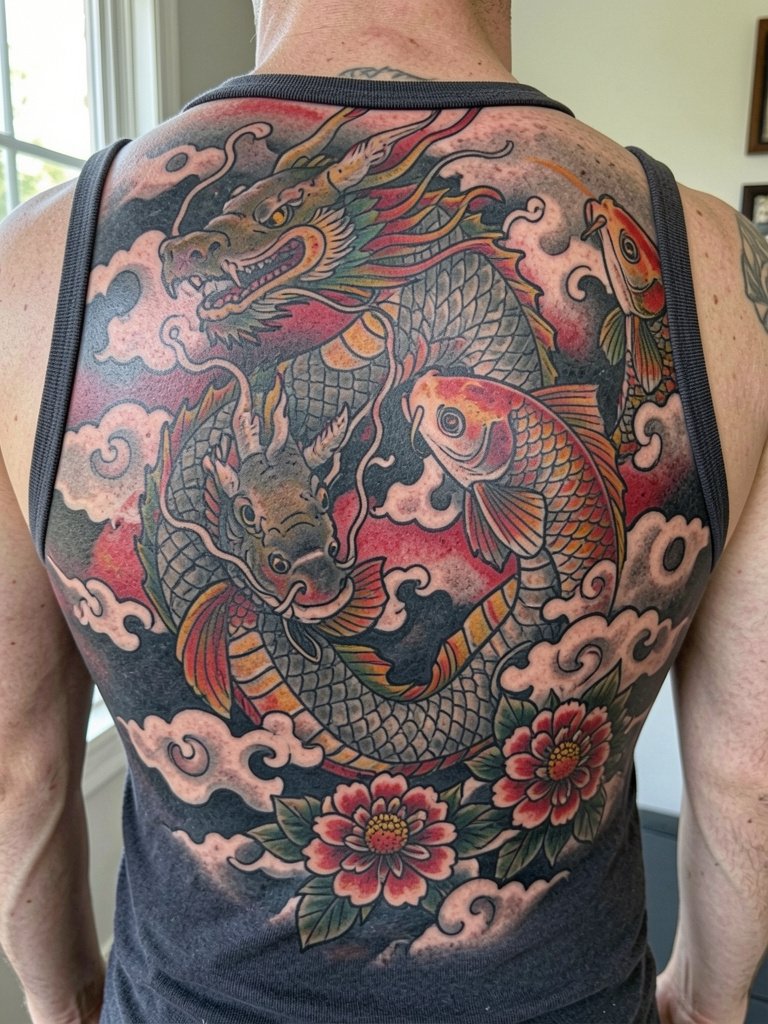
A full Irezumi panel is a major commitment and works best when the artist sketches a staged plan for flow, negative space, and expansion. Ask for a full-size paper mock-up and request deliberate line-weight variation so the main motifs keep priority over background fillers. Many clients underestimate session count so set realistic timelines. For a wardrobe that shows the full back, a backless kimono-style top frames large panels without compressing the silhouette.
Frequently Asked Questions
Q: How long will a Japanese-style back piece take to finish?
A: Full-back projects vary widely. Most large panels are staged across multiple sessions totaling anywhere from ten to thirty hours depending on color saturation and complexity, and sessions are usually spaced weeks apart to allow healing.
Q: Are fine-line sak yant elements appropriate for a full-back layout?
A: Fine-line sak yant elements can work but they need more room and slightly heavier single-needle stroke to survive the back's subtle stretch. If you want fine detail, ask for wider spacing and plan a staged approach so detail remains legible long term.
Q: How should I dress for a long back session to make access easy and protect the work afterward?
A: Wear a loose button-up or a tank top that you can remove or open without pulling fabric over your head during the session. For post-session comfort, low-rise bottoms and soft, non-abrasive fabrics help reduce friction on lower back work. Consider packing a spare loose shirt for the ride home.
Q: Where can I find healed examples and portfolios without naming artists directly?
A: Search platform tags and keywords on photo and video apps, use location filters, and look for healed examples in community threads. Try hashtags like #JapaneseBackTattoo, #FullBackIrezumi, and #HealedTattooShots on social platforms, and browse portfolio sites with keyword filters for "Irezumi healed" and "Japanese back piece."
Q: Will large black fills limit future additions or color overlays?
A: Large black fills can restrict later color layering because they dominate the canvas, but many artists plan overlays from the start. Discuss future expansion with the artist and ask to leave reserved negative space if you might want additions later.