
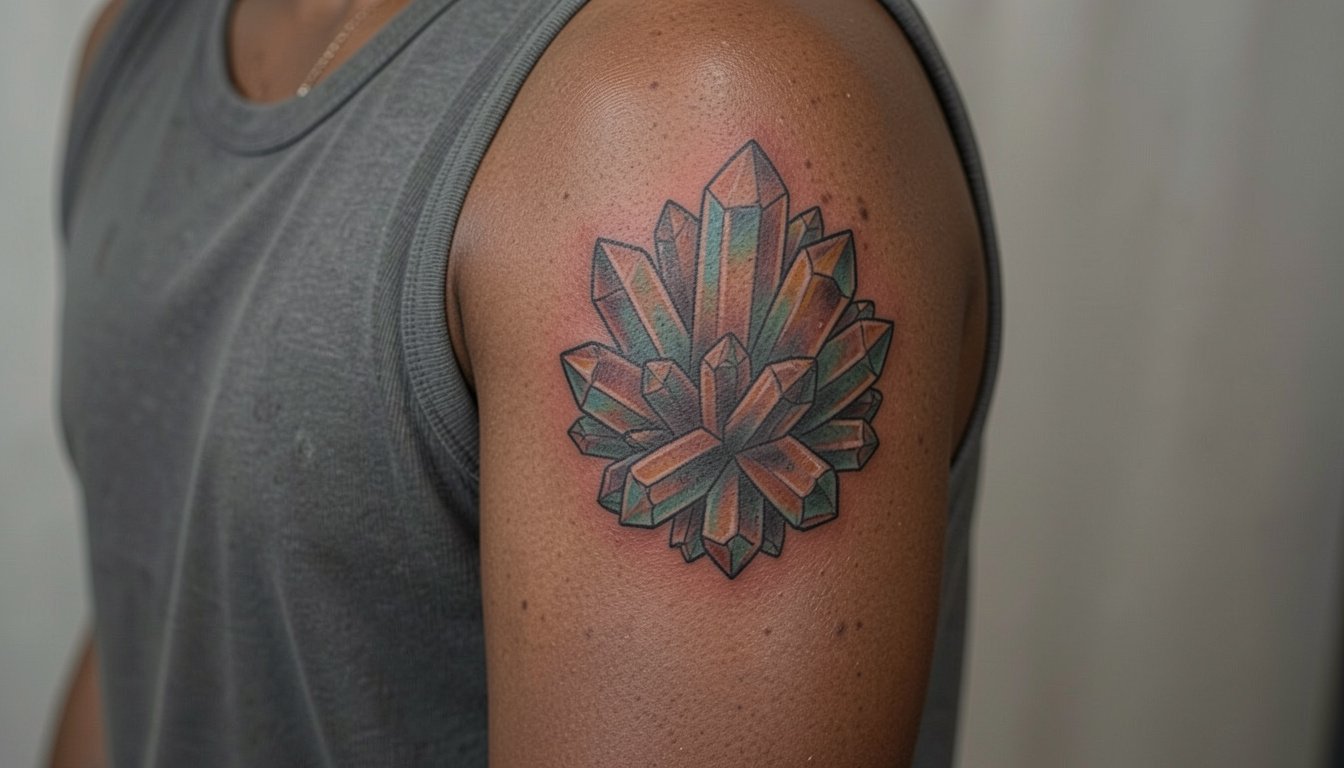
Small, symbolic witchy tattoos are everywhere, but the ones that still read clearly after a few years are not the wispy single-needle stamps you see in every saved folder. They balance line weight, negative space, and composition so moons, herbs, and sigils stay crisp. This list gives 15 concrete designs with placement tips, what to tell the artist about spacing and line weight, and outfit ideas that actually frame the ink.
1. Fine Line Crescent Moon with Stars, Wrist
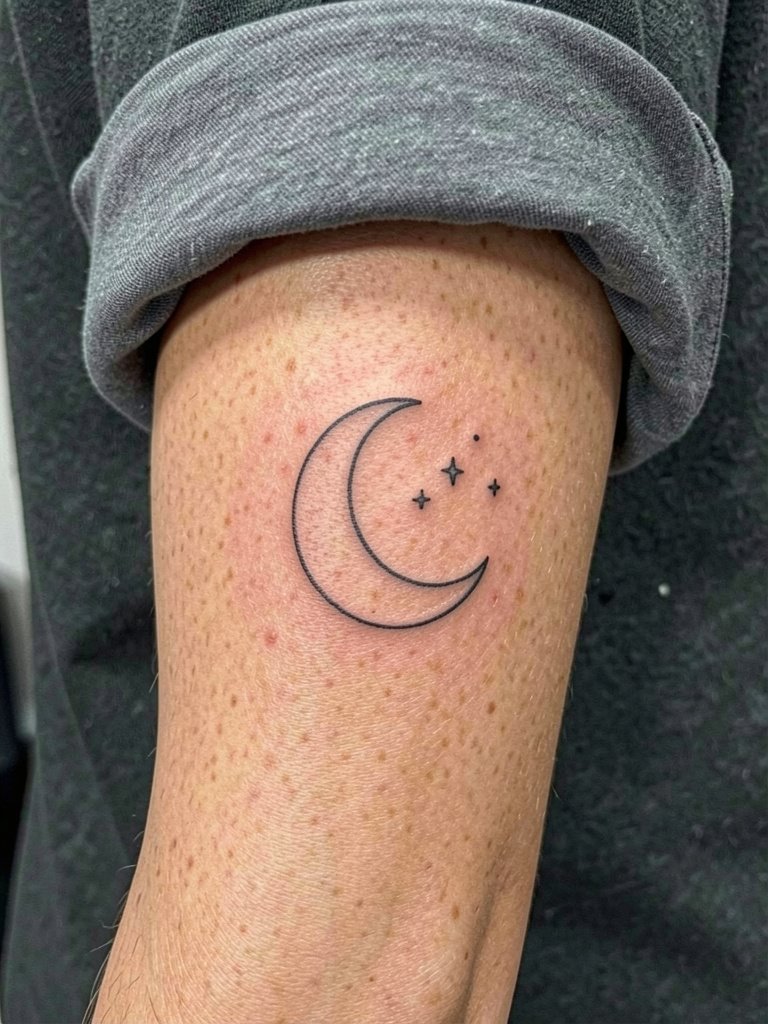
A small crescent and a scatter of dot stars make a subtle lunar sign without tipping into costume. Fine line works visually, but artists split on whether to use single-needle whisper lines or slightly bolder contour here. One camp says ultra-fine lines keep the piece airy and delicate. The other camp says slightly heavier linework preserves legibility after two to five years, especially on a high-movement wrist. Bring a reference showing the exact line thickness you prefer and ask for the design scaled at two sizes so you can see how detail reads at three and five centimeters. For session wear, pull on a short sleeve or a loose cuff shirt so the artist can access the palm-up surface easily. This placement pairs well with a thin gold bracelet on the opposite wrist to echo the moon.
2. Moonflower and Poisonous Botanical Bouquet, Inner Forearm

Botanical tattoos with poisonous plants read like apothecary pieces rather than costume florals. On the inner forearm there is room for stems and negative space which helps herbs age better. Keep shading stipple-based instead of soft wash shading to avoid bleeding into a muddy patch later. Bring clear reference photos of the actual plant silhouettes and ask the artist to space leaves so each petal has breathing room at two centimeters. For the session, a button-front or loose short sleeve makes access simple. If you want to show the piece, layer a cropped denim jacket with the sleeves pushed up.
3. Black Cat Silhouette with Crescent, Ankle
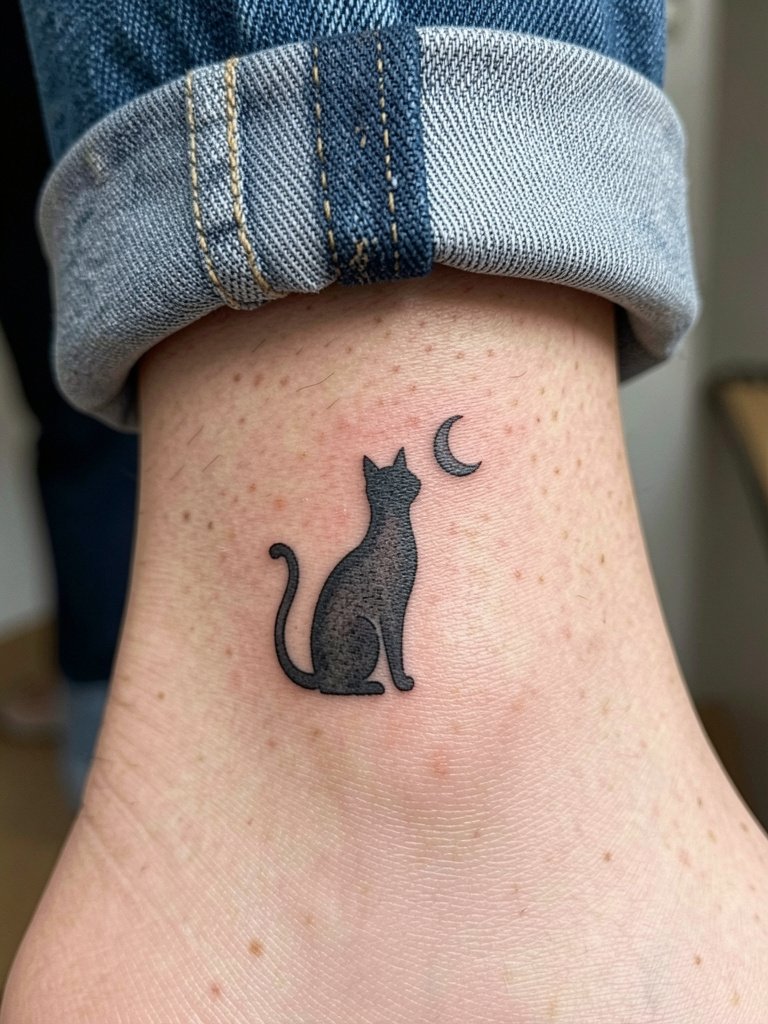
A bold silhouette beats delicate linework at the ankle because socks and shoes create friction. Expect a short session and a quick touch-up window around six to twelve months if the outline softens. One common mistake is requesting tiny, sparse whiskers that blur into the silhouette after healing. Specify that you want a solid black fill for the body and minimal facial detail so the cat reads at small scale. For show-off outfits, cropped jeans or a sandal season look frames ankle pieces, and a simple anklet chain can mirror the curve of the crescent.
4. Crystal Cluster or Crystal Ball, Outer Upper Arm
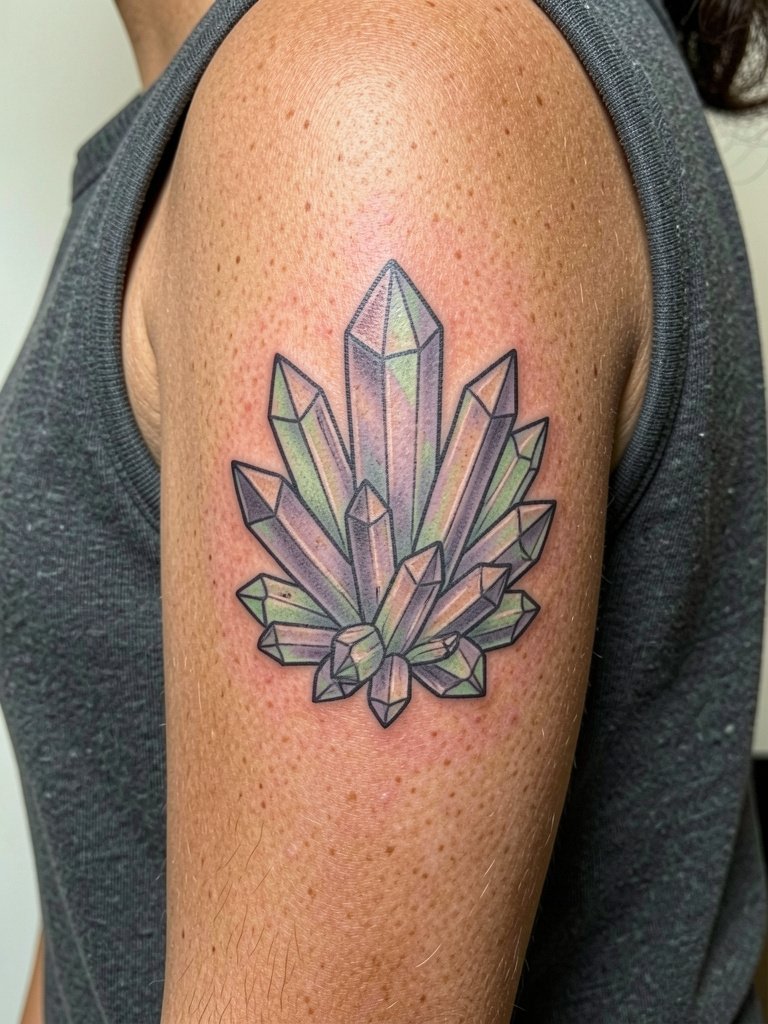
Crystal work often splits people on color versus black-and-gray. One camp favors black-and-gray for the gothic, apothecary vibe and because it typically ages more predictably. The other camp prefers muted color accents for crystal facets to give them life and depth. If you like color, ask for desaturated washes and bold outline anchors to prevent early fading. Outer upper arm is forgiving for saturation, so a two-session approach with linework first and color pass second helps control healing. This placement looks great in sleeveless tops and pairs with an oversized tee you can roll sleeves on to reveal the piece casually.
5. Pentacle or Protective Sigil, Inner Forearm

A protective sigil can be decorative or literal. If you want it as a power symbol, choose exact line intersections and avoid tiny interior flourishes that melt with time. A common error is cramming too much internal ornament into a small disc, which blurs into noise. Ask for a slightly larger ring diameter so the internal geometry has space, and request healed photos from the artist of similar-sized sigils on comparable skin tones. Session time is usually under two hours for a medium forearm piece. For showing it off, try a linen button-down shirt with sleeves rolled to palm-up height.
6. Wand, Spellbook, and Potion Bottle Trio, Outer Forearm
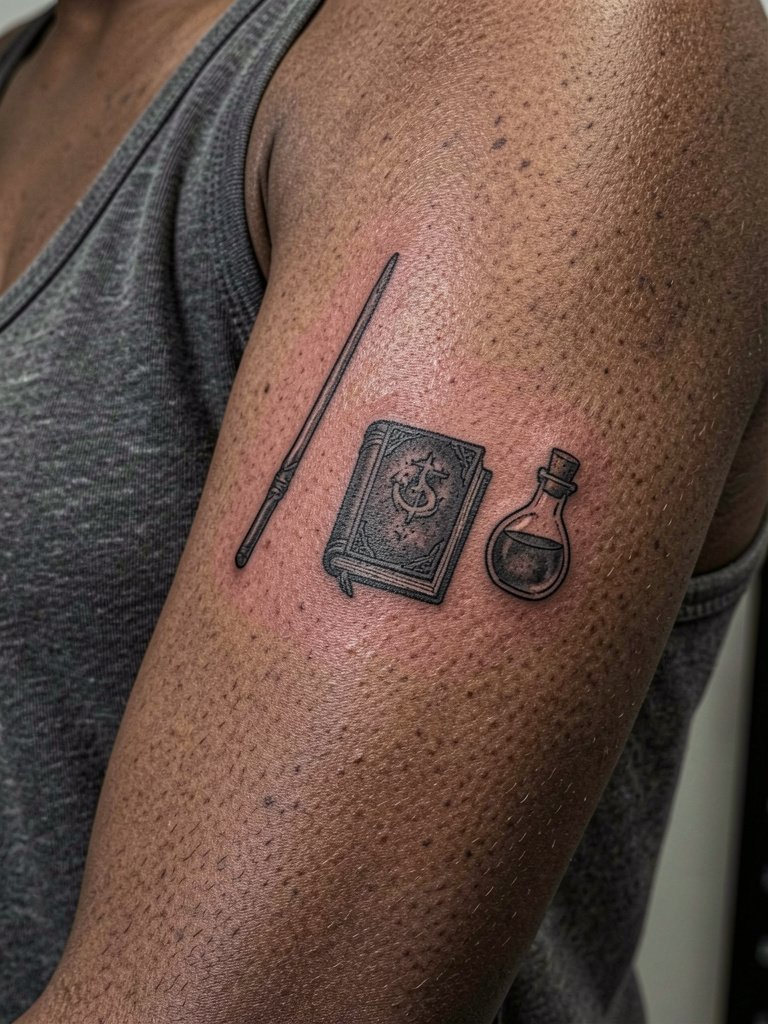
Small narrative sets work well as a coordinated flash trio. Keep each object simplified so the group reads at a glance. A typical mistake is insisting on micro-detail inside the bottle or book that disappears after healing. Tell the artist you want strong silhouette anchors and suggest spacing each object at least two finger-widths apart so there is negative space between motifs. Outer forearm sessions are comfortable and usually one to two hours depending on detail. For styling, exposed forearm pieces pair naturally with boxy vintage tees or layered black basics that let the icons pop.
Session Day Picks
The inner forearm pieces above and the wrist work differently, so a few small extras smooth the appointment and first week.
-
Topical numbing cream. Applied 45 minutes before helps with wrist and inner forearm sensitivity and can make a longer outer forearm session easier to get through.
-
Thin protective film roll. Breathable adhesive film protects the ankle and wrist pieces from friction during the initial healing window.
-
Fragrance-free gentle body wash. Use during showers for the first two weeks to avoid irritants near linework.
-
Small cooling gel pack set. Helps reduce swelling on sensitive placements like the ankle and inner wrist immediately after the session.
-
Aquaphor healing ointment. Thin application in the very first days locks in moisture for fine line work without suffocating the skin.
7. Candle with Smoke, Drips, and Flames, Upper Arm
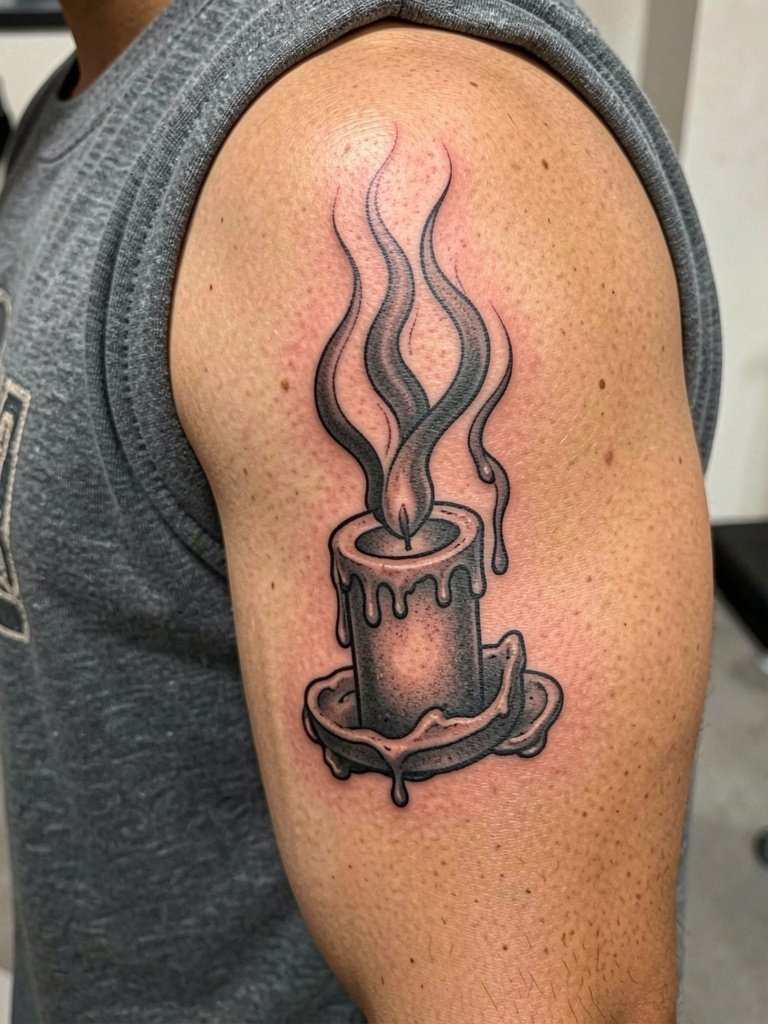
Candles give ritual energy and move well with the curvature of the arm. Use thicker black outlines for drips so negative space reads after healing. The main mistake is using watercolor-style fades in a high-friction area, which can look patchy later. Ask the artist for defined smoke lines rather than soft washes, and schedule a touch-up at the six to twelve month mark if you plan a lot of sun exposure. Upper arm pain is moderate and sessions usually last under two hours. For outfits, sleeveless tanks and muscle tees show the candle and smoke lines cleanly, and an oversized tee to roll sleeves on can be practical for the healing week.
8. Tarot Card Frame with Moon or Witch Symbol, Inner Forearm Vertical
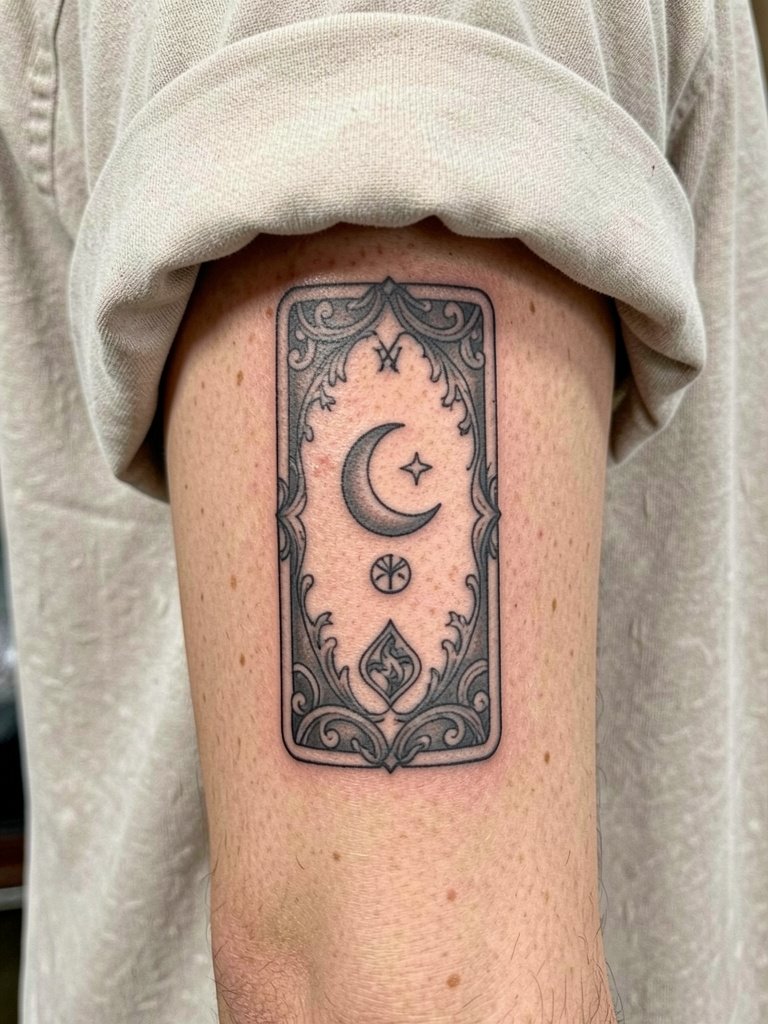
A tarot-card format solves the vertical composition issue for forearms and calves. Keep borders bold enough to frame internal art but not so thick that they dominate. A common error is compressing too much interior ornament into a small card, which blurs over time. Ask the artist to show how the card looks at two sizes and to space the internal icon at center with generous margins. For long-term readability, choose linework that pairs stipple shading with heavier borders. This format works well with rolled cuffs or a loose linen shirt that leaves forearm exposed.
9. Mushroom Cluster or Toadstool Patch, Calf

Mushrooms bridge cottagecore and forest-witch looks. The calf provides room for clusters and layered stems, which helps each cap keep its shape. Mistakes include requesting hairline shading without considering how the calf moves and stretches, which can soften stipple into a blur. Ask for compact clusters with bold cap outlines and stipple shading set to avoid large delicate washes. Calf sessions are comfortable to sit through and usually one session for medium work. Midi skirts and cuffed wide-leg pants reveal calf art elegantly, and a midi skirt works well for show-off outfits.
10. Snake Coiling Through Flowers, Inner Thigh

Inner thigh placements let medium designs show intricate overlaps without crowding. Pain is higher here than on limbs and the skin can be softer, so ask for slightly bolder line weight to preserve definition. The mistake is packing tiny floral detail that the delicate inner-thigh skin will not hold at small scale. Clarify that you want the snake to have clean silhouette segments and floral elements spaced for five-year readability. Sessions often require the client to recline, so wear loose shorts or a skirt that can be removed without tugging the area. This placement is more private, so public show-off clothing suggestions are optional.
11. Thick-Lined Occult Flash with Moths, Bones, and Daggers, Outer Forearm
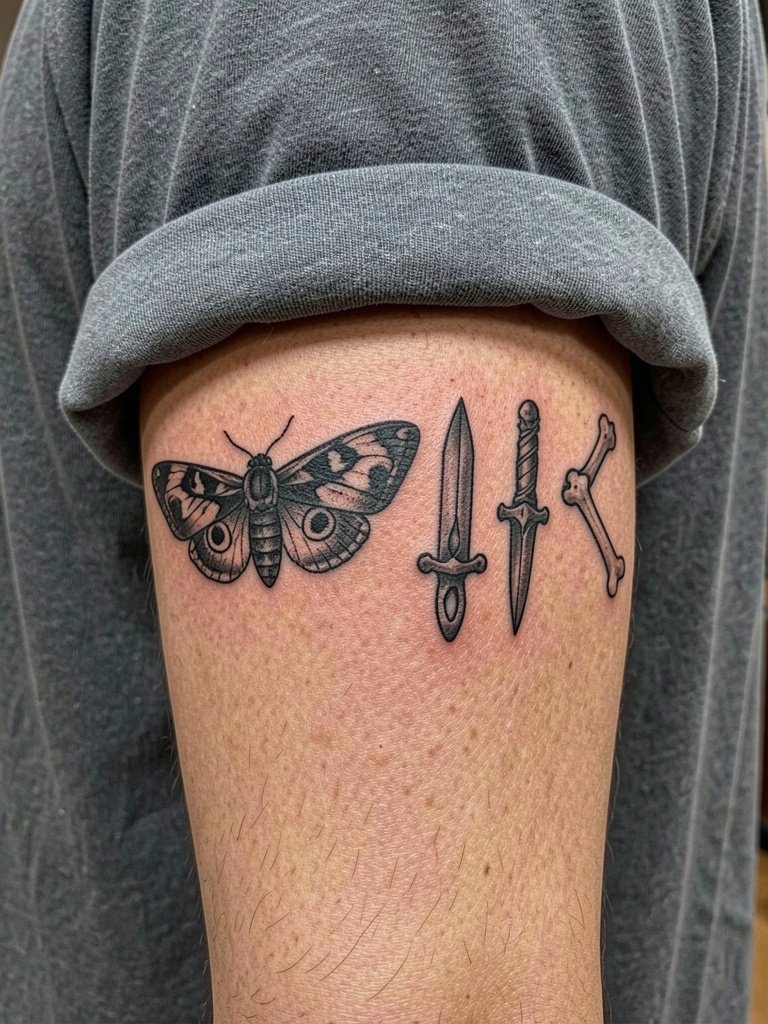
Blackwork flash reads well at a distance and ages predictably because of heavy contrast. The key is strong anchors and consistent saturation. A frequent error is mixing micro-dot fills with thick outlines in a way that removes visual priority. Specify you want the moth or dagger to be the focal point with supporting elements in secondary weight. Outer forearm work is moderate pain and usually a single session for flash. Pairing looks include sleeveless tees or layered basics, and a vintage band tee suits the vibe.
12. Poisons and Remedies: Datura, Hemlock, Bloodroot, Moonflower, Outer Upper Arm
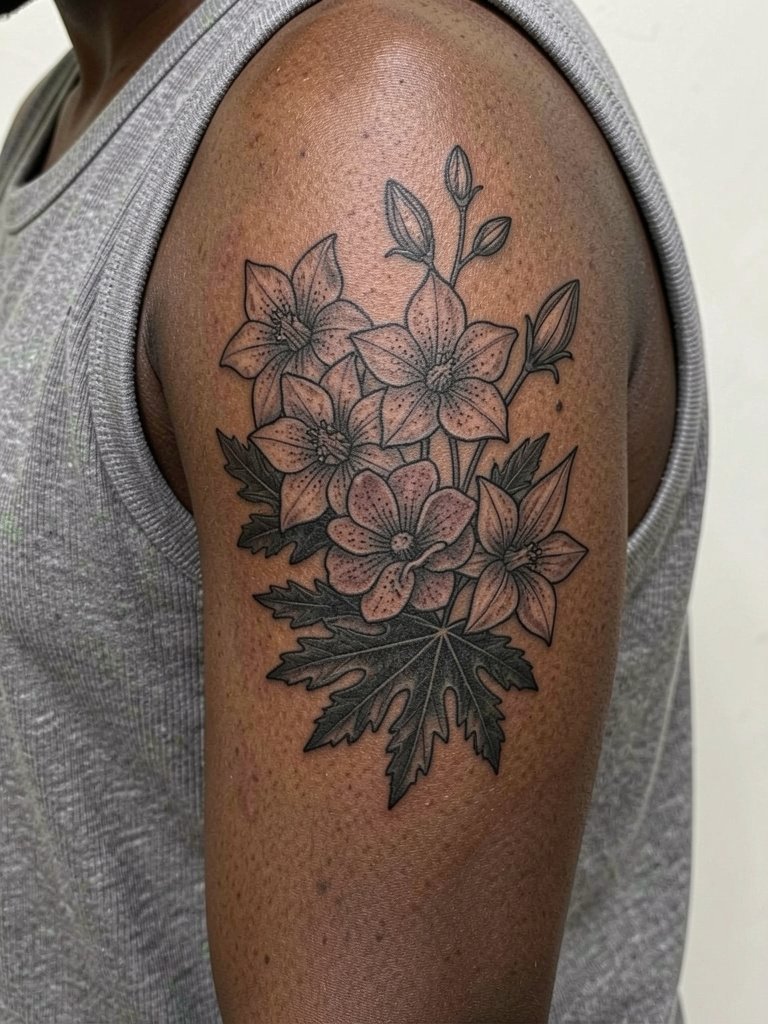
Using specific poisonous plants gives the tattoo insider code without being overtly spooky. For outer upper arm pieces, scale and negative space are your friends. The mistake is over-detailing each leaf vein at small scale which disappears over time. Request medium line weight with stipple shading and ask the artist to show healed examples of similar species on comparable skin tones. Sessions can run one to two hours depending on composition. This placement looks great with sleeveless tanks and an easy ribbed tank top for both session access and show-off styling.
13. Crescent Moon with Botanical Frame, Collarbone
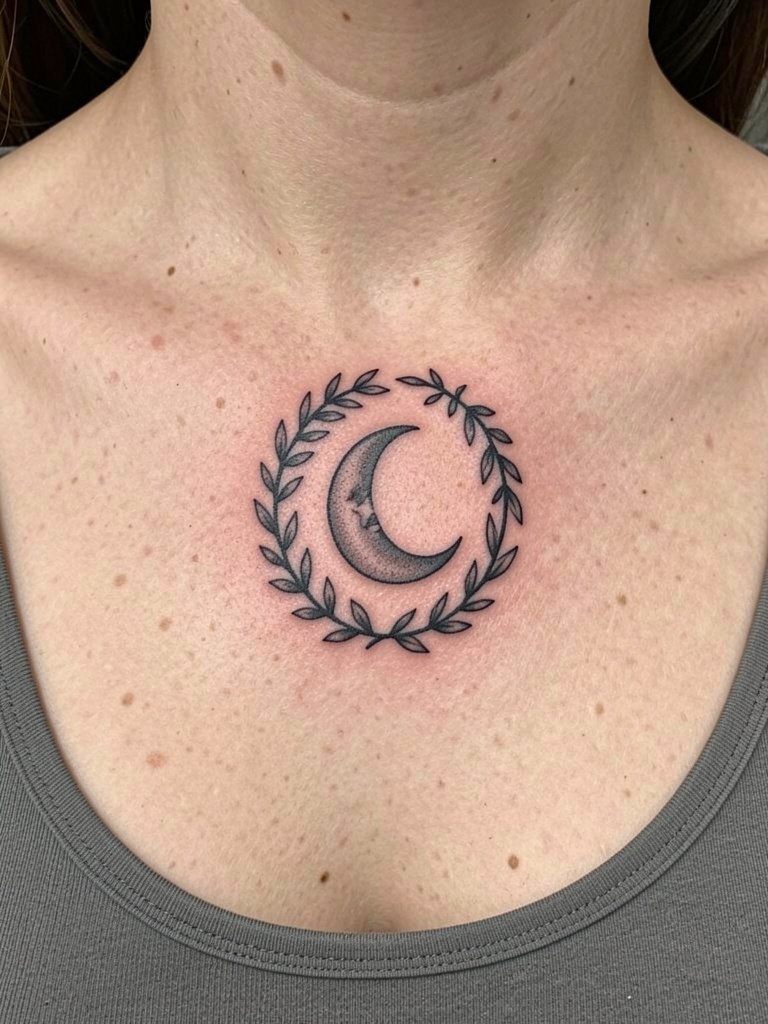
Collarbone work reads delicate if you balance line weight and spacing. The area moves with breaths and shoulders, so finer lines may soften more quickly. A common misstep is asking for micro-vines with tiny leaves that disappear into a blur. Specify a slightly wider leaf contour and ask to see healed collarbone pieces with similar spacing. Pain is moderate because of the thin skin over bone. For showing off, scoop-neck tops or layered fine necklaces complement the garland, and a layered necklace set can echo the frame.
14. Ouija-Inspired Pointer or Board Detail, Upper Chest Below Clavicle
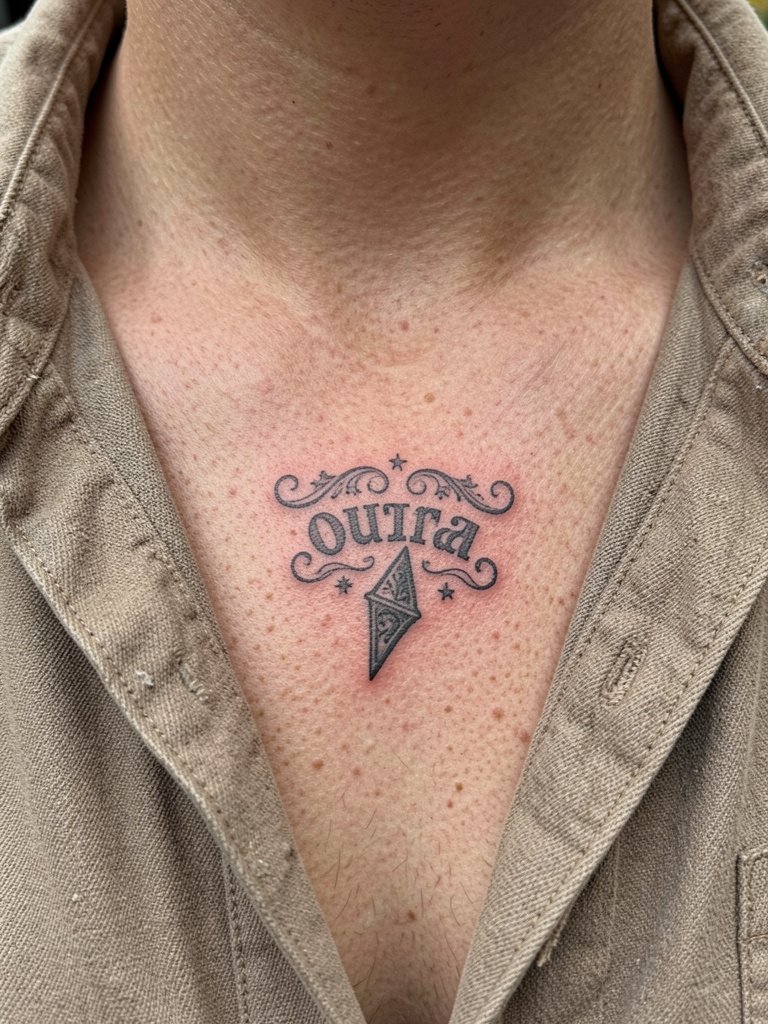
Ouija details lean gothic and need clarity to avoid looking like decorative noise after healing. One common problem is packing script and tiny ornament into a small pointer. Ask the artist to size the pointer so script sits at an easy reading scale and to use ornament as negative space rather than tiny fills. Upper chest can be sensitive and may need short numbing for comfort. Style with open-collar shirts or a blazer with a low neckline to place the piece in view.
15. Tiny Broom, Cauldron, or Spell Jar Flash, Behind the Ear

Behind-the-ear flash is the easiest entry point for a witchy set and it makes for nice matching friend tattoos. Keep icons bold enough to read at tiny scale. A typical error is requesting two-tone shading in a space that cannot hold it. Request solid single-color fills and ask the artist to place designs with clear margins from the hairline. This area can be sensitive due to thin skin, but sessions are short. Keep hair clipped up during the appointment and show it off by tucking hair behind the ear or using a claw clip for an updo.
Frequently Asked Questions
Q: How much should I plan to spend on a small witchy piece like a crescent moon or tiny potion bottle?
A: Prices vary by city and artist, but plan for a session-rate minimum rather than per-design numbers. For tiny fine line work expect a minimum booking fee in many studios and one short session. If you want bolder blackwork or color, budget for a second session for saturation work.
Q: How do I find healed examples and the right artist if I want a poisonous plant tattoo on my skin tone?
A: Search hashtags like #witchytattoo and #poisonousplanttattoo on Instagram and TikTok, then add your city name to find local portfolios. Reddit threads in tattoo communities are useful for seeing healed photos on different skin tones. When messaging an artist, ask for healed shots of similar subject matter on skin tones close to yours.
Q: Will fine line moons and stars disappear over time and which placements fade fastest?
A: Fine line pieces on high-movement or high-friction spots like the wrist and ankle tend to soften faster. One option is to request slightly heavier line weight and stronger silhouette anchors for those placements so the design stays legible at three to five years.
Q: Can I combine color accents with blackwork and still have the tattoo age well?
A: Muted, desaturated color placed inside bold black outlines tends to age better than soft pastel washes. If you want color, ask the artist to map out where outlines will hold saturation and to plan a follow-up session for color top-up if you want extra longevity.
Q: What should I wear to a forearm or upper arm session so the artist has easy access?
A: Wear a button-front shirt or a loose short sleeve that can be rolled up without tugging the tattoo area, or a sleeveless tank if you prefer. For lower-body placements choose loose shorts or skirts that can be removed or rolled up without scraping the site.
Q: Are there controversies about fine line versus bold line for witchy tattoos and how do I choose?
A: Yes, artists and collectors split on this. One camp argues fine line preserves the mystical, delicate look that many people want for moons and herbs. The opposing camp says bolder linework and anchors keep the symbol readable and looking intentional after healing. Your decision should be driven by placement, desired longevity, and whether you want that airy look now or a design that ages with stronger presence.
Q: Is black-and-gray better than muted color for crystal and botanical pieces?
A: People divide into two views. Some prefer black-and-gray for its predictability and for a more occult or apothecary feel. Others like muted color to give crystals and flowers life and personality. If longevity matters, ask for restrained color palettes with strong outlines so the color sits within stable boundaries.